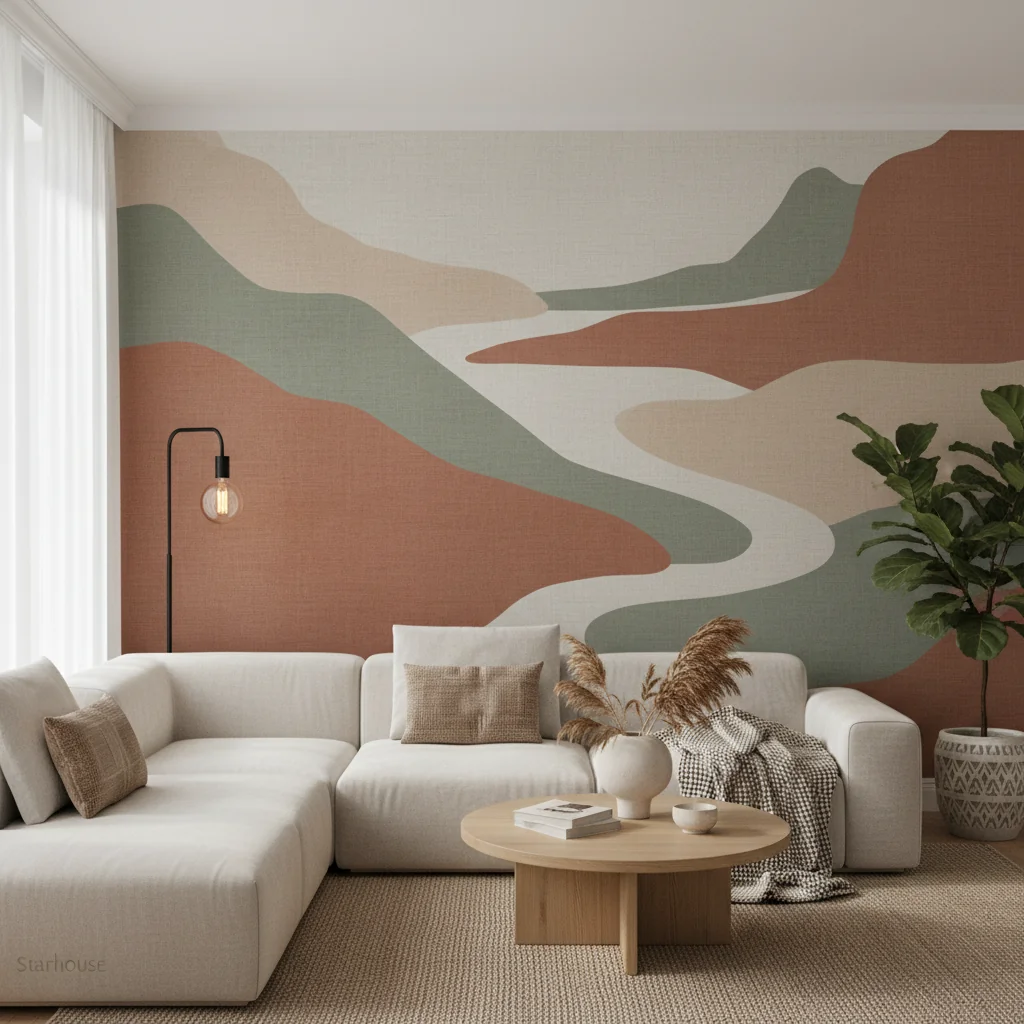
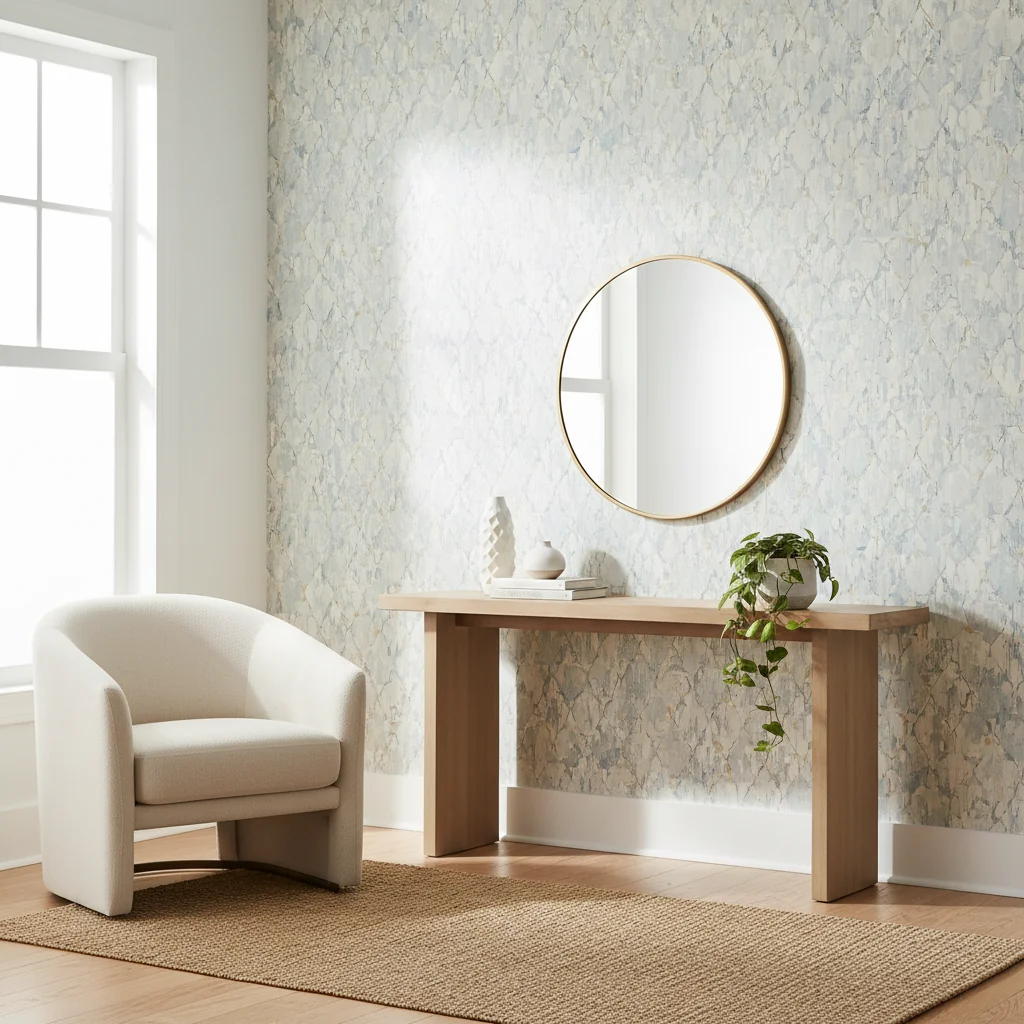
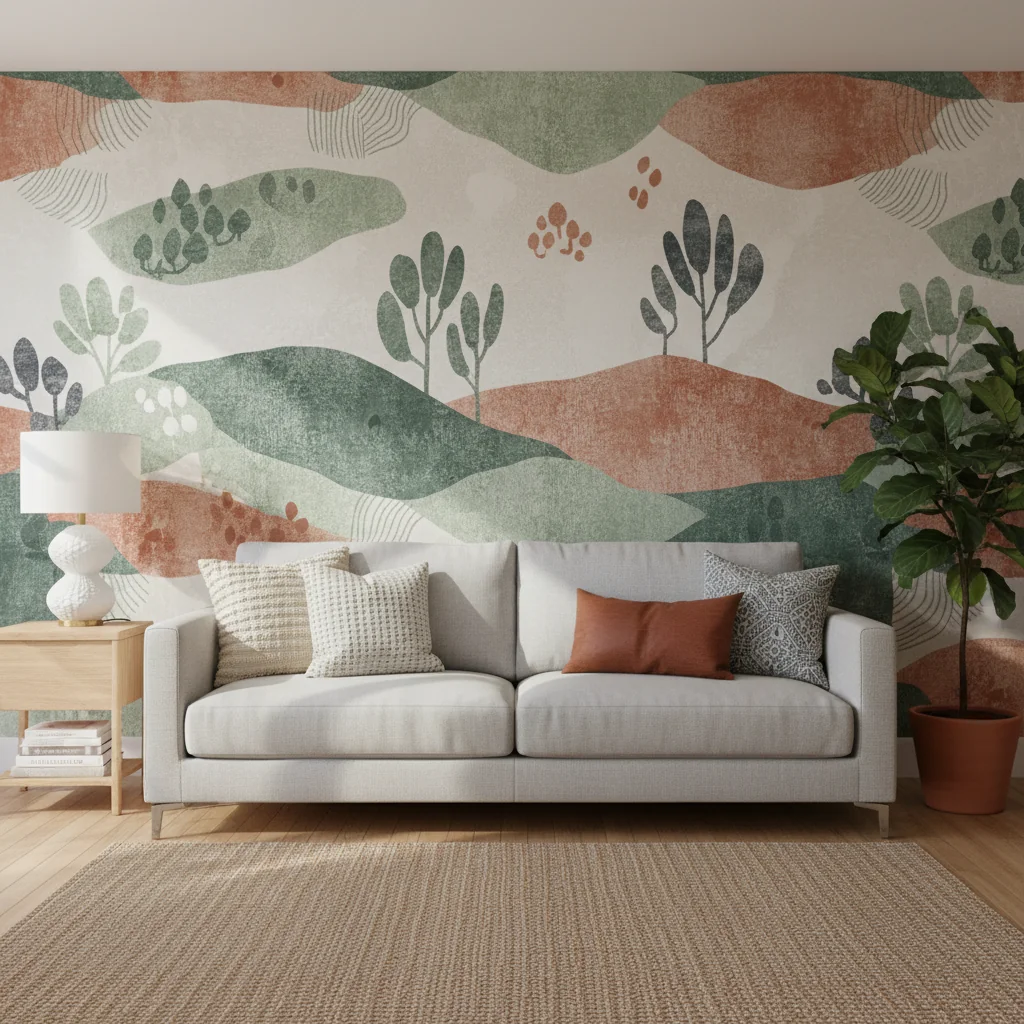
York Wallcoverings represents a cornerstone in American interior design, offering a vast and distinguished collection of wallcoverings that define style, quality, and heritage. As the oldest and largest wallcovering producer in the United States, York provides an unparalleled array of designs, from traditional prints to contemporary textures, meticulously crafted to transform any space into a reflection of refined taste. Their commitment to innovation and enduring artistry ensures that each roll of wallpaper delivers not just aesthetic appeal, but also a legacy of craftsmanship.
Key Takeaways
- York Wallcoverings is the oldest and largest wallcovering producer in the U.S., renowned for its extensive range of high-quality and diverse designs.
- The brand offers various wallpaper types, including traditional pre-pasted, non-woven, peel-and-stick, and specialty options, each suited for different applications and installation preferences.
- York wallpapers are crafted from materials such as paper, vinyl, fabric-backed vinyl, and natural fibers, impacting durability, texture, and ease of maintenance.
- Choosing the right York wallpaper involves considering room function, lighting, existing decor, scale, and desired durability, with precise measuring crucial for a successful installation.
- Proper surface preparation, the correct adhesive, and meticulous application are essential for a flawless and long-lasting wallpaper installation.
- Regular, appropriate care based on the wallpaper material extends its lifespan and preserves its aesthetic integrity.
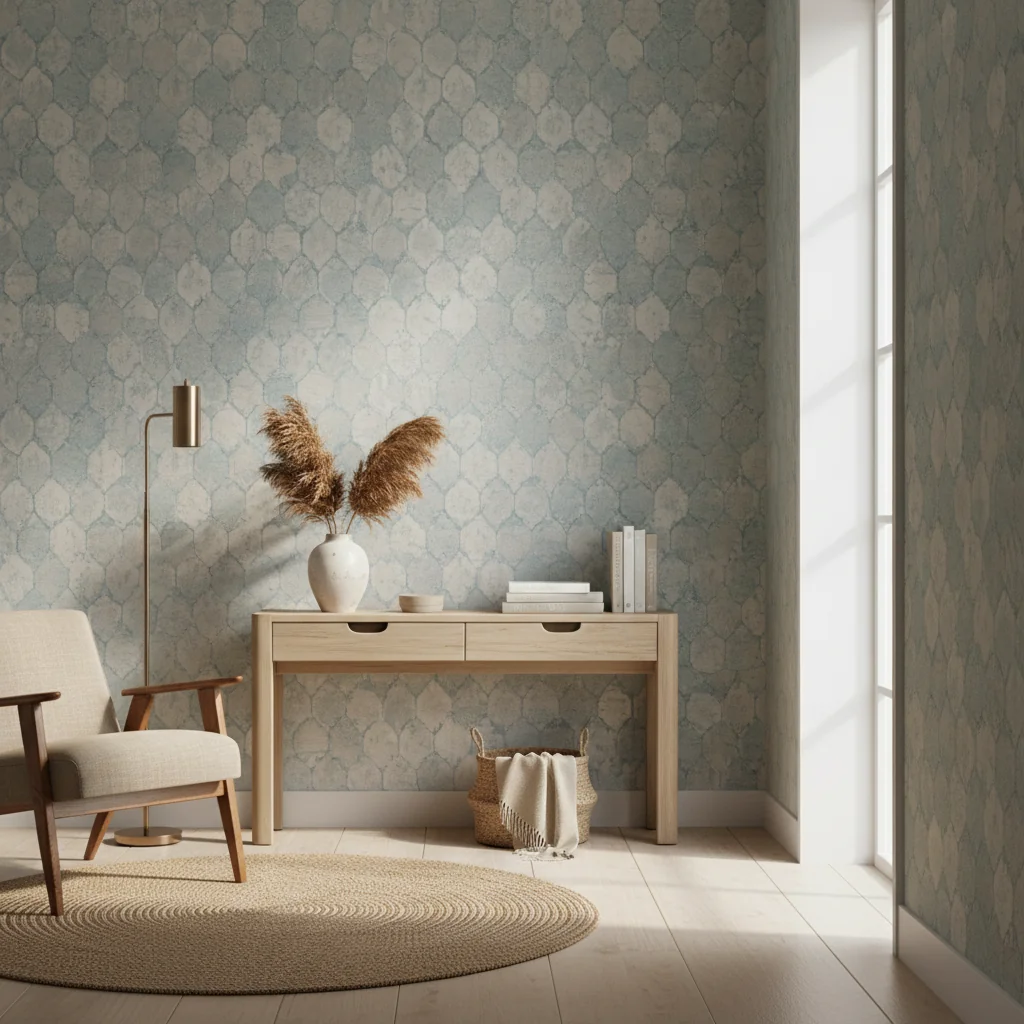
The Enduring Legacy of York Wallcoverings
York Wallcoverings holds a distinguished position in the American interior design landscape, recognized globally for its commitment to heritage, innovation, and an extensive portfolio of designs. Founded in 1895 in York, Pennsylvania, the company has grown to become the oldest and largest wallcovering producer in the United States, manufacturing residential wallpaper, commercial wallcoverings, and wall decals that are distributed across 85 countries worldwide York Wallcoverings. This impressive lineage underscores a century-long dedication to craftsmanship and an evolving understanding of design trends.
The brand’s ethos is rooted in the belief that walls are the canvas of a home, deserving of artistry and quality. York Wallcoverings is not merely a manufacturer; it is a curator of moods, an architect of atmosphere, and a purveyor of personal expression. Their collections are meticulously developed, often drawing inspiration from historical archives, global travels, and contemporary art, ensuring that each pattern tells a story and contributes to a home’s unique character.
A wallcovering is any material used to cover and decorate interior walls, typically sold in rolls and applied with adhesive. York’s commitment to quality is evident in its manufacturing processes, which blend traditional techniques with advanced technology. This approach allows them to produce wallpapers that are not only visually stunning but also durable, easy to maintain, and often environmentally conscious. They maintain stringent quality control standards, from the selection of raw materials to the final printing process, ensuring that every roll meets the high expectations associated with the York name.
This blend of history, artistry, and technical excellence positions York Wallcoverings as a premier choice for designers and homeowners seeking to infuse their spaces with unparalleled style and lasting quality. Their vast catalog reflects a dedication to meeting diverse aesthetic preferences, making them a go-to resource for transforming interiors.
Decoding York Wallpaper: Types and Materials
York Wallcoverings offers a diverse array of wallpaper types and materials, each designed to meet specific aesthetic, functional, and installation preferences. Understanding these distinctions is crucial for selecting the ideal wallcovering that aligns with your project’s demands for durability, ease of application, and visual impact. The primary types include traditional pre-pasted, non-woven, peel-and-stick, and specialty wallpapers, each constructed from various base materials.
The choice of type and material directly influences the wallpaper’s texture, sheen, longevity, and suitability for different environments within a home. For instance, a high-traffic area like a hallway demands a more durable, washable material, while a bedroom might prioritize softness and intricate patterns.
Key Types of York Wallpaper
- Traditional Pre-Pasted Wallpaper: This classic type comes with a dry adhesive applied to the back, activated by simply submerging the paper in water. It is a time-tested method, offering a secure and durable bond. Traditional papers often feature intricate patterns and textures, requiring careful handling during installation to prevent creasing or stretching.
- Non-Woven Wallpaper: Non-woven wallpaper represents a significant advancement in wallcovering technology, known for its exceptional durability and ease of installation and removal. A non-woven wallpaper is made from a blend of natural and synthetic fibers, making it breathable, tear-resistant, and dimensionally stable. It is applied using a paste-the-wall method, where adhesive is applied directly to the wall rather than the paper, simplifying the process and reducing mess. Non-woven papers are also strippable, meaning they can be removed in full sheets without damaging the wall, a major advantage for future redecorating.
- Peel-and-Stick Wallpaper: Also known as removable wallpaper, this type is ideal for renters, temporary installations, or those who enjoy frequent design changes. It features a self-adhesive backing that allows for easy application and repositioning without the need for additional paste or water. While generally less durable than traditional or non-woven options, peel-and-stick offers incredible flexibility and is perfect for accent walls, furniture facings, or experimental designs.
- Specialty Wallcoverings: York also offers specialty wallcoverings that cater to unique design requirements. These can include textured wallcoverings like grasscloth, which adds organic depth; commercial-grade vinyl for high-traffic areas; or murals that create expansive, artistic statements. These specialized options often require particular installation techniques and care.
Common Materials in York Wallpapers
The base material significantly impacts the look, feel, and performance characteristics of York wallpapers.
- Paper (Cellulose): Traditional paper-based wallpapers are breathable and offer a classic look with a soft, matte finish. They are excellent for intricate designs and are typically more budget-friendly. However, they are less durable and less washable than vinyl options, making them best suited for low-traffic areas like bedrooms or formal living rooms.
- Vinyl: Vinyl wallpapers are highly durable, moisture-resistant, and easy to clean, making them ideal for kitchens, bathrooms, and high-traffic areas. They consist of a paper or fabric backing coated with a layer of vinyl. York offers various vinyl types, including solid sheet vinyl, vinyl-coated paper, and fabric-backed vinyl, each with varying degrees of durability and texture. Solid sheet vinyl is the most robust, offering superior washability and scrubbability.
- Fabric-Backed Vinyl: This material combines the strength of vinyl with a fabric backing, providing enhanced tear resistance and stability. It is often used for commercial applications due to its extreme durability but is also available for residential use where longevity and resilience are paramount.
- Non-Woven Blends: As mentioned, these are engineered from a mix of natural and synthetic fibers, offering a balance of breathability, strength, and ease of removal. They are a popular choice for their versatility and user-friendly characteristics.
- Natural Fibers (e.g., Grasscloth, Sisal): These premium materials are crafted from woven natural elements, providing unique textures and an organic, sophisticated aesthetic. Grasscloth, for example, is made from woven plant fibers adhered to a paper backing. Natural fiber wallpapers are typically less durable and require delicate cleaning, making them suitable for areas where their beauty can be admired without heavy wear. They often feature subtle variations in color and texture, which are inherent to their natural origin and contribute to their charm.
Each combination of type and material from York Wallcoverings presents distinct advantages, allowing homeowners and designers to precisely match their selection to the functional requirements and desired aesthetic of any space.
A Universe of Style: Exploring York’s Design Aesthetic
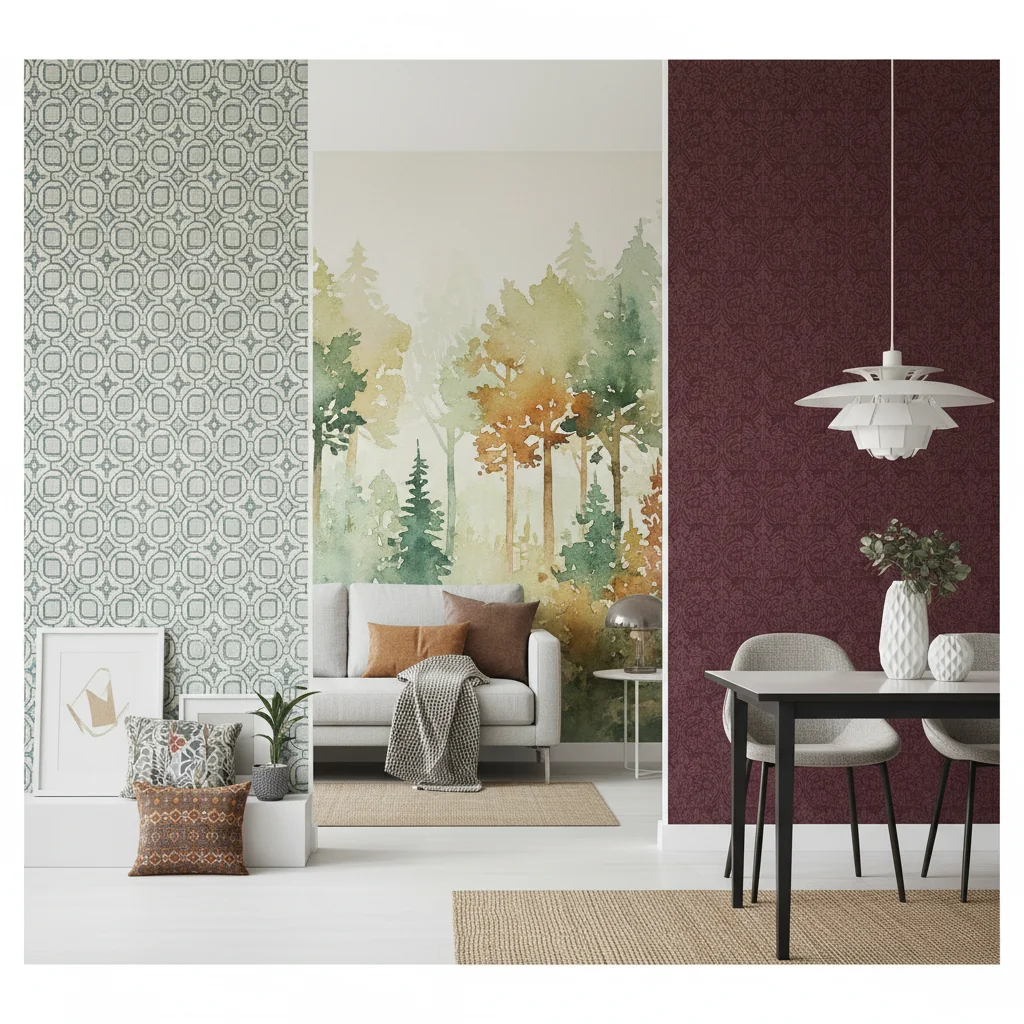
York Wallcoverings is celebrated for its expansive design aesthetic, encompassing everything from timeless traditional motifs to cutting-edge contemporary patterns, ensuring a perfect match for virtually any interior design vision. The brand’s collections are meticulously curated to reflect current trends while honoring classic styles, offering homeowners and designers an unparalleled palette of options to define their spaces. This breadth of style is a hallmark of York’s commitment to diverse artistic expression.
Their designers are adept at translating broad stylistic movements into tangible, high-quality wallcoverings. Whether your home leans towards historical grandeur, minimalist serenity, or vibrant eclecticism, York provides the patterns, textures, and colors to achieve a cohesive and impactful design.
Signature Styles and Patterns from York
- Traditional and Classic: York excels in traditional designs, drawing from historical archives to create patterns like damasks, toile, intricate florals, and neoclassical motifs. These styles often feature rich color palettes and detailed artwork, ideal for formal living rooms, dining areas, or bedrooms seeking an elegant, time-honored ambiance. Their traditional offerings frequently evoke a sense of heritage and refined luxury.
- Contemporary and Modern: For spaces that embrace sleek lines and current aesthetics, York offers a robust selection of contemporary wallpapers. These include geometric patterns, abstract designs, metallic accents, and minimalist textures. Color palettes often feature sophisticated neutrals, bold monochromes, or vibrant, on-trend hues, perfect for urban apartments, modern offices, or cutting-edge living spaces.
- Transitional: Bridging the gap between traditional and modern, transitional designs combine classic elements with contemporary sensibilities. Think updated damasks with subtle metallic sheen, simplified floral patterns, or textured plains that offer depth without overwhelming detail. This style is highly versatile, suiting a broad range of homes that desire comfort and sophistication without strict adherence to one era.
- Maximalist and Eclectic: York caters to the maximalist trend with vibrant, intricate, and often large-scale patterns. These can include lush botanicals, exotic animal prints, Chinoiserie, or bold geometric arrangements designed to make a dramatic statement. These wallpapers are perfect for creating focal points or enveloping an entire room in rich, layered design.
- Minimalist and Textured Plains: Even within minimalism, texture plays a crucial role. York provides a wide array of textured plain wallpapers, from subtle linen weaves and grasscloth imitations to faux concrete or plaster effects. These add depth and interest to a room without introducing patterns, maintaining a serene and understated elegance. They are ideal for creating a sophisticated backdrop that allows furniture and art to take center stage.
- Specialty Textures: Beyond printed patterns, York offers authentic textural wallcoverings such as genuine grasscloth, cork, and woven sisal. These natural materials introduce organic warmth, unique tactile qualities, and subtle variations that add unparalleled character to a room. They are particularly effective in creating a connection to nature and enhancing a sense of tranquility.
- Children’s and Themed Designs: York also features playful and imaginative collections specifically designed for children’s rooms or themed spaces. These can range from whimsical animals and storybook scenes to educational maps and starscapes, all crafted with the same quality and attention to detail as their adult collections.
The ability of York Wallcoverings to consistently deliver such a broad and high-quality range of styles is a testament to their design team’s expertise and their deep understanding of consumer preferences. Their collections empower homeowners to express their individuality and create spaces that resonate with their personal aesthetic.
The Art of Selection: Choosing the Perfect York Wallpaper
Choosing the perfect York wallpaper is a deliberate process that involves considering several critical factors to ensure the selected design harmonizes with your space and meets your practical needs. A thoughtful selection process prevents costly mistakes and ensures long-term satisfaction with your interior transformation. This involves evaluating the room’s function, existing decor, lighting, and the specific characteristics of the wallpaper itself.
The goal is to create a cohesive and inviting environment where the wallpaper enhances, rather than competes with, other design elements. We recommend a systematic approach to narrow down the vast options available from York Wallcoverings.
Factors to Consider for Selection
-
Room Function and Traffic:
The purpose of the room dictates the required durability and washability of the wallpaper. High-traffic areas like hallways, entryways, and children’s rooms benefit from durable, scrubbable vinyl or fabric-backed vinyl wallpapers. Kitchens and bathrooms require moisture-resistant and washable options. For low-traffic areas such as formal dining rooms or guest bedrooms, delicate paper-based or natural fiber wallcoverings are excellent choices for their aesthetic appeal.
-
Existing Decor and Furniture:
The wallpaper should complement your current furniture, textiles, and architectural features. Consider the dominant colors, textures, and styles already present in the room. If your furniture is ornate, a simpler wallpaper might be more appropriate. Conversely, a minimalist room can often benefit from a bold, patterned wallpaper as a focal point. Always obtain samples to see how they interact with your existing elements in situ.
-
Lighting Conditions:
Natural and artificial light significantly impact how wallpaper colors and patterns appear. In rooms with abundant natural light, darker or bolder patterns can be used without making the space feel small. In dimly lit rooms, lighter colors and reflective surfaces (like metallics or pearlescent finishes) can help brighten the space. Always observe wallpaper samples at different times of day to assess their true appearance under varying light.
-
Scale and Pattern Repeat:
The size of the pattern should be proportionate to the size of the room. Large, bold patterns can overwhelm a small room but can create a dramatic statement in a spacious area. Smaller, intricate patterns can add detail without overpowering a compact space. Consider the pattern repeat — the distance before a design element repeats — which affects both aesthetic flow and the amount of paper needed.
-
Color Psychology:
Colors evoke emotions and influence mood. Warm colors (reds, oranges, yellows) can make a room feel cozy and energetic, while cool colors (blues, greens, purples) tend to create a serene and calming atmosphere. Neutrals provide a versatile backdrop. Choose colors that align with the desired mood and function of the room.
-
Desired Aesthetic and Personal Style:
Ultimately, the wallpaper should reflect your personal taste and contribute to the overall aesthetic you wish to achieve. Whether you prefer classic elegance, modern simplicity, rustic charm, or vibrant eclecticism, York offers options to match. Trust your instincts while balancing practicality.
-
Durability and Maintenance Requirements:
Evaluate the care instructions for different materials. Vinyl wallpapers are generally the easiest to clean and most durable, while natural fibers require more delicate care. Understand the long-term commitment to maintenance before making a final decision.
Comparison Table: York Wallpaper Types at a Glance
| Wallpaper Type | Primary Material | Durability | Washability | Installation Method | Removal Method | Ideal Use Cases |
|---|---|---|---|---|---|---|
| Traditional Pre-Pasted | Paper (Cellulose) | Moderate | Limited (Wipeable) | Water-activated paste | Peelable (may leave residue) | Low-traffic areas, bedrooms, formal living rooms |
| Non-Woven | Natural/Synthetic Fibers | High | Good (Washable) | Paste-the-wall | Strippable (removes in full sheets) | Living rooms, dining rooms, hallways, bedrooms |
| Peel-and-Stick | Vinyl with Adhesive Backing | Moderate | Good (Wipeable) | Self-adhesive (peel & stick) | Fully Removable (no residue) | Rentals, accent walls, temporary decor, furniture projects |
| Solid Sheet Vinyl | Vinyl with Fabric/Paper Backing | Very High | Excellent (Scrubbable) | Paste-the-paper/wall | Strippable | Kitchens, bathrooms, high-traffic areas, commercial spaces |
| Natural Fibers (e.g., Grasscloth) | Woven Natural Fibers (Grass, Sisal) | Delicate | Limited (Dab clean only) | Paste-the-paper | Difficult (professional removal recommended) | Low-traffic areas, accent walls, sophisticated living spaces |
Making an informed decision about York wallpaper involves a blend of aesthetic appreciation and practical consideration. By carefully evaluating these factors, you can confidently select a wallcovering that not only beautifies your home but also performs optimally for years to come.
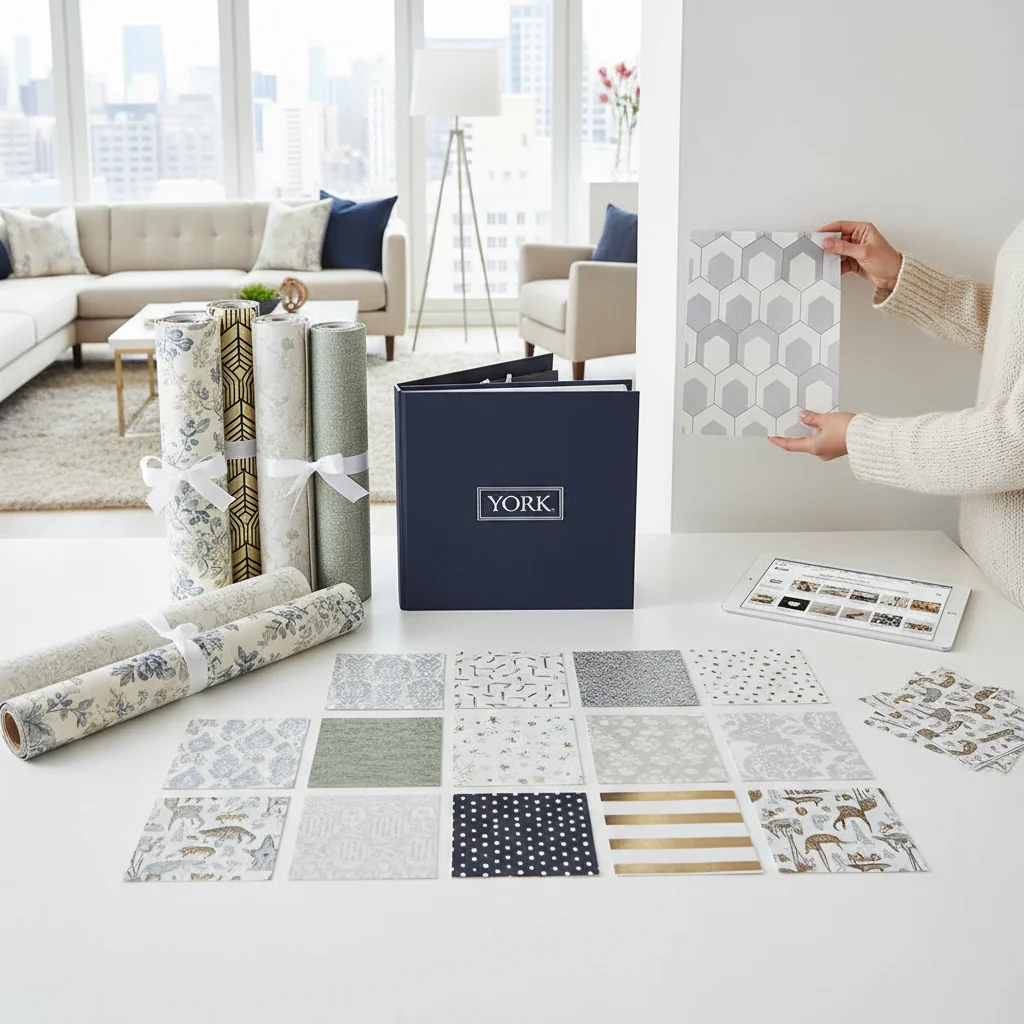
As you consider the myriad of options York Wallcoverings offers, remember that the perfect choice is one that resonates with your personal style while meeting the functional demands of your home. We at Starhouse are curating a collection that speaks to every design aspiration.
Tell us what you’re looking for and get early access to our exclusive selections.
Precision in Planning: Sizing and Measuring for York Wallpaper
Accurate sizing and meticulous measuring are foundational steps to a successful wallpaper installation, ensuring you purchase the correct number of rolls and minimize waste. An underestimation can lead to frustrating delays and potential color discrepancies if subsequent batches are needed, while overestimation results in unnecessary expense. Precise measurements are non-negotiable for a professional and seamless finish.
We recommend a systematic approach to measuring your space, accounting for all architectural features and the specific characteristics of your chosen York wallpaper, especially its pattern repeat.
Step-by-Step Measuring Guide
-
Measure Wall Height:
Measure the height of each wall from the baseboard to the ceiling. If your ceiling height varies, take measurements at several points and use the tallest measurement for calculation. For walls with irregular features like sloped ceilings, measure the maximum height required for each strip.
-
Measure Wall Width:
Measure the total width of each wall. Add these widths together to get the total perimeter of the room you intend to wallpaper. Do not subtract for doors or windows at this stage, as you will need the extra paper for pattern matching and trimming.
-
Calculate Total Square Footage:
Multiply the total perimeter (sum of all wall widths) by the maximum wall height to get the total square footage of the area to be covered. For example, if a room is 10 feet wide by 12 feet long, and the ceiling is 8 feet high: (10 ft + 10 ft + 12 ft + 12 ft) = 44 ft total width. 44 ft * 8 ft = 352 sq ft.
-
Account for Pattern Repeat:
The pattern repeat is the vertical distance on a wallpaper roll before the design elements begin to repeat themselves. This measurement is crucial for ensuring patterns align seamlessly across strips. For patterned wallpapers, you must add the pattern repeat length to each strip’s height before calculating how many strips you can get from a roll. For example, if your wall is 8 feet (96 inches) high and the pattern repeat is 24 inches, you will need to cut strips approximately 120 inches long to allow for matching and trimming (96 inches + 24 inches = 120 inches, or 10 feet).
-
Determine Number of Strips Per Roll:
York wallpaper rolls typically come in standard widths, such as 20.5 inches or 27 inches, and lengths like 16.5 feet or 33 feet. Divide the total usable length of one roll by the adjusted height of a single strip (wall height + pattern repeat) to determine how many full strips you can obtain from one roll. For instance, a 33-foot (396-inch) roll, with strips adjusted to 120 inches each, yields 396 / 120 = 3.3 strips. You can only get 3 full strips per roll.
-
Calculate Total Number of Rolls:
Divide the total width of the walls (from step 2) by the width of one wallpaper strip (which is the roll’s width, e.g., 20.5 inches). This gives you the total number of strips needed. Then, divide the total number of strips needed by the number of strips you can get from one roll (from step 5). Round up to the nearest whole number to determine the total rolls required. Always factor in an additional 15-20% for waste, trimming, and future repairs, especially with large pattern repeats or complex rooms.
-
Account for Doors and Windows:
While you initially included these areas in your total square footage, you can refine your roll count by calculating the square footage of doors and windows and subtracting it from the total. However, always err on the side of caution and maintain the 15-20% waste allowance. For complex patterns, it’s often safer to ignore cutouts entirely in your initial roll count to ensure sufficient material for matching.
Essential Measuring Tools:
- Steel Measuring Tape: For accurate and consistent measurements.
- Pencil: For marking measurements on walls and wallpaper.
- Ladder or Step Stool: To reach high points safely.
- Calculator: For precise computations.
- Notebook: To record all measurements and calculations systematically.
By dedicating sufficient time to these measuring and calculation steps, you ensure that your York wallpaper project proceeds smoothly, with adequate material and a professional outcome. This precision is a hallmark of successful interior design.
Mastering Installation: Tips for a Flawless Finish
Achieving a flawless wallpaper installation with York products requires careful preparation, the right tools, and meticulous application techniques tailored to the specific type of wallpaper. While some York wallpapers, particularly peel-and-stick, are designed for easier DIY application, traditional and non-woven varieties benefit significantly from a methodical approach to ensure durability and a professional appearance. Proper installation is as critical as the selection of the wallpaper itself.
We outline the essential steps and considerations to guide you through a successful wallpapering project, whether you’re tackling it yourself or overseeing a professional.
Step-by-Step Installation Guide
-
Surface Preparation: The Foundation of Success
This is arguably the most critical step. Walls must be clean, dry, smooth, and free of any debris, grease, or old wallpaper. Fill any holes or cracks with spackle, sand smooth, and then prime the walls. We recommend using a high-quality, oil-based primer or a specialized wallpaper primer (such as a “size”) to seal the surface, promote adhesion, and allow for easier repositioning and future removal. For new drywall, ensure it is properly sealed. For dark-colored walls, a primer tinted to match the wallpaper’s background color can prevent show-through.
-
Gather Your Tools: Equipping for Efficiency
Having the right tools readily available streamlines the process. Essential tools include: a sharp utility knife with plenty of fresh blades, a smoothing tool (plastic smoother or wallpaper brush), a plumb bob or laser level for vertical lines, a measuring tape, a pencil, a bucket and sponge for paste cleanup, a seam roller, and a straightedge or metal ruler. For traditional wallpaper, you’ll also need a paste brush or roller and a pasting table.
-
Cutting and Preparing Strips: Precision is Key
Unroll your York wallpaper and cut strips according to your measured wall height, adding 4-6 inches to both the top and bottom for trimming. If your wallpaper has a pattern repeat, ensure you cut strips sequentially, aligning the pattern before cutting each subsequent piece. Number the back of each strip at the top to maintain the correct order and orientation.
-
Applying Adhesive (Type-Specific):
- Traditional Pre-Pasted: Submerge the cut strip in a water tray for the recommended time (usually 30-60 seconds) to activate the adhesive. “Book” the paper by folding the pasted ends towards the center, pasted side to pasted side, allowing it to relax for 5-10 minutes.
- Non-Woven (Paste-the-Wall): Apply a high-quality, pre-mixed clear wallpaper paste directly to the wall using a roller, covering an area slightly wider than your wallpaper strip. Do not apply paste to the wallpaper itself.
- Peel-and-Stick: Simply peel back a few inches of the backing paper from the top of the strip. Do not remove the entire backing at once.
-
Hanging the First Strip: Establish Your Baseline
Start in an inconspicuous corner or next to a door frame. Use a plumb bob or laser level to draw a perfectly vertical line on the wall, one wallpaper width away from your starting point. This line is crucial for ensuring all subsequent strips are straight. Align the edge of your first strip precisely with this line, leaving excess at the top and bottom. Smooth the paper onto the wall from the center outwards, pushing out any air bubbles with your smoothing tool.
-
Continuing with Subsequent Strips: Pattern Matching and Seams
For each subsequent strip, align its pattern precisely with the previous strip before adhering it to the wall. Butt the edges together without overlapping to create nearly invisible seams. Use a seam roller to gently press down the seams, ensuring a secure bond without squeezing out excess adhesive (especially important for textured papers). If adhesive does squeeze out, wipe it immediately with a damp sponge.
-
Trimming Excess: The Finishing Touch
Once each strip is smoothed, use a sharp utility knife and a straightedge to carefully trim the excess paper at the ceiling, baseboards, and around windows or doors. Change blades frequently to ensure clean cuts and prevent tearing. For outlets and switches, turn off the power, remove the cover plates, wallpaper over the opening, then carefully cut out the opening with your utility knife before replacing the cover plate.
-
Final Inspection and Cleanup:
After all strips are hung and trimmed, inspect the entire wall for any missed air bubbles (which can often be pricked with a pin and smoothed), loose seams, or adhesive residue. Clean off any paste with a damp sponge, being careful not to saturate the paper. Allow the wallpaper to dry completely, which can take 24-48 hours, avoiding extreme temperature changes during this period.
By following these detailed steps, even a novice can achieve a highly professional result with York wallpaper, transforming a room with confidence and precision. For complex installations or very delicate materials, consulting with a professional installer is always a recommended option.
Preserving Beauty: Care and Maintenance of York Wallpaper
Proper care and maintenance are essential for preserving the aesthetic appeal and extending the lifespan of your York wallpaper, protecting your investment for years to come. The specific cleaning methods depend entirely on the wallpaper’s material and finish, as different types respond differently to moisture and cleaning agents. Understanding these distinctions ensures you clean effectively without causing damage.
We strongly advise consulting the manufacturer’s care instructions provided with your specific York wallpaper, as these will offer the most precise guidance. Generally, wallpaper is categorized by its washability rating.
Understanding Washability Ratings
- Wipeable: Can be gently wiped with a damp cloth or sponge to remove light dirt. Avoid scrubbing or using harsh cleaners. Typically applies to paper-based or delicate fabrics.
- Washable: Can withstand cleaning with a damp cloth or sponge and mild soap solution. Suitable for light to moderate dirt. Common for non-woven and some vinyl-coated papers.
- Scrubbable: Highly durable and can be cleaned with a sponge, mild detergent, and light scrubbing. Ideal for high-traffic areas and often found in solid vinyl or fabric-backed vinyl wallpapers.
General Care Guidelines
-
Regular Dusting:
Periodically dust your wallpaper with a soft, dry cloth or a vacuum cleaner brush attachment. This prevents dust and cobwebs from accumulating and embedding into the surface, which can be harder to remove later.
-
Spot Cleaning for Stains:
Address spills and stains immediately. The longer a stain sits, the harder it is to remove. For most washable wallpapers, a solution of mild dish soap and warm water applied with a soft sponge is effective. Dab gently; do not rub vigorously, especially on delicate surfaces. Always test any cleaning solution on an inconspicuous area first.
-
Avoid Harsh Chemicals:
Never use abrasive cleaners, strong detergents, solvents, or bleach on wallpaper unless specifically instructed by the manufacturer. These can strip colors, damage finishes, or weaken the material.
-
Control Humidity:
High humidity can cause wallpaper seams to lift or paper to peel. In bathrooms or humid climates, ensure proper ventilation. Consider using a dehumidifier in excessively damp environments to maintain stable conditions.
-
Protect from Direct Sunlight:
Prolonged exposure to direct sunlight can cause wallpaper colors to fade over time, particularly with natural fiber or paper-based designs. Use blinds, curtains, or UV-filtering window films to protect your wallcoverings from intense sun exposure.
-
Handling Tears and Damage:
For small tears or lifted seams, use a specialized wallpaper adhesive to reattach the affected area. For larger damage, if you have extra wallpaper from the original installation, you can carefully patch the area. Cut a piece slightly larger than the damaged spot, align the pattern, and cut through both the patch and the damaged paper to create a seamless repair. Remove the damaged section and apply the new patch with adhesive.
-
Special Considerations for Natural Fibers (e.g., Grasscloth):
Natural fiber wallpapers are generally not washable and should be dusted regularly. For spills, blot immediately with a clean, dry cloth. Avoid any liquid cleaners, as they can cause watermarks or discoloration. Professional cleaning might be an option for significant stains, but prevention is the best approach for these delicate materials.
-
Peel-and-Stick Care:
While generally durable and wipeable, avoid excessive rubbing or aggressive cleaning on peel-and-stick wallpapers, as this can compromise the adhesive or damage the surface. They are typically designed for easy removal rather than heavy-duty cleaning.
By adhering to these care guidelines, your York wallpaper will retain its beauty and integrity, continuing to enhance your home’s interior design for many years. Regular, gentle attention is the key to lasting elegance.
Elevating Your Space: Styling and Pairing York Wallpaper
Styling and pairing York wallpaper effectively transforms a room from merely decorated to truly designed, creating a cohesive and impactful aesthetic that reflects your personal style. Wallpaper is not just a backdrop; it is a powerful design element that can define a mood, create a focal point, and tie together various components of a space. Thoughtful integration with furnishings, lighting, and accessories is paramount for a harmonious outcome.
We emphasize a holistic approach to interior design, where the wallpaper choice informs and complements every other element in the room.
Strategies for Styling York Wallpaper
-
Creating a Focal Point:
Use a bold or highly patterned York wallpaper on a single accent wall to draw the eye and create a dramatic statement. This works particularly well behind a bed, a sofa, or in an entryway. Keep other walls in a complementary solid color pulled from the wallpaper’s palette to maintain balance.
-
Harmonizing with Furnishings:
Consider the scale and style of your furniture. If your furniture is elaborate or large-scale, a more subtle or textured wallpaper might be best to avoid visual clutter. Conversely, simple, contemporary furniture can be elevated by a complex or vibrant wallpaper. Ensure color palettes are complementary; use the wallpaper to introduce accent colors that can be echoed in throw pillows, artwork, or decorative objects.
-
Integrating with Textiles:
Curtains, rugs, and upholstery should work in concert with your wallpaper. For a cohesive look, choose textiles with patterns that are either simpler than the wallpaper or that feature a different scale of pattern (e.g., a small geometric rug with a large floral wallpaper). Textures in textiles can also enhance the wallpaper; for example, a plush velvet sofa against a metallic-sheen wallpaper adds luxury.
-
Optimizing with Lighting:
Lighting profoundly impacts how wallpaper appears. Wallpapers with metallic elements or subtle sheens will shimmer and change throughout the day with natural light and come alive under artificial lighting. Strategically placed sconces or picture lights can highlight textured or intricately patterned wallpapers. Ensure your lighting choices enhance the wallpaper’s qualities, rather than washing them out.
-
Selecting Complementary Accessories:
Accessories like artwork, mirrors, and decorative objects should enhance, not compete with, the wallpaper. If your wallpaper is a busy pattern, opt for simpler, larger pieces of art with ample white space, or mirrors with clean frames. For subtle or textured wallpapers, you have more freedom to introduce bold or colorful accessories. Groupings of smaller frames can also work well against a less dominant wallpaper.
-
Mixing Patterns and Textures:
Mastering pattern mixing involves varying scale, style, and color. For example, pair a large-scale floral York wallpaper with a small-scale geometric fabric, ensuring they share at least one common color. Introduce diverse textures through natural fiber rugs, wooden furniture, or metal accents to add depth and interest without adding more visual patterns.
-
Enhancing Architectural Features:
Use wallpaper to highlight architectural details. Wallpapering the inside of built-in shelving, a recessed nook, or even the ceiling can create unexpected moments of design delight. A classic damask in a coffered ceiling, for example, adds an unparalleled layer of sophistication.
-
Creating a Mood:
The wallpaper’s style and color significantly influence the room’s atmosphere. A deep, rich botanical print can create a luxurious, intimate study, while a light, airy geometric pattern can make a living room feel expansive and modern. Align your wallpaper choice with the desired emotional response for the space.
By thoughtfully applying these styling principles, your York wallpaper will become an integral and celebrated part of your home’s overall design, contributing to a space that is both beautiful and uniquely yours.
Common Mistakes to Avoid When Working with Wallpaper
While wallpaper can dramatically transform a space, several common pitfalls can derail a project, leading to frustration, wasted materials, and a less-than-perfect finish. Being aware of these mistakes before you begin can save significant time, effort, and expense. We emphasize proactive planning and attention to detail to ensure your York wallpaper installation is a resounding success.
Avoiding these errors is a hallmark of an experienced approach, ensuring the final result lives up to the quality of the York Wallcoverings product.
Key Mistakes to Sidestep:
-
Inadequate Wall Preparation:
This is the most frequent and impactful mistake. Failing to clean, smooth, and prime walls properly can lead to poor adhesion, visible imperfections (bumps, cracks, old paint lines showing through), and difficulty during removal. Wallpaper will not hide major wall flaws; it often accentuates them. Always ensure walls are pristine, dry, and sealed with a quality primer.
-
Incorrect Measurement and Underestimating Waste:
Under-ordering wallpaper is a common and frustrating error. Not accounting for pattern repeat, windows, doors, or the extra 15-20% for trimming and mistakes can leave you short of material. Ordering a second batch later risks color dye-lot differences, resulting in noticeable variations on the wall. Always round up when calculating rolls and purchase an extra roll if you are unsure.
-
Ignoring Pattern Repeat During Cutting:
For patterned wallpapers, failing to account for the pattern repeat when cutting strips will result in misaligned designs and an unprofessional look. Each strip must be cut to match the pattern seamlessly with the previous one, which often means discarding small sections of the roll. This requires precise alignment and careful numbering of strips.
-
Using the Wrong Adhesive or Insufficient Paste:
The type of adhesive is critical. Using traditional paste for peel-and-stick, or an incorrect paste for non-woven or heavy vinyl, will compromise adhesion. Insufficient paste application, especially at edges and seams, leads to lifting and peeling over time. Always use the recommended adhesive for your specific York wallpaper type and apply it evenly and thoroughly.
-
Skipping the Plumb Line:
Starting the first strip without a perfectly vertical plumb line is a recipe for disaster. Even a slight tilt will compound with each subsequent strip, resulting in crooked wallpaper and mismatched patterns. Always use a plumb bob or laser level to establish a true vertical guide for your initial strip.
-
Overlapping Seams (for most wallpapers):
With modern wallpapers, seams should be butt-joined, meaning the edges of adjacent strips meet precisely without overlapping. Overlapping creates a visible ridge and can make the seams more prone to lifting. The exception might be some very specific types of textured papers, but for most York products, butt-joining is the standard.
-
Rushing the Process:
Wallpapering requires patience and attention to detail. Rushing through preparation, hanging, or trimming increases the likelihood of errors like air bubbles, misaligned patterns, or poorly cut edges. Allocate ample time for each stage of the project.
-
Improper Trimming:
Using a dull utility knife or freehand trimming without a straightedge can lead to jagged, uneven edges at the ceiling, baseboards, and around architectural features. Always use a fresh, sharp blade and a metal straightedge for clean, crisp cuts.
-
Not Cleaning Up Excess Paste Immediately:
Any paste that squeezes out from seams or gets onto the wallpaper surface should be wiped away immediately with a clean, damp sponge. If allowed to dry, it can be very difficult to remove without damaging the wallpaper, leaving a visible sheen or residue.
-
Ignoring Environmental Conditions:
Installing wallpaper in excessively humid or dry conditions can affect adhesion and drying. Avoid wallpapering in very cold rooms (below 50°F / 10°C) or extremely hot, humid conditions. Maintain a consistent room temperature and humidity level during and after installation for optimal curing.
By being mindful of these common mistakes and taking preventative measures, you can ensure your York wallpaper installation is a smooth, rewarding process, culminating in a beautiful and durable result.
Sources
Frequently Asked Questions About York Wallpaper
What is York wallpaper known for?
York Wallcoverings is primarily known for being the oldest and largest wallcovering producer in the United States, offering an extensive range of high-quality, diverse designs, and a strong commitment to heritage and innovation in the industry.
Is York wallpaper easy to install?
The ease of installation for York wallpaper varies by type; peel-and-stick options are generally easiest for DIYers, while non-woven (paste-the-wall) types offer simplified application. Traditional pre-pasted and specialty wallcoverings may require more experience or professional installation for optimal results.
How do I clean York wallpaper?
Cleaning methods for York wallpaper depend on its washability rating: “wipeable” types can be gently dabbed with a damp cloth, “washable” can handle mild soap and water, and “scrubbable” options are highly durable for more thorough cleaning. Always refer to the specific product’s care instructions and avoid harsh chemicals.
What’s the difference between traditional and non-woven York wallpaper?
Traditional York wallpaper typically has a paper backing with pre-applied, water-activated adhesive and is peelable upon removal. Non-woven York wallpaper is made from a blend of synthetic fibers, uses a paste-the-wall application method, and is known for being highly durable and fully strippable in full sheets without damaging the wall.
Can York wallpaper be used in bathrooms?
Yes, York offers specific wallpaper types suitable for bathrooms, particularly those made from solid sheet vinyl or fabric-backed vinyl, which are highly durable, moisture-resistant, and scrubbable. Paper-based or natural fiber wallpapers are generally not recommended for high-humidity environments.
How much York wallpaper do I need for a room?
To determine how much York wallpaper you need, measure the total perimeter and height of your walls, calculate the total square footage, and then divide by the coverage of one roll, adding an extra 15-20% for waste, trimming, and pattern repeat. Always account for the pattern repeat length when cutting strips.
Does York Wallcoverings offer peel-and-stick options?
Yes, York Wallcoverings does offer peel-and-stick wallpaper options, which are designed for easy, temporary application and removal, making them ideal for renters, accent walls, or frequent design updates. These are self-adhesive and do not require additional paste.
Conclusion: Your Vision, Elevated by York
York Wallcoverings stands as an unwavering pillar in the world of interior design, offering a legacy of quality, innovation, and unparalleled aesthetic range. From its venerable history as the nation’s largest wallcovering producer to its continuous evolution in materials and styles, York empowers homeowners and designers to transform spaces with confidence and creativity. Whether you seek the timeless elegance of a traditional damask, the modern sophistication of a geometric print, or the organic warmth of a natural texture, York provides the canvas for your vision.
By carefully considering the types, materials, and styling potential of York wallpaper, and by adhering to precise measuring and installation techniques, you ensure that your design aspirations are not only met but exceeded. The transformative power of a well-chosen and meticulously installed York wallcovering is undeniable, imbuing rooms with character, depth, and a bespoke sense of style that lasts.
At Starhouse, we understand the profound impact that exceptional wallcoverings, like those from York, have on creating truly inspired homes. We are dedicated to curating a collection that reflects the highest standards of design and quality, tailored to the discerning tastes of our customers across the United States. We invite you to be part of our journey as we build a collection that resonates with your unique style.
We are eager to understand what truly inspires you. Tell us what you’re looking for in home décor, and gain early access to the Starhouse collection, where your vision for an elevated home finds its perfect expression.