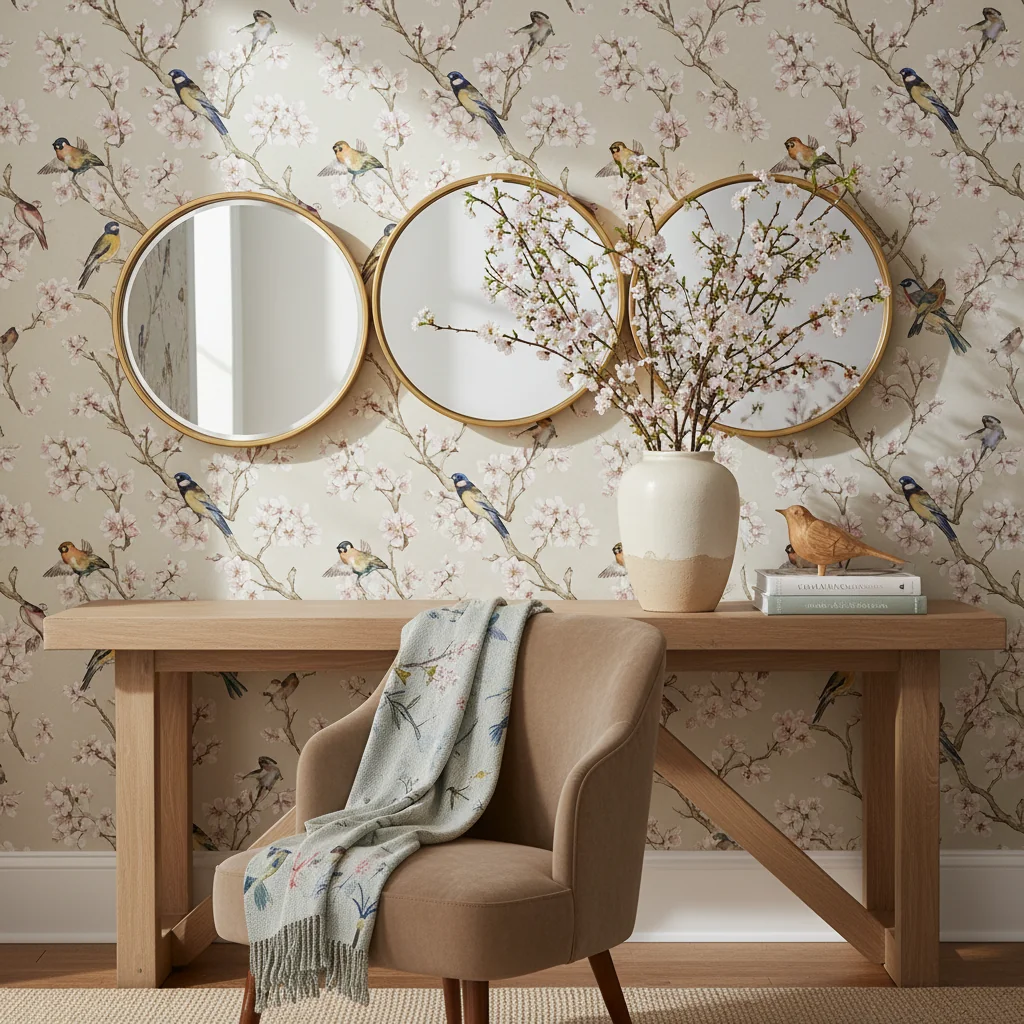
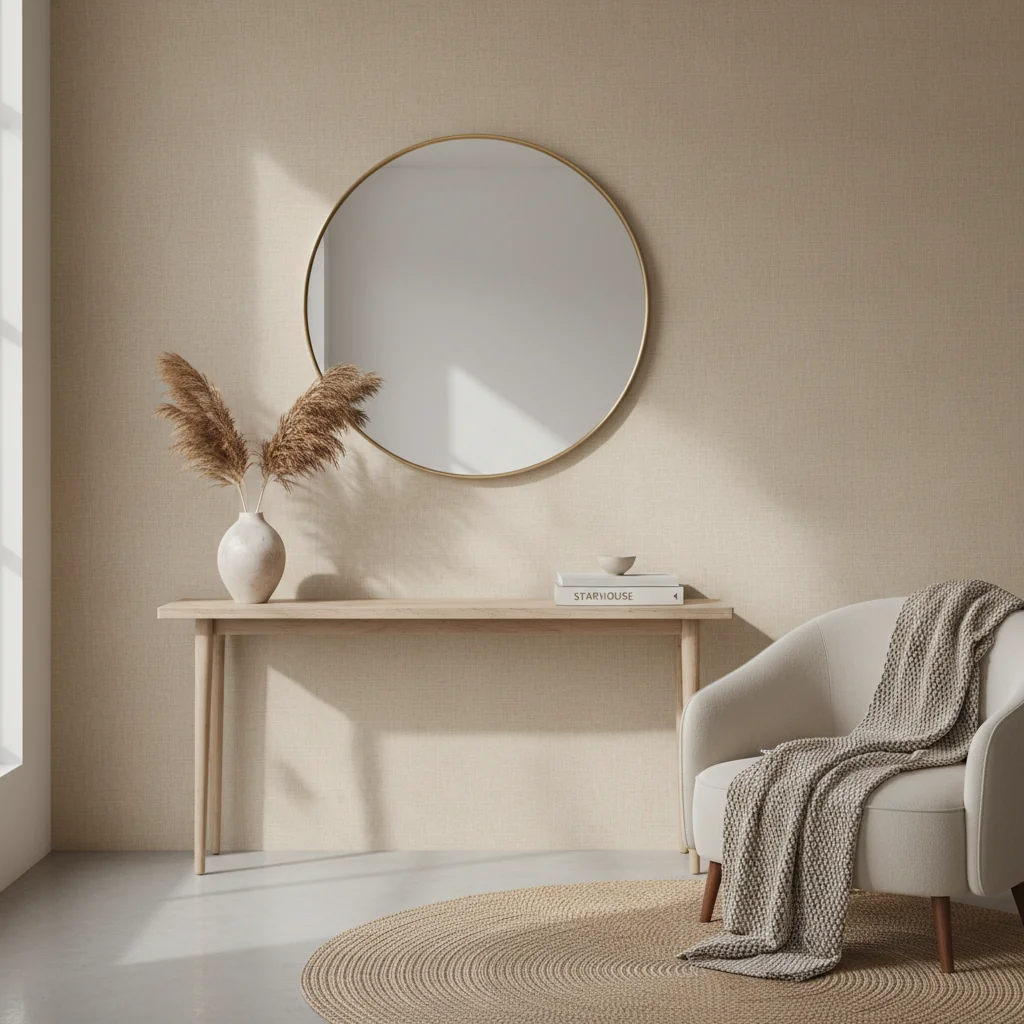
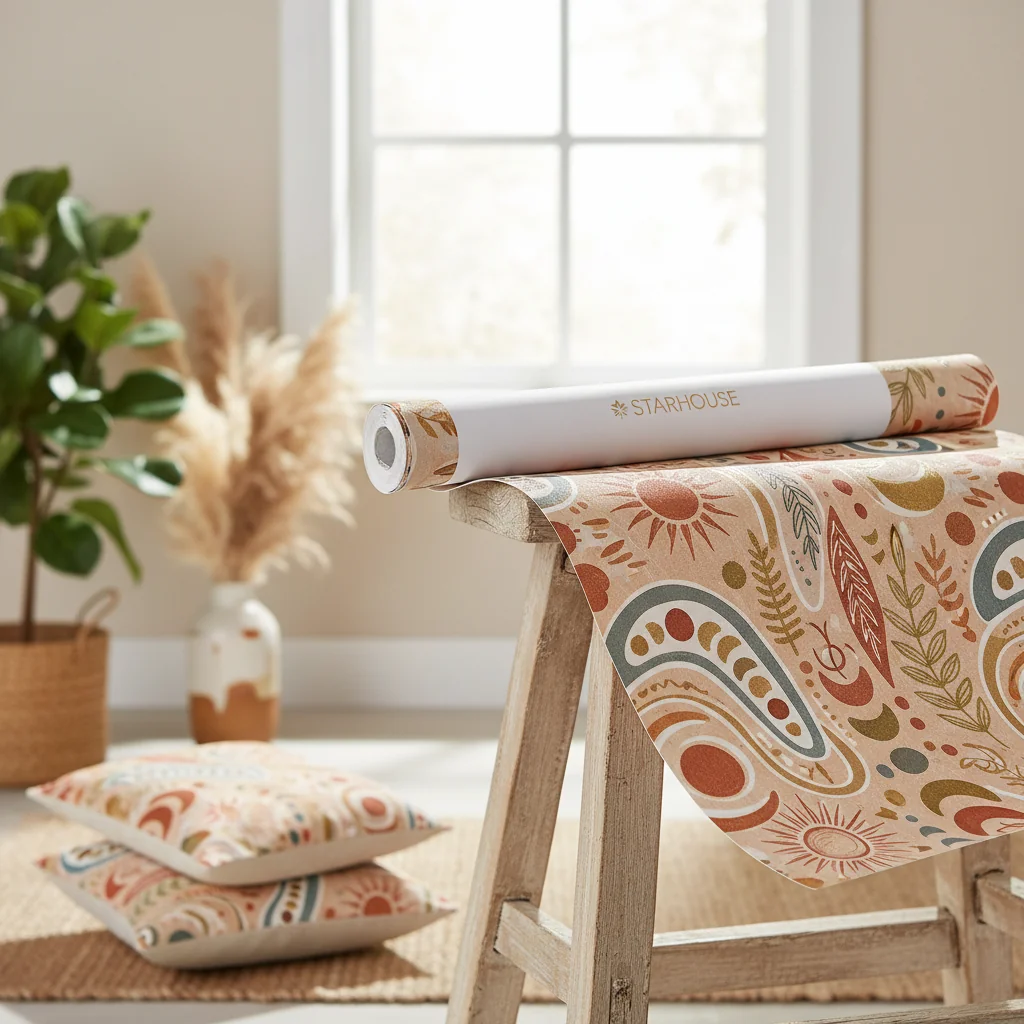
Transforming a living space into a serene coastal sanctuary begins with the right foundation, and wallpaper for the beach offers an unparalleled opportunity to imbue any room with the tranquil essence of the shore. This comprehensive guide from Starhouse delves into the nuances of selecting, installing, and styling beach-inspired wallpaper, ensuring your design vision translates into a sophisticated and enduring aesthetic. We explore everything from the subtle textures of grasscloth to vibrant mural designs, providing the precise knowledge needed to curate a cohesive and captivating coastal environment, emphasizing durability and aesthetic harmony.
Key takeaways
- Beach-inspired wallpaper encompasses diverse styles from serene coastal to vibrant tropical, offering versatile options for any aesthetic preference.
- Material selection is crucial for durability, especially in high-humidity areas; vinyl and non-woven options provide excellent resilience and ease of maintenance.
- Accurate measurement and understanding pattern repeats are essential for a professional finish, preventing material waste and ensuring visual continuity.
- Styling beach wallpaper involves harmonious pairing with furniture, lighting, and textiles to create a cohesive and aspirational coastal retreat.
- Current trends favor sustainable materials, biophilic designs, and abstract interpretations, reflecting a desire for both beauty and environmental consciousness.
- Proper care, including regular cleaning and attention to environmental factors like humidity, significantly extends the lifespan and visual appeal of your wallpaper.
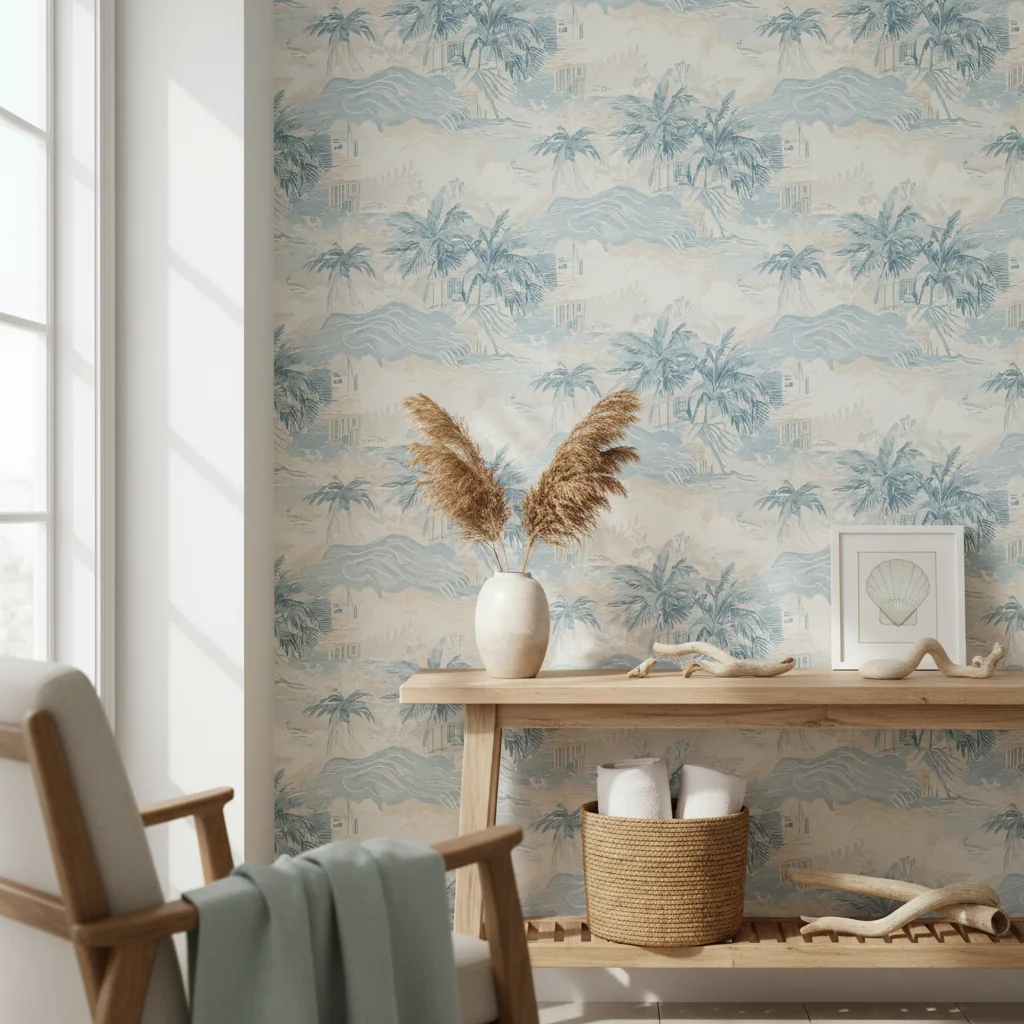
Understanding “Wallpaper for the Beach”: Defining the Aesthetic
Wallpaper for the beach refers to wall coverings designed to evoke the tranquility, beauty, and characteristic elements of coastal environments, transforming interior spaces into serene, shore-inspired retreats. This aesthetic is defined by its ability to transport occupants to a seaside setting through visual cues such as natural textures, ocean-inspired motifs, and a calming color palette. The goal is to create an atmosphere that feels expansive, light-filled, and deeply relaxing, much like a day spent by the ocean.
The allure of beach-themed wallpaper lies in its versatility and capacity to create a specific mood. Whether seeking the casual elegance of a Hamptons home, the vibrant energy of a tropical escape, or the rustic charm of a seaside cottage, the right wallpaper sets the foundational tone. It is not merely about pictures of beaches; it is about capturing the essence of coastal living through thoughtful design.
What Defines Beach-Themed Wallpaper?
Beach-themed wallpaper is characterized by specific elements that collectively evoke a coastal ambiance. These elements include a predominant use of natural light-reflecting colors, organic patterns, and textures that mimic natural materials found near the sea. The aesthetic prioritizes a sense of calm and openness, often incorporating motifs that are inherently associated with marine and beach environments.
Key defining characteristics include:
- Color Palettes: Dominated by blues (from pale sky to deep navy), greens (seafoam to emerald), sandy beiges, crisp whites, and grays. Accents of coral, terracotta, and soft yellows can introduce warmth.
- Natural Textures: Patterns that simulate wood grain, woven fibers, sand, or weathered surfaces.
- Motifs: Seashells, coral, marine life (fish, seahorses), anchors, ropes, abstract wave patterns, lighthouses, sailboats, palm fronds, and botanical elements common to coastal flora.
- Light and Airiness: Designs often feature open spaces, delicate lines, and a visual lightness that prevents the room from feeling confined.
- Organic Forms: Curvilinear patterns and fluid shapes that echo the natural movement of water and wind.
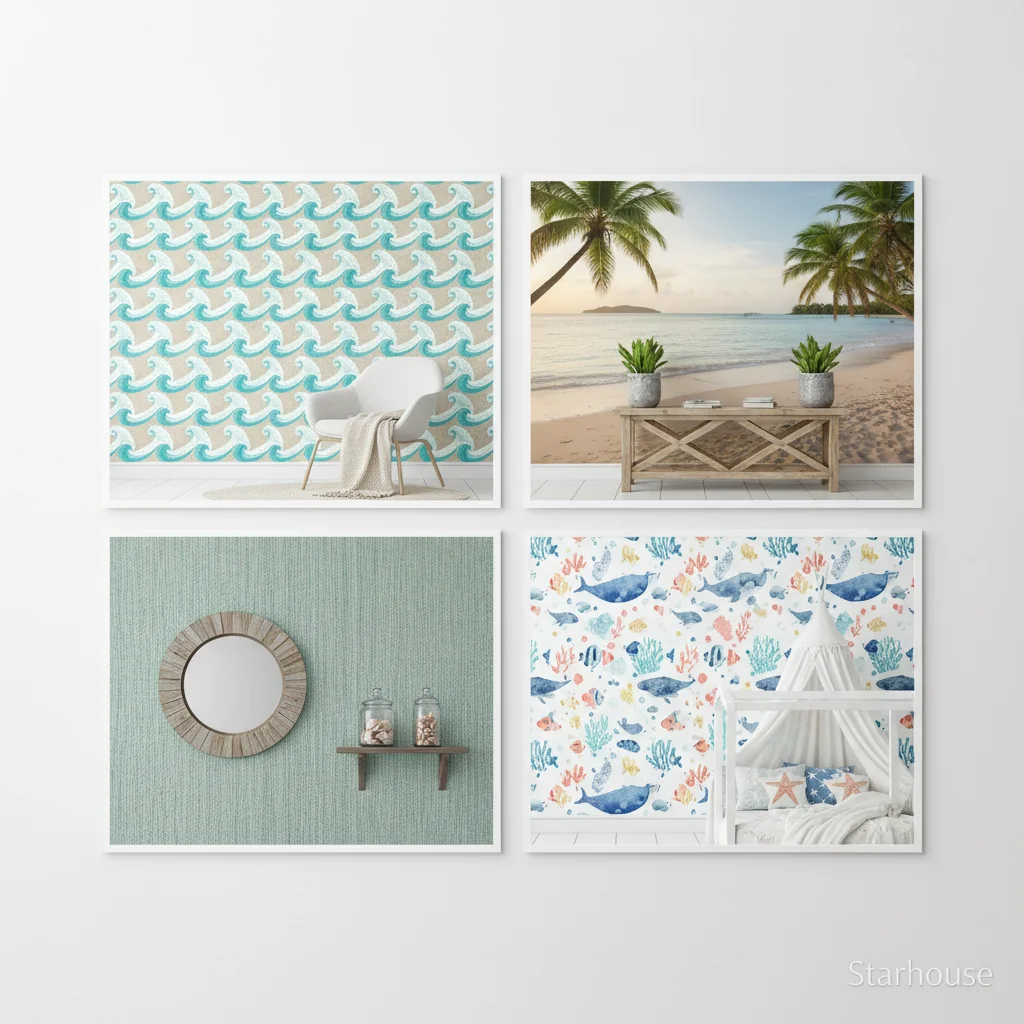
Types of Beach Wallpaper: Murals, Patterns, Textures
Beach wallpaper is available in three primary types: murals, patterned designs, and textured options, each offering distinct visual impacts and aesthetic contributions to a coastal theme. Understanding these categories is essential for selecting the appropriate wall covering for your desired effect.
Improving your indoor environment often starts with material choices, and wallpaper types play a significant role in both aesthetics and air quality.
1. Wallpaper Murals:
- Definition: A wallpaper mural is a single, large-scale image or scene printed across multiple panels that, when installed together, create a continuous, immersive visual.
- Beach Application: Murals are ideal for creating a dramatic focal point, transforming an entire wall into a breathtaking seascape, a panoramic beach scene, or a lush tropical forest. They often feature photorealistic images of ocean waves, serene sunsets, or underwater scenes.
- Impact: They visually expand a room, offering a window to another world and making a powerful statement. Murals are particularly effective in larger rooms or on accent walls where their full scale can be appreciated.
2. Patterned Wallpapers:
- Definition: Patterned wallpapers feature repeating designs that create a cohesive and rhythmic visual across the wall surface.
- Beach Application: These can range from subtle, abstract wave patterns to intricate designs of seashells, coral branches, or nautical symbols. Popular patterns include stripes (reminiscent of beach towels or nautical flags), geometric interpretations of water, or scattered motifs of marine flora and fauna.
- Impact: Patterned wallpapers provide consistency and can either subtly enhance the theme or serve as a vibrant backdrop. They are suitable for entire rooms or smaller accent areas, offering a sense of order and decorative detail.
3. Textured Wallpapers:
- Definition: Textured wallpapers feature a raised surface that provides tactile interest and depth, mimicking natural materials.
- Beach Application: These wallpapers excel at replicating the organic feel of coastal elements. Examples include grasscloth (made from natural woven fibers like jute or sisal), cork, or embossed vinyl patterns that simulate sand, linen, or weathered wood.
- Impact: Textured wallpapers add a sophisticated, understated elegance. They are excellent for creating a serene backdrop, adding warmth, and enhancing the tactile experience of a room without overwhelming it with overt imagery. They contribute to a sense of natural authenticity and grounding.
Popular Beach Styles: Coastal, Nautical, Tropical, Bohemian Beach, Modern Beach
The broad category of “wallpaper for the beach” encompasses several distinct design styles, each with its unique characteristics and appeal. Selecting the right style depends on the specific mood and aesthetic you wish to cultivate in your space. Starhouse curates collections that span these diverse interpretations, ensuring a perfect match for every vision.
1. Coastal Style:
- Description: This is the quintessential beach house aesthetic, characterized by a light, airy, and relaxed atmosphere. It draws inspiration from the natural elements of the shore, emphasizing comfort and simplicity.
- Wallpaper Characteristics: Expect soft, muted color palettes (whites, creams, light blues, sandy beiges), natural textures (linen, grasscloth effects), and subtle patterns like watercolor washes, delicate coral motifs, or abstract wave designs. The focus is on creating a serene and timeless backdrop.
- Ideal For: Living rooms, bedrooms, and bathrooms where a calm, inviting, and sophisticated beach vibe is desired.
2. Nautical Style:
- Description: A more structured and thematic approach, nautical style celebrates maritime traditions, sailing, and life at sea. It often incorporates iconic symbols and a bolder color scheme.
- Wallpaper Characteristics: Defined by crisp navy blues, whites, and reds. Patterns frequently include stripes (horizontal or vertical), anchors, ship wheels, ropes, lighthouses, and maps. The designs are typically more graphic and pronounced.
- Ideal For: Home offices, children’s rooms, or spaces where a distinct, classic, and adventurous maritime theme is preferred.
3. Tropical Style:
- Description: This style transports you to lush, exotic locales, brimming with vibrant colors, abundant greenery, and a sense of indulgent escape. It’s often associated with destinations like Hawaii or the Caribbean.
- Wallpaper Characteristics: Features bold patterns of large-scale palm leaves, banana leaves, hibiscus flowers, exotic birds, and vibrant flora and fauna. Color palettes are richer, incorporating emerald greens, fuchsia, turquoise, and sunny yellows.
- Ideal For: Accent walls, powder rooms, sunrooms, or any space where a lively, energetic, and visually dramatic statement is desired.
4. Bohemian Beach (Boho Beach) Style:
- Description: A free-spirited and eclectic interpretation of beach living, blending global influences with natural elements. It emphasizes comfort, texture, and a relaxed, artisanal feel.
- Wallpaper Characteristics: Look for patterns inspired by macramé, woven textiles, abstract patterns reminiscent of ocean currents, mandalas, or subtle, earthy botanical prints. Colors are typically warm and organic: terracotta, muted blues, sandy tones, and natural whites. Textured wallpapers like grasscloth are highly suitable.
- Ideal For: Bedrooms, cozy reading nooks, or spaces where a relaxed, layered, and globally-inspired coastal aesthetic is sought.
5. Modern Beach Style:
- Description: A refined and minimalist take on coastal design, focusing on clean lines, sophisticated materials, and a curated selection of elements. It offers a contemporary interpretation of seaside living.
- Wallpaper Characteristics: Geometric patterns, abstract representations of waves or sand dunes, subtle metallic accents, or large-scale, minimalist photographic murals of seascapes. Color palettes are often monochromatic or feature sophisticated combinations of grays, whites, deep blues, and subtle natural wood tones.
- Ideal For: Contemporary homes, urban apartments seeking a tranquil escape, or any space where a sleek, uncluttered, and elegant coastal statement is desired.
Choosing the Right Material for Your Coastal Retreat
Selecting the correct wallpaper material is paramount for durability, ease of maintenance, and suitability for specific environments, especially when designing a coastal retreat where factors like humidity and sunlight can play a significant role. The material dictates not only the aesthetic finish but also the wallpaper’s longevity and performance. Starhouse meticulously curates materials that combine beauty with resilience, ensuring your investment stands the test of time.
The choice of material directly impacts the wallpaper’s resistance to moisture, its scrubbability, and how it reacts to environmental conditions. For beach-themed spaces, which may be near actual coastlines or simply aiming for that aesthetic, considering these practical aspects is as crucial as the visual design.
Material Considerations for Beach-Inspired Wallpaper
When selecting wallpaper for a beach-inspired space, several material considerations are essential to ensure the longevity and beauty of your chosen design. These factors address both the practical demands of a coastal aesthetic and the functional requirements of a wall covering.
Key material considerations include:
- Moisture Resistance: In areas prone to humidity, such as bathrooms or homes near the coast, materials with high moisture resistance (e.g., vinyl, certain non-wovens) prevent peeling, bubbling, and mold growth.
- Washability/Scrubbability: For high-traffic areas or spaces where spills are likely, a washable or scrubbable surface allows for easy cleaning, maintaining the wallpaper’s pristine appearance.
- Lightfastness: Exposure to direct sunlight can cause colors to fade over time. Materials with good lightfastness retain their vibrancy, preserving the integrity of the design.
- Durability: The material should withstand everyday wear and tear, especially in active households. Thicker, more robust materials offer greater resilience against scuffs and impacts.
- Breathability: Some materials allow walls to breathe, which can be beneficial in preventing moisture buildup behind the wallpaper, particularly in older homes or humid climates.
- Environmental Impact: For eco-conscious choices, look for materials made from recycled content, sustainably sourced fibers, or those with low VOC (Volatile Organic Compound) emissions.
- Ease of Installation/Removal: Peel-and-stick options offer simple DIY installation and clean removal, while traditional paste-the-wall or paste-the-paper types may require more effort but often provide a more permanent finish.
Common Wallpaper Materials: Vinyl, Non-Woven, Fabric-Backed, Grasscloth, Peel-and-Stick
The market offers a diverse range of wallpaper materials, each with distinct properties that make them suitable for different applications and aesthetic preferences. Understanding these common types is fundamental to making an informed decision for your beach-themed space.
1. Vinyl Wallpaper:
- Definition: Vinyl wallpaper features a paper or fabric backing coated with a layer of vinyl (PVC). This top layer can be embossed or printed with various designs and textures.
- Characteristics: Highly durable, moisture-resistant, and washable/scrubbable. It is excellent for high-humidity areas like bathrooms and kitchens, or high-traffic zones.
- Beach Suitability: Ideal for beach aesthetics that require resilience against moisture and easy cleaning. It can mimic natural textures like grasscloth or wood planks very effectively, or feature vibrant tropical patterns without concern for fading or damage.
2. Non-Woven Wallpaper:
- Definition: Made from a blend of natural and synthetic fibers, non-woven wallpaper is breathable, tear-resistant, and dimensionally stable.
- Characteristics: Known for its “paste-the-wall” application, making installation easier. It is also fully strippable when dry, allowing for clean removal without damaging walls. Good breathability helps prevent mold.
- Beach Suitability: A versatile choice for most rooms. Its breathability is beneficial in humid environments, and its ease of removal makes it appealing for those who may wish to update their coastal theme in the future. It supports a wide range of designs, from subtle coastal patterns to intricate murals.
3. Fabric-Backed Wallpaper:
- Definition: This type features a textile backing (cotton, polyester, linen) with a decorative surface, often vinyl or a natural fiber.
- Characteristics: Offers enhanced durability and dimensional stability. It is often heavier and more robust than other types, suitable for commercial applications but also available for residential use.
- Beach Suitability: Provides a luxurious and substantial feel, capable of holding intricate patterns or deep textures. It’s a premium choice for creating a lasting and sophisticated beach-inspired statement, especially in areas where durability is paramount.
4. Grasscloth Wallpaper:
- Definition: Grasscloth is a natural wallcovering made from woven plant fibers like jute, sisal, seagrass, or hemp, typically backed with rice paper.
- Characteristics: Offers unique texture, depth, and organic beauty. It is breathable and environmentally friendly. However, it is not washable, can be delicate, and may show seams due to its natural variations.
- Beach Suitability: An exceptional choice for creating an authentic, natural coastal or bohemian beach aesthetic. Its tactile quality adds warmth and sophistication. Best suited for low-traffic areas or accent walls where its delicate nature is less exposed to wear and tear.
5. Peel-and-Stick Wallpaper:
- Definition: Also known as self-adhesive or removable wallpaper, this type has an adhesive backing that is protected by a liner. It requires no paste and can be repositioned and removed without residue.
- Characteristics: Extremely user-friendly for DIY projects, renters, or those who frequently update their decor. Available in various materials, often vinyl or non-woven, offering different levels of washability and durability.
- Beach Suitability: Perfect for temporary coastal makeovers, accent walls, or for testing out a beach theme before committing to a permanent solution. Its ease of installation and removal makes it highly versatile for any beach-inspired design, from playful patterns to serene murals.
As you consider the myriad materials and styles for your beach-inspired retreat, remember that the perfect choice is one that aligns with both your aesthetic desires and practical needs. At Starhouse, we are dedicated to curating a collection that offers both. Tell us what you’re looking for in your ideal wall covering, and help us shape our upcoming collection to perfectly match your vision for a serene, stylish home.
Sizing, Measuring, and Installation: Ensuring a Flawless Finish
Accurate measurement and meticulous installation are critical steps to achieving a professional and seamless finish for any wallpaper project, preventing costly errors and ensuring the design’s integrity. These foundational processes directly impact the visual outcome, making precision indispensable for a truly polished coastal aesthetic. Starhouse emphasizes the importance of these practical steps to guarantee satisfaction with your chosen wall covering.
Without proper preparation and execution, even the most exquisite wallpaper can appear flawed. This section details how to correctly measure your space, understand wallpaper specifications, and prepare for installation, whether you choose a DIY approach or professional assistance.
Accurate Measurement is Critical for Professional Results
Precise measurement is the cornerstone of a successful wallpaper installation, directly impacting material procurement and the final aesthetic. Underestimating or overestimating can lead to insufficient material, mismatched patterns, or unnecessary waste, compromising the professional appearance of your beach-themed space.
To ensure accuracy, follow these steps:
- Gather Tools: You will need a metal tape measure, a pencil, a notepad, and potentially a laser measure for large spaces.
- Measure Wall Height: Measure from the baseboard to the ceiling at several points across each wall. Use the tallest measurement for calculation, adding an extra 4-6 inches for trimming at the top and bottom.
- Measure Wall Width: Measure the total width of each wall.
- Calculate Total Square Footage: Multiply the measured height by the measured width for each wall. Sum these totals to get the overall square footage for the room.
- Account for Openings: Subtract the square footage of large windows and doors (typically anything over 20 sq ft). Do not subtract for small windows or doors, as the cut-out pieces may be needed for areas above/below them or for pattern matching.
- Consider Pattern Repeat: If your wallpaper has a pattern repeat, you must factor this into your calculations. A larger repeat means more waste per strip to ensure the pattern aligns. (See “Understanding Wallpaper Rolls and Repeats” below).
- Add a Buffer: Always add an extra 15-20% to your total square footage calculation. This buffer accounts for pattern matching, trimming, mistakes, and future repairs. It is far better to have a little extra than to run short and risk color or dye lot differences in a second order.
Definition: Pattern repeat is the vertical distance at which a wallpaper design begins to repeat itself, ensuring a continuous and harmonious visual flow when strips are hung side-by-side.
How to Measure Your Space
Measuring your space accurately is a systematic process that ensures you order the correct amount of wallpaper, minimizing waste and avoiding delays. This detailed guide covers the essential steps for precise measurement.
To measure your space effectively, follow these precise steps:
- Clear the Area: Remove any furniture or wall hangings that obstruct access to the walls.
- Identify All Walls: Determine which walls will be wallpapered. If only an accent wall, measure only that wall.
- Measure Each Wall’s Height: Using a metal tape measure, measure the height from the top of the baseboard to the ceiling line. Take measurements at least three different points (left, center, right) for each wall, as ceilings and floors are rarely perfectly level. Record the highest measurement. For rooms with sloped ceilings, measure the height at the lowest and highest points, and consider the average or consult a professional for complex cuts.
- Measure Each Wall’s Width: Measure the width of each wall from corner to corner. Again, take multiple measurements if the walls are long or if there’s any indication of unevenness.
- Document All Dimensions: Sketch a simple diagram of your room, labeling each wall with its measured height and width. This visual aid will be invaluable for calculations.
- Account for Obstacles: Measure the height and width of all windows, doors, and permanent fixtures (e.g., built-in shelving, large decorative moldings). While you generally don’t subtract these small areas from the total, knowing their dimensions helps in planning cuts. For very large openings (e.g., a wall of sliding glass doors), you might deduct their square footage, but always err on the side of caution and maintain the buffer.
- Calculate Total Square Footage: For each wall, multiply its height (the highest recorded measurement) by its width. Sum these products to get the total square footage of the area to be covered.
- Determine Number of Strips: Divide the total width of the wall(s) by the width of one wallpaper strip (usually 20.5 inches or 27 inches for standard rolls, or specific mural panel widths). Round up to the nearest whole number to get the total number of strips needed.
- Factor in Pattern Repeat: If your chosen wallpaper has a pattern repeat (e.g., 21 inches), add this repeat length to the measured wall height when calculating the length of each strip. For example, if your wall is 96 inches high and the repeat is 21 inches, you might need to cut strips of 96 + 21 = 117 inches to ensure pattern alignment. This extra length accounts for shifting the pattern up or down to match.
- Calculate Total Rolls/Panels: Use the number of strips needed and the length of each strip (including pattern repeat allowance) to determine how many rolls or panels you require. Wallpaper roll specifications typically provide the total square footage per roll, but calculating by strips and pattern repeat is more accurate for patterned papers. Always add that 15-20% buffer.
Understanding Wallpaper Rolls and Repeats
Wallpaper rolls are manufactured with specific dimensions and design characteristics, notably their width, length, and pattern repeat, all of which are crucial for accurate ordering and installation. A thorough understanding of these specifications prevents miscalculations and ensures a seamless visual outcome for your beach-themed walls.
Wallpaper Roll Dimensions:
- Width: Standard wallpaper rolls in the U.S. typically come in widths of 20.5 inches (52 cm) or 27 inches (68.6 cm). Wider rolls are common for commercial grade or specialty wallpapers. Mural panels have specific, often wider, dimensions designed to fit together.
- Length: Standard single rolls are usually 16.5 feet (5 yards) long, covering approximately 28 sq ft to 30 sq ft, depending on width. Double rolls, which are more common and cost-effective, are typically 33 feet (11 yards) long, covering 56 sq ft to 60 sq ft. Always verify the exact specifications provided by the manufacturer or retailer, as these can vary.
- Coverage: The advertised coverage of a roll (e.g., 56 sq ft) assumes no pattern repeat. When a pattern repeat is present, the actual usable coverage per roll decreases because more material is wasted aligning the design.
Pattern Repeat Explained:
- Definition: As previously defined, pattern repeat is the vertical distance on a wallpaper roll before the design begins to repeat itself. This is measured in inches.
-
Types of Pattern Match:
- Random Match: The pattern matches no matter how the strips are hung. There is no designated repeat, and you can cut strips consecutively. This results in minimal waste and is common with textured, plain, or subtly abstract designs.
- Straight Match: The design elements match horizontally across the strips at the same height. To achieve this, each new strip must be cut to align perfectly with the pattern of the previous strip at the ceiling line. This often requires extra material.
- Drop Match: A more complex match where the design matches horizontally, but each subsequent strip must be dropped by a specific distance (half the repeat, for example) to align. This type of match typically generates the most waste. There are often “half drop” or “quarter drop” variations.
- Calculating with Pattern Repeat: When cutting strips for patterned wallpaper, you must add the pattern repeat length to the actual wall height for each strip. For example, if your wall is 9 feet (108 inches) tall and the pattern repeat is 24 inches, you may need to cut strips that are 108 + 24 = 132 inches long to allow for proper alignment and trimming. This ensures you have enough material to shift the pattern up or down to achieve a perfect match across seams. Always refer to the manufacturer’s specific instructions for pattern matching.
Installation Considerations: DIY vs. Professional, Surface Prep
Successful wallpaper installation hinges on two critical factors: choosing between a DIY approach or professional help, and meticulously preparing the wall surface. These decisions directly influence the longevity, appearance, and overall success of your beach-themed wall covering. Starhouse advocates for informed choices to ensure a flawless and enduring result.
DIY vs. Professional Installation:
The decision to install wallpaper yourself or hire a professional depends on several factors:
| Feature | DIY Installation | Professional Installation |
|---|---|---|
| Cost | Lower initial cost (materials only). | Higher initial cost (materials + labor, typically $500-$1500+ per room depending on complexity and location). |
| Skill Level | Requires patience, attention to detail, and some basic DIY skills. Peel-and-stick is easiest. | Expertise in measuring, cutting, pattern matching, and handling various materials. |
| Time Commitment | Significant time investment for preparation and installation, especially for beginners. | Efficient, typically completed faster with less disruption. |
| Result Quality | Can be excellent with careful execution; risk of visible seams, bubbles, or pattern misalignment for novices. | Guaranteed seamless finish, precise pattern matching, and optimal adhesion. |
| Complexity | Best for simple rooms, accent walls, or peel-and-stick. Challenging for angles, complex patterns, or delicate materials. | Handles intricate spaces, delicate materials (e.g., grasscloth), and complex pattern repeats with ease. |
| Warranty/Guarantee | Typically none for your labor. | Many professionals offer a guarantee on their work. |
For complex patterns, delicate materials like grasscloth, or large rooms, professional installation is often the most cost-effective solution in the long run, ensuring a perfect finish and avoiding costly mistakes.
Surface Preparation:
Proper wall surface preparation is non-negotiable for successful wallpaper adhesion and a flawless appearance. Neglecting this step can lead to peeling, bubbling, or visible imperfections.
Essential steps for surface preparation include:
- Clean Walls Thoroughly: Wash walls with a mild detergent solution (e.g., TSP substitute) to remove dirt, grease, and grime. Rinse thoroughly with clean water and allow to dry completely (24-48 hours).
- Repair Imperfections: Fill any holes, cracks, or dents with spackle or joint compound. Sand smooth once dry. Even small imperfections can show through wallpaper.
- Remove Old Wallpaper (if applicable): If old wallpaper is present, it must be fully removed. Layering new wallpaper over old can lead to adhesion issues, bubbling, and the old pattern showing through.
- Prime the Walls: Apply a high-quality wallpaper primer (sometimes called a “sizing” or “wall-prep”) to all surfaces. Primer creates a uniform, slightly porous surface that promotes good adhesion, makes future removal easier, and prevents paste from absorbing too quickly into the drywall. For dark walls under light wallpaper, use a tinted primer. Allow primer to dry completely according to manufacturer instructions.
- Ensure Smoothness: The smoother the wall, the better the wallpaper will look. Any bumps or textures will be visible through the wallpaper, especially with thinner materials.
- Check for Moisture: Ensure walls are completely dry before priming and wallpapering. Residual moisture can lead to mold growth and adhesion failure. If you suspect moisture issues, address them first.
Elevating Your Space: Styling and Pairing Beach Wallpaper
Styling beach wallpaper involves complementing its aesthetic with harmonious furniture, lighting, textiles, and accessories to create a cohesive, aspirational coastal retreat that feels both sophisticated and inviting. The wallpaper serves as a foundational element, and thoughtful pairing ensures that every component of the room contributes to the desired seaside ambiance. At Starhouse, we understand that true design excellence lies in the details and the synergy between all elements.
Achieving a polished coastal look requires more than just hanging wallpaper; it demands a curated approach to interior design. This section guides you through integrating your beach-themed wallpaper into a complete and captivating space.
Furniture and Décor Pairings
The right furniture and décor selections are essential to reinforce and enhance the narrative established by your beach wallpaper, creating a balanced and inviting coastal environment. These pairings should echo the wallpaper’s style, whether it’s rustic, modern, or bohemian, while maintaining functionality and comfort.
Consider these pairings for different beach styles:
-
Coastal & Nautical:
- Furniture: Opt for light-colored wood (driftwood, whitewashed oak, rattan, wicker) or painted furniture in whites, creams, or light blues. Classic Shaker or Hamptons-style pieces work well.
- Upholstery: Natural fabrics like linen, cotton, or slipcovers in solid whites, blues, or subtle stripes.
- Décor: Nautical elements such as decorative anchors, ship wheels, model sailboats, marine knot art, glass fishing floats, and framed maps. Blue and white ceramics.
-
Tropical:
- Furniture: Darker, rich woods like mahogany or teak, bamboo, or rattan furniture. Woven textures add to the exotic feel.
- Upholstery: Fabrics with large-scale botanical prints, vibrant solids (emerald green, fuchsia), or natural linen.
- Décor: Live plants (palms, ferns), exotic floral arrangements, carved wood accents, woven baskets, and art depicting tropical birds or lush landscapes.
-
Bohemian Beach:
- Furniture: Reclaimed wood, distressed finishes, rattan, bamboo, low-slung seating. Mix and match pieces for an eclectic feel.
- Upholstery: Textured fabrics, macramé, Moroccan poufs, sheepskin throws. Earthy tones and natural fibers.
- Décor: Woven wall hangings, dreamcatchers, artisanal pottery, global textiles, layered rugs, pampas grass, and collected natural objects like large shells or driftwood.
-
Modern Beach:
- Furniture: Sleek, minimalist designs in light woods, lacquered white, or metals. Clean lines are paramount.
- Upholstery: Solid, neutral fabrics (greys, whites, deep blues) with subtle textures.
- Décor: Abstract art inspired by the ocean, sculptural ceramics, polished natural stones, minimalist glass vases, and carefully selected, unadorned natural elements.
Color Palettes and Lighting
Harmonizing color palettes and strategic lighting are fundamental to enhancing the beach wallpaper’s impact and creating the desired coastal ambiance within a room. Colors should flow cohesively, while lighting should evoke the natural brightness and warmth of a seaside environment.
Color Palettes:
- Foundation: Start with the dominant colors in your wallpaper. For most beach themes, this means whites, creams, sandy beiges, and various shades of blue and green.
-
Layering: Build upon this foundation with complementary or analogous colors for furniture, textiles, and accessories.
- Coastal: Stick to a serene palette of soft blues, greens, whites, and natural wood tones. Introduce subtle pops of coral or muted yellow for warmth.
- Nautical: Crisp whites and deep navy blues are primary, with accents of bright red or gold.
- Tropical: Embrace vibrant greens, fuchsia, turquoise, and sunny yellows. Use a neutral backdrop (white or light beige) to let these colors shine.
- Bohemian Beach: Earthy tones like terracotta, olive green, muted blues, and sandy browns. Layer with natural whites and creams.
- Modern Beach: Sophisticated neutrals (grays, charcoals, off-whites) paired with deep ocean blues or subtle metallic accents.
- Avoid Overwhelm: While beach themes invite color, avoid too many competing bright hues. Often, a dominant neutral base with 2-3 accent colors works best.
Lighting Strategies:
Lighting plays a pivotal role in setting the mood and enhancing the visual appeal of beach wallpaper. The goal is to replicate the bright, airy feel of the coast.
- Natural Light Maximization: Prioritize natural light. Use sheer curtains or blinds that can be fully opened to allow maximum sunlight. Avoid heavy, light-blocking draperies.
-
Layered Lighting: Implement a layered lighting scheme:
- Ambient Lighting: Overhead fixtures (recessed lights, ceiling fans with lights, chandeliers) provide overall illumination. Choose fixtures with natural finishes like rattan, capiz shell, or brushed nickel.
- Task Lighting: Table lamps and floor lamps provide focused light for reading or specific activities. Opt for lamps with linen shades or bases made of driftwood, ceramic, or glass.
- Accent Lighting: Wall sconces or picture lights can highlight artwork or specific architectural features, adding depth and warmth.
- Color Temperature: Use bulbs with a warm white (2700K-3000K) or neutral white (3500K-4000K) color temperature to mimic natural daylight and create a cozy, inviting glow. Avoid harsh, cool-toned lighting.
- Reflective Surfaces: Incorporate mirrors to bounce light around the room, making it feel larger and brighter, much like the expansive ocean. Choose mirrors with natural wood, rattan, or metallic frames.
Textiles and Accessories
Textiles and accessories are the final, crucial layers that infuse personality and comfort into a beach-themed room, creating a tactile and visually rich environment that complements the wallpaper. These elements allow for subtle customization and reinforce the chosen coastal style.
Textiles:
-
Natural Fibers: Prioritize natural, breathable fabrics for a true coastal feel.
- Curtains/Drapery: Sheer linen, cotton, or light-filtering bamboo shades. Avoid heavy velvet or brocade.
- Rugs: Jute, sisal, seagrass, or cotton rugs. Layering a smaller, softer rug (e.g., a sheepskin or a patterned cotton rug) over a larger natural fiber rug adds depth and comfort.
- Throws & Pillows: Chunky knit throws, soft cotton blankets, and pillows in various textures (linen, chambray, textured cotton). Patterns can include subtle stripes, abstract waves, or botanical prints that align with your wallpaper.
- Upholstery: Slipcovers in washable cotton or linen are perfect for a relaxed, beachy vibe.
- Color & Pattern: Echo the wallpaper’s palette with textiles. Use solids to balance patterned wallpaper, or introduce subtle patterns (stripes, small botanicals) if the wallpaper is largely plain or textured.
Accessories:
- Found Objects: Incorporate natural elements found on the beach: artfully arranged seashells, pieces of driftwood, polished stones, or sea glass in clear vases.
- Art: Choose artwork that complements the coastal theme without being overly literal. Abstract pieces with blues, greens, and sand tones, watercolor seascapes, botanical prints of coastal flora, or black and white photography of ocean scenes.
- Vases & Pottery: Ceramic vases in organic shapes, glass bottles (especially recycled or sea-glass colored), and woven baskets provide texture and storage.
- Greenery: Live plants, such as palms, fiddle-leaf figs, or succulents, bring life and biophilic elements into the space.
- Mirrors: As mentioned, mirrors with natural frames (rattan, whitewashed wood) amplify light and space.
- Books & Decorative Objects: Select books on coastal living, travel, or marine biology. Display decorative objects that evoke travel and natural beauty.
- Scent: Consider diffusers or candles with scents like sea salt, ocean breeze, or coconut to engage another sense and complete the immersive experience.
Current Trends in Beach-Inspired Wallpaper
Recent trends in beach wallpaper designs emphasize sustainability, a deeper connection to nature through biophilic patterns, and sophisticated abstract interpretations that move beyond traditional literal imagery. These trends reflect a broader shift towards environmentally conscious design and a desire for spaces that foster well-being and refined aesthetics. Starhouse remains at the forefront, curating designs that embody these contemporary directions.
The evolution of beach-inspired design means moving past simple seashell motifs to embrace more nuanced and impactful wall coverings. This section explores the leading trends shaping today’s coastal interiors.
Sustainable and Eco-Friendly Options
The demand for sustainable and eco-friendly wallpaper options is rapidly growing, reflecting a collective commitment to environmental responsibility and healthier indoor living. These choices allow homeowners to create beautiful beach-inspired spaces while minimizing their ecological footprint.
Key aspects of sustainable wallpaper include:
- Recycled Content: Wallpapers made from post-consumer or post-industrial recycled materials, reducing waste and demand for virgin resources.
- Sustainably Sourced Fibers: Materials like FSC-certified paper (Forest Stewardship Council), bamboo, jute, or sisal that come from responsibly managed forests or renewable resources.
- Low VOC/VOC-Free: Volatile Organic Compounds (VOCs) are chemicals that can off-gas into the air, impacting indoor air quality. Low-VOC or VOC-free wallpapers, including their inks and adhesives, significantly contribute to a healthier home environment. The U.S. EPA provides guidance on improving indoor air quality, which includes selecting low-VOC products.
- Water-Based Inks: Environmentally friendly inks that are free from heavy metals and harmful chemicals.
- PVC-Free: While vinyl (PVC) is durable, some consumers prefer alternatives due to environmental concerns regarding its production and disposal. Non-woven or natural fiber options often serve as excellent PVC-free alternatives.
- Biodegradable/Compostable: Some innovative materials are designed to break down naturally at the end of their lifecycle.
- Made in the USA: Choosing domestically produced wallpaper can reduce transportation emissions and support local economies, often adhering to stricter environmental regulations.
Definition: VOC (Volatile Organic Compound) refers to organic chemicals that have a high vapor pressure at ordinary room temperature, causing them to evaporate and enter the surrounding air. Many VOCs are harmful to human health and the environment.
Biophilic Designs
Biophilic design, which integrates natural elements into the built environment to foster a connection with nature, is a prominent trend in beach-inspired wallpaper, promoting well-being and a sense of tranquility. This approach moves beyond literal depictions to incorporate the patterns, textures, and forms found in natural coastal ecosystems.
Characteristics of biophilic beach wallpaper include:
- Organic Patterns: Abstract representations of ocean currents, sand ripples, cloud formations, or the intricate branching of coral. These patterns are often subtle and flowing, mimicking natural growth and movement.
- Botanical Motifs: Focus on coastal flora, such as delicate sea grasses, palm fronds, or indigenous beachfront plants. These are often rendered in muted, naturalistic tones rather than bold, tropical hues.
- Natural Textures: Emphasizing materials that provide tactile and visual depth, like grasscloth, cork, or wallpapers with embossed finishes that mimic wood grain, woven linen, or sandy surfaces.
- Earthy Color Palettes: Greens (sage, olive, seafoam), blues (muted sky, deep ocean), sandy browns, grays, and natural whites that reflect the colors of untouched natural landscapes.
- Large-Scale Murals: Immersive murals that depict serene natural landscapes, such as a misty coastal forest, a panoramic view of a tranquil beach, or a detailed close-up of a coral reef, creating a sense of being enveloped by nature.
- Subtle Integration: Biophilic designs often integrate seamlessly with other natural materials in the room, such as wood furniture, stone accents, and live plants, to create a holistic natural environment.
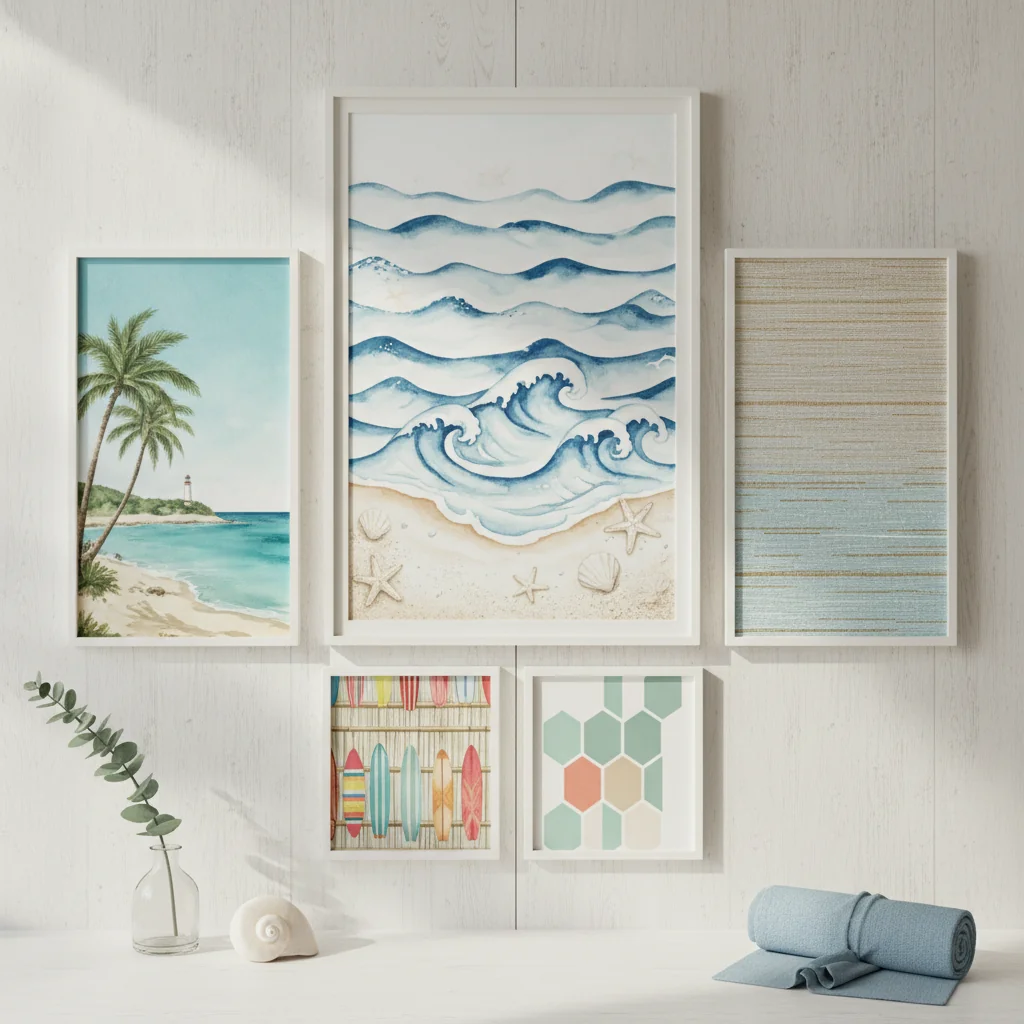
Abstract and Artistic Interpretations
Abstract and artistic interpretations represent a sophisticated evolution in beach-inspired wallpaper, offering a contemporary and refined approach to coastal aesthetics that transcends literal imagery. This trend appeals to those seeking a modern, gallery-like feel while retaining the essence of the ocean’s beauty.
Key features of abstract and artistic beach wallpaper include:
- Watercolor Washes: Soft, blended hues of blue, green, and sand that mimic the fluidity of water or atmospheric effects of light on the ocean. These create a dreamy, ethereal backdrop.
- Geometric Abstractions: Patterns that use geometric shapes and lines to suggest waves, currents, or the architectural elements of coastal erosion. These are often rendered in sophisticated color combinations.
- Textural Illusions: Designs that use digital printing to create the visual effect of brushstrokes, distressed plaster, or weathered surfaces, adding an artistic, handcrafted feel without the literal texture.
- Minimalist Seascapes: Highly stylized or simplified depictions of coastal scenes, focusing on form, light, and shadow rather than intricate detail. Think of a single, sweeping brushstroke representing a horizon line.
- Impressionistic Motifs: Patterns that evoke the feeling of a beach or ocean through color and blurred forms, rather than distinct objects. These can be reminiscent of famous impressionist paintings.
- Metallic Accents: Subtle metallic inks (gold, silver, bronze) can be incorporated into abstract patterns to catch the light, mimicking the shimmer of water or sunlight on sand, adding a touch of understated luxury.
- Large-Scale Art Panels: Instead of a repeating pattern, some designs function as a single piece of art spread across a wall, much like a painting, with abstract coastal themes.
Common Mistakes to Avoid When Selecting Beach Wallpaper
Avoiding common pitfalls ensures a successful installation and a lasting, aesthetically pleasing design, preventing costly rework and disappointment. Many issues arise from overlooking crucial details in planning, material selection, and installation, which can detract significantly from the desired coastal ambiance. Starhouse emphasizes proactive planning to mitigate these risks.
By being aware of these frequent errors, you can navigate your wallpaper project with greater confidence and achieve a professional-grade finish.
Underestimating Room Scale
Underestimating room scale is a common mistake that leads to disproportionate design choices, resulting in a space that feels either overwhelmed or underwhelming by the chosen wallpaper. The size and dimensions of a room dictate the appropriate scale of patterns and the overall visual impact of the wall covering.
-
Large Patterns in Small Rooms: Applying a large-scale tropical print or a panoramic mural in a small powder room or narrow hallway can make the space feel cramped and visually busy. The pattern may not have enough space to fully repeat or be appreciated.
- Correction: For smaller spaces, opt for smaller, delicate patterns, subtle textures, or tone-on-tone designs that create depth without overwhelming. If using a mural, choose one with a clear focal point that fits the wall’s dimensions.
-
Small Patterns in Large Rooms: Conversely, a tiny, intricate pattern in a vast living room can get lost, making the walls appear flat and uninteresting. The design may lack the necessary impact to define the space.
- Correction: In larger rooms, embrace bolder, larger-scale patterns or expansive murals that command attention and fill the space effectively, creating a dramatic statement.
-
Ignoring Ceiling Height: A wallpaper with strong vertical elements can emphasize height, while horizontal patterns can make a room feel wider. Misapplying these can distort the perceived dimensions of the room.
- Correction: Consider how the pattern’s directionality interacts with ceiling height. For low ceilings, vertical stripes or tall botanical motifs can visually lift the space.
Ignoring Material Suitability
Ignoring material suitability is a critical oversight that can lead to premature wear, damage, and poor performance of your beach wallpaper, especially in environments with specific challenges like humidity or high traffic. The material’s properties must align with the functional demands of the room.
-
Using Non-Washable Wallpaper in High-Traffic/High-Humidity Areas: Delicate materials like grasscloth or traditional paper-backed wallpapers are not suitable for bathrooms, kitchens, or children’s rooms where moisture, splashes, and frequent cleaning are common. They can absorb moisture, stain easily, and degrade quickly.
- Correction: For these areas, always choose highly durable, washable, and moisture-resistant options such as vinyl or scrubbable non-woven wallpapers.
-
Overlooking Lightfastness for Sunny Rooms: Installing wallpaper with poor lightfastness in a room exposed to direct, prolonged sunlight will inevitably lead to fading and discoloration over time, diminishing the vibrancy of your beach theme.
- Correction: For sun-drenched rooms, select wallpapers specifically rated for good lightfastness. Consider window treatments that offer UV protection without completely blocking natural light.
-
Misjudging Durability for Active Households: Thin or easily scuffed wallpapers are not ideal for hallways, playrooms, or homes with pets and young children. They will show wear and tear quickly.
- Correction: Opt for robust, heavy-duty vinyl or fabric-backed wallpapers that can withstand impacts and are easy to clean.
-
Not Considering Breathability: In older homes or very humid climates, using a non-breathable wallpaper over walls that need to release moisture can trap condensation, leading to mold or mildew growth behind the paper.
- Correction: For such environments, non-woven wallpapers are often a better choice due to their breathability. Addressing underlying moisture issues is always the first step.
Overlooking Pattern Repeat
Overlooking the pattern repeat is a common installation mistake that results in uneven designs, visible seams, and significant material waste, compromising the seamless flow and professional appearance of your beach wallpaper. Properly accounting for the repeat is essential for a continuous and harmonious visual.
-
Not Adding Enough Material for Repeat: Failing to add the pattern repeat length to each strip when cutting means you will not have enough material to align the design from one strip to the next, leading to mismatched patterns at the seams.
- Correction: Always calculate the required length for each strip by adding the pattern repeat to the wall height. This extra length allows for shifting the pattern vertically to achieve a perfect match.
-
Incorrectly Identifying Pattern Match Type: Mistaking a drop match for a straight match, or assuming a random match when one isn’t present, will result in pattern misalignment and wasted paper.
- Correction: Carefully read the wallpaper label to identify the pattern match type (random, straight, or drop). Understand how each type affects cutting and installation.
-
Not Planning Cuts Beforehand: Rushing into cutting strips without a clear plan for pattern alignment across the entire wall can lead to inefficient use of the roll and running short on material.
- Correction: Lay out multiple strips on the floor or a large table to visualize the pattern match and plan your cuts. Number the back of each strip in the order it will be hung.
-
Forgetting to Account for Waste: The pattern repeat significantly impacts the amount of wallpaper needed. Ignoring this can lead to under-ordering and needing to purchase additional rolls from a different dye lot, which may have slight color variations.
- Correction: Always factor in the pattern repeat when calculating the number of rolls required, and add an additional 15-20% buffer for trimming and mistakes.
Poor Surface Preparation
Poor surface preparation is a foundational error that compromises the adhesion, longevity, and aesthetic quality of wallpaper, leading to bubbling, peeling, and visible imperfections through the installed material. The wall surface must be clean, smooth, dry, and properly primed to ensure optimal results.
-
Not Cleaning Walls: Dust, dirt, grease, or grime on the wall surface prevents the wallpaper adhesive from bonding properly, leading to peeling, especially at seams and edges.
- Correction: Thoroughly wash walls with a mild detergent solution, rinse, and allow to dry completely before any further steps.
-
Skipping Repairs: Small holes, cracks, or uneven textures in the wall will be magnified and visible through the wallpaper, creating an unprofessional finish.
- Correction: Fill all imperfections with spackle or joint compound, sand smooth, and wipe clean. Ensure the surface is perfectly flat.
-
Not Priming the Walls: Failing to prime walls (especially new drywall, patched areas, or glossy paint) results in inconsistent adhesion, walls absorbing paste too quickly (making repositioning difficult), or damage to the wall upon future removal.
- Correction: Always apply a high-quality wallpaper primer (sizing) to create a uniform, slightly porous surface that promotes adhesion and allows for easier future removal.
-
Wallpapering Over Old Wallpaper: Layering new wallpaper over existing wallpaper can cause bubbling, peeling, and the texture or pattern of the old paper to show through, leading to a lumpy and uneven surface.
- Correction: Always remove old wallpaper completely before installing new.
-
Inadequate Drying Time: Applying wallpaper to damp walls (after cleaning or priming) can trap moisture, leading to mold growth, poor adhesion, and eventual peeling or bubbling.
- Correction: Allow ample drying time (24-48 hours) after cleaning and priming before beginning installation.
Neglecting Long-Term Care
Neglecting the long-term care of your beach wallpaper can significantly reduce its lifespan and diminish its aesthetic appeal, leading to premature fading, staining, or damage that detracts from your coastal design. Proper maintenance is essential for preserving the vibrancy and integrity of your investment.
-
Improper Cleaning Methods: Using harsh chemicals, abrasive scrubbers, or excessive water on non-washable or delicate wallpaper types can cause irreversible damage, discoloration, or peeling.
- Correction: Always consult the manufacturer’s care instructions for your specific wallpaper material. Use a soft, damp cloth for washable vinyl, and a dry cloth or gentle dusting for delicate materials like grasscloth. Spot clean stains immediately with appropriate, gentle solutions.
-
Ignoring Humidity and Temperature Fluctuations: High humidity can cause wallpaper to peel or bubble, especially at seams, while extreme temperature swings can lead to expansion and contraction, stressing the adhesive.
- Correction: Maintain consistent indoor humidity levels (ideally between 30-50%) using humidifiers or dehumidifiers as needed. Ensure good ventilation in bathrooms and kitchens.
-
Lack of UV Protection: Continuous exposure to direct sunlight without proper protection will cause colors to fade unevenly over time, particularly with vibrant or darker hues.
- Correction: Install UV-filtering window treatments (sheer blinds, curtains) that protect the wallpaper from direct sunlight while still allowing natural light into the room.
-
Delaying Minor Repairs: Small tears, lifted seams, or bubbles, if left unaddressed, can worsen over time, leading to more extensive damage and requiring more complex repairs.
- Correction: Promptly address any minor damage. Use wallpaper adhesive to re-secure lifted seams or edges. For bubbles, a small incision with a utility knife and adhesive injection can often fix the issue.
-
Not Dusting Regularly: Over time, dust and airborne particles can accumulate on wallpaper, dulling its appearance and making it harder to clean later.
- Correction: Regularly dust your wallpaper with a soft, dry cloth or a duster with a long handle to prevent buildup.
Care and Maintenance for Lasting Beauty
Proper care and maintenance are essential for extending the life and preserving the vibrant beauty of your wallpaper, ensuring it remains a captivating feature of your beach-inspired space for years to come. Adhering to specific cleaning protocols and addressing environmental factors will prevent premature degradation and maintain the aesthetic integrity of your investment. Starhouse emphasizes that informed care is integral to long-term satisfaction.
This section details the best practices for cleaning different wallpaper types, managing environmental conditions, and performing minor repairs to keep your walls looking pristine.
Cleaning Different Wallpaper Types
Cleaning methods vary significantly depending on the wallpaper material; using the wrong technique can cause irreversible damage. Always refer to the manufacturer’s specific care instructions, which are often indicated by symbols on the roll label.
General guidelines for cleaning common wallpaper types:
-
Vinyl Wallpaper (Washable/Scrubbable):
- Method: These are the most durable and easiest to clean. Use a soft sponge or cloth dampened with a mild soap (like dish soap) and warm water solution. Gently wipe the surface to remove dirt and grime. For stubborn stains, a soft brush can be used on scrubbable vinyl.
- Rinse: Always follow with a clean, damp cloth to remove any soap residue.
- Dry: Pat dry with a clean, soft towel to prevent water spots.
- Frequency: As needed, or monthly for high-traffic areas.
-
Non-Woven Wallpaper (Wipeable/Washable):
- Method: Most non-woven wallpapers are wipeable. Use a lightly damp, soft cloth to gently wipe down the surface. Avoid excessive moisture.
- Stains: For washable non-wovens, a very mild soap solution can be used, but test in an inconspicuous area first.
- Dry: Allow to air dry or gently pat with a dry cloth.
- Frequency: Dust regularly; wipe as needed for marks or light dirt.
-
Grasscloth and Natural Fiber Wallpapers (Delicate/Non-Washable):
- Method: These are highly delicate and generally not washable. Moisture can cause staining, shrinking, or mold.
- Cleaning: Use a soft, dry cloth, a feather duster, or a vacuum cleaner with a brush attachment on its lowest setting to gently remove dust and loose debris.
- Stains: For minor dry stains, a kneaded eraser might work, but proceed with extreme caution and test first. Liquid spills on grasscloth often leave permanent marks.
- Frequency: Dust weekly or bi-weekly.
-
Peel-and-Stick Wallpaper:
- Method: The cleaning method depends on the material it’s printed on (often vinyl or non-woven). Follow the instructions for the base material. Most are wipeable with a damp cloth.
- Caution: Be gentle, especially near edges, to avoid lifting the adhesive.
General Cleaning Tips:
- Always test any cleaning solution or method in an inconspicuous area first.
- Clean from bottom to top to prevent streaks from dirty water running down.
- Address spills and stains immediately for the best chance of removal.
- Never use abrasive cleaners, steel wool, or harsh chemicals.
Addressing Humidity and Sunlight Exposure
Environmental factors like humidity and direct sunlight are significant contributors to wallpaper degradation, necessitating proactive measures to preserve its appearance and structural integrity. Managing these elements is crucial for the long-term beauty of your beach-inspired walls.
Humidity Control:
- Impact: High humidity can cause wallpaper to expand and contract, leading to bubbling, peeling at seams, and even mold or mildew growth, especially in bathrooms, kitchens, and basements.
-
Solutions:
- Ventilation: Ensure adequate ventilation in high-humidity rooms. Use exhaust fans during and after showering or cooking.
- Dehumidifiers: In consistently humid climates, a dehumidifier can maintain optimal indoor humidity levels (ideally 30-50%).
- Material Choice: For areas with unavoidable high humidity, select highly moisture-resistant materials like solid vinyl wallpaper.
- Acclimation: Allow wallpaper rolls to acclimate to the room’s temperature and humidity for 24-48 hours before installation to minimize post-installation movement.
Sunlight Exposure:
- Impact: Prolonged exposure to direct ultraviolet (UV) rays from sunlight can cause wallpaper colors to fade, especially darker or more vibrant hues, leading to uneven discoloration and a dull appearance.
-
Solutions:
- Window Treatments: Install window treatments that offer UV protection, such as sheer curtains, blinds, or shades. These can diffuse harsh sunlight without completely blocking natural light.
- UV-Protective Film: Consider applying UV-filtering film to windows, which can block a significant percentage of harmful UV rays while maintaining clarity.
- Material Choice: Select wallpapers with good lightfastness ratings for rooms that receive abundant sunlight.
- Rotate Furniture/Art: If practical, periodically rotate furniture or wall art to expose different areas of the wallpaper to light, potentially minimizing uneven fading.
Repairing Minor Damage
Addressing minor damage to wallpaper promptly is crucial to prevent it from worsening and compromising the overall aesthetic of your beach-themed space. Small tears, lifted seams, or bubbles can often be repaired with simple tools and techniques, extending the life of your wall covering.
Repairing Lifted Seams or Edges:
- Tools: Seam roller, small brush, wallpaper adhesive (clear, vinyl-approved).
- Method: Gently lift the loose edge further. Using a small brush, apply a thin, even coat of wallpaper adhesive to the back of the lifted paper and the wall underneath. Press the paper back into place, smoothing out any air bubbles. Use a seam roller to firmly press the seam or edge down, wiping away any excess adhesive immediately with a damp sponge.
Fixing Bubbles:
- Tools: Utility knife with a sharp blade, syringe (optional), wallpaper adhesive, smoothing tool or clean roller.
- Method: For small bubbles, you might be able to gently push the air out towards an edge. For larger or persistent bubbles, use a utility knife to make a small, discreet slit (an ‘X’ or a single line) in the center of the bubble. Gently lift the edges of the slit. If the bubble is due to trapped air, smooth it out. If it’s a lack of adhesive, use a syringe to inject a small amount of wallpaper adhesive under the paper through the slit. Press firmly and smooth with a roller or clean cloth, wiping away excess adhesive.
Repairing Small Tears or Rips:
- Tools: Small brush, wallpaper adhesive, utility knife, extra wallpaper piece (from the original roll).
- Method (Patching Method): If you have a remnant of the original wallpaper, cut a piece slightly larger than the tear, ensuring the pattern matches. Apply adhesive to the back of the patch and carefully align it over the damaged area. Alternatively, for a more seamless repair, place the patch over the damaged area, align the pattern, and then cut through both layers (the patch and the damaged wallpaper) with a sharp utility knife to create a perfectly matching insert. Remove the damaged section and the outer excess of the patch, then adhere the perfectly cut patch.
- Method (Simple Repair): For very small tears, gently apply a tiny amount of wallpaper adhesive to the underside of the torn piece and carefully press it back into place, smoothing with a clean cloth.
General Repair Principles:
- Always use a sharp blade for any cuts to ensure clean edges.
- Work slowly and patiently.
- Always wipe away excess adhesive immediately with a clean, damp sponge to prevent staining.
- Keep a small amount of leftover wallpaper from your original purchase for future repairs. This ensures perfect pattern and color matching.
By diligently following these care and maintenance guidelines, your beach-inspired wallpaper will continue to evoke the serene beauty of the coast, maintaining its visual appeal and structural integrity for years to come.
Sources
Frequently Asked Questions
Is peel-and-stick wallpaper suitable for bathrooms or high-humidity areas?
Peel-and-stick wallpaper can be suitable for bathrooms if it is specifically labeled as water-resistant or vinyl-based, as these materials offer better performance against moisture and humidity. However, always ensure proper ventilation in the bathroom to minimize moisture buildup, as even water-resistant options can be compromised by prolonged excessive humidity.
How do I choose the right beach wallpaper for a small room to make it feel larger?
To make a small room feel larger with beach wallpaper, opt for designs with light, muted colors (e.g., pale blues, whites, sandy tones), subtle patterns (small-scale geometric, delicate textures), or expansive, light-colored murals that create a sense of depth. Avoid large, busy patterns or dark colors, which can make the space feel more enclosed.
Can I install beach wallpaper over textured walls?
Installing wallpaper over textured walls is generally not recommended as the texture will likely show through, creating an uneven and unprofessional finish. For best results, it is crucial to smooth out textured walls by skimming them with joint compound or hiring a professional to prepare the surface before wallpaper installation.
What is the lifespan of beach wallpaper, and how can I extend it?
The lifespan of wallpaper typically ranges from 5 to 15 years, depending on the material, installation quality, and environmental factors. To extend its life, choose durable, lightfast materials, ensure proper wall preparation and installation, maintain consistent indoor humidity levels (30-50%), protect from direct sunlight with UV-filtering window treatments, and follow the manufacturer’s specific cleaning instructions.
Are there any safety considerations for wallpaper, especially in children’s rooms?
For children’s rooms, prioritize wallpapers that are low-VOC (Volatile Organic Compound) and free from harmful chemicals to maintain healthy indoor air quality. Look for certifications like Greenguard Gold. Ensure the wallpaper is securely adhered to prevent peeling, which could pose a choking hazard for very young children. The Consumer Product Safety Commission (CPSC) provides guidelines for product safety, which can inform choices for children’s environments.
How do I match existing decor with a new beach wallpaper?
To match existing decor with new beach wallpaper, identify the dominant colors and textures in your current furnishings. Select a wallpaper that shares these hues or introduces complementary tones. If your decor is busy, choose a wallpaper with a subtle pattern or texture; if your decor is minimalist, a bolder, artistic beach wallpaper can serve as a focal point. Always obtain samples to test against your existing elements before committing.
Can I use beach wallpaper on ceilings or only on walls?
Yes, beach wallpaper can be effectively used on ceilings to create a unique and immersive coastal effect, such as a sky mural or a subtle wave pattern. This technique can add depth and visual interest, especially in rooms with high ceilings. However, ceiling installation is more challenging due to gravity and often requires professional assistance for a flawless finish.
Conclusion
Creating a truly captivating beach-inspired retreat with wallpaper is an art form that blends aesthetic vision with practical considerations, transforming an ordinary space into an extraordinary sanctuary. From understanding the nuanced styles of coastal design to meticulously planning installation and ensuring long-term care, each step is crucial in crafting a home that reflects tranquility and refined taste. Starhouse is dedicated to curating a collection of wall coverings that not only meet these exacting standards but also inspire boundless design possibilities. We believe your home should be a direct reflection of your aspirations for beauty and comfort, grounded in precise execution and enduring quality.
As you envision the perfect coastal ambiance for your home, remember that the right wallpaper sets the stage for a truly immersive experience. We invite you to explore the potential, consider the textures, patterns, and colors that resonate with your personal style, and embark on a journey to create a space that breathes the serene elegance of the shore.
Starhouse is meticulously curating its inaugural collection of home décor, including an exquisite selection of wallpaper for the beach. We are building a portfolio designed to meet the precise needs and sophisticated tastes of our discerning customers across the United States. Share your vision and help us shape our offerings to perfectly match your dream home. Tell us what you’re looking for in your ideal wall coverings and home furnishings, and gain early access to our curated selections.