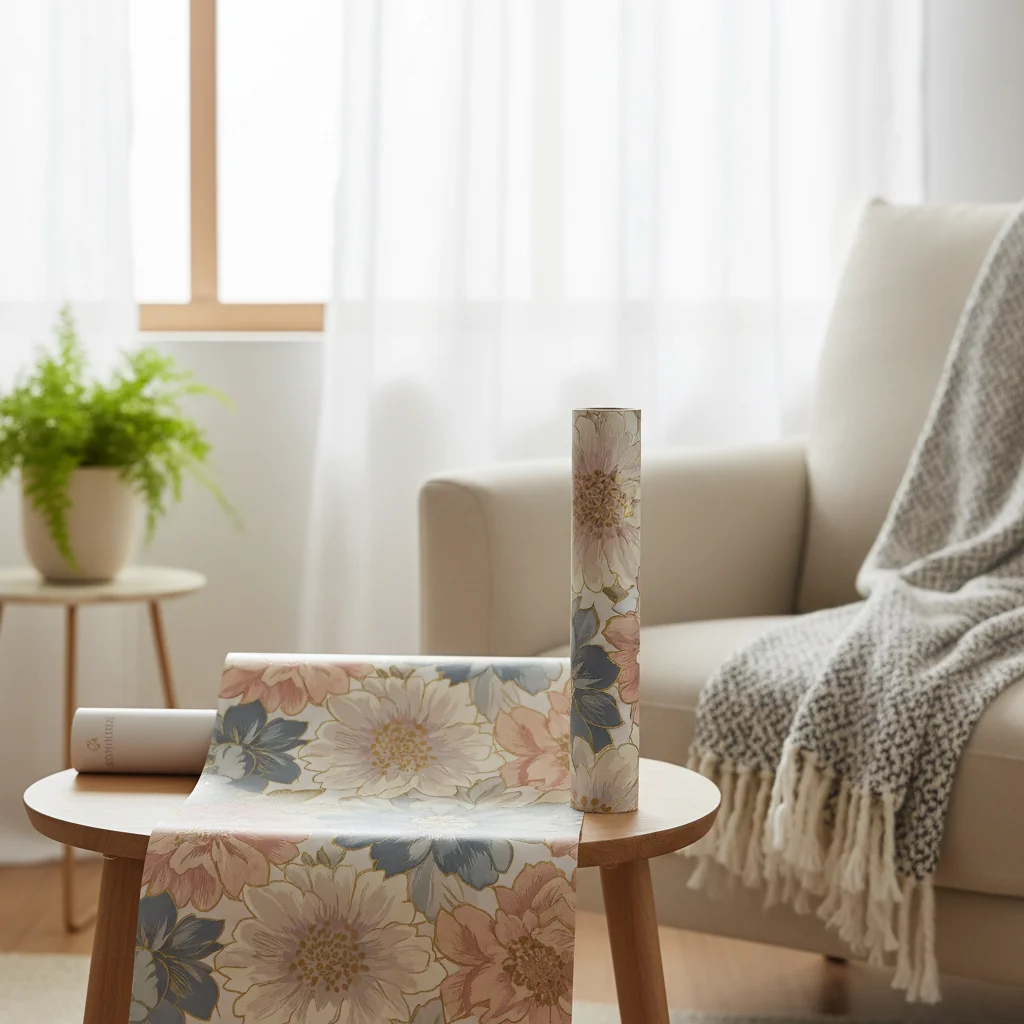
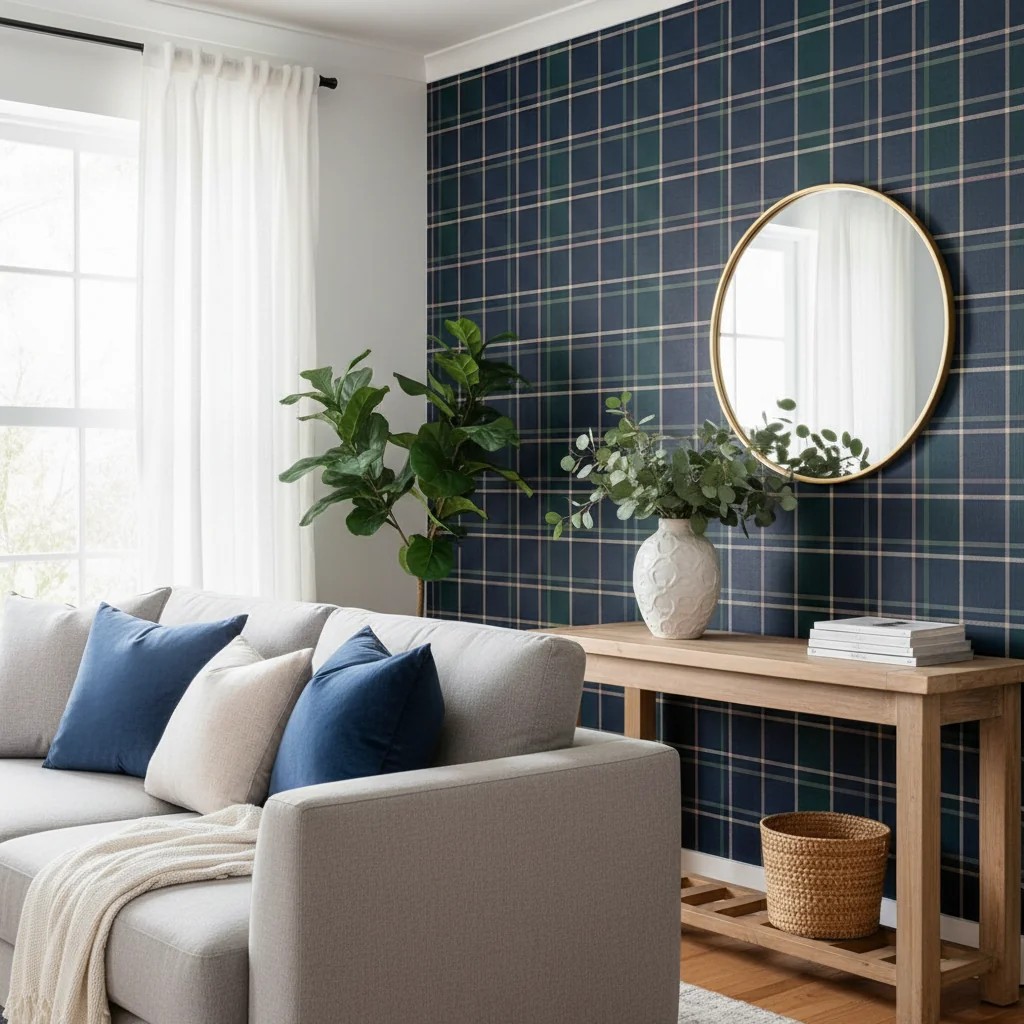
For over a century, York Wallcoverings has stood as a cornerstone of American interior design, transforming homes and commercial spaces with its unparalleled collection of wallcoverings. As the oldest and largest wallcovering producer in the United States, York Wallcoverings is renowned for its commitment to quality, innovation, and an expansive design library that caters to every aesthetic, from classic elegance to contemporary chic. Each roll of York wallpaper represents a fusion of traditional craftsmanship and cutting-edge printing techniques, providing designers and homeowners alike with durable, beautiful, and inspiring options to define their interiors. Whether you seek the subtle texture of grasscloth, the bold statement of a geometric pattern, or the timeless charm of a botanical print, York offers solutions that elevate any room, adding depth, character, and a personalized touch that paint alone cannot achieve. This comprehensive guide from Starhouse delves into the world of York wallpaper, exploring its diverse types, styles, materials, and providing expert advice on selection, measurement, installation, and care to help you create a truly exceptional space.
Key takeaways
- York Wallcoverings is the oldest and largest wallcovering producer in the United States, celebrated for its extensive range of high-quality, durable, and aesthetically diverse wallpapers.
- Their product line includes traditional unpasted, pre-pasted, SureStrip® removable, and peel-and-stick options, providing versatile solutions for various installation preferences and design needs.
- York utilizes diverse materials such as non-woven substrates, solid sheet vinyl, and natural fibers, ensuring options for different durability, cleanability, and environmental considerations.
- Selecting the ideal York wallpaper requires precise consideration of a room’s function, light exposure, existing decor, pattern scale, and maintenance requirements to achieve a cohesive design.
- Accurate measurement, accounting for pattern repeat, and meticulous surface preparation are critical steps for a flawless installation, preventing material shortages and ensuring a professional finish.
- Proper care, tailored to the specific wallpaper material, is essential for maintaining the aesthetic integrity and extending the lifespan of York Wallcoverings in any interior setting.
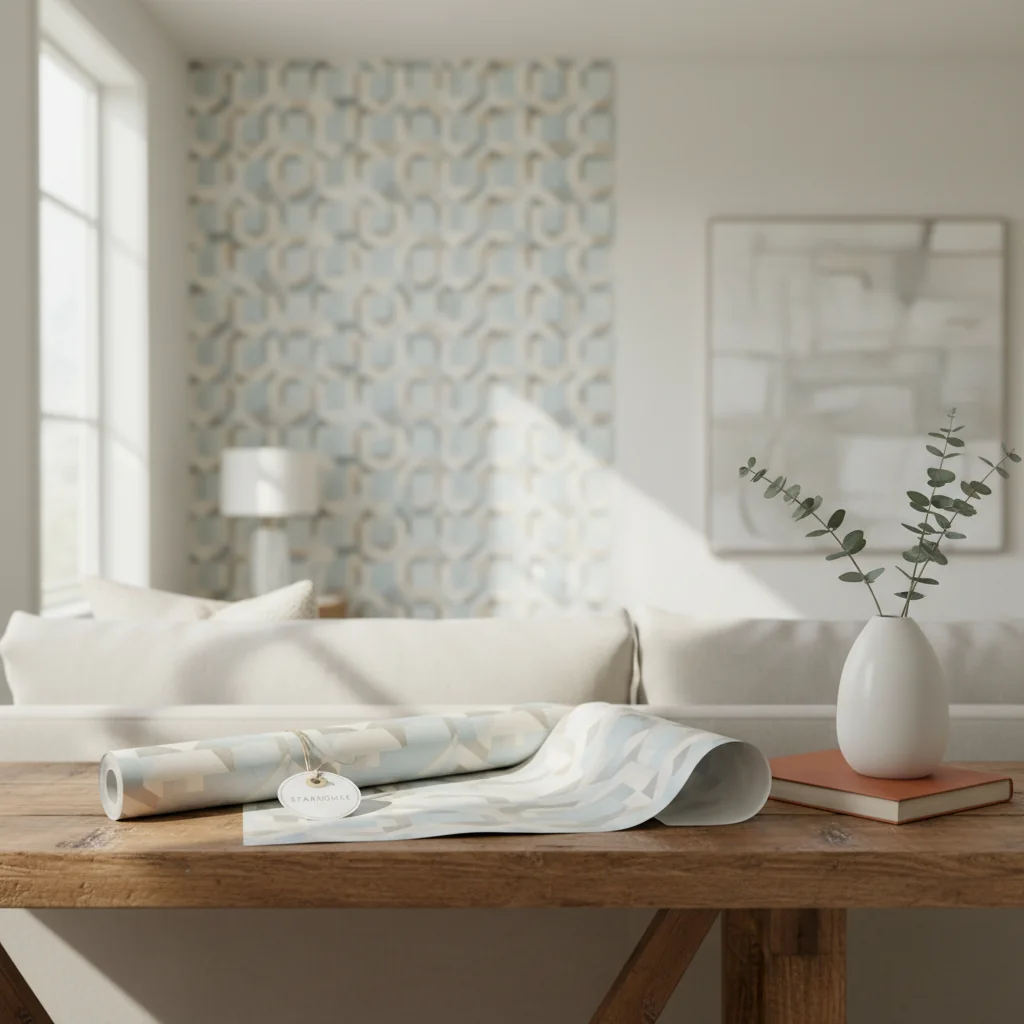
The Enduring Legacy of York Wallpaper: A Century of Craftsmanship and Innovation
York Wallpaper is renowned for its deep heritage in American wallcovering manufacturing, offering a vast array of designs that blend traditional artistry with modern innovation. Established in 1895 in York, Pennsylvania, the company has consistently upheld a commitment to quality, becoming the oldest and largest wallcovering producer in the United States, with products available in 85 countries worldwide. This extensive history is built upon a foundation of meticulous craftsmanship, ensuring that each roll meets stringent standards for durability, aesthetic appeal, and environmental responsibility.
The brand’s philosophy centers on inspiring design through exceptional wallcoverings, treating wallpaper not merely as a decorative element but as an integral component of a room’s identity. York Wallcoverings employs a diverse range of printing techniques, including surface printing, gravure, and screen printing, which allows for intricate details, rich textures, and vibrant color saturation that distinguish their products. Their dedication to preserving traditional methods while embracing new technologies positions them as a leader in the industry, offering a product that is both historically resonant and forward-thinking.
For over 125 years, York has continuously evolved its collections to reflect changing design sensibilities, yet always maintaining a core commitment to timeless beauty. This legacy ensures that when you select a York wallpaper, you are investing in a product backed by generations of expertise and a reputation for excellence that is unmatched in the wallcovering market. The company’s focus on American manufacturing also supports local economies and allows for rigorous quality control throughout the production process, from raw material sourcing to final packaging. This unwavering dedication to quality and design innovation solidifies York’s position as a premier choice for discerning homeowners and interior designers.
Understanding York Wallpaper Types: From Traditional to Modern Applications
York Wallcoverings produces a diverse range of wallpaper types, including traditional pre-pasted, unpasted, SureStrip® removable, and peel-and-stick options, catering to various installation preferences and design needs. Each type offers distinct advantages in terms of installation ease, durability, and removal, making it crucial to select the correct substrate for your project and lifestyle.
Traditional Wallpaper: Unpasted and Pre-Pasted
Unpasted wallpaper, also known as paste-the-wall or paste-the-paper, requires the application of a separate adhesive to the back of the wallpaper or directly onto the wall before hanging. This traditional method offers flexibility in adhesive choice, allowing for specialized pastes that provide extra strength for heavy materials or specific environmental conditions. Professional installers often prefer unpasted options for their precise control over paste application and positioning.
Pre-pasted wallpaper features a dry adhesive backing that is activated by water. Installation typically involves submerging the cut strips in a water tray or using a spray bottle to moisten the adhesive. This method streamlines the process by eliminating the need for separate paste, making it a popular choice for DIY enthusiasts. While convenient, it requires careful handling to avoid over-soaking or uneven activation, which can affect adhesion.
Removable Wallpaper: SureStrip® and Peel and Stick
SureStrip® wallpaper is a proprietary technology developed by York Wallcoverings, designed for easy removal without damaging walls. This type is typically pre-pasted, meaning it is water-activated, but its engineered substrate allows for full strip removal when it’s time for a change. SureStrip® is an excellent option for those who desire the look and durability of traditional wallpaper but with the flexibility of easy removal, making it suitable for renters or spaces that undergo frequent design updates.
Peel and stick wallpaper, also known as self-adhesive wallpaper, is designed for ultimate ease of installation and removal. It features an adhesive backing protected by a release liner, which is peeled away as the wallpaper is applied to the wall. This type requires no water or paste, making it the most straightforward option for temporary installations, accent walls, or DIY projects. While highly convenient, the adhesive strength can vary, and proper wall preparation is still critical for optimal adhesion and seamless removal. York’s peel and stick options maintain the brand’s quality standards, offering durable and stylish designs.
Specialty Wallcoverings
York also offers specialty wallcoverings that go beyond standard paper-based options:
- Grasscloth: This natural fiber wallcovering is made from woven plant fibers like sisal, jute, or hemp, adhered to a paper backing. Grasscloth offers unique texture, depth, and organic beauty, providing a sophisticated, tactile dimension to any room. It is typically unpasted and requires careful installation due to its delicate nature and visible seams, which are part of its inherent charm.
- Fabric-Backed Vinyl: These commercial-grade wallcoverings feature a durable vinyl surface bonded to a fabric backing. They are exceptionally resistant to abrasions, tears, and moisture, making them ideal for high-traffic areas in both residential and commercial settings. Fabric-backed vinyl is typically unpasted and requires heavy-duty adhesive.
- Solid Sheet Vinyl (SSV): This type consists of a solid layer of vinyl, often textured or embossed, for superior durability and washability. SSV is highly resistant to moisture and staining, making it a practical choice for kitchens, bathrooms, and other areas exposed to humidity or frequent cleaning.
Understanding these distinct types of York wallpaper empowers you to make an informed decision that aligns with your design vision, installation comfort level, and the functional requirements of your space. Each variant is engineered to provide lasting beauty and performance, reflecting York’s commitment to diverse and high-quality wallcovering solutions.
Exploring York Wallpaper Styles and Designs: A Curated Aesthetic for Every Space
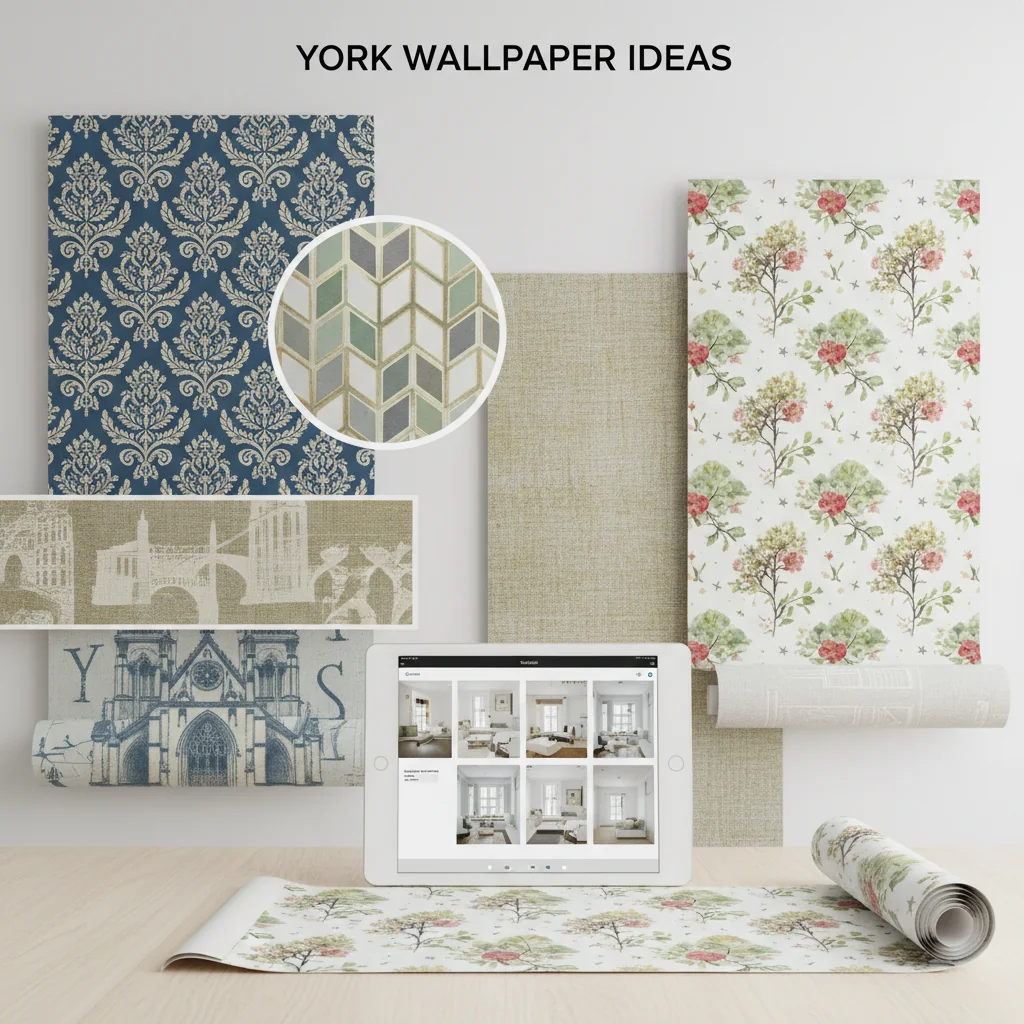
York Wallpaper offers an extensive catalog of styles, from classic damasks and traditional florals to contemporary geometrics, textural plains, and whimsical patterns, ensuring a design solution for virtually any interior aesthetic. Their design team meticulously curates collections that reflect both enduring elegance and current trends, providing options that can transform a room’s mood and perceived dimensions.
Traditional and Classic Styles
Traditional York designs draw inspiration from historical patterns and decorative arts, bringing a sense of timeless sophistication to interiors:
- Damask: Characterized by ornate, often monochromatic, woven patterns, damask wallpaper creates a luxurious and elegant backdrop. York’s damasks range from subtle tone-on-tone designs to bold, metallic interpretations, suitable for formal living rooms or master bedrooms.
- Toile de Jouy (Toile): Featuring pastoral scenes, often in a single color on a light background, toile wallpaper evokes a charming, romantic, and classic European aesthetic. It is perfect for creating a serene and sophisticated atmosphere in bedrooms or dining areas.
- Floral and Botanical: From delicate English garden motifs to bold tropical leaves, York’s floral and botanical patterns range widely. These designs can introduce natural elements, add vibrancy, or create a calming, organic feel, depending on the scale and color palette.
- Stripes: A perennial classic, stripes offer versatility from crisp, tailored lines to wider, more relaxed bands. Vertical stripes can visually heighten a ceiling, while horizontal stripes can make a room feel wider. York offers various stripe widths and textures.
Contemporary and Modern Styles
For those seeking a more current or avant-garde aesthetic, York provides an array of modern designs:
- Geometric: These patterns feature repeating shapes, lines, and abstract forms, creating dynamic and structured visual interest. From Art Deco-inspired motifs to minimalist grids, geometric wallpapers are ideal for contemporary spaces, adding energy and a sense of order.
- Abstract: Moving beyond recognizable forms, abstract designs offer artistic expression and can range from subtle textural effects to bold, painterly compositions. They are excellent for creating a unique focal point and fostering a modern, artistic ambiance.
- Mid-Century Modern: Reflecting the design sensibilities of the mid-20th century, these patterns often incorporate organic shapes, atomic motifs, and a distinct color palette, perfect for spaces aiming for a retro-chic or sophisticated vintage feel.
Textural and Faux Finish Styles
York excels in creating wallpapers that mimic natural textures or materials, adding depth without the expense or complexity of the real thing:
- Grasscloth: As mentioned, natural grasscloth offers unparalleled texture and organic warmth. York also produces faux grasscloth wallpapers that replicate the look with greater durability and often at a lower cost, suitable for high-traffic areas.
- Faux Finishes: These designs convincingly simulate materials like brick, stone, wood paneling, concrete, plaster, or even metallic leaf. They are perfect for adding architectural interest or an industrial edge without structural modifications.
- Metallics: Incorporating metallic inks or foils, these wallpapers add shimmer and reflectivity, brightening rooms and creating a luxurious, glamorous effect. They can be subtle accents or bold, all-over statements.
Specialty and Whimsical Designs
- Murals: York offers stunning wall murals that cover an entire wall with a single, expansive image, such as a landscape, cityscape, or large-scale botanical. Murals create a dramatic focal point and an immersive experience.
- Children’s Designs: A vibrant collection of playful patterns, from whimsical animals and storybook themes to educational maps and cheerful geometrics, designed to spark imagination in nurseries, playrooms, and kids’ bedrooms.
The careful selection of a York wallpaper style can profoundly influence a room. Large-scale patterns can make a grand statement in spacious rooms, while smaller, delicate patterns can add intricate detail without overwhelming a cozier area. Light-colored wallpapers tend to expand a space, while darker hues can create intimacy and warmth. By understanding the vast array of styles, you can leverage York’s design expertise to craft an interior that truly reflects your personal vision.
Materials and Construction: The Foundation of York’s Quality
York Wallcoverings utilizes a variety of high-quality materials, such as non-woven substrates, solid sheet vinyl, and natural fibers like grasscloth, to create durable, beautiful, and often environmentally conscious wallcoverings. The choice of material directly impacts a wallpaper’s performance characteristics, including its durability, washability, lightfastness, and ease of installation and removal.
Common Wallpaper Materials and Their Properties
- Non-Woven: This is a modern, synthetic material made from a blend of natural and synthetic fibers, often cellulose and polyester. Non-woven wallpaper is highly breathable, tear-resistant, and dimensionally stable, meaning it won’t expand or contract when wet. It’s often “paste-the-wall” and is celebrated for its easy removal in full strips without damaging the wall, making it a popular choice for both homeowners and professional installers. Many of York’s SureStrip® products are non-woven.
- Solid Sheet Vinyl (SSV): This material features a solid layer of polyvinyl chloride (PVC) with a printed and often embossed design. SSV is exceptionally durable, highly washable, and resistant to moisture, making it ideal for high-traffic areas like hallways, kitchens, and bathrooms. It offers excellent longevity and can withstand scrubbing, but it is not breathable.
- Paper-Backed Vinyl: Consisting of a vinyl surface layer bonded to a paper backing, this material offers a good balance of durability and affordability. The vinyl surface provides washability and some level of moisture resistance, while the paper backing allows for easier installation than solid vinyl. However, it may not be as tear-resistant or breathable as non-woven options.
- Natural Fibers (Grasscloth, Hemp, Jute, Sisal): These wallcoverings are crafted by weaving natural plant fibers onto a paper backing. Grasscloth, a particularly popular variant, offers unique texture, warmth, and an organic aesthetic. Natural fiber wallpapers are typically unpasted, delicate to install, and require gentle care as they are not washable. Their inherent variations in color and texture are part of their appeal, and visible seams are characteristic of their installation.
- Foil/Mylar: These wallpapers incorporate metallic foils or Mylar (a type of polyester film) to create reflective, luminous surfaces. They can add glamour and sophistication, brightening spaces by reflecting light. Foil wallpapers are often delicate and require meticulous surface preparation to ensure a smooth, flawless finish, as imperfections on the wall can show through.
- Flocked: Flocked wallpaper features a raised, velvety pattern created by applying tiny fibers onto the paper. This technique adds tactile dimension and a luxurious, traditional feel, often seen in damask or traditional floral designs. Flocked wallpapers are generally delicate and require dry cleaning or very gentle spot cleaning.
Comparison of Key York Wallpaper Materials
Choosing the right material ensures that your York wallpaper not only looks beautiful but also performs optimally for its intended application. The table below provides a concise comparison:
| Material Type | Durability | Cleanability | Ideal Use | Approx. Price Range (per single roll) |
|---|---|---|---|---|
| Non-Woven | High (tear-resistant, dimensionally stable) | Wipeable to Washable | Bedrooms, living rooms, easy removal needs | $40 – $120 |
| Solid Sheet Vinyl (SSV) | Very High (abrasion-resistant) | Scrubbable | Kitchens, bathrooms, high-traffic areas | $50 – $150 |
| Paper-Backed Vinyl | Medium to High | Washable | Bedrooms, dining rooms, moderate traffic | $30 – $100 |
| Natural Fibers (Grasscloth) | Medium (delicate, prone to damage) | Dry clean only (not washable) | Formal living rooms, studies, accent walls | $80 – $250+ |
| Foil/Mylar | Medium (can show imperfections) | Wipeable | Accent walls, powder rooms, luxurious spaces | $70 – $200 |
| Flocked | Medium (delicate texture) | Dry clean only (gentle spot clean) | Formal areas, bedrooms, low-traffic spaces | $60 – $180 |
York Wallcoverings’ commitment to using diverse and high-quality materials ensures that whether you prioritize easy removal, extreme durability, or unique texture, there is a precisely engineered solution available to meet your project’s demands. This material diversity is a key factor in the brand’s enduring appeal and versatility.
Choosing the Perfect York Wallpaper: A Strategic Approach to Design
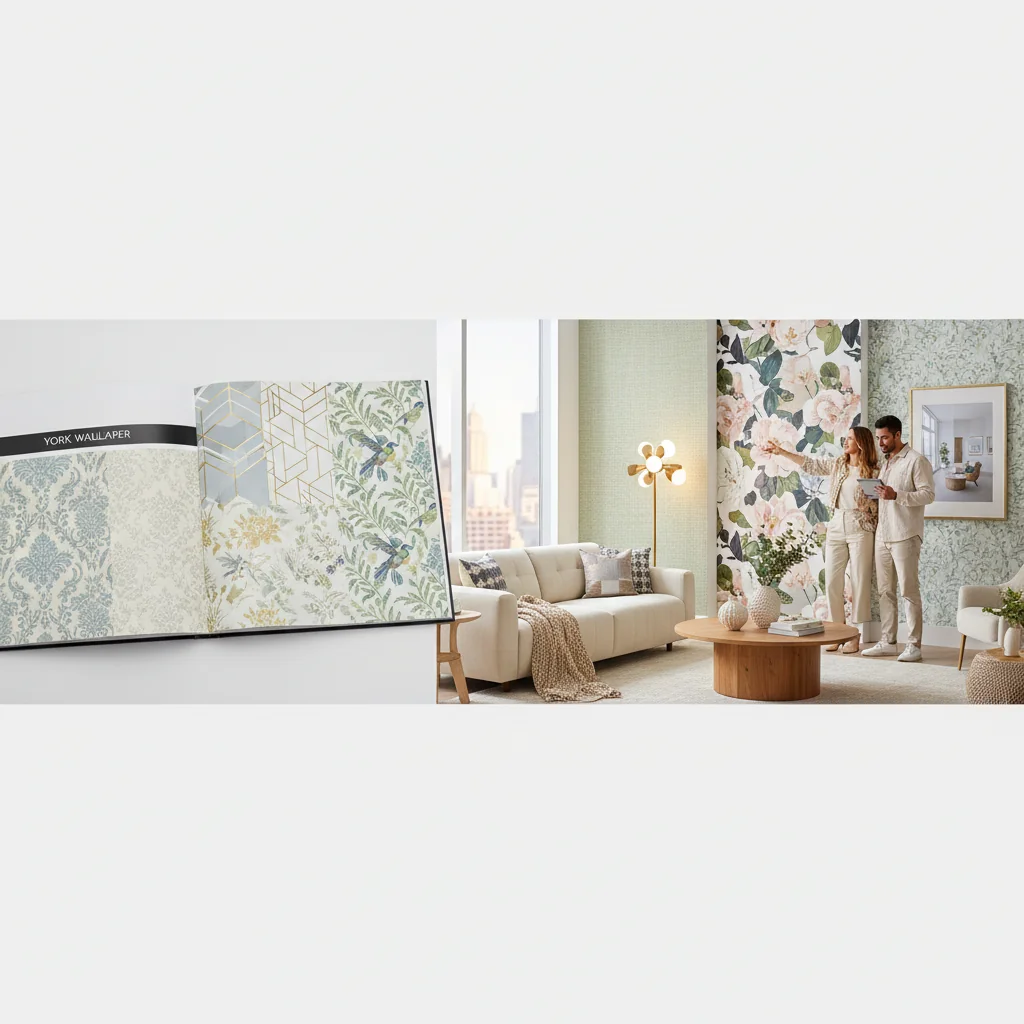
Selecting the ideal York Wallpaper involves a careful consideration of room function, desired aesthetic, existing décor, light exposure, and the practicalities of installation and maintenance. A strategic approach ensures that your chosen wallcovering not only enhances the visual appeal of your space but also aligns with its functional requirements and your lifestyle.
1. Assess Room Function and Traffic
The purpose of the room dictates the necessary durability and cleanability of the wallpaper. For high-traffic areas like hallways, entryways, or children’s playrooms, a highly durable and washable material like solid sheet vinyl (SSV) or fabric-backed vinyl is recommended. In moisture-prone areas like bathrooms and kitchens, opt for vinyl or moisture-resistant non-woven options. For bedrooms or formal living rooms with lower traffic, you have more flexibility to choose delicate materials like natural grasscloth or flocked designs.
2. Consider Light Exposure and Room Size
Natural and artificial light significantly impact how a wallpaper appears. In rooms with limited natural light, lighter-colored wallpapers, especially those with metallic accents or reflective surfaces, can help brighten and expand the space. Darker patterns and colors create intimacy and drama, best suited for rooms with ample light or where a cozy ambiance is desired. The scale of the pattern should also correspond to room size: large, bold patterns can overwhelm small rooms, while small, intricate patterns might get lost in vast spaces. A medium-scale pattern often offers versatility.
3. Harmonize with Existing Décor and Architectural Style
Your wallpaper choice should complement your existing furniture, textiles, and architectural features. If your home has a traditional aesthetic, consider classic damasks, toile, or botanical prints. For modern homes, geometric, abstract, or textured plains might be more appropriate. Ensure the color palette of the wallpaper integrates seamlessly with your current furnishings, either by matching tones, providing a complementary contrast, or introducing a new accent color. The goal is cohesion, not competition.
4. Order Samples and Visualize
This is a critical step that many homeowners overlook. Wallpaper colors and textures can appear drastically different in person and under your home’s specific lighting conditions than they do online or in a catalog. Always order samples of your top choices and tape them to your wall for several days, observing them at different times of day and night. This allows you to see how the pattern, color, and texture interact with your room’s light and existing elements, preventing costly mistakes.
5. Evaluate Installation and Maintenance Requirements
Consider your comfort level with DIY installation or your budget for professional help. Peel-and-stick and SureStrip® wallpapers are generally easier for DIYers due to their simpler application and removal. Traditional unpasted wallpapers, especially those with complex patterns or delicate materials like grasscloth, often benefit from professional installation. Furthermore, assess the maintenance required: washable vinyls are low-maintenance, while natural fibers or flocked wallpapers demand more delicate care. This practical consideration ensures long-term satisfaction with your choice.
By systematically addressing these factors, you can confidently navigate York’s extensive collections and select a wallpaper that not only fulfills your design aspirations but also meets the practical demands of your home, creating a truly personalized and inspiring environment.
Sizing, Measuring, and Estimating: Precision for a Seamless Installation
Accurate measurement of wall dimensions and precise calculation of wallpaper rolls are critical steps for a successful York Wallpaper installation, preventing shortages or excessive waste. Underestimating material can lead to delays and mismatched dye lots, while overestimating results in unnecessary expense. Precision in this phase ensures a smooth and cost-effective project.
1. Gather Your Tools
- Steel measuring tape (at least 25 feet long)
- Pencil
- Paper or notepad
- Calculator
2. Measure Wall Height and Width
For each wall you intend to cover, measure the height from the baseboard to the ceiling, or to the top of the crown molding if it will be covered. Take at least three measurements across the width of the wall (left, center, right) and use the tallest measurement to account for any inconsistencies. Then, measure the total width of each wall. For walls that are not rectangular (e.g., sloped ceilings), measure the longest height and the total width.
Example: A wall is 8 feet 6 inches (102 inches) high and 12 feet (144 inches) wide.
3. Account for Doors, Windows, and Architectural Features
While you won’t wallpaper over these, you must measure them to subtract their area from the total. However, it’s generally recommended to calculate the wallpaper needed for the entire wall area first and then subtract only significant openings (like large windows or doors) if they are larger than 20 square feet. For smaller openings, it’s safer to include them in the total to account for cutting and pattern matching waste. For instance, a standard door (21 sq ft) or a large window (15 sq ft) will result in less waste than a small window (6 sq ft). Always round up your roll count to be safe.
4. Understand York Wallpaper Roll Dimensions
York wallpaper is typically sold in single rolls, but often packaged as double rolls (sometimes called bolts) to simplify ordering and reduce waste. A standard single roll usually measures approximately 20.5 inches wide by 33 feet long (56 square feet of coverage, unpatterned). A double roll would be 20.5 inches wide by 66 feet long (112 square feet of coverage). Always verify the exact dimensions and square footage coverage listed on the specific York product you choose, as these can vary.
Definition: A single roll of wallpaper is a standard unit of measure, typically covering about 56 square feet, though it is often packaged and sold as a double roll for convenience and to ensure consistent dye lots.
5. Calculate Drops per Roll
First, determine how many full “drops” or strips you can get from a single roll. Divide the total length of the roll (e.g., 33 feet or 396 inches for a single roll) by your wall height, adding an extra 4-6 inches per drop for trimming at the top and bottom, and for pattern matching.
Example: Wall height = 102 inches. Add 6 inches for trim/pattern = 108 inches per drop.
Single roll length = 396 inches.
Drops per single roll = 396 inches / 108 inches = 3.66. Round down to 3 full drops per single roll.
6. Calculate Total Drops Needed
Divide the total width of your wall(s) by the width of one wallpaper strip (e.g., 20.5 inches).
Example: Wall width = 144 inches. Wallpaper width = 20.5 inches.
Total drops needed = 144 inches / 20.5 inches = 7.02. Round up to 8 drops.
7. Determine Number of Rolls
Divide the total drops needed by the number of drops you get from a single roll.
Example: Total drops needed = 8. Drops per single roll = 3.
Number of single rolls = 8 / 3 = 2.66. Round up to 3 single rolls.
If purchasing double rolls (which is common for York), you would need 2 double rolls (since 1 double roll yields 6 drops, 2 double rolls yield 12 drops, which covers your 8 drops needed with extra). Always remember to purchase in full rolls.
8. Factor in Pattern Repeat and Waste
Definition: Pattern repeat is the vertical distance between one point on a pattern and the identical point directly above or below it on the wallpaper, indicating where the design repeats itself. This measurement is crucial for matching strips seamlessly.
The pattern repeat significantly impacts how much wallpaper you need. For large repeats (over 20 inches), you may lose a foot or more per drop when matching patterns. Always add 10-15% extra to your final roll count to account for trimming, pattern matching, and potential errors. For complex patterns or unusually shaped rooms, consider adding up to 20% extra. It is always better to have a little extra from the same dye lot than to run short and need to order more later, risking color variations.
When purchasing York wallpaper from Sherwin-Williams or other retailers, confirm whether the listed coverage is for a single or double roll and factor in pattern repeat diligently. This meticulous approach to measurement and estimation ensures a professional and efficient installation, minimizing frustration and maximizing the beauty of your chosen York design.
At Starhouse, we understand that selecting and planning for wallpaper can be a nuanced process. We are meticulously curating our collection to bring you the finest in home décor, including exceptional wallcoverings. If you’re envisioning the perfect backdrop for your space and want early access to our upcoming selections, tell us what you’re looking for.
Installation Best Practices: Ensuring a Flawless York Wallpaper Application
Proper surface preparation, the use of appropriate tools and adhesives, and meticulous application techniques are essential for achieving a professional and lasting York Wallpaper installation. A flawless finish depends on attention to detail at every stage, from preparing the wall to the final trimming.
1. Wall Preparation: The Foundation of Success
Inadequate wall preparation is the most common cause of wallpaper installation failures. Follow these steps meticulously:
- Clean Walls: All walls must be clean, dry, and smooth. Wash walls with a mild detergent and water, then rinse thoroughly to remove any residue. For greasy kitchen walls, use a degreasing cleaner. Allow walls to dry completely, typically 24 hours.
- Patch and Smooth: Fill any holes or cracks with spackling compound, sand smooth, and wipe away dust. Uneven surfaces will show through the wallpaper, especially with thinner materials or those with a sheen.
- Prime Walls: Apply a high-quality wallpaper primer (often called a “sizing” or “wallcovering primer”). Primer serves several crucial functions: it seals porous surfaces, promotes adhesion, allows for easier repositioning during installation, and facilitates cleaner removal in the future. For dark walls being covered with light wallpaper, a tinted primer can prevent show-through. Allow primer to dry completely according to manufacturer instructions, usually 2-4 hours.
- Remove Obstructions: Turn off power to outlets and switches, then remove switch plates and outlet covers. Remove any nails, screws, or other wall hardware.
2. Essential Tools for Installation
Having the right tools makes the process significantly easier and more precise:
- Measuring Tape and Pencil: For accurate measurements and markings.
- Level or Plumb Bob: Crucial for drawing the first vertical line, ensuring your first strip is perfectly straight.
- Utility Knife with Snap-Off Blades: Essential for clean, sharp cuts. Always use a fresh, sharp blade for each new strip or frequently during the process.
- Smoothing Tool (Plastic Smoother or Wallpaper Brush): For pressing out air bubbles and ensuring firm adhesion.
- Seam Roller: To gently flatten seams without squeezing out adhesive (avoid on delicate materials like grasscloth or flocked).
- Water Tray (for pre-pasted): For activating pre-pasted wallpaper.
- Paste Brush or Roller (for unpasted): For applying adhesive evenly.
- Clean Sponges and Buckets: For wiping away excess paste and cleaning tools.
- Drop Cloths: To protect floors and furniture.
- Stepladder: For reaching high areas safely.
3. Adhesives for Unpasted Wallpaper
For unpasted York wallpapers, selecting the correct adhesive is vital:
- Clear Adhesives: General purpose, suitable for most residential unpasted wallpapers.
- Clay-Based Adhesives: Offer stronger tack and are ideal for heavier or more textured wallpapers.
- Heavy-Duty Adhesives: Recommended for commercial-grade vinyls, grasscloth, or wallcoverings in high-humidity environments.
- Strippable Adhesives: Designed for easier removal later, often used with non-woven wallpapers.
Always follow the adhesive manufacturer’s instructions for mixing and application.
4. Application Techniques by Wallpaper Type
The installation method varies slightly depending on the York wallpaper type:
- Traditional Unpasted (Paste-the-Paper or Paste-the-Wall):
- Draw a plumb line starting 20 inches from a corner (or the width of your paper minus 1/2 inch) to ensure the first strip is vertical.
- Cut strips to wall height plus 4-6 inches for trim and pattern match.
- Apply paste evenly to the back of the wallpaper (booking method) or directly to the wall, depending on the wallpaper type.
- Hang the first strip along the plumb line, smoothing from the center outwards to remove bubbles.
- Match the pattern of subsequent strips and butt seams tightly.
- Trim excess at ceiling and baseboard with a utility knife and straightedge.
- Wipe off any excess paste immediately with a damp sponge.
- Pre-Pasted (SureStrip®):
- Cut strips to size, adding extra for trim and pattern match.
- Roll the strip loosely with the paste side out, submerge it in a water tray for the recommended time (usually 10-15 seconds), or spray the back evenly with water.
- “Book” the paper (fold paste-to-paste) for 5-10 minutes to allow the paste to activate fully.
- Hang the strip, aligning with the plumb line, and smooth out bubbles.
- Match patterns and butt seams, trimming excess.
- Wipe away any paste residue.
- Peel and Stick:
- Ensure walls are exceptionally smooth and clean. Peel and stick works best on perfectly prepared surfaces.
- Starting at the top, peel back a few inches of the liner and align the wallpaper with your plumb line.
- Slowly peel off the backing while smoothing the wallpaper down the wall with your hand or a smoother, working out bubbles as you go.
- Overlap subsequent strips slightly (usually 1/8 inch or as recommended) or butt seams, depending on the product.
- Trim excess carefully.
5. Pattern Matching and Seams
Careful pattern matching is essential for a professional look. Always match patterns at eye level first. For butted seams, ensure they are tight but not overlapping (unless specifically instructed for peel and stick). Use a seam roller gently on durable materials, but avoid on delicate or heavily embossed papers where it could flatten the texture. Visible seams are characteristic of natural grasscloth and are not considered a flaw.
By following these best practices, you can confidently install your York wallpaper, creating a stunning and lasting transformation for your home. Patience and precision during installation yield the most rewarding results.
Care and Maintenance: Preserving the Beauty of Your York Wallcoverings
Proper care and regular maintenance, tailored to the specific material of your York Wallpaper, are crucial for preserving its appearance and extending its lifespan. Different wallcovering types have varying degrees of durability and washability, and understanding these distinctions is key to effective care.
General Care Guidelines
Regardless of the material, consistent, gentle care helps maintain the integrity of your wallpaper:
- Dusting: Regularly dust your wallpaper with a soft, dry cloth or a feather duster to prevent dust and grime buildup. This is particularly important for textured or flocked wallpapers where dust can settle into crevices.
- Avoid Harsh Chemicals: Never use abrasive cleaners, strong detergents, or solvents on any wallpaper, as these can damage the surface, fade colors, or compromise the adhesive.
- Spot Test: Before applying any cleaning solution to a visible area, always test it on an inconspicuous spot (e.g., behind a door or a leftover scrap) to ensure it does not cause discoloration or damage.
- Ventilation: Ensure good ventilation in rooms, especially bathrooms and kitchens, to minimize humidity and prevent mold or mildew growth, which can damage wallpaper and adhesive.
- UV Protection: Prolonged exposure to direct sunlight can cause wallpaper colors to fade over time. Consider using UV-protective window treatments like blinds, shades, or sheer curtains in rooms with significant sun exposure.
Specific Cleaning Instructions by Material Type
York Wallcoverings products are rated for cleanability. Always refer to the care label on your specific product for precise instructions. Common classifications include:
- Washable: Can be cleaned with a damp sponge or cloth and a mild detergent solution. This typically applies to many non-woven and paper-backed vinyl wallpapers. Gently wipe the surface, then rinse with a clean, damp sponge and dry thoroughly with a soft cloth.
- Scrubbable: Designed to withstand more rigorous cleaning, often with a soft brush and mild soap. Solid sheet vinyl (SSV) is usually scrubbable, making it ideal for kitchens and bathrooms. Apply gentle pressure, scrub stains, rinse, and dry.
- Wipeable: Can be gently wiped with a slightly damp cloth, but avoid excessive moisture or scrubbing. Many delicate papers, some non-wovens, and those with light sheen fall into this category.
- Dry Clean Only: These materials cannot tolerate water or liquid cleaners. This applies to natural fibers like grasscloth, flock, and some fabric wallcoverings. For these, use a dry, soft cloth or a vacuum with a brush attachment to remove dust. For stains, consult a professional wallcovering cleaner.
Dealing with Common Issues
- Seam Lifting: If a seam begins to lift, gently re-adhere it using a seam adhesive or an appropriate wallpaper repair adhesive. Apply a small amount to the underside of the seam, press firmly with a seam roller, and wipe away excess.
- Bubbles: Small bubbles often disappear as the wallpaper dries. For persistent bubbles, you can carefully make a small incision with a sharp utility knife, gently push out the air, and then smooth the area. For bubbles caused by loose adhesion, inject a small amount of wallpaper adhesive with a syringe before smoothing.
- Stains: Address stains immediately. For washable papers, blot the stain with a clean cloth and a mild cleaning solution. For dry-clean-only papers, gently blot with a dry cloth; if the stain persists, consult a professional.
By adhering to these care and maintenance guidelines, you ensure that your York Wallpaper remains a beautiful and vibrant element of your interior design for years to come, reflecting the quality and longevity the brand is known for. Consistent, appropriate care is an investment in the aesthetic value and lifespan of your wallcoverings.
Current Trends and Timeless Appeal in York Wallpaper Designs
York Wallcoverings consistently integrates current design trends, such as biophilic patterns, maximalist aesthetics, and sophisticated metallics, while also maintaining a strong collection of timeless classics that transcend fleeting fads. This dual focus ensures that their catalog offers both contemporary relevance and enduring elegance, catering to a broad spectrum of design preferences.
Embracing Current Design Trends
York’s design team meticulously monitors global interior design movements, translating them into accessible and stylish wallcovering collections:
- Biophilic Designs: A significant trend, biophilia seeks to connect interiors with nature. York offers a wealth of botanical prints, tropical foliage, lush landscapes, and organic textures like faux grasscloth or wood grain. These designs bring a sense of calm, freshness, and vitality to urban and suburban homes.
- Maximalism and Grandmillennial Style: Moving away from stark minimalism, these trends embrace rich patterns, vibrant colors, and layered textures. York responds with opulent damasks, intricate chintz, large-scale florals, and eclectic animal prints. The Grandmillennial aesthetic, in particular, reinterprets traditional patterns with a fresh, often colorful, twist.
- Textural Emphasis: Beyond visual patterns, texture adds depth and tactile interest. York’s collections feature heavily embossed designs, faux plaster, concrete, linen, and woven effects that create a sophisticated, sensory experience without overwhelming a space with color.
- Metallic Accents: Gold, silver, copper, and bronze metallic inks and foils continue to be popular, adding shimmer, glamour, and light reflection. These are often integrated into geometric patterns, abstract designs, or as subtle highlights in traditional motifs, elevating the perceived luxury of a space.
- Geometric Revival: From bold Art Deco-inspired patterns to more subtle, minimalist grids, geometric designs remain a strong trend. York offers a wide range, suitable for creating dynamic accent walls or adding structured elegance to an entire room.
- Murals and Large-Scale Art: The trend of using wallpaper as art continues to grow. York’s murals feature expansive landscapes, abstract art, or oversized botanical illustrations, creating dramatic focal points that transform a wall into a captivating canvas.
The Enduring Power of Timeless Classics
While trends evolve, certain York designs possess an inherent, timeless appeal that ensures their relevance across generations. These classics form the backbone of the brand’s enduring legacy:
- Traditional Damasks: The intricate, often symmetrical, patterns of damask wallpaper have been a symbol of luxury and elegance for centuries. York’s damasks, whether in tone-on-tone neutrals or subtle metallics, offer a sophisticated backdrop that never goes out of style.
- Stripes: A fundamental design element, stripes are perpetually stylish. From classic pinstripes to broad cabana stripes, they offer visual order and can manipulate perceived room dimensions, making them a versatile choice for any era.
- Toile de Jouy: The charming pastoral scenes of toile continue to evoke a sense of romanticism and classic European style, perfect for creating serene and inviting spaces that feel both refined and comfortable.
- Small-Scale Prints: Delicate, repeating patterns like polka dots, tiny florals, or subtle trellis designs offer understated elegance. They add visual interest without overwhelming a space, providing a soft background that allows furnishings to shine.
- Solid Textures: Plain wallpapers with subtle textural effects, such as faux linen, grasscloth, or woven patterns, offer sophisticated simplicity. They provide depth and warmth without a defined pattern, serving as a versatile foundation for various design schemes.
York Wallcoverings’ ability to skillfully blend these contemporary trends with its foundational collection of timeless designs is a testament to its design leadership. This approach allows homeowners to find wallcoverings that are both fashionable and enduring, ensuring their interiors remain stylish and relevant for years to come.
Styling and Pairing York Wallpaper: Harmonizing Your Interior Design
Effectively styling York Wallpaper involves integrating its pattern, color, and texture with complementary furnishings, textiles, lighting, and accessories to create a cohesive and inviting interior. Wallpaper is a powerful design tool; when thoughtfully paired, it can unify a space, create focal points, and express a distinct personality.
1. Define Your Room’s Mood and Purpose
Before selecting supporting elements, clarify the desired ambiance. A bold, geometric York wallpaper might suggest a modern, energetic space, calling for sleek furniture and minimalist accessories. A delicate floral or toile, conversely, implies a serene, traditional, or romantic setting, best complemented by softer fabrics and classic pieces. Let the wallpaper guide the overall emotional tone of the room.
2. Harmonize with Furniture Styles
- Modern/Contemporary: Pair abstract, geometric, or textural York wallpapers with clean-lined, minimalist furniture in solid colors. Metallic accents in the wallpaper can be echoed in chrome or brass hardware.
- Traditional/Classic: Damasks, large-scale florals, or toile wallpapers from York pair beautifully with antique or reproduction furniture, rich wood tones, and upholstered pieces with classic silhouettes.
- Eclectic: A more adventurous approach involves mixing styles. A bold, unexpected York wallpaper can serve as a unifying backdrop for a curated collection of diverse furniture pieces, as long as a consistent color palette or a common design thread ties them together.
3. Integrate Color Schemes
The colors within your chosen York wallpaper provide a strong foundation for your room’s palette:
- Monochromatic: Use different shades and tints of a single color found in the wallpaper for walls, furniture, and textiles, creating a sophisticated, layered look.
- Complementary: If your wallpaper has a dominant color, introduce its complementary color (opposite on the color wheel) in smaller accents for a vibrant, energetic contrast.
- Analogous: Select colors adjacent to the wallpaper’s dominant hue on the color wheel for a harmonious and calming effect.
- Neutral Backdrop: If your York wallpaper is bold, use neutral colors (grays, whites, creams, natural woods) for larger furniture pieces and introduce the wallpaper’s accent colors in smaller accessories.
4. Complement with Textiles
Textiles—curtains, rugs, throw pillows, upholstery—are crucial for softening a space and adding layers of comfort and style. Choose fabrics that either echo the wallpaper’s pattern in a smaller scale, pick up on its colors, or introduce a complementary texture. For instance, a smooth, glossy wallpaper might be balanced by plush velvet or a chunky knit throw. A busy wallpaper might call for solid-colored drapes, while a subtle textured wallpaper could be paired with patterned curtains.
5. Leverage Lighting and Accessories
Lighting can dramatically alter the appearance of wallpaper. Consider how natural light hits the wall at different times of day. Introduce artificial lighting (lamps, sconces, overhead fixtures) that highlights the wallpaper’s texture or sheen. For example, uplighting can emphasize the texture of grasscloth. Accessories, such as artwork, mirrors, and decorative objects, should enhance, not compete with, the wallpaper. Choose frames that match the wallpaper’s aesthetic or provide a thoughtful contrast. Mirrors can reflect a beautiful wallpaper pattern, effectively doubling its impact.
6. Accent Wall vs. Entire Room
York wallpaper can be used to cover an entire room for an immersive effect or on a single accent wall to create a focal point. An accent wall is ideal for bold patterns or murals, drawing attention to a specific feature like a bed, fireplace, or dining area. When wallpapering an entire room, select a pattern that is less overwhelming or has a subtle repeat to ensure visual comfort. In smaller spaces like powder rooms, a bold all-over pattern can create a jewel-box effect.
By thoughtfully considering these elements, you can elevate your York wallpaper from a simple wall covering to a fundamental component of a beautifully harmonized and personalized interior design. The key is to create a dialogue between the wallpaper and every other element in the room, resulting in a cohesive and visually captivating space.
Common Mistakes to Avoid When Working with York Wallpaper
Avoiding common pitfalls such as inadequate surface preparation, underestimating material quantity, rushing the installation process, or neglecting to order samples ensures a more successful and satisfying York Wallpaper project. Awareness of these common errors can save significant time, effort, and expense.
1. Skipping Wall Preparation
Mistake: Installing wallpaper on dirty, uneven, or unprimed walls. This is the single biggest cause of installation failure.
Correction: Always clean, patch, sand, and prime your walls. Primer creates a consistent surface, improves adhesion, allows for easier repositioning, and facilitates future removal. This step is non-negotiable for a professional finish and long-term durability, especially for York’s high-quality products that deserve a perfect canvas.
2. Incorrect Measurement and Under-Ordering
Mistake: Not accurately measuring walls or failing to account for pattern repeat and waste, leading to insufficient wallpaper.
Correction: Measure every wall segment precisely. Use the longest height for your calculations and add 4-6 inches per strip for trimming. Crucially, factor in the pattern repeat, which can significantly increase material needs. Always add an extra 10-15% buffer to your final roll count to account for mistakes, pattern matching, and future repairs. Ordering too little can result in mismatched dye lots if you need to reorder later.
3. Neglecting to Order Samples
Mistake: Buying full rolls of wallpaper based solely on online images or small swatches.
Correction: Always order large samples (or “memo samples”) of your top choices. Tape them to your walls and observe them at different times of day and night. Wallpaper can look drastically different under various lighting conditions and against your existing decor. This step prevents expensive regrets and ensures the pattern, color, and texture are exactly what you envision for your space.
4. Ignoring Pattern Repeat During Installation
Mistake: Cutting strips without considering the pattern repeat, leading to misaligned designs.
Correction: Before cutting, lay out your first two or three strips on the floor to visualize the pattern match. Always cut strips long enough to accommodate the full pattern repeat, ensuring a seamless flow from one strip to the next. This requires careful alignment and can result in more waste, which is why accurate initial measurement is so important.
5. Using the Wrong Adhesive or Insufficient Paste
Mistake: Using a general-purpose adhesive for specialty wallpapers or not applying enough paste.
Correction: For unpasted York wallpapers, always use an adhesive recommended for the specific material (e.g., heavy-duty for grasscloth, strippable for non-wovens). Apply paste evenly to the entire back of the paper or wall, ensuring edges are well-covered. Insufficient paste leads to lifting seams and bubbles, compromising the installation.
6. Rushing the Installation Process
Mistake: Trying to complete the project too quickly, leading to sloppy cuts, misaligned patterns, or trapped air bubbles.
Correction: Wallpaper installation requires patience and precision. Allow ample time, especially if you are a DIY beginner. Take breaks, work slowly, and focus on one strip at a time. Rushing leads to errors that are difficult and time-consuming to correct, ultimately detracting from the beauty of your York wallpaper.
7. Overlooking Ventilation and Drying Time
Mistake: Not ensuring proper ventilation during and after installation, or not allowing sufficient drying time.
Correction: Good ventilation helps dissipate moisture and odors from adhesives, and allows the wallpaper to dry and adhere properly. Avoid extreme temperature changes or drafts immediately after installation, as this can cause wallpaper to dry too quickly or unevenly, leading to shrinking or lifting. Allow the recommended drying time (usually 24-48 hours) before moving furniture or hanging items on the newly papered walls.
8. Choosing a Pattern that Overwhelms the Space
Mistake: Selecting a wallpaper pattern that is too large, too busy, or too dark for the size and lighting of the room.
Correction: Consider the scale of the pattern in relation to your room’s dimensions. Large, bold patterns work best in spacious rooms or as accent walls. In smaller rooms, opt for smaller, more delicate patterns or subtle textures. Lighter colors and reflective surfaces can make a room feel larger and brighter, while dark, busy patterns can make a small room feel cramped. Trust your samples to guide this decision.
By consciously avoiding these common mistakes, you can ensure your York Wallpaper project is a smooth, enjoyable, and ultimately successful endeavor, resulting in a beautifully transformed space that reflects Starhouse’s commitment to quality design.
Sources
Frequently Asked Questions About York Wallpaper
What makes York Wallpaper a reputable brand?
York Wallcoverings is the oldest and largest wallcovering producer in the United States, established in 1895, known for its extensive heritage, commitment to quality craftsmanship, and diverse range of innovative and traditional designs. The company’s products are available in 85 countries, underscoring its global reputation for excellence in the wallcovering industry.
Is York Wallpaper easy to install for DIYers?
York offers several wallpaper types designed for easier DIY installation, particularly their SureStrip® removable and peel-and-stick options. SureStrip® is a pre-pasted, water-activated paper engineered for easy hanging and full-strip removal, while peel-and-stick requires no paste, only peeling off a backing and applying. Traditional unpasted wallpapers may require more advanced skills or professional installation.
Can York Wallpaper be used in bathrooms and kitchens?
Yes, many York Wallcoverings products are suitable for bathrooms and kitchens, especially those made from solid sheet vinyl (SSV) or durable non-woven materials. These types are typically scrubbable and highly resistant to moisture, making them practical choices for high-humidity and high-traffic areas. Always check the specific product’s cleanability and durability rating.
How do I calculate how many rolls of York Wallpaper I need?
To calculate rolls, measure the total height and width of your walls. Divide the total wall width by the wallpaper’s width (e.g., 20.5 inches) to get the number of strips. Then, divide the wallpaper roll length (e.g., 33 feet for a single roll) by your wall height plus 4-6 inches for trimming and pattern matching, to find strips per roll. Divide total strips needed by strips per roll, and always add 10-15% extra for waste and pattern repeat. Always verify the roll dimensions and coverage specified for your chosen York product.
What is SureStrip® technology?
SureStrip® is a proprietary technology from York Wallcoverings that refers to pre-pasted wallpaper engineered for easy, full-strip removal without damaging the wall. It combines the convenience of water-activated adhesive with a specially designed substrate that allows for clean removal, making it an excellent choice for temporary installations or design updates.
How do I clean York natural grasscloth wallpaper?
Natural grasscloth wallpaper is typically rated as “dry clean only” or “wipeable” and is not washable with liquid cleaners. To clean, gently dust regularly with a soft, dry cloth or a vacuum cleaner with a brush attachment. For stains, blot immediately with a dry cloth and consult a professional wallcovering cleaner if the stain persists, as water can damage the natural fibers and backing.
Does York Wallpaper offer eco-friendly options?
York Wallcoverings demonstrates a commitment to environmental responsibility through various initiatives, including sourcing sustainable materials and utilizing water-based inks. Many of their non-woven wallpapers are breathable and made from a blend of natural and synthetic fibers, and they often carry certifications indicating their adherence to environmental standards. Specific eco-friendly attributes will be detailed on individual product specifications.
Conclusion: Elevate Your Home with York Wallpaper
York Wallcoverings represents the pinnacle of American craftsmanship and design in the world of wallcoverings. With a legacy spanning over a century, the brand continues to offer an unparalleled selection of wallpapers that cater to every design sensibility, from classic elegance to contemporary flair. Their commitment to quality materials, innovative printing techniques, and a diverse range of types—including traditional, SureStrip® removable, and peel-and-stick options—ensures that every homeowner can find the perfect solution to transform their space.
Choosing York wallpaper is an investment in durable beauty and sophisticated design. By understanding the various materials, styles, and installation considerations, you can confidently select a wallcovering that not only enhances your home’s aesthetic but also reflects your unique personality and lifestyle. From precise measurement and meticulous installation to appropriate care and maintenance, every step contributes to the lasting impact and enjoyment of your chosen design.
At Starhouse, we believe that your home should be a true reflection of your aspirations and taste. We are dedicated to curating a collection of the finest home décor, including exceptional wallcoverings that inspire and delight. We are passionate about bringing you pieces that elevate your everyday living. As we meticulously build our catalog to offer you the very best, we invite you to share your vision with us. We want to know what truly resonates with your design aesthetic and what you envision for your ideal living spaces. Let us know your preferences and get exclusive early access to our launch.
Discover the transformative power of exceptional wallcoverings and other curated home décor. Tell us what you’re looking for to elevate your space, and be among the first to explore our exquisite collections.