Decide if you want a textured or flat surface behind the bed. Textured options add depth and visual interest, while flat surfaces are easier to clean and maintain.
Wood paneling for a warm retreat
Shiplap, beadboard, or even reclaimed wood can create a cozy, rustic, or modern farmhouse feel. Shiplap planks are typically 3 to 8 inches wide and installed horizontally or vertically. For a DIY-friendly approach, consider 1/4-inch thick MDF or plywood panels cut to size. These can be painted or stained. For a more durable and natural look, opt for solid wood planks, which are usually 1/2 to 3/4 inches thick. Ensure you have a solid substrate, like drywall, to attach the wood to. If using individual planks, plan for expansion and contraction; leave a small gap between boards, which will be covered by the next plank.
Installation involves screwing the panels directly into wall studs or using construction adhesive on drywall. If you’re aiming for a unique look, consider a board and batten style, which uses wider boards and narrower strips (battens) for a dimensional effect. This can be particularly striking with a contrasting paint color.
Wallpaper: patterns and practicality
Wallpaper offers the widest range of patterns, colors, and textures. Peel-and-stick wallpaper is a popular choice for accent walls because it’s renter-friendly and easy to install without special tools or adhesives. Traditional wallpaper requires a primer and a specific wallpaper paste. For a statement piece, consider textured wallpapers like grasscloth, silk, or embossed vinyl. These add a tactile dimension that paint alone cannot achieve.
When selecting wallpaper, check the pattern repeat. A large pattern repeat might require more paper and careful alignment, especially if you’re working around windows or doors. Standard wallpaper rolls are typically 20.5 inches wide and 50-56 square feet per roll. For an accent wall behind the bed, a mural-style wallpaper can create a dramatic focal point. If you’re concerned about durability, look for scrubbable or washable vinyl wallpapers. Understanding wallpaper installation costs can help you budget for professional help if needed.
Consider the scale of the pattern relative to your room size. A busy, large-scale pattern can make a small room feel smaller. For master bedrooms, a sophisticated damask or a subtle geometric pattern often works well. Explore master bedroom wallpaper accent wall options for more ideas.
Paint and beyond: simple yet effective
A bold paint color is the most accessible way to create an accent wall. Dark blues, deep greens, or rich charcoal grays can add drama and sophistication. Consider matte or eggshell finishes for a softer look, or satin for a slight sheen. For a truly unique effect, explore geometric patterns painted on the wall, or use a contrasting paint color for the trim and baseboard around the accent wall. Don’t overlook the impact of color undertones; a beige accent wall, for example, can lean warm or cool. Read more about beige accent walls to understand undertones.
Beyond flat paint, consider textured paints or even a limewash finish for a subtle, variegated look. These require specific application techniques but can mimic the appearance of natural materials.
Tile: a durable and striking choice
Ceramic, porcelain, or even natural stone tiles can be used for an accent wall behind a bed. This is a more permanent and labor-intensive option, but the results can be stunning, especially with mosaic or textured tiles. For a bedroom, consider tiles that offer a softer aesthetic, like matte finishes or subway tiles laid in a creative pattern (e.g., herringbone). Ensure the wall can support the weight of the tile and that you use the appropriate adhesive and grout. For bathrooms or high-moisture areas, porcelain or ceramic tiles are ideal due to their water resistance.
The grout color plays a significant role in the final look. Contrasting grout can highlight the tile pattern, while matching grout creates a more seamless appearance. If you’re considering tile, think about how it will feel to the touch and its sound-reflecting properties.
Other creative materials
Fabric panels, upholstered headboards that extend to the wall, or even decorative molding can serve as an accent wall. Upholstered panels, often made from MDF boards covered in foam and fabric, offer a soft, luxurious feel. These can be DIY projects using fabric glue and staple guns. Decorative molding, such as picture frame molding or applied geometric patterns, can be painted to match or contrast with the wall color, adding architectural interest.
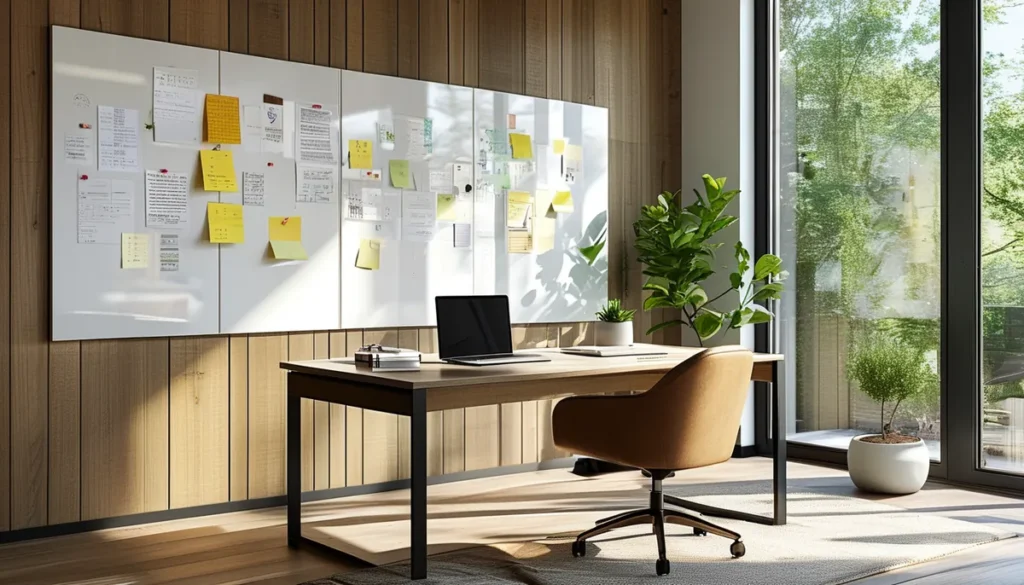
For home offices that double as guest rooms, consider materials that look good on camera. Wood slats or a well-designed patterned wallpaper can provide a professional backdrop. See accent walls for a home office for more insights.
Installation considerations
Before you begin, assess your wall condition. Is it smooth and level? Does it require patching or priming? For heavier materials like tile or wood paneling, ensure your wall studs can support the added weight. Measure carefully and plan your layout, especially if working with patterns or tiles that require precise alignment. For wallpaper, consider the direction of the pattern and how it will flow across the wall. For painted accent walls, two coats are usually sufficient, but darker or more vibrant colors might need a primer first. Always follow the manufacturer’s instructions for adhesives, paints, and finishes.
If your bedroom is small, an accent wall can still be a powerful design element. Opt for lighter colors or reflective finishes to make the space feel larger. Vertical lines in wood paneling or wallpaper can draw the eye upward, creating an illusion of height. Explore accent wall ideas for small bedrooms to maximize space.