UPDATED: June 2026
Beige wallpaper is a foundational design element that offers unparalleled versatility and timeless elegance, serving as a sophisticated backdrop for virtually any interior aesthetic. Far from being a mere neutral, beige encompasses a rich spectrum of tones, from warm sandy hues to cool greiges, providing a nuanced canvas that can enhance natural light, create a sense of spaciousness, and seamlessly integrate diverse furnishings and decor styles. Its enduring appeal lies in its ability to foster a calm, inviting atmosphere while offering a sophisticated alternative to stark white or bold colors, making it an indispensable choice for designers and homeowners seeking both beauty and adaptability in their spaces.
Key Takeaways
- Beige wallpaper offers exceptional versatility, ranging from warm sandy tones to cool greiges, making it suitable for diverse interior styles.
- It creates a serene and inviting atmosphere, often making rooms feel larger and brighter by reflecting natural light.
- Available in various types and materials, including peel-and-stick, traditional non-woven, vinyl, and natural grasscloth, each offering distinct textures and durability.
- Proper measurement, surface preparation, and understanding pattern repeat are crucial for a successful installation and professional finish.
- Beige pairs seamlessly with a wide range of colors—from crisp whites and deep blues to earthy greens and bold blacks—and materials like wood, metal, and natural fibers.
- Modern beige trends emphasize texture, subtle patterns, and sustainable materials, moving beyond flat, monochromatic applications.
The Enduring Appeal of Beige Wallpaper: A Foundation for Style
Beige wallpaper serves as a sophisticated and highly adaptable foundation for interior design, offering a warmth and depth that pure white often lacks, while providing a softer alternative to bolder hues. Its enduring popularity stems from its ability to create a sense of calm, enlarge spaces visually, and act as a versatile backdrop that allows other decor elements to shine without competition. At Starhouse, we understand that beige is not just a color but a category of subtle sophistication, encompassing a vast array of undertones and textures that can dramatically influence a room’s mood and aesthetic.
This comprehensive guide delves into every facet of beige wallpaper, from its diverse types and materials to expert advice on selection, measurement, and styling. We aim to equip you with the knowledge to confidently integrate this classic yet contemporary element into your home, ensuring a result that is both timeless and uniquely yours. Whether you seek a tranquil retreat, a chic modern living space, or a cozy traditional ambiance, beige wallpaper provides the perfect starting point.
The beauty of beige lies in its nuanced character. It can lean cool with gray undertones (greige), warm with yellow or pink undertones, or maintain a balanced neutrality that harmonizes with almost any color scheme. This inherent adaptability makes it an ideal choice for rooms where flexibility and longevity of design are paramount, ensuring your investment in wallpaper remains stylish for years to come. By understanding the subtle differences between shades and textures, you can select a beige wallpaper that not only complements your existing decor but elevates it.
Exploring the Diverse Types of Beige Wallpaper
Beige wallpaper is available in several distinct types, each offering unique installation methods, durability, and aesthetic qualities that impact its suitability for different rooms and lifestyles. Understanding these types is crucial for making an informed decision that aligns with both your design vision and practical needs. The primary categories include traditional paste-the-paper, modern non-woven, convenient peel-and-stick, and highly durable vinyl options.
Traditional wallpaper, often referred to as “paste-the-paper,” requires applying adhesive directly to the back of the wallpaper before hanging it. This type is typically made from paper or a paper-based material and offers a classic look with a wide range of patterns and finishes. While it can be more challenging to install for beginners due to the pasting process and the need for precision in aligning seams, traditional wallpaper often provides a deeply integrated, handcrafted aesthetic. Its removal can vary, with some types being strippable and others requiring soaking or steaming.
Non-Woven Wallpaper: The Modern Standard
Non-woven wallpaper is a highly popular and versatile option, renowned for its ease of installation and removal. Non-woven wallpaper is a composite material made from a blend of natural and synthetic fibers, making it breathable, durable, and dimensionally stable. Unlike traditional paper wallpaper, non-woven varieties are “paste-the-wall,” meaning the adhesive is applied directly to the wall surface, not the paper. This method significantly simplifies installation, reduces mess, and allows for easier repositioning during hanging.
- Installation: Paste-the-wall application is less messy and faster.
- Durability: Highly resistant to tearing, fading, and mold.
- Removal: Generally strippable in full sheets without damaging the wall, making it ideal for renters or those who like to change their decor frequently.
- Breathability: Allows walls to breathe, reducing the risk of moisture buildup.
- Versatility: Suitable for most rooms, including bathrooms and kitchens due to its moisture resistance.
Peel-and-Stick Wallpaper: The DIY Favorite
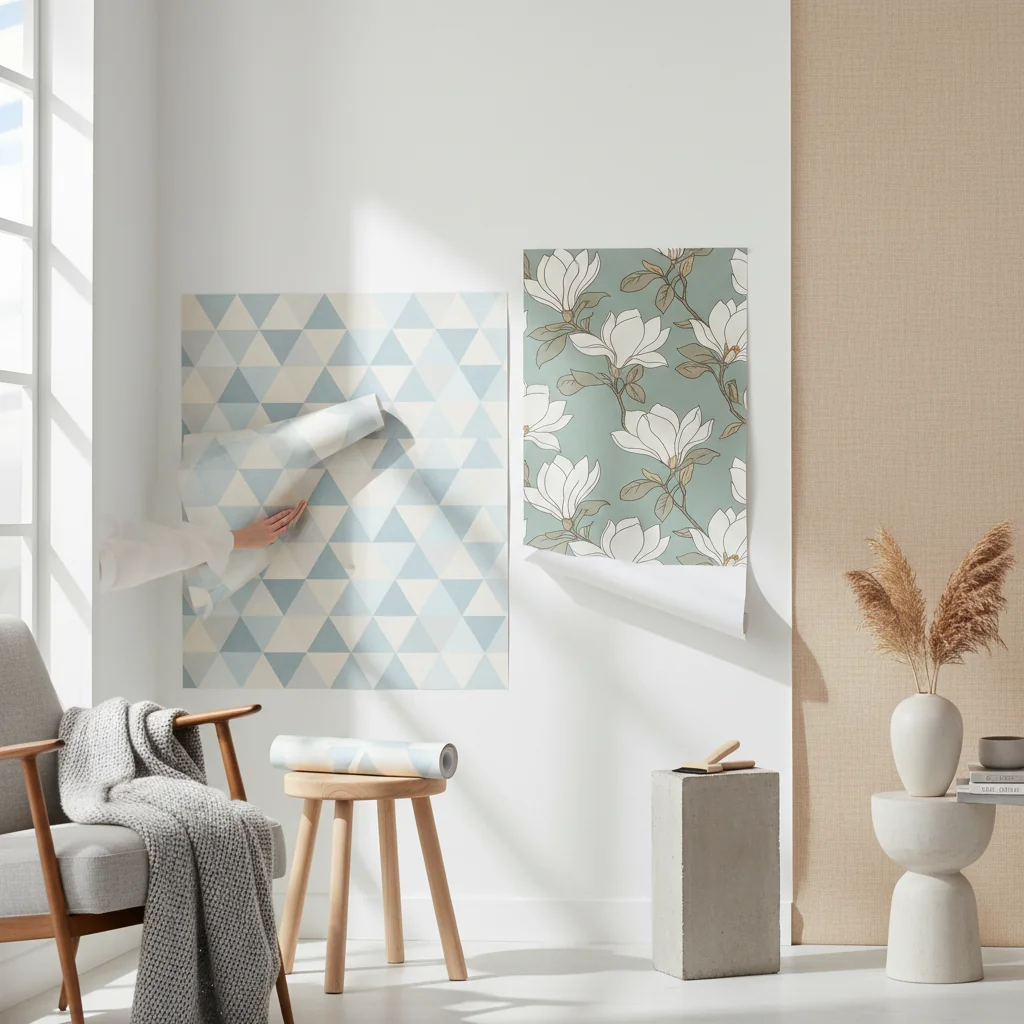
Peel-and-stick wallpaper, also known as self-adhesive or removable wallpaper, is a revolutionary option that has democratized wallpaper installation for DIY enthusiasts. Peel-and-stick wallpaper is essentially a large, adhesive-backed decal that can be applied directly to a smooth, clean wall surface without the need for additional glues or tools beyond a utility knife and a smoothing tool. This type is particularly popular for temporary decor, rental properties, or accent walls.
- Installation: Extremely user-friendly; simply peel off the backing and stick to the wall.
- Removal: Designed for clean, damage-free removal, often leaving no residue.
- Flexibility: Great for renters, dorm rooms, or low-commitment design changes.
- Limitations: May not adhere well to textured walls or certain paint finishes; typically less durable than traditional or non-woven options in high-traffic areas.
Vinyl Wallpaper: The Durable Choice
Vinyl wallpaper is celebrated for its exceptional durability, washability, and resistance to moisture, making it an excellent choice for high-traffic areas and moisture-prone rooms like kitchens and bathrooms. Vinyl wallpaper consists of a paper or fabric backing coated with a layer of vinyl, which provides its robust surface. This construction makes it incredibly resilient against wear and tear, stains, and humidity.
- Durability: Highly resistant to scratches, scuffs, and impacts.
- Washability: Most vinyl wallpapers are fully scrubbable, allowing for easy cleaning of spills and marks.
- Moisture Resistance: Ideal for humid environments, preventing mold and mildew growth.
- Types: Can range from solid sheet vinyl (most durable) to fabric-backed vinyl (more flexible, often used in commercial settings).
- Aesthetics: Available in a vast array of textures and patterns, often mimicking natural materials like fabric, wood, or stone.
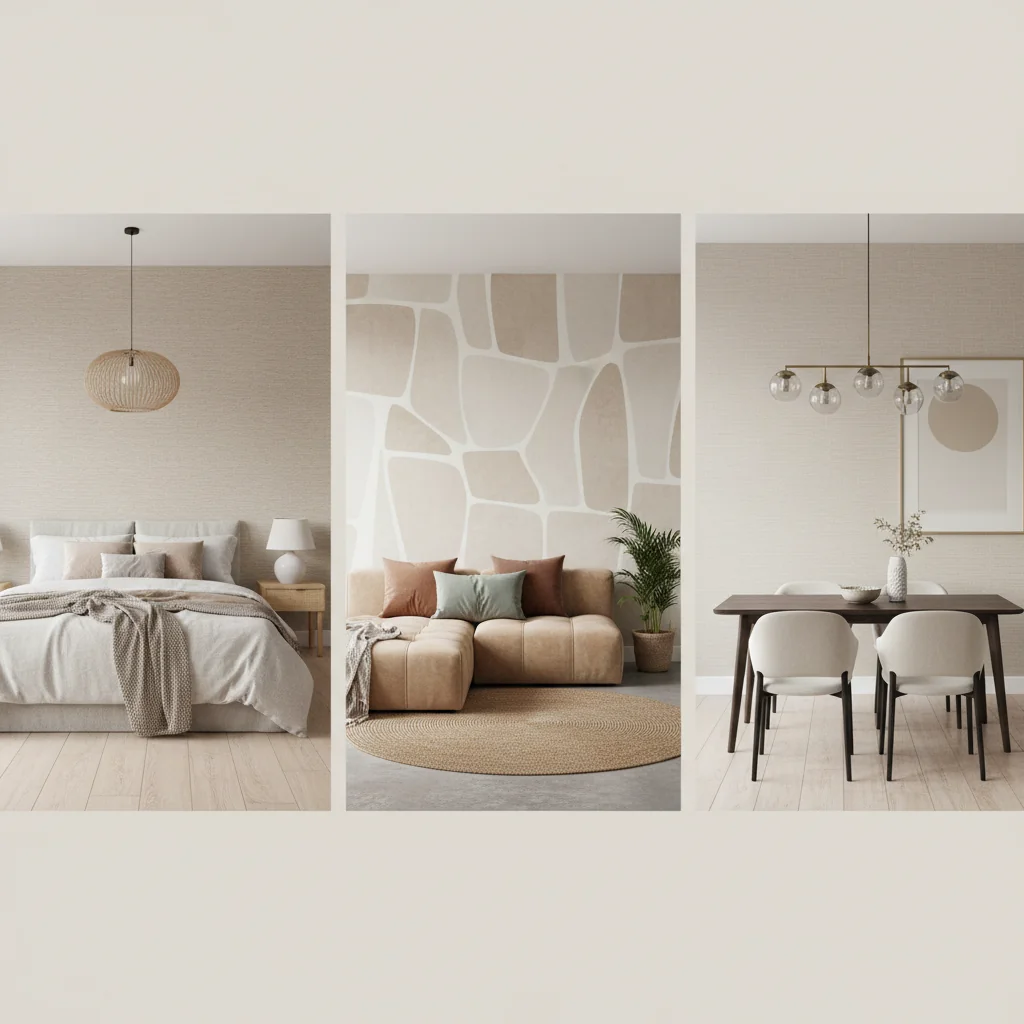
Comparison of Beige Wallpaper Types
| Type | Installation Method | Durability | Washability | Removal | Ideal Use Cases |
|---|---|---|---|---|---|
| Traditional (Paste-the-Paper) | Paste applied to paper | Moderate to High | Varies (some wipeable, some not) | Varies (strippable or requires soaking) | Living rooms, dining rooms, bedrooms (classic aesthetic) |
| Non-Woven (Paste-the-Wall) | Paste applied to wall | High | Good (wipeable to washable) | Strippable in full sheets | All rooms, including high-traffic areas, kitchens, bathrooms |
| Peel-and-Stick | Self-adhesive backing | Moderate | Limited (wipeable) | Removable, repositionable, no residue | Rentals, accent walls, DIY projects, temporary decor |
| Vinyl (Solid Sheet or Fabric-Backed) | Paste applied to wall or paper (depending on backing) | Very High | Excellent (scrubbable) | Varies (strippable or peelable depending on type) | Kitchens, bathrooms, commercial spaces, high-traffic areas, kids’ rooms |
Each type of beige wallpaper offers distinct advantages, making the choice dependent on your specific project requirements, skill level, and long-term design goals. For instance, a peel-and-stick beige grasscloth imitation might be perfect for a temporary accent wall in a bedroom, while a durable non-woven beige geometric pattern would be ideal for a busy hallway or a family room.
Styles, Patterns, and Textures: The Nuance of Beige
Beyond its base color, beige wallpaper derives much of its character and design impact from its style, pattern, and texture, transforming it from a simple backdrop into a focal point. These elements introduce visual interest, depth, and a tactile quality that can dramatically alter the perception of a room, creating everything from understated elegance to bold statements. Starhouse curates a range of beige wallpapers that demonstrate this rich diversity, ensuring there’s a perfect match for every design sensibility.
Solid Beige: The Foundation of Calm
Solid beige wallpaper, while seemingly simple, is a powerful design tool. It provides a clean, uninterrupted canvas that maximizes natural light and creates a sense of expansive calm. The nuance here lies in the undertone—a warm beige can feel cozy and inviting, while a cool greige offers a more contemporary, sophisticated edge. Solid beige is ideal for minimalist aesthetics, small spaces that need to feel larger, or as a unifying element in rooms with diverse furniture and art. It allows architectural details, statement furniture, or vibrant accessories to take center stage without visual competition.
Textured Beige: Adding Depth and Tactile Appeal
Texture is where beige wallpaper truly comes alive, adding a sensory dimension that enhances its visual warmth and sophistication. Textured beige wallpapers mimic natural materials or create subtle, abstract dimensions that interact beautifully with light. These textures can range from the subtle to the pronounced, influencing the room’s overall feel.
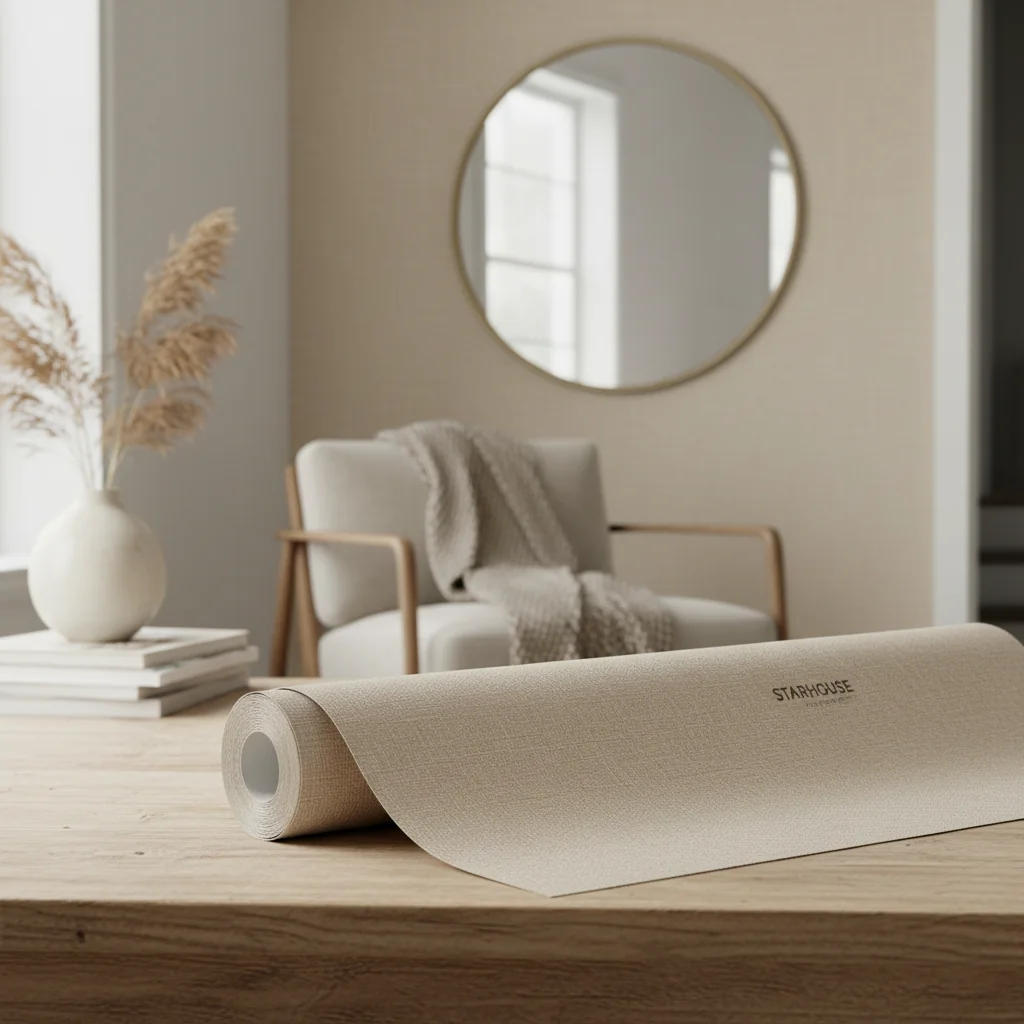
- Linen and Fabric Textures: These wallpapers replicate the woven appearance of natural fabrics, adding softness and a tailored elegance. They are perfect for bedrooms and living rooms where comfort and understated luxury are desired. The subtle variations in weave catch the light, adding depth without a distinct pattern.
- Grasscloth: A timeless classic, grasscloth wallpaper is made from natural fibers like sisal, jute, or arrowroot, woven onto a paper backing. It introduces organic texture, warmth, and a sophisticated, earthy feel. Each roll is unique due to the natural material, offering subtle variations in color and weave. York Wallcoverings highlights beige grasscloth as a way to bring natural texture and warmth, enhancing a room’s character.
- Faux Finishes: Beige wallpapers can expertly mimic the appearance of other materials, such as raw concrete, plaster, wood grain, or even distressed leather. These options provide the aesthetic of these materials without the cost, weight, or installation complexity, ideal for industrial chic, rustic, or modern farmhouse styles.
- Embossed Textures: Raised patterns or subtle geometric reliefs add a three-dimensional quality, creating shadows and highlights that give walls a sculptural feel. These can range from subtle stippling to more pronounced, intricate designs.
Patterned Beige: Introducing Visual Interest
Patterned beige wallpaper offers endless possibilities for injecting personality and style into a space, ranging from classic motifs to contemporary designs. The key is to select a pattern that harmonizes with the room’s scale and existing decor.
- Geometric Patterns: From subtle interlocking shapes to bold Art Deco motifs, geometric beige wallpapers add a modern, structured feel. They can create a dynamic backdrop without overwhelming the space, especially when the pattern is rendered in slightly varying shades of beige or with metallic accents.
- Damask and Traditional Motifs: Classic damask patterns, often featuring ornate floral or arabesque designs, bring a sense of grandeur and timeless elegance. In beige, these patterns feel less formal than in darker colors, offering a sophisticated yet welcoming ambiance, perfect for dining rooms or master bedrooms.
- Botanical and Floral Designs: Beige wallpapers featuring leaves, vines, or subtle floral patterns introduce an organic, serene element. These can range from delicate, ethereal designs that evoke a garden feel to more abstract, large-scale botanicals that make a contemporary statement. They are excellent for creating a tranquil bedroom or a light-filled living area.
- Abstract and Watercolor Effects: For a modern artistic touch, beige wallpapers with abstract brushstrokes, watercolor washes, or subtle ombré effects create a dynamic and unique wall treatment. These designs often evoke movement and depth, making them suitable for creative spaces or as a focal point in a contemporary home.
- Stripes: Vertical stripes can make ceilings appear higher, while horizontal stripes can make a room feel wider. Beige stripes, whether subtle tone-on-tone or contrasting with white or a soft complementary color, offer a classic, crisp look that is both versatile and chic.
When selecting a patterned beige wallpaper, consider the scale of the pattern relative to the room size. Large, bold patterns generally work best in spacious rooms, while smaller, more intricate designs are better suited for intimate spaces or when you desire a subtle background effect. The interplay of light on textured and patterned beige surfaces is also a critical factor, as it can dramatically change the wallpaper’s appearance throughout the day.
Materials and Their Properties: Crafting the Perfect Beige Backdrop
The material composition of beige wallpaper directly influences its durability, texture, ease of maintenance, and overall aesthetic, making it a critical consideration in the selection process. Different materials offer distinct tactile qualities and performance characteristics, from the natural elegance of grasscloth to the robust resilience of vinyl. Understanding these properties ensures you choose a wallpaper that not only looks beautiful but also performs optimally in its intended environment.
Paper Wallpaper
Paper wallpaper is the traditional and often most affordable option, offering a classic smooth finish that can be printed with an extensive range of patterns and colors. It is primarily composed of paper and requires careful handling during installation as it can tear when wet. While some paper wallpapers are coated for wipeability, they are generally less durable and less moisture-resistant than other types.
- Pros: Wide variety of designs, often budget-friendly, breathable.
- Cons: Less durable, prone to tearing, not suitable for high-moisture areas, difficult to clean.
- Ideal Use: Low-traffic areas, formal living rooms, bedrooms where a delicate aesthetic is desired.
Non-Woven Wallpaper
As previously mentioned, non-woven wallpaper is a blend of natural (cellulose) and synthetic fibers, making it a superior choice for many modern applications. It is renowned for its strength, breathability, and dimensional stability, meaning it won’t expand or contract when wet. This makes it incredibly easy to install (paste-the-wall) and remove (strippable).
- Pros: Durable, breathable, easy to install and remove, resistant to mold and mildew, good for high-traffic areas.
- Cons: Can be slightly more expensive than basic paper wallpaper.
- Ideal Use: Almost any room, including kitchens, bathrooms, hallways, and children’s rooms.
Vinyl Wallpaper
Vinyl wallpaper is constructed with a paper or fabric backing and a printed vinyl surface, offering exceptional durability and washability. It is highly resistant to moisture, stains, and wear, making it perfect for demanding environments. Vinyl wallpaper comes in various forms, including solid sheet vinyl (the most robust) and fabric-backed vinyl (more flexible and often found in commercial settings).
- Pros: Extremely durable, highly washable (scrubbable), moisture and stain-resistant, great for high-traffic and humid areas.
- Cons: Less breathable than non-woven or paper, can be heavier, some types can be difficult to remove if not designed as “peelable.”
- Ideal Use: Kitchens, bathrooms, laundry rooms, entryways, commercial spaces.
Grasscloth and Natural Fiber Wallpaper
Grasscloth wallpaper is a luxury material made from natural fibers like sisal, jute, hemp, or arrowroot, hand-woven onto a paper backing. Each strand is unique, resulting in subtle variations in color and texture that create a truly organic and sophisticated look. Grasscloth introduces an unparalleled tactile quality and warmth to a room, embodying a sense of craftsmanship and natural elegance. Because it is a natural product, seams may be visible, which is considered part of its inherent charm rather than a flaw.
- Pros: Distinctive natural texture, eco-friendly (for some fibers), adds warmth and sophistication, unique appearance.
- Cons: Delicate (not washable), susceptible to moisture and humidity, can be expensive, difficult to install without visible seams, not suitable for high-traffic or moisture-prone areas.
- Ideal Use: Formal living rooms, dining rooms, master bedrooms, studies, accent walls where a high-end, organic aesthetic is desired.
Cork Wallpaper
Cork wallpaper is another natural material option that brings unique texture and environmental benefits. Thin sheets of cork are laminated onto a paper or non-woven backing, creating a distinctive, earthy surface. Cork is naturally insulating, sound-absorbing, and sustainable, offering a tactile and visually rich backdrop. Like grasscloth, it requires careful installation and is not typically washable.
- Pros: Unique texture, sound-absorbing, naturally insulating, sustainable, adds warmth.
- Cons: Fragile during installation, not washable, can be expensive, limited pattern options.
- Ideal Use: Bedrooms, studies, living rooms where acoustic benefits and a natural aesthetic are valued.
Metallic and Mylar Wallpaper
While not a material in itself, metallic and Mylar finishes are often applied to paper, non-woven, or vinyl backings to create a reflective, shimmering effect. Beige metallic wallpapers introduce a touch of glamour and sophistication, reflecting light and adding a subtle sparkle to the walls. Mylar, a type of polyester film, offers a highly reflective, mirror-like surface. These finishes can make a room feel brighter and more luxurious.
- Pros: Reflects light, adds glamour and depth, creates a luxurious feel.
- Cons: Can show imperfections on the wall more easily, may require specialized adhesive, can be more delicate.
- Ideal Use: Accent walls, formal dining rooms, powder rooms, contemporary living spaces.
The choice of material for your beige wallpaper should always be a balance between aesthetic preference, functional requirements for the room, and your budget. For example, a beige vinyl wallpaper with a subtle linen texture provides the look of natural fabric with the durability needed for a busy kitchen, while a true beige grasscloth offers an unmatched level of organic luxury for a serene bedroom.
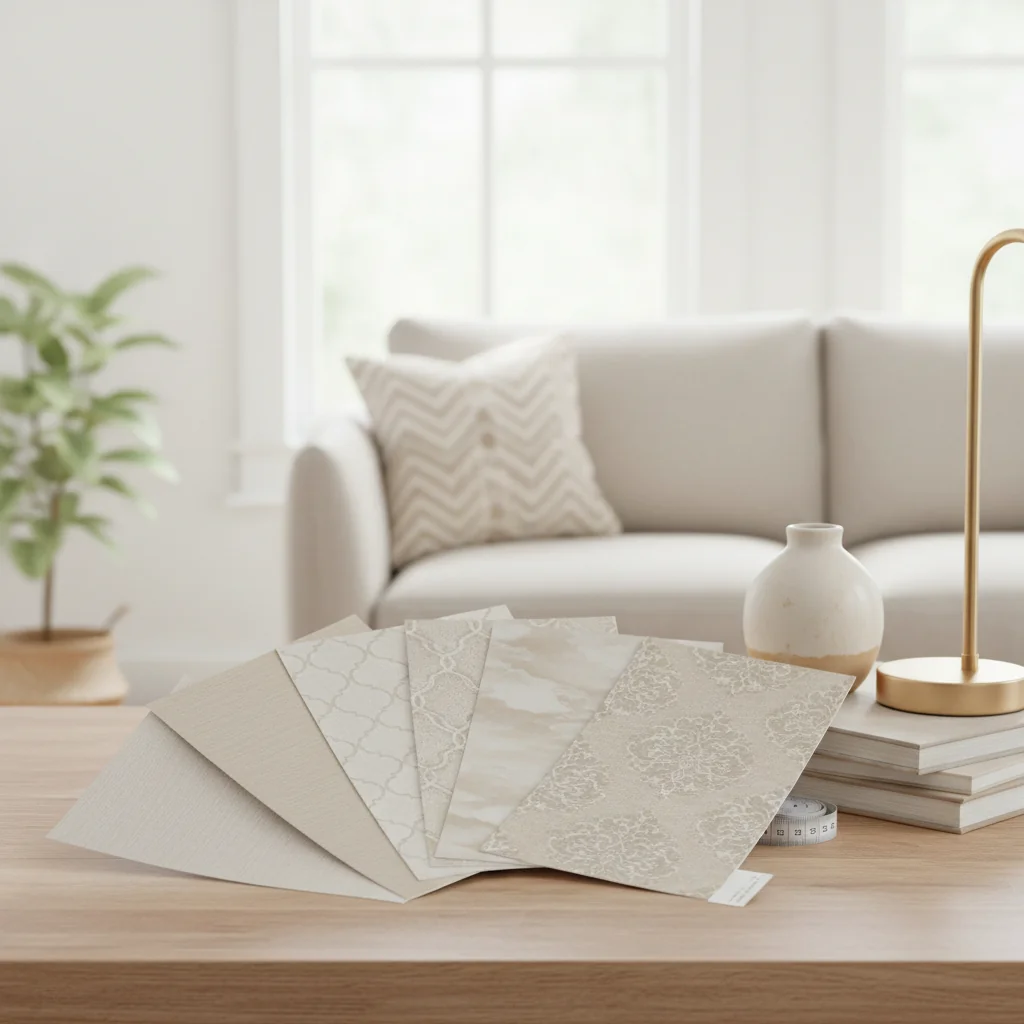
As you consider these materials, think about the overall maintenance you are willing to undertake. Starhouse curates options that balance beauty with practical considerations, ensuring your choice enhances your home for years to come. We encourage you to explore the tactile qualities of different materials to truly appreciate their impact on a space. If you’re seeking guidance on which material best suits your lifestyle and design aspirations, tell us what you’re looking for, and let us help you curate the perfect solution for your home.
How to Choose the Right Beige Wallpaper for Your Space
Selecting the ideal beige wallpaper involves a thoughtful consideration of several key factors, ensuring the chosen design harmonizes with your home’s existing elements and achieves your desired aesthetic and functional goals. The right beige wallpaper can transform a room, making it feel larger, warmer, or more sophisticated, while the wrong choice can disrupt the balance. We guide you through the essential considerations for making an impeccable selection.
Assess the Room’s Function and Traffic Level
The purpose of the room dictates the practical requirements for your wallpaper. For high-traffic areas like hallways, entryways, and family rooms, durability and washability are paramount. In these spaces, a robust vinyl or non-woven beige wallpaper that can withstand scuffs and be easily cleaned is essential. For moisture-prone areas such as kitchens, bathrooms, and laundry rooms, vinyl wallpaper offers superior resistance to humidity and splashes, preventing mold and mildew. In contrast, for low-traffic areas like bedrooms, formal dining rooms, or studies, you have more flexibility to choose delicate materials like paper or luxurious grasscloth, where durability is less of a concern than aesthetic appeal.
Consider Natural Light and Room Orientation
The amount and quality of natural light a room receives profoundly impacts how beige wallpaper appears. A north-facing room, which typically receives cooler, indirect light, can benefit from a warm beige with yellow or pink undertones to prevent the space from feeling too cold. Conversely, a south-facing room, bathed in abundant warm light, can handle cooler greiges or neutral beiges without losing warmth. Always observe samples in the actual room at different times of day to see how the light interacts with the color and texture, as beige can shift dramatically under varying light conditions.
Harmonize with Existing Decor and Color Palette
Your existing furniture, flooring, window treatments, and artwork should guide your wallpaper choice. Beige is a neutral, but its undertones are crucial. If your decor features warm wood tones and earthy greens, a warm beige wallpaper will create a cohesive, inviting atmosphere. If your space leans towards cool grays, blues, and chrome accents, a greige or a beige with cool undertones will integrate more seamlessly. Consider the overall color palette you wish to achieve: beige can act as a unifying element or a subtle contrast. For example, a textured beige wallpaper can add depth to a monochromatic scheme, while a patterned beige can introduce visual interest without clashing with existing patterns.
Determine Desired Mood and Aesthetic
Wallpaper plays a significant role in setting a room’s mood. A light, solid beige can create a serene, airy, and expansive feel, ideal for a tranquil bedroom or a spacious living room. A beige grasscloth evokes a natural, sophisticated, and earthy ambiance. A patterned beige, such as a subtle geometric or botanical, can inject energy and personality, contributing to a more dynamic or playful mood. Reflect on whether you want the room to feel cozy, elegant, modern, traditional, or minimalist, and choose a beige wallpaper style that supports that vision.
Evaluate Pattern Scale and Repeat
The scale of a pattern should be proportionate to the size of the room. Large, bold patterns can be overwhelming in small spaces but make a dramatic statement in spacious rooms with high ceilings. Conversely, small, intricate patterns can get lost in large areas but add delicate charm to intimate settings. Pattern repeat refers to the vertical distance at which the pattern repeats itself on the wallpaper roll. A larger pattern repeat means more wallpaper is needed to ensure proper alignment, which impacts both cost and installation time. Consider how the pattern will look across an entire wall, not just on a small sample.
Sample, Sample, Sample
Before committing to a full purchase, always order samples of your preferred beige wallpapers. Tape them to different walls in the room and observe them throughout the day and night. This allows you to see how the color changes with natural and artificial light, how the texture interacts with shadows, and how the pattern integrates with your existing furnishings. A small sample can save you from a costly mistake and ensure your final selection is perfect for your space.
By systematically addressing these considerations, you can confidently select a beige wallpaper that not only meets your aesthetic desires but also performs beautifully within your home environment, creating a space that is truly refined and inviting.
Sizing and Measuring for Flawless Installation
Accurate sizing and meticulous measuring are the cornerstone of a successful wallpaper installation, preventing costly errors, material shortages, and unsightly seams. Proper calculations ensure you purchase the correct number of rolls, account for pattern repeat, and minimize waste, leading to a professional and aesthetically pleasing finish. This section provides a precise guide to measuring your space and determining the quantity of beige wallpaper needed.
Essential Tools for Measurement
Before you begin, gather the necessary tools:
- Metal tape measure (at least 25 feet long)
- Pencil
- Notebook or paper for calculations
- Calculator
Step-by-Step Measuring Guide
- Measure Wall Height: Measure the height of each wall from the baseboard to the ceiling. If the ceiling height varies, use the tallest measurement for that wall to ensure consistent strip lengths. For walls with windows or doors, measure from the ceiling to the floor, ignoring the openings for now.
- Measure Wall Width: Measure the total width of each wall. Add these widths together to get the total perimeter of the room you intend to wallpaper.
- Calculate Total Square Footage (Optional but Recommended): Multiply the total perimeter by the average wall height. This gives you the approximate total square footage. While not directly used for roll calculation (which relies on strips), it provides a good general estimate.
- Determine the Number of Wallpaper Strips Needed:
- Most standard wallpaper rolls are approximately 20.5 inches (or 52 cm) wide.
- Divide the total width of your walls (perimeter) by the width of one wallpaper strip (e.g., 20.5 inches).
- Round up to the nearest whole number. This gives you the total number of vertical strips required for your room.
- For example, if your room perimeter is 40 feet (480 inches): 480 inches / 20.5 inches/strip = 23.4 strips. Round up to 24 strips.
- Account for Pattern Repeat: This is a critical step for patterned wallpapers.
- Pattern repeat is the distance at which the pattern repeats vertically on the roll. This measurement is usually listed on the wallpaper packaging or product description (e.g., 21 inches).
- Add the pattern repeat measurement to your wall height measurement for each strip. This extra length allows you to align the pattern from one strip to the next.
- For example, if your wall height is 8 feet (96 inches) and the pattern repeat is 21 inches, each strip you cut will need to be 96 + 21 = 117 inches long.
- Calculate Usable Strips Per Roll:
- Standard U.S. wallpaper rolls typically yield about 56 square feet, but this is a rough estimate. A more precise method is to calculate based on strip length.
- Standard single rolls are approximately 16.5 feet (198 inches) long. Double rolls are typically 33 feet (396 inches) long. Always confirm the exact length of the rolls you are purchasing.
- Divide the total length of one roll by the adjusted strip length (wall height + pattern repeat).
- Example: If a double roll is 396 inches long and your adjusted strip length is 117 inches, then 396 / 117 = 3.38 usable strips. Always round *down* to the nearest whole number for usable strips per roll (so, 3 usable strips per double roll).
- Determine Total Rolls Needed:
- Divide the total number of strips required for the room (from step 4) by the number of usable strips per roll (from step 6).
- Example: If you need 24 strips and each double roll yields 3 usable strips, then 24 / 3 = 8 double rolls.
- Always round up to the nearest whole roll.
- Add for Waste and Future Repairs: It is highly recommended to purchase at least one extra roll (or 10-15% extra material) beyond your calculated amount. This accounts for:
- Cutting errors or pattern matching mistakes.
- Damage during installation.
- Future repairs if a section of wallpaper gets damaged years down the line (ensuring an exact dye lot match).
- Account for Doors and Windows: While you don’t wallpaper over these, you still need to calculate strips that extend above and below them. The initial perimeter calculation should cover this. You can often use the cut-offs from above and below windows/doors for smaller areas, but it’s safer to base your primary calculation on full-length strips.
Important Considerations
- Dye Lots: Always purchase all rolls from the same dye lot number. Slight color variations can occur between different production batches, and a mismatched dye lot will be noticeable on the wall. The dye lot number is usually printed on the roll label.
- Prepainted Walls: Ensure your walls are properly prepped. They should be clean, smooth, dry, and primed. Imperfections will show through wallpaper, especially lighter colors like beige.
- Professional Installation: If you’re unsure about measuring or installation, consider hiring a professional. Their expertise can save you time, stress, and potential material waste.
By following these detailed measuring steps, you can confidently calculate the precise amount of beige wallpaper needed for your project, ensuring a seamless and stunning application. This meticulous approach is key to achieving a high-quality finish that reflects the sophisticated aesthetic of Starhouse designs.
Current Trends in Beige Wallpaper: Modern Applications
Beige wallpaper has evolved significantly beyond its traditional connotations, re-emerging as a powerhouse in contemporary interior design, driven by a renewed appreciation for natural materials, subtle textures, and a desire for calm, sophisticated spaces. Modern beige trends emphasize depth, tactile quality, and strategic pairing, moving away from flat, monochromatic applications to embrace nuanced aesthetics. Starhouse observes these shifts, curating beige wallpapers that reflect the most current and enduring styles.
The Rise of “Quiet Luxury” and Understated Elegance
In an era of sensory overload, there’s a strong movement towards “quiet luxury”—a design philosophy that values quality, comfort, and timelessness over ostentation. Beige wallpaper perfectly embodies this trend, offering a serene, refined backdrop that allows high-quality furnishings and curated art to shine. This isn’t about blandness; it’s about sophisticated restraint. Think of tone-on-tone beige patterns, subtle textural variations, and matte finishes that exude effortless chic.
Embracing Texture as a Design Element
Flat beige is out; textured beige is in. Designers are increasingly using beige wallpapers with pronounced textures to add visual interest and tactile depth without introducing competing colors or patterns. This includes:
- Organic Grasscloth and Woven Textures: Natural fiber wallpapers in beige hues remain incredibly popular. They bring an undeniable warmth, an artisanal quality, and a connection to nature (biophilic design) that is highly sought after. The inherent irregularities of grasscloth add character and a bespoke feel.
- Faux Finishes with Depth: Beige wallpapers mimicking plaster, concrete, linen, or raw silk are gaining traction. These provide the sophisticated look of these materials with the practicality and ease of wallpaper installation, creating a rich, layered effect.
- Subtle Embossing and Raised Patterns: Rather than bold prints, beige wallpapers with delicate embossed patterns or raised geometric motifs offer a three-dimensional effect that plays with light and shadow, adding subtle visual intrigue.
Integration with Biophilic Design
Biophilic design, which seeks to connect occupants with nature, finds a natural partner in beige wallpaper. Paired with natural wood tones, earthy greens, blues, and an abundance of indoor plants, beige creates a harmonious, grounding environment. Beige wallpapers with subtle botanical patterns or those that mimic natural stone or sand contribute to this organic aesthetic, fostering a sense of well-being and tranquility.
Warm vs. Cool Beige: The Nuance of Greige
While warm, sandy beiges remain popular for creating cozy, inviting spaces, the prominence of “greige” continues to grow. Greige—a sophisticated blend of gray and beige—offers a cooler, more contemporary neutral that pairs beautifully with both warm and cool palettes. It provides a versatile foundation that can adapt to evolving decor trends, offering a fresh alternative to pure gray or traditional beige.
Maximalist Layering with Beige as a Base
Even in maximalist designs, beige is finding its place. Instead of being a primary bold color, it acts as a grounding, unifying base layer upon which vibrant patterns, rich textures, and eclectic furnishings can be layered. A solid or subtly textured beige wallpaper allows other elements to pop, preventing the space from feeling overwhelmingly busy, yet still contributing to a luxurious, layered aesthetic.
Sustainable and Eco-Friendly Options
A significant trend across all home decor is sustainability. Beige wallpapers made from recycled materials, natural fibers, or printed with water-based inks are increasingly in demand. Consumers are seeking products that are not only beautiful but also environmentally responsible, aligning with a broader conscious consumerism movement. Starhouse recognizes the importance of these considerations in curating its collections.
Accent Walls and Zoned Spaces
While whole-room wallpapering is making a comeback, beige wallpaper is also frequently used to define accent walls or create distinct zones within open-plan living spaces. A textured beige wallpaper on one wall can add warmth and focus to a dining nook or a home office area, providing subtle definition without visual disruption. Peel-and-stick beige options are particularly popular for this flexible application.
These modern applications demonstrate that beige wallpaper is far from a dated choice; it is a dynamic, versatile element that continues to adapt and thrive within the evolving landscape of interior design, offering endless possibilities for creating sophisticated and inviting spaces.
Care and Maintenance: Preserving Your Beige Wallpaper
Proper care and maintenance are essential for preserving the beauty and longevity of your beige wallpaper, ensuring it remains a pristine backdrop in your home for years. The specific cleaning methods depend entirely on the wallpaper’s material and finish, as what works for a durable vinyl might damage a delicate grasscloth. Understanding these distinctions is key to effective and safe upkeep.
Identify Your Wallpaper Type
Before any cleaning, identify the type of beige wallpaper you have. Most wallpapers come with symbols on their packaging indicating their washability:
- Spongeable: Can be gently wiped with a damp sponge and mild soap.
- Washable: Can withstand more thorough cleaning with a damp sponge and mild detergent.
- Scrubbable: Highly durable, can be scrubbed with a brush and stronger detergents.
- Extra Scrubbable: The most durable, resistant to heavy scrubbing and strong cleaners.
- Delicate/Non-Washable: Cannot be cleaned with water; requires specialized care. This typically applies to natural fibers like grasscloth or cork.
General Cleaning Guidelines
For most spongeable, washable, or scrubbable beige wallpapers:
- Dust Regularly: Use a soft, dry cloth, a feather duster, or the brush attachment of your vacuum cleaner to gently remove dust and cobwebs. This prevents dirt from building up and becoming harder to remove.
- Spot Clean Immediately: Address spills or marks as soon as they occur. The longer a stain sits, the harder it will be to remove.
- Use Mild Solutions: Prepare a solution of warm water and a small amount of mild, non-abrasive soap (like dish soap). Avoid harsh chemical cleaners, bleach, or abrasive pads, which can damage the wallpaper’s finish or color.
- Test in an Inconspicuous Area: Always test your cleaning solution and method on a hidden spot (e.g., behind furniture or near a baseboard) to ensure it doesn’t cause discoloration or damage.
- Wipe Gently: Apply the cleaning solution to a clean, soft sponge or microfiber cloth, wring it out thoroughly so it’s damp, not dripping. Gently wipe the soiled area in a circular motion.
- Rinse and Dry: After cleaning, wipe the area with a clean, damp cloth (water only) to remove any soap residue. Immediately follow with a dry, soft cloth to blot away moisture, preventing water marks or streaks.
- Work from Bottom Up for Large Areas: If cleaning an entire wall, start from the bottom and work your way up. This helps prevent dirty water from dripping down onto already clean areas and causing streaks.
Specific Care for Different Materials
- Vinyl Wallpaper: Typically scrubbable or extra scrubbable. It can withstand more rigorous cleaning. For stubborn stains, a slightly stronger, pH-neutral cleaner might be used, but always test first.
- Non-Woven Wallpaper: Usually washable. Follow general cleaning guidelines. Its durability makes it forgiving for most spills.
- Peel-and-Stick Wallpaper: Generally wipeable. Be gentle to avoid lifting the edges or damaging the surface. Avoid excessive moisture.
- Paper Wallpaper (Uncoated): Very delicate. Avoid water. For dust, use a dry cloth or soft brush. For stains, specialized dry cleaning products for paper might be available, but professional help is often recommended.
- Grasscloth and Natural Fiber Wallpaper: These are typically not washable and are highly susceptible to water damage, which can cause staining or shrinkage.
- Dusting: Use a soft, dry cloth or a vacuum cleaner with a brush attachment on low suction.
- Stains: For dry stains, try gently blotting with a clean art gum eraser. For liquid spills, blot immediately with a dry cloth; do NOT rub. Professional cleaning may be necessary for significant stains. Avoid any liquid cleaners.
- Humidity: Protect natural fiber wallpapers from excessive humidity, which can cause warping or mold.
- Cork Wallpaper: Similar to grasscloth, cork is delicate and not washable. Dust with a dry cloth or soft brush. Avoid moisture.
By adhering to these specific care instructions, your beige wallpaper will maintain its aesthetic integrity, continuing to provide a beautiful and sophisticated backdrop for your home environment. Regular, gentle maintenance is the best defense against wear and tear.
Styling and Pairing Beige Wallpaper: Elevating Your Decor
Beige wallpaper, often perceived as a simple neutral, is in fact a sophisticated canvas that offers boundless possibilities for styling and pairing, allowing it to adapt to virtually any design aesthetic. Its true power lies in its ability to harmonize diverse elements, create depth, and elevate a room’s overall ambiance, whether you aim for cozy traditional, sleek modern, or eclectic bohemian. The key is to understand how its undertones, textures, and patterns interact with other colors, materials, and lighting.
Color Palettes: Complementing Beige
Beige, with its inherent warmth or coolness (greige), acts as a perfect anchor for a myriad of color schemes:
- Monochromatic and Tonal: For a serene and cohesive look, pair beige wallpaper with varying shades of beige, cream, ivory, and off-white. This creates a subtle, layered effect that is both sophisticated and calming. Introduce different textures in these tones through textiles, rugs, and furniture for added interest.
- Warm Earth Tones: Combine warm beige wallpaper with shades of terracotta, rust, olive green, mustard yellow, and deep browns. This palette evokes a natural, organic, and inviting atmosphere, perfect for a cozy living room or a rustic-inspired space.
- Cool and Contemporary: For a modern, crisp aesthetic, pair greige or cool beige wallpaper with charcoal gray, slate blue, sage green, and crisp white. This combination creates a sophisticated and airy feel, ideal for minimalist or Scandinavian-inspired interiors.
- Bold Accents: Beige provides an excellent grounding for vibrant accent colors. Introduce pops of deep teal, emerald green, navy blue, or even a rich burgundy through cushions, artwork, or decorative objects. The beige backdrop prevents the bold colors from overwhelming the space, allowing them to truly stand out.
- Black and White Contrast: For a chic, high-contrast look, pair beige wallpaper with black and white elements. A black metal-framed mirror, white linen curtains, and black and white abstract art can create a striking yet balanced aesthetic against a warm beige wall.
Furniture and Furnishings: Texture and Material Play
The beauty of beige wallpaper is its ability to complement a wide array of furniture styles and materials:
- Natural Woods: Light oak, warm walnut, or distressed driftwood furniture pairs beautifully with all shades of beige, enhancing its organic appeal.
- Upholstered Pieces: Beige wallpaper provides a neutral backdrop that highlights upholstered furniture in rich velvets, textured bouclés, or crisp linens. Consider furniture in off-white, light gray, soft blue, or deep green to complement the beige walls.
- Metals: Introduce metallic accents like brushed brass, antique gold, matte black, or polished chrome through lighting fixtures, decorative objects, and furniture legs. These elements add a touch of glamour or industrial chic, contrasting beautifully with the softness of beige.
- Rugs and Textiles: Layering rugs with natural textures like jute, wool, or sisal in complementary neutral tones adds warmth and defines zones. Throw pillows and blankets in varying textures and subtle patterns can further enhance the room’s comfort and visual interest.
Lighting: Enhancing Beige’s Nuance
Lighting is crucial in revealing the full potential of beige wallpaper, highlighting its texture and influencing its perceived color:
- Natural Light: Maximize natural light with sheer curtains or blinds that allow sunlight to filter through. Observe how the beige changes throughout the day, showcasing its subtle undertones and textures.
- Warm Artificial Light: Use light bulbs with a warm color temperature (2700K-3000K) to enhance the cozy and inviting qualities of warm beige wallpapers.
- Cool Artificial Light: For cooler greige tones, a slightly cooler light temperature (3500K-4000K) can maintain a crisp, contemporary feel, though very cool light (5000K+) can make beige appear sterile.
- Layered Lighting: Combine ambient lighting (ceiling fixtures) with task lighting (table lamps, floor lamps) and accent lighting (picture lights, wall sconces) to create depth and highlight specific features or textures on the beige wallpaper.
Accessories and Art: Personalizing the Space
Beige wallpaper provides the perfect gallery-like setting for art and accessories, allowing them to truly pop:
- Artwork: Hang vibrant paintings, black and white photography, or abstract pieces. The neutral beige background will make the colors and details of your art stand out without competition.
- Mirrors: Large mirrors with decorative frames (wood, metal, or painted) not only add a stylish element but also reflect light, making the room feel larger and brighter.
- Greenery: Incorporate plants, both large floor plants and smaller potted varieties, to bring life and a touch of nature into the beige-centric space. The green foliage provides a beautiful contrast against the neutral walls.
- Decorative Objects: Style shelves and surfaces with ceramics, vases, sculptures, and books. Choose objects with interesting textures, shapes, and colors that complement your chosen palette.
By thoughtfully combining these elements, beige wallpaper transcends its neutral status, becoming a dynamic and sophisticated design tool that anchors your decor and creates a truly personalized and inviting home. Its adaptability ensures that as your style evolves, your beige backdrop can effortlessly adapt, remaining a timeless foundation for your aesthetic journey.
Common Mistakes to Avoid When Choosing and Installing Beige Wallpaper
While beige wallpaper offers immense design potential, certain pitfalls can derail your project, leading to dissatisfaction or a less-than-perfect finish. Being aware of these common mistakes, both in selection and installation, is crucial for achieving a professional and enduring result. Starhouse emphasizes precision and informed decisions to ensure your wallpaper project is a success.
1. Neglecting Surface Preparation
Mistake: Applying beige wallpaper directly over dirty, uneven, or unprimed walls.
Consequence: Imperfections like nail holes, cracks, and texture irregularities will show through, especially with lighter beige wallpapers. Uneven surfaces lead to poor adhesion, bubbling, and peeling. Unprimed walls can absorb adhesive unevenly, making removal difficult and potentially damaging the drywall.
Solution: Thoroughly clean walls, fill any holes or cracks, sand smooth, and apply a high-quality wallpaper primer (often referred to as a “sizing” or “primer/sealer”). This creates a smooth, consistent, and properly sealed surface for optimal adhesion and future removal.
2. Underestimating Pattern Repeat and Roll Quantity
Mistake: Failing to account for the pattern repeat when calculating the number of rolls, or simply buying the exact calculated amount.
Consequence: You’ll run out of wallpaper before the project is finished, and subsequent rolls from a different dye lot may have slight color variations. Incorrect pattern repeat calculations lead to misaligned patterns and wasted material.
Solution: Always add the pattern repeat length to your wall height for each strip calculation. Purchase at least one extra roll (10-15% overage) from the same dye lot to cover errors, pattern matching, and future repairs. Refer to the detailed measuring guide above.
3. Ignoring Dye Lots
Mistake: Mixing wallpaper rolls from different dye lots within the same room.
Consequence: Even subtle variations in color or sheen between dye lots will be noticeable on the wall, creating an unprofessional, patchwork appearance.
Solution: Check the dye lot number on each roll’s label before purchase and ensure all rolls for a single project come from the identical dye lot. Keep the labels for reference.
4. Choosing the Wrong Wallpaper Type for the Room
Mistake: Installing delicate paper wallpaper in a high-moisture bathroom or high-traffic hallway.
Consequence: The wallpaper will quickly deteriorate, peel, stain, or develop mold due to humidity, moisture, or frequent contact.
Solution: Select the wallpaper type appropriate for the room’s function. Use durable, washable vinyl or non-woven options for kitchens, bathrooms, and high-traffic areas. Reserve delicate paper or natural fiber wallpapers for low-traffic, dry spaces like bedrooms or formal living rooms.
5. Improper Adhesive Application
Mistake: Using the wrong type of adhesive or applying too much/too little.
Consequence: Incorrect adhesive can lead to poor adhesion (peeling), staining, bubbling, or difficulty in removal. Too much adhesive can ooze from seams, while too little can cause edges to lift.
Solution: Always use the adhesive recommended by the wallpaper manufacturer for your specific wallpaper type. Apply adhesive evenly and according to instructions, ensuring full coverage without excess.
6. Overlooking the Scale of the Pattern
Mistake: Choosing a large, bold beige pattern for a small room or a tiny, intricate pattern for a vast wall.
Consequence: A large pattern can overwhelm a small space, making it feel cramped. A small pattern can get lost on a large wall, failing to make the desired impact.
Solution: Consider the room’s dimensions. Large patterns typically work best in spacious rooms, while smaller, more subtle patterns or textures are better suited for intimate settings or when a quiet backdrop is desired.
7. Not Sampling Wallpaper in the Actual Space
Mistake: Purchasing a full order based solely on an online image or a small swatch viewed in a store.
Consequence: The wallpaper’s color, texture, and pattern can look drastically different in your home’s unique lighting conditions compared to a showroom or digital image.
Solution: Always order large samples and tape them to different walls in the room. Observe them throughout the day and night to see how natural and artificial light affects their appearance and how they interact with your existing decor.
8. Rushing the Installation Process
Mistake: Hurrying through steps like measuring, cutting, pasting, or smoothing.
Consequence: Rushing leads to misalignments, bubbles, creases, torn paper, and uneven seams, compromising the entire finish.
Solution: Allocate ample time for the project. Work slowly and meticulously, ensuring each strip is properly aligned, smoothed, and trimmed. Patience is key to a flawless wallpaper installation.
By avoiding these common pitfalls, you can ensure your beige wallpaper project is not only successful but also a source of lasting beauty and satisfaction in your home.
Sources
Frequently Asked Questions About Beige Wallpaper
Is beige wallpaper considered outdated?
No, beige wallpaper is not outdated; it has experienced a significant resurgence as a sophisticated and versatile neutral, particularly when featuring textures, subtle patterns, and nuanced undertones like greige.
What colors pair well with beige wallpaper?
Beige wallpaper pairs exceptionally well with a wide range of colors, including crisp whites, soft grays, earthy greens, deep blues, and even bold black accents, depending on the desired mood and the beige’s undertone.
Can beige wallpaper make a room feel larger?
Yes, light-colored beige wallpaper, especially those with minimal patterns or subtle textures, can make a room feel larger and more open by reflecting natural light and creating a sense of expansive calm.
Is beige wallpaper suitable for high-traffic areas like hallways?
Yes, beige wallpaper made from durable and washable materials like vinyl or non-woven fabric is highly suitable for high-traffic areas such as hallways, offering resistance to scuffs and easy cleaning.
How do I clean beige grasscloth wallpaper?
Beige grasscloth wallpaper is generally not washable and should be cleaned by gently dusting with a soft, dry cloth or a vacuum cleaner with a brush attachment on low suction; avoid all liquid cleaners to prevent damage.
What is pattern repeat in wallpaper, and why is it important?
Pattern repeat refers to the vertical distance at which a wallpaper design repeats itself, and it is crucial for ensuring proper alignment of patterns between strips, requiring extra material to be factored into your purchase.
Can I use peel-and-stick beige wallpaper in a bathroom?
While some peel-and-stick wallpapers may offer moisture resistance, they are generally less durable than vinyl options in high-humidity bathrooms; it’s best suited for areas with less direct moisture exposure.
Conclusion: The Timeless Canvas of Beige
Beige wallpaper stands as a testament to timeless design, continually re-inventing itself to meet contemporary aesthetic demands while retaining its core qualities of warmth, versatility, and understated elegance. Far from a passing trend, it is a foundational element that provides a sophisticated and adaptable canvas for any interior, capable of creating serene sanctuaries, dynamic backdrops, or luxurious statements. Its nuanced spectrum of tones, rich textures, and diverse patterns offer endless possibilities, ensuring that beige remains a go-to choice for designers and homeowners alike.
At Starhouse, we are dedicated to curating a collection that reflects this enduring appeal, bringing you beige wallpapers that are not only beautiful but also embody quality and thoughtful design. We understand that your home is a reflection of your unique style, and the right wallpaper can transform a space, making it truly yours. By understanding the types, materials, and styling potential of beige wallpaper, you are empowered to make choices that will enhance your living environment for years to come.
As you envision the possibilities for your own space, we invite you to be part of our journey. Starhouse is passionately curating its upcoming collection to ensure it meets the highest standards of style, quality, and functionality. We are eager to understand what truly resonates with your design sensibilities. Share your vision with us, tell us what you’re looking for in your ideal home decor, and gain early access to our meticulously selected offerings. Visit https://starhouseusa.online/ to connect with us and help shape the future of sophisticated home design.