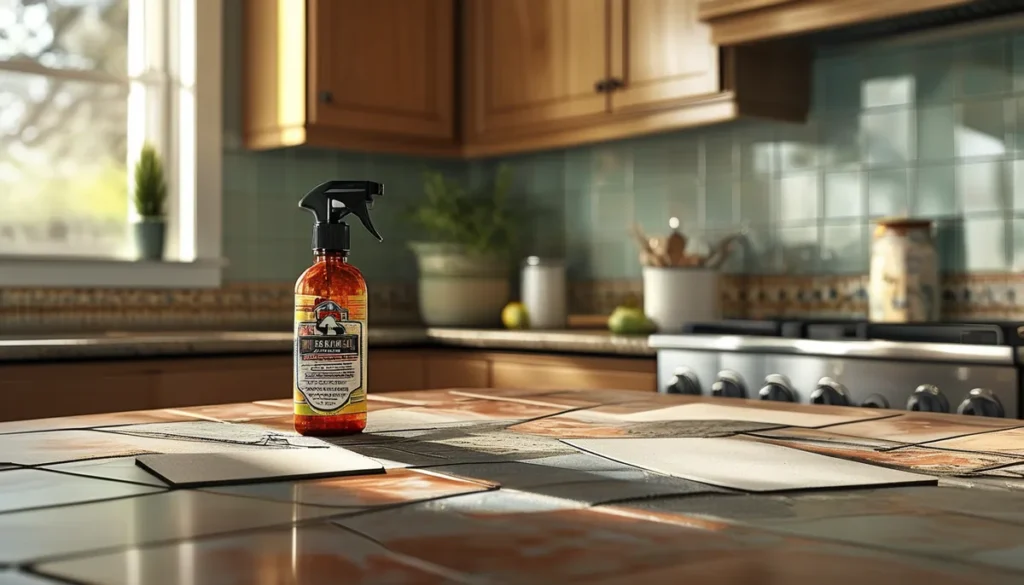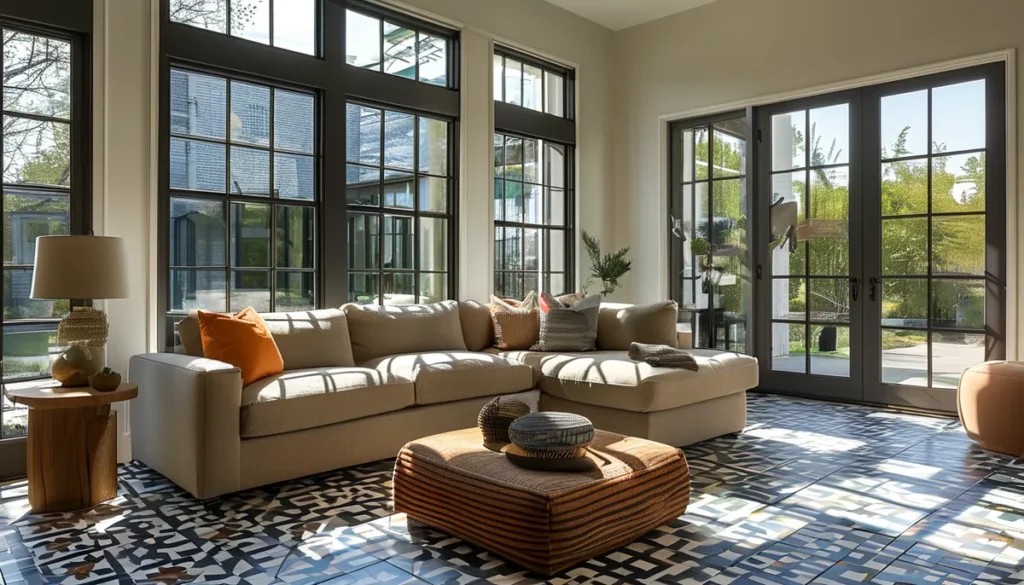
Designer Peel-and-Stick Floor Tile: What You Are Buying
In a designer peel-and-stick line you are buying the drawing, not the material. The vinyl underneath comes from the same handful of factories as everything else.
Read more →


In a designer peel-and-stick line you are buying the drawing, not the material. The vinyl underneath comes from the same handful of factories as everything else.
Read more →
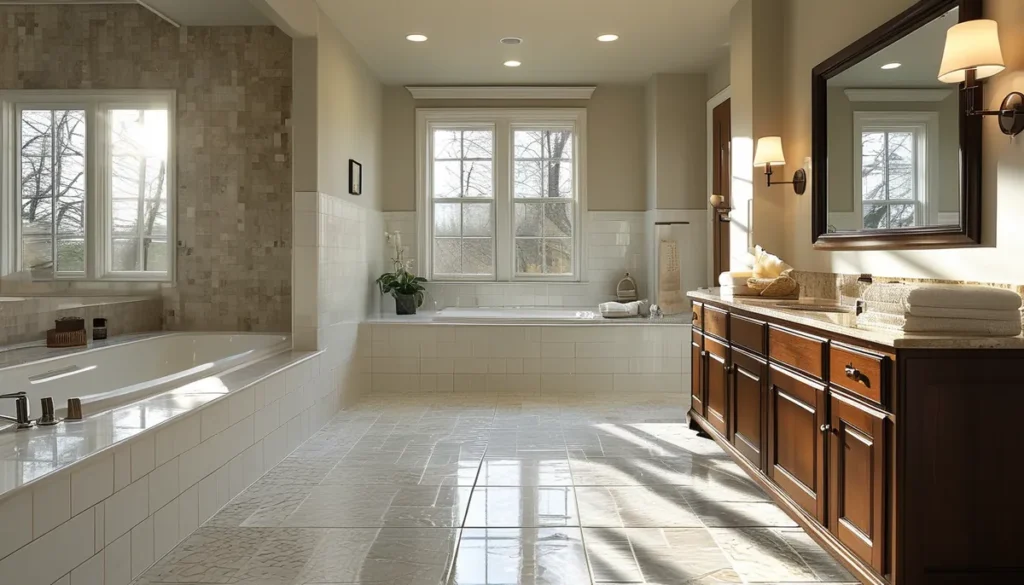
The repeat length on the back of the roll tells you more about how the room will feel than the photograph on the front does. Read it before you order.
Read more →
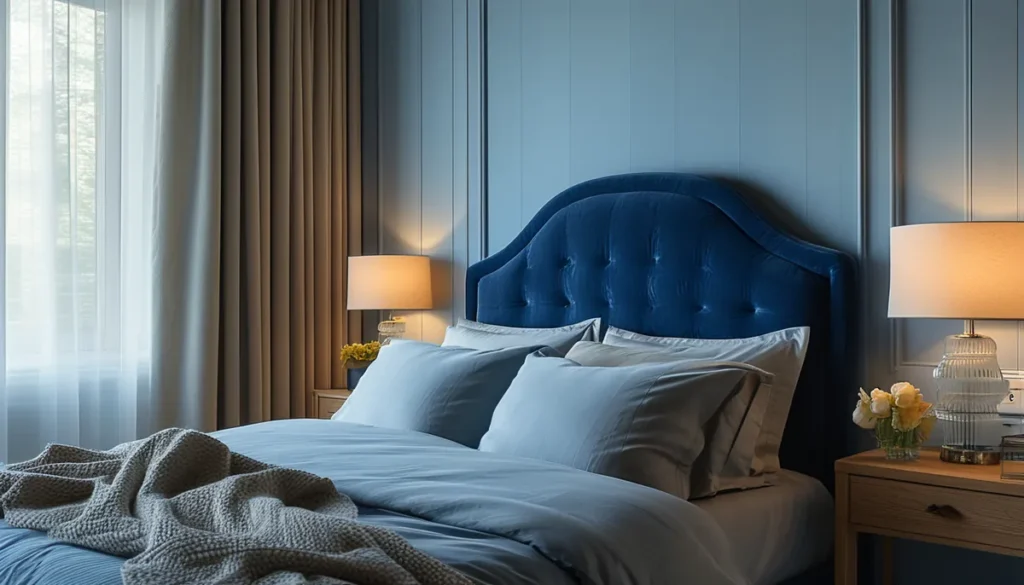
In a small bedroom the accent wall is almost always the headboard wall, and the color that makes the room feel bigger is usually the dark one. Here is why.
Read more →
Self-adhesive floor tile does not fail because the adhesive is weak. It fails because water reached it from underneath, and that is a prep problem you can solve in an afternoon.
Read more →
Nobody’s peel-and-stick backsplash failed because of the tile. It failed because it went onto a wall with a satin sheen, a film of cooking grease, or a texture the adhesive could only touch at the high points.
Read more →
A 3/8-inch foam tile under a squat rack is a dent waiting to happen. Thickness and density decide whether these tiles last a decade or three months.
Read more →
Most blue bedrooms fail after dark. The shade that looked calm at noon turns purple or gray under warm bulbs, and nobody tested it before two coats went on.
Read more →
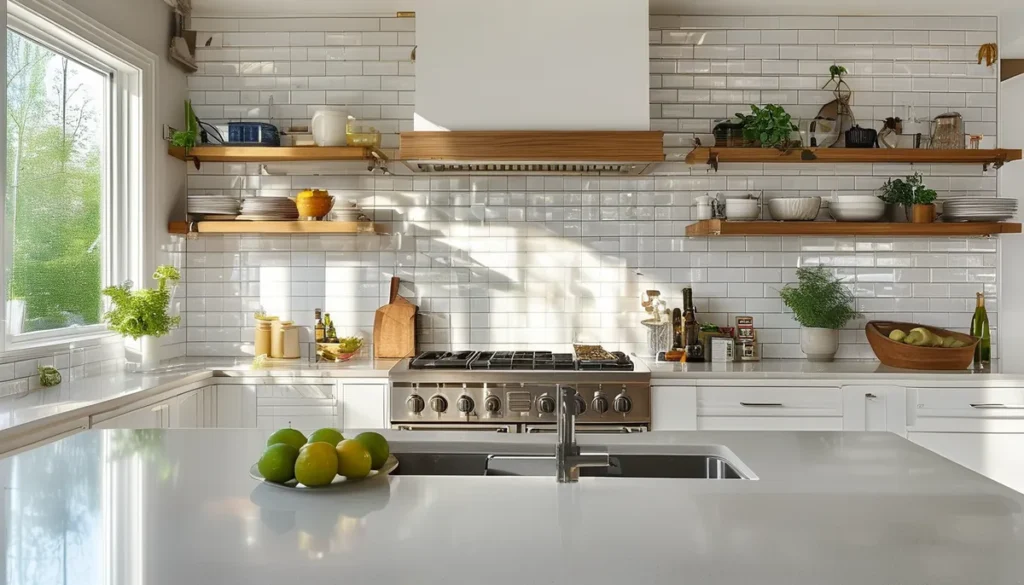
The wall 6 inches from a gas burner and the wall behind the breakfast table are not the same wall, and buying one finish for both is how kitchens end up looking tired in two years.
Read more →
Grooves telegraph. Hang paper straight over 1970s paneling and every quarter-inch channel will be visible by the time the adhesive dries.
Read more →
Pressure-sensitive adhesive does not cure, it flows. That one fact explains why the tiles hold on smooth primed drywall and let go on a textured wall by August.
Read more →