Chesapeake wallpaper represents a distinguished collection of wallcoverings renowned for its enduring quality, diverse aesthetic range, and ability to transform interior spaces with depth and character. Originating from respected manufacturers such as Brewster Home Fashions and featured in curated selections by industry leaders like York Wallcoverings and Sherwin-Williams, these wallpapers are specifically designed to meet the sophisticated demands of the American home, offering patterns from classic botanicals to contemporary geometrics. Starhouse is dedicated to curating collections that elevate every aspect of your home, and understanding the nuances of Chesapeake wallpaper is essential for creating truly inspired interiors.
Key Takeaways
- Chesapeake wallpaper offers a vast array of styles, from traditional coastal and botanical motifs to modern geometrics and textures, making it suitable for diverse interior design schemes.
- Key manufacturers and distributors include Brewster Home Fashions (under the Chesapeake brand), York Wallcoverings, and Sherwin-Williams, ensuring a broad selection of designs and material qualities.
- Material options typically encompass non-woven, solid vinyl, and paper substrates, each offering distinct benefits in terms of durability, ease of installation, and maintenance.
- Accurate measurement and consideration of pattern repeat are critical for successful installation, preventing material waste and ensuring a seamless final appearance.
- Proper care, including gentle cleaning and prompt repairs, significantly extends the lifespan and maintains the aesthetic integrity of Chesapeake wallpaper.
- Styling Chesapeake wallpaper involves harmonizing its patterns and colors with furnishings, textiles, lighting, and paint to create cohesive and aspirational living environments.
What is Chesapeake Wallpaper? A Brand Overview
Chesapeake wallpaper is a distinctive line of wallcoverings known for its blend of traditional charm, sophisticated designs, and broad appeal across various interior aesthetics, primarily offered under the umbrella of Brewster Home Fashions. This brand specializes in curating patterns that evoke a sense of heritage, often drawing inspiration from coastal landscapes, natural elements, and classic American design motifs. The collections are designed to provide homeowners with high-quality, accessible options for transforming their living spaces.
The essence of Chesapeake wallpaper lies in its ability to offer both timeless elegance and contemporary relevance. It is not merely a collection of patterns; it is a design philosophy that brings warmth, character, and an inviting atmosphere to any room. From serene botanicals perfect for a bedroom to robust geometric patterns ideal for a study, Chesapeake provides a versatile palette for interior designers and homeowners alike.
Chesapeake Wallcovering is a brand within the extensive portfolio of Brewster Home Fashions, a prominent distributor of fine wallcoverings in North America. This association ensures that Chesapeake collections benefit from extensive design resources, quality manufacturing, and widespread availability. The brand is recognized for its commitment to durable materials and user-friendly installation properties, making it a favored choice for both DIY enthusiasts and professional installers. Its presence extends through various retailers and design centers, including curated collections by York Wallcoverings and Sherwin-Williams, which further broadens its reach and influence in the home décor market.
The brand’s design philosophy often emphasizes patterns that are both intricate and soothing, contributing to environments that feel both refined and comfortable. This balance is a hallmark of Chesapeake collections, making them a consistent choice for those seeking to infuse their homes with a sense of curated style without sacrificing practicality or longevity.
Exploring the Diverse Types of Chesapeake Wallpaper Materials
Chesapeake wallpaper collections utilize a variety of material compositions, each offering distinct advantages in terms of durability, installation, and aesthetic finish, primarily focusing on non-woven and solid vinyl substrates. Understanding these material differences is crucial for selecting the wallpaper that best suits a room’s specific functional requirements and desired visual impact.
The primary materials you will encounter within the Chesapeake range include:
- Non-Woven Wallpaper: Non-woven wallpaper is a high-performance material constructed from a blend of natural and synthetic fibers, offering exceptional durability and breathability. This material is celebrated for its “paste-the-wall” installation method, which simplifies the application process significantly compared to traditional pre-pasted or paste-the-paper options. It is also highly tear-resistant and fully strippable when it’s time for a change, leaving minimal residue on the wall surface. Non-woven wallpapers are often washable, making them suitable for active areas of the home, and their breathable nature helps prevent mold and mildew growth.
- Solid Vinyl Wallpaper: Solid vinyl wallpaper features a solid layer of vinyl over a paper or fabric backing, making it exceptionally durable, moisture-resistant, and easy to clean. This type of wallpaper is ideal for high-traffic areas such as hallways, kitchens, bathrooms, and children’s rooms, where resistance to scuffs, stains, and humidity is paramount. While some solid vinyl wallpapers may require paste-the-paper application, many are now available as peel-and-stick or pre-pasted options, enhancing their user-friendliness. Its robust nature makes it a practical choice for long-term applications.
- Paper-Backed Vinyl Wallpaper: This common type features a decorative vinyl surface laminated to a paper backing. It offers a good balance of durability and aesthetic versatility. The vinyl surface provides a degree of washability and resistance to wear, making it more practical than pure paper wallpaper. Installation typically involves applying paste to the paper backing, and while generally strippable, it may require more effort than non-woven varieties.
- Peel-and-Stick Wallpaper (Removable): While not a material in itself but a feature, many Chesapeake designs are available in a peel-and-stick format, which utilizes a self-adhesive backing, often on a non-woven or vinyl substrate. This type is designed for temporary applications or for renters, offering extreme ease of installation and removal without damaging walls. It is typically moisture-resistant and can be wiped clean, providing both convenience and style. Starhouse curates a robust selection of peel-and-stick options for those seeking flexibility.
Each material type has specific care instructions and performance characteristics. For instance, solid vinyl is generally more scrubbable than non-woven, which is typically washable. Understanding these distinctions ensures that the chosen wallpaper not only looks beautiful but also performs optimally in its intended environment. The choice of material often impacts the visual texture and sheen of the wallpaper, with vinyl options sometimes presenting a more pronounced texture and a slight sheen compared to the often matte finish of many non-woven papers.
| Material Type | Durability | Ease of Installation | Maintenance | Ideal Use | Cost Range (per double roll) |
|---|---|---|---|---|---|
| Non-Woven | High (tear-resistant, breathable) | Very Easy (paste-the-wall, fully strippable) | Washable (damp cloth) | Living rooms, bedrooms, dining rooms, high-humidity areas (due to breathability) | $45 – $80 USD |
| Solid Vinyl | Very High (scrubbable, moisture-resistant, scuff-resistant) | Moderate (paste-the-paper or pre-pasted, strippable) | Scrubbable (soap and water) | Kitchens, bathrooms, hallways, children’s rooms, high-traffic areas | $35 – $70 USD |
| Paper-Backed Vinyl | Medium-High (washable, somewhat durable) | Moderate (paste-the-paper, generally strippable) | Washable (damp cloth) | Bedrooms, living rooms, low-to-medium traffic areas | $30 – $60 USD |
| Peel-and-Stick (Removable) | Medium (good for temporary, less scuff-resistant than solid vinyl) | Very Easy (self-adhesive, fully removable) | Washable (damp cloth) | Rentals, temporary decor, accent walls, DIY projects | $40 – $75 USD |
The selection of a material type should always align with the functional demands of the space. For instance, a bathroom requires a moisture-resistant option like solid vinyl, whereas a formal dining room might prioritize the luxurious feel and intricate patterns often found in non-woven options. Starhouse experts recommend carefully assessing these factors before making a final decision.
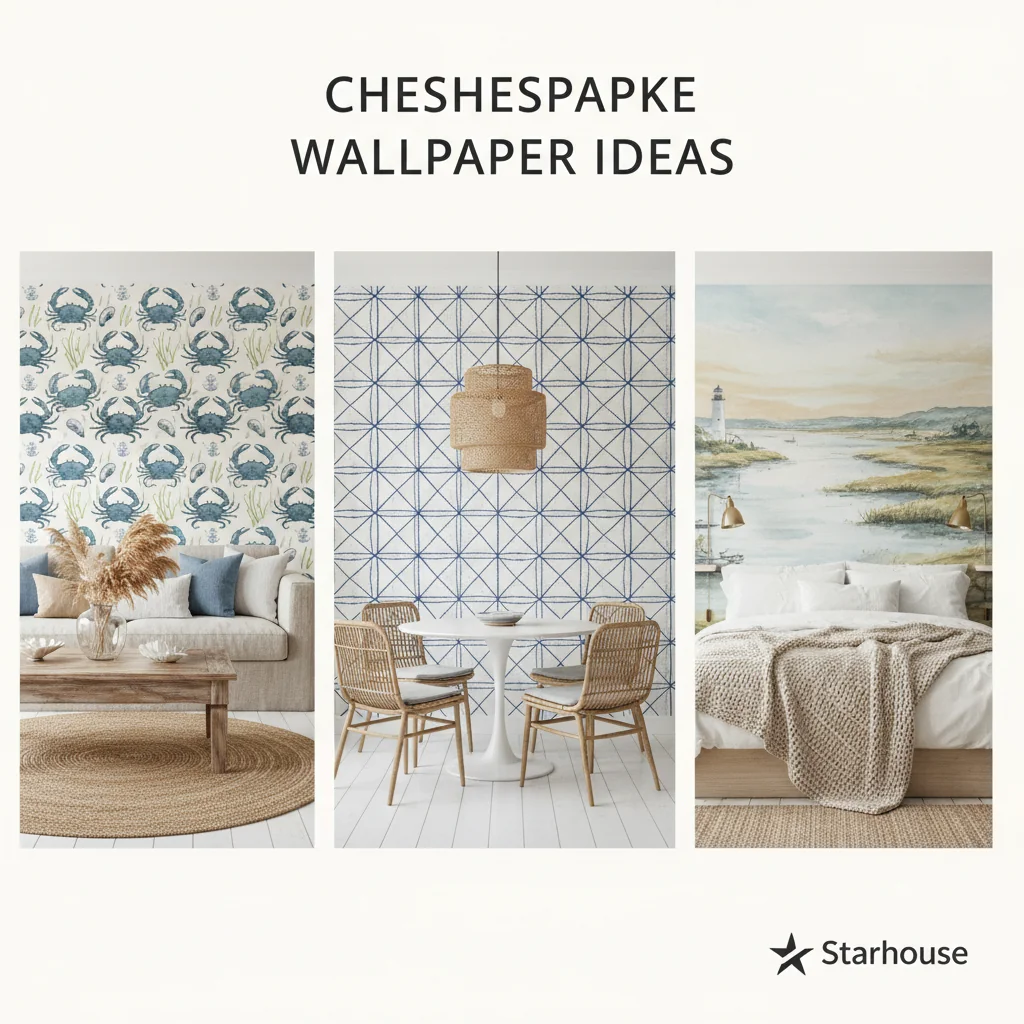
Unveiling the Signature Styles and Collections of Chesapeake Wallpaper
Chesapeake wallpaper is celebrated for its distinct design aesthetic, which encompasses a wide spectrum of styles from classic Americana to sophisticated contemporary motifs, often curated into themed collections by its parent company, Brewster Home Fashions, and featured by distributors like York Wallcoverings and Sherwin-Williams. These collections are meticulously designed to cater to various tastes and interior design philosophies, ensuring there is a Chesapeake pattern to complement virtually any home decor scheme.
The brand’s hallmark is its ability to translate diverse inspirations into cohesive and appealing wallcoverings. Here are some of the signature styles and common collection themes found within the Chesapeake range:
Coastal and Nautical Inspirations
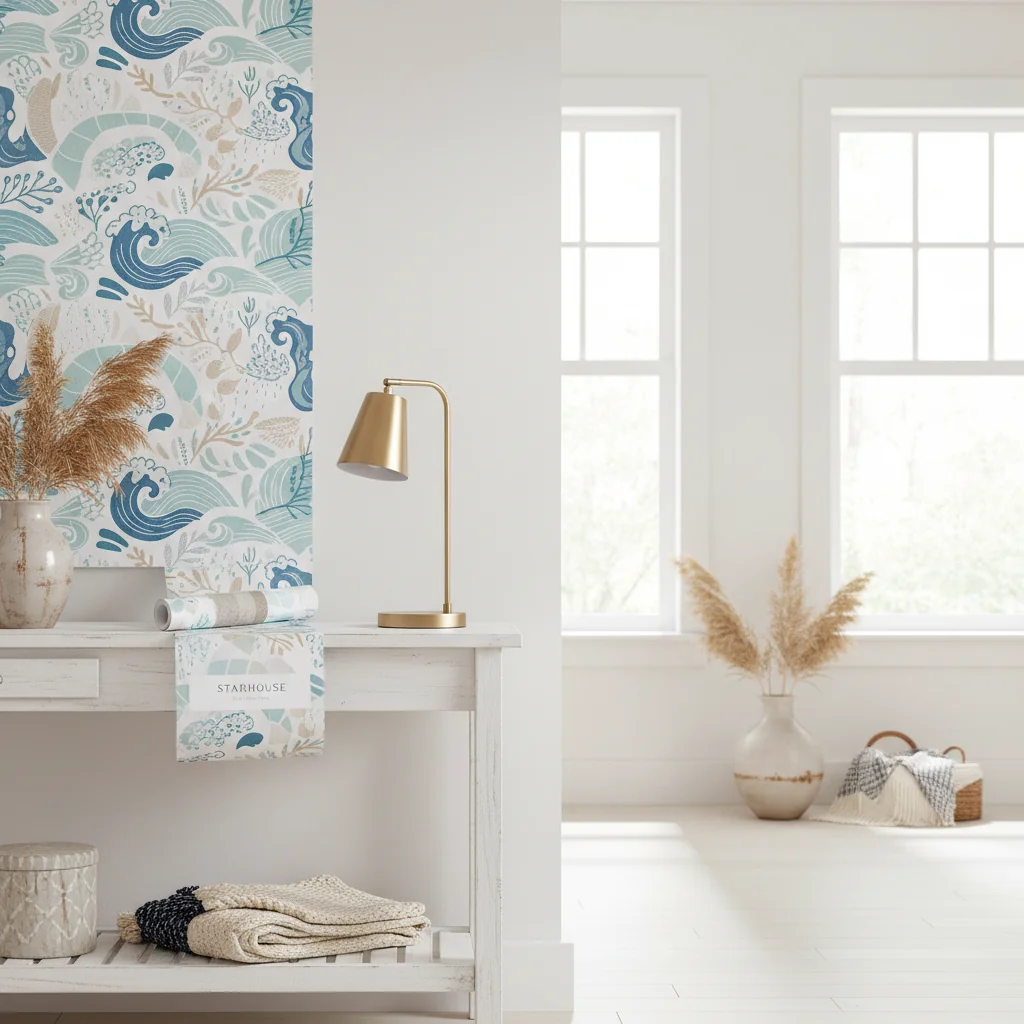
Many Chesapeake collections draw heavily from coastal living, featuring motifs such as seashells, coral, anchors, lighthouses, and weathered wood textures. The color palettes typically include serene blues, sandy beiges, crisp whites, and seafoam greens. These designs are perfect for creating a relaxed, airy, and inviting atmosphere reminiscent of beach houses and seaside retreats. They often incorporate subtle textures that mimic natural elements, adding depth without overwhelming the space.
Botanical and Nature-Inspired Designs
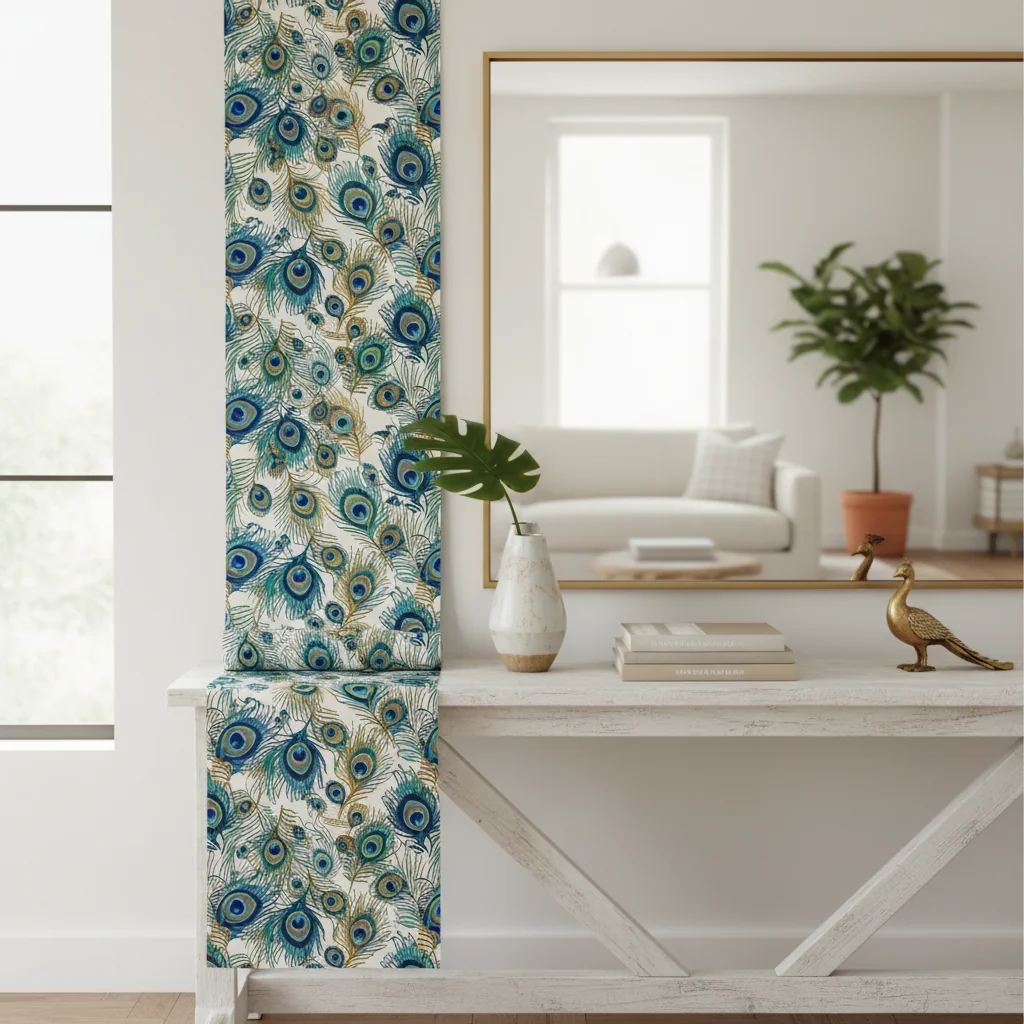
Chesapeake excels in botanical patterns, offering an extensive range of florals, leaves, vines, and scenic landscapes. From delicate wildflowers to bold tropical foliage, these designs bring the tranquility and beauty of nature indoors. Colorways vary from vibrant and lush to muted and earthy, allowing for versatility in different room settings. These patterns are particularly effective in bedrooms, sunrooms, or any space where a connection to the natural world is desired.
Traditional and Classic Patterns
For those who appreciate enduring elegance, Chesapeake provides a rich selection of traditional patterns, including damasks, toile, stripes, and subtle medallions. These designs often feature classic color combinations and intricate detailing, lending a formal and refined air to interiors. They are ideal for dining rooms, formal living areas, or master bedrooms where a sense of timeless sophistication is paramount. The precision of these patterns is a testament to the brand’s commitment to quality design.
Modern and Geometric Motifs
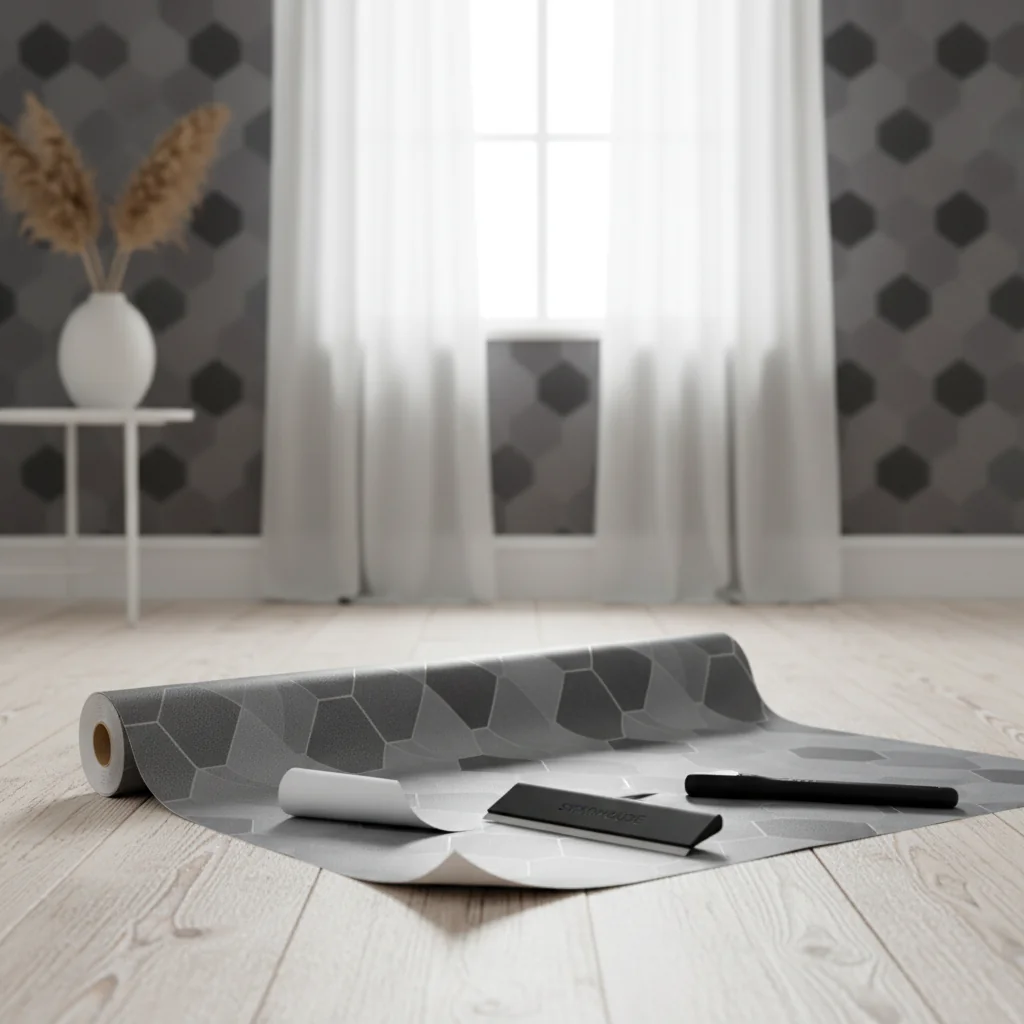
While rooted in classic aesthetics, Chesapeake also embraces modern design with collections featuring contemporary geometric patterns, abstract textures, and minimalist motifs. These designs often utilize clean lines, bold shapes, and a more restricted color palette, including grays, charcoals, metallics, and vibrant accents. They are perfect for creating a chic, urban, or avant-garde look in modern homes, suitable for accent walls or entire rooms seeking a dynamic edge.
Textural and Solid Effects
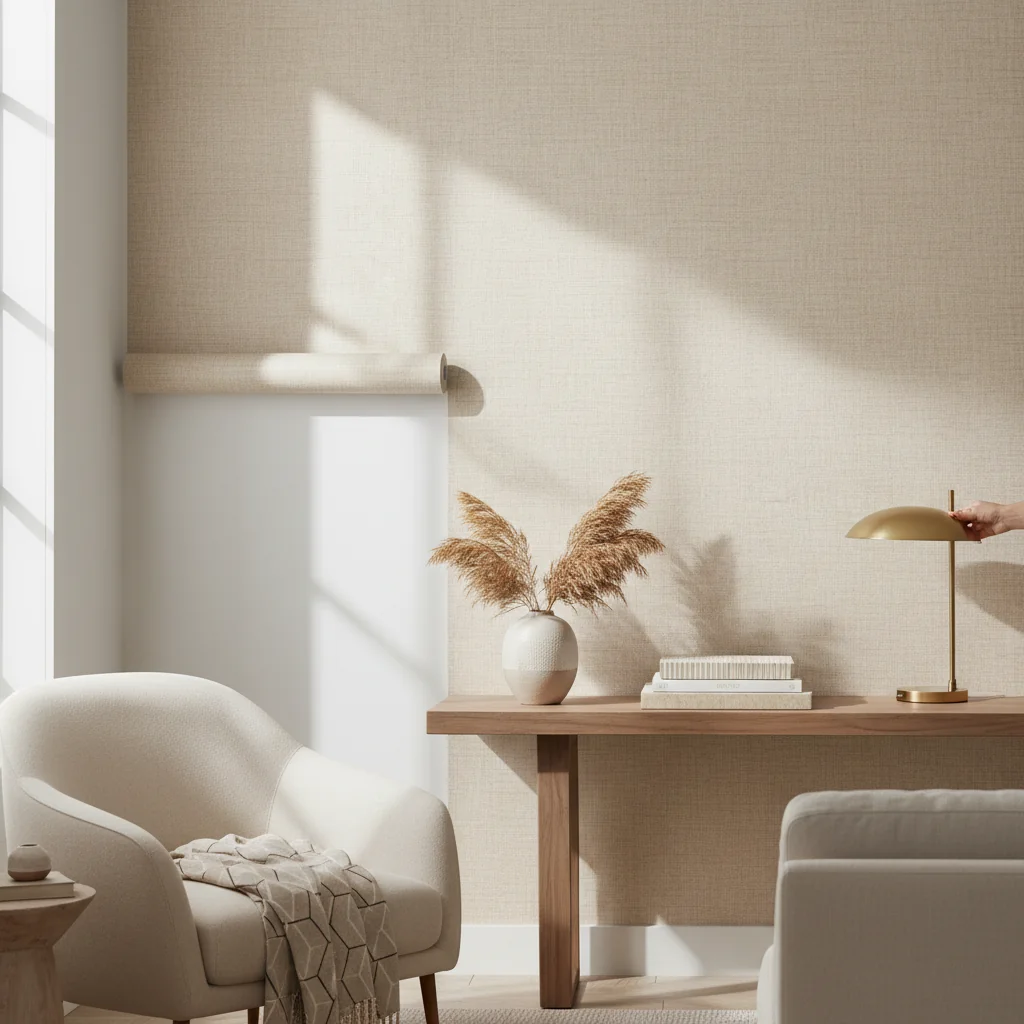
Beyond distinct patterns, Chesapeake offers a variety of wallpapers that simulate textures such as linen, grasscloth, plaster, or subtle woven effects. These designs provide visual interest and depth to walls without introducing an overt pattern, making them excellent choices for creating a sophisticated backdrop. Solid-colored wallpapers with subtle textures are highly versatile, allowing other decor elements to take center stage while providing a rich, tactile feel to the walls. These are frequently used to add warmth and dimension in minimalist or transitional spaces.
Specific collections, such as those highlighted by York Wallcoverings or Sherwin-Williams, often group these styles into cohesive themes, making it easier for consumers to find designs that align with their overall vision. For example, a collection might be entirely dedicated to serene coastal themes, while another might focus on vibrant botanical prints. The sheer breadth of these offerings ensures that Chesapeake wallpaper can serve as a foundational element in diverse interior design projects, from a tranquil farmhouse aesthetic to a sleek, contemporary urban dwelling.
How to Choose the Perfect Chesapeake Wallpaper for Your Space
Selecting the ideal Chesapeake wallpaper involves a thoughtful consideration of your room’s function, existing decor, natural light, and your personal style preferences, ensuring the chosen pattern enhances the overall ambiance. The right wallpaper can dramatically transform a space, adding character, depth, and a unique design signature.
To make an informed decision, Starhouse recommends a systematic approach:
1. Define the Room’s Function and Mood
- Bedrooms: Opt for calming patterns and colors like soft botanicals, subtle textures, or serene coastal motifs. Non-woven materials are excellent here for breathability.
- Living Rooms/Dining Rooms: These spaces often benefit from more sophisticated or statement-making designs such as elegant damasks, grand florals, or striking geometrics. Consider the level of formality you wish to achieve.
- Kitchens/Bathrooms: Durability and moisture resistance are key. Solid vinyl or paper-backed vinyl options are highly recommended due to their scrubbable nature and ability to withstand humidity. Patterns like subway tile effects, small geometrics, or subtle textures work well.
- Hallways/High-Traffic Areas: Choose robust, washable, and scuff-resistant materials like solid vinyl. Patterns that camouflage minor imperfections, such as small-scale textures or busy geometrics, are practical.
- Home Office/Study: Consider patterns that inspire focus or creativity, such as classic stripes, intricate traditional designs, or sophisticated textural wallpapers.
2. Assess Existing Decor and Color Palette
The wallpaper should complement your current furniture, textiles, and art. Identify the dominant colors and undertones in your room (warm or cool). If your decor is busy, a subtle pattern or textured solid wallpaper may be more appropriate. Conversely, if your furniture is minimalist, a bold Chesapeake pattern can serve as a stunning focal point. Consider the scale of existing patterns; avoid clashing patterns by varying their size and complexity.
3. Evaluate Natural Light and Room Size
- Small Rooms: Lighter colors and smaller patterns can make a room feel more expansive and airy. Avoid large, dark, or overly busy patterns that can make the space feel cramped.
- Large Rooms: Can comfortably accommodate larger, bolder patterns and darker colors without feeling overwhelmed. These designs can add grandeur and intimacy.
- Rooms with Abundant Natural Light: Offer more flexibility in color and pattern choice. Darker hues can be used without making the room feel dim.
- Rooms with Limited Natural Light: Lighter, reflective wallpapers with subtle sheen or metallic accents can help bounce light around the room, brightening the space.
4. Consider Pattern Repeat and Scale
Pattern repeat is the vertical distance before a pattern repeats itself. A larger pattern repeat means more waste during installation to ensure proper alignment. The scale of the pattern should align with the room’s size and the wall space available. A large floral might be lost on a small wall with many interruptions (windows, doors), while a small pattern might appear too busy on a vast, uninterrupted wall.
5. Sample Before You Commit
Always order samples of your preferred Chesapeake wallpaper patterns. View them in your home under different lighting conditions (daylight, artificial light, morning, evening) and against your existing furnishings. This crucial step helps you visualize the final effect and confirm that the colors and textures translate as expected in your unique environment. What appears perfect online or in a showroom can look different in your actual space.
6. Think About Installation and Maintenance
If you plan to DIY, consider non-woven (paste-the-wall) or peel-and-stick options for easier installation. For high-traffic or moisture-prone areas, prioritize scrubbable and durable materials like solid vinyl for ease of maintenance. Chesapeake wallpaper options vary in their care requirements; ensure you select one that fits your lifestyle.
By systematically addressing these factors, you can confidently select a Chesapeake wallpaper that not only enhances your home’s aesthetic but also aligns perfectly with its functional demands and your personal vision. Starhouse encourages a thoughtful selection process to ensure lasting satisfaction with your wallcovering choice.
Starhouse is committed to helping you curate your ideal home. We are building our collection to bring you the finest in home decor, including exceptional wallcoverings. Tell us what you’re looking for, and get early access to our curated selection as it launches: tell us what you’re looking for.
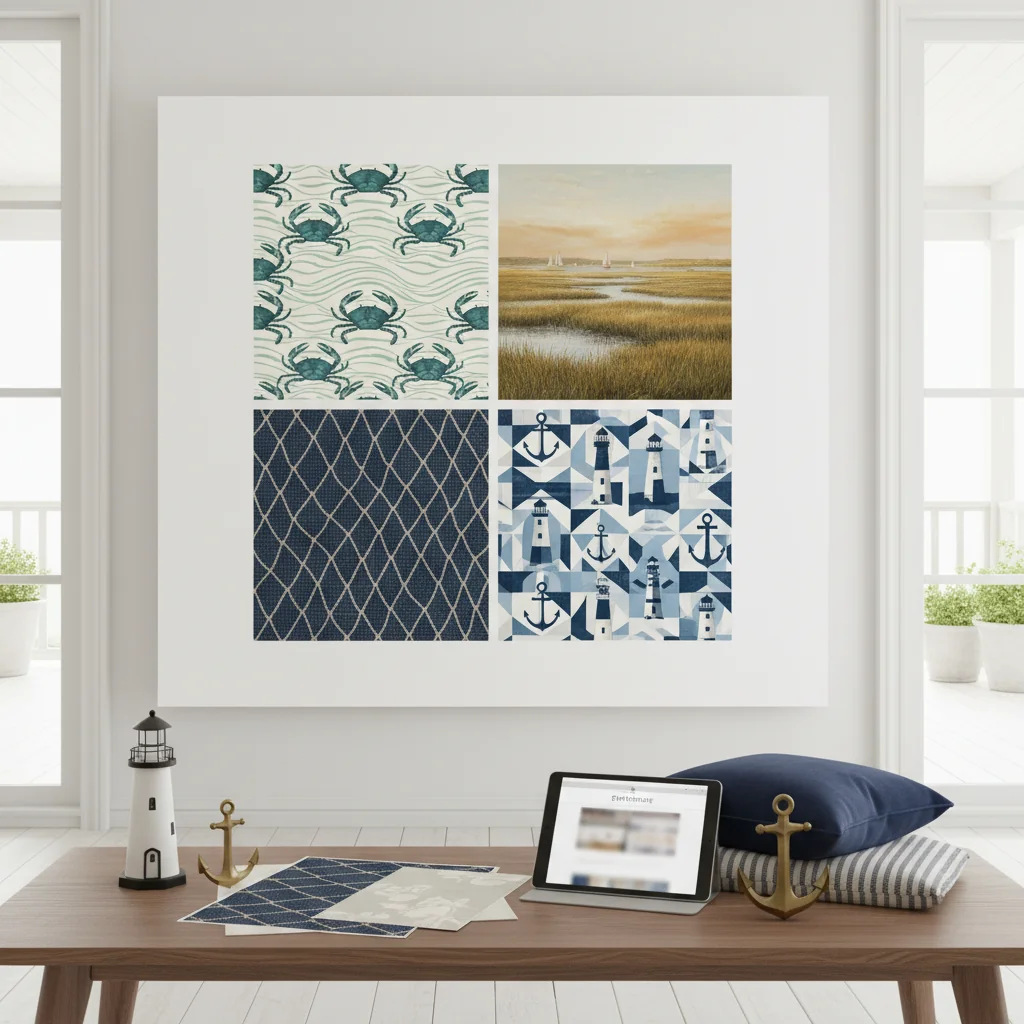
Precise Sizing and Measuring for Flawless Chesapeake Wallpaper Installation
Accurate sizing and meticulous measuring are paramount for a seamless and professional Chesapeake wallpaper installation, minimizing waste and ensuring pattern continuity across your walls. Underestimating or overestimating material needs can lead to costly delays or an unsatisfactory finished appearance; therefore, precise calculations are non-negotiable.
Follow these detailed steps for accurate measurement:
1. Gather Your Tools
- Measuring tape (preferably a metal one for accuracy)
- Pencil
- Notebook or calculator
- Step stool or ladder
2. Measure Wall Dimensions
Measure the height of each wall from the baseboard to the ceiling. Take at least three measurements across the width of the wall (left, center, right) and use the tallest measurement to account for any inconsistencies in wall height. Next, measure the total width of each wall.
Example: A wall is 8 feet 6 inches (102 inches) tall and 12 feet (144 inches) wide.
3. Calculate Total Square Footage
Multiply the total height by the total width of all walls you intend to cover. Do not deduct for windows or doors at this stage, as the cut-outs often compensate for waste due to pattern matching. If you have a very large opening (e.g., a wall with a full-size sliding glass door), you may subtract half of its area. For most standard windows and doors, it’s safer to include the full wall area to account for cuts and pattern repeats.
Formula: (Wall Height in inches × Wall Width in inches) / 144 = Square Footage
Example: (102 inches height × 144 inches width) / 144 = 102 sq ft for one wall.
4. Account for Pattern Repeat (Crucial Step)
Chesapeake wallpaper rolls typically specify a pattern repeat, which is the vertical distance before the design repeats itself. This measurement is crucial for matching strips and will increase the amount of wallpaper needed. Add the pattern repeat length to your wall height measurement for each strip you cut. A larger pattern repeat translates to more material waste.
Example: If your wall height is 102 inches and the pattern repeat is 21 inches, each strip you cut will need to be at least 102 + 21 = 123 inches long to allow for matching. This extra length ensures you have enough material to align the pattern from one strip to the next.
5. Determine the Number of Strips Per Roll
Chesapeake wallpaper rolls usually come in standard sizes, often referred to as “double rolls” in the U.S. A common double roll dimension is 20.5 inches wide by 33 feet long (approximately 660 inches). Some wider options might be 27 inches wide. Always check the specific roll dimensions provided by the manufacturer.
Divide the total length of one roll by the cut length per strip (wall height + pattern repeat). Round down to the nearest whole number to find how many usable strips you can get from a single roll.
Example: A double roll is 660 inches long. Your cut length per strip is 123 inches.
660 inches / 123 inches/strip = 5.36 strips. You can get 5 usable strips from this roll.
6. Calculate the Number of Rolls Needed
Divide the total width of your walls (in inches) by the width of one wallpaper strip (e.g., 20.5 inches or 27 inches). Round up to the nearest whole number to find the total number of strips required to cover all walls.
Example: Total wall width is 144 inches. Wallpaper width is 20.5 inches.
144 inches / 20.5 inches/strip = 7.02 strips. You need 8 strips to cover the wall.
Now, divide the total number of strips required by the number of usable strips per roll.
Example: You need 8 strips, and each roll yields 5 strips.
8 strips / 5 strips/roll = 1.6 rolls. You must purchase 2 rolls.
7. Add a Buffer for Waste and Future Repairs
Always purchase at least one extra roll beyond your calculated minimum. This accounts for miscuts, unexpected damages during installation, or potential future repairs. Having an extra roll from the same dye lot is crucial, as colors can vary slightly between production batches, ensuring a perfect match if repairs are needed years down the line. A standard recommendation is to add 15-20% to your total calculated quantity for safety.
By diligently following these steps, you will ensure that you order the correct amount of Chesapeake wallpaper, leading to a smooth installation process and a beautifully finished room. Precision in measuring saves both time and resources, making your design project more efficient and enjoyable.
Current Trends in Chesapeake Wallpaper Design
Chesapeake wallpaper collections consistently reflect evolving interior design aesthetics, with current trends emphasizing natural textures, bold botanical prints, sophisticated metallics, and a renewed focus on sustainable materials. These trends allow homeowners to infuse their spaces with contemporary style while maintaining the brand’s signature blend of elegance and accessibility.
Here are the prominent trends shaping Chesapeake wallpaper designs:
1. Biophilic Design and Grand Scale Botanicals
The integration of nature indoors remains a powerful trend. Chesapeake wallpaper embraces biophilic design through lush, large-scale botanical prints featuring oversized leaves, exotic flowers, and verdant landscapes. These patterns create a sense of calm and connection to the natural world, often appearing in rich greens, deep blues, and earthy tones. These are particularly popular in living rooms, dining rooms, and bedrooms, turning a wall into a captivating mural.
2. Textured Solids and Subtle Dimension
Beyond explicit patterns, there is a strong movement towards wallpapers that offer tactile and visual texture. Chesapeake delivers with designs mimicking linen, grasscloth, plaster, concrete, or woven fabrics. These textured solids add depth and warmth to a room without overwhelming it, providing a sophisticated backdrop for furniture and art. They are often found in neutral palettes—grays, beiges, creams, and muted greens—allowing for versatility in styling.
3. Geometric Patterns with a Modern Twist
Geometric designs continue to be popular, but with a refined and often abstract sensibility. Current Chesapeake collections feature intricate tessellations, art deco-inspired motifs, and subtle linear patterns. These are frequently rendered in sophisticated color combinations, sometimes incorporating metallic accents (gold, silver, bronze) to add a touch of glamour and contemporary edge. They are perfect for creating a focal point or adding a dynamic energy to a space.
4. Coastal Modern and Elevated Nautical
While coastal themes are a Chesapeake staple, the trend has evolved towards a more refined, “coastal modern” aesthetic. This involves cleaner lines, more abstract interpretations of nautical elements, and a sophisticated color palette that extends beyond traditional navy and white to include muted blues, teals, sandy browns, and soft grays. Patterns might feature understated coral motifs, abstract wave designs, or subtle stripe variations that evoke the seaside without being overtly themed.
5. Archival and Heritage-Inspired Prints
A resurgence in appreciation for historical patterns and vintage aesthetics is evident. Chesapeake offers interpretations of traditional damasks, toile, chinoiserie, and classical medallions, updated with contemporary colorways or slightly distressed finishes. These designs bring a sense of history and gravitas to interiors, perfect for creating a luxurious and timeless atmosphere in formal living spaces or master suites.
6. Earthy Tones and Muted Palettes
The prevailing color trends lean towards warm, inviting, and grounded palettes. Think terracotta, sage green, dusty rose, deep teal, and various shades of beige and gray. These muted tones create a soothing and harmonious environment, providing a sophisticated alternative to bolder colors. Chesapeake expertly incorporates these hues into both patterned and textured wallpapers, reflecting a desire for tranquility and comfort in the home.
7. Focus on Sustainability and Ease of Use
Beyond aesthetics, there’s a growing demand for environmentally conscious products. Chesapeake, like many leading brands, is increasingly offering non-woven wallpapers made with sustainable practices, which are also often easier to install (paste-the-wall) and remove. The popularity of peel-and-stick options also continues to grow due to their convenience and lower commitment, aligning with a desire for flexible and adaptable home decor solutions.
These trends demonstrate Chesapeake’s commitment to providing stylish, high-quality wallcoverings that resonate with current design sensibilities, allowing homeowners to create sophisticated and personalized interiors. Starhouse carefully monitors these trends to ensure our curated collections offer the most relevant and aspirational designs for your home.
Caring for Your Chesapeake Wallpaper: Maintenance and Longevity
Proper care and routine maintenance are essential for preserving the beauty and extending the lifespan of your Chesapeake wallpaper, ensuring it remains a vibrant and integral part of your home’s decor for years. The specific cleaning methods depend on the wallpaper’s material composition, which is typically indicated by symbols on the product label.
Understanding these care instructions is crucial for avoiding damage and maintaining the wallpaper’s original appearance.
General Maintenance Tips:
- Regular Dusting: Dust your wallpaper regularly with a soft, dry cloth, a feather duster, or a vacuum cleaner with a brush attachment. This prevents dust accumulation that can dull the pattern and make deeper cleaning more challenging over time.
- Immediate Spot Cleaning: Address spills and marks promptly. The longer a stain sits, the harder it is to remove. Always test any cleaning solution on an inconspicuous area first to ensure it does not cause discoloration or damage.
- Avoid Harsh Chemicals: Never use abrasive cleaners, strong detergents, or solvents like bleach, acetone, or paint thinner on wallpaper, regardless of its material. These can strip colors, damage the surface, or leave permanent marks.
- Protect from Direct Sunlight: Prolonged exposure to direct sunlight can cause wallpaper colors to fade over time. Consider using blinds, curtains, or UV-filtering window films to protect your walls, especially in south-facing rooms.
- Control Humidity: High humidity can cause wallpaper to peel or encourage mold and mildew growth, particularly in bathrooms and kitchens. Ensure adequate ventilation in these areas, perhaps with an exhaust fan or dehumidifier.
Material-Specific Cleaning Instructions:
Chesapeake wallpaper typically falls into categories with specific cleaning guidelines:
- Washable Wallpaper (e.g., many non-woven, some paper-backed vinyl):
This type can withstand light cleaning with a damp sponge or cloth. Use a mild, non-abrasive soap (like diluted dish soap) mixed with lukewarm water. Gently wipe the surface in small sections, avoiding excessive scrubbing or saturation. Rinse the sponge frequently and then lightly wipe with a clean, damp cloth to remove any soap residue. Finally, pat dry with a soft, clean towel.
- Scrubbable Wallpaper (e.g., solid vinyl):
These are the most durable and can withstand more rigorous cleaning. Use a soft brush or sponge with a mild soap solution. You can apply slightly more pressure to remove stubborn marks. Rinse thoroughly with a clean, damp cloth and dry with a soft towel. Solid vinyl is highly resistant to moisture, making it ideal for areas prone to splashes and stains.
- Peel-and-Stick Wallpaper:
Most peel-and-stick options are washable. Clean with a damp cloth and mild soap, similar to washable wallpaper. Avoid harsh scrubbing that could lift the edges or damage the adhesive. Ensure the surface is completely dry after cleaning to prevent any moisture from compromising the adhesive backing.
- Non-Washable/Delicate Wallpaper (less common in Chesapeake, but check):
If your wallpaper is labeled as non-washable or very delicate (e.g., flocked, fabric, or natural fiber papers), avoid any liquid cleaning. Instead, use a dry, soft cloth, a clean art gum eraser for small marks, or a very lightly dampened sponge for extremely gentle spot treatment, testing first in an inconspicuous area.
Addressing Common Issues:
- Peeling Seams: For minor peeling, use a seam roller and a small amount of wallpaper adhesive (specifically formulated for your wallpaper type) applied with a fine brush or syringe. Press the seam firmly back into place.
- Bubbles: Small bubbles can often be smoothed out with a wallpaper smoother or a clean, dry cloth. For persistent bubbles, carefully make a tiny slit with a utility knife, gently release the trapped air, and then re-adhere using a small amount of adhesive and a roller.
- Damage/Tears: For small tears or damaged sections, you can often patch the area using a piece of leftover wallpaper. Cut a patch slightly larger than the damaged area, align the pattern, and carefully cut through both the patch and the damaged wallpaper underneath. Remove the damaged piece and adhere the new patch. This requires precision and a sharp blade.
By diligently following these care guidelines, your Chesapeake wallpaper will continue to enhance your home’s aesthetic appeal and maintain its pristine condition, reflecting the quality and durability you invested in. Starhouse emphasizes that proper maintenance is key to long-term satisfaction with any wallcovering.
Styling and Pairing Chesapeake Wallpaper for Cohesive Interiors
Styling and pairing Chesapeake wallpaper effectively involves integrating its patterns, colors, and textures with your room’s furnishings, textiles, lighting, and paint choices to create a harmonious and visually compelling interior. The wallpaper serves as a foundational element, dictating the mood and often guiding subsequent decor decisions, making thoughtful coordination paramount.
Achieving a cohesive look requires a strategic approach:
1. Harmonizing with Furniture
- Complementary Styles: Match the wallpaper’s aesthetic with your furniture style. A traditional damask Chesapeake pattern pairs beautifully with classic, upholstered furniture, while a modern geometric design complements sleek, contemporary pieces.
- Scale and Proportion: Ensure the scale of the wallpaper pattern is balanced with your furniture. Large, bold patterns can overwhelm delicate furniture, while small, intricate patterns might get lost behind bulky pieces.
- Color Coordination: Select furniture pieces that either echo a color found within the wallpaper pattern or provide a pleasing contrast. For instance, if your wallpaper has hints of deep blue, consider a sofa in a complementary neutral like cream or a rich accent chair in a similar blue tone.
2. Integrating Textiles and Soft Furnishings
- Pattern Play: If your Chesapeake wallpaper features a bold pattern, opt for solid-colored or subtly textured textiles (curtains, rugs, throw pillows, upholstery). If the wallpaper is a textured solid or a very subtle pattern, you have more freedom to introduce patterned textiles. When mixing patterns, vary their scale and type (e.g., a small geometric wallpaper with large floral pillows).
- Texture Contrast: Use textiles to introduce varying textures that enhance the wallpaper. A smooth, reflective wallpaper can be softened by plush velvet cushions or a chunky knit throw. A textured wallpaper might be complemented by sleek silk drapes.
- Color Echoes: Draw out accent colors from the wallpaper pattern and repeat them in your textiles. This creates a visually cohesive flow throughout the room.
3. Selecting Lighting Fixtures
- Ambiance and Function: Lighting should not only illuminate the space but also enhance the wallpaper. Consider how light interacts with the wallpaper’s finish. A wallpaper with a subtle sheen or metallic accents will sparkle under direct light, while a matte finish might appear richer with diffused lighting.
- Style Alignment: Choose lighting fixtures that align with the wallpaper’s style. A vintage-inspired Chesapeake pattern might pair well with an antique-bronze chandelier, while a contemporary geometric pattern calls for a minimalist pendant or sleek sconces.
- Highlighting Features: Use accent lighting, such as picture lights or directional spotlights, to highlight a particularly intricate wallpaper pattern or an accent wall.
4. Choosing Complementary Paint Colors
- Pull Colors from the Wallpaper: The most effective strategy is to select a paint color for adjacent walls or trim that matches one of the background or accent colors within your Chesapeake wallpaper. This creates a seamless transition and a professional, designer-quality look.
- Neutral Backdrops: If your wallpaper is very busy or colorful, choose a neutral paint color (white, beige, light gray) for other walls to allow the wallpaper to be the star.
- Contrast and Drama: For a more dramatic effect, select a paint color that provides a strong, yet harmonious, contrast to the wallpaper. Ensure the undertones of both the paint and wallpaper are compatible.
5. Incorporating Accessories and Art
- Framing the Art: Let the wallpaper serve as a backdrop for your artwork. Choose frames that complement the wallpaper’s style and color palette. If the wallpaper is highly patterned, opt for simpler frames.
- Styling Shelves and Surfaces: When styling bookshelves, mantels, or side tables against a patterned wallpaper, keep accessories minimal and cohesive. Use objects that pick up on the colors or themes of the wallpaper without competing with it.
- Mirror Placement: Mirrors can amplify the effect of a beautiful wallpaper, reflecting its pattern and expanding the visual space. Position them strategically to capture the best view of the wallpaper.
By thoughtfully coordinating these elements, Chesapeake wallpaper can become more than just a wall covering; it transforms into an integral component of a sophisticated, well-designed interior. Starhouse encourages a holistic approach to styling, where every element contributes to a unified and aspirational living environment.
Common Mistakes When Choosing and Installing Chesapeake Wallpaper
Avoiding common pitfalls in the selection and installation of Chesapeake wallpaper is critical for achieving a professional and long-lasting result, preventing frustration and costly rectifications. Many issues arise from inadequate preparation, miscalculation, or overlooking the specific characteristics of the chosen wallpaper.
Here are the most frequent mistakes and how to prevent them:
1. Neglecting to Prepare Walls Properly
Mistake: Applying wallpaper over uneven, dirty, or improperly primed walls. This leads to bubbles, seams showing through, poor adhesion, and potential mold growth.
Solution: Ensure walls are clean, smooth, dry, and free of dust or grease. Fill any holes or cracks, sand rough patches, and apply a high-quality wallpaper primer (such as a pigmented acrylic primer/sealer) designed to create a consistent, absorbent surface and aid in future removal. This step is non-negotiable for a professional finish.
2. Underestimating Material Needs
Mistake: Not accounting for pattern repeat, miscalculating square footage, or failing to purchase extra rolls. This results in running out of wallpaper mid-project, leading to delays, potential dye-lot mismatches, and a compromised finish.
Solution: Always meticulously measure wall height and width, factor in the pattern repeat for every strip, and calculate the total number of rolls required with a 15-20% buffer for waste, miscuts, and future repairs. Purchase all rolls from the same dye lot to ensure color consistency.
3. Ignoring Room Conditions and Wallpaper Material
Mistake: Choosing a non-washable or non-moisture-resistant wallpaper for high-humidity areas like bathrooms or kitchens, or a delicate material for high-traffic zones. This leads to premature wear, damage, and maintenance difficulties.
Solution: Select the wallpaper material based on the room’s function and environmental conditions. For bathrooms and kitchens, opt for solid vinyl or scrubbable non-woven options. For high-traffic areas, prioritize durability and washability. Always check the wallpaper’s specific care symbols.
4. Skipping the Sample Test
Mistake: Purchasing a large quantity of wallpaper based solely on an online image or small swatch without seeing it in the actual room. Colors and patterns can look drastically different under varying lighting conditions and against existing decor.
Solution: Order samples and tape them to your walls. Observe them throughout the day and night to see how natural and artificial light affects the color and how the pattern integrates with your furniture and textiles. This prevents costly regrets.
5. Improper Pattern Matching and Alignment
Mistake: Failing to correctly align patterns between strips, resulting in a disjointed or misaligned design. This is particularly common with large-scale or intricate patterns.
Solution: Start wallpapering in an inconspicuous corner or from the most prominent wall. Use a plumb line or laser level to ensure the first strip is perfectly vertical, as this sets the standard for all subsequent strips. Carefully align each new strip with the previous one, matching the pattern precisely before smoothing it down. Take your time with this step.
6. Over-Wetting or Under-Wetting Pre-Pasted Wallpaper
Mistake: Not allowing pre-pasted wallpaper to “book” (fold and rest) for the recommended time, or saturating it too much/too little. This can lead to poor adhesion, bubbles, or tearing.
Solution: Read the manufacturer’s instructions carefully. If using pre-pasted paper, submerge it in water for the specified duration and then book it (fold paste-to-paste) for the exact resting time. This activates the paste properly and allows the paper to relax, preventing bubbling and shrinking on the wall.
7. Rushing the Installation Process
Mistake: Trying to complete the project too quickly, leading to sloppy cuts, bubbles, misaligned seams, and overall poor workmanship.
Solution: Allocate ample time for the project, especially if you are a novice. Wallpapering requires patience and precision. Work systematically, taking breaks as needed, and do not hesitate to re-adjust a strip if it’s not perfect before the adhesive sets.
8. Using Incorrect Tools
Mistake: Attempting to install wallpaper with household scissors, dull utility blades, or inadequate smoothing tools. This results in jagged edges, torn paper, and trapped air bubbles.
Solution: Invest in proper wallpapering tools: a sharp utility knife with plenty of fresh blades, a wallpaper smoother/brush, a seam roller, a plumb bob or laser level, a measuring tape, and a wallpaper paste brush (if using unpasted paper). Sharp blades are crucial for clean cuts.
By being mindful of these common mistakes and implementing these preventative measures, you can ensure your Chesapeake wallpaper installation is a success, resulting in a beautiful, durable, and professionally finished space.
Sources
- Chesapeake Wallpaper and Wallcovering | brewsterwallcovering.com
- York Wallcoverings. Chesapeake | yorkwallcoverings.com
- Chesapeake Wallpaper Collection | Sherwin-Williams | sherwin-williams.com
Frequently Asked Questions About Chesapeake Wallpaper
What is the primary aesthetic of Chesapeake wallpaper?
Chesapeake wallpaper is primarily known for its blend of traditional, coastal, and nature-inspired aesthetics, often featuring patterns like botanicals, damasks, stripes, and subtle textures that evoke a sense of classic American charm and sophistication. It often draws inspiration from serene landscapes and heritage designs.
Is Chesapeake wallpaper easy to install for DIY enthusiasts?
Yes, many Chesapeake wallpaper collections include non-woven (paste-the-wall) and peel-and-stick options, which are considerably easier for DIY enthusiasts to install compared to traditional paper-backed wallpapers. Non-woven wallpapers are also fully strippable, simplifying future redecoration.
Can Chesapeake wallpaper be used in bathrooms or kitchens?
Yes, Chesapeake offers specific collections and material types, particularly solid vinyl or scrubbable non-woven options, that are highly resistant to moisture and humidity, making them suitable for use in high-moisture environments like bathrooms and kitchens. Always check the product specifications for washability and moisture resistance.
How do I clean Chesapeake wallpaper?
How do I clean Chesapeake wallpaper?
The cleaning method for Chesapeake wallpaper depends on its material type, which is indicated by symbols on the product label. Washable types can be gently wiped with a damp cloth and mild soap solution, while scrubbable (often vinyl) wallpapers can withstand more rigorous cleaning with soap and water. Always avoid harsh chemicals and test any cleaning solution in an inconspicuous area first.
What is pattern repeat and why is it important for Chesapeake wallpaper?
Pattern repeat is the vertical distance on a roll of wallpaper before the design begins to repeat itself; it is crucial because it dictates how much extra material you need to purchase to ensure the pattern aligns seamlessly between adjacent strips during installation. A larger pattern repeat requires more wallpaper to account for waste during cutting and matching.
Where can I find Chesapeake wallpaper collections?
Chesapeake wallpaper collections are widely available through various retailers and design centers, including major home improvement stores, specialty wallpaper shops, and online platforms. They are prominently featured by distributors such as Brewster Home Fashions (the parent brand), York Wallcoverings, and Sherwin-Williams, ensuring broad access for consumers.
Should I prime my walls before installing Chesapeake wallpaper?
Yes, priming your walls before installing Chesapeake wallpaper is highly recommended, regardless of the wallpaper type. A high-quality wallpaper primer creates a uniform, non-porous surface that promotes better adhesion, prevents wallpaper from sticking too aggressively (aiding future removal), and helps to prevent paste from soaking into the drywall, ensuring a smoother, more professional finish.
Conclusion: Elevate Your Home with Chesapeake Wallpaper
Chesapeake wallpaper offers an unparalleled opportunity to infuse your home with enduring style, character, and a personalized aesthetic, serving as a cornerstone for sophisticated interior design. Its expansive range of materials, from durable vinyl to breathable non-woven options, coupled with an eclectic array of styles spanning traditional coastal to modern geometric, ensures there is a perfect pattern for every room and every design vision. By understanding the nuances of selection, precise measurement, proper care, and thoughtful styling, homeowners can leverage Chesapeake wallpaper to create truly aspirational and cohesive living environments that reflect their unique tastes.
At Starhouse, we are curating a collection of exceptional home décor elements, including the finest wallcoverings, to help you realize your design dreams. We believe that every detail contributes to the overall harmony and beauty of your space. As we build our catalog, we want to ensure we bring you exactly what you need to create your ideal home.
Share your vision with us and be among the first to explore our meticulously selected offerings. We invite you to tell us what you’re looking for, and get early access to Starhouse’s exclusive collections as they launch. Let us help you transform your house into a Starhouse.