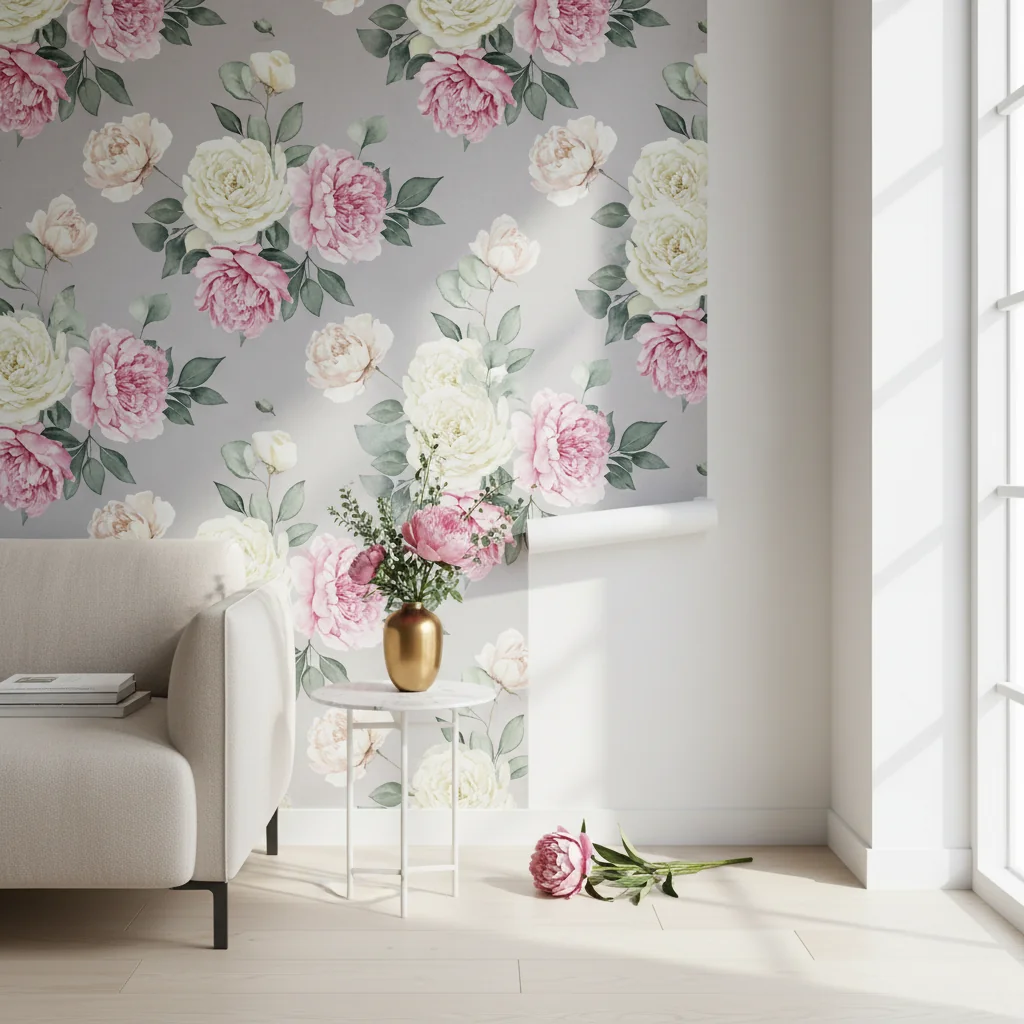
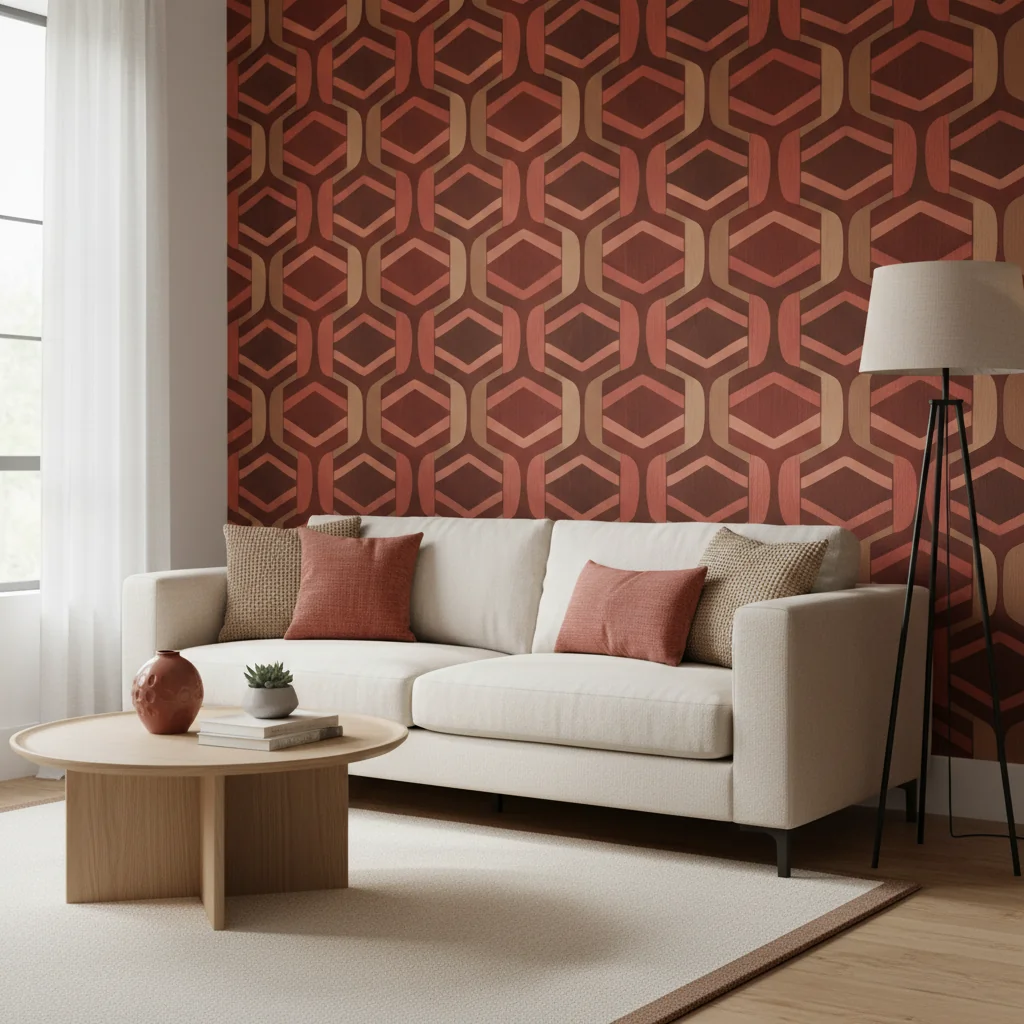
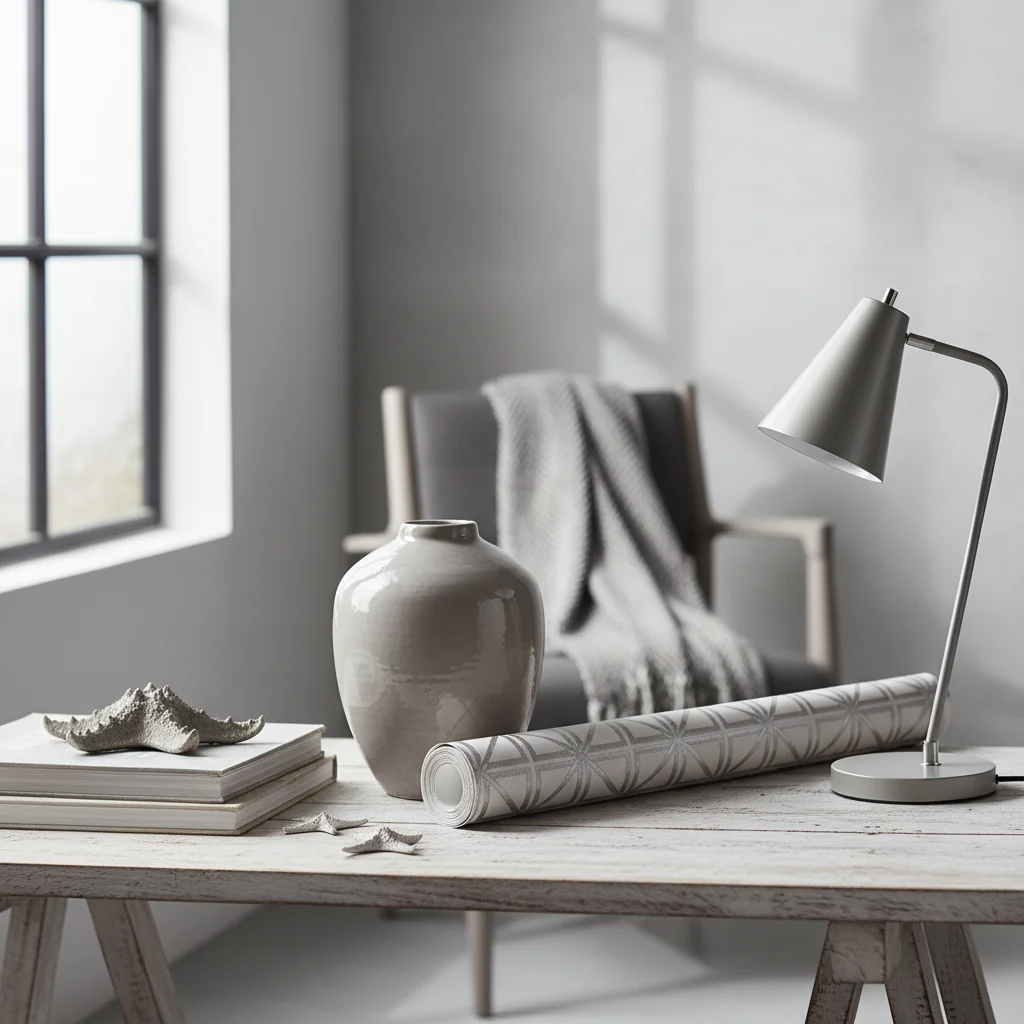
Geometric wallpaper is a dynamic and versatile wallcovering solution that utilizes repeating shapes, lines, and patterns to create visual interest, depth, and structure within an interior space. It offers a powerful way to define a room’s aesthetic, from subtle texture to bold focal points, instantly transforming walls into statements of design precision and contemporary elegance.
Key Takeaways
- Geometric wallpaper employs repeating patterns of shapes and lines to introduce structure, rhythm, and visual interest to interior spaces.
- Choosing the ideal geometric pattern requires consideration of room size, natural light, existing decor, desired mood, and the wallpaper’s material properties.
- Proper measurement and pattern repeat calculation are critical for a seamless installation, minimizing waste and ensuring visual continuity.
- Modern trends favor large-scale, biophilic, and metallic geometric designs, alongside sustainable material options.
- Effective styling involves balancing the wallpaper’s boldness with complementary furnishings, textiles, and lighting to create a cohesive and harmonious environment.
- Maintenance varies by material, with non-woven and vinyl options offering greater durability and ease of cleaning compared to delicate paper or natural fiber types.
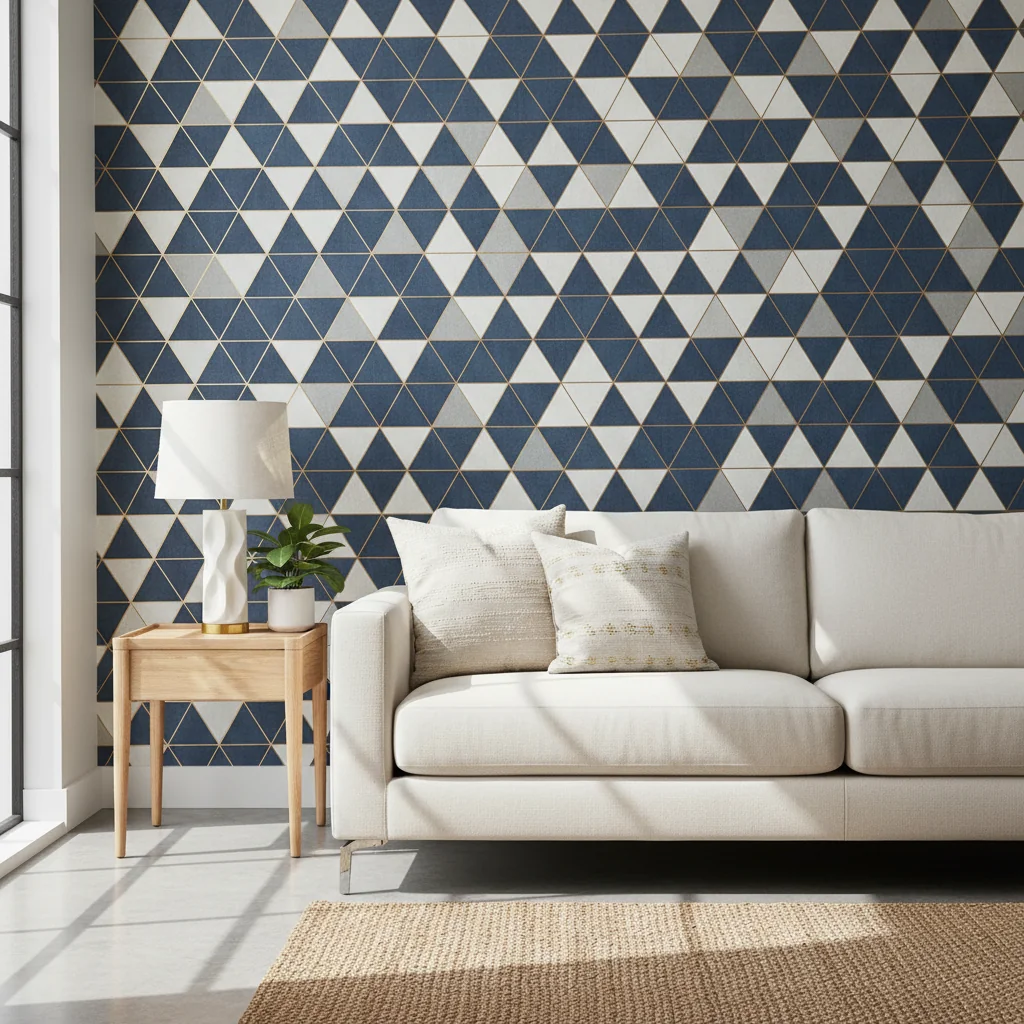
What is Geometric Wallpaper? A Foundation in Form and Function
Geometric wallpaper is a wallcovering characterized by its repeating patterns of shapes, lines, and mathematical constructs, offering a structured yet endlessly creative approach to interior design. Unlike organic or floral designs, geometric patterns derive their aesthetic appeal from order, symmetry, and repetition, making them a powerful tool for visual impact and spatial definition.
The essence of geometric wallpaper lies in its ability to introduce rhythm and movement into a room, often creating illusions of greater space, dynamic energy, or serene order, depending on the pattern’s scale and complexity. These designs range from simple stripes and checks to intricate tessellations and abstract forms, each capable of evoking a distinct mood and complementing various design styles.
A Brief History and Modern Resurgence
Geometric patterns have been fundamental to art and architecture for millennia, appearing in ancient mosaics, Islamic art, and traditional textiles. In wallpaper, their prominence surged during the Art Deco era of the 1920s and 30s, defined by bold lines, symmetry, and luxurious metallic accents. The Mid-Century Modern movement also embraced geometrics, favoring clean lines, abstract forms, and vibrant color palettes.
Today, geometric wallpaper is experiencing a significant resurgence, driven by advancements in printing technology, a renewed appreciation for structured design, and a desire for personalized, expressive interiors. Contemporary iterations often blend classic motifs with modern twists, incorporating new textures, finishes, and sustainable materials.
Why Geometric Wallpaper is a Powerful Design Tool
Geometric wallpaper offers unparalleled versatility and impact, making it a favorite among interior designers and homeowners alike. It can:
- Create a Focal Point: A bold geometric pattern on an accent wall immediately draws the eye, establishing a central point of interest in any room.
- Define Space: In open-concept living areas, geometric wallpaper can subtly delineate different zones, such as a dining nook or a home office corner, without the need for physical partitions.
- Add Depth and Dimension: Patterns with optical illusions or layered shapes can make a room feel larger or more intricate than it is, adding visual depth to flat surfaces.
- Introduce Texture and Movement: Even flat patterns can create the illusion of texture, while repeating forms generate a sense of rhythm and flow that enlivens walls.
- Reflect Personality: From minimalist grids to maximalist tessellations, geometric designs offer a vast spectrum of styles to express individual taste and design philosophy.
- Complement Diverse Styles: Geometric patterns seamlessly integrate with modern, contemporary, industrial, Art Deco, and even transitional design schemes, acting as a unifying element.
Understanding the fundamental principles of geometric design is the first step in harnessing its transformative power for your home. Starhouse curates a diverse range of geometric wallpapers, ensuring every homeowner can find the perfect pattern to articulate their unique vision.
Exploring the Diverse Types of Geometric Patterns
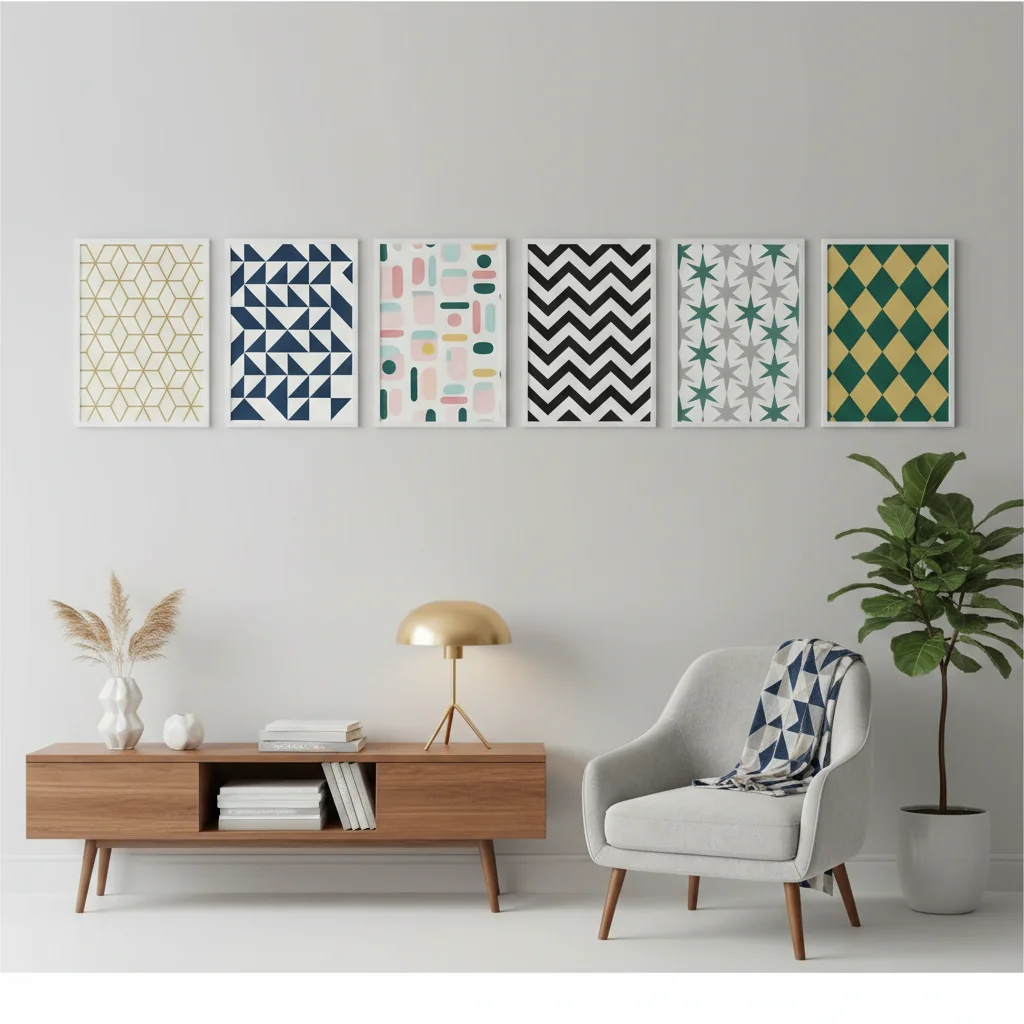
Geometric wallpaper encompasses a vast array of patterns, each with its unique aesthetic and psychological impact, allowing for highly specific design expressions. These patterns are defined by the arrangement and repetition of fundamental shapes and lines, ranging from simple and classic to complex and abstract.
Selecting the right type of geometric pattern is crucial for achieving the desired atmosphere and visual effect within a space. Each category offers distinct characteristics that can influence a room’s perceived size, energy, and overall design language.
Classic and Foundational Patterns
These patterns are timeless and form the bedrock of geometric design, offering versatility and enduring appeal.
- Stripes: Vertical stripes can make ceilings appear higher, creating an illusion of height and grandeur, while horizontal stripes can widen a narrow room, lending a sense of expansiveness. The width and spacing of stripes dramatically alter their impact, from subtle pinstripes to bold, statement bands.
- Checks and Grids: Including plaids and tartans, these patterns introduce order and a sense of classic comfort. Gingham checks evoke a rustic or cottage feel, while larger, more defined grids offer a contemporary, architectural aesthetic. They provide a structured backdrop without being overly distracting.
- Diamonds and Harlequins: These patterns, characterized by repeating diamond shapes, often evoke a sense of playfulness and classic elegance. Harlequin patterns, specifically, feature alternating colors in a diamond grid, frequently seen in theatrical or whimsical designs.
- Treillis/Lattice: A trellis pattern features an open, intersecting framework of lines, often forming diamond or square shapes. It brings an architectural, garden-inspired elegance to interiors, creating a sophisticated backdrop that can feel both intricate and airy.
Dynamic and Modern Patterns
These patterns introduce movement, complexity, and a contemporary edge, often becoming the focal point of a room.
- Chevrons and Herringbones: The chevron pattern is a V-shaped pattern, with zigzags meeting at a point, creating a strong sense of direction and energy. Herringbone, a similar but distinct pattern, features rectangular blocks arranged in a broken zigzag, resembling fish bones, offering a more textural and intricate look. Both add dynamic movement and can be oriented vertically or horizontally.
- Hexagons: Inspired by natural structures like honeycombs, hexagons are six-sided shapes that tessellate perfectly, creating a continuous, organic-geometric flow. They offer a modern, sophisticated feel, often associated with contemporary design and a subtle nod to nature.
- Art Deco Geometrics: Characterized by bold lines, stylized sunbursts, fan shapes, and stepped motifs, Art Deco patterns exude luxury and glamour. They often incorporate metallic accents like gold or silver, reflecting the opulence of the 1920s and 30s.
- Optical Illusions: These patterns manipulate perspective and depth, creating three-dimensional effects on a flat surface. They can be incredibly striking, making walls appear to recede or advance, adding a playful and often mesmerizing quality to a space.
- Tessellations: A tessellation is a pattern of shapes that fit perfectly together without any gaps or overlaps. Examples include classic tile patterns, but also more complex, interlocking geometric forms that create a seamless and captivating visual.
- Abstract Geometrics: Moving beyond strict symmetry, abstract geometric patterns often feature irregular shapes, fragmented lines, and organic curves arranged in a non-repeating or subtly repeating fashion. They offer a more artistic and free-form interpretation of geometric design, perfect for contemporary and avant-garde spaces.
Biophilic Geometrics
An emerging trend, biophilic geometrics blend natural forms with structured patterns. This might involve organic shapes arranged geometrically, or geometric patterns that mimic natural elements like leaves, branches, or water ripples. These designs aim to connect occupants with nature, promoting well-being and a sense of calm.
Each type of geometric pattern serves a unique purpose in design, allowing homeowners to select a pattern that not only aligns with their aesthetic preferences but also enhances the functional and emotional qualities of their living spaces. Starhouse is dedicated to providing an extensive collection that spans these diverse categories, ensuring precision and style for every home.
Understanding Geometric Wallpaper Materials and Construction
The material composition of geometric wallpaper significantly influences its durability, ease of installation, maintenance requirements, and overall aesthetic appeal. Understanding these material differences is crucial for selecting a wallpaper that performs optimally in its intended environment and aligns with your lifestyle.
Starhouse curates geometric wallpapers crafted from a range of high-quality materials, each offering distinct advantages for various applications within the home.
Common Wallpaper Materials
Here’s a breakdown of the most prevalent types of wallpaper materials and their characteristics:
| Material Type | Key Characteristics | Durability | Ease of Installation | Care & Maintenance | Ideal Use Cases |
|---|---|---|---|---|---|
| Non-Woven | Made from a blend of natural and synthetic fibers. Breathable, tear-resistant, dimensionally stable. | Excellent; resistant to tearing and fading. | Very easy (paste the wall); peelable when dry, leaves no residue. | Washable with a damp cloth and mild soap. | Living rooms, bedrooms, high-traffic areas, DIY projects. |
| Vinyl (Solid Sheet) | A solid layer of vinyl laminated to a paper or fabric backing. Highly durable and moisture-resistant. | Superior; highly resistant to scratches, scuffs, and moisture. | Moderately easy; requires paste. Can be heavy. | Scrubbable with detergent and a sponge. | Bathrooms, kitchens, commercial spaces, children’s rooms. |
| Paper (Coated/Uncoated) | Traditional wallpaper made from paper pulp. Can be coated for some protection. | Moderate; susceptible to tears, scratches, and moisture. | Moderately difficult; requires careful handling, can stretch when wet. | Generally wipeable (coated) or very delicate (uncoated). | Low-traffic areas, bedrooms, formal dining rooms (for aesthetic). |
| Fabric-Backed Vinyl | A vinyl surface layer laminated to a woven fabric backing. Offers enhanced durability and dimensional stability. | Very high; excellent for heavy-duty applications. | Moderately easy for professionals; can be rigid. | Highly scrubbable, resistant to most stains. | Commercial, hallways, high-impact residential areas. |
| Peel-and-Stick (Self-Adhesive) | Often made from vinyl or non-woven material with an adhesive backing. Removable and repositionable. | Good; depends on base material. Adhesive longevity varies. | Very easy (DIY-friendly); no paste required, easy to remove. | Wipeable or washable, depending on surface. | Rentals, temporary decor, accent walls, DIY projects, dorms. |
| Grasscloth (with geometric patterns) | Natural fibers (grass, jute, hemp) hand-woven onto a paper backing. Geometric patterns are often created through weaving or subtle printing. | Moderate; can be delicate, susceptible to moisture and staining. | Difficult; requires specialized adhesive and expertise, seams are visible. | Vacuum lightly, spot clean very carefully; not washable. | Formal living areas, bedrooms, creating natural texture and warmth. |
Detailed Material Insights
Non-Woven Wallpaper: This material is a blend of natural and synthetic fibers, making it exceptionally breathable, tear-resistant, and dimensionally stable. Its key advantage is the ‘paste-the-wall’ application method, where adhesive is applied directly to the wall, not the wallpaper, simplifying installation. Non-woven wallpapers are also fully peelable when dry, meaning they come off in full sheets without damaging the wall, making them ideal for renters or those who frequently update their decor. They offer a soft, matte finish that enhances geometric patterns without excessive sheen.
Vinyl Wallpaper: Vinyl wallpaper is a wallcovering product featuring a durable polyvinyl chloride (PVC) surface layer, making it highly resistant to moisture, stains, and physical abrasion. This makes it an excellent choice for high-humidity environments like bathrooms and kitchens, or high-traffic areas such as hallways and children’s rooms. Solid sheet vinyl is robust, but can be less breathable. Fabric-backed vinyl, often used in commercial settings, combines the durability of vinyl with the strength and stability of a woven backing, providing superior performance and tear resistance.
Paper Wallpaper: The most traditional type, paper wallpaper, is made from printed paper pulp. While often the most affordable, it is also the most delicate. Uncoated paper is highly susceptible to moisture and tears, while coated paper offers a slight improvement in durability and wipeability. Installation requires careful handling as paper can stretch when wet and shrink as it dries, making pattern matching more challenging. Geometric patterns on paper can offer a classic, matte finish, but are best reserved for low-traffic, dry areas.
Peel-and-Stick Wallpaper: Also known as self-adhesive or removable wallpaper, peel-and-stick options feature an adhesive backing protected by a removable liner. This innovation has democratized wallpaper installation, making it accessible to DIY enthusiasts and renters. Most peel-and-stick wallpapers are made from vinyl or non-woven materials, offering a good balance of durability and ease of removal. They are repositionable during installation, allowing for adjustments, and remove cleanly without leaving residue or damaging painted walls, provided the wall surface is properly prepared.
Grasscloth Wallpaper: While not exclusively geometric, many grasscloth designs incorporate subtle geometric patterns through their weaving or by being paired with overlaid geometric motifs. Grasscloth is a natural wallcovering made from woven plant fibers like jute, sisal, or arrowroot, laminated onto a paper backing. It offers unique texture, warmth, and an organic feel, but is delicate and not washable. Installation requires specialized techniques and often results in visible seams, which are part of its natural charm. Its use is best suited for spaces where texture and natural aesthetic are prioritized over extreme durability.
When selecting geometric wallpaper, consider the material’s suitability for the room’s function, your desired level of maintenance, and your comfort with the installation process. Starhouse ensures that each material option meets rigorous quality standards, providing lasting beauty and performance for your home.
Choosing the Right Geometric Wallpaper for Your Space
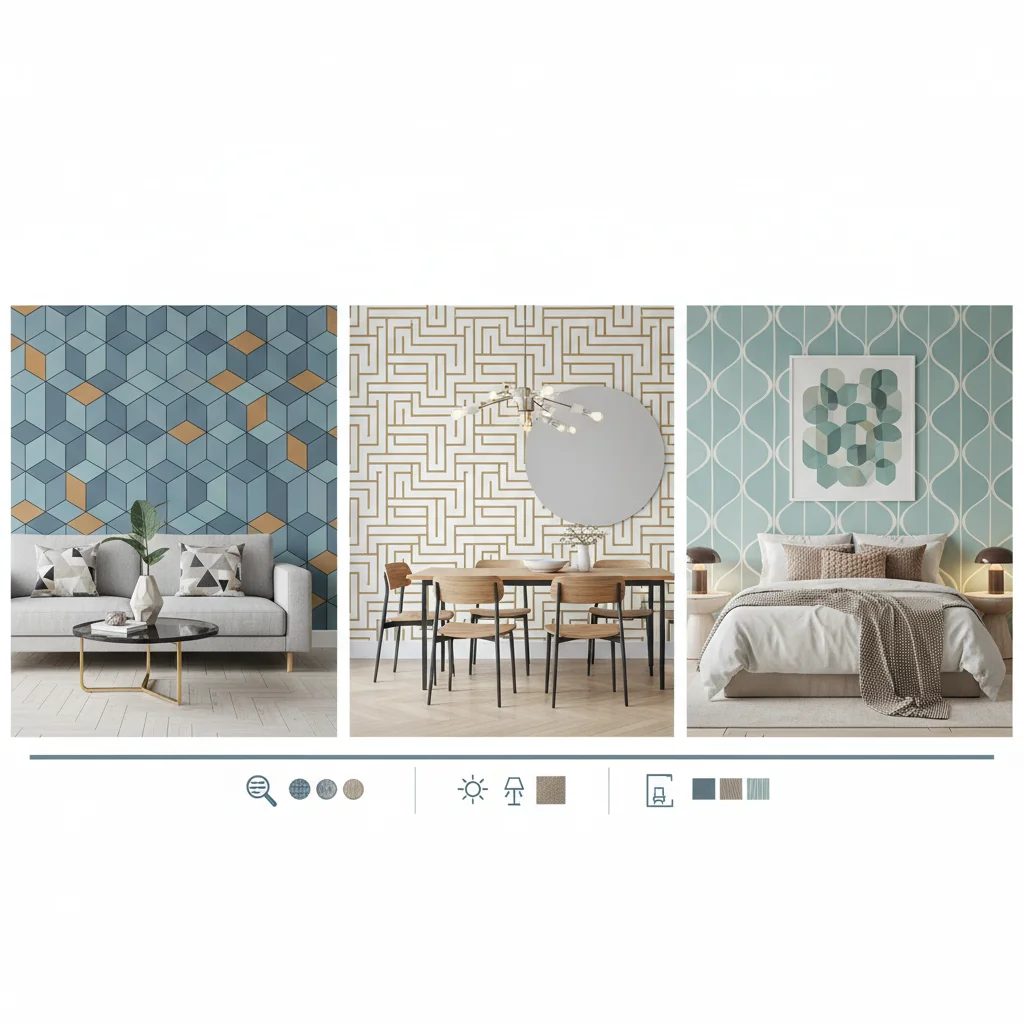
Selecting the ideal geometric wallpaper involves a thoughtful assessment of your room’s characteristics, your personal aesthetic, and the functional demands of the space. The right choice enhances the room’s architecture, complements existing decor, and creates the desired atmosphere, while a mismatched pattern can overwhelm or detract.
This decision-making process requires careful consideration of several key factors to ensure your geometric wallpaper is a harmonious and impactful addition to your home.
Assessing Your Space and Style
Before diving into patterns, evaluate the fundamental aspects of the room:
- Room Size and Layout: In smaller rooms (e.g., a powder room or a compact study), smaller, delicate geometric patterns or a single accent wall with a bolder design can prevent the space from feeling cramped. For larger rooms (e.g., a spacious living room or master bedroom), grander, larger-scale geometric patterns can make a significant statement without overwhelming the area. Vertical patterns can visually heighten ceilings, while horizontal patterns can broaden narrow walls.
- Amount of Natural Light: Rooms with abundant natural light can handle darker, more saturated geometric colors and complex patterns without feeling dim. In contrast, spaces with limited natural light benefit from lighter hues, metallic accents that reflect light, or patterns with a higher contrast between light and dark elements to brighten the area.
- Existing Decor and Furniture: Consider the style of your current furnishings. A room with minimalist, modern furniture might benefit from clean, linear geometric patterns. A space with more traditional or eclectic pieces could be enhanced by Art Deco-inspired geometrics or more ornate trellis designs. The goal is to create cohesion, not conflict.
- Desired Mood and Function: Determine the emotional impact you want to achieve. For a calming bedroom, opt for subtle, muted geometrics or patterns with soft curves. For an energetic entryway or a lively dining room, bold, high-contrast, or dynamic patterns like chevrons can inject excitement. A home office might benefit from structured, ordered patterns to promote focus.
Pattern Scale and Color Palette
The scale of the geometric pattern and its color palette are perhaps the most critical elements in wallpaper selection:
- Pattern Scale: Pattern scale refers to the size of the repeating design elements within a wallpaper, significantly impacting how the pattern is perceived in a given space. Large-scale patterns make a dramatic statement and work best in spacious rooms or on an accent wall in smaller rooms where they won’t feel overwhelming. Small-scale or micro-patterns are more subtle, acting almost like a textured solid from a distance, and are excellent for all-over application in smaller spaces or when a more understated effect is desired. Medium-scale patterns offer versatility and can work in a variety of room sizes.
-
Color Palette: The colors in your geometric wallpaper should harmonize with your room’s existing palette. Consider whether you want the wallpaper to be a vibrant focal point or a subtle backdrop.
- Monochromatic or Tonal: Using varying shades of a single color creates a sophisticated, understated look, adding texture without overwhelming.
- High Contrast: Black and white, or other strong color pairings, create a bold, modern, and dramatic statement.
- Complementary Colors: Colors opposite each other on the color wheel (e.g., blue and orange) create vibrant, energetic schemes.
- Analogous Colors: Colors next to each other on the color wheel (e.g., blue, green, and teal) create a serene and harmonious feel.
- Metallic Accents: Gold, silver, or copper elements within a geometric pattern add a touch of luxury, reflect light, and introduce glamour.
Material and Installation Considerations
Revisit the material types discussed earlier to align with your practical needs:
- Durability: For high-traffic areas or moisture-prone rooms (kitchens, bathrooms), vinyl or fabric-backed vinyl geometric wallpapers are highly recommended due to their scrubbable nature and resistance to wear.
- Maintenance: If easy cleaning is a priority, opt for washable non-woven or vinyl options. Delicate materials like grasscloth or uncoated paper require more careful maintenance.
- Installation Method: Determine if you prefer a DIY-friendly option like peel-and-stick, which requires no paste and is repositionable, or if you’re comfortable with traditional paste-the-wall (non-woven) or paste-the-paper (paper, vinyl) methods. Consider hiring a professional for complex patterns or delicate materials.
- Budget: Wallpaper varies widely in price per roll. Establish your budget early and factor in potential installation costs if you plan to hire a professional. Remember that higher quality materials often offer better durability and ease of installation in the long run.
Ultimately, the best way to choose is to order samples. Viewing a physical sample of your chosen geometric wallpaper in your home’s actual lighting conditions, alongside your existing finishes, is invaluable. This allows you to experience the pattern’s true scale, color, and texture before committing to a full purchase. Starhouse encourages this meticulous approach, helping you make an informed decision for a space you will love for years to come.
Sizing and Measuring for Flawless Installation
Accurate sizing and meticulous measuring are the cornerstone of a successful geometric wallpaper installation, ensuring a seamless pattern match and minimizing material waste. Precise calculations are essential to achieve a professional finish, preventing frustrating gaps, misaligned patterns, or running short on rolls midway through your project.
This process, while seemingly daunting, becomes straightforward with a systematic approach and careful attention to detail.
Step-by-Step Measuring Guide
Before purchasing any wallpaper, gather your tools: a steel tape measure, a pencil, a notepad, and a calculator.
-
Measure Wall Dimensions:
- Measure the width of each wall you intend to wallpaper. Measure from corner to corner at the top, middle, and bottom of the wall, and use the widest measurement.
- Measure the height of each wall from the ceiling to the baseboard in several places, and use the tallest measurement.
- For walls with doors or windows, measure the total wall dimensions first, then measure the dimensions of each opening.
-
Calculate Total Square Footage:
- For each wall, multiply its width (in feet) by its height (in feet) to get the square footage.
- Add the square footage of all walls together to get the total square footage of the area to be covered.
- Subtract the square footage of any large openings (doors, windows) from the total. While you won’t wallpaper these areas, it’s often advisable to only subtract openings larger than 20 sq ft, as smaller openings still require cutting around and generate waste. For geometric patterns, it’s often safer to not subtract small openings to account for complex cuts and pattern matching.
-
Understand Wallpaper Roll Dimensions:
- Wallpaper rolls come in standard widths, typically ranging from 20.5 inches to 27 inches, and lengths around 16.5 feet (single roll) or 33 feet (double roll). Always check the specific dimensions listed for your chosen wallpaper. Most wallpaper is sold in “double rolls” for efficiency, but priced per “single roll equivalent.”
- A standard double roll of wallpaper (20.5 inches wide x 33 feet long) covers approximately 56 square feet. However, this is the theoretical coverage without considering pattern repeat.
-
Account for Pattern Repeat:
- Pattern repeat is the vertical distance between where a wallpaper pattern begins and ends before it repeats itself, crucial for matching the design seamlessly across strips. This measurement is usually listed in inches on the wallpaper specifications.
- A larger pattern repeat (e.g., 21 inches or more) means more waste per strip to ensure the pattern aligns from one strip to the next.
- To account for repeat, add the pattern repeat measurement to your wall height measurement for each strip, then divide the roll length by this adjusted strip length to determine how many full drops you can get from one roll.
-
Calculate Number of Rolls Needed (with Waste Factor):
- Method 1 (Drops per Roll):
- Divide your wall height (in inches) by the pattern repeat (in inches) and round up to the nearest whole number. Multiply this number by the pattern repeat. This is your effective strip length considering the repeat.
- Divide the total length of one roll (in inches) by this effective strip length. Round down to the nearest whole number. This tells you how many full drops you can get from one roll.
- Divide the total width of your wall(s) (in inches) by the width of one wallpaper roll (in inches). Round up to the nearest whole number. This tells you how many drops you need.
- Divide the total number of drops needed by the number of drops you get per roll. Round up to the nearest whole number. This is the minimum number of rolls.
- Method 2 (Square Footage with Waste):
- Take your total calculated square footage to be covered.
- Add an additional 15-20% for waste, especially for large geometric repeats or complex rooms with many windows/doors. For very large repeats (over 20 inches), consider adding 25%.
- Divide this adjusted square footage by the stated square footage coverage of a single roll (e.g., 56 sq ft for a standard double roll). Round up to the nearest whole number to determine the number of rolls.
- Method 1 (Drops per Roll):
- Order an Extra Roll: Always order at least one extra roll beyond your calculated minimum. This accounts for unforeseen errors, future repairs, or pattern discrepancies. Ensure all rolls ordered are from the same dye lot to guarantee color consistency. The dye lot number is typically printed on the roll label.
Professional vs. DIY Considerations
While peel-and-stick geometric wallpapers are highly DIY-friendly, traditional paste-the-wall or paste-the-paper options with complex geometric patterns often benefit from professional installation. A professional installer possesses the experience to precisely match intricate patterns, manage large repeats, and handle delicate materials without damage, ensuring a flawless and long-lasting finish that justifies the investment.
Starhouse recommends thorough measurement and careful planning for any wallpaper project. For complex geometric patterns, consider consulting a professional installer for an accurate quote and peace of mind.
Current Trends in Geometric Wallpaper Design
Geometric wallpaper trends are continually evolving, reflecting broader shifts in interior design towards personalization, sustainability, and a blend of classic elegance with modern innovation. Staying abreast of these trends allows homeowners to create spaces that are both current and timeless, incorporating fresh perspectives into structured patterns.
Starhouse observes several compelling trends that are shaping the geometric wallpaper landscape, offering exciting possibilities for contemporary interiors.
Key Trends Shaping Geometric Wallpaper
- Large-Scale and Oversized Patterns: The current aesthetic favors bold, impactful statements. Large-scale geometric patterns, such as oversized hexagons, expansive arch motifs, or broad, sweeping linear designs, are prominent. These patterns command attention without overwhelming a space, particularly effective in larger rooms or on accent walls, creating a sense of grandeur and modern art.
- Biophilic Geometrics: A growing emphasis on connecting with nature indoors has led to the rise of biophilic geometrics. These designs integrate natural elements like leaves, branches, or organic curves within a structured geometric framework. Think of patterns resembling crystalline structures, intricate plant cell arrangements, or abstract interpretations of natural textures, often in earthy tones or soothing greens and blues.
- Muted and Earthy Color Palettes: While bold colors remain popular, there’s a strong trend towards more subdued and sophisticated palettes. Muted greens, deep terracotta, warm grays, soft blues, and subtle taupes are frequently seen. These colors allow geometric patterns to add texture and depth without overpowering the room, fostering a sense of calm and natural elegance.
- Metallic Accents and Finishes: The allure of metallic elements endures, with geometric wallpapers often incorporating gold, silver, copper, or rose gold details. These metallic accents catch and reflect light, adding a touch of luxury, glamour, and dimension to the patterns. They are particularly effective in Art Deco-inspired geometrics or contemporary designs seeking a sophisticated sheen.
- Architectural and Structural Forms: Inspired by brutalist and minimalist architecture, geometric wallpapers are featuring clean lines, arches, columns, and abstract interpretations of structural elements. These patterns create a sense of order, depth, and a sophisticated, almost sculptural quality on walls, perfect for modern, industrial, or minimalist interiors.
- Textural Geometrics: Beyond visual patterns, there’s a trend towards tactile geometrics. This includes wallpapers with embossed geometric patterns, subtle raised textures, or those that mimic natural materials like concrete, plaster, or woven fabrics, adding a sensory dimension to the design. Grasscloth wallpapers with geometric weaves also fall into this category.
- Geometric Murals and Paneling Effects: Moving beyond traditional repeating rolls, geometric patterns are being rendered as expansive murals that cover an entire wall with a single, large-scale design. Similarly, patterns that mimic geometric paneling or architectural details create a sophisticated, custom-built look, often using trompe l’oeil effects.
- Sustainable and Eco-Friendly Options: With increasing environmental consciousness, demand for sustainable wallpaper materials is growing. This includes geometric wallpapers made from recycled content, FSC-certified paper, VOC-free inks, or natural fibers. Starhouse is committed to curating options that align with eco-conscious design principles.
These trends demonstrate the versatility and enduring appeal of geometric wallpaper, allowing it to adapt to evolving design philosophies. Whether you prefer a bold statement or a subtle textured backdrop, the current market offers a geometric pattern to perfectly align with your vision for a stylish and contemporary home. As Starhouse curates its collection, we prioritize designs that embody these forward-thinking aesthetics, ensuring our offerings are both on-trend and timeless.
Styling and Pairing Geometric Wallpaper with Your Decor
Styling geometric wallpaper effectively involves creating a cohesive and balanced interior by carefully pairing the pattern with your furniture, textiles, lighting, and accessories. The goal is to allow the wallpaper to shine as a design element without overwhelming the space, ensuring all components work in harmony to achieve a desired aesthetic.
Thoughtful pairing transforms a room with geometric wallpaper from merely decorated to truly designed, reflecting a sophisticated and intentional vision.
Integrating Geometric Wallpaper with Furnishings
The furniture in a room plays a pivotal role in complementing or contrasting with your geometric wallpaper.
- Balance is Key: If your geometric wallpaper is bold and busy, opt for furniture with clean lines, solid colors, and simple silhouettes. This allows the wallpaper to be the star without competing for attention. For example, a vibrant chevron wallpaper pairs beautifully with a sleek, solid-colored sofa.
- Echo Shapes: Subtly echo the shapes found in your wallpaper in your furniture choices. If your wallpaper features circular motifs, consider a round coffee table or a curved armchair. If it’s linear, choose rectangular or square furniture pieces. This creates a subliminal connection and visual harmony.
- Color Coordination: Pull colors from the wallpaper pattern and incorporate them into your furniture upholstery or painted pieces. This creates a cohesive color story throughout the room. Conversely, a neutral geometric wallpaper can serve as a perfect backdrop for more colorful or eclectic furniture.
Harmonizing with Textiles and Fabrics
Textiles—curtains, rugs, throw pillows, and blankets—offer an excellent opportunity to reinforce your design scheme.
- Solid Colors and Textures: With a busy geometric wallpaper, solid-colored textiles in complementary hues are often the safest and most effective choice. Focus on varying textures (e.g., velvet, linen, knit) to add richness without introducing more competing patterns.
- Subtle Patterns: If your geometric wallpaper is understated, you can introduce other subtle patterns in your textiles, such as tone-on-tone stripes, small-scale dots, or organic textures. Ensure these patterns are significantly different in scale or style from the wallpaper to avoid a clash.
- Rug Selection: A large area rug can ground the space. For bold geometric wallpaper, choose a solid-colored rug or one with a very subtle, organic pattern. If the wallpaper is more subdued, a rug with a complementary geometric pattern (perhaps a larger scale or different shape) can add another layer of interest.
Lighting and Accessories
Lighting fixtures and decorative accessories are the finishing touches that tie the room together.
- Lighting: Consider lighting fixtures that complement the geometric theme. Pendants with angular designs, sconces with clean lines, or lamps with sculptural bases can enhance the structured aesthetic. Metallic finishes in lighting can also pick up metallic accents in the wallpaper. Ensure lighting is sufficient to highlight the wallpaper, especially intricate patterns.
- Wall Art: When using geometric wallpaper, less is often more with wall art. If the wallpaper is a strong statement, consider minimalist art, mirrors, or framed pieces with wide, solid mats to provide visual breaks. Alternatively, a gallery wall with frames that echo the wallpaper’s shapes can create a cohesive look. Avoid overly busy or competing artwork.
- Accessories: Decorative objects, vases, and sculptures can reinforce the geometric theme or provide a soft contrast. Choose accessories with interesting shapes, textures, or colors that pull from the wallpaper’s palette. Avoid clutter, as geometric patterns thrive in spaces that feel intentional and uncluttered.
Creating Focal Points and Visual Flow
Geometric wallpaper is inherently a focal point, but how you position it and what you pair it with can enhance its impact.
- Accent Wall Strategy: Applying a bold geometric wallpaper to a single accent wall (e.g., behind the bed, sofa, or dining table) is a popular strategy. This creates a dramatic focal point without overwhelming the entire room. Paint the remaining walls in a color pulled from the wallpaper for a harmonious effect.
- Architectural Integration: Use geometric wallpaper to highlight architectural features like a fireplace wall, an alcove, or the back of built-in shelving. This draws attention to these elements and adds depth.
- Layering: In more maximalist designs, layering different geometric patterns can be achieved by varying scale and color. For example, a large-scale geometric wallpaper can be paired with a small-scale geometric rug, provided their color palettes are cohesive. This requires a confident hand and a clear vision.
By thoughtfully considering these elements, you can transform a room with geometric wallpaper into a sophisticated and inviting space that truly reflects your design sensibilities. Starhouse provides the inspiration and quality materials to bring your vision to life, ensuring every detail contributes to a beautifully curated home.
Care and Maintenance for Lasting Beauty
Proper care and maintenance are essential for preserving the aesthetic appeal and longevity of your geometric wallpaper, protecting your investment and ensuring its beauty endures for years. The specific cleaning methods and precautions depend significantly on the wallpaper’s material composition, as different materials respond uniquely to moisture and cleaning agents.
Adhering to the manufacturer’s guidelines and understanding the properties of your wallpaper material will prevent damage and keep your geometric patterns looking fresh and vibrant.
General Maintenance Principles
Regardless of the material, a few universal principles apply to all wallpaper care:
- Regular Dusting: Periodically dust your wallpaper with a soft, clean cloth, a microfiber duster, or a soft brush attachment on your vacuum cleaner. This prevents dust and cobwebs from accumulating and dulling the surface.
- Address Spills Immediately: For any spills or marks, act quickly. The longer a stain sits, the harder it is to remove, and it may become permanent, especially on less durable materials.
- Test in an Inconspicuous Area: Before applying any cleaning solution to a visible part of your wallpaper, always test it on a small, hidden area (e.g., behind furniture, near the baseboard, or on a leftover scrap). This ensures the solution will not cause discoloration, damage, or affect the finish.
- Avoid Harsh Chemicals: Never use abrasive cleaners, scouring pads, or strong chemical solvents (like bleach, acetone, or ammonia-based products) on wallpaper, as these can strip colors, damage the material, or leave permanent marks.
Material-Specific Care Instructions
The care label on your wallpaper roll provides crucial information, often using international symbols. Here’s a guide based on common material types:
-
Non-Woven Wallpaper:
- Cleaning Code: Often labeled “washable” or “extra washable.”
- Method: Use a soft sponge or cloth dampened with lukewarm water and a very mild, non-abrasive soap (like dish soap). Gently wipe the surface from bottom to top to avoid streaking. Rinse the cloth frequently. Immediately follow with a clean, damp cloth to remove any soap residue, then dry with a clean, soft towel. Non-woven is generally quite forgiving and durable.
- Precautions: Avoid excessive scrubbing or saturating the paper, which could loosen the adhesive or damage the fibers.
-
Vinyl Wallpaper (Solid Sheet & Fabric-Backed):
- Cleaning Code: Usually “scrubbable” or “highly scrubbable.”
- Method: Vinyl is the most durable and easiest to clean. You can use a soft brush or sponge with warm water and a mild detergent or all-purpose cleaner. Gently scrub stubborn marks. Rinse thoroughly with a clean, damp cloth to remove all cleaning solution, then dry.
- Precautions: While very durable, avoid sharp objects or excessive force that could scratch or gouge the vinyl surface.
-
Paper Wallpaper (Coated):
- Cleaning Code: Typically “wipeable” or “gently wipeable.”
- Method: Use a barely damp, soft cloth to gently blot or wipe away marks. Do not rub vigorously. Use water sparingly to avoid soaking the paper. Dry immediately with a clean, soft cloth.
- Precautions: Paper is delicate. Avoid any scrubbing, excessive moisture, or strong cleaning agents. Tears and water damage are common.
-
Paper Wallpaper (Uncoated):
- Cleaning Code: Usually “very delicate” or “not washable.”
- Method: For dust, use a very soft, dry cloth or a feather duster. For light marks, a dry kneaded eraser can sometimes lift dirt gently.
- Precautions: This material is extremely delicate and should not be exposed to any moisture. Stains are often permanent. It is best suited for low-traffic, dry areas.
-
Peel-and-Stick Wallpaper:
- Cleaning Code: Varies depending on the top layer (often vinyl or non-woven). Typically “washable” or “wipeable.”
- Method: Follow the instructions for non-woven or vinyl, as most peel-and-stick products have a similar surface. Use a damp cloth with mild soap for general cleaning, wiping gently.
- Precautions: Be careful not to lift the edges or corners during cleaning, as this could compromise the adhesive.
-
Grasscloth Wallpaper:
- Cleaning Code: “Very delicate” or “do not wash.”
- Method: Dust regularly with a vacuum cleaner’s brush attachment on a low setting. For minor spots, try to gently blot with a dry, clean cloth.
- Precautions: Absolutely avoid water or liquid cleaners, as they can stain, warp, or damage the natural fibers. Grasscloth is inherently delicate and prone to visible seams and natural variations, which are part of its character.
Repairing Minor Damage
For small tears or bubbles:
- Tears: For small tears, carefully apply a small amount of wallpaper adhesive under the torn piece using a fine brush or syringe. Press gently with a clean roller or cloth to smooth it back into place. For larger tears, a patch cut from leftover wallpaper (ensuring pattern match) can be used, adhering it with wallpaper paste.
- Bubbles: Small bubbles often resolve themselves as the wallpaper fully dries. For persistent bubbles, use a utility knife to make a small slit in the center of the bubble, then gently squeeze out the trapped air. Apply a small amount of adhesive into the slit with a syringe, then press flat with a roller. Wipe away excess adhesive immediately.
By following these guidelines, your geometric wallpaper will remain a stunning and well-preserved feature in your home for many years, continuing to provide structural beauty and design sophistication. Starhouse emphasizes quality materials that, with proper care, offer enduring style.
Common Mistakes to Avoid When Using Geometric Wallpaper
While geometric wallpaper offers immense potential for transforming a space, certain missteps can detract from its intended impact or lead to unsatisfactory results. Recognizing and avoiding these common mistakes is crucial for achieving a polished, professional, and visually pleasing outcome that enhances your home’s aesthetic.
Starhouse believes in empowering homeowners with the knowledge to make confident design choices, ensuring that their investment in geometric wallpaper yields lasting satisfaction.
Pitfalls in Planning and Selection
- Incorrect Pattern Scale for the Room: One of the most frequent errors is choosing a geometric pattern that is either too large or too small for the room’s dimensions. An oversized pattern in a tiny powder room can feel overwhelming and claustrophobic, while a micro-pattern in a grand living room may disappear, failing to make the desired statement. Always consider the room’s square footage and ceiling height when selecting scale.
- Neglecting Natural Light and Room Orientation: Failing to account for how natural light interacts with the wallpaper can lead to disappointment. Dark, complex patterns in dimly lit rooms can make the space feel heavy and smaller. Conversely, overly reflective or high-contrast patterns in very bright, south-facing rooms can create glare or feel too intense. Always view samples in the actual room at different times of day.
- Overwhelming the Space with Too Many Patterns: While layering patterns can be sophisticated, using too many competing geometric patterns (wallpaper, fabrics, rugs) without careful consideration of scale, color, and design can lead to a chaotic and visually exhausting environment. If your wallpaper is bold, opt for solid or subtly textured textiles and furniture.
- Ignoring Existing Decor and Architectural Style: Introducing a hyper-modern geometric pattern into a traditionally furnished room without any transitional elements can create a jarring disconnect. The wallpaper should ideally complement or thoughtfully contrast with the existing architectural style and furniture, not fight against it.
- Choosing Impractical Materials for the Room’s Function: Installing delicate paper-based geometric wallpaper in a high-humidity bathroom or a high-traffic entryway is a recipe for premature wear and damage. Always match the wallpaper material’s durability and cleanability to the functional demands of the space.
Installation and Execution Errors
- Inadequate Wall Preparation: Applying wallpaper over uneven, dirty, textured, or improperly primed walls is a critical mistake. Bumps and imperfections will show through, adhesive may not bond correctly, and the wallpaper’s longevity will be compromised. Walls must be clean, smooth, dry, and properly primed.
- Failing to Account for Pattern Repeat and Dye Lots: Not calculating the pattern repeat accurately leads to significant waste or, worse, an inability to match the pattern seamlessly across strips. Additionally, mixing rolls from different dye lots can result in noticeable color variations between panels, ruining the uniformity of the geometric design. Always check dye lot numbers and order enough from the same batch.
- Poor Pattern Matching: Especially with complex geometric patterns, precise alignment of each strip is paramount. Sloppy pattern matching results in broken lines, misaligned shapes, and a visibly unprofessional finish. Take your time, use plumb lines, and practice patience, or hire a professional.
- Improper Adhesive Application: Too little adhesive can cause edges to lift and bubbles to form, while too much can squeeze out and stain the wallpaper or surrounding surfaces. Using the wrong type of adhesive for your specific wallpaper material can also lead to failure. Always follow the manufacturer’s adhesive recommendations.
- Overlooking the “Extra Roll” Rule: Under-ordering wallpaper is a common mistake that can halt a project and lead to frustration. If you run out, obtaining an exact match from the same dye lot might be impossible, forcing a compromise or a complete re-do. Always order at least one extra roll.
- Rushing the Process: Wallpaper installation, especially with geometric patterns, requires patience and precision. Rushing can lead to tears, misalignments, bubbles, and a generally unsatisfactory result. Allow ample time for preparation, installation, and drying.
By being mindful of these common pitfalls, homeowners can approach their geometric wallpaper project with confidence, ensuring a beautiful, long-lasting, and perfectly integrated design element. Starhouse empowers our customers with the insights needed to make informed choices and achieve impeccable results in their home transformations.
What is geometric wallpaper?
Geometric wallpaper is a type of wallcovering characterized by repeating patterns of shapes, lines, and mathematical constructs, designed to introduce structure, rhythm, and visual interest to interior spaces. It uses elements like stripes, chevrons, hexagons, and abstract forms to create dynamic or serene backdrops.
How do I choose the right geometric pattern scale for my room?
To choose the right pattern scale, consider the room’s size: large-scale patterns work best in spacious rooms or as a single accent wall to make a bold statement, while small-scale patterns are ideal for smaller rooms or for an all-over, subtle textured effect. Medium-scale patterns offer versatility for various room sizes.
Is geometric wallpaper suitable for bathrooms or kitchens?
Yes, geometric wallpaper can be suitable for bathrooms and kitchens, provided you select a material specifically designed for high-humidity and high-traffic areas. Vinyl or fabric-backed vinyl wallpapers are highly recommended due to their superior moisture resistance, durability, and scrubbable nature, making them ideal for these environments.
What is pattern repeat and why is it important for geometric wallpaper?
Pattern repeat is the vertical distance on a wallpaper roll before the design elements begin to repeat, crucial for ensuring a seamless and continuous pattern match across multiple strips. It is important because it dictates how much extra material is needed for proper alignment, directly impacting the number of rolls you need to purchase and minimizing waste.
How do I clean geometric wallpaper?
Cleaning methods depend on the wallpaper material: washable non-woven or vinyl wallpapers can be gently wiped with a damp cloth and mild soap, while delicate paper or natural fiber wallpapers like grasscloth require only dry dusting or careful spot cleaning. Always test any cleaning solution in an inconspicuous area first and refer to the manufacturer’s specific care instructions.
Can I install geometric peel-and-stick wallpaper myself?
Yes, geometric peel-and-stick wallpaper is designed for DIY installation, making it a popular choice for homeowners. It features an adhesive backing, eliminating the need for paste, and is often repositionable during application, which simplifies pattern matching. Proper wall preparation, ensuring the surface is clean, smooth, and dry, is still essential for optimal adhesion and a professional finish.
Conclusion
Geometric wallpaper offers an unparalleled opportunity to infuse your home with structure, style, and undeniable visual intrigue. From the subtle rhythm of a muted pattern to the dramatic statement of an oversized design, these wallcoverings transform ordinary walls into captivating canvases, reflecting a sophisticated and contemporary aesthetic.
By understanding the diverse types of patterns, the nuances of different materials, and the critical importance of precise measurement and thoughtful styling, you are empowered to make informed decisions that will elevate your interior spaces. The right geometric wallpaper not only enhances your decor but also articulates a distinct design story, creating environments that are both beautiful and uniquely yours.
At Starhouse, we are dedicated to curating a collection of geometric wallpapers that embody precision, quality, and aspirational design. We believe in the transformative power of these patterns to define and refine your living spaces, offering a foundation for a truly exceptional home.
As we prepare to launch our full catalog, we invite you to be part of our journey. Share what you envision for your space and get early access to our meticulously curated collection. Visit StarhouseUSA.online to tell us what you’re looking for, and let us help you discover the perfect geometric wallpaper to bring your design dreams to life.