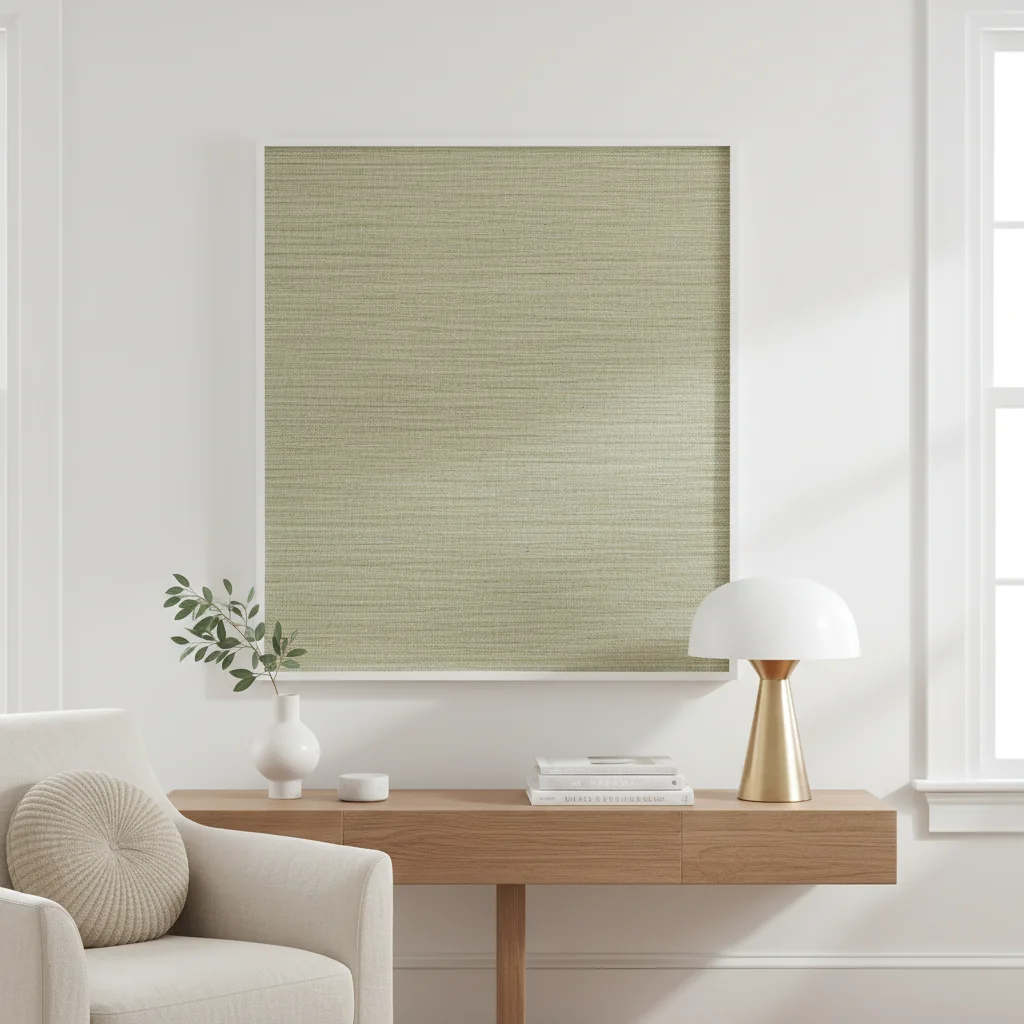
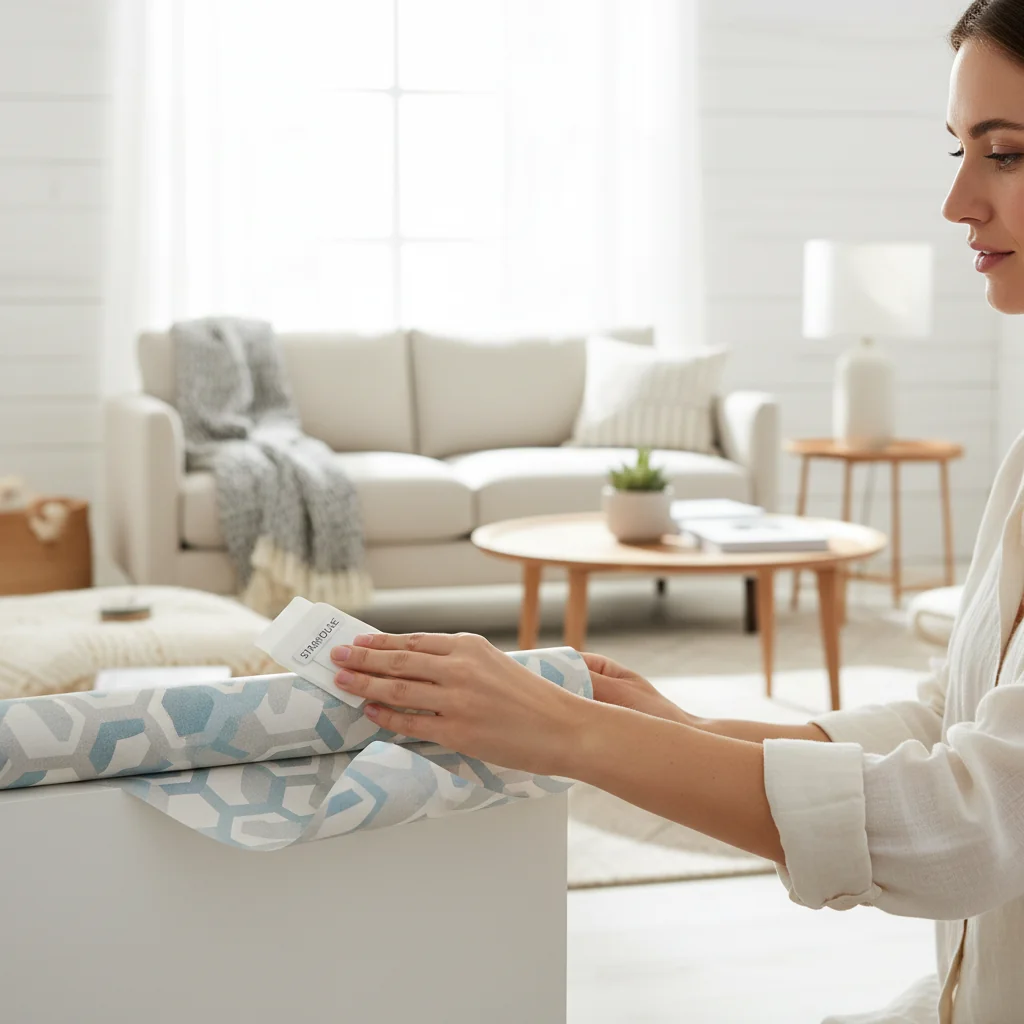
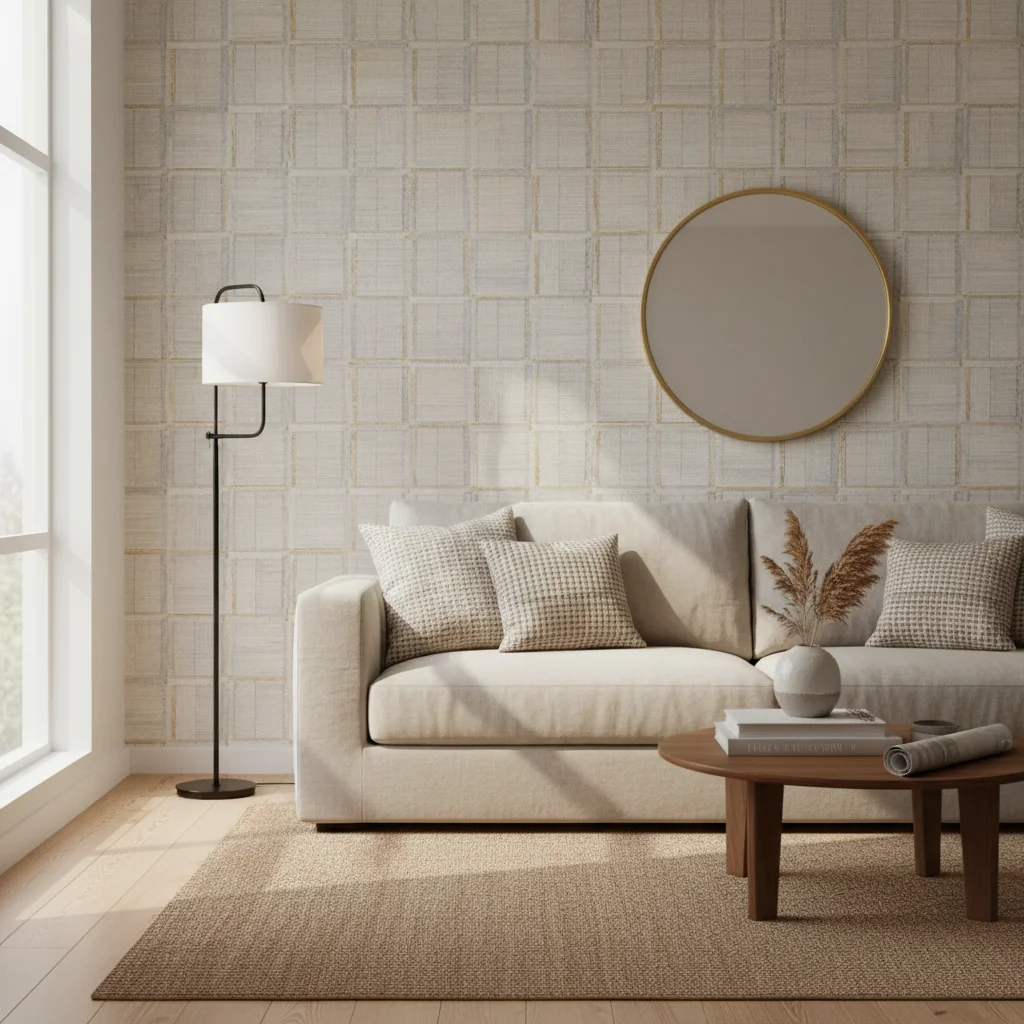
Grass cloth wallpaper is a sophisticated wallcovering crafted from natural fibers, meticulously woven onto a paper backing, offering unparalleled texture, depth, and organic beauty to interior spaces. This exquisite material transforms walls into tactile works of art, providing a distinctive warmth and character that synthetic alternatives cannot replicate. As a premium choice in wall décor, grass cloth introduces a subtle yet profound elegance, capable of elevating any room from merely decorated to truly designed.
For discerning homeowners and design professionals across the United States, understanding the nuances of grass cloth wallpaper is essential for harnessing its full aesthetic and functional potential. This comprehensive guide from Starhouse delves into every facet of grass cloth, from its diverse types and materials to precise installation techniques, care requirements, and expert styling advice. We aim to equip you with the authoritative knowledge needed to confidently select, integrate, and maintain this timeless wallcovering, ensuring your investment enhances your home with enduring grace and natural charm. Discover how grass cloth can become the defining element in your next interior design endeavor, reflecting a commitment to quality, texture, and refined taste.
Key Takeaways
- **Grass cloth wallpaper** is a natural fiber wallcovering, primarily made from renewable plant materials like jute, sisal, and arrowroot, woven onto a paper backing, renowned for its unique texture and organic aesthetic.
- Its inherent variations in color and weave pattern are a hallmark of its natural origin, contributing to a bespoke, hand-crafted appearance rather than a uniform, manufactured finish.
- Proper wall preparation, including priming with an oil-based primer, is critical for successful installation, as grass cloth is often un-trimmed and requires specific cutting and adhesive techniques.
- Grass cloth is sensitive to moisture and should not be used in high-humidity environments like bathrooms or behind sinks; cleaning requires dry methods such as gentle vacuuming or dusting.
- Accurate measurement and an allowance for waste, typically 15-20%, are essential for ordering, given its non-repeatable patterns and potential for slight color variations between dye lots.
- Styling grass cloth effectively leverages its textural depth, making it an ideal backdrop for both minimalist and richly layered interiors, enhancing acoustics and adding a sense of tranquility.
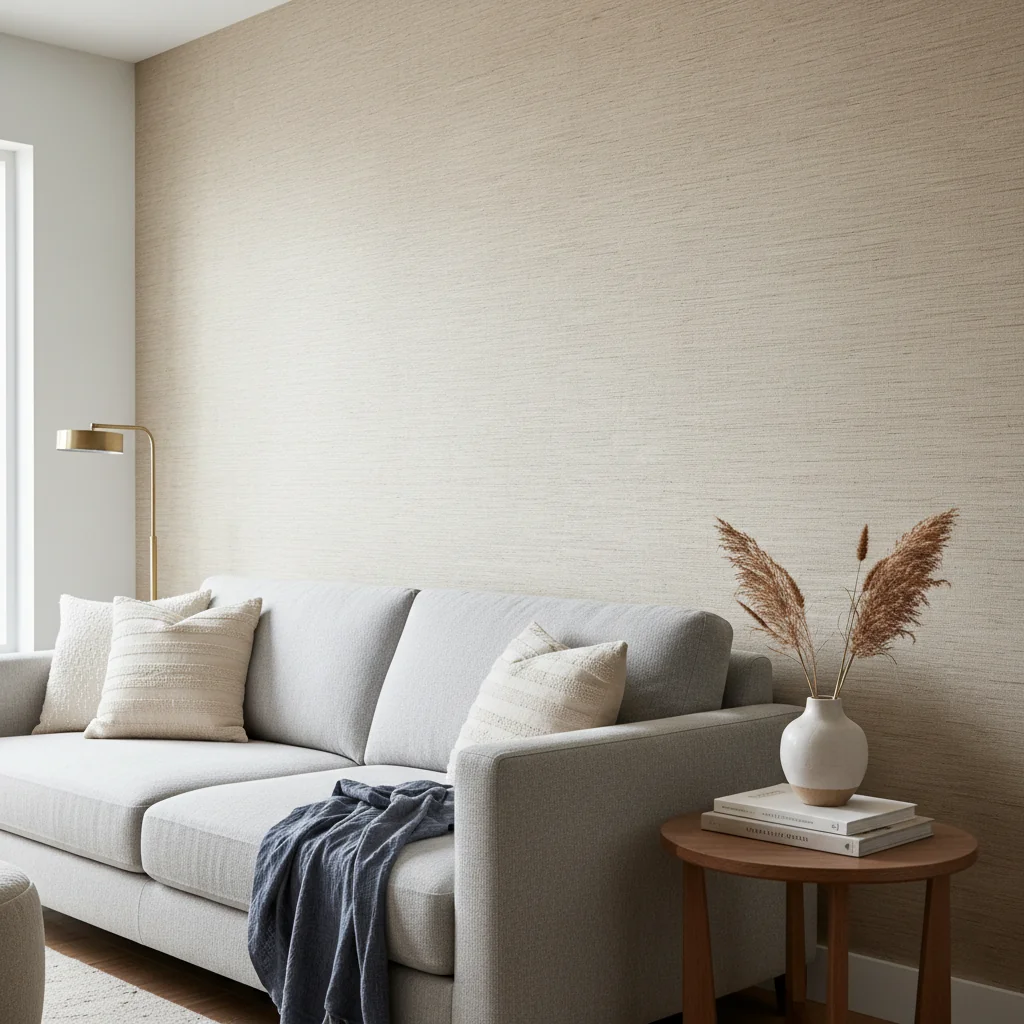
What is Grass Cloth Wallpaper? Unveiling Its Enduring Appeal
Grass cloth wallpaper is a distinctive wallcovering crafted from natural plant fibers, such as jute, sisal, arrowroot, and bamboo, meticulously hand-woven onto a thin paper backing. This traditional material is celebrated for its rich, tactile texture, subtle sheen, and organic variations that impart a unique depth and warmth to any interior space. Unlike printed wallpapers, grass cloth derives its aesthetic appeal from the inherent irregularities and natural color shifts within the fibers, ensuring no two installations are exactly alike.
The enduring appeal of grass cloth lies in its ability to introduce a sophisticated, natural element into a room, softening hard architectural lines and enhancing acoustic properties. It serves as a testament to craftsmanship, often showcasing visible seams and minor imperfections that are considered part of its authentic charm, rather than flaws. Homeowners and designers choose grass cloth when they seek to infuse a space with tranquility, understated luxury, and a connection to nature, creating an atmosphere that is both refined and inviting. Its unique texture captures and refracts light in a way that adds dynamic interest to walls, making it a favored choice for creating accent walls or enveloping entire rooms in a serene envelope of natural beauty.
The Craftsmanship Behind Grass Cloth
The creation of grass cloth wallpaper is a labor-intensive process, largely unchanged for centuries, reflecting a deep respect for natural materials and traditional artisan techniques. Skilled weavers meticulously hand-select and then hand-weave individual strands of natural fibers onto a lightweight paper backing, often using traditional looms. This hand-weaving process is what imbues each roll with its unique character, including slight variations in weave density, fiber thickness, and natural color. These subtle inconsistencies are not defects; rather, they are the hallmarks of an authentic, hand-crafted product, contributing to the bespoke feel of grass cloth.
The backing material, typically a rice paper or non-woven fabric, provides stability and facilitates installation. The fibers themselves are often left in their natural state, allowing their inherent beauty to shine through, or they may be dyed with organic pigments to achieve a broader palette of colors. This meticulous production method ensures that every strip of grass cloth wallpaper is a unique piece of art, showcasing the beauty of natural materials and the dedication of its makers.
Why Choose Grass Cloth Over Other Wallcoverings?
Choosing grass cloth wallpaper over other wallcovering options offers several distinct advantages that cater to specific design aspirations and functional needs. Its primary differentiator is its unparalleled texture, which adds a tactile dimension to walls that paint or printed wallpapers simply cannot achieve. This texture is not merely visual; it provides a tangible depth that creates a sense of luxury and warmth.
Furthermore, grass cloth introduces natural elements into a home, aligning with contemporary trends toward biophilic design and sustainable materials. The organic fibers contribute to a healthier indoor environment compared to some synthetic alternatives, often possessing natural breathability. Its subtle variations mean that the wallcovering adapts dynamically to changing light conditions throughout the day, revealing new facets of its beauty. Grass cloth also offers acoustic benefits, helping to absorb sound and reduce echoes, which makes it an excellent choice for bedrooms, living rooms, and home offices where tranquility is desired. While it requires careful installation and maintenance, its unique aesthetic and lasting impact on a space make it a worthwhile investment for those seeking a truly distinctive and elegant interior.
The Diverse World of Grass Cloth: Types and Materials
Grass cloth wallpaper encompasses a diverse array of natural fibers, each contributing unique textures, durability characteristics, and aesthetic qualities to the finished product. These fibers are primarily derived from renewable plant sources, offering an eco-conscious choice for wall décor. Understanding the specific properties of each material is crucial for selecting the grass cloth that best aligns with your design vision and the functional demands of your space.
The primary categories of grass cloth are defined by the plant material used, which can range from fine, delicate strands to thick, robust reeds. The backing material, typically paper or a non-woven fabric, also plays a role in the wallcovering’s stability and ease of installation. The inherent irregularities in natural fibers are celebrated as part of grass cloth’s charm, providing a handcrafted look that synthetic materials cannot replicate. At Starhouse, we understand that these variations are what make grass cloth truly special, offering a unique narrative for every wall it adorns.
Common Natural Fiber Materials
**Sisal:** Sisal is a natural fiber derived from the agave plant, known for its exceptional strength and durability. Sisal grass cloth typically features a slightly coarser, more structured weave than jute, offering a robust texture that stands up well in higher-traffic areas. Its fibers can be dyed to achieve a wide range of colors, from earthy neutrals to vibrant hues, making it a versatile choice for various interior styles.
**Jute:** Jute is a soft, lustrous vegetable fiber harvested from the jute plant, renowned for its silky texture and natural sheen. Grass cloth made from jute often has a finer, more delicate weave compared to sisal, creating a softer visual and tactile experience. It absorbs dyes beautifully, resulting in rich, deep colors, and its inherent flexibility makes it a popular choice for achieving a refined, elegant look in living rooms and bedrooms.
**Hemp:** Hemp is a strong, durable fiber from the cannabis plant, celebrated for its eco-friendly cultivation and robust nature. Hemp grass cloth tends to have a more rustic, organic appearance with visibly thicker strands and a textured, somewhat irregular weave. It offers excellent breathability and is often favored for its natural, earthy tones, contributing to a grounded and sustainable design aesthetic.
**Seagrass:** Seagrass is a robust, non-porous fiber harvested from marine plants, distinguished by its inherent water resistance and smooth, slightly waxy feel. Seagrass grass cloth typically features a tight, uniform weave that creates a crisp, clean texture, often associated with coastal or minimalist designs. Its natural color palette leans towards greens, browns, and grays, offering a serene and earthy foundation for interiors.
**Arrowroot:** Arrowroot is a delicate, fine fiber derived from the roots of the arrowroot plant, known for its subtle texture and refined appearance. Arrowroot grass cloth often presents a very fine, almost silken weave, creating a soft, understated backdrop that adds warmth without overwhelming a space. It is particularly valued for its ability to take on subtle dyes, producing sophisticated pastel and neutral tones that enhance serene environments.
**Bamboo:** Bamboo grass cloth is crafted from thin strips of bamboo, often sliced, flattened, and then woven or adhered to a backing. Unlike the softer, more pliable fibers, bamboo offers a distinctive linear pattern and a naturally smooth, slightly glossy surface. Its structured appearance provides a contemporary or Asian-inspired aesthetic, and it is known for its durability and resistance to moisture, though still not suitable for direct water exposure.
**Reed:** Reed grass cloth utilizes long, slender reeds, typically from various types of grasses, woven to create a textured, often linear pattern. This type of grass cloth can range from finely woven, almost uniform textures to more visibly chunky and irregular designs. Reed wallcoverings provide a strong organic presence, lending themselves well to natural, bohemian, or subtly rustic interiors, showcasing the raw beauty of the plant material.
Backing Materials
The backing material for grass cloth wallpaper plays a crucial role in its stability, ease of installation, and overall performance.
- **Paper Backing:** This is the most common type, typically a lightweight rice paper or pulp paper. It provides a stable surface for the fibers to be woven onto and allows for traditional paste application. Paper-backed grass cloth is generally more affordable but can be more susceptible to tearing if not handled carefully during installation.
- **Non-Woven Backing:** Some modern grass cloths feature a non-woven backing, which offers increased durability and dimensional stability. Non-woven backings are often easier to install and remove, as they do not expand when wet and can sometimes be dry-stripped from walls. This can be a benefit for those seeking a balance of natural aesthetic with enhanced performance.
Understanding the specific fiber and backing material is paramount for proper installation and long-term care. Each type reacts differently to moisture, light, and handling, necessitating tailored approaches.
Exploring Aesthetic Horizons: Styles and Textures of Grass Cloth
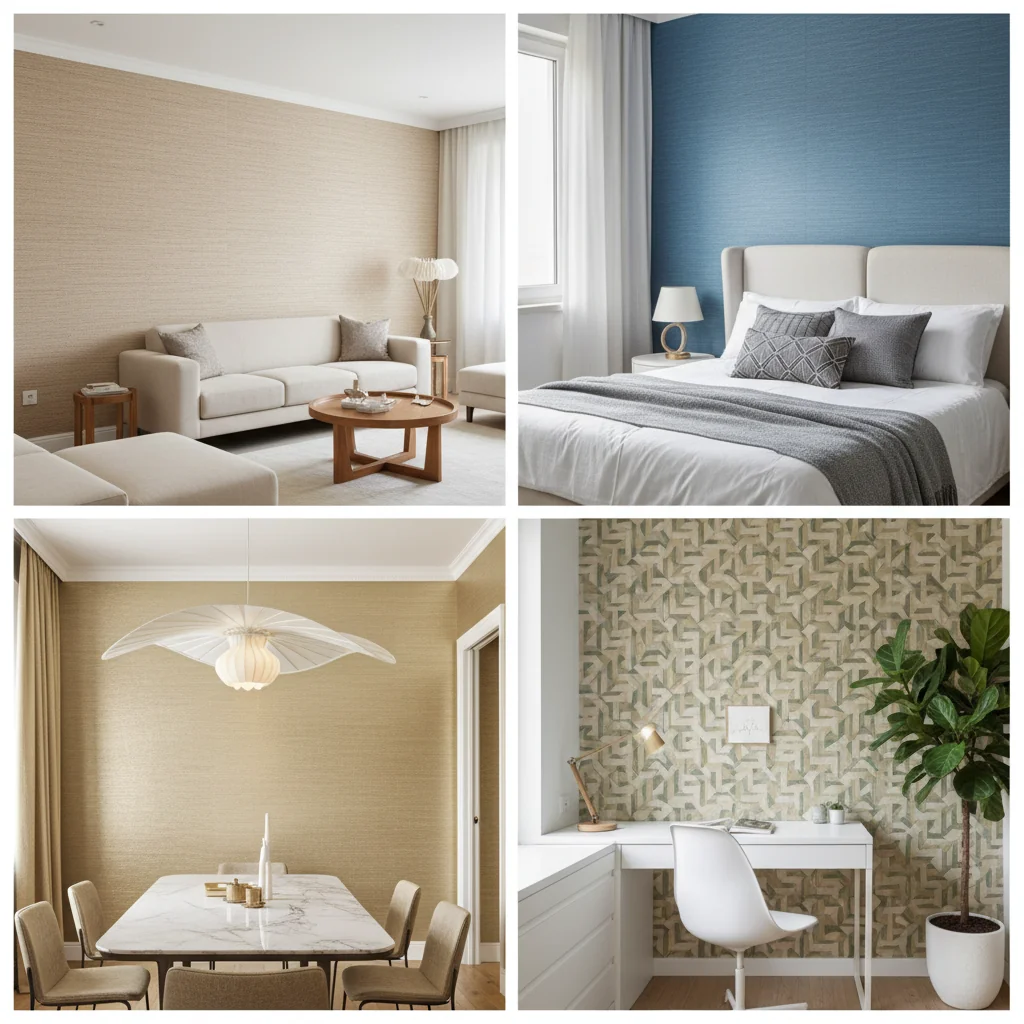
Grass cloth wallpaper offers a rich spectrum of styles and textures, moving beyond a singular aesthetic to provide nuanced design solutions for virtually any interior. These variations stem from the type of natural fiber used, the weaving technique employed, and any additional treatments like dyeing or metallic infusions, allowing for a highly customized visual and tactile experience. The choice of style dictates the overall mood and sophistication grass cloth brings to a room, from understated elegance to bold, contemporary statements.
The beauty of grass cloth lies in its inherent imperfections and organic character, which contribute to its distinct textural appeal. Whether you seek a fine, silken finish or a robust, visibly chunky weave, there is a grass cloth style to complement your design vision. Starhouse curates a selection that embraces this diversity, ensuring you find the perfect textural narrative for your walls.
Weave Patterns and Their Impact
The weave pattern is perhaps the most defining characteristic of grass cloth wallpaper, directly influencing its texture, light reflection, and overall visual presence.
- **Fine Weave:** Fine weave grass cloth uses thinner, more delicate fibers, such as arrowroot or fine jute, woven tightly together. This results in a smoother, more uniform surface with subtle texture, often appearing almost silk-like from a distance. It creates an atmosphere of understated luxury and refinement, ideal for formal living rooms, master bedrooms, or spaces where a serene backdrop is desired. The subtle texture catches light gently, adding depth without visual clutter.
- **Coarse Weave:** Coarse weave grass cloth incorporates thicker, more robust fibers like sisal or hemp, woven with a more open or irregular pattern. This produces a pronounced, rugged texture that is visibly tactile and brings a strong organic presence to a room. It is perfect for adding character to bohemian, rustic, or transitional interiors, and can help to ground a space with its earthy feel. The pronounced texture also offers enhanced acoustic absorption.
- **Uniform Weave:** In a uniform weave, the fibers are woven with consistent thickness and spacing, creating a more orderly and symmetrical pattern. While still natural, this style offers a cleaner, more tailored look, suitable for contemporary or minimalist designs that appreciate natural materials without excessive visual distraction. Seagrass often falls into this category, providing a crisp, clean linear texture.
- **Irregular Weave:** Irregular weave grass cloth intentionally varies the thickness and spacing of the fibers, resulting in a more organic, hand-hewn appearance. This style emphasizes the raw beauty and natural imperfections of the fibers, making each roll truly unique. It evokes a sense of artisanal craftsmanship and is excellent for adding authentic character and a relaxed, natural vibe to any space.
- **Horizontal vs. Vertical Weave:** While most grass cloth features horizontally woven fibers, some designs play with vertical orientations or even mixed patterns. The direction of the weave can influence the perceived height or width of a room, with vertical weaves potentially drawing the eye upwards.
Color Variations and Treatments
Beyond texture, the color of grass cloth wallpaper significantly impacts its style and suitability for different design schemes.
- **Natural/Undyed:** Many grass cloths are left in their natural state, showcasing the inherent colors of the fibers—creams, beiges, tans, and subtle greens. These natural tones offer unparalleled versatility, providing a warm, neutral backdrop that complements virtually any furniture or décor. They evoke a sense of calm and organic connection.
- **Dyed Fibers:** Natural fibers readily accept dyes, allowing grass cloth to be produced in an extensive palette of colors, from soft pastels to deep jewel tones and vibrant hues. The dyeing process often allows the natural variations in the fibers to show through, creating a nuanced, variegated color effect rather than a flat, solid color. This ensures that even bold colors retain an organic softness.
- **Subtle Ombré/Variegated:** Some grass cloth designs feature fibers that are subtly dyed in varying shades or woven with different colored strands, creating a gentle ombré effect or a variegated appearance. This adds another layer of visual interest and depth, making the wallcovering appear dynamic and alive as light plays across its surface.
- **Metallic Threads/Sheen:** For a touch of glamour, some grass cloth incorporates metallic threads or a subtle metallic sheen into the weave. This can range from gold or silver accents woven throughout the fibers to a delicate metallic wash applied over the surface. These treatments introduce an element of luxury and sophistication, making the grass cloth suitable for more opulent or contemporary settings.
The interplay of weave pattern and color treatment allows grass cloth to transcend simple wall covering, becoming a pivotal design element that can define the character and mood of an entire room. When selecting your grass cloth, consider how these elements will interact with your existing furnishings, lighting, and desired aesthetic.
The Art of Selection: How to Choose the Right Grass Cloth for Your Space
Selecting the ideal grass cloth wallpaper involves a thoughtful assessment of your space’s specific characteristics, your personal aesthetic preferences, and the practical considerations of durability and maintenance. Given the vast array of fiber types, weave patterns, and color variations available, a strategic approach ensures that your chosen grass cloth not only looks stunning but also performs optimally within its intended environment. The right selection elevates a room, creating a cohesive and inviting atmosphere that reflects your refined taste.
At Starhouse, we guide you through this process, emphasizing that the best grass cloth is one that harmonizes with your home’s existing elements while fulfilling your design aspirations. We focus on matching the unique properties of each grass cloth type with your specific needs, ensuring a choice that brings lasting beauty and satisfaction.
Considering Room Function and Environment
The primary function of the room is a critical determinant in choosing grass cloth wallpaper.
- **Living Rooms & Dining Rooms:** These spaces often benefit from luxurious, tactile finishes. Fine-weave jute or arrowroot in natural or subtly dyed colors can create an elegant, sophisticated backdrop. For a bolder statement, consider grass cloth with a metallic sheen or a coarser sisal to add architectural interest. These rooms typically experience moderate traffic, making durability less of a primary concern than aesthetic impact.
- **Bedrooms:** Serenity and comfort are paramount here. Soft, fine-weave grass cloths in muted tones (e.g., light grays, blues, or creams) made from jute or arrowroot contribute to a calming atmosphere. The acoustic properties of grass cloth also help to absorb sound, enhancing tranquility. Avoid very coarse textures if you prefer a smooth, soft feel in a private sanctuary.
- **Home Offices & Libraries:** For a space dedicated to focus and contemplation, a grass cloth that offers subtle texture without distraction is ideal. A uniform-weave sisal or a natural hemp can provide a professional yet inviting backdrop. Darker, rich tones can create a sense of gravitas and warmth, fostering an environment conducive to work or study.
- **Hallways & High-Traffic Areas:** While grass cloth is generally durable, it is not impervious to scuffs or moisture. For hallways, entryways, or areas with frequent contact, a more robust fiber like sisal or a tightly woven bamboo might be a more practical choice due to their inherent strength. However, exercise caution, as grass cloth is not scrubbable. Consider its placement carefully to minimize direct impact.
- **Avoidance Areas:** Grass cloth is highly susceptible to moisture and humidity. **We strongly advise against using grass cloth wallpaper in bathrooms, kitchens (especially near sinks or stoves), laundry rooms, or basements** where exposure to water, steam, or high humidity is common. Moisture can cause the natural fibers to expand, warp, mold, or delaminate from the backing, significantly compromising its integrity and appearance.
Light Conditions and Existing Décor
The amount of natural and artificial light in a room, along with your existing furniture and color palette, should heavily influence your grass cloth selection.
- **Natural Light:** In rooms with abundant natural light, grass cloth’s texture truly shines, as the light plays across the fibers, revealing their depth and variations. Lighter-colored grass cloths will amplify this effect, making the room feel brighter and more expansive. Darker grass cloths can add drama and intimacy, especially in rooms with controlled natural light.
- **Artificial Light:** Consider how your artificial lighting (overhead, task, accent) will interact with the texture. Up-lighting can dramatically highlight the texture of coarse weaves, creating intriguing shadows. Downlighting might soften the effect. Always view samples under both natural and artificial light conditions.
- **Existing Color Palette:** Grass cloth can serve as a neutral foundation or a complementary accent. Choose a color that either harmonizes with your existing furniture and textiles (e.g., warm neutrals with wood tones) or provides a deliberate contrast (e.g., a deep blue grass cloth against light upholstery). Remember that the natural variations in grass cloth mean it will not be a flat, solid color, offering more visual interest than paint.
- **Furniture and Architectural Style:** Match the texture and formality of the grass cloth to your home’s overall aesthetic. A finely woven silk grass cloth might suit a traditional or transitional home with classic furnishings, while a chunky sisal could perfectly complement a modern farmhouse or bohemian interior. Bamboo grass cloth often pairs well with contemporary or Asian-inspired designs.
Desired Mood and Aesthetic
Grass cloth is a powerful tool for setting the mood of a room.
- **Serene and Calming:** Opt for fine weaves in soft, natural, or pastel tones. Jute, arrowroot, or light sisal in creams, pale blues, or soft greens can create a tranquil retreat.
- **Dramatic and Luxurious:** Darker, richer hues in a coarse sisal or a grass cloth with metallic threads can add drama and sophistication. Consider deep charcoals, navy blues, or emerald greens.
- **Organic and Earthy:** Hemp, natural sisal, or reed grass cloth in their undyed states will emphasize a connection to nature, perfect for a grounded, organic, or bohemian aesthetic.
- **Contemporary and Minimalist:** Uniform weaves, such as seagrass, or subtly textured grass cloths in cool neutrals (grays, whites) can provide a clean yet warm backdrop that aligns with modern sensibilities.
Durability and Maintenance Considerations
While grass cloth is a durable material in terms of its fiber strength, its surface is not as resilient as vinyl or laminated wallpapers.
- **Vulnerability to Moisture:** As previously noted, grass cloth is extremely sensitive to moisture. It is not washable and can stain easily if liquids are spilled on it. This makes it unsuitable for environments where spills or splashes are likely.
- **Traffic and Contact:** The natural fibers can snag, fray, or abrade if subjected to frequent rubbing or impact. Consider its placement away from areas where furniture will constantly brush against it or where children and pets might cause damage.
- **Lightfastness:** Prolonged exposure to direct sunlight can cause some natural fibers and dyes to fade over time. If installing in a sun-drenched room, consider lighter, undyed options or implement window treatments to protect the wallcovering.
- **Cleaning:** Maintenance is primarily dry cleaning. Regular dusting with a soft brush or gentle vacuuming with an upholstery attachment is recommended. Spot cleaning is generally not advised due to the risk of water stains or damaging the fibers.
By carefully weighing these factors—room function, light, existing décor, desired mood, and maintenance requirements—you can confidently select a grass cloth wallpaper that not only enhances your home’s aesthetic but also stands the test of time as a beautiful and cherished element of your design.
Precision is Paramount: Sizing, Measuring, and Estimating for Grass Cloth Installation
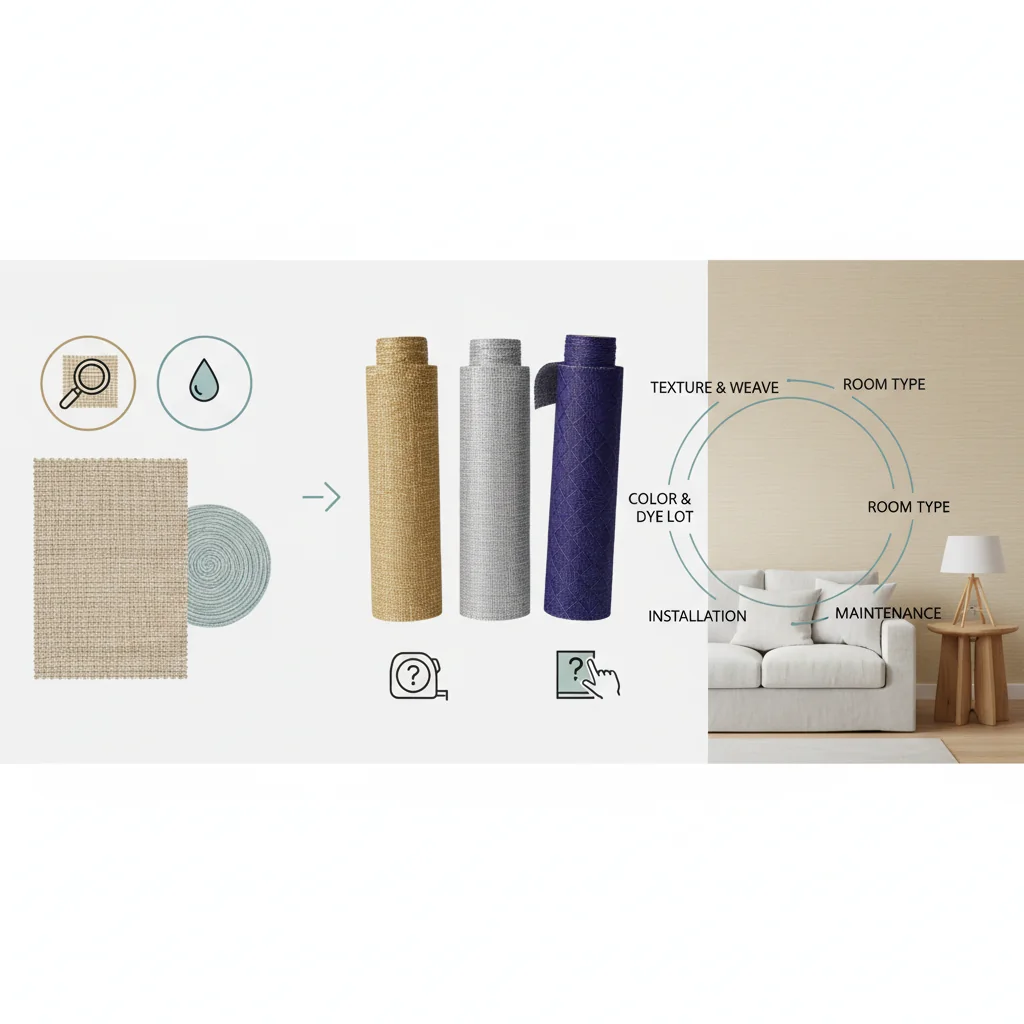
Accurate sizing and meticulous measurement are critical steps in the successful installation of grass cloth wallpaper, ensuring you order the correct quantity and minimize waste. Unlike many machine-printed wallpapers, grass cloth typically comes in specific roll dimensions, often without a pattern repeat, and its natural variations necessitate careful planning. Precision in this phase directly impacts the seamless appearance and cost-effectiveness of your project, preventing frustrating shortages or excessive overages.
At Starhouse, we emphasize that thorough preparation in measuring is the foundation for a flawless grass cloth installation. This section provides a precise methodology for calculating your wallpaper needs, accounting for the unique characteristics of natural fiber wallcoverings.
Understanding Standard Roll Sizes
Grass cloth wallpaper is most commonly sold in double rolls, sometimes referred to as bolts, which consolidate two single rolls into one continuous length. While variations exist, common dimensions for double rolls are:
- **Width:** Typically 36 inches (3 feet). Some narrower options at 27 inches or wider at 48 inches may be available, but 36 inches is standard for most natural fiber wallcoverings.
- **Length:** Usually 24 feet or 72 feet. A 24-foot double roll will cover approximately 72 square feet, while a 72-foot double roll covers about 216 square feet.
Always verify the exact width and length of the specific grass cloth product you intend to purchase, as these dimensions can vary slightly between manufacturers. Note that grass cloth often does not have a pattern repeat, simplifying calculations compared to patterned wallpapers. However, the natural variation in color and texture means you must account for potential waste to match panels aesthetically.
Step-by-Step Wall Measurement
Follow these precise steps to accurately measure your walls:
- **Measure Wall Height:** Measure the height of each wall from the baseboard to the ceiling. If your ceiling height varies, measure in several spots and use the tallest measurement for that wall section. Record all measurements in feet and inches.
- **Measure Wall Width:** Measure the total width of each wall section where wallpaper will be applied. For walls with doors or windows, measure the entire width first, then measure the width and height of each opening separately.
-
**Calculate Total Square Footage:**
- For each wall, multiply its height by its width to get the total square footage.
- Sum the square footage of all walls to get the total area to be covered.
-
**Calculate Openings (Deductible Areas):**
- For each door, measure its height and width and multiply to get its square footage.
- For each window, measure its height and width and multiply to get its square footage.
- Sum the square footage of all doors and windows.
- **Subtract Openings:** Subtract the total square footage of doors and windows from the total wall square footage. This gives you the net square footage to be covered.
- **Account for Irregularities:** If you have dormers, alcoves, or other architectural features, measure these separately as if they were small walls and add their square footage to your total. For sloped ceilings, measure the average height or break the wall into geometric shapes (rectangles and triangles) to calculate area.
**Example Calculation:**
* Room with four walls:
* Wall 1: 8 feet (H) x 12 feet (W) = 96 sq ft
* Wall 2: 8 feet (H) x 10 feet (W) = 80 sq ft (with a door)
* Wall 3: 8 feet (H) x 12 feet (W) = 96 sq ft
* Wall 4: 8 feet (H) x 10 feet (W) = 80 sq ft (with a window)
* Total wall area: 96 + 80 + 96 + 80 = 352 sq ft
* Door: 7 feet (H) x 3 feet (W) = 21 sq ft
* Window: 4 feet (H) x 5 feet (W) = 20 sq ft
* Total openings: 21 + 20 = 41 sq ft
* Net area to cover: 352 – 41 = 311 sq ft
Estimating Rolls Needed with Waste Factor
Due to the natural variations in grass cloth, including subtle color shifts between panels and the need to achieve an aesthetically pleasing flow, it is crucial to factor in waste. Unlike patterned wallpapers with specific repeats, grass cloth waste primarily comes from trimming edges and ensuring a good visual match between adjacent strips.
-
**Calculate Usable Square Footage per Roll:**
* For a standard 36-inch (3 feet) wide x 24-foot long double roll: 3 feet x 24 feet = 72 sq ft.
* For a standard 36-inch (3 feet) wide x 72-foot long double roll: 3 feet x 72 feet = 216 sq ft. -
**Apply Waste Factor:** We recommend adding a waste factor of 15-20% to your net square footage for grass cloth. This accounts for trimming, squaring edges, and potential aesthetic matching. For complex rooms with many cuts (doors, windows, angles), lean towards the higher end of the waste factor.
* Net area to cover: 311 sq ft
* Add 15% waste: 311 sq ft * 1.15 = 357.65 sq ft
* Add 20% waste: 311 sq ft * 1.20 = 373.2 sq ft
* Let’s use 20% for this example: 373.2 sq ft -
**Calculate Number of Rolls:** Divide the total square footage (including waste) by the usable square footage per roll.
* Using 36-inch x 24-foot rolls (72 sq ft/roll): 373.2 sq ft / 72 sq ft/roll = 5.18 rolls.
* Always round up to the nearest whole number. In this case, you would need 6 double rolls. - **Consider Dye Lots:** When ordering grass cloth, it is imperative to order all rolls from the same dye lot. Natural fibers can exhibit slight color variations between different production batches. Ordering extra ensures you have enough material from a consistent dye lot for the entire project and for any future repairs. Do not assume you can easily purchase an additional roll later that will perfectly match your initial batch.
**Professional Advice:** When in doubt, it is always safer to slightly over-order than to under-order, especially with grass cloth. Leftover rolls from the same dye lot can be stored for future touch-ups or repairs. If you are hiring a professional installer, they will often perform their own measurements and quantity calculations, but having your own estimates provides a valuable cross-reference. This meticulous approach to sizing and measuring ensures a smooth installation process and a stunning final result.
Installation Insights: Preparing Walls and Applying Grass Cloth
Proper wall preparation is fundamental for a successful and lasting grass cloth wallpaper installation, as this natural material is less forgiving than synthetic wallcoverings. Meticulous attention to detail in priming, surface smoothing, and adhesive selection is paramount, directly influencing the final appearance and longevity of your grass cloth. Incorrect preparation can lead to visible seams, uneven textures, or premature lifting, undermining the investment in this luxurious material.
While professional installation is often recommended for grass cloth due to its unique characteristics, understanding the process empowers homeowners to make informed decisions and appreciate the craftsmanship involved. Starhouse emphasizes that the beauty of grass cloth is best revealed through an expertly executed installation.
Essential Wall Preparation Steps
Thorough wall preparation is non-negotiable for grass cloth wallpaper.
- **Clean Walls Thoroughly:** Ensure walls are free of dust, dirt, grease, and any residue. Use a mild detergent and water solution, then rinse thoroughly and allow to dry completely. For glossy paint, lightly sand the surface to create a better adhesion profile, then wipe clean.
- **Repair Imperfections:** Patch any holes, cracks, or dents with spackle or joint compound. Sand these areas smooth once dry. Grass cloth, with its natural texture, can be somewhat forgiving with minor imperfections, but larger flaws will telegraph through, becoming noticeable.
- **Remove Old Wallpaper:** All existing wallpaper must be completely removed. Any remnants, especially if textured or uneven, will show through the grass cloth. Use a wallpaper stripper, steamer, and scraping tools to ensure a clean, smooth surface.
-
**Prime Walls with an Oil-Based Primer:** This is a critical step specifically for grass cloth. An oil-based, pigmented primer (like a “cover stain” or “stain blocker”) serves multiple functions:
- **Seals the Wall:** It creates a uniform, non-porous surface, preventing the adhesive from soaking unevenly into the drywall or paint, which can cause blistering or uneven drying.
- **Provides “Grip”:** It gives the adhesive a consistent surface to bond to, ensuring strong adhesion.
- **Prevents Stains:** It acts as a barrier, preventing any residual stains (e.g., from old glue, marker, or nicotine) from bleeding through the grass cloth, which is often translucent.
- **Aids in Future Removal:** Properly primed walls make future removal easier, as the adhesive adheres to the primer rather than directly to the drywall.
Apply two coats of primer for best results, allowing adequate drying time between coats and before wallpaper installation (typically 24-48 hours).
- **Ensure Consistent Wall Color:** If your walls are not a uniform color, especially if they have patches or different paint shades, apply a coat of primer tinted to a color similar to your grass cloth. This helps to mask any potential show-through, as grass cloth can be somewhat transparent, particularly lighter shades.
Choosing the Right Adhesive
Selecting the correct adhesive is crucial for grass cloth installation.
- **Heavy-Duty Clear or Clay-Based Adhesive:** We recommend a high-quality, heavy-duty clear or clay-based wallpaper adhesive. These adhesives are formulated for heavier wallcoverings and provide strong, lasting bonds.
- **Avoid All-Purpose or Pre-Mixed Pastes:** Some lighter, all-purpose pastes may not provide sufficient grip for the weight of grass cloth.
- **No Pre-Pasted Grass Cloth:** Grass cloth is almost never pre-pasted. You will always need to apply adhesive manually.
- **VOC Considerations:** When choosing adhesives, especially for indoor applications, consider those with low Volatile Organic Compound (VOC) emissions to maintain good indoor air quality. The U.S. Environmental Protection Agency (EPA) provides comprehensive information on the impact of VOCs on indoor air quality, which can be a concern with certain adhesives and primers. Always ensure adequate ventilation during and after installation.
Application Techniques for Grass Cloth
Grass cloth requires specific application techniques that differ from standard wallpapers.
- **Measure and Cut Strips:** Measure the wall height and cut strips, adding 4-6 inches to the length for trimming at the top and bottom. Number the back of each strip in the order it will be hung, especially if you are trying to maintain a visual flow of natural variations.
- **”Booking” the Wallpaper:** Apply adhesive evenly to the back of the wallpaper strip using a roller or brush. Fold the strip onto itself, paste-to-paste, without creasing, allowing it to “book” for 5-10 minutes. This allows the adhesive to fully penetrate the paper backing, making the material more pliable and reducing the risk of bubbles.
- **Plumb Line:** Use a plumb line to mark a perfectly vertical starting line on your wall. This ensures your first strip is straight, which is critical for all subsequent strips. Start from a corner or a less conspicuous area if possible.
- **Hanging the First Strip:** Align the first strip with your plumb line, leaving excess at the top and bottom. Smooth it onto the wall using a wallpaper smoother or a soft brush, working from the center outwards to remove air bubbles. Be gentle; grass cloth can tear if mishandled.
-
**Seams and Trimming:**
- **Butt Joints:** Grass cloth is typically installed with butt joints, meaning edges are placed tightly next to each other without overlapping.
- **Visible Seams:** It is important to understand that visible seams are a characteristic of grass cloth. The natural fibers do not always meet perfectly, and the slight variations in color and texture will make seams noticeable, especially in certain lighting. This is part of its authentic charm and not a flaw.
- **Trimming:** Grass cloth rolls are often untrimmed from the factory, meaning they have a rough edge. You will need to “double-cut” the seams. This involves overlapping two strips by about 1/2 inch, then using a very sharp utility knife and a straight edge to cut through both layers simultaneously down the center of the overlap. Remove the excess strips from both the top and bottom layers. This creates a perfectly straight, tight butt joint. Change your blade frequently to ensure clean cuts and prevent snagging the fibers.
- **Top and Bottom Trimming:** Use a straight edge and a sharp utility knife to trim the excess grass cloth at the ceiling and baseboard for a clean finish.
- **Drying:** Allow the wallpaper to dry slowly and naturally. Avoid forced drying with heat, as this can cause the adhesive to dry too quickly, leading to shrinkage and visible seams. Ensure good ventilation in the room.
Given the delicate nature of grass cloth and the specialized techniques required, hiring a professional wallpaper installer experienced with natural fiber wallcoverings is highly recommended. Their expertise ensures a flawless finish and protects your investment in this premium material.
Maintaining Natural Beauty: Care and Longevity of Grass Cloth Wallpaper
Maintaining grass cloth wallpaper requires specific care protocols to preserve its natural beauty and ensure its longevity, primarily due to its inherent sensitivity to moisture and abrasive cleaning agents. Unlike synthetic wallcoverings, grass cloth cannot be scrubbed or wet-cleaned, necessitating a gentle, dry approach to upkeep. Adhering to these specialized care instructions is crucial for preventing damage, discoloration, and premature wear, thereby safeguarding your investment in this exquisite material.
At Starhouse, we understand that proper care extends the life and enhances the aesthetic of your grass cloth, allowing its unique texture and organic charm to grace your home for years to come. This section outlines the authoritative guidelines for maintaining your natural fiber wallcovering.
Routine Cleaning and Dusting
The most effective and safest way to clean grass cloth wallpaper is through regular dry dusting and gentle vacuuming.
- **Gentle Dusting:** Use a soft, dry micro fiber cloth, a feather duster, or a lambswool duster to gently wipe down the surface of the grass cloth. Perform this weekly or bi-weekly to prevent dust and cobwebs from accumulating within the fibers. Work from top to bottom to ensure dust falls to the floor for easy vacuuming.
- **Vacuum with Upholstery Attachment:** For deeper cleaning or to remove dust that has settled into the weave, use a vacuum cleaner with a soft brush upholstery attachment. Set the vacuum to its lowest suction setting and gently glide the attachment over the grass cloth. Avoid pressing too hard or using attachments with stiff bristles, as these can snag or damage the delicate fibers.
- **Avoid Abrasive Tools:** Never use abrasive sponges, stiff brushes, or harsh scrubbing tools on grass cloth. These will inevitably damage the fibers, cause fraying, and potentially remove the natural sheen or color.
Dealing with Stains and Spills
Due to its absorbent nature, grass cloth is highly susceptible to staining, and liquid spills are its greatest enemy. Prevention is the best strategy.
- **Immediate Action for Spills:** If a liquid spill occurs, act immediately. Gently blot the area with a clean, dry white cloth or paper towel. Do not rub, as this can spread the stain and push it deeper into the fibers. Continue blotting until no more liquid is absorbed.
- **Avoid Water and Liquid Cleaners:** **Never use water, soap, or liquid cleaning solutions on grass cloth wallpaper.** Water will cause the fibers to expand, potentially leading to discoloration, water rings, warping, or delamination. Even mild detergents can leave residues or alter the natural color.
- **For Dry Stains:** For dry, superficial stains (e.g., pencil marks, some scuffs), you may attempt to gently erase them with a very soft, dry art gum eraser. Test in an inconspicuous area first. If the stain is embedded, professional help is often required.
- **Professional Cleaning:** For stubborn stains or extensive discoloration, consult a professional wallcovering cleaner experienced with natural fibers. They may have specialized dry-cleaning methods or products designed for delicate materials. However, even professionals may not be able to fully remove all stains without some impact on the material.
Humidity and Direct Sunlight Considerations
Environmental factors significantly impact the longevity and appearance of grass cloth.
- **Humidity Control:** Grass cloth is a natural product and will react to changes in humidity. High humidity can cause the fibers to expand and potentially lead to mold or mildew growth, especially in poorly ventilated areas. Conversely, excessively dry conditions can cause fibers to shrink and become brittle. Maintain a consistent indoor humidity level, ideally between 30-55%, using humidifiers or dehumidifiers as needed.
- **Avoid High-Humidity Areas:** As previously stated, never install grass cloth in bathrooms, kitchens, or basements where humidity levels are consistently high and uncontrolled.
- **Direct Sunlight Exposure:** Prolonged exposure to direct sunlight can cause the natural dyes in grass cloth to fade unevenly over time. This is particularly true for deeply colored grass cloths. For walls that receive intense, direct sunlight, consider installing UV-filtering window treatments (e.g., blinds, shades, or sheer curtains) to protect the wallpaper from degradation and maintain its original color vibrancy. Lighter, undyed grass cloths may show fading less dramatically, but are still susceptible.
Addressing Minor Damage
Minor damages like small snags or fraying can sometimes be managed.
- **Snags/Fraying:** If a small fiber snags, carefully trim it with a sharp pair of small scissors. Do not pull the fiber, as this can unravel more of the weave.
- **Lifting Seams:** If a seam begins to lift slightly, use a small artist’s brush to apply a tiny amount of heavy-duty clear wallpaper adhesive to the underside of the lifting edge. Press firmly with a clean roller or cloth until it re-adheres. Wipe away any excess adhesive immediately with a dry cloth.
By adhering to these diligent care instructions, your grass cloth wallpaper will retain its unique texture, rich color, and sophisticated appeal for many years, continuing to be a cherished element of your home’s interior design.
Harmonizing Your Home: Styling and Pairing Grass Cloth Wallpaper
Grass cloth wallpaper serves as an incredibly versatile and powerful design element, capable of harmonizing with an extensive range of interior styles and existing décor. Its inherent textural depth and organic variations provide a sophisticated backdrop that can either ground a vibrant space or add subtle warmth to a minimalist aesthetic. Effective styling involves understanding how to leverage grass cloth’s unique characteristics to complement furniture, textiles, lighting, and other decorative elements, creating a cohesive and inviting atmosphere.
At Starhouse, we believe grass cloth is more than just a wall covering; it is a foundational layer that brings authenticity and natural elegance to any room. This section explores various strategies for styling and pairing grass cloth, transforming your walls into a seamless extension of your design vision.
Grass Cloth as a Versatile Backdrop
One of grass cloth’s greatest strengths is its ability to act as a sophisticated neutral, even when colored. Its texture prevents it from appearing flat, adding dimension and interest without overwhelming other design elements.
- **Enhancing Architectural Features:** Use grass cloth to highlight an accent wall, frame a fireplace, or define an alcove. Its texture draws the eye, making these features stand out with refined elegance.
- **Layering Textures:** Grass cloth is an excellent starting point for layering textures. Pair it with plush velvet upholstery, crisp linen drapes, woven rugs, and smooth ceramic or metallic accents. The contrast in textures creates visual richness and a sense of luxury.
- **Acoustic Benefits:** The natural fibers of grass cloth help to absorb sound, reducing echo in larger rooms. This makes it an ideal choice for living rooms, dining rooms, and bedrooms where a quieter, more intimate atmosphere is desired.
Pairing with Furniture and Textiles
The choice of furniture and textiles can either echo or contrast with the natural qualities of grass cloth.
- **Wood Furniture:** Grass cloth beautifully complements all types of wood. Light, natural wood tones (e.g., white oak, maple) enhance a serene, Scandinavian, or coastal vibe when paired with light-colored grass cloth. Darker woods (e.g., walnut, mahogany) create a richer, more traditional or luxurious feel, especially against deep-toned grass cloth.
- **Upholstered Pieces:** For a cohesive look, choose upholstery fabrics that pick up on the subtle undertones of your grass cloth. For contrast, pair a neutral grass cloth with vibrant patterns or bold solid colors in your upholstery. The grass cloth provides a grounding effect for more dynamic fabric choices.
- **Leather and Suede:** The tactile quality of leather and suede furniture resonates perfectly with the natural texture of grass cloth, creating a warm, sophisticated, and inviting ambiance.
- **Metallic Accents:** Introduce metallic elements (gold, brass, polished nickel, matte black) through lighting fixtures, decorative objects, or furniture hardware. These provide a touch of modern glamor and contrast beautifully with the organic texture of the grass cloth.
- **Window Treatments:** Opt for natural fiber drapes like linen, cotton, or even bamboo blinds to reinforce the organic aesthetic. Sheer curtains can soften the look and allow light to highlight the grass cloth’s texture.
Integrating with Various Design Aesthetics
Grass cloth’s adaptability allows it to integrate seamlessly into diverse interior design styles.
| Grass Cloth Type/Characteristic | Ideal Design Aesthetic | Best Paired With | Key Features |
|---|---|---|---|
| **Fine Weave Jute/Arrowroot (Light Neutrals)** | Traditional, Transitional, Minimalist, Scandinavian, Coastal | Light wood furniture, linen textiles, soft upholstered pieces, subtle metallics (brushed nickel, matte white) | Understated elegance, serene backdrop, enhances natural light, subtle texture. |
| **Coarse Weave Sisal/Hemp (Earthy Tones)** | Bohemian, Modern Farmhouse, Rustic, Global, Eclectic | Reclaimed wood, leather furniture, woven rugs, vibrant patterns, artisanal décor, black iron accents | Strong organic presence, tactile depth, adds character, grounding effect. |
| **Dyed Grass Cloth (Deep Hues)** | Luxurious Traditional, Contemporary, Art Deco Revival, Eclectic | Dark lacquered wood, velvet upholstery, brass or gold accents, abstract art, mirrored surfaces | Dramatic focal point, rich color saturation, sophisticated backdrop, adds depth. |
| **Seagrass/Bamboo (Uniform Weave)** | Coastal, Contemporary, Asian-Inspired, Minimalist | Sleek furniture, crisp white or cool-toned textiles, glass and chrome, geometric patterns, indoor plants | Clean lines, subtle linear texture, fresh and airy feel, structured organic look. |
| **Grass Cloth with Metallic Threads** | Glam, Contemporary Luxury, Hollywood Regency, Transitional | Mirrored furniture, crystal chandeliers, high-gloss finishes, velvet, silk, polished chrome or gold | Adds shimmer and sparkle, sophisticated sheen, focal point, elevates a luxurious scheme. |
Accent Wall vs. Entire Room
The decision to use grass cloth on an accent wall or throughout an entire room depends on the desired impact and the room’s size and function.
- **Accent Wall:** Using grass cloth on a single wall is an excellent way to introduce texture and depth without overwhelming the space. This works particularly well behind a bed in a bedroom, a sofa in a living room, or as a feature wall in a dining room. It creates a focal point and adds an immediate sense of luxury and warmth.
- **Entire Room:** For a truly immersive and enveloping experience, consider wrapping an entire room in grass cloth. This creates a cohesive, tranquil, and sophisticated environment. It is particularly effective in bedrooms, studies, or formal living rooms where intimacy and acoustic comfort are desired. The subtle variations and visible seams become part of the room’s unique character, enhancing its handcrafted appeal. For smaller rooms, lighter grass cloths can make the space feel larger and brighter, while darker shades can create a cozy, den-like atmosphere.
By thoughtfully considering these styling and pairing principles, you can unlock the full design potential of grass cloth wallpaper, transforming your home into a sanctuary of natural beauty and refined elegance. Its timeless appeal ensures that your design choices will remain relevant and cherished for years to come.
Current Currents: Trends in Grass Cloth Wallpaper for Modern Interiors
Current trends in grass cloth wallpaper reflect a broader shift towards natural materials, sustainability, and the integration of tactile elements into modern interior design. While grass cloth itself is a timeless classic, contemporary applications and innovations in its production are keeping it at the forefront of sophisticated décor. Designers and homeowners are increasingly drawn to its ability to provide warmth, texture, and an organic connection within increasingly sleek and minimalist environments.
At Starhouse, we observe these evolving trends to curate selections that meet the demands of contemporary aesthetics while honoring the enduring appeal of natural fibers. The focus is on enhancing the inherent qualities of grass cloth, making it relevant for today’s discerning consumer.
Embracing Natural Textures and Tones
The most dominant trend is a deep appreciation for the unadulterated beauty of natural textures and tones.
- **Raw and Organic Finishes:** There’s a strong preference for grass cloths that highlight the raw, unprocessed look of the fibers. Coarse weaves, visible knots, and subtle imperfections are celebrated, adding authenticity and a handcrafted feel. This aligns with a desire for materials that tell a story and connect interiors to the natural world.
- **Earthy and Neutral Color Palettes:** While vibrant dyes are available, the most popular choices lean towards a sophisticated palette of earthy neutrals. Think warm beiges, soft grays, muted greens, sandy tones, and rich browns. These colors provide a calming, grounding effect and serve as a versatile backdrop for various design styles, from minimalist to bohemian.
- **Subtle Variegation:** Rather than uniform color, grass cloths with subtle variegation or ombré effects are highly sought after. These slight shifts in color across the roll add depth and movement to walls without being overtly patterned, creating a dynamic yet serene surface.
Sustainability and Ethical Sourcing
As environmental consciousness grows, the demand for sustainably and ethically sourced materials is influencing grass cloth trends.
- **Renewable Fibers:** Grass cloths made from rapidly renewable resources like bamboo, jute, and hemp are particularly popular. Consumers are increasingly seeking out products with a low environmental footprint.
- **Non-Toxic Production:** Interest in grass cloths produced with low-VOC dyes and adhesives, and those free from harmful chemicals, is on the rise. This aligns with the broader movement towards healthier indoor environments.
- **Artisan Craftsmanship:** The hand-woven nature of grass cloth inherently supports traditional artisan communities, which appeals to consumers valuing ethical production and unique, non-mass-produced items.
Elevated Applications and Blended Materials
Designers are exploring new ways to integrate grass cloth beyond traditional wall applications and are experimenting with material blends.
- **Ceiling Applications:** Grass cloth is increasingly being applied to ceilings, adding unexpected texture and warmth overhead. This creates an enveloping effect, particularly in bedrooms or dining rooms, enhancing intimacy and acoustic comfort.
- **Cabinetry and Furniture Facings:** For a bespoke look, grass cloth is being used to clad cabinet doors, drawer fronts, or even the backs of bookcases. This custom application adds a unique textural element to furniture, elevating standard pieces into designer statements.
- **Blended Fibers:** Innovations in weaving are leading to grass cloths that blend different natural fibers (e.g., jute and sisal, or hemp and linen) to create novel textures and visual effects. Some may also incorporate subtle metallic threads or delicate silk strands for added luxury and shimmer.
- **Wide Widths and Seamless Looks:** While visible seams are a hallmark of grass cloth, there is a trend towards wider rolls that minimize the number of seams, offering a more expansive and continuous textural surface, especially in larger rooms.
Grass Cloth as a Foundation for Modern Eclecticism
In contemporary interiors, grass cloth is often used as a sophisticated grounding element in eclectic designs.
- **Contrast with Modern Art:** Its organic texture provides a perfect foil for sleek, minimalist art or bold, contemporary pieces, allowing the artwork to pop while adding warmth to the overall composition.
- **Juxtaposition with Modern Furniture:** Pairing grass cloth with modern, clean-lined furniture creates an interesting dialogue between natural and manufactured forms, preventing spaces from feeling too cold or sterile.
- **Warmth for Industrial Spaces:** In lofts or industrial-style homes, grass cloth can soften hard surfaces like concrete, exposed brick, or metal, introducing much-needed warmth and organic softness.
The enduring appeal of grass cloth, coupled with these contemporary trends, solidifies its position as a go-to choice for homeowners and designers seeking to create interiors that are both luxurious and rooted in natural elegance. Its versatility ensures it remains a relevant and aspirational choice for modern American homes.
As Starhouse curates its collection of exquisite home décor, we invite you to share what textures, materials, and styles you envision for your ideal living spaces. Your insights help us shape a collection that truly resonates with your aspirations. Tell us what you’re looking for and gain early access to our upcoming launches.
Avoiding Pitfalls: Common Mistakes with Grass Cloth Wallpaper
Overlooking specific details during the selection, installation, and maintenance phases can significantly compromise the aesthetic and longevity of grass cloth wallpaper. While its natural beauty is undeniable, grass cloth is a delicate and particular material that demands careful consideration to achieve a flawless and lasting result. Awareness of common pitfalls empowers homeowners and installers to proactively prevent issues, ensuring the investment in this luxurious wallcovering yields its intended elegance.
At Starhouse, we advocate for informed decisions, recognizing that avoiding these prevalent mistakes is as crucial as understanding proper techniques. This section highlights the most frequent errors associated with grass cloth, providing precise guidance to help you circumvent them.
Mistakes in Selection and Planning
- **Underestimating Natural Variation:** A common mistake is expecting a perfectly uniform color and texture, similar to printed wallpaper. Grass cloth, by its very nature, features variations in fiber thickness, color, and weave. These “imperfections” are part of its appeal. Not appreciating this can lead to disappointment with the final look. Embrace the unique, handcrafted character.
- **Ignoring Dye Lot Differences:** Failing to order all rolls from the same dye lot is a significant error. Even subtle color shifts between different production batches can become noticeable once installed, creating an uneven appearance across the wall. Always verify dye lot numbers before purchasing and ensure you order enough for the entire project, plus extra.
- **Insufficient Waste Factor:** Under-ordering by not accounting for a sufficient waste factor (typically 15-20%) can lead to running out of material mid-project. If additional rolls must be ordered later, they might be from a different dye lot, resulting in color mismatches.
- **Misjudging Room Suitability:** Installing grass cloth in high-humidity areas like bathrooms, kitchens, or laundry rooms is a critical error. The fibers absorb moisture, leading to warping, peeling, mold growth, and permanent damage. Similarly, placing it in areas prone to heavy traffic or direct impact can lead to fraying and damage.
- **Not Testing Samples:** Making a final decision without viewing large samples of grass cloth in your actual space, under various lighting conditions, is a mistake. The texture and color can look significantly different on a small swatch than on a full wall, and how it interacts with your room’s light and existing décor is crucial.
Mistakes in Installation
- **Inadequate Wall Preparation:** Skipping or skimping on proper wall preparation is a primary cause of installation failures. Not cleaning, patching, and most importantly, not priming the walls with a suitable oil-based primer will lead to poor adhesion, visible imperfections, and potential staining or bleeding through the grass cloth. The wall must be sealed, smooth, and uniformly absorbent.
- **Using the Wrong Adhesive:** Applying standard, lightweight wallpaper paste instead of a heavy-duty, clear or clay-based adhesive is a common error. Grass cloth is heavier and more rigid than many synthetic wallpapers, requiring a stronger bond to prevent lifting and bubbling.
- **Improper Trimming/Seam Work:** Not “double-cutting” the edges or using a dull blade for trimming results in uneven, frayed, or gapping seams. Visible seams are inherent to grass cloth, but poorly cut seams detract from its elegance. Change utility knife blades frequently to ensure sharp, clean cuts.
- **Overworking the Material:** Aggressively brushing, smoothing, or trying to stretch grass cloth can damage the delicate fibers, causing fraying, tearing, or distortion of the weave. Gentle handling is essential.
- **Not Using a Plumb Line:** Failing to start with a perfectly plumb (vertical) line can cause subsequent strips to drift, leading to crooked installations and noticeable alignment issues.
- **Ignoring “Booking” Time:** Not allowing the adhesive to properly “book” (soak into the backing) before hanging can make the paper less pliable, harder to work with, and more prone to bubbling or tearing.
Mistakes in Care and Maintenance
- **Wet Cleaning or Scrubbing:** Attempting to clean grass cloth with water, liquid cleaners, or by scrubbing is the most destructive mistake. Water will cause irreparable damage, including staining, warping, and delamination. Grass cloth is a dry-clean-only material.
- **Ignoring Humidity Levels:** Allowing extreme fluctuations in room humidity can cause grass cloth to shrink, expand, or warp. Consistent humidity levels are crucial for its long-term stability.
- **Direct Sunlight Exposure:** Neglecting to protect grass cloth from prolonged direct sunlight can lead to irreversible fading and discoloration, particularly with dyed varieties.
- **Rough Handling:** Treating grass cloth like a painted wall by rubbing against it, or allowing pets and children to frequently touch or damage it, will lead to snags, fraying, and wear. It requires a more delicate approach in daily living.
By being mindful of these common mistakes, you can approach your grass cloth wallpaper project with confidence, ensuring a beautiful installation that enhances your home for years to come. Professional installation and adherence to care guidelines are the best defenses against these pitfalls.
Sources
Frequently Asked Questions About Grass Cloth Wallpaper
Is grass cloth wallpaper durable?
Grass cloth wallpaper is durable in terms of its fiber strength and resistance to tearing, but it is not as resilient to moisture, scuffs, or harsh cleaning as vinyl or other synthetic wallcoverings. Its longevity depends significantly on proper installation, placement in low-traffic areas, and adherence to dry-cleaning methods.
Can I install grass cloth wallpaper myself?
Installing grass cloth wallpaper yourself is challenging and generally not recommended for DIY beginners due to its delicate nature, specific adhesive requirements, and the need for precise trimming and seam matching. Professional installation is highly advised to ensure a flawless finish and to protect your investment in this premium material.
Is grass cloth wallpaper expensive?
Grass cloth wallpaper is considered a premium wallcovering and is typically more expensive than standard printed wallpapers or paint, primarily due to the labor-intensive hand-weaving process, the cost of natural fibers, and its unique aesthetic appeal. While initial costs are higher, its durability and timeless style offer long-term value, often eliminating the need for frequent redecoration.
How do I clean grass cloth wallpaper?
You clean grass cloth wallpaper exclusively using dry methods, such as gentle dusting with a soft micro fiber cloth or light vacuuming with a brush upholstery attachment. Water or liquid cleaners must be avoided entirely, as they can cause permanent staining, warping, or delamination of the natural fibers.
Can grass cloth wallpaper be used in bathrooms?
No, grass cloth wallpaper should not be used in bathrooms or any other high-humidity environments, such as kitchens or basements. The natural fibers absorb moisture, which can lead to expansion, warping, mold growth, peeling, and irreversible damage to the wallcovering.
Does grass cloth wallpaper hide wall imperfections?
Grass cloth wallpaper, with its inherent texture and depth, can subtly mask very minor wall imperfections more effectively than flat paint. However, larger holes, cracks, or uneven surfaces will still telegraph through the material, making thorough wall preparation and smoothing essential for a truly flawless finish.
What is the difference between grass cloth and natural fiber wallpaper?
Grass cloth wallpaper is a specific type of natural fiber wallpaper characterized by its hand-woven plant fibers (like jute, sisal, or arrowroot) adhered to a paper backing, renowned for its distinct texture and visible seams. While all grass cloth is natural fiber wallpaper, not all natural fiber wallpapers are grass cloth; the broader category includes other materials like cork, mica, or woven paper that may have different textures and installation properties.
Conclusion: Elevate Your Home with the Timeless Texture of Grass Cloth
Grass cloth wallpaper stands as an unparalleled choice for homeowners seeking to infuse their interiors with natural elegance, profound texture, and a sense of bespoke luxury. From its diverse array of hand-woven fibers—each with its unique tactile and visual signature—to its ability to harmonize with virtually any design aesthetic, grass cloth offers a sophisticated alternative to conventional wall treatments. Its enduring appeal lies in its organic character, the subtle variations that tell a story, and the warmth it imparts to a space, transforming mere walls into captivating backdrops for living.
While grass cloth demands meticulous attention in selection, precise installation, and diligent dry-care, the rewards are immeasurable. It creates environments that are not only visually stunning but also acoustically softened and deeply inviting. By embracing the authoritative guidance provided in this comprehensive guide, you are now equipped to confidently navigate the world of grass cloth wallpaper, making informed decisions that ensure its lasting beauty and performance in your home.
At Starhouse, we are dedicated to curating collections that embody sophistication, quality, and timeless design. As we prepare to launch our exquisite range of home décor, including exceptional wallcoverings, we invite you to be part of our journey. Your vision helps shape our offerings. Tell us what you’re looking for in your dream home and gain exclusive early access to our curated selections. Let us help you discover the perfect elements to craft a space that truly reflects your refined taste and aspirational lifestyle.