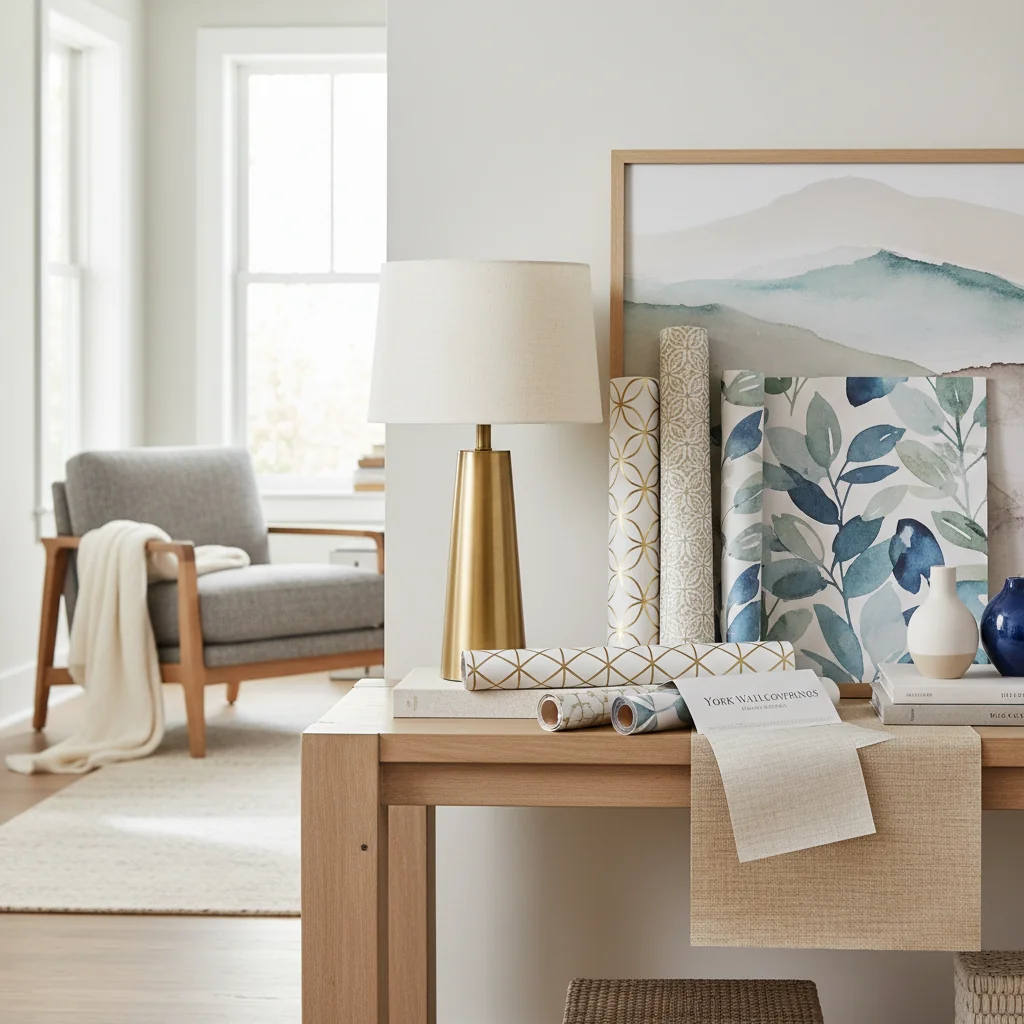
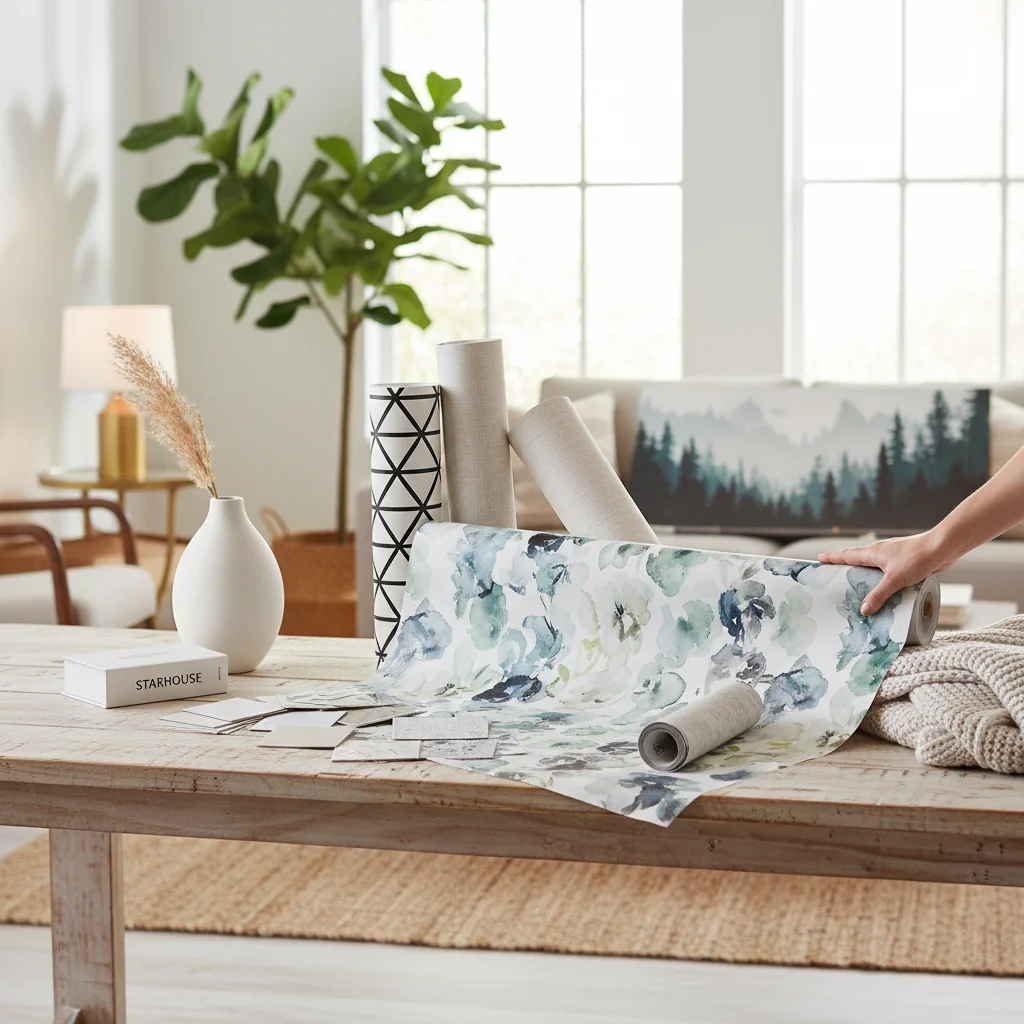
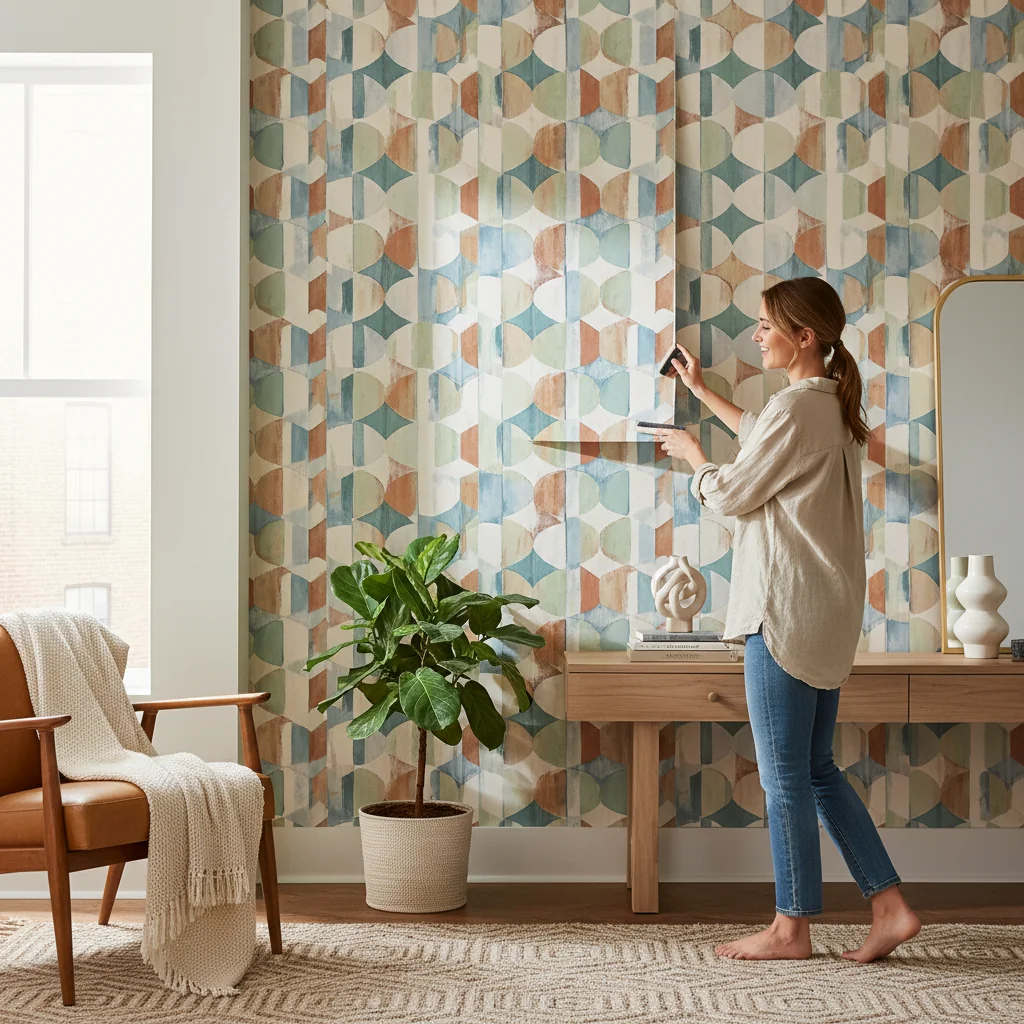
Peel and stick wallpaper, a revolutionary self-adhesive wallcovering, offers an accessible and versatile solution for transforming interior spaces without the commitment or complexity of traditional wallpaper installation. It features a pre-applied adhesive backing protected by a removable liner, making it significantly easier to apply and reposition, and ultimately remove without damaging walls. This modern innovation has democratized interior design, empowering homeowners and renters alike to experiment with bold patterns, subtle textures, and vibrant colors across a myriad of design aesthetics, from minimalist to maximalist. Its rise in popularity stems from its unparalleled convenience, offering a quick, clean, and often budget-friendly path to a refreshed environment. At Starhouse, we recognize peel and stick wallpaper as a cornerstone of contemporary home décor, curating selections that embody both aspirational design and practical application for every room.
Key Takeaways
- Peel and stick wallpaper is a self-adhesive wallcovering offering easy application and damage-free removal, making it ideal for temporary updates and renters.
- Material choices like vinyl, fabric, and non-woven paper significantly influence durability, texture, and suitability for specific environments, such as high-humidity areas.
- Accurate measurement and meticulous surface preparation are crucial for a professional finish, ensuring proper adhesion and pattern alignment.
- Consider the room’s function, existing decor, and lighting when selecting patterns and colors to achieve a cohesive and harmonious design.
- Modern advancements include eco-friendly materials and low-VOC formulations, enhancing indoor air quality and sustainability.
- Proper care, typically gentle wiping, extends the lifespan of peel and stick wallpaper, maintaining its aesthetic appeal for years.
What is Peel and Stick Wallpaper?
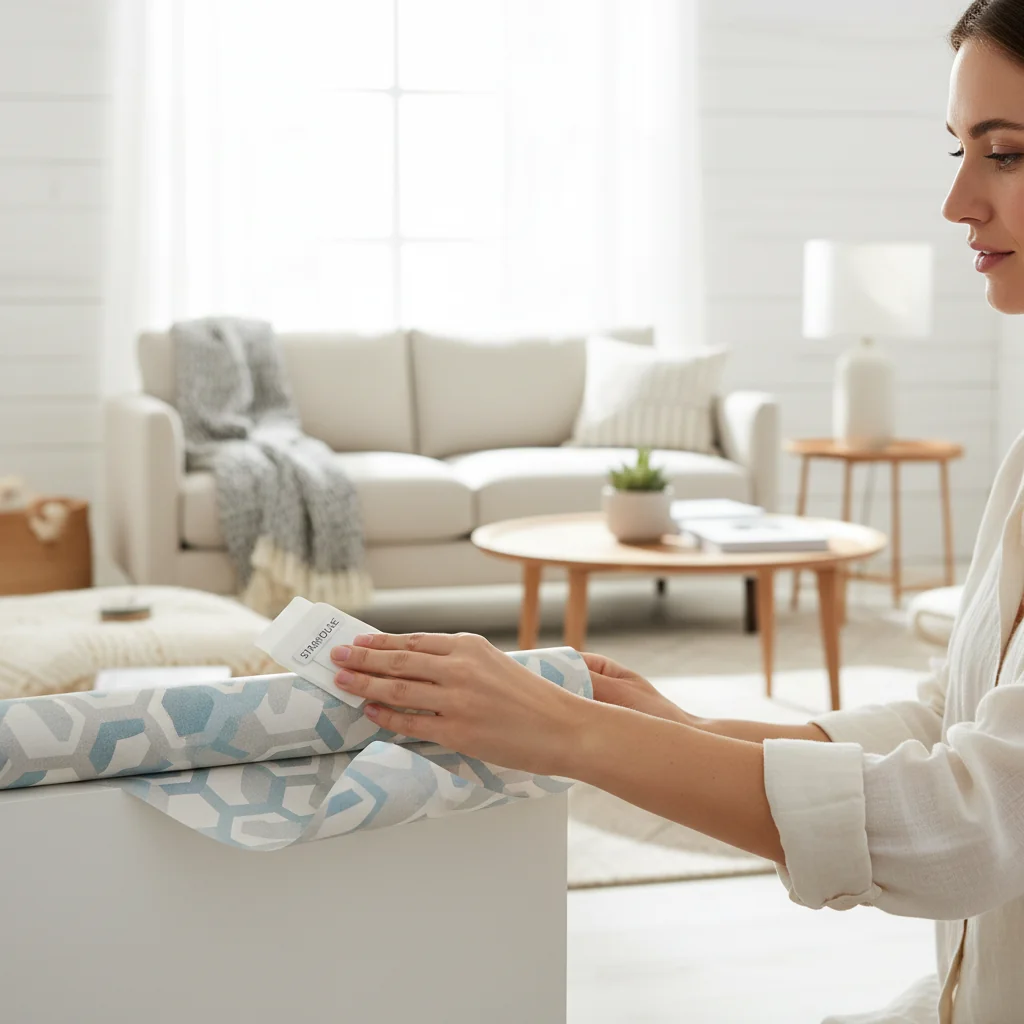
Peel and stick wallpaper is a self-adhesive wallcovering designed for easy application and removal, featuring a pre-applied adhesive backing that eliminates the need for messy glues or pastes. This innovative product has transformed the landscape of DIY home décor, offering a user-friendly alternative to traditional wallpaper that appeals to both seasoned designers and first-time renovators. Its primary appeal lies in its straightforward installation process: simply peel off the backing and stick the material to a clean, smooth surface.
The core composition of peel and stick wallpaper typically involves several layers. The outermost layer is the decorative surface, which can be printed with an infinite array of patterns, textures, and colors. Beneath this lies the substrate material, which provides structure and durability. Common substrates include vinyl, fabric (often polyester or a blend), or non-woven paper. The crucial element distinguishing it from traditional wallpaper is the adhesive layer, which is engineered to be pressure-sensitive, allowing for repositioning during installation and clean removal without residue or damage to the underlying wall. A release liner, usually made of paper or film, protects this adhesive until application.
Key Differences from Traditional Wallpaper
While both traditional and peel and stick wallpapers serve to beautify walls, their application and removal methods represent their most significant divergence. Traditional wallpaper typically requires a separate adhesive (paste) to be applied to the wallpaper backing or directly to the wall, a process that can be messy, time-consuming, and often requires professional installation. Its removal can be equally challenging, frequently involving steaming, scraping, and potential wall damage.
Conversely, peel and stick wallpaper simplifies the entire process. Its integrated adhesive means no additional paste is needed, making installation quicker and cleaner. The repositionable nature of many peel and stick products allows for adjustments during application, mitigating errors. Furthermore, its design for damage-free removal makes it an ideal choice for renters, temporary installations, or those who enjoy frequently updating their décor without long-term commitment. This convenience factor is a primary driver of its widespread adoption and innovation within the home décor market.
Benefits of Peel and Stick Wallpaper
- Ease of Installation: The self-adhesive backing eliminates the need for messy glues, making it a popular choice for DIY enthusiasts. Most installations can be completed in a fraction of the time required for traditional wallpaper.
- Repositionable and Removable: During application, minor adjustments are possible, and removal is typically clean, leaving no sticky residue or damage to properly prepped walls. This makes it perfect for renters or those who enjoy frequent design changes.
- Versatility: Available in an extensive range of patterns, textures, and colors, it can mimic materials like brick, wood, marble, or fabric, offering diverse design possibilities for any room or style.
- Cost-Effectiveness: While initial costs can vary, the elimination of professional installation fees and specialized tools often makes it a more budget-friendly option than traditional wallpaper.
- Low Commitment: Its temporary nature allows for bold design choices without the fear of long-term regret, encouraging creative experimentation in décor.
- Durability and Cleanability: Many varieties, especially vinyl-based options, are highly durable and easy to clean, making them suitable for high-traffic areas or spaces prone to moisture.
Potential Drawbacks
- Surface Requirements: Peel and stick wallpaper adheres best to smooth, clean, and properly primed walls. Textured walls, walls with flat or matte paint, or those with significant imperfections may require extra preparation or may not be suitable.
- Longevity Compared to Traditional: While durable, its lifespan might be shorter than that of traditional, permanently pasted wallpaper, especially in areas with direct sunlight or high humidity extremes.
- Seam Visibility: Depending on the pattern and material, seams between panels can sometimes be more noticeable than with traditional wallpaper, requiring careful installation and pattern matching.
- Adhesive Strength Variation: The quality and strength of the adhesive can vary significantly between brands, impacting ease of installation, repositionability, and long-term adhesion.
- Color Matching Across Batches: Slight color variations can occur between different production batches, making it crucial to order enough material for the entire project at once.
Types of Peel and Stick Wallpaper: Materials and Finishes
Peel and stick wallpaper is crafted from various materials, each offering distinct characteristics in terms of durability, texture, and aesthetic, directly impacting its suitability for different applications and environments. The choice of material significantly influences the wallpaper’s performance, feel, and visual impact. Understanding these differences is crucial for selecting the ideal option for your project, ensuring both beauty and functionality.
Common Materials
The primary materials used in peel and stick wallpaper include vinyl, fabric (typically polyester-based), and non-woven paper, each bringing unique advantages to the table.
1. Vinyl (PVC)
Vinyl peel and stick wallpaper is exceptionally durable and moisture-resistant, making it a highly popular choice for high-traffic areas and rooms where cleanliness is paramount. Its robust nature allows for easy wiping and cleaning, resisting stains and splashes. Vinyl options are often thicker, which can help camouflage minor wall imperfections, and they frequently come in a wide array of finishes, including matte, satin, and gloss. However, it is important to note that some vinyl products may contain Volatile Organic Compounds (VOCs), which can impact indoor air quality. Responsible manufacturers, like those Starhouse partners with, prioritize low-VOC or VOC-free formulations.
2. Fabric (Polyester or Textile Blends)
Fabric-based peel and stick wallpaper, often made from polyester or a polyester-blend textile, offers a softer, more luxurious feel than vinyl. It typically features a subtle woven texture that adds depth and sophistication to walls, often mimicking the look of linen or grasscloth. This material is breathable, generally more eco-friendly than vinyl, and often easier to reposition during installation due to its flexible nature. Fabric wallpapers are excellent for creating a warm, inviting atmosphere in living rooms, bedrooms, or dining areas. While durable, they may not be as moisture-resistant as vinyl, making them less ideal for very high-humidity environments like bathrooms unless specifically treated.
3. Non-Woven (Paper-Based)
Non-woven peel and stick wallpaper is a high-quality paper-based material that combines the best characteristics of traditional paper with enhanced durability and breathability. It is often lauded for its eco-friendly attributes, as many non-woven options are PVC-free and made from sustainable fibers. This material is tear-resistant and stable, meaning it won’t expand or contract significantly when exposed to humidity, which can aid in seamless installation. Non-woven wallpapers offer a smooth, matte finish that provides a sophisticated backdrop for intricate patterns and vibrant colors. They are generally easy to clean with a damp cloth and are excellent for bedrooms, studies, and low-traffic living spaces.
Available Finishes
The finish of peel and stick wallpaper plays a crucial role in its visual impact, affecting how light interacts with the pattern and the overall perceived texture of the wall. Selecting the right finish can enhance the room’s mood and complement its existing décor.
1. Matte
Matte finishes absorb light rather than reflecting it, resulting in a soft, non-reflective appearance. This finish is excellent for camouflaging minor wall imperfections and creating a sophisticated, understated look. Patterns on matte wallpaper often appear richer and more saturated. It is a versatile choice suitable for nearly any room, providing a contemporary or classic aesthetic depending on the pattern.
2. Satin/Eggshell
Satin or eggshell finishes offer a subtle sheen, reflecting a small amount of light without being overly glossy. This finish adds a touch of elegance and can make a room feel brighter and more open. It is also generally easier to clean than a matte finish, making it a practical choice for areas that may require occasional wiping. Satin finishes work well with a wide range of patterns, from subtle textures to bold geometrics.
3. Gloss
Gloss finishes are highly reflective, creating a bright, often dramatic effect. While less common for entire rooms, gloss wallpaper can be stunning in small doses, such as an accent wall or within specific design elements. The reflective quality can highlight intricate patterns and make colors pop, but it also tends to show wall imperfections more readily. It is particularly easy to clean, making it suitable for areas where hygiene is a priority.
4. Textured
Textured finishes add tactile interest and visual depth to walls, often mimicking natural materials like linen, grasscloth, plaster, or even concrete. These finishes can create a sense of warmth, rustic charm, or industrial chic, depending on the specific texture. They are excellent for adding dimension to a room without overwhelming it with a bold pattern and can effectively hide minor wall flaws. Textured wallpapers are versatile and can enhance a variety of design styles, from modern farmhouse to bohemian.
| Material Type | Durability | Texture/Feel | Moisture Resistance | Best Use Cases | Cost Factor (Relative) |
|---|---|---|---|---|---|
| Vinyl (PVC) | High: Resists tears and abrasions. | Smooth to slightly embossed; often feels like plastic. | Excellent: Highly water-resistant, easy to wipe clean. | Kitchens, bathrooms, laundry rooms, high-traffic hallways, kids’ rooms. | $$ |
| Fabric (Polyester) | Medium-High: Durable, flexible, less prone to tearing during installation. | Soft, subtle woven texture; feels like cloth. | Good: Breathable, but not ideal for direct water exposure unless specified. | Bedrooms, living rooms, dining rooms, offices, nurseries. | $$$ |
| Non-Woven (Paper-Based) | Medium: Tear-resistant, stable, more durable than traditional paper. | Smooth, matte, often feels like thick, high-quality paper. | Good: Breathable, handles humidity well, but not for direct water contact. | Bedrooms, studies, low-traffic living spaces, accent walls. | $$ |
The judicious selection of both material and finish ensures that your peel and stick wallpaper not only looks stunning but also performs optimally within its intended environment. Starhouse curates a diverse range of options, prioritizing both aesthetic appeal and practical performance across all material types.
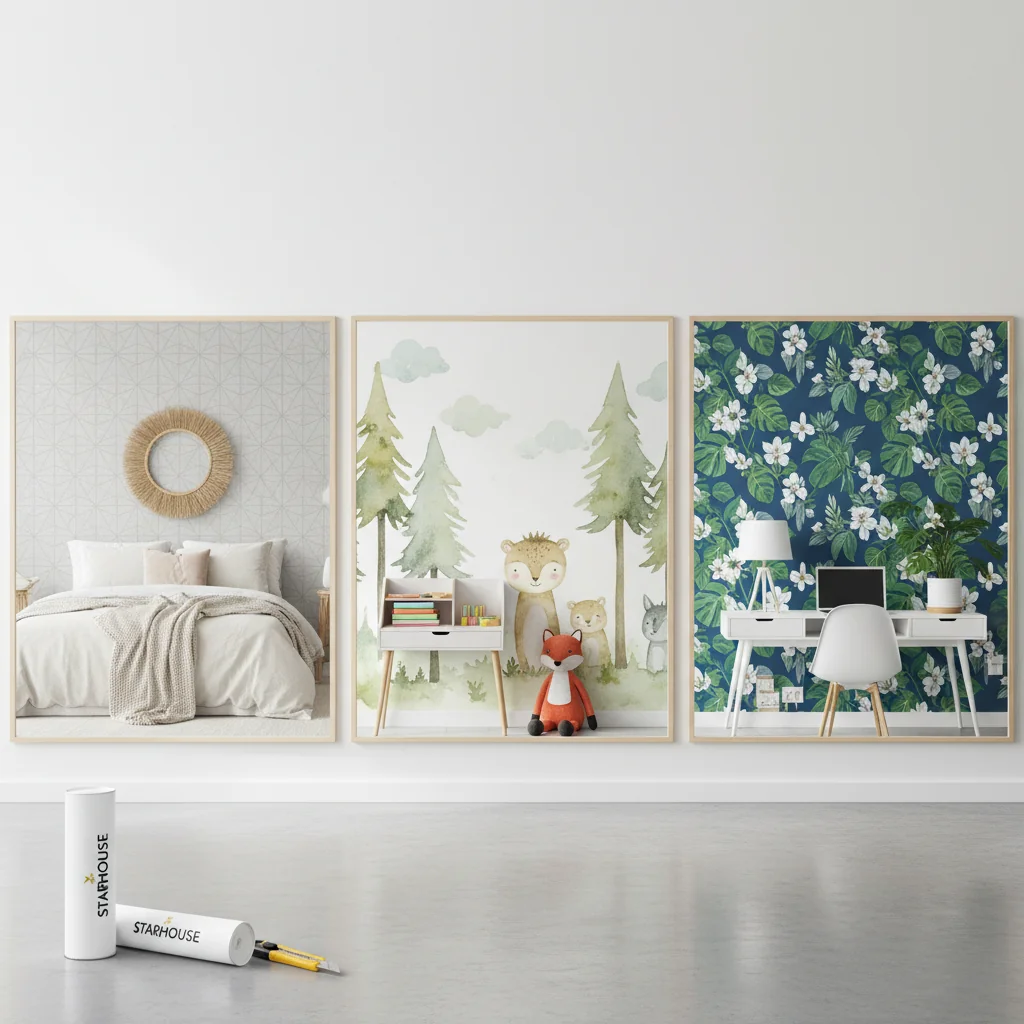
Exploring the Design Spectrum: Styles and Patterns
Peel and stick wallpaper offers an unparalleled breadth of design possibilities, encompassing a vast array of styles and patterns that can dramatically alter the mood, perceived size, and overall aesthetic of any room. From intricate historical motifs to cutting-edge contemporary designs, the right pattern can serve as a room’s focal point, complement existing decor, or entirely redefine a space. Understanding the nuances of different styles and how they interact with an environment is key to making an impactful design choice.
Major Style Categories
The world of peel and stick wallpaper patterns is rich and varied, allowing for personalized expression in every corner of the home.
1. Geometric Patterns
Geometric patterns feature repeating shapes such as squares, circles, triangles, hexagons, and abstract forms. These designs lend themselves well to modern, contemporary, and Art Deco aesthetics, introducing structure, rhythm, and a sense of order to a space. Large-scale geometrics can make a bold statement, while smaller, intricate patterns can add subtle texture. They are particularly effective in creating a dynamic accent wall in living rooms, offices, or entryways.
2. Floral and Botanical Designs
Floral and botanical patterns draw inspiration from nature, showcasing everything from delicate blossoms and lush foliage to sprawling garden scenes. These designs often evoke feelings of serenity, romance, or vibrant energy. Large-scale botanicals can create a dramatic, immersive effect, while smaller floral prints offer a more traditional or whimsical charm. They are ideal for bedrooms, dining rooms, or spaces where a connection to the outdoors is desired, and fit well within traditional, bohemian, or cottagecore aesthetics.
3. Abstract and Artistic Motifs
Abstract and artistic patterns feature non-representational designs, brushstrokes, watercolor effects, or fluid forms that prioritize color, texture, and movement over recognizable shapes. These wallpapers are perfect for creating a unique, gallery-like feel, adding a contemporary edge and artistic flair to any room. They are particularly effective in modern living spaces, creative studios, or as a statement piece in a minimalist setting.
4. Textured and Faux Effects
Textured and faux effect wallpapers are designed to mimic the appearance of natural materials like wood planks, exposed brick, concrete, marble, grasscloth, or even woven textiles. These patterns are excellent for adding depth, warmth, or an industrial edge without the cost or complexity of real materials. They are highly versatile, fitting seamlessly into farmhouse, industrial, Scandinavian, or minimalist design schemes, and can create a compelling accent wall or an immersive backdrop.
5. Scenic and Mural Designs
Scenic and mural wallpapers transform an entire wall into a captivating landscape, cityscape, abstract art piece, or fantastical scene. Unlike repeating patterns, murals often depict a single, large-scale image that spans multiple panels, creating a truly immersive and expansive visual experience. These are ideal for creating a dramatic focal point in large rooms, children’s bedrooms, or commercial spaces, transporting the viewer to a different environment.
6. Classic and Damask Patterns
Classic and damask patterns often feature intricate, ornate designs with historical roots, such as fleur-de-lis, scrollwork, or symmetrical floral motifs. These patterns typically exude elegance, grandeur, and timeless sophistication. They are well-suited for traditional, transitional, or luxurious interior designs, often seen in formal dining rooms, master bedrooms, or elegant powder rooms, adding a touch of old-world charm and refined opulence.
7. Children’s and Whimsical Themes
Specifically designed for younger occupants, these wallpapers feature playful motifs, cartoon characters, starry nights, fantastical creatures, or educational themes. They are perfect for nurseries, children’s bedrooms, and playrooms, fostering creativity and a joyful atmosphere. The removable nature of peel and stick wallpaper is particularly advantageous here, allowing for easy updates as a child grows.
Impact of Style on Room Aesthetics
The choice of wallpaper style profoundly influences a room’s perceived size, mood, and overall character:
- Enlarging a Space: Light-colored patterns, small-scale designs, or vertical stripes can make a room feel taller and more expansive. Scenic murals with receding perspectives can also create an illusion of depth.
- Creating Coziness: Darker colors, large-scale patterns, or textured wallpapers can make a large room feel more intimate and inviting. Horizontal stripes can make a narrow room feel wider.
- Defining a Mood: Bold, high-contrast patterns often convey energy and drama. Soft, muted florals suggest tranquility and romance. Geometric patterns evoke modernity and order.
- Adding Architectural Interest: Faux brick or wood paneling can introduce character to a plain wall, mimicking architectural features where none exist.
- Establishing a Focal Point: A single accent wall with a striking pattern or mural immediately draws the eye and anchors the room’s design.
The Role of Color Psychology
Beyond pattern, the color palette of your chosen wallpaper significantly impacts the emotional response and overall ambiance of a space:
- Cool Tones (blues, greens, purples): Promote calmness, serenity, and can make a room feel larger and more open. Ideal for bedrooms, bathrooms, and meditation spaces.
- Warm Tones (reds, oranges, yellows): Evoke energy, passion, and warmth, making a room feel more intimate and inviting. Best for living rooms, dining rooms, or entryways.
- Neutrals (grays, beiges, whites): Provide a versatile, timeless backdrop, allowing other decor elements to stand out. Creates a sense of balance and sophistication.
- Dark Colors (charcoal, navy, deep forest green): Add drama, sophistication, and depth, often making a space feel more luxurious and intimate. Effective in accent walls or powder rooms.
By thoughtfully combining style, pattern, and color, peel and stick wallpaper becomes a powerful tool for crafting a truly personalized and evocative interior environment. Starhouse’s curated collection ensures that you have access to a diverse range of patterns to suit every design inclination.
How to Choose the Right Peel and Stick Wallpaper for Your Space
Selecting the ideal peel and stick wallpaper involves a thoughtful consideration of the room’s function, existing design elements, lighting conditions, and your personal aesthetic preferences to ensure a cohesive and impactful result. A well-chosen wallpaper can elevate a space, define its character, and even influence its perceived size and mood. The decision-making process should be systematic, moving from broad conceptual ideas to specific practical details.
1. Assess the Room’s Function and Environment
The purpose of the room heavily dictates appropriate wallpaper choices. For instance, a bathroom or kitchen requires wallpaper with high moisture resistance and durability, making vinyl options often the most suitable. In contrast, a bedroom or living room might benefit from softer, more breathable fabric or non-woven options that prioritize aesthetics and comfort over extreme resilience. Consider factors such as:
- High-Traffic Areas: Hallways, entryways, and kids’ rooms demand durable, easily cleanable materials like vinyl.
- Moisture-Prone Spaces: Bathrooms and kitchens need water-resistant options; ensure proper ventilation is also in place.
- Low-Traffic/Relaxation Zones: Bedrooms, studies, and formal living areas can accommodate more delicate fabric or non-woven wallpapers.
- Sun Exposure: Areas with direct, prolonged sunlight might require wallpapers with UV resistance to prevent fading over time.
2. Harmonize with Existing Decor and Color Palette
The wallpaper should complement, not compete with, your existing furniture, textiles, and paint colors. Take cues from your current color scheme, identifying dominant and accent colors.
- Complementary Colors: Choose a wallpaper that incorporates colors already present in the room or introduces harmonious complementary shades.
- Scale of Patterns: If your furniture or rug features a bold pattern, opt for a more subdued, small-scale, or textured wallpaper. Conversely, a neutral room can be enlivened by a large, dramatic pattern.
- Style Cohesion: Ensure the wallpaper’s style (e.g., modern geometric, classic floral, rustic faux wood) aligns with the overall design aesthetic of your home.
3. Consider the Impact of Lighting
Lighting, both natural and artificial, profoundly affects how a wallpaper pattern and color appear throughout the day.
- Natural Light: Rooms with abundant natural light can handle darker, bolder patterns without feeling claustrophobic. Rooms with limited natural light often benefit from lighter colors and reflective finishes (satin, gloss) to brighten the space.
- Artificial Light: Evaluate how your artificial lighting (warm vs. cool bulbs) interacts with the wallpaper. Incandescent lights can warm up cool tones, while LED lights can make colors appear truer.
- Finish Impact: Matte finishes absorb light, creating a sophisticated, subdued look, while satin or gloss finishes reflect light, adding brightness and a subtle sheen.
4. Define Your Desired Mood and Aesthetic
Before diving into patterns, determine the feeling you want to evoke in the room. Do you desire a serene sanctuary, a vibrant and energetic space, or a sophisticated and formal atmosphere?
- Calm and Serene: Opt for soft, muted colors, subtle textures, or gentle botanical patterns.
- Energetic and Playful: Explore bold colors, whimsical designs, or dynamic geometric patterns.
- Elegant and Formal: Consider classic damasks, rich textures, or sophisticated abstract motifs in deeper hues.
- Modern and Minimalist: Choose clean lines, subtle textures, or monochromatic geometric patterns.
5. The Importance of Sampling
Never commit to a full roll of wallpaper without first ordering samples. Samples are indispensable for making an informed decision.
- True Color Representation: Colors can appear different on screen than in person. Samples allow you to see the true color and texture.
- Lighting Test: Affix samples to your wall and observe them at different times of day and under various lighting conditions. This reveals how the pattern changes with light.
- Pattern Scale Assessment: A sample helps you visualize the scale of the pattern in your actual room, preventing surprises with overly large or small motifs.
- Texture Evaluation: Feel the material. Does it have the desired texture and quality?
At Starhouse, we understand the transformative power of the right wallpaper. We encourage exploring our curated collection and utilizing samples to confidently select the perfect peel and stick wallpaper that reflects your personal style and enhances your living environment. To help us better curate our upcoming collection, tell us what you’re looking for in your ideal peel and stick wallpaper and share what you’re looking for to get early access.
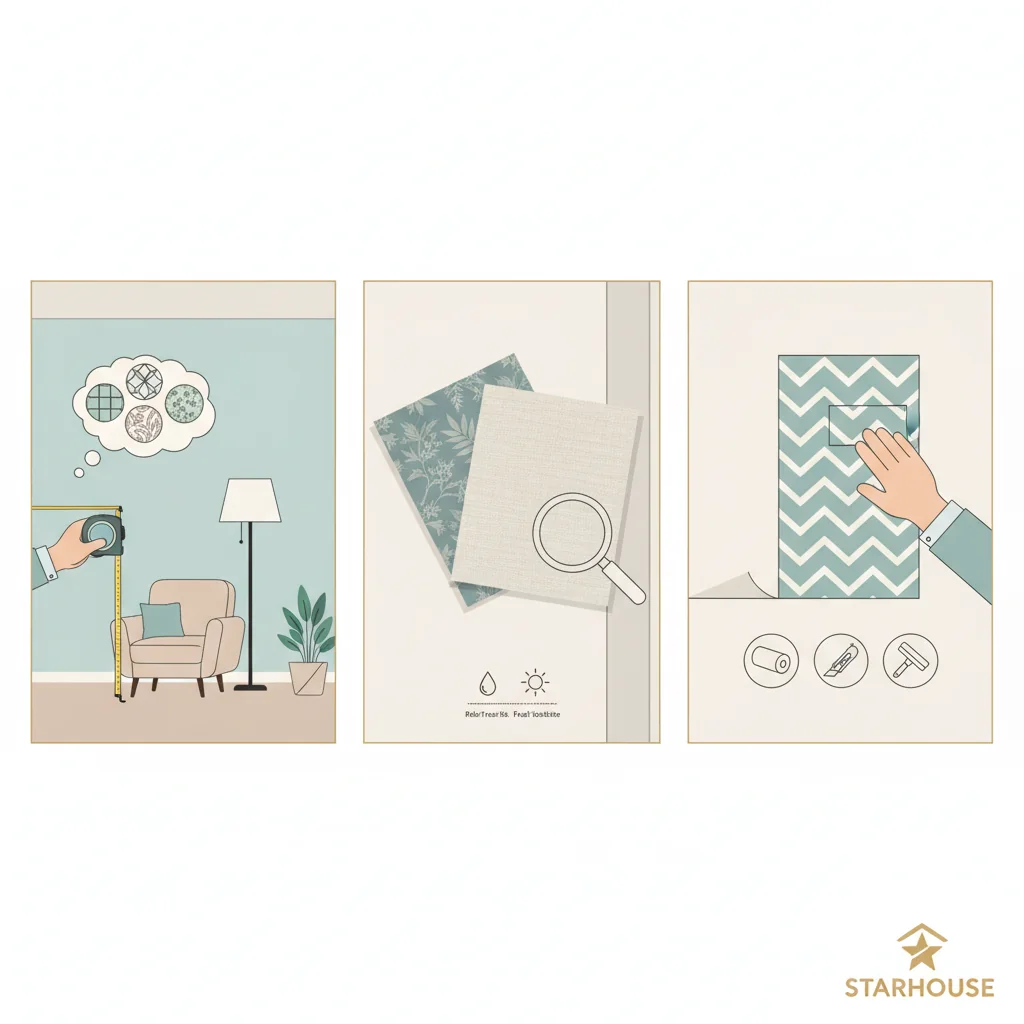
Precision Planning: Sizing and Measuring for Flawless Installation
Accurate measurement and meticulous planning are the cornerstones of a successful peel and stick wallpaper installation, ensuring you purchase the correct quantity and achieve a professional, seamless finish. Underestimating your needs or miscalculating dimensions can lead to costly delays, visible seams, or mismatched patterns. This section outlines a precise approach to measuring your space and determining the exact amount of wallpaper required.
Essential Tools for Measuring
Before you begin, gather these fundamental tools:
- Measuring Tape: A retractable metal tape measure (at least 25 feet long) for accurate wall dimensions.
- Pencil: For marking measurements.
- Notebook or Graph Paper: To record dimensions and sketch your room.
- Calculator: For precise calculations.
- Step Ladder: To reach high points on your walls.
Step-by-Step Measuring Guide
Follow these steps to accurately measure your walls:
1. Measure Wall Height
Measure the height of each wall from the top of the baseboard to the ceiling line. If your ceiling height varies, measure in several spots and use the tallest measurement for that wall to ensure you have enough material for trimming. Record this measurement in inches.
2. Measure Wall Width
Measure the width of each wall horizontally, from corner to corner. Again, if walls are uneven, take measurements at the top, middle, and bottom, and use the widest measurement for that wall. Record this in inches.
3. Account for Doors and Windows
While you will cut around doors and windows during installation, it’s generally recommended to treat these areas as if they were solid wall for initial calculations. This “over-ordering” strategy ensures you have ample material for pattern matching, trimming, and any potential mistakes. For very large openings, you can subtract the area of the opening, but always add back a buffer of 15-20% for waste.
4. Calculate Total Square Footage
For each wall, multiply its height (in inches) by its width (in inches) to get the square footage of that wall. Sum the square footage of all walls you plan to cover to get your total square footage in square inches. Divide this by 144 to convert to square feet (sq ft).
Example: A wall 96 inches high and 120 inches wide is (96 * 120) = 11,520 square inches. Divided by 144, this is 80 sq ft.
Calculating Rolls Needed: Understanding Pattern Repeat and Waste
Once you have your total square footage, you need to determine how many rolls of peel and stick wallpaper to purchase. This is where understanding pattern repeat and accounting for waste becomes critical.
What is a Pattern Repeat?
A pattern repeat is the vertical distance between one point on a pattern and the identical point on the next instance of that pattern, dictating how much extra material is needed for matching. This measurement is crucial for ensuring a continuous, seamless design across multiple panels. Manufacturers specify the pattern repeat in inches or centimeters on the product description. A larger pattern repeat means you will need to trim more material from each panel to align the design, thus requiring more overall wallpaper.
For wallpapers with no pattern repeat (solid colors, subtle textures, or random designs), waste for matching is minimal. However, for patterns with a significant repeat, you must factor this into your calculations.
Calculating Panels Per Roll
Most peel and stick wallpaper rolls come in standard widths (e.g., 20.5 inches, 24 inches) and lengths (e.g., 18 feet, 20 feet, 30 feet).
- Determine Usable Length Per Panel: Add the pattern repeat (if applicable) to your wall’s height. For instance, if your wall is 96 inches high and the pattern repeat is 24 inches, each panel needs to be cut to 96 + 24 = 120 inches (10 feet) to allow for matching and trimming.
- Calculate Panels Per Roll: Divide the total length of one roll (in inches) by your usable panel length (in inches). Round down to the nearest whole number to find how many full panels you can get from a single roll.
Example: A roll is 216 inches long (18 feet). If each panel needs to be 120 inches, then 216 / 120 = 1.8. This means you get 1 full panel per roll. (This example highlights how pattern repeat can significantly increase material needs). - Calculate Total Panels Needed: Divide the total width of your walls (in inches) by the width of one wallpaper roll (in inches). Round up to the nearest whole number to determine the total number of panels required to cover your space.
- Total Rolls Required: Divide the total number of panels needed by the number of panels you can get from one roll. Round up to the nearest whole number.
The 10-15% Waste Buffer
It is always prudent to add an additional 10% to 15% to your final roll count for waste. This buffer accounts for:
- Trimming: Excess material cut from the top, bottom, and sides.
- Pattern Matching: Especially crucial for large or complex repeats.
- Mistakes: Minor errors during cutting or application.
- Future Repairs: Having extra material from the same dye lot is invaluable if a panel gets damaged later.
For example, if your calculations suggest you need 6 rolls, ordering 7 rolls (an extra 16%) is a wise precaution. Ordering from the same dye lot is critical to avoid noticeable color discrepancies.
By following these precise measuring and calculation steps, you ensure a smooth installation process and a stunning final result, making the most of your peel and stick wallpaper investment.
Installation Mastery: A Step-by-Step Guide
Achieving a professional-looking peel and stick wallpaper installation requires meticulous surface preparation, precise application techniques, and patience, ensuring a durable and visually appealing result. While the self-adhesive nature simplifies the process, attention to detail at every stage is paramount to prevent common issues like bubbling, peeling, or misalignment. This comprehensive guide walks you through each step, from preparing your walls to the final finishing touches.
1. Surface Preparation: The Foundation of Success
Proper wall preparation is the most critical step for successful adhesion and a flawless finish. Peel and stick wallpaper adheres best to smooth, clean, and properly primed surfaces.
- Clean the Walls: Thoroughly wash walls with a mild detergent and water solution (e.g., dish soap and water) to remove dirt, grease, and grime. Rinse with clean water and allow the walls to dry completely, typically 24-48 hours.
- Patch and Smooth Imperfections: Fill any holes, cracks, or dents with spackle or joint compound. Sand these areas smooth once dry. Even minor imperfections can show through the wallpaper, especially with lighter colors or thinner materials.
- Prime the Walls: Apply a high-quality, oil-based or acrylic-based primer, especially if you have fresh drywall, dark-colored walls, or walls painted with flat/matte paint. Priming creates a uniform surface, aids adhesion, prevents paint from peeling off with the wallpaper upon removal, and can make future removal easier. Allow the primer to cure completely as per manufacturer instructions (often 24-72 hours).
- Ensure Paint Curing: If walls were recently painted, allow the paint to cure for at least 3-4 weeks before applying wallpaper. Applying too soon can lead to adhesion issues or damage upon removal.
2. Gather Your Tools
Having the right tools readily available streamlines the installation process:
- Measuring Tape: For accurate measurements.
- Pencil: For marking.
- Level or Plumb Bob: Essential for drawing perfectly straight vertical lines.
- Utility Knife with Fresh Blades: For clean, precise cuts.
- Smoothing Tool/Squeegee: A felt-edged or plastic squeegee to press out air bubbles.
- Soft Cloth: For cleaning and smoothing.
- Step Ladder: To reach high areas.
- Scissors: For initial rough cuts.
- Straightedge/Ruler: For guiding cuts.
- Optional: Small roller for edges, hairdryer for tricky corners.
3. Step-by-Step Application
Work systematically and patiently to ensure the best results.
- Mark Your Starting Line: Do NOT start in a corner, as most corners are not perfectly plumb. Instead, measure out the width of your wallpaper roll minus about 1/2 inch from a corner. Use your level or plumb bob to draw a perfectly straight vertical line from ceiling to baseboard. This line will guide your first panel, ensuring it is plumb.
- Cut Your First Panel: Measure the height of your wall from baseboard to ceiling, then add 2-4 inches to this measurement (1-2 inches for the top, 1-2 inches for the bottom) for trimming. If your wallpaper has a pattern repeat, add the pattern repeat length to your wall height before adding the extra trim allowance. Cut your first panel.
- Begin Application from the Top: Peel back only the top 4-6 inches of the backing paper. Align the exposed edge of the wallpaper with your plumb line, ensuring it extends 1-2 inches past the ceiling line for trimming.
- Smooth as You Go: Slowly peel down more of the backing paper, 6-12 inches at a time, while simultaneously pressing the wallpaper onto the wall with your smoothing tool. Work from the center outwards, using firm, overlapping strokes to push out any air bubbles.
- Reposition if Necessary: If you notice a bubble or misalignment, gently peel back the section and reapply. Most quality peel and stick wallpapers are repositionable multiple times during installation.
- Trim Excess: Once the first panel is fully applied, use your utility knife and a straightedge to carefully trim the excess wallpaper along the ceiling line and baseboard. Ensure your blade is sharp for clean cuts.
- Apply Subsequent Panels: For the next panel, repeat the cutting process, ensuring you match the pattern precisely with the edge of the previous panel. Overlap slightly (usually 1/16 to 1/8 inch, check manufacturer instructions) or butt the edges directly, depending on the wallpaper type. Again, use your smoothing tool to press out air bubbles and ensure a secure bond.
- Dealing with Corners: When you reach an inside corner, apply the wallpaper up to the corner, allowing it to wrap slightly (about 1/2 inch) onto the adjacent wall. Cut the panel vertically along the corner. Start the next panel on the adjacent wall, overlapping the wrapped portion and aligning it with a new plumb line drawn from the corner. For outside corners, wrap the wallpaper around the corner by about 1 inch, then trim.
- Around Outlets and Switches: Turn off power to the outlet/switch. Remove the cover plate. Apply the wallpaper over the opening. Carefully cut an “X” shape over the opening, from corner to corner. Trim the excess paper around the edges of the opening, leaving enough to tuck behind the cover plate. Replace the cover plate.
- Around Windows and Doors: Apply the wallpaper over the window or door frame. Carefully cut around the frame, leaving a small excess for trimming. Use your utility knife and straightedge to make clean cuts along the frame.
- Final Smoothing and Inspection: After all panels are applied, do a final inspection. Use your smoothing tool to press down any lifting edges or stubborn bubbles. For very small bubbles, you can sometimes prick them with a fine needle and gently press out the air.
Tips for Flawless Removal
One of the primary advantages of peel and stick wallpaper is its ease of removal.
- Start from a Corner: Gently lift a corner or edge of a panel with your fingernail or a plastic scraper.
- Peel Slowly and Evenly: Pull the wallpaper back at a 45-degree angle, slowly and steadily. Avoid yanking or pulling straight down, as this can cause tearing or leave residue.
- Warm if Necessary: If the wallpaper is resistant, a hairdryer on a low setting can gently warm the adhesive, making it more pliable and easier to peel.
- Clean Residue (Rare): High-quality peel and stick wallpapers should leave little to no residue. If any sticky residue remains, a mild adhesive remover or rubbing alcohol on a soft cloth can usually clean it.
By following these detailed steps, you can confidently install peel and stick wallpaper, achieving a beautiful, transformative result that enhances your home’s aesthetic for years to come.
Longevity and Luster: Care and Maintenance
Proper care and routine maintenance are essential to preserve the aesthetic appeal and extend the lifespan of your peel and stick wallpaper, protecting your investment and ensuring its beauty endures. While designed for durability, different materials require specific cleaning methods to prevent damage, discoloration, or premature peeling. Adhering to manufacturer guidelines for cleaning and being mindful of environmental factors will keep your walls looking fresh and vibrant.
General Cleaning Guidelines
Most peel and stick wallpapers are relatively easy to clean, but the specific method often depends on the material. Always test any cleaning solution on an inconspicuous area first.
- Dusting: Regularly dust your wallpaper with a soft, dry cloth, a feather duster, or a vacuum cleaner with a brush attachment. This prevents dust buildup that can dull the pattern and make cleaning more challenging later.
- Spot Cleaning: For minor marks or smudges, immediately blot the area with a clean, damp, soft cloth. Avoid rubbing vigorously, as this can spread the stain or damage the surface.
- Gentle Wiping: For more extensive cleaning, particularly for vinyl or fabric-based wallpapers, use a soft cloth lightly dampened with plain water or a very mild, non-abrasive soap solution (like diluted dish soap). Wipe gently in a downward motion. Rinse the cloth thoroughly and wipe again with clean water to remove any soap residue. Immediately follow with a dry, soft cloth to prevent water spots or moisture damage.
- Avoid Harsh Chemicals: Never use abrasive cleaners, strong detergents, scouring pads, or solvents (e.g., bleach, ammonia-based cleaners, paint thinners) on peel and stick wallpaper. These can damage the finish, fade colors, or compromise the adhesive.
Material-Specific Care
While general guidelines apply, certain materials have specific considerations:
- Vinyl Wallpaper: This is generally the most robust and water-resistant type. It can withstand more frequent and thorough wiping with a damp cloth and mild soap. It is ideal for kitchens and bathrooms where splashes are common.
- Fabric Wallpaper: Fabric options are more delicate. Gentle spot cleaning with a slightly damp cloth is best. Avoid oversaturating the material, as this can affect its texture or lead to water stains. For stubborn stains, specialized fabric cleaners designed for upholstery might be considered, but always test first.
- Non-Woven (Paper-Based) Wallpaper: These are durable but less water-resistant than vinyl. Stick to light dusting and gentle spot cleaning with a barely damp cloth. Avoid excessive moisture.
Preventing Damage and Maintaining Integrity
Proactive measures can significantly prolong the life and appearance of your peel and stick wallpaper.
- Direct Sunlight: Prolonged exposure to direct sunlight can cause wallpaper colors to fade over time, especially with darker hues or certain material types. Consider using blinds, curtains, or UV-protective window films in rooms with intense sun exposure.
- Humidity and Temperature Extremes: While many peel and stick wallpapers handle normal indoor humidity well, extreme fluctuations or consistently high humidity (e.g., in poorly ventilated bathrooms) can weaken the adhesive or cause edges to lift. Ensure good ventilation in bathrooms and kitchens. Avoid installing in areas prone to extreme temperature swings.
- Physical Damage: Be mindful of furniture placement, pets, and children, as scratches, tears, or scuffs can damage the wallpaper. Use furniture pads or protective barriers where necessary.
- Edge Maintenance: Periodically check the edges and seams of your wallpaper panels. If any start to lift, gently press them back down with a clean, soft cloth or a wallpaper smoothing tool. For persistent lifting, a small amount of wallpaper seam adhesive (specifically designed for vinyl or peel and stick) can be applied sparingly, but this should be a last resort as it compromises removability.
Repairing Minor Imperfections
Small issues can often be addressed without replacing an entire panel.
- Bubbles: For small, persistent air bubbles, you can carefully prick the bubble with a fine needle or utility knife tip and gently press out the trapped air with your smoothing tool.
- Small Tears: For tiny tears or nicks, a small piece of matching wallpaper (ideally from leftover scraps) can be carefully cut to fit and adhered over the damaged area, blending it in.
By adhering to these care and maintenance guidelines, your peel and stick wallpaper will continue to provide a beautiful and stylish backdrop for your home for many years, reflecting Starhouse’s commitment to lasting quality and design.
Elevating Your Interiors: Styling and Pairing with Other Decor
Peel and stick wallpaper is a powerful design tool that, when thoughtfully styled and paired with other decor elements, can transform a room from ordinary to extraordinary, creating a cohesive, layered, and personalized interior. It acts as a foundational layer that dictates or enhances the room’s narrative, requiring a deliberate approach to complementary furnishings, textiles, lighting, and accessories to achieve a harmonious overall design. The key lies in understanding how to balance patterns, textures, and colors to create visual interest without overwhelming the space.
1. Complementary Furnishings and Textiles
The furniture and soft goods in a room should work in concert with your chosen wallpaper.
- Balance of Patterns: If your wallpaper features a bold, large-scale pattern, opt for solid-colored or subtly textured furniture and textiles (like upholstery, throw pillows, and rugs). Conversely, a subtle or textured wallpaper allows you to introduce patterned fabrics on furniture or accessories. When mixing patterns, vary their scale and type (e.g., a small floral with a large geometric) to create visual depth rather than conflict.
- Color Harmony: Draw colors from your wallpaper pattern to inform your choices for furniture, cushions, and curtains. Use the wallpaper’s primary colors for larger furniture pieces or rugs, and accent colors for smaller decorative items. This creates a cohesive flow throughout the room.
- Texture Play: A wallpaper with a smooth, matte finish can be beautifully contrasted with textured furnishings like a boucle sofa, a jute rug, or velvet cushions. If your wallpaper itself is textured (e.g., faux grasscloth), consider smoother, refined furniture to create balance.
- Furniture Style: Ensure the furniture style aligns with the wallpaper’s aesthetic. A vintage floral wallpaper pairs well with classic or antique furniture, while a minimalist geometric pattern complements sleek, modern pieces.
2. Lighting Considerations
Lighting significantly impacts how wallpaper colors and patterns are perceived, influencing the room’s mood and visual depth.
- Natural Light: Rooms with abundant natural light can handle darker, more dramatic wallpapers. In rooms with less natural light, consider lighter-colored wallpapers or those with a subtle sheen (satin finish) to brighten the space.
- Artificial Lighting: Evaluate how your light fixtures (lamps, sconces, overhead lights) interact with the wallpaper. Warm-toned lighting can enhance cozy, earthy patterns, while cool-toned lighting can highlight crisp, modern designs. Strategically placed accent lighting can draw attention to a particularly beautiful pattern or a textured wallpaper.
- Shadow Play: Textured wallpapers can create interesting shadow play, adding depth and dimension, especially when illuminated from the side.
3. Creating Focal Points
Peel and stick wallpaper is an excellent tool for establishing a clear focal point in a room, guiding the eye and anchoring the design.
- Accent Wall: Applying a striking pattern or mural to a single wall instantly creates a focal point, often behind a bed, sofa, or dining table. This strategy allows for bold design choices without overwhelming the entire space.
- Architectural Features: Use wallpaper to highlight architectural elements like a fireplace wall, an alcove, or the back of built-in bookshelves.
- Framed Panels: For a more subtle approach, apply wallpaper to panels framed with molding, creating the look of custom wall art or decorative wainscoting.
4. Mixing Patterns Thoughtfully
Mixing patterns can add sophistication and visual interest, but it requires a discerning eye to avoid a chaotic look.
- Vary Scale: Combine patterns of different scales (e.g., a large-scale wallpaper with small-scale throw pillow patterns).
- Common Color Palette: Ensure all patterns share at least one or two common colors to create cohesion.
- Mix Types: Blend different types of patterns—a geometric wallpaper with a floral rug, or a striped curtain with an abstract wallpaper.
- Introduce Solids: Always incorporate solid colors as resting points for the eye, preventing the space from feeling too busy.
5. Beyond the Walls: Creative Applications
Peel and stick wallpaper’s versatility extends far beyond traditional wall coverings, offering creative opportunities to personalize various surfaces.
- Furniture Refurbishment: Update old dressers, bookshelves, or tabletops with a fresh pattern, giving them a custom, high-end look. This is a cost-effective way to refresh furniture.
- Backsplashes: In kitchens and bathrooms, certain durable, water-resistant vinyl peel and stick wallpapers can serve as a stylish and temporary backsplash, offering an instant upgrade without tile installation. Ensure the material is specifically rated for such use.
- Stair Risers: Add visual interest to a staircase by applying wallpaper to the risers, creating a unique and unexpected design feature.
- Drawer Liners: Line drawers or cabinet shelves with peel and stick wallpaper for a pop of color or pattern every time they’re opened.
- Ceilings: For a dramatic statement, apply wallpaper to the ceiling, transforming the “fifth wall” into an artistic element.
By embracing these styling and pairing techniques, peel and stick wallpaper becomes an integral component of your home’s design narrative, allowing you to craft spaces that are both beautiful and uniquely yours. Starhouse’s curated collection provides the perfect starting point for these imaginative transformations.
Current Trends and Future Outlook in Peel and Stick Wallpaper
The peel and stick wallpaper market is dynamic, continually evolving with new design aesthetics, material innovations, and a growing emphasis on sustainability, reflecting broader shifts in interior design and consumer values. Staying abreast of these trends allows homeowners to create contemporary, forward-thinking spaces that are both stylish and responsible. Starhouse closely monitors these developments to ensure our collection remains at the forefront of design and functionality.
Current Design Trends
Several key aesthetic trends are dominating the peel and stick wallpaper landscape:
- Biophilic Designs: A strong connection to nature continues to be a major influence. Patterns featuring lush botanicals, subtle leaf motifs, abstract landscapes, and earthy textures (like faux stone or wood) are highly popular, bringing a sense of calm and well-being indoors.
- Grandmillennial and Maximalist Patterns: Moving away from stark minimalism, there’s a resurgence of ornate, traditional patterns reinterpreted with fresh color palettes. Think updated chintz, classic damasks, intricate florals, and bold, layered designs that embrace rich color and pattern.
- Textural Illusions: Wallpapers mimicking the look and feel of natural textures—such as linen, grasscloth, concrete, plaster, or subtle woven patterns—are highly sought after. These add depth and sophistication without overwhelming a space with bold color or pattern.
- Earthy and Muted Color Palettes: Alongside vibrant maximalism, there’s a strong trend towards calming, desaturated colors like sage green, dusty rose, terracotta, warm beiges, and muted blues. These create serene backdrops that pair well with natural materials and minimalist furniture.
- Geometric and Abstract Art: Clean lines, repeating geometric shapes, and abstract artistic motifs remain popular, especially in modern and contemporary interiors. These patterns range from subtle, tone-on-tone designs to bold, high-contrast statements.
- Large-Scale Murals: Immersive scenic murals, often depicting vast landscapes, abstract art, or whimsical narratives, are transforming entire walls into works of art, creating dramatic focal points.
Sustainability and Eco-Friendly Options
As environmental consciousness grows, the demand for sustainable and healthier home products is on the rise. The peel and stick wallpaper industry is responding with significant innovations:
- VOC-Free and Low-VOC Formulations: Manufacturers are increasingly producing wallpapers with Volatile Organic Compounds (VOCs) at significantly reduced levels or entirely eliminated. VOCs are gases emitted from certain solids or liquids, some of which may have short- and long-term adverse health effects. Prioritizing low-VOC options contributes to better indoor air quality, which is a critical concern for many homeowners.
- Recycled and Recyclable Materials: Innovations include wallpapers made from recycled content (e.g., recycled polyester fabric) and materials that are themselves recyclable at the end of their life cycle.
- PVC-Free Options: Many fabric and non-woven peel and stick wallpapers are now PVC-free, offering alternatives to traditional vinyl that are often perceived as more environmentally friendly.
- Water-Based Inks: The use of water-based, non-toxic inks for printing patterns is becoming a standard, reducing the environmental impact of production.
Technological Advancements
Beyond materials, technology is enhancing both the product and the user experience:
- Improved Adhesives: Adhesives are becoming even more sophisticated, offering stronger initial tack for easier installation, enhanced repositionability without losing adhesion, and cleaner removal with absolutely no residue.
- Enhanced Print Quality: Digital printing technologies continue to advance, allowing for incredibly sharp details, vibrant colors, and photo-realistic imagery on wallpapers, expanding design possibilities.
- Customization and Personalization: The ability to custom-print designs, colors, or even personal photographs onto peel and stick wallpaper is becoming more accessible, allowing for truly unique and personalized interiors.
- Durability Coatings: New coatings are being developed to enhance resistance to scratches, scuffs, and moisture, further extending the lifespan and versatility of peel and stick options.
The future of peel and stick wallpaper is bright, characterized by continued innovation in design, material science, and sustainability. As a curator of home décor, Starhouse is committed to offering selections that not only reflect these cutting-edge trends but also uphold the highest standards of quality and environmental responsibility, empowering our customers to create beautiful, healthy, and stylish homes.
Common Mistakes to Avoid in Peel and Stick Wallpaper Installation
While peel and stick wallpaper is celebrated for its ease of use, certain common pitfalls can compromise the final look and longevity of your installation. Recognizing and actively avoiding these mistakes is crucial for achieving a professional, durable, and satisfying result. Even experienced DIYers can benefit from a review of these critical considerations.
1. Inadequate Surface Preparation
This is arguably the most frequent and impactful mistake. Peel and stick wallpaper requires a smooth, clean, and properly primed surface for optimal adhesion.
- Ignoring Wall Imperfections: Bumps, dents, or rough patches will show through the wallpaper, especially with thinner materials or lighter patterns. Always spackle and sand walls smooth.
- Dirty Walls: Dust, grease, and grime prevent the adhesive from bonding properly, leading to peeling. Thoroughly clean and dry walls before application.
- Unprimed Walls: Especially with new drywall, dark paint, or flat/matte paint, priming is essential. Primer creates a consistent surface, improves adhesion, and ensures clean removal without paint damage.
- Applying to Freshly Painted Walls: Paint needs to fully cure, which can take 3-4 weeks, not just dry to the touch. Applying wallpaper too soon can cause bubbling, peeling, or damage to the paint upon removal.
- Applying to Heavily Textured Walls: Peel and stick wallpaper is not designed for heavily textured surfaces like orange peel or knockdown. The adhesive cannot make sufficient contact, leading to poor adhesion and a bumpy appearance.
2. Not Ordering Enough Material
Underestimating the amount of wallpaper needed is a common and frustrating error that can lead to delays and color mismatches.
- Ignoring Pattern Repeat: For patterns with a repeat, you must factor in extra length per panel for matching, which significantly increases the total material required.
- Forgetting Waste Buffer: Always add 10-15% extra material to your calculations for trimming, potential mistakes, and future repairs.
- Not Accounting for Doors/Windows: While you cut around these, you still need the material for pattern alignment across panels.
- Ordering from Different Batches/Dye Lots: If you run out and reorder, there’s a risk of receiving rolls from a different dye lot, which can result in noticeable color variations. Always purchase all rolls for a single project at the same time.
3. Skipping the Plumb Line
Starting your first panel without a perfectly vertical guide line is a recipe for disaster, leading to crooked panels that compound errors down the wall.
- Starting in a Corner: Most corners are not perfectly plumb. Always measure out from the corner and use a level or plumb bob to draw a straight vertical line for your first panel.
- Eyeballing It: Relying on your eye alone will almost certainly result in a crooked installation, especially over longer distances.
4. Rushing the Installation Process
Patience is a virtue when installing wallpaper. Rushing can lead to bubbles, creases, and misalignment.
- Peeling Too Much Backing at Once: Only peel a few inches of the backing paper at a time, gradually peeling more as you smooth the wallpaper onto the wall. This provides more control and reduces the chance of bubbles or creases.
- Not Smoothing Properly: Use a smoothing tool or squeegee to firmly press out all air bubbles, working from the center outwards. Small bubbles can become larger problems over time.
- Ignoring Repositionability: Don’t be afraid to gently peel back and reposition a section if it’s not perfectly aligned. The adhesive is designed for this.
5. Using Dull Blades
A sharp utility knife blade is essential for clean, crisp cuts along edges and around obstacles.
- Ragged Edges: Dull blades tear the wallpaper rather than cutting it cleanly, resulting in unsightly, frayed edges.
- Frequent Blade Changes: Change your utility knife blade frequently, especially when trimming along baseboards and ceilings, or around outlets.
6. Improper Cleaning and Maintenance
Neglecting care instructions can shorten the lifespan and dull the appearance of your wallpaper.
- Using Harsh Cleaners: Abrasive chemicals can damage the finish, fade colors, or weaken the adhesive. Always use mild soap and water, and test in an inconspicuous area first.
- Excessive Moisture: Over-saturating the wallpaper, especially fabric or non-woven types, can lead to water damage, peeling, or mold growth.
- Ignoring Lifting Edges: Small lifting edges, if not addressed promptly, can worsen and lead to larger sections peeling.
By being aware of these common mistakes and taking proactive steps to avoid them, you can ensure your peel and stick wallpaper project is a resounding success, delivering a stunning and lasting transformation to your space.
Sources
Frequently Asked Questions About Peel and Stick Wallpaper
Can peel and stick wallpaper be used in bathrooms or other high-humidity areas?
Yes, peel and stick wallpaper can be used in bathrooms and other high-humidity areas, provided you select a vinyl-based material specifically designed for moisture resistance and ensure adequate ventilation in the room. Vinyl options are generally more durable and water-resistant than fabric or non-woven types, making them suitable for environments prone to splashes and humidity.
Is peel and stick wallpaper truly removable without damaging walls?
Yes, high-quality peel and stick wallpaper is designed to be truly removable without damaging properly prepared walls, leaving no sticky residue or paint rips. This is contingent on the wall being clean, smooth, and primed, and the paint being fully cured (typically 3-4 weeks) before application.
How long does peel and stick wallpaper last?
The lifespan of peel and stick wallpaper typically ranges from 3 to 10 years, depending on the quality of the material, the environment it’s in (e.g., direct sunlight, humidity), and the care it receives. High-quality products from reputable brands, installed correctly and maintained properly, can last significantly longer.
Can I apply peel and stick wallpaper to textured walls?
No, peel and stick wallpaper is not recommended for heavily textured walls, as the adhesive requires a smooth surface to bond effectively, which prevents bubbles and ensures long-term adhesion. Applying it to textured surfaces will likely result in poor adhesion, visible texture through the wallpaper, and premature peeling.
How do I clean peel and stick wallpaper?
You clean peel and stick wallpaper by gently dusting it regularly with a soft, dry cloth or duster, and spot cleaning with a soft cloth lightly dampened with plain water or a very mild, non-abrasive soap solution. Always avoid harsh chemicals, abrasive cleaners, and excessive moisture, and immediately dry the cleaned area to prevent water spots.
What is pattern repeat and why is it important for measuring?
A pattern repeat is the vertical distance between one point on a wallpaper pattern and the identical point on the next instance of that pattern, and it is crucial for measuring because it dictates how much extra material you need to cut for each panel to ensure the design aligns seamlessly across your wall. Failing to account for pattern repeat will result in insufficient material and a disjointed pattern.
Can peel and stick wallpaper be used on surfaces other than walls?
Yes, peel and stick wallpaper is highly versatile and can be used on a variety of smooth, clean surfaces beyond walls, including furniture (dressers, tabletops), backsplashes, stair risers, cabinet doors, and even ceilings, offering a flexible way to add pattern and personality to almost any area of your home.
Conclusion: Transform Your Space with Confidence
Peel and stick wallpaper has unequivocally redefined interior design, offering an accessible, versatile, and transformative solution for homeowners and renters alike. Its evolution from a niche product to a mainstream décor essential reflects its inherent advantages: ease of installation, damage-free removal, and an expansive universe of design possibilities. From durable vinyls perfect for high-traffic zones to luxurious fabric textures ideal for serene bedrooms, the market now provides an option for every aesthetic and functional requirement. By understanding the nuances of materials, mastering precise measuring techniques, and embracing thoughtful styling, you empower yourself to create spaces that are not only visually stunning but also deeply personal.
At Starhouse, we are dedicated to curating a collection that embodies exceptional design, quality, and innovation, ensuring that each peel and stick wallpaper offers both aspirational beauty and practical performance. We believe that transforming your home should be an inspiring and effortless journey, allowing you to express your unique style with confidence and creativity. As we prepare to launch our comprehensive collection, we invite you to be a part of our journey. Tell us what you envision for your ideal living spaces and share what you’re looking for to gain exclusive early access to our curated selection of peel and stick wallpapers and other home essentials. Let Starhouse be your partner in crafting the home of your dreams.