The fabric you choose for your headboard is a major decision. It’s not just about looks; it directly affects how the headboard feels, how it wears over time, and how easy it is to keep clean. Think about the main function: is it primarily for leaning against while reading, or is it more of a decorative statement? This will guide your choice in material.
Consider polyester as a strong contender for its durability and affordability. It resists wrinkles and fading, making it a practical choice for high-traffic bedrooms or households with kids and pets. Polyester blends often offer enhanced softness and breathability compared to 100% polyester. Look for fabrics with a high rub count (often measured in double rubs on the Martindale or Wyzenbeek scale) if you anticipate heavy use. A count of 15,000 or higher is generally considered suitable for residential upholstery.
Cotton and linen headboard fabrics
Cotton offers a natural feel and breathability, making it comfortable against the skin. However, 100% cotton can wrinkle easily and may not be the most durable option for a headboard that sees constant contact. If you prefer cotton, consider a cotton blend that incorporates synthetic fibers for added resilience. Linen, known for its natural texture and elegant drape, is another breathable option. It’s stronger than cotton but can also wrinkle and may be more prone to staining. Both cotton and linen can be excellent choices for a more relaxed, sophisticated look, but they often require more careful maintenance.
When evaluating cotton or linen, check the fabric’s weight. Heavier weaves will generally hold up better than lighter ones. For a sophisticated, natural look that echoes the elegance of materials like grass cloth wallpaper, these natural fibers can be a great fit. If you’re drawn to the texture of natural fibers for your walls, you might appreciate a similar feel in your headboard fabric.
For those interested in the textural appeal of natural materials, you might also enjoy exploring options like grass cloth wallpaper to complement your bedroom’s natural aesthetic.
Velvet and chenille for a luxurious feel
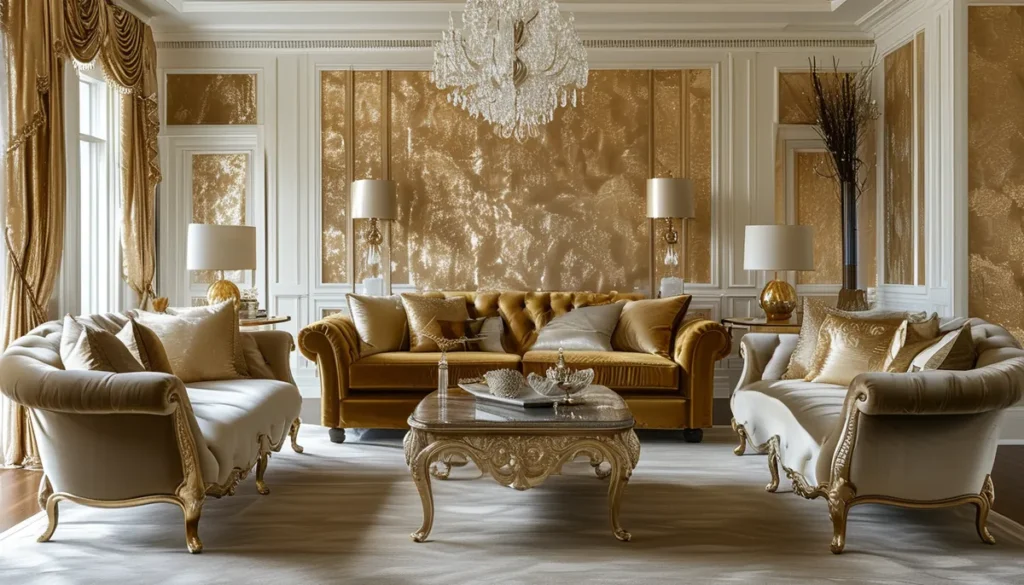
For ultimate softness and a touch of luxury, velvet and chenille fabrics are top choices. Velvet offers a plush, deep pile that feels incredibly soft and looks rich. It can be made from various fibers, including polyester, cotton, or silk. Polyester velvets tend to be more durable and stain-resistant than natural fiber velvets. Chenille has a distinctive fuzzy texture created by a unique weaving process, offering a cozy and inviting feel. Both fabrics can add a sense of opulence to your bedroom.
When choosing velvet, be aware that the pile can crush or show marks if not treated carefully. For chenille, look for tightly woven options to prevent excessive shedding. These fabrics can be beautiful but may require professional cleaning for significant stains. If you want a statement piece that feels indulgent, these are excellent directions to explore.
Performance fabrics and faux leather
Performance fabrics are engineered for maximum durability, stain resistance, and ease of cleaning. Many now mimic the look and feel of natural fibers or luxury materials but with significantly better performance characteristics. Brands often market these for their ability to withstand spills and frequent use, making them ideal for busy households or if you want peace of mind. If you love the look of linen but worry about its upkeep, a performance linen-look fabric could be the perfect compromise.
Faux leather offers the sleek, modern look of genuine leather at a more accessible price point and with easier maintenance. Modern faux leathers are remarkably convincing and can be quite durable. They are generally easy to wipe clean, making them a practical choice for a headboard. Consider the finish – a matte finish might look more sophisticated than a high-gloss one, depending on your desired style. Faux leather can offer a clean, contemporary edge or a more traditional, tufted appearance.
Choosing based on style and maintenance
Your bedroom’s overall style should heavily influence your fabric choice. For a minimalist or Scandinavian look, consider natural linens or durable cotton blends in neutral tones. A bohemian or eclectic style might welcome the texture of chenille or a bolder pattern in a durable polyester. For a glamorous or art deco-inspired room, velvet is an obvious choice. A contemporary or transitional style could be well-served by faux leather or a sleek performance fabric.
Durability considerations
If your headboard will be used frequently for sitting up in bed, you need a fabric that can withstand abrasion. Look for high rub counts. Textured fabrics, like some chenilles or textured polyesters, can sometimes hide wear better than very smooth fabrics like satin or some velvets. If pets or children are a factor, prioritize stain resistance and ease of cleaning. Fabrics treated with stain-repellent finishes or those naturally resistant to liquid absorption are worth investigating.
Ease of cleaning
Different fabrics require different cleaning methods. Always check the manufacturer’s cleaning codes (usually found on a tag or the retailer’s website). ‘W’ means water-based cleaners, ‘S’ means solvent-based cleaners (no water), ‘W/S’ means either can be used, and ‘X’ means vacuum only. For a headboard, you generally want to avoid ‘X’ code fabrics unless you are confident in your ability to keep them pristine through vacuuming alone. A ‘W’ or ‘W/S’ code often provides the most flexibility for spot cleaning common household spills.
If you’re considering a DIY headboard project, using a fabric that’s forgiving and easy to clean can save you a lot of headaches down the line. Think about how easy the fabric is to cut and sew as well, if you’re planning on making it yourself.
What to avoid
Fabrics that are very delicate, prone to snagging, or difficult to clean should generally be avoided for headboards. This includes some silks, loosely woven materials without a strong backing, or fabrics with a very high sheen that easily show every fingerprint or smudge. If you’re not prepared for meticulous care, steer clear of these. For example, a light-colored, very smooth satin might look luxurious but will likely become a maintenance nightmare.
Also, consider the backing of the fabric. A fabric with a stable backing will be easier to work with and less likely to stretch unevenly when upholstered. Thin, flimsy fabrics might not provide adequate cushioning or durability, even if they look appealing initially.
Headboard cloth installation and considerations
When installing fabric on a headboard, proper tension is key. The fabric needs to be stretched taut and secured evenly to prevent wrinkles and sagging. If you’re reupholstering an existing headboard, remove the old fabric and use it as a pattern, adding a little extra for seams and stretching. Using a heavy-duty staple gun is standard for attaching fabric to the wooden frame of most headboards. Ensure staples are flush with the wood and not poking through.
For a professional finish, pay attention to corners and edges. They should be neatly folded and secured. If your headboard design involves tufting, the placement and depth of the tufts need to be precise. This is where the quality of the fabric backing can also play a role, helping to hold the buttons and stuffing in place.
If you’re looking to add texture and visual interest to your walls that complements a well-chosen headboard fabric, consider exploring grasscloth peel and stick wallpaper for an easy update.
Common headboard fabric mistakes
One common mistake is choosing a fabric solely based on its appearance without considering its durability or cleanability. Another is underestimating the amount of fabric needed, leading to mismatched patterns or insufficient material. Always buy a bit extra, especially if you plan to pattern-match or if the fabric has a directional nap.
Rushing the installation process is also a recipe for disaster. Uneven stretching, poorly placed staples, or sloppy corner folds will detract from the headboard’s overall look. Take your time, use the right tools, and if you’re unsure, consider seeking professional help or practicing on a scrap piece first. Remember, a headboard is a focal point, and its fabric is its main feature.
For those who appreciate the texture and natural look of materials like grass cloth, you can find similar elegance in various home decor applications. Discover the natural elegance of grass cloth wallpaper for your walls.
Consider the context of your bedroom. If you have walls covered in a bold pattern or vibrant color, you might opt for a more subdued headboard fabric to balance the space. Conversely, a neutral room can handle a richly textured or patterned headboard. The interplay between wall coverings and upholstery is crucial for cohesive design. For instance, teal grasscloth wallpaper can add depth and texture to your walls, influencing your choice of headboard fabric to either complement or contrast it.