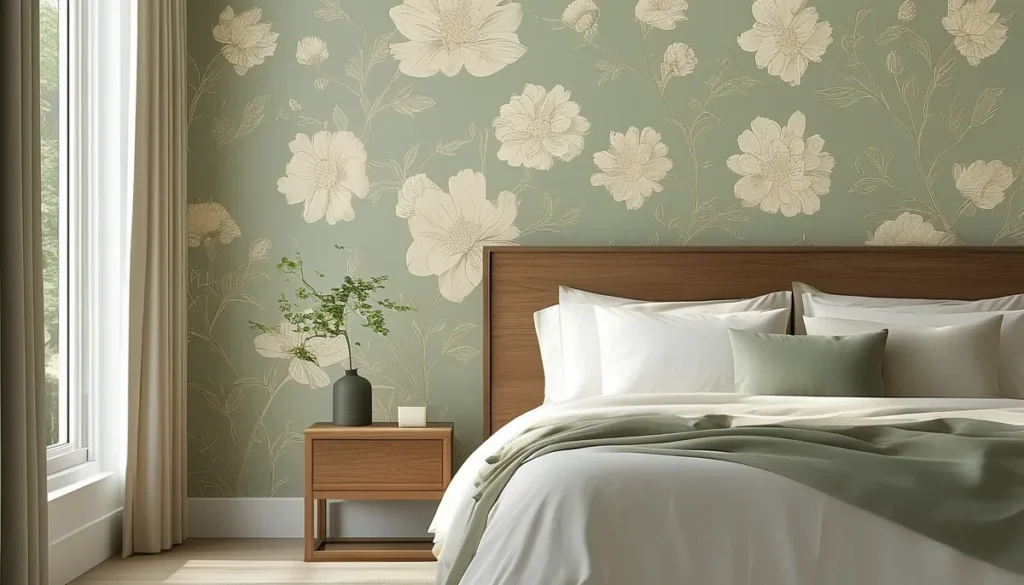
Peel and stick wallpaper is marketed as a renter-friendly, damage-free alternative to traditional wallpaper. While it *can* be easy to remove, it’s not a universal guarantee. The ease of removal hinges on the wall surface, the quality of the wallpaper, how long it’s been installed, and crucially, proper installation techniques.
factors affecting peel and stick wallpaper removal
Think of peel and stick wallpaper as a large sticker. Like any adhesive, its bond strength and the surface it adheres to dictate how cleanly it comes off. Here’s what you need to consider:
wall surface preparation is key
This is the most critical factor. If your walls aren’t properly prepared, removing the wallpaper can be a nightmare. Here’s what ‘proper preparation’ means:
- Cleanliness: Walls must be impeccably clean. Dust, grease, cobwebs, or any residue will compromise the adhesive’s bond to the wall itself, leading it to stick to the dust instead of the wall. Wash your walls with a mild detergent and water, then rinse and let them dry completely.
- Smoothness: Any imperfections on your wall – bumps, cracks, or even old paint texture – can become weak points. While peel and stick can cover minor imperfections, significant ones can cause the wallpaper to adhere unevenly, making removal difficult and potentially damaging the drywall underneath when you try to peel it. Fill holes, sand down bumps, and ensure a smooth surface.
- Paint type: Flat or matte latex paints are generally the best surfaces. High-gloss, semi-gloss, or oil-based paints create a surface that is too slick for the adhesive to bond effectively. The wallpaper might peel off easily, but it might also come away with the paint. Avoid painting walls with the intention of applying peel and stick wallpaper for at least a week to allow the paint to cure fully.
- Existing wallpaper: Never apply peel and stick wallpaper over unprimed or textured wallpaper. The adhesive will bond to the old wallpaper, and when you try to remove the new, you’ll likely pull off both, potentially damaging the drywall underneath.
quality of the wallpaper matters
Not all peel and stick wallpapers are created equal. Cheaper options often use a stronger, less forgiving adhesive. While this might seem good for adhesion, it can make removal much harder and increase the risk of wall damage. Higher-quality vinyl or fabric-based peel and stick wallpapers are formulated for easier, cleaner removal.
Consider the thickness and material. Thicker vinyls tend to be more durable during installation and removal. Some options, like grasscloth peel and stick wallpaper, have unique textures that can sometimes make removal trickier if the adhesive seeps into the fibers.
duration of installation
The longer the wallpaper is on the wall, the stronger the adhesive bond can become. While designed for removability, a wallpaper that has been up for several years might be more challenging to peel off cleanly than one installed a few months ago. The adhesive can essentially ‘bake’ into the wall over time, especially in warmer climates or rooms with direct sunlight.
how to remove peel and stick wallpaper successfully
Even with the best preparation, a little technique can go a long way. Always test in an inconspicuous area first.
the heat and peel method
This is the most common and effective method. The gentle heat softens the adhesive, making it more pliable.
- Gather your tools: You’ll need a hairdryer or a heat gun (on a low setting), a plastic putty knife or scraper, and possibly a spray bottle with warm water and a drop of dish soap.
- Start in a corner: Find a corner or an edge where the wallpaper is already lifting slightly.
- Apply heat: Hold the hairdryer a few inches away from the wallpaper and move it in a back-and-forth motion for about 15-30 seconds. You want the paper to feel warm to the touch, not hot.
- Gently peel: Once warm, try to lift the edge with your fingernail or the putty knife. Peel the wallpaper down slowly and at a shallow angle, ideally 180 degrees (pulling it back on itself).
- Continue heating and peeling: As you peel, continue to apply heat to the section you are working on and the area just ahead of where you are peeling. This keeps the adhesive soft.
- Work in manageable sections: Don’t try to peel off a huge strip at once. Work in smaller sections, heating and peeling as you go.
using warm, soapy water
For stubborn spots or if the heat method isn’t enough, warm water can help. Lightly mist a section of the wallpaper with warm, soapy water. Let it sit for a minute or two to allow the water to penetrate the adhesive. Then, try the heat and peel method again.
Important Note: Do NOT saturate the wall. You want the water to soften the adhesive, not soak the drywall.
removing residue
Even with careful removal, you might have some adhesive residue left behind. This is common and usually easy to clean.
- Warm, soapy water: Often, a sponge and warm, soapy water are enough to wipe away the residue.
- Adhesive remover: For tougher residue, you can use a commercial adhesive remover (like Goo Gone) or rubbing alcohol. Apply it to a cloth, not directly to the wall, and gently rub the residue.
- Test first: Always test any cleaning solution in an inconspicuous area to ensure it doesn’t damage the paint or wall surface.
when peel and stick wallpaper might damage walls
While designed to be damage-free, certain situations can lead to problems:
- Improperly prepared walls: As discussed, this is the leading cause. Trying to peel off wallpaper that’s bonded to dust, old paint, or uneven surfaces will likely pull off paint, drywall paper, or even chunks of drywall.
- Painting over flat paint: If your walls have a flat paint finish, the peel and stick adhesive can adhere so strongly that it pulls the paint off with the wallpaper.
- Low-quality products: Very cheap or old, dried-out peel and stick wallpaper might have an adhesive that becomes brittle or overly aggressive, leading to tearing and damage.
- Forcing removal: Ripping the wallpaper off quickly and aggressively is a recipe for disaster. Patience and gentle heat are crucial.
- Applying over unprimed surfaces: If you apply it over unprimed MDF or bare drywall, the adhesive can bond too strongly, and removal will pull away material.
To avoid these issues, always follow the manufacturer’s instructions for both application and removal. Investing in quality materials and taking the time for proper wall preparation will significantly increase your chances of a successful, damage-free removal. If you’re renting, always test a small, hidden area first to ensure it removes cleanly without damaging the paint or drywall. For a guide to choosing the right wallpaper, check out our comprehensive guide.
Ultimately, is peel and stick wallpaper easy to remove? Yes, *if* you do it right. It requires mindful preparation and patient execution. For more ideas on how to use this versatile material, explore our other resources.