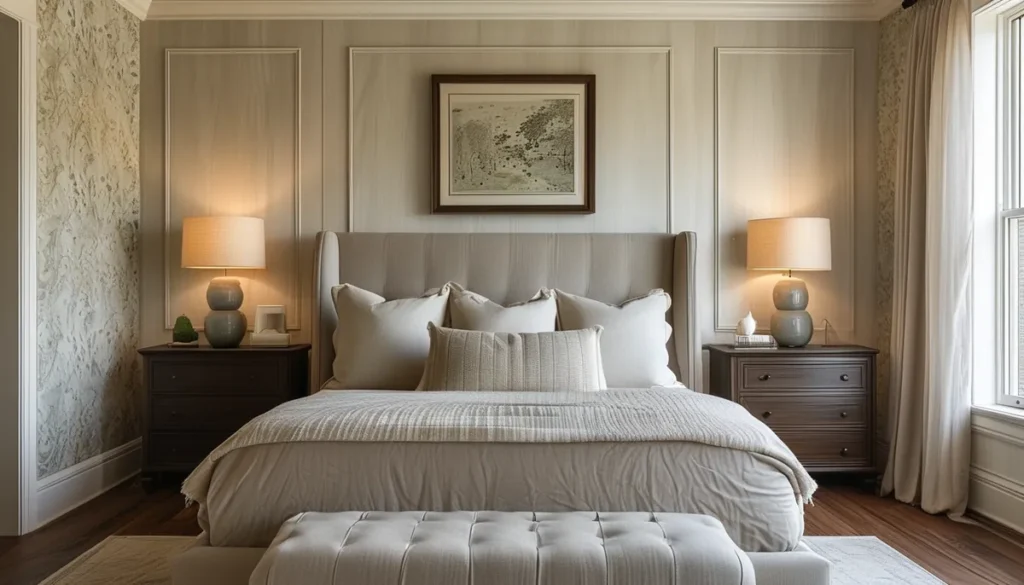
Purple damask wallpaper brings a sense of luxury and historical grandeur to any room. The damask pattern, characterized by its intricate, reversible design, often features floral or geometric motifs. When rendered in shades of purple, from deep plum to vibrant violet, it creates a bold statement.
Understanding damask wallpaper types
Before you commit to a roll of purple damask wallpaper, understand the different types available, as they affect installation, durability, and aesthetic. The primary distinction lies in the material and its finish.
Paper-backed wallpaper
This is traditional wallpaper, typically the most budget-friendly option. It consists of a paper layer printed with the damask design. While easy to find, paper-backed wallpaper can be less forgiving during installation. It tears easily when wet, making repositioning difficult. It’s also susceptible to moisture damage, so it’s not ideal for bathrooms or kitchens unless it has a specific protective coating.
Vinyl-coated wallpaper
Vinyl-coated damask wallpaper offers a significant upgrade in durability and ease of use. The paper base is coated with a layer of vinyl, making it more resistant to moisture, stains, and scrubbing. This makes it a practical choice for high-traffic areas or rooms prone to humidity. The vinyl finish can range from matte to a high gloss, influencing the overall look of your purple damask pattern.
Non-woven wallpaper
Non-woven, or ‘paste-the-wall’ wallpaper, is a popular choice among DIYers and professionals alike. Made from a blend of synthetic fibers and paper pulp, it’s breathable, durable, and dimensionally stable, meaning it won’t stretch or shrink significantly when wet. The ‘paste-the-wall’ method simplifies the installation process – you apply the adhesive directly to the wall, not the paper. This is a significant advantage, especially with larger patterns like damask, as it eliminates the need for a pasting table and reduces the risk of paper soaking and tearing.
Textured and flock wallpapers
Beyond the base material, you’ll find variations like textured or flock damask. Textured wallpapers have a raised surface, adding a tactile dimension to the purple damask pattern. Flock wallpaper features soft, velvety fibers applied to the surface, creating a luxurious, almost embroidered effect. These options offer a more premium feel but can be more challenging to clean and may come at a higher price point.
Choosing the right shade and scale of purple
The impact of purple damask wallpaper heavily depends on the specific shade of purple and the scale of the damask motif. Consider these factors to ensure the wallpaper complements your existing decor and the room’s dimensions.
Shades of purple
Deep aubergine or plum shades lend a sophisticated, dramatic, and cozy atmosphere. They work well in living rooms, dining rooms, or even bedrooms where you want to create a sense of intimacy. Lighter lavenders or lilacs can bring a softer, more romantic, or whimsical feel, suitable for bedrooms or powder rooms. Vibrant amethyst or royal purple offers a bold, statement-making aesthetic, best used for accent walls or in spaces designed for maximum visual impact.
Scale of the damask pattern
Damask patterns come in various scales. A large-scale damask can make a small room feel more expansive and grand, provided it doesn’t overwhelm the space. Conversely, a small-scale damask might get lost in a large room, appearing busy rather than elegant. For very intricate damask designs, ensure the printing is crisp; blurry lines detract from the pattern’s inherent sophistication. If you’re using damask wallpaper on your walls, consider how the pattern repeat will align across different sections of the room.
Calculating how much purple damask wallpaper you need
Accurate measurement is crucial to avoid running short or having excessive waste. Wallpaper is typically sold in rolls, and understanding standard roll dimensions will help you calculate your needs.
Standard roll sizes
In the US, a standard wallpaper roll is often 20.5 inches wide and 33 feet long. This covers approximately 56.4 square feet. However, some manufacturers offer different sizes, so always check the specific dimensions listed on the packaging. Remember that patterned wallpaper, especially a large damask repeat, will require more paper due to pattern matching. You lose some material with each cut to ensure the pattern aligns seamlessly from one strip to the next.
Calculating square footage
Measure the width and height of each wall you intend to cover. Multiply the width by the height to get the square footage of each wall. Sum the square footage of all walls. Then, measure the width and height of any doors and windows and calculate their square footage. Subtract the total area of doors and windows from the total wall area to get your net wall area. Always add 10-15% to this figure to account for pattern matching, trimming, and potential mistakes.
The importance of pattern repeat
The ‘pattern repeat’ is the distance from one point in the pattern to the next identical point. Damask patterns, by their nature, often have a significant repeat. A larger repeat means you’ll need more wallpaper because you’ll be trimming more to align the pattern. Always check the ‘pattern repeat’ information on the wallpaper label. If the repeat is large (e.g., 20 inches or more), you’ll likely need to order an extra roll, especially for smaller rooms where efficient use of each strip is critical.
Preparation is key for a flawless finish
Proper wall preparation is non-negotiable for a professional-looking wallpaper installation, particularly with a statement pattern like purple damask.
Cleaning and repairing the walls
Start by thoroughly cleaning your walls. Remove any dust, grease, or old adhesive residue. Fill any holes or cracks with spackling compound and sand them smooth once dry. Uneven surfaces will telegraph through the wallpaper, making the pattern appear distorted.
Priming the walls
Applying a wallpaper primer is highly recommended. Primer creates a uniform surface for the adhesive to grip, prevents the wallpaper from absorbing too much paste (which can cause bubbling), and makes future removal much easier. Use a water-based primer specifically designed for wallpapering. Allow it to dry completely according to the manufacturer’s instructions.
Removing old wallpaper
If you’re wallpapering over existing wallpaper, ensure the old paper is firmly adhered and not peeling. If it is, or if it’s a type that cannot be wallpapered over (like vinyl or foil), you must remove it completely. Use a wallpaper steamer or a strong adhesive remover solution. Scrape off as much as possible, then wash the walls with a sugar-soap solution to remove any remaining residue. Allow the walls to dry thoroughly before priming.
Installation steps for your purple damask wallpaper
Whether you’re a seasoned DIYer or trying wallpaper for the first time, following a systematic approach will yield the best results. Paste-the-wall non-woven wallpaper is generally the easiest for beginners.
Cutting the first strip
For paste-the-wall non-woven, measure the height of your wall and add about 4 inches (2 inches for the ceiling and 2 inches for the baseboard) for trimming. Cut your first strip. If using traditional paper-backed wallpaper, you’ll typically cut strips slightly longer than the wall height and then book (fold paste-to-paste) the paper to let the adhesive activate before hanging. Always check the manufacturer’s specific instructions.
Applying adhesive and hanging
For paste-the-wall: Apply an even coat of wallpaper adhesive to the wall, working in manageable sections (e.g., 2-3 feet wide). Hang the first strip, aligning the edge vertically using a spirit level or plumb line. Smooth the paper onto the wall from the center outwards, using a wallpaper brush or smoothing tool to eliminate air bubbles.
For traditional paper-backed: Apply adhesive to the back of the wallpaper strip according to the manufacturer’s instructions. Book the paper and let it rest. Hang the strip, aligning the edge and smoothing out bubbles.
Matching the pattern and hanging subsequent strips
Align the pattern of the next strip with the previous one before pressing it firmly against the wall. This is where careful cutting and a good eye are essential. Continue hanging strips, ensuring a tight seam between each one. Use a seam roller gently on the seams once the wallpaper is smoothed, but avoid excessive pressure, especially on textured or flock papers.
Trimming excess wallpaper
Once a strip is hung and smoothed, use a sharp utility knife and a straight edge (like a metal ruler or a special wallpaper straight edge) to trim the excess paper at the ceiling and baseboard. Change your blade frequently for clean cuts. For corners, wrap the paper around slightly and trim for a neat finish.
Common mistakes to avoid
Even with a beautiful pattern like purple damask, installation errors can quickly turn your dream into a DIY disaster.
Not enough wallpaper
This is arguably the most common and frustrating mistake. Underestimating the amount of wallpaper needed, especially when dealing with pattern repeats and waste, leads to having to stop mid-project to order more. This can result in dye lot variations between batches, making it impossible to match colors perfectly.
Poor wall preparation
Skipping cleaning, repairs, or priming means your wallpaper won’t adhere properly. You’ll end up with bubbles, peeling edges, or sections where the adhesive fails. If you’re applying over a dark or busy pattern, it might show through lighter-colored damask wallpaper unless the wall is properly primed.
Incorrectly matching the pattern
This leads to visible vertical lines where the pattern doesn’t align, disrupting the flow and elegance of the damask design. Take your time with each strip to ensure a perfect match. It’s better to have slightly more waste than a poorly matched pattern.
Using the wrong tools or techniques
A dull blade will tear the paper instead of cutting it cleanly. Applying too much pressure with a seam roller can flatten textured patterns or damage the paper. Always use sharp tools and follow recommended techniques for the specific type of wallpaper you’re using.
Styling your space with purple damask wallpaper
Purple damask wallpaper can anchor a room’s design. Its rich character pairs well with various styles and colors.
Complementary colors
To balance the boldness of purple damask, consider neutral tones like cream, beige, or soft grey for furniture and accessories. Metallic accents in gold, silver, or bronze can add a touch of glamour. For a more dramatic look, contrasting colors like emerald green or deep teal can create a striking palette.
Furniture and decor
The style of furniture should complement the damask’s elegance. Think classic pieces with clean lines, or ornate, vintage-inspired items. If your damask wallpaper is already very ornate, opt for simpler furniture to avoid visual clutter. For elegant damask wallpaper, consider pairing it with plush fabrics like velvet or silk for upholstery and drapery.
Lighting
Proper lighting can enhance the depth and richness of purple damask wallpaper. Layered lighting—including ambient, task, and accent lighting—will highlight the pattern’s intricacies and create a warm, inviting atmosphere. Dimmers allow you to adjust the mood as needed.