Updated: June 2026
Light green wallpaper offers a sophisticated and versatile solution for transforming interior spaces, bringing a refreshing sense of nature and tranquility indoors with its expansive spectrum of hues, from subtle celadon to vibrant mint. This design choice inherently infuses a room with a calming yet invigorating ambiance, grounded in its natural color psychology and adaptable to myriad design aesthetics. At its core, light green wallpaper is characterized by its reflective qualities, often making rooms feel more spacious and illuminated, and is frequently produced with durable, low-VOC materials for enhanced indoor air quality.
For discerning homeowners and interior designers, selecting the ideal light green wallpaper transcends mere aesthetics; it involves a meticulous consideration of material composition, pattern repeat, installation method, and long-term maintenance. This comprehensive guide, meticulously curated by Starhouse, delves into every facet of light green wallpaper, ensuring you possess the precise knowledge to make an informed and inspired choice for your home. We explore the nuanced world of light green, from its diverse types and styles to practical sizing, installation, and care, empowering you to create a space that is both visually stunning and deeply personal.
Key Takeaways
- Light green wallpaper encompasses a vast spectrum of shades—from soft sage to vibrant lime—each offering distinct psychological and aesthetic impacts on a space.
- Material choice is paramount; options like non-woven, vinyl, and grasscloth offer varying levels of durability, washability, and environmental considerations, including VOC content.
- Accurate measurement and understanding of pattern repeat are critical for seamless installation and minimizing waste, ensuring a professional, cohesive finish.
- Styling light green wallpaper involves pairing it with complementary colors, textures, and furniture styles to enhance its inherent tranquility or invigorating energy.
- Proper installation techniques and consistent maintenance are essential for preserving the beauty and longevity of your light green wallpaper, preventing common issues like bubbling or staining.
- Contemporary trends favor biophilic designs, textured finishes, and large-scale botanical patterns in light green, aligning with a desire for natural, calming interiors.
Types of Light Green Wallpaper: Form Meets Function
Light green wallpaper is available in several distinct types, each offering unique installation methods, durability, and aesthetic characteristics to suit various applications and preferences. Understanding these classifications is crucial for selecting a product that aligns with your project’s demands, from ease of application to long-term resilience.
The primary types include peel-and-stick, traditional (non-pasted and pre-pasted), solid vinyl, fabric-backed vinyl, and specialized options like grasscloth or paper-backed fabric. Each type is engineered for specific performance, influencing its suitability for different rooms and desired levels of permanence. For instance, temporary peel-and-stick options are ideal for renters or those who frequently update their décor, while durable vinyl types are preferred for high-traffic areas or moisture-prone environments.
Peel-and-Stick (Removable) Wallpaper
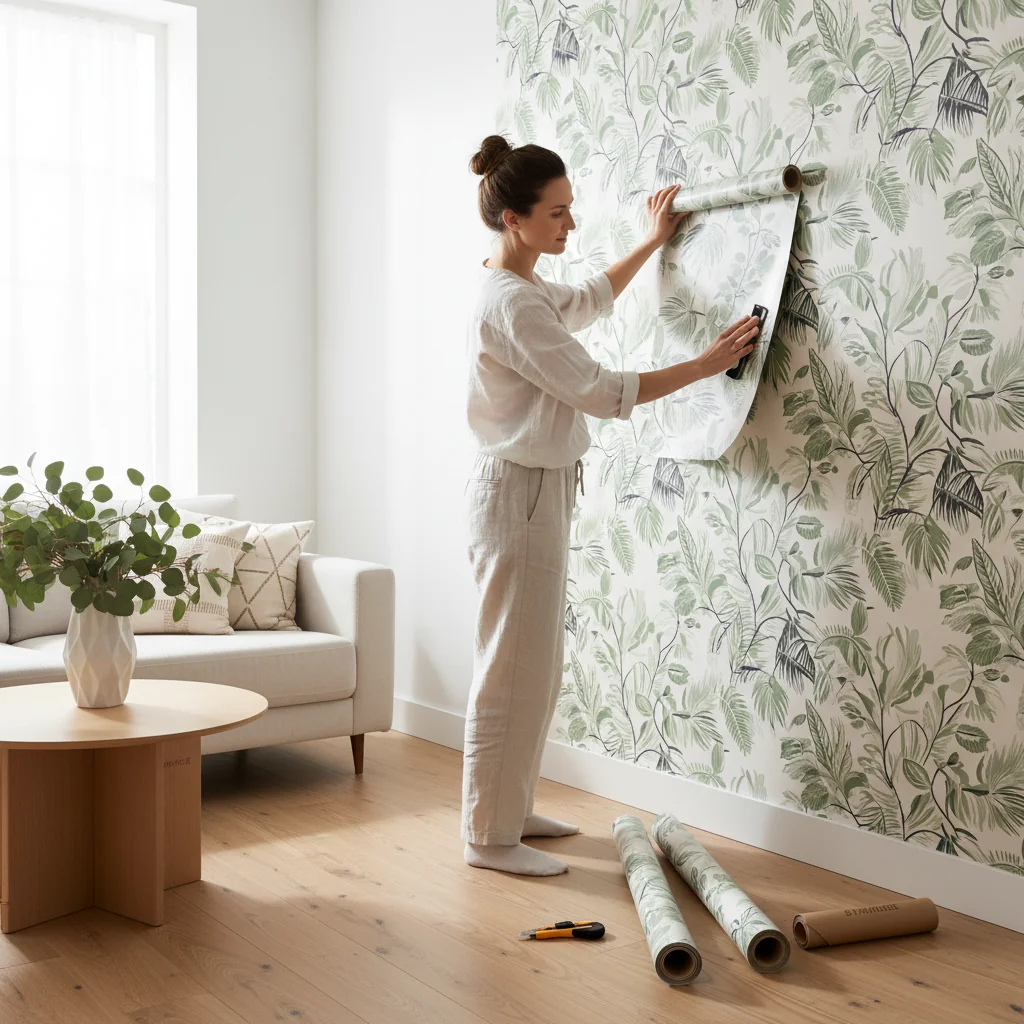
Peel-and-stick wallpaper, also known as removable or self-adhesive wallpaper, is a convenient, temporary wall covering featuring an adhesive backing that becomes exposed when a protective liner is peeled away. This type is highly favored for its ease of installation and removal, requiring no additional paste or professional tools, making it an excellent choice for DIY enthusiasts, renters, or those seeking a low-commitment design update.
Its primary advantage lies in its non-damaging removal, leaving walls intact and residue-free. Most peel-and-stick options are made from vinyl or a vinyl-coated material, offering a degree of washability and durability suitable for various rooms, though extreme moisture areas like bathrooms with showers may require specific formulations. Starhouse curates a selection of light green peel-and-stick designs that combine aesthetic appeal with practical versatility, allowing for effortless transformations.
Traditional Wallpaper (Non-Pasted and Pre-Pasted)
Traditional wallpaper encompasses both non-pasted and pre-pasted varieties, representing the classic approach to wall covering installation, known for its permanence and wide range of sophisticated textures and patterns. These types require a more involved installation process but offer exceptional durability and a luxurious finish that often surpasses temporary alternatives.
- Non-Pasted Wallpaper: This variety requires the application of a separate adhesive (wallpaper paste) to the back of the paper or directly to the wall before hanging. Non-pasted wallpaper often includes high-quality paper, non-woven materials, or fabric-backed options, allowing for meticulous pattern matching and a truly custom finish. Its robust nature makes it suitable for long-term installations in any room, provided proper surface preparation and adhesive application.
- Pre-Pasted Wallpaper: Featuring a dry adhesive already applied to its backing, pre-pasted wallpaper is activated by simply submerging it in water before hanging. This method streamlines the installation process compared to non-pasted options, reducing mess and the need for separate paste. While generally durable, the pre-pasted adhesive can sometimes be less robust than externally applied paste, making it suitable for moderate-traffic areas or bedrooms.
Solid Vinyl Wallpaper
Solid vinyl wallpaper is a highly durable and washable wall covering constructed entirely of vinyl, making it exceptionally resistant to moisture, stains, and abrasion. This type is an ideal selection for high-traffic areas such as hallways, kitchens, and children’s rooms, as well as moisture-prone environments like bathrooms (excluding direct shower enclosures), due to its impermeable surface.
Its robust construction ensures longevity and ease of maintenance, allowing for frequent cleaning with mild detergents. Solid vinyl wallpapers are also effective at concealing minor wall imperfections due to their thickness. Starhouse offers a range of light green solid vinyl options, combining practical resilience with sophisticated design, ensuring both beauty and enduring performance.
Fabric-Backed Vinyl Wallpaper
Fabric-backed vinyl wallpaper combines a durable vinyl surface layer with a woven fabric backing, providing superior strength, dimensional stability, and tear resistance. This construction makes it a premium choice for commercial applications and residential spaces requiring maximum durability and longevity, such as busy living areas, dining rooms, and high-traffic corridors.
The fabric backing contributes to easier installation by preventing stretching or shrinking, and it also facilitates easier removal in large sheets when redecorating. Fabric-backed vinyl offers excellent insulation properties and sound dampening. Its heavy-duty nature ensures it can withstand significant wear and tear while maintaining its aesthetic appeal, making it a wise investment for lasting elegance.
Specialty Wallpapers: Grasscloth and Paper-Backed Fabric
Specialty wallpapers, such as grasscloth and paper-backed fabric, elevate interior design with their unique textures, natural materials, and artisanal qualities. These options are prized for their ability to introduce organic warmth, sophisticated depth, and a bespoke aesthetic to any room.
- Grasscloth Wallpaper: Grasscloth is a natural wall covering made from woven plant fibers like sisal, jute, or bamboo, adhered to a paper backing. It is celebrated for its distinctive texture, subtle variations in color, and inherent eco-friendly appeal, creating a warm, organic, and luxurious ambiance. Grasscloth is typically non-washable and delicate, making it best suited for low-traffic areas like bedrooms, studies, or formal living rooms where its natural beauty can be preserved. Each roll is unique, offering a truly custom look.
- Paper-Backed Fabric Wallpaper: This type features a decorative fabric layer (e.g., silk, linen, cotton) laminated onto a paper backing, offering the luxurious look and feel of textiles with the ease of wallpaper installation. Paper-backed fabric wallpapers introduce softness, texture, and a sense of opulence to a space. Like grasscloth, they are generally less durable and harder to clean than vinyl options, making them ideal for areas where their delicate beauty can be appreciated without heavy wear.
| Type | Key Features | Durability | Washability | Ideal Use | Approx. Price Range (per single roll, USD) |
|---|---|---|---|---|---|
| Peel-and-Stick | Self-adhesive, removable, temporary, easy DIY | Moderate | Wipeable | Rentals, accent walls, low-commitment updates | $30 – $80 |
| Non-Pasted (Traditional) | Requires paste, wide material variety (paper, non-woven), permanent | Good to Excellent | Varies by material (wipeable to scrubbable) | Living rooms, dining rooms, bedrooms, long-term installations | $40 – $150+ |
| Pre-Pasted (Traditional) | Water-activated adhesive, permanent, easier DIY than non-pasted | Good | Wipeable to washable | Bedrooms, studies, moderate-traffic areas | $35 – $100 |
| Solid Vinyl | 100% vinyl, thick, highly resistant to moisture & abrasion | Excellent | Scrubbable | Kitchens, bathrooms, hallways, high-traffic areas | $50 – $120 |
| Fabric-Backed Vinyl | Vinyl surface with fabric backing, superior strength, tear-resistant | Exceptional | Scrubbable | Commercial, high-traffic residential, areas needing durability | $70 – $200+ |
| Grasscloth | Natural fibers, unique texture, eco-friendly, delicate | Delicate | Non-washable (dust only) | Bedrooms, formal living rooms, studies, accent walls | $80 – $300+ |
| Paper-Backed Fabric | Fabric laminated to paper, luxurious feel, soft texture | Moderate | Delicate (spot clean only) | Bedrooms, formal dining rooms, areas needing elegant texture | $70 – $250+ |
Exploring Styles and Patterns in Light Green Wallpaper
Light green wallpaper is available in an extensive array of styles and patterns, offering limitless possibilities to define a room’s character, from serene and subtle to bold and dramatic. The chosen pattern significantly influences the spatial perception and overall aesthetic, making it a powerful design tool to convey specific moods and themes.
Whether you seek minimalist sophistication, vibrant botanical charm, or classic elegance, there is a light green pattern designed to harmonize with your vision. Starhouse curates designs that cater to every stylistic inclination, ensuring that your light green wallpaper not only complements your furnishings but also becomes a focal point of your décor.
Solid and Textured Light Green Wallpaper
Solid light green wallpaper provides a foundational layer of color, offering a minimalist yet impactful design statement, while textured options add tactile depth and visual interest without overwhelming the space. These choices are ideal for creating a serene backdrop that allows furniture and art to stand out, or for infusing a subtle, sophisticated character into a room.
- Solid: A solid light green wallpaper creates a clean, calming canvas. Shades like celadon or sage evoke tranquility, perfect for bedrooms or meditation spaces. Solid colors are versatile, pairing effortlessly with diverse furniture styles and accent colors, and are excellent for small rooms, as they can make a space feel more expansive and uncluttered.
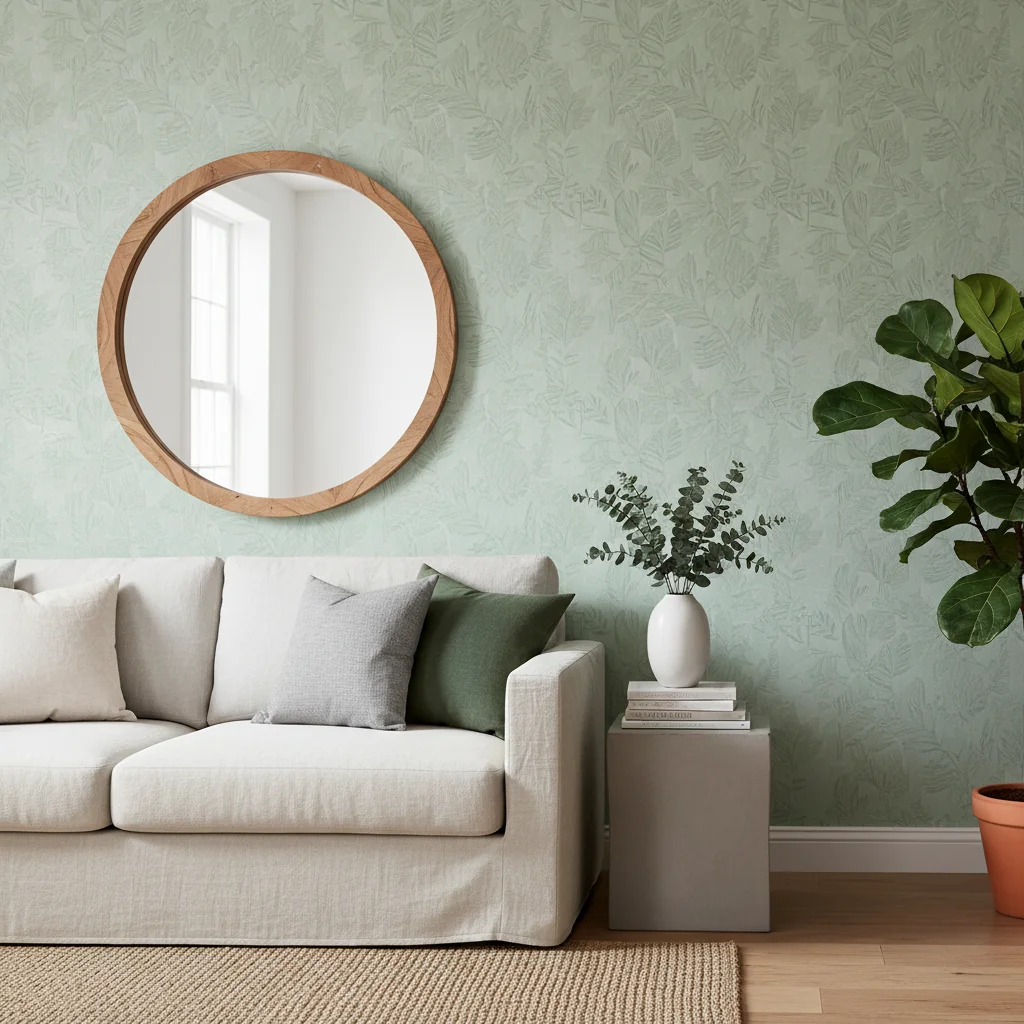
- Textured: Textured light green wallpapers introduce a sensory dimension through embossed patterns, faux finishes (e.g., linen, grasscloth, plaster), or subtle woven effects. These textures catch the light, adding depth and warmth, and can effectively mask minor wall imperfections. A lightly textured light green can transform a plain wall into a sophisticated feature, providing interest without the visual busyness of a bold pattern.
Botanical and Floral Designs
Botanical and floral light green wallpapers bring the rejuvenating essence of nature indoors, creating spaces that feel vibrant, fresh, and deeply connected to the natural world. These patterns range from delicate, ethereal motifs to bold, expansive prints, each offering a distinct interpretation of organic beauty.
- Delicate Florals: Soft, intricate floral patterns in light green, often featuring small-scale blossoms or trailing vines, evoke a sense of traditional charm and subtle romance. These designs are perfect for bedrooms, nurseries, or powder rooms, contributing a gentle, inviting atmosphere. They often incorporate complementary pastels or muted tones, enhancing their serene appeal.
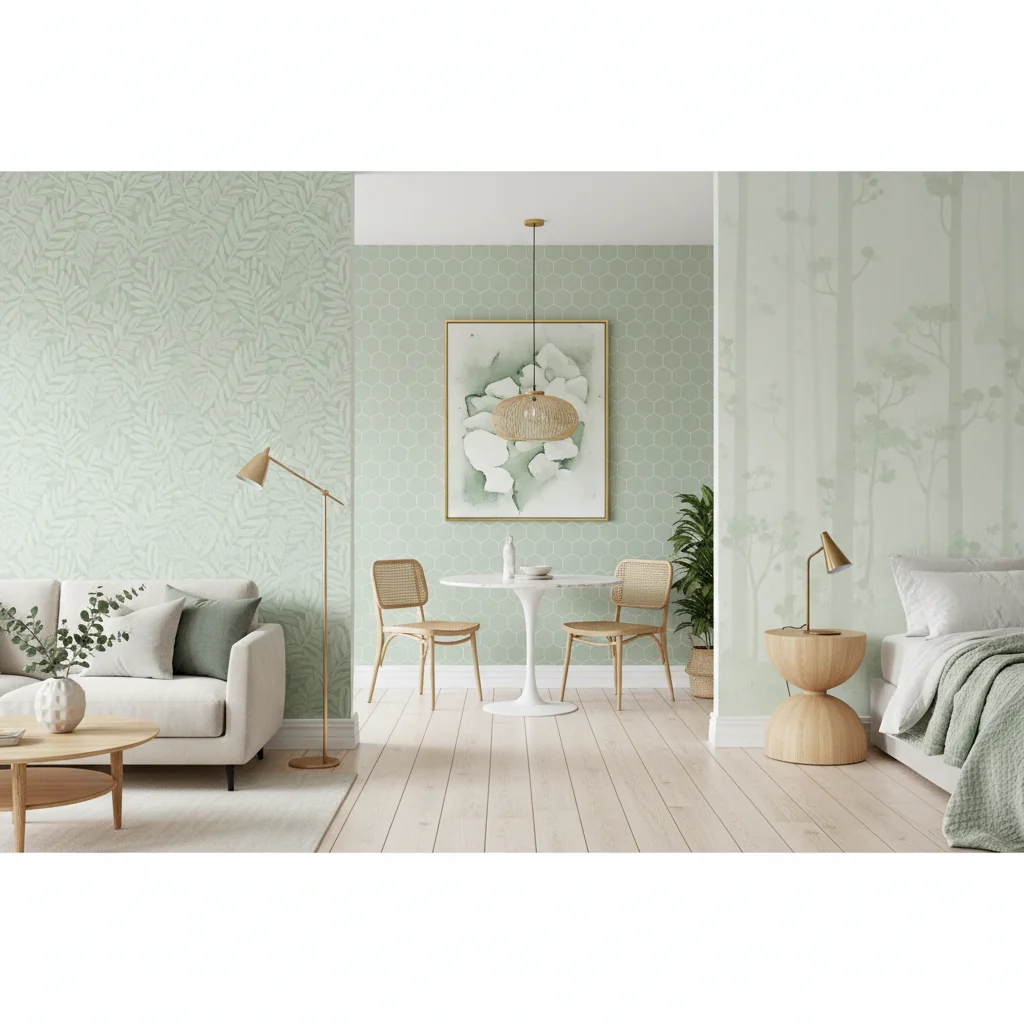
- Large-Scale Botanicals: Bold, oversized botanical prints, including lush leaves, exotic plants, or dramatic floral arrangements, make a striking statement. These designs are particularly effective in light green, enhancing its natural connection and creating a focal point in living rooms, dining rooms, or accent walls. They can transform a room into a verdant oasis, embodying biophilic design principles.
Geometric and Abstract Patterns
Geometric and abstract light green wallpapers introduce contemporary flair and dynamic energy, offering a modern aesthetic that can range from structured and precise to fluid and artistic. These patterns are excellent for defining architectural lines, creating visual rhythm, or injecting a sense of avant-garde sophistication into a space.
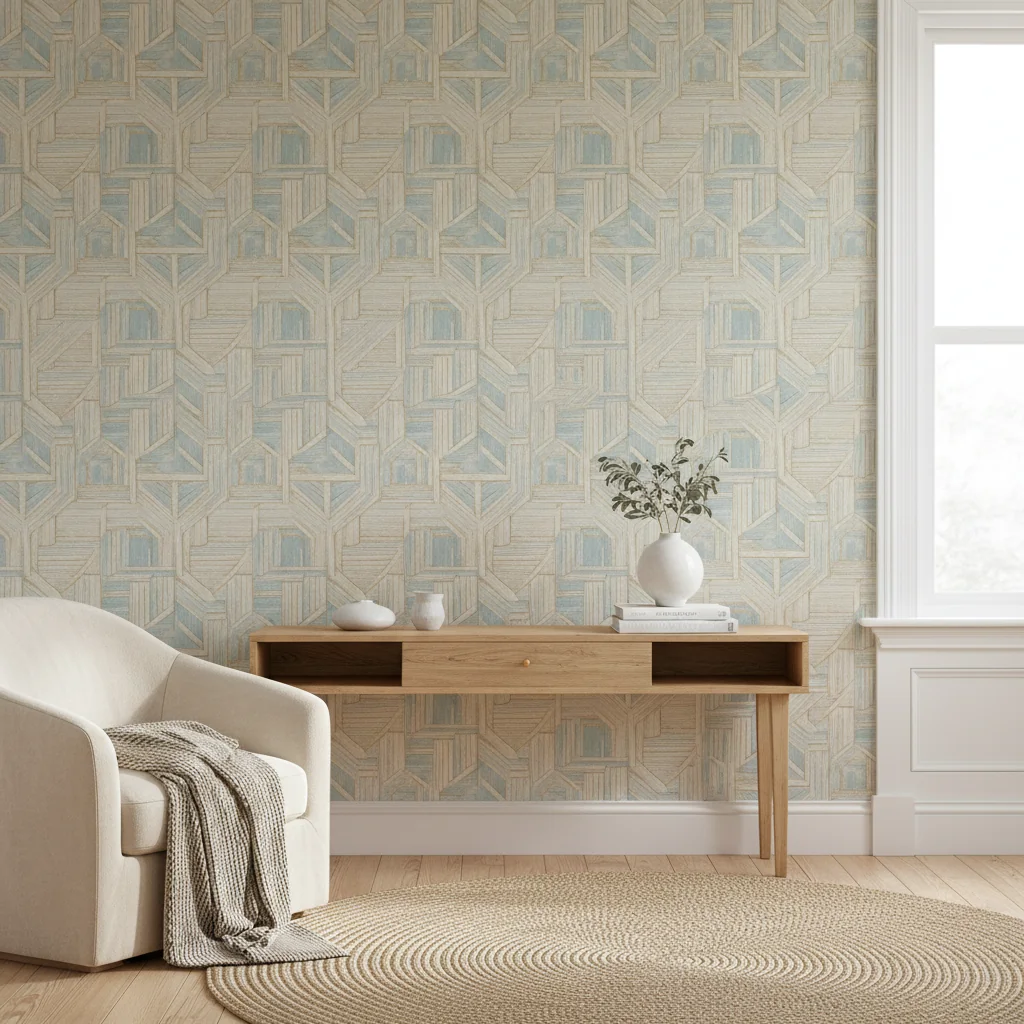
- Geometric: Featuring repeating shapes, lines, and angles, geometric patterns in light green can create a sense of order, movement, or playful modernity. Hexagons, chevrons, stripes, or art deco-inspired motifs in shades of light green offer a crisp, clean aesthetic. They are particularly well-suited for contemporary living rooms, home offices, or hallways, providing a structured yet fresh backdrop.
- Abstract: Abstract light green wallpapers showcase non-representational forms, brushstrokes, or organic shapes, offering an artistic and unique design statement. These patterns can evoke a sense of fluidity, creativity, or serene mystery. An abstract light green design can be a conversation starter, acting as a piece of art on your walls, perfect for creative spaces or accent walls in modern homes.
Striped and Damask Patterns
Striped and damask patterns in light green wallpaper offer timeless elegance and classic appeal, providing distinct visual effects that can manipulate perceived room dimensions or convey historical grandeur. These enduring designs are celebrated for their ability to add structure, sophistication, and a sense of heritage to any interior.
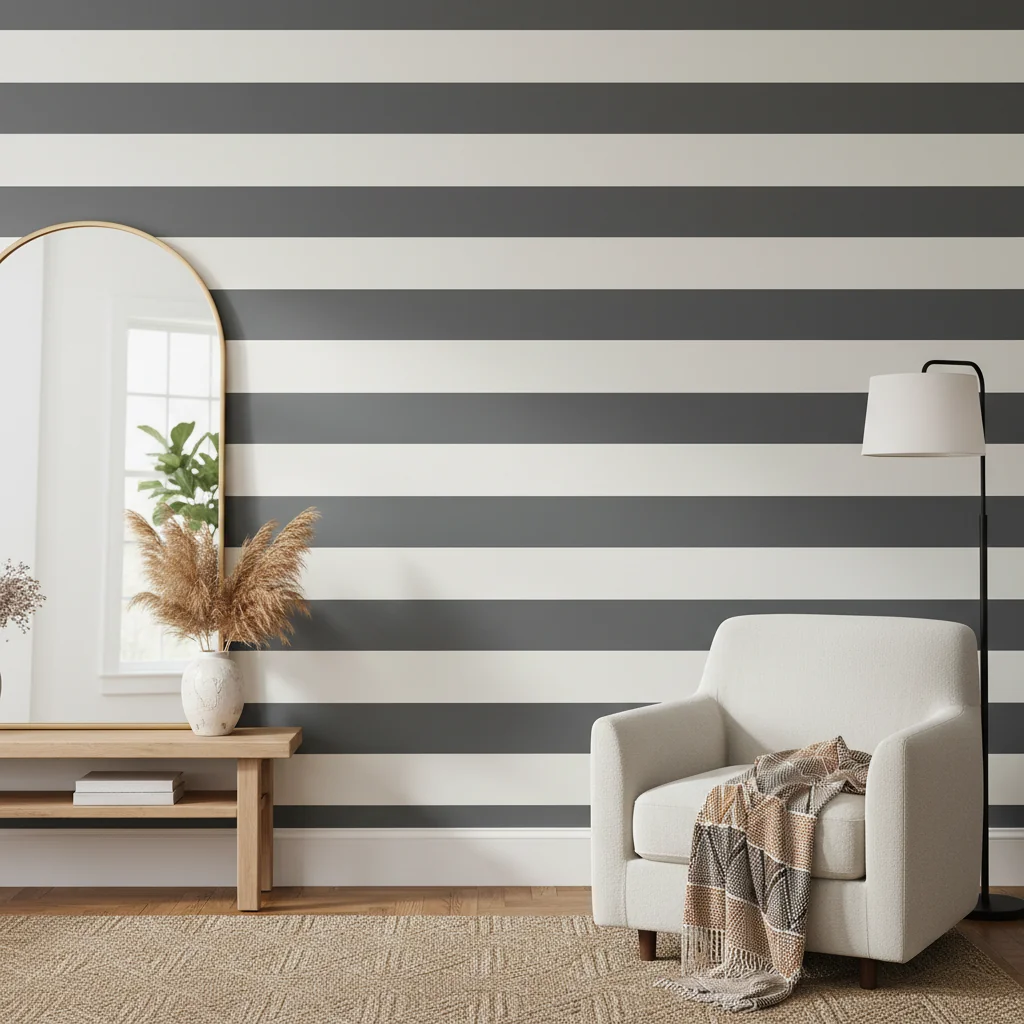
- Striped: Light green striped wallpapers can dramatically alter the perception of a room. Vertical stripes draw the eye upwards, making ceilings appear higher, while horizontal stripes can make a room feel wider and more expansive. Varying widths and textures of stripes in light green can range from subtle and understated to bold and graphic, suitable for hallways, studies, or contemporary living spaces seeking a clean, structured look.
- Damask: Damask patterns, characterized by their ornate, often symmetrical, and typically monochromatic designs, exude classical luxury and formal elegance. In light green, damask wallpaper provides a refined backdrop that is both calming and sophisticated, ideal for formal dining rooms, master bedrooms, or grand entryways. The intricate detailing adds depth and a sense of timeless opulence.
Chinoiserie and Scenic Murals
Chinoiserie and scenic murals in light green wallpaper offer immersive and narrative wall coverings that transport inhabitants to serene landscapes or exotic gardens, creating a sense of wonder and expansive beauty. These artistic statements transform walls into captivating narratives, making them focal points of unparalleled elegance.
- Chinoiserie: Chinoiserie patterns, inspired by traditional Chinese art and aesthetics, feature intricate designs of birds, pagodas, blossoming trees, and idyllic landscapes. In light green, these wallpapers evoke a delicate, sophisticated, and often whimsical charm. They are exceptionally suited for formal dining rooms, master bedrooms, or elegant powder rooms, creating a luxurious and exotic ambiance.
- Scenic Murals: Light green scenic murals depict expansive landscapes, pastoral scenes, or panoramic natural vistas, effectively dissolving the boundaries of a room and creating a sense of depth and openness. These large-format wall coverings are designed to cover an entire wall or a significant section, acting as a breathtaking piece of art. They are perfect for creating a tranquil retreat in a bedroom, a dramatic statement in a living room, or an inspiring backdrop in a home office.
Materials and Composition: The Foundation of Your Wall Covering
The material composition of light green wallpaper is a critical factor influencing its durability, texture, washability, environmental impact, and overall aesthetic performance. Understanding these foundational elements ensures you select a wallpaper that not only looks beautiful but also performs optimally for its intended application and longevity.
From traditional paper to advanced vinyl and natural grasscloth, each material offers distinct properties that affect installation, maintenance, and suitability for various environments within your home. Starhouse prioritizes curating light green wallpapers crafted from high-quality materials, ensuring both exquisite design and enduring functionality.
Paper-Based Wallpaper
Paper-based wallpaper, the traditional foundation for many designs, consists of a printed paper layer that is often coated for enhanced durability and washability. This classic material is celebrated for its breathability, fine print quality, and ability to reproduce intricate patterns and vibrant colors with exceptional clarity.
While generally more delicate than vinyl options, modern paper wallpapers often feature protective coatings that make them wipeable or even washable, extending their utility beyond low-traffic areas. Paper-based light green wallpapers are an excellent choice for bedrooms, formal living rooms, or studies where their refined aesthetic can be fully appreciated. They are typically non-pasted or pre-pasted, requiring careful handling during installation to prevent tearing.
Non-Woven Wallpaper
Non-woven wallpaper is a technologically advanced wall covering made from a blend of natural and synthetic fibers, offering superior durability, breathability, and ease of installation and removal compared to traditional paper. This material is a preferred choice for its robust nature and user-friendly characteristics, making it suitable for a wide range of residential and commercial applications.
Non-woven wallpaper is defined by its tear resistance and dimensional stability, meaning it does not expand when wet or shrink when dry, which simplifies the hanging process. It is also often breathable, helping to prevent mold and mildew growth, and is typically strippable, allowing for clean removal without damaging the underlying wall surface. Light green non-woven wallpapers are an excellent option for any room, including kitchens and bathrooms, offering a balance of aesthetic versatility and practical resilience.
Vinyl Wallpaper (Solid Vinyl and Fabric-Backed Vinyl)
Vinyl wallpaper, available in solid vinyl and fabric-backed varieties, is renowned for its exceptional durability, moisture resistance, and ease of cleaning, making it a highly practical choice for demanding environments. Its robust composition ensures longevity and maintains aesthetic integrity even in high-traffic or moisture-prone areas.
- Solid Vinyl: As detailed previously, solid vinyl is a 100% vinyl product that is highly resistant to water, stains, and abrasion. It is scrubbable, meaning it can withstand vigorous cleaning, and effectively conceals minor wall imperfections due to its thickness. Light green solid vinyl is ideal for kitchens, bathrooms, laundry rooms, and children’s playrooms.
- Fabric-Backed Vinyl: Also discussed earlier, fabric-backed vinyl combines a vinyl surface with a woven fabric backing, providing enhanced strength, tear resistance, and dimensional stability. This heavy-duty option is excellent for commercial settings and high-traffic residential areas like hallways and living rooms. Both types of vinyl light green wallpapers offer extensive design versatility while providing superior protective qualities for your walls.
Grasscloth and Natural Fiber Wallpaper
Grasscloth and other natural fiber wallpapers are distinguished by their organic textures, subtle variations, and inherent eco-friendly appeal, bringing an unparalleled sense of warmth and bespoke luxury to interior spaces. These materials are crafted from renewable resources, offering a unique aesthetic that celebrates natural imperfections and artisanal craftsmanship.
Made from woven plant fibers such as sisal, jute, hemp, or bamboo, adhered to a paper backing, these wallpapers introduce a tactile dimension and a sophisticated, earthy palette. Light green grasscloth, for example, can create a serene and grounded atmosphere, perfect for bedrooms, studies, or formal living rooms. It is important to note that natural fiber wallpapers are generally delicate, non-washable, and susceptible to moisture damage, making them best suited for areas with minimal traffic and humidity. The unique, hand-crafted nature means slight color variations and visible seams are characteristic, adding to their authentic charm.
Volatile Organic Compounds (VOCs) and Indoor Air Quality
The presence of Volatile Organic Compounds (VOCs) in wallpaper adhesives and inks can significantly impact indoor air quality, releasing gases that may contribute to respiratory issues or other health concerns. Selecting low-VOC or VOC-free light green wallpapers and adhesives is crucial for creating a healthier home environment.
Volatile Organic Compounds (VOCs) are organic chemicals that have a high vapor pressure at ordinary room temperature, causing them to evaporate and enter the surrounding air. Many paints, coatings, and adhesives, including some wallpaper products, contain VOCs. While the U.S. Environmental Protection Agency (EPA) does not directly regulate VOCs in household products, it provides extensive information and recommendations for reducing indoor air pollution from such sources. The EPA emphasizes that high concentrations of VOCs can cause short-term and long-term health effects, including headaches, nausea, and damage to the liver, kidney, and central nervous system in certain cases, particularly for sensitive individuals. Therefore, choosing products labeled “low-VOC” or “zero-VOC” is a proactive measure for health-conscious consumers. The EPA offers guidance on indoor air quality, recommending proper ventilation during and after product use to minimize exposure. Starhouse is committed to offering a curated selection of light green wallpapers that prioritize both aesthetic excellence and environmental responsibility, including options with reduced VOC content.
Choosing the Right Shade: The Nuance of Light Green
Selecting the precise shade of light green wallpaper is paramount, as each hue carries distinct psychological associations and interacts uniquely with natural and artificial light, profoundly influencing a room’s mood and perceived dimensions. The vast spectrum of light greens, from cool mints to warm olives, offers an unparalleled opportunity to tailor the ambiance of any space.
Understanding the subtle differences between these shades and how they respond to various lighting conditions is key to achieving your desired aesthetic and functional outcome. Starhouse guides you through this nuanced selection process, ensuring your chosen light green wallpaper perfectly harmonizes with your home’s unique character.
Exploring the Spectrum of Light Green
The spectrum of light green is rich and varied, offering a shade for every design preference and emotional intent. Each hue, while inherently green, possesses unique undertones that dictate its overall feel and how it interacts with other colors in a space.
- Mint Green: A pale, cool green with noticeable blue undertones, mint green evokes freshness, cleanliness, and a crisp, airy feel. It is revitalizing and often associated with vintage charm or modern minimalist aesthetics, making it ideal for bathrooms, kitchens, or nurseries.
- Sage Green: A muted, earthy green with gray undertones, sage green is renowned for its calming, sophisticated, and natural appeal. It promotes relaxation and balance, making it perfect for bedrooms, living rooms, and home offices where a serene atmosphere is desired.
- Celadon: A delicate, pale green with subtle gray-blue undertones, celadon is often associated with antique pottery and evokes a sense of timeless elegance and tranquility. It is refined and understated, well-suited for formal living spaces, dining rooms, or master bedrooms seeking a sophisticated calm.
- Pistachio Green: A soft, warm green with yellow undertones, pistachio green is cheerful, inviting, and subtly playful. It brings a gentle energy to a space, making it a delightful choice for kitchens, children’s rooms, or sunrooms.
- Olive Green (Light): A deeper, earthier light green with strong yellow or brown undertones, light olive green offers a sophisticated, grounded, and organic feel. It pairs beautifully with natural materials and evokes a sense of comfort and understated luxury, suitable for studies or cozy living areas.
- Jade Green (Light): A vibrant, clear light green with a hint of blue, light jade green is often associated with precious stones, conveying richness, balance, and a touch of exoticism. It can energize a space while maintaining a sense of natural harmony, suitable for accent walls or areas needing a subtle pop of color.
- Lime Green (Light): A bright, vivid light green with pronounced yellow undertones, light lime green is energetic, playful, and undeniably cheerful. It brings a bold, contemporary zest to a room and is excellent for accent walls, creative spaces, or areas where a lively atmosphere is desired.
The Impact of Lighting on Light Green Shades
Lighting conditions—both natural and artificial—profoundly influence how a light green wallpaper appears throughout the day and night, altering its perceived hue, intensity, and overall effect on a room. Understanding this interaction is crucial for making an informed selection.
- Natural Light:
- North-facing rooms: These rooms receive cooler, indirect light, which can intensify blue or gray undertones in light greens, making mint or celadon appear more serene. Warmer greens like pistachio or olive might appear more subdued.
- South-facing rooms: Bathed in bright, warm light throughout the day, south-facing rooms enhance the yellow undertones in light greens. Pistachio and light lime greens will appear more vibrant, while cooler mints might still retain a refreshing quality but with less blue emphasis.
- East-facing rooms: Receive warm, bright light in the morning, making light greens appear lively, then cooler light in the afternoon. This dynamic light can highlight the versatility of shades like sage or light jade.
- West-facing rooms: Experience warm, intense light in the afternoon and evening. This can make light greens with yellow undertones (pistachio, light lime) appear quite brilliant, while cooler greens might still maintain their calming effect.
- Artificial Light:
- Incandescent/Warm LED: These lights emit a yellowish glow, which will warm up any light green shade, enhancing yellow undertones and making colors like sage or olive feel cozier.
- Fluorescent/Cool LED: These lights tend to have a bluer or whiter cast, which can bring out the cooler undertones in mint or celadon, making them appear crisper. They might make warmer greens seem less vibrant.
- Full Spectrum/Daylight LED: Designed to mimic natural daylight, these lights offer the most accurate color rendition, allowing the true nuances of any light green shade to be perceived consistently.
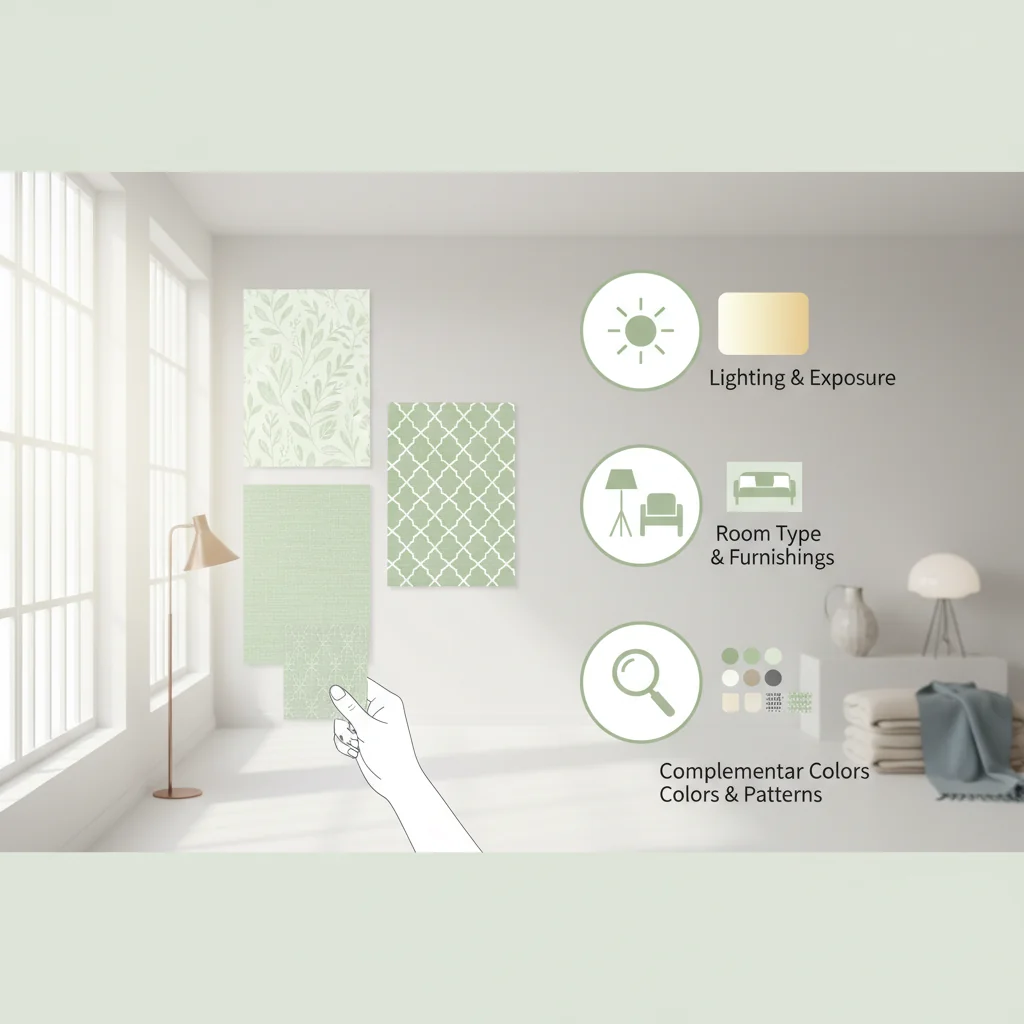
Always test wallpaper samples in your chosen room, observing them at different times of day and under various lighting conditions before making a final decision. This practical step ensures that the light green shade you select will consistently deliver the desired ambiance.
Sizing and Measuring: Precision for a Perfect Fit
Accurate sizing and meticulous measuring are fundamental steps in any wallpaper project, directly impacting the aesthetic outcome, minimizing waste, and ensuring a seamless, professional installation. Precise calculations account for wall dimensions, pattern repeat, and necessary allowances, preventing frustrating shortages or excessive surplus materials.
Ignoring these critical measurements can lead to mismatched patterns, visible seams, or insufficient wallpaper to complete a wall, compromising the entire design. Starhouse advocates for thorough preparation, providing a detailed methodology to ensure your light green wallpaper project is executed with impeccable precision.
Understanding Wallpaper Roll Dimensions
Wallpaper rolls are manufactured in standardized dimensions, typically expressed in width and length, which are crucial for calculating the quantity needed for your project. While variations exist, common roll sizes serve as a baseline for planning and purchasing.
- Standard U.S. Roll: Often referred to as a “single roll,” these are typically 20.5 inches to 27 inches wide and 16.5 feet long, covering approximately 28 to 30 square feet. However, wallpaper is frequently sold in “double rolls,” which are twice the length of a single roll (33 feet long) but the same width, covering 56 to 60 square feet. Always confirm the exact dimensions and square footage coverage specified by the manufacturer, as these can vary.
- European Roll: European rolls are commonly 20.8 inches (53 cm) wide and 33 feet (10.05 meters) long, covering approximately 56 square feet. Due to international sourcing, Starhouse offers a diverse range, and precise measurements are always detailed for each product.
It is important to note that the listed coverage per roll is a theoretical maximum and does not account for pattern repeat or waste, which must be factored into your calculations. Always purchase rolls from the same dye lot to ensure consistent color matching across your entire installation.
Step-by-Step Measuring Guide
Follow these precise steps to accurately measure your walls for light green wallpaper, accounting for all necessary factors to ensure you purchase the correct quantity.
- Measure Wall Height: Measure the height of each wall from the baseboard to the ceiling. Take at least three measurements across the wall (left, center, right) and use the tallest measurement to ensure enough length for each strip. For sloped ceilings or unique architectural features, measure the maximum height required for each section.
- Measure Wall Width: Measure the total width of each wall you intend to wallpaper. For walls with windows or doors, measure the entire width as if they weren’t there; you will cut around these obstructions, but the wallpaper needed to cover the area above and below them must be factored into your strip count.
- Calculate Total Square Footage: Multiply the maximum height of each wall by its total width to get the square footage for each wall. Sum these figures to get the total square footage of the area to be wallpapered.
- Determine Number of Strips: Divide the total width of each wall by the width of your wallpaper roll. Round up to the nearest whole number to determine how many full-width strips you will need for that wall. For example, if a wall is 120 inches wide and your wallpaper roll is 20.5 inches wide, you need 120 / 20.5 = 5.85, so 6 strips.
- Account for Pattern Repeat:
Pattern repeat is the vertical distance between one point on a pattern and the identical point on the next repetition of the same pattern. This measurement is critical for ensuring patterns align seamlessly across wallpaper strips. Find the pattern repeat measurement (usually in inches) on the wallpaper packaging.
- Add one pattern repeat length to the height of each strip. For example, if your wall height is 96 inches and the pattern repeat is 21 inches, each strip should be cut to 96 + 21 = 117 inches. This extra length allows for precise alignment and trimming.
- For every three to four strips, add an additional pattern repeat to account for potential errors or difficult matches.
- Calculate Total Roll Quantity:
- Multiply the number of strips needed for a wall by the adjusted strip height (wall height + pattern repeat). This gives you the total linear footage of wallpaper required for that wall.
- Divide the total linear footage needed by the usable length of a single roll (e.g., 16.5 feet or 198 inches for a standard U.S. single roll, or 33 feet/396 inches for a double roll). Round up to the nearest whole number to determine the number of rolls for that wall.
- Add an extra roll for every 6-8 rolls calculated, or at least one extra roll for smaller projects, to account for errors, future repairs, or tricky areas. This buffer is crucial.
- Consider Doors and Windows: Do not deduct the square footage of doors and windows from your initial calculation. While you won’t wallpaper these areas, the paper around them (above, below, and to the sides) still requires full strips, and the waste from cutting around these features often balances out any potential “saved” material.
Always purchase all rolls at once from the same dye lot to ensure color consistency. Slight variations can occur between production batches, and mixing dye lots can result in noticeable color differences on your wall. Keep the extra roll(s) for future repairs.
Feeling overwhelmed by the choices or unsure about sizing for your unique space? Starhouse is committed to helping you bring your design vision to life. Tell us what you’re looking for, and get early access to our curated collection and expert guidance tailored to your needs.
Installation Considerations: Achieving a Flawless Finish
Achieving a flawless light green wallpaper installation requires meticulous preparation, the right tools, and an understanding of specific techniques for different wallpaper types. Proper execution at each stage prevents common issues such as bubbles, misaligned patterns, or premature peeling, ensuring a professional and enduring result.
From smoothing the wall surface to accurately cutting and hanging each strip, precision is paramount. Starhouse emphasizes that a well-executed installation not only enhances the aesthetic appeal of your chosen light green wallpaper but also contributes significantly to its longevity and overall satisfaction.
Surface Preparation: The Foundation of Success
Thorough surface preparation is the most critical step in wallpaper installation, directly impacting adhesion, the final appearance, and the longevity of your light green wallpaper. A perfectly prepared wall ensures a smooth, clean, and sound surface for optimal bonding.
- Clean the Walls: Wash walls with a mild detergent solution (e.g., TSP substitute) to remove dirt, grease, and grime. Rinse thoroughly with clean water and allow to dry completely for at least 24 hours.
- Repair Imperfections: Fill any holes, cracks, or dents with spackle or joint compound. Sand these areas smooth once dry, ensuring the surface is perfectly flat. Even minor imperfections can show through wallpaper, especially thinner or lighter-colored designs.
- Remove Old Wallpaper (if applicable): If old wallpaper is present, remove it completely. New wallpaper will not adhere properly to old paper, and the old pattern or texture can show through.
- Prime the Walls: Apply a high-quality wallpaper primer (also known as a “sizing” or “wall prep”) to the entire wall surface. Primer serves several vital functions:
- It seals porous surfaces, preventing the wallpaper adhesive from soaking in too quickly and ensuring consistent bond strength.
- It creates a uniform surface for adhesion, promoting better slip and slide for easier pattern matching.
- It aids in future removal, making it easier to strip the wallpaper without damaging the drywall.
Allow the primer to dry completely according to manufacturer instructions, typically 24 hours.
Essential Tools for Wallpaper Installation
Having the correct tools readily available streamlines the installation process and helps achieve a professional-quality finish. Investing in appropriate equipment is crucial for efficient and precise wallpaper application.
- Measuring Tape: For accurate wall dimensions and cutting strips.
- Straightedge/Level: To draw plumb lines and ensure vertical alignment of the first strip.
- Pencil: For marking plumb lines and cutting guides.
- Utility Knife with Snap-Off Blades: Essential for precise, clean cuts at ceilings, baseboards, and around obstacles. Always use fresh, sharp blades.
- Smoothing Tool/Wallpaper Smoother: A plastic or felt-edged tool to press out air bubbles and ensure firm adhesion.
- Seam Roller: A small roller to flatten seams and prevent lifting. (Use with caution on delicate or heavily textured papers to avoid damage).
- Wallpaper Paste/Adhesive (for non-pasted): A high-quality, pre-mixed paste suitable for your wallpaper type.
- Paste Brush/Roller (for non-pasted): To apply adhesive evenly.
- Water Tray (for pre-pasted): For activating the adhesive.
- Sponges and Buckets: For cleaning excess paste and smoothing.
- Drop Cloths: To protect floors and furniture from paste and water.
- Stepladder: For reaching high areas safely.
Installation Techniques for Different Wallpaper Types
The installation technique varies significantly depending on whether you are using peel-and-stick, traditional non-pasted, or pre-pasted light green wallpaper. Adhering to the specific instructions for each type is critical for a successful application.
- Peel-and-Stick Wallpaper:
- Preparation: Ensure walls are clean, smooth, and primed.
- Plumb Line: Draw a vertical plumb line near your starting point (usually a corner or door frame) using a level. This ensures your first strip is perfectly straight.
- Apply Top Down: Peel back a few inches of the liner from the top of the first strip. Align the top edge with the ceiling and the side edge with your plumb line.
- Smooth and Peel: Slowly peel down the liner with one hand while using your smoothing tool with the other hand to press the wallpaper onto the wall, working from the center outwards to remove air bubbles.
- Trim: Once the strip is fully applied, use a utility knife and straightedge to trim excess at the ceiling and baseboard.
- Next Strips: Overlap subsequent strips by about 1/16 to 1/8 inch (or butt seams, as recommended by manufacturer) and align the pattern carefully. Repeat the smoothing and trimming process.
- Traditional Non-Pasted Wallpaper:
- Preparation: Walls must be clean, smooth, and primed.
- Cut Strips: Pre-cut all your light green wallpaper strips to the correct length (wall height + pattern repeat + 2-4 inches for trimming), ensuring pattern alignment.
- Draw Plumb Line: Mark a plumb line on the wall for your first strip.
- Paste Application: Apply a thin, even coat of wallpaper paste to the back of the first strip (booking method) or directly to the wall (paste-the-wall method, common for non-woven). Allow the paste to “book” (fold the pasted strip onto itself, paste-to-paste, for a few minutes) if recommended by the manufacturer to allow the paper to relax.
- Hang First Strip: Align the top and side of the pasted strip with your ceiling and plumb line. Smooth from the center outwards with a smoothing tool to remove air bubbles.
- Trim: Trim excess at the ceiling and baseboard with a utility knife.
- Seams: Butt seams tightly against the previous strip, carefully matching the pattern. Use a seam roller gently to secure the edges, wiping away any excess paste immediately with a damp sponge.
- Pre-Pasted Wallpaper:
- Preparation: Walls must be clean, smooth, and primed.
- Cut Strips: Pre-cut strips to length, allowing for pattern repeat and trimming.
- Activate Paste: Roll a cut strip, paste-side in, and submerge it in a water tray for the recommended time (usually 30-60 seconds) to activate the adhesive.
- Booking (Optional): Gently lift the strip from the water, fold it paste-to-paste (booking), and let it relax for a few minutes if the manufacturer recommends it.
- Hang and Trim: Follow the same hanging, smoothing, and trimming steps as non-pasted wallpaper.
- Seams: Butt seams, align patterns, and gently roll seams, wiping away any excess adhesive.
Always refer to the specific installation instructions provided by the manufacturer of your chosen light green wallpaper, as techniques can vary slightly. For complex installations or large-scale projects, professional installation ensures the highest quality finish.
Styling and Pairing Light Green Wallpaper: Harmonizing Your Home
Styling and pairing light green wallpaper effectively involves a thoughtful selection of complementary colors, textures, furniture styles, and accessories to create a cohesive and inviting aesthetic. Its inherent versatility allows it to serve as a calming backdrop or a vibrant focal point, depending on the chosen shade and pattern.
The goal is to enhance the unique qualities of light green, whether it’s its serene nature or its refreshing energy, by integrating it seamlessly into your overall design scheme. Starhouse provides expert guidance on harmonizing light green wallpaper with diverse interior elements, ensuring a sophisticated and personalized space.
Complementary Color Palettes
The beauty of light green wallpaper lies in its versatility, allowing it to pair harmoniously with a wide range of color palettes. The choice of complementary colors can either amplify its calming effect or introduce dynamic contrast.
- Neutrals (White, Cream, Beige, Gray): Pairing light green with classic neutrals creates a timeless, elegant, and serene environment. Crisp white trim and ceilings enhance the freshness of light green, while warm creams and beiges add a cozy, inviting feel. Light grays provide a sophisticated, modern contrast, allowing the green to subtly stand out. This palette is ideal for creating a tranquil and uncluttered space.
- Warm Tones (Terracotta, Blush Pink, Gold): Introducing warm earthy tones like terracotta, soft blush pink, or metallic gold accents creates a rich, inviting, and slightly bohemian or luxurious ambiance. These colors draw out the warmer undertones in light greens (like pistachio or olive), adding depth and a touch of vibrancy without being overwhelming. This combination is particularly effective in living rooms or dining areas.
- Cool Tones (Navy Blue, Deep Teal, Lavender): Combining light green with deeper cool tones such as navy blue, rich teal, or soft lavender evokes a sophisticated, calming, and often coastal or jewel-toned aesthetic. These pairings enhance the cool undertones of mint or celadon greens, creating a refreshing yet profound visual experience. This palette works beautifully in bedrooms, bathrooms, or studies.
- Earthy Tones (Wood Tones, Browns, Rust): Natural wood tones, from light oak to rich walnut, along with shades of brown and rust, ground light green wallpaper, creating an organic, biophilic, and highly comfortable atmosphere. This pairing emphasizes the natural origins of green, fostering a sense of calm and connection to nature, perfect for any room seeking a warm, grounded feel.
Furniture Styles and Materials
The furniture styles and materials chosen to accompany light green wallpaper significantly influence the overall design aesthetic, from modern minimalist to rustic farmhouse. Thoughtful coordination ensures a cohesive and visually pleasing interior.
- Modern/Mid-Century Modern: Light green wallpaper, especially in geometric patterns or solid textures, pairs exquisitely with sleek, clean-lined furniture in woods like teak or walnut, often featuring tapered legs and minimalist forms. Upholstery in grays, whites, or a complementary mustard yellow can create a sophisticated, retro-inspired look. Materials like glass, chrome, and polished concrete also complement this style.
- Farmhouse/Rustic: Muted light greens, such as sage or olive, are a natural fit for farmhouse and rustic interiors. Pair these wallpapers with distressed wood furniture, reclaimed pieces, and natural fiber textiles (linen, cotton). White-painted furniture or wrought iron accents further enhance the charming, cozy, and unpretentious aesthetic.
- Traditional/Transitional: Damask, chinoiserie, or subtle floral light green wallpapers harmonize beautifully with traditional furniture featuring classic silhouettes, dark wood finishes, and rich upholstery fabrics. Transitional styles, which blend traditional and contemporary elements, can use light green as a fresh backdrop for upholstered pieces in neutral tones, allowing the wallpaper’s pattern to provide depth.
- Bohemian/Eclectic: Vibrant light greens, particularly those with botanical or abstract patterns, thrive in bohemian and eclectic settings. Pair them with a mix of global-inspired furniture, rattan or wicker pieces, layered textiles, and an array of colorful accessories. This style embraces individuality and a relaxed, artistic vibe.
Accessorizing and Finishing Touches
Accessories and finishing touches are vital for completing the design narrative established by your light green wallpaper, adding personality, depth, and functionality to your space. These elements can draw out specific tones, introduce texture, or provide contrasting focal points.
- Metals: Gold, brass, and copper accents introduce warmth and luxury, particularly with light greens that have yellow undertones (e.g., pistachio, light olive). Silver, chrome, and brushed nickel offer a cooler, more contemporary contrast, enhancing the crispness of mint or celadon greens.
- Wood and Natural Elements: Incorporate natural wood furniture, woven baskets, ceramic pottery, and indoor plants to reinforce the organic connection of light green. These elements bring texture, warmth, and a sense of grounding to the room.
- Textiles: Layering textiles such as throws, pillows, and curtains in complementary colors (e.g., cream, navy, blush) or contrasting textures (e.g., velvet, linen, chunky knits) adds softness and comfort. Patterned textiles can introduce additional visual interest, but ensure they don’t compete with the wallpaper’s design.
- Art and Mirrors: Artwork with frames that complement the wallpaper’s style or mirrors that reflect light and the wallpaper’s beauty can enhance the space. Choose art that either harmonizes with the green or provides a striking visual counterpoint.
- Lighting: Thoughtful lighting fixtures can highlight the wallpaper’s texture or pattern. Natural light is always best, but warm artificial lighting can create a cozy ambiance, while cooler lights can emphasize freshness.
Maintenance and Care: Preserving the Beauty of Your Walls
Proper maintenance and diligent care are essential for preserving the aesthetic integrity and extending the lifespan of your light green wallpaper, preventing common issues like discoloration, staining, or premature wear. The specific care regimen depends largely on the wallpaper’s material composition and its washability rating.
Understanding these distinctions ensures that your cleaning methods are effective without causing damage, allowing your chosen light green design to remain vibrant and pristine for years to come. Starhouse provides clear guidelines to help you maintain your investment with confidence.
Understanding Washability Ratings
Wallpaper washability ratings are standardized classifications that indicate how resistant a wallpaper’s surface is to moisture and cleaning agents, guiding the appropriate maintenance methods. Adhering to these ratings is crucial to prevent damage to the wallpaper’s finish or pattern.
- Wipeable: This rating applies to wallpapers that can be gently wiped with a damp cloth or sponge to remove light dirt or dust. They are not designed for scrubbing or heavy cleaning and are typically paper-based or very lightly coated.
- Washable: Washable wallpapers can withstand light cleaning with a damp cloth and mild soap (non-abrasive) to remove general dirt and some stains. These often have a more durable coating than wipeable types.
- Scrubbable: Highly durable, scrubbable wallpapers can endure more rigorous cleaning with a sponge, mild detergent, and light scrubbing. This rating is common for solid vinyl and fabric-backed vinyl wallpapers, making them suitable for high-traffic areas and kitchens/bathrooms.
- Extra Scrubbable: The most durable category, designed for heavy-duty cleaning and capable of withstanding strong scrubbing without damage. This is typically found in commercial-grade vinyl wallpapers.
- Non-Washable: Delicate materials like grasscloth, flock, or uncoated paper-based wallpapers are non-washable. They should only be dusted or gently vacuumed with a brush attachment to remove surface dirt. Any liquid contact can cause permanent damage.
Always check the manufacturer’s care instructions and washability symbols on your light green wallpaper roll for specific guidance.
General Cleaning Guidelines
Regular, gentle cleaning is the best defense against accumulated dirt and grime, helping to maintain the fresh appearance of your light green wallpaper. These guidelines apply generally to most washable wallpaper types.
- Dust Regularly: Use a soft, dry cloth, a feather duster, or a vacuum cleaner with a brush attachment to gently remove dust and cobwebs weekly or bi-weekly. This prevents dirt from building up and becoming ingrained.
- Spot Clean Promptly: Address spills or marks immediately. The longer a stain sits, the harder it is to remove.
- Test in an Inconspicuous Area: Before applying any cleaning solution to a visible area, always test it on an inconspicuous spot (e.g., behind furniture or near a baseboard) to ensure it does not cause discoloration or damage.
- Use Mild Solutions: For washable and scrubbable wallpapers, dampen a soft sponge or cloth with warm water and a small amount of mild, non-abrasive dish soap or a specialized wallpaper cleaner. Avoid harsh chemicals, abrasive cleaners, or stiff brushes, which can damage the surface or pattern.
- Wipe Gently: Wipe the affected area gently, working from the bottom up to prevent drips from staining the clean area below. Rinse your sponge frequently.
- Rinse and Dry: After cleaning, wipe the area with a clean, damp cloth (water only) to remove any soap residue. Immediately follow with a dry, soft cloth to blot away moisture, preventing water spots or streaks.
Addressing Common Issues
Even with proper care, certain issues can arise with wallpaper. Knowing how to address them can prevent minor problems from escalating.
- Lifting Seams or Edges: If a seam or edge begins to lift, gently re-adhere it using a small amount of seam adhesive (available at hardware stores). Apply the adhesive with a small brush or syringe, press the seam firmly back into place, and wipe away any excess.
- Bubbles: Small air bubbles can sometimes appear after installation. For minor bubbles, use a clean utility knife to make a tiny incision in the center of the bubble, then gently press out the air with a smoothing tool or a clean cloth. For larger bubbles, a wallpaper repair syringe can be used to inject adhesive before smoothing.
- Stains: For persistent stains on washable wallpaper, a paste of baking soda and water can sometimes lift marks. Apply, let sit for a few minutes, then gently wipe away. For grease stains, a cornstarch paste can absorb oil before gentle wiping. Always test first. For non-washable wallpapers, professional cleaning may be the only option for significant stains, or touch-ups if the pattern allows.
- Discoloration/Fading: Prolonged exposure to direct sunlight can cause wallpaper to fade over time, especially with lighter colors like light green. Use UV-blocking window treatments (curtains, blinds) in sun-drenched rooms to mitigate this.
For any significant damage or issues beyond minor repairs, consulting a professional wallpaper installer or restoration specialist is recommended to avoid further damage.
Current Trends in Light Green Wallpaper: Embracing Modern Aesthetics
Current trends in light green wallpaper reflect a strong inclination towards biophilic design, textured finishes, and artistic expressions, aligning with a broader desire for serene, nature-inspired, and personalized interiors. Contemporary aesthetics favor designs that promote well-being and offer a tactile experience, moving beyond purely visual appeal.
These trends emphasize integrating the calming and refreshing qualities of light green into modern living, creating spaces that feel both stylish and deeply comforting. Starhouse keeps its collection at the forefront of design, offering light green wallpapers that embody these current and enduring stylistic preferences.
Biophilic Designs and Natural Motifs
Biophilic designs and natural motifs are at the forefront of light green wallpaper trends, emphasizing a profound connection to nature and promoting a sense of tranquility and well-being within the home. This trend reflects a growing desire to bring the outdoors in, fostering environments that are both aesthetically pleasing and psychologically restorative.
- Lush Botanicals: Large-scale prints featuring verdant leaves, exotic flora, and dense foliage in varying shades of light green are highly popular. These designs create an immersive, jungle-like or garden-inspired atmosphere, making a bold yet soothing statement. Think of patterns reminiscent of banana leaves, monstera plants, or intricate fern fronds.
- Subtle Organic Textures: Beyond explicit patterns, wallpapers that mimic natural textures like grasscloth, linen, or subtle woven effects in light green are trending. These provide tactile interest and a raw, earthy feel without being overtly patterned, contributing to a calm, sophisticated backdrop.
- Abstracted Nature: Designs that abstract natural forms, such as soft watercolor washes of green and blue, or subtle, flowing patterns that evoke water or wind, offer a more artistic interpretation of biophilia. These create a serene, dreamlike quality.
Textured Finishes and Tactile Experiences
The trend towards textured finishes in light green wallpaper prioritizes the tactile experience, adding depth, dimension, and a sophisticated sensory appeal to walls. These finishes move beyond flat visuals, inviting touch and creating a more immersive and luxurious environment.
- Faux Finishes: Wallpapers mimicking the appearance and feel of natural materials like linen, silk, plaster, concrete, or even subtle brushed metallics in light green are highly sought after. These offer the look of high-end finishes with the ease of wallpaper installation.
- Embossed Patterns: Embossed light green wallpapers feature raised designs that create shadows and highlights, adding sculptural quality to the walls. These can range from subtle geometric patterns to intricate damasks, providing visual interest that changes with the light.
- Grasscloth and Woven Textures: As a perennial favorite, genuine grasscloth in light green hues continues to be a strong trend, celebrated for its authentic texture, natural variations, and inherent warmth. Other woven textures, whether natural or synthetic, also contribute to this tactile trend.
Large-Scale Patterns and Accent Walls
Large-scale patterns and the strategic use of light green wallpaper on accent walls are dominant trends, allowing homeowners to make bold design statements without overwhelming an entire room. This approach maximizes visual impact and creates focal points that define the space.
- Oversized Florals and Botanicals: The use of single, dramatically scaled floral or botanical motifs, or expansive repeating patterns that command attention, is a popular choice for light green wallpaper. These designs transform a wall into a work of art, often becoming the room’s central feature.
- Geometric and Abstract Murals: Large-scale geometric patterns or abstract art-inspired murals in light green offer a modern, architectural, or artistic statement. These can create a sense of movement, depth, or a gallery-like feel.
- Strategic Accent Walls: Rather than wallpapering all four walls, designers frequently utilize light green wallpaper on a single accent wall, typically the wall behind a bed, sofa, or dining table. This creates a powerful visual anchor, injects personality, and allows for the introduction of a more intricate or vibrant pattern without dominating the entire space. It is a cost-effective way to implement high-impact design.
These trends highlight light green wallpaper’s capacity to be both a serene background and a dynamic statement piece, adapting to diverse design philosophies while consistently bringing a sense of freshness and calm.
Common Mistakes to Avoid When Choosing and Installing Light Green Wallpaper
Avoiding common pitfalls in the selection and installation of light green wallpaper is crucial for a successful and satisfying outcome, preventing costly rework and aesthetic disappointments. Many issues stem from inadequate planning or overlooking critical details, which can compromise both the visual appeal and longevity of your wall covering.
By understanding and proactively addressing these frequent errors, you ensure a smoother process and a result that truly reflects your design vision. Starhouse provides this essential guidance to help you navigate your wallpaper project with confidence and precision.
Inadequate Wall Preparation
Failing to properly prepare the wall surface before installation is one of the most common and detrimental mistakes, leading to a host of problems that compromise the wallpaper’s adhesion and appearance. A smooth, clean, and primed surface is non-negotiable for a professional finish.
- Not Cleaning Walls: Dirt, dust, grease, or grime on the walls prevent the adhesive from bonding properly, leading to bubbles, lifting seams, or wallpaper peeling off prematurely. Always wash walls thoroughly and allow them to dry completely.
- Skipping Repairs: Any holes, cracks, or texture on the wall will show through the wallpaper, especially with lighter colors and thinner materials like light green. These imperfections become magnified once the wallpaper is applied, creating an unprofessional and unsightly finish. Fill, sand, and smooth all imperfections.
- Forgoing Primer: Omitting a high-quality wallpaper primer (sizing) is a critical error. Primer seals porous surfaces, ensures consistent adhesion, allows for easier repositioning during installation, and facilitates cleaner removal in the future. Without it, wallpaper may not stick properly, or it might damage the drywall upon removal.
Incorrect Measurements and Pattern Repeat Calculation
Inaccurate measurements and neglecting to correctly account for pattern repeat are frequent errors that result in insufficient material, mismatched patterns, and visible seams, ultimately detracting from the wallpaper’s aesthetic appeal.
- Underestimating Quantity: Many underestimate the amount of wallpaper needed by simply calculating square footage without accounting for pattern repeat or waste. This leads to running out of wallpaper mid-project, potentially forcing a purchase from a different dye lot with noticeable color variations. Always over-order by at least one full roll.
- Ignoring Pattern Repeat: Failing to add the pattern repeat measurement to each strip’s length during cutting results in mismatched patterns across seams. Pattern repeat is the vertical distance between one point on a pattern and the identical point on the next repetition of the same pattern. This is particularly critical for large-scale or intricate light green patterns.
- Improper Trimming: Cutting strips too short or not leaving enough overhang for trimming at the ceiling and baseboard can lead to gaps or uneven edges. Always cut strips longer than needed and trim precisely after adhesion.
Choosing the Wrong Type for the Space
Selecting a light green wallpaper type that is unsuitable for the specific environmental conditions or traffic level of a room is a common mistake that leads to premature wear, damage, or difficult maintenance.
- Delicate Wallpaper in High-Traffic Areas: Using non-washable paper-based or delicate grasscloth wallpaper in high-traffic areas like hallways, kitchens, or children’s rooms will result in quick damage, staining, and difficulty cleaning. For these areas, durable, scrubbable vinyl options are essential.
- Non-Breathable Wallpaper in Humid Environments: Applying vinyl wallpaper in a bathroom with poor ventilation can trap moisture behind the paper, leading to mold or mildew growth. While vinyl is water-resistant, proper ventilation is critical, or a breathable non-woven option might be more appropriate for very humid spaces.
- Overwhelming Patterns in Small Rooms: Choosing a large, busy light green pattern for a small room can make the space feel cramped and visually overwhelming. In smaller areas, subtle textures, small-scale patterns, or solid light greens are often more effective at creating an expansive feel.
Poor Installation Execution
Even with perfect preparation and correct material, shoddy installation technique can ruin the entire project, leading to frustrating and unsightly flaws.
- Skipping the Plumb Line: Starting without a vertical plumb line is a recipe for disaster. If the first strip is not perfectly straight, all subsequent strips will be off-kilter, resulting in noticeable crookedness across the wall.
- Bubbles and Wrinkles: Not properly smoothing out air bubbles and wrinkles during application leaves unsightly imperfections. Always work systematically from the center of the strip outwards, using a dedicated smoothing tool.
- Visible Seams: Poorly butted seams, or seams that lift due to insufficient adhesive or improper rolling, are a tell-tale sign of amateur installation. Ensure seams are tight and properly secured with a seam roller (where appropriate for the material).
- Excessive Adhesive/Residue: Failing to immediately wipe away excess adhesive from seams or the wallpaper surface can leave shiny, sticky residue that attracts dirt and becomes difficult to remove once dry, especially on light green wallpaper where it can be more visible.
Sources
Frequently Asked Questions About Light Green Wallpaper
Is light green wallpaper still in style?
Yes, light green wallpaper is very much in style, particularly with the enduring popularity of biophilic design and a desire for calming, nature-inspired interiors. Shades like sage, mint, and celadon are trending, often appearing in botanical prints, textured finishes, and large-scale patterns.
What colors pair best with light green wallpaper?
Light green wallpaper pairs exceptionally well with neutrals like white, cream, beige, and light gray for a serene look. It also complements warm tones such as blush pink, terracotta, and gold, as well as cool tones like navy blue, deep teal, and lavender, depending on the desired ambiance.
Can I use light green wallpaper in a bathroom?
Yes, you can use light green wallpaper in a bathroom, but it is crucial to select a highly durable and moisture-resistant type, such as solid vinyl or fabric-backed vinyl, which are typically scrubbable. Ensure the bathroom has adequate ventilation to prevent excessive moisture buildup, which can lead to mold or mildew.
How do I clean light green wallpaper?
The cleaning method for light green wallpaper depends on its washability rating. For wipeable types, use a soft, damp cloth. For washable and scrubbable types (e.g., vinyl), use a soft sponge with warm water and a mild, non-abrasive soap, then rinse with a clean damp cloth and dry immediately. Non-washable types like grasscloth should only be dusted.
What is the difference between peel-and-stick and traditional light green wallpaper?
Peel-and-stick light green wallpaper has a self-adhesive backing, making it easy to install and remove without paste, ideal for temporary use. Traditional wallpaper (non-pasted or pre-pasted) requires separate paste or water activation, offering a more permanent and durable application with a wider range of materials and textures.
How much light green wallpaper do I need to buy?
To calculate wallpaper quantity, measure the height and width of each wall, then divide the total wall width by the wallpaper roll’s width to get the number of strips. Add the pattern repeat length to each strip’s height for precise cutting. Always purchase at least one extra roll to account for waste, pattern matching, and future repairs, ensuring all rolls are from the same dye lot.
Can light green wallpaper make a room feel larger?
Yes, light green wallpaper can make a room feel larger, especially lighter shades like mint or celadon, and those with subtle patterns or solid textures. Light colors reflect more light, contributing to a sense of openness and airiness. Vertical stripes can also draw the eye upwards, making ceilings appear higher.
Conclusion: Your Vision, Our Expertise
Light green wallpaper stands as a testament to versatile and impactful interior design, offering an unparalleled ability to transform any space into a haven of tranquility, freshness, or sophisticated energy. From the softest sage to the most invigorating lime, its spectrum provides a nuanced palette for every design aspiration, effortlessly bridging traditional elegance with modern minimalism. We have meticulously explored the diverse types, intricate styles, essential materials, and precise installation techniques, alongside expert guidance on styling and care, ensuring you are equipped with comprehensive knowledge to make an informed decision.
At Starhouse, we understand that your home is a reflection of your unique style and personal sanctuary. Our commitment is to curate a collection that not only meets but exceeds the exacting standards of discerning homeowners and designers, offering products that combine aesthetic excellence with enduring quality. As you embark on the journey to revitalize your walls with the serene beauty of light green, remember that precision in selection and installation is paramount for a truly flawless finish.
We are dedicated to helping you realize your design dreams, providing the foundational knowledge and the curated selections necessary to create spaces that resonate with beauty and functionality. We invite you to be part of our journey as we launch our full catalog. Tell us what you’re looking for, and get early access to our exclusive collection, tailored to bring your vision of a perfect home to life.