York Wallcoverings, often referred to as York Wall Paper, represents a cornerstone of American interior design, offering an unparalleled collection of wallcoverings that combine rich heritage with contemporary innovation, establishing a standard for quality and aesthetic versatility in the industry. Since its inception in 1895, this Pennsylvania-based manufacturer has cultivated a legacy of craftsmanship, producing wallpapers that transform spaces with distinctive patterns, luxurious textures, and enduring appeal. At Starhouse, we recognize York Wallcoverings as a premier choice for homeowners and designers seeking to infuse their interiors with character, depth, and a sophisticated design narrative, ranging from classic damasks to cutting-edge geometric prints and sustainable natural fibers.
Key Takeaways
- York Wallcoverings is a leading U.S. manufacturer known for its high-quality, diverse, and innovative wallpaper designs since 1895.
- The brand offers a wide range of types, including traditional, pre-pasted, peel-and-stick (SureStrip™), vinyl, non-woven, and natural fiber options, each suited for different applications and durability needs.
- York Wall Paper styles span the entire design spectrum, from classic traditional and timeless transitional to modern contemporary, farmhouse, and biophilic designs, allowing for precise aesthetic articulation.
- Choosing the right York wallpaper involves assessing room function, lighting, existing decor, pattern scale, and maintenance requirements to ensure a harmonious and lasting design.
- Accurate measurement, accounting for pattern repeat and waste, is critical for successful installation, whether undertaking a DIY project with peel-and-stick or opting for professional application of traditional types.
- Starhouse curates exceptional home décor, including premium wallcoverings like those from York, empowering individuals to create truly personalized and inspiring living environments.
Understanding York Wallcoverings: A Legacy of Design and Quality
York Wallcoverings is a distinguished U.S. manufacturer renowned for its extensive range of high-quality wallpaper and wallcoverings, distinguished by innovative designs, diverse materials, and a steadfast commitment to craftsmanship since 1895. Based in York, Pennsylvania, the company has grown from a small family business into a global leader, consistently setting benchmarks for design excellence and product innovation in the wallcovering industry. This heritage of quality and forward-thinking design positions York Wallcoverings as a trusted name for discerning homeowners and professional designers alike.
The brand’s longevity is a testament to its unwavering dedication to producing superior products. Each collection released by York Wallcoverings undergoes rigorous design and manufacturing processes, ensuring that every roll meets exacting standards for durability, aesthetic appeal, and ease of installation. Their expansive portfolio includes collaborations with celebrated designers and iconic brands, further solidifying their reputation as a purveyor of sophisticated and trend-setting wall décor.
York Wallcoverings also maintains a strong focus on responsible manufacturing practices. They actively pursue sustainable initiatives, including sourcing materials responsibly and implementing eco-friendly production methods. This commitment extends to their operational philosophy, aiming to minimize environmental impact while delivering exceptional products. For instance, York Wallcoverings emphasizes its Environmental Promise, detailing efforts in responsible sourcing, waste reduction, and energy efficiency across their manufacturing processes. This dedication to sustainability aligns with the values of modern consumers who prioritize both beauty and environmental consciousness in their home furnishings.
The meticulous attention to detail in every pattern and texture ensures that York Wall Paper does more than just cover walls; it transforms spaces, adding character, depth, and a unique personality to any room. From the intricate artistry of their historical reproductions to the sleek lines of their contemporary offerings, York provides a canvas for personal expression, enabling interiors to reflect individual tastes and design aspirations with unparalleled elegance.
Diverse Types of York Wallcoverings: Exploring Materials and Functionality
York Wallcoverings offers a wide array of wallpaper types, each distinguished by its material composition, application method, and functional benefits, catering to various aesthetic preferences and practical requirements. Understanding the specific characteristics of each type is crucial for selecting the most appropriate wallcovering for a given space, ensuring both optimal performance and desired visual impact. The diversity in their offerings ensures that there is a perfect York Wall Paper for every project, from high-traffic commercial spaces to intimate residential settings.
Traditional Unpasted Wallpaper
Traditional unpasted wallpaper requires a separate adhesive applied to the back of the paper before installation, offering a classic application method that allows for precise positioning and strong adhesion. This type is often favored by professional installers due to its flexibility during application and its long-lasting bond. Unpasted wallpapers are available in a vast array of materials, including paper, fabric, and blends, providing a rich selection of textures and finishes. They typically offer excellent durability when properly installed and maintained, making them a suitable choice for formal living areas, dining rooms, and bedrooms where a permanent, elegant finish is desired.
Pre-Pasted Wallpaper
Pre-pasted wallpaper comes with a dry adhesive already applied to its backing, which is activated by dipping the strip in water, simplifying the installation process for DIY enthusiasts. This convenient feature eliminates the need for separate glue, streamlining preparation and reducing mess. While generally easier to install than unpasted varieties, proper wetting and booking (folding the paper to allow the paste to activate) are still essential for a smooth finish. Pre-pasted options are highly popular for bedrooms, living rooms, and other residential spaces where ease of application is a priority, without compromising on design variety or quality.
Peel-and-Stick Wallpaper (SureStrip™)
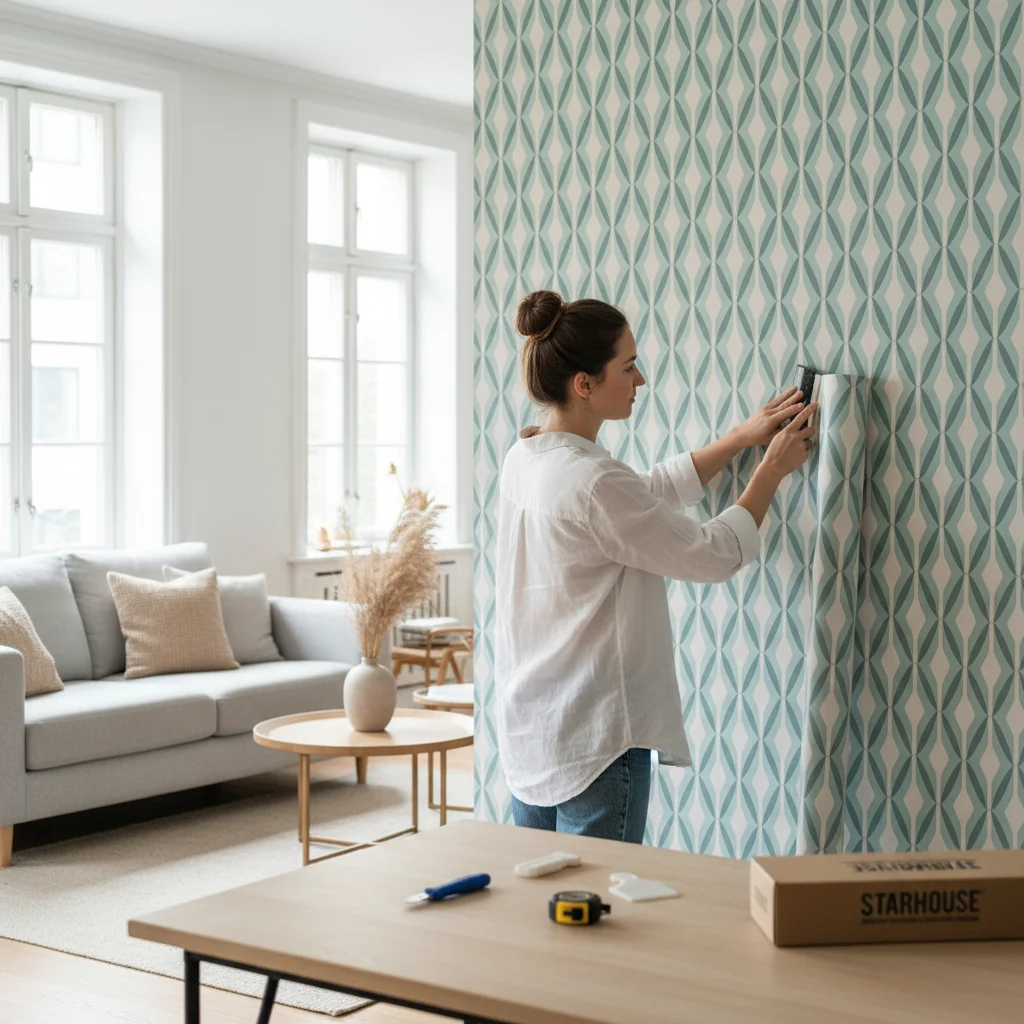
Peel-and-stick wallpaper, prominently featured in York’s SureStrip™ collections, is a self-adhesive wallcovering designed for easy application and removal, making it ideal for temporary décor or DIY projects. This innovative type requires no paste or water; users simply peel off the backing and smooth the material onto the wall. Its repositionable nature allows for adjustments during installation, and it removes cleanly without damaging walls, making it perfect for renters, dorm rooms, or anyone who enjoys frequently updating their décor. York’s SureStrip™ technology ensures a high-quality finish with minimal effort, available in a broad spectrum of patterns and textures suitable for accent walls, furniture facelifts, or entire rooms.
Vinyl Wallcoverings
Vinyl wallcoverings are highly durable and washable, making them an excellent choice for high-traffic areas and moisture-prone environments like kitchens and bathrooms. These wallcoverings feature a vinyl surface layer that provides superior resistance to scuffs, stains, and moisture compared to paper-based alternatives. York offers various vinyl options, including solid vinyl and fabric-backed vinyl. Solid vinyl is exceptionally robust and fully scrubbable, while fabric-backed vinyl combines durability with a softer, more luxurious feel. Both types are highly practical for commercial settings, children’s rooms, and any area requiring frequent cleaning and robust performance.
Non-Woven Wallcoverings
Non-woven wallcoverings are celebrated for their breathability, tear resistance, and ease of removal, often utilizing a “paste the wall” application method for simplified installation. Composed of a blend of natural and synthetic fibers, non-woven materials are dimensionally stable, meaning they resist shrinking or expanding once installed, which helps prevent seams from separating. The “paste the wall” technique involves applying adhesive directly to the wall rather than the paper, making the process cleaner and often faster. These wallcoverings are also remarkably easy to remove in full sheets without damaging the underlying wall, offering a convenient solution for those who anticipate future design changes.
Grasscloth and Natural Fiber Wallcoverings
Grasscloth wallpaper is a natural fiber wallcovering crafted from woven grasses, reeds, or other organic materials, imparting a unique, textural, and inherently eco-friendly aesthetic to any space. These wallcoverings offer unparalleled depth and warmth, creating a sophisticated, organic ambiance that cannot be replicated by printed patterns. Each roll of grasscloth is unique, with natural variations in color and texture that contribute to its charm. While stunning, natural fiber wallpapers require specialized installation techniques and are not typically washable, making them best suited for low-traffic areas where their delicate beauty can be preserved, such as master bedrooms, studies, or formal living rooms.
Textile Wallcoverings
Textile wallcoverings feature a fabric surface, ranging from silk and linen to jute and velvet, offering a luxurious and soft tactile experience that also contributes to sound dampening within a room. These high-end options add a layer of sophisticated elegance and warmth. The intricate weaves and rich textures of textile wallpapers can create a truly bespoke feel, making them ideal for creating opulent feature walls or adding a refined touch to bedrooms and formal living spaces. Similar to grasscloth, textile wallcoverings demand careful handling during installation and specific cleaning methods to maintain their pristine condition.
Specialty Wallcoverings
York Wallcoverings also produces various specialty types that offer unique visual and tactile effects, such as mica, flock, and embossed designs. Mica wallcoverings incorporate crushed mica flakes for a subtle, shimmering effect that catches light beautifully, adding a touch of glamour. Flock wallpaper features raised, velvet-like patterns that create a tactile, three-dimensional surface, evoking historical luxury. Embossed wallpapers have raised patterns pressed into the material, providing architectural interest and depth. These specialty finishes are perfect for creating dramatic focal points or adding an unexpected layer of sophistication to a design scheme.
| Wallpaper Type | Key Characteristics | Durability & Maintenance | Ease of Installation | Ideal Use Cases |
|---|---|---|---|---|
| Traditional Unpasted | Requires separate adhesive, wide material range (paper, fabric). | High durability, long-lasting bond; care varies by material (some washable). | Moderate to Difficult (professional recommended); precise positioning. | Formal living areas, dining rooms, bedrooms, permanent installations. |
| Pre-Pasted | Dry adhesive activated by water, wide range of designs. | Good durability, generally washable; strong adhesion once set. | Moderate (DIY-friendly with care); less mess than unpasted. | Bedrooms, living rooms, residential spaces where DIY is preferred. |
| Peel-and-Stick (SureStrip™) | Self-adhesive, repositionable, easy removal. | Moderate durability, wipeable; excellent for temporary use. | Easy (DIY-friendly); no paste, no water, minimal tools. | Rentals, accent walls, furniture upcycling, temporary décor, children’s rooms. |
| Vinyl (Solid & Fabric-Backed) | Vinyl surface layer, various textures; solid or fabric backing. | Very High durability, highly washable/scrubbable, moisture-resistant. | Moderate (can be heavier); paste-the-wall or paste-the-paper. | Kitchens, bathrooms, hallways, commercial spaces, high-traffic areas. |
| Non-Woven | Breathable, tear-resistant, dimensionally stable; “paste the wall” application. | High durability, often washable, easy to remove in full sheets. | Easy to Moderate (DIY-friendly); clean installation. | Any room, especially those where future changes are anticipated. |
| Grasscloth & Natural Fiber | Woven natural materials (grasses, reeds); unique texture, organic feel. | Moderate durability, delicate; not washable, prone to moisture damage. | Difficult (professional recommended); specialized adhesive and handling. | Low-traffic areas: master bedrooms, studies, formal living rooms, feature walls. |
Styles and Aesthetics: Curating Your Vision with York Wall Paper
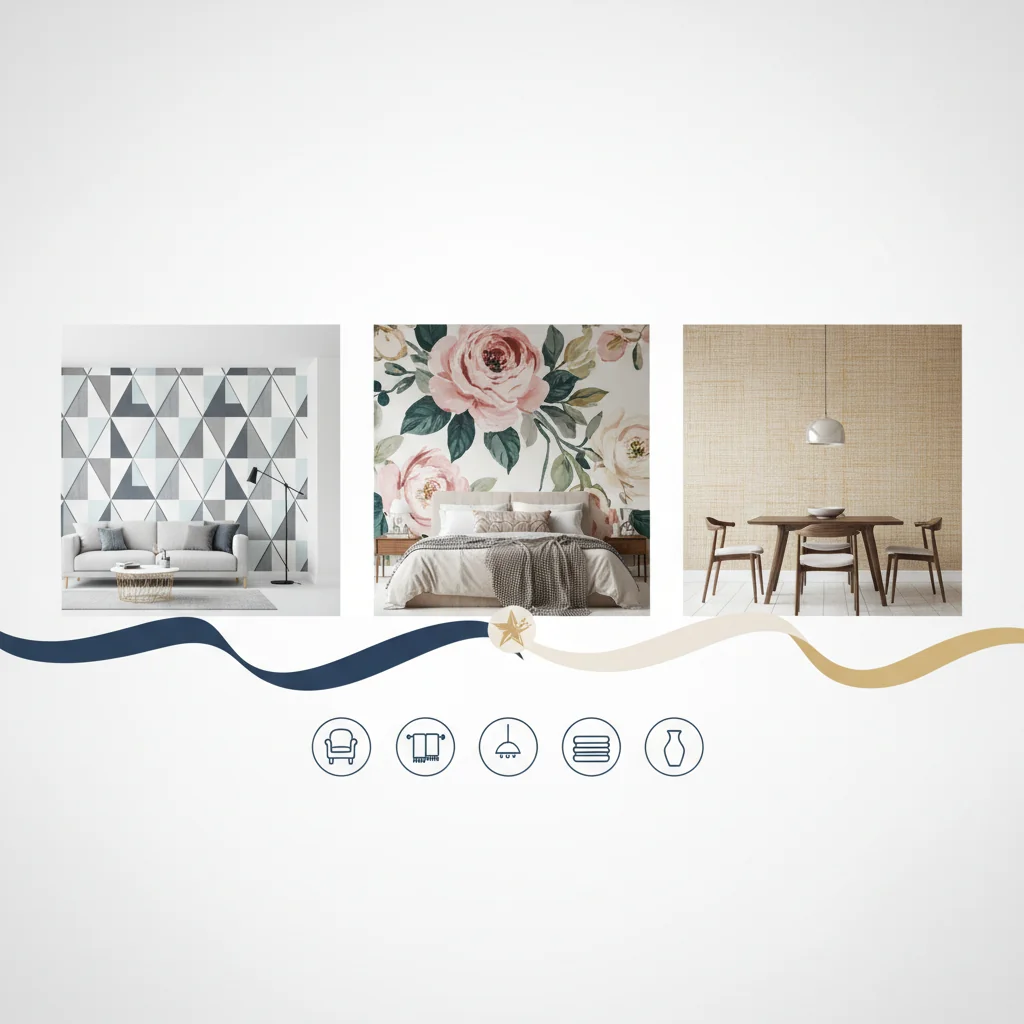
York Wallcoverings encompasses an expansive range of design styles, from timeless traditional motifs to cutting-edge contemporary patterns, enabling homeowners to perfectly articulate their personal aesthetic and enhance any interior design vision. The breadth of their collections means that whether your preference leans towards classic elegance, modern minimalism, or vibrant eclecticism, there is a York Wall Paper design to harmonize with and elevate your space. The brand consistently introduces new patterns and textures, ensuring relevance across evolving design trends while maintaining a strong foundation in enduring styles.
Traditional & Classic Styles
Traditional York Wall Paper designs draw inspiration from historical patterns and decorative arts, characterized by their timeless elegance and intricate details. These styles often feature motifs such as elaborate damasks, delicate toile scenes, classic florals, and refined stripes. A damask pattern, for example, typically presents a large, reversible, figured pattern, often in a single color or subtle tone-on-tone variations, lending a sense of grandeur to formal living rooms or dining areas. Toile patterns, depicting pastoral scenes or historical narratives, evoke a charming, old-world sensibility ideal for bedrooms or powder rooms. These classic designs contribute to an atmosphere of established luxury and enduring sophistication.
Modern & Contemporary Designs
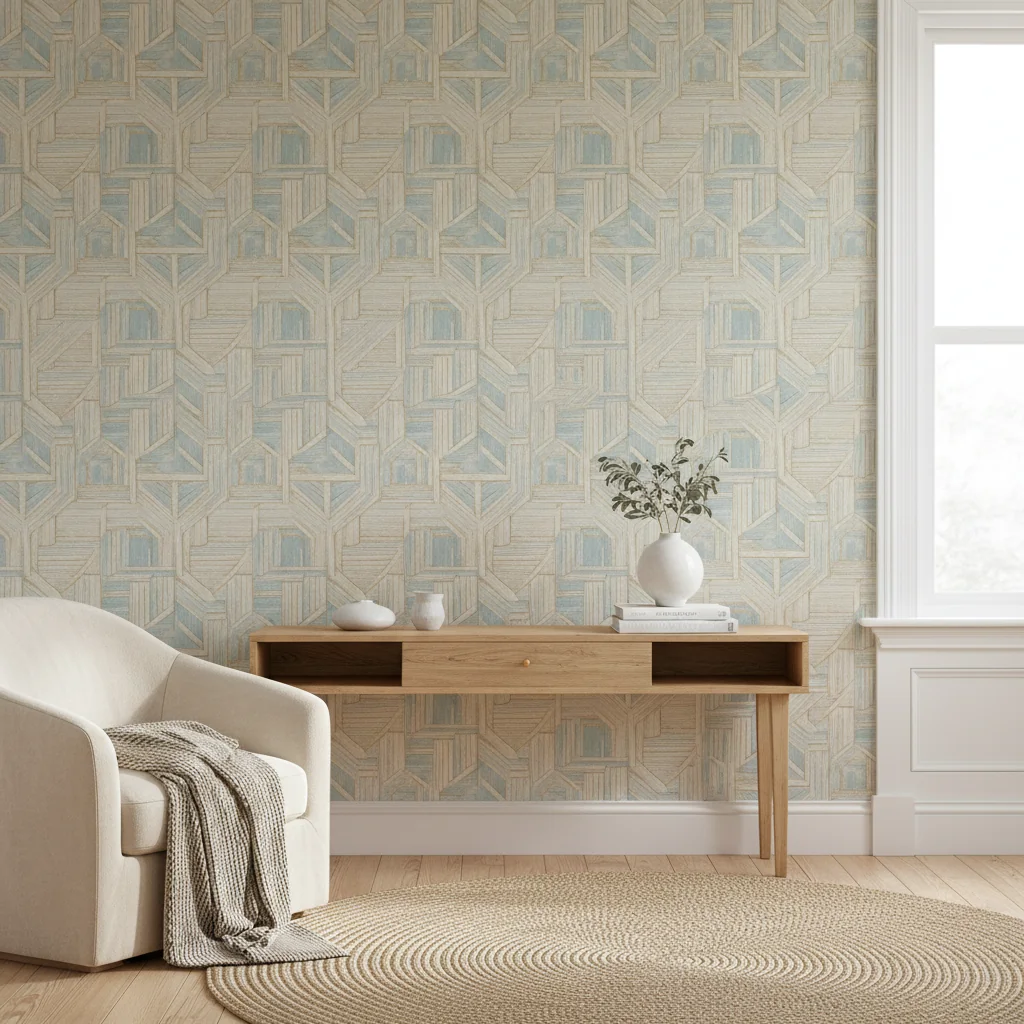
For those who favor sleek lines and minimalist aesthetics, York Wallcoverings offers an extensive selection of modern and contemporary designs. These patterns often feature bold geometrics, abstract artistic expressions, and clean, unembellished textures. Think of wallpapers with interlocking geometric shapes that create a dynamic visual rhythm, or abstract designs that suggest movement and artistic flair. Color palettes for contemporary designs tend to be more subdued, incorporating grays, whites, blacks, and pops of vibrant hues, or they can be monochromatic for a sleek, understated effect. These styles are particularly effective in urban apartments, modern homes, or any space aiming for a chic, current aesthetic.
Transitional Styles
Transitional York Wall Paper designs skillfully bridge the gap between traditional and contemporary aesthetics, offering a harmonious blend of classic comfort and modern sophistication. These patterns often take traditional motifs, such as florals or stripes, and render them in updated colorways or with simplified forms, making them feel fresh yet familiar. A transitional floral might feature a larger scale and a more abstract interpretation than its traditional counterpart, or a classic stripe might be presented in a contemporary metallic finish. This style is incredibly versatile, appealing to a broad audience who appreciate both timeless appeal and a touch of modern sensibility, making it suitable for almost any room in the house.
Farmhouse & Rustic Aesthetics
Embracing natural textures and a cozy, lived-in feel, York Wall Paper’s farmhouse and rustic collections bring warmth and character to interiors. These designs often mimic natural materials like shiplap, reclaimed wood, exposed brick, or stone, providing the visual interest of these elements without the structural commitment. Distressed finishes, subtle plaids, and botanical prints with an organic feel are also common. These wallpapers are perfect for creating an inviting, comfortable atmosphere in kitchens, casual living spaces, or country-style homes, contributing to a sense of authenticity and connection to nature.
Coastal & Nautical Themes
For a serene and refreshing ambiance, York offers coastal and nautical-themed wallpapers characterized by light, airy patterns and a palette inspired by the sea. Designs include subtle wave motifs, coral patterns, shell prints, or textured wallpapers reminiscent of sand and sea grass. Colors typically range from soft blues and greens to crisp whites and sandy neutrals. These wallcoverings are ideal for creating a tranquil retreat in bedrooms, bathrooms, or sunrooms, evoking the relaxed elegance of a seaside escape.
Art Deco & Glamour
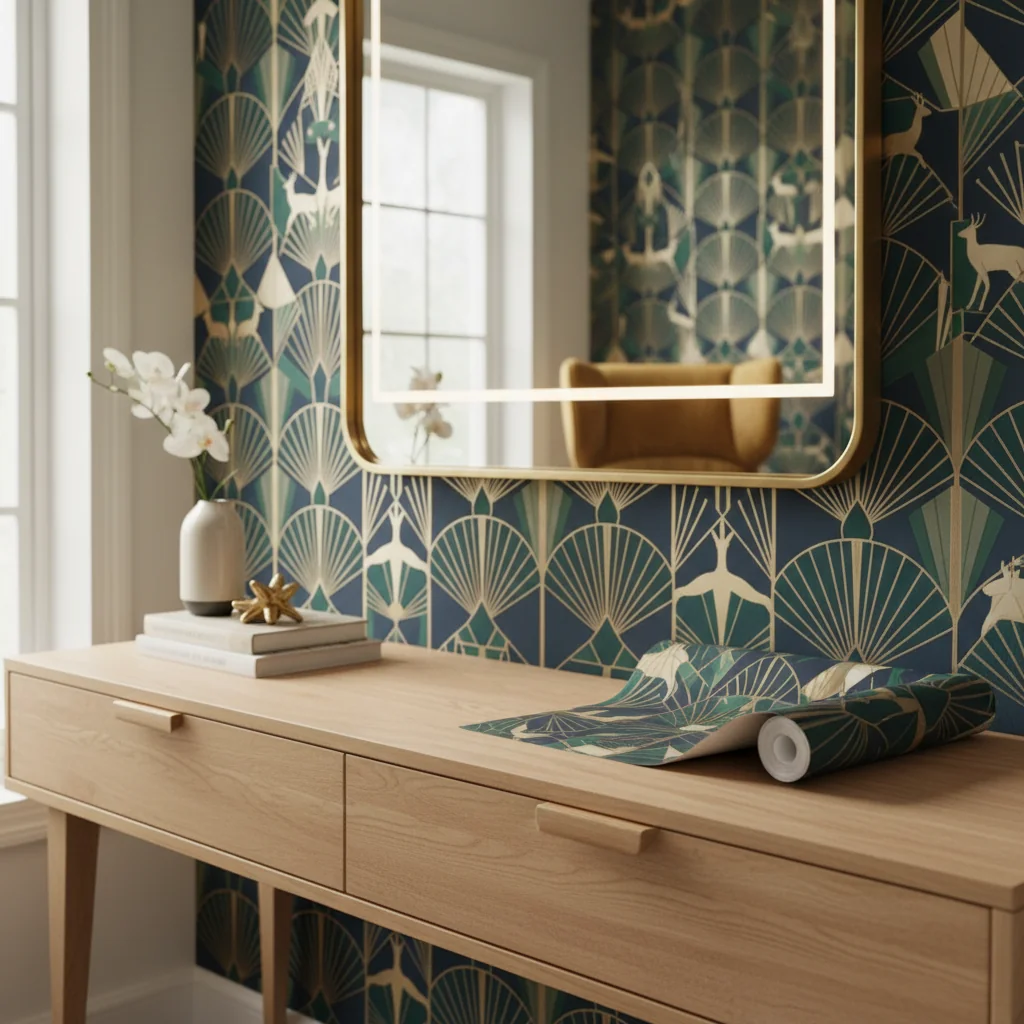
To infuse a space with vintage luxury and dramatic flair, York Wall Paper’s Art Deco and Glam collections feature bold geometric patterns, metallic accents, and rich, jewel-toned colors. These designs often incorporate symmetrical, angular motifs, fan patterns, and reflective surfaces that catch the light, creating a sense of opulence and sophistication. Think of patterns with gold or silver metallic inks that shimmer, or deep emerald and sapphire hues that command attention. These wallpapers are perfect for creating a statement wall in an entryway, a luxurious backdrop in a dining room, or adding a touch of old Hollywood glamour to a bedroom.
Children’s & Playful Designs
York Wallcoverings also caters to younger occupants with vibrant and whimsical designs tailored for children’s rooms, nurseries, and play areas. These collections feature playful characters, fantastical landscapes, educational motifs, and cheerful patterns in bright, engaging colors. From adorable animal prints to starry nightscapes and adventurous maps, these wallpapers stimulate imagination and create an inspiring environment for growth and play. Many of these options are available in durable, wipeable vinyl or peel-and-stick formats for practicality and ease of updates as children grow.
Architectural & Faux Finishes
For an architectural statement without extensive renovation, York offers wallpapers that convincingly mimic the look of various building materials. These include faux brick, concrete, marble, wood paneling, and plaster effects. These designs are meticulously crafted to replicate the texture and visual depth of real materials, providing a high-impact transformation. A faux brick wall can add an industrial-chic edge to a loft, while a marble-effect wallpaper can introduce a touch of classic luxury to a bathroom or entryway. These options are highly versatile, allowing for creative design solutions on a budget.
The careful selection of a York Wall Paper style can dramatically alter a room’s perceived size, mood, and overall character. Large-scale patterns can make a grand statement in spacious rooms, while smaller, delicate prints can add intimacy to cozier areas. Darker patterns can create a sense of drama and enclosure, while lighter, reflective designs can expand a space and enhance brightness. By thoughtfully considering the interplay of pattern, color, and texture, homeowners can leverage York’s diverse aesthetic offerings to craft a truly unique and harmonious interior.
Key Considerations for Choosing York Wall Paper: A Strategic Approach
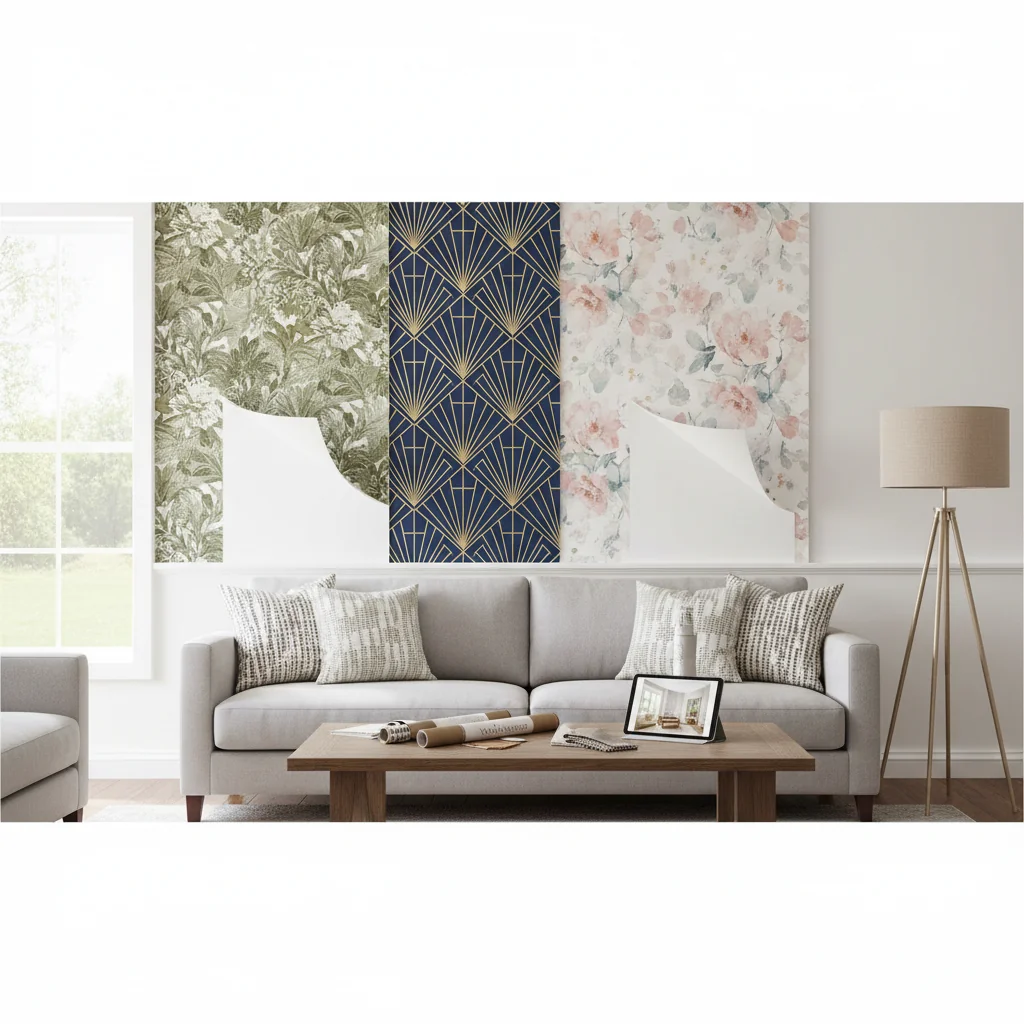
Selecting the ideal York Wall Paper requires a strategic assessment of several crucial factors, including the room’s function, existing décor, desired aesthetic, and practical considerations like durability and maintenance. A thoughtful approach ensures that the chosen wallcovering not only enhances the visual appeal of a space but also performs optimally under its specific conditions, contributing to a cohesive and enduring design. At Starhouse, we advocate for a holistic view, integrating both form and function in every selection.
Room Function and Traffic Level
The primary function of a room dictates the practical requirements for your wallpaper. For high-traffic areas such as hallways, entryways, and children’s rooms, prioritize highly durable and washable vinyl or non-woven options that can withstand frequent contact and cleaning. In moisture-prone environments like bathrooms and kitchens, select wallpapers specifically rated for humidity and washability to prevent peeling or damage; vinyl wallcoverings are particularly well-suited here. For low-traffic, more formal spaces like dining rooms or master bedrooms, delicate materials such as grasscloth or textile wallcoverings can introduce luxurious texture and intricate patterns without concerns about heavy wear.
Lighting: Natural and Artificial
The amount and type of light a room receives significantly influence how a wallpaper pattern and color will appear. In rooms with abundant natural light, darker or more saturated colors can be used without making the space feel oppressive. Conversely, in dimly lit rooms, opt for lighter colors, patterns with reflective elements (like metallic accents), or subtle textures to help brighten and expand the space. Artificial lighting also plays a role; warm-toned lighting can enhance rich colors, while cool-toned lighting might make blues and greens appear more vibrant. Always view wallpaper samples in the actual room at different times of day to assess their true appearance.
Existing Color Palette and Furnishings
Ensure your chosen York Wall Paper harmonizes with the room’s existing color scheme and furniture. Consider the dominant colors in your upholstery, rugs, and décor, and select a wallpaper that either complements these hues or introduces a new, balanced accent color. If your furniture is bold or highly patterned, a more subdued, textured, or small-scale wallpaper might be appropriate to avoid visual clutter. Conversely, a room with neutral furnishings can benefit from a statement wallpaper to introduce personality and a focal point. The goal is to create a cohesive design narrative where all elements work together seamlessly.
Scale and Pattern: Impact on Room Perception
The scale of a wallpaper pattern profoundly affects the perceived size and mood of a room. Large-scale patterns, such as oversized botanicals or bold geometrics, can make a dramatic statement and work well in spacious rooms, adding grandeur and visual interest. In smaller rooms, however, overly large patterns can feel overwhelming and make the space seem even more confined. For compact areas, consider small-scale patterns, delicate motifs, or subtle textures that add interest without dominating the space. Vertical patterns, like stripes, can visually heighten a ceiling, while horizontal patterns can make a room feel wider.
Durability and Maintenance Requirements
Different types of York Wall Paper have varying durability and cleaning protocols. Understanding these is essential for long-term satisfaction.
- Washable wallpaper is a wallcovering that can be gently cleaned with a damp sponge and mild soap to remove light dirt and smudges.
- Scrubbable wallpaper refers to a wallpaper’s ability to withstand repeated scrubbing with a brush and cleaning solution without damage, ideal for heavy-duty cleaning.
Vinyl and non-woven wallpapers are generally the most durable and easiest to clean, often being washable or scrubbable. Delicate materials like grasscloth or silk require very gentle care, typically limited to light dusting or vacuuming, and are not suitable for areas prone to spills or moisture. Always check the manufacturer’s care instructions for the specific product you choose.
Installation Method: DIY vs. Professional
Consider your comfort level with DIY projects when choosing a wallpaper type. Peel-and-stick (SureStrip™) wallpapers are specifically designed for easy, self-adhesive application and removal, making them an excellent choice for beginners or those seeking a temporary solution. Pre-pasted wallpapers are also relatively DIY-friendly, requiring only water activation. Traditional unpasted and more delicate materials like grasscloth often benefit from professional installation, as they require specialized adhesives, precise alignment, and careful handling to achieve a flawless finish. Factor in the potential cost of professional installation when budgeting for your project.
Environmental Impact and Sustainability
Many consumers now prioritize environmentally friendly options. York Wallcoverings demonstrates a commitment to sustainability, as detailed in their Environmental Promise. They focus on responsible sourcing, utilizing water-based inks, and implementing recycling programs. When selecting your wallpaper, consider looking for options that are PVC-free, made from recycled content, or manufactured with sustainable practices. This choice allows you to create a beautiful home while supporting eco-conscious brands.
By meticulously evaluating these considerations, you can confidently select a York Wall Paper that not only enhances your home’s aesthetic but also aligns with your lifestyle and practical needs. If you’re looking for inspiration or specific recommendations for your unique space, Starhouse is curating its collection to bring you the best in home décor. We invite you to tell us what you’re looking for and get early access to our carefully selected offerings that will transform your environment.
Precision in Measurement and Installation: Ensuring a Flawless Finish
Accurate measurement is paramount for a successful wallpaper installation, ensuring sufficient material coverage and minimizing waste, while proper installation techniques guarantee a smooth, durable, and aesthetically pleasing result. Overlooking precise calculations or rushing the preparation phase can lead to frustrating errors, including running short on material, visible seams, or premature peeling. A meticulous approach to both measurement and installation is the foundation of a professional-looking finish with York Wall Paper.
Essential Tools for Measurement and Installation
Before beginning, gather the right tools. For measurement, you will need a steel measuring tape (at least 25 feet), a pencil, and a notepad. For installation, essential tools include a level or plumb bob, a straightedge, a utility knife with plenty of fresh blades, a smoothing tool (such as a wallpaper brush or plastic smoother), a seam roller, a bucket for water (for pre-pasted), a paste brush or roller (for unpasted), and drop cloths to protect your floors. Having these items on hand ensures a seamless workflow.
Calculating Square Footage for Wallpaper
To determine the total square footage of wall surface, measure the height and width of each wall you intend to cover and multiply these dimensions. For example, a wall that is 8 feet high and 12 feet wide has 96 square feet (8 ft x 12 ft = 96 sq ft). Sum the square footage of all walls. Then, measure any doors or windows within these walls and subtract their square footage from the total. A standard door might be 21 sq ft (7 ft x 3 ft), and a window 15 sq ft (5 ft x 3 ft). This calculation provides the net square footage of the area to be wallpapered.
Accounting for Pattern Repeat
Pattern repeat is a critical factor, especially for designs with large or intricate motifs. This measurement indicates how often the pattern repeats itself vertically on a roll. To ensure patterns align seamlessly across strips, you must factor in the repeat. Wallpaper rolls are typically sold in standard lengths (e.g., 33 feet long and 20.5 inches wide for American rolls), but the usable length per strip is reduced by the pattern repeat. For instance, if a pattern has a 24-inch repeat, each cut strip needs to be long enough to match the previous one, often resulting in more waste per roll. Always consult the pattern repeat information provided on the wallpaper label.
Adding a Waste Factor
It is imperative to add a waste factor to your total square footage calculation. A general rule of thumb is to add 15% to 20% to your net square footage to account for pattern matching, trimming, and potential errors. For wallpapers with a very large pattern repeat (over 24 inches) or complex installations (e.g., many corners, windows, or doors), increasing the waste factor to 25% is advisable. This ensures you have enough material to complete the job without having to reorder, which can lead to color discrepancies between dye lots.
Handling Doors, Windows, and Architectural Features
When measuring around architectural features like doors, windows, and built-in shelving, treat these areas as if they were solid wall for initial calculation purposes to ensure you have enough paper. You will trim around them during installation. For complex angles or irregular shapes, create paper templates to ensure precise cuts. Always err on the side of having slightly more paper than you think you need, as a small shortage can halt an entire project.
Surface Preparation: The Foundation of Success
Proper wall preparation is non-negotiable for a professional finish. Walls must be clean, dry, smooth, and free of any debris or loose paint. Fill any holes or cracks with spackle, sand them smooth, and wipe away dust. For optimal adhesion and ease of future removal, apply a high-quality wallpaper primer. Primer creates a uniform surface, seals porous walls, and provides a “grip” for the adhesive, preventing wallpaper from absorbing moisture unevenly or peeling prematurely. Allow primer to dry completely according to manufacturer instructions before proceeding.
Installation Techniques: Overview
While a detailed DIY guide is beyond the scope here, understanding the general steps is crucial.
- Starting Point: Begin installation in an inconspicuous corner or near a door frame, using a plumb line to ensure your first strip is perfectly vertical.
- Pasting: For unpasted wallpaper, apply a consistent layer of adhesive to the back of the paper. For pre-pasted, immerse the rolled strip in water. For non-woven, apply paste directly to the wall.
- Hanging Strips: Carefully align each strip, matching the pattern, and smooth it onto the wall from the center outwards to eliminate air bubbles.
- Trimming: Use a sharp utility knife and a straightedge to trim excess paper at the ceiling, baseboards, and around windows or doors. Change blades frequently for clean cuts.
- Seams: Gently roll seams with a seam roller to ensure they are fully adhered and lie flat. Avoid excessive pressure, especially on delicate papers.
Professional vs. DIY Installation
While peel-and-stick and some pre-pasted York Wall Papers are highly suitable for DIY enthusiasts, traditional unpasted, grasscloth, or specialty wallcoverings often benefit significantly from professional installation. Professionals possess the experience, specialized tools, and techniques to handle complex patterns, delicate materials, and challenging architectural features, ensuring a flawless and long-lasting result. Weigh the complexity of your chosen wallpaper and your own skill level when deciding whether to tackle the project yourself or invest in professional expertise. The initial cost of professional installation is often offset by the superior finish and avoidance of costly mistakes.
Trends in York Wall Paper Design: Staying Ahead of the Curve
Current trends in York Wall Paper design emphasize biophilic elements, textured surfaces, maximalist patterns, and sophisticated muted palettes, reflecting a desire for personalized, nature-inspired, and emotionally resonant interiors. These trends are not merely fleeting fads but rather evolutions in how we interact with our living spaces, prioritizing comfort, individuality, and a connection to the natural world. York Wallcoverings consistently leads in translating these broader design movements into accessible and beautiful wall décor.
Biophilic Design: Bringing Nature Indoors
Biophilic design, which integrates natural elements into interior spaces, remains a dominant trend. York Wall Paper collections feature an abundance of botanicals, lush jungle prints, delicate floral motifs, and abstract patterns inspired by organic forms. These designs often utilize natural color palettes—greens, earthy browns, soft blues, and subtle grays—to create a calming and restorative atmosphere. Think of large-scale leafy patterns that evoke a sense of being in a tranquil forest, or delicate wildflower prints that bring the serenity of a meadow indoors. This trend fosters a sense of well-being and reduces stress, making it ideal for bedrooms, living rooms, and home offices.
Textural Richness: A Feast for the Senses
Beyond visual appeal, current trends highlight the importance of tactile experiences. Textured wallpapers, such as grasscloth, embossed designs, and faux finishes that mimic linen, concrete, or plaster, are highly sought after. These materials add depth and dimension to walls, creating a sophisticated backdrop that engages the sense of touch. Grasscloth, with its organic weave and subtle variations, introduces warmth and an understated luxury. Embossed patterns, which feature raised designs, create architectural interest and play with light and shadow. These textural elements provide a sensory richness that transforms a flat wall into a dynamic surface.
Maximalism & Bold Patterns: Embracing Expressive Interiors
Moving away from stark minimalism, maximalism is making a strong comeback, encouraging bold self-expression and layering of patterns, colors, and textures. York Wall Paper embraces this trend with large-scale florals, dramatic murals, and intricate geometric designs that command attention. A maximalist approach might involve pairing a vibrant botanical wallpaper with patterned upholstery, or using a grand mural as the focal point of a room. This trend is about creating spaces that feel rich, personal, and full of character, celebrating individuality and storytelling through design.
Sustainable & Eco-Friendly Options
The demand for sustainable home furnishings continues to grow, and York Wallcoverings responds with an increasing array of eco-friendly options. This includes wallpapers made from responsibly sourced materials, recycled content, and those printed with water-based, VOC-free inks. Non-woven materials, known for their breathability and easy removal, are also favored for their reduced environmental impact. Consumers are actively seeking products that align with their values for environmental stewardship, making these sustainable choices not just a trend but a conscious decision for a healthier home and planet.
Muted & Earthy Palettes: Calm and Grounding
While bold patterns are trending, so too are sophisticated muted and earthy color palettes. Shades of sage green, terracotta, warm beige, soft blush, and deep indigo are popular choices. These colors create a calming, grounding atmosphere, offering a sense of tranquility and connection to the earth. Muted palettes work beautifully with both minimalist and maximalist approaches, providing a subtle backdrop for more vibrant furnishings or creating a serene, monochromatic scheme. These colors contribute to a feeling of comfort and refuge within the home.
Metallic Accents: Subtle Shimmer and Glamour
Metallic accents continue to add a touch of understated glamour and sophistication to wallpaper designs. Whether it’s a subtle shimmer in a geometric pattern, gold leaf detailing in a traditional damask, or a silver thread woven into a grasscloth, metallics catch and reflect light, adding luminosity and depth to a room. These accents can elevate a design from simple to sublime, creating a luxurious feel without being overtly flashy. They are particularly effective in creating elegant dining rooms, sophisticated entryways, or opulent bedrooms.
Archival & Heritage Revival: Modern Interpretations of Classics
York Wallcoverings, with its deep historical roots, is adept at reinterpreting archival designs for contemporary tastes. This trend involves reviving classic patterns, such as Chinoiserie, Art Nouveau motifs, or Victorian florals, but presenting them with updated color schemes, simplified scales, or modern finishes. The result is a blend of historical charm and contemporary relevance, allowing these timeless designs to integrate seamlessly into modern interiors. This approach celebrates heritage while offering a fresh perspective, appealing to those who appreciate both history and innovation.
These trends in York Wall Paper design reflect a broader shift towards creating more personal, comfortable, and aesthetically rich living spaces. By incorporating these elements, homeowners can ensure their interiors are not only stylish and current but also deeply resonant with their individual preferences and lifestyle needs.
Care and Maintenance for York Wallcoverings: Preserving Its Beauty
Proper care and maintenance are essential for preserving the aesthetic appeal and extending the lifespan of your York Wallcoverings, requiring specific cleaning methods based on the wallpaper’s material and finish. Neglecting appropriate care can lead to premature wear, discoloration, or damage, diminishing the investment you’ve made in your home’s design. Adhering to the manufacturer’s guidelines ensures your wallpaper remains pristine for years to come.
General Guidelines for All Wallpapers
Regardless of the type, a few general practices apply to all York Wallcoverings to maintain their beauty:
- Regular Dusting: Dust accumulation can dull the appearance of wallpaper. Use a soft, dry cloth, a feather duster, or a vacuum cleaner with a brush attachment on a low setting to gently remove dust from the surface at least once a month.
- Avoid Direct Sunlight: Prolonged exposure to direct sunlight can cause wallpaper colors to fade, especially with darker hues or natural fiber types. Use blinds, curtains, or UV-filtering window films to protect your wallcoverings from intense sun exposure.
- Address Spills Immediately: For any type of spill, blot it immediately with a clean, dry cloth. Do not rub, as this can spread the stain or damage the wallpaper surface. Follow up with specific cleaning instructions for your wallpaper type.
Specific Care for Different Wallpaper Types
Vinyl and Non-Woven Wallcoverings
These are generally the most durable and easiest to clean.
- Washable Options: Many vinyl and non-woven York Wall Paper products are labeled “washable” or “scrubbable.” For these, mix a small amount of mild, non-abrasive soap (like dish soap) with warm water.
- Cleaning Process: Dampen a soft sponge or cloth with the soapy solution, wring it out thoroughly to avoid excess moisture, and gently wipe the affected area. For stubborn spots, a soft-bristle brush can be used on scrubbable surfaces. Always wipe from the bottom up to prevent streaks.
- Rinsing: Follow with a clean, damp cloth to remove any soap residue, then immediately dry the area with a soft, dry towel to prevent water spots or moisture damage.
- Caution: Avoid harsh chemical cleaners, abrasive scrubbers, or bleach, as these can damage the wallpaper’s finish or color.
Pre-Pasted and Traditional Unpasted Wallpapers (Paper-Based)
Many paper-based pre-pasted and traditional wallpapers are labeled “wipeable” or “lightly washable,” meaning they can withstand very gentle cleaning.
- Cleaning Process: Use a barely damp, soft cloth with plain water or a very diluted mild soap solution. Gently blot or wipe the stain.
- Caution: Do not saturate the paper, rub vigorously, or use abrasive cleaners, as this can cause the paper to tear, peel, or the colors to bleed. Always test a small, inconspicuous area first.
- Drying: Pat the area dry immediately with a clean, dry cloth.
Grasscloth and Natural Fiber Wallcoverings
These delicate wallcoverings require specialized and very gentle care.
- Dusting Only: Grasscloth and other natural fibers are generally not washable. Cleaning should be limited to gentle dusting with a soft, dry cloth or a vacuum cleaner with a brush attachment.
- Spot Cleaning: For very minor, dry smudges, a white art gum eraser can sometimes be used carefully. Test first in an inconspicuous spot.
- Avoid Moisture: Absolutely avoid water or liquid cleaners, as they can cause discoloration, staining, or damage to the natural fibers. These materials are prone to water rings and permanent marks.
- Ventilation: Ensure adequate ventilation in rooms with natural fiber wallpapers to prevent humidity buildup, which can cause mildew or warping.
Textile Wallcoverings
Care for textile wallpapers varies depending on the fabric.
- Dusting/Vacuuming: Regular gentle dusting or vacuuming with a soft brush attachment is the primary method of cleaning.
- Professional Cleaning: For stains or deeper cleaning, consult a professional wallcovering cleaner who specializes in textiles. Attempting to clean certain fabrics with water or solvents can lead to irreversible damage.
Addressing Minor Damage
Even with the best care, minor issues can arise.
- Loose Seams/Edges: If a seam or edge begins to lift, apply a small amount of wallpaper seam adhesive (available at hardware stores) directly to the back of the loose paper. Press it firmly back into place with a clean roller or cloth, wiping away any excess adhesive immediately.
- Small Tears: For small tears, carefully apply a tiny amount of clear, quick-drying adhesive to the back of the torn piece and press it back into position. For patterned papers, using a patch from leftover wallpaper can blend in better.
By consistently following these guidelines, you can ensure that your York Wall Paper remains a beautiful and vibrant element of your home décor for many years, reflecting Starhouse’s commitment to lasting quality and design.
Styling and Pairing York Wall Paper: Harmonizing Your Home
Effectively styling York Wall Paper involves harmonizing its pattern, color, and texture with existing furniture, lighting, and accessories to create a cohesive and visually engaging interior design scheme. Wallpaper is a powerful design tool, capable of defining a room’s character, creating focal points, and influencing spatial perception. Thoughtful pairing transforms a mere wall covering into an integral part of your home’s narrative.
Creating a Statement with Feature Walls
A feature wall, also known as an accent wall, is an excellent way to introduce a bold York Wall Paper pattern without overwhelming an entire room. Choose a wall that naturally draws attention, such as the wall behind a bed, a sofa, or a fireplace.
- Bold Patterns: Use a large-scale floral, a dramatic geometric, or a captivating mural on this wall to create an immediate focal point. For instance, a vibrant botanical print can bring the outdoors in, while an abstract geometric can add a modern, artistic touch.
- Complementary Colors: Paint the remaining walls in a solid color pulled from the wallpaper pattern, ensuring a cohesive look. For example, if your feature wall has a blue floral pattern, paint the other walls in a soft gray or a muted blue.
- Architectural Interest: Utilize a feature wall to highlight architectural elements like a built-in bookshelf or a unique wall shape. A textured grasscloth can add warmth and depth, while a faux brick can introduce industrial chic.
Whole Room Application: Achieving Immersive Design
Applying York Wall Paper to all four walls of a room creates an immersive and enveloping atmosphere. This approach works particularly well in spaces where you want to evoke a strong mood or transport occupants to a different aesthetic.
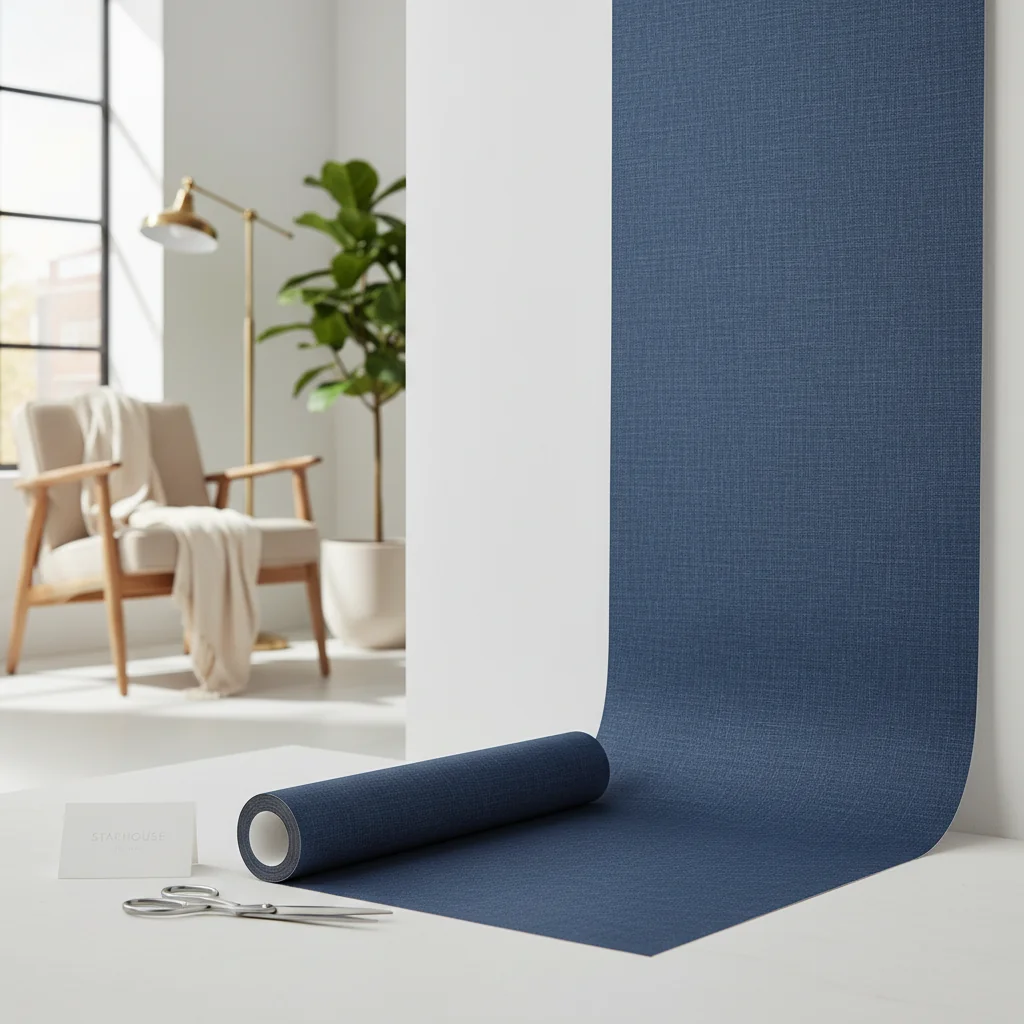
- Subtle Patterns & Textures: For whole-room application, consider smaller-scale patterns, tone-on-tone designs, or textural wallpapers that add depth without being too busy. A subtle stripe or a delicate damask can provide continuous elegance, while a linen-texture wallpaper offers understated sophistication.
- Color Consistency: Ensure the color palette of the wallpaper harmonizes with the overall room scheme. Using a wallpaper that matches the base color of your walls can make a room feel larger and more cohesive, especially if the pattern is light and airy.
- Ceiling Integration: For a truly immersive experience, consider extending a subtle wallpaper pattern onto the ceiling, particularly in smaller spaces like powder rooms or cozy nooks, to create a jewel-box effect.
Mixing Patterns: Rules for Combining Different Designs
Mixing different patterns can add layers of sophistication, but it requires careful consideration to avoid visual chaos.
- Vary Scale: Combine patterns of different scales—one large, one medium, one small. For example, pair a large floral wallpaper with a medium-scale geometric rug and small-scale striped throw pillows.
- Common Color Palette: Ensure all patterns share at least one common color to tie them together. This creates visual harmony even amidst diverse designs.
- Introduce Solids: Break up patterns with solid-colored elements like upholstery, curtains, or paint. This provides visual resting points and prevents the room from feeling overwhelming.
- Different Motifs: Combine different types of patterns, such as a floral with a geometric, or a stripe with an organic print. Avoid mixing too many patterns of the same type.
Complementing Furniture & Textiles
Your York Wall Paper should enhance, not compete with, your furniture and textiles.
- Color Matching: Pull accent colors from your wallpaper to use in throw pillows, blankets, or decorative objects. Alternatively, if your furniture is brightly colored, opt for a more neutral or subtly patterned wallpaper.
- Textural Contrast: If your wallpaper has a strong texture (e.g., grasscloth), balance it with smoother textiles like silk curtains or velvet upholstery. If your wallpaper is smooth, introduce textured fabrics for depth.
- Style Cohesion: Ensure the style of your wallpaper aligns with your furniture. A traditional damask pairs well with classic furniture, while a modern geometric complements contemporary pieces.
Lighting Considerations for Wallpaper
Lighting dramatically impacts how wallpaper appears.
- Natural Light: In rooms with ample natural light, wallpapers with subtle textures or metallic accents will shimmer and change throughout the day. Darker patterns can be used without making the room feel too small.
- Artificial Light: Position lamps and fixtures to highlight the wallpaper. Uplighting can emphasize texture, while downlighting can draw attention to specific patterns. Metallic or reflective wallpapers can help bounce light around a room, making it feel brighter.
- Shadows: Be mindful of how light sources cast shadows, especially on heavily textured or embossed wallpapers, as this can create interesting visual effects or, if poorly placed, obscure the design.
Accessorizing: Art, Mirrors, and Decorative Objects
Accessories complete the look, tying the wallpaper into the overall design.
- Art Selection: Choose artwork that complements the wallpaper without clashing. If your wallpaper is busy, opt for simpler, framed prints or abstract pieces. If the wallpaper is subtle, a bold piece of art can provide a striking contrast.
- Mirrors: Mirrors are excellent for reflecting light and opening up a space. A decorative mirror can serve as an additional focal point against a patterned wallpaper.
- Decorative Objects: Arrange decorative objects, such as vases, sculptures, or books, on shelves or tables to enhance the room’s theme. Use colors or textures that echo elements in the wallpaper to create a cohesive vignette.
By meticulously considering these styling and pairing strategies, you can leverage the unparalleled versatility of York Wall Paper to craft an interior that is not only visually stunning but also deeply reflective of your personal style and taste. Starhouse is dedicated to helping you discover the perfect elements to bring your vision to life.
Common Mistakes to Avoid When Working with York Wall Paper
Even with the highest quality materials like York Wall Paper, certain common mistakes can undermine the success and longevity of your project. Avoiding these pitfalls ensures a smoother installation process, a more professional finish, and greater satisfaction with your transformed space. Precision and planning are key to achieving an impeccable result.
1. Not Preparing Walls Properly
This is perhaps the most critical error. Applying wallpaper to dirty, uneven, or unprimed walls will inevitably lead to poor adhesion, visible imperfections, and potential peeling. Ensure walls are clean, dry, smooth, and free of dust, grease, or peeling paint. Filling holes and sanding rough patches are essential. Most importantly, apply a high-quality wallpaper primer; it creates a uniform surface, aids adhesion, and makes future removal easier, preventing damage to your drywall. Skipping this step is a false economy.
2. Underestimating Material Needed
Running short on wallpaper mid-project is frustrating and can lead to significant delays, potential color discrepancies between different dye lots, and wasted effort. Always calculate your square footage accurately, account for pattern repeat, and add a minimum of 15-20% extra for waste, trimming, and future repairs. For complex patterns or rooms, a 25% buffer is prudent. It is always better to have an extra roll than to be one strip short.
3. Ignoring Pattern Repeat During Cutting
Failing to correctly account for pattern repeat will result in mismatched seams and a disjointed pattern across your wall. Before cutting, carefully read the wallpaper label for the pattern repeat measurement. Lay out your cut strips on the floor and align the pattern before applying paste or peeling the backing. This ensures that when strips are hung, the design flows seamlessly from one piece to the next, creating a professional and continuous visual.
4. Choosing the Wrong Type for the Room
Selecting a delicate paper-based wallpaper for a high-moisture bathroom or a high-traffic hallway is a common mistake that leads to premature deterioration. Ensure the wallpaper type (e.g., vinyl, non-woven, grasscloth, peel-and-stick) is appropriate for the room’s conditions regarding humidity, traffic, and cleaning requirements. Vinyl options are best for wet areas, while natural fibers are reserved for low-traffic, dry spaces. Matching the material to its functional environment is crucial for durability.
5. Rushing the Installation Process
Wallpapering requires patience and precision. Rushing can lead to misaligned strips, trapped air bubbles, visible seams, or tears. Take your time to measure each strip carefully, apply paste evenly (if applicable), align patterns meticulously, and smooth out bubbles thoroughly. Allow proper booking time for pre-pasted papers and adequate drying time between steps. A methodical approach yields a far superior result.
6. Neglecting Proper Care and Maintenance
Once installed, wallpaper is not maintenance-free. Neglecting regular dusting or using improper cleaning methods can diminish its appearance and lifespan. Always refer to the manufacturer’s care instructions for your specific York Wall Paper. Using harsh chemicals on washable papers or water on non-washable natural fibers can cause irreversible damage. Consistent, gentle care according to the wallpaper type will preserve its beauty for years.
7. Overlooking the Impact of Lighting and Scale
Choosing a wallpaper purely based on a small sample can be misleading. A pattern that looks appealing on a swatch might overwhelm a small room if it’s too large-scale, or appear washed out in a dimly lit space. Consider the room’s natural and artificial lighting, the scale of the pattern relative to the room’s dimensions, and how the colors will interact with existing furnishings. Viewing larger samples in the actual room at different times of day helps prevent these aesthetic missteps.
8. Not Using a Plumb Line for the First Strip
The first strip of wallpaper sets the alignment for the entire room. If it’s not perfectly vertical, all subsequent strips will be off-kilter, resulting in noticeable crookedness. Always use a level or a plumb bob to draw a precise vertical line on the wall for your first strip. This foundational step is critical for ensuring straight, professional-looking results throughout the installation.
Sources
- York Wallcoverings. Our Environmental Promise | York Wallcoverings | https://www.yorkwallcoverings.com/our-environmental-promise
Frequently Asked Questions About York Wall Paper
Is York wallpaper easy to remove?
The ease of removal for York wallpaper depends on its type and the proper wall preparation during installation. York’s SureStrip™ peel-and-stick wallpapers are designed for exceptionally easy, clean removal without damaging walls. Non-woven wallpapers are also typically easy to remove in full sheets. Traditional unpasted and pre-pasted wallpapers, when applied over a properly primed wall, can be removed with appropriate steaming or wetting techniques, usually coming off in larger pieces.
Can York peel-and-stick wallpaper be used in bathrooms?
York peel-and-stick wallpaper can be used in bathrooms, especially in areas with moderate humidity like powder rooms or guest bathrooms. However, for high-moisture environments such as full bathrooms with showers, traditional vinyl wallcoverings are generally a more durable and moisture-resistant choice. Ensure the peel-and-stick is not directly exposed to water and that the bathroom is well-ventilated to prevent issues with adhesion.
How do I choose the right pattern scale for my room?
Choosing the right pattern scale depends on the room’s size and your desired effect. Large-scale patterns make a dramatic statement and work well in spacious rooms, adding grandeur. In smaller rooms, large patterns can feel overwhelming. For compact areas, opt for small-scale prints, delicate motifs, or subtle textures that add interest without dominating. Vertical patterns can visually heighten a ceiling, while horizontal patterns can make a room feel wider. Always view a large sample in the room to assess its impact.
What’s the difference between pre-pasted and unpasted York wallpaper?
Pre-pasted York wallpaper comes with a dry adhesive already applied to its backing, which is activated by dipping the strip in water, simplifying the installation process. Unpasted wallpaper requires a separate adhesive to be applied to the back of the paper (or directly to the wall for non-woven types) during installation. Unpasted options often offer a stronger, more permanent bond and are favored by professionals for precise control, while pre-pasted is more DIY-friendly.
Are York Wallcoverings environmentally friendly?
Yes, York Wallcoverings demonstrates a strong commitment to environmental responsibility. As stated in their Environmental Promise, they prioritize responsible sourcing of materials, utilize water-based inks, reduce manufacturing waste, and implement energy-efficient practices. Many of their products are PVC-free and made with sustainable materials, offering eco-conscious choices for consumers.
How long does York wallpaper last?
The lifespan of York wallpaper varies depending on the type, quality of installation, and environmental conditions, but generally, it can last between 10 to 15 years, and often much longer. High-quality vinyl and non-woven wallcoverings are particularly durable. Proper wall preparation, professional installation (if applicable), and consistent care and maintenance are crucial factors in maximizing its longevity.
Can I paint over York wallpaper?
While it is technically possible to paint over some types of wallpaper, it is generally not recommended, especially for textured or patterned York Wall Paper. Painting over wallpaper can cause it to bubble, peel, or reveal underlying seams and textures. If you wish to change the look, removing the wallpaper is the preferred method. However, if the wallpaper is firmly adhered, in good condition, and has a smooth, paintable surface, you might consider painting as a last resort after testing an inconspicuous area, but the best practice is removal.
Conclusion: Elevating Your Home with York Wall Paper and Starhouse
York Wallcoverings stands as a beacon of quality, innovation, and timeless design in the world of home décor, offering an unparalleled selection of wallpapers that cater to every aesthetic and functional requirement. From the effortless charm of peel-and-stick options to the sophisticated luxury of natural fibers, York Wall Paper provides the transformative power to elevate any interior. Understanding the diverse types, styles, and essential considerations for measurement, installation, and care empowers you to make informed decisions that culminate in a truly harmonious and personalized living space.
At Starhouse, we are dedicated to curating an exceptional collection of home furnishings and wall décor that embodies this same commitment to quality and design excellence. We believe your home should be a reflection of your unique style and a sanctuary that inspires and delights. By choosing York Wall Paper, you invest in a legacy of craftsmanship and aesthetic versatility that will enrich your environment for years to come.
As we continue to build our premier collection, we invite you to be a part of our journey. Share your vision, your preferences, and what you dream of for your home. Your insights will help us tailor our offerings to precisely what you desire. Discover how Starhouse can help you create the home you’ve always envisioned. Tell us what you’re looking for and get early access to our curated selections, designed to bring sophistication and beauty to every corner of your life.