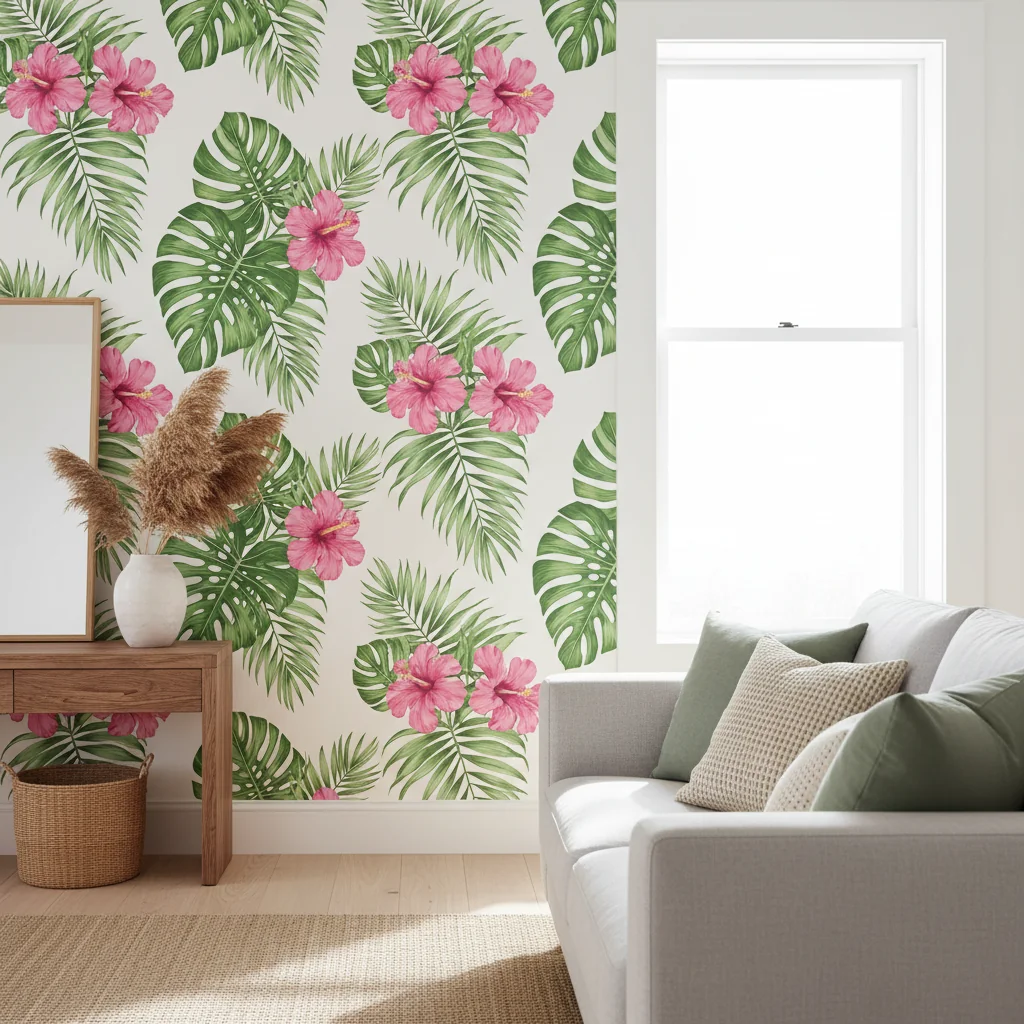
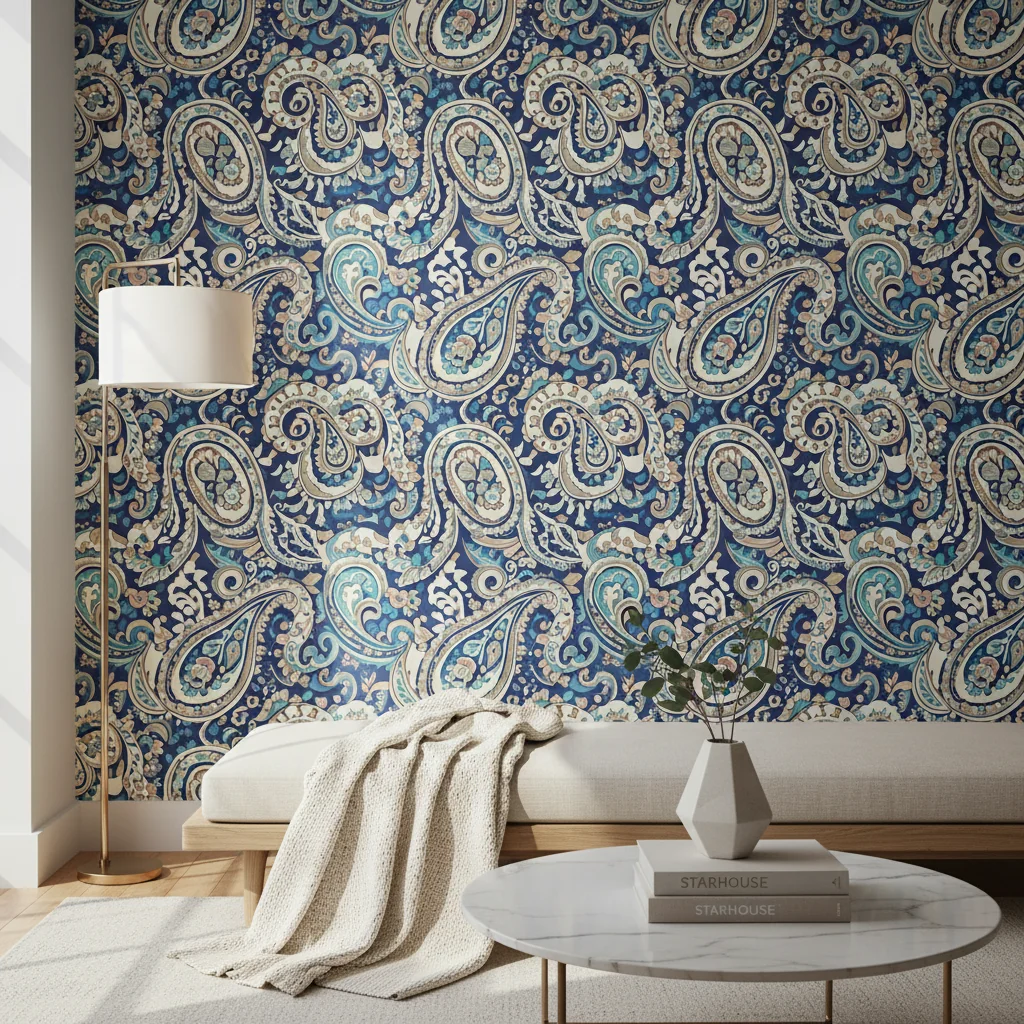
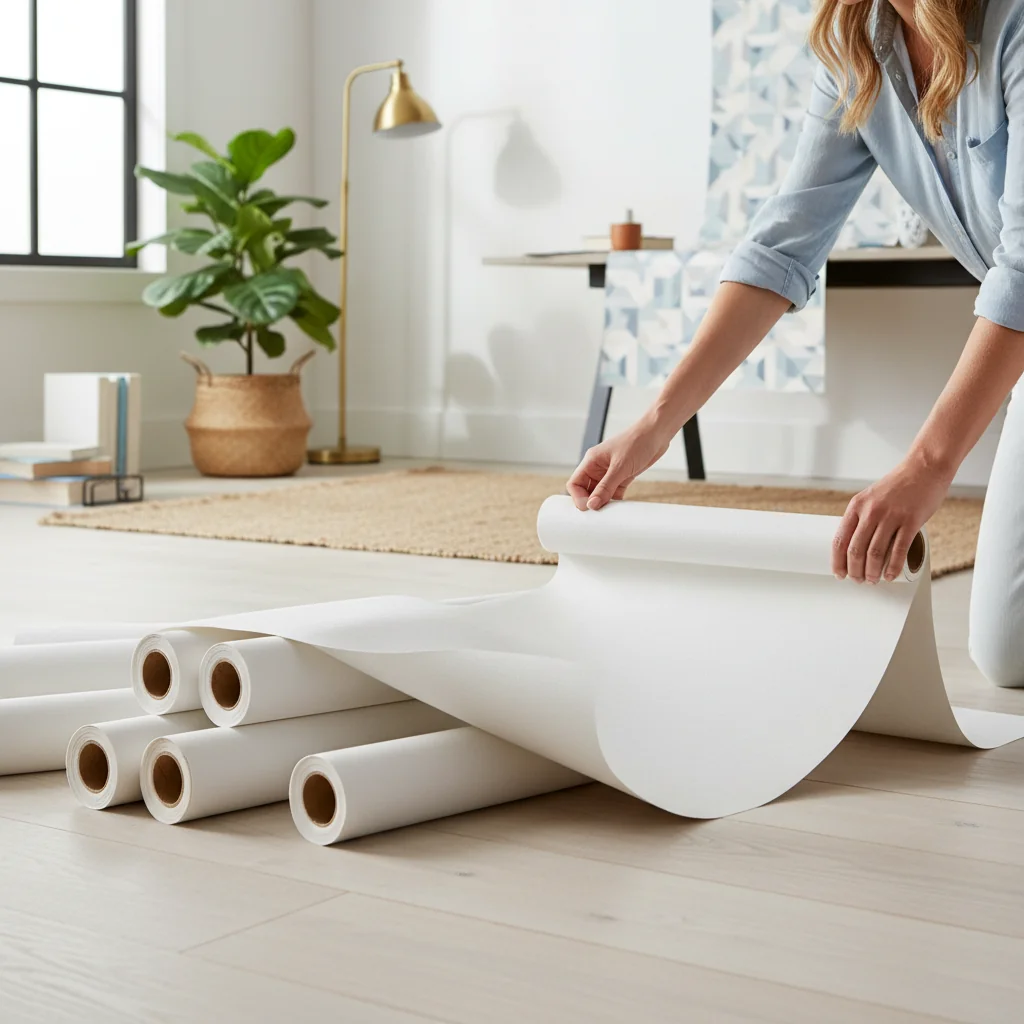
Metallic wallpaper is a sophisticated wall covering distinguished by its reflective, lustrous surface, which is achieved through the integration of metallic pigments, foils, or inks during its manufacturing process. This unique characteristic allows it to interact dynamically with light, adding remarkable depth, dimension, and a refined sheen to any interior space, elevating the aesthetic instantly. At Starhouse, we understand that selecting the right wall treatment is pivotal to defining your home’s character, and metallic wallpaper offers an unparalleled opportunity to infuse luxury and a bespoke feel into your design narrative.
Its ability to transform light into an active design element makes metallic wallpaper a powerful tool for interior designers and homeowners alike, capable of creating environments that range from understated elegance to bold, opulent statements. This guide delves into every facet of metallic wallpaper, from its diverse types and styles to practical considerations for selection, installation, and care, ensuring you possess the authoritative knowledge to make an informed choice for your home.
Key takeaways
- Metallic wallpaper adds significant depth and luminosity to interiors by reflecting light through metallic pigments, foils, or Mylar.
- Diverse types, including foil, Mylar, metallic ink, and embossed metallics, offer varied textures, sheens, and durability for specific design needs.
- Careful consideration of room size, natural light, existing decor, and pattern scale is crucial for selecting the most impactful metallic wallpaper.
- Precise measurement and meticulous surface preparation are non-negotiable for successful, professional-looking metallic wallpaper installation.
- Proper cleaning involves gentle methods and avoiding abrasive chemicals, ensuring the longevity and pristine appearance of the metallic finish.
- Metallic wallpaper is a versatile design element, capable of enhancing styles from Art Deco glamour to contemporary minimalism when thoughtfully paired with furnishings and lighting.
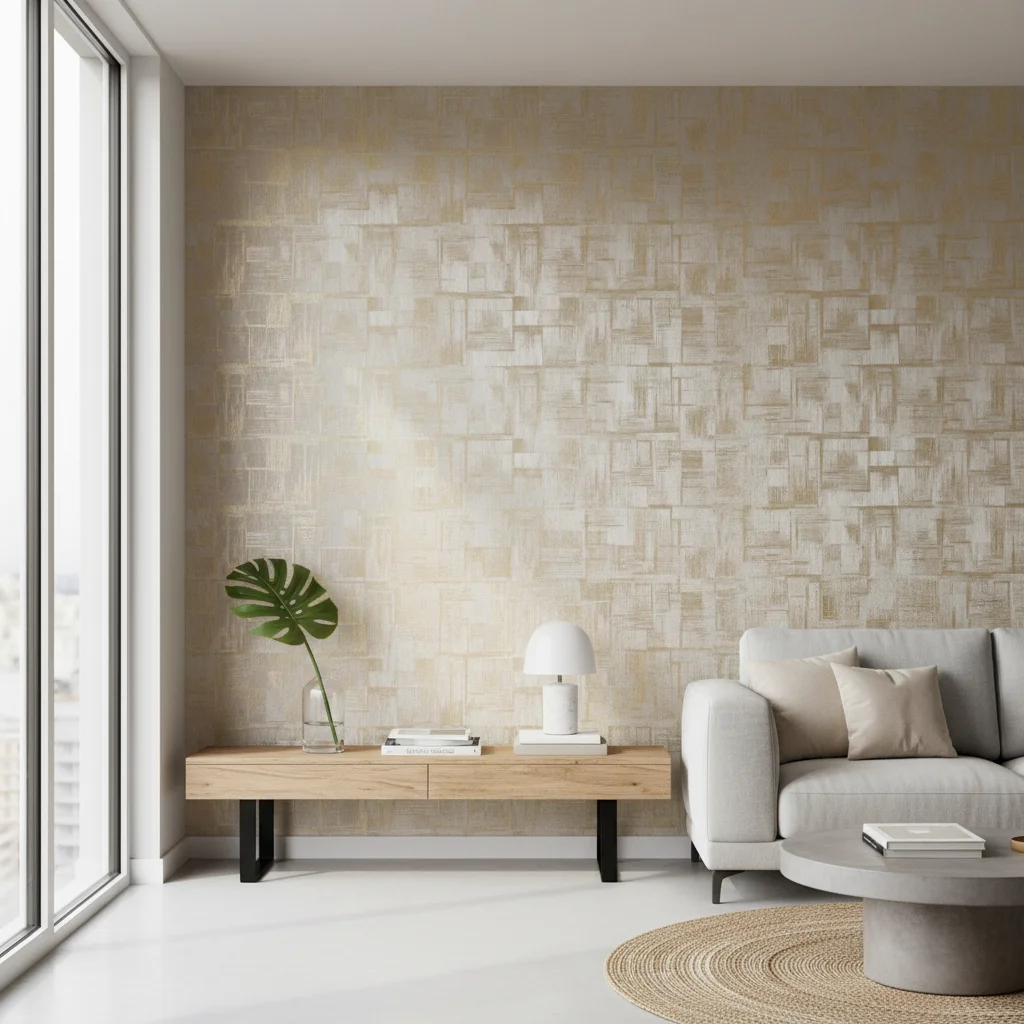
What is Metallic Wallpaper? A Definitive Guide to Shimmering Walls
Metallic wallpaper is a distinct wall covering renowned for its reflective, lustrous surface, which is achieved by integrating metallic pigments, foils, or Mylar into its construction. This specialized composition allows the wallpaper to interact dynamically with ambient and direct light, creating a unique visual effect that adds significant depth and sophistication to any room. Unlike traditional wallpapers, metallic variants introduce an element of shimmer and luxury, transforming flat surfaces into captivating design statements.
The core characteristic of metallic wallpaper lies in its ability to reflect light, which can make spaces feel larger and brighter, or create dramatic, moody effects depending on the finish and pattern. Its manufacturing process often involves applying a thin layer of metallic material, such as aluminum foil or Mylar, onto a paper or non-woven backing, or incorporating metallic inks directly into the design. This results in a durable and visually striking product that stands apart in the realm of interior design.
The Science of Shine: How Metallic Wallpaper Achieves its Luster
The shimmering effect of metallic wallpaper is a direct result of its surface composition, which is engineered to reflect light rather than absorb it. Manufacturers employ several precise techniques to imbue wallpaper with a metallic finish, each contributing to a distinct aesthetic and performance profile. Understanding these methods is key to appreciating the material’s versatility.
One common method involves the application of a thin metallic foil layer, typically aluminum, bonded to a paper or non-woven substrate. This foil can be left smooth for a mirror-like reflection or embossed with textures and patterns to diffuse light in intricate ways. Another technique utilizes Mylar, a durable polyester film with a metallic coating, which offers superior sheen and often enhanced washability.
For more subtle metallic effects, specialized metallic inks or pigments are integrated directly into the printing process. These inks contain fine metallic particles that impart a soft shimmer or a bold gleam, depending on their concentration and the printing technique. The interaction of these metallic elements with light creates an optical illusion of movement and depth, making the wall a dynamic focal point within the interior design.
Metallic wallpaper is a wall covering characterized by its reflective surface, created using metallic pigments, foils, or Mylar to produce a lustrous effect.
The Allure of Luster: Why Choose Metallic Wallpaper?
Choosing metallic wallpaper offers a distinctive array of benefits that significantly enhance interior aesthetics and functionality, distinguishing it from conventional wall coverings. Its inherent reflective quality is a primary draw, enabling it to manipulate light within a space, thereby creating perceptions of increased size, brightness, or dramatic ambiance. This makes it an invaluable tool for designers aiming to achieve specific atmospheric effects.
Beyond its visual appeal, metallic wallpaper contributes to a luxurious and sophisticated atmosphere, instantly elevating a room’s perceived value and design pedigree. It serves as a statement piece, drawing the eye and anchoring the room’s design narrative with its unique texture and sheen. The strategic application of metallic wallpaper can transform an ordinary space into an extraordinary one, reflecting a discerning taste for elevated design.
Transformative Benefits of Metallic Wallpaper
The decision to incorporate metallic wallpaper into a design scheme is often driven by its multifaceted advantages. These benefits extend beyond mere aesthetics, impacting the overall feel and functionality of a room.
- Enhanced Light Reflection: Metallic surfaces are exceptional at bouncing light around a room. This is particularly beneficial in smaller spaces or rooms with limited natural light, as it can make them appear more open, airy, and expansive. A subtle metallic sheen can brighten a dim corner without the need for additional fixtures.
- Spatial Expansion: The reflective quality of metallic wallpaper can create an illusion of depth and space. A highly reflective foil wallpaper, for instance, can mimic the effect of a mirror, visually pushing back walls and making a room feel significantly larger than its actual dimensions.
- Dramatic Visual Impact: Metallic wallpaper inherently possesses a “wow” factor. Whether it’s a bold geometric pattern in gold and silver or a subtle textured bronze, it immediately commands attention and establishes a focal point. This dramatic appeal is ideal for accent walls, entryways, or dining rooms where a memorable impression is desired.
- Luxurious and Sophisticated Aesthetic: The inherent shimmer and sheen of metallic finishes are synonymous with luxury. Incorporating metallic wallpaper instantly elevates the sophistication of an interior, imparting a high-end, bespoke feel that aligns with aspirational design.
- Durability and Longevity: Many metallic wallpapers, especially those with vinyl or Mylar surfaces, are highly durable and resistant to wear and tear. They are often wipeable, making them suitable for areas that require more frequent cleaning, such as dining rooms, hallways, or even powder rooms.
- Trend-Forward Design: Metallic finishes consistently appear in high-end interior design trends, signifying modernity and forward-thinking style. While some metallic patterns are classic, new interpretations keep this material fresh and relevant for contemporary aesthetics.
- Masks Imperfections: The reflective and often textured nature of metallic wallpaper can be surprisingly effective at camouflaging minor wall imperfections. The way light plays across the surface can distract from small bumps or unevenness, providing a smoother perceived finish.
When considering metallic wallpaper, think about the specific ambiance you wish to create. Do you desire a bright, expansive feel, or a dramatic, intimate setting? The type of metallic finish and pattern you select will dictate the success of your design vision. For those ready to explore the possibilities, we invite you to tell us what you’re looking for in your next design project. Starhouse is curating a collection that promises to meet the highest standards of style and quality. Share your vision and get early access at starhouseusa.online.
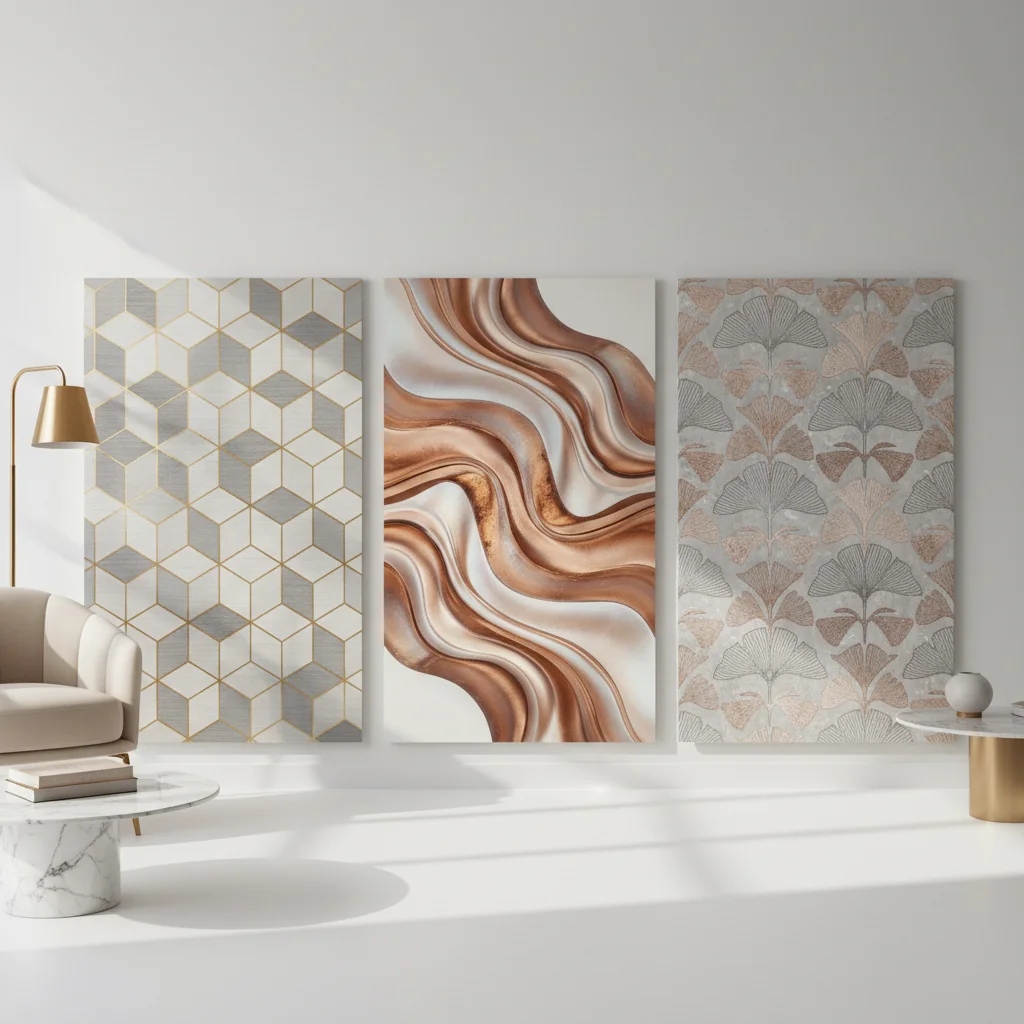
Types of Metallic Wallpaper: Exploring Finishes and Materials
Metallic wallpaper encompasses a broad spectrum of types, each distinguished by its unique material composition, manufacturing process, and resulting aesthetic. Understanding these variations is essential for selecting the appropriate product that aligns with both your design vision and practical requirements, as different types offer distinct levels of sheen, texture, and durability. The choice often dictates the overall impact and longevity of the wall treatment.
From the mirror-like gleam of foil to the subtle shimmer of metallic inks, the diversity in metallic wallpaper allows for tailored applications, whether you seek a bold statement or a delicate accent. Each type presents its own set of characteristics regarding installation, care, and suitability for specific environments, making an informed selection paramount for achieving optimal results. Starhouse curates options that exemplify both beauty and resilience.
Detailed Examination of Metallic Wallpaper Categories
The market offers several distinct categories of metallic wallpaper, each with specific attributes:
- Foil Wallpaper: This type features a very thin layer of metallic foil, typically aluminum, laminated onto a paper or non-woven backing. Foil wallpaper is known for its highly reflective, mirror-like finish, which can dramatically brighten a room and create a sense of expansive depth. It often comes in solid metallic colors like gold, silver, copper, or bronze, but can also be printed with patterns.
- Characteristics: Extremely reflective, luxurious appearance, can show wall imperfections if not properly prepped.
- Durability: Generally durable, but can crease or scratch if not handled carefully during installation. Many are wipeable.
- Best Use: Accent walls, formal living rooms, dining rooms, powder rooms, or any space where a bold, glamorous statement is desired.
- Mylar Wallpaper: Similar to foil, Mylar wallpaper uses a thin polyester film with a metallic coating, bonded to a substrate. Mylar offers a slightly less intense, yet still highly reflective, metallic sheen compared to pure foil. It is often more flexible and durable than foil, making it somewhat easier to install and more resistant to tearing.
- Characteristics: High sheen, durable, often more flexible than foil, can be embossed with textures.
- Durability: Excellent durability, often washable, resistant to moisture and tearing.
- Best Use: High-traffic areas, bathrooms (with proper ventilation), commercial spaces, or any area requiring both luxury and resilience.
- Metallic Ink Wallpaper: This category involves applying inks that contain fine metallic particles directly onto the wallpaper substrate. The metallic effect can range from a subtle shimmer to a prominent gleam, depending on the ink’s concentration and the printing technique. This allows for a vast array of patterns, from delicate designs with metallic accents to bold, abstract metallics.
- Characteristics: Versatile designs, varied levels of sheen (subtle to bold), often textured.
- Durability: Varies depending on the substrate (paper, non-woven, vinyl), generally good.
- Best Use: Whole rooms, bedrooms, living rooms, or any space where a nuanced metallic effect is desired without overwhelming reflectivity.
- Embossed Metallic Wallpaper: This type features raised textures and patterns on its surface, which are then enhanced with metallic finishes. The embossing adds tactile dimension and creates a dynamic play of light and shadow, further accentuating the metallic sheen. These can be foil, Mylar, or metallic ink wallpapers that have undergone an embossing process.
- Characteristics: Textured, three-dimensional effect, dynamic light play, adds tactile interest.
- Durability: Good, often more forgiving of wall imperfections due to texture.
- Best Use: Feature walls, areas where textural interest is as important as sheen, or to add architectural detail.
- Grasscloth with Metallic Accents: While traditionally natural fiber, some grasscloth wallpapers incorporate metallic threads or subtle metallic backing to introduce a reflective quality. This combines the organic texture of grasscloth with a delicate shimmer, offering a unique blend of natural and sophisticated aesthetics.
- Characteristics: Natural texture, subtle metallic shimmer, adds warmth and organic luxury.
- Durability: Generally delicate, requires careful handling, not typically washable.
- Best Use: Bedrooms, studies, formal living spaces where a quiet luxury and natural elegance are prioritized.
Comparison of Metallic Wallpaper Types
To further clarify the distinctions, the following table provides a comparative overview of the primary metallic wallpaper types:
| Type | Primary Material/Finish | Reflectivity Level | Durability & Care | Application Complexity | Ideal Use Cases |
|---|---|---|---|---|---|
| Foil Wallpaper | Thin aluminum foil on backing | Very High (Mirror-like) | Good, but prone to creasing/scratching; often wipeable. | High (requires very smooth walls, careful handling) | Dramatic accent walls, formal areas, luxury powder rooms. |
| Mylar Wallpaper | Metallic-coated polyester film | High (Bright sheen) | Excellent, tear-resistant, often washable. | Medium (more flexible than foil, still needs care) | High-traffic areas, bathrooms, modern/glam interiors. |
| Metallic Ink Wallpaper | Inks with metallic particles on various substrates | Variable (Subtle shimmer to bold gleam) | Varies by substrate (paper, non-woven, vinyl); generally good. | Medium (standard wallpaper application) | Whole rooms, nuanced designs, bedrooms, living rooms. |
| Embossed Metallic | Foil/Mylar/Ink with raised textures | High (Dynamic light play over texture) | Good, texture can mask minor imperfections. | High (aligning patterns, careful handling of raised areas) | Feature walls, architectural interest, adding tactile depth. |
| Metallic Grasscloth | Natural fibers with metallic threads/backing | Low to Medium (Subtle shimmer) | Delicate, not typically washable, can fray. | High (fragile material, visible seams) | Bedrooms, studies, areas seeking organic luxury. |
Navigating Styles: Integrating Metallic Wallpaper into Any Aesthetic
Metallic wallpaper is remarkably versatile, capable of seamlessly integrating into and enhancing a wide array of interior design aesthetics, from historical grandeur to contemporary minimalism. Its adaptability stems from the diverse range of patterns, finishes, and metallic tones available, allowing it to serve as either a subtle accent or a commanding focal point within any decorative scheme. The key lies in selecting a metallic wallpaper that complements the existing design language of a space, rather than clashing with it.
By understanding the characteristic elements of various design styles, one can strategically choose metallic wallpapers that resonate with the desired ambiance, whether that is opulence, industrial edge, or serene elegance. Starhouse recognizes this versatility and offers selections that span the stylistic spectrum, ensuring that every homeowner can find the perfect metallic complement for their unique vision.
Metallic Wallpaper Across Design Aesthetics
The integration of metallic wallpaper is not limited to one specific look; it can be a powerful design element across many distinct styles:
- Art Deco Glamour: Metallic wallpaper is a quintessential element of Art Deco, a style characterized by luxury, geometric patterns, and rich materials. Think bold gold or silver geometric patterns, fan motifs, or stylized animal prints with a high-gloss metallic finish. These wallpapers evoke the opulence of the 1920s and 30s, pairing perfectly with velvet furniture, mirrored accents, and dark wood finishes.
- Modern Glam: This style combines contemporary clean lines with luxurious and glittering elements. Metallic wallpaper in subtle textures, abstract patterns, or soft metallic hues like rose gold or champagne can create a sophisticated backdrop. Pair with mirrored furniture, crystal chandeliers, and plush textiles for a cohesive look.
- Industrial Chic: For an edgy, urban aesthetic, metallic wallpaper can mimic aged metals like rusted steel, oxidized copper, or brushed aluminum. These designs often feature distressed textures or abstract metallic patinas. This creates a compelling contrast with exposed brick, concrete, and raw wood elements, adding an unexpected touch of refinement to a rugged space.
- Contemporary Minimalist: In minimalist designs, metallic wallpaper can introduce texture and subtle visual interest without overwhelming the clean aesthetic. Opt for wallpapers with a muted metallic sheen, fine linear patterns, or understated geometric designs in silver, pewter, or a soft gold. It adds a layer of sophistication and depth while maintaining a sleek, uncluttered feel.
- Traditional Elegance: Metallic wallpaper can imbue traditional spaces with renewed vibrancy. Damask patterns, classic toile, or botanical motifs rendered with metallic inks or subtle gold/silver accents maintain a classic feel while adding a touch of contemporary luxury. This works beautifully with antique furniture, rich draperies, and classic art.
- Eclectic Style: Eclectic interiors thrive on mixing and matching diverse elements. Metallic wallpaper can act as a unifying backdrop or a bold statement piece within such a scheme. A vibrant metallic pattern might be juxtaposed with bohemian textiles, rustic furniture, and modern art, creating a dynamic and personalized space.
- Transitional Design: This style balances traditional and contemporary elements. Metallic wallpaper with a subtle sheen in a classic pattern (like a soft stripe or a muted geometric) can bridge the gap beautifully, offering a touch of modernity without sacrificing timeless appeal.
Art Deco wallpaper often features geometric patterns, sunburst motifs, and metallic accents, reflecting the luxurious and opulent aesthetic of the 1920s and 30s.
When integrating metallic wallpaper, consider the overall color palette and the predominant textures in your room. A cool-toned metallic like silver or chrome will complement grays, blues, and whites, enhancing a modern or industrial aesthetic. Warm metallics such as gold, brass, or copper pair exquisitely with rich jewel tones, deep woods, and earthy neutrals, fostering a sense of warmth and luxury. The goal is always to create harmony and balance, allowing the metallic wallpaper to elevate, not dominate, the design narrative.
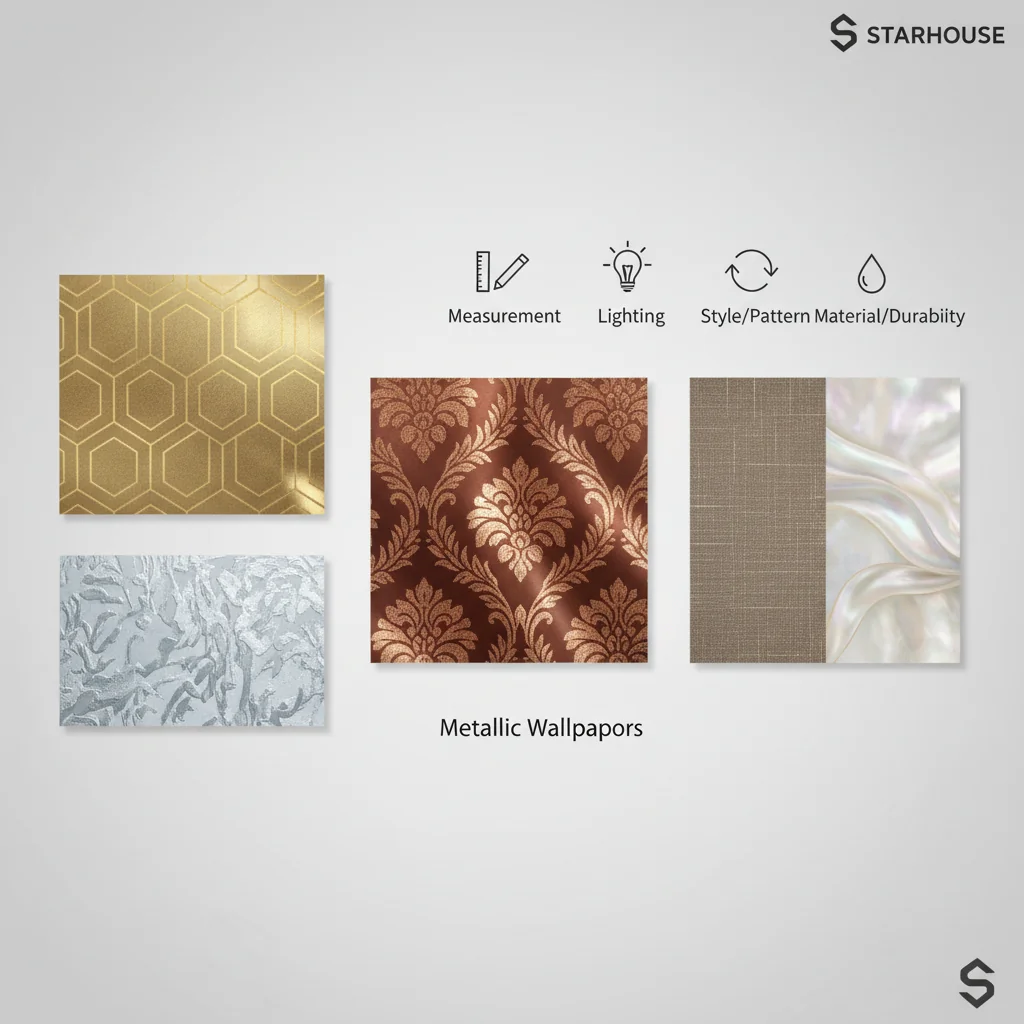
Choosing Your Metallic Wallpaper: Factors for an Informed Decision
Selecting the ideal metallic wallpaper requires careful consideration of several critical factors to ensure it harmonizes with your space and fulfills your design objectives. The decision extends beyond mere aesthetics, encompassing practical aspects such as room size, natural light availability, existing decor, and the wallpaper’s durability. An informed choice guarantees that the metallic wallpaper enhances, rather than detracts from, your home’s overall appeal.
At Starhouse, we guide you through this selection process, emphasizing that the most successful installations result from a thoughtful analysis of both the visual impact and the functional suitability of the chosen metallic design. Precision in this initial phase prevents costly mistakes and ensures long-term satisfaction with your shimmering walls.
Key Considerations for Selecting Metallic Wallpaper
Before committing to a specific metallic wallpaper, evaluate these crucial elements:
- Room Size and Layout:
- Small Rooms: In compact spaces, highly reflective metallic wallpapers (like foils or Mylar) can create an illusion of greater depth and openness by bouncing light. Opt for lighter metallic tones (silver, champagne) and smaller, subtle patterns to avoid overwhelming the space.
- Large Rooms: Larger rooms can accommodate bolder metallic patterns, darker metallic hues (bronze, charcoal with metallic flecks), and more dramatic finishes. Consider using metallic wallpaper on all walls for an immersive, luxurious effect, or as a powerful accent wall.
- Natural Light Exposure:
- North-Facing Rooms: These rooms typically receive cooler, indirect light. Warm metallics (gold, copper, brass) can inject warmth and brighten the space.
- South-Facing Rooms: Abundant direct sunlight can make highly reflective metallics appear too dazzling. Consider textured metallics, matte metallics, or metallic ink wallpapers with a softer sheen to diffuse the light more gently.
- Low-Light Rooms: Any metallic wallpaper will help reflect what little light is available, making the room feel brighter. Lighter, high-sheen options are particularly effective.
- Existing Decor and Color Palette:
- Harmony: Ensure the metallic tone (gold, silver, bronze) complements your existing furniture, textiles, and paint colors. Cool metallics pair well with blues, greens, grays, and whites, while warm metallics complement reds, oranges, browns, and creams.
- Pattern Integration: If your room already features patterned rugs or upholstery, select a metallic wallpaper with a simpler, less busy pattern, or a solid texture. Conversely, a room with solid-colored furnishings can handle a more intricate metallic design.
- Pattern Scale and Repeat:
- Small Patterns: Generally versatile and suitable for most room sizes, creating a subtle background.
- Large Patterns: Best suited for larger walls or accent walls where the full pattern can be appreciated without being cut off. Be mindful of pattern repeat when calculating quantities, as this affects waste.
- No Pattern Repeat: Textured metallics or abstract designs without a specific repeat are often easier to install and result in less waste.
- Durability and Maintenance Requirements:
- High-Traffic Areas (Hallways, Kids’ Rooms): Opt for durable, washable options like vinyl-backed Mylar or metallic vinyl wallpapers, which can withstand bumps and be easily cleaned.
- Low-Traffic Areas (Bedrooms, Formal Living Rooms): More delicate options like foil or grasscloth with metallic accents are suitable where less wear and tear is expected.
- Bathrooms/Kitchens: Look for moisture-resistant metallic wallpapers, typically vinyl or Mylar, and ensure proper ventilation to prevent moisture damage.
- Budget:
- Metallic wallpapers vary widely in price based on material, complexity of design, and brand. Foil and Mylar are often at the higher end due to material costs and manufacturing processes, while metallic ink papers can be more budget-friendly.
- Consider not just the per-roll cost, but also potential installation costs if hiring a professional, and the cost of any necessary surface preparation materials.
- Sampling: Always obtain samples of your preferred metallic wallpapers. Hang them on your wall in the intended space and observe them throughout the day under different lighting conditions. This allows you to see how the metallic finish interacts with light and your existing decor, preventing costly surprises.
By systematically evaluating these factors, you can confidently select a metallic wallpaper that not only looks stunning but also performs optimally within your specific living environment. The right choice will create a lasting impression of elegance and thoughtful design.
Precision in Application: Measuring and Installation Guidance
Successful installation of metallic wallpaper hinges on meticulous preparation and precise application techniques, transforming the process from a daunting task into a rewarding design endeavor. Unlike standard wallpapers, metallic finishes can be less forgiving of wall imperfections and installation errors, making a thorough understanding of measuring and preparation protocols absolutely essential. Adhering to these guidelines ensures a professional, seamless finish that maximizes the wallpaper’s inherent luster and longevity.
At Starhouse, we advocate for a methodical approach, emphasizing that the beauty of metallic wallpaper is fully realized only when it is installed with careful attention to detail. This section provides the authoritative steps and considerations necessary for achieving an impeccable result, whether you choose to undertake the project yourself or engage a professional.
Measuring for Metallic Wallpaper: Accuracy is Paramount
Accurate measurement is the foundation of a successful wallpaper project, minimizing waste and ensuring you purchase the correct quantity. Follow these steps:
- Measure Wall Dimensions: Measure the height of your wall from ceiling to baseboard and the width of each wall. Round up to the nearest inch.
- Calculate Total Square Footage: Multiply the height by the width for each wall, then sum these values to get the total square footage to be covered.
- Account for Openings: Subtract the square footage of any large windows or doors. For smaller openings, it’s often best to include them in the total to account for trimming and pattern matching.
- Determine Roll Coverage: Wallpaper rolls come in standard widths (e.g., 20.5 inches, 27 inches) and lengths (e.g., 33 feet, 16.5 feet for double rolls). Check the specific square footage coverage listed on your chosen wallpaper roll.
- Factor in Pattern Repeat: This is critical for metallic wallpapers with patterns. The pattern repeat is the distance before the design repeats itself. You must add the pattern repeat length to each strip you cut to ensure the design aligns seamlessly across seams. For example, if your wall is 8 feet high and the pattern repeat is 24 inches (2 feet), each strip needs to be 10 feet long (8 feet + 2 feet for matching).
- Add for Waste and Future Repairs: Always purchase an extra roll (or 15-20% extra) to account for trimming, pattern matching, and potential future repairs. This is a non-negotiable step for a professional outcome.
- Consult Manufacturer’s Chart: Most wallpaper manufacturers provide a coverage chart based on standard wall heights and pattern repeats. Use this as a final cross-reference.
Surface Preparation: The Unsung Hero of Metallic Wallpaper Installation
Proper wall preparation is even more critical for metallic wallpapers due to their reflective nature, which can highlight every imperfection. A perfectly smooth, clean, and appropriately primed surface is mandatory.
- Clean Walls Thoroughly: Wash walls with a mild detergent solution (e.g., TSP substitute) to remove dirt, grease, and grime. Rinse thoroughly and allow to dry completely.
- Repair Imperfections: Fill all holes, cracks, and dents with spackle or joint compound. Sand smooth once dry, ensuring the wall is perfectly flat. Metallic wallpapers, especially high-sheen foils, will magnify even the slightest bump or divot.
- Remove Old Wallpaper: All existing wallpaper must be completely removed. Residual adhesive or paper can cause new metallic wallpaper to bubble or adhere improperly.
- Prime the Walls: Apply a high-quality wallpaper primer (often called a “sizing” or “wall-covering primer”). This serves multiple crucial functions:
- Seals the Surface: Prevents the wallpaper adhesive from soaking into porous drywall, ensuring an even bond.
- Provides “Slip”: Allows you to slide the wallpaper into position more easily during installation, which is vital for pattern matching and reducing bubbles.
- Aids in Future Removal: Creates a barrier that makes subsequent removal much easier, preventing damage to the drywall.
- Ensures Uniform Adhesion: Promotes consistent drying and adhesion across the entire surface.
Choose a primer specifically designed for wallpaper, and allow it to dry completely according to manufacturer instructions.
Installation Tips: Handling the Shimmer with Care
Installing metallic wallpaper requires patience and precision. While some experienced DIYers can tackle it, professional installation is often recommended for optimal results, especially with delicate foil or large-patterned metallics.
- Use the Right Adhesive: Always use the adhesive recommended by the wallpaper manufacturer. For heavy metallic papers, a heavy-duty clear wallpaper paste is typically required.
- Working Environment: Ensure the room is well-ventilated during installation, especially when using adhesives. Some wallpaper adhesives may contain Volatile Organic Compounds (VOCs), and proper airflow is essential for safety and to promote even drying.
- Cutting Strips: Cut strips a few inches longer than your wall height, allowing for trimming at the top and bottom. Number the back of each strip in the order they will be hung to maintain pattern sequence.
- Pasting and Booking: Apply adhesive evenly to the back of the wallpaper (if unpasted) or directly to the wall (for “paste-the-wall” products). “Book” the wallpaper (fold pasted side to pasted side) for 5-10 minutes to allow the adhesive to activate, if required by the manufacturer.
- Hanging the First Strip: Use a plumb line (a weighted string) to ensure your first strip is perfectly vertical. This sets the standard for all subsequent strips. Do not rely on the corner of the room, which may not be plumb.
- Smooth with Care: Use a soft smoothing brush or plastic smoother, working from the center outwards to remove air bubbles. Be gentle with foil papers to avoid creasing or scratching the metallic surface.
- Seam Management: Metallic wallpapers can sometimes show seams more readily than matte papers. Ensure strips are perfectly butted together, not overlapped. A seam roller can be used gently to secure edges, but avoid excessive pressure on delicate metallic finishes.
- Trimming: Use a sharp utility knife and a straight edge (like a metal ruler) to trim excess paper at the ceiling and baseboard. Change blades frequently to ensure clean cuts.
- Clean-Up: Immediately wipe away any excess adhesive from the wallpaper surface with a clean, damp sponge. Dried adhesive can damage or dull metallic finishes.
By following these precise steps for measuring, preparing, and installing, your metallic wallpaper will become a stunning and enduring feature of your home, reflecting impeccable taste and craftsmanship.
Care and Maintenance: Preserving the Luster of Your Walls
Proper care and maintenance are crucial for preserving the exquisite luster and extending the lifespan of your metallic wallpaper, ensuring its reflective beauty remains undiminished over time. Unlike traditional painted surfaces, metallic wallpapers require specific cleaning techniques and environmental considerations to prevent damage, dulling, or discoloration. Adhering to manufacturer guidelines is paramount, as different metallic materials and finishes demand varied approaches to upkeep.
At Starhouse, we emphasize that consistent, gentle care is the cornerstone of maintaining the pristine appearance of your metallic wall coverings. This proactive approach safeguards your investment and keeps your walls shimmering with their original elegance for years to come.
Guidelines for Cleaning and Longevity
To ensure your metallic wallpaper retains its brilliance, follow these authoritative care practices:
- Identify Wallpaper Type: Before any cleaning, ascertain the specific type of metallic wallpaper installed (e.g., foil, Mylar, metallic ink on vinyl, or paper-backed). The manufacturer’s care label or instructions are the most reliable source for this information.
- Dust Regularly: Dust accumulation can dull the metallic sheen. Gently dust your metallic wallpaper weekly or bi-weekly using a soft, dry microfiber cloth, a feather duster, or a vacuum cleaner brush attachment on a low setting. Always work from top to bottom.
- Spot Clean Immediately: For spills or marks, immediate action is essential.
- For Washable Metallics (Mylar, Vinyl-backed Metallic Ink): Lightly dampen a clean, soft sponge or microfiber cloth with plain water. For stubborn marks, use a very mild, non-abrasive soap solution (e.g., diluted dish soap). Gently blot the stain, then wipe clean with a water-dampened cloth to remove all soap residue. Pat dry with a clean, dry cloth.
- For Delicate Metallics (Foil, Paper-backed Metallic Ink, Grasscloth with Metallic Accents): These types are often not washable or are only “wipeable” with a barely damp cloth. For most marks, a dry, soft eraser (white art eraser) can gently lift surface dirt. Avoid any liquids unless explicitly stated by the manufacturer, as water can stain or lift the metallic layer.
- Avoid Abrasives and Harsh Chemicals: Never use abrasive cleaners, scouring pads, bleach, or strong chemical solvents on metallic wallpaper. These can permanently scratch, dull, or strip the metallic finish, leading to irreversible damage.
- Test in an Inconspicuous Area: Before applying any cleaning solution or method to a visible area, always test it on a small, hidden section of the wallpaper (e.g., behind furniture or near the baseboard). This verifies that the method will not cause discoloration or damage.
- Control Environmental Factors:
- Humidity: High humidity can cause wallpaper seams to lift or encourage mold growth on the adhesive. Ensure adequate ventilation in bathrooms and kitchens.
- Direct Sunlight: Prolonged exposure to intense direct sunlight can fade colors and potentially dull metallic finishes over many years. Consider sheer curtains or blinds for windows that receive strong, direct sun.
- Temperature Fluctuations: Extreme temperature swings can affect the adhesive bond. Maintain a relatively stable indoor temperature.
- Handle with Care: Avoid rubbing against metallic wallpaper with sharp objects, furniture, or abrasive materials, which can scratch or tear the surface.
- Repairing Minor Damage: For small tears or lifted seams, use a specialized wallpaper repair adhesive. Apply a tiny amount with a toothpick or cotton swab, press the area flat, and wipe away excess immediately. For larger damage, it may be necessary to patch with a piece from a leftover roll, carefully matching the pattern.
By integrating these specific care practices into your home maintenance routine, your metallic wallpaper will continue to exude its unique brilliance, contributing to a luxurious and well-maintained interior for years to come.
Styling and Pairing: Maximizing Impact with Metallic Wallpaper
Maximizing the impact of metallic wallpaper involves thoughtful styling and strategic pairing with complementary furnishings, textiles, and lighting, transforming a simple wall covering into a cornerstone of your interior design. The inherent reflective qualities of metallic wallpaper mean it actively interacts with its surroundings, necessitating a cohesive approach to all design elements. When executed with precision, this synergy creates a sophisticated and visually captivating environment.
At Starhouse, we understand that successful styling transcends mere placement; it’s about curating an entire experience. This section provides authoritative guidance on how to integrate metallic wallpaper seamlessly into your decor, ensuring it enhances, rather than overwhelms, your space, and achieves a harmonious balance of luxury and comfort.
Creating Cohesive Interiors with Metallic Wallpaper
To fully leverage the transformative power of metallic wallpaper, consider its interaction with other design elements:
- Furniture Selection:
- Complementary Finishes: Pair metallic wallpaper with furniture that features complementary metallic accents (e.g., brass legs on a sofa, chrome hardware on a dresser). Ensure the metallic tones are consistent (warm metals with warm metals, cool metals with cool metals).
- Material Contrast: Create visual interest by contrasting the sleekness of metallic wallpaper with rich, textured furniture materials like velvet, leather, or dark wood. A plush velvet sofa against a shimmering gold wall creates an instant sense of luxury.
- Scale and Form: With bold metallic patterns, opt for furniture with clean lines and simpler forms to avoid visual clutter. For subtle metallic textures, more ornate furniture can be effectively highlighted.
- Textiles and Soft Furnishings:
- Luxurious Fabrics: Draperies, throw pillows, and rugs in silk, velvet, faux fur, or high-pile chenille enhance the luxurious feel of metallic walls.
- Color Palette: Choose textile colors that either echo or provide a sophisticated contrast to the metallic tones. Jewel tones (emerald, sapphire, ruby) pair beautifully with gold and brass, while cool grays, deep blues, and crisp whites complement silver and chrome.
- Subtle Shimmer: Consider textiles with subtle metallic threads or embroidery to tie the room together without competing with the wallpaper.
- Lighting Design:
- Accent Lighting: Metallic wallpaper thrives under well-placed lighting. Use wall sconces, picture lights, or recessed lighting to highlight the metallic sheen and texture, creating dynamic plays of light and shadow.
- Chandeliers and Pendants: A statement chandelier with metallic elements (brass, crystal, chrome) can serve as a focal point that interacts beautifully with the metallic walls, reflecting and refracting light.
- Dimmer Switches: Install dimmer switches to control the intensity of light, allowing you to alter the mood and the way the metallic wallpaper reflects light from bright and expansive to soft and intimate.
- Bulb Temperature: Warm white (2700K-3000K) bulbs will enhance warm metallics, while cool white (3500K-4000K) bulbs will bring out the crispness of silver and chrome.
- Accessories and Art:
- Mirrors: Mirrors with metallic frames amplify the reflective qualities of the wallpaper, making rooms feel larger and brighter.
- Metallic Accents: Incorporate vases, sculptures, trays, or decorative objects with metallic finishes that match or complement the wallpaper’s tone.
- Artwork: Choose artwork with frames that match the metallic tones in the wallpaper, or select pieces that provide a strong color contrast to make them pop against the shimmering background. Avoid overly busy or competing patterns in artwork if the wallpaper itself is heavily patterned.
- Defining an Accent Wall vs. Entire Room:
- Accent Wall: For a dramatic statement or to introduce metallic elements without overwhelming the space, an accent wall is ideal. Choose a wall that naturally draws the eye, such as behind a bed, sofa, or dining table. Paint the remaining walls in a complementary solid color.
- Entire Room: For a truly immersive and luxurious experience, metallic wallpaper on all walls can be breathtaking, especially in powder rooms, dining rooms, or formal living areas. In this case, opt for more subtle patterns or textured metallics to maintain sophistication without feeling overstimulating.
By orchestrating these elements with precision, metallic wallpaper transcends its role as a mere wall covering, becoming an integral component of a meticulously designed interior that radiates style, depth, and a compelling sense of luxury. Starhouse empowers you to achieve this sophisticated balance in your own home.
Common Mistakes to Avoid When Using Metallic Wallpaper
Despite its transformative potential, metallic wallpaper can lead to less-than-ideal outcomes if common pitfalls are not meticulously avoided during selection and installation. These errors often stem from overlooking critical details related to surface preparation, lighting interaction, and design balance, resulting in a finish that fails to meet expectations. Identifying and consciously sidestepping these mistakes is crucial for achieving a truly polished and impactful metallic wall treatment.
At Starhouse, we emphasize that awareness of these common missteps empowers homeowners and designers to make informed decisions, ensuring their metallic wallpaper project culminates in a stunning and enduring success. Precision in planning and execution is the antidote to disappointment.
Pitfalls to Sidestep for a Flawless Metallic Finish
To ensure your metallic wallpaper project is a resounding success, be vigilant about avoiding these common errors:
- Inadequate Wall Preparation: This is arguably the most critical mistake. Metallic wallpapers, especially high-sheen foils and Mylar, unforgivingly highlight every bump, divot, or imperfection on the wall surface. Failing to thoroughly clean, patch, sand, and prime walls will result in a visibly flawed finish that detracts from the wallpaper’s luxury.
- Ignoring Pattern Repeat During Measurement: For patterned metallic wallpapers, not accounting for the pattern repeat when cutting strips leads to mismatched designs at the seams, creating a disjointed and amateurish look. Always add the repeat length to each cut.
- Using the Wrong Adhesive: Applying an incorrect or insufficient type of adhesive can cause the wallpaper to bubble, lift at the seams, or fail to adhere properly, particularly with heavier metallic materials. Always use the manufacturer’s recommended adhesive.
- Overlooking Lighting Interaction: Metallic wallpaper’s primary feature is its reflectivity. Failing to consider how natural and artificial light sources will interact with the metallic finish can lead to unintended glare, an overly bright space, or a dull, lifeless effect if lighting is inadequate. Sample the wallpaper under various light conditions.
- Overuse of Metallic Elements: While metallic wallpaper is luxurious, using it on every wall in a small room or pairing it with too many other reflective surfaces (mirrored furniture, highly polished metals) can create an overwhelming, garish, or visually fatiguing environment. Balance is key; often, an accent wall is sufficient.
- Poor Seam Management: Metallic wallpapers can sometimes make seams more visible. Improper installation (e.g., overlapping strips, uneven cuts, insufficient adhesive at edges) can result in noticeable lines that break the illusion of a seamless surface. Meticulous butt-joining is essential.
- Choosing the Wrong Scale of Pattern for the Room: A large, bold metallic pattern in a tiny powder room can make the space feel cramped and busy. Conversely, a very small, subtle pattern on a vast wall may get lost. Match the pattern’s scale to the room’s dimensions for optimal visual impact.
- Not Testing Samples: Relying solely on online images or small swatches can be misleading. Always order large samples and view them on your actual walls in different lighting conditions before committing to a purchase.
- Improper Cleaning Methods: Using abrasive cleaners, harsh chemicals, or excessive moisture on delicate metallic finishes can permanently damage, dull, or discolor the wallpaper. Always follow specific care instructions for your wallpaper type.
- Lack of Ventilation During Installation: Some wallpaper adhesives contain VOCs. Inadequate ventilation during and immediately after installation can lead to prolonged off-gassing, poor drying, and potential health concerns. Ensure proper airflow as recommended by adhesive manufacturers.
By proactively addressing these potential missteps, you can ensure your metallic wallpaper project proceeds smoothly and results in a stunning, high-quality finish that elevates your home’s aesthetic for years to come.
Sources
- Contact Us | Occupational Safety and Health Administration | osha.gov
- Regulations.gov | EPA-HQ-OPP-2021-0269-0002 | regulations.gov
Frequently Asked Questions About Metallic Wallpaper
Can metallic wallpaper be used in bathrooms?
Yes, metallic wallpaper can be used in bathrooms, but it is crucial to select a type specifically designed for high-humidity environments, such as vinyl-backed Mylar or washable metallic vinyl. These materials are more resistant to moisture and can withstand the damp conditions of a bathroom, provided there is adequate ventilation to prevent excessive condensation and potential mold growth.
Is metallic wallpaper difficult to install?
Metallic wallpaper can be more challenging to install than standard wallpaper due to its reflective surface, which tends to highlight wall imperfections and installation flaws like creases or visible seams. Precise wall preparation, including thorough cleaning, patching, sanding, and priming, is absolutely essential for a professional finish. Many homeowners opt for professional installation to ensure optimal results.
Does metallic wallpaper make a room feel smaller?
No, metallic wallpaper generally makes a room feel larger and brighter, particularly if it has a high-sheen, reflective finish. Its ability to bounce light around a space creates an illusion of depth and openness, effectively expanding the perceived dimensions of the room. Lighter metallic tones and subtle patterns are especially effective in maximizing this spatial expansion.
How do I clean metallic wallpaper?
Cleaning metallic wallpaper requires gentle methods to preserve its luster. For washable types (e.g., Mylar, vinyl), use a soft, damp cloth with a mild, non-abrasive soap solution, then wipe clean with a water-dampened cloth and pat dry. For delicate types (e.g., foil, paper-backed), dry dusting with a microfiber cloth is usually recommended, and liquids should be avoided unless specified by the manufacturer.
What kind of lighting works best with metallic wallpaper?
Metallic wallpaper benefits immensely from strategic lighting that highlights its reflective qualities. Accent lighting such as wall sconces, picture lights, or recessed lighting directed at the wall can create dynamic visual interest and enhance the metallic sheen. Dimmable fixtures allow for versatile ambiance, while chandeliers or pendants with metallic elements can further amplify the room’s luxurious feel.
Is peel-and-stick metallic wallpaper available?
Yes, peel-and-stick metallic wallpaper is widely available, offering a convenient and often DIY-friendly option for achieving a metallic look. This type features an adhesive backing that simplifies installation and makes it easier to remove or reposition. While it offers ease of use, surface preparation remains critical to ensure a smooth, lasting finish, as peel-and-stick options can still highlight wall imperfections.
Is metallic wallpaper a passing trend?
Metallic wallpaper is not merely a passing trend; it is a timeless design element that consistently reappears in high-end interiors, evolving with contemporary aesthetics. While specific patterns or metallic tones may cycle in popularity, the fundamental appeal of reflective surfaces for adding depth, light, and luxury ensures its enduring relevance in sophisticated home decor. Its versatility allows it to adapt to various styles, from classic Art Deco to modern minimalism.
Conclusion: Elevate Your Space with Starhouse
Metallic wallpaper stands as a testament to the transformative power of thoughtful design, offering an unparalleled ability to infuse depth, light, and an undeniable sense of luxury into any interior. From the shimmering expansiveness it lends to smaller rooms to the dramatic statements it makes in grander spaces, its versatility and visual impact are truly exceptional. By understanding the nuances of its types, styles, and the meticulous care required, homeowners are empowered to select and maintain a wall covering that not only reflects their personal aesthetic but also elevates their entire living experience.
At Starhouse, we are dedicated to curating a collection that embodies this very essence of sophistication and quality. We believe that every wall has a story to tell, and metallic wallpaper offers a brilliant narrative of modern elegance and timeless allure. As you envision the next chapter for your home, consider the profound impact a touch of metallic shimmer can bring.
We are actively building our catalog of exceptional home décor products, including a diverse range of metallic wallpapers designed to inspire and captivate. We invite you to be a part of this exciting journey. Share your design aspirations and tell us what you’re looking for in your next home project, and gain early access to our meticulously curated collection. Let Starhouse help you define your space with unparalleled style and distinction.