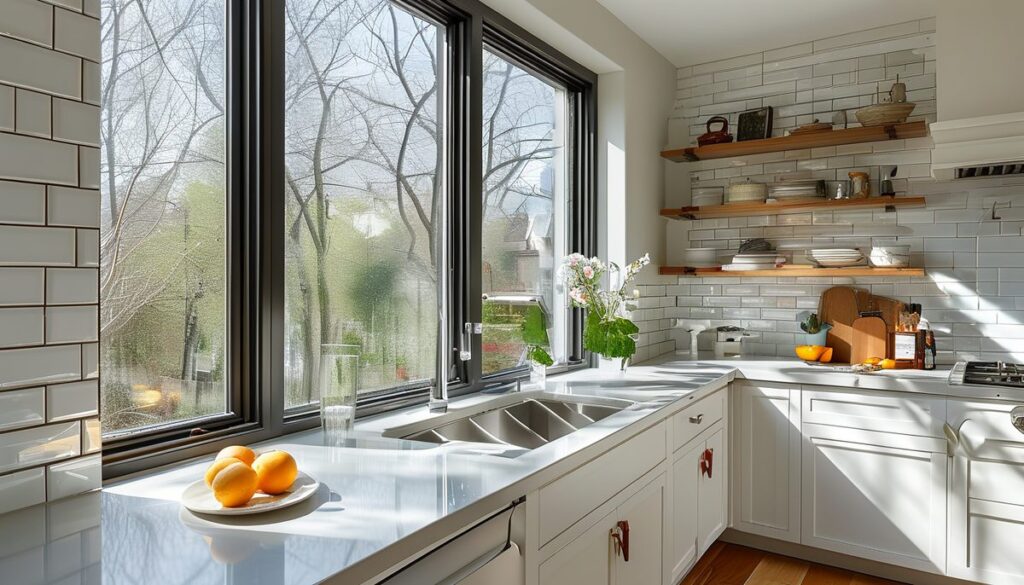
Applying peel and stick tiles directly to an existing countertop is a budget-friendly way to refresh your kitchen or bathroom. Unlike traditional tile, this DIY-friendly option requires no grout and can be installed by almost anyone. However, not all peel and stick tiles are created equal, and your countertop material dictates the best choice.
choosing the right peel and stick countertop tiles
The key to a successful peel and stick countertop installation lies in selecting tiles designed for high-traffic, potentially wet surfaces. Many products marketed as wall tiles can work, but some are better suited for countertops due to their thickness and durability.
vinyl and PVC tiles
Polyvinyl chloride (PVC) and vinyl tiles are the most common and generally best-performing option for countertops. Look for products specifically labeled as suitable for flooring or countertops. These are typically thicker, often 0.08 inches (2 mm) or more, and have a strong adhesive. Their inherent water resistance makes them ideal for kitchen and bathroom environments. Some higher-end PVC tiles mimic the look of natural stone, glass, or even metal, offering a significant aesthetic upgrade without the cost.
mosaics and smaller format tiles
Mosaics, often sheets of small glass, stone, or resin tiles, can also be applied as peel and stick. These require more precision during installation to ensure the sheets align properly and the grout lines (if they are pre-grouted on the sheet) are consistent. For a truly DIY-friendly approach, opt for mosaic sheets with pre-applied grout, which simplifies the process considerably. Even though they are peel and stick, the small size of individual tiles means more seams, which can be a point of weakness if not sealed properly or if the adhesive isn’t robust.
avoiding unsuitable materials
Avoid peel and stick products designed solely for walls, especially those made of thin foam or fabric-backed vinyl. These lack the necessary durability and water resistance for a countertop. They can scratch easily, discolor from heat or moisture, and their adhesive may not hold up under constant use.
preparing your existing countertop
Proper surface preparation is non-negotiable for peel and stick tile adhesion. Skipping these steps is the most common reason for premature failure.
cleaning is paramount
The existing countertop must be immaculately clean, dry, and free of any residue. This includes grease, soap scum, old adhesive, or cleaning product buildup. Use a degreaser and then a standard household cleaner. For laminate or solid surface countertops, a final wipe-down with isopropyl alcohol can ensure all traces of contaminants are removed. Ensure the surface is completely dry before proceeding.
smoothness matters
Peel and stick tiles conform to the surface they are applied to. Any imperfections, bumps, or significant scratches on your existing countertop will telegraph through the new tile layer. If your countertop has deep gouges or is uneven, consider using a filler or an appropriate primer designed to create a smoother surface. For very uneven surfaces, a thin layer of skim coat or a leveling compound might be necessary, but this adds complexity and cost.
dealing with existing edges and backsplashes
You’ll need to decide how to handle the edges of your countertop and where it meets the backsplash. Often, peel and stick tiles can be wrapped around the edge for a seamless look. For the backsplash area, you can either tile directly over the existing surface (if it’s smooth and clean) or remove any old backsplash material first. If you’re tiling over an existing backsplash, ensure the transition at the countertop edge is clean and secure.
installation steps for peel and stick countertop tiles
Once your surface is prepped, you can begin the installation. Work methodically, section by section.
plan your layout
Before peeling any backing, lay out your tiles on the countertop to visualize the final pattern and determine your starting point. This is especially important if you have a sink or cooktop to work around. You’ll likely need to cut tiles to fit these areas. Starting from a prominent, visible edge (like the front edge of the counter) often yields the best results.
peel and stick carefully
Work in small sections. Peel back only a few inches of the backing paper at a time. Align the tile carefully with your starting edge or the previous tile. Once the tile makes contact, it will adhere strongly, so precise placement is crucial.
apply firm pressure
After placing a tile, use a clean, dry cloth or a soft squeegee (often provided with tile kits or available at hardware stores) to apply firm, even pressure. This ensures maximum contact between the tile adhesive and the countertop surface, which is vital for a long-lasting bond. Pay extra attention to the edges and corners.
cutting tiles for a perfect fit
Most peel and stick tiles can be cut using a sharp utility knife or a craft knife. For thicker PVC tiles or complex shapes, a straight edge and a heavy-duty utility knife are best. Score the tile multiple times along your cut line, then carefully snap or bend the material over the edge of a table. For curved cuts (like around a sink faucet), you might need to draw the shape onto the tile and carefully cut it out with a knife. Always cut from the back of the tile when possible to avoid damaging the finished surface.
installing around obstacles
For sinks and faucets, measure carefully and cut pieces to fit. You might need multiple small pieces to cover the area around pipes. Ensure these pieces are pressed down firmly. Consider sealing the edges around the sink with a clear, waterproof caulk if you have concerns about moisture seeping underneath.
sealing and finishing touches
While many peel and stick tiles are water-resistant, a little extra protection can go a long way, especially in high-moisture areas.
consider a sealant
For added protection against stains and moisture, especially on grout lines in mosaic sheets or around sink edges, you can apply a clear, waterproof sealant. Ensure the sealant is compatible with your tile material (check manufacturer recommendations). Apply thin, even coats and allow adequate drying time between applications.
edge finishing
Ensure all exposed edges are neatly finished. If you’ve wrapped the tile over the counter edge, ensure it’s adhered smoothly. You can use a clear caulk to seal the very edge where the tile meets the underside of the countertop for a clean, professional look and to prevent lifting.
durability and maintenance
Peel and stick tiles offer a visually appealing upgrade, but their long-term performance depends on the material chosen and how you care for them.
heat resistance
Most vinyl and PVC peel and stick tiles have limited heat resistance. Avoid placing hot pots and pans directly on the surface. Always use trivets or hot pads to protect the tiles from heat damage, which can cause them to warp, bubble, or discolor.
cleaning routine
Clean your peel and stick countertops with mild soap and water or a non-abrasive household cleaner. Avoid harsh chemicals, abrasive scrubbers, or solvents, as these can damage the surface or the adhesive. Wipe up spills immediately to prevent staining.
lifespan expectations
A well-installed and properly maintained set of quality peel and stick tiles can last anywhere from 2 to 5 years, sometimes longer. Cheaper, thinner products may show wear and tear much sooner. They are generally considered a temporary or budget-friendly solution rather than a permanent countertop replacement.
when to choose peel and stick for countertops
Peel and stick tiles are an excellent solution for specific situations:
- rentals: they offer a significant visual upgrade without permanent alterations, making them perfect for renters.
- budget remodels: when you need to refresh a kitchen or bathroom look without the expense of new countertops.
- temporary fixes: if you’re planning a full renovation soon but want an immediate aesthetic improvement.
- high-moisture areas (with caution): while water-resistant, they are best suited for areas with normal use, not constant submersion.
For a more permanent and high-performance solution, consider options like solid surface materials or natural stone. However, for an impactful, DIY-friendly update, peel and stick tiles on countertops can deliver impressive results.