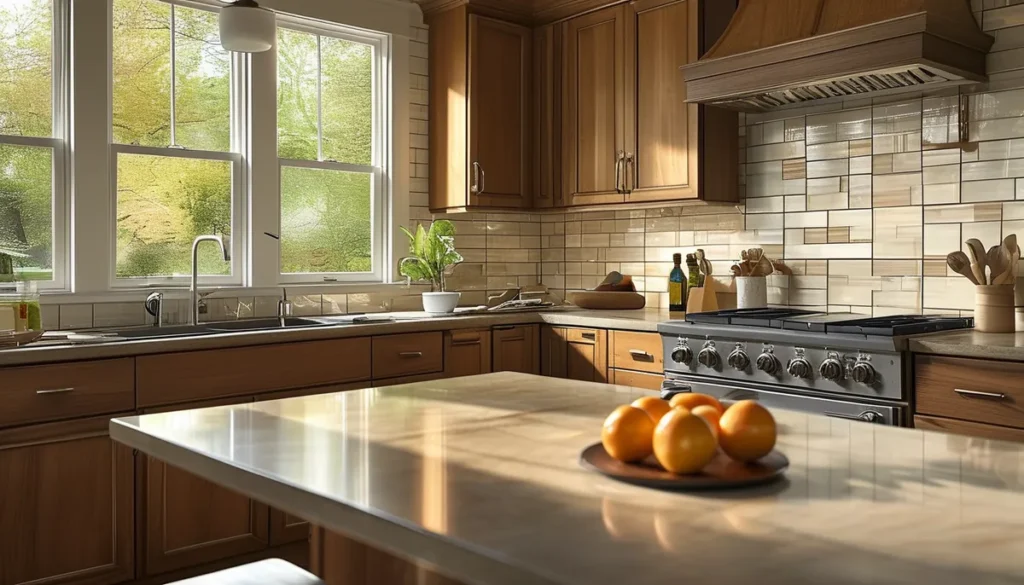
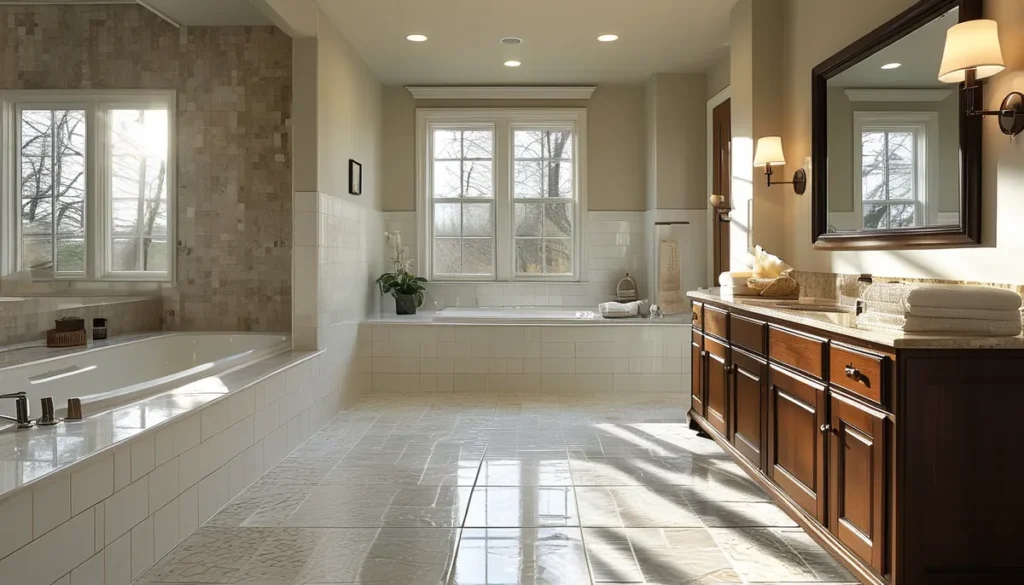
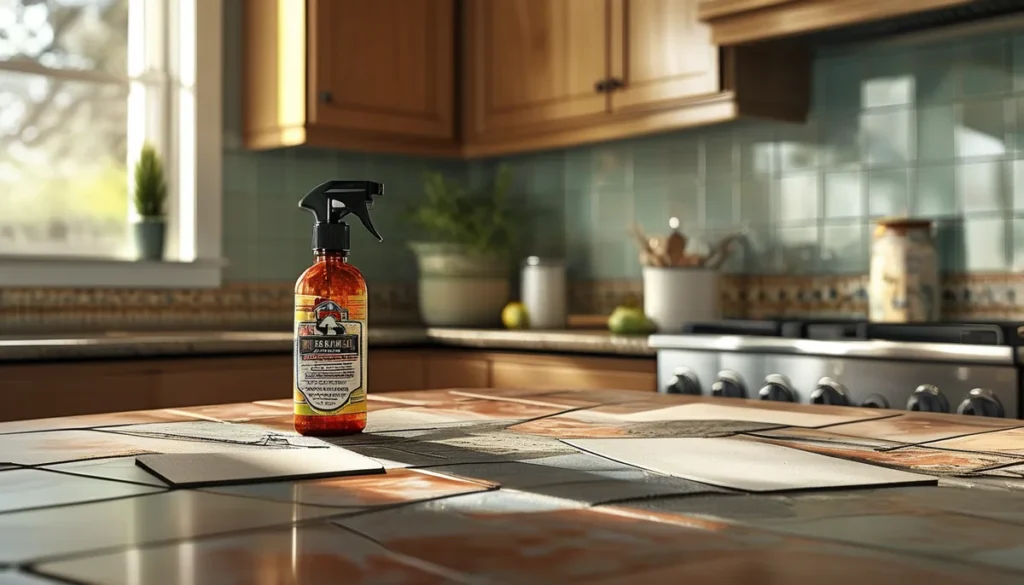
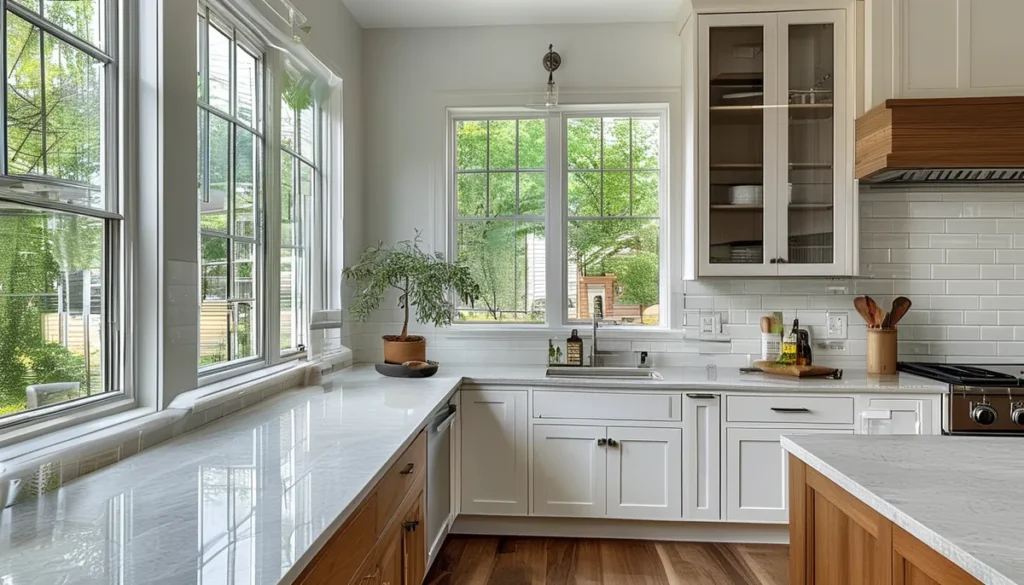
Revitalize your kitchen without a full renovation. Tile decals offer a quick, affordable way to update backsplashes and floors, bringing new life to your space.
Adhesive-backed tile survives a kitchen wall or it curls off in three months, and the deciding factor is a temperature number almost nobody checks before buying.
In a designer peel-and-stick line you are buying the drawing, not the material. The vinyl underneath comes from the same handful of factories as everything else.
Self-adhesive floor tile does not fail because the adhesive is weak. It fails because water reached it from underneath, and that is a prep problem you can solve in an afternoon.
Nobody's peel-and-stick backsplash failed because of the tile. It failed because it went onto a wall with a satin sheen, a film of cooking grease, or a texture the adhesive could only touch at the high points.
Pressure-sensitive adhesive does not cure, it flows. That one fact explains why the tiles hold on smooth primed drywall and let go on a textured wall by August.
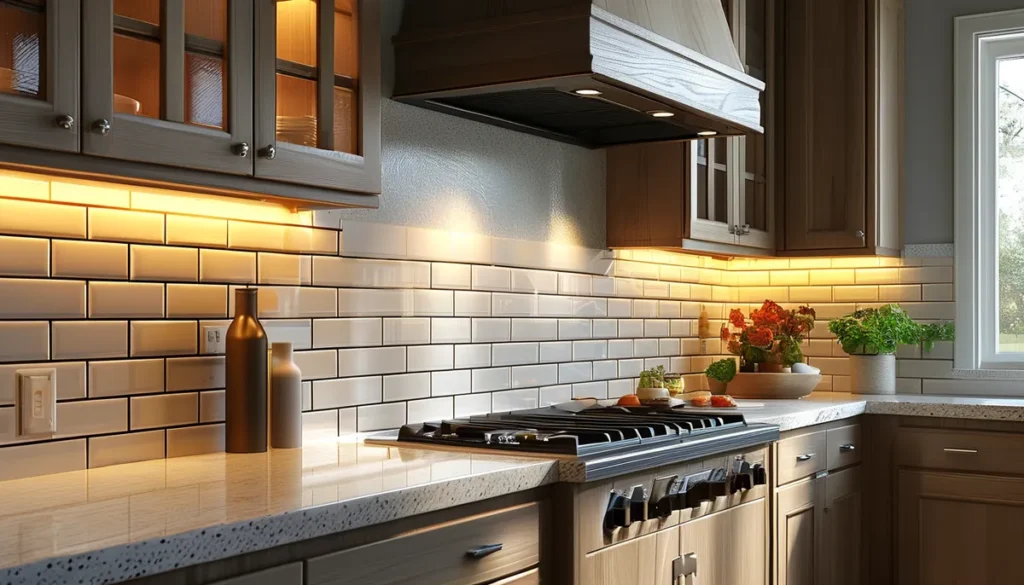
Peel and stick subway tile fails in a predictable order: the corner nearest the stove, then the edge above the counter, then the seam by the sink. All three are prep problems.
Adhesive tile fails for one of three reasons, and all three are decided before the first tile goes up: the surface, the temperature, and the paint underneath.
White peel and stick tiles offer a quick and affordable way to update your space. Understand your options, from realistic marble looks to matte subway styles, to ensure a lasting, professional finish.