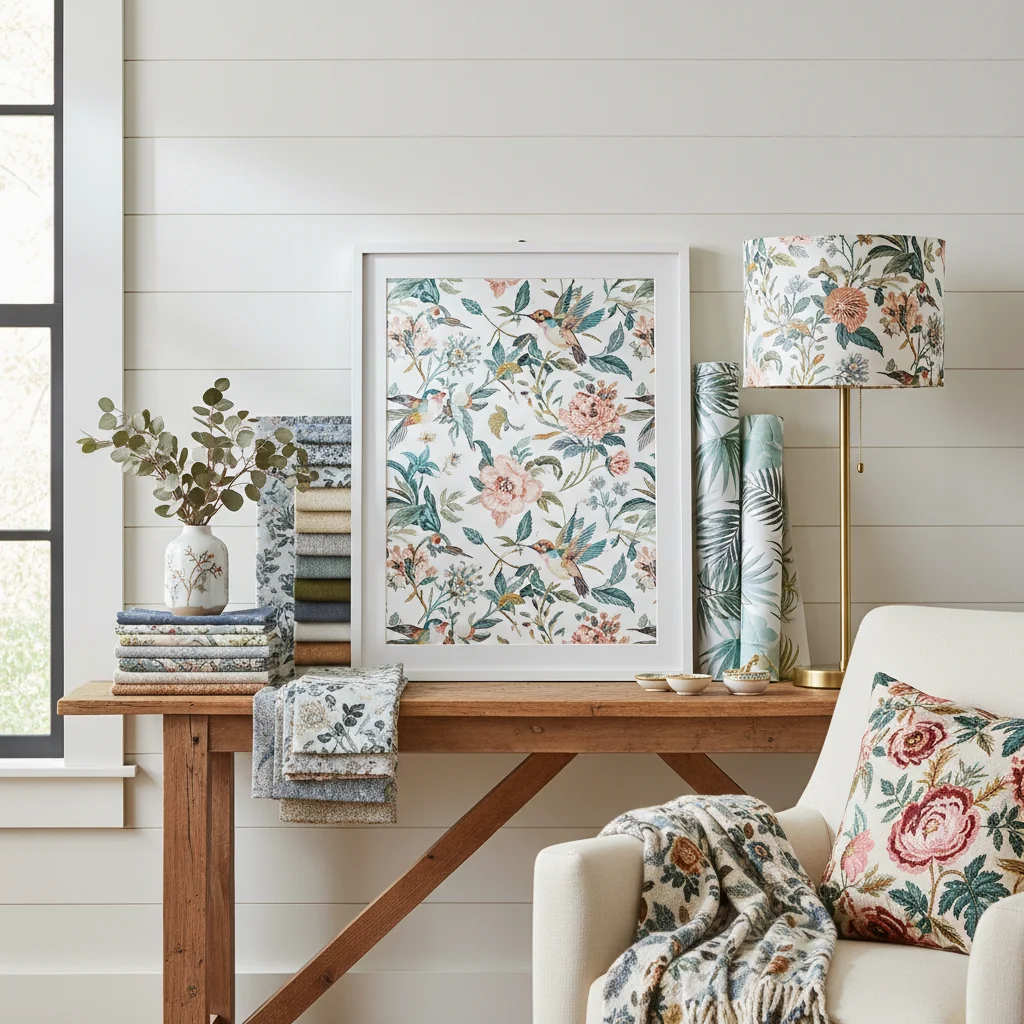
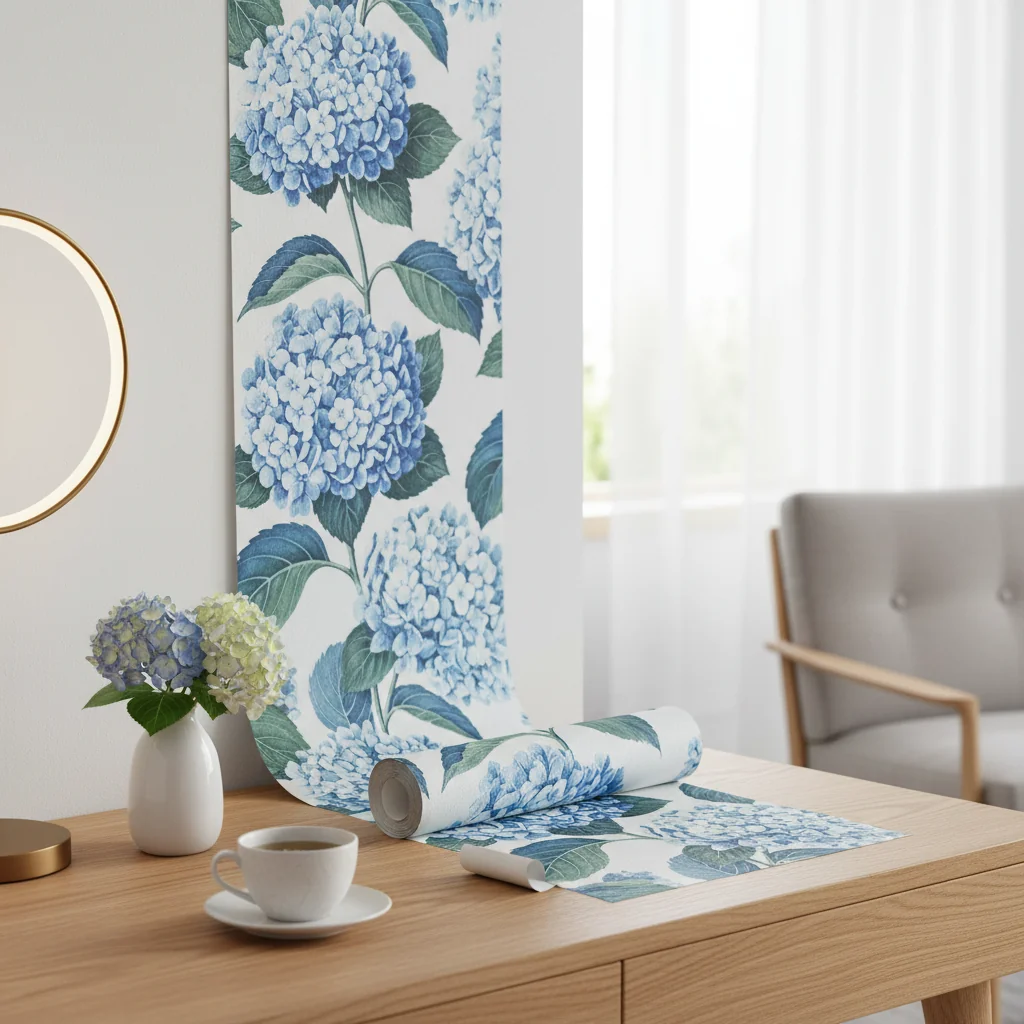
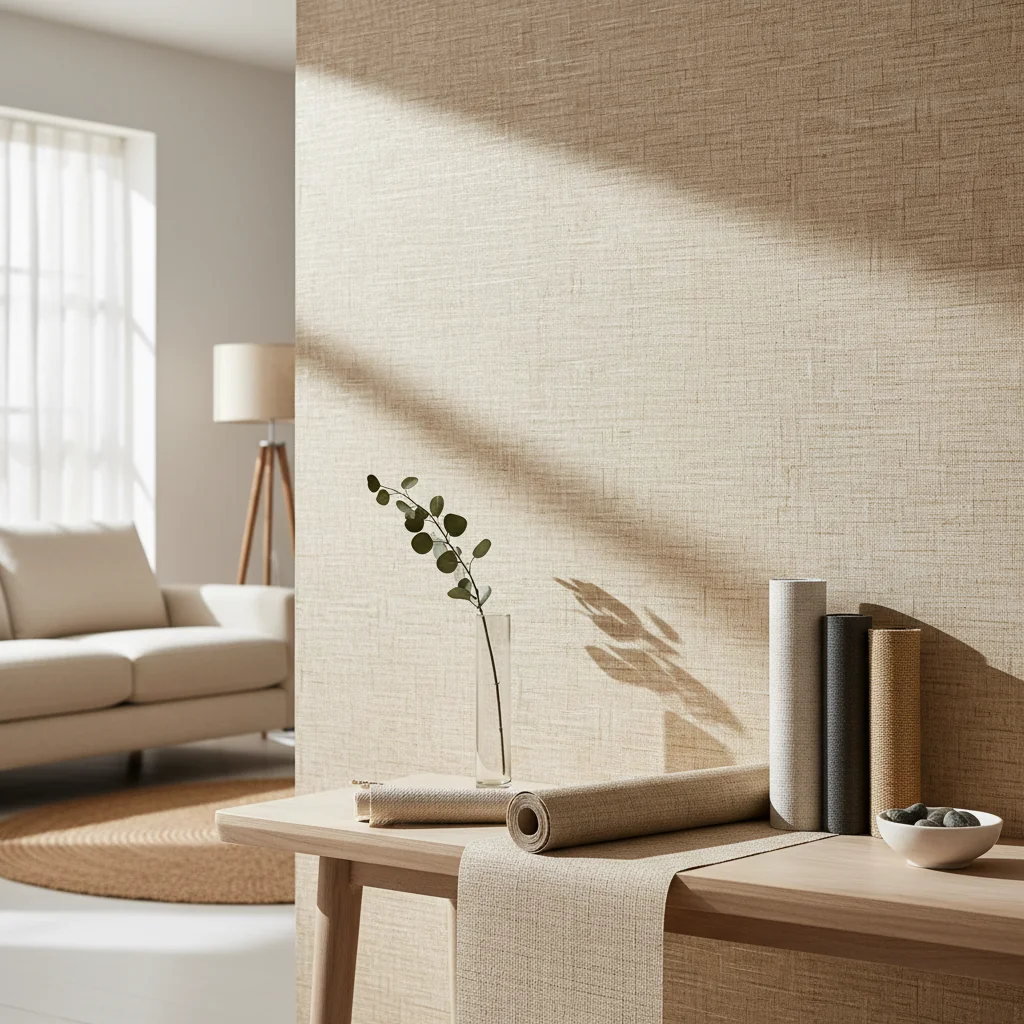
Textured vinyl wallpaper is a sophisticated and highly durable wall covering solution that introduces both visual interest and tactile depth to any interior space. Engineered from polyvinyl chloride (PVC) and often backed with paper, non-woven material, or fabric, this versatile material stands apart from flat wallpapers by incorporating three-dimensional patterns, embossed designs, or faux finishes that meticulously mimic natural elements like wood grain, stone, stucco, or textiles. At Starhouse, we recognize textured vinyl wallpaper as a cornerstone of contemporary interior design, offering an unparalleled blend of aesthetic appeal, exceptional resilience, and practical functionality for homeowners across the United States. Its inherent robustness makes it an ideal choice for high-traffic areas, while its diverse design capabilities allow for transformative design statements that elevate the character of a room.
Key Takeaways
- Textured vinyl wallpaper offers superior durability and washability, making it ideal for high-traffic and moisture-prone areas.
- It effectively conceals minor wall imperfections due to its three-dimensional surface, providing a smoother, more refined finish.
- A wide array of textures and patterns, including faux finishes like wood, brick, and fabric, allows for diverse design expressions from modern to traditional.
- Proper measurement and surface preparation are critical for successful installation, whether using traditional paste or peel-and-stick methods.
- With minimal care, textured vinyl wallpaper maintains its aesthetic appeal and structural integrity for many years, offering excellent long-term value.
- Always ensure the product meets safety standards, particularly concerning flammability, as regulated for vinyl plastic films.
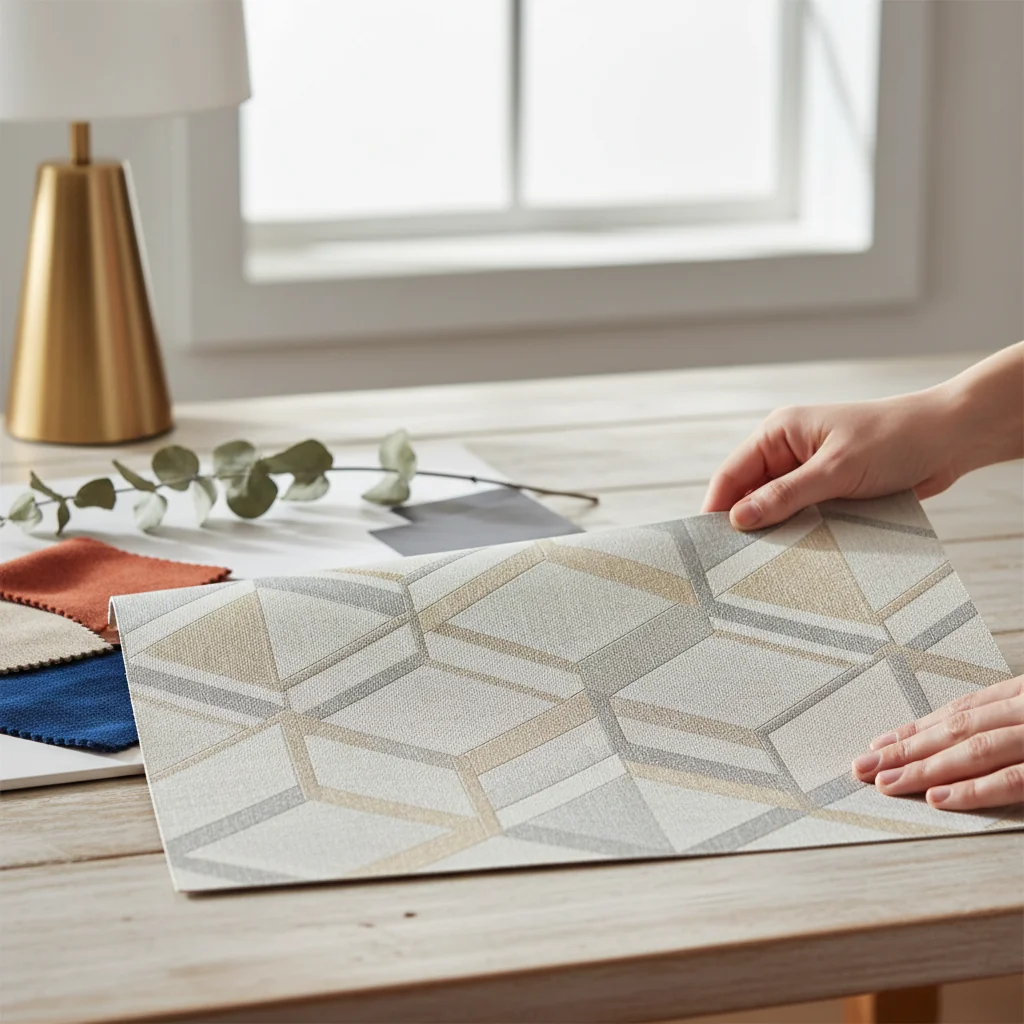
What is Textured Vinyl Wallpaper?
Textured vinyl wallpaper is a robust and aesthetically dynamic wall covering characterized by its three-dimensional surface and its primary composition of polyvinyl chloride (PVC). This material is distinguished by its ability to offer both visual depth and a palpable tactile quality, setting it apart from traditional flat-printed wallpapers. The manufacturing process involves applying a vinyl layer to a backing material, which is then embossed or otherwise treated to create a raised pattern or a simulated texture that can mimic a wide array of natural and fabricated surfaces.
At its core, textured vinyl wallpaper is a multi-layered wall covering featuring a durable vinyl surface with a raised pattern or simulated texture, bonded to a stable backing material. This construction imparts significant advantages, including enhanced durability, superior washability, and the unique ability to add dimension and character to walls. Unlike simple printed papers, the texture is not merely an optical illusion; it is a physical characteristic that interacts with light and shadow, creating a dynamic surface that changes throughout the day. The thickness of the vinyl layer and the depth of the embossing contribute directly to its resilience and its capacity to obscure minor wall imperfections, making it a pragmatic choice for spaces demanding both beauty and performance.
The composition typically includes a top layer of vinyl (PVC), which provides the texture, color, and protective qualities. Beneath this, a backing layer, often made of paper, non-woven fabric, or a blend of materials, offers structural integrity and facilitates adhesion to the wall. This layered design ensures that the wallpaper is not only visually appealing but also exceptionally functional, capable of withstanding the rigors of daily life in residential and even light commercial environments. Its inherent robustness and aesthetic versatility position textured vinyl wallpaper as a premier choice for creating sophisticated and lasting interior designs.
Types of Textured Vinyl Wallpaper
Textured vinyl wallpaper comes in several distinct types, each offering specific characteristics regarding durability, application, and suitability for different environments. Understanding these variations is crucial for selecting the most appropriate wall covering for your design goals and practical needs. The primary distinctions lie in the composition of the vinyl layer and the backing material, which together determine the product’s performance attributes.
We classify textured vinyl wallpaper into key categories based on its construction:
- Solid Vinyl Wallpaper: This type features a thick, solid layer of PVC laminated to a paper or fabric backing. Solid vinyl is exceptionally durable, highly resistant to moisture, and fully scrubbable, making it an excellent choice for high-traffic areas such as hallways, kitchens, and bathrooms. Its robust nature means it can withstand frequent cleaning and offers superior longevity. The texture in solid vinyl is often deeply embossed, enhancing its ability to hide wall imperfections.
- Vinyl-Coated Paper Wallpaper: Comprising a paper base that has been coated with a layer of liquid vinyl, this type offers a more subtle texture than solid vinyl but still provides enhanced durability compared to uncoated paper wallpapers. While not as heavy-duty as solid vinyl, vinyl-coated paper is generally washable and resistant to light moisture. It is a good option for bedrooms, living rooms, and dining areas where moderate durability and easy maintenance are desired, but extreme moisture resistance is not a primary concern.
- Fabric-Backed Vinyl Wallpaper: This construction involves a heavy vinyl surface laminated to a woven fabric backing, typically cotton or polyester. Fabric-backed vinyl is among the most robust and tear-resistant types, often specified for commercial applications due to its exceptional strength and dimensional stability. In residential settings, it is chosen for areas requiring maximum durability and resistance to wear and tear. Its thickness also contributes to its ability to mask significant wall imperfections.
- Peel-and-Stick Textured Vinyl Wallpaper: Also known as self-adhesive or removable wallpaper, this type features a textured vinyl surface backed with a pre-applied adhesive protected by a removable liner. Peel-and-stick vinyl is renowned for its ease of installation and removal, making it a popular choice for renters, DIY enthusiasts, or those who enjoy frequently updating their decor. While generally durable and washable, its primary advantage is its temporary nature and simplified application process, often without the need for additional paste.
- Traditional Paste Textured Vinyl Wallpaper: This category encompasses solid vinyl, vinyl-coated paper, and fabric-backed vinyl that requires the application of a separate adhesive (paste) to the wall or the back of the paper before installation. Traditional paste wallpaper offers a more permanent and durable bond to the wall, often preferred for long-term installations. It allows for precise positioning during application and is generally more forgiving for pattern matching than some peel-and-stick options.
Each type of textured vinyl wallpaper presents a unique balance of aesthetic appeal, functional performance, and installation characteristics. Carefully considering the specific demands of your space will guide you toward the optimal choice.
| Type of Vinyl Wallpaper | Key Characteristics | Durability & Washability | Ideal Use Cases | Application Method |
|---|---|---|---|---|
| Solid Vinyl | Thick PVC layer, highly durable, water-resistant. | Excellent (Scrubbable, highly resistant to moisture, tears, and scuffs). | Kitchens, bathrooms, hallways, playrooms, commercial spaces. | Traditional paste (pre-pasted variations exist). |
| Vinyl-Coated Paper | Paper backing with a liquid vinyl coating. | Good (Washable, resistant to light moisture, moderate durability). | Bedrooms, living rooms, dining rooms, low-traffic areas. | Traditional paste. |
| Fabric-Backed Vinyl | Heavy vinyl surface on a woven fabric backing. | Superior (Exceptional tear resistance, strength, dimensional stability). | High-traffic commercial areas, residential feature walls, areas needing extreme resilience. | Traditional paste. |
| Peel-and-Stick Vinyl | Textured vinyl with self-adhesive backing. | Good (Washable, moderate durability, easily removable). | Rentals, temporary decor, DIY projects, accent walls, furniture facelifts. | Self-adhesive (peel-and-stick). |
Exploring Textures and Patterns
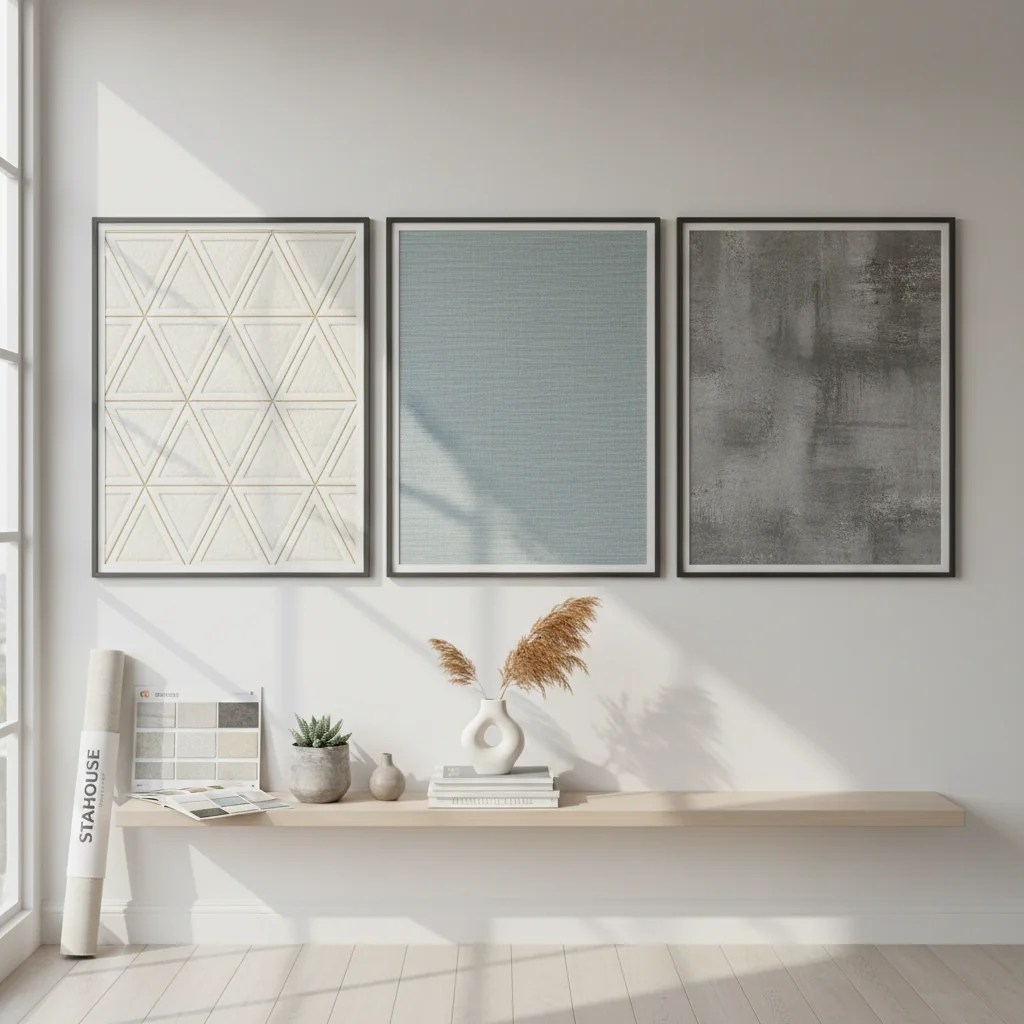
The true allure of textured vinyl wallpaper lies in its expansive range of textures and patterns, which can dramatically transform the ambiance and perceived depth of a room. These tactile and visual elements are what give textured vinyl its distinctive character, allowing designers and homeowners to create sophisticated environments that transcend the capabilities of flat paint or traditional printed wallpapers. The textures are not merely printed; they are physically raised, creating a dynamic interplay of light and shadow that adds significant dimension to walls.
The variety of textures available is vast, catering to virtually any design aesthetic:
- Embossed Textures: Embossed wallpaper is a type of wall covering where patterns or designs are raised from the surface, creating a three-dimensional effect that adds depth and tactile quality. This is achieved during the manufacturing process where rollers press a design into the vinyl layer. Common embossed patterns include classic damasks, intricate florals, geometric motifs, and subtle stipples. The raised surface beautifully catches light, enhancing the pattern’s visibility and adding a luxurious feel to the room.
-
Faux Finishes: Textured vinyl wallpaper excels at replicating the look and feel of other materials, often at a fraction of the cost and with greater durability.
- Wood Grain: From rustic distressed planks to sleek, modern wood panels, faux wood grain textures can bring warmth and natural elegance to a space without the expense or maintenance of real wood.
- Brick and Stone: Achieve the industrial chic of exposed brick or the earthy grandeur of natural stone with vinyl textures that mimic mortar lines and irregular surfaces, adding architectural interest.
- Concrete and Stucco: For a minimalist or industrial aesthetic, concrete and stucco textures provide a raw, sophisticated backdrop, complete with subtle imperfections and a cool, urban edge.
- Fabric Weaves: Textures like linen, silk, grasscloth, and tweed introduce softness and a tailored elegance. These subtle textures can add warmth and acoustic benefits, creating a cozy and inviting atmosphere.
- Plaster and Venetian Plaster: Recreate the artisanal look of hand-applied plaster with vinyl textures that feature subtle undulations and a matte, sophisticated finish.
- Geometric and Abstract Patterns: Beyond mimicking natural materials, textured vinyl offers a rich selection of geometric shapes, abstract designs, and contemporary motifs. These can range from bold, repeating patterns that define a space to subtle, understated textures that provide a quiet backdrop. The raised nature of these patterns gives them an extra layer of sophistication compared to their flat counterparts.
- Anaglypta and Lincrusta (Modern Vinyl Equivalents): While Anaglypta (pulp paper) and Lincrusta (linseed oil, wood flour) are historical forms of deeply embossed wall coverings, modern textured vinyl offers similar dramatic, paintable relief patterns. These can be particularly effective in traditional or transitional interiors, allowing for custom color schemes while retaining a classic, architectural feel.
The strategic application of textured vinyl wallpaper can also serve practical functions, such as camouflaging minor wall imperfections. The inherent depth and irregular surface of textured designs are far more forgiving than smooth, flat surfaces, which tend to highlight every bump or divot. This makes textured vinyl an excellent solution for older homes or walls that are less than perfectly smooth, providing a flawless finish without extensive patching and sanding. The tactile quality also contributes to a sense of luxury and bespoke design, elevating the overall aesthetic of the room.
The Unmatched Benefits of Textured Vinyl Wallpaper
Textured vinyl wallpaper offers a compelling array of benefits that extend far beyond mere aesthetic appeal, making it a highly practical and advantageous choice for a wide range of interior design projects. Its unique composition and dimensional quality provide functional advantages that often surpass those of paint or other flat wall coverings. These benefits contribute significantly to the longevity, ease of maintenance, and overall value it brings to any home.
We affirm that textured vinyl wallpaper provides a superior solution for contemporary living due to its inherent qualities:
- Exceptional Durability and Longevity: The robust nature of vinyl makes this wallpaper incredibly resilient. It resists tears, scuffs, abrasions, and impacts far better than traditional paper wallpapers or painted surfaces. This means it can withstand the daily wear and tear of active households, maintaining its pristine appearance for many years, often exceeding 10-15 years with proper care. Its resistance to fading also ensures colors remain vibrant even in sun-exposed areas.
- Superior Washability and Easy Maintenance: One of the most significant advantages of textured vinyl wallpaper is its ease of cleaning. Most types are fully washable or scrubbable, meaning they can be wiped down with a damp cloth and mild detergent to remove dirt, grease, and stains without damaging the surface or compromising the pattern. A washability rating for wallpaper indicates its resistance to water and cleaning agents, classifying it from ‘spongeable’ (light wiping) to ‘scrubbable’ (resistant to mild detergents and brushes). This makes it an ideal choice for high-traffic areas such as hallways, children’s rooms, kitchens, and bathrooms, where spills and marks are more common.
- Excellent Moisture Resistance: The vinyl layer acts as a protective barrier against moisture. While not completely waterproof for direct water immersion, it tolerates humidity and splashes extremely well, making it suitable for moisture-prone environments like kitchens, laundry rooms, and bathrooms (provided there is adequate ventilation). This resistance helps prevent mold and mildew growth on the surface, contributing to a healthier indoor environment.
- Effective Hiding of Wall Imperfections: The three-dimensional surface of textured vinyl wallpaper is highly effective at camouflaging minor flaws in the wall, such as small cracks, bumps, uneven plaster, or old nail holes. The texture creates an optical illusion that diverts attention from these imperfections, providing a smoother, more refined finish without the need for extensive wall preparation. This can save significant time and cost in renovation projects.
- Minor Acoustic Benefits: While not a primary soundproofing solution, the added thickness and textured surface of vinyl wallpaper can offer a subtle degree of sound absorption. It can help to dampen echoes and reduce noise transmission within a room, contributing to a quieter and more comfortable living space, particularly in rooms with hard surfaces.
- Slight Thermal Insulation: Similar to its acoustic properties, the additional layer of material on a wall can provide a minimal insulating effect. This can contribute to slightly better thermal regulation within a room, potentially leading to marginal energy savings by helping to retain heat in winter and cool air in summer.
- Unparalleled Versatility in Design: With an extensive range of textures, patterns, and colors, textured vinyl wallpaper offers limitless design possibilities. From mimicking natural materials like wood and stone to providing sophisticated geometric or abstract designs, it allows for creative expression and the ability to achieve specific aesthetic visions that are difficult or impossible with paint alone.
- Long-Term Cost-Effectiveness: Although the initial investment for quality textured vinyl wallpaper might be higher than for paint, its exceptional durability and longevity mean it requires less frequent replacement or re-application. This translates into significant long-term savings on materials and labor, making it a cost-effective choice over its lifespan.
For homeowners seeking to combine high-end aesthetics with practical resilience, textured vinyl wallpaper stands as an exemplary choice. Its multifaceted benefits ensure that it remains a wise investment for enhancing both the beauty and functionality of any living space.
How to Choose the Right Textured Vinyl Wallpaper for Your Space
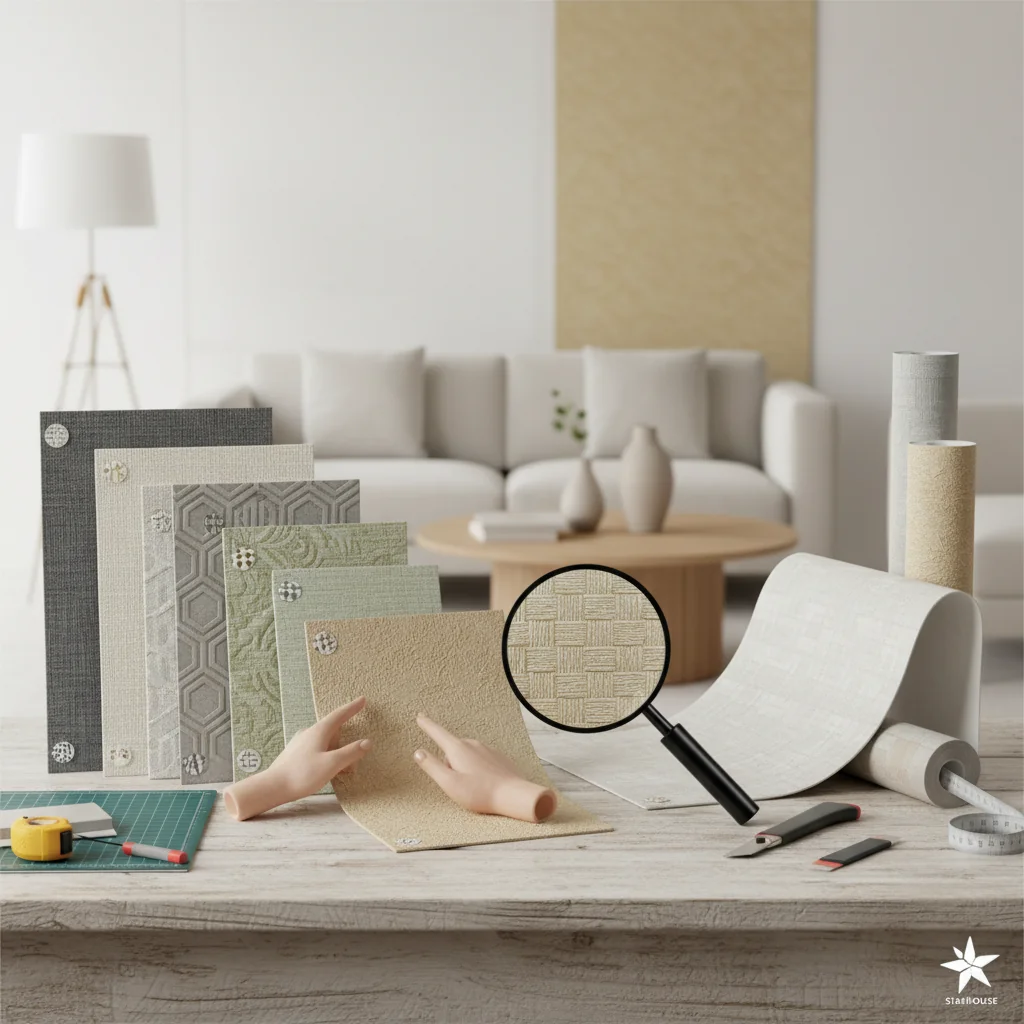
Selecting the perfect textured vinyl wallpaper involves a thoughtful assessment of your space’s functional requirements, existing interior design, and personal aesthetic preferences. The right choice will not only enhance the beauty of your home but also provide practical benefits tailored to each room. We guide our clients through a precise selection process to ensure lasting satisfaction and a cohesive design outcome.
Consider these critical factors when making your selection:
-
Assess Room Function and Traffic Levels:
The primary function of the room dictates the required durability and washability of the wallpaper. For high-traffic areas like hallways, entryways, and children’s rooms, or moisture-prone spaces such as kitchens and bathrooms, we recommend solid vinyl or fabric-backed vinyl due to their superior scrubbability and moisture resistance. These types withstand frequent cleaning and are more resilient against scuffs and impacts. For bedrooms, living rooms, or dining areas with lower traffic, vinyl-coated paper or peel-and-stick options can be suitable, offering good durability with easier application or removal.
-
Evaluate Moisture Exposure:
In bathrooms and kitchens, where humidity and splashes are common, prioritize wallpapers explicitly rated for high moisture resistance. Solid vinyl is an excellent choice for these environments. Ensure adequate ventilation is also present to prevent excessive moisture buildup, which can affect any wall covering over time. For areas with minimal moisture, a wider range of vinyl types will be appropriate.
-
Match with Your Interior Design Style:
The texture and pattern of the wallpaper should complement your home’s overarching design aesthetic.
- Modern & Minimalist: Opt for subtle textures like fine linen weaves, concrete, or geometric patterns in neutral tones.
- Traditional & Classic: Embossed damasks, florals, or rich fabric textures in deeper hues or classic motifs work well.
- Farmhouse & Rustic: Faux wood planks, shiplap, or exposed brick textures can create an authentic, cozy feel.
- Industrial: Concrete, distressed metal, or brick textures in gray, black, or earthy tones will reinforce this aesthetic.
- Transitional: Look for classic patterns with a contemporary twist, or subtle textures that bridge traditional and modern elements.
The texture itself can introduce a specific mood; for instance, a rougher texture can feel more rustic, while a smooth, subtle texture can feel more refined.
-
Consider Color Palette and Light Interaction:
The color of the wallpaper significantly impacts the mood and perceived size of a room. Light colors tend to make a space feel larger and more open, while dark colors can create a sense of intimacy and drama. Critically, textured wallpaper interacts uniquely with light. Deeply embossed textures will create more pronounced shadows, adding drama and depth, especially with directional lighting. Lighter textures might appear more uniform but still offer a subtle richness. Always view samples in the actual room under various lighting conditions (daylight, artificial light) to accurately assess how the color and texture will appear.
-
Assess Scale of Pattern and Texture:
The scale of the pattern or texture should be proportionate to the size of the room. Large, bold patterns can be overwhelming in a small space but can make a grand statement in a spacious room. Conversely, a subtle, small-scale texture might be lost in a very large room but can add sophisticated detail to a compact area. For smaller rooms, consider fine textures like grasscloth or subtle geometric patterns that add interest without visual clutter. For larger rooms, you have more freedom to experiment with larger patterns and more dramatic textures.
-
Personal Preference and Aesthetic Impact:
Ultimately, your personal style and what resonates with you are paramount. The wallpaper you choose should evoke a feeling of comfort and joy. Obtain samples and live with them for a few days, placing them on different walls to observe how they look at various times of day. This direct interaction will confirm if the texture, color, and pattern align with your vision for the space. Trust your instinct, as you will live with this choice for years to come.
By systematically evaluating these factors, you can confidently select a textured vinyl wallpaper that not only meets your practical needs but also beautifully reflects your personal style, transforming your house into a truly curated home.
As Starhouse curates its collection of premium home furnishings and decor, we invite you to be part of our journey. Share your vision for your ideal living space and tell us what you’re looking for to receive early access and exclusive updates. Visit starhouseusa.online to connect with us.
Sizing, Measuring, and Estimating Needs
Accurate sizing, precise measurement, and careful estimation are foundational steps for a successful textured vinyl wallpaper project. Underestimating material needs can lead to costly delays and difficulty matching dye lots, while overestimation results in unnecessary waste. We advocate for meticulous planning to ensure a seamless and efficient installation process.
Follow these precise steps to determine the correct quantity of textured vinyl wallpaper for your project:
Understanding Standard Roll Sizes
Textured vinyl wallpaper is typically sold in single or double rolls. While a “single roll” is a common unit for pricing, it is often manufactured and packaged as a “double roll” for convenience and to minimize seams.
- U.S. Single Roll: Approximately 20.5 inches wide by 16.5 feet long, covering about 28 square feet.
- U.S. Double Roll: Approximately 20.5 inches wide by 33 feet long, covering about 56 square feet.
- Wider Rolls: Some specialty or commercial-grade vinyl wallpapers may come in wider widths, such as 27 inches or even 36 inches, with corresponding lengths to cover larger areas per roll. Always check the specific dimensions provided by the manufacturer.
It is imperative to note the actual square footage covered by the specific roll you intend to purchase, as these can vary slightly by manufacturer.
Measuring Your Walls Accurately
This process requires a reliable tape measure, a pencil, and a notepad.
- Measure the Height of Each Wall: Measure from the top of the baseboard to the ceiling line. If you plan to wallpaper above crown molding, measure to the top of the molding. Take measurements at several points across the wall to account for any variations in ceiling or floor level, and use the greatest height.
- Measure the Width of Each Wall: Measure the total horizontal length of each wall you intend to cover.
-
Calculate the Square Footage of Each Wall: Multiply the height by the width for each wall. Sum these totals to get the overall square footage of the area to be wallpapered.
Example: A wall is 8 feet high and 12 feet wide. Square footage = 8 ft * 12 ft = 96 sq ft.
- Account for Doors, Windows, and Obstacles: While you will not wallpaper over these areas, it is generally recommended to subtract only large openings (like a full wall of windows or a wide doorway) if they are substantial. For smaller windows, doors, or built-in elements, it is safer to include their area in your total and rely on the waste allowance to cover cuts around them. This conservative approach prevents underestimation.
Calculating for Pattern Repeat
This is a critical step for textured vinyl wallpapers with repeating patterns, as it directly impacts how many rolls you need. The pattern repeat measurement is typically listed on the wallpaper label in inches.
-
Determine the Number of Full Strips per Roll: Divide the total linear footage of the roll (e.g., 33 feet for a double roll, or 396 inches) by the sum of your wall height plus the pattern repeat.
Example: Wall height is 96 inches. Pattern repeat is 21 inches. Each strip needs (96 + 21) = 117 inches of paper to ensure pattern alignment.
A 396-inch double roll can yield approximately 3 strips (396 / 117 ≈ 3.38, so 3 full strips). -
Calculate the Number of Strips Needed for Your Walls: Divide the total width of the walls (in inches) by the width of the wallpaper roll (e.g., 20.5 inches). Round up to the nearest whole number to get the total number of strips required.
Example: Total wall width is 240 inches. Wallpaper width is 20.5 inches. Number of strips = 240 / 20.5 ≈ 11.7, so 12 strips are needed.
-
Calculate the Total Number of Rolls: Divide the total number of strips needed by the number of full strips you can get from one double roll. Round up to the nearest whole number.
Example: 12 strips needed / 3 strips per double roll = 4 double rolls.
Adding a Waste Allowance
Always add a buffer for trimming, pattern matching, and potential errors. We recommend adding 10-15% to your total calculated roll count. For very large or complex patterns, or rooms with many angles and architectural features, a 20% allowance may be prudent. This extra material ensures you have enough paper from the same dye lot, which is crucial for consistent color and pattern.
Professional vs. DIY Estimates
While these calculations provide a strong foundation, a professional installer often has specialized software or experience that can fine-tune estimates, especially for challenging layouts or complex patterns. If you are uncertain, consult with a professional. However, for most standard rooms, these guidelines will yield an accurate estimate.
By following these detailed measurement and estimation protocols, you significantly increase the likelihood of a smooth installation, minimizing waste and ensuring that your textured vinyl wallpaper project achieves its intended sophisticated aesthetic without interruption.
Installation Techniques for Textured Vinyl Wallpaper
Proper installation is paramount to achieving a flawless and durable finish with textured vinyl wallpaper. While the process can be a rewarding DIY project, precision, patience, and the right techniques are essential. We outline the authoritative steps and tools required for both traditional paste and peel-and-stick applications, ensuring your investment in textured vinyl wallpaper provides lasting beauty.
1. Surface Preparation: The Foundation of Flawless Application
Adequate wall preparation is the most critical step, determining the adhesion and longevity of your wallpaper.
- Clean Walls Thoroughly: Wash walls with a mild detergent solution (like TSP substitute) to remove dirt, grease, and grime. Rinse thoroughly with clean water and allow to dry completely.
- Smooth Imperfections: Patch any holes or cracks with spackle and sand smooth. Textured vinyl can hide minor flaws, but significant imperfections will still show through.
- Remove Old Wallpaper: All existing wallpaper must be completely removed. Residual adhesive or paper can prevent new wallpaper from adhering properly.
- Prime the Walls: Apply a high-quality wallpaper primer (often referred to as a “sizing” primer). This seals porous surfaces, promotes adhesion, and makes future removal easier. For dark walls, consider a tinted primer to prevent the underlying color from showing through light-colored wallpaper. Allow the primer to dry fully according to manufacturer instructions, typically 24 hours.
2. Essential Tools Required
Having the correct tools on hand streamlines the installation process and ensures professional results.
- Measuring Tape: For precise measurements of walls and wallpaper strips.
- Pencil: For marking cut lines and plumb lines.
- Level or Plumb Bob: Crucial for ensuring the first strip is perfectly vertical.
- Utility Knife with Snap-Off Blades: For clean, sharp cuts. Keep extra blades handy.
- Smoothing Brush or Plastic Smoother: To remove air bubbles and press wallpaper firmly onto the wall.
- Seam Roller: To secure seams and prevent lifting.
- Paste Bucket and Roller/Brush (for traditional paste): For applying adhesive.
- Clean Sponges and Buckets of Water: For wiping away excess paste and cleaning tools.
- Step Ladder: For reaching high areas safely.
- Protective Drop Cloths: To protect flooring and furniture.
3. Traditional Paste Application (Pre-pasted or Non-pasted)
This method is generally used for solid vinyl, vinyl-coated paper, and fabric-backed vinyl.
- Cut Strips to Size: Measure your wall height and add 4-6 inches for trimming at the top and bottom. Cut your first strip. For patterned wallpaper, cut subsequent strips, aligning the pattern repeat before cutting. Number the back of each strip in the order it will be hung.
- Draw a Plumb Line: Measure out from a corner (or door frame) slightly less than the width of your wallpaper roll. Use a level or plumb bob to draw a perfectly vertical line from ceiling to baseboard. This ensures your first strip is straight, which is critical for the entire room.
- Apply Adhesive (if non-pasted): Lay the cut strip face down on a clean work surface. Apply an even coat of recommended wallpaper paste to the back of the paper, working from the center outwards to the edges.
- “Booking” the Wallpaper: Gently fold each end of the pasted strip towards the middle, pasted side to pasted side, without creasing. This allows the paste to soak in evenly (called “booking” or “relaxing”) and makes the paper more pliable. Refer to manufacturer instructions for specific booking times, typically 5-10 minutes. For pre-pasted wallpaper, simply roll it through a water tray as per instructions.
- Hang the First Strip: Align the edge of the first strip with your plumb line, starting from the ceiling with a 2-3 inch overlap. Smooth the paper onto the wall using your smoothing brush, working from the center outwards to remove air bubbles.
- Trim Excess: Use a utility knife and a straight edge (like a wide putty knife) to carefully trim the excess wallpaper at the ceiling and baseboard. Change blades frequently for clean cuts.
- Hang Subsequent Strips: Repeat the process, carefully aligning the pattern repeat with the previous strip. Butt the edges together tightly without overlapping (unless specified by manufacturer for specific types).
- Seam Rolling: Once a few strips are hung, gently roll the seams with a seam roller to ensure a strong bond and prevent lifting. Be careful not to over-roll, which can flatten the texture.
- Clean Up: Immediately wipe away any excess paste from the wallpaper surface and seams with a clean, damp sponge. Allow the wallpaper to dry completely, typically 24-48 hours, before moving furniture or hanging items.
4. Peel-and-Stick Application
This method is generally simpler but still requires precision.
- Prepare Walls and Cut Strips: As with traditional paste, ensure walls are clean, smooth, and primed. Cut strips to size, adding a few inches for trimming.
- Draw a Plumb Line: Essential for the first strip to ensure straight application.
- Peel and Stick: Peel back only a few inches of the backing paper from the top of the first strip. Align the top edge with the ceiling and the side edge with your plumb line, leaving an overlap at the ceiling.
- Smooth and Continue Peeling: Slowly peel down the backing paper with one hand while using your smoothing tool to press the wallpaper onto the wall, working from top to bottom and center to edges. This prevents air bubbles.
- Trim and Smooth: Trim excess at the ceiling and baseboard with a utility knife. Smooth out any remaining bubbles.
- Hang Subsequent Strips: Carefully align the pattern of the next strip with the previous one, butting edges together. Peel, stick, and smooth as before.
- Repositioning: One major advantage of peel-and-stick is its repositionability. If you make a mistake, gently peel back the section and reapply.
Regardless of the method, always consult the specific manufacturer’s instructions provided with your textured vinyl wallpaper, as variations in product composition may require slightly different techniques or adhesives. With careful execution, your textured vinyl wallpaper will provide a stunning and durable finish.
Styling and Pairing Textured Vinyl Wallpaper
Styling textured vinyl wallpaper effectively involves more than just selecting a pattern; it requires a thoughtful approach to how the wallpaper interacts with light, furnishings, textiles, and other design elements in a room. Its inherent dimensionality offers unique opportunities to create sophisticated and cohesive interior designs. We advise a strategic integration to maximize its aesthetic impact and create a truly curated space.
1. Strategic Application: Feature Walls vs. Whole Room
- Feature Walls: A single accent wall covered in a bold or dramatically textured vinyl wallpaper can create an immediate focal point. This approach works exceptionally well in living rooms behind a sofa, in bedrooms behind the headboard, or in dining rooms to highlight a specific area. Choose a texture or pattern that makes a statement but doesn’t overwhelm the rest of the room. This method is excellent for introducing a strong design element without committing to a full room application.
- Whole Room Application: For a more immersive and enveloping effect, consider applying textured vinyl wallpaper to all walls. This is particularly effective with subtle textures like grasscloth, linen weaves, or understated geometric patterns. A full-room application can add warmth, depth, and a sense of luxury, making the room feel larger and more cohesive. It also capitalizes on the wallpaper’s practical benefits, such as hiding wall imperfections and providing durability across the entire space.
- Mixing and Matching: Combine textured vinyl wallpaper with painted walls or other wall coverings. For example, a textured vinyl on the lower half of a wall (like a wainscoting effect) paired with a complementary paint color above can create architectural interest and a layered look.
2. Complementary Furnishings and Textiles
The key to successful styling is to ensure harmony between your textured walls and your furnishings.
- Balance Textures: If your wallpaper features a prominent texture (e.g., faux brick, deep emboss), balance it with smoother, more refined furniture and textiles. Conversely, if your wallpaper is subtly textured, you can introduce more varied textures through upholstery (velvet, boucle), throw pillows (knits, furs), and area rugs (jute, shag).
-
Material Harmony:
- Wood: Textured vinyl mimicking wood grain pairs naturally with real wood furniture, enhancing a rustic or natural aesthetic. For other textures, consider wood tones that either contrast or complement the wallpaper’s color.
- Metal: Polished chrome, brushed brass, or matte black metals can add a contemporary edge that contrasts beautifully with organic textures like grasscloth or linen.
- Glass & Acrylic: Transparent materials can provide a visual break and prevent a room from feeling too heavy when paired with richly textured walls.
- Color Coordination: Pull colors from your wallpaper pattern into your furniture and textile choices. Use primary colors from the wallpaper as accent colors in throw pillows, artwork, or decorative objects to tie the room together.
3. Lighting Considerations to Enhance Texture
Lighting plays a crucial role in highlighting the three-dimensional qualities of textured vinyl wallpaper.
- Grazing Light: Position lighting fixtures (like wall sconces or recessed lights) to cast light across the textured surface rather than directly onto it. This grazing effect will emphasize the raised patterns and create dynamic shadows, enhancing the depth and visual interest of the wallpaper.
- Ambient vs. Task Lighting: Use a combination of ambient lighting (e.g., ceiling fixtures, floor lamps) to illuminate the overall space, and task lighting (e.g., table lamps, reading lights) to highlight specific areas or provide functional illumination. The texture will react differently to each, adding layers of visual complexity.
- Natural Light: Observe how natural light changes the appearance of your wallpaper throughout the day. Textures can appear softer in diffused light and more pronounced in direct sunlight.
4. Accessorizing and Artwork Integration
Thoughtful accessorizing can further elevate a room with textured vinyl wallpaper.
- Artwork: Choose artwork that either complements or intentionally contrasts with the wallpaper. For busy patterns, opt for simpler, larger pieces of art with clean lines. For subtle textures, you can experiment with more intricate or colorful artwork. Frame choices should also be considered; a metallic frame might pop against a faux concrete texture, while a natural wood frame could blend seamlessly with a grasscloth.
- Mirrors: Large mirrors can reflect light and expand the perception of space, especially when placed on a textured wall. The reflection will also showcase the texture from different angles.
- Plants: Greenery adds organic texture and life to any room. Large potted plants or hanging planters can soften the visual impact of a bold textured wall and introduce a natural element.
- Shelving and Built-ins: Consider how shelving units or built-in cabinetry interact with the textured wall. Open shelving allows the wallpaper to serve as a backdrop for displayed objects, while closed cabinetry might offer a smooth contrast.
By carefully considering these styling and pairing principles, you can harness the full potential of textured vinyl wallpaper to create a sophisticated, comfortable, and visually captivating interior that truly reflects your design aspirations.
Care and Maintenance for Lasting Beauty
Maintaining the pristine appearance and structural integrity of your textured vinyl wallpaper is straightforward, thanks to its inherent durability and washability. Regular, gentle care ensures that your investment remains vibrant and performs optimally for many years. We provide precise guidelines for routine cleaning and addressing specific issues to preserve the sophisticated aesthetic of your walls.
1. Regular Cleaning: Dusting and Gentle Wiping
Routine maintenance is key to preventing dirt and dust buildup from dulling the wallpaper’s finish and settling into its texture.
- Dusting: Once a month, gently dust the wallpaper using a soft, dry cloth, a feather duster, or the brush attachment of your vacuum cleaner. Work from top to bottom to ensure all loose particles are removed.
- Light Wiping: For general surface grime, lightly wipe the wallpaper with a clean, damp sponge or microfiber cloth. Use only plain water or a very mild, diluted household cleaner specifically designed for vinyl surfaces. Avoid saturating the wallpaper, especially at the seams.
2. Spot Cleaning and Addressing Stains
For more stubborn marks or stains, prompt action and appropriate cleaning agents are essential.
- Mild Soap and Water: For most non-greasy stains (e.g., pencil marks, light scuffs), mix a small amount of mild dish soap with warm water. Dampen a clean sponge or cloth with the solution, wring it out thoroughly, and gently wipe the affected area. Rinse with a clean, damp cloth to remove any soap residue, then pat dry.
- Grease Stains: For grease or oil-based stains, a slightly stronger, yet still mild, degreasing agent might be necessary. Test any cleaner in an inconspicuous area first to ensure it does not damage or discolor the vinyl. Apply sparingly, wipe gently, and rinse completely.
- Inks and Markers: Some inks and permanent markers may be difficult to remove entirely. For these, a small amount of rubbing alcohol on a cotton swab can sometimes lift the stain, but always test first. Avoid abrasive cleaners or harsh solvents, as these can permanently damage the vinyl surface and its texture.
- Avoid Harsh Chemicals: Never use abrasive cleaners, scouring pads, bleach, or solvent-based cleaners (like nail polish remover or paint thinner) on textured vinyl wallpaper. These can strip the finish, fade colors, or compromise the integrity of the vinyl.
3. Preventing Damage and Ensuring Longevity
Proactive measures can significantly extend the lifespan of your textured vinyl wallpaper.
- Protect from Sharp Objects: Be mindful of furniture, artwork, or accessories that might rub against or scratch the wallpaper. Use felt pads on the backs of furniture or command strips for lightweight wall decor.
- Control Moisture: While vinyl is moisture-resistant, excessive, prolonged moisture can eventually compromise the adhesive or lead to mold growth behind the paper. Ensure proper ventilation in bathrooms and kitchens. Wipe up any standing water or condensation immediately.
- Avoid Direct Heat: Keep heat sources (e.g., radiators, heat vents) from blowing directly onto the wallpaper, as extreme heat can cause the vinyl to warp or peel over time.
4. Addressing Minor Repairs
Small issues can often be remedied with simple fixes.
- Bubbles: For small air bubbles, you can often use a hypodermic needle to puncture the bubble and gently press out the air. For larger bubbles, a small incision with a utility knife, followed by applying a small amount of wallpaper adhesive with a syringe, and then smoothing, can fix the issue.
- Lifting Seams or Edges: If a seam or edge begins to lift, apply a small amount of seam adhesive (available at hardware stores) underneath the lifted section. Press firmly with a seam roller or clean cloth until it adheres. Wipe away any excess adhesive immediately.
- Minor Tears: For small tears, a piece of matching wallpaper scrap (if available) can be carefully cut to fit and glued into place. For very small tears, a clear vinyl repair adhesive can be used.
By adhering to these care and maintenance protocols, your textured vinyl wallpaper will retain its aesthetic appeal, texture, and durability, providing a beautiful and functional wall covering solution for many years to come. Ensure you always consult the manufacturer’s specific care instructions, as some specialized vinyl wallpapers may have unique requirements.
Furthermore, understanding the safety standards for vinyl materials is crucial. For instance, the flammability of vinyl plastic film, a core component of vinyl wallpaper, is regulated to ensure consumer safety. The U.S. Code of Federal Regulations, specifically 16 CFR Part 1611, establishes standards for the flammability of vinyl plastic film, mandating that such films used in various applications, including potentially wall coverings, meet specific resistance requirements to ignition and flame spread. We recommend choosing products that adhere to such established safety benchmarks for peace of mind.
Common Mistakes to Avoid
While installing and maintaining textured vinyl wallpaper can be a rewarding endeavor, certain common mistakes can compromise the final aesthetic and longevity of the application. Being aware of these pitfalls allows for proactive prevention, ensuring a professional and enduring finish. We highlight these frequent errors to guide you toward a successful project.
-
Inadequate Wall Preparation:
This is arguably the most critical error. Failing to clean, smooth, and prime walls properly leads to poor adhesion, visible imperfections, and potential mold growth. Dirt, grease, old adhesive, or unprimed porous surfaces will prevent the wallpaper from sticking uniformly, leading to bubbling, lifting, or an uneven finish. Always ensure walls are impeccably clean, smooth, and sealed with a quality wallpaper primer.
-
Underestimating Material Needs (Ignoring Pattern Repeat):
Many DIYers calculate square footage but neglect to account for the pattern repeat, especially with textured vinyl wallpaper. This results in running out of wallpaper mid-project or having insufficient material for proper pattern alignment. Always factor in an additional 10-20% for waste, particularly with large or complex patterns, and purchase all rolls from the same dye lot to avoid color variations.
-
Improper Adhesive Choice or Application:
Using the wrong type of adhesive for traditional paste wallpaper, or applying it unevenly, can lead to lifting seams, bubbles, or even the wallpaper falling off the wall. Always use the adhesive recommended by the wallpaper manufacturer for vinyl products. For peel-and-stick, ensure the wall surface is compatible with the adhesive type.
-
Rushing the Installation Process:
Wallpapering requires patience. Rushing leads to misalignments, trapped air bubbles, poorly trimmed edges, and overall sloppy results. Take your time with each step: measuring, cutting, booking (for traditional paste), aligning, and smoothing. A well-planned and unhurried approach yields superior results.
-
Neglecting the Plumb Line for the First Strip:
The first strip of wallpaper sets the vertical alignment for the entire room. If it’s even slightly off-plumb, subsequent strips will progressively become more crooked, creating noticeable issues, especially with patterned wallpaper. Always use a level or plumb bob to draw a precise vertical guideline for your initial strip.
-
Overlapping Seams (Unless Specified):
Most modern vinyl wallpapers are designed for “butt joints,” where edges meet precisely without overlapping. Overlapping can create visible ridges and make the seams more prone to lifting. Only overlap if the manufacturer specifically instructs this for a particular type of wallpaper.
-
Not Using a Seam Roller (Traditional Paste):
For traditional paste applications, failing to use a seam roller can result in seams that lift over time. Gently rolling the seams ensures the adhesive creates a strong, lasting bond between the wallpaper edges and the wall. Be careful not to press too hard, which can squeeze out too much paste or flatten the texture.
-
Using Harsh Cleaners or Abrasive Tools:
While textured vinyl wallpaper is durable and washable, using abrasive cleaning pads, harsh chemicals, or solvent-based cleaners can permanently damage the vinyl surface, strip its finish, or fade its color. Always opt for mild soap and water and a soft cloth, testing in an inconspicuous area first.
-
Ignoring Manufacturer’s Instructions:
Each wallpaper product can have specific recommendations for preparation, adhesive type, booking time, and care. Disregarding these instructions can lead to suboptimal results and may void warranties. Always read and follow the manufacturer’s guidelines meticulously.
By avoiding these common errors, you can ensure your textured vinyl wallpaper project is completed successfully, resulting in a beautiful, durable, and professional-looking finish that enhances your home for years to come.
Sources
Frequently Asked Questions
Is textured vinyl wallpaper durable?
Yes, textured vinyl wallpaper is exceptionally durable, offering superior resistance to tears, scuffs, and abrasions compared to many other wall coverings. Its robust PVC composition ensures it can withstand high traffic and daily wear, often lasting 10-15 years or more with proper care.
Can I use textured vinyl wallpaper in a bathroom?
Yes, textured vinyl wallpaper, especially solid vinyl types, is highly suitable for bathrooms due to its excellent moisture resistance. It tolerates humidity and splashes well, but adequate ventilation is crucial to prevent excessive moisture buildup and ensure longevity.
Is textured vinyl wallpaper easy to remove?
The ease of removal depends on the type of textured vinyl wallpaper. Peel-and-stick vinyl is designed for easy, damage-free removal. Traditional paste vinyl, particularly fabric-backed varieties, can also be removed relatively easily in full sheets if the walls were properly primed before installation, making future redecoration simpler.
How do I clean textured vinyl wallpaper?
Textured vinyl wallpaper is generally washable or scrubbable. For routine cleaning, gently dust with a soft cloth or vacuum brush. For stains, wipe with a clean, damp sponge and a mild soap solution, then rinse with clean water and pat dry. Avoid abrasive cleaners or harsh chemicals to preserve the finish.
What’s the difference between peel-and-stick and traditional vinyl wallpaper?
Peel-and-stick textured vinyl wallpaper features a self-adhesive backing for easy, temporary application and removal, requiring no additional paste. Traditional vinyl wallpaper, conversely, requires a separate adhesive (paste) to be applied to the wall or the paper, creating a more permanent bond and typically offering greater thickness and durability.
Does textured wallpaper hide wall imperfections?
Yes, a significant benefit of textured wallpaper is its ability to effectively camouflage minor wall imperfections such as small cracks, bumps, or uneven plaster. The three-dimensional surface creates shadows and visual depth that distract from these flaws, providing a smoother and more refined overall appearance than flat paint.
Is vinyl wallpaper safe for indoor use?
Yes, modern vinyl wallpaper is safe for indoor use, manufactured to meet stringent safety standards. Reputable manufacturers ensure their products comply with regulations concerning volatile organic compounds (VOCs) and flammability. For example, the vinyl plastic film used in these wallpapers is subject to flammability standards outlined in 16 CFR Part 1611 in the U.S., ensuring it meets specific safety benchmarks for consumer products.
Textured vinyl wallpaper is an exceptional choice for homeowners seeking to infuse their spaces with unparalleled style, durability, and practical functionality. From its remarkable ability to conceal minor wall imperfections to its ease of maintenance and vast design versatility, this wall covering solution stands as a testament to sophisticated interior design. It offers a tangible depth and a refined aesthetic that elevates any room, ensuring your home reflects a curated sense of elegance and lasting quality. At Starhouse, we are committed to providing insights that empower you to create interiors that are both beautiful and enduring.
As Starhouse meticulously curates its upcoming collection of wall décor, furnishings, and accessories, we want to hear from you. Your design aspirations are our inspiration. Share your vision for your ideal living space and tell us what you’re looking for to gain exclusive early access and updates. Visit starhouseusa.online to connect with us and help shape the future of home décor.