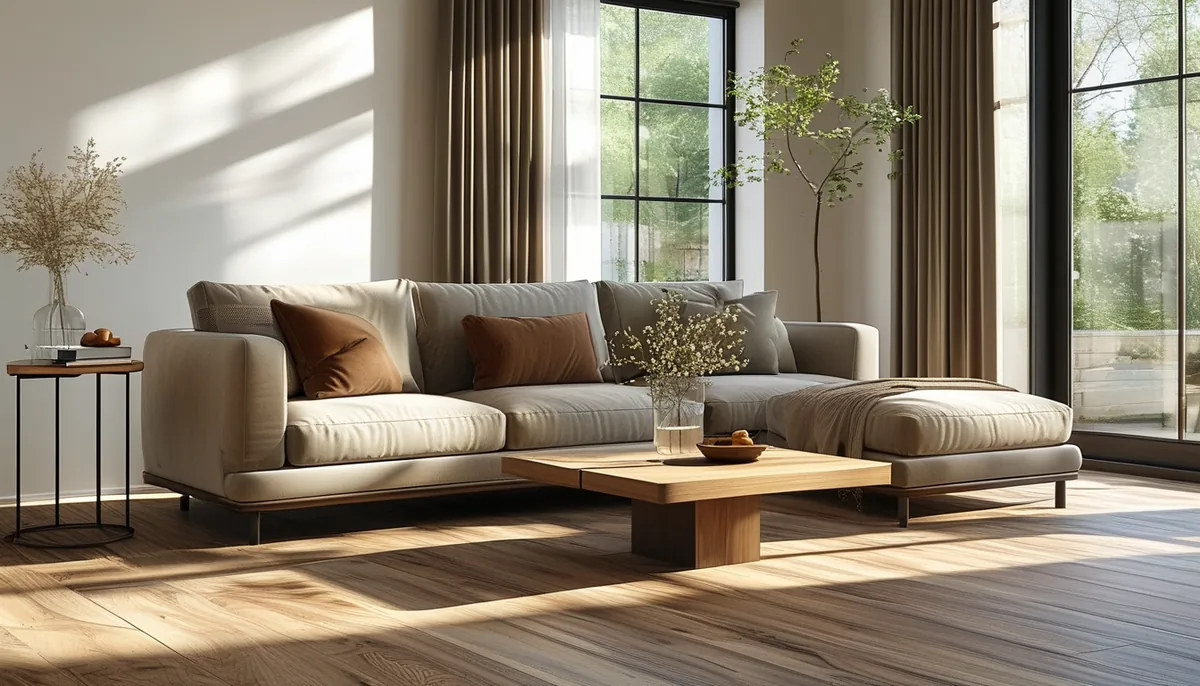
You’re deciding on flooring, and vinyl is on your radar. Great. But not all vinyl is created equal. The key difference lies in the construction and core material, which dictates its durability, cost, and suitability for different areas of your home. You’ll encounter Luxury Vinyl Tile (LVT), Wood Plastic Composite (WPC) vinyl, and sheet vinyl. Understanding their makeup is crucial before you buy.
LVT is your go-to for realistic wood or stone looks. It’s constructed with multiple layers: a PVC core, a print layer for aesthetics, and a clear wear layer on top. Thicker wear layers (0.3mm or 20 mil and above) offer better resistance to scratches and scuffs. LVT typically comes in planks or tiles, mimicking natural materials with impressive accuracy. It’s water-resistant, making it a solid choice for kitchens, bathrooms, and basements.
Waterproof vs. water-resistant: know the difference
Most vinyl flooring is water-resistant, meaning spills won’t immediately seep through and damage the subfloor. However, true waterproof vinyl, often found in WPC and some LVT products, means the core material itself won’t absorb water. This is a significant advantage in flood-prone areas or rooms where spills are frequent and prolonged. Sheet vinyl often offers excellent water resistance due to its monolithic nature, with fewer seams where water could potentially penetrate.
Luxury Vinyl Tile (LVT) explained
LVT is a popular choice for its versatility and aesthetic appeal. It’s made of multiple layers of PVC and other compounds, offering a balance of flexibility and durability. The wear layer thickness is a critical factor; a 20 mil (0.5mm) wear layer is considered commercial grade and will stand up exceptionally well to heavy foot traffic and pet claws. For residential use, 12 mil (0.3mm) is often sufficient, but opting for thicker is always better if your budget allows. LVT is installed using click-lock systems or glue-down methods. Click-lock is DIY-friendly, while glue-down offers a more permanent and often quieter floor.
Wood Plastic Composite (WPC) vinyl: enhanced stability
WPC vinyl takes durability up a notch. Its core is a dense blend of wood flour and plastic (PVC). This composition makes WPC significantly more rigid and stable than standard LVT, meaning it’s less prone to expansion and contraction with temperature and humidity changes. This makes it an excellent option for basements, garages, or homes with significant seasonal climate variations. WPC typically has an attached underlayment, providing built-in sound dampening and comfort. Like LVT, WPC comes in planks and tiles and often features a robust wear layer for scratch resistance. Installation is usually click-lock.
Sheet vinyl: budget-friendly and practical
Sheet vinyl, also known as linoleum or vinyl roll, comes in large rolls, typically 6 to 12 feet wide. This means fewer seams, which translates to superior water resistance. It’s often the most budget-friendly option and is relatively easy to install, especially for DIYers. Sheet vinyl offers a wide range of patterns and colors, though it may not achieve the same level of realistic texture and depth as LVT or WPC. It’s a practical choice for high-moisture areas like laundry rooms, powder rooms, and even full bathrooms where budget is a primary concern.
Installation methods: click-lock, glue-down, and peel-and-stick
How your vinyl floor is installed significantly impacts its performance and longevity. Click-lock systems, common with LVT and WPC, use interlocking edges that snap together. This floating floor method is forgiving for DIYers as it doesn’t require adhesive and can be installed over many existing floor types with a proper underlayment. Glue-down vinyl requires a strong adhesive applied to the subfloor or the back of the vinyl. This method results in a very stable, secure floor that’s less prone to shifting. It’s often preferred in commercial settings or for very large areas. Peel-and-stick vinyl tiles or planks are the simplest to install, with an adhesive backing you simply peel off and press down. While convenient for small DIY projects, they are generally less durable and can be more prone to lifting over time compared to click-lock or glue-down options. Be sure your subfloor is perfectly smooth and clean for peel-and-stick; any imperfection will show through.
Wear layers matter: what to look for
The wear layer is the transparent top coating of vinyl flooring that protects the printed design and the core layers from damage. It’s measured in mils (thousandths of an inch) or millimeters. For residential use, a wear layer of 6-12 mil is common. However, for high-traffic areas, busy families, or homes with pets, aim for 20 mil (0.5mm) or higher. A thicker wear layer provides superior resistance to scratches, scuffs, fading from UV exposure, and general wear and tear. Don’t compromise on this if you want your floor to last.
Considering the subfloor
Your subfloor condition is paramount for a successful vinyl installation. Most vinyl products, especially LVT and WPC, require a flat, smooth, and dry subfloor. Unevenness can cause the planks or tiles to shift or crack over time, and bumps or dips will be visible through the vinyl. Plywood, concrete, and existing vinyl or tile floors can often serve as subfloors, but they must be properly prepped. For concrete subfloors, ensure they are level and free of cracks. Plywood may require sanding or patching. If you’re installing over old flooring, ensure it’s securely attached and level.
Maintenance and cleaning
Keeping your vinyl floors looking their best is straightforward. Regular sweeping or vacuuming (with a hard floor attachment to avoid scratching) will remove grit and debris. For spills and tougher messes, a damp mop with a pH-neutral cleaner is usually sufficient. Avoid abrasive cleaners, ammonia-based products, or excessive water, as these can damage the wear layer or seep into seams. For detailed cleaning instructions, always refer to the manufacturer’s guidelines.
When to consider vinyl wallcovering
While this guide focuses on floors, remember that vinyl is also a versatile material for walls. If you’re looking to add durability and style to vertical surfaces, vinyl wallcovering offers many of the same benefits, including water resistance and ease of cleaning. Explore options like vinyl wallcovering for a complete home update.