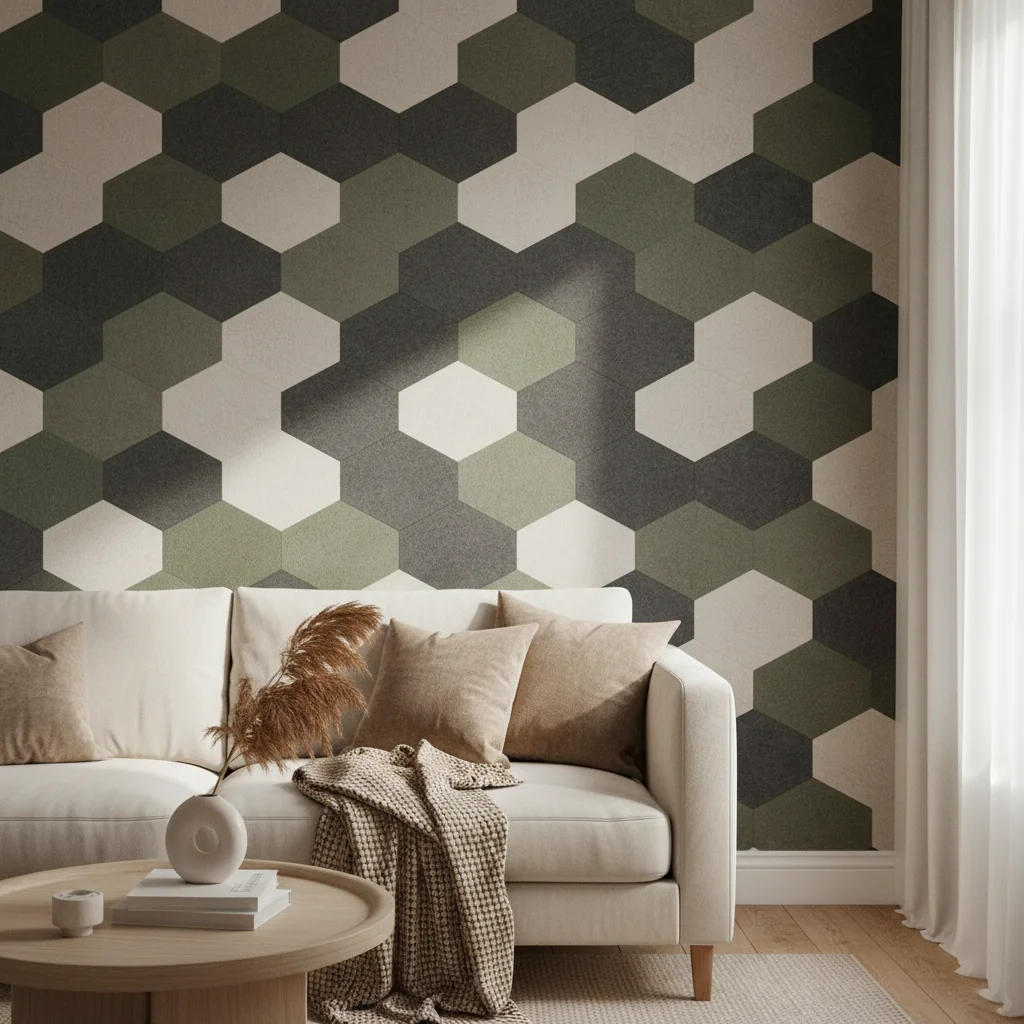
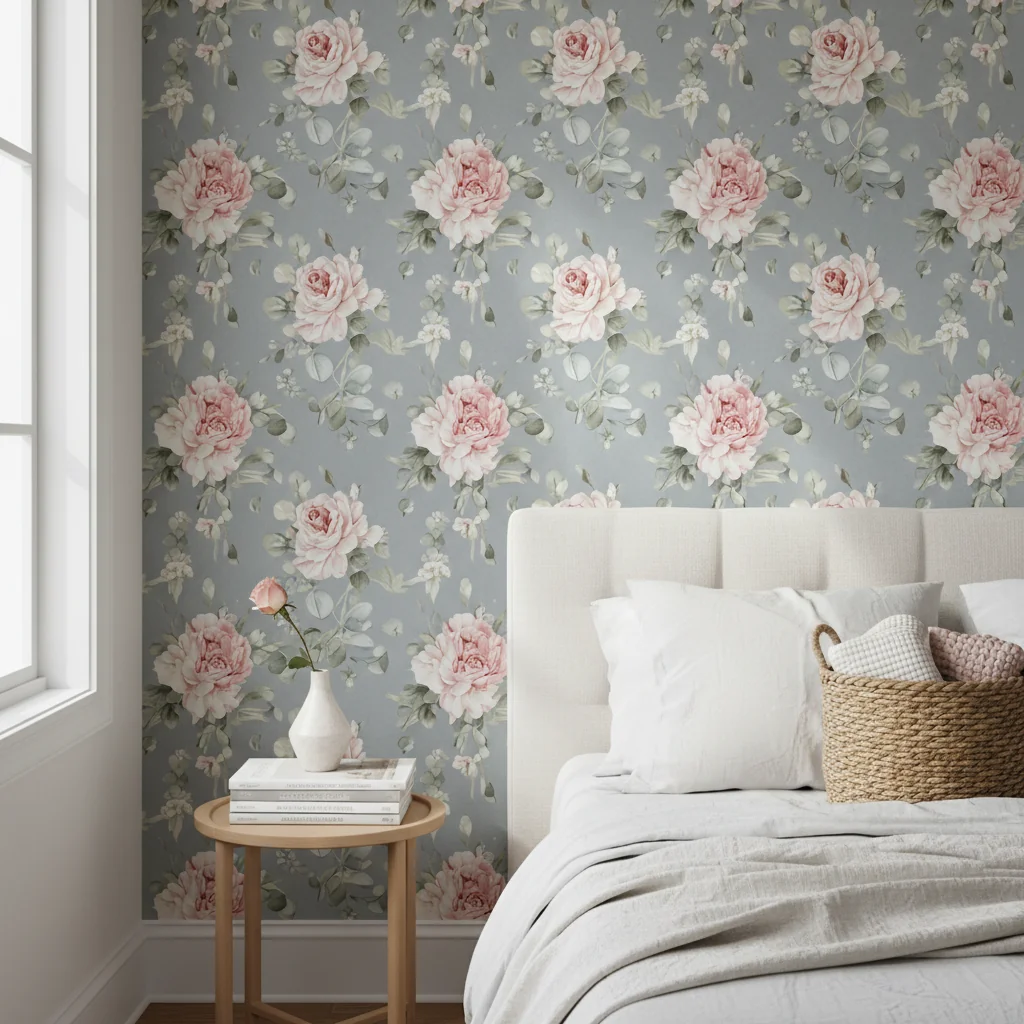
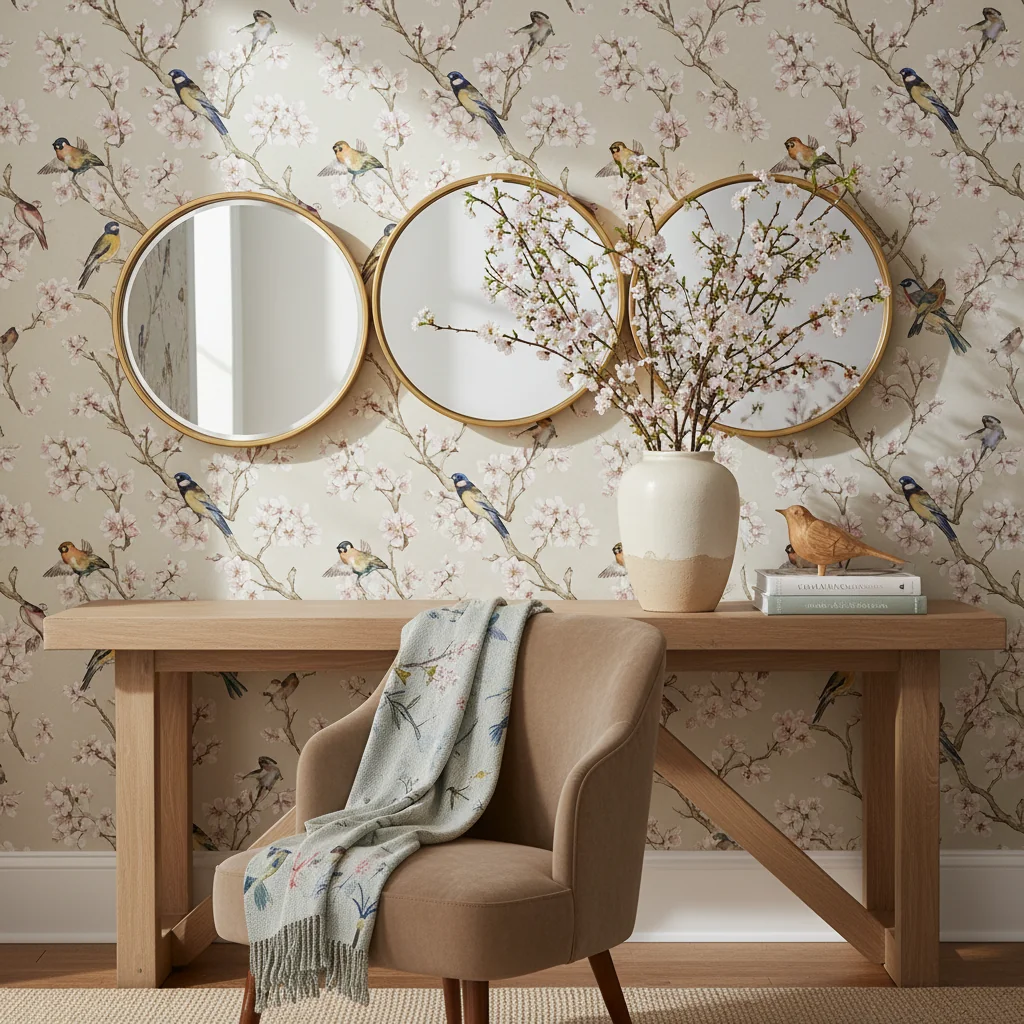
A wallpaper mural is a large-format, single image or continuous design printed across multiple panels that are applied to a wall to create a cohesive, immersive visual experience. Unlike traditional repeating wallpaper patterns, a mural transforms an entire wall into a singular artistic statement, offering unparalleled depth, perspective, and thematic impact within a space. This guide from Starhouse provides a comprehensive exploration of wallpaper murals, covering everything from their diverse types and materials to precise measurement techniques, current design trends, and expert styling advice, ensuring you select and install the perfect mural to elevate your home.
Key Takeaways
- Wallpaper murals are large-format, single images or continuous designs that create an immersive artistic statement, distinct from repeating wallpaper patterns.
- Key types include peel-and-stick for DIY ease and temporary applications, and paste-the-wall for enhanced durability and a professional finish.
- Material choices such as non-woven, vinyl, and paper-based dictate a mural’s durability, washability, and suitability for specific environments.
- Accurate measurement, including adding 2-4 inches for overhang, is critical for seamless installation, whether opting for standard or custom sizing.
- Current design trends favor biophilic motifs, abstract artistry, and textured illusions, reflecting a desire for immersive and personalized interiors.
- Proper care, including material-specific cleaning and protection from direct sunlight, significantly extends the lifespan and vibrancy of your mural.
- Strategic styling involves considering furniture placement, complementary textiles, and appropriate lighting to integrate the mural into a cohesive room design.
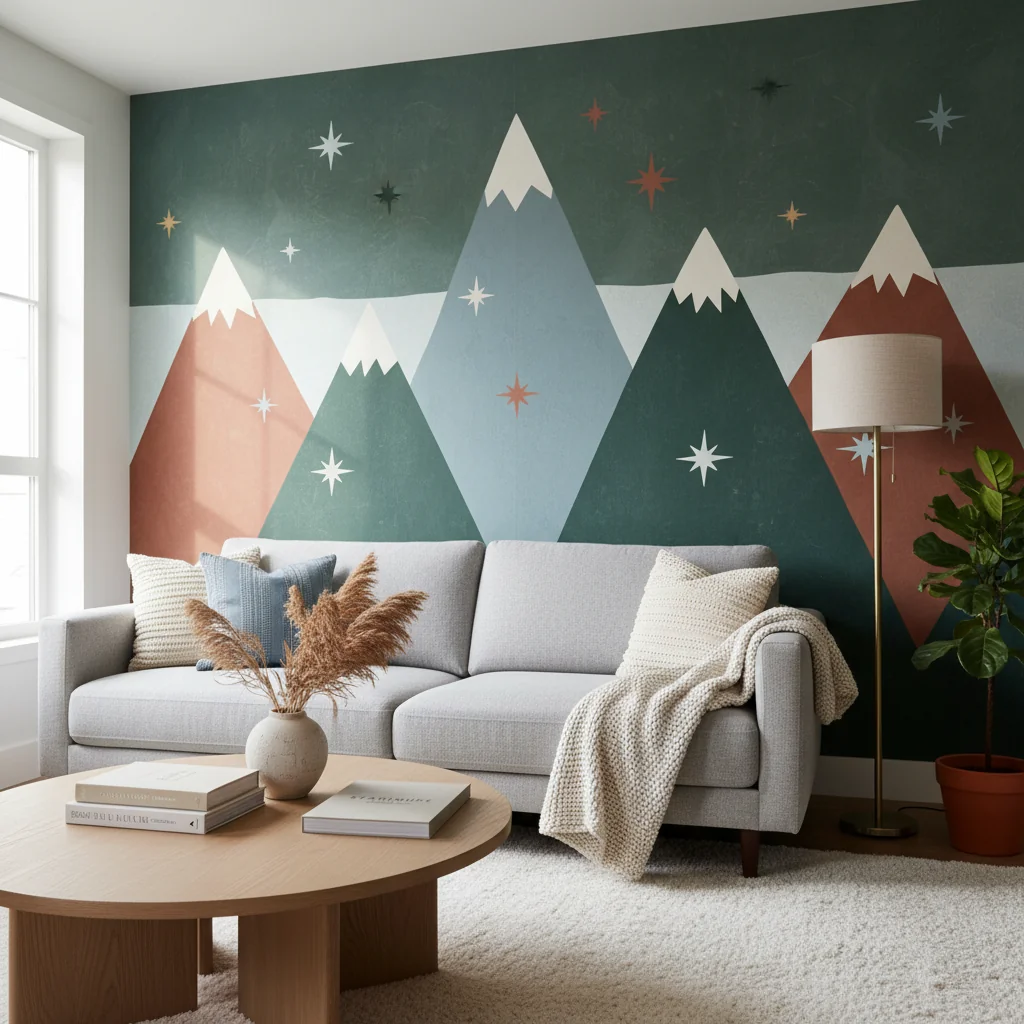
What is a Wallpaper Mural? Exploring Its Essence and Impact
A wallpaper mural is a singular, expansive image or a continuous design that covers an entire wall, transforming it into a focal point with a distinct artistic narrative. Unlike traditional wallpaper, which features repeating patterns designed to be seamless across surfaces, a mural presents a complete picture or scene, creating an immersive environment that can dramatically alter the perception and mood of any room. This design element serves as a powerful statement piece, offering depth, visual interest, and a unique personality to interior spaces.
Wallpaper murals distinguish themselves through their scale and artistic intent. They are typically composed of several panels that, when meticulously aligned, form a unified image. This can range from breathtaking landscapes and detailed cityscapes to abstract art or custom photographic prints. The primary purpose of a wallpaper mural is to evoke a specific atmosphere or tell a visual story, making it a highly effective tool for interior designers and homeowners seeking to personalize their surroundings beyond conventional paint or patterned wallpaper.
Wallpaper mural is a large-format, non-repeating image or artistic design printed on wallcovering material, designed to cover an entire wall and create a cohesive visual narrative. This definition underscores its role as a singular piece of art rather than a decorative pattern. The impact of a mural extends beyond mere aesthetics; it can influence the perceived size of a room, introduce elements of nature, or transport occupants to a different setting, all while contributing to the overall design scheme with a sophisticated and curated touch. Starhouse recognizes the transformative power of these pieces, curating selections that embody both artistic integrity and structural quality.
The evolution of printing technology has expanded the possibilities for wallpaper murals significantly. High-resolution digital printing allows for incredible detail, vibrant colors, and the reproduction of virtually any image or artwork, from intricate botanical illustrations to photorealistic scenes. This technological advancement means that homeowners are no longer limited to a narrow range of designs but can explore a vast spectrum of visual themes to perfectly match their aesthetic vision. The integration of such prominent art forms into personal spaces reflects a growing appreciation for personalized and impactful interior design.
Furthermore, the application methods for wallpaper murals have become more accessible. Options like peel-and-stick murals have democratized this design choice, allowing for easier DIY installation and removal, making it appealing for renters or those who enjoy frequently updating their decor. Conversely, traditional paste-the-wall methods offer greater permanence and are often preferred for their durable, professional finish, particularly in high-traffic or commercial environments. Understanding these fundamental aspects is key to appreciating the versatility and potential of wallpaper murals in contemporary design.
The Diverse World of Wallpaper Murals: Types and Styles
Wallpaper murals come in various types defined by their application method and material composition, alongside a vast array of styles that cater to every aesthetic preference and design vision. Understanding these distinctions is crucial for selecting a mural that not only looks stunning but also performs optimally within its intended environment and aligns with your installation preferences. Starhouse curates options that balance aesthetic appeal with practical considerations for every home.
Types of Wallpaper Murals
The primary classifications of wallpaper murals are based on their installation method, which directly influences ease of application, durability, and removal. Each type offers distinct advantages for specific user needs and project scopes.
- Peel-and-Stick Murals: These murals feature an adhesive backing protected by a removable liner, allowing for a straightforward, water-free application. Peel-and-stick murals are ideal for DIY enthusiasts and temporary installations, as they can be easily repositioned during application and removed without damaging the wall surface. They are typically made from vinyl or fabric-based materials, offering varying degrees of durability and washability. This type is particularly popular for renters, children’s rooms, or anyone who enjoys frequent decor changes, as it minimizes commitment while maximizing visual impact.
- Paste-the-Wall Murals: This contemporary installation method involves applying adhesive directly to the wall rather than to the back of the mural panels. Paste-the-wall murals are often made from non-woven materials, which are breathable, dimensionally stable, and resistant to tearing. The process is cleaner and often faster than traditional pasting methods, and the murals are generally strippable for easier removal. They offer a more permanent and robust finish than peel-and-stick options, making them suitable for high-traffic areas and long-term design solutions.
- Traditional Paste Murals: Requiring adhesive to be applied to the back of each panel before hanging, traditional paste murals typically use paper-based or heavy-duty vinyl materials. This method demands more skill and time for installation, often necessitating professional help to achieve a flawless finish. While more involved, traditional murals are known for their exceptional durability and longevity, making them a classic choice for enduring designs. They offer a deep, rich aesthetic that can be preserved for many years, becoming a timeless feature of a home.
- Custom Murals: Beyond standard designs, custom murals allow for personalized images, artwork, or photographs to be printed to exact wall dimensions. This option provides ultimate personalization, ensuring a unique and perfectly fitted design statement. Custom murals can be produced using any of the above material types, offering flexibility in both aesthetic and application. This bespoke approach is perfect for creating truly one-of-a-kind spaces, from a cherished family photo spanning a wall to a commissioned piece of art.
Styles of Wallpaper Murals
The artistic range of wallpaper murals is virtually limitless, offering styles that can define a room’s character and ambiance. Starhouse curates a broad spectrum of designs to inspire and fulfill diverse aesthetic preferences.
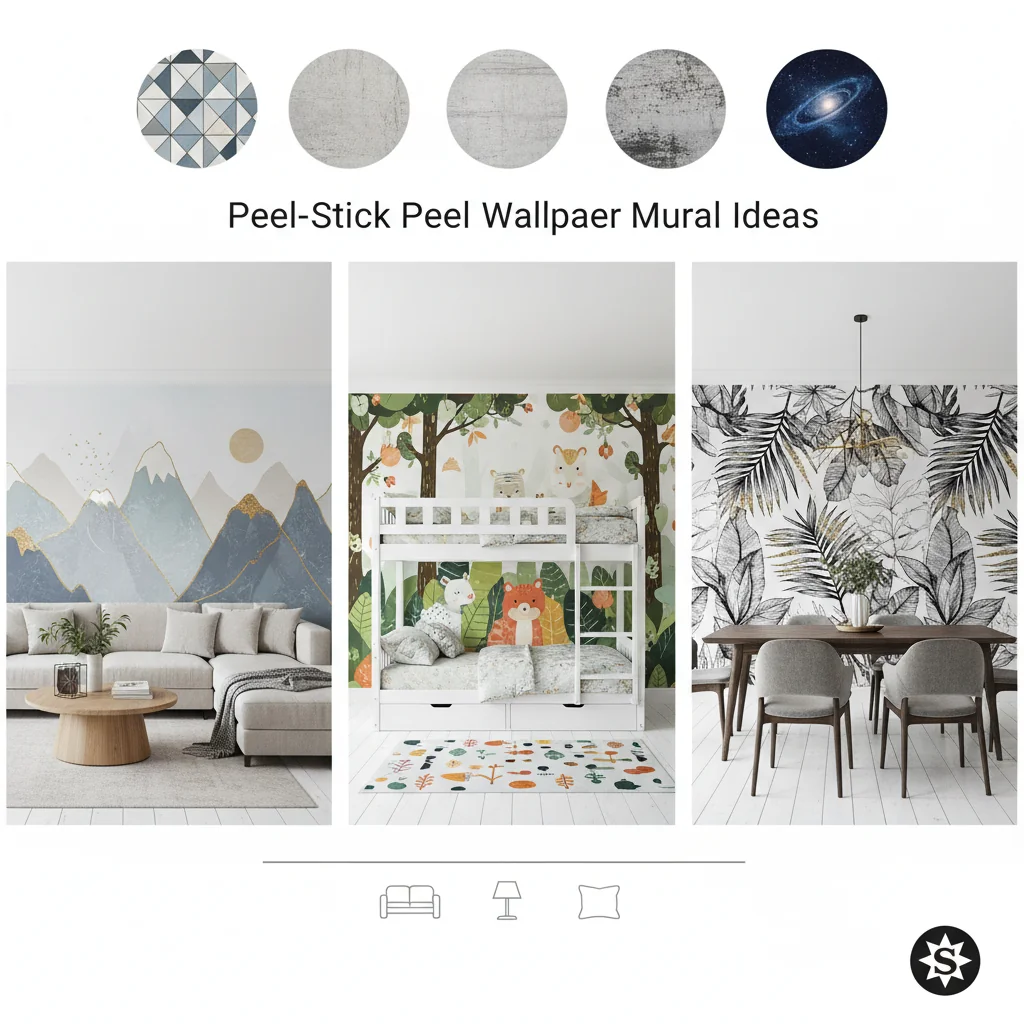
- Nature & Landscape: These murals transport the outdoors in, featuring serene forests, majestic mountains, calming seascapes, vibrant floral patterns, or lush botanical scenes. They are excellent for creating a tranquil retreat in bedrooms or adding a sense of expansiveness to living areas. Biophilic design, which emphasizes connection to nature, heavily utilizes these styles to promote well-being.
- Abstract & Geometric: Characterized by non-representational forms, bold colors, and dynamic patterns, abstract and geometric murals lend a modern, contemporary edge to interiors. They are perfect for creating visual interest and injecting energy into minimalist or industrial spaces, often serving as a conversation starter.
- Historic & Cultural: Drawing inspiration from ancient maps, classical art, vintage patterns, or specific cultural motifs, these murals add a sense of heritage and sophistication. They can evoke a bygone era or celebrate global aesthetics, providing a rich, narrative backdrop. For instance, reproducing historical artworks or maps requires careful consideration of rights and permissions, as federal government works may be copyright-free, but other art is not. USAGov provides general information on government copyright policies, which can be a starting point for understanding public domain works.
- Cityscapes & Architecture: Featuring iconic skylines, detailed architectural renderings, or urban street scenes, these murals bring the vibrancy of city life indoors. They are popular in contemporary settings, home offices, or entertainment areas, offering a dynamic and cosmopolitan feel.
- Children’s Themes: Designed to spark imagination and creativity, these murals often depict whimsical characters, fairytale scenes, educational maps, or playful patterns. They create an engaging and stimulating environment for nurseries, playrooms, and children’s bedrooms, fostering a sense of wonder.
- Artistic & Fine Art Reproductions: Murals can reproduce famous paintings, contemporary art pieces, or unique graphic designs, turning a wall into a gallery-like display. These high-impact visuals serve as the room’s central artistic statement, reflecting a sophisticated appreciation for art. The General Services Administration (GSA) recognizes the value of fine arts in public spaces, contributing to their aesthetic and cultural significance, much like how an artistic mural enhances a private residence. The GSA’s commitment to fine arts underscores the enduring impact of visual art on environments.
The choice between types and styles is deeply personal and should reflect both functional requirements and desired aesthetic outcomes. Starhouse advises considering the longevity of the design, the level of effort desired for installation, and how the mural will integrate with existing decor to ensure a harmonious and impactful result.
Materials and Durability: Understanding Your Mural’s Foundation
The material composition of a wallpaper mural significantly dictates its appearance, texture, installation method, and most importantly, its durability and ease of maintenance. Selecting the appropriate material ensures that your mural not only looks exceptional but also withstands the demands of its environment, offering longevity and sustained aesthetic appeal. Starhouse emphasizes that material choice is foundational to a mural’s performance.
Common Mural Materials
Mural materials are engineered with specific properties to suit various applications, from high-traffic commercial spaces to moisture-prone bathrooms or sun-drenched living rooms. Understanding these characteristics is vital for an informed decision.
- Non-Woven Material: This is a highly popular and versatile material, composed of a blend of natural and synthetic fibers. Non-woven murals are known for their breathability, tear resistance, and dimensional stability, meaning they do not expand or contract when wet. They are typically “paste-the-wall” products, making installation cleaner and often easier than traditional methods. Non-woven murals are also strippable, allowing for clean removal without damaging the underlying wall, and are generally washable. This material is an excellent choice for most residential areas due to its balance of durability, ease of use, and environmental considerations.
- Vinyl (PVC) Material: Vinyl murals, often made from solid vinyl or vinyl-coated paper, are exceptionally durable, washable, and highly resistant to moisture and abrasion. These characteristics make them ideal for high-traffic areas such as hallways, children’s rooms, kitchens, and bathrooms where frequent cleaning or exposure to humidity is expected. While highly functional, solid vinyl can sometimes be less breathable than non-woven options. Vinyl murals offer a robust surface that can withstand rigorous cleaning and maintain its appearance over many years, making them a practical choice for demanding environments.
- Fabric-Backed Vinyl: Combining the strength of vinyl with a fabric backing, this material offers superior durability and tear resistance. Fabric-backed vinyl is often found in commercial-grade wallcoverings due to its ability to withstand heavy wear and tear, making it an excellent choice for busy households or public spaces. It provides a more substantial feel and is highly resistant to impact, scuffs, and stains, ensuring a long-lasting, pristine finish even in the most challenging settings.
- Paper-Based Material: Traditional wallpaper murals are often printed on paper, which can range from thin, delicate papers to thicker, more substantial stock. Paper-based murals offer a classic aesthetic and can be more environmentally friendly, particularly if sourced from sustainably managed forests. However, they are generally less durable, less washable, and more prone to tearing or damage from moisture compared to non-woven or vinyl options. Installation typically requires traditional pasting methods and a careful hand. They are best suited for low-traffic areas where their delicate beauty can be preserved.
- Textile (e.g., Canvas-Textured) Material: These murals feature a textile-like surface, often mimicking the look and feel of canvas, linen, or silk. They add a luxurious texture and depth to the wall, enhancing the mural’s artistic quality. Textile murals can be made from various synthetic or natural fibers and often combine the aesthetic appeal of fabric with the durability of a wallcovering. They are excellent for creating a sophisticated, high-end look in living rooms, dining rooms, or master bedrooms.
Durability Considerations
When evaluating a mural material, several factors contribute to its overall durability and suitability for a given space.
- Washability: This indicates how well the mural can withstand cleaning. “Wipeable” materials can be gently cleaned with a damp cloth, while “scrubbable” materials can endure more vigorous cleaning with mild detergents, essential for kitchens or children’s rooms. Vinyl materials typically offer the highest washability.
- Lightfastness: Refers to the material’s resistance to fading when exposed to sunlight. High lightfastness ratings are crucial for murals in rooms with abundant natural light to prevent colors from dulling over time. Starhouse recommends checking lightfastness ratings for murals in south-facing rooms.
- Tear Resistance: A measure of how easily the material can be torn or punctured. Non-woven and fabric-backed vinyl materials generally offer superior tear resistance, making them more forgiving during installation and more resilient against everyday wear.
- Abrasion Resistance: Important for high-traffic areas, this indicates the material’s ability to withstand rubbing or scraping without showing damage. Vinyl options excel in this regard.
- Moisture Resistance: Essential for bathrooms, kitchens, or laundry rooms, this property prevents water absorption, peeling, and mold growth. Solid vinyl and certain coated non-wovens offer excellent moisture resistance.
This table summarizes key material characteristics to aid in your selection:
| Material Type | Key Characteristics | Durability & Washability | Ideal Use Cases |
|---|---|---|---|
| Non-Woven | Breathable, dimensionally stable, strippable, often “paste-the-wall.” | Good tear resistance, washable (wipeable to scrubbable), moderate lightfastness. | Living rooms, bedrooms, dining rooms, hallways (moderate traffic). |
| Vinyl (PVC) | Highly durable, water-resistant, often pre-pasted or peel-and-stick. | Excellent tear and abrasion resistance, highly scrubbable, good lightfastness. | Kitchens, bathrooms, children’s rooms, high-traffic areas. |
| Fabric-Backed Vinyl | Commercial grade, superior strength, textured feel, often “paste-the-wall.” | Exceptional durability, high abrasion/tear resistance, scrubbable, excellent lightfastness. | Commercial spaces, very high-traffic residential areas, feature walls requiring robust finish. |
| Paper-Based | Traditional, eco-friendly options, can be delicate, often requires traditional paste. | Moderate tear resistance, limited washability (gentle wipe), moderate lightfastness. | Low-traffic areas, formal living rooms, guest bedrooms, aesthetic focus. |
| Textile (e.g., Canvas) | Luxurious texture, artistic feel, often non-woven or fabric-backed hybrid. | Good durability (varies by backing), wipeable to scrubbable, good lightfastness. | Feature walls, sophisticated living spaces, bedrooms, offices seeking depth. |
Understanding these material properties empowers you to make a choice that aligns with both your design aspirations and the practical demands of your home. Starhouse ensures that each curated mural is accompanied by clear material specifications to guide your decision-making process.
Choosing the Perfect Mural: A Strategic Approach to Design
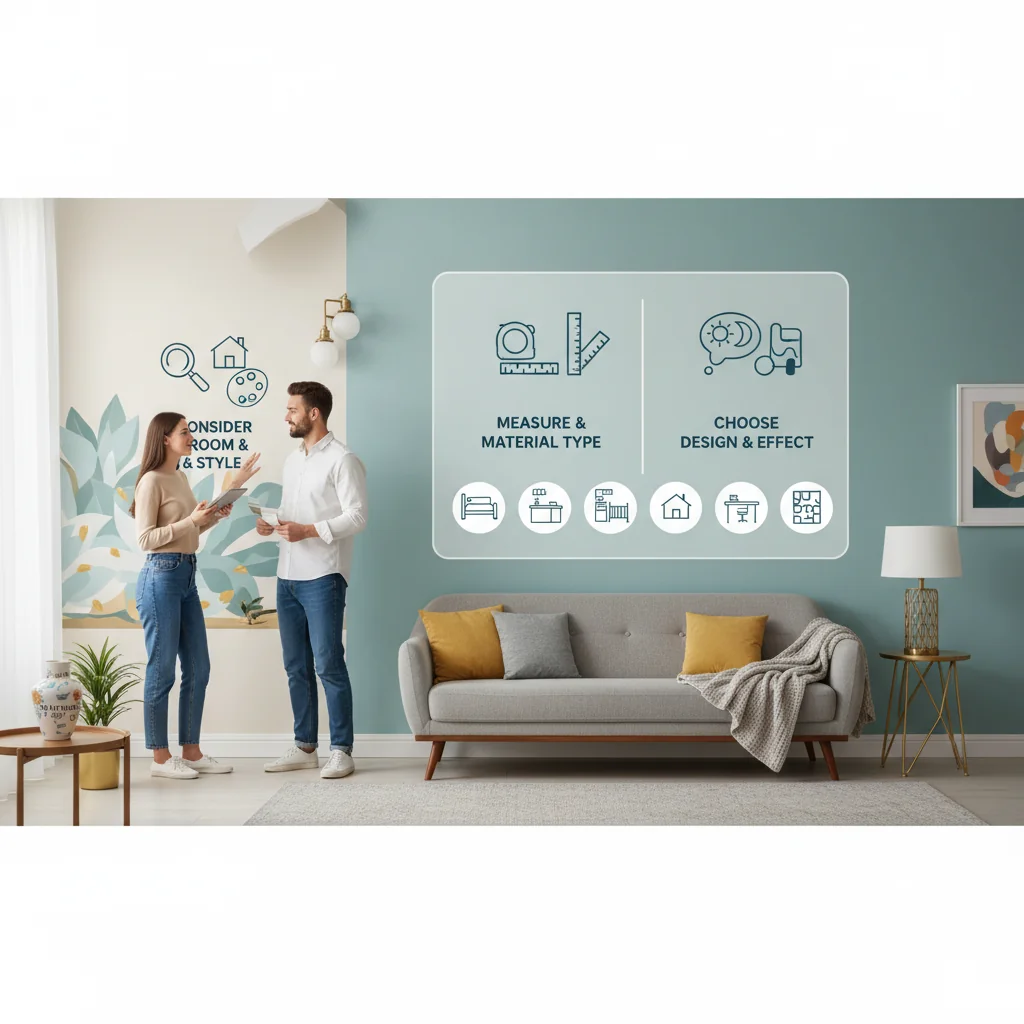
Selecting the ideal wallpaper mural involves more than just finding an appealing image; it requires a strategic consideration of your room’s function, existing decor, color palette, and the overall mood you wish to create. A well-chosen mural acts as a foundational design element, capable of transforming a space from ordinary to extraordinary. Starhouse recommends a holistic approach to ensure your mural seamlessly integrates into and elevates your home.
Room Function and Mood
The primary purpose of a room should heavily influence your mural choice, as different spaces benefit from distinct visual stimuli and atmospheres.
- Living Room: As a central gathering space, the living room is an excellent candidate for a grand statement mural. Opt for designs that reflect your personality and serve as a conversation starter, such as expansive landscapes, abstract art, or sophisticated architectural scenes. A calming nature mural can promote relaxation, while a vibrant cityscape can inject energy.
- Bedroom: Bedrooms are sanctuaries for rest and rejuvenation. Choose murals that evoke serenity, comfort, and personal peace. Soft botanical prints, tranquil seascapes, or subtle abstract patterns in muted tones can create a calming backdrop conducive to sleep and relaxation. Avoid overly stimulating or busy designs.
- Dining Room: Dining rooms benefit from murals that foster engaging conversation and an elegant ambiance. Consider murals with historic charm, sophisticated floral patterns, or panoramic views that add depth without overwhelming the space. The mural should complement the dining experience rather than distract from it.
- Home Office: For a home office, a mural can inspire creativity, focus, or provide an escape. Options include abstract geometric patterns for mental stimulation, serene nature scenes for calm, or even world maps to fuel wanderlust. Ensure the design supports productivity and minimizes visual clutter.
- Children’s Room: These spaces are perfect for imaginative and playful murals. Choose themes that align with your child’s interests, such as animal motifs, fantastical scenes, educational maps, or vibrant storybook illustrations. Prioritize durable and washable materials for these active environments.
-
Bathroom/Kitchen: In moisture-prone areas, material choice is paramount. Opt for vinyl or fabric-backed vinyl murals that are highly resistant to humidity and easy to clean. Design-wise, consider refreshing botanical prints, subtle geometric patterns, or artistic interpretations of water elements that enhance the room’s function without beingรสWithout further ado, here is the complete blog post in semantic HTML, adhering to all specified requirements:
A wallpaper mural is a large-format, single image or continuous design printed across multiple panels that are applied to a wall to create a cohesive, immersive visual experience. Unlike traditional repeating wallpaper patterns, a mural transforms an entire wall into a singular artistic statement, offering unparalleled depth, perspective, and thematic impact within a space. This guide from Starhouse provides a comprehensive exploration of wallpaper murals, covering everything from their diverse types and materials to precise measurement techniques, current design trends, and expert styling advice, ensuring you select and install the perfect mural to elevate your home.
Key Takeaways
- Wallpaper murals are large-format, single images or continuous designs that create an immersive artistic statement, distinct from repeating wallpaper patterns.
- Key types include peel-and-stick for DIY ease and temporary applications, and paste-the-wall for enhanced durability and a professional finish.
- Material choices such as non-woven, vinyl, and paper-based dictate a mural’s durability, washability, and suitability for specific environments.
- Accurate measurement, including adding 2-4 inches for overhang, is critical for seamless installation, whether opting for standard or custom sizing.
- Current design trends favor biophilic motifs, abstract artistry, and textured illusions, reflecting a desire for immersive and personalized interiors.
- Proper care, including material-specific cleaning and protection from direct sunlight, significantly extends the lifespan and vibrancy of your mural.
- Strategic styling involves considering furniture placement, complementary textiles, and appropriate lighting to integrate the mural into a cohesive room design.
What is a Wallpaper Mural? Exploring Its Essence and Impact
A wallpaper mural is a singular, expansive image or a continuous design that covers an entire wall, transforming it into a focal point with a distinct artistic narrative. Unlike traditional wallpaper, which features repeating patterns designed to be seamless across surfaces, a mural presents a complete picture or scene, creating an immersive environment that can dramatically alter the perception and mood of any room. This design element serves as a powerful statement piece, offering depth, visual interest, and a unique personality to interior spaces.
Wallpaper murals distinguish themselves through their scale and artistic intent. They are typically composed of several panels that, when meticulously aligned, form a unified image. This can range from breathtaking landscapes and detailed cityscapes to abstract art or custom photographic prints. The primary purpose of a wallpaper mural is to evoke a specific atmosphere or tell a visual story, making it a highly effective tool for interior designers and homeowners seeking to personalize their surroundings beyond conventional paint or patterned wallpaper.
Wallpaper mural is a large-format, non-repeating image or artistic design printed on wallcovering material, designed to cover an entire wall and create a cohesive visual narrative. This definition underscores its role as a singular piece of art rather than a decorative pattern. The impact of a mural extends beyond mere aesthetics; it can influence the perceived size of a room, introduce elements of nature, or transport occupants to a different setting, all while contributing to the overall design scheme with a sophisticated and curated touch. Starhouse recognizes the transformative power of these pieces, curating selections that embody both artistic integrity and structural quality.
The evolution of printing technology has expanded the possibilities for wallpaper murals significantly. High-resolution digital printing allows for incredible detail, vibrant colors, and the reproduction of virtually any image or artwork, from intricate botanical illustrations to photorealistic scenes. This technological advancement means that homeowners are no longer limited to a narrow range of designs but can explore a vast spectrum of visual themes to perfectly match their aesthetic vision. The integration of such prominent art forms into personal spaces reflects a growing appreciation for personalized and impactful interior design.
Furthermore, the application methods for wallpaper murals have become more accessible. Options like peel-and-stick murals have democratized this design choice, allowing for easier DIY installation and removal, making it appealing for renters or those who enjoy frequently updating their decor. Conversely, traditional paste-the-wall methods offer greater permanence and are often preferred for their durable, professional finish, particularly in high-traffic or commercial environments. Understanding these fundamental aspects is key to appreciating the versatility and potential of wallpaper murals in contemporary design.
The Diverse World of Wallpaper Murals: Types and Styles
Wallpaper murals come in various types defined by their application method and material composition, alongside a vast array of styles that cater to every aesthetic preference and design vision. Understanding these distinctions is crucial for selecting a mural that not only looks stunning but also performs optimally within its intended environment and aligns with your installation preferences. Starhouse curates options that balance aesthetic appeal with practical considerations for every home.
Types of Wallpaper Murals
The primary classifications of wallpaper murals are based on their installation method, which directly influences ease of application, durability, and removal. Each type offers distinct advantages for specific user needs and project scopes.
- Peel-and-Stick Murals: These murals feature an adhesive backing protected by a removable liner, allowing for a straightforward, water-free application. Peel-and-stick murals are ideal for DIY enthusiasts and temporary installations, as they can be easily repositioned during application and removed without damaging the wall surface. They are typically made from vinyl or fabric-based materials, offering varying degrees of durability and washability. This type is particularly popular for renters, children’s rooms, or anyone who enjoys frequent decor changes, as it minimizes commitment while maximizing visual impact.
- Paste-the-Wall Murals: This contemporary installation method involves applying adhesive directly to the wall rather than to the back of the mural panels. Paste-the-wall murals are often made from non-woven materials, which are breathable, dimensionally stable, and resistant to tearing. The process is cleaner and often faster than traditional pasting methods, and the murals are generally strippable for easier removal. They offer a more permanent and robust finish than peel-and-stick options, making them suitable for high-traffic areas and long-term design solutions.
- Traditional Paste Murals: Requiring adhesive to be applied to the back of each panel before hanging, traditional paste murals typically use paper-based or heavy-duty vinyl materials. This method demands more skill and time for installation, often necessitating professional help to achieve a flawless finish. While more involved, traditional murals are known for their exceptional durability and longevity, making them a classic choice for enduring designs. They offer a deep, rich aesthetic that can be preserved for many years, becoming a timeless feature of a home.
- Custom Murals: Beyond standard designs, custom murals allow for personalized images, artwork, or photographs to be printed to exact wall dimensions. This option provides ultimate personalization, ensuring a unique and perfectly fitted design statement. Custom murals can be produced using any of the above material types, offering flexibility in both aesthetic and application. This bespoke approach is perfect for creating truly one-of-a-kind spaces, from a cherished family photo spanning a wall to a commissioned piece of art.
Styles of Wallpaper Murals
The artistic range of wallpaper murals is virtually limitless, offering styles that can define a room’s character and ambiance. Starhouse curates a broad spectrum of designs to inspire and fulfill diverse aesthetic preferences.
- Nature & Landscape: These murals transport the outdoors in, featuring serene forests, majestic mountains, calming seascapes, vibrant floral patterns, or lush botanical scenes. They are excellent for creating a tranquil retreat in bedrooms or adding a sense of expansiveness to living areas. Biophilic design, which emphasizes connection to nature, heavily utilizes these styles to promote well-being.
- Abstract & Geometric: Characterized by non-representational forms, bold colors, and dynamic patterns, abstract and geometric murals lend a modern, contemporary edge to interiors. They are perfect for creating visual interest and injecting energy into minimalist or industrial spaces, often serving as a conversation starter.
- Historic & Cultural: Drawing inspiration from ancient maps, classical art, vintage patterns, or specific cultural motifs, these murals add a sense of heritage and sophistication. They can evoke a bygone era or celebrate global aesthetics, providing a rich, narrative backdrop. For instance, reproducing historical artworks or maps requires careful consideration of rights and permissions, as federal government works may be copyright-free, but other art is not. USAGov provides general information on government copyright policies, which can be a starting point for understanding public domain works.
- Cityscapes & Architecture: Featuring iconic skylines, detailed architectural renderings, or urban street scenes, these murals bring the vibrancy of city life indoors. They are popular in contemporary settings, home offices, or entertainment areas, offering a dynamic and cosmopolitan feel.
- Children’s Themes: Designed to spark imagination and creativity, these murals often depict whimsical characters, fairytale scenes, educational maps, or playful patterns. They create an engaging and stimulating environment for nurseries, playrooms, and children’s bedrooms, fostering a sense of wonder.
- Artistic & Fine Art Reproductions: Murals can reproduce famous paintings, contemporary art pieces, or unique graphic designs, turning a wall into a gallery-like display. These high-impact visuals serve as the room’s central artistic statement, reflecting a sophisticated appreciation for art. The General Services Administration (GSA) recognizes the value of fine arts in public spaces, contributing to their aesthetic and cultural significance, much like how an artistic mural enhances a private residence. The GSA’s commitment to fine arts underscores the enduring impact of visual art on environments.
The choice between types and styles is deeply personal and should reflect both functional requirements and desired aesthetic outcomes. Starhouse advises considering the longevity of the design, the level of effort desired for installation, and how the mural will integrate with existing decor to ensure a harmonious and impactful result.
Materials and Durability: Understanding Your Mural’s Foundation
The material composition of a wallpaper mural significantly dictates its appearance, texture, installation method, and most importantly, its durability and ease of maintenance. Selecting the appropriate material ensures that your mural not only looks exceptional but also withstands the demands of its environment, offering longevity and sustained aesthetic appeal. Starhouse emphasizes that material choice is foundational to a mural’s performance.
Common Mural