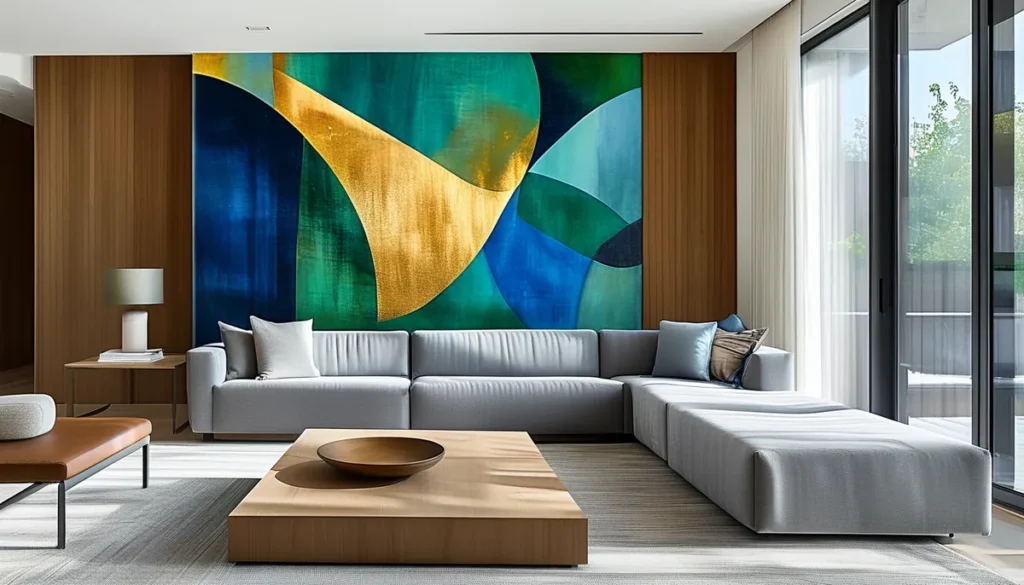
The thickness of your wallpaper sticker matters more than you think, especially for covering imperfect walls. A sticker that’s too thin, often under 6 mil (0.15 mm), will show every bump and imperfection on your drywall. Aim for at least 8-10 mil (0.20-0.25 mm) for a smoother finish that hides minor flaws. Thicker vinyls, like PVC-based options, offer better opacity and durability.
Choosing the right adhesive for your wall
Peel and stick wallpaper is designed for temporary or semi-permanent application, but the adhesive strength varies. Some are formulated for easy removal with no residue, ideal for renters or those who like to redecorate frequently. Others have a stronger grip, providing a more secure hold but potentially requiring more effort to remove, sometimes even needing a heat gun. Always check the product description for details on adhesive type and recommended removal methods.
If you’re looking for a more permanent solution or have slightly textured walls, consider unpasted murals. These require a separate wallpaper paste, allowing for precise application and a very durable finish. While not a ‘sticker’ in the peel-and-stick sense, they offer a high-quality, long-lasting transformation. You can learn more about how to transform your living room with a stunning wallpaper mural.
Design considerations for your living room
Your living room is a central hub, so the wallpaper sticker should complement its function and your personal style. Consider the scale of the pattern. Small, busy patterns can make a room feel smaller, while large-scale designs can add drama and depth. Geometric patterns are popular for a modern look, while floral or botanical prints can bring a touch of nature indoors.
For a sophisticated and tranquil atmosphere, consider designs inspired by nature. For instance, ‘underwater elegance’ themes can bring a calming, nautical vibe to your space, reminiscent of the ocean’s serenity. This could involve subtle wave patterns, abstract coral textures, or even stylized marine life. Think about how these elements can create a unique focal point without overwhelming the room.
When choosing colors, think about the existing decor and the mood you want to create. Lighter colors can make a room feel brighter and more spacious, while darker, richer tones can create a cozy and intimate feel. If you’re using the wallpaper sticker as an accent wall, choose a design that contrasts or complements your main wall color.
Installation tips for a professional finish
Proper preparation is key. Ensure your walls are clean, dry, and smooth. Wipe down surfaces with a mild detergent and allow them to dry completely. If you have significant wall damage, like deep cracks or holes, repair them and sand smooth before applying the sticker. For very glossy or slick surfaces, a light sanding can help the adhesive grip better.
Start by applying the top edge of the sticker, letting it hang down. Use a squeegee or a credit card to smooth out the sticker as you go, working from the center outwards to push out any air bubbles. Peel off the backing gradually as you press the sticker onto the wall. If you make a mistake, gently peel back the sticker and reposition it. Most good quality vinyl stickers allow for repositioning a few times.
For larger murals, it’s often easier to work with a helper. Overlap subsequent panels slightly (usually 1/4 inch or about 6 mm) according to the manufacturer’s instructions to ensure a seamless look. Trim any excess material at the ceiling, baseboard, and corners with a sharp utility knife.
Mistakes to avoid when applying wallpaper stickers
Applying wallpaper stickers over unprimed or heavily textured walls is a common mistake. The adhesive may not stick properly, leading to peeling or bubbling. Always ensure your walls are suitable for wallpaper application. Painting walls with a satin or eggshell finish is generally recommended over high-gloss paint, which can sometimes interfere with adhesion.
Another pitfall is not allowing enough overlap between panels, which can result in visible seams. Conversely, overlapping too much can create bulges. Always follow the specific instructions provided with your wallpaper sticker. For those interested in different decorative elements, exploring wallpaper borders for living room can add a unique touch.
Rushing the installation is another error that leads to poor results. Take your time, measure carefully, and work methodically. Having the right tools, like a sharp knife, a level, and a good squeegee, makes a significant difference. For guidance on specific color palettes, consider how pastel bedroom wallpaper can inspire your living room choices.
Maintaining your wallpaper sticker
Most vinyl wallpaper stickers are wipeable. Use a soft, damp cloth to clean any marks or smudges. Avoid abrasive cleaners or excessive moisture, which can damage the surface or loosen the adhesive. For tougher stains, a very mild soap solution can be used sparingly.
If you’re considering a feature wall, remember that even the most durable wallpaper sticker will eventually show wear. For areas prone to heavy traffic or potential damage, such as behind a sofa or in a high-traffic entryway, consider reinforcing the edges or choosing a thicker, more robust material. For accent walls, you can explore options like master bedroom wallpaper accent walls for inspiration on creating impactful designs.
Types of materials and their durability
Wallpaper stickers are typically made from PVC vinyl. This material is durable, water-resistant, and easy to clean. The thickness, as mentioned earlier, plays a crucial role in its ability to cover imperfections. Thicker vinyls offer better opacity and are more forgiving during installation. Some high-end options might incorporate other materials for enhanced texture or finish, but PVC remains the standard for peel-and-stick applications.
When choosing a product, look for keywords like ‘heavyweight vinyl’ or ‘premium quality’ if durability is a primary concern. For areas like bathrooms, where moisture is a factor, ensure the product is explicitly rated for such environments. While this guide focuses on living rooms, understanding material properties is essential, just as it is when considering gray wallpaper for bathrooms.
The adhesive backing is also a critical component. Some stickers use a water-activated adhesive, others a dry, pressure-sensitive adhesive. For living rooms, pressure-sensitive adhesives are most common in the peel-and-stick format, offering convenience and ease of use. Always check reviews for feedback on how well the adhesive holds over time and how cleanly it removes.
When to choose a different wall covering
While wallpaper stickers are fantastic for quick makeovers, they might not be the best choice for every situation. If your walls have significant damage, deep texture, or are prone to moisture issues (beyond a typical bathroom splash zone), you might need a more robust solution like traditional paste-applied wallpaper or even paint. Extremely high-traffic areas that see a lot of scuffing might also benefit from more durable finishes.
For a truly transformative and lasting impact, especially in larger spaces, consider the benefits of professional wallpaper installation. However, for a budget-friendly, DIY-friendly update, a high-quality wallpaper sticker can dramatically change the look and feel of your living room in just a few hours.