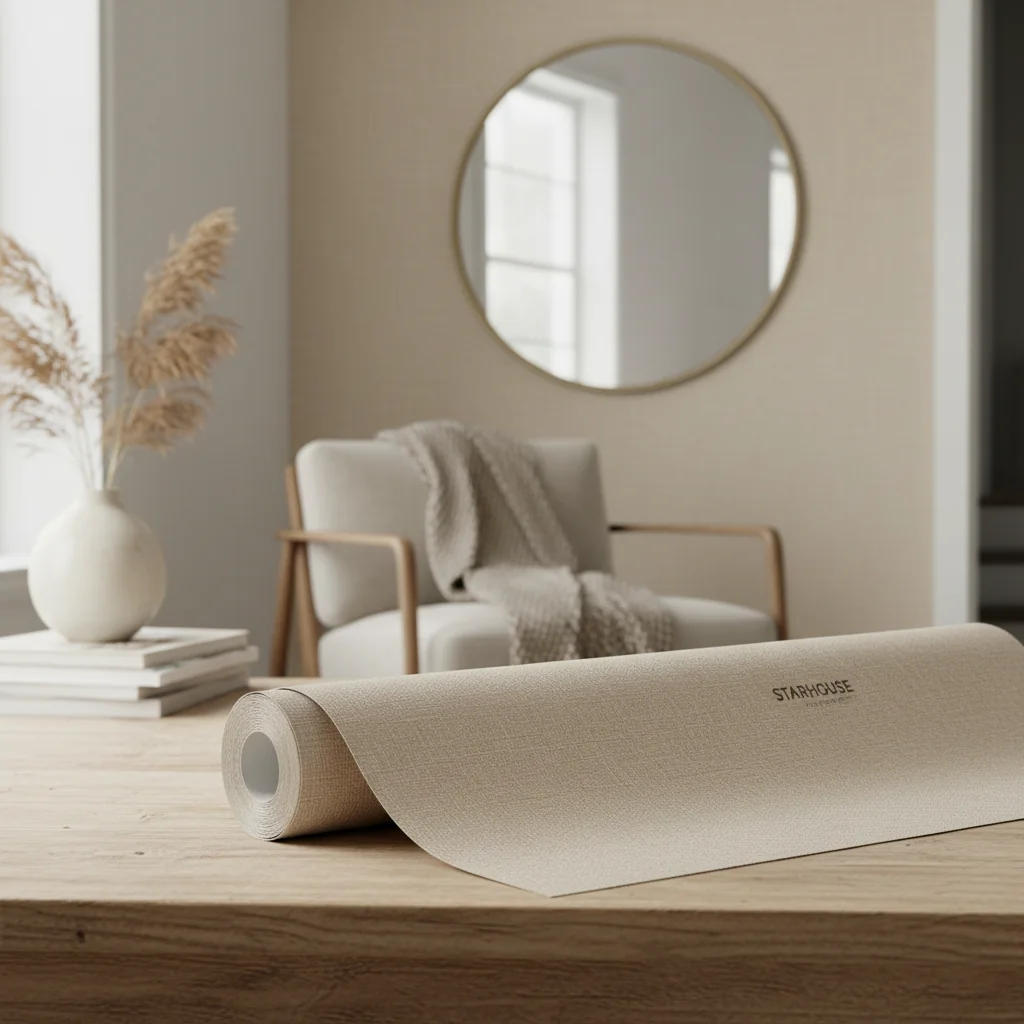
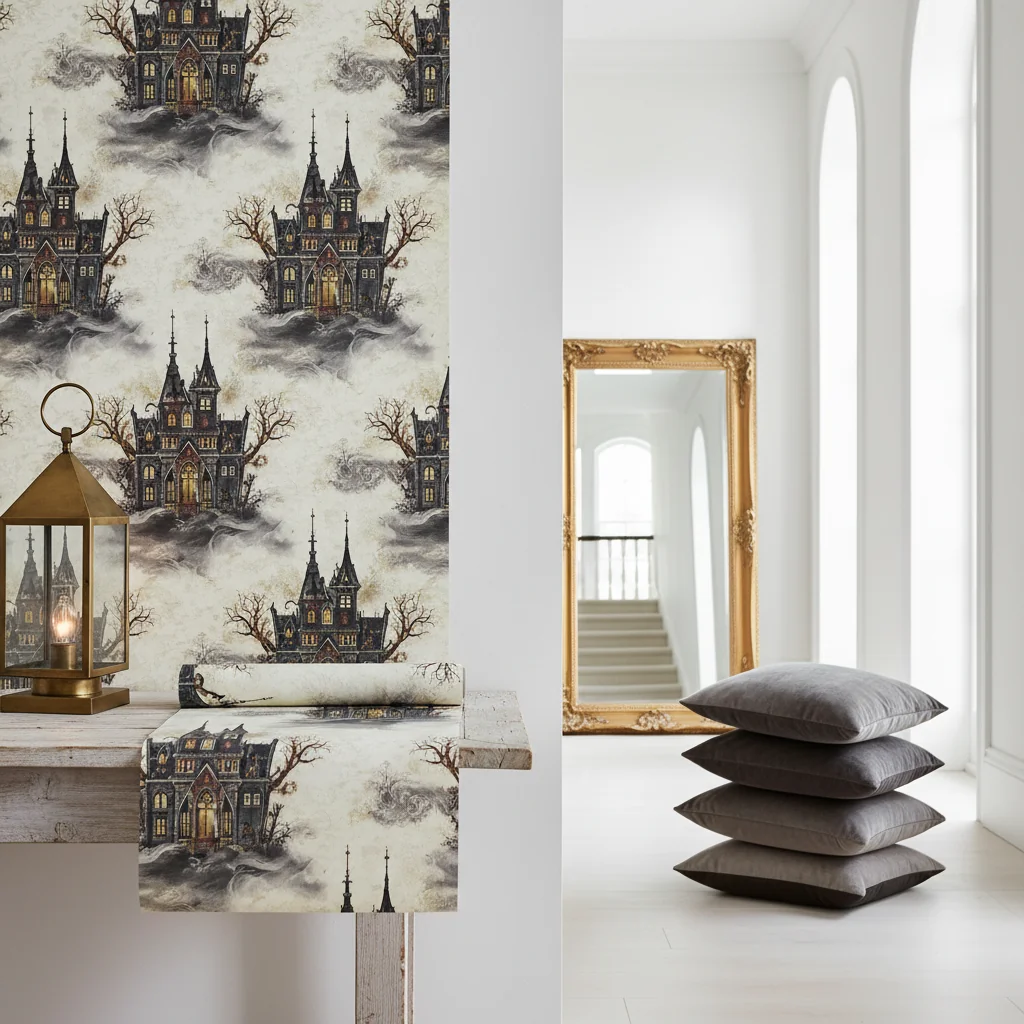
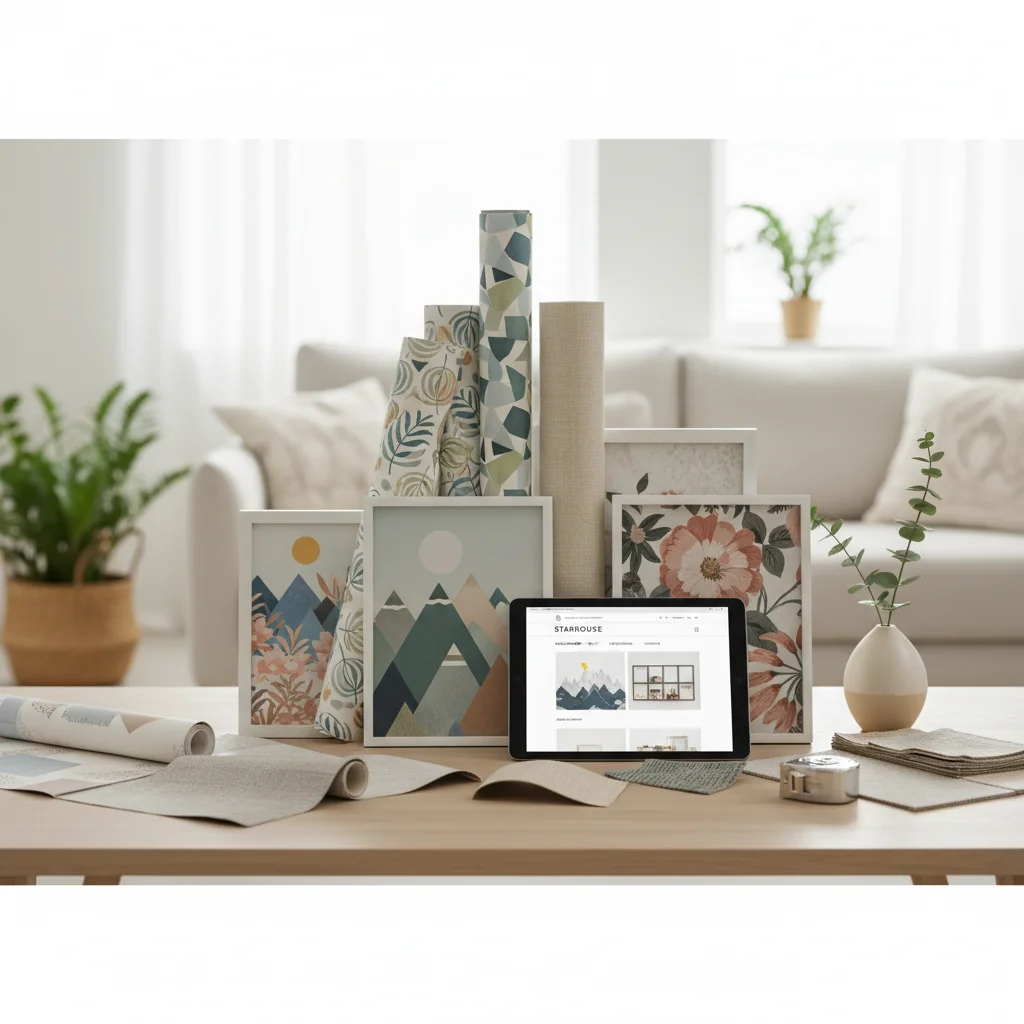
Searching for “wallpaper store near me ng” often signals the start of an exciting home transformation project, a quest for that perfect design element to redefine a space. While the immediate impulse is to locate a physical storefront, the modern landscape of home décor offers a vast array of high-quality, curated wallcoverings accessible online, often providing greater selection and convenience than local brick-and-mortar options. This comprehensive guide from Starhouse, your trusted U.S. home & décor brand, will equip you with the precise knowledge to navigate the expansive world of wallpaper, from understanding diverse types and materials to mastering measurement, installation considerations, and sophisticated styling techniques, ensuring your selection is not just beautiful but perfectly suited to your home’s unique character and your personal aesthetic.
Key Takeaways
- Wallpaper offers unparalleled versatility in transforming a room’s aesthetic, with options ranging from traditional paper-backed vinyl to innovative peel-and-stick and natural grasscloth.
- Accurate measurement and understanding pattern repeat are critical for ordering the correct quantity of wallpaper, preventing costly errors and ensuring a seamless installation.
- Choosing between professional installation and DIY application, especially for peel-and-stick, depends on the wallpaper type, your skill level, and the complexity of the project.
- Modern wallpaper trends emphasize biophilic designs, rich textures, large-scale murals, and sustainable materials, reflecting a desire for both beauty and environmental consciousness.
- Proper care, dictated by the wallpaper’s material and washability rating, is essential for maintaining its appearance and extending its lifespan.
- Starhouse curates a sophisticated selection of wallcoverings and home décor, empowering you to find the ideal statement piece for any room.
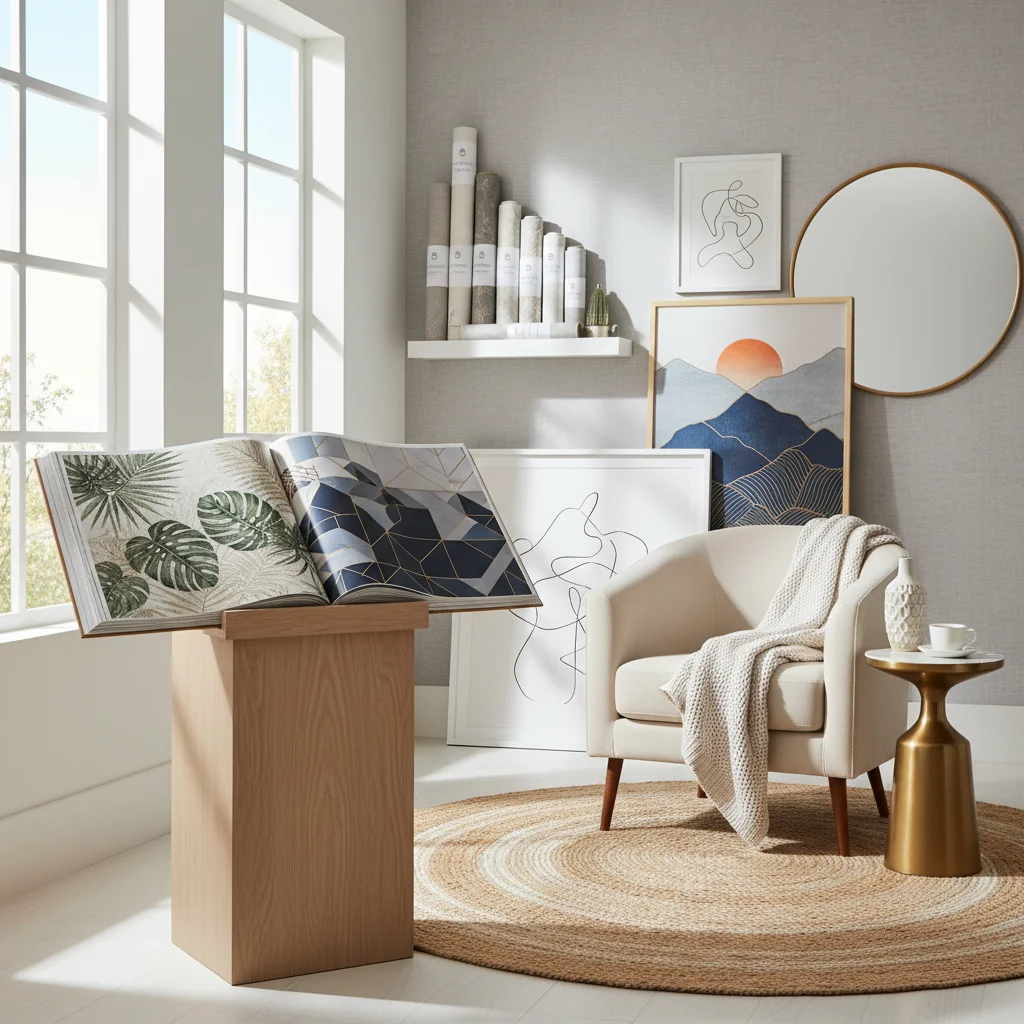
Understanding Your Wallpaper Options: A Comprehensive Guide to Types and Materials
The world of wallpaper offers an extensive array of types and materials, each presenting unique aesthetic qualities, durability characteristics, and application methods. Understanding these distinctions is fundamental to making an informed choice that aligns with your design vision and practical needs. From traditional paper-backed options to innovative peel-and-stick solutions and luxurious natural fibers, the right selection transforms a room’s entire ambiance.
Primary Wallpaper Types
Wallpaper is broadly categorized by its construction and backing, which dictate its application and removal properties.
-
Traditional Wallpaper
Traditional wallpaper encompasses a broad category typically requiring a separate adhesive for application. These are often made with a paper or non-woven backing.
- Non-Woven Wallpaper: This is a highly durable and breathable material, often considered the most user-friendly traditional option for DIY enthusiasts. Non-woven wallpaper is made from a blend of natural and synthetic fibers, making it tear-resistant and dimensionally stable. It is applied using the “paste-the-wall” method, where adhesive is applied directly to the wall, not the paper, simplifying alignment and reducing mess. Removal is generally easy, often peeling off in full sheets without damaging the wall.
- Paper-Backed Vinyl Wallpaper: A popular and economical choice, paper-backed vinyl features a decorative vinyl surface laminated to a paper backing. The vinyl layer provides excellent durability, washability, and resistance to moisture, making it suitable for high-traffic areas like kitchens and bathrooms. It typically requires traditional paste-the-paper application. Removal can be more challenging than non-woven, often requiring scoring and soaking.
- Fabric-Backed Vinyl Wallpaper: Designed for heavy-duty commercial and high-traffic residential applications, fabric-backed vinyl is exceptionally durable. It consists of a solid vinyl surface laminated to a fabric backing, offering superior tear resistance and dimensional stability. This type is highly scrubbable and resistant to impact, making it ideal for hallways, children’s rooms, or commercial spaces. Professional installation is often recommended due to its weight and rigidity.
-
Peel-and-Stick Wallpaper
Peel-and-stick wallpaper, also known as removable wallpaper, has revolutionized DIY décor. This innovative type features an adhesive backing protected by a release liner, allowing for easy application by simply peeling off the backing and pressing the paper onto the wall. It is designed for temporary or semi-permanent use and can be removed without damaging the underlying paint or drywall, leaving no sticky residue. This makes it ideal for renters, accent walls, or those who enjoy frequently updating their décor. Most peel-and-stick options are made from vinyl or a synthetic blend, offering washability and durability.
-
Liquid Wallpaper
Liquid wallpaper is a unique wall finish applied like paint but offering the texture and depth of traditional wallcoverings. Typically composed of natural fibers like cotton, silk, or cellulose, mixed with binders and decorative additives, it is sold as a dry mix that is combined with water to form a paste. This material is breathable, seamless, and can conceal minor wall imperfections. Its application is more akin to troweling plaster than hanging paper, and it offers sound and thermal insulation properties. While less common in the U.S. residential market than other types, it provides a distinctive, soft finish.
-
Digital Murals
Digital murals are large-scale images or designs printed onto various wallpaper substrates, creating a continuous, immersive scene across an entire wall or section. These are often custom-printed to fit specific wall dimensions, allowing for highly personalized and impactful visual statements. Materials can range from non-woven to vinyl, offering different levels of durability and ease of application. Digital murals are perfect for creating a focal point or transporting a room to a different landscape or artistic vision.
Common Wallpaper Materials
The material composition significantly influences a wallpaper’s texture, appearance, durability, and maintenance requirements.
- Paper: Pure paper wallpaper, often untreated, offers a classic, matte finish and is highly breathable. It is generally the most delicate type, susceptible to moisture damage and difficult to clean. Best suited for low-traffic areas like bedrooms or formal living rooms where durability is not the primary concern.
- Vinyl: Vinyl is a highly versatile and popular material for wallpaper due to its durability, washability, and resistance to moisture. It can mimic a wide range of textures and finishes, from smooth and glossy to deeply embossed. Vinyl wallpapers are excellent for kitchens, bathrooms, and high-traffic areas. The US Environmental Protection Agency (EPA) provides guidance on Volatile Organic Compounds (VOCs) in household products, and it is important to choose low-VOC or VOC-free vinyl options for better indoor air quality (US EPA).
- Non-Woven: As discussed, non-woven refers to the backing material, but it also describes the face material for many modern wallpapers. These are breathable, tear-resistant, and dimensionally stable, making them easy to install and remove. They are often printed with various designs and textures.
- Fabric/Textile: Textile wallpapers incorporate natural or synthetic fibers like silk, linen, cotton, or grasscloth. These offer luxurious texture, depth, and a soft, warm feel to a room. They are often delicate, difficult to clean, and can be expensive, requiring professional installation. Grasscloth, for example, is a natural fiber wallpaper known for its unique texture and organic aesthetic, but it is not washable and can be prone to fading in direct sunlight.
- Foil/Mylar: These wallpapers feature a metallic or reflective surface, often with a paper or non-woven backing. They are designed to create a luminous, often glamorous effect, reflecting light and making a room feel brighter and more spacious. Foil wallpapers can highlight wall imperfections, so meticulous surface preparation is crucial.
Definition: A pattern repeat is the vertical distance on a wallpaper roll before the design begins to repeat itself, crucial for matching subsequent strips seamlessly during installation.
| Wallpaper Type | Primary Material/Backing | Durability | Application Method | Approx. Price Range (per single roll) | Ideal Use Cases |
|---|---|---|---|---|---|
| Non-Woven | Synthetic/Natural Fibers | High (Tear-resistant) | Paste-the-Wall | $40 – $120+ | Living rooms, bedrooms, hallways; DIY-friendly |
| Paper-Backed Vinyl | Vinyl surface, Paper backing | Medium-High (Washable) | Paste-the-Paper | $30 – $90 | Kitchens, bathrooms, high-traffic areas |
| Fabric-Backed Vinyl | Vinyl surface, Fabric backing | Very High (Scrubbable, Impact-resistant) | Paste-the-Paper (Heavy-duty paste) | $60 – $150+ | Commercial spaces, children’s rooms, very high-traffic areas |
| Peel-and-Stick | Vinyl or Synthetic Blend | Medium (Removable, Wipeable) | Self-Adhesive (Peel & Stick) | $30 – $100 | Rentals, accent walls, temporary décor, DIY projects |
| Grasscloth | Natural Fibers (e.g., Sisal, Jute) | Low (Delicate, Not Washable) | Paste-the-Paper (Specialty adhesive) | $80 – $300+ | Formal living rooms, dining rooms, bedrooms (low-traffic, elegant) |
| Digital Mural | Varies (Non-Woven, Vinyl) | Varies by material | Paste-the-Wall/Paper, or Peel-and-Stick | $50 – $200+ (per panel/sq ft) | Feature walls, creating immersive scenes, personalized spaces |
Selecting the Perfect Wallpaper Style for Your Home
Choosing the perfect wallpaper style involves harmonizing your personal aesthetic with the existing architecture and desired mood of a room. The right style acts as a visual anchor, complementing furnishings and creating a cohesive design narrative. We recommend considering the room’s function, natural light, and your long-term design goals to ensure a selection that brings enduring satisfaction.
Exploring Popular Wallpaper Styles
Starhouse curates designs across a spectrum of styles, ensuring there’s a perfect match for every home. Each style evokes a distinct feeling and pairs well with specific interior design aesthetics.
- Traditional: Characterized by classic motifs like damasks, toile, florals, and stripes, often in muted or rich color palettes. Traditional wallpaper lends an air of elegance, history, and formality. It pairs beautifully with antique furniture, classic architectural details, and sophisticated textiles.
- Modern: Defined by clean lines, geometric patterns, abstract forms, and often a minimalist color scheme. Modern wallpaper emphasizes simplicity, functionality, and a contemporary aesthetic. It complements sleek furniture, metallic accents, and open, uncluttered spaces.
- Minimalist: Focuses on subtle textures, tone-on-tone patterns, or plain designs that add depth without overwhelming the space. Minimalist wallpaper promotes a sense of calm and spaciousness, allowing other design elements to shine. It works best with sparse, functional furnishings and a neutral color palette.
- Bohemian (Boho): Features eclectic patterns, global influences, intricate mandalas, and natural textures. Bohemian wallpaper brings a free-spirited, artistic, and well-traveled vibe to a room. It pairs well with natural materials, handcrafted items, and a mix of vibrant colors and patterns.
- Industrial: Mimics raw materials such as concrete, exposed brick, distressed wood, or metallic surfaces. Industrial wallpaper creates an urban, edgy, and utilitarian aesthetic. It is ideal for lofts, modern apartments, and spaces with exposed structural elements, complemented by metal and reclaimed wood furniture.
- Coastal/Nautical: Incorporates imagery of the sea, such as shells, coral, anchors, or subtle wave patterns, often in shades of blue, white, and sand. Coastal wallpaper evokes a serene, relaxed, and airy atmosphere reminiscent of beachside living. It pairs beautifully with light woods, natural fibers, and a fresh, open feel.
- Art Deco: Characterized by geometric shapes, metallic accents, rich colors, and luxurious patterns inspired by the 1920s and 30s. Art Deco wallpaper adds glamour, sophistication, and a sense of opulence. It complements velvet upholstery, mirrored furniture, and bold lighting fixtures.
- Maximalist: Embraces bold colors, intricate patterns, and a “more is more” philosophy. Maximalist wallpaper is about expressing personality and creating visual richness, often combining multiple patterns or vibrant designs within one space. It thrives with a curated collection of diverse furnishings and art.
- Biophilic: Features natural motifs like leaves, botanicals, florals, and landscapes, bringing the outdoors in. Biophilic wallpaper promotes well-being and a connection to nature, often using organic textures and earthy color palettes. It pairs well with natural wood, live plants, and abundant natural light.
Understanding Pattern Types and Their Impact
Beyond overarching styles, the specific pattern on a wallpaper roll profoundly influences the perception of space and light.
- Damask: An ornate, reversible pattern, typically featuring a single color woven into a rich, often floral or geometric design. Damask patterns add a sense of classic luxury and formality.
- Floral: Ranging from delicate botanicals to bold, abstract blooms, floral patterns introduce softness, color, and a connection to nature. Small florals can make a room feel cozy, while large-scale florals create dramatic focal points.
- Geometric: Composed of repeating shapes like stripes, circles, triangles, or chevrons. Geometric patterns introduce structure, rhythm, and a contemporary feel. They can make a statement or subtly enhance a modern aesthetic.
- Stripes: Vertical stripes can make ceilings appear higher, while horizontal stripes can make a room feel wider. Stripes offer a timeless, versatile design that can be formal, playful, or understated depending on their width and color.
- Textural: Designed to mimic natural textures like grasscloth, linen, wood grain, or concrete, even if printed on vinyl. Textural wallpapers add depth and warmth without introducing an overt pattern, providing a sophisticated backdrop.
- Scenic/Mural: Large-scale, continuous designs that depict landscapes, cityscapes, abstract art, or historical scenes. Scenic wallpapers create immersive environments and are perfect for feature walls, transforming a room into an artistic statement.
When selecting a style, consider the scale of the pattern in relation to the room’s size. Large, bold patterns can overwhelm a small space but make a dramatic impact in a spacious room. Conversely, small, intricate patterns can add detail to a compact area without feeling cluttered.
The Essential Guide to Measuring and Sizing for Wallpaper Projects
Accurate measurement and precise sizing calculations are the bedrock of a successful wallpaper project, preventing costly over-ordering or frustrating shortages. We systematically outline the tools and steps required to determine the exact quantity of wallpaper needed, ensuring a seamless and efficient installation. This meticulous approach guarantees that you acquire sufficient material to cover your walls, account for pattern repeats, and manage potential trimming waste.
Tools You Will Need:
- Metal tape measure (at least 25 feet long)
- Pencil
- Notepad or tablet
- Calculator
- Step ladder (if ceilings are high)
Step-by-Step Measuring Process:
Follow these precise steps to accurately measure your walls for wallpaper.
- Measure Wall Height: Measure the height of each wall from the baseboard to the ceiling. If there are variations, use the greatest height for your calculations to ensure all strips are long enough. For rooms with crown molding or chair rails, decide if you’ll wallpaper above, below, or both, and measure accordingly.
- Measure Wall Width: Measure the width of each wall. Add these widths together to get the total perimeter of the room. Do not subtract for doors and windows at this stage, as the small areas around them will typically be covered by wallpaper cut from full strips.
- Calculate Total Square Footage: Multiply the total perimeter (sum of all wall widths) by the greatest wall height. This gives you the total square footage of the wall surface to be covered.
- Account for Doors and Windows (Optional, but Recommended for Large Openings): For very large doors, windows, or built-in elements (e.g., a large fireplace), you may subtract their square footage from the total. However, for typical doors and windows, it’s often simpler and safer to include them in the total, as the wasted paper around them helps account for cutting and pattern matching.
Calculating Rolls Needed:
Wallpaper is typically sold in single or double rolls, but the industry standard for calculation often refers to a “single roll” as approximately 36 square feet, regardless of how it’s packaged. Starhouse recommends always checking the specific dimensions and square footage coverage listed on the product description for each wallpaper pattern, as these can vary significantly.
-
Determine Coverage Per Roll:
- Most U.S. wallpaper rolls are approximately 20.5 inches to 27 inches wide and 33 feet long.
- A “single roll” (often sold as part of a double roll package) typically covers about 30-36 sq ft after trimming.
- A “double roll” typically covers about 60-72 sq ft.
- Always refer to the manufacturer’s stated coverage for the specific product you are considering. For example, York Wallcoverings provides detailed coverage information for their products, aiding in precise calculations (York Wallcoverings).
-
Factor in Pattern Repeat: This is a critical step for patterned wallpaper.
- Definition: The pattern repeat is the vertical distance (in inches) between where the pattern exactly repeats itself on a wallpaper strip.
- For a seamless look, you must align the pattern from one strip to the next, which means you’ll often cut off excess paper to match.
- To account for pattern repeat, you generally need to add 6-12 inches to each strip’s length for matching, especially for large repeats.
- A common rule of thumb is to add 15-20% extra to your total square footage for waste and pattern matching. For very large or complex repeats, increase this to 25%.
-
Calculate Number of Strips per Roll:
- Take the usable length of your roll (e.g., 33 feet = 396 inches).
- Divide this by your wall height (plus pattern repeat allowance). For example, if your wall is 96 inches tall and the pattern repeat is 24 inches, each strip needs to be 96 + 24 = 120 inches long.
- 396 inches / 120 inches per strip = 3.3 strips. This means you will get 3 full strips from one roll.
-
Calculate Total Strips Needed:
- Divide the total width of your walls (perimeter) by the width of your wallpaper roll. For example, if your room perimeter is 480 inches and your wallpaper is 20.5 inches wide, you need 480 / 20.5 = 23.4 strips. Round up to 24 strips.
-
Determine Total Rolls Required:
- Divide the total strips needed (e.g., 24 strips) by the number of strips you can get from one roll (e.g., 3 strips/roll). 24 / 3 = 8 rolls.
- Always round up to the nearest whole roll.
- If buying double rolls, divide the final single roll count by two (e.g., 8 single rolls = 4 double rolls).
- Add for Over-Ordering/Contingency: We strongly recommend ordering at least one extra roll beyond your calculated minimum. This accounts for miscuts, unexpected damage during installation, or future repairs. Dye lots can vary slightly between production batches, so having an extra roll from the same batch ensures perfect color matching if repairs are needed years down the line.
By following these detailed steps, you can confidently calculate your wallpaper needs, minimizing waste and ensuring a smooth installation process.
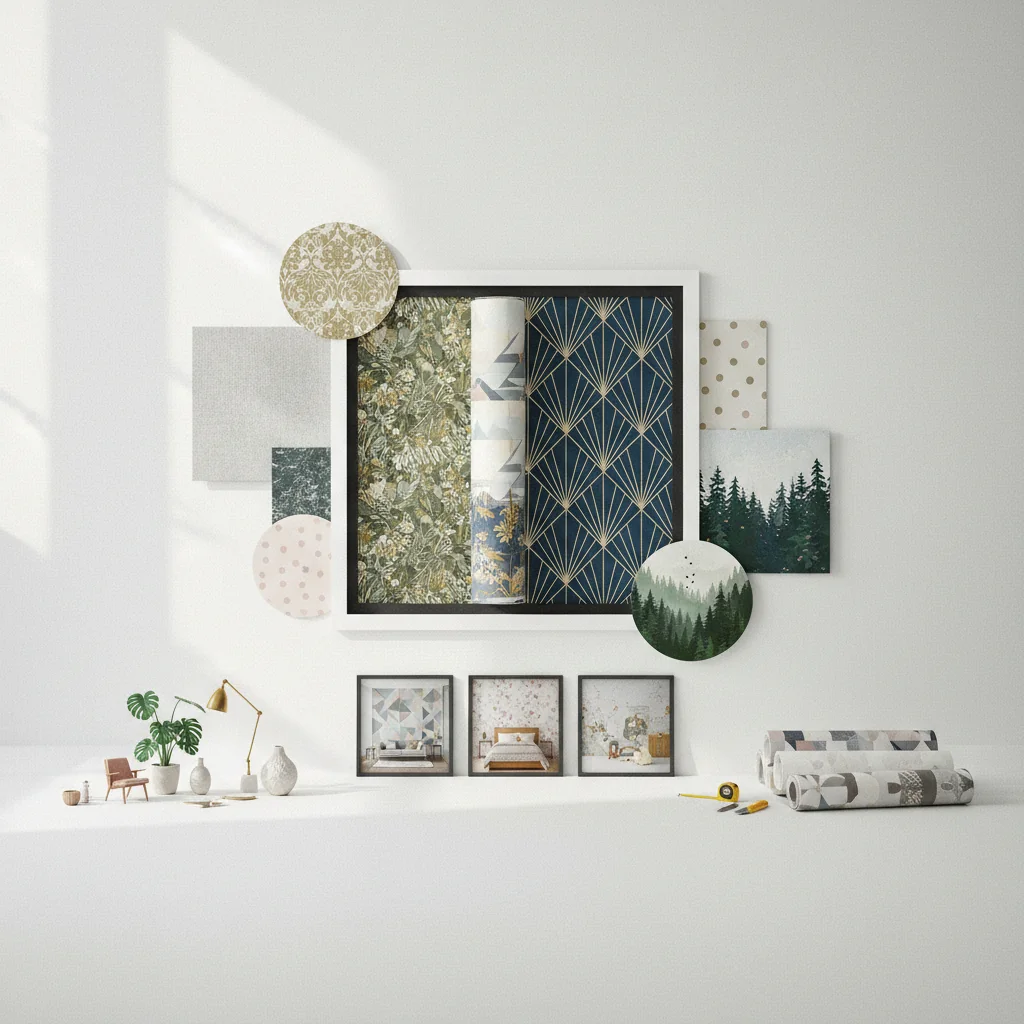
Application Methods: From Traditional Paste to Effortless Peel-and-Stick
The method of wallpaper application is determined primarily by the type of wallcovering chosen, directly impacting the tools required, the preparation involved, and the overall difficulty of the project. Understanding these distinct approaches—pre-pasted, non-pasted, and peel-and-stick—is crucial for selecting the right wallpaper and deciding whether to embark on a DIY project or opt for professional installation. Each method offers specific advantages and challenges, dictating the necessary skill level and time commitment.
Primary Application Methods:
-
Pre-Pasted Wallpaper
Pre-pasted wallpaper comes with a dry adhesive applied to its backing by the manufacturer. To activate the adhesive, you simply cut the strip to length, roll it loosely, and immerse it in a tray of water for a specified amount of time (often 30-60 seconds). Once activated, the strip is carefully pulled from the water, “booked” (folded adhesive-to-adhesive to allow the paste to fully activate), and then applied directly to the prepared wall. This method eliminates the need for separate adhesive application, making it a popular DIY choice. However, it can still be messy due to the water activation and requires careful handling to avoid creasing the wet paper.
-
Non-Pasted Wallpaper (Paste-the-Paper)
Non-pasted wallpaper requires a separate adhesive, which is typically applied directly to the back of each cut strip of wallpaper. This is the traditional method for many types of wallpaper, including paper-backed vinyl and some non-woven options. The process involves cutting strips, laying them face down on a clean surface, and evenly applying a specialized wallpaper paste with a roller or brush. After pasting, the strips are “booked” for a short period to allow the paper to relax and the adhesive to become tacky, then carefully hung on the wall. This method offers greater control over adhesive application but can be more time-consuming and potentially messier than pre-pasted options.
-
Non-Pasted Wallpaper (Paste-the-Wall)
The “paste-the-wall” method is a significant innovation, particularly common with non-woven wallpapers. Instead of applying adhesive to the wallpaper itself, the paste is rolled directly onto the wall surface where the strip will be hung. The dry wallpaper strip is then carefully positioned onto the wet adhesive. This method is often preferred for its cleanliness and ease of adjustment. Since the wallpaper itself remains dry, it is less prone to tearing or stretching, simplifying installation and making it highly suitable for DIY projects. Removal of paste-the-wall non-woven wallpaper is typically clean and dry, often peeling off in full sheets.
-
Peel-and-Stick Wallpaper
Peel-and-stick wallpaper is the simplest application method, ideal for beginners and temporary installations. It features a pressure-sensitive adhesive backing protected by a removable liner. To apply, you simply cut the desired length, peel back a portion of the liner, and carefully align the wallpaper to the top of your wall. As you smooth the wallpaper down, you gradually peel away the remaining liner. This method requires no messy pastes or water activation, making it exceptionally clean and forgiving. It is also designed for easy, residue-free removal, making it perfect for renters or those who enjoy frequent décor changes.
DIY vs. Professional Installation:
The decision to install wallpaper yourself or hire a professional depends on several factors, including the type of wallpaper, your experience level, the complexity of the room, and your desired finish quality.
-
DIY Installation:
- Best Suited For: Peel-and-stick wallpaper, pre-pasted non-woven wallpaper, accent walls, and smaller, rectangular rooms with minimal architectural features.
- Advantages: Cost savings, sense of accomplishment, flexibility with your schedule.
- Challenges: Requires patience, attention to detail, proper tools, and learning curve for pattern matching, cutting around obstacles, and achieving seamless seams. Imperfections are more likely with complex patterns or difficult room layouts.
-
Professional Installation:
- Best Suited For: Expensive or delicate materials like grasscloth or silk, large-scale murals, complex patterns with significant repeats, rooms with many windows, doors, or architectural angles, and projects requiring a flawless, high-end finish.
- Advantages: Expert knowledge and experience, specialized tools, precise pattern matching, seamless results, efficient completion, and often a guarantee on their work. Professionals can also advise on surface preparation and address underlying wall issues.
- Considerations: Higher upfront cost (typically $300-$700 per room or $1-$5 per square foot, depending on location and complexity), requires scheduling.
Regardless of the method chosen, meticulous wall preparation is paramount. This includes cleaning the walls, patching any holes or cracks, sanding smooth, and applying a wallpaper primer. A properly prepared surface ensures optimal adhesion and a professional-looking finish, regardless of whether you’re using traditional paste or peel-and-stick.
Caring for Your Wallcoverings: Maintenance and Longevity
Proper care and maintenance are essential for preserving the beauty and extending the lifespan of your wallpaper, ensuring it remains a vibrant element of your home décor for years to come. The specific cleaning regimen depends entirely on the wallpaper’s material and its washability rating, which is typically indicated by symbols on the product label. Understanding these distinctions allows for effective cleaning without causing damage or discoloration.
Understanding Washability Ratings:
Wallpaper manufacturers use standardized symbols to indicate how a wallcovering can be cleaned. Always check the product label for these important guidelines.
- Spongeable: Can be lightly wiped with a damp sponge and clear water to remove surface dust or very light marks. Avoid scrubbing or using harsh detergents.
- Washable: Can withstand more thorough cleaning with a damp sponge and a mild, non-abrasive soap solution. Suitable for light stains and general dirt.
- Scrubbable: Designed for robust cleaning with a sponge or soft brush and a mild detergent. These are highly durable and can resist more aggressive scrubbing, making them ideal for high-traffic areas and kitchens.
- Extra Scrubbable: Offers the highest level of durability and cleanability, capable of withstanding vigorous scrubbing and stronger cleaning agents without damage. Often found in commercial-grade vinyl wallpapers.
- Dry Strippable/Peelable: Indicates that the wallpaper can be removed dry from the wall, usually in full sheets, without leaving significant residue. This refers to removal, not cleaning.
General Cleaning Guidelines:
For all washable wallpapers, follow these steps for effective and safe cleaning.
- Dust Regularly: Use a soft, dry cloth, a microfiber duster, or a vacuum cleaner with a brush attachment to gently remove surface dust and cobwebs. Regular dusting prevents dirt buildup that can become harder to remove later.
- Spot Clean Immediately: Address spills or marks as soon as they occur. For washable or scrubbable wallpapers, use a clean sponge or cloth dampened with lukewarm water. For tougher stains, add a small amount of mild, non-abrasive dish soap to the water.
- Test in an Inconspicuous Area: Before cleaning a visible area, always test your cleaning solution and method in an hidden spot (e.g., behind furniture or a door) to ensure it does not cause discoloration or damage.
- Wipe Gently: Work from the bottom up to prevent dirty water from dripping down onto clean sections and leaving streaks. Use light, circular motions. Avoid excessive scrubbing, even on scrubbable papers, unless absolutely necessary.
- Rinse (if applicable): If using soap, gently wipe the area again with a clean, damp cloth (water only) to remove any soap residue.
- Dry Thoroughly: Pat the cleaned area dry with a soft, clean towel to prevent water spots or moisture damage. Do not let water sit on the wallpaper for extended periods.
Special Considerations for Delicate Materials:
- Grasscloth and Natural Fibers: These wallpapers are typically not washable. Dust them gently with a dry, soft brush or a vacuum cleaner with a brush attachment. Avoid any moisture, as it can cause staining, swelling, or mold growth. For stubborn spots, a very light touch with a gum eraser might work, but proceed with extreme caution.
- Foil/Mylar: These can be delicate and prone to scratching. Use only a very soft, damp cloth and mild soap. Avoid abrasive cleaners or scrubbing.
- Velvet/Flocked Wallpaper: These textured surfaces can be damaged by water. Use a vacuum with a brush attachment or a dry, soft cloth to remove dust. For specific stains, consult a professional cleaner.
Addressing Environmental Factors:
Environmental conditions can impact your wallpaper’s longevity.
- Humidity: High humidity can cause wallpaper seams to lift or encourage mold and mildew growth. Ensure good ventilation in bathrooms and kitchens. Use a dehumidifier in highly humid climates.
- Direct Sunlight: Prolonged exposure to direct sunlight can cause wallpaper colors to fade, especially for natural fiber or paper-based designs. Consider using UV-blocking window treatments in sunny rooms to protect your wallcoverings.
- Temperature Fluctuations: Extreme temperature changes can cause wallpaper to expand and contract, potentially leading to seam separation. Maintain a relatively stable indoor temperature.
By adhering to these care instructions, your carefully chosen wallpaper will continue to enhance your home’s aesthetic for many years, reflecting the quality and design integrity that Starhouse champions.
Current Trends in Wallpaper Design: What’s Popular Now
The world of wallpaper is constantly evolving, with current trends reflecting a blend of nature-inspired motifs, tactile experiences, and bold artistic expressions that redefine interior spaces. As of June 2026, designers and homeowners are gravitating towards designs that evoke a sense of calm, connect with the natural world, or make a distinctive, personal statement. Starhouse identifies these leading trends to help you infuse your home with contemporary style and lasting appeal.
Key Wallpaper Trends for 2026:
These trends are shaping modern interiors, offering diverse options for every aesthetic.
- Biophilic and Botanical Designs: This trend continues its strong ascent, emphasizing designs that bring the outdoors in. Expect to see lush, oversized botanicals, intricate leafy patterns, abstract natural landscapes, and even subtle textures mimicking bark or stone. The goal is to create serene, restorative environments that foster well-being and connection to nature. Earthy tones, deep greens, and soft blues dominate these palettes.
- Rich Textural Finishes: Beyond visual patterns, tactile experiences are paramount. Wallpapers that mimic natural textures like woven grasscloth, raw linen, plaster, concrete, or even brushed metallic effects are highly sought after. These designs add depth and warmth to a room without overwhelming it with overt patterns, creating a sophisticated, layered backdrop.
- Large-Scale Murals and Panoramas: Moving beyond repeating patterns, entire walls are becoming canvases for grand, immersive murals. These might depict sprawling landscapes, abstract art, historic scenes, or stylized botanicals that create a singular, impactful focal point. Custom-printed murals allow for personalized artistic expression tailored to specific wall dimensions.
- Bold Geometrics and Abstract Forms: While classic geometrics remain, contemporary iterations feature more fluid, organic shapes and abstract compositions. Think curvilinear patterns, art deco-inspired motifs with a modern twist, or fragmented shapes that create dynamic visual interest. Often presented in contrasting colors or metallic accents for added drama.
- Metallic Accents and Shimmer: Subtle metallic threads, iridescent finishes, or gold/silver leaf details are being incorporated into diverse patterns. These elements catch the light, adding a touch of glamour, sophistication, and dimension, making rooms feel more luxurious and luminous.
- Sustainable and Eco-Friendly Options: With a growing focus on environmental responsibility, wallpapers made from recycled materials, sustainably sourced paper, or natural fibers with low-VOC inks are increasingly popular. Consumers are actively seeking products that are not only beautiful but also contribute to healthier indoor air quality and a smaller ecological footprint.
- Dark and Moody Palettes: While bright and airy spaces endure, there’s a strong resurgence of rich, deep hues like charcoal, navy, forest green, and plum, often paired with intricate patterns or metallic elements. These create intimate, dramatic, and luxurious atmospheres, particularly in dining rooms, bedrooms, and studies.
These trends demonstrate a shift towards personalized, impactful design that prioritizes both aesthetic appeal and emotional connection to the living space. When selecting a trend-driven wallpaper, consider how it integrates with your home’s overall design and your personal style to ensure its enduring appeal.
Styling and Pairing Wallpaper with Your Existing Decor
Integrating wallpaper seamlessly into your existing decor requires a thoughtful approach to color, pattern, texture, and furniture placement, transforming a mere wall covering into a cohesive design element. The objective is to create a harmonious space where the wallpaper enhances, rather than competes with, other furnishings, lighting, and accessories. We guide you through strategic considerations for pairing wallpaper, whether you aim for a subtle backdrop or a bold statement wall.
Strategic Pairing Techniques:
Achieving a cohesive look involves understanding how different elements interact.
-
Color Harmony:
- Complementary Colors: Choose wallpaper with colors that complement your existing furniture, textiles, and paint colors. If your sofa is blue, a wallpaper with subtle orange or gold tones can create a dynamic, balanced contrast.
- Analogous Colors: Select wallpaper in colors adjacent on the color wheel (e.g., blues and greens) for a more serene and harmonious effect.
- Monochromatic: Use different shades and tints of a single color for a sophisticated, understated look that adds depth without overwhelming the space. A textured wallpaper in a slightly darker or lighter shade than your paint can be highly effective.
-
Balancing Patterns and Textures:
- Mix Scales: If you have patterned upholstery, opt for a wallpaper with a different scale pattern (e.g., a large floral wallpaper with a small geometric rug). Avoid pairing two patterns of similar scale and intensity, which can create visual clutter.
- Introduce Solids: Balance busy wallpaper patterns with solid-colored furniture, curtains, or rugs to give the eye a resting place.
- Vary Textures: Pair a smooth, glossy wallpaper with textured fabrics like linen, wool, or velvet, and vice versa. This adds tactile interest and dimension to the room. Grasscloth wallpaper, for example, pairs beautifully with sleek, modern furniture to create an intriguing contrast.
-
Furniture and Architectural Style:
- Traditional Pairing: Classic damask or toile wallpapers complement antique furniture, ornate moldings, and rich wood tones.
- Modern Integration: Geometric, abstract, or subtle textured wallpapers enhance contemporary furniture, minimalist designs, and clean architectural lines.
- Eclectic Mix: Bold, maximalist, or bohemian wallpapers can be paired with a curated mix of furniture styles, creating a unique and personal aesthetic. Ensure there’s a unifying color palette or theme to maintain cohesion.
-
Lighting Considerations:
- Reflective Surfaces: Wallpaper with metallic accents, foil finishes, or glossy surfaces will reflect light, making a room feel brighter and more spacious. Consider these in rooms with limited natural light.
- Matte Finishes: Matte wallpapers absorb light, creating a softer, more intimate atmosphere. These are excellent for bedrooms or cozy living spaces.
- Highlighting: Use strategic lighting (e.g., picture lights, wall sconces) to highlight textured or patterned wallpaper, drawing attention to its details.
Feature Walls vs. Full Room Application:
Deciding whether to wallpaper a single accent wall or an entire room significantly impacts the overall design and perceived spaciousness.
-
Feature Wall (Accent Wall):
- Purpose: To create a focal point, add a pop of color or pattern, or highlight a specific architectural feature (e.g., behind a bed, a fireplace, or a built-in bookshelf).
- Best For: Bold, large-scale patterns, dramatic murals, or very expensive wallpapers that might be overwhelming or cost-prohibitive for an entire room.
- Advantages: Less commitment, easier to change, can make a small room feel larger by drawing the eye, and creates a clear design statement.
- Styling: Ensure the feature wall wallpaper ties into the colors or textures of the other three painted walls and the room’s furnishings.
-
Full Room Application:
- Purpose: To create an immersive experience, add overall warmth and texture, or establish a consistent design theme throughout the space.
- Best For: Subtle textures, small-scale patterns, tone-on-tone designs, or wallpapers that evoke a sense of calm and continuity.
- Advantages: Creates a sophisticated, enveloping atmosphere and can make a large room feel cozier.
- Styling: When wallpapering an entire room, choose a pattern that you can live with long-term and that doesn’t feel too busy. Balance it with simpler furnishings and textiles.
By carefully considering these styling and pairing principles, you can confidently select and integrate wallpaper that elevates your home’s aesthetic, creating spaces that are both beautiful and uniquely yours.
Common Mistakes to Avoid When Choosing and Installing Wallpaper
Navigating a wallpaper project, whether selecting a design or embarking on installation, can be fraught with common pitfalls that compromise both the aesthetic outcome and the longevity of your investment. Starhouse emphasizes proactive awareness of these mistakes to ensure a successful and satisfying transformation of your space. Avoiding these errors is critical for achieving a professional finish and maximizing the visual impact of your chosen wallcovering.
Here are critical mistakes to avoid:
- Underestimating Quantity: One of the most frequent and frustrating errors is not ordering enough wallpaper. This often happens by neglecting to account for pattern repeat, trimming waste, or by not ordering an extra roll for future repairs. Running short means potential delays, and worse, the risk of receiving rolls from a different dye lot, resulting in noticeable color variations. Always over-order by at least one full roll.
- Skipping Proper Wall Preparation: Applying wallpaper to an unprepared surface is a recipe for disaster. Walls must be clean, dry, smooth, and primed. Bumps, holes, dirt, or moisture will show through the wallpaper, affecting adhesion and creating an unprofessional finish. Using a high-quality wallpaper primer is crucial for proper adhesion and easier removal in the future.
- Ignoring Pattern Repeat: For patterned wallpapers, failing to understand and account for the pattern repeat leads to misaligned designs and excessive waste. This is particularly critical for large, intricate patterns. Always factor the repeat into your strip length calculations and practice matching on a dry run if unsure.
- Using the Wrong Tools or Adhesive: The right tools (e.g., smoothers, utility knives, plumb lines) and the correct type of adhesive are essential. Using an inadequate adhesive for the wallpaper type (e.g., trying to hang heavy fabric-backed vinyl with a light-duty paste) will result in poor adhesion and lifting seams. Similarly, dull blades cause ragged cuts.
- Not Considering Room Function and Environment: Choosing delicate paper wallpaper for a high-humidity bathroom or a high-traffic kitchen is a mistake. Similarly, a busy pattern might be overwhelming in a small, quiet bedroom. Always match the wallpaper’s durability and aesthetic to the room’s function, light exposure, and environmental conditions (e.g., humidity, direct sunlight).
- Overlooking Scale and Balance: A large, bold pattern can overwhelm a small room, making it feel cramped. Conversely, a tiny, intricate pattern can get lost in a vast space. Consider the scale of the pattern in relation to the size of the room and the overall design. Aim for balance between the wallpaper and other elements like furniture and art.
- Prioritizing Trends Over Timeless Appeal: While trends are exciting, choosing a wallpaper solely based on what’s currently popular without considering your personal style or the home’s architecture can lead to quick dissatisfaction. A timeless design, or a trend-driven pattern used strategically on an accent wall, offers greater longevity and satisfaction.
- Neglecting Seam Matching and Bubbles: Poor seam matching is a dead giveaway of amateur installation. Overlapping non-pasted wallpaper can create visible ridges. Bubbles or creases result from inadequate smoothing during application. Patience, precision, and proper smoothing techniques are vital for a flawless finish.
- Not Testing Peel-and-Stick on Your Wall: While generally safe for most painted surfaces, some paints (especially those with high sheen or textured finishes) might react differently with peel-and-stick adhesives. Always test a small, inconspicuous piece for adhesion and clean removal before committing to a full installation.
By being mindful of these common mistakes, you can approach your wallpaper project with greater confidence, ensuring a beautiful, lasting result that enhances your home’s aesthetic.
Starhouse is curating a sophisticated collection of wallcoverings and home furnishings, designed to meet your highest standards of design and quality. We invite you to share your vision for your space and tell us what you’re looking for, to help us tailor our offerings perfectly to your needs. Tell us what you’re looking for and get early access to our exclusive collection.
Sources
- Does EPA regulate volatile organic compounds (VOCs) in household products? | US EPA
- York Wallcoverings. Wallpaper Designed to Inspire
Frequently Asked Questions
What types of wallpaper are easiest for DIY installation?
Peel-and-stick wallpaper and non-woven wallpapers (especially those using the “paste-the-wall” method) are generally considered the easiest for DIY installation due to their forgiving nature, ease of adjustment, and clean removal.
How do I choose the right wallpaper for a small room?
For a small room, opt for wallpapers with small-scale patterns, subtle textures, or light colors to make the space feel larger and more open. Vertical stripes can also visually increase ceiling height. Consider a single accent wall with a bolder pattern to create a focal point without overwhelming the room.
Can wallpaper be applied in bathrooms or kitchens?
Yes, wallpaper can be applied in bathrooms and kitchens, but it is crucial to choose a durable, washable, and moisture-resistant type, such as vinyl wallpaper (paper-backed or fabric-backed). Ensure the room has adequate ventilation to prevent moisture buildup and potential damage to the wallpaper.
What is the difference between a single roll and a double roll of wallpaper?
A single roll is the standard unit of wallpaper measurement, typically covering 30-36 square feet. A double roll is simply two single rolls packaged together, offering double the coverage (60-72 square feet). Wallpaper is often sold in double rolls for convenience and to ensure consistent dye lots.
How do I clean wallpaper?
Cleaning wallpaper depends on its washability rating. Spongeable wallpapers can be lightly wiped with a damp sponge and water. Washable and scrubbable wallpapers can withstand cleaning with a damp sponge and a mild, non-abrasive soap solution. Delicate materials like grasscloth should only be dry-dusted or vacuumed with a brush attachment.
Is it necessary to prime walls before wallpapering?
Yes, priming walls before wallpapering is highly recommended. A good wallpaper primer (often called a “sizing” primer) creates a consistent surface for adhesion, seals porous walls, and makes future wallpaper removal much easier, preventing damage to the drywall.
How much does professional wallpaper installation cost?
Professional wallpaper installation costs typically range from $300 to $700 per room, or $1 to $5 per square foot, depending on factors such as the complexity of the pattern, the type of wallpaper, wall preparation required, and regional labor rates. Intricate patterns or delicate materials often incur higher costs.
Conclusion
The journey to find the perfect wallpaper, whether you initially search for a “wallpaper store near me ng” or explore online, is an opportunity to infuse your home with unparalleled personality and style. By understanding the diverse types, materials, and application methods, coupled with meticulous planning for measurement and an awareness of prevailing trends, you are empowered to make choices that are both aesthetically pleasing and enduringly practical. Wallpaper offers a transformative power unmatched by paint alone, allowing for intricate patterns, rich textures, and immersive murals that define a space with sophisticated flair.
At Starhouse, we believe in curating an exceptional collection of home décor that inspires and elevates your living environment. As we prepare to launch our full catalog, we are eager to understand what truly resonates with your design sensibilities. Share your aspirations and preferences with us, and help shape a collection that perfectly aligns with your vision for a beautiful home. Tell us what you’re looking for and be among the first to explore our meticulously curated offerings, designed to transform your house into a Starhouse.