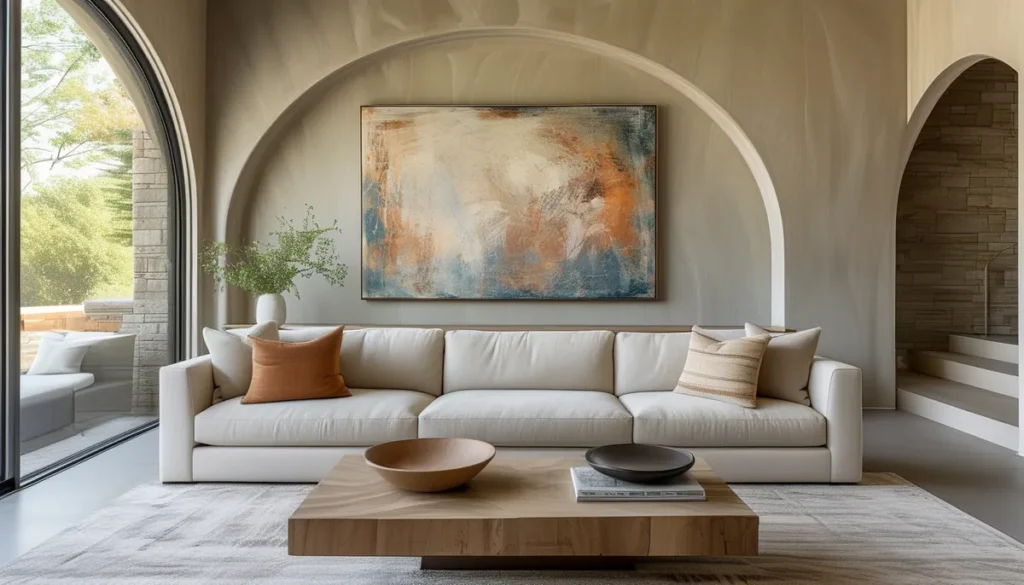
What is an accent wall?
An accent wall is a single wall in a room designated to stand out from the other walls through a different color, material, or texture. It serves to draw the eye, create a focal point, and add depth or personality to a space without overwhelming the room, enhancing overall interior design.
An accent wall is a wall within a room that you intentionally make different from the other walls. The goal is to make it stand out visually, drawing attention to it. This difference can be achieved through various means, such as a bold paint color, a unique wallpaper pattern, textured finishes like wood or stone, or even a different material altogether.
Think of it as a way to create a focal point in your room. Instead of all four walls blending together, one wall becomes the star, guiding the viewer’s eye and setting the tone for the space. This technique is incredibly versatile and can be applied to almost any room, from living rooms and bedrooms to kitchens and bathrooms. It’s a design strategy that adds depth, character, and visual interest, helping to break up monotony and define specific areas within an open-plan layout.
Choosing which wall to accent is a key decision. Typically, you’ll want to select a wall that already has architectural interest, like a fireplace wall, a wall with a large window, or the wall behind a prominent piece of furniture such as a bed or a sofa. It can also be the wall that naturally draws your eye when you enter the room. The idea is to enhance an existing feature or create a new one.
How to choose the right accent wall treatment
When deciding on the treatment for your accent wall, consider the overall style of your room and the effect you want to achieve. Paint is the most common and accessible option. Opt for a color that is bolder or darker than the other walls, or one that complements the existing color scheme. For example, a deep navy blue can provide a dramatic contrast against white walls in a living room.
Wallpaper offers a vast array of patterns and textures. A bold floral print can add a bohemian flair, while geometric patterns can lend a modern or Art Deco feel. Textured wallpapers, such as grasscloth or faux brick, can add tactile interest and a layer of sophistication. Remember to consider the scale of the pattern relative to the room size; large, busy patterns can overwhelm a small space.
Beyond paint and wallpaper, consider natural materials. Reclaimed wood planks can give a rustic or farmhouse vibe, while shiplap offers a clean, coastal feel. Stone veneer or brick can introduce an industrial or traditional element. These materials often require more installation effort and cost but provide significant visual impact and durability. Peel-and-stick options are available for many of these materials, offering a DIY-friendly alternative.
Other treatments include using a different finish, like a high-gloss paint on a matte wall, or incorporating decorative molding to create a unique panel effect. Even a large piece of art or a striking mirror strategically placed can act as an accent, though technically the wall itself isn’t altered. The key is contrast and intentionality – making that one wall undeniably different.
Where to place an accent wall
The placement of your accent wall is crucial for its effectiveness. In a bedroom, the wall behind the headboard is a classic choice. It immediately draws attention to the bed, making it the room’s focal point and creating a cozy, defined sleeping area. This is especially effective in rooms with a simple furniture layout.
In a living room, the fireplace wall is a natural candidate for an accent. The fireplace is already a strong visual element, and enhancing the wall around it further emphasizes this feature. Alternatively, the wall behind your sofa can serve as an accent, particularly if it’s a long, uninterrupted surface that could otherwise feel bland. This can help anchor the seating area.
For dining rooms, the wall opposite the main entrance or the wall where a large piece of art or a buffet table is placed works well. It can add drama and sophistication to the space where you entertain guests.
In kitchens, an accent wall might be less common but can be achieved by treating the wall behind the range with a decorative tile backsplash that extends further up the wall than usual, or by painting a small, adjacent dining nook a contrasting color. Even a wall in a hallway or entryway can be transformed into an accent to welcome guests with a statement.
Does an accent wall add value to a home?
While an accent wall itself is unlikely to significantly increase a home’s resale value on its own, it contributes to the overall appeal and perceived quality of the interior design. A well-executed accent wall can make a home feel more thoughtfully decorated and stylish, which can positively influence potential buyers’ perceptions.
When selling, a thoughtfully designed accent wall can help a home stand out from comparable properties. It suggests that the current owners have invested care and attention into the aesthetics. However, it’s crucial that the accent is tasteful and aligns with current or neutral design trends. An overly bold or polarizing choice could deter buyers. Neutralizing or updating a strong accent wall might be necessary before listing a home.
Ultimately, the value an accent wall brings is often in its ability to enhance the buyer’s emotional connection to the space. A room that feels unique, stylish, and welcoming is more likely to sell and sell well. It’s part of creating an inviting atmosphere, rather than a direct financial investment.
Accent Wall Treatments and Recommended Uses
| Treatment Type | Material/Description | Recommended Use |
|---|---|---|
| Paint | Solid color (contrasting or bold) | Adds a pop of color, defines spaces, easy DIY. |
| Wallpaper | Patterned, textured, or metallic | Introduces visual interest, patterns, and textures; suitable for various styles. |
| Wood Paneling | Shiplap, beadboard, reclaimed wood | Creates a rustic, coastal, or farmhouse look; adds warmth and texture. |
| Stone/Brick Veneer | Natural stone, manufactured stone, brick veneer | Adds a sophisticated, industrial, or traditional feel; durable and high-impact. |
FAQ
What is an accent wall color?
An accent wall color is a hue chosen specifically to make one wall in a room stand out from the others. This color is typically bolder, darker, or a complementary shade to the main wall colors. It serves to draw the eye and create a focal point, adding depth and personality to the room’s design.
What is the purpose of an accent wall?
The primary purpose of an accent wall is to create a visual focal point within a room. It helps to break up monotony, add depth and dimension, and introduce personality or a specific design style. Accent walls can also be used to highlight architectural features or define different zones within an open-plan living space.
What materials can be used for an accent wall?
Accent walls can be created using a variety of materials including paint in contrasting colors, patterned or textured wallpaper, wood paneling like shiplap or reclaimed wood, and stone or brick veneer. Even decorative tiles or large-scale art can function as accent treatments.