What is toile wallpaper?
Toile wallpaper is a decorative wall covering characterized by intricate, monochromatic designs depicting pastoral scenes, historical events, or intricate patterns. Originating in 18th-century France, it typically features a single color (like blue, red, or black) on a white or off-white background, offering a timeless and elegant aesthetic.
Toile wallpaper is a classic design choice known for its distinctive single-color imagery printed on a contrasting background. The name ‘toile’ comes from the French word for cloth, as the original patterns were printed on cotton fabric. These designs typically feature elaborate scenes, often depicting rural life, mythological figures, romantic encounters, or historical narratives. The most common color combination is a dark blue or red on an off-white or cream background, but you can find it in a wide range of colors to suit various decor styles.
The intricate detail and storytelling aspect of toile patterns make them a focal point in any room. The monochromatic nature of the design allows it to complement a variety of color schemes without overwhelming the space. It brings a sense of history, sophistication, and a touch of old-world charm. Despite its historical roots, toile wallpaper remains relevant and can be adapted to modern interiors for a unique contrast.
What are the typical design elements of toile wallpaper?
Toile wallpaper is defined by its signature visual elements. The primary characteristic is its monochromatic design, meaning the pattern is rendered in a single color. This color is typically printed on a lighter, contrasting background. Common colors for the pattern include deep blues, classic reds, black, or even greens and browns.
The imagery itself is equally important. You’ll often see pastoral scenes featuring shepherds, flocks of sheep, farmers, and idyllic landscapes. Other popular motifs include intricate floral arrangements, chinoiserie (Chinese-inspired designs), historical events, or even mythological tales. The detail is usually fine and elaborate, creating a rich visual texture.
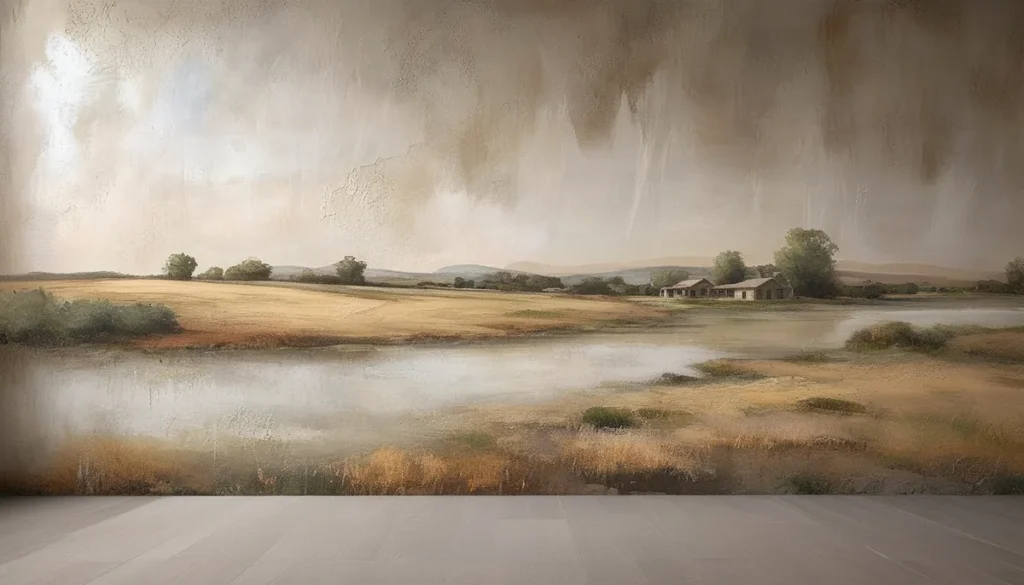
The overall aesthetic evokes a sense of elegance and tradition. The design is often framed by decorative borders or presented in repeating panels, mimicking the look of painted murals or tapestries. The scale of the pattern can vary, from small, delicate motifs to larger, more dominant scenes, influencing its impact on the room.
How is toile wallpaper made?
Traditionally, toile patterns were created using woodblock printing, a labor-intensive method where intricate designs were carved into wooden blocks, inked, and then pressed onto fabric or paper. This process lent itself to the detailed, artisanal quality of early toile.
Modern production methods have evolved significantly. Today, toile wallpaper is typically produced using high-quality printing techniques such as rotogravure or digital printing. Rotogravure involves engraved cylinders that transfer ink to the paper, allowing for precise and consistent application of the detailed patterns. Digital printing offers greater flexibility, enabling custom designs and smaller print runs with excellent detail.
The substrate (the base material) for toile wallpaper can vary. It might be a traditional paper-based material, vinyl-coated for durability and washability, or even a non-woven fabric. The choice of material affects the wallpaper’s longevity, ease of installation, and suitability for different environments, such as high-moisture areas.
Where can you use toile wallpaper in your home?
Toile wallpaper offers remarkable versatility and can be incorporated into various rooms and design styles. Its classic appeal makes it suitable for spaces where you want to introduce a touch of elegance and history.
**Living Rooms and Dining Rooms:** A toile accent wall can serve as a sophisticated backdrop for furniture. Consider using it behind a sofa, on a feature wall, or even on the ceiling for a dramatic effect. It pairs well with traditional furniture but can also create an interesting contrast with modern pieces.
**Bedrooms:** Toile wallpaper can create a serene and romantic atmosphere in a bedroom. A full room application can be enveloping, or you can use it on a headboard wall for a softer touch. It’s particularly effective in guest rooms to offer a welcoming and charming ambiance.
**Powder Rooms and Bathrooms:** The intricate detail of toile makes it an excellent choice for smaller spaces like powder rooms. The single-color design can add visual interest without making the space feel cluttered. Ensure you choose a moisture-resistant or vinyl-coated toile wallpaper if using it in a bathroom.
**Hallways and Entryways:** Use toile wallpaper to make a grand statement upon entering your home. It can guide guests through the space and set a sophisticated tone.
**Accent Areas:** Beyond full walls, consider using toile wallpaper for smaller projects like lining the back of bookshelves, covering storage boxes, or even as a decorative element inside a china cabinet. This allows you to incorporate the pattern without a large commitment.
What are the different types or grades of toile wallpaper and their recommended uses?
While toile is primarily a design style, the underlying wallpaper material and printing quality can vary, affecting its durability and application. Understanding these differences helps you choose the right type for your project.
Toile Wallpaper Types and Applications
| Type/Grade | Description | Recommended Use |
|---|---|---|
| Traditional Paper-Backed Toile | Features the classic toile design printed on a standard paper substrate. It’s less durable and susceptible to moisture. | Low-traffic areas like formal dining rooms, adult bedrooms, or accent walls where moisture and frequent cleaning are not a concern. Best for decorative purposes. |
| Vinyl-Coated Toile | The paper substrate is coated with a layer of vinyl, offering increased durability, washability, and some resistance to moisture. The design is printed on the vinyl surface. | High-traffic areas like hallways, living rooms, and powder rooms. It can also be used in kitchens and bathrooms where occasional cleaning is needed, provided it’s not directly exposed to heavy moisture. |
| Non-Woven Toile | Made from a blend of natural and synthetic fibers, non-woven wallpaper is breathable, durable, and easier to install and remove than traditional paper. It often has a slightly textured finish. | Ideal for most residential applications, including living rooms, bedrooms, and dining areas. Its ease of removal makes it a good choice for renters or those who like to redecorate frequently. |
| Peel-and-Stick Toile | This type of wallpaper has an adhesive backing, allowing for easy application and removal without paste. The design is printed on a vinyl or fabric-like material. | Temporary decor, accent walls, renters, or DIY enthusiasts. It’s best for low-moisture environments and can be repositioned. Not recommended for areas with heavy wear or potential moisture exposure. |
FAQ
Can toile wallpaper be used in a modern home?
Absolutely. Toile wallpaper, especially in modern color palettes or scaled-up patterns, can provide a striking contrast and a touch of timeless elegance to contemporary interiors. It’s often used as an accent wall to add a unique focal point without overpowering a modern aesthetic.
How do I clean toile wallpaper?
Cleaning instructions depend on the type of wallpaper. For vinyl-coated or scrubbable paper-backed toile, gently wipe the surface with a damp cloth and mild soap. Avoid abrasive cleaners or excessive water. Traditional paper or non-woven types may require only dusting or light spot cleaning. Always check the manufacturer’s specific cleaning guidelines.
What colors does toile wallpaper come in?
While classic toile is often blue or red on white/cream, modern interpretations are available in a vast array of colors. You can find patterns in black, grey, green, pink, yellow, and even multi-colored designs, printed on backgrounds ranging from crisp white to deep charcoal.
Is toile wallpaper difficult to install?
Installation difficulty varies by type. Peel-and-stick is the easiest, requiring no paste. Traditional paper and non-woven types require paste and careful alignment but are manageable for DIYers with some experience. Vinyl-coated wallpapers can be slightly heavier. Following manufacturer instructions and using the right tools are key for any type.