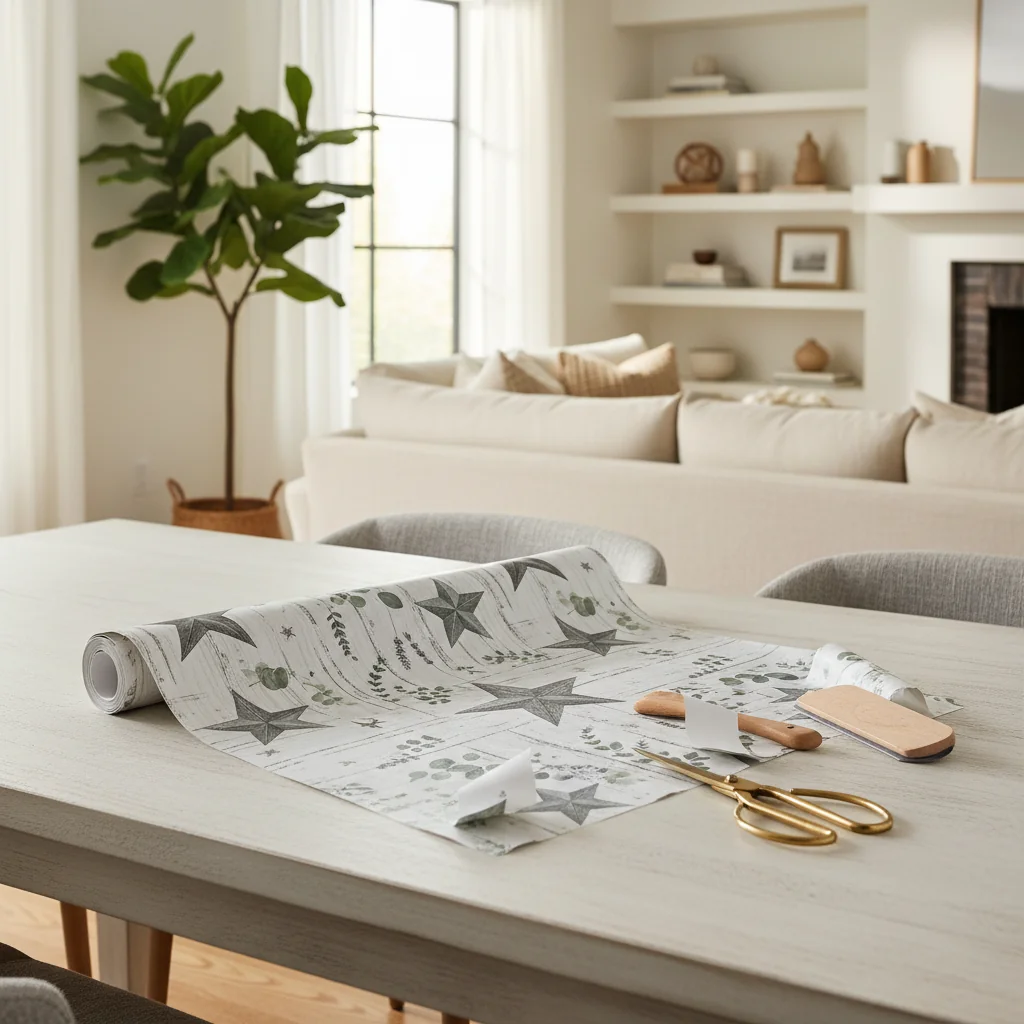
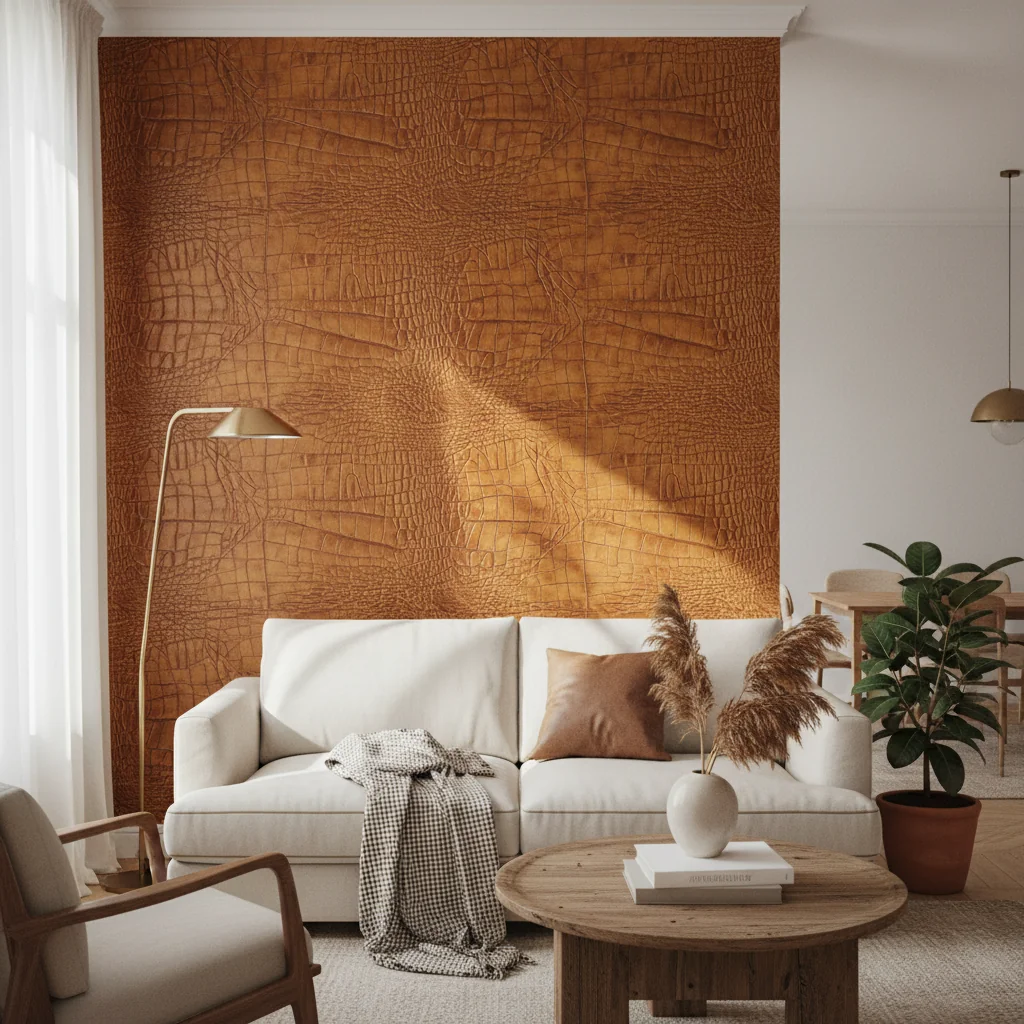
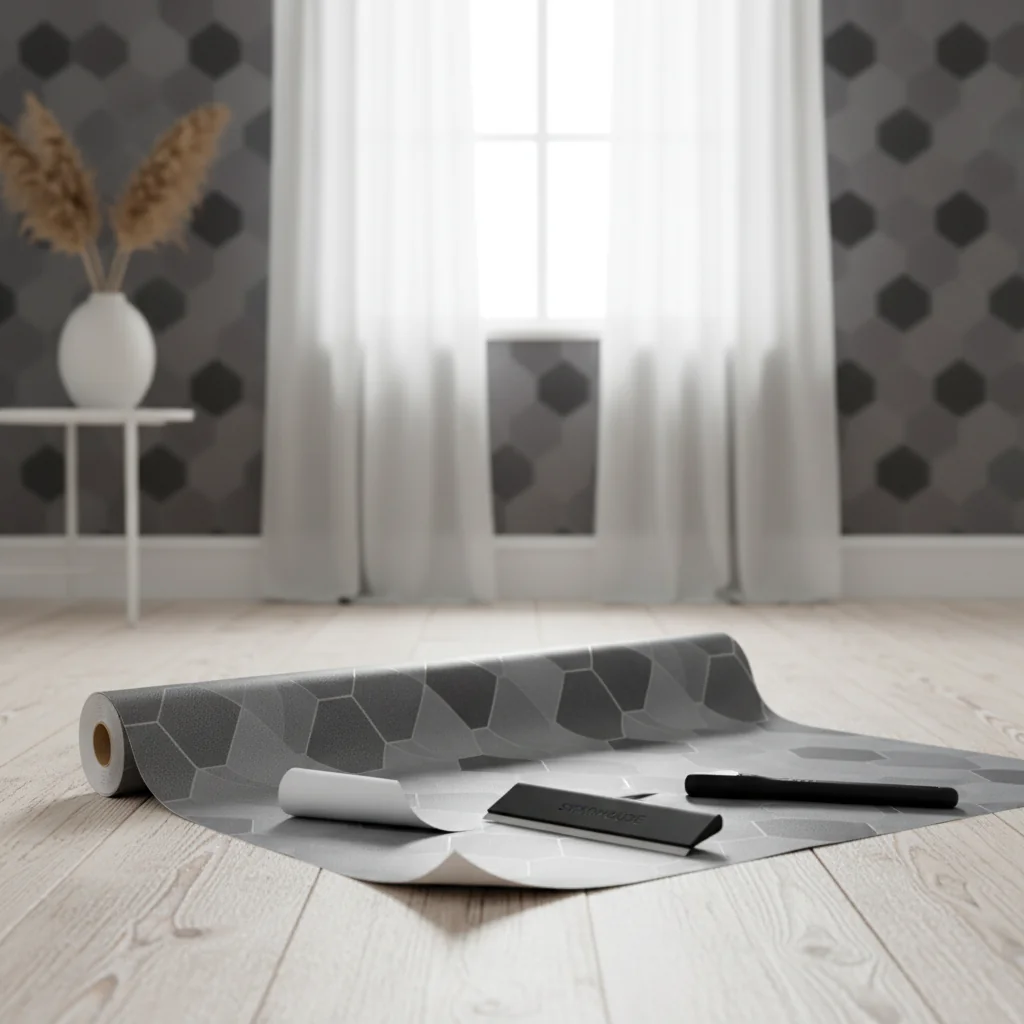
Coastal wallpaper transforms any interior into a serene, inviting sanctuary, instantly evoking the tranquility and natural beauty of the seaside through a diverse array of patterns, textures, and color palettes. This versatile design element allows homeowners and designers to infuse spaces with the calming essence of the ocean, from the subtle whisper of a sea breeze to the vibrant energy of a sun-drenched beach, creating a cohesive aesthetic that speaks to relaxation and sophisticated charm.
Key Takeaways
- Coastal wallpaper encompasses a broad spectrum of styles, from refined Hamptons to rustic Mediterranean, catering to diverse aesthetic preferences.
- Material choice, including vinyl, non-woven, and natural fibers, significantly impacts durability, maintenance, and the wallpaper’s overall tactile and visual appeal.
- Accurate measurement and proper wall preparation are critical for successful installation, ensuring a professional finish and minimizing material waste.
- Current trends favor sophisticated textures, abstract oceanic motifs, and sustainable materials, moving beyond overt nautical themes towards a more nuanced coastal elegance.
- Effective styling involves harmonizing coastal wallpaper with complementary furnishings, textiles, and accessories to create a cohesive and inviting seaside-inspired interior.
- Selecting the right coastal wallpaper requires considering room function, lighting, existing decor, and the desired atmospheric impact to achieve a balanced and enduring design.
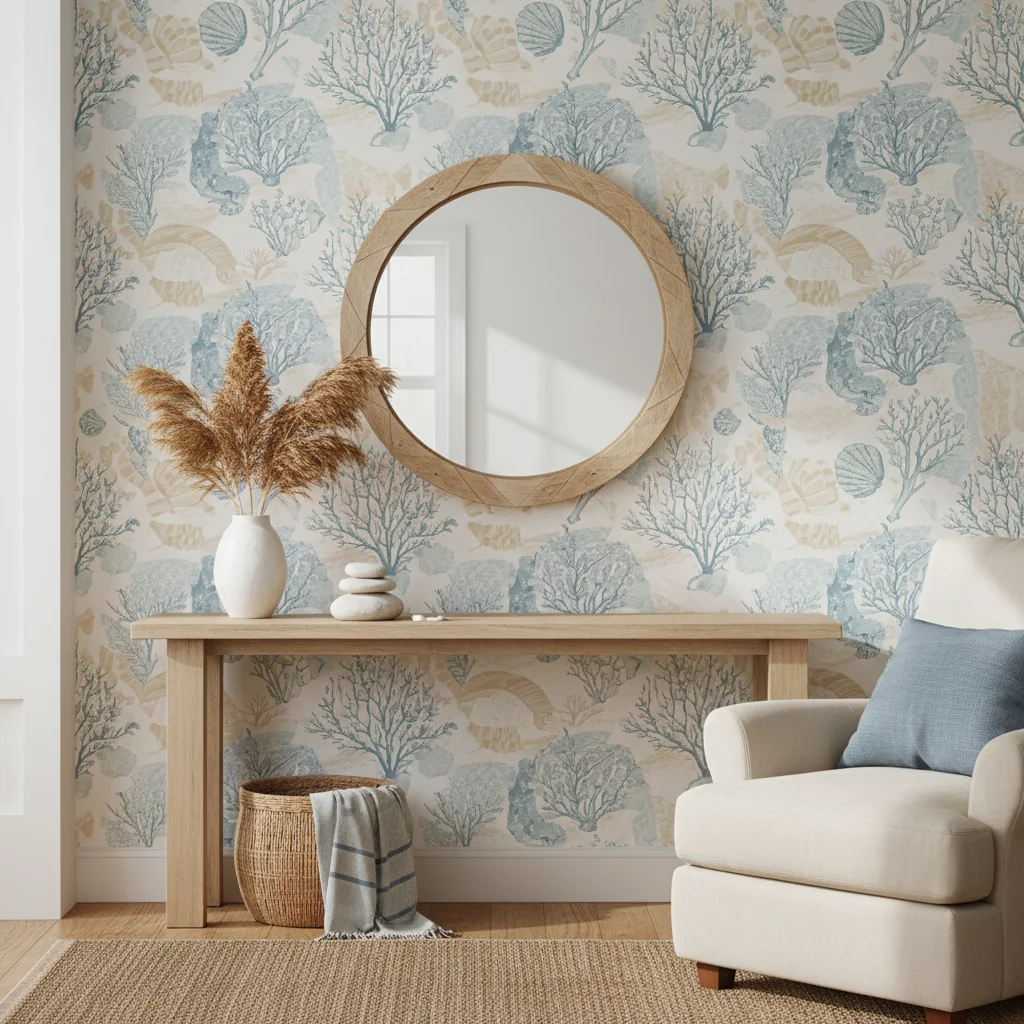
Understanding Coastal Wallpaper: Types and Characteristics
Coastal wallpaper encompasses a broad range of designs and materials specifically crafted to evoke the serene, refreshing, and often luxurious atmosphere of seaside living, characterized by motifs and palettes inspired by the ocean, beach, and marine environments. These wallpapers are designed to transform interiors into tranquil retreats, offering visual depth and thematic cohesion that reflects the beauty of coastal landscapes.
Defining the Coastal Aesthetic in Wallpaper
The coastal aesthetic is defined by its connection to water and natural elements, prioritizing light, airiness, and a sense of calm. In wallpaper, this translates to specific characteristics that differentiate it from other design styles. The overarching goal is to create an environment that feels both sophisticated and effortlessly relaxed, much like a well-appointed beach house.
- Color Palettes: Dominated by blues (from pale sky to deep navy), greens (seafoam, sage, emerald), sandy neutrals (beige, cream, off-white), and crisp whites. Occasional pops of coral, teal, or soft yellow can introduce warmth and vibrancy, mimicking sunsets or marine life.
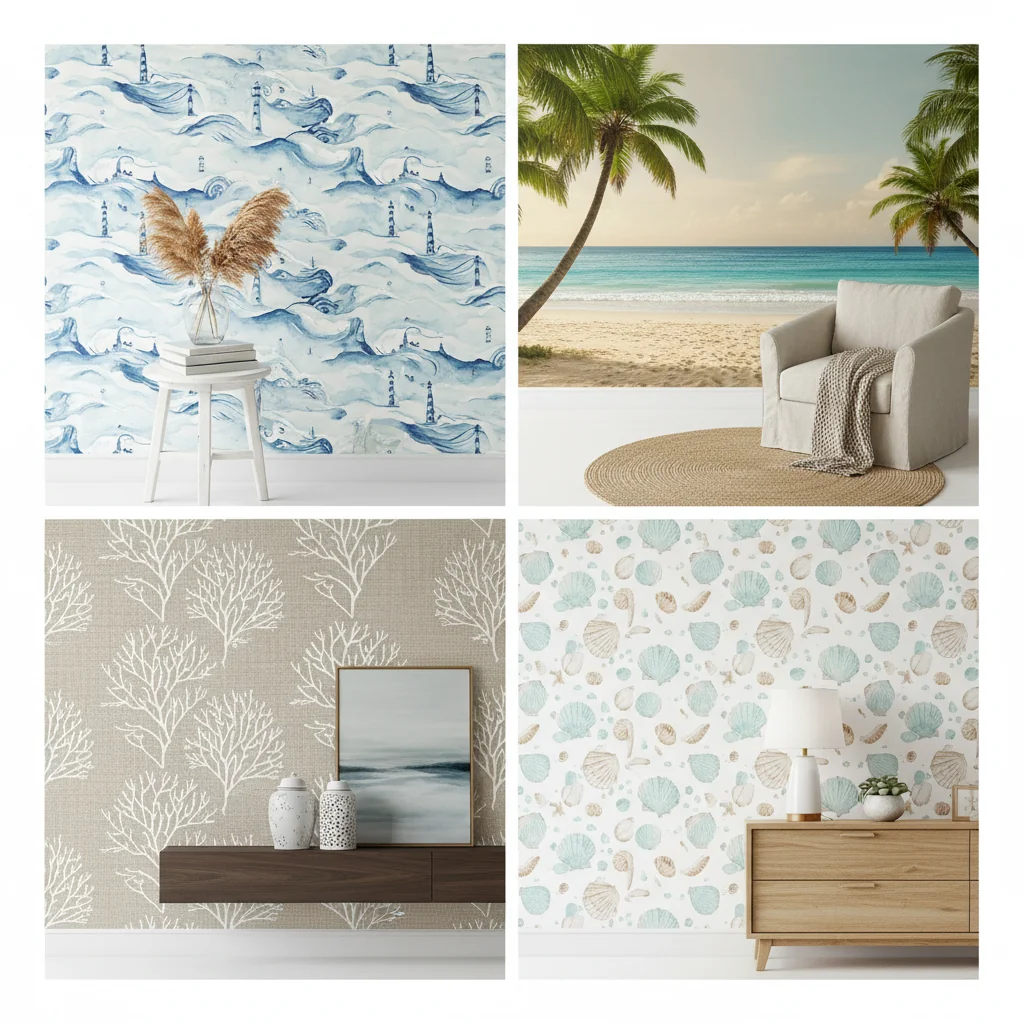
- Motifs and Patterns: Common patterns include subtle wave textures, coral branches, seashells, abstract water reflections, seagrass weaves, nautical stripes, and delicate botanical prints reminiscent of coastal flora. These motifs are often rendered in a way that is elegant and understated rather than overtly themed.
- Texture and Finish: Many coastal wallpapers incorporate tactile elements, such as faux grasscloth, linen textures, or embossed patterns that mimic sand dunes or weathered wood. Matte finishes are prevalent, contributing to a soft, natural feel, though subtle metallic accents can add a touch of refined shimmer, like sunlight on water.
- Light and Airiness: The designs inherently promote a sense of openness and light. Lighter backgrounds and fluid patterns contribute to a spacious feel, which is crucial for capturing the expansive quality of coastal environments.
Primary Types of Coastal Wallpaper
The functionality and installation method of wallpaper are as important as its aesthetic. Understanding the different types available ensures you select the best option for your project’s scope, desired durability, and installation expertise.
1. Traditional (Non-Pasted) Wallpaper
Traditional, non-pasted wallpaper requires the application of a separate adhesive to the back of the paper or directly to the wall before installation. This method offers excellent adhesion and durability, making it a long-lasting choice for permanent installations. While it demands more skill and time for installation, it provides a robust finish and is often favored for high-quality, intricate designs. Its longevity means it can withstand years of use, making it a sound investment for homeowners seeking enduring style.
2. Pre-Pasted Wallpaper
Pre-pasted wallpaper features a dry adhesive layer already applied to its backing, activated simply by moistening it with water before hanging. This type significantly simplifies the installation process compared to traditional wallpaper, eliminating the need for separate glues and reducing mess. It is a popular choice for DIY enthusiasts, offering a balance between ease of use and a durable, professional finish. The pre-applied adhesive ensures consistent coverage and strong bonding to the wall surface.
3. Peel-and-Stick (Removable) Wallpaper
Peel-and-stick wallpaper is a self-adhesive wallcovering that features a sticky backing protected by a removable liner, allowing for easy application by simply peeling off the liner and pressing the wallpaper onto a prepared surface. This innovative type of wallpaper is celebrated for its exceptional ease of installation and removal, making it an ideal choice for renters, temporary decorating, or those who enjoy frequently updating their décor. It requires no messy glues or water, and can be repositioned during application, reducing the risk of errors. Peel-and-stick options are available in a vast array of coastal designs, from subtle textures to vibrant murals, providing flexibility without commitment.
4. Wallpaper Murals
Coastal wallpaper murals are large-format designs that cover an entire wall or a significant portion of it, creating an immersive scene rather than a repeating pattern. These murals often depict expansive seascapes, abstract ocean art, or detailed underwater scenes, serving as a dramatic focal point in a room. Available in both traditional and peel-and-stick formats, murals offer a powerful way to bring the grandeur of the coast indoors, transforming a space into a gallery-like experience. They are particularly effective in larger rooms or as an accent wall in bedrooms, living rooms, or dining areas.
5. Textured Wallpaper
Textured wallpaper introduces a tactile dimension to coastal designs, enhancing the visual appeal with physical depth and richness. This category includes materials like faux grasscloth, embossed vinyl mimicking sand or woven fibers, and designs that replicate the look of weathered wood or linen. The texture adds an organic, natural feel, contributing to the authentic coastal ambiance. These wallpapers are excellent for adding subtle interest and warmth, particularly in spaces where a serene, understated elegance is desired. The interplay of light and shadow on textured surfaces creates dynamic visual interest throughout the day.
Exploring the Spectrum of Coastal Styles
Coastal wallpaper styles range from the understated elegance of classic Hamptons design to the rustic charm of Mediterranean aesthetics, each offering a distinct interpretation of seaside living through specific patterns, textures, and color schemes. These diverse styles ensure that every homeowner can find a coastal expression that perfectly aligns with their personal taste and the architectural character of their home.
1. Classic Coastal / Hamptons Style
The Classic Coastal or Hamptons style embodies sophisticated seaside luxury, drawing inspiration from the affluent beach communities of the Northeastern United States. This aesthetic is characterized by a refined palette of crisp whites, deep navy blues, and natural neutrals like sand and linen. Wallpaper in this style often features elegant stripes, subtle damask patterns, or delicate botanical motifs such as coral or sea fan prints. The patterns are typically understated and symmetrical, contributing to an atmosphere of polished comfort. Materials often include faux grasscloth or linen textures, adding a layer of organic sophistication without being overtly rustic. This style pairs beautifully with dark wood furniture, polished chrome accents, and plush, comfortable seating.
2. Nautical Style
Nautical style wallpaper is a more literal interpretation of maritime themes, directly referencing elements found on ships and at sea. This style prominently features motifs such as anchors, ropes, compasses, sailboats, lighthouses, and maritime flags. The color scheme is typically bolder, with strong navy blues, bright reds, and crisp whites creating a striking contrast. Stripes, particularly horizontal ones, are a hallmark of nautical design, evoking the classic sailor uniform. While sometimes perceived as thematic, modern nautical wallpapers offer more abstract or refined interpretations of these elements, suitable for a sophisticated space that celebrates seafaring heritage. It is excellent for accent walls in a den, child’s room, or a casual living area.
3. Beach House / Shabby Chic Coastal
The Beach House or Shabby Chic Coastal style embraces a relaxed, lived-in feel, reminiscent of quaint cottages by the shore. This aesthetic is characterized by weathered textures, sun-bleached pastels, and a mix of vintage and natural elements. Wallpaper in this style often features distressed wood grain patterns, subtle floral prints, or soft, muted stripes. Colors lean towards faded blues, greens, pinks, and creams, reflecting the gentle hues of a coastal sunset or aged driftwood. The emphasis is on comfort and unpretentious beauty, often incorporating elements that appear lovingly worn. It pairs well with whitewashed furniture, natural linen textiles, and found objects like seashells and sea glass, creating an inviting and comfortable atmosphere.
4. Tropical Coastal
Tropical Coastal wallpaper brings the lush vibrancy of exotic beaches and islands into the home. This style is characterized by bold botanical prints, such as large-scale palm leaves, banana leaves, hibiscus flowers, and vibrant coral motifs. The color palette is often richer and more saturated, featuring emerald greens, deep teals, sunny yellows, and exotic pinks and oranges. While still coastal, it leans into the more verdant and lively aspects of warm-weather shorelines. Tropical coastal wallpaper creates an energetic and refreshing ambiance, perfect for sunrooms, bathrooms, or accent walls in living spaces. It complements rattan furniture, bamboo accents, and natural wood tones, creating an oasis-like feel.
5. Mediterranean Coastal
Mediterranean Coastal wallpaper draws inspiration from the sun-drenched coastlines of Greece, Italy, and Spain, characterized by rustic textures, deep blues, and earthy tones. This style often features patterns like geometric tiles, subtle stucco textures, olive branch motifs, or abstract representations of the Aegean Sea. The color palette includes terracotta, deep azure blues, crisp whites, and warm ochres. There’s a strong emphasis on natural materials and handcrafted aesthetics. Wallpaper in this style might mimic aged plaster or incorporate subtle, irregular patterns that evoke ancient artistry. It pairs beautifully with wrought iron, terra cotta pottery, and rustic wooden furniture, creating a warm, inviting, and timeless atmosphere.
6. Modern Coastal
Modern Coastal wallpaper offers a minimalist and refined take on seaside living, focusing on clean lines, understated elegance, and a sophisticated color palette. This style moves away from overt nautical themes, instead using subtle textures, abstract patterns, and a restrained use of color to evoke the coast. Think soft grays, muted blues, whites, and natural wood tones. Patterns might include abstract wave forms, subtle geometric designs, or sophisticated interpretations of sand ripples or water reflections. The emphasis is on creating a serene, uncluttered space that feels contemporary and fresh. It pairs well with sleek furniture, minimalist decor, and metallic accents, creating a calm and sophisticated retreat.
7. Boho Coastal
Boho Coastal wallpaper combines the free-spirited, eclectic vibe of bohemian design with the relaxed serenity of the coast. This style is characterized by layered textures, natural fibers, global-inspired patterns, and earthy, muted color palettes. Wallpaper might feature abstract patterns reminiscent of macrame, woven textiles, or stylized botanical prints with a global twist. Colors often include warm neutrals, soft terracotta, dusty blues, and sage greens, often accented with natural browns and creams. The look is informal, comfortable, and highly personalized, celebrating a connection to nature and artisan craftsmanship. It complements natural wood furniture, woven baskets, macrame wall hangings, and a mix of patterned textiles, creating a cozy and artistic coastal sanctuary.
At Starhouse, we understand the desire to create a home that reflects your unique style and offers a true sanctuary. As we curate our upcoming collection, we are eager to understand your vision for coastal elegance. What specific patterns, textures, or colors resonate most with you for your ideal seaside retreat? Tell us what you’re looking for to help us shape a collection that perfectly aligns with your aspirations for a beautifully designed home.
Materials and Their Impact on Durability and Aesthetic
The material composition of coastal wallpaper significantly dictates its durability, texture, ease of installation, and overall aesthetic, influencing both its longevity and its visual and tactile appeal within an interior space. Each material offers distinct advantages and considerations, from moisture resistance to environmental impact, making the choice crucial for the specific demands of a room.
1. Vinyl Wallpaper
Vinyl wallpaper is one of the most popular and versatile options due to its exceptional durability and ease of maintenance. It consists of a vinyl layer laminated to a paper or fabric backing. There are several types:
- Solid Sheet Vinyl: This is the most durable type, where the decorative surface is a solid sheet of vinyl. It is highly resistant to moisture, stains, and abrasion, making it ideal for high-traffic areas like entryways, kitchens, and bathrooms. Solid sheet vinyl can be easily cleaned with soap and water. Its robustness ensures longevity, often lasting 10-15 years or more with proper care.
- Vinyl-Coated Paper: This type features a paper base with a liquid vinyl coating on the decorative surface. It offers good durability and washability, though it is not as robust as solid sheet vinyl. It is suitable for living rooms, bedrooms, and dining areas where moderate resistance to wear and moisture is needed.
Vinyl wallpapers are also often certified for safety and quality. For example, vinyl wallcoverings frequently undergo rigorous testing for fire safety and chemical emissions. Products carrying UL certification, for instance, demonstrate compliance with established safety standards, assuring consumers of their quality and reduced risk in indoor environments.
2. Non-Woven Wallpaper
Non-woven wallpaper is a modern wallcovering material made from a blend of natural and synthetic fibers, such as cellulose and polyester, that are pressed together to form a highly breathable and durable sheet. This type of wallpaper is celebrated for its ease of installation and removal. It is often referred to as “paste the wall” wallpaper because the adhesive is applied directly to the wall rather than to the paper itself, allowing for easier positioning and reducing mess. Non-woven wallpaper is tear-resistant, dimensionally stable (meaning it won’t shrink or expand), and breathable, which helps prevent mold and mildew growth. It is also typically strippable dry, making removal simple and non-damaging to walls. This material is an excellent choice for almost any room, offering a balance of durability, aesthetic quality, and user-friendliness.
3. Paper Wallpaper
Traditional paper wallpaper is made entirely from paper, often with a printed design. It offers a classic aesthetic and is known for its ability to showcase intricate details and rich colors. However, paper wallpaper is less durable than vinyl or non-woven options. It is not washable and can be susceptible to moisture damage, making it less suitable for high-humidity areas like bathrooms or kitchens. It is best reserved for low-traffic areas such as bedrooms or formal dining rooms where a delicate, traditional look is desired. While more challenging to install and remove without damage, its natural feel and sophisticated finish remain appealing to many.
4. Grasscloth / Natural Fiber Wallpaper
Grasscloth wallpaper is a premium wallcovering made from natural fibers like jute, sisal, seagrass, or bamboo, woven onto a paper backing. Its distinctive texture and natural variations create a warm, organic, and luxurious feel, instantly adding depth and character to a space. Each roll of grasscloth is unique, with subtle imperfections that enhance its handcrafted appeal. While visually stunning, grasscloth is more delicate than vinyl or non-woven options. It is not washable and can be prone to staining and damage from moisture or abrasion. Installation requires significant skill, as seams are often visible and the material can be fragile. It is best suited for low-traffic areas like master bedrooms, formal living rooms, or dining rooms where its unique texture can be appreciated without risk of frequent damage.
5. Mylar / Foil Wallpaper
Mylar or foil wallpaper features a metallic surface that creates a reflective, often shimmering effect. This type of wallpaper can add a touch of glamour and sophistication, reflecting light and making a room feel brighter and more expansive. Designs can range from subtle metallic sheens to bold geometric patterns. While generally durable and washable, the highly reflective surface can highlight wall imperfections, requiring meticulous wall preparation. It is often used to create a dramatic accent wall or to add a luxurious touch to a formal living room or powder room. Its unique ability to play with light makes it a striking choice for certain coastal interpretations, particularly modern or glamorous coastal styles.
Comparison of Common Wallpaper Materials
Understanding the properties of each material is crucial for making an informed decision that aligns with your lifestyle, aesthetic preferences, and the specific requirements of the room.
| Material Type | Durability | Aesthetic Impact | Ideal Use | Maintenance | Installation Ease |
|---|---|---|---|---|---|
| Vinyl (Solid Sheet) | Excellent (High traffic, moisture resistant) | Versatile, can mimic textures, often smooth/semi-gloss | Kitchens, bathrooms, entryways, kids’ rooms | Washable with soap and water | Moderate (often pre-pasted or paste-the-wall) |
| Non-Woven | Very Good (Durable, tear-resistant, breathable) | Soft, matte finish, wide range of designs | Living rooms, bedrooms, dining rooms, hallways | Wipeable with damp cloth | Easy (Paste-the-wall, strippable dry) |
| Paper | Fair (Delicate, susceptible to moisture) | Classic, intricate details, natural feel | Low-traffic areas: bedrooms, formal dining rooms | Not washable (spot clean with extreme care) | Challenging (requires paste, can tear) |
| Grasscloth/Natural Fiber | Moderate (Delicate, not washable) | Organic, textured, luxurious, natural variations | Low-traffic, accent walls: master bedrooms, living rooms | Vacuum, very gentle spot clean (no water) | Challenging (visible seams, fragile) |
| Mylar/Foil | Good (Washable, reflective surface) | Glamorous, reflective, can brighten space | Accent walls, powder rooms, formal areas | Wipeable with damp cloth | Moderate (shows wall imperfections easily) |
How to Choose the Perfect Coastal Wallpaper for Your Space
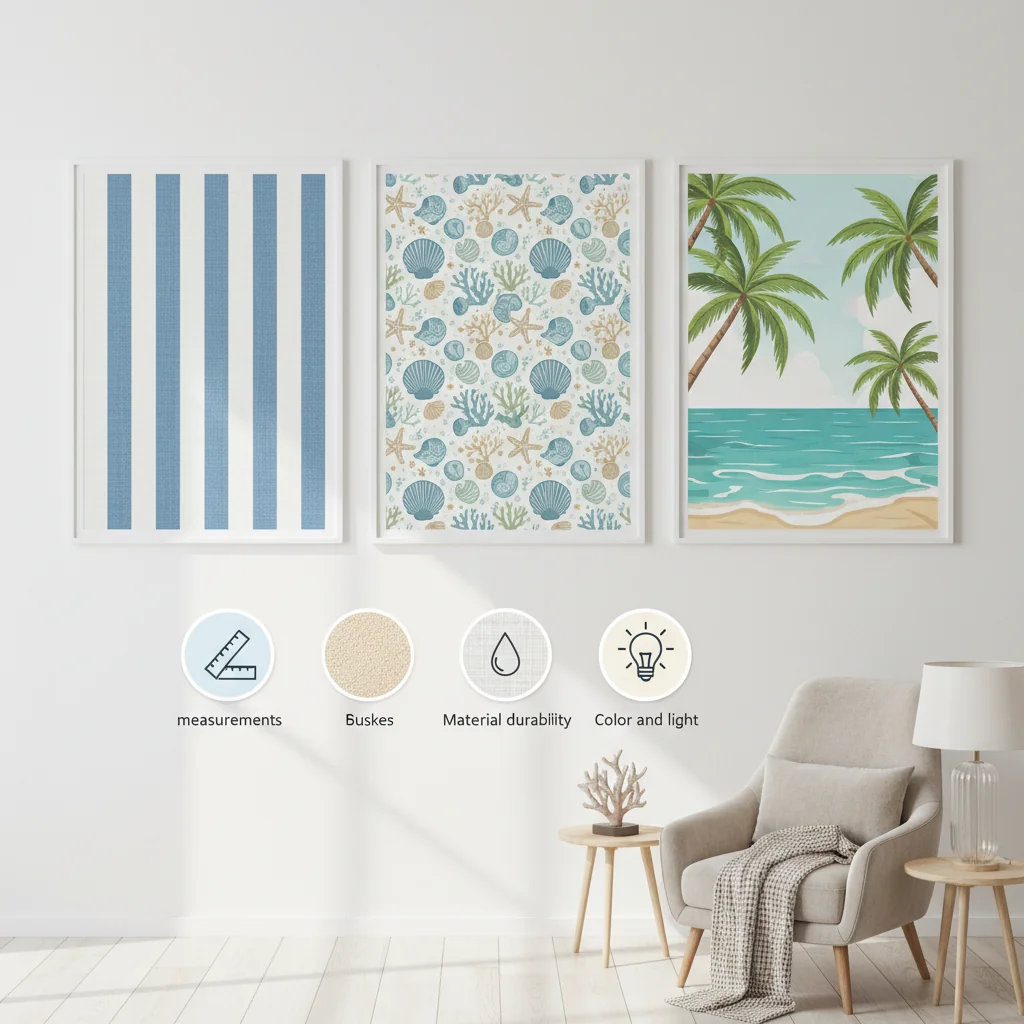
Selecting the ideal coastal wallpaper involves a careful consideration of your room’s function, existing décor, desired aesthetic, and practical factors such as light exposure and wall condition, ensuring the final choice harmonizes with your home’s overall design. This thoughtful approach prevents common design pitfalls and guarantees a result that is both beautiful and functional.
1. Assess the Room’s Function and Traffic
The primary use of the room heavily influences the practical requirements for your wallpaper. For high-traffic areas like entryways, hallways, and family rooms, opt for highly durable and washable materials such as solid sheet vinyl or robust non-woven options. In moisture-prone environments like bathrooms and kitchens, moisture-resistant vinyl is essential to prevent warping, peeling, and mildew. For low-traffic spaces such as bedrooms, formal dining rooms, or home offices, you have more flexibility to choose delicate options like paper or grasscloth, where their unique textures and aesthetics can be fully appreciated without constant wear.
2. Consider the Existing Color Palette and Furnishings
Your coastal wallpaper should complement, not compete with, your existing furniture, textiles, and paint colors. If your room already features strong colors or patterns, select a wallpaper with a more subtle design or a neutral coastal palette (e.g., soft grays, creams, or muted blues) to maintain balance. Conversely, if your room is predominantly neutral, a vibrant coastal mural or a bold pattern can serve as an impactful focal point. Ensure the undertones of the wallpaper’s colors align with the existing elements in your room to create a cohesive and harmonious design.
3. Evaluate Natural and Artificial Lighting
Lighting significantly impacts how wallpaper appears in a room. In rooms with abundant natural light, you can confidently choose darker or more saturated coastal blues and greens, or even patterns with metallic accents that will shimmer. In dimly lit rooms, lighter colors and patterns are preferable to help brighten the space and make it feel more expansive. Consider how artificial lighting sources (lamps, overhead fixtures) will interact with the wallpaper at different times of day. Textured wallpapers can create interesting shadows and depth under various lighting conditions, adding dynamic visual interest.
4. Determine Pattern Scale and Repeat
The scale of the wallpaper pattern should be proportionate to the size of the room. In smaller rooms, large, busy patterns can overwhelm the space, making it feel cramped. Instead, opt for smaller, delicate motifs or subtle textures that add interest without dominating. For larger rooms or expansive walls, a grander pattern, a large-scale mural, or a bold geometric design can create a dramatic statement and fill the space effectively. Always consider the pattern repeat—the distance before a pattern repeats itself—as this affects how much wallpaper you need and how seamless the final look will be.
5. Decide on Your Desired Coastal Style Interpretation
As explored previously, coastal design is diverse. Clarify whether you lean towards the refined elegance of Hamptons, the rustic charm of Mediterranean, the vibrant energy of Tropical, or the minimalist appeal of Modern Coastal. Your chosen style will guide your selection of specific motifs, textures, and color schemes. For instance, if you desire a serene retreat, subtle wave patterns or grasscloth textures in muted tones might be ideal. If you want a playful, vibrant space, consider bold tropical leaves or colorful coral prints.
6. Consider Installation Method and Your DIY Comfort Level
Your comfort with DIY projects or your budget for professional installation will influence the type of wallpaper you choose. Peel-and-stick options are incredibly user-friendly for beginners and renters, offering flexibility and easy removal. Pre-pasted wallpapers simplify the process compared to traditional non-pasted varieties. More complex materials like grasscloth or large murals often benefit from professional installation to ensure a flawless finish and prevent costly mistakes. Be honest about your skills and time commitment before making a choice.
7. Request Samples
Always order samples of your preferred coastal wallpapers before committing to a full purchase. Viewing samples in your actual room, under different lighting conditions and next to your existing furnishings, is crucial. Colors can appear differently on a screen than in person, and textures can be difficult to assess without physical touch. Samples allow you to evaluate the true color, texture, pattern scale, and how it interacts with your unique environment, preventing costly disappointments.
Sizing, Measuring, and Installation Best Practices
Accurate sizing and precise measurement are fundamental steps in wallpaper installation, ensuring a seamless finish, minimizing material waste, and achieving a professional-grade aesthetic that elevates the entire room. Proper preparation and careful execution during installation are equally critical for the longevity and visual integrity of your coastal wallpaper.
I. Accurate Measuring and Ordering
Under-ordering wallpaper is a common and frustrating mistake that can lead to delays and mismatched dye lots. Over-ordering excessively wastes resources. Precision is key.
Tools Required for Measuring:
- Metal measuring tape (at least 25 feet)
- Pencil and notepad
- Calculator
- Step stool or ladder
Step-by-Step Measurement Process:
- Measure Wall Height: Measure the height of each wall from the baseboard to the ceiling. If your ceiling height varies slightly, use the tallest measurement for consistency across all strips. Do this at several points across each wall.
- Measure Wall Width: Measure the total width of each wall.
- Calculate Total Square Footage: For each wall, multiply its height by its width to get the square footage. Sum these values for all walls to get the total area to be covered.
- Account for Doors and Windows: While you won’t wallpaper over these, it’s generally recommended to include them in your initial square footage calculation when purchasing, as the small pieces cut out often cannot be reused. This provides a buffer and accounts for pattern matching.
- Add for Pattern Repeat: Pattern repeat is the vertical distance on a wallpaper roll before the design begins to repeat itself, requiring extra material to align patterns seamlessly across strips. If your wallpaper has a pattern repeat (specified on the roll’s label, usually in inches), you must account for this. Add an extra 6-12 inches per strip to allow for pattern alignment and trimming. For wallpapers with large pattern repeats (e.g., 24 inches or more), add a full pattern repeat to each strip’s length calculation.
- Add a Buffer: Always add an extra 15-20% to your total calculated square footage. This accounts for trimming, mistakes, pattern matching, and future repairs. It is far better to have a little extra than to run short and risk ordering from a different dye lot, which can result in noticeable color variations.
- Consult Roll Coverage: Wallpaper is sold by the roll, and each roll specifies its coverage in square feet. Divide your total required square footage (including pattern repeat and buffer) by the coverage per roll to determine the number of rolls needed. Always round up to the nearest whole roll.
II. Wall Preparation: The Foundation of Success
Proper wall preparation is non-negotiable for a professional and lasting wallpaper installation. Skipping this step can lead to bubbling, peeling, or visible imperfections.
- Clean the Walls: Wash walls thoroughly with a mild detergent solution (like TSP substitute) to remove dirt, grease, and grime. Rinse well with clean water and allow to dry completely (at least 24 hours).
- Repair Imperfections: Fill any holes, cracks, or dents with spackle or joint compound. Sand smooth once dry. Even small imperfections can be magnified under wallpaper.
- Remove Old Wallpaper (If Applicable): If there’s existing wallpaper, remove it completely. New wallpaper applied over old wallpaper often leads to bubbling, peeling, and a poor finish.
- Prime the Walls: Apply a high-quality wallpaper primer (often called a “sizing” primer). This creates a consistent surface for adhesion, makes the wallpaper easier to position, and facilitates easier removal in the future. For dark walls, use a tinted primer to prevent the underlying color from showing through light-colored wallpaper. Allow primer to dry completely according to manufacturer instructions.
III. Installation Best Practices
While specific instructions vary by wallpaper type (peel-and-stick vs. pasted), these general principles apply to most installations.
Tools Required for Installation:
- Level or plumb bob
- Utility knife with fresh blades
- Smoothing tool (plastic or felt-edged)
- Measuring tape and ruler
- Seam roller (optional, for pasted wallpapers)
- Bucket and sponge (for pasted wallpapers)
- Wallpaper paste (for non-pasted wallpapers)
- Step ladder
General Installation Steps:
- Start with a Plumb Line: Do not rely on your ceiling or wall corners being perfectly straight. Use a level or plumb bob to draw a perfectly vertical line about 18-20 inches from your starting corner (depending on your wallpaper width). This ensures your first strip is straight, which is critical for the entire installation.
- Cut Wallpaper Strips: Measure and cut your first strip, adding 2-4 inches to the top and bottom for trimming. If using a patterned wallpaper, ensure the pattern aligns correctly before cutting subsequent strips.
- Apply Adhesive (if non-pasted): For non-pasted wallpaper, apply an even layer of paste to the back of the strip (booking method) or directly to the wall (paste-the-wall method), following manufacturer instructions. For peel-and-stick, simply peel back a few inches of the liner.
- Hang the First Strip: Carefully align the first strip with your plumb line, starting from the top. Smooth it down with your smoothing tool, working from the center outwards to remove air bubbles.
- Trim Excess: Use a sharp utility knife and a straightedge to carefully trim the excess wallpaper at the ceiling and baseboard.
- Hang Subsequent Strips: For each subsequent strip, align the edge precisely with the previous strip, ensuring the pattern matches seamlessly. Continue to smooth out bubbles and trim excess. For pasted wallpapers, use a seam roller if recommended to ensure tight seams.
- Work Around Obstacles: For outlets and switches, turn off the power, remove cover plates, hang the wallpaper over the opening, then carefully cut an X from corner to corner and trim around the box. Replace cover plates after installation.
- Clean Up: Wipe away any excess paste immediately with a damp sponge for pasted wallpapers. For peel-and-stick, ensure all edges are firmly adhered.
- Allow to Dry: Allow the wallpaper to dry completely, typically 24-48 hours, avoiding extreme temperature changes during this period.
Current Trends in Coastal Wallpaper Design
Contemporary trends in coastal wallpaper design emphasize a sophisticated blend of natural textures, refined color palettes, and elevated interpretations of traditional seaside motifs, moving beyond overt nautical themes towards a more nuanced and sustainable aesthetic. Designers are increasingly focusing on creating spaces that feel authentically connected to nature while maintaining a high level of modern elegance.
1. Elevated Textural Elements
The demand for textural depth continues to grow, with a shift towards more sophisticated interpretations. Faux grasscloth, woven linen, and subtle embossed patterns that mimic sand ripples or weathered wood are highly popular. These designs add tactile interest and an organic feel without introducing overt patterns. The trend leans into natural imperfections and the interplay of light and shadow on textured surfaces, creating a dynamic yet serene backdrop. These textures are often rendered in muted, earthy tones or soft, bleached-out coastal colors, enhancing their understated elegance.
2. Subtle and Abstract Oceanic Patterns
Moving away from literal depictions of anchors and seashells, current trends favor abstract and artistic representations of the ocean. This includes watercolor effects that mimic the fluidity of water, blurred oceanic landscapes, and organic wave patterns that are more suggestive than explicit. These designs evoke the feeling of the coast through movement and color rather than direct imagery, offering a more contemporary and artistic approach. They are often found in soft blues, greens, and grays, creating a tranquil and meditative atmosphere.
3. Biophilic Design and Botanical Elements
Integrating nature into interior spaces, known as biophilic design, is a dominant trend. In coastal wallpaper, this translates to designs featuring delicate coral branches, intricate sea flora, subtle botanical prints of coastal plants, and even abstract interpretations of underwater gardens. These patterns are often rendered in naturalistic greens, soft corals, and sandy neutrals, bringing the calming and rejuvenating qualities of the natural world indoors. This trend fosters a deeper connection to nature and promotes well-being within the home.
4. Sustainable and Eco-Friendly Materials
Conscious consumerism drives the trend towards sustainable materials. Non-woven wallpapers made from recycled content, or those manufactured with eco-friendly inks and processes, are increasingly sought after. Brands are responding by offering options that are not only beautiful but also environmentally responsible, often featuring certifications for low VOCs (Volatile Organic Compounds) and sustainable sourcing. This aligns with a broader desire for healthier home environments and a reduced ecological footprint.
5. Darker, Moody Coastal Palettes
While light and airy remain classic, a burgeoning trend introduces deeper, moodier coastal palettes. Think rich navy blues, deep teals, charcoal grays, and even sophisticated blacks paired with natural textures. These darker hues create a dramatic and intimate atmosphere, offering a more luxurious and contemporary take on coastal design. They are often used in accent walls or smaller, more private spaces like powder rooms or master bedrooms, providing a striking contrast to lighter furnishings and natural wood elements.
6. Large-Scale Murals and Panoramic Seascapes
Wallpaper murals continue to be a powerful design tool, with coastal themes often taking center stage. Panoramic seascapes, abstract ocean art, or detailed illustrations of underwater life create immersive experiences. These murals serve as a singular, dramatic focal point, transforming an entire wall into a breathtaking view. The trend is towards high-definition imagery and artistic interpretations, providing a sense of expansive tranquility and bringing the grandeur of the ocean indoors without the need for repetition.
7. Geometric Interpretations of Coastal Elements
Modern coastal design incorporates geometric patterns that subtly reference coastal elements. This might include abstract interpretations of wave patterns, tessellating shell designs, or clean-lined motifs inspired by fishing nets or nautical flags. These patterns offer a contemporary edge to the coastal aesthetic, blending precision with natural inspiration. They are often executed in monochromatic schemes or a limited palette of two to three complementary coastal colors, maintaining a sophisticated and uncluttered look.
Care and Maintenance for Lasting Beauty
Proper care and routine maintenance are essential for preserving the beauty and longevity of coastal wallpaper, safeguarding its appearance against wear, dirt, and environmental factors. Adhering to specific cleaning guidelines for your wallpaper’s material type ensures it remains vibrant and pristine for years, protecting your investment and maintaining your home’s aesthetic.
General Guidelines for All Wallpaper Types:
- Read Manufacturer’s Instructions: Always refer to the specific care instructions provided by the wallpaper manufacturer. These guidelines are tailored to the material and finish of your particular product.
- Act Quickly on Spills: Address spills and stains immediately to prevent them from setting into the material. The longer a stain sits, the harder it is to remove.
- Test in an Inconspicuous Area: Before applying any cleaning solution to a visible area, always test it on a small, hidden spot (e.g., behind furniture or in a closet) to ensure it doesn’t cause discoloration or damage.
- Avoid Abrasive Cleaners: Never use harsh chemicals, abrasive scrubbers, or highly acidic/alkaline cleaners, as these can strip the finish, fade colors, or damage the wallpaper material.
Specific Care by Wallpaper Material:
1. Vinyl Wallpaper (Solid Sheet and Vinyl-Coated)
Vinyl wallpaper is highly durable and generally the easiest to clean, making it ideal for coastal themes in active households.
- Cleaning Method: Wipe down with a soft sponge or cloth dampened with a mild soap and water solution. For tougher stains, a diluted all-purpose cleaner can be used.
- Rinsing: After cleaning, wipe the surface again with a clean, damp cloth to remove any soap residue.
- Drying: Pat dry with a soft, clean towel to prevent water spots, especially on textured or glossy finishes.
2. Non-Woven Wallpaper
Non-woven wallpapers are generally washable and breathable, offering good resistance to moisture.
- Cleaning Method: Use a soft, damp cloth to gently wipe down the surface. For light dirt, a dry microfiber cloth can be effective.
- Stains: For minor stains, a very mild soap solution can be used, but avoid excessive moisture.
- Drying: Allow to air dry naturally. Do not rub vigorously.
3. Paper Wallpaper
Paper wallpaper is the most delicate and is typically not washable. Exercise extreme caution.
- Dusting: Gently dust with a dry, soft cloth or a vacuum cleaner brush attachment.
- Spot Cleaning: For very small, non-greasy marks, you might try gently dabbing with a clean, dry art gum eraser. Avoid any liquid.
- Moisture: Keep away from any moisture or humidity, as it can cause warping, staining, or tearing.
4. Grasscloth / Natural Fiber Wallpaper
Grasscloth and other natural fiber wallpapers are delicate and require specific, gentle care.
- Dusting: Regularly vacuum with a soft brush attachment on low suction to remove dust and debris from the textured surface.
- Stains: These materials are highly susceptible to staining and are not washable. Avoid getting them wet. For minor marks, a dry art gum eraser might work. Professional cleaning for natural fibers is often the only option for significant stains.
- Moisture: Protect from all moisture and high humidity, as it can cause discoloration, mildew, and warping.
5. Mylar / Foil Wallpaper
Mylar and foil wallpapers are generally durable and washable, similar to vinyl, but their reflective surface requires careful handling.
- Cleaning Method: Wipe gently with a soft cloth dampened with mild soap and water. Avoid abrasive cloths or cleaners that could scratch the metallic surface.
- Drying: Immediately dry with a clean, soft cloth to prevent water spots, which can be very visible on reflective surfaces.
Protecting Your Wallpaper from Environmental Factors:
- Minimize Direct Sunlight: Prolonged exposure to direct sunlight can cause wallpaper colors to fade over time, especially with darker or vibrant hues. Use blinds, curtains, or UV-filtering window films to protect your coastal wallpaper in sunny rooms.
- Control Humidity: High humidity can cause wallpaper to peel or bubble, and can encourage mildew growth, particularly in areas like bathrooms. Ensure adequate ventilation in humid rooms, using exhaust fans and dehumidifiers when necessary.
- Address Scuffs and Tears: For minor scuffs, sometimes a gentle rub with a white eraser can help. For small tears or peeling seams, use a specialized wallpaper adhesive to carefully reattach the affected area. For larger damage, consider patching with a remnant piece, carefully aligning patterns.
By following these guidelines, your coastal wallpaper will maintain its fresh, inviting appearance, continuing to bring the beauty of the seaside into your home for years to come.
Styling and Pairing Coastal Wallpaper with Your Decor
Effectively styling coastal wallpaper involves harmonizing it with complementary furnishings, textiles, lighting, and accessories to create a cohesive and inviting seaside-inspired interior. This integrated approach ensures that the wallpaper serves as a foundational element, enhancing the overall aesthetic without overwhelming the space.
1. Color Coordination and Palette Harmony
Coastal wallpaper often sets the primary color palette for a room. Build upon its hues by choosing complementary colors for paints, furniture, and accents. For instance, if your wallpaper features muted blues and sandy beiges, incorporate these tones through throw pillows, rugs, or a feature wall in a deeper blue. Introduce accent colors sparingly, such as coral, seafoam green, or a soft yellow, to add warmth and visual interest without disrupting the serene coastal theme. The goal is a balanced palette that feels natural and airy, reflecting the ease of a beach environment.
2. Furniture Selection and Materials
The right furniture can significantly enhance the coastal aesthetic established by your wallpaper. Prioritize natural materials and relaxed forms:
- Whitewashed or Light-Toned Wood: Pieces made from distressed oak, pine, or painted white wood evoke a classic beach house feel.
- Rattan, Wicker, and Bamboo: These woven materials add organic texture and a relaxed, tropical vibe. Consider rattan chairs, wicker coffee tables, or bamboo accents.
- Upholstery in Natural Fabrics: Opt for sofas and armchairs upholstered in linen, cotton, or slipcovers in light colors (whites, creams, soft blues). These fabrics are comfortable, breathable, and align with the casual elegance of coastal design.
- Clean Lines: For a modern coastal look, select furniture with simpler, uncluttered lines to maintain a sophisticated and airy feel.
3. Textiles and Soft Furnishings
Textiles are crucial for adding comfort, warmth, and layering to your coastal space. Focus on natural fibers and subtle patterns.
- Throw Pillows: Incorporate pillows in varying textures (knitted, embroidered, linen) and patterns (subtle stripes, abstract waves, coral motifs) that echo your wallpaper’s design.
- Rugs: Jute, sisal, or wool rugs in natural tones or muted coastal colors (e.g., a blue and white striped rug) ground the space and add texture.
- Curtains/Drapery: Light, sheer curtains in linen or cotton allow natural light to filter through, enhancing the airy feel. Whites, off-whites, or soft blues are ideal.
- Blankets and Throws: Layer with soft, cozy throws in coordinating colors, perfect for a relaxed evening.
4. Lighting Fixtures
Lighting should enhance the bright, open quality of coastal design. Consider both natural and artificial light sources.
- Natural Light: Maximize natural light with minimal window treatments.
- Woven Pendants: Rattan, wicker, or rope pendant lights add organic texture and a handcrafted feel, especially over dining tables or in entryways.
- Ceramic or Glass Lamps: Table lamps with ceramic bases in coastal colors (blues, greens, sandy tones) or clear glass bases filled with shells contribute to the theme.
- Task Lighting: Ensure adequate task lighting in areas like reading nooks or home offices, opting for fixtures with a clean, understated design.
5. Accessories and Decorative Accents
Thoughtful accessories complete the coastal look, adding personality and authenticity without clutter.
- Natural Elements: Display real or faux coral, seashells, driftwood, and sea glass in decorative bowls or on shelves.
- Artwork: Choose art that reflects coastal themes – abstract ocean scenes, seascape photography, botanical prints of marine life, or minimalist watercolors. Avoid overly cliché or mass-produced pieces.
- Mirrors: Mirrors with distressed wood frames, rope details, or even simple round shapes can reflect light and make a space feel larger and brighter, reminiscent of portholes or ship windows.
- Vases and Pottery: Ceramic vases in matte finishes, clear glass jars, or artisanal pottery in blues, whites, or sandy hues.
- Books: Arrange books with coastal themes or covers in complementary colors.
- Greenery: Introduce live plants like ferns, palms, or succulents to add a touch of biophilic design, even if not strictly coastal.
6. Layering Textures and Balancing Focal Points
Successful coastal styling involves layering various textures – smooth, rough, woven, soft – to create visual depth and tactile interest. If your wallpaper has a bold pattern, balance it with simpler, solid-colored furnishings. If your wallpaper is subtly textured, you can introduce more patterned textiles or accessories. Ensure your wallpaper isn’t competing with too many other strong focal points. If the wallpaper is a statement, let it shine, and keep other elements more subdued to create a harmonious and sophisticated coastal retreat.
Common Mistakes to Avoid When Choosing and Installing Coastal Wallpaper
Avoiding common pitfalls in the selection and installation of coastal wallpaper is crucial for achieving a polished, enduring, and aesthetically pleasing result. Many issues arise from overlooking critical details in planning, measurement, and application, which can lead to costly corrections and diminish the overall impact of your design.
1. Under-Ordering or Over-Ordering Wallpaper
Mistake: Not accurately calculating the required number of rolls, leading to either running out mid-project (and potentially facing dye-lot differences if re-ordered) or having excessive waste.
Correction: Always measure meticulously, account for pattern repeat, and add a 15-20% buffer. Consult the roll coverage specifications provided by the manufacturer and round up to the nearest whole roll. Utilize online wallpaper calculators as a double-check.
2. Skipping Wall Preparation
Mistake: Applying wallpaper directly over dirty, uneven, or unprimed walls. This results in visible imperfections, poor adhesion, bubbling, peeling, and potential mildew growth.
Correction: Clean walls thoroughly, repair all holes and cracks, and apply a high-quality wallpaper primer (sizing) specifically designed for wallpaper application. This creates a smooth, uniform, and appropriately porous surface for optimal adhesion.
3. Ignoring Pattern Repeat and Alignment
Mistake: Failing to account for the pattern repeat when cutting strips, leading to misaligned patterns, visible seams, or insufficient material to complete the design seamlessly.
Correction: Understand the pattern repeat of your chosen wallpaper. Cut strips carefully, ensuring each subsequent piece aligns perfectly with the previous one. This often requires cutting strips slightly longer than the wall height to allow for precise pattern matching at the top and bottom.
4. Choosing the Wrong Material for the Room’s Function
Mistake: Installing delicate paper or natural fiber wallpaper in high-humidity areas like bathrooms or high-traffic zones like kitchens or entryways, leading to rapid deterioration, staining, or peeling.
Correction: Select wallpaper material appropriate for the room’s conditions. Opt for durable, washable vinyl or non-woven options in moisture-prone or high-traffic areas. Reserve delicate materials like grasscloth for low-traffic, dry spaces.
5. Overdoing the “Theme”
Mistake: Filling a room with too many literal coastal motifs (e.g., anchor wallpaper, seashell lamps, fish artwork, boat-shaped shelves), resulting in a kitschy, overwhelming, and dated look rather than a sophisticated coastal aesthetic.
Correction: Embrace subtlety. Choose one or two strong coastal elements (e.g., a beautiful wave-patterned wallpaper) and complement them with natural textures, a soothing color palette, and a few carefully selected, understated accessories. Focus on evoking the feeling of the coast rather than explicitly depicting every element.
6. Poor Lighting Consideration
Mistake: Selecting a dark or highly reflective wallpaper for a dimly lit room, making the space feel smaller and less inviting, or conversely, using a matte, subtle wallpaper in a room that needs more dynamic visual interest.
Correction: Assess both natural and artificial light sources. In low-light rooms, opt for lighter colors and patterns to brighten the space. In well-lit rooms, you have more freedom for darker hues or reflective finishes. Consider how textures will interact with light throughout the day.
7. Neglecting to Test Samples
Mistake: Buying full rolls of wallpaper based solely on online images or small swatches, only to find the color, texture, or pattern scale looks different in your home’s unique lighting and alongside existing decor.
Correction: Always order physical samples of your top choices. Hang them on your walls for a few days, observing them in different lighting conditions (daylight, artificial light) and against your furniture and paint colors. This step is invaluable for preventing costly errors.
8. Rushing the Installation Process
Mistake: Hastily applying wallpaper without allowing proper drying times for primer, or rushing through the hanging process, leading to bubbles, misalignments, or damaged paper.
Correction: Allocate sufficient time for each stage of installation, including wall preparation, priming, and drying. Work methodically, take breaks, and follow manufacturer instructions precisely. Patience is key to achieving a professional, seamless finish.
Sources
Frequently Asked Questions About Coastal Wallpaper
Can coastal wallpaper be used in bathrooms?
Yes, coastal wallpaper can be used effectively in bathrooms, provided you select a material specifically designed to withstand high humidity and moisture. Vinyl wallpaper, particularly solid sheet vinyl, is the most suitable choice for bathrooms due to its superior moisture resistance and washability, preventing issues like peeling or mold growth that might affect less durable materials.
Is peel-and-stick coastal wallpaper truly removable without damaging walls?
Yes, high-quality peel-and-stick coastal wallpaper is designed for clean removal without damaging properly prepared walls, typically leaving no residue behind. For optimal results, ensure the wall is clean, smooth, and primed before application, and follow the manufacturer’s specific removal instructions, which usually involve gently peeling it off at an angle.
How do I calculate how much coastal wallpaper I need for a room?
To calculate the amount of coastal wallpaper needed, measure the height and total perimeter of the walls in inches, then multiply to find the total square footage. Crucially, add an extra 15-20% to this total to account for pattern repeat, trimming, and potential errors, and always round up to the next full roll based on the manufacturer’s specified roll coverage.
What colors best complement coastal wallpaper?
Colors that best complement coastal wallpaper typically include crisp whites, various shades of blue (from sky to navy), sandy beiges, natural greens (seafoam, sage), and soft grays. These hues create a cohesive and serene atmosphere, echoing the natural palette of the ocean and beach, while accent colors like coral or muted yellow can add subtle warmth.
Can I paint over coastal wallpaper?
While it is technically possible to paint over some types of wallpaper, particularly paintable textured vinyl or non-woven varieties, it is generally not recommended for most coastal wallpapers. Painting over wallpaper can lead to peeling, bubbling, and an uneven finish, as the moisture from the paint can reactivate the adhesive or saturate the paper. For the best result, remove old wallpaper completely before painting.
How long does coastal wallpaper typically last?
The longevity of coastal wallpaper varies significantly by material and proper installation, but generally, high-quality vinyl and non-woven wallpapers can last between 10 to 15 years or even longer. Paper-based wallpapers may last 5-10 years, while natural fiber options like grasscloth, though durable in their own way, require more delicate handling and maintenance.
Is coastal wallpaper suitable for small spaces?
Yes, coastal wallpaper can be highly suitable for small spaces, provided you choose patterns and colors carefully. Opt for lighter colors and subtle, small-scale patterns or textures to avoid overwhelming the room. Large-scale murals or bold patterns can also work on a single accent wall to create depth and a focal point without making the space feel cramped.
Conclusion
Coastal wallpaper offers an unparalleled opportunity to infuse your home with the serene beauty and sophisticated charm of seaside living. From the refined elegance of Hamptons-inspired stripes to the organic textures of modern coastal designs, the versatility of this decor element allows for a personalized interpretation of the ocean’s allure. By understanding the nuances of material types, mastering precise measurement and installation techniques, and thoughtfully integrating wallpaper with complementary furnishings, you can create a cohesive and inviting sanctuary that reflects your unique vision.
At Starhouse, we are dedicated to curating a collection that empowers you to transform your spaces into expressions of aspirational design. We believe that the perfect coastal wallpaper can set the tone for an entire home, offering both visual splendor and a profound sense of tranquility. As we build our forthcoming catalog of exquisite home decor, we are keenly interested in your preferences and design aspirations.
What coastal styles, patterns, or materials resonate most with your dream home? Your input is invaluable as we shape a collection designed to meet the highest standards of beauty and quality. Tell us what you’re looking for and gain early access to our curated selections, ensuring your home reflects the very best of coastal elegance.