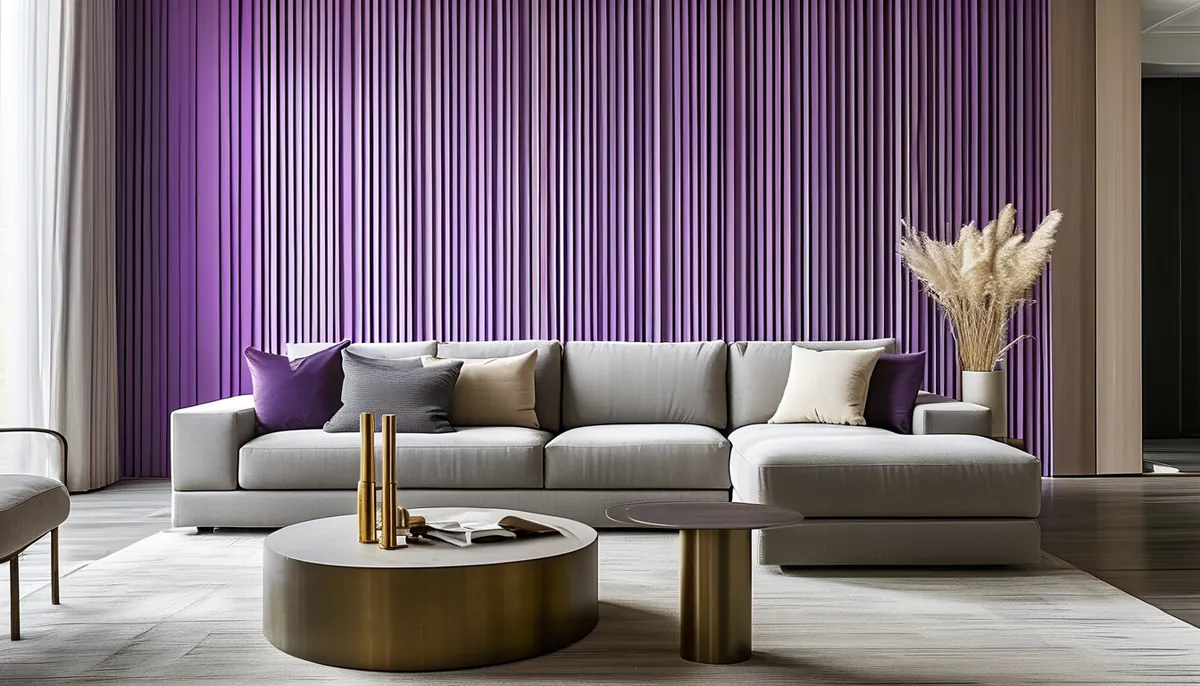
Purple striped wallpaper isn’t just for kids’ rooms anymore. Modern designs range from sophisticated, tone-on-tone patterns that add subtle texture to bold, graphic statements that anchor a room’s design. When you’re selecting purple striped wallpaper, consider the scale of the stripe and the specific shade of purple you want. Thin, pinstripe-like bands in lavender can create a calming, airy feel, while wider, contrasting stripes in deep plum or amethyst can make a dramatic impact.
Understanding the impact of purple shades
The emotional and visual impact of purple striped wallpaper depends heavily on the shade of purple used. Light lavenders and lilacs evoke a sense of tranquility and sophistication, making them ideal for bedrooms or living areas where a serene atmosphere is desired. These softer shades can make a space feel larger and more open. On the other hand, deeper purples like amethyst, royal purple, or plum exude luxury, drama, and creativity. These bold hues are excellent for accent walls, dining rooms, or even home offices where you want to inspire energy and a sense of opulence. Consider how the purple stripe will interact with the other colors in your room; it can either complement existing tones or serve as a striking contrast.
Choosing the right stripe width and spacing
The width and spacing of the stripes play a critical role in how the wallpaper affects the perception of your room’s dimensions. Narrow stripes, often referred to as pinstripes, can make a ceiling appear higher, drawing the eye upward. This effect is particularly useful in rooms with lower ceilings. They also tend to create a more subtle and classic look. Wider stripes, conversely, can make a room feel wider or longer, depending on their orientation. Vertical stripes, regardless of width, generally enhance the sense of height, while horizontal stripes can make a space feel broader. The spacing between stripes also matters; closely spaced stripes create a denser pattern, while wider gaps offer a more airy and contemporary feel. Think about the overall style you’re aiming for: delicate, refined, or bold and graphic.
Material types for purple striped wallpaper
The material of your wallpaper affects its durability, ease of installation, and how it looks on your wall. You’ll encounter several common types:
- Paper-backed wallpaper: This is a traditional option, often more budget-friendly. It can be less forgiving during installation, as it may tear easily if it gets too wet, and seams can be more visible.
- Vinyl-backed wallpaper: More durable and washable than paper-backed options, vinyl is a good choice for high-traffic areas or rooms prone to moisture, like kitchens and bathrooms. It’s generally easier to clean and more resistant to damage.
- Non-woven (or ‘paste-the-wall’) wallpaper: This is a popular choice for DIYers. Made from a blend of natural and synthetic fibers, it’s breathable, durable, and doesn’t expand or contract significantly when wet. The ‘paste-the-wall’ method means you apply adhesive directly to the wall, not the paper, making it simpler and less messy.
- Peel and stick wallpaper: This is the easiest option for renters or those who like to change their decor frequently. It adheres with a strong adhesive backing that can be removed without damaging the wall underneath. It’s perfect for accent walls or smaller projects. You can find beautiful easy peel and stick wallpaper options that come in stunning purple stripes.
Preparing your walls for installation
Proper wall preparation is non-negotiable for a professional-looking wallpaper finish. Start by cleaning the walls thoroughly to remove any dust, grease, or old adhesive residue. Use a mild detergent and water, then rinse and allow the walls to dry completely. Fill any holes or cracks with spackle or joint compound and sand smooth once dry. If you’re applying wallpaper over existing wallpaper, ensure it’s firmly adhered. If it’s peeling or bubbled, it’s best to remove it entirely. For a smooth finish and to prevent future issues like mildew, it’s highly recommended to apply a wallpaper primer. This also helps with adhesion, especially on surfaces like new drywall or previously painted walls.
Installation techniques for a seamless look
Installing purple striped wallpaper requires precision. Here’s a general guide, though specific instructions may vary by manufacturer:
- Measure and cut: Measure the height of your wall and add a few inches (about 4-6 inches total) for trimming at the top and bottom. Cut your wallpaper panels accordingly, ensuring you maintain the pattern match if the stripes are not uniform.
- Apply adhesive (if not peel and stick): If using traditional wallpaper, apply the recommended adhesive evenly to the back of the panel or directly to the wall, following the manufacturer’s instructions. For non-woven wallpapers, you’ll typically paste the wall.
- Hang the first panel: Start in a corner or at a prominent point. Align the edge of the first panel with a plumb line (a vertical line you’ve marked with a level) to ensure it’s perfectly straight. Smooth the paper onto the wall using a wallpaper brush or smoother, working from the center outwards to remove air bubbles.
- Hang subsequent panels: Butt the edges of each new panel tightly against the previous one. A precise seam is crucial for striped patterns, as gaps or overlaps will be highly noticeable. Use a seam roller gently if recommended by the manufacturer, but be cautious not to damage the paper.
- Trim excess: Once a panel is smoothed and adhered, use a sharp utility knife or a specialized wallpaper trimming tool to carefully cut away the excess paper at the ceiling and baseboard.
- Repeat: Continue this process for the entire room, paying close attention to pattern alignment at each seam.
Common installation mistakes to avoid
Even with careful planning, mistakes can happen. Here are a few common pitfalls to sidestep:
- Not using a plumb line: Assuming your walls are perfectly vertical is a common error. Always use a level to draw a plumb line for your first panel. A crooked start will throw off the entire pattern.
- Poor pattern matching: For striped wallpaper, ensuring the stripes align perfectly from one panel to the next is critical. Take your time and don’t rush this step.
- Trapped air bubbles: Not smoothing the paper adequately can leave air bubbles that are unsightly and can lead to peeling. Work from the center outwards with your smoother.
- Over-handling wet paper: Traditional paper-backed wallpaper can become fragile when wet. Gentle handling is key to prevent tears.
- Using the wrong adhesive or not enough: Always use the adhesive recommended by the wallpaper manufacturer. Insufficient adhesive will lead to peeling, especially at the seams and edges.
Styling tips for purple striped wallpaper
Purple striped wallpaper can be the foundation for a variety of decor styles. For a regal and sophisticated look, pair deep purple and gold stripes with rich velvet textures and ornate furniture. A more contemporary feel can be achieved with thinner lavender stripes and minimalist furniture, complemented by metallic accents like chrome or brushed nickel. If you’re using bold, wide stripes, consider using them on a single accent wall to avoid overwhelming the space. This allows the wallpaper to be a focal point without competing with other design elements. For a whimsical touch, consider floral patterns that incorporate purple stripes, which can add a touch of flowers on wallpaper to your design. You can also find inspiration in collections like Rifle Paper Co. wallpaper, which often features unique color palettes and patterns that might include delightful purple stripes. Remember that striped wallpaper designs, including purple ones, can create a sense of order and visual rhythm in a room.
Purple stripes in different rooms
The versatility of purple striped wallpaper allows it to shine in various settings:
- Living Room: A subtle lilac stripe can add a touch of color and sophistication to a living room, creating a calming ambiance. Wider stripes in plum could define an accent wall behind a sofa for a dramatic effect.
- Bedroom: Soft lavender or amethyst stripes are excellent for bedrooms, promoting relaxation and a sense of calm. They pair well with neutral bedding and natural wood accents.
- Dining Room: Deeper shades of purple stripes can lend an air of elegance and festivity to a dining room, making it feel more intimate and special for gatherings.
- Home Office: A more energetic shade of purple can be stimulating for a home office, paired with clean lines and functional furniture.
- Entryway: A bold stripe can make a strong first impression in an entryway, setting a stylish tone for the rest of the home.
Durability and maintenance
The longevity and maintenance of your purple striped wallpaper will depend on the material. Vinyl and high-quality non-woven wallpapers are generally the most durable and easiest to clean. A simple wipe-down with a damp cloth is usually sufficient for most smudges and dust. Avoid abrasive cleaners, as they can damage the surface. For paper-backed wallpapers, cleaning should be done with extreme caution, usually just a dry dusting. If you’re concerned about longevity or frequent cleaning needs, opt for a washable or scrubbable option. For truly high-traffic areas or rooms with potential for repeated scuffs, consider the robustness of the material. Some homeowners even look at options like stunning Yellowstone wallpaper designs if they are seeking particularly resilient and visually striking wall treatments, though the style may differ significantly.
Long-term considerations
When choosing purple striped wallpaper, think about how timeless the pattern will be for you. While trends come and go, classic stripe patterns in well-chosen purple shades can remain stylish for years. Consider the scale of the room and the stripe – a busy pattern might feel overwhelming in a small space, while a subtle stripe might get lost in a large, open area. If you’re a renter or a serial redecorator, peel-and-stick options offer the flexibility to change your mind without the commitment of traditional wallpaper. Ensure you’re selecting a product that aligns with your lifestyle and decorating intentions for the space.