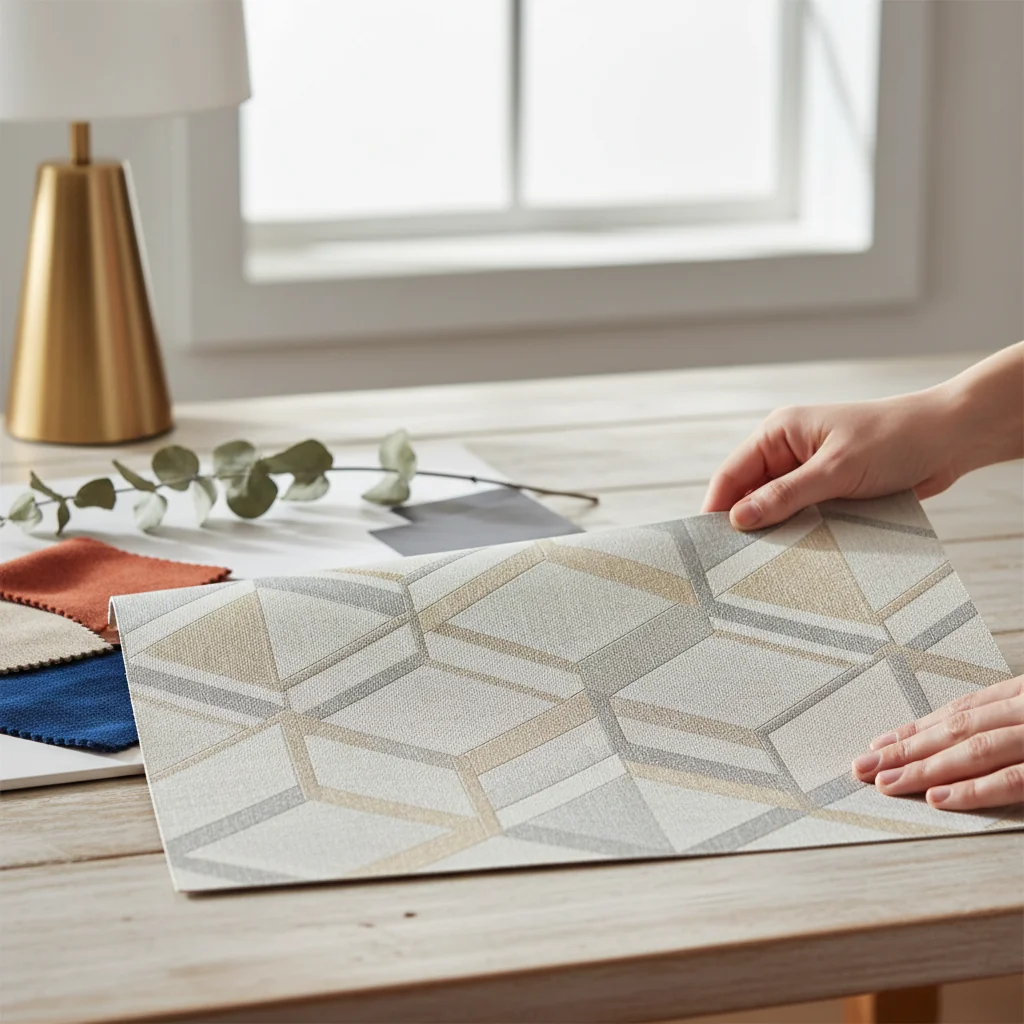
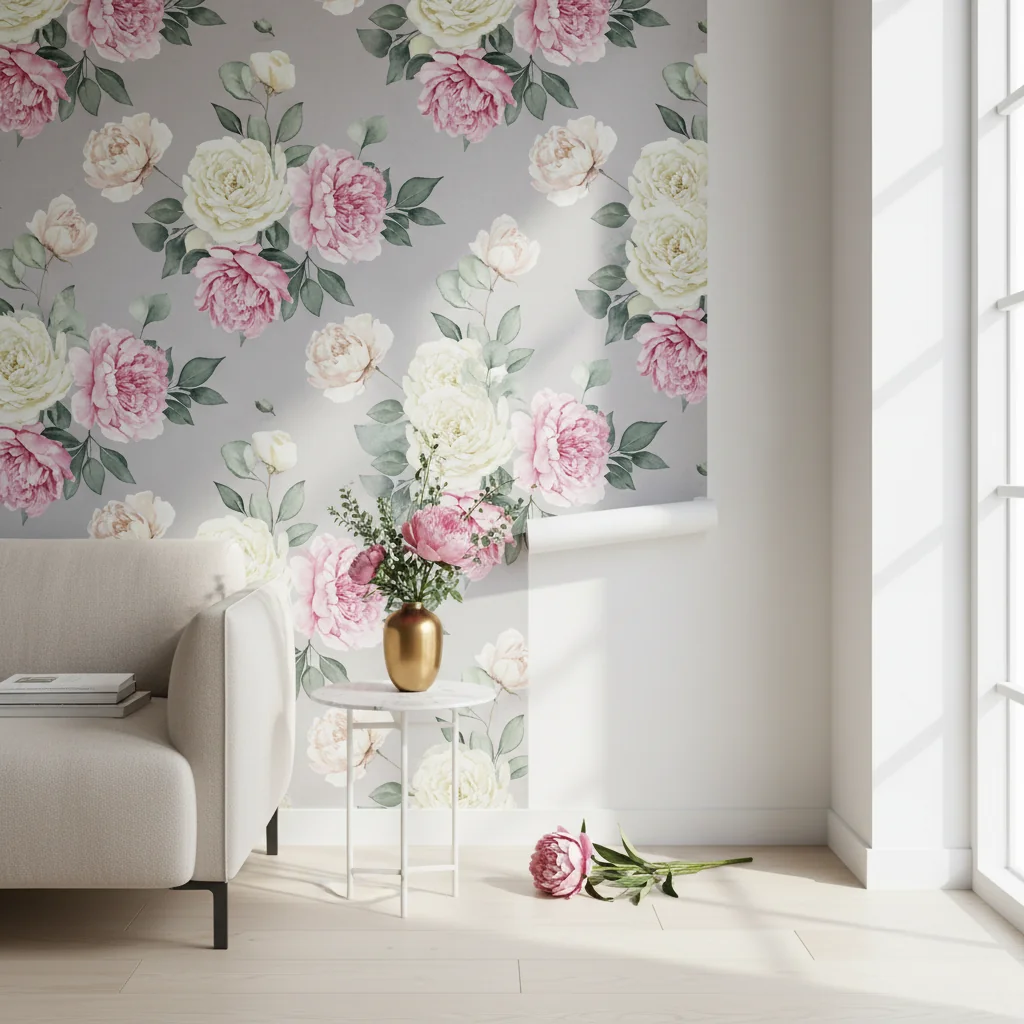
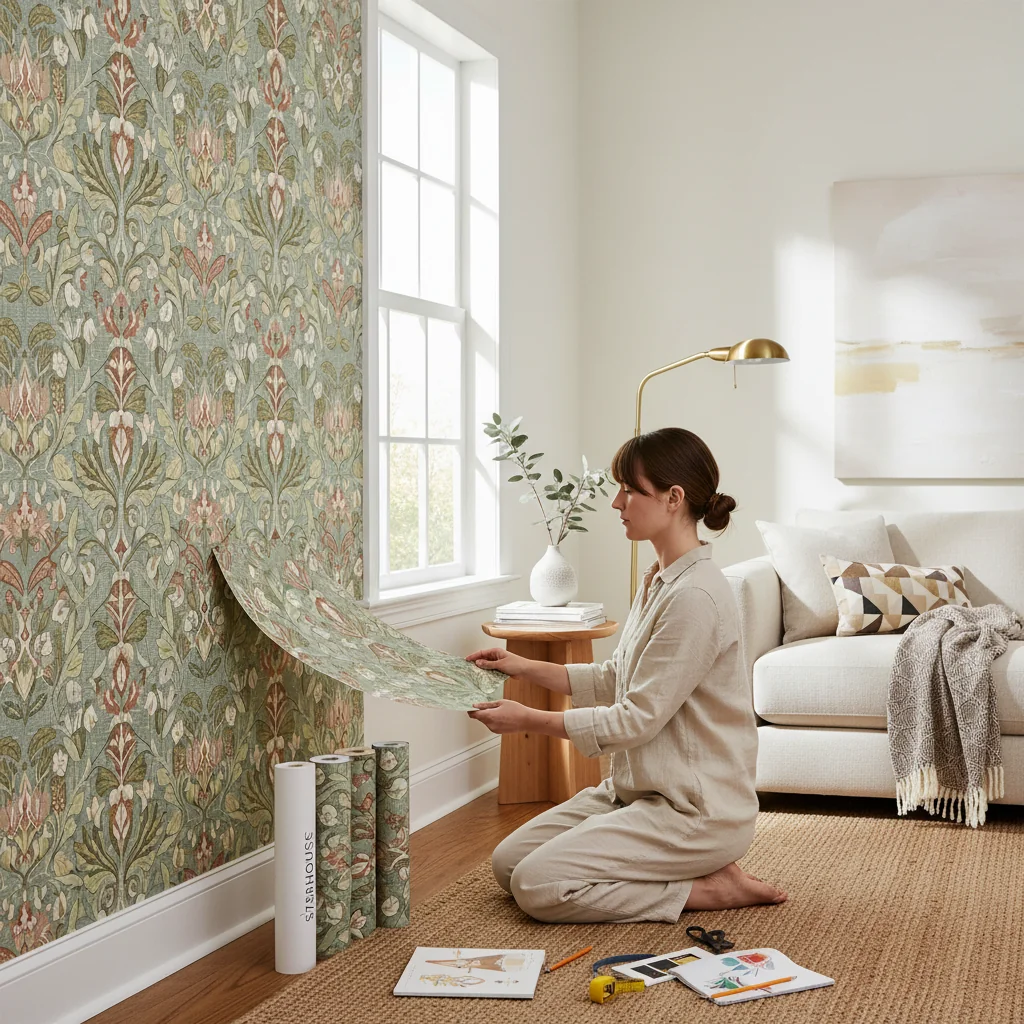
York Wallpaper, a name synonymous with quality and enduring design in the U.S. home décor landscape, offers an expansive collection of wallcoverings that transform spaces with unparalleled artistry and durability. As a leading manufacturer, York Wallcoverings provides a diverse range of materials, patterns, and installation types, from traditional pasted options to convenient peel-and-stick solutions, catering to every design aesthetic and practical need. This comprehensive guide from Starhouse delves into the intricacies of selecting, installing, and maintaining York wallpaper, ensuring homeowners can confidently elevate their interiors with these distinguished products.
Key Takeaways
- York Wallcoverings offers a vast array of wallpaper types, including non-woven, traditional, and peel-and-stick, each suited for different applications and skill levels.
- Accurate measurement is critical; always account for pattern repeat and potential waste, typically purchasing 15-20% extra to ensure sufficient material.
- Wallpaper materials like vinyl, non-woven, and natural fibers dictate durability, maintenance, and suitability for specific rooms, with non-woven being highly durable and easy to remove.
- Proper wall preparation, including cleaning and priming, is essential for successful installation and longevity, regardless of the wallpaper type.
- Styling wallpaper effectively involves considering room function, light exposure, existing decor, and the scale of the pattern to create a cohesive and harmonious environment.
- Regular, gentle cleaning specific to the wallpaper material extends its lifespan and maintains its aesthetic appeal.
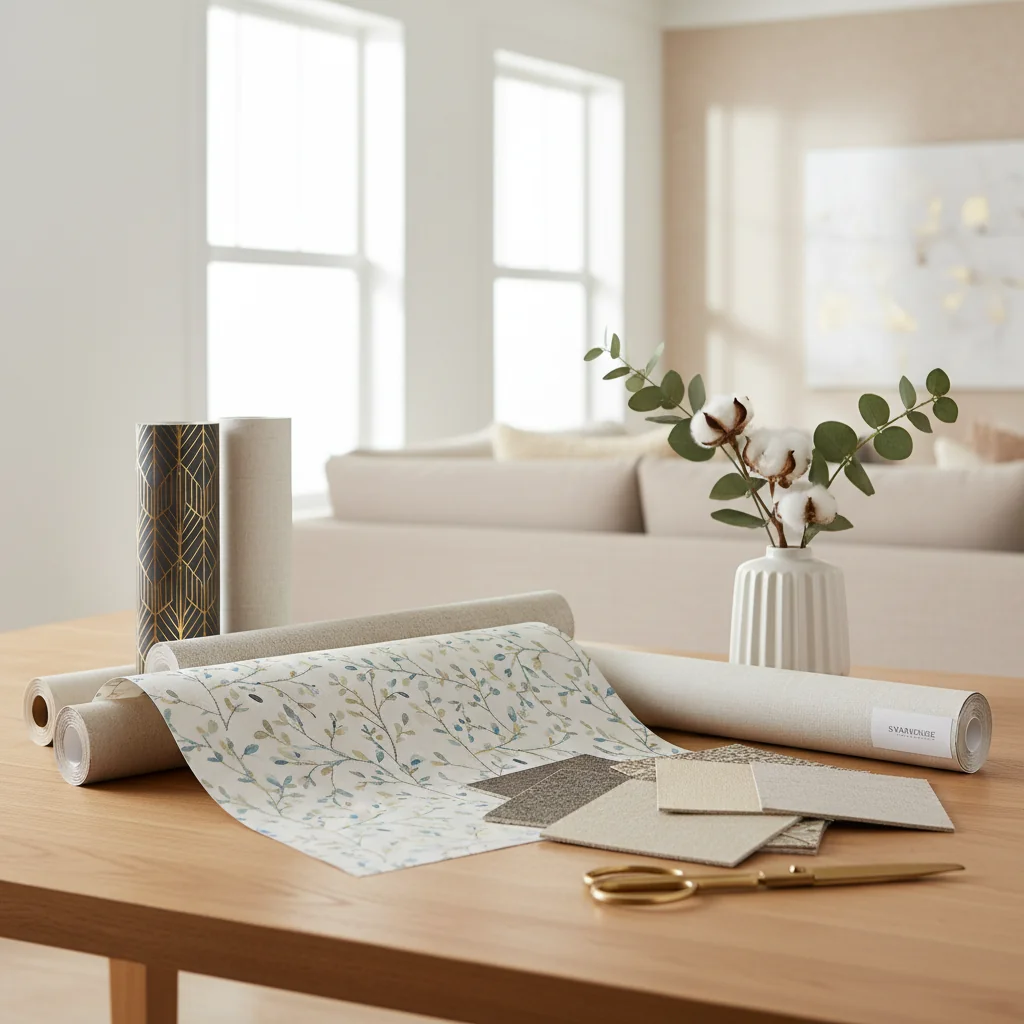
Understanding York Wallpaper: A Legacy of Design and Innovation
York Wallpaper represents a cornerstone of American interior design, offering an extensive array of wallcoverings distinguished by their quality, innovative designs, and manufacturing excellence. Established in 1895 in York, Pennsylvania, York Wallcoverings has built a reputation over more than a century for producing wallpapers that blend historical craftsmanship with contemporary aesthetics, providing durable and stylish solutions for every room.
The brand is renowned for its commitment to diverse design expressions, ranging from classic damasks and intricate florals to modern geometrics and sophisticated textures. York consistently introduces new collections that reflect current trends while maintaining a timeless appeal, ensuring that their offerings remain relevant and aspirational. Their dedication to quality extends to material selection, utilizing advanced printing techniques, and adhering to rigorous production standards.
York’s product line spans various types of wallcoverings, including traditional pasted papers, technologically advanced non-woven options, and user-friendly peel-and-stick designs. This comprehensive approach allows homeowners and designers to find precisely the right solution for their specific project, whether it involves a high-traffic commercial space or a delicate residential accent wall. The brand’s heritage is deeply intertwined with American manufacturing, with all products designed and produced in their Pennsylvania facility, maintaining a strong emphasis on domestic craftsmanship and quality control.
Wallpaper is a material used to cover and decorate the interior walls of homes, offices, and other buildings. It is typically sold in rolls and applied to walls using a paste or adhesive, or it may come with a self-adhesive backing for easier installation.
Decoding Wallpaper Types: Beyond Traditional Rolls
The world of wallpaper is diverse, encompassing various types that differ in material composition, installation method, durability, and aesthetic finish. Understanding these distinctions is crucial for selecting the appropriate wallcovering for your specific needs and the environment of the room.
York Wallcoverings, a leader in the industry, offers a broad spectrum of types, each engineered for distinct performance characteristics. These include non-woven, traditional paper, peel-and-stick, fabric-backed vinyl, solid vinyl, paper-backed vinyl, Mylar, grasscloth, and flock, each presenting unique advantages for different applications and design visions.
Non-Woven Wallpaper
Non-woven wallpaper is composed of a blend of natural and synthetic fibers, making it one of the most popular and versatile options today. It is highly breathable, preventing mold and mildew growth, and remarkably durable. Installation typically involves the “paste-the-wall” method, where adhesive is applied directly to the wall, not the paper, simplifying the process and reducing mess. Non-woven wallpaper is also celebrated for its ease of removal, often peeling off in full sheets without damaging the wall underneath.
Traditional Paper Wallpaper
Traditional paper wallpaper, while classic, requires careful handling during installation due to its susceptibility to tearing when wet. It is typically installed using the “paste-the-paper” method, where the adhesive is applied to the back of the wallpaper before hanging. While offering a wide range of beautiful designs and textures, traditional paper is generally less durable and more challenging to clean than its non-woven or vinyl counterparts. It is best suited for low-traffic areas where moisture and humidity are not significant concerns.
Peel-and-Stick Wallpaper
Peel-and-stick wallpaper, also known as temporary or removable wallpaper, features an adhesive backing that is protected by a liner. To install, simply peel off the liner and press the wallpaper onto the wall. This type is ideal for renters, DIY enthusiasts, or those who enjoy frequently changing their decor, as it can be easily removed without leaving residue or damaging the wall surface. While convenient, it is generally less durable than permanent options and may not adhere as well to heavily textured surfaces.
Vinyl Wallcoverings (Solid, Fabric-Backed, Paper-Backed)
Vinyl wallpapers are renowned for their exceptional durability, washability, and resistance to moisture, making them excellent choices for high-traffic areas like kitchens, bathrooms, and commercial spaces. They come in several variations:
- Solid Vinyl: This is a solid sheet of vinyl, making it extremely robust and waterproof. It is highly resistant to stains and can be scrubbed clean.
- Fabric-Backed Vinyl: A woven fabric backing provides added strength and dimensional stability, making it suitable for demanding environments and often used in commercial settings.
- Paper-Backed Vinyl: A vinyl surface is laminated onto a paper substrate. This offers good durability and washability while retaining some of the flexibility of paper.
Natural Fiber Wallcoverings (Grasscloth, Cork, Jute)
Natural fiber wallpapers, such as grasscloth, cork, and jute, are crafted from organic materials woven onto a paper backing. They offer unique texture, depth, and an organic aesthetic that synthetic materials cannot replicate. Each roll is distinct, showcasing natural variations in color and weave, which adds to their charm. Installation can be more challenging due to their delicate nature and the visible seams that are a characteristic feature. They are generally not washable and require careful handling to prevent damage.
Mylar Wallpaper
Mylar wallpaper features a metallic polyester film laminated onto a paper backing, providing a highly reflective, often mirror-like finish. This type of wallpaper is excellent for adding glamour, light, and a sense of expanded space to a room. It is generally washable and durable but can highlight wall imperfections due to its reflective surface. Proper wall preparation is paramount for Mylar installations.
Flock Wallpaper
Flock wallpaper is characterized by raised, velvet-like patterns created by applying fine, short fibers onto a paper or vinyl base. This technique adds a luxurious, tactile dimension and a sense of opulence to walls. Flock wallpaper is delicate and not typically washable, making it best suited for formal living areas or bedrooms where it will not be subjected to heavy wear or moisture.
| Wallpaper Type | Material Composition | Durability | Installation Method | Approx. Price Range (per single roll) | Ideal Use |
|---|---|---|---|---|---|
| Non-Woven | Synthetic & natural fibers | High; tear-resistant, breathable | Paste-the-wall; easy removal | $40 – $120+ | Most rooms, high-traffic areas, ease of future changes |
| Traditional Paper | Paper pulp | Moderate; can tear when wet | Paste-the-paper; more delicate | $30 – $100+ | Low-traffic areas, bedrooms, formal living rooms |
| Peel-and-Stick | Vinyl or fabric with adhesive backing | Moderate; temporary adhesion | Peel & stick; very easy removal | $30 – $80+ | Rentals, temporary decor, accent walls, DIY projects |
| Vinyl (Solid/Fabric-Backed) | Solid vinyl or vinyl on fabric backing | Very High; washable, moisture-resistant | Paste-the-wall/paper; durable adhesion | $50 – $150+ | Kitchens, bathrooms, commercial spaces, high-traffic areas |
| Natural Fiber (Grasscloth) | Woven natural fibers (e.g., grass, jute) on paper backing | Moderate; delicate, not washable | Paste-the-paper; visible seams | $60 – $200+ | Formal living rooms, dining rooms, accent walls, low-moisture areas |
| Mylar | Metallic polyester film on paper backing | High; washable, reflective | Paste-the-paper; highlights imperfections | $50 – $150+ | Dramatic effect, small rooms (to expand perception), accent walls |
| Flock | Raised fibers (velvet-like) on paper/vinyl backing | Low to Moderate; delicate, not washable | Paste-the-paper; requires careful handling | $70 – $200+ | Formal spaces, bedrooms, adding tactile luxury |
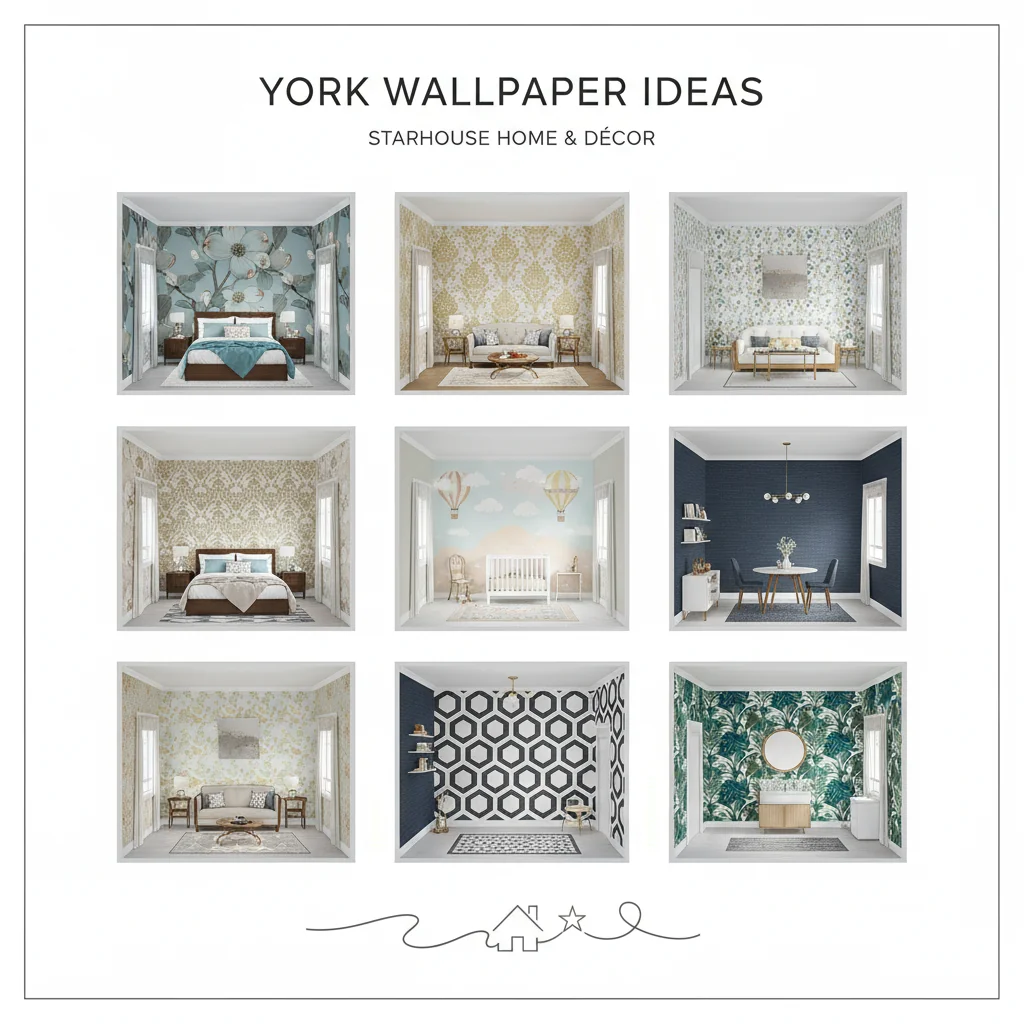
Exploring Design Styles and Aesthetics with York Wallpaper
Wallpaper is a powerful design tool that can instantly define or enhance a room’s aesthetic, allowing for a vast range of design styles from classic to contemporary. York Wallcoverings excels in offering collections that span the entire spectrum of interior design, providing patterns and textures to perfectly complement any desired ambiance.
Whether you aim for a minimalist modern look, a richly layered traditional feel, or a vibrant bohemian sanctuary, York’s extensive catalog provides the decorative elements to achieve your vision with precision and flair.
Traditional and Classic Styles
For those who appreciate enduring elegance, traditional wallpaper styles feature timeless motifs such as damasks, toile, stripes, and subtle floral patterns. These designs often draw inspiration from historical periods, offering a sense of heritage and sophistication. York’s traditional collections frequently employ muted color palettes or rich, deep hues that evoke a sense of grandeur and formality. They pair exquisitely with classic furniture, ornate moldings, and antique accessories, creating spaces that feel established and refined.
Modern and Contemporary Aesthetics
Modern design emphasizes clean lines, geometric precision, and often a minimalist approach. York offers contemporary wallpapers with bold geometric patterns, abstract designs, and textured finishes that mimic concrete, linen, or brushed metals. These patterns are perfect for creating sleek, uncluttered spaces that feel fresh and current. Color palettes lean towards neutrals, monochromes, or sharp contrasting colors. Such wallpapers integrate seamlessly with modern furnishings, minimalist art, and open-plan living concepts.
Transitional Design
Transitional style masterfully blends elements of traditional and modern design, creating a balanced and comfortable aesthetic that is neither too formal nor too stark. Wallpaper in this category might feature updated classic motifs or subtle textures that provide warmth without overwhelming the space. York’s transitional offerings often include understated patterns, tone-on-tone textures, and sophisticated stripes that bridge the gap between old and new, making them incredibly versatile for a wide range of homes.
Farmhouse and Rustic Charm
The popular farmhouse style, with its emphasis on comfort, warmth, and natural elements, benefits greatly from specific wallpaper choices. York provides options like faux wood planks, shiplap effects, distressed textures, and charming botanical prints that evoke a rustic, lived-in feel. These wallpapers often come in soft, muted colors—creams, grays, pale blues—and pair wonderfully with reclaimed wood, vintage finds, and cozy textiles, creating an inviting and relaxed atmosphere.
Bohemian and Eclectic Vibrancy
Bohemian and eclectic styles are characterized by a free-spirited approach, mixing patterns, colors, and textures from diverse origins. York’s collections include exotic global prints, intricate mandalas, vibrant florals, and textural weaves that can serve as a bold backdrop for such spaces. These wallpapers encourage creative expression and can be layered with rich textiles, artisanal crafts, and abundant greenery to create a truly unique and personal environment.
Art Deco and Glamour
For a touch of vintage glamour, Art Deco-inspired wallpapers are ideal. York offers patterns featuring bold geometric shapes, metallic accents, and stylized motifs reminiscent of the 1920s and 30s. These designs bring a sense of luxury and drama, often incorporating gold, silver, or bronze elements. They are perfectly complemented by mirrored furniture, velvet upholstery, and statement lighting, creating an opulent and sophisticated ambiance.
Industrial Edge
Industrial design celebrates raw, utilitarian aesthetics. Wallpaper can effectively simulate materials like exposed brick, concrete, aged metal, or distressed wood, offering the industrial look without the structural commitment. York provides realistic faux-effect wallpapers that capture the grittiness and texture of these materials, ideal for urban lofts or contemporary spaces seeking an edgy, unpolished charm.
Coastal and Nautical Serenity
To evoke the calming essence of the sea, coastal and nautical wallpapers are excellent choices. York’s offerings include subtle wave patterns, seashell motifs, abstract ocean hues, and textured designs that mimic sand or sea grass. These wallpapers typically feature a palette of blues, greens, whites, and sand tones, pairing beautifully with natural wood, linen fabrics, and sea-inspired decor to create a serene and airy retreat.
Maximalist and Bold Statements
Maximalism embraces abundance, color, and pattern. York’s boldest collections feature large-scale prints, vibrant color combinations, and intricate designs that demand attention. These wallpapers are perfect for creating visually rich, layered spaces where “more is more.” They can be used on all walls or as a dramatic feature, often paired with eclectic furniture, art, and accessories to create a truly immersive and expressive environment.
When selecting a style, consider the overall mood you wish to create, the existing architectural features of the room, and how the wallpaper will interact with furniture, textiles, and lighting. York’s diverse range ensures that every design aspiration can be met with a high-quality, aesthetically pleasing solution.
The Art of Material and Finish: What Your Wallpaper is Made Of
The material composition and finish of wallpaper are fundamental aspects that dictate its durability, washability, texture, and overall aesthetic impact. These characteristics profoundly influence how a wallpaper performs in a given environment and how it contributes to the room’s design narrative. York Wallcoverings utilizes a variety of materials and applies diverse finishes to create products that are not only beautiful but also functionally appropriate for different spaces.
Understanding the properties of these materials and finishes enables an informed decision, ensuring the chosen wallpaper meets both practical requirements and design expectations.
Vinyl Wallcoverings
Vinyl is one of the most widely used and versatile wallpaper materials due to its exceptional durability and practicality. It consists of a PVC (polyvinyl chloride) surface layer laminated to a backing material. York offers several types:
- Solid Vinyl: This is a solid sheet of vinyl, making it extremely robust, waterproof, and highly resistant to stains and scuffs. It is ideal for high-moisture areas like bathrooms and kitchens, as well as high-traffic spaces. Solid vinyl can be scrubbed clean with mild soap and water.
- Fabric-Backed Vinyl: Featuring a vinyl surface bonded to a woven fabric backing (like cotton or polyester), this type offers superior strength and dimensional stability. It is often used in commercial settings due to its resilience and ability to withstand heavy wear.
- Paper-Backed Vinyl: A vinyl layer is laminated onto a paper backing. This offers a good balance of durability, washability, and affordability. It is more flexible than solid vinyl but still provides excellent resistance to moisture and stains compared to traditional paper.
Vinyl wallpapers generally have a smooth or lightly textured finish, and their surfaces are highly printable, allowing for intricate patterns and vibrant colors.
Non-Woven Wallcoverings
Non-woven wallpaper is a revolutionary material made from a blend of natural and synthetic fibers, offering superior performance characteristics compared to traditional paper. It is highly breathable, preventing mildew growth, and remarkably dimensionally stable, meaning it resists shrinking or expanding when wet. This stability makes it ideal for the “paste-the-wall” installation method and ensures seams remain tight. Non-woven wallpaper is also tear-resistant during installation and easily strippable in full sheets when it’s time for a change, making it a favorite for modern applications.
Its surface can be smooth, textured, or embossed, and it accepts various finishes beautifully. Non-woven is also typically washable with a damp cloth.
Paper Wallcoverings
Traditional paper wallpaper is made from cellulose pulp, offering a classic aesthetic and a wide range of print possibilities. It is often chosen for its natural feel and the way it absorbs color, resulting in rich, matte finishes. However, paper is more delicate than vinyl or non-woven options. It can be prone to tearing when wet during installation and is generally less durable and less washable. Paper wallpapers are best suited for low-traffic areas and rooms where moisture is not an issue, such as bedrooms or formal dining rooms.
Natural Fiber Wallcoverings
Materials like grasscloth, cork, and jute fall under natural fiber wallcoverings. These are made by weaving or layering natural materials onto a paper backing. They introduce organic texture, warmth, and a unique, handcrafted feel to a space. Each roll of natural fiber wallpaper is unique, showcasing inherent variations in color and weave, which are part of its appeal. They are generally delicate, not washable, and require specialized installation techniques. Visible seams are a characteristic feature, contributing to their authentic charm.
Mylar Wallcoverings
Mylar wallpaper features a metallic polyester film laminated onto a paper backing. This material creates highly reflective, often shimmering or mirror-like surfaces. Mylar is excellent for adding glamour, enhancing light, and making a room feel larger. It is generally durable and washable but can highlight any imperfections on the wall surface, necessitating meticulous wall preparation. Finishes can range from high-gloss mirror effects to brushed or subtly metallic textures.
Flock Wallcoverings
Flock wallpaper is created by applying finely cut fibers (often rayon or nylon) onto a pattern printed with adhesive, resulting in a raised, velvety texture. This material offers a luxurious, tactile surface that adds depth and opulence. Flock is typically delicate and not washable, making it suitable for formal, low-traffic areas where its unique texture can be appreciated without risk of damage.
Finishes
Beyond the base material, the finish applied to wallpaper significantly impacts its appearance and performance:
- Matte: A non-reflective finish that absorbs light, providing a soft, sophisticated look. It can help to hide minor wall imperfections.
- Metallic: Incorporates metallic inks or Mylar elements to create reflective, often shimmering, surfaces. This adds glamour and can brighten a room.
- Pearlescent: Features a subtle, iridescent sheen that catches the light gently, offering a sophisticated glow without being overtly shiny.
- Embossed: Patterns are raised to create a three-dimensional texture, adding tactile interest and depth. This can also help to mask wall imperfections.
- Glitter/Mica: Small reflective particles are incorporated into the design, adding sparkle and glamour, particularly effective in accent areas.
- Textured: Simulates other materials like linen, grasscloth, concrete, or wood, providing visual and tactile interest without the challenges of natural materials.
When selecting wallpaper from York, consider not only the pattern but also the material and finish. A vinyl wallpaper might be perfect for a high-traffic hallway, while a delicate flock or natural fiber might elevate a formal dining room. The right combination ensures both beauty and longevity.

How to Select the Perfect York Wallpaper for Your Space
Choosing the ideal York wallpaper involves a thoughtful assessment of your room’s function, existing decor, natural light, and your personal aesthetic preferences. The selection process extends beyond mere pattern appeal; it encompasses understanding how different materials, colors, and scales interact within a space to create a cohesive and harmonious environment.
By systematically evaluating these factors, you can confidently select a wallpaper that not only looks stunning but also performs optimally for years to come.
Consider the Room’s Function and Environment
The primary function of a room dictates the practical requirements for your wallpaper. For high-moisture areas like bathrooms and kitchens, or high-traffic zones like hallways and entryways, durability and washability are paramount. Vinyl or solid vinyl wallpapers are excellent choices for these spaces due to their resistance to water, stains, and scuffs. In contrast, bedrooms, living rooms, and formal dining areas, which experience less wear and tear, can accommodate more delicate materials such as traditional paper, natural fibers, or flock.
- Kitchens & Bathrooms: Opt for scrubbable vinyl or non-woven options that can withstand humidity and splashes.
- Hallways & Entryways: Choose durable, washable vinyl or robust non-woven wallpaper to endure frequent contact and potential scuffs.
- Bedrooms & Living Rooms: You have more flexibility here, suitable for most types, including delicate papers, natural fibers, or flocked designs.
- Nurseries & Kids’ Rooms: Prioritize non-toxic, easily cleanable, and durable options. Peel-and-stick can be a great temporary choice as tastes change.
Assess Natural Light and Room Size
The amount of natural light a room receives and its overall size significantly influence how wallpaper colors and patterns appear. In rooms with limited natural light, lighter colors and patterns with metallic or pearlescent finishes can help reflect light and brighten the space. Darker, bolder patterns can create a dramatic, cozy effect in well-lit or larger rooms, but might overwhelm smaller, dimly lit areas.
- Small Rooms: Lighter colors, subtle patterns, or vertical stripes can make a room feel larger and taller.
- Large Rooms: Can handle larger, bolder patterns and darker colors without feeling cramped.
- North-Facing Rooms: Often cooler light; warm-toned wallpapers can add warmth.
- South-Facing Rooms: Abundant, warm light; can handle cooler tones or darker patterns.
Harmonize with Existing Decor and Color Palette
Your chosen wallpaper should complement your existing furniture, textiles, flooring, and paint colors to create a cohesive design. Consider the dominant colors and undertones in your room. If your furniture is patterned, a subtle or textured wallpaper might be best. If your furniture is solid-colored, a bolder patterned wallpaper can serve as a focal point. Use a color wheel to identify complementary or analogous color schemes.
Starhouse believes that every home tells a unique story, and we are dedicated to helping you find the perfect elements to narrate yours. If you’re exploring the vast possibilities of wallpaper and other home furnishings, and want to ensure your selections perfectly align with your vision, we invite you to tell us what you’re looking for. Share your design aspirations with us for early access to our curated collections and expert guidance.
Consider Scale and Pattern Repeat
The scale of a wallpaper pattern refers to its size relative to the room. Large, intricate patterns can be stunning in spacious rooms with high ceilings, creating a sense of grandeur. In smaller rooms, large patterns can feel overwhelming. Conversely, small, delicate patterns might get lost in a vast space but can add subtle charm to a cozy room. Pattern repeat is the vertical distance between one point on a pattern and the identical point on the next repeat. This is crucial for installation and affects how much wallpaper you need.
- Large Scale Patterns: Best for larger rooms or as a dramatic accent wall.
- Small Scale Patterns: Ideal for smaller rooms, or for a subtle background effect.
- Vertical Patterns (stripes, tall botanicals): Can make ceilings appear higher.
- Horizontal Patterns: Can make a room feel wider.
Reflect Your Personal Style and Desired Mood
Ultimately, your wallpaper choice should reflect your personal taste and the mood you wish to cultivate in the room. Do you want a lively, energetic space, or a calm, serene sanctuary? Bold geometric patterns can infuse energy, while soft floral prints create a tranquil atmosphere. Textured wallpapers add warmth and sophistication. Don’t be afraid to choose a wallpaper that truly speaks to you, as it will be a significant visual element in your daily life.
Utilize Samples and Swatches
Before committing to an entire roll, always order samples or swatches of your preferred York wallpapers. Hang them on your wall and observe them at different times of day, under various lighting conditions (natural and artificial). This allows you to see how the colors and textures interact with your room’s unique light and existing elements. What looks perfect online or in a showroom can appear entirely different in your home.
By meticulously considering these factors, you can navigate York’s extensive collections with confidence, ensuring you select a wallpaper that not only enhances your home’s aesthetic but also meets your practical needs and personal style.
Precise Measurement and Sizing: Avoiding Common Pitfalls
Accurate measurement is the most critical step in any wallpaper project, directly impacting both the success of the installation and your budget. Underestimating the amount of wallpaper needed can lead to delays and color discrepancies if subsequent batches are required, while overestimating results in unnecessary waste. Understanding how to precisely measure your walls and calculate the required number of rolls, particularly considering pattern repeat, is fundamental for a flawless finish.
York Wallcoverings, like all reputable manufacturers, provides specifications for roll dimensions and pattern repeat, which are essential for these calculations.
Step-by-Step Guide to Measuring Your Walls
Follow these precise steps to determine the square footage of your walls and calculate the necessary wallpaper quantity:
- Measure Wall Height: Using a steel tape measure, measure the height of each wall from the baseboard to the ceiling. For rooms with varying ceiling heights (e.g., sloped ceilings), measure the highest point. Always measure in several places along the wall and use the greatest measurement to ensure you have enough length for each strip.
- Measure Wall Width: Measure the width of each wall. For walls with windows or doors, measure the entire wall width as if there were no openings. You will account for these later, but it’s crucial to calculate the total surface area first.
- Calculate Total Square Footage: For each wall, multiply its height by its width to get the square footage. Sum the square footage of all walls to find the total area to be covered.
Example: (Wall 1 Height x Wall 1 Width) + (Wall 2 Height x Wall 2 Width) = Total Sq. Ft. - Measure Doors and Windows (and other openings): Measure the height and width of all doors, windows, and any other significant openings (e.g., large built-in shelves, archways). Calculate the square footage of each opening.
- Subtract Openings (Optional, but Recommended for Accuracy): Subtract the total square footage of all openings from the total wall square footage. While some installers prefer to ignore small openings for simpler calculation and to account for waste, subtracting larger openings can prevent over-ordering. However, *always* ensure you have enough for pattern matching.
- Account for Pattern Repeat: This is arguably the most critical factor after basic dimensions. The pattern repeat is the vertical distance before a wallpaper pattern begins to repeat itself. For patterns with a large repeat, you will need extra length on each strip to ensure the pattern aligns seamlessly across strips. York Wallcoverings will specify the pattern repeat in inches.
- Consult Wallpaper Roll Specifications: Wallpaper rolls are typically sold in “single rolls” or “double rolls.” In the U.S., a standard single roll is approximately 27 inches wide and 13.5 feet long, covering about 30 sq ft. However, most wallpapers are sold in “double rolls,” which are 27 inches wide and approximately 27 feet long, covering about 56-60 sq ft. Always check the specific dimensions provided by York for the exact paper you choose.
Calculating Rolls Needed (with Pattern Repeat)
Here’s a simplified, robust method to calculate the number of double rolls:
- Determine Usable Strip Length: Add the pattern repeat to your wall height measurement. This accounts for matching the pattern at the top and bottom of each strip.
Example: Wall Height = 8 feet (96 inches). Pattern Repeat = 24 inches. Usable Strip Length = 96 + 24 = 120 inches (10 feet). - Calculate Number of Strips per Roll: Divide the total length of a double roll (e.g., 27 feet or 324 inches) by your usable strip length. Round down to the nearest whole number.
Example: A double roll is 324 inches long. Usable Strip Length = 120 inches. 324 / 120 = 2.7. So, you get 2 full strips per double roll. - Calculate Number of Strips Needed for Your Walls: Divide the total perimeter of your room (or the total width of walls to be covered) by the width of one wallpaper strip (e.g., 27 inches). Round up to the nearest whole number.
Example: Total perimeter = 40 feet (480 inches). Wallpaper width = 27 inches. 480 / 27 = 17.77. So, you need 18 strips. - Calculate Total Double Rolls: Divide the total number of strips needed by the number of strips you get per double roll. Round up to the nearest whole number.
Example: 18 strips needed / 2 strips per roll = 9 rolls. - Add for Waste and Future Repairs: Always add at least 15-20% extra to your final roll count. This accounts for errors, complex cuts (around windows, doors, or architectural features), and provides material for future repairs if a section gets damaged. For large patterns or complex rooms, consider adding 25% or even an entire extra roll.
Tips for Irregular Spaces
- Sloped Ceilings or Gables: Measure the highest point of the wall and use this as your standard height. You will have more waste, but it ensures pattern matching.
- Arches and Niches: Treat these as separate, smaller walls. Measure their dimensions carefully and factor in pattern repeat.
- Ceilings: Measure the length and width of the ceiling and calculate square footage. Then, consider the direction you want the pattern to run and calculate strips similar to walls.
Always double-check your measurements and calculations. When in doubt, consult with a professional installer or the supplier for assistance. Having a little extra wallpaper is always preferable to running short in the middle of a project, especially if dye lots might vary between orders.
Current Trends in Wallpaper Design: What’s Popular Now
The world of interior design is dynamic, and wallpaper trends continually evolve, reflecting shifts in aesthetics, technology, and homeowner preferences. York Wallcoverings consistently leads in introducing collections that capture the zeitgeist, offering designs that are both fashion-forward and enduring. Staying abreast of current trends can inspire fresh approaches to decorating and ensure your home feels contemporary and stylish.
Currently, several key themes dominate the wallpaper landscape, emphasizing connection to nature, bold artistic expression, and a sophisticated approach to texture and color.
Biophilic Designs and Nature-Inspired Motifs
A profound desire to connect with the natural world continues to drive design choices, making biophilic wallpaper a dominant trend. This includes large-scale botanical prints featuring lush foliage, tropical leaves, and delicate florals that bring the outdoors in. Realistic landscapes, serene forest scenes, and abstract interpretations of natural elements like water or rock formations are also highly sought after. These designs foster a sense of calm and well-being, transforming interiors into tranquil retreats.
Large-Scale Murals and Panoramas
Moving beyond traditional repeating patterns, large-scale murals and panoramic wallcoverings are gaining immense popularity. These designs often cover an entire wall with a single, expansive image, creating a dramatic focal point or an immersive experience. From abstract art and cityscapes to grand landscapes and intricate historical scenes, murals offer a bespoke, artistic statement that transforms a room into a gallery. York provides many options that act as true works of art for your walls.
Textured Finishes and Tactile Surfaces
The emphasis on sensory experience extends to wallpaper with a strong trend towards textured finishes. Wallcoverings that mimic raw materials like concrete, plaster, linen, grasscloth, cork, or woven fabrics add depth and tactile interest to walls. These textures provide visual softness and sophistication, often in neutral or earthy tones, contributing to a sense of organic luxury. Embossed patterns that create a three-dimensional effect are also prominent, adding subtle drama without overwhelming the space.
Geometric Patterns with Modern Flair
Geometric patterns remain a perennial favorite, but current trends lean towards more sophisticated and abstract interpretations. Think clean lines, interlocking shapes, and subtle metallic accents that create dynamic visual interest. Art Deco-inspired geometries, tessellating patterns, and contemporary takes on classic motifs offer a sense of order and modern elegance. These designs work well in minimalist, transitional, and contemporary spaces, adding structure and visual rhythm.
Archival Revival and Heritage Patterns
There’s a resurgence of interest in historical patterns and archival designs, often reinterpreted with modern color palettes or updated materials. Classic damasks, intricate toile, chinoiserie, and Victorian florals are making a comeback, bringing a sense of history, grandeur, and timeless elegance to contemporary homes. York, with its long history, often revisits its own archives to offer fresh takes on these cherished patterns.
Digital Art and Abstract Expression
Advancements in digital printing technology have opened the door for highly detailed and intricate digital art on wallpaper. This trend includes abstract expressionist designs, watercolor effects, painterly brushstrokes, and photographic quality prints that push the boundaries of traditional wallcoverings. These designs allow for unique and personalized artistic statements, transforming walls into canvases.
Earthy and Rich Jewel Tones
Color trends in wallpaper align with a desire for warmth and depth. Earthy tones such as terracotta, sage green, sandy beige, and warm grays provide a grounding and comforting backdrop. Simultaneously, rich jewel tones like emerald green, sapphire blue, ruby red, and amethyst purple are used to create opulent and dramatic spaces, often with metallic accents to enhance their luxurious appeal.
Subtle Metallics and Luminous Finishes
Metallic accents, often in gold, silver, copper, or bronze, continue to be popular, adding a touch of glamour and sophistication. These are frequently incorporated into geometric patterns, textured designs, or as subtle highlights in botanical prints. Pearlescent and iridescent finishes also contribute to a luminous effect, catching the light and adding a soft glow to walls.
When embracing these trends, remember to consider how they integrate with your overall home aesthetic and personal style. York Wallcoverings provides an unparalleled selection that allows you to confidently incorporate these contemporary design directions into your living spaces.
Installation and Care: Ensuring Longevity and Beauty
Proper installation and diligent care are paramount to maximizing the lifespan and preserving the aesthetic appeal of your York wallpaper. While different wallpaper types require specific installation techniques and maintenance routines, a common thread of meticulous preparation and gentle handling ensures a professional finish and lasting beauty. Neglecting these crucial steps can lead to bubbling, peeling, or premature degradation of the wallcovering.
York Wallcoverings provides detailed guidelines for their products, emphasizing the importance of correct procedures for optimal results.
Pre-Installation Preparation: The Foundation of Success
The most critical step for any wallpaper installation is thorough wall preparation. A properly prepared wall ensures optimal adhesion, a smooth finish, and longevity.
- Clean the Walls: All walls must be clean, dry, and free of dust, dirt, grease, and mildew. Wash walls with a mild detergent solution, rinse thoroughly, and allow them to dry completely.
- Repair Imperfections: Fill any holes, cracks, or dents with spackle or joint compound. Sand smooth once dry. Wallpaper, especially those with a sheen or thin material, will highlight wall imperfections.
- Remove Old Wallpaper: If old wallpaper is present, it must be completely removed. Residual adhesive can react with new paste, causing issues.
- Prime the Walls: Applying a high-quality wallpaper primer (also known as a wallcovering primer or sealer) is non-negotiable. Primer seals porous surfaces, promotes better adhesion, allows for easier repositioning during installation, and facilitates easier removal in the future. It also helps to prevent paste from soaking into the drywall and prevents stains from bleeding through.
- Acclimate Wallpaper: Allow wallpaper rolls to acclimate to the room’s temperature and humidity for at least 24-48 hours before installation. This minimizes expansion or contraction issues post-installation.
Installation Methods: Tailored to Your Wallpaper Type
The installation method varies significantly depending on the type of wallpaper:
- Paste-the-Wall (for Non-Woven Wallpaper): This method is highly favored for its ease and cleanliness. Adhesive is applied directly to the wall surface using a roller, then the dry wallpaper panel is hung onto the pasted wall. This allows for easier repositioning and reduces mess.
- Paste-the-Paper (for Traditional Paper, Vinyl, Natural Fibers): With this method, adhesive is applied to the back of the wallpaper sheet, which is then “booked” (folded adhesive-to-adhesive) for a few minutes to allow the paste to activate and the paper to relax. The pasted, booked sheet is then carefully hung on the wall.
- Peel-and-Stick (for Removable Wallpaper): This is the simplest method. The wallpaper comes with a pre-applied adhesive backing protected by a liner. Simply peel off the liner, align the panel, and press it onto the wall, smoothing out any bubbles as you go.
Regardless of the method, precision in cutting, aligning patterns, and smoothing out air bubbles is crucial. Tools like a plumb line, smoothing brush or squeegee, utility knife with fresh blades, and a seam roller are essential. For detailed, step-by-step instructions specific to their products, York Wallcoverings provides comprehensive guides, which are invaluable resources for DIY enthusiasts and professionals alike. For instance, their website offers a clear guide on how to hang wallpaper, covering essential preparation and application techniques.
Wallpaper Care and Cleaning: Maintaining Its Pristine Appearance
Proper care extends the life of your wallpaper and keeps it looking fresh. Always consult the care instructions provided by York Wallcoverings for your specific product, as cleaning methods vary by material.
Pattern repeat is the vertical distance between the point where a pattern begins and the identical point where it begins again on a roll of wallpaper. It is a crucial measurement for calculating the correct number of rolls needed for installation, as it dictates how much extra material is required for seamless pattern alignment across strips.
Here are general guidelines for common wallpaper types:
- Vinyl (Solid, Fabric-Backed, Paper-Backed) & Non-Woven: These are generally the most durable and washable.
- Gently wipe with a damp sponge or soft cloth using a mild soap solution (e.g., dish soap diluted in water).
- Rinse with a clean, damp cloth.
- Dry immediately with a soft, dry towel to prevent water spots.
- Avoid abrasive cleaners, harsh chemicals, or scrubbing brushes, which can damage the surface.
- Traditional Paper & Flock: These are typically more delicate and often not washable.
- For dust, use a soft, dry cloth or a feather duster.
- For light smudges, a kneaded eraser can sometimes lift marks gently.
- Avoid water or liquid cleaners, as they can stain or damage the paper/flock fibers.
- Professional cleaning might be an option for significant stains on some types, but proceed with caution.
- Natural Fibers (Grasscloth, Cork): These are highly delicate and generally not washable.
- Dust regularly with a soft, dry cloth or vacuum cleaner brush attachment.
- Avoid any moisture, as it can cause staining, shrinking, or warping.
- Spot cleaning is not recommended; visible seams and natural variations are part of their charm.
- Mylar:
- Wipe gently with a soft, damp cloth and mild soap.
- Avoid abrasive materials that could scratch the metallic surface.
General Wallpaper Care Tips:
- Address spills and marks immediately.
- Avoid direct sunlight exposure for prolonged periods, as it can cause fading, especially with darker colors or natural materials. Use window treatments to protect your investment.
- Maintain consistent room temperature and humidity levels to prevent wallpaper from shrinking, expanding, or peeling.
- When cleaning, always test any cleaning solution on an inconspicuous area first to ensure it does not cause discoloration or damage.
By investing time in proper preparation and following the recommended care instructions, your York wallpaper will remain a beautiful and vibrant feature of your home for many years.
Styling and Pairing: Integrating Wallpaper into Your Design Scheme
Wallpaper is an incredibly versatile design element, capable of transforming a room from ordinary to extraordinary when styled thoughtfully. Its successful integration into a design scheme involves more than just selecting a pattern; it requires a nuanced understanding of how it interacts with paint colors, furniture, textiles, lighting, and the overall architectural features of a space. York Wallcoverings offers an extensive palette of designs that can be artfully paired to create harmonious and impactful interiors.
Mastering the art of styling and pairing wallpaper ensures a cohesive and visually appealing home that reflects your unique taste and vision.
The Feature Wall: A Statement of Intent
One of the most popular ways to use wallpaper is to create a feature or accent wall. This approach allows for bolder patterns, richer textures, or more vibrant colors without overwhelming the entire room. The feature wall naturally becomes the focal point, drawing the eye and defining the space. When selecting a wall, consider one that is naturally prominent, such as the wall behind a bed, sofa, or dining table, or a wall with an architectural feature like a fireplace.
- Choosing the Wall: Identify the wall that receives the most attention or anchors a key piece of furniture.
- Balancing with Paint: Paint the remaining walls in a complementary solid color, often pulling a subtle shade from the wallpaper pattern itself.
- Impact: A feature wall adds depth, character, and a sophisticated design element without committing to wallpapering an entire room.
All Four Walls: Immersive Design
Wallpapering all four walls creates an immersive and enveloping atmosphere. This approach is particularly effective with smaller-scale patterns, subtle textures, or tone-on-tone designs that provide a consistent backdrop without overpowering the room. It can make a space feel cozier and more cohesive, especially in bedrooms, dining rooms, or powder rooms. For larger patterns, ensure the room has sufficient scale to handle the visual weight.
- Cohesion: Creates a unified, intentional look.
- Pattern Choice: Opt for patterns that are not too busy or overwhelming when repeated across all surfaces. Subtle geometrics, textured plains, or delicate botanicals work well.
- Color Palette: Consider the overall impact of the chosen color on the room’s light and perceived size.
Pairing with Paint Colors: A Harmonious Blend
When combining wallpaper with painted walls, the goal is harmony. Pull colors directly from the wallpaper pattern to use as your paint color for adjacent walls or trim. This creates a seamless transition and a professionally designed look. Alternatively, use a neutral paint color that allows the wallpaper to be the star. Consider the undertones of both the wallpaper and the paint to ensure they complement each other.
- Extract Colors: Choose one or two colors from the wallpaper pattern to use for paint.
- Neutral Backdrops: When in doubt, a classic white, cream, or light gray paint allows the wallpaper to pop.
- Trim and Ceiling: Don’t forget to consider how the wallpaper interacts with your trim and ceiling color.
Complementing Furniture and Textiles
Wallpaper should enhance, not compete with, your furniture and textiles. If you have bold, patterned upholstery or rugs, opt for a more subdued wallpaper with subtle texture or a small-scale, tone-on-tone pattern. Conversely, if your furniture is solid-colored and minimalist, a vibrant, large-scale wallpaper can provide the necessary visual interest and personality. Consider the textures as well: a sleek, modern wallpaper pairs well with contemporary furniture, while a natural fiber wallpaper complements rustic or bohemian pieces.
- Balance: If one element is bold, let others be more subdued.
- Texture Play: Mix and match textures (e.g., velvet sofa with a grasscloth wallpaper) for depth.
- Color Harmony: Ensure the color palette of your furniture and textiles aligns with the wallpaper.
Using Wallpaper in Unexpected Places
Beyond traditional wall applications, wallpaper can be used creatively to add unique touches and personality:
- Ceilings: A wallpapered ceiling can add unexpected drama, make a room feel cozier, or draw the eye upwards, especially effective in bedrooms or dining rooms.
- Bookcase Backs: Line the back of bookshelves or open cabinets with a complementary wallpaper to add a pop of color, pattern, or texture.
- Inside Closets: Wallpapering the inside of a closet or pantry adds a delightful surprise and a touch of luxury.
- Furniture Facades: Apply wallpaper to the fronts of dresser drawers, cabinet doors, or even tabletops for a customized, upcycled look.
- Paneling Inserts: Use wallpaper within wall paneling or wainscoting for added visual interest.
Layering Patterns and Textures
For a sophisticated, layered look, don’t shy away from mixing patterns. The key is to vary the scale and type of patterns. Pair a large-scale floral wallpaper with a small-scale geometric fabric, or a striped wallpaper with a textured solid rug. Ensure there’s a unifying element, such as a consistent color palette or a shared theme, to tie everything together. Introducing various textures through wallpaper, textiles, and furniture also adds richness and depth to a space.
By thoughtfully considering these styling and pairing strategies, you can transform your home with York wallpaper, creating spaces that are not only beautiful but also deeply personal and reflective of your design sensibilities.
Common Wallpaper Mistakes to Avoid
While wallpaper offers immense potential for transforming a space, certain missteps can undermine the final result, leading to frustration and wasted resources. Recognizing and avoiding these common mistakes, particularly during the selection and installation phases, is crucial for achieving a professional, long-lasting, and aesthetically pleasing outcome. Starhouse emphasizes precision and informed decision-making to ensure your wallpaper project is a success.
By being aware of these pitfalls, homeowners can approach their wallpaper endeavors with greater confidence and competence.
1. Underestimating Quantity or Ignoring Pattern Repeat
One of the most frequent and costly mistakes is not ordering enough wallpaper. This often stems from failing to accurately measure or, more critically, neglecting to factor in the pattern repeat. A large pattern repeat can significantly reduce the number of usable strips per roll, leading to unexpected shortages. Running out of wallpaper mid-project, especially if the new rolls come from a different dye lot, can result in noticeable color variations (dye lot differences).
- Solution: Always measure meticulously, add the pattern repeat to your strip length calculation, and purchase an extra roll (15-20% overage is standard) to account for waste, errors, and future repairs.
2. Skipping Wall Preparation
Improper wall preparation is a primary cause of wallpaper failure. Hanging wallpaper on dirty, uneven, or unprimed walls can lead to poor adhesion, visible imperfections, bubbling, peeling, and even mold growth. Residual old adhesive can also react with new paste, causing discoloration.
- Solution: Thoroughly clean, repair, and prime all walls. Use a high-quality wallpaper primer to seal porous surfaces, promote adhesion, and allow for easier future removal.
3. Choosing the Wrong Material for the Room
Selecting a wallpaper material unsuitable for the room’s environment is a common error. Delicate paper-based wallpapers in high-moisture bathrooms or high-traffic hallways will quickly deteriorate, while a heavy-duty vinyl might be overkill for a formal living room.
- Solution: Match the wallpaper material to the room’s function. Opt for washable, durable vinyl or non-woven options for kitchens, bathrooms, and high-traffic areas. Reserve more delicate materials for low-moisture, low-traffic spaces.
4. Ignoring Scale and Proportion
A beautiful wallpaper pattern can look entirely different when applied to an entire wall or room. A large-scale, bold pattern in a small room can feel overwhelming and make the space feel even smaller. Conversely, a tiny, intricate pattern might get lost in a vast room with high ceilings.
- Solution: Consider the room’s size and ceiling height when selecting a pattern scale. Use large patterns in spacious rooms or as a single accent wall. Opt for smaller, more subtle patterns or textures in compact spaces.
5. Overlooking Lighting (Natural and Artificial)
The way light interacts with wallpaper is crucial. What looks stunning in a brightly lit showroom might appear dull or too dark in a dimly lit room. Highly reflective or metallic wallpapers can highlight every wall imperfection under direct light.
- Solution: Always obtain samples and view them on your actual walls at different times of day and under both natural and artificial light. Consider how the wallpaper’s finish (matte, metallic, textured) will react to the room’s specific lighting conditions.
6. Not “Booking” (for Paste-the-Paper Types)
For traditional paste-the-paper wallpapers, “booking” (folding the pasted strip back on itself, adhesive to adhesive, and letting it rest) is a vital step. Skipping this allows the paper to absorb moisture unevenly, leading to bubbling, tearing, or difficulty in handling.
- Solution: Always follow the manufacturer’s instructions for booking time. This allows the paste to activate and the paper to relax and expand uniformly.
7. Poor Pattern Matching
Inexperienced installers sometimes fail to meticulously match the pattern from one strip to the next, resulting in a disjointed or misaligned design. This is especially noticeable with large, intricate patterns.
- Solution: Take your time. Align each strip carefully, often starting from the center of a prominent wall or architectural feature. Use a plumb line to ensure the first strip is perfectly vertical, as this sets the stage for all subsequent strips.
8. Using the Wrong Adhesive
Not all wallpaper adhesives are created equal. Using the wrong type of paste for your specific wallpaper material can lead to poor adhesion, staining, or difficulty in removal.
- Solution: Always use the adhesive recommended by the wallpaper manufacturer (e.g., York Wallcoverings will specify the appropriate paste type).
9. Rushing the Installation
Wallpapering requires patience and precision. Rushing through steps, especially preparation, measuring, or pattern matching, almost always leads to errors and a less-than-perfect finish.
- Solution: Allocate ample time for the project. Read all instructions beforehand, gather all necessary tools, and work methodically. If you’re unsure, consider hiring a professional installer.
By being mindful of these common pitfalls, you can significantly increase the likelihood of a successful and beautiful wallpaper installation that enhances your home for years to come.
Sources
- York Wallcoverings. How to Hang Wallpaper | York Wallcoverings | yorkwallcoverings.com
Frequently Asked Questions
Is York wallpaper good quality?
Yes, York wallpaper is widely regarded as a high-quality product in the U.S. home décor market, known for its durable materials, advanced printing techniques, and diverse, well-curated designs that combine historical craftsmanship with contemporary aesthetics.
What is the difference between non-woven and traditional wallpaper?
Non-woven wallpaper is made from a blend of natural and synthetic fibers, making it more breathable, durable, tear-resistant, and easily strippable (often installed with paste-the-wall method). Traditional wallpaper, made from paper pulp, is more delicate when wet, typically requires paste-the-paper installation, and is generally less durable and harder to remove.
Can I install York peel-and-stick wallpaper in a bathroom?
York peel-and-stick wallpaper can be installed in a bathroom, particularly in areas with moderate humidity, but it is generally less moisture-resistant than solid vinyl options. Ensure proper ventilation and avoid direct contact with water to maximize adhesion and longevity in high-humidity environments.
How do I clean York wallpaper?
Cleaning methods for York wallpaper depend on its material. Vinyl and non-woven types are typically washable with a damp sponge and mild soap, while delicate materials like traditional paper, flock, or natural fibers usually require only dry dusting or very gentle spot cleaning. Always refer to the specific care instructions provided with your wallpaper.
What is pattern repeat, and why is it important when buying wallpaper?
Pattern repeat is the vertical distance on a wallpaper roll where the design begins to repeat itself. It is crucial because you must account for this extra length when cutting strips to ensure the pattern aligns seamlessly across adjacent panels, which significantly impacts the total number of rolls you need to purchase.
Do I need to prime my walls before hanging wallpaper?
Yes, priming your walls before hanging wallpaper is essential. A high-quality wallcovering primer seals porous surfaces, promotes better adhesion, allows for easier repositioning during installation, and facilitates cleaner removal in the future, preventing damage to your drywall.
Can York wallpaper be used on ceilings?
Yes, many York wallpapers can be successfully applied to ceilings, adding a unique design element and visual interest to a room. Ensure the ceiling surface is properly prepared (clean, smooth, primed) and that the wallpaper adhesive is suitable for overhead application to prevent sagging or peeling.
Conclusion: Elevating Your Home with York Wallpaper from Starhouse
York Wallpaper offers an unparalleled fusion of heritage quality and contemporary design, providing homeowners with an expansive array of options to personalize and elevate their living spaces. From the practical durability of vinyl to the intricate artistry of natural fibers, and the convenience of peel-and-stick, York Wallcoverings consistently delivers products that meet diverse aesthetic and functional demands. This guide has illuminated the critical aspects of selecting, measuring, installing, and caring for these distinguished wallcoverings, ensuring you possess the knowledge to make informed decisions and achieve a truly professional finish.
At Starhouse, we understand that transforming your home is a deeply personal journey, and every detail contributes to the overarching narrative of your space. Our mission is to curate exceptional home & décor elements that inspire and empower your design aspirations. As we meticulously build our collection to bring you the finest in wall décor, furnishings, textiles, and lighting, your insights are invaluable. We invite you to be part of our unfolding story and help us shape an inventory that truly resonates with your vision.
Share your design dreams and specific product desires with us. Your input will directly influence our selections, ensuring that the Starhouse collection reflects what you truly want for your home. Join our community and get early access to our curated offerings by visiting us today. Tell us what you’re looking for, and let’s create something beautiful together.