Plain indigo wallpaper is a sophisticated and versatile design element that introduces profound depth, serene tranquility, and timeless elegance to any interior space. This singular color, rooted in centuries of textile history, offers a rich, saturated hue that serves as both a powerful statement and a grounding neutral. Its unpatterned nature allows for a focus on texture, finish, and the inherent beauty of the color itself, making it an exceptional choice for creating impactful and enduring design schemes. Selecting the right plain indigo wallpaper involves considering material composition, finish, and the specific dynamics of your room, ensuring a cohesive and visually stunning result.
Key Takeaways
- Plain indigo wallpaper is a highly versatile design choice, offering a sophisticated backdrop that ranges from calming to dramatic, suitable for various interior styles.
- The “plain” aspect emphasizes texture and finish, allowing for subtle visual interest through materials like vinyl, non-woven, paper, or peel-and-stick options.
- Accurate measurement, proper wall preparation, and selecting the correct adhesive or application method are critical for a flawless, long-lasting installation.
- Indigo pairs effectively with a broad spectrum of colors, including crisp whites, warm metallics like gold and brass, and complementary hues such as coral or emerald green.
- Consider the room’s lighting, function, and existing furniture to choose the optimal indigo shade and finish, from matte for a modern look to subtle textures for added depth.
- Regular, gentle cleaning tailored to the wallpaper’s material type is essential to maintain its aesthetic integrity and ensure its longevity.
What is Plain Indigo Wallpaper?
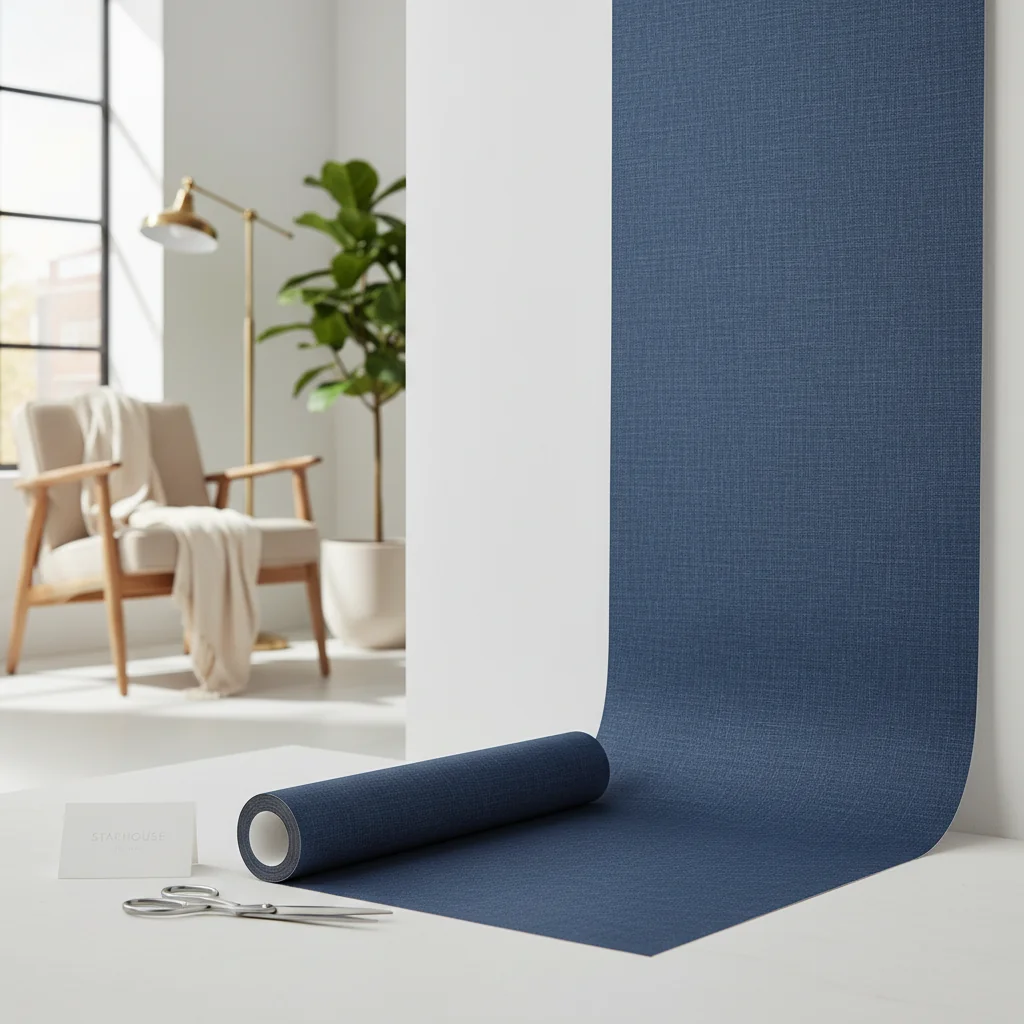
Plain indigo wallpaper is a wallcovering characterized by its deep, rich blue hue, devoid of any discernible patterns, motifs, or prints. This design choice highlights the intrinsic beauty and profound versatility of the indigo color itself, allowing its sophisticated depth to define the space without visual distraction. The term “plain” refers specifically to the absence of repeating designs, emphasizing instead the texture, finish, and the pure, unadulterated color that transforms walls into a serene or dramatic backdrop.
Indigo, a color positioned between blue and violet on the visible light spectrum, is historically significant for its deep, saturated pigment derived from plants like Indigofera tinctoria. In interior design, plain indigo wallpaper leverages this historical resonance and visual richness to create environments that feel both established and contemporary. It is a color that evokes feelings of calm, stability, and elegance, making it a powerful tool for interior designers and homeowners alike.
The appeal of plain indigo lies in its ability to be both a statement and a neutral. Unlike patterned wallpapers that dictate a specific aesthetic, plain indigo provides a flexible foundation. Its depth can recede, allowing other design elements to shine, or it can command attention as a primary feature, depending on the finish and surrounding decor. This adaptability makes it suitable for a wide range of styles, from minimalist and modern to traditional and eclectic.
At Starhouse, we understand that true sophistication often resides in simplicity. Our curated selection of plain indigo wallpapers focuses on exceptional quality, tactile finishes, and precise color saturation. We ensure that each option offers substantial visual impact and a luxurious feel, transforming ordinary walls into extraordinary canvases.
The Anatomy of Indigo: Color Theory and Historical Context
Indigo is more than just a shade of blue; it’s a color with a distinct identity and a storied past. It sits distinctly between blue and violet, often described as a dark, slightly purplish blue. Its depth is unparalleled, capable of appearing almost black in low light, yet revealing its vibrant blue undertones in brighter conditions. This dynamic quality is one of its most compelling attributes in interior design, offering a nuanced visual experience that shifts throughout the day.
Historically, indigo was one of the most prized and expensive dyes in the world. Its production was a complex process, making textiles colored with indigo a symbol of wealth and status across various cultures. From the ancient civilizations of Egypt and India to the vibrant textiles of West Africa and Japan, indigo has woven its way through human history, leaving an indelible mark on art, fashion, and culture. This rich heritage imbues plain indigo wallpaper with a sense of gravitas and timelessness that few other colors can match.
In terms of color psychology, indigo is often associated with wisdom, intuition, and spiritual awareness. It is believed to promote feelings of peace, order, and deep contemplation. This makes it an ideal choice for spaces intended for relaxation, focus, or introspection, such as bedrooms, studies, or reading nooks. Its calming effect can help reduce stress and create a sanctuary-like atmosphere within the home.
Why “Plain” is a Powerful Design Choice
Choosing a plain wallpaper, especially in a color as rich as indigo, is a deliberate design decision that prioritizes subtlety and depth over overt pattern. The absence of a pattern directs attention to the inherent qualities of the wallcovering: its color, its finish, and its texture. This allows the wallpaper to function as a sophisticated background that enhances, rather than competes with, furniture, artwork, and architectural details.
A plain indigo wall provides a solid, uninterrupted block of color that grounds a room. It can make a space feel larger and more cohesive by eliminating visual clutter. This approach is particularly effective in modern and minimalist interiors, where clean lines and a focus on essential elements are paramount. However, its versatility extends to traditional settings as well, where it can provide a contemporary twist to classic furnishings or serve as a dramatic backdrop for antique pieces.
Furthermore, the “plain” aspect allows for greater flexibility in decorating. You can easily introduce patterns through textiles, rugs, and artwork without the risk of an overly busy or clashing aesthetic. This empowers homeowners to evolve their decor over time, swapping out accessories and furniture without needing to re-wallpaper. The enduring nature of plain indigo ensures that it remains a relevant and stylish choice for years to come.
The Enduring Appeal of Indigo in Interior Design
Indigo’s enduring appeal in interior design stems from its unique ability to evoke both tranquility and sophistication, making it a color that consistently transcends fleeting trends. It possesses a profound psychological impact, often associated with depth, wisdom, and calm, contributing to spaces that feel both luxurious and serenely grounded. This duality allows indigo to function as a highly adaptable anchor color that can be dressed up or down, making it a perennial favorite among designers and homeowners seeking a refined yet versatile palette.
The color indigo has a rich history across cultures, symbolizing everything from royalty and wealth to spiritual enlightenment. This deep-seated cultural significance lends an inherent gravitas to its use in interiors. Unlike lighter blues that might feel airy or playful, indigo offers a sense of stability and maturity, fostering an environment of contemplative elegance. It is a color that encourages relaxation and introspection, making it particularly well-suited for private spaces like bedrooms and home offices.
Furthermore, indigo acts as a sophisticated neutral despite its vibrant pigmentation. Its depth allows it to complement a vast array of other colors, from crisp whites and warm grays to vibrant corals, mustard yellows, and rich emerald greens. This makes it an invaluable foundation for complex color schemes, providing a grounding element that prevents a room from feeling chaotic. In a world saturated with ever-changing design fads, indigo offers a refreshing sense of permanence and classic style.
Psychological Impact: Calm, Depth, and Focus
The psychological effects of color are well-documented, and indigo stands out for its unique contribution to emotional well-being. It is widely recognized for its calming properties, often used in spaces dedicated to rest and mental clarity. The deep blue-violet tones are thought to lower heart rate and respiration, promoting a sense of peace and reducing anxiety. This makes plain indigo wallpaper an excellent choice for bedrooms, meditation rooms, or any area where a serene atmosphere is desired.
Beyond tranquility, indigo also fosters a sense of depth and focus. Its rich saturation can create an immersive environment, drawing the eye inward and encouraging concentration. This quality is particularly beneficial in home offices or studies, where mental acuity is paramount. The color provides a stable, non-distracting backdrop that supports intellectual activity without being visually overwhelming. It offers a sophisticated alternative to traditional neutrals, providing more character while maintaining a sense of professionalism.
Moreover, indigo possesses an inherent dignity. It is a color that commands respect and conveys a sense of established taste. This makes it suitable for formal living areas, dining rooms, or entryways where a powerful first impression is desired. The unwavering presence of plain indigo on walls communicates confidence and an appreciation for timeless aesthetics, projecting an image of refined luxury.
Historical Significance and Cultural Resonance
The journey of indigo from ancient dye to modern interior staple is a testament to its enduring allure. For millennia, indigo was one of the most valuable commodities globally, traded across continents and used to color textiles for royalty, religious ceremonies, and everyday wear. The process of extracting and applying indigo dye was often complex and labor-intensive, contributing to its prestige and mystique.
In various cultures, indigo held profound symbolic meaning. In India, it was associated with spirituality and the cosmos. In Japan, it was integral to traditional textiles like kimonos and boro, often symbolizing resilience and rural craftsmanship. In West Africa, indigo-dyed fabrics were used for ceremonial garments and denoted status. This rich tapestry of cultural associations imbues plain indigo wallpaper with a sense of narrative and depth that goes beyond mere aesthetics.
Today, this historical resonance translates into a feeling of authenticity and heritage when indigo is incorporated into home design. It connects modern spaces to a global past, offering a sense of grounding and continuity. When you choose plain indigo wallpaper, you are not merely selecting a color; you are embracing a legacy of craftsmanship, culture, and timeless beauty that enriches the narrative of your home.
Indigo as a Sophisticated Neutral
While indigo is a distinct and vibrant color, its deep saturation allows it to function remarkably well as a sophisticated neutral in interior design. A neutral color is typically defined by its ability to recede, providing a backdrop that allows other elements to stand out, and to pair harmoniously with a wide range of hues without clashing. Indigo fulfills these criteria with an added layer of richness and personality that traditional neutrals like beige or gray sometimes lack.
Its deep tone means it doesn’t demand attention in the same way a bright primary color might. Instead, it offers a calming visual anchor that allows furniture, artwork, and accessories to pop. Imagine a plain indigo wall behind a crisp white sofa, or as a backdrop for a vibrant gallery wall; the indigo enhances these elements without competing. This makes it an ideal choice for creating layered, complex interiors that still feel balanced and cohesive.
Furthermore, indigo’s versatility extends to its ability to complement both warm and cool color palettes. It pairs beautifully with warm metallics like brass and gold, creating a luxurious contrast. It can be softened with creamy whites and natural wood tones for a coastal or Scandinavian feel. For a more dramatic and contemporary look, it harmonizes with charcoal grays, deep greens, and even surprising pops of coral or tangerine. This expansive compatibility firmly establishes plain indigo as a truly sophisticated and adaptable neutral in the designer’s toolkit.
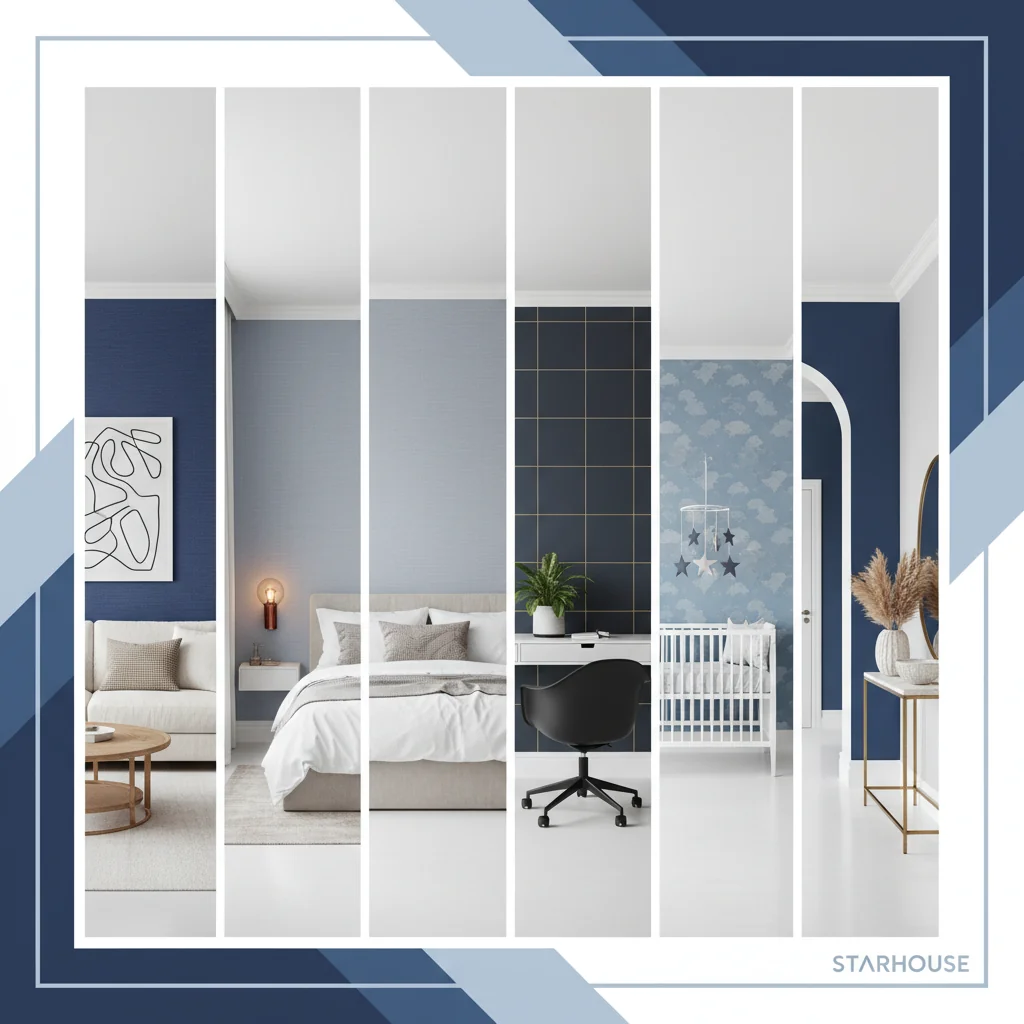
Types of Plain Indigo Wallpaper Materials and Their Characteristics
The choice of material for plain indigo wallpaper profoundly impacts its durability, ease of installation, maintenance requirements, and overall aesthetic in a space. Each material type offers distinct advantages, from the robust washability of vinyl to the breathable simplicity of non-woven, and the traditional elegance of true paper. Understanding these characteristics is crucial for selecting a wallpaper that not only looks beautiful but also performs optimally for its intended application and your lifestyle.
At Starhouse, we curate plain indigo wallpapers across a range of high-quality materials to ensure that every customer finds the perfect balance of form and function. We prioritize materials that offer excellent color retention, tactile finishes, and reliable performance, whether for high-traffic areas or serene private retreats. The material dictates how the indigo hue interacts with light, how textures are perceived, and how long the wallcovering will maintain its pristine appearance.
For instance, a plain indigo vinyl wallpaper offers superior resistance to moisture and wear, making it ideal for bathrooms or kitchens, while a non-woven option provides easier removal for those who anticipate future design changes. A paper-based indigo wallpaper, on the other hand, might offer a more traditional, breathable feel, often with subtle textural variations that enhance the depth of the color. Each material contributes uniquely to the final aesthetic and practical considerations of your indigo-infused space.
Vinyl Wallpaper: Durability, Washability, and Texture Options
Vinyl wallpaper is an exceptionally popular choice due to its outstanding durability, washability, and versatility in replicating various textures. It typically consists of a vinyl layer laminated to a paper or fabric backing. This construction makes it highly resistant to moisture, stains, and general wear and tear, positioning it as an ideal option for high-traffic areas such as hallways, kitchens, bathrooms, and children’s rooms.
- Solid Vinyl: This is the most durable type, featuring a solid sheet of vinyl. It is highly resistant to scratching and scuffing, fully scrubbable, and impervious to moisture. This makes it excellent for demanding environments where longevity and easy cleaning are paramount.
- Fabric-Backed Vinyl (Commercial Grade): Often used in commercial settings but available for residential use, this type features a woven fabric backing for added strength and dimensional stability. It is extremely tough, highly durable, and often comes in wider rolls, making it suitable for large areas or spaces requiring maximum resilience.
- Paper-Backed Vinyl: A thinner vinyl layer is bonded to a paper backing. While still more durable and washable than pure paper, it offers a slightly softer feel than solid vinyl. It provides a good balance of durability and aesthetic appeal for general residential use.
Plain indigo vinyl wallpapers can be manufactured with a wide array of finishes and textures, from smooth matte or subtle sheen to embossed patterns mimicking linen, grasscloth, or even concrete. These textures add significant visual interest and depth to the plain indigo color, allowing for sophisticated layering without introducing patterns. The vinyl surface also provides excellent colorfastness, ensuring the deep indigo hue remains vibrant over time, even with regular cleaning.
Non-Woven Wallpaper: Ease of Installation and Removal, Breathability
Non-woven wallpaper is a modern innovation celebrated for its exceptional ease of installation and removal, making it a favorite for DIY enthusiasts and those who anticipate redecorating. This material is made from a blend of natural and synthetic fibers, similar to a tea bag, which gives it superior tear resistance when wet and makes it dimensionally stable. This means it won’t expand when wet or shrink when dry, leading to seamless installations.
- Paste-the-Wall Application: A key advantage of non-woven wallpaper is its “paste-the-wall” application method. Instead of applying paste to the back of the wallpaper, you apply it directly to the wall. This simplifies the process, reduces mess, and makes hanging much faster and more forgiving, as you can easily slide the paper into position.
- Easy Removal: When it’s time for a change, non-woven wallpaper peels off the wall in full sheets, often without damaging the underlying surface. This “strippable” quality saves significant time and effort compared to traditional paper wallpapers that often require steaming and scraping.
- Breathability: Non-woven materials are breathable, which helps prevent moisture buildup between the wall and the paper. This characteristic can be beneficial in preventing mold and mildew growth, especially in moderately humid environments, though it is not as moisture-resistant as vinyl.
Plain indigo non-woven wallpaper offers a smooth, refined finish or subtle textures, allowing the depth of the indigo color to take center stage. Its inherent stability ensures a crisp, clean look, and its ease of use makes it highly attractive for homeowners seeking a professional finish without the complexities of traditional hanging techniques. It provides a beautiful and practical solution for almost any room in the house, offering both aesthetic appeal and functional benefits.
Paper Wallpaper: Traditional Elegance, Eco-Friendly Options, and Texture
Traditional paper wallpaper has been a staple in interior design for centuries, offering a classic elegance and a vast array of aesthetic possibilities. Made primarily from wood pulp, paper wallpapers are prized for their authentic feel, ability to take on intricate textures, and, in some cases, eco-friendly attributes. While generally less durable and washable than vinyl or non-woven options, modern manufacturing techniques have improved their resilience.
- Breathable and Eco-Friendly: Pure paper wallpapers are naturally breathable, which can be beneficial in older homes or areas where air circulation behind wallcoverings is a concern. Many contemporary paper wallpapers are also produced using sustainable forestry practices and water-based inks, making them a more environmentally conscious choice.
- Rich Textural Qualities: Paper is highly adaptable to various printing and embossing techniques, allowing for subtle textures that enhance the depth of plain indigo. These can include fine linen weaves, subtle crosshatch patterns, or a slightly fibrous feel that adds warmth and character. The way light plays across these textures can significantly alter the perception of the indigo hue throughout the day.
- Traditional Aesthetic: For those seeking a classic or heritage look, plain indigo paper wallpaper offers an authentic feel that complements traditional furnishings and architectural styles. It provides a soft, matte finish that absorbs light beautifully, creating a cozy and enveloping atmosphere.
Installation of paper wallpaper typically involves applying paste to the back of the paper and “booking” it (folding it onto itself to allow the paste to soak in) before hanging. While this process requires a bit more care and experience than non-woven, the result is a beautifully finished wall with a depth of color and texture that is uniquely characteristic of paper. While not suitable for high-moisture areas like shower walls, it is an excellent choice for living rooms, dining rooms, and bedrooms where a refined, classic look is desired.
Peel-and-Stick (Removable) Wallpaper: DIY-Friendly and Temporary Solutions
Peel-and-stick wallpaper, also known as removable wallpaper, has revolutionized DIY interior design by offering an incredibly user-friendly and commitment-free way to transform spaces. This material is essentially a self-adhesive vinyl or non-woven product, eliminating the need for messy glues or pastes. It is particularly popular for renters, temporary installations, accent walls, or for those who enjoy frequently updating their decor.
- Self-Adhesive Backing: The primary feature of peel-and-stick wallpaper is its pre-applied adhesive backing. You simply peel off the liner to expose the adhesive and press the wallpaper onto the wall. This makes installation significantly faster and cleaner than traditional methods.
- Easy Removal and Repositioning: Most peel-and-stick wallpapers are designed to be easily removed without damaging the wall surface or leaving sticky residue. Many can even be repositioned during installation, allowing for adjustments and corrections, which is highly beneficial for beginners. This quality makes it ideal for apartments, dorm rooms, or nurseries where decor changes as rapidly as life does.
- Versatile Application: While primarily for walls, peel-and-stick plain indigo can also be used to update furniture, line shelves, cover cabinet doors, or create custom art pieces, offering a flexible design solution beyond traditional wallcovering.
Plain indigo peel-and-stick wallpaper provides the same rich color depth as its traditional counterparts but with unparalleled convenience. It comes in various finishes, from smooth matte to subtle textures, enabling you to achieve a sophisticated look with minimal effort. While generally less robust than permanent vinyl options, its ease of use and temporary nature make it an indispensable tool for quick, stylish updates and experimentation with color in your home.
| Material Type | Durability & Washability | Best Use Case | Texture/Finish Options | Approx. Cost Range (per single roll, USD) | Installation/Removal Ease |
|---|---|---|---|---|---|
| Vinyl (Solid/Fabric-backed) | Excellent (highly durable, scrubbable, moisture-resistant) | High-traffic areas, bathrooms, kitchens, commercial spaces | Wide range (smooth, embossed, faux textures like linen, grasscloth) | $40 – $120+ | Medium (paste-the-paper), Removal Varies (strippable to peelable) |
| Non-Woven | Very Good (tear-resistant, wipeable, breathable) | Living rooms, bedrooms, dining rooms, general residential | Smooth matte, subtle woven, fine textures | $30 – $90 | Easy (paste-the-wall, strippable removal) |
| Paper | Good (delicate, wipeable, breathable) | Low-traffic areas, bedrooms, formal living/dining rooms | Matte, subtle fibrous, embossed, traditional textures | $25 – $75 | Medium (paste-the-paper), Removal Difficult (requires soaking/steaming) |
| Peel-and-Stick (Removable) | Moderate (wipeable, temporary, less durable than permanent vinyl) | Rentals, accent walls, furniture updates, temporary decor | Smooth matte, subtle textures, slight sheen | $20 – $60 | Very Easy (self-adhesive, fully removable/repositionable) |
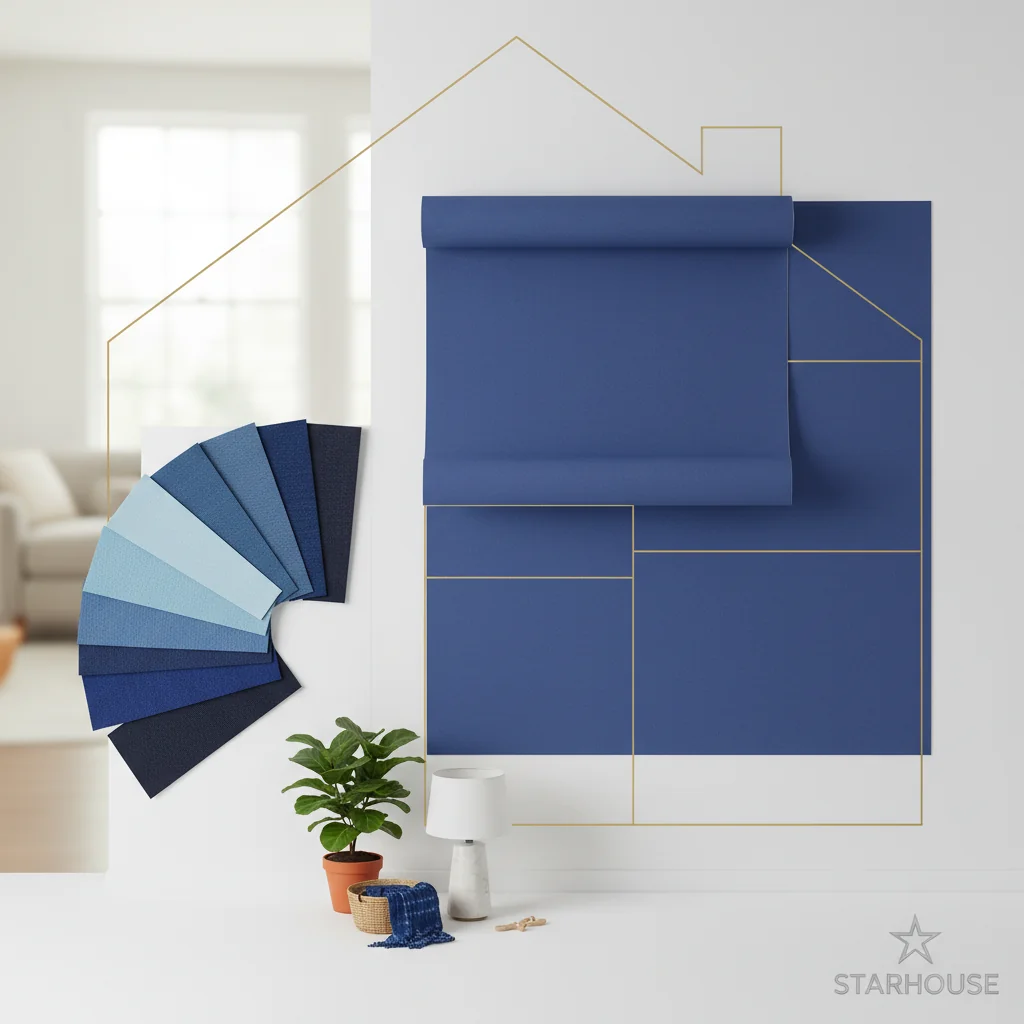
Understanding Finishes and Textures in Plain Indigo Wallpaper
The finish and texture of plain indigo wallpaper are pivotal in defining its visual impact and how light interacts with the deep hue, often more so than with patterned wallpapers. These elements dictate whether the indigo appears flat and modern, soft and inviting, or subtly luxurious, significantly influencing the overall ambiance of a room. A truly “plain” indigo is never entirely flat; its surface quality provides the nuanced interest that elevates the color from simple to sophisticated.
At Starhouse, we meticulously select plain indigo wallpapers that showcase a diverse array of finishes and textures, understanding that these subtle distinctions create profound differences in a space. From the crisp precision of a smooth matte finish to the tactile warmth of a faux linen, each option is chosen for its ability to enhance the inherent beauty and depth of the indigo color. These textural variations contribute to the character of the wall, preventing the solid color from feeling monolithic or uninteresting.
For example, a plain indigo with a smooth, matte finish will absorb light, creating a deep, enveloping effect that feels contemporary and understated. Conversely, an indigo wallpaper with a subtle woven texture will catch and reflect light in varying degrees, adding a dynamic layer of visual interest and a sense of handcrafted quality. Understanding these differences is essential for choosing the plain indigo wallpaper that perfectly aligns with your desired aesthetic and the specific lighting conditions of your room.
Smooth Matte: Refined, Contemporary, and Light-Absorbing
A smooth matte finish on plain indigo wallpaper provides a refined and distinctly contemporary aesthetic by absorbing light rather than reflecting it. This quality results in a deep, consistent color saturation that creates an enveloping and sophisticated atmosphere. The absence of sheen emphasizes the pure hue of the indigo, making it feel grounded and substantial.
The benefits of a smooth matte finish include:
- Reduced Glare: Matte surfaces minimize reflections, which is particularly advantageous in rooms with abundant natural light or direct artificial lighting. This ensures the indigo color remains true and uninterrupted by bright spots.
- Deep Color Saturation: By absorbing light, matte indigo appears incredibly rich and deep, creating a dramatic and luxurious backdrop. It can make a room feel cozier and more intimate.
- Contemporary Appeal: This finish aligns perfectly with modern, minimalist, and Scandinavian design aesthetics, where clean lines and understated elegance are prized. It allows the furniture and artwork to stand out against a sophisticated, non-distracting background.
- Conceals Imperfections: Matte finishes are generally more forgiving of minor wall imperfections compared to glossy surfaces, which tend to highlight every bump and divot.
Plain indigo wallpaper with a smooth matte finish is an excellent choice for creating a serene bedroom, a sophisticated living room, or a focused home office. It provides a quiet confidence, allowing the inherent beauty of the indigo to speak for itself without any visual fanfare.
Subtle Textures: Linen, Grasscloth Imitation, Woven – Added Depth and Warmth
Subtle textures introduce a tactile and visual dimension to plain indigo wallpaper, adding warmth, complexity, and a handcrafted feel without resorting to patterns. These textures catch light in varying ways, creating a dynamic surface that prevents the solid color from appearing flat. Common subtle textures include faux linen, grasscloth imitations, and various woven effects.
The advantages of textured plain indigo wallpaper are:
- Enhanced Depth: Textures create shadows and highlights, giving the indigo a three-dimensional quality. This depth adds visual interest and sophistication, making the wall feel more substantial and luxurious.
- Tactile Appeal: These wallpapers invite touch, adding a sensory layer to the design. A faux linen texture, for instance, can mimic the soft, natural feel of fabric, contributing to a cozy and inviting atmosphere.
- Organic and Natural Feel: Textures like grasscloth imitations bring an element of nature indoors, aligning with biophilic design principles. This can soften the modern edge of a deep indigo, making it feel more approachable and warm.
- Adds Character: Subtle textures can infuse a room with personality and a sense of curated design. They provide a sophisticated alternative to patterned wallpaper for those who prefer a more understated yet rich aesthetic.
- Hides Imperfections: Like matte finishes, textured wallpapers are highly effective at disguising minor wall imperfections, as the varied surface distracts the eye from small bumps or unevenness.
Plain indigo wallpaper with subtle textures is ideal for living rooms, dining rooms, or hallways where you want to add warmth and a touch of bespoke elegance. It pairs beautifully with natural materials like wood, rattan, and ceramics, creating a harmonious and layered interior.
Metallic/Iridescent: Subtle Shimmer and Luxurious Accents
Plain indigo wallpaper with a metallic or iridescent finish introduces a captivating shimmer and a touch of understated luxury to a space. These finishes incorporate fine metallic pigments or pearlescent particles into the wallpaper surface, allowing it to subtly reflect light and shift in appearance depending on the viewing angle and lighting conditions. The effect is not overtly shiny but rather a sophisticated gleam that adds depth and glamour.
Key characteristics of metallic/iridescent indigo wallpaper include:
- Dynamic Light Play: The metallic elements catch and refract light, creating a subtle luminosity that can make the indigo appear lighter or darker, or even slightly change its hue, throughout the day. This dynamic quality adds an element of intrigue to the walls.
- Luxurious Aesthetic: A metallic sheen instantly elevates the perceived value and sophistication of a room. It pairs exceptionally well with polished furniture, crystal accents, and other luxurious materials, creating an opulent yet tasteful environment.
- Depth and Dimension: The reflective qualities add another layer of depth to the plain indigo, preventing it from feeling flat. It creates a subtle visual texture that is both modern and elegant.
- Enhances Lighting: In rooms with limited natural light, an iridescent indigo can help to subtly brighten the space by reflecting available light, making it feel more expansive and inviting.
- Statement-Making: While still “plain” in terms of pattern, a metallic indigo makes a definite statement. It’s an excellent choice for an accent wall, a dramatic powder room, or a sophisticated dining area.
When incorporating metallic or iridescent plain indigo wallpaper, consider the overall lighting scheme and how it will interact with the finish. It is particularly striking when combined with warm metallics like brass or gold in fixtures and decor, creating a cohesive and highly polished look.
Embossed: Tactile Quality and Traditional Depth
Embossed plain indigo wallpaper features a raised, three-dimensional pattern or texture pressed into the surface, offering a distinct tactile quality and traditional depth. Unlike printed patterns, the design here is felt as much as it is seen, creating a sophisticated play of light and shadow that enhances the indigo hue. This technique can mimic architectural details, fabric weaves, or subtle geometric motifs, all within the context of a solid color.
The benefits of embossed plain indigo include:
- Rich Dimensionality: The raised surfaces create genuine depth, adding a sculptural quality to the walls. This makes the indigo feel more substantial and luxurious, preventing it from appearing flat.
- Sophisticated Visual Interest: Without introducing patterns, embossing provides intricate visual interest. The interplay of light and shadow on the raised areas adds subtle movement and complexity to the color.
- Traditional Elegance: Embossed wallpapers often evoke a classic, heritage feel, making them perfect for traditional or transitional interiors. They can mimic plasterwork, anaglypta designs, or elaborate fabric textures, adding a sense of history and craftsmanship.
- Improved Durability: The raised texture can sometimes offer a degree of protection against minor scuffs and marks, as the impact is absorbed by the texture rather than directly affecting the flat surface.
- Conceals Wall Imperfections: The three-dimensional nature of embossed wallpaper is highly effective at masking minor imperfections, unevenness, or small cracks on the wall surface, providing a smooth-looking finish.
Plain indigo embossed wallpaper is an excellent choice for creating a grand entryway, a formal dining room, or a bedroom with a touch of classic luxury. It pairs beautifully with ornate furniture, rich textiles, and layered lighting, creating an environment that feels deeply curated and opulent.
Considerations for Light Reflection
The way light reflects off or is absorbed by plain indigo wallpaper is a critical factor in how the color is perceived and how the room feels. Different finishes and textures have distinct interactions with both natural and artificial light sources, influencing the overall mood and apparent size of a space.
- Matte Finishes: These absorb light, resulting in a deeper, more saturated indigo. In brightly lit rooms, a matte finish helps prevent glare and maintains color consistency. In dimly lit rooms, it can create a very intimate, almost moody atmosphere, making the indigo appear richer and darker.
- Textured Finishes (e.g., woven, embossed): These finishes create a play of light and shadow. The raised parts catch light, appearing slightly lighter, while the recessed areas fall into shadow, appearing darker. This dynamic interaction adds depth and visual movement, preventing the plain color from feeling monotonous. The texture itself can soften the overall effect of the indigo.
- Metallic/Iridescent Finishes: These actively reflect light, adding a subtle sheen or shimmer. In well-lit spaces, they can enhance the luminosity of the indigo, making the room feel more expansive and glamorous. In darker rooms, they can introduce a subtle glow, preventing the space from feeling too heavy, while still maintaining the deep color.
- Room Orientation and Window Size: North-facing rooms receive cooler, indirect light, which can intensify the blue undertones of indigo. South-facing rooms receive warmer, direct light, which might bring out subtle purple or gray undertones. Consider how your chosen finish will respond to these variations.
- Artificial Lighting: The color temperature of your light bulbs (warm white, cool white, daylight) will also impact the perceived indigo hue. Warm lighting (2700K-3000K) can make indigo feel cozier and bring out its warmer undertones, while cooler lighting (4000K+) can make it appear crisper and more purely blue.
By carefully considering how your chosen plain indigo wallpaper’s finish and texture will interact with the specific lighting conditions of your room, you can ensure a cohesive and visually stunning result that maximizes the beauty and impact of this profound color.
How to Choose the Right Plain Indigo Wallpaper for Your Space
Choosing the right plain indigo wallpaper involves a thoughtful assessment of your room’s specific characteristics, including its function, natural and artificial lighting, overall size, and your existing decor. This comprehensive approach ensures that the deep, sophisticated hue of indigo enhances the space harmoniously, rather than overwhelming it. The goal is to select a wallpaper that complements your lifestyle and aesthetic preferences while addressing the practical considerations of the room.
At Starhouse, we guide our customers through this selection process by emphasizing the importance of samples and visualizing the wallpaper in context. We recommend considering how the indigo will interact with different light sources throughout the day, how its finish and texture will contribute to the room’s mood, and how it will integrate with your furniture, textiles, and art. A plain indigo wallpaper is a significant design commitment, and a considered choice will yield lasting satisfaction.
For example, a small powder room might benefit from a dramatic, deep indigo with a subtle metallic sheen to create a jewel-box effect, while a large, sun-drenched living room might call for a lighter indigo with a matte, textured finish to provide warmth and absorb excess light. Each decision builds upon the next, culminating in a cohesive and personalized design scheme that leverages the full potential of plain indigo.
Room Function: Bedroom, Living Room, Bathroom, Home Office
The intended function of a room is a primary determinant when selecting plain indigo wallpaper, as different activities and moods call for varying levels of saturation, finish, and durability. Understanding how a room is used helps in choosing an indigo that supports its purpose.
- Bedroom: For a serene retreat, a plain indigo with a matte or subtle texture is ideal. This creates a calming, enveloping atmosphere conducive to rest and relaxation. Lighter shades of indigo or those with a soft, natural texture can promote tranquility, while deeper, matte indigos can create a cozy, luxurious sanctuary. Consider a non-woven material for breathability and ease of future changes.
- Living Room: As a central gathering space, the living room can handle a more dramatic or sophisticated indigo. A deep, rich indigo with a subtle sheen or an embossed texture can serve as a powerful anchor, exuding elegance and warmth. It provides an excellent backdrop for art and diverse furniture styles. Vinyl or non-woven options are suitable here for durability and ease of maintenance.
- Bathroom/Powder Room: These spaces offer an opportunity for bold design. A plain indigo with a high-durability vinyl material is crucial due to moisture exposure. A deep, glossy, or metallic indigo can create a striking, jewel-box effect in a powder room, adding drama and luxury. In a larger bathroom, a textured vinyl indigo can provide a sophisticated, spa-like ambiance.
- Home Office/Study: Indigo is associated with focus and wisdom, making it an excellent choice for a workspace. A smooth, matte indigo can promote concentration and a sense of calm order. A subtly textured indigo can add warmth and sophistication without distraction. Non-woven or paper options are typically suitable, provided they offer sufficient durability for the space.
- Dining Room: For an elegant backdrop to entertaining, a plain indigo with a luxurious finish is appropriate. Consider an embossed or subtly metallic indigo to add grandeur and sophistication. This creates a dramatic and inviting atmosphere, especially when paired with warm lighting and metallic accents.
By aligning the wallpaper choice with the room’s function, you ensure that the indigo not only looks good but also contributes positively to the room’s intended use and the experience of those within it.
Lighting: Natural vs. Artificial, Light Absorption
The interplay of light with plain indigo wallpaper is critical, as indigo’s depth can appear significantly different under various lighting conditions. Understanding your room’s light sources and how they interact with different finishes is essential for achieving the desired effect.
- Natural Light:
- Abundant Natural Light: In rooms with large windows or south-facing exposure, indigo will appear brighter and more vibrant. A matte or subtly textured indigo can help absorb some of this light, preventing glare and creating a softer, more inviting atmosphere. A deeper indigo can still feel expansive in such a room.
- Limited Natural Light: In north-facing rooms or those with small windows, indigo will appear darker and more intense. While a deep indigo can create a cozy, intimate mood, a very dark, matte finish might make a small, dimly lit room feel smaller or too heavy. Consider an indigo with a slight sheen or metallic element to reflect some light and prevent the space from feeling too enclosed.
- Artificial Lighting:
- Warm Lighting (2700K-3000K): Incandescent or warm LED lights will bring out the warmer, possibly purplish undertones in indigo, making the room feel cozier and more inviting. This pairing is excellent for bedrooms and living rooms.
- Cool/Daylight Lighting (4000K-5000K+): Cooler LED or fluorescent lights will emphasize the blue aspects of indigo, making it appear crisper and potentially more vibrant. This can be effective in modern spaces or home offices where clarity is desired.
- Layered Lighting: Implement a mix of ambient, task, and accent lighting. Uplights or spotlights can highlight the texture or sheen of plain indigo wallpaper, creating dramatic effects and adding depth.
- Light Absorption:
- Matte and Textured Finishes: These absorb more light, resulting in a deeper, more saturated color. They are excellent for creating a grounded, sophisticated look but can make a room feel smaller if not balanced with other bright elements.
- Glossy, Sheen, and Metallic Finishes: These reflect light, making the indigo appear brighter and potentially expanding the perception of the space. They add a touch of glamour and can prevent a deep color from feeling too heavy in smaller or darker rooms.
Always view wallpaper samples in your room at different times of day and under both natural and artificial light to accurately assess how the plain indigo will behave in your specific environment.
Room Size: Darker Shades in Smaller Rooms vs. Larger Rooms
The size of a room plays a significant role in how plain indigo wallpaper is perceived, influencing whether it creates a dramatic statement, an expansive feel, or a cozy retreat. The common misconception that dark colors always make a room feel smaller is not entirely accurate; it’s about strategic application and balancing elements.
- Smaller Rooms (e.g., powder rooms, entryways, accent walls):
- Bold Statement: In small spaces like a powder room or a compact entryway, a deep, rich plain indigo can create an incredibly dramatic and luxurious “jewel box” effect. Rather than making the room feel small, it can envelop the space, making it feel intentionally designed and intimate.
- Maximizing Depth: Using a dark, seamless color on all walls can sometimes blur the boundaries of a small room, ironically making it feel larger by removing visual interruptions. A matte or subtly textured indigo can achieve this effect.
- Reflective Finishes: If you want to prevent a small room from feeling too heavy, opt for an indigo with a slight sheen or metallic finish. These reflective surfaces will bounce light around, adding a sense of spaciousness and glamour.
- Larger Rooms (e.g., living rooms, master bedrooms, open-plan spaces):
- Enveloping Sophistication: In larger rooms, plain indigo wallpaper can create a powerful sense of sophistication and envelopment. A deep, matte indigo on all walls can make a vast room feel cozier and more inviting, providing a strong visual anchor.
- Defining Zones: In open-plan living, plain indigo can be used on a single wall or within a specific zone (e.g., a dining nook within a larger living area) to define that space without needing physical dividers.
- Balance with Light Elements: In larger rooms, plain indigo provides an excellent backdrop for lighter furniture, rugs, and artwork. This contrast prevents the room from feeling too dark or heavy, maintaining balance and visual interest.
- Textural Emphasis: Large expanses of plain indigo are an ideal canvas for showcasing subtle textures. A faux linen or woven indigo can add significant depth and warmth without overwhelming the space.
Ultimately, the impact of plain indigo in any room size depends on the chosen shade, finish, and how it is integrated with other design elements. A well-considered approach can transform any room, regardless of its dimensions.
Existing Décor & Color Palette: Complementary Colors, Warm vs. Cool Tones
Integrating plain indigo wallpaper successfully requires careful consideration of your existing decor and color palette. Indigo is remarkably versatile, but understanding how it interacts with other hues and design elements is crucial for a cohesive and harmonious interior.
- Complementary Colors:
- White/Cream: A classic and crisp pairing. White trim, ceilings, and furniture against plain indigo walls create a clean, nautical, or modern farmhouse aesthetic. Creams soften the contrast, offering a warmer, more traditional feel.
- Gray/Silver: For a contemporary and sophisticated look, indigo pairs beautifully with cool grays and silver accents. This combination is sleek and urban, often seen in minimalist or industrial-inspired designs.
- Gold/Brass: Warm metallics create a luxurious and elegant contrast with indigo. Gold picture frames, brass light fixtures, or gilded furniture legs pop against the deep blue, adding richness and warmth.
- Green (Emerald, Sage, Olive): Nature-inspired pairings are stunning. Emerald green offers a jewel-toned richness, while sage or olive green can provide a softer, organic contrast, creating a calming, biophilic environment.
- Coral/Orange/Yellow: For a bold and energetic contrast, introduce pops of warm colors. A vibrant coral throw pillow or a sunny yellow accent chair can infuse life and personality into an indigo room, creating a dynamic visual tension.
- Wood Tones: Natural wood, from light oak to dark walnut, always pairs well with indigo. Lighter woods provide a Scandinavian or coastal feel, while darker woods enhance the sophistication and traditional appeal.
- Warm vs. Cool Tones:
- Cool-Toned Indigo: Some indigo shades lean more towards a pure blue or even a slightly grayish-blue. These pair best with other cool tones (e.g., cool grays, crisp whites, silver, cool greens) for a cohesive and serene palette.
- Warm-Toned Indigo: Other indigo shades have a subtle purple or violet undertone, making them feel slightly warmer. These can be beautifully complemented by warm neutrals (e.g., cream, beige), warm woods, and warm metals (e.g., brass, gold), creating a rich and inviting atmosphere.
- Existing Furniture & Art:
- Consider the upholstery colors, wood finishes, and metal accents of your furniture. Plain indigo can serve as a unifying backdrop that allows these pieces to stand out.
- For artwork, plain indigo walls provide a gallery-like setting. Lighter artwork will pop, while darker pieces can blend subtly for a moody effect.
By carefully assessing your existing elements, you can select a plain indigo wallpaper that not only looks stunning on its own but also elevates and harmonizes with the entire room’s design.
Lifestyle Considerations: Durability and Maintenance
Your lifestyle profoundly influences the practical aspects of wallpaper selection, particularly regarding durability and maintenance. A beautiful plain indigo wallpaper must also be functional and resilient enough to withstand the demands of daily life in your home.
- High-Traffic Areas: For entryways, hallways, and family rooms, opt for highly durable materials. Vinyl wallpaper, especially solid or fabric-backed varieties, offers superior resistance to scuffs, impacts, and moisture. These are typically scrubbable, meaning they can withstand vigorous cleaning with soap and water without damage.
- Kitchens and Bathrooms: In moisture-prone environments, waterproof or highly water-resistant options are essential. Solid vinyl wallpaper is the best choice here, as it prevents moisture from penetrating to the wall and is fully washable, making it easy to clean splashes and humidity residue.
- Children’s Rooms and Play Areas: Durability and easy cleaning are paramount. Vinyl wallpapers are ideal for resisting crayon marks, smudges, and general wear. Look for “washable” or “scrubbable” classifications. Peel-and-stick options can also be a good temporary solution for quickly changing tastes.
- Pets: If you have pets, consider that their oils or fur might rub against walls. Durable, washable wallpapers are easier to keep clean. Textures can sometimes disguise minor marks better than perfectly smooth surfaces.
- Low-Traffic Areas: For bedrooms, formal dining rooms, or home offices where wear and tear are minimal, you have more flexibility. Non-woven or even traditional paper wallpapers can be suitable, offering breathability and a classic aesthetic. These are generally “wipeable” rather than “scrubbable,” meaning they can be gently cleaned with a damp cloth.
- Maintenance Routine: Consider how much time you’re willing to dedicate to cleaning. Highly washable vinyl requires minimal effort, while delicate paper wallpapers might require more careful, spot-cleaning approaches.
- Longevity vs. Change: If you love to redecorate frequently, a strippable non-woven or removable peel-and-stick indigo wallpaper offers easy removal and less commitment. If you desire a long-term solution, a robust vinyl or high-quality non-woven will provide years of beauty.
By prioritizing durability and ease of maintenance based on your household’s activity level, you ensure your plain indigo wallpaper remains a source of beauty and pride for its entire lifespan.
Personal Style: Minimalist, Traditional, Coastal, Eclectic
Plain indigo wallpaper is remarkably adaptable to various personal styles, serving as a foundational element that can be tailored to specific aesthetic preferences. Its versatility ensures it can complement and enhance a wide range of design narratives.
- Minimalist: For a minimalist aesthetic, a smooth, matte plain indigo wallpaper is an impeccable choice. It provides a clean, uncluttered backdrop that emphasizes simplicity, functionality, and open space. Pair it with sparse, thoughtfully chosen furniture, crisp white accents, and natural wood tones to achieve a serene and sophisticated look. The indigo itself becomes the statement, without distracting patterns.
- Traditional: In traditional settings, plain indigo can evoke a sense of heritage and timeless elegance. Opt for an indigo with a subtle texture, such as a faux linen or an embossed pattern, to add depth and classic appeal. Pair it with antique furniture, rich textiles like velvet or silk, ornate gold or brass accents, and classic artwork. The indigo provides a rich, dignified backdrop that enhances traditional craftsmanship.
- Coastal/Nautical: Plain indigo is a natural fit for coastal or nautical themes, echoing the deep blues of the ocean. Choose a slightly lighter indigo or one with a natural, woven texture. Combine it with crisp whites, natural fibers like jute and rattan, weathered wood furniture, and shell or rope accents. The indigo creates a calming, beach-house vibe that feels both fresh and sophisticated.
- Eclectic: For an eclectic style, plain indigo wallpaper serves as a grounding force that allows diverse elements to coexist harmoniously. Its deep, consistent color provides a cohesive backdrop against which varied patterns, textures, and furniture styles can be layered. Pair it with global-inspired textiles, vintage finds, bold artwork, and a mix of materials to create a unique and personalized space. The indigo prevents the room from feeling chaotic by providing a sophisticated anchor.
- Modern Industrial: A deep, matte plain indigo can provide a striking contrast to raw materials typical of industrial design. Pair it with exposed brick, concrete elements, black metal accents, and reclaimed wood. The indigo adds a touch of sophistication and warmth to an otherwise stark aesthetic.
- Bohemian: While often associated with patterns, a plain indigo can serve as a calming backdrop for bohemian maximalism. Layer it with vibrant textiles, natural plants, handcrafted decor, and a mix of cultural influences. The indigo grounds the vibrant chaos, allowing the textures and colors to pop.
By understanding how plain indigo wallpaper interacts with different stylistic elements, you can confidently select an option that perfectly expresses your unique personal taste and vision for your home.
Accurate Sizing and Measuring for Plain Indigo Wallpaper Installation
Accurate sizing and meticulous measuring are the foundational steps for a successful and aesthetically pleasing plain indigo wallpaper installation, preventing costly errors and ensuring a seamless finish. Precise measurements ensure you purchase the correct number of rolls, minimize waste, and avoid unsightly seams or mismatched edges. While plain wallpaper eliminates pattern matching complexities, accurate wall dimensions remain critical for proper coverage and a professional result.
At Starhouse, we emphasize the importance of thorough preparation, starting with precise measurements. Underestimating the required quantity or miscalculating wall dimensions can lead to delays, additional expenses, and a less-than-perfect outcome. A few extra minutes spent measuring carefully will save significant time and frustration during the installation process, ensuring your plain indigo walls achieve their desired sophisticated effect.
For example, failing to account for all wall sections, including those above and below windows, can result in being short on material. Similarly, neglecting to add an appropriate waste allowance for trimming can leave you scrambling for an extra roll mid-project. A methodical approach to measuring is non-negotiable for achieving a flawless, professional-grade plain indigo wallpaper installation.
Tools Needed for Accurate Measurement
Before you begin measuring, gather the right tools to ensure accuracy and efficiency:
- Steel Tape Measure: A retractable steel tape measure, at least 25 feet long (7.6 meters), is essential. Steel tapes offer greater rigidity and accuracy over fabric ones, especially for long vertical measurements.
- Pencil: For marking measurements directly on the wall or on your sketch.
- Notebook or Graph Paper: To sketch your room layout and record all dimensions clearly. Graph paper can be helpful for drawing to scale.
- Step Ladder or Step Stool: To reach the top of your walls safely and accurately.
- Calculator: For performing calculations to determine the number of rolls needed.
- Laser Level (Optional but Recommended): A laser level can project a straight line, which is useful for checking the plumb of your walls and ensuring your measurements for vertical drops are consistent.
Having these tools readily available will streamline the measuring process and contribute significantly to the overall accuracy of your calculations.
Step-by-Step Measuring Guide: Walls, Doors, and Windows
Follow these steps to accurately measure your room for plain indigo wallpaper:
- Sketch Your Room: Draw a simple diagram of the room, indicating all walls, windows, and doors. Label each wall (e.g., Wall A, Wall B). This visual aid will help you organize your measurements.
- Measure Wall Height: For each wall, measure the height from the top of the baseboard to the ceiling. Take at least three measurements across the width of each wall (left, center, right), as walls can vary slightly in height. Use the tallest measurement for your calculations for that wall section to ensure you have enough length for each strip. Record these heights on your sketch.
- Measure Wall Width: Measure the width of each wall section. For walls that are uninterrupted by doors or windows, measure the full width. For walls with openings, measure the width of each continuous wall section (e.g., the wall section to the left of a window, the section between two windows, the section above a door frame). Record these widths.
- Measure Doors and Windows:
- Doors: Measure the height and width of the door frame itself, not just the opening. You will subtract these areas from your total wall area, but you still need to ensure you have enough paper to cut around the frame.
- Windows: Measure the height and width of the window frame, including any casing or trim. Again, you will subtract this area.
- Calculate Total Wall Area (Gross Area): Multiply the total height of your walls by the total perimeter of the room (sum of all wall widths). This gives you the gross square footage. For example, if walls are 8 feet high and the room perimeter is 40 feet, the gross area is 320 sq ft.
- Calculate Area of Openings (Net Area): Multiply the height by the width for each door and window. Sum these areas to get the total square footage of openings.
- Calculate Wallpaperable Area: Subtract the total area of openings from the gross wall area. This provides a more accurate estimate of the actual surface you need to cover. However, for plain wallpaper, it’s often simpler and safer to calculate based on strips.
Always double-check your measurements. Even a small error can lead to significant problems during installation.
Calculating Rolls Needed (Plain Wallpaper – Simpler Than Patterns)
Calculating the number of rolls for plain indigo wallpaper is simpler than for patterned wallpaper because you don’t need to account for pattern repeat. However, you still need to consider roll dimensions and waste allowance.
- Determine Roll Dimensions: Standard wallpaper rolls in the U.S. typically come in two main sizes:
- Single Roll: Approximately 20.5 inches wide by 33 feet long (56 sq ft).
- Double Roll: Approximately 20.5 inches wide by 66 feet long (112 sq ft).
Always check the specific dimensions of the wallpaper you are purchasing, as these can vary slightly by manufacturer.
- Calculate Number of Strips per Roll:
- Divide the length of one roll by your wall height (using the tallest measurement from step 2 above). For example, if your roll is 33 feet long (396 inches) and your wall height is 8 feet (96 inches), you get 396 / 96 = 4.125. This means you can get 4 full drops (strips) from one single roll.
- Calculate Total Number of Strips Needed:
- Divide the total perimeter of your room (in inches) by the width of one wallpaper strip (usually 20.5 inches). For example, if your room perimeter is 40 feet (480 inches), then 480 / 20.5 = 23.4. You will need 24 full strips to cover the room.
- Important Note for Doors/Windows: While you subtract the area of doors and windows for total square footage, it’s safer to calculate the number of strips as if the walls were solid. You’ll cut around these openings, and the excess pieces can be used for smaller sections above or below windows, or for patching.
- Calculate Total Rolls:
- Divide the total number of strips needed by the number of strips you can get from one roll. Using the examples above: 24 strips needed / 4 strips per roll = 6 rolls.
- Add Waste Allowance: Always add an extra 10-15% for trimming, mistakes, or future repairs. For plain wallpaper, 10% is usually sufficient. In our example, 6 rolls * 1.10 = 6.6 rolls. Always round up to the nearest whole roll, so you would purchase 7 rolls.
When ordering, ensure all rolls come from the same dye lot (batch number) to guarantee consistent color. This is critical even for plain wallpaper, as subtle variations can occur between manufacturing batches.
Adding Waste Allowance (10-15%)
Adding a waste allowance of 10-15% to your wallpaper order is a critical step that prevents delays, frustration, and potential color mismatches. Even for plain indigo wallpaper, where pattern matching is not a concern, waste occurs due to several factors:
- Trimming: You will always need to trim excess paper at the top and bottom of each strip, and around windows, doors, and other architectural features. This accounts for a significant portion of the waste.
- Mistakes: Even experienced installers can make errors, such as tearing a strip, misaligning it, or accidentally cutting it too short. Having extra paper ensures you can correct these mistakes without halting the project.
- Wall Imperfections: Walls are rarely perfectly straight or plumb. You may need extra paper to adjust for uneven ceilings or floors, which can lead to more trimming.
- Future Repairs: It is highly recommended to keep at least one full, unopened roll of wallpaper after your project is complete. This reserve roll is invaluable for future repairs, such as patching a damaged section or covering a new electrical outlet. Finding an exact color match years later can be impossible if the dye lot has changed or the product has been discontinued.
For plain wallpaper, a 10% waste allowance is generally sufficient. If you are a first-time installer, have particularly uneven walls, or are working in a complex room with many windows and doors, increasing this to 15% offers greater peace of mind. Always round up to the nearest whole roll when making your final purchase decision.
Installation Best Practices for a Flawless Finish
Achieving a flawless finish with plain indigo wallpaper requires meticulous attention to surface preparation, the right tools, and adherence to specific installation techniques for your chosen material. Proper preparation is the most critical step, as even the highest quality wallpaper cannot conceal significant wall imperfections or adhere correctly to an improperly primed surface. A precise and methodical approach during installation ensures that your deep indigo walls look professional and enduring.
At Starhouse, we advocate for a thorough understanding of installation nuances, as they directly impact the longevity and aesthetic integrity of your wallcovering. While plain indigo wallpaper eliminates the challenge of pattern matching, the fundamentals of clean cuts, smooth application, and proper adhesion remain paramount. Skipping any step in the process can lead to bubbles, visible seams, or premature peeling, compromising the sophisticated look you aim to achieve.
For instance, neglecting to clean and prime a wall can result in poor adhesion, especially with peel-and-stick types. Similarly, using the wrong type of paste for a non-woven wallpaper can make future removal difficult. By following established best practices, you ensure that your plain indigo wallpaper not only looks stunning immediately after installation but also maintains its pristine condition for years to come.
Surface Preparation: Cleaning, Priming, and Patching
Proper surface preparation is the cornerstone of any successful wallpaper installation, especially for plain indigo, where the uniform color will highlight any underlying wall imperfections. This stage ensures optimal adhesion, a smooth finish, and long-term durability.
- Clean the Walls:
- Thoroughly wash all walls with a mild detergent solution (e.g., a few drops of dish soap in water) or a specialized wall cleaner. Focus on removing dirt, grease, dust, and any residue from previous adhesives.
- Rinse the walls completely with clean water to remove any soap film.
- Allow the walls to dry completely, typically 24 hours, before proceeding. Moisture trapped under wallpaper can lead to mold, mildew, or adhesion failure.
- Patch and Repair:
- Fill any holes, cracks, or dents with spackle or joint compound. Use a putty knife to apply and smooth the filler.
- Once dry, sand the patched areas smooth with fine-grit sandpaper (120-150 grit). The goal is a perfectly flat, seamless surface.
- Wipe away any sanding dust with a damp cloth and allow to dry.
- Remove Obstacles:
- Remove all outlet covers, switch plates, light fixtures, and any other wall-mounted hardware. Turn off the power to these circuits at the breaker box for safety.
- Prime the Walls:
- Why Prime? Primer serves several crucial functions: it seals porous surfaces (like new drywall or patched areas), provides a uniform surface for adhesion, enhances strippability for future removal, and prevents wallpaper paste from soaking into the wall too quickly, giving you more working time.
- Types of Primer: Use a high-quality, acrylic-based wallpaper primer (often called “sizing” or “wall-covering primer”). Do NOT use regular paint primer, as it may not have the necessary adhesive properties. For dark colors like indigo, a tinted primer (e.g., a light gray or a diluted indigo paint) can help prevent the underlying wall color from showing through the seams, especially with thinner wallpapers.
- Application: Apply primer evenly with a roller and brush, covering all wall surfaces. Allow the primer to dry completely according to the manufacturer’s instructions, usually 24 hours.
A well-prepared surface is smooth, clean, dry, and consistently absorbent, providing the ideal foundation for your plain indigo wallpaper and ensuring a professional, lasting installation.
Tools Checklist for Installation
Having the right tools on hand will make the plain indigo wallpaper installation process smoother and yield better results:
- Wallpaper Smoothing Tool/Smoother: A plastic smoother or a wide, soft brush to press out air bubbles and ensure firm adhesion.
- Utility Knife with Snap-Off Blades: Essential for precise, sharp cuts. Always use fresh, sharp blades for clean edges.
- Seam Roller: A small, conical roller used to gently press down seams for a flush finish. Use with caution on delicate papers to avoid shine marks.
- Large Bucket and Sponge: For mixing paste (if applicable) and for cleaning excess paste from the wallpaper surface and tools.
- Plumb Bob or Laser Level: To establish a perfectly vertical starting line for your first strip, ensuring all subsequent strips are straight.
- Long Straightedge or Metal Ruler: For guiding your utility knife when trimming edges.
- Tape Measure and Pencil: For marking cuts and measuring wallpaper strips.
- Step Ladder or Step Stool: For safe access to the top of walls.
- Drop Cloths: To protect floors and furniture from paste and water.
- Wallpaper Paste (if not pre-pasted or peel-and-stick): Ensure it’s suitable for your wallpaper material.
- Scissors: For rough cutting of wallpaper strips.
- Damp Cloths: For wiping away excess paste.
- Protective Gloves: To keep hands clean and protect from paste.
Gathering these tools before you start will prevent interruptions and make the process more efficient.
Pasting Methods: Pre-Pasted, Paste-the-Wall, Paste-the-Paper, Peel-and-Stick
The application method for plain indigo wallpaper varies significantly based on the material type, each requiring a specific approach for optimal results.
- Pre-Pasted Wallpaper:
- Description: This wallpaper has a dry adhesive applied to its backing by the manufacturer.
- Method: To activate the adhesive, you typically “book” the wallpaper (fold it onto itself, paste side in) after briefly immersing the strip in a water tray, or by misting the back with water. The booking time allows the paste to fully activate before hanging.
- Pros: No separate paste needed, relatively clean.
- Cons: Can be messy with water, requires careful timing for booking.
- Paste-the-Wall Wallpaper (Non-Woven):
- Description: Primarily used for non-woven wallpapers. The wallpaper itself does not have adhesive.
- Method: You apply a specialized wallpaper paste directly to the wall surface using a roller, covering an area slightly wider than one strip. Then, you press the dry wallpaper strip onto the pasted wall.
- Pros: Very clean, easy to reposition, wallpaper is dimensionally stable (doesn’t stretch), easy to remove dry.
- Cons: Requires specific paste, need to ensure even paste application on the wall.
- Paste-the-Paper Wallpaper (Traditional Paper, some Vinyl):
- Description: This is the classic method for traditional paper wallpapers and some vinyl types.
- Method: You apply wallpaper paste directly to the back of the wallpaper strip using a paste brush or roller. After pasting, you “book” the paper (fold it onto itself, paste side in) and allow it to “relax” for a specified period (usually 5-10 minutes). This allows the paper to absorb the paste and expand fully before hanging, preventing bubbles and shrinking seams.
- Pros: Traditional, allows for paper expansion.
- Cons: Can be messy, requires a dedicated pasting table, critical “booking” time to avoid issues.
- Peel-and-Stick Wallpaper (Removable):
- Description: Features a self-adhesive backing, usually a vinyl or non-woven material.
- Method: Simply peel off a portion of the backing liner, align the wallpaper, and press it onto the wall. Gradually peel more of the liner as you smooth the paper down.
- Pros: Extremely easy and clean, no paste needed, repositionable, temporary.
- Cons: Generally less durable than permanent options, not suitable for very high-moisture areas.
Always consult the specific manufacturer’s instructions provided with your plain indigo wallpaper, as details can vary even within these categories.
Step-by-Step Hanging for Different Types
While specific steps vary by wallpaper type, the general process for hanging plain indigo wallpaper involves these key stages:
- Establish Your Starting Point:
- Most Common: Start in an inconspicuous corner or near a door frame.
- Crucial First Line: Use a plumb bob or laser level to draw a perfectly vertical line on the wall, one wallpaper width (e.g., 20.5 inches) away from your starting corner. This line ensures your first strip is perfectly straight, which is critical for all subsequent strips. Do not rely on the corner itself, as walls are rarely truly plumb.
- Cut Your First Strip:
- Measure the wall height from ceiling to baseboard. Add 4-6 inches (2-3 inches at top and bottom) for trimming.
- Cut your first strip of plain indigo wallpaper to this length.
- Apply Paste (if applicable) & Hang the First Strip:
- Pre-Pasted: Activate paste as described above, book, then hang.
- Paste-the-Wall: Apply paste to the wall, then hang the dry strip.
- Paste-the-Paper: Apply paste to the paper, book, relax, then hang.
- Peel-and-Stick: Peel a few inches of backing, align the top edge with your plumb line, and gently press.
- Hanging: Align the top of the strip with the ceiling line (allowing for overlap) and the side edge with your plumb line. Gently press the paper onto the wall.
- Smooth the Strip:
- Using a wallpaper smoother or brush, work from the top down and from the center outwards to remove all air bubbles and ensure full adhesion. Be firm but gentle.
- Wipe away any excess paste from the surface of the wallpaper with a clean, damp sponge immediately.
- Trim Excess:
- Use a sharp utility knife and a straightedge to carefully trim the excess paper at the ceiling and baseboard.
- For areas around windows and doors, make diagonal cuts from the edge of the paper to the corner of the frame, then trim the excess along the frame.
- Hang Subsequent Strips:
- Repeat the process for the next strip, aligning it edge-to-edge with the previous strip. For plain wallpaper, there’s no pattern to match, so simply butt the edges together tightly without overlapping.
- Use a seam roller to gently press down the seams for a smooth, invisible finish. Be cautious not to over-roll, especially on delicate papers, as it can create a shiny line.
- Work Around Corners:
- When you reach an inside or outside corner, do not wrap a full strip around it. Instead, measure from the last hung strip to the corner, add 1/2 inch, and cut the strip. Hang this piece, wrapping the 1/2 inch around the corner.
- Then, measure and cut a new strip for the next wall, starting it 1/4 inch away from the corner. Use your plumb line to ensure this new strip is vertical. This prevents buckling in corners, which are rarely perfectly straight.
- Final Cleaning: Once all paper is hung and trimmed, give the walls a final wipe with a clean, damp cloth to remove any remaining paste residue.
Patience and precision are your greatest assets when wallpapering. Take your time, especially with the first few strips, as they set the standard for the entire room.
Troubleshooting Common Issues: Bubbles, Seams, and Adhesion
Even with careful preparation, common issues can arise during plain indigo wallpaper installation. Knowing how to troubleshoot them can save your project.
- Air Bubbles:
- Cause: Trapped air between the wallpaper and the wall, or insufficient paste.
- Solution: Immediately after hanging, use your smoother to push bubbles towards the nearest edge. For stubborn bubbles, especially after drying, use a sharp utility knife to make a small slit in the center of the bubble, then gently push out the air. If the paper is dry, you can inject a small amount of wallpaper paste into the slit with a syringe, then smooth it down.
- Visible Seams:
- Cause: Strips not butted tightly enough, wallpaper shrinking after drying (common with paper-based wallpapers if booking time is too short), or uneven walls.
- Solution: During installation, ensure strips are tightly butted. If seams appear after drying, you can sometimes gently push the edges together with a seam roller or your fingers. For persistent gaps, a touch-up paint in a matching indigo color can be carefully applied to the wall behind the seam before it fully dries, making the gap less noticeable. Ensure your walls were properly primed, and the correct booking time was used for paste-the-paper types.
- Adhesion Issues (Peeling Edges/Corners):
- Cause: Insufficient paste, improper wall preparation (dust, grease, unsealed porous surface), or high humidity.
- Solution: For peeling edges, carefully lift the edge and apply a small amount of seam adhesive or heavy-duty wallpaper paste with a small brush or syringe. Press firmly with a seam roller or a clean cloth. Ensure your walls were clean and properly primed before hanging. Address any excessive humidity in the room.
- Wrinkles/Creases:
- Cause: Improper handling of wet paper, or trying to force paper onto an uneven surface.
- Solution: If caught immediately, gently lift the paper and reposition it, smoothing it out carefully. If dry, sometimes a light misting of water can help soften the paper enough to smooth out minor wrinkles. Severe creases may require replacing the strip.
- Color Variation Between Rolls (Even for Plain):
- Cause: Rolls from different dye lots (batch numbers).
- Solution: Preventative measure: always check that all rolls have the same dye lot number before starting installation. If you discover a difference mid-project, try to use rolls from the same dye lot on the same wall or in less conspicuous areas. Unfortunately, once hung, significant variations are difficult to remedy without re-papering. This underscores the importance of buying enough with the same batch number and having a waste allowance.
Addressing these issues promptly during or immediately after installation is key to maintaining the flawless, sophisticated look of your plain indigo wallpaper.
Styling and Pairing Plain Indigo Wallpaper in Every Room
Styling and pairing plain indigo wallpaper effectively transforms a space, leveraging its deep hue to create specific moods and aesthetics across every room in the home. This versatile color acts as a powerful design anchor, capable of bringing sophistication to a living room, serenity to a bedroom, or drama to a powder room. The key lies in understanding how indigo interacts with different furniture styles, color palettes, and textiles to achieve a cohesive and impactful design statement.
At Starhouse, we champion the strategic integration of plain indigo wallpaper, recognizing its potential to elevate interiors from ordinary to extraordinary. Our design philosophy encourages thoughtful pairings that highlight indigo’s inherent elegance, whether through contrasting bright accents, complementary natural textures, or harmonious metallic finishes. The absence of a pattern in the wallpaper grants immense flexibility, allowing other design elements to shine while maintaining a sophisticated foundation.
For example, a plain indigo living room can be softened with creamy white upholstery and warm wooden furniture for a coastal feel, or dramatically enhanced with sharp metallic accents and abstract art for a modern, luxurious vibe. The ability of plain indigo to adapt to such diverse stylistic narratives makes it an indispensable tool for curated home design, ensuring each room reflects a unique and refined aesthetic.
Living Room: Anchoring Space, Pairing with Warm Woods, Metallic Accents, Neutral Upholstery
In the living room, plain indigo wallpaper creates a sophisticated and inviting atmosphere, serving as a powerful anchor that grounds the space. Its depth allows other design elements to pop while maintaining a refined backdrop. The goal is to balance the richness of indigo with complementary textures, colors, and materials to create a harmonious and luxurious environment.
- Anchoring the Space: Apply plain indigo to all walls for an enveloping, dramatic effect, or use it on a single accent wall to highlight a fireplace or a large piece of art. The deep color provides a strong visual foundation, making the room feel more cohesive and settled.
- Pairing with Warm Woods: Indigo and warm wood tones (like walnut, oak, or teak) are a classic and elegant combination. The warmth of the wood furniture (coffee tables, shelving units, side tables) beautifully contrasts with the cool depth of the indigo, adding natural texture and a sense of timeless sophistication.
- Metallic Accents: Introduce metallic finishes to elevate the luxury quotient. Gold, brass, and copper accents (in light fixtures, decorative objects, picture frames, or furniture legs) sparkle against the indigo, adding warmth and a touch of glamour. Silver or chrome can also work for a cooler, more modern aesthetic.
- Neutral Upholstery: Balance the intensity of indigo with neutral-colored upholstery. Cream, off-white, light gray, or even pale beige sofas and armchairs create a crisp contrast, making the seating areas feel bright and inviting. This allows the indigo walls to recede slightly while providing a sophisticated background.
- Layering Textiles: Add softness and texture through cushions, throws, and rugs. Incorporate varying shades of blue, white, gray, or even a pop of coral or mustard yellow in your textiles. Natural fibers like linen, cotton, and wool add comfort and visual interest.
- Art and Decor: Plain indigo walls provide an ideal gallery-like backdrop for artwork. Lighter-toned art, especially pieces with white matting or bright colors, will stand out vividly. Mirrors with ornate gold frames can also enhance the space, reflecting light and adding a touch of grandeur.
By thoughtfully combining plain indigo wallpaper with these elements, you can create a living room that feels both deeply sophisticated and comfortably inviting, perfect for relaxation and entertaining.
Bedroom: Serene Retreat, Layering Textiles, Soft Lighting, Natural Materials
In the bedroom, plain indigo wallpaper transforms the space into a serene and luxurious retreat, fostering an atmosphere conducive to rest and tranquility. Its deep, calming hue promotes relaxation and introspection, making it an ideal choice for a personal sanctuary. The key is to soften the indigo with layered textures, gentle lighting, and natural elements.
- Serene Retreat: Apply plain indigo wallpaper to all walls for an enveloping, cocoon-like effect that promotes deep sleep and relaxation. A matte or subtly textured indigo is particularly effective for this, absorbing light and creating a quiet, understated elegance.
- Layering Textiles: This is crucial for softening the deep color and adding comfort. Use a variety of textures and shades in bedding, throws, and curtains. Crisp white or cream linens provide a clean contrast, while softer blues, grays, or even blush pinks can introduce subtle layers of color. Velvet, linen, and chunky knits add tactile richness.
- Soft Lighting: Implement warm, diffused lighting to enhance the calming effect of indigo. Bedside lamps with fabric shades, sconces with dimmers, and overhead fixtures with warm LED bulbs (2700K-3000K) create a gentle glow that highlights the indigo’s depth without harshness. Avoid overly bright or cool-toned lights.
- Natural Materials: Incorporate natural elements to ground the space and add organic warmth. Light wood furniture (nightstands, dressers), rattan accents, woven baskets, and indoor plants provide a soothing contrast to the indigo walls. A jute or wool rug can add softness underfoot.
- Metallic Touches: Use understated metallic accents, such as brushed brass or matte gold hardware on furniture, or simple metallic picture frames. These add a touch of quiet luxury without overwhelming the serene atmosphere.
- Minimalist Decor: Keep decorative elements thoughtfully chosen and uncluttered. A few cherished art pieces, a collection of books, or a simple vase with fresh flowers can enhance the room without competing with the indigo.
A plain indigo bedroom is an exercise in sophisticated minimalism and luxurious comfort, creating a space where you can truly unwind and recharge.
Dining Room: Elegant Backdrop, Contrasting with Bright Art, Formal Furniture
The dining room is an ideal space for plain indigo wallpaper to create an elegant and dramatic backdrop, setting a sophisticated tone for entertaining and formal meals. Its depth provides a rich foundation that enhances both contemporary and traditional dining furniture. The key is to balance its intensity with contrasting elements that bring light and visual interest.
- Elegant Backdrop: Plain indigo wallpaper on all walls in a dining room creates an immediate sense of grandeur and intimacy. A deep, perhaps subtly embossed or metallic indigo, will make the room feel formal and luxurious, perfect for special occasions. It creates a memorable atmosphere that encourages lingering conversations.
- Contrasting with Bright Art: The deep indigo walls provide a perfect gallery-like setting for striking artwork. Bold, colorful abstract pieces or large-scale prints with vibrant hues will pop dramatically against the plain indigo, becoming focal points. White-matted art or pieces with light backgrounds will also stand out brilliantly.
- Formal Furniture: Pair plain indigo with classic or contemporary formal dining furniture. Dark wood tables and chairs (e.g., mahogany, walnut) enhance the traditional elegance, while sleek black or white lacquered furniture can lean into a modern, sophisticated aesthetic. Upholstered dining chairs in neutral tones (cream, gray) or even a contrasting jewel tone (emerald, mustard) can add comfort and style.
- Metallic Lighting and Accessories: Introduce statement lighting fixtures in gold, brass, or polished chrome. A grand chandelier or elegant pendant lights will reflect beautifully off the indigo walls, adding sparkle and a luxurious glow. Use metallic serving ware, candle holders, or decorative bowls to further enhance the opulent feel.
- Rich Textiles: Incorporate luxurious textiles through curtains, tablecloths, and chair upholstery. Velvets, silks, or heavy linens in complementary or contrasting colors (e.g., deep green, rich gold, crisp white) will add texture and depth, elevating the dining experience.
- Mirrors: A large, ornate mirror with a metallic frame can be strategically placed to reflect light and expand the visual space, preventing the deep indigo from feeling too enclosed.
By thoughtfully combining plain indigo wallpaper with these elements, you can create a dining room that is both inviting and impressively elegant, making every meal a special occasion.
Home Office: Focused Environment, Ergonomic Furniture, Pops of Accent Color
A home office adorned with plain indigo wallpaper establishes a focused, sophisticated, and calming environment conducive to productivity and concentration. Indigo’s association with wisdom and order makes it an ideal color for a workspace, providing a non-distracting yet inspiring backdrop. The design should balance functionality with comfort and aesthetic appeal.
- Focused Environment: A smooth, matte plain indigo wallpaper on all walls helps to minimize visual distractions, creating an immersive and focused atmosphere. The deep color can also reduce eye strain compared to bright white walls, promoting sustained concentration.
- Ergonomic Furniture: Pair the sophisticated indigo backdrop with functional and ergonomic furniture. A sturdy desk in a natural wood tone (light oak for a brighter feel, dark walnut for more gravitas) or a sleek white/black desk will stand out. Choose an ergonomic chair in a neutral color (gray, black, white) or a subtle accent hue that complements the indigo.
- Pops of Accent Color: While indigo fosters focus, strategic pops of accent color can add energy and personality without overwhelming the space. Consider mustard yellow, coral, or a vibrant emerald green in desk accessories, a task lamp, or a piece of abstract art. These small touches provide visual interest and stimulate creativity.
- Organized Storage: Maintain the clean aesthetic by incorporating smart storage solutions. Closed cabinetry or shelving in white, wood, or metallic finishes will keep clutter at bay, allowing the indigo walls to truly shine.
- Task and Ambient Lighting: Ensure adequate lighting for productivity. A stylish task lamp on the desk is essential. Supplement with ambient lighting (e.g., recessed lights, a floor lamp) to prevent shadows and create a balanced glow. Warm LED lighting (3000K) can make the space feel more inviting.
- Natural Elements: Introduce a few indoor plants to enhance air quality and add a touch of biophilic design, which has been shown to improve well-being and productivity.
- Personal Touches: Display a few curated personal items, such as framed photos, inspirational quotes, or unique decorative objects, to make the space feel personalized and inviting.
A plain indigo home office is a testament to thoughtful design, creating a space where both work and well-being are prioritized, fostering an environment of calm focus and sophisticated style.
Bathroom/Powder Room: Dramatic Statement, Moisture-Resistant Options, Crisp White Fixtures
The bathroom or powder room provides an excellent opportunity to make a dramatic design statement with plain indigo wallpaper, transforming a utilitarian space into a jewel box of sophistication. Given the inherent moisture, selecting a highly durable and moisture-resistant material is paramount. The deep indigo hue, especially when paired with crisp white fixtures, creates a striking and luxurious contrast.
- Dramatic Statement: In a small powder room, plain indigo wallpaper on all walls can create an incredibly intimate and opulent effect. The deep color envelops the space, making it feel intentionally designed and luxurious. A metallic or glossy indigo can further enhance this jewel-box aesthetic, reflecting light and adding glamour.
- Moisture-Resistant Options: For bathrooms, particularly those with showers, selecting a highly durable and waterproof material is crucial. Solid vinyl wallpaper is the best choice, as it resists moisture, humidity, and is fully scrubbable, preventing mold and mildew growth. Ensure proper ventilation is also in place.
- Crisp White Fixtures: Pair the rich indigo with crisp white porcelain fixtures (sink, toilet, tub) to create a striking and clean contrast. The white pops against the deep blue, enhancing the sense of freshness and cleanliness while highlighting the indigo’s depth.
- Metallic Hardware: Elevate the luxury with metallic hardware. Polished chrome offers a modern, sleek look, while brass or gold fixtures add warmth and vintage glamour, creating a rich contrast with the indigo. Consider a statement mirror with a complementary metallic frame.
- Soft Lighting: Use warm, diffused lighting to enhance the luxurious ambiance. Sconces on either side of the mirror or a small, elegant pendant light can provide a flattering glow. Dimmers are a plus for creating a spa-like atmosphere.
- Greenery: Introduce a small, humidity-loving plant (e.g., a fern or a snake plant) to add a touch of living freshness and a natural contrast to the indigo.
- Plush Textiles: White, cream, or light gray towels and bath mats will provide softness and a clean contrast, while also being practical.
A plain indigo bathroom or powder room is a testament to bold, sophisticated design, proving that even the smallest spaces can make the biggest impact when color and material are chosen thoughtfully.
Entryway/Hallway: Welcoming First Impression, Console Tables, Mirrors
The entryway or hallway is the first impression of your home, and plain indigo wallpaper can make it a welcoming and sophisticated statement. This high-traffic area benefits from a durable wallcovering that introduces depth and elegance, setting the tone for the rest of your interior. The design should balance visual impact with practical functionality.
- Welcoming First Impression: Plain indigo wallpaper in an entryway immediately conveys a sense of sophistication and style. Its deep, rich hue provides a strong visual anchor, making the space feel purposeful and inviting. A textured indigo can add warmth and visual interest without overwhelming.
- Durable Material: Given that entryways and hallways are high-traffic zones, opt for a highly durable and washable wallpaper material like vinyl or a robust non-woven. This ensures it can withstand scuffs, bumps, and general wear and tear, maintaining its pristine appearance.
- Console Tables: A stylish console table is a functional and aesthetic anchor in an entryway. Choose one in a warm wood tone (oak, walnut) to contrast with the cool indigo, or a sleek metallic/glass option for a modern look. It provides a surface for keys, mail, and decorative items.
- Mirrors: A large, well-placed mirror is essential in an entryway. It reflects light, making the space feel larger and brighter, and offers a last-minute check before heading out. An ornate gold or brass-framed mirror will pop beautifully against the indigo, adding a touch of glamour.
- Storage Solutions: Incorporate smart storage to keep clutter at bay. A bench with hidden storage, wall-mounted hooks for coats, or decorative baskets can maintain the clean lines of the indigo walls.
- Lighting: Ensure ample and inviting lighting. A striking pendant light or a series of wall sconces can highlight the indigo walls and create a warm, welcoming glow. Consider dimmers for adjustable ambiance.
- Art and Decor: A single, impactful piece of art or a curated gallery wall can add personality. Plants, decorative bowls, or a stack of elegant books on the console table complete the look.
A plain indigo entryway or hallway is a sophisticated introduction to your home, combining elegant aesthetics with practical durability to create a lasting first impression.
Color Palettes: Complementary Hues for Plain Indigo
Plain indigo wallpaper is a remarkably versatile base for a myriad of color palettes, allowing for diverse stylistic expressions. Its deep, sophisticated nature harmonizes with a broad spectrum of hues, from crisp neutrals to vibrant accents.
- Indigo + White/Cream: Classic, Crisp, and Fresh
- This is a timeless and universally appealing combination. Crisp white trim, ceilings, and furniture create a clean, sharp contrast with deep indigo, evoking a classic nautical or modern farmhouse aesthetic.
- Cream or off-white softens the contrast, lending a warmer, more traditional, or coastal feel. This palette is bright, airy, and always elegant, suitable for any room.
- Indigo + Gray/Silver: Modern, Sophisticated, and Serene
- Pairing indigo with various shades of gray, from light dove gray to charcoal, creates a highly sophisticated and contemporary look.
- Silver or chrome metallic accents further enhance this cool, refined palette, often seen in minimalist, urban, or industrial-inspired interiors. This combination is serene and understated yet incredibly chic.
- Indigo + Gold/Brass: Luxurious, Warm, and Glamorous
- The rich warmth of gold and brass metallics creates a stunning and opulent contrast with the cool depth of indigo.
- This pairing exudes glamour and luxury, ideal for formal living rooms, dining rooms, or powder rooms. Gold light fixtures, brass hardware, or gilded frames add a radiant glow that elevates the indigo’s sophistication.
- Indigo + Green (Emerald, Sage, Olive): Nature-Inspired, Vibrant, and Harmonious
- Indigo’s proximity to green on the color wheel creates naturally harmonious and vibrant palettes.
- Emerald green offers a jewel-toned richness, while sage or olive green can provide a softer, organic contrast, bringing a sense of nature and tranquility indoors. This combination is often found in biophilic designs, creating a calming yet dynamic environment.
- Indigo + Coral/Orange/Yellow: Bold Contrast, Energetic, and Playful
- For those seeking a more energetic and playful aesthetic, incorporating vibrant pops of coral, orange, or mustard yellow creates a striking and dynamic contrast with indigo.
- These warm, bright hues prevent the indigo from feeling too serious, injecting vitality and personality into a space. Use these as accent colors in textiles, artwork, or decorative objects for a bold statement.
- Indigo + Natural Wood Tones: Grounded, Organic, and Timeless
- Natural wood, from light birch to dark walnut, always pairs beautifully with indigo.
- Lighter woods evoke a Scandinavian or coastal feel, while darker woods enhance the sophistication and traditional appeal. Wood furniture, flooring, or architectural elements provide organic warmth and texture, grounding the deep indigo.
By experimenting with these complementary palettes, you can tailor your plain indigo wallpaper to perfectly match your desired mood and design aesthetic for any room.
Furniture Styles: Complementing Plain Indigo
Plain indigo wallpaper provides a versatile backdrop that beautifully complements a wide array of furniture styles, allowing for diverse design expressions from classic to contemporary.
- Mid-Century Modern: The clean lines and organic shapes of Mid-Century Modern furniture (think teak sideboards, Eames chairs, or Saarinen tables) pair exquisitely with plain indigo. The indigo provides a sophisticated, deep background that allows the iconic designs and warm wood tones to truly stand out, creating a chic and timeless aesthetic.
- Traditional/Transitional: For traditional or transitional interiors, plain indigo wallpaper offers a refined backdrop. Pair it with classic upholstered pieces (Chesterfield sofas, wingback chairs), dark wood antique furniture, and ornate details. The indigo adds a contemporary depth that updates traditional forms without losing their elegance. An embossed or textured indigo can enhance this style.
- Coastal/Hamptons: Plain indigo is a natural fit for coastal-inspired spaces, echoing the ocean’s deep blues. Complement it with slipcovered sofas in white or cream, natural rattan or wicker furniture, weathered wood accents, and light, airy textiles. This creates a relaxed yet sophisticated beach house vibe.
- Industrial: For an industrial aesthetic, plain indigo can provide a striking contrast to raw materials like exposed brick, concrete, and black metal. Pair it with distressed leather sofas, metal-framed shelving, and utilitarian lighting. The indigo adds a touch of unexpected warmth and sophistication to the rugged industrial elements.
- Scandinavian: The simplicity and functionality of Scandinavian design, characterized by light wood furniture, clean lines, and neutral textiles, are beautifully enhanced by plain indigo. Use indigo on an accent wall or in smaller doses to add depth and a pop of color without compromising the minimalist, airy feel.
- Bohemian/Eclectic: Plain indigo provides a grounding backdrop for the rich textures, patterns, and global influences of bohemian and eclectic styles. Layer it with vintage finds, handcrafted furniture, vibrant textiles, and an abundance of plants. The indigo acts as a unifying element, allowing diverse pieces to coexist harmoniously.
The key is to select furniture that either contrasts with the indigo (e.g., light wood, white upholstery) to make it pop, or complements it (e.g., dark wood, rich leathers) to create a more cohesive and enveloping look, always considering the overall balance of the room.
Textiles and Art: Layering Textures, Abstract Art, Gallery Walls
Textiles and art are indispensable for layering depth, warmth, and personality into a space featuring plain indigo wallpaper. These elements prevent the solid color from feeling monolithic, adding visual and tactile interest that completes the room’s narrative.
- Layering Textures with Textiles:
- Softness and Comfort: Introduce a variety of textiles in different materials and weaves. Plush rugs (wool, jute), velvet throw pillows, linen curtains, and chunky knit blankets add softness and tactile appeal, inviting comfort.
- Color and Pattern: While the wallpaper is plain, textiles are where you can introduce complementary colors and patterns. Use