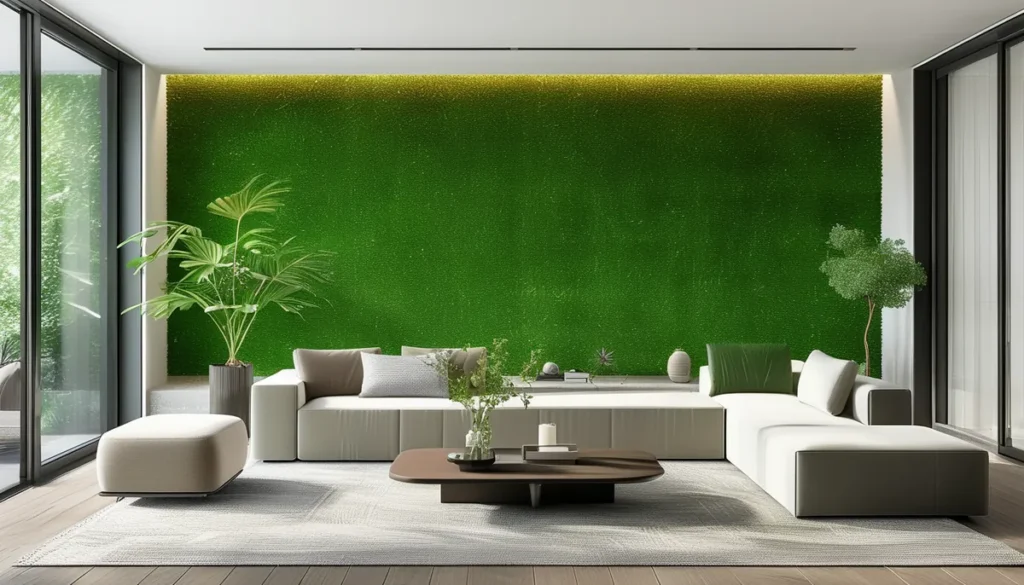
When choosing vinyl embossed wallpaper, focus first on the texture’s depth and how it affects cleaning and durability. Deeper embossing can hide minor wall imperfections better but might collect dust more easily. Consider the visual impact: a subtle texture adds dimension without overwhelming a small room, while a bolder pattern can make a statement in a larger space.
Types of vinyl embossed wallpaper based on backing
The backing material significantly impacts installation and longevity. Most vinyl embossed wallpapers use a paper or non-woven (fleece) backing.
Paper-backed vinyl
This is a more traditional option. The vinyl layer is applied to a paper base. It’s generally less expensive but can be trickier to install. Paper-backed vinyl typically requires ‘booking’ – applying adhesive to the wallpaper and letting it sit for a few minutes to allow the paper to expand. This prevents bubbles and ensures a smoother finish. However, it’s also more susceptible to tearing during installation if handled too roughly. When it’s time to redecorate, it can be more challenging to remove, sometimes requiring a steamer.
Non-woven (fleece) backed vinyl
This is the modern standard and often preferred by DIYers and professionals alike. The vinyl is bonded to a non-woven fabric made from synthetic fibers. This type of backing is more dimensionally stable, meaning it doesn’t expand or contract much with changes in humidity. Installation is simpler: you apply the adhesive directly to the wall (‘paste the wall’ method). This makes the process faster and less messy. Non-woven backed vinyl is also more forgiving if you need to reposition a strip, and it typically peels off the wall in large, dry pieces when you’re ready for a change, leaving less residue.
Understanding the vinyl surface and its embossing
The vinyl surface is what gives these wallpapers their characteristic durability and washability. The ’embossed’ aspect refers to the raised or textured pattern created on this vinyl surface.
Vinyl coating types
The vinyl coating itself can vary in thickness and finish:
- Satin or Matte finish: These offer a softer look and are less likely to show minor imperfections or glare from lighting. They are excellent for general living areas and bedrooms.
- Glossy finish: While less common with deep embossing, a glossier finish can make a space feel brighter but will highlight any flaws on the wall surface beneath.
Embossing techniques and patterns
The embossing can be:
- Surface-printed: The pattern is printed onto the vinyl surface. This is common for many vinyl embossed wallpapers.
- Rotogravure (Deep Gravure): This technique creates more detailed and deeply textured patterns. It’s often used for higher-end wallpapers that mimic materials like grasscloth, linen, or wood.
The depth of the embossing is critical. A shallow embossing might feel more like a printed texture, while a deep embossing provides a tactile, three-dimensional effect. This depth can simulate materials like fabric, stucco, or raised floral designs. Textured vinyl wallpaper offers a wide range of tactile experiences, and embossing is a key part of that.
Key considerations for choosing vinyl embossed wallpaper
Beyond the basic type, several factors will influence your final choice.
Durability and maintenance
This is where vinyl truly shines. Vinyl embossed wallpaper is generally:
- Washable: Most can be cleaned with a damp cloth and mild soap. The vinyl surface prevents water and dirt from penetrating. This makes them ideal for high-traffic areas like hallways, entryways, and kids’ rooms.
- Scrubbable: Some heavy-duty vinyls can even withstand gentle scrubbing, making them suitable for kitchens or bathrooms where splashes are common. Always check the manufacturer’s cleaning instructions.
- Fade-resistant: The vinyl layer protects the printed pattern from fading due to sunlight.
The embossing itself can sometimes make cleaning slightly more involved. Stubborn dirt or grime might get trapped in deeper textures, requiring a softer brush or more careful wiping.
Moisture resistance
Vinyl’s inherent resistance to moisture makes these wallpapers a good choice for areas prone to humidity, such as bathrooms, kitchens, and laundry rooms. However, they are not waterproof. Ensure proper ventilation in these areas to prevent moisture from getting trapped behind the wallpaper over time.
Pattern scale and visual impact
The embossed pattern plays a huge role in the room’s aesthetic. A small, subtle texture can add warmth and depth without making a room feel busy. Large, bold embossed patterns can become the focal point of a room, creating a dramatic effect. Consider the size of your room and the existing furniture when selecting a pattern scale. For small rooms, a lighter color with a subtle texture is often best to avoid making the space feel smaller.
Installation requirements
As mentioned, non-woven backed vinyl is generally easier to install due to the paste-the-wall method. Paper-backed vinyl requires more care, including proper booking. If you’re a first-time installer, opting for non-woven backing will likely lead to a smoother, less frustrating experience. Always ensure your walls are clean, dry, and properly primed before applying any wallpaper.
Where to use vinyl embossed wallpaper
The versatility of vinyl embossed wallpaper makes it suitable for almost any room in the house.
High-traffic areas
Hallways, entryways, staircases, and children’s playrooms benefit greatly from the durability and washability of vinyl. Spills, scuffs, and general wear and tear are handled much better than with traditional paper wallpapers. Vinyl wallpaper is a practical choice for these demanding spaces.
Kitchens and bathrooms
The moisture resistance of vinyl makes it a viable option for these rooms, provided there is adequate ventilation. The scrubbable nature is perfect for dealing with grease splatters in the kitchen or soap scum in the bathroom. However, avoid using it in areas that get consistently wet, like inside a shower stall.
Bedrooms and living rooms
For a more sophisticated look, choose vinyl embossed wallpapers with subtle textures like linen, silk, or grasscloth imitations. These can add a layer of luxury without sacrificing the practical benefits. Bold, large-scale embossed patterns can also be used as accent walls to create a dramatic feature.
Commercial spaces
Due to their extreme durability, washability, and often fire-retardant properties, many vinyl embossed wallpapers are also specified for commercial use in offices, hotels, and restaurants.
Comparing vinyl embossed wallpaper to other options
Understanding how vinyl embossed wallpaper stacks up against alternatives helps in making an informed decision.
Vs. regular vinyl wallpaper
All vinyl embossed wallpapers are vinyl wallpapers, but not all vinyl wallpapers are embossed. Embossing adds a tactile, three-dimensional quality that plain vinyl might lack. If you want visual interest and depth beyond just color or print, embossing is the key differentiator.
Vs. textured wallpaper (non-vinyl)
Textured wallpapers can be made from paper, fabric, or natural materials. While some offer beautiful textures, they often lack the washability and durability of vinyl. For example, grasscloth or fabric wallpapers can stain easily and are difficult to clean. Vinyl embossed wallpaper offers a similar tactile experience with superior performance in terms of maintenance and longevity, especially in demanding environments. For a similar aesthetic without vinyl, you might explore options like textured vinyl wallpaper which itself covers a broad range of textures beyond just embossing.
Vs. peel-and-stick wallpaper
Peel-and-stick options are very popular for DIYers due to their ease of installation and removal. Many peel-and-stick wallpapers are vinyl-based and can feature embossed textures. However, traditional vinyl wallpapers (applied with paste) are often considered more durable and have a more robust, long-lasting finish, especially in high-moisture areas or areas prone to heavy wear. The adhesive on peel-and-stick can sometimes fail over time, particularly in humid conditions or if not applied perfectly. Some vinyls are designed specifically for ease of use, like click vinyl wallpaper, which offers a unique installation method.
Common mistakes to avoid
- Not checking the backing type: Assuming all vinyl wallpapers are equally easy to install can lead to frustration. Always identify if it’s paper-backed or non-woven.
- Ignoring pattern repeat: For patterned embossed vinyl, understanding the pattern repeat is crucial to ensure designs align correctly across seams, which is essential for a professional look.
- Improper wall preparation: Applying wallpaper to unprepared walls (unclean, unprimed, uneven) will result in poor adhesion, visible flaws, and premature failure.
- Using the wrong adhesive: While non-woven vinyls are paste-the-wall, you still need the correct type of adhesive for vinyl wallpapers, which is formulated to handle the material’s density.
- Over-cleaning: Even washable vinyl can be damaged by abrasive cleaners or excessive scrubbing. Stick to the manufacturer’s guidelines.
Choosing vinyl embossed wallpaper means opting for a blend of aesthetic appeal and practical performance. By understanding the different backing types, surface finishes, and embossing techniques, you can select a wallpaper that not only looks great but also stands up to the demands of your home.