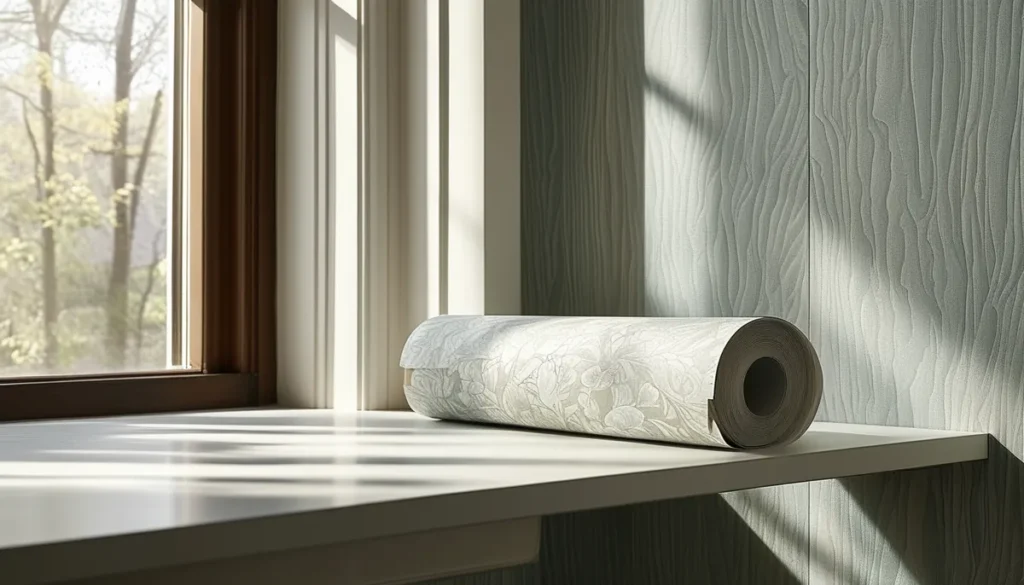
When you’re looking at wall coverings, vinyl canvas offers a unique texture and a durable finish. It’s not a single product but a category of vinyl-based materials designed to mimic the look and feel of natural canvas, often with added benefits like washability and resistance to moisture.
Understanding vinyl canvas construction
Vinyl canvas typically consists of a vinyl layer applied over a fabric backing, often paper or a non-woven material. The vinyl layer can be printed or embossed to create a wide range of patterns and textures. The key differentiator is the surface finish, which aims to replicate the woven texture of real canvas.
Types of vinyl canvas finishes
- Matte finish: This offers a soft, non-reflective surface that closely resembles traditional canvas. It’s ideal for creating a sophisticated, understated look and is less prone to showing minor imperfections on the wall.
- Satin or eggshell finish: These finishes provide a slight sheen, adding a touch of elegance. They are still fairly low-sheen, making them versatile for most rooms.
- High-gloss finish: Less common for a true canvas look, high-gloss vinyl can be used for specific modern designs. It reflects light significantly and can highlight wall imperfections.
The ‘canvas’ effect itself can range from subtle weave patterns to more pronounced, textured surfaces. Some vinyl canvases are designed to be painted over, offering a customizable finish, while others come pre-printed with designs or solid colors.
Where to use vinyl canvas
Vinyl canvas is a versatile material suitable for various applications due to its durability and resistance to moisture and stains. You can find it used in:
- Living rooms and bedrooms: For a sophisticated, fabric-like appearance that’s easy to maintain.
- Hallways and entryways: Its durability makes it a good choice for high-traffic areas.
- Kitchens and bathrooms: Many vinyl canvas products are moisture-resistant and scrubbable, making them suitable for these environments where splashes and humidity are common. Always check the product’s specific rating for moisture resistance.
- Commercial spaces: Restaurants, hotels, and offices often use vinyl wallcoverings for their longevity and ease of cleaning.
When considering bathrooms or kitchens, look for products specifically rated for high-moisture areas. Even within vinyl canvas, some formulations offer better performance against water than others.
Installation considerations
Installing vinyl canvas is similar to installing other types of vinyl wallpaper. The method depends on whether it’s a peel-and-stick product or requires adhesive.
Peel-and-stick vinyl canvas
This is the most DIY-friendly option. The backing peels off to reveal an adhesive layer, allowing you to apply it directly to the wall. Key steps:
- Prepare the wall: Ensure the surface is clean, dry, and smooth. Fill any holes or cracks and sand them smooth. A primer designed for smooth surfaces can improve adhesion.
- Measure and cut: Measure your wall sections and cut the vinyl canvas panels, allowing for a slight overlap at the seams and an extra inch or two at the top and bottom for trimming.
- Apply: Peel back a few inches of the backing at the top. Align the panel with the ceiling and the edge of the previous panel (or the corner of the wall). Slowly peel off the backing while smoothing the vinyl onto the wall with a squeegee, working from the center outwards to remove air bubbles.
- Trim: Use a sharp utility knife to trim the excess vinyl at the ceiling, baseboard, and corners.
Tip: Work in good lighting to spot air bubbles. If you make a mistake, gently peel back the vinyl and reapply.
Traditional vinyl canvas (paste-applied)
This method requires wallpaper paste, either applied to the wall or the back of the vinyl canvas, depending on the product’s instructions.
- Prepare the wall: Same as for peel-and-stick. A wallpaper liner can provide a perfectly smooth surface for paste-applied wallpapers.
- Cut panels: Cut panels to length, allowing for a pattern repeat if applicable and extra at the top and bottom.
- Apply paste: Following the manufacturer’s instructions, apply the appropriate wallpaper paste to the back of the vinyl canvas or directly to the wall. If pasting the vinyl, allow it to ‘book’ for a few minutes, which makes it more pliable.
- Hang: Align the panel with the ceiling and previous seam, and smooth it onto the wall using a wallpaper brush or seam roller to remove air bubbles and ensure good adhesion.
- Trim: Trim excess vinyl at the top and bottom with a sharp knife.
For both methods, a consistent, clean installation is crucial. Ensure seams are butted together tightly (unless the product specifies an overlap) and that there are no gaps. If you’re new to wallpapering, practicing on a less visible area or considering click vinyl wallpaper, which offers a simpler interlocking system, might be beneficial.
Durability and maintenance
The primary advantage of vinyl canvas is its durability. The vinyl layer protects the printed design and the backing from wear and tear. This makes it more resilient than traditional paper wallpapers.
- Scrubbability: Most vinyl canvas products are scrubbable, meaning you can gently clean them with a damp cloth and mild soap to remove smudges or dirt. Avoid abrasive cleaners, as they can damage the surface.
- Moisture resistance: While many vinyl canvases resist moisture, they are not always waterproof. For areas prone to heavy splashing, like behind a sink, ensure the product is rated for such use or consider other materials.
- Fade resistance: High-quality vinyl canvas is generally resistant to fading from sunlight, but prolonged direct exposure can still cause colors to diminish over time.
Discovering the durability and style of vinyl wallcovering for your space is key to making a lasting choice. Similarly, understanding the richness of textured vinyl wallpaper for your home can guide your aesthetic preferences.
Cost comparison
The cost of vinyl canvas can vary significantly based on several factors:
- Quality and Brand: Higher-end brands and premium quality vinyl canvas will naturally cost more.
- Design and Texture: Intricate patterns, metallic accents, or highly realistic embossed textures can increase the price.
- Type of Vinyl: Peel-and-stick options sometimes carry a premium due to their ease of installation.
- Roll Size: Vinyl canvas is sold in rolls, typically covering a specific square footage. Prices are usually quoted per roll.
As a general guideline, vinyl canvas can range from $25 to $100+ per roll. This is often comparable to or slightly more expensive than standard vinyl wallpaper but can be less costly than high-end fabric wall coverings. When comparing, remember to factor in the cost of any necessary adhesive or primer if not using peel-and-stick.
Potential drawbacks
While vinyl canvas has many benefits, there are a few potential downsides to consider:
- Breathability: Vinyl is not a breathable material. In very humid environments, trapped moisture behind the vinyl could potentially lead to mold or mildew issues if the wall isn’t properly prepared or sealed.
- Environmental concerns: The production and disposal of vinyl can have environmental impacts. Some consumers prefer more eco-friendly alternatives.
- Peeling/Bubbling: If not installed correctly or if the adhesive fails (especially in humid conditions or with poor quality products), vinyl canvas can peel or bubble at the edges.
- Repair: Small tears or damage on vinyl canvas can be difficult to repair seamlessly. Often, a whole panel or section may need to be replaced.
For most residential and many commercial applications, the benefits of durability and ease of maintenance outweigh these drawbacks, especially when choosing a quality product and following proper installation guidelines. Always check the specific product’s warranty and manufacturer recommendations for the best results. Explore the durability and style of vinyl wallpaper for your home to see how it compares.