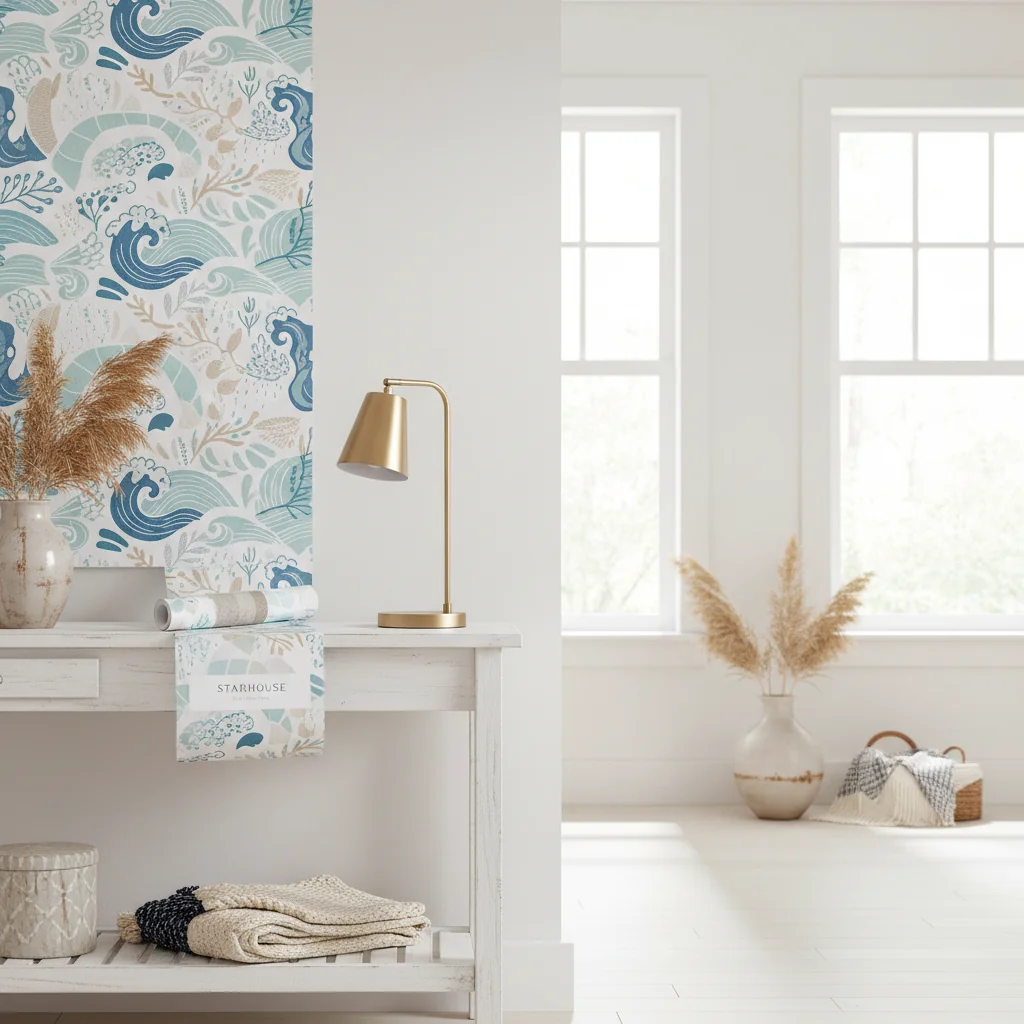
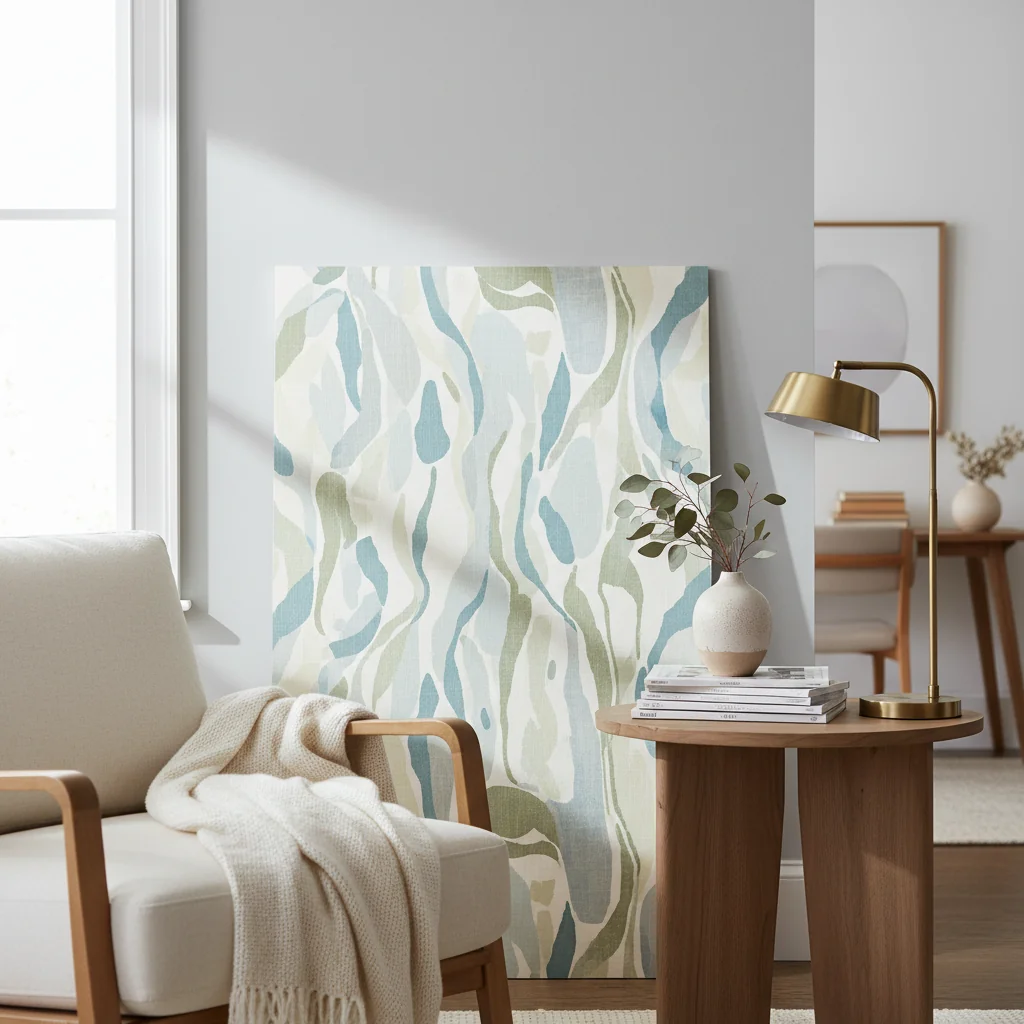
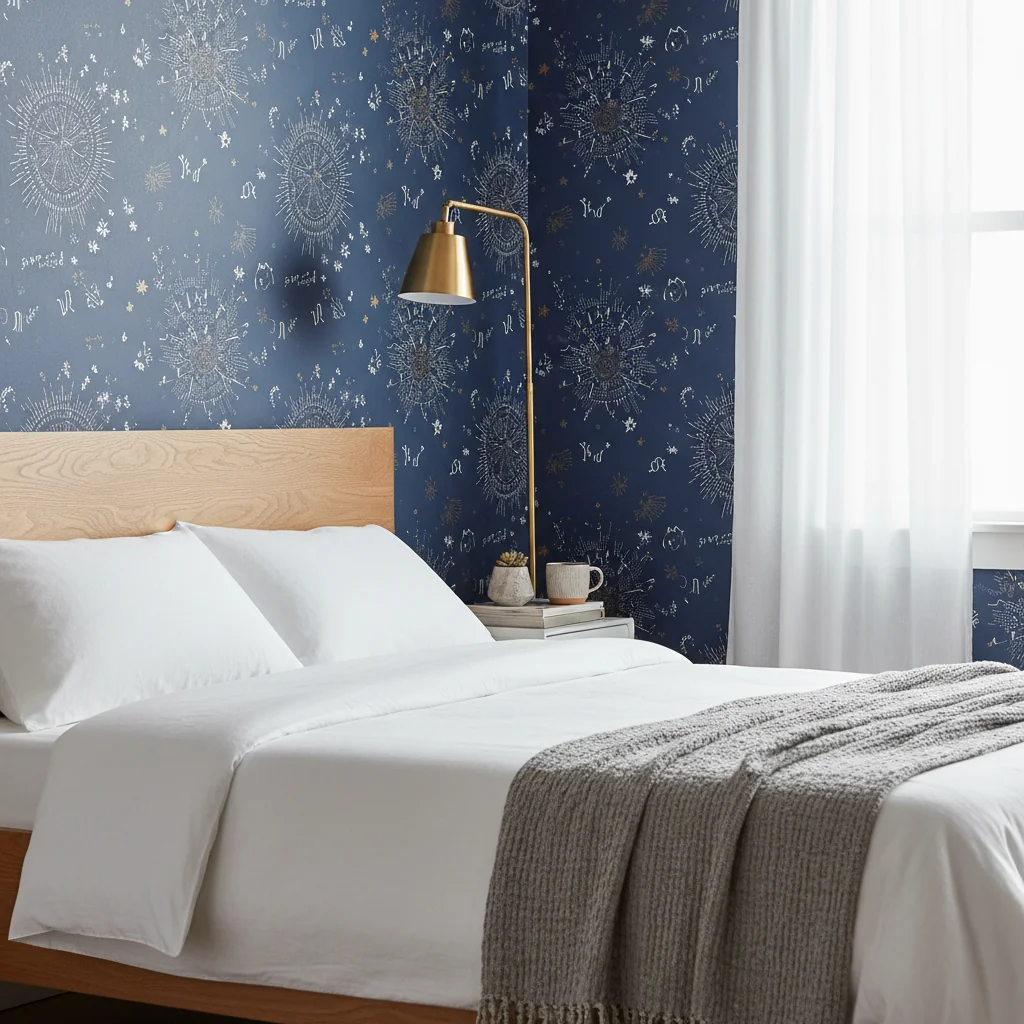
Joanna Gaines wallpaper, primarily known through her Magnolia Home collection, embodies a distinctive design philosophy that blends timeless, rustic charm with refined elegance, making sophisticated design accessible for homes across the United States. This curated collection, often produced in collaboration with York Wallcoverings, offers a versatile range of patterns and textures designed to create inviting, comfortable, and beautifully layered interiors. Each design within the Magnolia Home line is characterized by its authentic feel, drawing inspiration from natural elements, vintage aesthetics, and classic motifs, providing homeowners with durable, high-quality wallcoverings that transform spaces with understated grace. The collection consistently features a blend of traditional patterns, subtle textures, and botanical prints, all rendered in a muted, sophisticated color palette that reflects Gaines’ signature style.
Key takeaways
- Joanna Gaines wallpaper is synonymous with the Magnolia Home collection, known for its rustic elegance and timeless appeal.
- The collection features a range of styles including farmhouse, transitional, nature-inspired, and classic patterns like stripes and plaids.
- Materials primarily include non-woven and peel-and-stick options, offering durability and ease of installation for various skill levels.
- Choosing the right wallpaper involves considering room size, lighting, existing decor, and pattern scale to ensure visual harmony.
- Accurate measurement and understanding pattern repeat are crucial for calculating the correct number of rolls and ensuring a seamless finish.
- Proper care, often involving gentle cleaning with a damp cloth, extends the longevity and preserves the aesthetic integrity of the wallpaper.
What Defines Joanna Gaines Wallpaper?
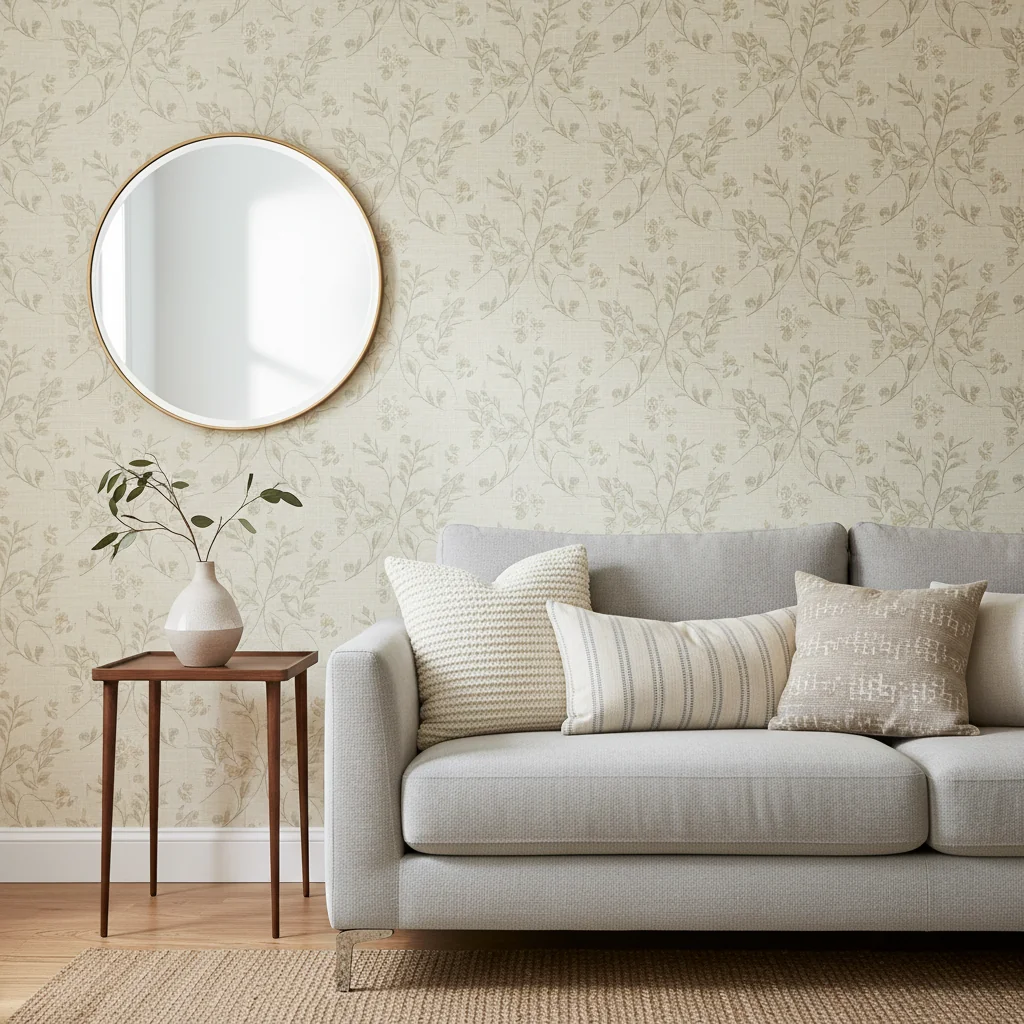
Joanna Gaines wallpaper is defined by its Magnolia Home collection, a line of wallcoverings that encapsulates her signature design philosophy of creating warm, inviting, and authentically styled spaces. This collection consistently offers patterns rooted in natural textures, vintage inspiration, and classic motifs, all rendered with a refined, understated elegance that transcends fleeting trends. The essence of this wallpaper lies in its ability to bring a sense of history and comfort to modern interiors, often featuring muted color palettes and tactile finishes that enhance the architectural character of any room.
The collaboration with reputable manufacturers like York Wallcoverings ensures that each design is not only aesthetically pleasing but also meets high standards of quality and durability. This commitment to both form and function is a hallmark of the Magnolia Home brand. The designs frequently incorporate elements such as organic patterns, subtle stripes, delicate florals, and faux finishes that mimic natural materials like grasscloth or aged plaster, providing a sophisticated backdrop for a range of interior styles from modern farmhouse to transitional and even contemporary spaces.
A key characteristic is the versatility of the patterns. While many designs evoke a rustic or farmhouse feel, their inherent simplicity and classic appeal allow them to integrate seamlessly into diverse design schemes. For instance, a subtle linen-textured wallpaper can provide a neutral, sophisticated foundation, while a botanical print can introduce a touch of organic softness without overwhelming the space. This adaptability makes Joanna Gaines wallpaper a favored choice for homeowners seeking to infuse their interiors with character and warmth without sacrificing timeless style.
Moreover, the collection emphasizes livability and comfort. The patterns are designed to feel approachable and lived-in, rather than overly formal or decorative. This contributes to the overall sense of ease and relaxation that Joanna Gaines champions in her design work. The tactile quality of many of the wallpapers, from subtle embossed textures to realistic faux finishes, adds another layer of sensory richness to the interior, inviting touch and enhancing the perception of depth and dimension on the walls.
Ultimately, Joanna Gaines wallpaper represents a thoughtful approach to interior design, where every pattern is conceived to contribute to a cohesive and harmonious home environment. It is about creating spaces that feel both personal and polished, grounded in classic design principles yet fresh enough for today’s living. The brand’s focus on quality materials and enduring aesthetics ensures that these wallcoverings are not merely decorative elements but integral components of a well-designed home.
The Distinctive Aesthetics and Styles of Magnolia Home Wallpaper
Magnolia Home wallpaper, under the creative direction of Joanna Gaines, is renowned for its distinctive aesthetics that blend rustic charm with sophisticated design, offering styles that range from classic farmhouse to refined transitional and nature-inspired motifs. These collections consistently feature patterns that evoke a sense of history, comfort, and authenticity, ensuring each design feels both current and timeless. The overarching aesthetic is one of understated elegance, where natural textures, muted color palettes, and thoughtful detailing create inviting and harmonious spaces.
The primary styles found within the Magnolia Home wallpaper collections include:
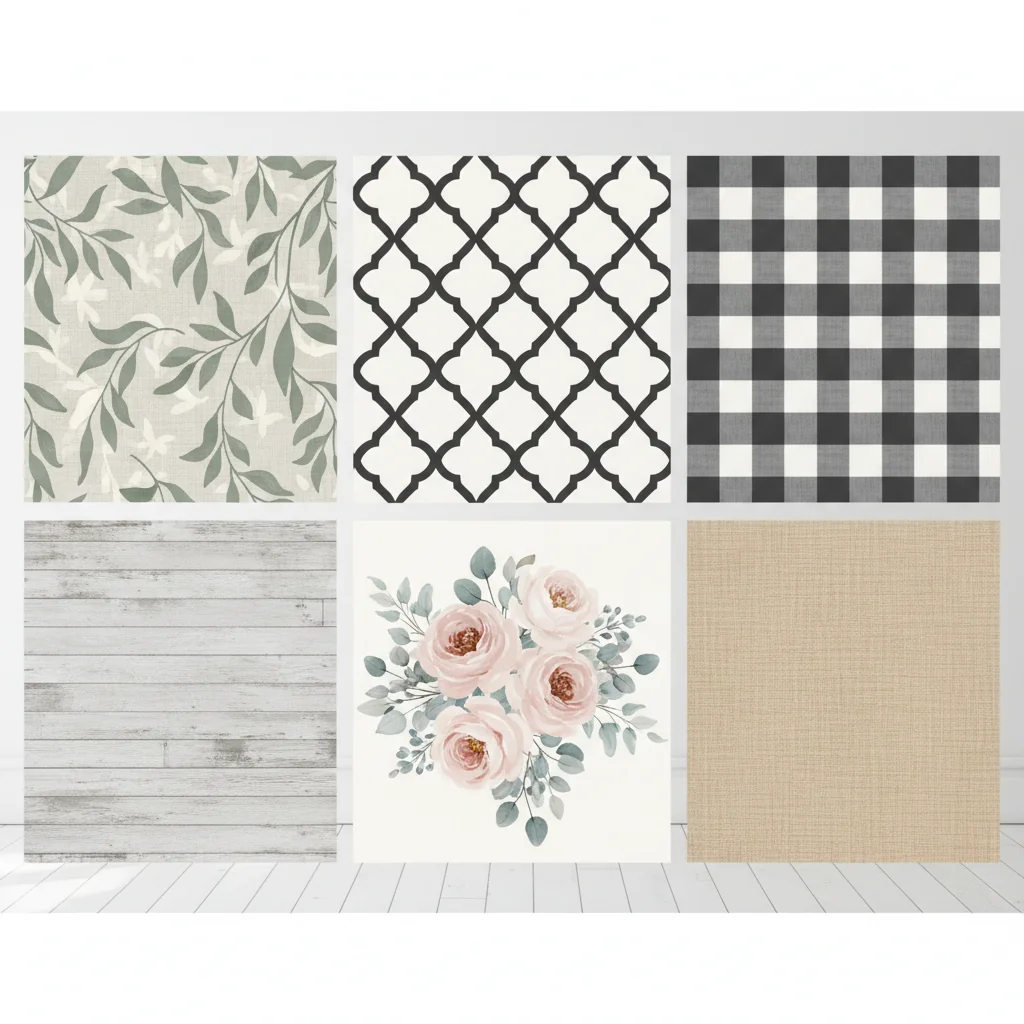
- Modern Farmhouse: This is arguably the most recognizable style, characterized by patterns that celebrate simplicity, natural elements, and a connection to the past. Examples include shiplap-inspired designs, subtle plaid or gingham patterns, and textures that mimic aged wood or plaster. These wallpapers provide a warm, welcoming backdrop that pairs beautifully with vintage finds, natural wood furniture, and cozy textiles.
- Nature-Inspired/Botanical: Many designs draw heavily from the natural world, featuring delicate floral patterns, climbing vines, subtle leaf motifs, and organic textures. These prints are often rendered in soft, muted tones of green, blue, gray, and cream, bringing a serene and refreshing outdoor feel indoors. They are perfect for creating a tranquil atmosphere in bedrooms, bathrooms, or sunrooms.
- Classic & Transitional: Beyond the overt farmhouse aesthetic, Joanna Gaines also offers designs that lean into classic patterns with a contemporary twist, making them suitable for transitional interiors. This includes elegant stripes, subtle geometrics, and textured solids that provide a sophisticated foundation without being overly decorative. These patterns often feature a refined simplicity that allows them to complement a wide range of furniture styles and color schemes.
- Textural & Faux Finishes: A significant portion of the collection focuses on creating tactile interest through faux finishes. These wallpapers expertly mimic the look and feel of natural materials such as grasscloth, linen, raw silk, concrete, or even exposed brick, but with the added benefits of wallpaper durability and ease of installation. These textural designs add depth and warmth to walls, creating a rich, layered effect that is both visually appealing and inviting.
The color palette is a crucial element of the Magnolia Home aesthetic. It typically favors soft, earthy tones—creams, grays, whites, muted blues, greens, and occasional deep charcoals or warm browns. This restrained use of color contributes to the serene and sophisticated feel of the designs, ensuring they act as a harmonious backdrop rather than an overwhelming focal point. The patterns are designed to be livable, encouraging a sense of calm and continuity throughout the home.
Pattern scale is also carefully considered. While some designs feature larger, more prominent motifs, many are characterized by smaller, more intricate patterns or subtle textures that add interest without dominating the space. This thoughtful approach to scale allows the wallpapers to be used effectively in both expansive rooms and more intimate settings, maintaining visual balance and harmony. The overall effect is one of curated comfort, where every element contributes to a cohesive and beautifully appointed home.
Understanding the Types and Materials of Joanna Gaines Wallpaper
Joanna Gaines’ Magnolia Home wallpaper collections primarily utilize two main types of wallpaper—traditional paste-the-wall and peel-and-stick—each crafted from specific materials designed for durability, aesthetic appeal, and ease of installation. Understanding these types and materials is essential for selecting the best option for your project, ensuring both the desired look and practical longevity. The choice often hinges on factors such as installation experience, desired permanence, and the specific environment of the room.
Types of Joanna Gaines Wallpaper:
-
Traditional (Paste-the-Wall/Paper): This category includes wallpapers that require a separate adhesive (wallpaper paste) to be applied to the wall before hanging the wallpaper.
- Characteristics: Known for its robust and long-lasting finish, traditional wallpaper offers a wide array of textures, finishes, and intricate patterns. It typically provides a more permanent solution and can be more forgiving during installation, allowing for minor adjustments before the paste fully sets. While installation requires a bit more effort and skill than peel-and-stick, the result is a professional, enduring wallcovering.
- Materials: Often made from non-woven materials, vinyl-coated paper, or occasionally natural fibers like grasscloth.
-
Peel-and-Stick (Removable): This type of wallpaper features an adhesive backing that is protected by a liner. To install, you simply peel off the liner and stick the wallpaper to the wall.
- Characteristics: Ideal for renters, temporary decor, or those who enjoy frequently updating their spaces, peel-and-stick wallpaper is designed for easy application and removal without damaging the underlying wall surface. It is highly convenient and perfect for DIY enthusiasts. While generally durable, its removability means it might not offer the same long-term permanence as traditional options in high-traffic areas.
- Materials: Typically made from vinyl or non-woven fabric with a self-adhesive backing.
Materials Commonly Used in Magnolia Home Wallpaper:
The materials chosen for Magnolia Home wallpapers contribute significantly to their aesthetic and functional qualities. Here are the primary materials you will encounter:
- Non-Woven: This is a premium and increasingly popular material for wallpaper. Non-woven wallpapers are made from a blend of natural and synthetic fibers, making them breathable, tear-resistant, and dimensionally stable. They do not expand or contract when wet, which simplifies installation and prevents seam gaps. Non-woven wallpapers are often “paste-the-wall,” meaning the adhesive is applied directly to the wall, not the paper, making them easier to hang and remove in full strips when it’s time for a change. Many of Joanna Gaines’ traditional wallpapers are non-woven, offering a high-quality, durable finish.
- Vinyl-Coated Paper: This material consists of a paper backing with a liquid vinyl coating on the surface. The vinyl coating provides enhanced durability, washability, and resistance to moisture, making these wallpapers suitable for kitchens, bathrooms, and high-traffic areas. While not as breathable as pure non-woven, they offer excellent longevity and are typically easy to clean with a damp cloth. Some of Joanna Gaines’ more robust or textured designs may utilize this material for added resilience.
- Solid Sheet Vinyl: Less common for the more natural aesthetic of Magnolia Home, but sometimes used for highly durable, often textured designs. Solid sheet vinyl is incredibly tough, moisture-resistant, and washable, making it suitable for very demanding environments.
- Grasscloth: While not a primary material for all designs, some Magnolia Home collections may feature patterns that mimic the natural texture of grasscloth. True grasscloth is made from woven natural fibers (like jute, sisal, or arrowroot) adhered to a paper backing. It offers a distinct, organic texture and a luxurious feel, though it requires specialized installation and is not typically washable. Faux grasscloth wallpapers, often made from non-woven or vinyl-coated materials, offer a similar aesthetic with easier maintenance.
When selecting your wallpaper, always review the product specifications for the exact material composition and recommended installation method. This information ensures that the wallpaper you choose aligns with your practical needs and aesthetic vision for your home. For example, a peel-and-stick vinyl option might be perfect for a nursery or rental, while a non-woven, paste-the-wall design could be the ideal, long-term solution for a living room or dining area.
As Starhouse curates its premier collection of home décor, we are eager to understand what truly inspires your living spaces. What patterns, textures, and styles resonate with your vision for a beautiful home? Share your preferences and tell us what you’re looking for to gain early access to our meticulously selected offerings.
How to Choose the Perfect Joanna Gaines Wallpaper for Your Home
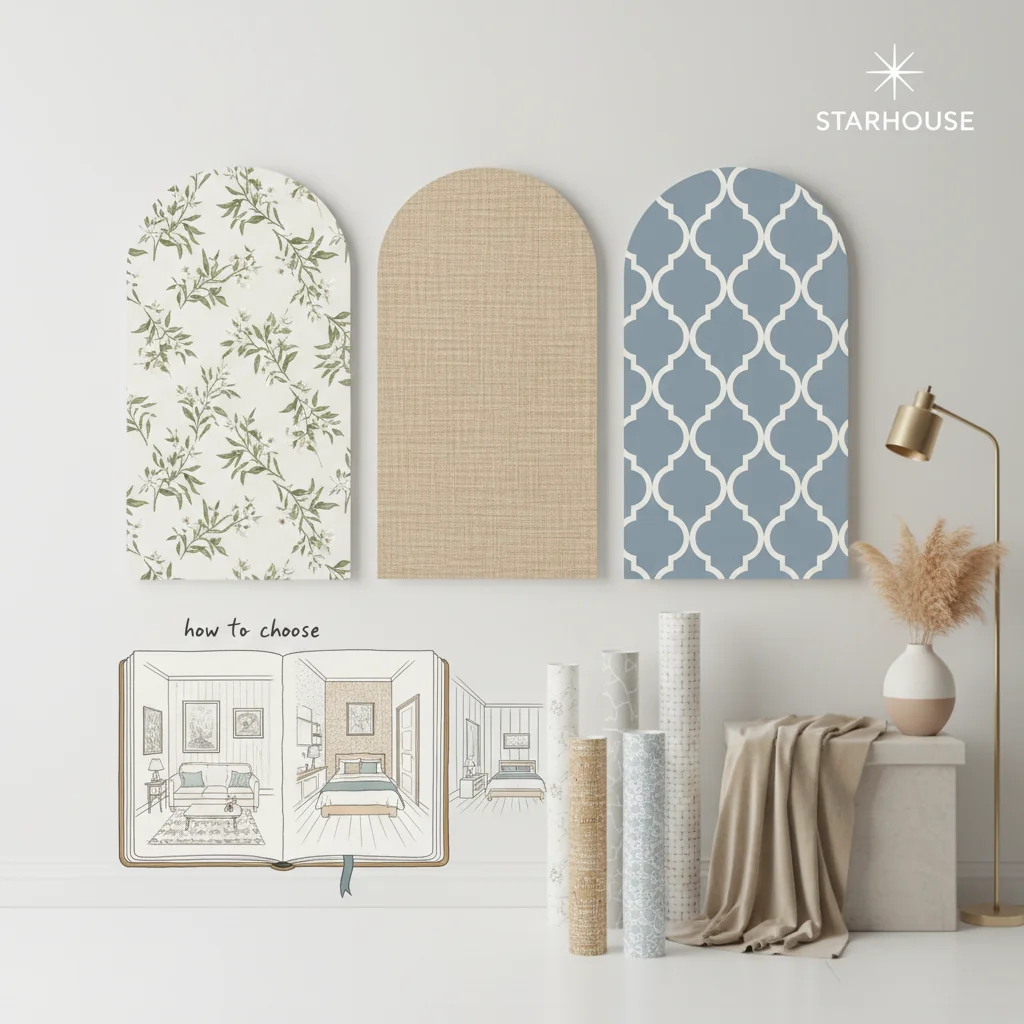
Selecting the ideal Joanna Gaines wallpaper involves a thoughtful consideration of your room’s function, existing decor, natural light, and personal style to ensure the chosen pattern enhances your space harmoniously. The goal is to create a cohesive and inviting atmosphere that reflects your aesthetic while leveraging the unique characteristics of Magnolia Home designs. A precise approach to selection will prevent common design pitfalls and ensure lasting satisfaction with your investment.
We recommend a systematic approach to narrow down your choices:
-
Assess the Room’s Function and Mood:
- Bedroom: Opt for calming, serene patterns like soft botanicals, subtle textures, or muted stripes to promote relaxation.
- Living Room/Dining Room: Consider more impactful designs that can serve as a focal point, such as a large-scale floral or a rich textural faux finish.
- Kitchen/Bathroom: Prioritize durability and washability. Vinyl-coated or scrubbable non-woven options are best. Smaller, more intricate patterns can work well in these often smaller spaces.
- Entryway/Hallway: Choose patterns that are welcoming and durable, as these areas experience high traffic. Vertical stripes can visually elongate a narrow hallway.
-
Consider Existing Decor and Color Palette:
- Harmonize with Furniture: Ensure the wallpaper pattern and color complement your existing furniture and textiles. If your furniture is bold, a more subtle wallpaper is advisable. If your furniture is understated, the wallpaper can introduce pattern and personality.
- Color Matching: Joanna Gaines’ collection often features muted, earthy tones. Select a wallpaper with colors that either match or complement your current color scheme, drawing from existing elements like upholstery, artwork, or rugs.
-
Evaluate Natural Light and Room Size:
- Small Rooms/Limited Light: Lighter colors and smaller, more open patterns will help a room feel larger and brighter. Avoid dark, heavily patterned wallpapers, which can make a small space feel even more confined.
- Large Rooms/Abundant Light: Larger patterns and darker, richer colors can be used effectively to add drama and coziness without overwhelming the space.
- Ceiling Height: Vertical patterns can make ceilings appear higher, while horizontal patterns can make a room feel wider.
-
Understand Pattern Scale and Repeat:
- Small Patterns: Work well in smaller rooms or as an all-over, subtle texture in any room. They are less visually demanding.
- Large Patterns: Require more wall space to be fully appreciated. They can be very impactful in larger rooms or as an accent wall. Be mindful of the pattern repeat, as a larger repeat means more waste during installation.
- Pattern Repeat: This is the vertical distance between where the pattern exactly repeats itself. A larger repeat (e.g., 20-25 inches or more) means you’ll need to purchase more rolls to ensure pattern alignment across strips.
- Order Samples: This is a critical step. Viewing a small image online or in a catalog does not accurately represent how a wallpaper will look in your home. Order large samples (at least 8×10 inches) and tape them to different walls in the room. Observe them at various times of day to see how natural and artificial light affects the color and appearance of the pattern. This allows you to assess texture, color accuracy, and overall impact in your specific environment.
-
Consider Installation Type:
- Peel-and-Stick: Ideal for DIY beginners, temporary applications, or those who like frequent changes. It’s generally easier to install and remove.
- Traditional (Paste-the-Wall): Offers a more permanent and often more textured, luxurious finish. It might require professional installation or more advanced DIY skills.
By meticulously working through these considerations, you will be well-equipped to select a Joanna Gaines wallpaper that not only beautifies your home but also creates the desired atmosphere and stands the test of time. The key is to balance aesthetic aspirations with practical considerations, ensuring your choice is both stunning and functional.
Precise Measurement and Sizing for Flawless Installation
Accurate measurement is the most critical step in wallpaper installation, directly impacting both the aesthetic outcome and the cost efficiency of your project. Incorrect calculations can lead to either running out of material mid-project or purchasing excessive rolls, resulting in unnecessary expense and waste. Mastering the measurement process ensures a seamless and professional finish for your Joanna Gaines wallpaper.
Essential Tools for Measurement:
- A reliable tape measure (at least 25 feet long).
- A pencil and notepad for recording dimensions.
- A calculator.
- A step stool or ladder for reaching high points.
Step-by-Step Measurement Guide:
-
Measure Wall Height:
- Measure the height of the wall from the baseboard to the ceiling. Take at least three measurements across the wall (left, center, right) as walls can vary in height. Use the tallest measurement for your calculations to ensure you have enough length for each strip.
- For rooms with varying ceiling heights or architectural features, measure each distinct section separately.
-
Measure Wall Width:
- Measure the total width of each wall you plan to wallpaper.
- If wallpapering multiple walls, measure each one individually.
-
Calculate the Number of Strips per Wall:
- Determine the width of your wallpaper roll. This information is typically found on the product description or label (e.g., 20.5 inches, 27 inches).
- Divide the total width of the wall by the width of one wallpaper strip. Round up to the nearest whole number. This gives you the number of full strips needed for that wall.
- Example: A wall is 144 inches wide, and the wallpaper roll is 20.5 inches wide. 144 inches / 20.5 inches/strip = 7.02 strips. You need 8 strips.
-
Account for Pattern Repeat:
- Definition: Pattern repeat is the vertical distance (in inches) before a wallpaper design repeats itself. This is crucial for matching patterns between strips.
- Locate the pattern repeat measurement on your wallpaper product details (e.g., 21 inches, 25.25 inches).
- Add the pattern repeat measurement to your wall height measurement. This adjusted height is what you’ll use to determine the length needed for each strip to ensure pattern alignment.
- Example: Wall height is 96 inches, pattern repeat is 21 inches. You will cut each strip to at least 96 + 21 = 117 inches. It is always wise to add an extra 2-4 inches to each strip for trimming at the top and bottom. So, 117 + 4 = 121 inches per strip.
-
Calculate Total Length Needed and Number of Rolls:
- Multiply the number of strips needed for a wall by the adjusted strip height (including pattern repeat and extra trim allowance). This gives you the total linear inches of wallpaper required for that wall.
- Repeat for all walls and sum the total linear inches.
- Find the total linear feet of wallpaper in one roll. This is usually listed on the product specifications (e.g., 33 feet, 56 square feet per roll). If it’s in square feet, convert it to linear feet by dividing by the wallpaper width (in feet).
- Divide your total linear feet needed by the linear feet per roll. Round up to the nearest whole number to determine the number of rolls to purchase.
- Example: You need 8 strips, each 121 inches long. Total linear inches = 8 * 121 = 968 inches. Convert to feet: 968 inches / 12 inches/foot = 80.67 feet. If a roll contains 33 feet of wallpaper, you need 80.67 / 33 = 2.44 rolls. Purchase 3 rolls.
-
Account for Doors and Windows:
- Do not subtract the area of doors and windows from your total calculation, especially for patterns with a repeat. It’s often more efficient to treat these as solid wall areas.
- The cut-outs around openings will provide valuable material for smaller sections or for matching patterns where slight errors might occur.
-
Add a Buffer:
- Always purchase at least one extra roll beyond your calculated amount. This accounts for installation mistakes, future repairs, or pattern discrepancies. Wallpaper dye lots can vary slightly, so having an extra roll from the same batch ensures perfect color matching.
By meticulously following these steps, you will confidently determine the precise amount of Joanna Gaines wallpaper needed, ensuring a smooth installation process and a stunning, professionally finished result in your home.
Wallpaper Calculation Example:
Let’s calculate for a room with two walls, each 12 feet wide and 8 feet high, using a wallpaper that is 20.5 inches wide with a 21-inch pattern repeat.
| Measurement/Item | Value | Calculation/Notes |
|---|---|---|
| Wall Width (each) | 12 ft = 144 in | |
| Wall Height | 8 ft = 96 in | |
| Wallpaper Width | 20.5 in | Standard roll width |
| Pattern Repeat | 21 in | Crucial for matching |
| Strips per Wall | 144 in / 20.5 in = 7.02 | Round up to 8 strips per wall |
| Adjusted Strip Length | 96 in (height) + 21 in (repeat) + 4 in (trim) = 121 in | Includes buffer for trimming |
| Total Strips Needed | 8 strips/wall * 2 walls = 16 strips | For both walls |
| Total Linear Inches | 16 strips * 121 in/strip = 1936 in | Total length required |
| Total Linear Feet | 1936 in / 12 in/ft = 161.33 ft | |
| Wallpaper per Roll (example) | 33 ft | Standard single roll length |
| Rolls Needed | 161.33 ft / 33 ft/roll = 4.89 | Round up to 5 rolls |
| Buffer Rolls | +1 roll | For errors or future repairs |
| Total Rolls to Purchase | 6 rolls | Ensures sufficient material |
Styling and Pairing Magnolia Home Wallpaper for Cohesive Design
Integrating Joanna Gaines’ Magnolia Home wallpaper into your existing decor requires a thoughtful approach to styling and pairing to achieve a cohesive, harmonious, and aspirational design. The wallpaper serves as a foundational element, and its success lies in how well it interacts with furniture, textiles, lighting, and accessories, creating a layered and inviting atmosphere. The goal is to build upon the wallpaper’s aesthetic, rather than allowing it to stand in isolation.
Key Principles for Styling and Pairing:
-
Embrace Complementary Furniture Styles:
- Farmhouse/Rustic: Pair with natural wood furniture (pine, oak, reclaimed wood), upholstered pieces in linen or cotton, and wrought iron accents. Distressed finishes and classic silhouettes work beautifully.
- Transitional: Combine with furniture that blends traditional and modern elements—clean lines with subtle curves, neutral upholstery, and mixed materials like wood and metal.
- Eclectic: Magnolia Home wallpaper can serve as a unifying backdrop for a mix of furniture styles, from vintage finds to contemporary pieces, as long as a consistent color palette or texture is maintained.
-
Layer with Thoughtful Textiles:
- Texture is Key: Introduce a variety of textures through throws, pillows, rugs, and curtains. Think chunky knits, soft velvets, crisp linens, and durable cottons. If your wallpaper is textured, select textiles that offer a contrasting yet complementary feel.
- Pattern Play: If your wallpaper has a distinct pattern, choose textiles with solid colors, subtle textures, or smaller, complementary patterns that don’t compete. For a subtle wallpaper, you can introduce bolder textile patterns.
- Color Harmony: Echo the muted tones of the wallpaper in your textiles, or introduce one or two accent colors that provide a gentle contrast without overwhelming the space.
-
Illuminate with Appropriate Lighting:
- Warm Ambiance: Magnolia Home aesthetics thrive on warm, inviting light. Opt for fixtures with a soft, diffused glow.
- Fixture Styles: Industrial-chic pendants, vintage-inspired chandeliers, classic task lamps, and ceramic table lamps all complement the collection’s style. Materials like aged brass, matte black, natural wood, and ceramic are excellent choices.
- Highlighting Wallpaper: Strategic lighting can accentuate the texture or subtle sheen of certain wallpapers, adding depth and interest to the walls.
-
Curate Accessories and Wall Decor:
- Natural Elements: Bring in fresh greenery, potted plants, dried floral arrangements, and natural wood elements to reinforce the organic feel.
- Vintage Finds: Incorporate antique mirrors, framed botanical prints, landscape art, or vintage signage that aligns with the timeless aesthetic.
- Minimalism with Impact: Avoid overcrowding. Choose a few meaningful pieces that enhance the story of the room without competing with the wallpaper. For a busy wallpaper, opt for simpler, larger pieces of art. For a subtle wallpaper, you can be more adventurous with your wall decor.
-
Consider the “Fifth Wall” – The Ceiling:
- While not always wallpapered, the ceiling can be painted in a complementary neutral color or even a very subtle, light-colored wallpaper can be extended onto it for an enveloping effect, particularly in bedrooms or dining rooms.
-
Create an Accent Wall:
- If a bold pattern feels too overwhelming for an entire room, use it on a single accent wall, such as behind a bed, sofa, or dining table. This allows the pattern to make a statement without dominating the space. Ensure the other walls are painted in a color pulled directly from the wallpaper to maintain continuity.
By applying these styling and pairing techniques, you can transform a room with Joanna Gaines wallpaper into a beautifully cohesive and inspiring environment. The key is to layer elements thoughtfully, ensuring each piece contributes to the overall narrative of comfort, authenticity, and refined design that defines the Magnolia Home aesthetic.
Caring for Your Joanna Gaines Wallpaper: Maintenance and Longevity
Proper care and maintenance are essential for preserving the beauty and extending the longevity of your Joanna Gaines Magnolia Home wallpaper, ensuring it remains a striking element in your home for years to come. While specific care instructions can vary based on the wallpaper’s material, general guidelines apply to most collections, emphasizing gentle cleaning and proactive protection. Understanding the washability rating is the first step in effective maintenance.
Understanding Washability Ratings:
Wallpaper typically comes with symbols indicating its washability. These symbols are usually found on the product label and are crucial for determining appropriate cleaning methods:
- Spongeable: Can be gently wiped with a damp sponge or cloth, usually with plain water. Suitable for light soil.
- Washable: Can withstand more thorough cleaning with a damp sponge and a mild, non-abrasive detergent solution. Good for moderate stains.
- Scrubbable: Highly durable and can be scrubbed with a brush and detergent solution for tougher stains. Often applies to vinyl or heavy-duty non-woven wallpapers.
- Extra Scrubbable: The highest level of durability, designed for very heavy cleaning and high-traffic areas.
Always refer to the manufacturer’s specific instructions for your Magnolia Home wallpaper, which can be found on the roll label or product specifications. Sherwin-Williams, a retailer of Magnolia Home wallpaper, often provides detailed care guidance for their collections, which aligns with the manufacturer’s recommendations.
General Cleaning and Maintenance Tips:
-
Dust Regularly:
- Use a soft, dry cloth, a feather duster, or a vacuum cleaner with a brush attachment on a low setting to gently remove dust and cobwebs from your wallpaper. Regular dusting prevents buildup that can become harder to remove later.
-
Spot Clean Promptly:
- Address spills or marks as soon as they occur. The longer a stain sits, the harder it is to remove.
- For most washable wallpapers, use a clean, soft sponge or cloth slightly dampened with lukewarm water. For tougher spots on washable or scrubbable wallpaper, add a very small amount of mild, non-abrasive dish soap to the water.
- Always test your cleaning solution on an inconspicuous area first (e.g., behind furniture or in a closet) to ensure it doesn’t cause discoloration or damage.
-
Gentle Technique:
- Wipe gently in a downward motion. Avoid harsh scrubbing, which can damage the surface, remove color, or lift seams, especially on non-scrubbable types.
- Rinse the area with a clean, damp cloth (water only) to remove any soap residue.
- Pat the area dry with a soft, clean towel to prevent water spots or moisture damage.
-
Avoid Harsh Chemicals:
- Never use abrasive cleaners, bleach, harsh solvents, or stiff brushes on your wallpaper unless explicitly stated by the manufacturer for specific, highly durable types. These can strip finishes, fade colors, or damage the material.
-
Protect from Direct Sunlight:
- Prolonged exposure to direct sunlight can cause wallpaper colors to fade over time. Use curtains, blinds, or UV-filtering window films to protect wallpaper in sun-drenched rooms.
-
Control Humidity:
- High humidity can cause wallpaper to peel, bubble, or develop mildew, particularly in bathrooms or basements. Ensure good ventilation in these areas, using exhaust fans or dehumidifiers as needed.
-
Address Seams and Edges:
- If seams begin to lift over time, reapply with a small amount of wallpaper seam adhesive, smoothing it down with a seam roller or clean cloth. Address this promptly to prevent further peeling.
-
Special Considerations for Textured or Natural Wallpapers:
- Grasscloth or Faux Grasscloth: True grasscloth is generally not washable and should only be dusted or very gently vacuumed. Faux grasscloth (non-woven or vinyl) may be spongeable or washable, check product details.
- Embossed/Textured Wallpaper: Be careful not to flatten raised textures during cleaning. Use a soft brush or cloth and avoid excessive pressure.
By adhering to these careful maintenance practices, your Joanna Gaines Magnolia Home wallpaper will continue to contribute its distinctive charm and beauty to your home, maintaining its fresh, curated appeal for many years.
Common Mistakes to Avoid When Working with Joanna Gaines Wallpaper
Successfully integrating Joanna Gaines wallpaper into your home requires careful planning and execution; overlooking specific details during selection and installation can lead to disappointing results or unnecessary complications. Being aware of common pitfalls allows you to proactively avoid them, ensuring a professional finish and lasting satisfaction with your chosen design. Precision and patience are paramount in achieving an aspirational outcome.
Key Mistakes to Avoid:
-
Underestimating the Importance of Samples:
- Mistake: Purchasing full rolls based solely on online images or small swatches.
- Why it’s a mistake: Colors and textures can appear drastically different in person and under your home’s unique lighting conditions. A pattern that looks subtle online might be overwhelming on an entire wall.
- Correction: Always order large samples (at least 8×10 inches) and tape them to your walls. Observe them throughout the day and night to see how light affects the color, sheen, and overall feel. This is a non-negotiable step for informed decision-making.
-
Inaccurate Measurement and Insufficient Rolls:
- Mistake: Failing to measure accurately or forgetting to account for pattern repeat and waste, leading to running out of wallpaper mid-project.
- Why it’s a mistake: Wallpaper is often produced in dye lots, meaning rolls from different batches can have slight color variations. Running out means buying more from a potentially different dye lot, resulting in visible discrepancies. It also causes project delays.
- Correction: Follow a precise measurement guide, meticulously calculating wall height, width, and pattern repeat. Always purchase at least one extra roll to account for errors, future repairs, and to ensure all rolls are from the same dye lot.
-
Improper Wall Preparation:
- Mistake: Applying wallpaper over uneven, dirty, or improperly primed walls.
- Why it’s a mistake: Any imperfections on the wall surface—holes, bumps, grease, dust—will show through the wallpaper. Lack of proper priming can lead to poor adhesion, bubbling, or difficulty in future removal.
- Correction: Ensure walls are clean, smooth, dry, and free of debris. Fill any holes or cracks, sand smooth, and apply a high-quality wallpaper primer (especially important for peel-and-stick or when covering dark paint).
-
Ignoring Pattern Direction and Match:
- Mistake: Hanging strips without paying attention to the pattern’s direction or failing to properly align the pattern repeat between strips.
- Why it’s a mistake: This results in a disjointed, unprofessional look. Even a slight misalignment can be glaringly obvious.
- Correction: Before cutting, lay out multiple strips to ensure you understand the pattern repeat and how each piece aligns. Number your strips on the back in the order they will be hung. Always start hanging from a plumb line to ensure vertical alignment.
-
Overlooking the Room’s Overall Scale:
- Mistake: Choosing a large, busy pattern for a small room or a tiny, subtle pattern for a vast, open space.
- Why it’s a mistake: A large pattern can overwhelm a small room, making it feel cramped. A small, delicate pattern can get lost in a large room, failing to make the desired impact.
- Correction: Consider the scale of the pattern in relation to the room’s dimensions. Smaller, more delicate patterns or subtle textures often work best in compact spaces, while larger, bolder designs can be stunning in expansive rooms or as an accent.
-
Improper Adhesive Application (for Traditional Wallpaper):
- Mistake: Using too much or too little adhesive, or allowing it to dry too quickly.
- Why it’s a mistake: Too much paste can squeeze out, creating a mess and potential staining. Too little leads to poor adhesion and peeling. Paste drying too fast prevents proper pattern matching and smoothing.
- Correction: Use the adhesive recommended by the wallpaper manufacturer. Apply an even, consistent coat. For paste-the-wall types, apply directly to the wall. For paste-the-paper, ensure even coverage and allow the paper to “book” (fold in on itself) for the recommended time to activate the adhesive.
-
Rushing the Installation Process:
- Mistake: Attempting to complete the project too quickly, especially for first-time DIYers.
- Why it’s a mistake: Rushing leads to sloppy cuts, misaligned patterns, bubbles, and frustration. Wallpapering requires patience and precision.
- Correction: Allocate ample time for the project. Read all instructions thoroughly. Watch tutorials if needed. Take breaks. Focus on one strip at a time, ensuring it’s perfectly aligned and smoothed before moving to the next.
By consciously avoiding these common errors, you can ensure that your experience with Joanna Gaines wallpaper is both rewarding and results in a stunning, enduring transformation of your living space.
Sources
- York Wallcoverings. Magnolia Home Wallpaper | York Wallcoverings
- Magnolia Home Wallpaper Collection by Joanna Gaines | Sherwin-Williams
Frequently Asked Questions About Joanna Gaines Wallpaper
Who manufactures Joanna Gaines wallpaper?
Joanna Gaines’ Magnolia Home wallpaper collection is primarily manufactured by York Wallcoverings, a long-standing and reputable U.S. wallpaper company known for its quality and diverse designs. This collaboration ensures high standards for both aesthetic appeal and durability.
Is Joanna Gaines wallpaper peel-and-stick or traditional?
The Magnolia Home collection offers both peel-and-stick (removable) and traditional (paste-the-wall/paper) wallpaper options, providing versatility for different installation preferences and project needs. The specific type is always indicated in the product description.
Can I use Joanna Gaines wallpaper in a bathroom or kitchen?
Yes, you can use Joanna Gaines wallpaper in bathrooms and kitchens, provided you select a pattern made from a durable, washable, or scrubbable material, such as vinyl-coated paper or certain non-woven types. Always check the washability rating on the product label for suitability in high-moisture or high-traffic areas.
How do I clean Magnolia Home wallpaper?
To clean Magnolia Home wallpaper, gently dust regularly with a soft cloth or brush attachment. For spot cleaning, use a clean, soft sponge or cloth slightly dampened with plain water, or a very mild, non-abrasive detergent solution for washable types. Always test in an inconspicuous area first and avoid harsh chemicals or excessive scrubbing.
What design style does Joanna Gaines wallpaper fit best?
Joanna Gaines wallpaper, part of the Magnolia Home collection, primarily fits modern farmhouse, rustic, transitional, and nature-inspired design styles. Its versatile patterns and muted color palettes also allow it to complement classic and even contemporary interiors seeking warmth and authenticity.
Is Joanna Gaines wallpaper easy to install for DIYers?
The ease of installation depends on the type. Peel-and-stick Magnolia Home wallpaper is generally very DIY-friendly and removable. Traditional paste-the-wall non-woven options are also relatively easier than older paper-backed wallpapers, but still require precise measurement and careful technique. Proper wall preparation is crucial for both types.
What is pattern repeat, and why is it important for wallpaper?
Pattern repeat is the vertical distance, measured in inches, before a wallpaper design repeats itself. It is crucial because you must account for this measurement when cutting strips to ensure the pattern aligns seamlessly across adjacent pieces, preventing a disjointed appearance and ensuring a professional, continuous design.
Conclusion: Curating Your Home with Starhouse
The Magnolia Home wallpaper collection by Joanna Gaines offers a compelling array of designs that consistently deliver on the promise of creating spaces that are both beautifully curated and profoundly comfortable. From its emphasis on natural textures and timeless patterns to its commitment to quality materials and versatile application, this collection stands as a testament to thoughtful, enduring design. Whether you are drawn to the rustic charm of a shiplap-inspired print, the serene elegance of a botanical motif, or the subtle sophistication of a textured solid, Joanna Gaines wallpaper provides a foundation for crafting interiors that feel authentically yours.
At Starhouse, we understand the transformative power of exceptional wall décor and the importance of selecting pieces that resonate with your personal style and enhance your living environment. We are meticulously curating a collection that embodies the same principles of quality, timelessness, and aspirational design that define the best in home furnishings and décor. Our forthcoming catalog will feature a hand-picked selection of wallcoverings, furnishings, textiles, lighting, and accessories, all chosen to inspire and empower you in creating the home of your dreams. We believe that every element in your home should tell a story, evoke a feeling, and contribute to a cohesive aesthetic that speaks to who you are.
As we prepare to unveil our exclusive offerings, we invite you to be part of our journey. Your insights are invaluable as we build a collection tailored to discerning homeowners across the United States. Share your vision, tell us what styles and pieces you envision for your ideal space, and tell us what you’re looking for. By joining our early access program, you’ll be among the first to discover how Starhouse can help you curate a home that is truly a reflection of your refined taste and lifestyle.