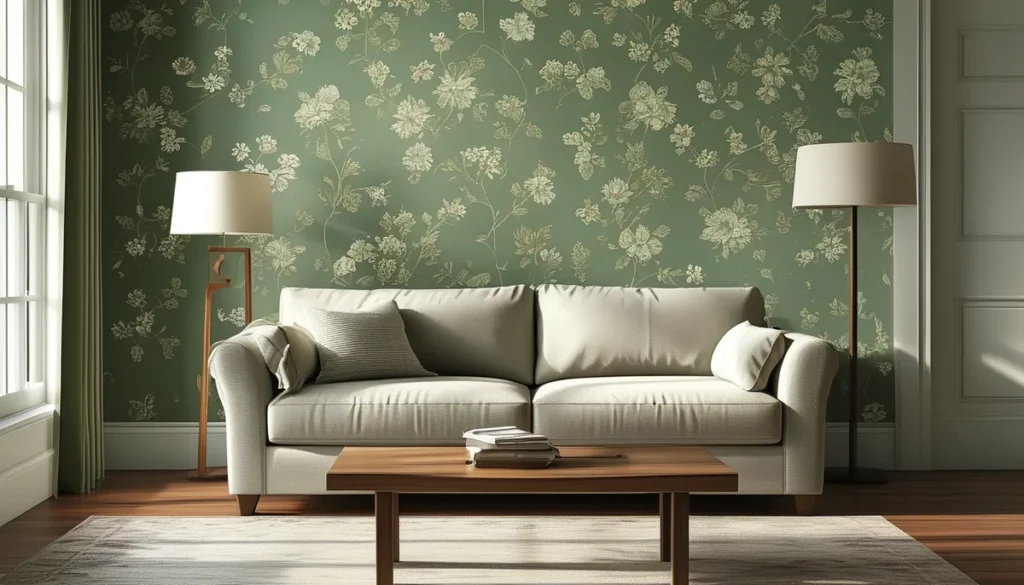
Mid-century modern peel and stick wallpaper brings iconic atomic-age and Danish modern aesthetics to your walls without the commitment of traditional wallpaper. You’re looking for patterns that echo the simplicity, organic shapes, and often bold color palettes of the 1950s and 1960s. Think starbursts, abstract geometrics, amoeba shapes, and botanical prints with a retro twist.
Choosing your mid-century modern pattern
The success of your mid-century modern peel and stick wallpaper hinges on selecting the right pattern and scale. Consider the room’s existing decor and the overall mood you want to create.
Geometric patterns
These are a cornerstone of mid-century modern design. Look for:
- Starbursts: These radiating sun-like motifs are instantly recognizable. They work well as a statement wall in a living room, dining room, or even a hallway. Choose a scale that complements your furniture; smaller starbursts can feel busy in a large room, while oversized ones might overwhelm a small space.
- Abstract geometrics: Think overlapping circles, irregular squares, and asymmetrical lines. These patterns offer a dynamic yet sophisticated look. They are versatile and can be used in bedrooms, home offices, or powder rooms.
- Danish-inspired patterns: These often feature clean lines, organic curves, and a more muted color palette. Look for repeating motifs that feel balanced and serene.
Botanical and organic motifs
Mid-century designers loved nature-inspired elements, often stylized. Seek out:
- Leaf prints: Think stylized monstera leaves, ferns, or abstract leaf shapes. These add a touch of organic warmth.
- Abstract organic shapes: These can resemble clouds, pebbles, or natural formations. They create a softer, more fluid feel than strict geometrics.
Color palettes
The mid-century palette ranges from earthy tones like olive green, mustard yellow, and burnt orange to bolder combinations like teal, coral, and charcoal gray. White or cream backgrounds are common, making the patterns pop. Consider how the wallpaper’s colors will interact with your furniture and wall paint.
Where to use mid century modern peel and stick wallpaper
Peel and stick wallpaper is incredibly versatile. Here are some ideas:
- Accent walls: This is the most popular application. A bold geometric or starburst pattern on one wall can transform a room without being overwhelming.
- Powder rooms: Small spaces are perfect for making a big statement. A fun mid-century pattern can add personality to a half-bath.
- Kitchen backsplash: Use a durable, scrubbable vinyl peel and stick wallpaper behind your counters. Ensure it’s rated for kitchen use and consider a more subtle pattern to avoid visual clutter.
- Furniture or shelf lining: Add a pop of retro style to the inside of cabinets, drawers, or bookshelves.
- Ceilings: A bold pattern on the ceiling can be a surprisingly effective design element, drawing the eye upward.
Understanding the material and adhesive
Most mid-century modern peel and stick wallpaper is made from PVC (polyvinyl chloride) or a similar vinyl material. This makes it durable, easy to clean, and water-resistant, which is essential for high-traffic areas or kitchens.
The adhesive is typically a water-based or solvent-based glue that allows for repositioning during installation and removal without damaging most painted surfaces. However, quality varies significantly between brands. Cheaper options might use a weaker adhesive that peels over time or a very aggressive one that damages walls upon removal. It’s crucial to check reviews and the manufacturer’s specifications regarding adhesion and removability. For a comprehensive understanding of what makes good quality peel and stick, discover the best high-quality peel and stick wallpaper for your home.
Installation tips for a flawless finish
Proper installation is key to achieving a professional look and ensuring the wallpaper stays put. Always start with a clean, smooth surface.
Surface preparation
Your walls need to be:
- Clean: Wipe down walls with a mild detergent and water, then dry thoroughly. Remove any dust, grease, or grime.
- Smooth: Fill any holes, sand down bumps, and ensure the surface is free of texture. Textured walls or glossy paint can prevent the adhesive from bonding properly.
- Primed: For best results, especially on new drywall or previously wallpapered surfaces, apply a primer. This creates a uniform surface and ensures easier removal later.
Application process
- Measure and cut: Measure your wall and cut the wallpaper panels, leaving a few extra inches at the top and bottom for trimming. Ensure you align patterns carefully, especially at seams.
- Peel and stick gradually: Don’t peel the entire backing off at once. Start at the top, peel about 6-12 inches of backing, align the edge of the wallpaper with your starting point (usually a corner or ceiling line), and press it into place.
- Smooth out air bubbles: Use a squeegee or a credit card to smooth the wallpaper onto the wall, working from the center outwards to push out air bubbles. If a bubble forms, gently peel back the section and reapply.
- Overlap seams (optional but recommended): Some installers prefer to overlap panels by about 1/16 inch. Others butt the edges together. Overlapping can help prevent seams from lifting, but ensure it’s done precisely to avoid a visible ridge.
- Trim excess: Once a panel is applied and smoothed, use a sharp utility knife and a straight edge to trim the excess material at the ceiling, baseboard, and any outlets or corners.
Common mistakes to avoid
- Applying to unprimed or glossy paint: This drastically reduces adhesion and makes removal difficult.
- Not aligning patterns: This is especially critical with geometric or repeating designs. A mismatch at the seams is very noticeable.
- Pulling too hard: When repositioning, peel gently. Yanking can stretch the material or damage the wall.
- Rushing the process: Take your time, especially when smoothing out bubbles and aligning patterns.
Transforming a space with peel and stick wallpaper can be a rewarding DIY project. For more on the general process and benefits of this type of wallpaper, explore our comprehensive guide to peel and stick wallpaper.
Styling your space with mid-century modern wallpaper
Once your mid-century modern peel and stick wallpaper is up, it’s time to integrate it with your decor.
Furniture
Pair your wallpaper with furniture that reflects the mid-century modern era. Think tapered legs, clean lines, and materials like wood (teak, walnut), metal, and leather. Sectional sofas, Eames-style chairs, and credenzas are perfect complements.
Accessories
Accessorize with items that enhance the retro vibe:
- Ceramics: Look for vases and decorative objects in earthy tones or with atomic-era designs.
- Lighting: Incorporate Sputnik chandeliers, arc floor lamps, or starburst wall sconces.
- Art: Abstract art, minimalist prints, or vintage travel posters fit the aesthetic.
- Textiles: Use cushions and throws in solid colors that complement your wallpaper or feature subtle geometric patterns.
Color coordination
Pull colors directly from your wallpaper for accent pieces like throw pillows, rugs, or curtains. If your wallpaper is busy, keep other elements more subdued to avoid overwhelming the space. If the wallpaper is a simpler geometric, you can afford to be bolder with furniture and decor colors.
For specific material ideas and how they can enhance your space, consider exploring grasscloth peel and stick wallpaper for a natural texture that also nods to mid-century aesthetics, or review our other guides to peel and stick wallpaper transformations.