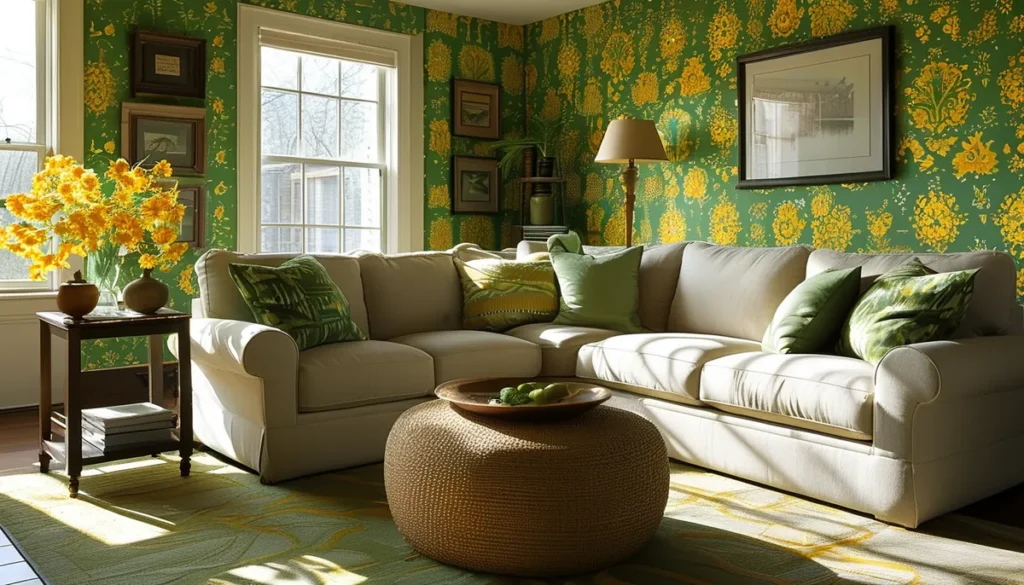
When selecting wallpaper for a bathroom, moisture resistance is non-negotiable. Standard paper-based wallpapers will absorb humidity, leading to peeling, bubbling, and mold growth. For a bathroom, you need materials designed to withstand steam and occasional splashes. Vinyl-coated or 100% vinyl wallpapers are excellent choices because they are impermeable and easy to clean. Peel and stick options are also popular for their ease of installation and removal, but ensure the specific product is rated for high-moisture areas.
Understanding bathroom wallpaper materials
Not all wallpapers are created equal, especially when facing the unique challenges of a bathroom environment. High humidity, temperature fluctuations, and potential water contact demand specific material properties.
Vinyl wallpapers
Vinyl wallpaper is a robust option for bathrooms. It consists of a paper or fabric base coated with a layer of PVC (polyvinyl chloride). This PVC layer makes the wallpaper waterproof and highly durable. It resists moisture, steam, and is scrubbable, meaning you can wipe away splatters and grime without damaging the print or the material. Vinyl wallpapers come in various finishes, from matte to high gloss, and a wide array of designs and textures.
Satin or Semi-Gloss finishes
While not a material type itself, the finish of the wallpaper plays a crucial role. Satin and semi-gloss finishes offer a slight sheen that repels water more effectively than a matte finish. They are also easier to clean. If you’re considering a paper-based wallpaper, opt for one with a satin or semi-gloss coating for added protection in a bathroom.
Specialty Bathroom Wallpaper
Some manufacturers specifically design wallpapers for bathrooms and kitchens. These often incorporate advanced moisture-barrier technologies. Look for terms like ‘moisture-resistant’ or ‘washable’ directly on the product packaging. Some even offer antimicrobial properties to inhibit mold and mildew growth, which is a significant advantage in humid spaces.
Peel and stick wallpaper for bathrooms
Peel and stick wallpaper has revolutionized DIY decorating, and it’s a viable option for bathrooms if you choose wisely. The key is to select a product specifically designed to handle moisture.
Choosing the right peel and stick
Many peel and stick wallpapers are made from vinyl or a vinyl-like material, making them inherently more moisture-resistant than traditional paper. However, always check the product specifications. Look for wallpapers that are explicitly stated as suitable for bathrooms or high-humidity environments. Some are designed with an adhesive that performs better in fluctuating temperatures and humidity levels. You can explore guides on how to apply easy peel and stick wallpaper by following manufacturer guidelines carefully.
Installation considerations
For peel and stick in a bathroom, ensure the walls are thoroughly cleaned and dried before application. Any residue or moisture can compromise the adhesive. Proper smoothing during installation is crucial to eliminate air bubbles, which can trap moisture. For areas prone to direct water spray, like behind a shower or sink, consider using a sealant or choosing a tile alternative.
Removal
One of the main appeals of peel and stick is its ease of removal. However, in a bathroom, the adhesive might bond more strongly over time due to humidity. Test a small, inconspicuous area first if you plan to remove it later, especially if you rent. For a thorough guide on using these innovative coverings, explore our insights on how to apply easy peel and stick wallpaper.
Installation tips for bathroom wallpaper
Proper installation is critical for the longevity of any wallpaper, but especially in a bathroom. Follow these steps to ensure your wallpaper stays put and looks great.
Surface preparation
This is the most crucial step. Your walls must be clean, dry, and smooth. Wash walls with a mild detergent to remove any grease, soap scum, or residue. Rinse thoroughly and allow the walls to dry completely. Fill any holes or cracks and sand them smooth. Prime the walls with a wallpaper primer, especially if you are covering a dark color or have glossy paint. A primer ensures good adhesion and makes future removal easier. Valuable preparation tips can be found in our post on applying easy peel and stick wallpaper.
Cutting and measuring
Measure your walls accurately and add extra for pattern matching and trimming. Most wallpapers come with instructions on how to cut the strips, usually from top to bottom, ensuring the pattern aligns between panels. Allow about 4-6 inches of extra length for trimming at the ceiling and baseboard.
Applying the wallpaper
Follow the manufacturer’s specific instructions for application. For paste-the-wall papers, apply the paste directly to the wall. For paste-the-paper types, apply paste to the back of the wallpaper strip. For peel and stick, simply peel off the backing as you go. Align the first strip perfectly vertical using a level. Smooth out air bubbles as you go, working from the center outwards with a smoothing tool or a clean cloth. Overlap seams slightly if recommended by the manufacturer, or butt them together for a seamless look, depending on the wallpaper type.
Trimming
Once a strip is in place and smoothed, use a sharp utility knife or a craft knife and a straight edge to trim the excess paper at the ceiling, baseboard, and around fixtures like outlets or light switches. Change your blade frequently for clean cuts.
Avoiding common mistakes
Even with easy wallpaper options, mistakes can be costly and difficult to fix in a bathroom.
Using the wrong material
The biggest mistake is using wallpaper not designed for high-moisture areas. Standard paper wallpaper will fail quickly, leading to wasted money and effort. Always prioritize vinyl, vinyl-coated, or specifically designed moisture-resistant options.
Inadequate surface preparation
Skipping cleaning, priming, or patching walls will result in poor adhesion, bubbles, and premature peeling. A smooth, clean, and primed surface is essential for a professional finish and lasting results.
Ignoring manufacturer instructions
Each wallpaper type has specific application requirements. Not following them, especially regarding paste type, drying times, or overlap recommendations, can lead to failure.
Not checking for pattern repeat
If your wallpaper has a pattern, understanding the pattern repeat is crucial for seamless application. Failure to match patterns correctly will result in a disjointed and unprofessional appearance. This is particularly important for larger or more complex designs. For intricate patterns, consider looking into specialized options like grasscloth peel and stick wallpaper, which often has a more forgiving texture.
Maintaining your bathroom wallpaper
Keeping your bathroom wallpaper looking fresh is straightforward if you’ve chosen the right material.
Regular cleaning
For vinyl and vinyl-coated wallpapers, gentle cleaning with a damp cloth and mild soap is usually sufficient for everyday smudges or water spots. Avoid abrasive cleaners or scrub brushes, which can damage the surface. For stubborn marks, consult the manufacturer’s cleaning recommendations.
Addressing moisture issues
Ensure good ventilation in your bathroom to minimize humidity buildup. Use exhaust fans during and after showers. If you notice any lifting at the edges or seams, address it immediately by re-adhering with the appropriate wallpaper adhesive or sealant, if applicable.
Checking for damage
Periodically inspect your wallpaper for any signs of peeling, bubbling, or tearing, especially around windows, doors, and fixtures. Promptly repair any minor issues to prevent them from worsening.
Choosing the right easy wallpaper for your bathroom involves prioritizing moisture resistance and proper installation. By understanding material types and following best practices, you can achieve a beautiful and durable finish that withstands the demands of a humid environment. For more inspiration on updating your home, check out our guide on applying easy peel and stick wallpaper.