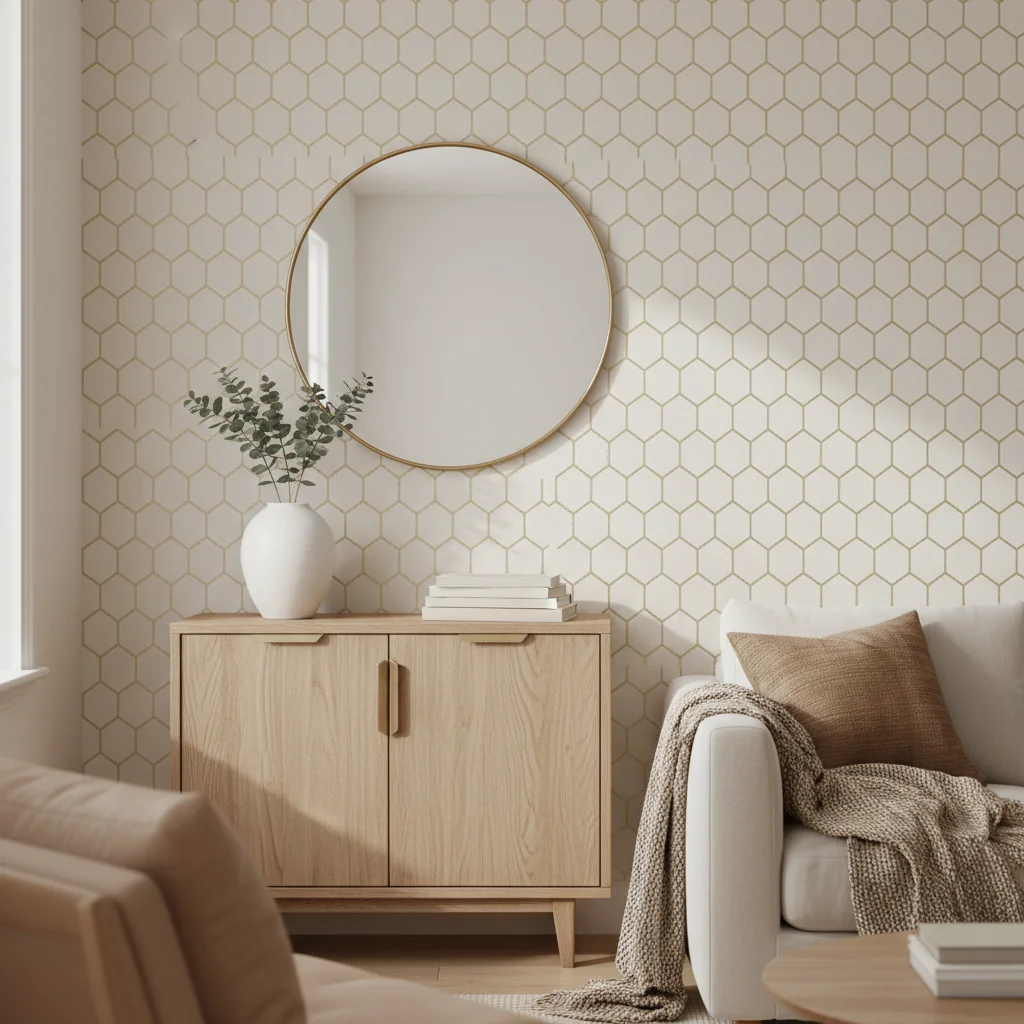
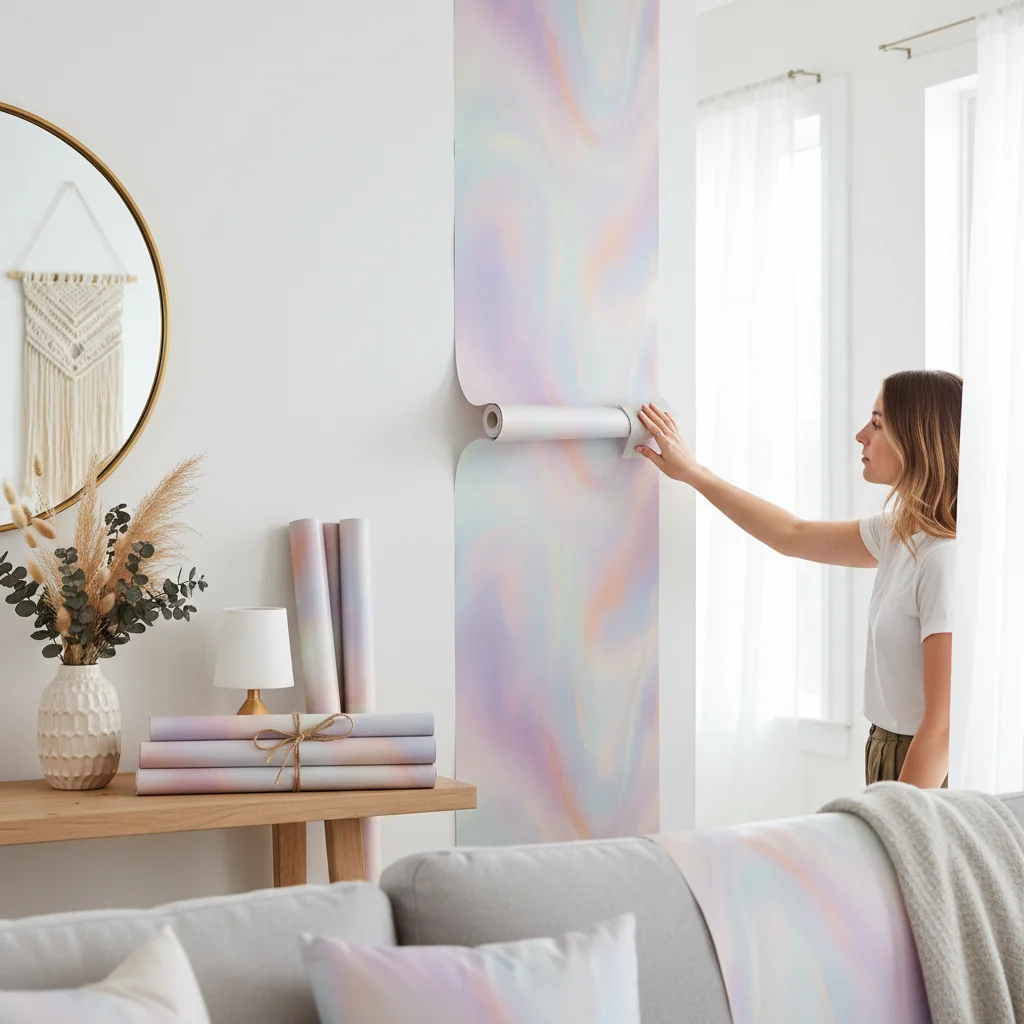
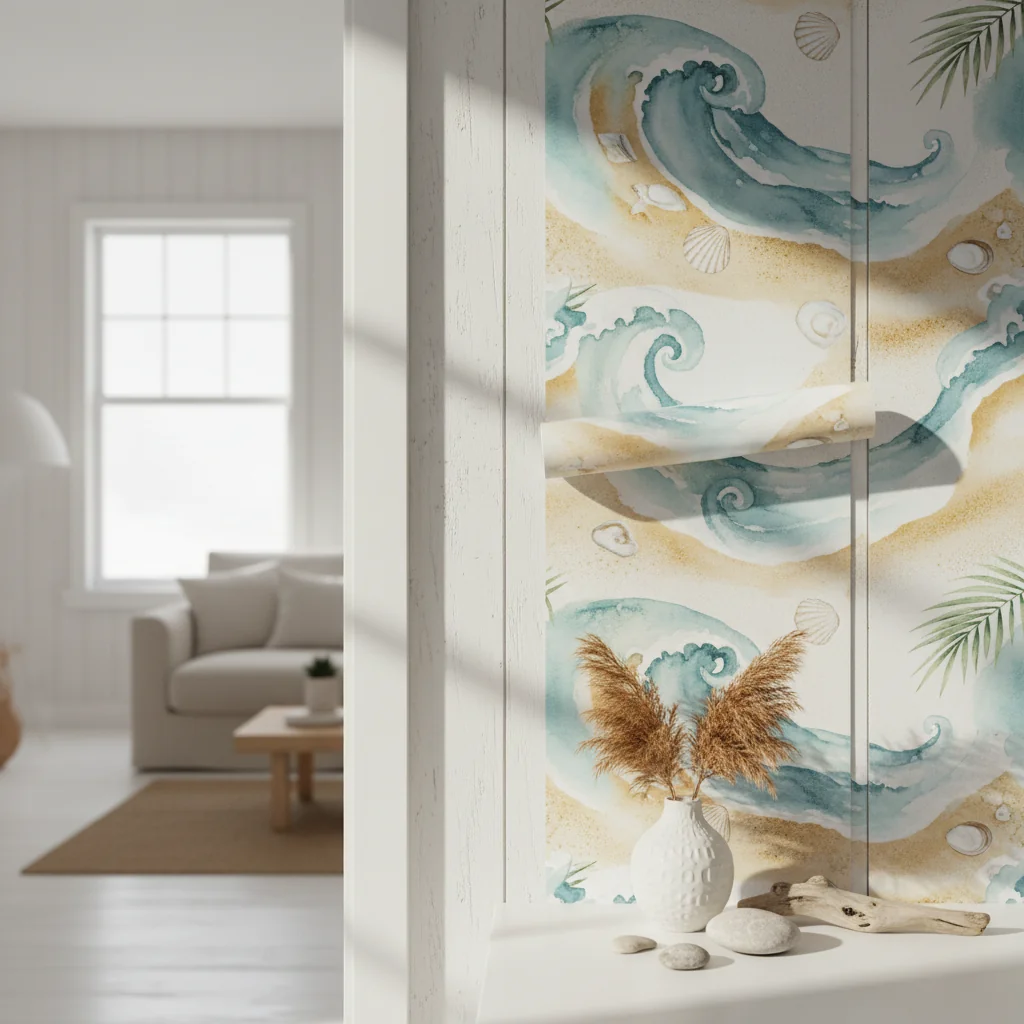
Vinyl wallpaper, a highly versatile and durable wall covering, offers an exceptional blend of aesthetic appeal and practical functionality for residential and commercial spaces. Composed of a printed design layer laminated with a vinyl film, this material provides superior resistance to moisture, stains, and daily wear compared to traditional paper-based wallpapers, making it a preferred choice for high-traffic areas and rooms prone to humidity.
Key Takeaways
- Vinyl wallpaper is a highly durable and versatile wall covering, offering significant resistance to moisture, stains, and wear, making it ideal for various environments.
- It comes in several types, including vinyl-coated paper, solid vinyl, and fabric-backed vinyl, each suited for different applications based on their composition and durability.
- Proper surface preparation, accurate measurement, and understanding pattern repeats are crucial for a successful and long-lasting installation.
- Vinyl wallpaper is exceptionally easy to clean and maintain, requiring only mild soap and water for most spills and marks, contributing to its longevity.
- From faux textures to bold geometrics, vinyl wallpaper offers an extensive range of styles and finishes, allowing for significant design flexibility to match any interior aesthetic.
- When selecting vinyl wallpaper, consider environmental factors, opting for low-VOC and phthalate-free options to ensure better indoor air quality.
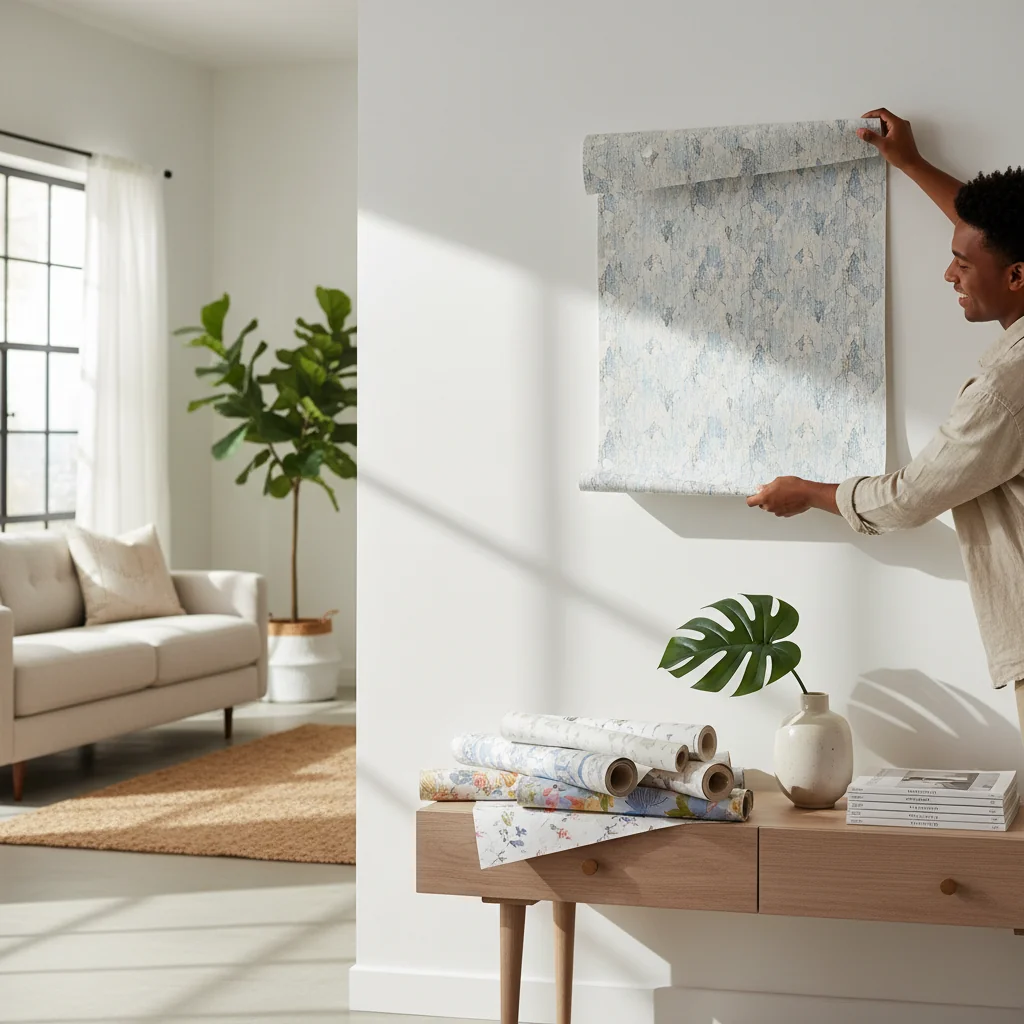
What is Vinyl Wallpaper? Understanding Its Composition and Types
Vinyl wallpaper is a robust and flexible wall covering constructed with a vinyl layer, offering superior durability and moisture resistance compared to traditional paper-based options. Its composition typically involves a decorative surface layer of vinyl laminated to a backing material, providing both aesthetic versatility and enhanced performance for a wide range of interior applications.
This construction fundamentally differentiates it from standard wallpapers. The vinyl layer acts as a protective barrier, making it inherently more resistant to scuffs, stains, and humidity. This inherent resilience has positioned vinyl wallpaper as a staple in both residential and commercial design for decades, evolving significantly in aesthetics and material science.
Defining Key Types of Vinyl Wallpaper
Understanding the distinct types of vinyl wallpaper is crucial for selecting the most appropriate product for a given application. Each type offers specific characteristics regarding durability, ease of installation, and aesthetic finish.
1. Vinyl-Coated Paper
Vinyl-coated paper is a type of wallpaper where a liquid vinyl acrylic is sprayed or coated onto a paper substrate. This process creates a thin, protective layer over the printed design, enhancing its durability and making it more washable than traditional paper wallpapers.
- **Composition:** Features a paper backing with a thin, clear vinyl coating.
- **Durability:** Offers moderate durability. It resists light moisture and can be gently wiped clean, but it is not as robust as solid vinyl.
- **Ideal Use:** Best suited for low-to-medium traffic areas like bedrooms, living rooms, and dining rooms where high moisture or heavy wear is not a primary concern. It provides a more economical option for introducing vinyl’s benefits.
- **Installation:** Typically requires paste application.
- **Removal:** Generally strippable, meaning it can often be peeled off in full sheets without extensive soaking, though results can vary based on adhesive and wall prep.
2. Solid Vinyl Wallpaper
Solid vinyl wallpaper is constructed entirely from vinyl, with a fabric or paper backing laminated to a solid vinyl decorative surface. This construction makes it exceptionally durable, highly washable, and resistant to moisture, making it suitable for demanding environments.
- **Composition:** Features a solid vinyl film (often embossed for texture) laminated to a paper or fabric backing. The vinyl layer is typically thicker and more substantial than a vinyl-coated paper.
- **Durability:** Extremely durable, highly resistant to scratching, scuffing, and tearing. It withstands significant moisture and can be scrubbed clean with mild detergents. This makes it a workhorse for busy environments.
- **Ideal Use:** Perfect for high-traffic areas such as hallways, kitchens, bathrooms, kids’ rooms, and commercial spaces. Its moisture resistance also makes it an excellent choice for humid environments.
- **Installation:** Requires paste application; the heavier material can be more challenging to handle for DIYers but offers greater forgiveness for minor wall imperfections.
- **Removal:** Generally peelable or strippable, depending on the specific product and adhesive used.
3. Fabric-Backed Vinyl (Type II Commercial Wallcoverings)
Fabric-backed vinyl wallpaper is a heavy-duty wall covering featuring a solid vinyl decorative layer laminated to a woven fabric backing, typically cotton or polyester. This robust construction provides superior strength, tear resistance, and dimensional stability, designed to meet rigorous commercial standards.
- **Composition:** A thick, solid vinyl surface bonded to a strong fabric (e.g., woven polyester or cotton) backing. The fabric backing adds significant strength and helps prevent tearing during installation and over time.
- **Durability:** Represents the highest level of durability among vinyl wallpapers, often classified as Type II commercial wallcoverings. It is exceptionally resistant to impact, abrasion, and moisture, designed to last for many years in demanding environments.
- **Ideal Use:** Primarily used in commercial settings like hospitals, hotels, offices, restaurants, and other public spaces. It is also an excellent choice for residential areas requiring ultimate durability, such as mudrooms, playrooms, or large family areas.
- **Installation:** Requires professional installation due to its weight, rigidity, and the need for specialized adhesives and techniques.
- **Removal:** Typically strippable, though the robust adhesive used for commercial applications may require specific methods for removal.
4. Peel-and-Stick Vinyl Wallpaper (Removable Wallpaper)
Peel-and-stick vinyl wallpaper features an adhesive backing that is activated by removing a protective liner, allowing for easy application and removal without the need for traditional paste. This innovative format offers unparalleled convenience and flexibility, making it a favorite for temporary installations, renters, and DIY enthusiasts.
- **Composition:** Typically a solid vinyl or vinyl-coated paper with a pre-applied, pressure-sensitive adhesive on the back, covered by a release liner.
- **Durability:** Varies depending on the vinyl thickness. Generally durable and washable, though often designed for residential use rather than heavy commercial traffic. It offers good resistance to minor scuffs and moisture.
- **Ideal Use:** Excellent for temporary decor changes, rental properties, accent walls, DIY projects, and areas where quick updates are desired. It can be applied to smooth, primed surfaces and is often repositionable during installation.
- **Installation:** Extremely user-friendly; simply peel off the backing and stick to the wall. No paste or special tools are required beyond a smoothing tool and a utility knife.
- **Removal:** Designed for clean removal without damaging the underlying wall surface or leaving sticky residue, provided the surface was properly prepared.
Commercial vs. Residential Grades
The distinction between commercial and residential grades of vinyl wallpaper is primarily driven by their intended use and the performance standards they must meet. Commercial-grade vinyl wallpapers, particularly Type II fabric-backed vinyl, are engineered for extreme durability, fire resistance, and ease of maintenance in high-traffic public spaces. They are tested against rigorous standards for abrasion, tear strength, and scrubbability.
Residential vinyl wallpapers, while still highly durable compared to traditional paper, are designed for the typical wear and tear of a home. They prioritize aesthetic diversity, ease of installation, and often offer a broader range of patterns and textures at a more accessible price point. Understanding these grades ensures you select a product that not only looks exceptional but also performs optimally for its designated environment.
| Type of Vinyl Wallpaper | Composition | Durability & Washability | Ideal Use | Approx. Price Range (per single roll) | Installation Method |
|---|---|---|---|---|---|
| Vinyl-Coated Paper | Paper backing with a thin vinyl film coating. | Moderate; resists light moisture, gently wipeable. | Bedrooms, living rooms, dining rooms (low-to-medium traffic). | $20 – $50 | Paste required |
| Solid Vinyl | Solid vinyl film laminated to a paper or fabric backing. | High; resistant to scratches, scuffs, moisture; scrubbable. | Kitchens, bathrooms, hallways, kids’ rooms (high traffic/moisture). | $30 – $80 | Paste required |
| Fabric-Backed Vinyl (Type II Commercial) | Thick solid vinyl surface bonded to a woven fabric backing. | Exceptional; highest resistance to impact, abrasion, moisture; highly scrubbable. | Commercial spaces (hotels, offices, hospitals), high-wear residential areas. | $50 – $150+ | Professional paste installation recommended |
| Peel-and-Stick Vinyl | Solid vinyl or vinyl-coated paper with self-adhesive backing. | Good; durable for residential use, washable, repositionable. | Accent walls, rentals, DIY projects, temporary decor. | $0.50 – $2.00 per sq ft | Self-adhesive (peel-and-stick) |
The Enduring Advantages of Vinyl Wallpaper
Vinyl wallpaper offers a compelling array of benefits that make it a highly practical and aesthetically pleasing choice for a multitude of interior design projects. Its inherent characteristics address common concerns associated with traditional wall coverings, providing solutions for durability, maintenance, and environmental challenges.
These advantages extend its utility beyond mere decoration, positioning it as a strategic investment for both residential and commercial applications. The robust nature of vinyl ensures a longer lifespan for your walls, reducing the frequency and cost of redecorating.
Superior Durability and Longevity
One of the foremost advantages of vinyl wallpaper is its exceptional durability, significantly outperforming traditional paper-based options. The vinyl layer acts as a protective shield against everyday wear and tear, including scuffs, scratches, and minor impacts.
This resilience means that vinyl wallpaper maintains its pristine appearance for years, even in high-traffic areas such as hallways, entryways, and family rooms. Its robust construction resists tearing and peeling, contributing to a longer lifespan and reducing the need for frequent replacement or repair, ultimately offering a cost-effective solution over time.
Effortless Washability and Ease of Maintenance
Vinyl wallpaper is renowned for its outstanding washability, making it remarkably easy to clean and maintain. Unlike delicate paper wallpapers that can be damaged by moisture, most vinyl wallpapers can be wiped down with a damp cloth and mild soap to remove dirt, smudges, and even some stains.
This characteristic is particularly beneficial in environments prone to spills and marks, such as kitchens, bathrooms, children’s bedrooms, and commercial settings. The non-porous surface of vinyl prevents liquids and grime from penetrating, ensuring that the wall covering retains its fresh appearance with minimal effort.
Excellent Moisture Resistance
The inherent moisture resistance of vinyl wallpaper makes it an ideal choice for humid or damp environments where other wall coverings might falter. The vinyl layer repels water, preventing it from soaking into the wall and causing issues like mold, mildew, or damage to the substrate.
This makes solid vinyl and fabric-backed vinyl options particularly well-suited for bathrooms, laundry rooms, and basements. Even in areas with fluctuating humidity, vinyl wallpaper remains stable, preventing bubbling, peeling, or deterioration that can plague less resistant materials.
Unparalleled Versatility in Design
Vinyl wallpaper offers an expansive palette of design possibilities, encompassing an incredible range of textures, patterns, and colors. Manufacturers can emboss vinyl to mimic natural materials like wood grain, stone, brick, and fabric, providing sophisticated visual and tactile depth without the cost or complexity of genuine materials.
From subtle textures that add understated elegance to bold geometric patterns and vibrant botanicals, vinyl wallpaper allows designers and homeowners to achieve virtually any aesthetic. Its ability to hold intricate details and rich color saturation ensures that design visions are brought to life with precision and impact.
Potential for Sound Dampening
While not a primary soundproofing solution, the thickness and density of certain vinyl wallpapers, particularly fabric-backed and solid vinyl options, can contribute to a slight improvement in acoustic comfort. The material can help absorb some sound waves, reducing echo within a room and potentially mitigating noise transfer between spaces.
This subtle sound-dampening quality can enhance the ambiance of living areas, bedrooms, or office spaces by creating a quieter, more serene environment. For optimal acoustic performance, however, specific soundproofing materials would be necessary.
Cost-Effectiveness Over Time
Although the initial cost of high-quality vinyl wallpaper might be slightly higher than some budget paper options, its long-term cost-effectiveness is a significant benefit. Its exceptional durability and ease of maintenance mean it does not need to be replaced or repaired as frequently as less robust materials.
The extended lifespan of vinyl wallpaper translates into fewer expenses for materials, labor, and re-installation over many years. This makes it a smart investment for those seeking a durable, beautiful, and low-maintenance wall solution that stands the test of time.
Choosing the Right Vinyl Wallpaper for Your Space
Selecting the appropriate vinyl wallpaper involves a thoughtful consideration of your room’s function, desired aesthetic, and practical requirements to ensure both visual harmony and long-term satisfaction. The right choice enhances your interior, reflecting your personal style while standing up to the demands of daily life.
At Starhouse, we understand that every space tells a unique story, and the wall covering plays a pivotal role in shaping that narrative. Our curation process emphasizes finding designs that are not only beautiful but also perfectly suited to their environment.
Consider Room Function and Traffic
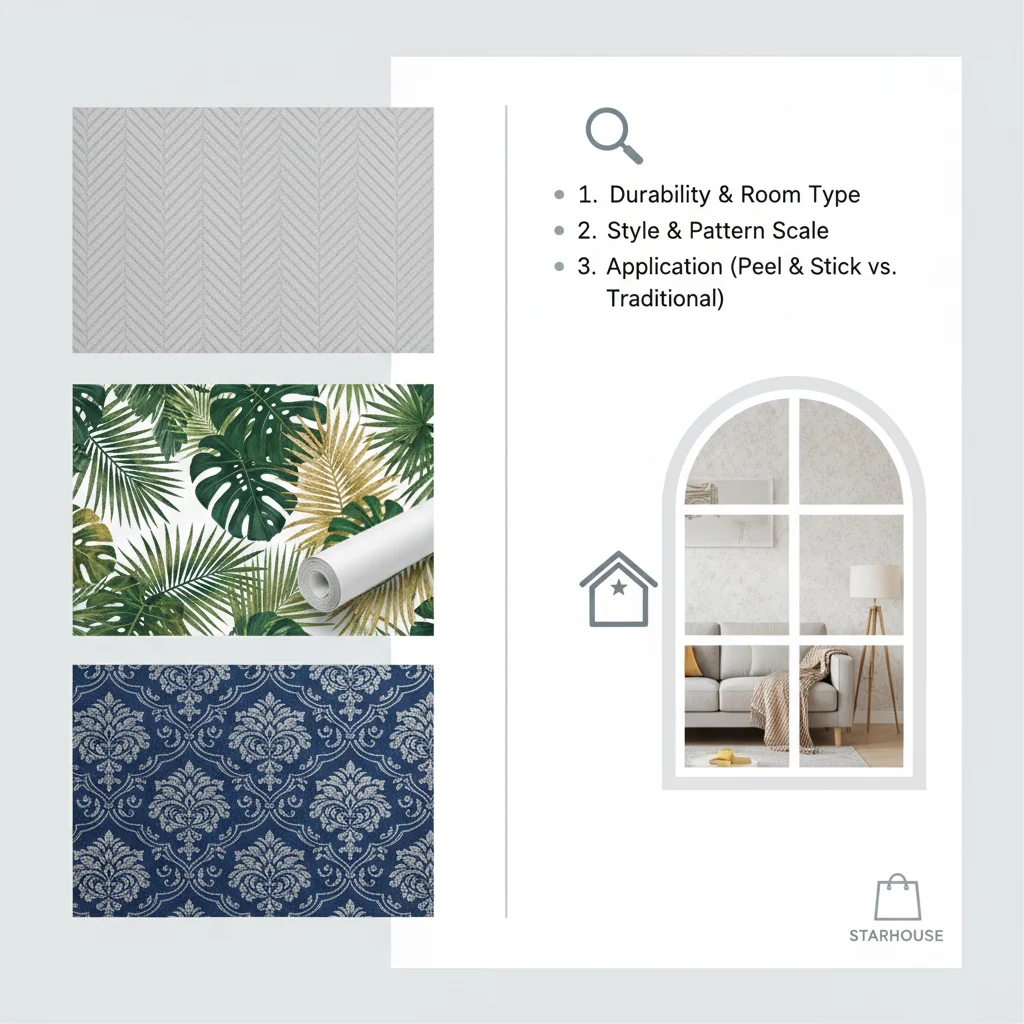
The intended use and traffic level of a room are paramount in determining the ideal type of vinyl wallpaper. For high-traffic areas like hallways, entryways, and children’s playrooms, solid vinyl or fabric-backed vinyl is essential due to its superior resistance to scuffs, tears, and impacts.
In moisture-prone rooms such as kitchens, bathrooms, and laundry rooms, solid vinyl’s excellent water resistance prevents bubbling, peeling, and mildew formation. Conversely, for lower-traffic spaces like bedrooms or formal dining areas, vinyl-coated paper can provide sufficient durability while offering a broader range of delicate patterns and finishes.
Align with Style and Aesthetic
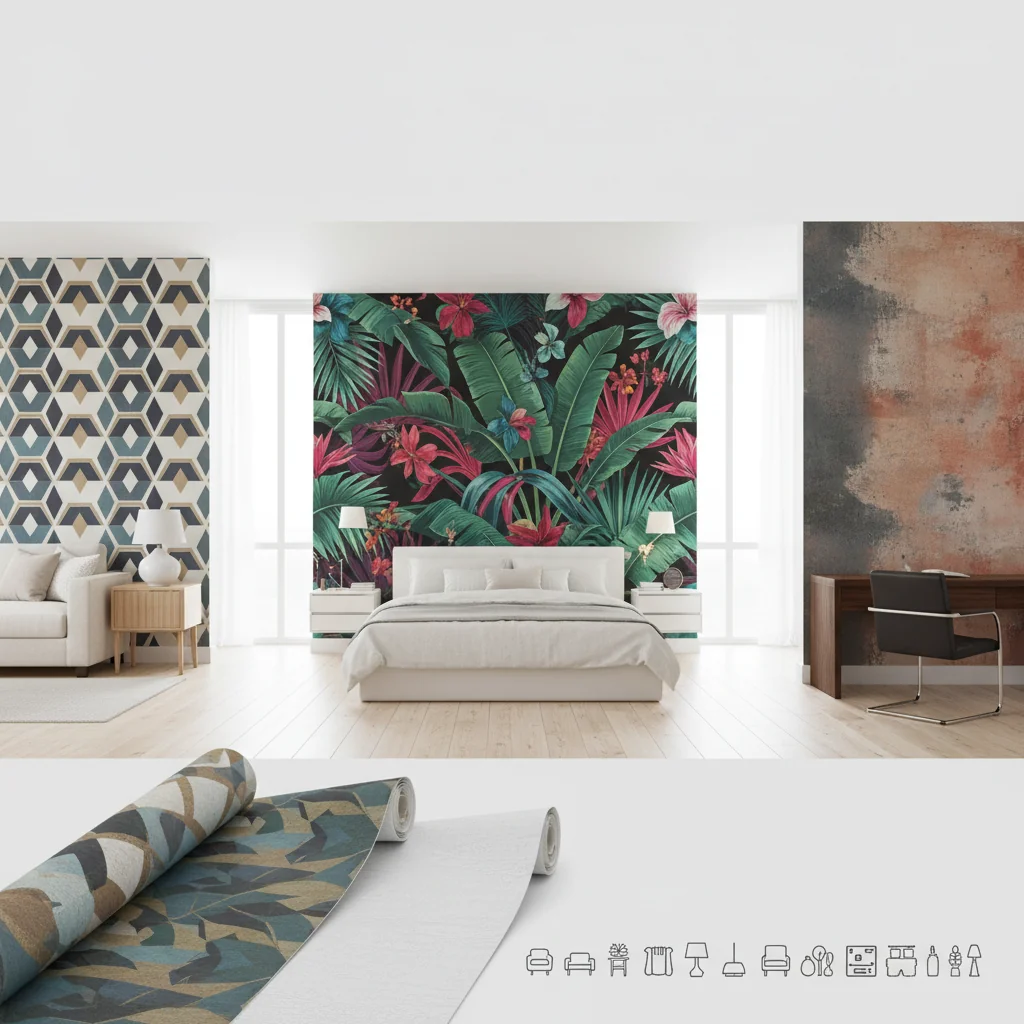
The style of your vinyl wallpaper should seamlessly integrate with your overall interior design aesthetic, whether it’s modern, traditional, eclectic, or minimalist. A modern space might benefit from geometric patterns, abstract designs, or faux concrete textures, while a traditional setting could feature damasks, florals, or classic stripes.
Consider the existing furnishings, color palette, and architectural features of the room. The wallpaper should complement, not compete with, these elements, creating a cohesive and inviting atmosphere. Starhouse curates designs that resonate with diverse aesthetic preferences, ensuring a perfect match for your vision.
Pattern Scale and Repeat
The scale and repeat of a wallpaper pattern significantly influence the visual impact of a room. Large-scale patterns can make a grand statement in spacious rooms with high ceilings, adding drama and focal points. However, in smaller rooms, oversized patterns can overwhelm the space, making it feel cramped.
Conversely, small-scale patterns or subtle textures are excellent for adding visual interest without dominating a compact area. Understanding the pattern repeat—the distance before a pattern begins to repeat itself—is also critical for accurate measurement and ensuring a harmonious flow across the walls.
Color Palette Influence
The color palette of your chosen vinyl wallpaper sets the mood and tone of a room. Light colors like creams, pastels, and soft grays can make a room feel larger, brighter, and more open, reflecting natural light effectively. Darker hues, such as deep blues, charcoals, or emerald greens, create a sense of intimacy, drama, and sophistication, particularly effective in bedrooms, studies, or accent walls.
Consider the amount of natural light the room receives and how the wallpaper color will interact with it throughout the day. Warm colors (reds, oranges, yellows) evoke energy and comfort, while cool colors (blues, greens, purples) promote tranquility and serenity.
Texture Considerations
Vinyl wallpaper excels in offering a vast array of textures, adding tactile and visual depth to walls. Embossed vinyl can convincingly replicate the look and feel of natural materials like grasscloth, linen, wood panels, or industrial concrete, without the associated maintenance or cost.
Textured wallpapers can hide minor wall imperfections, providing a forgiving surface. A subtle texture can add sophistication to a minimalist space, while a pronounced texture can become a focal point. Consider how the texture interacts with light, as it can create intriguing shadows and highlights that change throughout the day.
Light Reflection and Room Brightness
The finish of vinyl wallpaper impacts how light is reflected and, consequently, the perceived brightness of a room. High-gloss or metallic finishes reflect more light, making a room feel more expansive and luminous. These are excellent for adding glamour or brightening dimly lit spaces.
Matte finishes absorb more light, creating a softer, more subdued ambiance. They are ideal for creating a cozy atmosphere or when you want the pattern to be the primary focus without distracting glare. Satin or semi-gloss finishes offer a balance, providing some light reflection while maintaining a rich color depth.
Environmental Considerations: Low-VOC and Phthalate-Free Options
When selecting vinyl wallpaper, it is increasingly important to consider its environmental impact and indoor air quality. Traditional vinyl wallpapers sometimes contain volatile organic compounds (VOCs) and phthalates, which can off-gas into the air. However, many manufacturers now offer low-VOC and phthalate-free vinyl wallpaper options.
These healthier alternatives contribute to improved indoor air quality, making them a responsible choice for homes, especially in children’s rooms or for individuals with sensitivities. We recommend seeking out products that specify these attributes, often indicated by certifications or product descriptions highlighting their eco-friendly formulation. The U.S. Environmental Protection Agency (EPA) provides valuable guidance on indoor air quality and materials, underscoring the importance of selecting products that minimize chemical emissions in your home environment.
At Starhouse, we are curating a collection that prioritizes both unparalleled aesthetics and responsible material sourcing. We believe your home should be a sanctuary of both beauty and well-being.
What are your aspirations for your next design project? What types of vinyl wallpaper, patterns, or textures are you dreaming of for your space? Tell us what you’re looking for, and get early access to our meticulously curated collection designed to elevate every room.
Sizing Up Your Project: Measuring and Estimating for Vinyl Wallpaper
Accurate measurement and estimation are foundational to a successful wallpaper installation, ensuring you purchase the correct quantity of material and minimize waste. Precise calculations prevent costly reorders and delays, contributing to a seamless and efficient project completion.
Underestimating can lead to mismatched dye lots, while overestimating results in unnecessary expense. Starhouse emphasizes the importance of meticulous planning to achieve professional results.
Accurate Measurement Techniques
Before purchasing any wallpaper, you must accurately measure the dimensions of the walls you intend to cover. This process involves a few key steps:
- Measure Wall Height: Measure the height of each wall from the baseboard to the ceiling. If your ceiling height varies, measure at several points and use the tallest measurement for calculation. For standard ceilings, this is often 8 or 9 feet.
- Measure Wall Width: Measure the total width of each wall. Add these widths together to get the total perimeter of the room, excluding any areas you do not plan to wallpaper (e.g., behind large built-in cabinets).
- Account for Openings: Measure the width and height of all doors, windows, and other large openings. You will subtract these areas from your total wall surface, though it’s crucial to still account for the width of the opening when calculating full strips needed.
- Consider Obstacles: Note any permanent fixtures like large mirrors, wall-mounted TVs, or decorative shelving that will not be wallpapered.
Understanding Pattern Repeat
Pattern repeat is the vertical distance on a wallpaper roll before the design begins to repeat itself. This measurement is critical for ensuring that patterns align seamlessly across multiple strips of wallpaper.
- No Match: Some wallpapers have no discernible pattern repeat, meaning strips can be hung side-by-side without matching.
- Random Match: Strips can be reversed or hung without matching, offering minimal waste.
- Straight Match: The pattern matches across strips at the same height. This requires careful alignment but generally results in less waste than a drop match.
- Drop Match: The pattern matches across strips, but each subsequent strip must be dropped by a specific distance (e.g., a half-drop or quarter-drop) to align. This type of match typically generates the most waste, as you need extra material to find the correct starting point for each strip.
Always factor in the pattern repeat when cutting strips. For a drop match, you might need to add an extra 6-12 inches to each strip’s length to allow for alignment.
Calculating Rolls Needed
Wallpaper is typically sold in single or double rolls, but often priced by the single roll. A standard single roll of wallpaper in the U.S. measures approximately 20.5 inches wide by 16.5 feet long, covering about 28 square feet. However, dimensions can vary, so always check the specific product specifications.
Here’s a simplified method for estimating:
- Calculate Total Square Footage: Multiply the total wall height by the total wall width (perimeter). Subtract the square footage of doors and windows.
Example: (Wall Height in feet * Total Wall Width in feet) – (Door Sq Ft + Window Sq Ft) = Total Sq Ft to Cover. - Determine Strips Per Roll: Divide the total width of a single roll by the width of the wallpaper (e.g., 20.5 inches). This tells you how many full-height strips you can get from one roll.
Example: 16.5 feet (roll length) / (Wall Height in feet + Pattern Repeat Allowance in feet) = Number of strips per roll. Round down to the nearest whole number. - Calculate Total Strips Needed: Divide the total perimeter of your walls by the width of one wallpaper strip.
Example: Total Wall Width in inches / Wallpaper Width in inches = Total number of strips needed. Round up to the nearest whole number. - Calculate Total Rolls: Divide the total number of strips needed by the number of strips you can get from one roll.
Example: Total Strips Needed / Strips Per Roll = Number of rolls. Round up to the nearest whole number.
For complex patterns or rooms, consider using an online wallpaper calculator or consulting a professional installer for precise estimates.
Importance of Ordering Extra (Waste Factor)
It is standard practice to order at least 15-20% more wallpaper than your initial calculations suggest. This “waste factor” accounts for:
- Pattern Matching: Especially for drop-match patterns, significant waste can occur during alignment.
- Cutting Errors: Minor mistakes during cutting are inevitable, even for experienced installers.
- Damage During Installation: Accidental tears or creases can happen.
- Future Repairs: Having extra wallpaper from the same dye lot is invaluable for seamless repairs if a section gets damaged years down the line. Dye lots can vary slightly in color, so having a spare roll from the original batch ensures a perfect match.
Never assume you can easily purchase an exact match later. Dye lots can change, and discontinued patterns become unavailable.
Tools for Measurement
Ensure you have the right tools for accurate measurement:
- Steel Tape Measure: A retractable tape measure, at least 25 feet long, is essential for measuring wall dimensions.
- Pencil and Notepad: For recording measurements clearly and concisely.
- Calculator: For performing the necessary calculations.
- Step Ladder: To reach high points for accurate height measurements.
Taking the time to measure meticulously is a small investment that pays significant dividends in the overall success and satisfaction of your wallpaper project.
Installation Essentials: Preparing Surfaces and Application Techniques
Proper surface preparation is the single most critical step in wallpaper installation, directly impacting the adhesion, appearance, and longevity of your vinyl wall covering. A well-prepared surface ensures a smooth, durable finish and prevents common issues like bubbling, peeling, or visible imperfections.
Neglecting this foundational stage can undermine even the most expertly applied wallpaper, leading to premature failure and dissatisfaction. Starhouse emphasizes that meticulous preparation is non-negotiable for achieving a professional-grade outcome.
Surface Preparation: The Foundation of Success
Before any wallpaper touches your walls, ensure they are clean, smooth, dry, and properly primed.
- Clean the Walls: Thoroughly wash walls with a mild detergent solution (e.g., TSP substitute or sugar soap) to remove dirt, grease, and grime. Rinse with clean water and allow to dry completely, typically 24 hours.
- Repair Imperfections: Fill any holes, cracks, or dents with spackling compound or joint compound. Sand these areas smooth once dry, ensuring there are no raised edges or rough patches. Vinyl wallpaper, especially those with smooth finishes, will highlight any underlying imperfections.
- Remove Old Wallcoverings: All existing wallpaper must be completely removed. Attempting to wallpaper over old paper can lead to bubbling, peeling, and an uneven finish. Ensure all adhesive residue is also removed and the wall is clean.
- Prime the Walls: Apply a high-quality acrylic primer specifically formulated for wallpaper. This step is non-negotiable. Primer creates a uniform, porous surface that promotes better adhesion, makes future removal easier, and prevents the wallpaper adhesive from soaking into the drywall, which can cause blistering. Allow the primer to dry fully according to manufacturer instructions, often 24 hours.
Adhesive Types for Vinyl Wallpaper
The type of adhesive required depends on the specific vinyl wallpaper you choose.
- Pre-pasted Wallpaper: Many vinyl wallpapers come with a dry adhesive applied to the backing. This adhesive is activated by dipping the strip in water or spraying it with water. This offers convenience but requires proper wetting for optimal adhesion.
- Unpasted Wallpaper: This type requires you to apply a separate wallpaper adhesive (paste) to the back of each strip before hanging. We recommend a high-quality, heavy-duty clear or clay-based vinyl adhesive for robust and long-lasting results.
- Peel-and-Stick Vinyl Wallpaper: As discussed, this features a pressure-sensitive adhesive protected by a release liner. No additional paste is needed; simply peel and apply.
Always follow the wallpaper manufacturer’s recommendations for the appropriate adhesive type.
Step-by-Step Application Techniques
While specific instructions vary by product, these general steps apply to most vinyl wallpaper installations:
For Traditional (Paste-Applied) Vinyl Wallpaper:
- Prepare Your Workspace: Lay out a clean, flat surface (a pasting table is ideal) for cutting and pasting.
- Cut Strips: Cut your first strip a few inches longer than your wall height to allow for trimming at the top and bottom. For subsequent strips, align the pattern repeat (if applicable) before cutting.
- Apply Paste (if unpasted): Lay a strip face down on your pasting table. Apply an even layer of paste from the center outwards to the edges. Ensure complete coverage, especially along the edges.
- Book the Wallpaper: Gently fold the pasted strip onto itself, paste-to-paste, without creasing. Allow it to “book” for 5-10 minutes (check manufacturer instructions) to allow the paste to fully absorb and the paper to relax.
- Hang the First Strip: Using a plumb line (a weighted string or laser level) to ensure a perfectly vertical line, align the first strip. Start from a corner or a central point, leaving a 2-3 inch overlap at the ceiling and baseboard.
- Smooth and Secure: Use a wallpaper smoother or brush to gently press the strip onto the wall, working from the center outwards to remove air bubbles. Trim excess at the ceiling and baseboard with a utility knife and a straight edge.
- Hang Subsequent Strips: Butt each subsequent strip tightly against the previous one, carefully aligning the pattern. Avoid overlapping traditional wallpaper seams. Smooth and trim as before.
- Clean Up: Immediately wipe off any excess paste from the surface of the wallpaper and trim with a clean, damp sponge to prevent staining.
For Peel-and-Stick Vinyl Wallpaper:
- Prepare Wall: Ensure the wall is clean, smooth, dry, and primed. A very smooth surface is critical for peel-and-stick.
- Cut Strips: Measure your wall height and cut strips a few inches longer than needed, accounting for pattern repeat.
- Peel and Stick: Peel back a few inches of the release liner from the top of your first strip. Align the strip with your plumb line, leaving an overlap at the ceiling.
- Apply Gradually: Slowly peel away more of the backing as you smooth the wallpaper onto the wall, working from top to bottom and center outwards. Use a smoothing tool to eliminate air bubbles.
- Reposition (if needed): Most peel-and-stick is repositionable, allowing you to lift and reapply if alignment is off.
- Trim: Trim excess material at the ceiling and baseboard using a utility knife and straight edge.
- Overlap Seams: Some peel-and-stick designs are meant to be butt-joined, while others require a slight overlap (e.g., 1/16 inch) to account for potential shrinkage. Always check product instructions.
Essential Tools for Installation
Having the right tools makes the installation process significantly smoother and more professional:
- Tape Measure: For accurate measurements.
- Pencil: For marking.
- Utility Knife with Snap-Off Blades: Essential for precise trimming. Keep fresh blades handy.
- Straight Edge/Metal Ruler: For guiding cuts.
- Smoothing Tool/Smoother: A plastic or felt-edged tool to remove air bubbles and ensure adhesion.
- Wallpaper Brush or Roller: For applying paste (if unpasted) and smoothing.
- Seam Roller: A small roller to ensure seams are flat and well-adhered.
- Plumb Line or Laser Level: To establish perfectly vertical starting lines.
- Step Ladder: For safe access to higher wall sections.
- Clean Sponges and Buckets of Water: For cleaning excess paste and tools.
Common Installation Challenges and How to Avoid Them
Even with careful planning, challenges can arise. Anticipating them can prevent frustration:
- Bubbles and Blisters: Often caused by inadequate surface preparation (dust, grease), insufficient booking time (for pasted papers), or trapped air. Smooth thoroughly from the center out. Small bubbles may dissipate as the paper dries.
- Visible Seams: Can result from improper butt-joining, wallpaper shrinkage, or uneven wall surfaces. Ensure seams are tight and use a seam roller. For peel-and-stick, some designs account for a slight overlap.
- Pattern Mismatch: Occurs when pattern repeat is not correctly accounted for during cutting or hanging. Double-check measurements and alignment before making cuts.
- Adhesive Bleed-Through: Using too much paste or not wiping off excess immediately can lead to paste showing through light-colored wallpaper.
- Difficulty Removing Liner (Peel-and-Stick): Sometimes the backing can be tricky to separate. Try using a utility knife to gently score and lift a corner.
Patience and precision are your greatest assets during wallpaper installation. Take your time, follow instructions meticulously, and don’t hesitate to consult professional resources or consider professional installation for complex projects.
Maintaining and Caring for Your Vinyl Wallpaper
Maintaining vinyl wallpaper is remarkably straightforward, owing to its inherent durability and washability, ensuring your walls retain their pristine appearance for many years. Regular, gentle care prevents the buildup of dust and grime, preserving the vibrancy and integrity of the material.
Unlike more delicate wall coverings, vinyl’s robust surface allows for effective cleaning without fear of damage, making it an excellent long-term investment for any home or commercial space. Starhouse recommends a proactive approach to maintenance to maximize the lifespan and aesthetic appeal of your wall coverings.
Regular Cleaning: Dusting and Wiping
The foundation of vinyl wallpaper care is routine cleaning to prevent dust and light dirt from accumulating. This simple practice keeps your walls looking fresh and reduces the need for more intensive cleaning.
- Weekly Dusting: Use a soft, dry cloth, a feather duster, or the brush attachment of your vacuum cleaner to gently remove surface dust. Work from top to bottom to ensure all dust falls away.
- Monthly Wiping: For areas that may accumulate more grime, such as kitchens or hallways, a light wipe-down is beneficial. Dampen a soft sponge or cloth with plain water (distilled water is ideal to prevent mineral streaks) and gently wipe the surface. Avoid saturating the wallpaper.
Spot Cleaning Techniques
For isolated marks or spills, spot cleaning is highly effective due to vinyl’s non-porous surface. Address spills promptly to prevent them from setting.
- Mild Soap Solution: Mix a small amount of mild dish soap (without harsh chemicals or abrasives) with warm water.
- Test in an Inconspicuous Area: Before applying to the visible stain, always test your cleaning solution on a hidden spot (e.g., behind furniture or a door) to ensure it doesn’t discolor or damage the wallpaper.
- Gentle Application: Dampen a clean, soft cloth with the soap solution. Gently blot or wipe the stained area. Avoid aggressive scrubbing, which can damage the surface or pattern.
- Rinse and Dry: Use a separate clean cloth dampened with plain water to wipe away any soap residue. Immediately dry the area with a clean, dry cloth to prevent water spots or streaks.
Dealing with Specific Stains
Different types of stains may require slightly varied approaches:
- Grease/Oil: For fresh grease, try blotting with a paper towel first. Then, use the mild soap solution. For tougher grease, a small amount of rubbing alcohol on a cloth might work, but test first.
- Ink/Marker: These can be challenging. A cotton swab dipped in rubbing alcohol can sometimes lift ink, but apply very sparingly and test meticulously. For permanent markers, specialized wallpaper cleaners might be necessary, but use with extreme caution.
- Food/Beverage: Most food and drink stains respond well to the mild soap and water solution if cleaned quickly.
- Mildew: For mildew spots in humid areas, a diluted solution of white vinegar (1 part vinegar to 3 parts water) or a very mild bleach solution (1 tablespoon bleach per gallon of water) can be used. Apply sparingly with a sponge, then rinse and dry thoroughly. Ensure good ventilation.
Repairing Minor Damage: Seams and Tears
Even with durable vinyl, minor damage can occur. Addressing these quickly prevents further deterioration.
- Lifting Seams: If a seam begins to lift, apply a small amount of vinyl-specific seam adhesive (available at most hardware stores) underneath the edge. Press firmly with a seam roller or a clean, dry cloth until it adheres. Wipe away excess adhesive immediately.
- Small Tears/Punctures: For small tears, if you have leftover wallpaper from the original dye lot, you can carefully cut a patch. Match the pattern, apply wallpaper adhesive to the back of the patch, and adhere it over the damaged area, blending the edges. For tiny punctures, a dab of adhesive might suffice.
- Creases: Minor creases might be gently smoothed out with a warm (not hot) iron on a low setting, using a clean, dry cloth as a barrier between the iron and the wallpaper. Test this method in an inconspicuous area first.
When to Consider Professional Cleaning or Repair
While vinyl wallpaper is highly DIY-friendly for maintenance, there are instances where professional intervention is advisable:
- Extensive Staining: If large areas are heavily stained or if DIY methods are ineffective, a professional wallpaper cleaner has specialized products and techniques that can restore the wallpaper without damage.
- Significant Damage: Large tears, extensive peeling, or damage that affects a prominent area may warrant professional repair or replacement to ensure a seamless finish.
- Mold Infestation: If you notice widespread mold or suspect it’s growing behind the wallpaper, it’s crucial to consult a professional remediation service. Attempting to clean extensive mold yourself can be hazardous and may not address the underlying moisture issue.
Longevity Expectations
With proper installation and consistent care, high-quality vinyl wallpaper can last anywhere from 10 to 20 years or even longer. Commercial-grade vinyl, designed for extreme durability, often exceeds these estimates in residential applications. Factors influencing longevity include the quality of the wallpaper, the environment (e.g., humidity levels), and the frequency and intensity of cleaning.
By following these simple maintenance guidelines, you can ensure your vinyl wallpaper remains a beautiful and resilient feature of your home for decades.
Styling with Vinyl Wallpaper: Elevating Your Interiors
Vinyl wallpaper offers an unparalleled medium for transforming interior spaces, providing a vast spectrum of design possibilities that range from subtle enhancements to dramatic focal points. Its versatility in pattern, texture, and color allows for creative expression that can elevate any room’s aesthetic and mood.
At Starhouse, we view wallpaper as an integral design element, capable of defining character, adding depth, and creating a truly bespoke environment. The strategic application of vinyl wallpaper can reinvent a space, making it feel larger, cozier, more luxurious, or uniquely artistic.
Creating a Striking Feature Wall
A feature wall, also known as an accent wall, is one of the most impactful ways to utilize vinyl wallpaper. By covering a single wall with a bold pattern, vibrant color, or captivating texture, you can draw the eye and establish a focal point within the room.
This technique is particularly effective in living rooms, bedrooms behind the headboard, dining rooms, or home offices. Choose a design that stands out but complements the surrounding paint colors and furnishings. A geometric pattern can add modern flair, while a botanical mural can bring nature indoors, creating an immersive experience without overwhelming the entire space.
All-Over Application for Immersive Design
Applying vinyl wallpaper to all four walls of a room creates an immersive and cohesive design statement. This approach works exceptionally well with more subtle patterns, textures, or solid colors, enveloping the space in a consistent aesthetic. For a sophisticated look, consider a textured vinyl that mimics linen, grasscloth, or a subtle woven fabric, adding warmth and depth without visual clutter.
In larger rooms, a bold all-over pattern can create a dramatic, enveloping effect, while in smaller spaces, a lighter, more understated pattern can make the room feel larger and more unified. Ensure the pattern scale is appropriate for the room’s dimensions to avoid overwhelming the space.
Mixing Patterns and Textures
Mastering the art of mixing patterns and textures can add incredible depth and personality to your interiors. When combining vinyl wallpapers, or wallpaper with other textural elements like fabrics and rugs, focus on commonalities such as a shared color palette, similar pattern scale, or a unifying theme.
For instance, pair a large-scale floral wallpaper with a complementary small-scale geometric print on throw pillows. Or, combine a faux-wood vinyl wallpaper with plush velvet upholstery for a rich tactile experience. The key is balance: allow one pattern to be dominant, with others acting as supporting accents. Textured vinyls are excellent for layering, adding subtle interest without competing with bolder patterns.
Pairing with Paint and Trim
Vinyl wallpaper often works best when thoughtfully paired with complementary paint colors and trim. When selecting wallpaper, pull out one or two colors from the pattern to use for the surrounding walls or architectural trim.
- Complementary Colors: Choose paint colors that are either directly found in the wallpaper pattern or are harmonious complementary shades. This creates a cohesive flow throughout the room.
- Trim Color: White trim offers a crisp, classic contrast, allowing the wallpaper to pop. For a more contemporary or sophisticated look, consider painting trim in a deeper hue found within the wallpaper, or even matching it to the wallpaper’s background color for a seamless, architectural effect.
- Half-Wall Application: Consider wallpapering the bottom half of a wall with a chair rail, painting the top half, or vice-versa. This technique adds architectural interest and can make a room feel taller or cozier depending on the placement.
Using Wallpaper in Unexpected Places
Vinyl wallpaper’s durability and ease of cleaning make it suitable for creative applications beyond traditional wall coverage, adding unexpected flair to various elements within your home.
- Ceilings: Wallpapering a ceiling can add a dramatic fifth wall effect, especially with metallic, textured, or subtle geometric patterns. It can elevate a plain room and draw the eye upwards.
- Cabinetry and Furniture: Use peel-and-stick vinyl wallpaper to refresh old cabinets, dressers, or bookshelves. This is a cost-effective way to upcycle furniture and add a custom, designer touch.
- Inside Bookcases or Niches: Line the back of a bookcase or a wall niche with a contrasting wallpaper to highlight collectibles or add a pop of color and pattern.
- Stair Risers: Apply durable vinyl wallpaper to the risers of a staircase for an artistic and unexpected element, transforming a functional area into a decorative feature.
- Drawer Liners: Use leftover wallpaper to line drawers, adding a luxurious surprise every time they are opened.
Current Trends in Vinyl Wallpaper Design
The world of vinyl wallpaper is dynamic, constantly evolving with new design trends that reflect contemporary aesthetics and technological advancements. Starhouse stays at the forefront of these trends, curating selections that embody current sophistication.
- Botanicals and Biophilia: Lush floral prints, jungle motifs, and delicate leaf patterns continue to be popular, bringing the calming influence of nature indoors. These often feature rich, vibrant colors or muted, ethereal tones.
- Geometric Patterns: From subtle interlocking shapes to bold Art Deco-inspired designs, geometrics remain a strong trend, adding structure and modern elegance to spaces.
- Faux Textures: High-quality vinyl can convincingly mimic the look of expensive natural materials like polished concrete, weathered wood, marble, brick, and woven grasscloth. These offer the aesthetic appeal with enhanced durability and easier maintenance.
- Metallics and Iridescence: Wallpapers incorporating metallic accents (gold, silver, copper) or iridescent finishes add a touch of glamour and reflect light beautifully, creating a dynamic effect.
- Murals and Large-Scale Scenics: Full-wall murals, often printed on durable vinyl, are gaining popularity, transforming walls into expansive works of art, depicting landscapes, cityscapes, or abstract designs.
- Subtle and Tactile: Beyond bold patterns, there’s a growing appreciation for understated designs that rely on subtle textures and monochromatic palettes to add depth and sophistication without overwhelming the senses.
By thoughtfully applying these styling principles, vinyl wallpaper becomes more than just a wall covering; it becomes an essential tool for crafting inspiring and personalized interiors.
Common Mistakes to Avoid When Working with Vinyl Wallpaper
While vinyl wallpaper offers significant advantages in durability and aesthetics, avoiding common pitfalls during selection and installation is crucial for achieving a flawless and long-lasting result. Recognizing these potential errors beforehand can save time, money, and frustration.
Starhouse believes that informed decisions lead to superior outcomes. We have identified several key mistakes that frequently undermine wallpaper projects, and understanding them empowers you to circumvent these challenges effectively.
1. Inadequate Surface Preparation
This is arguably the most critical mistake. Applying wallpaper to dirty, uneven, or unprimed walls guarantees a poor result. Dust, grease, and old adhesive residue prevent proper adhesion, leading to bubbles, peeling, and visible imperfections.
Correction: Always clean walls thoroughly, repair all cracks and holes, sand smooth, and apply a high-quality wallpaper primer. Primer creates a consistent, receptive surface for the adhesive and aids in future removal.
2. Incorrect Measurements and Under-ordering
Underestimating the amount of wallpaper needed or failing to account for pattern repeat is a frequent and costly error. Running out of wallpaper mid-project, especially if the new rolls come from a different dye lot, can result in noticeable color variations.
Correction: Measure meticulously, calculate square footage, and always factor in the pattern repeat. As a rule, order 15-20% extra to cover cutting errors, pattern matching, and future repairs. Verify roll dimensions with the manufacturer’s specifications.
3. Choosing the Wrong Type for the Room
Using vinyl-coated paper in a high-moisture bathroom or a delicate peel-and-stick in a commercial, high-traffic hallway will lead to premature wear and dissatisfaction. Different vinyl types are engineered for specific performance levels.
Correction: Match the wallpaper type to the room’s function and traffic level. Opt for solid vinyl or fabric-backed vinyl for kitchens, bathrooms, and high-traffic areas due to their superior durability and moisture resistance.
4. Rushing the Installation Process
Wallpapering requires patience and precision. Rushing through steps like booking (for pasted paper), smoothing, or pattern matching often results in bubbles, misaligned seams, or crooked strips.
Correction: Allocate ample time for the project. Read all instructions carefully, take breaks, and double-check your work at each stage. Slow, deliberate movements yield far better results than hurried application.
5. Ignoring Pattern Match During Cutting
For wallpapers with a straight or drop match, failing to properly align the pattern repeat between strips is a significant aesthetic blunder. This creates a disjointed and unprofessional appearance.
Correction: Before cutting each subsequent strip, unroll it and align it next to the previous cut piece (or the piece on the wall) to ensure the pattern matches perfectly. Account for the pattern repeat in your cutting length.
6. Overlapping Traditional Wallpaper Seams
Traditional vinyl wallpaper is designed for a “butt joint,” where edges meet precisely without overlapping. Overlapping creates visible, raised seams that detract from the smooth finish and can peel over time.
Correction: Ensure each strip is perfectly plumb and butt-joined tightly against the previous one. Use a seam roller to ensure excellent adhesion at the edges without causing an overlap.
7. Over-Cleaning or Using Harsh Chemicals
While vinyl wallpaper is washable, using abrasive cleaners, scouring pads, or harsh chemical solvents can damage the vinyl surface, fade colors, or remove protective coatings.
Correction: Stick to mild soap and water for routine cleaning. Always test any new cleaning solution in an inconspicuous area first. Wipe gently and dry immediately to prevent water spots.
8. Not Considering Removal Difficulty
Some vinyl wallpapers, particularly older solid vinyls applied with strong adhesives, can be challenging to remove, potentially damaging drywall if not done correctly. While peel-and-stick is generally easy, traditional vinyl still requires consideration.
Correction: If future removal is a concern (e.g., in a rental property), opt for peel-and-stick or ensure you use a strippable adhesive and prime the walls properly before installation. For traditional vinyl, be prepared for steaming and scraping during removal.
By proactively addressing these common mistakes, your vinyl wallpaper project can proceed smoothly, culminating in a beautiful, durable, and satisfying transformation of your space.
Sources
- U.S. Environmental Protection Agency | US EPA | epa.gov
Frequently Asked Questions About Vinyl Wallpaper
Is vinyl wallpaper safe for my home?
Modern vinyl wallpaper is generally safe for home use, with many manufacturers now producing low-VOC (Volatile Organic Compound) and phthalate-free options that contribute to better indoor air quality. Always look for product specifications that confirm these attributes, especially for children’s rooms or areas with limited ventilation.
Can I install vinyl wallpaper in a bathroom or kitchen?
Yes, vinyl wallpaper is an excellent choice for bathrooms and kitchens due to its superior moisture resistance and washability. Solid vinyl and fabric-backed vinyl types are particularly well-suited for these high-humidity and high-traffic areas, preventing water damage and allowing for easy cleaning of spills and splashes.
Is peel-and-stick vinyl wallpaper truly removable without damaging walls?
Yes, high-quality peel-and-stick vinyl wallpaper is designed for clean, damage-free removal, provided the wall surface was properly prepared (clean, smooth, and primed). The adhesive is pressure-sensitive and typically leaves no residue or damage upon removal, making it ideal for renters or temporary decor changes.
How do I clean vinyl wallpaper?
To clean vinyl wallpaper, gently wipe it with a soft cloth dampened with a mild soap and water solution. For light dusting, a dry cloth or feather duster is sufficient. Always avoid abrasive cleaners or harsh chemicals, and test any cleaning solution in an inconspicuous area first to prevent damage or discoloration.
What is the difference between a single roll and a double roll of wallpaper?
A single roll is the basic unit of wallpaper, typically measuring about 20.5 inches wide by 16.5 feet long, covering approximately 28 square feet. A double roll is simply two single rolls packaged as one continuous length (e.g., 20.5 inches wide by 33 feet long), offering a larger quantity of material for less frequent pattern matching and potentially a better price per square foot.
Can vinyl wallpaper hide wall imperfections?
Yes, certain types of vinyl wallpaper, particularly those with thicker textures or embossed patterns, can effectively camouflage minor wall imperfections such as small cracks, bumps, or uneven surfaces. However, for significant damage, it is always recommended to repair and smooth the wall surface before installation for the best results.
How long does vinyl wallpaper last?
With proper installation and regular maintenance, high-quality residential vinyl wallpaper can last 10 to 20 years or even longer. Commercial-grade vinyl, designed for extreme durability, often exceeds these estimates, providing a very long-lasting wall covering solution.
Conclusion: The Enduring Appeal of Vinyl Wallpaper for the Modern Home
Vinyl wallpaper stands as a testament to the evolution of interior design materials, offering a compelling combination of aesthetic versatility, unparalleled durability, and practical maintenance that aligns perfectly with the demands of contemporary living. From its robust composition that resists the rigors of daily life to its expansive range of designs that cater to every imaginable aesthetic, vinyl wallpaper provides a sophisticated and enduring solution for transforming any space.
At Starhouse, we recognize that your home is a reflection of your aspirations and personal style. Our curated collection of wall décor, including an exquisite selection of vinyl wallpapers, is meticulously chosen to inspire and empower you to create interiors that are not only beautiful but also functional and enduring. We believe in providing options that marry high design with practical performance, ensuring your investment in your home’s aesthetics brings lasting satisfaction.
Whether you envision a dramatic feature wall, a cohesive all-over application, or a subtle textural enhancement, vinyl wallpaper offers the flexibility and resilience to bring your vision to life. Its ease of care ensures that your chosen design remains vibrant and fresh for years to come, truly making it a smart and stylish choice for any room in your home.
We are passionately curating a collection that speaks to diverse tastes and needs, from the timeless to the trendsetting. What are the design elements and functional attributes you seek in your ideal wall coverings? We want to hear from you. Tell us what you’re looking for, and be among the first to explore the Starhouse collection designed to elevate your home.