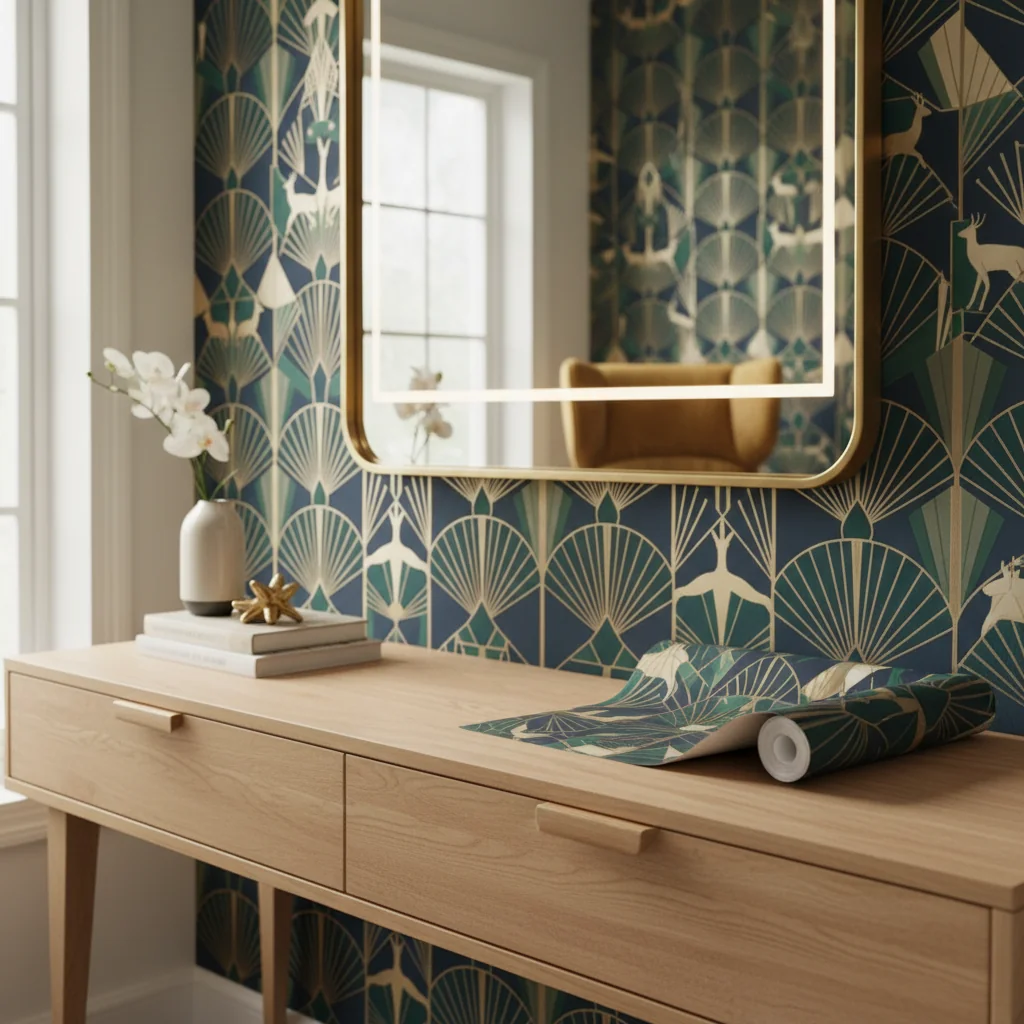
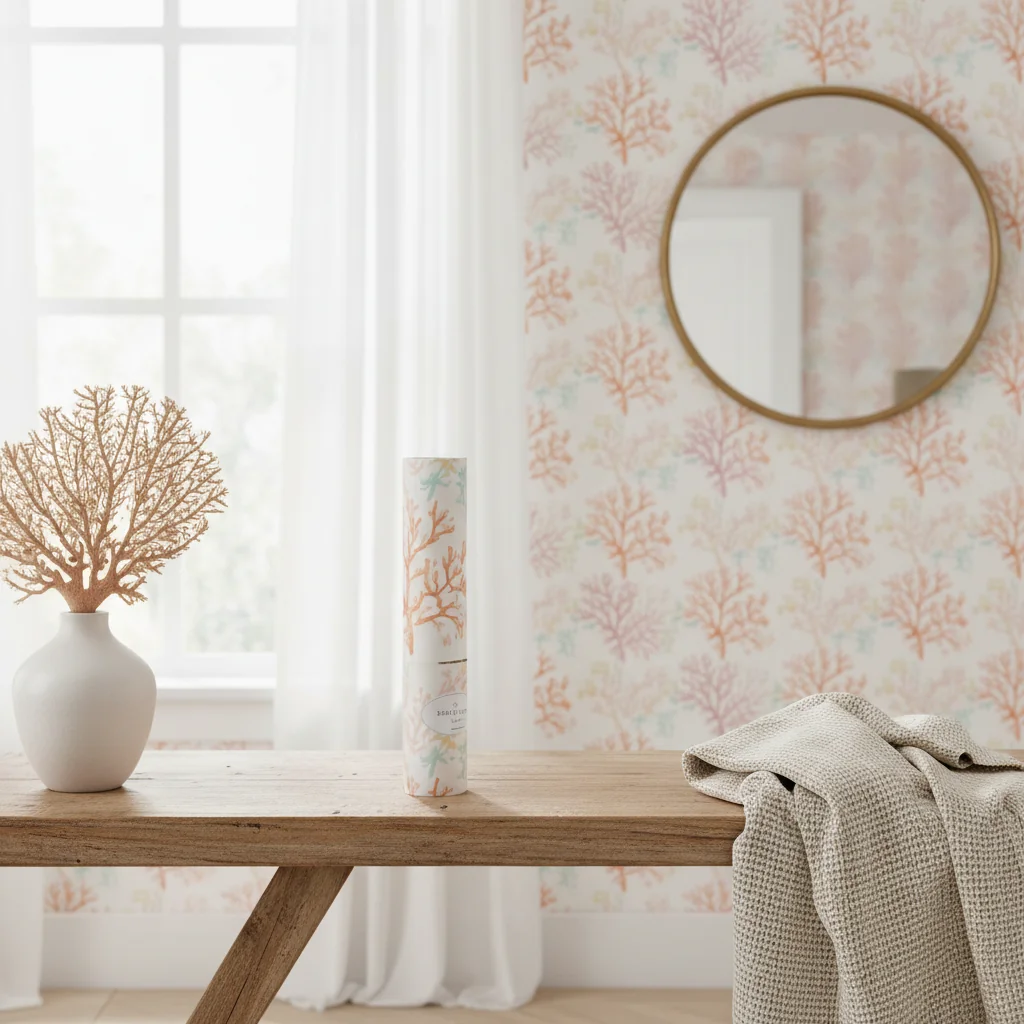
Chinoiserie wallpaper is an exquisite and enduring design element that brings the artistic elegance of 17th and 18th-century European interpretations of East Asian art into contemporary interiors. Characterized by intricate hand-painted or digitally printed motifs of flora, fauna, and scenic landscapes, it transforms a room into a sophisticated and aspirational sanctuary, offering a distinct blend of historical grandeur and timeless beauty.
Key Takeaways
- Chinoiserie wallpaper is a sophisticated design element inspired by 17th and 18th-century European interpretations of East Asian art.
- It is available in various forms, including luxurious hand-painted silk, durable digitally printed options, and convenient peel-and-stick versions.
- Key motifs include exotic birds, lush botanicals like peonies and cherry blossoms, and idyllic landscapes with pagodas and bridges.
- Proper measurement, accounting for pattern repeat and waste, is crucial for seamless installation and a professional finish.
- Modern chinoiserie trends incorporate updated color palettes, large-scale murals, and textural finishes to integrate with contemporary aesthetics.
- Care requirements vary by material, with options ranging from delicate silk that requires minimal interaction to washable vinyl.
The Enduring Allure of Chinoiserie Wallpaper: A Historical Perspective
Chinoiserie wallpaper, a celebrated art form, emerged in 17th-century Europe as a romanticized interpretation of East Asian aesthetics, captivating the aristocratic and affluent with its exotic charm. This decorative style was not an authentic representation of Chinese art but rather a European fantasy, blending elements observed in imported porcelain, silks, and lacquerware with Western artistic sensibilities. The resulting designs, often featuring idyllic landscapes, exotic birds, and intricate floral patterns, became highly sought after for grand estates and royal residences, symbolizing wealth, sophistication, and a taste for the exotic.
The genesis of chinoiserie can be traced to the expansion of trade routes with East Asia, particularly China, during the 17th century. European merchants and travelers brought back not only goods but also tales and artistic impressions that fueled a fascination with the “Orient.” Artisans in England, France, and other European nations began to create their own versions of these designs, often using techniques like hand-painting on silk or paper, which lent themselves perfectly to wall coverings. These early wallpapers were labor-intensive, bespoke creations, making them exclusive to the elite.
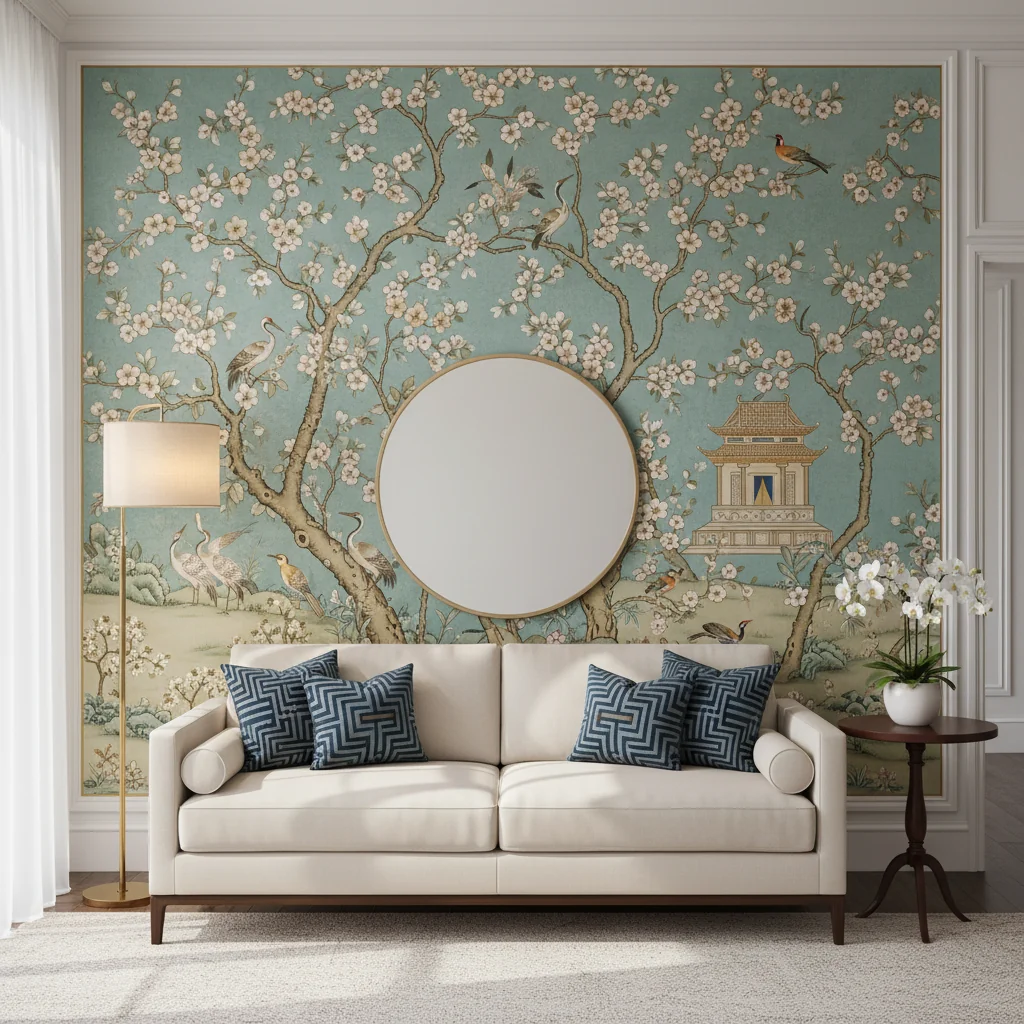
Throughout the 18th century, chinoiserie flourished, evolving to incorporate a wider array of motifs and color palettes. Key elements frequently depicted include graceful birds like pheasants, cranes, and orioles amidst lush botanical settings such as cherry blossoms, peonies, and bamboo. Scenes often portray figures in traditional attire, serene pagodas, arched bridges, and tranquil water features, all contributing to a narrative of peaceful, idealized landscapes. This period saw the style integrated into various decorative arts, from furniture and ceramics to garden design, solidifying its place in European design history.
The enduring appeal of chinoiserie wallpaper lies in its ability to transport and transform a space. It offers a sense of escapism and a touch of historical grandeur that remains relevant in contemporary design. Designers today continue to draw inspiration from its rich heritage, adapting its classic motifs and intricate detailing to suit modern interiors while preserving its inherent elegance and aspirational quality. This timeless style transcends fleeting trends, establishing itself as a permanent fixture in luxury home décor.
Understanding the Diverse Types of Chinoiserie Wallpaper
Chinoiserie wallpaper encompasses a range of types, each offering distinct aesthetic qualities, installation methods, and durability, catering to various design preferences and functional requirements. Understanding these distinctions is crucial for selecting the ideal wallcovering for your specific space and ensuring its longevity and visual impact.
Hand-Painted Chinoiserie Wallpaper
Hand-painted chinoiserie wallpaper represents the pinnacle of luxury and craftsmanship in wall coverings. Each panel is meticulously painted by skilled artisans, often on exquisite materials like silk, rice paper, or tea paper. This bespoke approach ensures that every piece is unique, with subtle variations in brushwork and color that add to its artisanal charm. The depth of color and intricate detailing achieved through hand-painting is unparalleled, creating a truly immersive and opulent environment. Due to the labor-intensive process and premium materials, hand-painted chinoiserie is the most expensive option, typically ranging from hundreds to thousands of dollars per panel, and requires professional installation.
Silk wallpaper is a specific type of hand-painted chinoiserie where the delicate fabric serves as the canvas. Silk offers a natural sheen and texture that enhances the luminosity and richness of the painted motifs, providing a luxurious tactile experience in addition to visual splendor.
Digitally Printed Chinoiserie Wallpaper
Digitally printed chinoiserie wallpaper offers a more accessible entry point into this sophisticated style without compromising significantly on visual impact. Modern printing technologies can reproduce the intricate details and vibrant colors of traditional hand-painted designs with remarkable fidelity. This method allows for greater consistency in pattern and color across multiple rolls, making it suitable for larger installations where continuity is paramount. Digitally printed options are available on various substrates, including non-woven materials, vinyl, and paper-backed fabrics.
The cost of digitally printed chinoiserie is considerably lower than hand-painted versions, typically ranging from $50 to $200 per roll, making it a popular choice for homeowners seeking high-end aesthetics within a more moderate budget. It provides a vast array of design choices, from faithful reproductions of historical patterns to contemporary interpretations, allowing for greater creative flexibility.
Peel-and-Stick Chinoiserie Wallpaper
Peel-and-stick chinoiserie wallpaper provides a convenient and temporary solution for those who appreciate the aesthetic but prefer a less permanent commitment. This type features an adhesive backing, allowing for easy application and removal without the need for traditional paste or professional tools. It is an excellent choice for renters, accent walls, or individuals who enjoy frequently updating their décor. While generally less luxurious than hand-painted or traditional paste options, advancements in printing technology have significantly improved the quality and detail of peel-and-stick designs.
Peel-and-stick options are typically printed on vinyl or fabric-based materials, offering varying degrees of durability and texture. Prices are generally the most budget-friendly, often ranging from $30 to $80 per roll, making it an attractive option for DIY enthusiasts. We recommend ensuring your wall surface is clean, smooth, and primed for optimal adhesion and removal without damage.
Traditional Paste Chinoiserie Wallpapers
Traditional paste chinoiserie wallpapers require the application of a separate adhesive to the wall or the back of the paper before installation. This category encompasses a wide range of materials, including paper-backed, non-woven, and some fabric-backed options. These wallpapers are known for their durability and long-term adherence when installed correctly, often by professional wallpaper hangers. They offer a more permanent and robust finish compared to peel-and-stick options.
- Non-woven wallpaper is a type of wallpaper material made from a blend of natural and synthetic fibers, making it highly durable, breathable, and easy to install and remove. It does not expand or contract when wet, which prevents bubbling and makes pattern matching simpler.
- Vinyl wallpaper consists of a paper or fabric backing coated with a layer of vinyl. Vinyl is exceptionally durable, washable, and resistant to moisture, making it suitable for high-traffic areas or spaces prone to humidity, such as bathrooms or kitchens.
- Paper-backed wallpaper is a traditional option where a decorative top layer is adhered to a paper backing. While it offers a classic look and a wide variety of designs, it can be more challenging to install and remove compared to non-woven or peel-and-stick options.
| Type | Material Substrates | Key Characteristics | Installation | Approx. Price Range (per roll/panel) | Ideal Use |
|---|---|---|---|---|---|
| Hand-Painted | Silk, Rice Paper, Tea Paper | Unique, artisanal, luxurious, deep colors, intricate detail | Professional paste application | $500 – $5,000+ per panel | Luxury living rooms, master bedrooms, formal dining rooms |
| Digitally Printed | Non-Woven, Vinyl, Paper-Backed | High-fidelity reproduction, consistent pattern, wide design variety | Traditional paste application | $50 – $200 per roll | Feature walls, bedrooms, dining rooms, studies |
| Peel-and-Stick | Vinyl, Fabric-Based | Removable, DIY-friendly, temporary, good for renters | Self-adhesive, easy repositioning | $30 – $80 per roll | Accent walls, powder rooms, temporary décor, rental properties |
| Traditional Paste | Non-Woven, Vinyl, Paper-Backed | Durable, long-lasting, professional finish, various textures | Traditional paste application | $40 – $150 per roll | High-traffic areas, entire rooms, long-term installations |
Navigating the Styles and Motifs of Chinoiserie Wallpaper
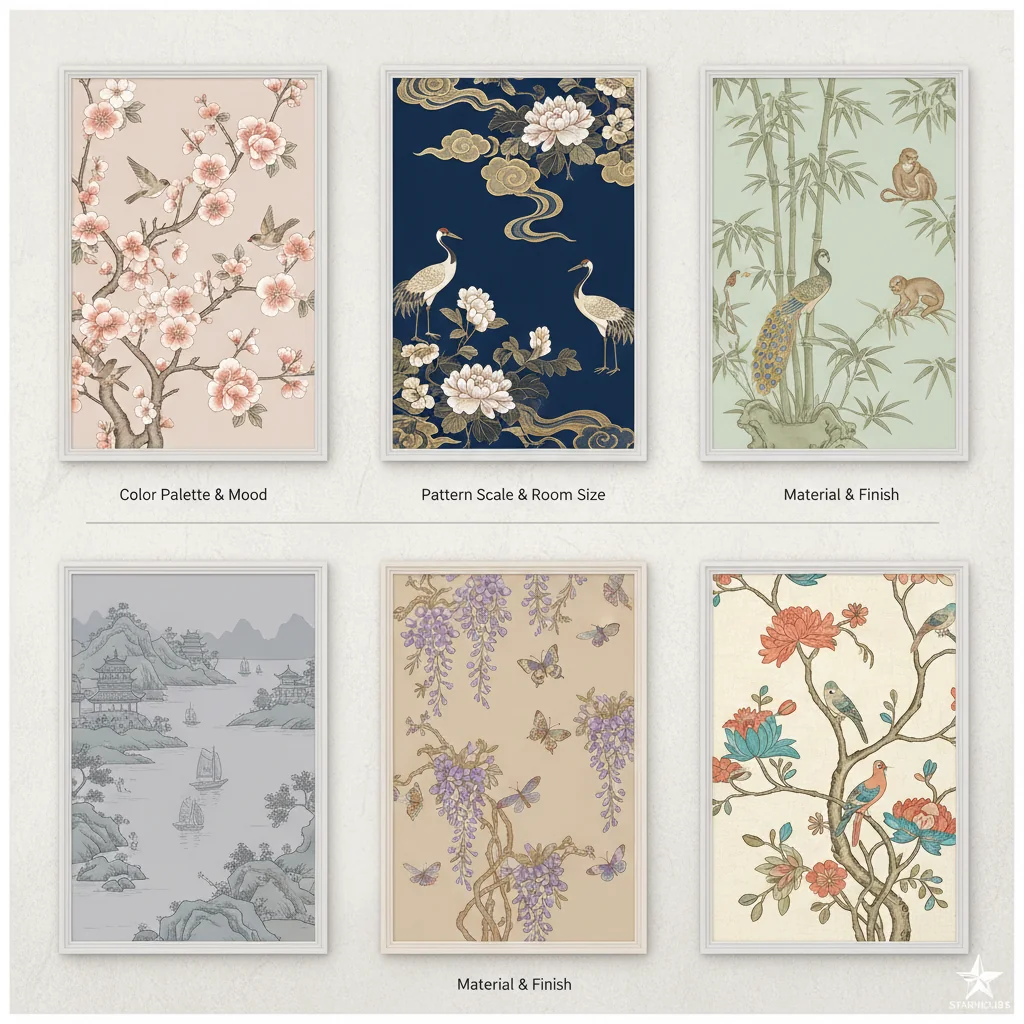
The aesthetic breadth of chinoiserie wallpaper is vast, offering a spectrum of styles from faithful historical reproductions to contemporary interpretations, each distinguished by its specific color palettes, motif density, and overall artistic approach. Understanding these stylistic nuances empowers you to select a design that perfectly complements your interior vision and personal taste.
Classic & Traditional Chinoiserie
Classic and traditional chinoiserie designs are characterized by their adherence to historical patterns and color schemes, often featuring a rich, dense tapestry of motifs. These wallpapers typically showcase vibrant, jewel-toned birds, lush florals, and intricate landscape scenes against soft, often muted backgrounds like cream, celadon, or pale blue. The compositions are generally highly detailed, with a sense of narrative and depth, creating an immersive visual experience. They evoke a sense of historical grandeur and are ideal for formal living areas, dining rooms, or master bedrooms where a luxurious, timeless atmosphere is desired.
Contemporary & Abstracted Chinoiserie
Contemporary chinoiserie reinterprets traditional motifs with a modern sensibility, often featuring simplified forms, larger scales, and updated color palettes. This style may distill the essence of classic chinoiserie into fewer, bolder elements, or present motifs in a more abstract, graphic manner. Backgrounds can range from crisp whites and grays to deep charcoals and navies, providing a striking contrast to the vibrant patterns. Contemporary chinoiserie integrates seamlessly into modern and transitional interiors, offering a fresh take on a classic, without sacrificing elegance.
Monochromatic & Tonal Chinoiserie
Monochromatic and tonal chinoiserie designs offer a subtle yet sophisticated approach, using variations of a single color or closely related hues to create depth and texture. This style often emphasizes the intricate details of the motifs through shading and subtle shifts in tone rather than bold color contrasts. It creates a serene and understated elegance, perfect for bedrooms or spaces where a calming, sophisticated backdrop is preferred. The absence of strong color can highlight the architectural features of a room or allow other decorative elements to take center stage.
Vibrant & Bold Chinoiserie
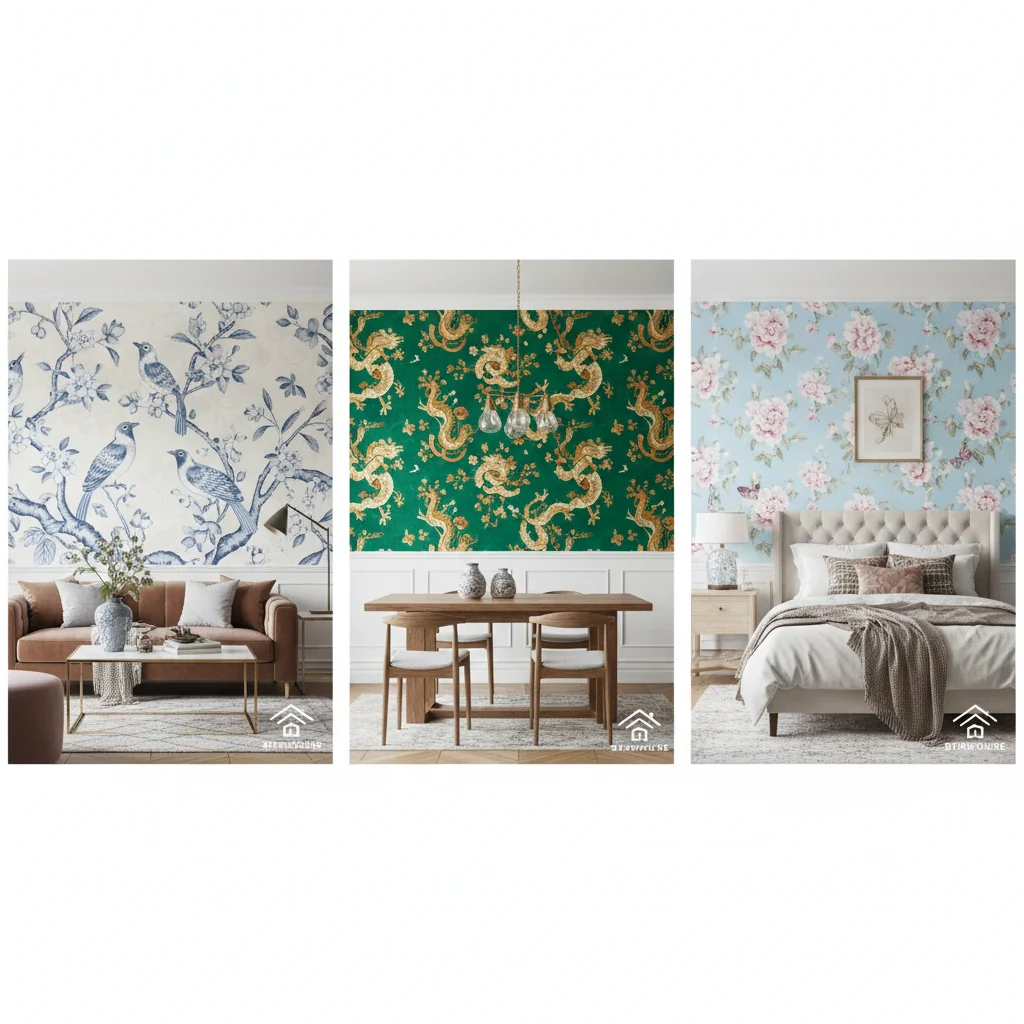
For those seeking a dramatic statement, vibrant and bold chinoiserie wallpaper utilizes saturated colors and striking contrasts. These designs often feature exotic birds and elaborate florals rendered in brilliant hues against equally strong backgrounds, such as emerald green, sapphire blue, or deep fuchsia. This maximalist approach injects energy and personality into a space, making it an excellent choice for powder rooms, accent walls, or areas where you want to create an immediate visual impact and a memorable impression.
Common Motifs and Their Significance
The iconography of chinoiserie is rich with symbolic meaning, drawing from East Asian traditions. Familiarity with these motifs enhances appreciation and aids in selecting a design that resonates with your personal narrative.
- Birds: Cranes symbolize longevity and good fortune; pheasants represent prosperity and beauty; orioles signify joy and spring. Peacocks are often depicted for their regal beauty and association with dignity.
- Botanicals: Peonies symbolize wealth, honor, and prosperity; cherry blossoms represent beauty, renewal, and the fleeting nature of life; bamboo signifies strength, flexibility, and resilience. Magnolia and plum blossoms are also frequent inclusions, representing purity and endurance, respectively.
- Landscapes: Scenes with pagodas, bridges, and serene water features evoke tranquility, harmony, and an idealized natural world. These elements often create a sense of depth and perspective within the design.
- Butterflies: Symbolize transformation, happiness, and eternal love, often fluttering amongst floral arrangements.
- Dragons: While less common in the delicate floral chinoiserie, dragons (when present) symbolize power, strength, and good fortune, often in more dramatic or imperial-inspired designs.
Each motif contributes to the overall narrative and aesthetic of the wallpaper, allowing for a deeply personalized design choice that reflects both style and symbolic preference.
Choosing the Perfect Chinoiserie Wallpaper for Your Space
Selecting the ideal chinoiserie wallpaper involves a thoughtful assessment of your room’s characteristics, existing decor, and personal style to ensure a harmonious and impactful design. The right choice enhances the room’s ambiance, while a mismatched selection can detract from its overall appeal. We guide you through the critical considerations for making an informed decision.
Consider the Room’s Function and Scale
The intended use of the room significantly influences your wallpaper choice. For a formal dining room or a grand living area, a hand-painted or high-quality digitally printed design with intricate details and a rich color palette can create a sophisticated and immersive environment. In a bedroom, softer hues and less dense patterns might foster a more serene and restful atmosphere. For a powder room, which often serves as a jewel box, a bold, maximalist chinoiserie can make a dramatic and memorable statement in a small space.
The scale of your chosen pattern must also align with the room’s dimensions. In smaller rooms, an oversized or highly detailed pattern can feel overwhelming, while in larger rooms, a too-small pattern might get lost. We recommend considering a large-scale mural for expansive walls to truly capture the grandeur of chinoiserie, or a more delicate, repetitive pattern for smaller, more intimate settings.
Assess Natural Light and Room Orientation
Natural light plays a pivotal role in how wallpaper colors and textures appear. Rooms with abundant natural light can accommodate deeper, richer hues without feeling heavy. Conversely, spaces with limited natural light benefit from lighter backgrounds and patterns, which can help to brighten and expand the room visually. A north-facing room, for instance, often receives cooler light, which can be warmed by wallpapers with yellow, peach, or gold undertones. South-facing rooms, bathed in warm light, can handle cooler blues, greens, and grays beautifully.
Evaluate Existing Decor and Color Palette
Your chinoiserie wallpaper should complement, not compete with, your existing furniture, textiles, and accessories. Identify the dominant colors and undertones in your room. If your furniture is primarily neutral, a boldly colored chinoiserie can serve as a stunning focal point. If your decor is already rich in color or pattern, consider a more subdued, monochromatic, or tonal chinoiserie design to maintain balance. The goal is to create a cohesive narrative where the wallpaper enhances the overall design scheme.
Determine Your Budget and Maintenance Requirements
Chinoiserie wallpaper varies widely in price, from luxurious hand-painted silk panels costing thousands of dollars to more affordable digitally printed or peel-and-stick options. Establish a realistic budget early in your selection process. Beyond the initial cost, consider the installation expenses, especially for hand-painted or complex patterns that necessitate professional hanging.
Maintenance is another critical factor. Hand-painted silk wallpapers require delicate care and are best suited for low-traffic areas. Vinyl-coated or non-woven options offer greater durability and are often washable, making them ideal for high-traffic zones or rooms where spills might occur. We advise reviewing the manufacturer’s care instructions for each wallpaper type to ensure it aligns with your lifestyle.
Understanding Pattern Repeat and Scale
Pattern repeat is the distance from the beginning of one design motif to the beginning of the next identical motif. This measurement is crucial for calculating the correct number of rolls needed and for ensuring seamless pattern matching during installation. A large pattern repeat can mean more waste, so factor this into your purchasing decision. The scale of the motifs should also be considered; large, sprawling designs are best showcased on expansive walls, while smaller, more intricate patterns can work well in more confined spaces or as a subtle backdrop.
By systematically addressing these considerations, you can confidently select a chinoiserie wallpaper that not only beautifies your space but also reflects your personal style and meets your practical needs. We encourage you to collect samples and view them in your home under various lighting conditions before making a final decision.
Precise Measurement and Sizing for Flawless Installation
Accurate measurement is the cornerstone of a successful wallpaper installation, particularly with intricate patterns like chinoiserie, ensuring a seamless aesthetic and minimizing material waste. Proper sizing prevents costly errors and delivers a professional finish that enhances the visual impact of your chosen design. We provide a precise guide to measuring your walls and calculating the necessary wallpaper quantities.
Essential Tools for Accurate Measurement
Before you begin, gather the following tools to ensure precision:
- Steel Tape Measure: A retractable metal tape measure, at least 25 feet long, provides the most accurate readings.
- Pencil: For marking measurements clearly on the wall and on the wallpaper.
- Step Ladder: To safely reach the full height of your walls.
- Level or Plumb Line: Essential for ensuring your first strip is perfectly vertical, which dictates the alignment of all subsequent panels.
- Calculator: For precise calculations of total square footage and roll requirements.
Measuring Wall Height and Width
Begin by measuring the height and width of each wall you intend to cover. We recommend taking multiple measurements for each dimension to account for any variations in ceiling or floor levels, which are common in older homes.
- Measure Height: Measure from the top of the baseboard to the ceiling at several points across the wall. Use the tallest measurement for your calculations to ensure full coverage.
- Measure Width: Measure the width of each wall from corner to corner.
- Account for Openings: For windows and doors, measure their height and width. While you won’t wallpaper over these areas, you still need to account for the surrounding wall space when calculating total coverage.
For walls with architectural features like coves or niches, measure each distinct surface individually. For murals, ensure you have the exact dimensions for the entire area the mural will cover, as these are often designed to fit specific wall sizes.
Calculating Wallpaper Rolls or Panels
Calculating the correct number of rolls or panels requires careful attention to the wallpaper’s specific dimensions and its pattern repeat. Each wallpaper product will specify its width and length per roll, or the dimensions of individual panels for murals.
- Determine Number of Drops per Roll: Divide the length of one roll by your measured wall height (add 4-6 inches for trimming at the top and bottom). This gives you the number of full strips you can get from one roll. For example, if a roll is 33 feet long (396 inches) and your wall height is 8 feet (96 inches), plus 6 inches for trim, you need 102 inches per strip. 396 inches / 102 inches = 3.88, so you get 3 full strips per roll.
- Calculate Total Wall Width in Strips: Divide the total width of the wall by the width of one wallpaper strip. This gives you the total number of strips needed for the wall. For example, if your wall is 12 feet wide (144 inches) and the wallpaper is 27 inches wide, you need 144 / 27 = 5.33 strips, so round up to 6 strips.
- Factor in Pattern Repeat: This is critical for chinoiserie. The pattern repeat is the vertical distance before the pattern begins to repeat itself. When cutting strips, you must align the pattern, which often means discarding some material. Add the pattern repeat dimension to your wall height measurement for each strip, except the first one, to account for matching. This is why we recommend adding 15-20% for waste. For example, if your pattern repeat is 24 inches, you might need to add an extra 24 inches to your strip length for each subsequent strip to ensure proper alignment.
- Total Roll Calculation: Divide the total number of strips needed for the wall by the number of strips per roll (calculated in step 1). Round up to the nearest whole number to get the total rolls required.
- Waste Allowance: Always add an extra 15-20% to your final roll count for waste, especially with large pattern repeats or complex installations. This buffer accounts for cutting errors, pattern matching, and future repairs.
Panel vs. Roll Formats
Chinoiserie murals are frequently sold as a series of numbered panels designed to create a continuous scene across a wall. For these, you must measure the exact width and height of the area you wish to cover and order the corresponding number of panels. Ensure you understand if the panels are trimmed or untrimmed; untrimmed panels require careful cutting during installation.
For traditional rolls, the calculations above apply. Always purchase all rolls from the same dye lot to ensure consistent color and pattern match, as slight variations can occur between different production batches. We recommend checking the dye lot number on the label of each roll upon receipt.
Professional Consultation for Complex Installations
For high-value hand-painted chinoiserie, intricate murals, or rooms with challenging architectural features, we strongly recommend consulting with or hiring a professional wallpaper installer. They possess the expertise, specialized tools, and experience to handle complex patterns and delicate materials, ensuring a flawless and long-lasting application. A professional can also provide precise measurements and accurate material estimates, saving you time and potentially preventing costly mistakes.
By meticulously following these measurement and sizing guidelines, you establish the foundation for a stunning chinoiserie wallpaper installation that elevates your home’s design.
At Starhouse, we are curating a collection that speaks to every design aspiration. Share what you envision for your space and gain early access to our exclusive offerings.
Current Trends in Chinoiserie Wallpaper Design
Chinoiserie wallpaper, while rooted in historical tradition, continues to evolve, integrating contemporary design sensibilities and technological advancements to remain a relevant and sought-after choice for modern interiors. Current trends reflect a desire for both dramatic statements and subtle elegance, adapting classic motifs to new contexts and color palettes. We observe several key directions that redefine how chinoiserie is used in today’s homes.
Large-Scale Murals and Panoramic Scenes
One of the most prominent trends is the embrace of large-scale chinoiserie murals that transform an entire wall into an immersive, panoramic landscape. These murals often feature expansive scenes of gardens, birds in flight, or tranquil waterways, creating a sense of depth and transporting the viewer. Unlike repetitive patterns, murals tell a continuous story, making them ideal for creating a dramatic focal point in living rooms, dining areas, or master suites. The scale allows for greater detail and a more artistic presentation, moving beyond traditional wallpaper to become a true wall art installation.
Metallics and Textural Finishes
Contemporary chinoiserie designs frequently incorporate subtle metallic accents or textural finishes to add depth and a luxurious shimmer. Gold, silver, or bronze elements might highlight bird feathers, botanical details, or architectural features within the pattern, catching the light and adding a sophisticated gleam. Textural substrates, such as those with a linen-like weave or a subtle embossed finish, also contribute to a more tactile and refined experience. These material enhancements elevate the traditional aesthetic, making it feel fresh and opulent.
Deconstructed and Abstracted Chinoiserie
A modern interpretation sees chinoiserie motifs deconstructed or abstracted, moving away from dense, intricate patterns towards more minimalist compositions. This trend might feature isolated, oversized botanical elements or a single, striking bird motif against a clean, expansive background. The focus shifts to the elegance of individual forms rather than an overall narrative scene. This approach allows chinoiserie to integrate seamlessly into more contemporary or minimalist interiors, offering a touch of classicism without overwhelming the space.
Unexpected Colorways and Backgrounds
While traditional chinoiserie often features soft, natural backgrounds, current trends experiment with unexpected and bold colorways. Deep jewel tones like emerald green, sapphire blue, or ruby red are used as backgrounds, providing a dramatic contrast to the classic motifs. Similarly, sophisticated neutrals like charcoal gray, deep navy, or even black are gaining popularity, offering a modern edge to the timeless designs. These unconventional palettes allow chinoiserie to feel vibrant and contemporary, making it suitable for a wider range of design schemes.
Chinoiserie in Modern Contexts: Mixing Styles
Today’s designers are masterfully integrating chinoiserie wallpaper into diverse interior styles, moving beyond purely traditional settings. It is increasingly paired with minimalist furniture, industrial lighting, or abstract art to create dynamic and eclectic spaces. This juxtaposition of old and new, ornate and simple, creates visual interest and a sophisticated tension. For example, a classic chinoiserie mural can provide a stunning backdrop to a sleek, modern sectional sofa, or an antique chinoiserie panel can be framed as art above a contemporary console table. This mixing of styles demonstrates the versatility and enduring appeal of chinoiserie in the evolving landscape of home décor.
Caring for Your Chinoiserie Wallpaper: Maintenance and Longevity
Proper care and maintenance are essential for preserving the beauty and longevity of your chinoiserie wallpaper, ensuring its intricate details and vibrant colors remain pristine for years. The specific care regimen depends significantly on the material of your wallpaper, ranging from delicate hand-painted silk to durable vinyl. We outline the best practices for maintaining various types of chinoiserie wallcoverings.
General Cleaning for Most Wallpapers
For most types of chinoiserie wallpaper, including non-woven and standard paper-backed varieties, regular dusting is the primary form of maintenance. We recommend using a soft, dry cloth, a microfiber duster, or a vacuum cleaner with a brush attachment on a low setting. Always dust from top to bottom to prevent dust from settling on already cleaned areas. Perform this dusting periodically to prevent the accumulation of dirt and grime, which can dull the colors and make deeper cleaning more challenging.
Spot Cleaning and Stain Removal
Spot cleaning requires a careful approach, as different materials react differently to moisture and cleaning agents.
- Vinyl and Washable Non-Woven: For these durable types, minor smudges or stains can often be gently wiped with a damp sponge or cloth using a mild, non-abrasive soap solution. Always test a small, inconspicuous area first to ensure no discoloration occurs. Avoid harsh chemicals or abrasive scrubbers, which can damage the surface.
- Paper-Backed Wallpaper: These are generally less resistant to moisture. For light marks, a dry eraser might work. For more stubborn stains, a barely damp cloth with plain water can be attempted, but extreme caution is advised. Avoid saturating the paper.
- Hand-Painted Silk or Delicate Papers: These materials are highly sensitive to moisture and cleaning solutions. For any marks, we strongly advise consulting a professional wallpaper conservator. Attempting to clean these delicate surfaces yourself can cause irreversible damage, including color bleeding or material degradation.
Humidity and Temperature Control
Maintaining stable indoor humidity and temperature levels is crucial for all wallpaper types, but especially for natural materials like silk and traditional paper. Extreme fluctuations can cause wallpaper to expand, contract, peel, or buckle. We recommend keeping indoor humidity between 30% and 50% to prevent issues. In very humid environments, consider using a dehumidifier. Conversely, in very dry climates, a humidifier can prevent the paper from becoming brittle.
Protection from Direct Sunlight
Prolonged exposure to direct sunlight can cause wallpaper colors to fade over time, particularly with vibrant or darker hues. This is especially true for hand-painted and digitally printed designs where pigments can be susceptible to UV degradation. We recommend using UV-protective window films, curtains, or blinds to shield your chinoiserie wallpaper from intense sunlight, especially on south-facing walls. This preventative measure significantly helps in preserving the original color vibrancy.
Repairing Minor Damage
Minor damage, such as small tears or bubbles, can often be repaired with care.
- Tears: For small tears, a clear wallpaper adhesive can be carefully applied with a fine brush to the underside of the torn piece, then pressed gently back into place.
- Bubbles: Small air bubbles can sometimes be remedied by carefully injecting wallpaper adhesive into the bubble with a syringe, then smoothing it out with a wallpaper roller or a clean, soft cloth. For larger or persistent bubbles, a tiny incision with a razor blade might be necessary to release trapped air, followed by adhesive application and smoothing.
For significant damage, or for delicate materials, professional repair is always the safest and most effective option.
Considering VOCs (Volatile Organic Compounds)
When selecting and caring for wallpaper, it is important to consider Volatile Organic Compounds (VOCs). VOCs are organic chemicals that have a high vapor pressure at ordinary room temperature, off-gassing into the indoor air. Some wallpapers, particularly older vinyl types or those using certain adhesives, can emit VOCs. Modern manufacturing processes increasingly prioritize low-VOC or VOC-free options, which contribute to better indoor air quality. When purchasing, look for certifications or labels indicating low VOC content in both the wallpaper and the adhesive. Proper ventilation during and after installation of any wallpaper is always recommended to dissipate any initial off-gassing.
Styling and Pairing Chinoiserie Wallpaper for a Cohesive Look
Styling chinoiserie wallpaper effectively involves creating a harmonious balance between its elaborate patterns and the surrounding elements of your room, ensuring a cohesive and sophisticated aesthetic. The key is to allow the wallpaper to be a focal point while ensuring other design components complement rather than compete with its intricate beauty. We provide guidance on integrating furniture, lighting, textiles, and accessories to achieve a refined interior.
Furniture Integration: Balancing Old and New
Chinoiserie wallpaper serves as an exquisite backdrop for a variety of furniture styles. For a traditional, opulent look, pair it with antique or vintage pieces, such as Queen Anne or Chippendale style furniture, which often feature their own East Asian influences. Dark wood finishes, intricate carvings, and classic upholstery fabrics like silk or velvet will enhance the wallpaper’s historical grandeur.
For a more contemporary or transitional aesthetic, juxtapose chinoiserie with clean-lined, modern furniture. A sleek, minimalist sofa in a solid color can provide a calming counterpoint to a vibrant mural. Mid-century modern pieces, with their emphasis on form and natural materials, can also create an intriguing contrast, allowing the wallpaper to truly pop. We recommend choosing furniture pieces that have a relatively simple silhouette to avoid overwhelming the space. Consider lighter-toned woods or lacquered finishes to add a fresh, modern touch.
Lighting Choices: Enhancing Ambiance and Detail
Lighting is crucial for highlighting the intricate details and textures of chinoiserie wallpaper. For formal spaces, a crystal chandelier or a gilded pendant light can amplify the luxurious feel, casting a warm, inviting glow. Sconces placed strategically along the walls can illuminate specific motifs or add a soft, ambient light that emphasizes the wallpaper’s texture.
In more casual or contemporary settings, consider modern fixtures with clean lines, such as brushed brass or matte black sconces, which can provide a stylish contrast. Dimmers are highly recommended for all lighting fixtures, allowing you to adjust the intensity and mood, from bright and airy during the day to soft and dramatic in the evening. Accent lighting, such as picture lights above framed elements or spotlights, can draw attention to particular areas of the mural or specific motifs.
Textiles and Soft Furnishings: Complementing Patterns and Colors
Textiles, including draperies, rugs, and upholstery, play a vital role in tying the room together. When pairing with chinoiserie wallpaper, you have two primary approaches: either echo the colors and motifs or provide a calming contrast. For a harmonious look, select solid-colored fabrics that pull one or two subtle hues directly from the wallpaper’s pattern. For example, if your wallpaper features blue birds and green foliage, incorporate solid blue or green throw pillows or a rug.
If you wish to introduce additional patterns, ensure they are complementary and not competing. Consider geometric patterns, stripes, or small-scale prints in a similar color family as the wallpaper. Avoid overly busy or large-scale patterns that clash with the chinoiserie. Luxurious textures like silk, velvet, linen, or cashmere can add depth and tactile richness, enhancing the overall sophisticated ambiance. We advise using floor-length drapes in a neutral or complementary solid color to frame windows without obstructing the wallpaper.
Art and Accessories: Thoughtful Embellishments
With chinoiserie wallpaper as a dominant visual element, art and accessories should be chosen carefully to enhance rather than detract. Large, ornate mirrors with gilded frames can reflect the beautiful pattern, making the room feel larger and more luminous. Alternatively, a collection of smaller, framed botanical prints or abstract art with a simple mat can provide visual breaks and an interesting juxtaposition.
Accessories like porcelain vases, ginger jars, and ceramic bowls, especially those with blue and white or colorful patterns, naturally complement the chinoiserie theme. Sculptural elements, decorative screens, and carefully chosen books can add personality and depth. However, avoid overcrowding surfaces; allow the wallpaper to breathe and be the star. Curate your accessories, selecting only a few high-quality, meaningful pieces that align with the aesthetic. At Starhouse, we find that a balanced approach, where the wallpaper takes center stage and accessories offer subtle support, creates the most impactful and refined interior.
Creating Contrast and Balance: Avoiding Overwhelm
The key to successful chinoiserie styling is achieving balance. If your wallpaper is highly detailed and colorful, consider using more restrained elements elsewhere in the room. Solid-colored furniture, minimalist lighting, and simple window treatments can prevent the space from feeling overwhelming. Conversely, if you opt for a more subtle, monochromatic chinoiserie, you might introduce bolder furniture pieces or more vibrant accessories to add visual interest.
Consider the “negative space” in your room. Not every wall needs to be covered in chinoiserie; an accent wall can be incredibly impactful. If using it throughout a room, balance it with ample solid-colored areas, such as painted ceilings or large rugs, to provide visual rest. This thoughtful approach ensures your chinoiserie wallpaper elevates your home with elegance and sophistication.
Common Mistakes to Avoid When Designing with Chinoiserie Wallpaper
While chinoiserie wallpaper offers unparalleled elegance and character, certain missteps in selection and application can diminish its impact or create an unharmonious space. Avoiding these common errors ensures that your investment in this exquisite design element truly enhances your home. We outline the pitfalls to circumvent for a flawless chinoiserie interior.
1. Overlooking Scale and Pattern Repeat
A frequent mistake is failing to consider the scale of the pattern in relation to the room’s dimensions and the pattern repeat. A grand, large-scale mural in a tiny powder room can feel overwhelming and crowded, while a delicate, small-scale pattern on an expansive living room wall might get lost and appear insignificant. Similarly, underestimating the pattern repeat can lead to insufficient material and mismatched seams. Always measure your walls precisely and factor in the pattern repeat, adding at least 15-20% for waste, as discussed in our measurement guide.
2. Ignoring Natural Light and Room Orientation
The amount and quality of natural light a room receives dramatically affect how wallpaper colors appear. Applying a dark, moody chinoiserie to a north-facing room with limited light can make the space feel dim and enclosed. Conversely, a very pale or metallic wallpaper in a south-facing room with intense direct sunlight might create an uncomfortable glare or appear washed out. Always obtain samples and view them on your walls at different times of day to see how the light interacts with the colors and finishes.
3. Mismatched Styles and Over-Decorating
Chinoiserie wallpaper is a strong design statement. A common mistake is to introduce too many competing patterns, colors, or decorative styles in the same room. Pairing a vibrant, detailed chinoiserie with equally busy upholstery, rugs, or art can lead to a chaotic and visually exhausting environment. The goal is balance. If your wallpaper is ornate, opt for simpler, solid-colored furniture and textiles. If you choose an understated chinoiserie, you can introduce more patterned accessories. Avoid overcrowding surfaces with too many decorative objects; let the wallpaper be the star.
4. Improper Surface Preparation and Installation
A flawless wallpaper installation begins with meticulous wall preparation. Failing to clean, repair, and prime walls correctly can lead to bubbles, peeling seams, or visible imperfections beneath the paper. Applying wallpaper over uneven, dirty, or unprimed surfaces is a critical error that compromises both the aesthetic and the longevity of the installation. For hand-painted or expensive digitally printed chinoiserie, attempting a DIY installation without prior experience can be a costly mistake. We strongly recommend hiring a professional installer for optimal results, especially for high-value materials or complex patterns.
5. Neglecting Maintenance Requirements
Different types of chinoiserie wallpaper have distinct care needs. A mistake is to treat all wallpapers the same. Attempting to vigorously clean delicate silk or paper-backed chinoiserie with water and harsh detergents will lead to irreversible damage, including color bleeding, tearing, or material degradation. Always understand the specific cleaning and maintenance instructions for your chosen wallpaper material. Protecting delicate papers from direct sunlight is also crucial to prevent fading over time. Proactive care ensures the wallpaper retains its beauty for years.
6. Forgetting the Ceiling and Trim
While the walls are the primary focus, neglecting the ceiling and trim can disrupt the overall cohesion of a chinoiserie-filled room. A stark white ceiling or trim can sometimes feel disconnected from a richly patterned wall. Consider painting the ceiling a complementary color pulled from the wallpaper’s background or a very light tint of one of its accent colors. For trim, choose a color that either blends seamlessly (matching the background) or provides a crisp, elegant contrast (like a soft white or a muted gold) that enhances the wallpaper without competing.
Sources
- York Wallcoverings. Chinoiserie Wallpaper | York Wallcoverings
- epa.gov | Volatile Organic Compounds (VOCs) in Materials
Frequently Asked Questions About Chinoiserie Wallpaper
What is chinoiserie wallpaper?
Chinoiserie wallpaper is a decorative style of wall covering that originated in 17th and 18th-century Europe, characterized by intricate, often hand-painted or digitally printed motifs inspired by European interpretations of East Asian art and culture. It typically features exotic birds, lush botanicals like peonies and cherry blossoms, and idyllic landscape scenes, creating a luxurious and aspirational aesthetic.
Is chinoiserie wallpaper still in style?
Yes, chinoiserie wallpaper remains a highly coveted and enduring design trend, continually adapted by interior designers for both traditional and contemporary spaces. Its timeless elegance and ability to create a sophisticated focal point ensure its lasting popularity, with modern interpretations often featuring updated color palettes and larger-scale motifs.
What materials are chinoiserie wallpapers made from?
Chinoiserie wallpapers are crafted from a variety of materials, including luxurious hand-painted silk or rice paper for high-end bespoke options, and more accessible digitally printed substrates like non-woven paper, durable vinyl, or fabric-backed materials. The choice of material influences the wallpaper’s texture, durability, and cost.
How do I measure for chinoiserie wallpaper, especially with a pattern repeat?
To measure accurately, first determine the height and width of each wall, measuring from baseboard to ceiling at multiple points. Then, calculate the number of strips needed for the wall’s width. Crucially, factor in the pattern repeat by adding its length to each strip measurement (except the first) to ensure seamless alignment, and always add an extra 15-20% to your total roll count for waste.
Can I install chinoiserie wallpaper myself?
While peel-and-stick chinoiserie wallpaper is designed for DIY installation, traditional paste and especially hand-painted options often require professional expertise. Professional installers ensure precise pattern matching, proper adhesion, and a flawless finish, which is particularly important for the intricate designs and delicate materials of high-quality chinoiserie.
How do I clean and care for chinoiserie wallpaper?
Care depends on the material: hand-painted silk requires professional cleaning; vinyl and washable non-woven types can be gently wiped with a damp, soft cloth and mild soap. Regular dry dusting with a microfiber cloth or a vacuum with a soft brush attachment is recommended for most types to prevent dust accumulation. Always avoid harsh chemicals and protect from direct sunlight to prevent fading.
What kind of furniture pairs well with chinoiserie wallpaper?
Chinoiserie wallpaper pairs beautifully with a range of furniture, from traditional antiques like Queen Anne or Chippendale styles for an opulent look, to clean-lined modern or mid-century pieces for a transitional or contemporary aesthetic. The key is to balance the wallpaper’s intricate patterns with simpler furniture silhouettes and solid-colored upholstery to create a cohesive and sophisticated design.
Conclusion: Elevate Your Home with Chinoiserie Wallpaper
Chinoiserie wallpaper stands as a testament to enduring elegance, offering a sophisticated blend of historical artistry and contemporary appeal that elevates any interior. From the bespoke luxury of hand-painted silk to the accessible charm of digitally printed and peel-and-stick options, this versatile wallcovering allows homeowners to infuse their spaces with unique character and aspirational beauty. By understanding its diverse types, intricate motifs, and thoughtful styling principles, you are empowered to make a design choice that truly transforms your home.
At Starhouse, we recognize the transformative power of meticulously curated design elements. Chinoiserie wallpaper is more than just a decorative choice; it is an investment in artistry and ambiance, capable of creating a narrative of timeless sophistication within your living spaces. Whether you dream of a serene botanical sanctuary or a vibrant, exotic statement, the perfect chinoiserie awaits to define your home’s aesthetic.
As Starhouse curates its collection of exquisite home and décor offerings, we are eager to understand what inspires your unique vision. We invite you to share what you’re looking for to craft your ideal space and gain early access to our exclusive selections. Let us help you bring your design aspirations to life.