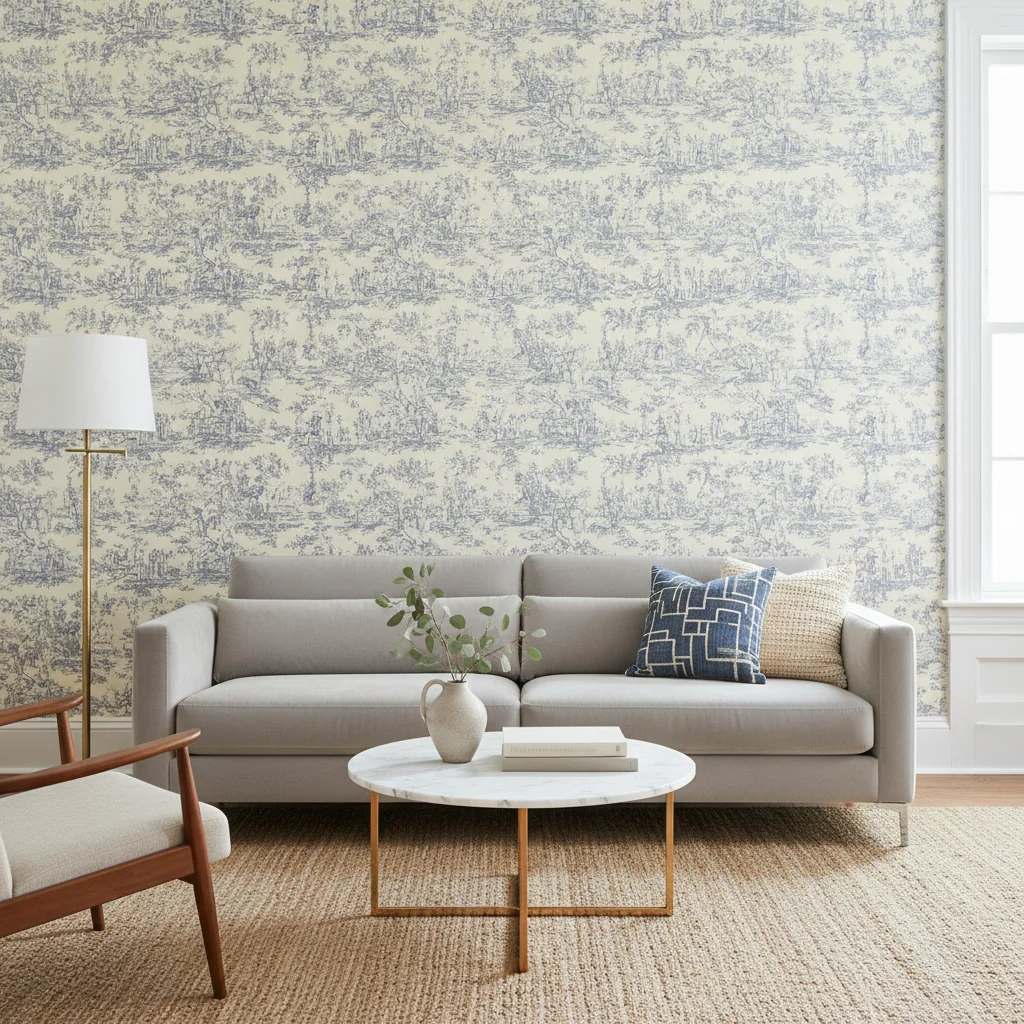
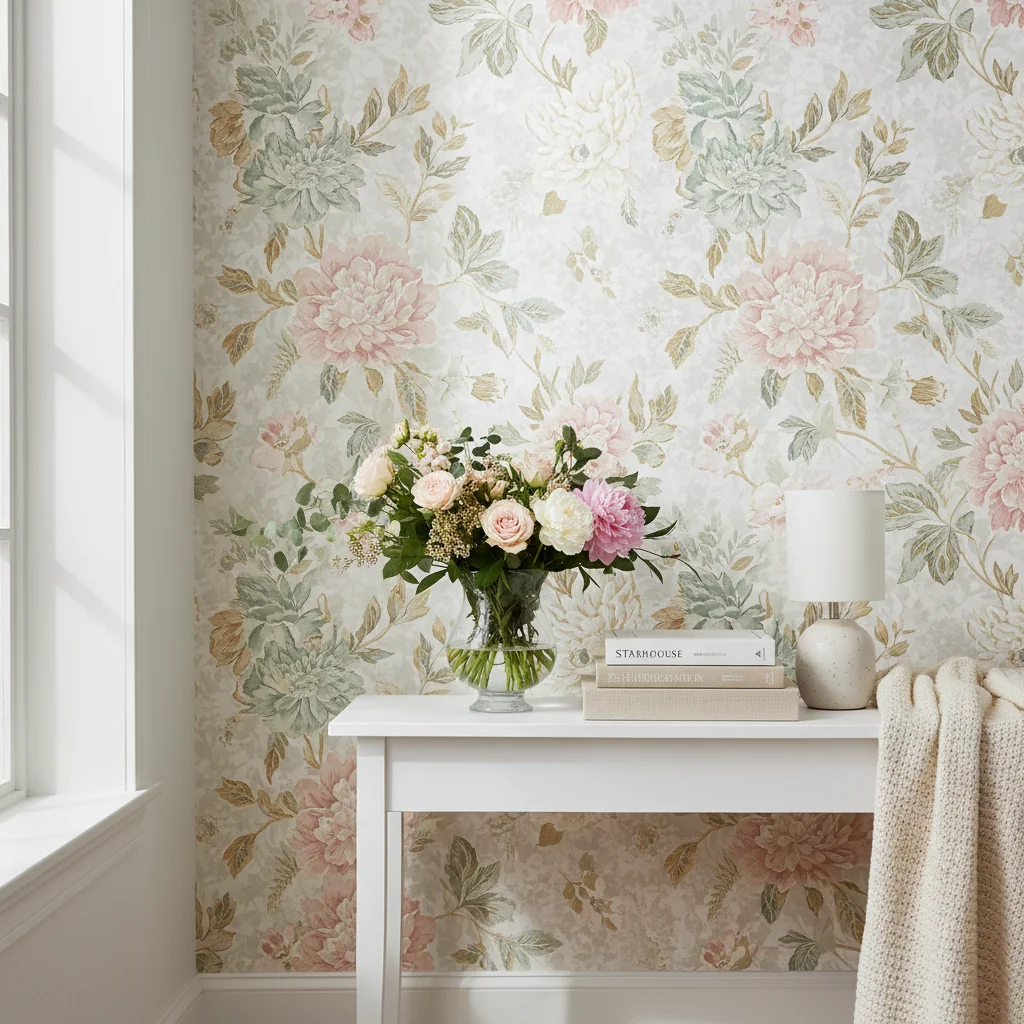
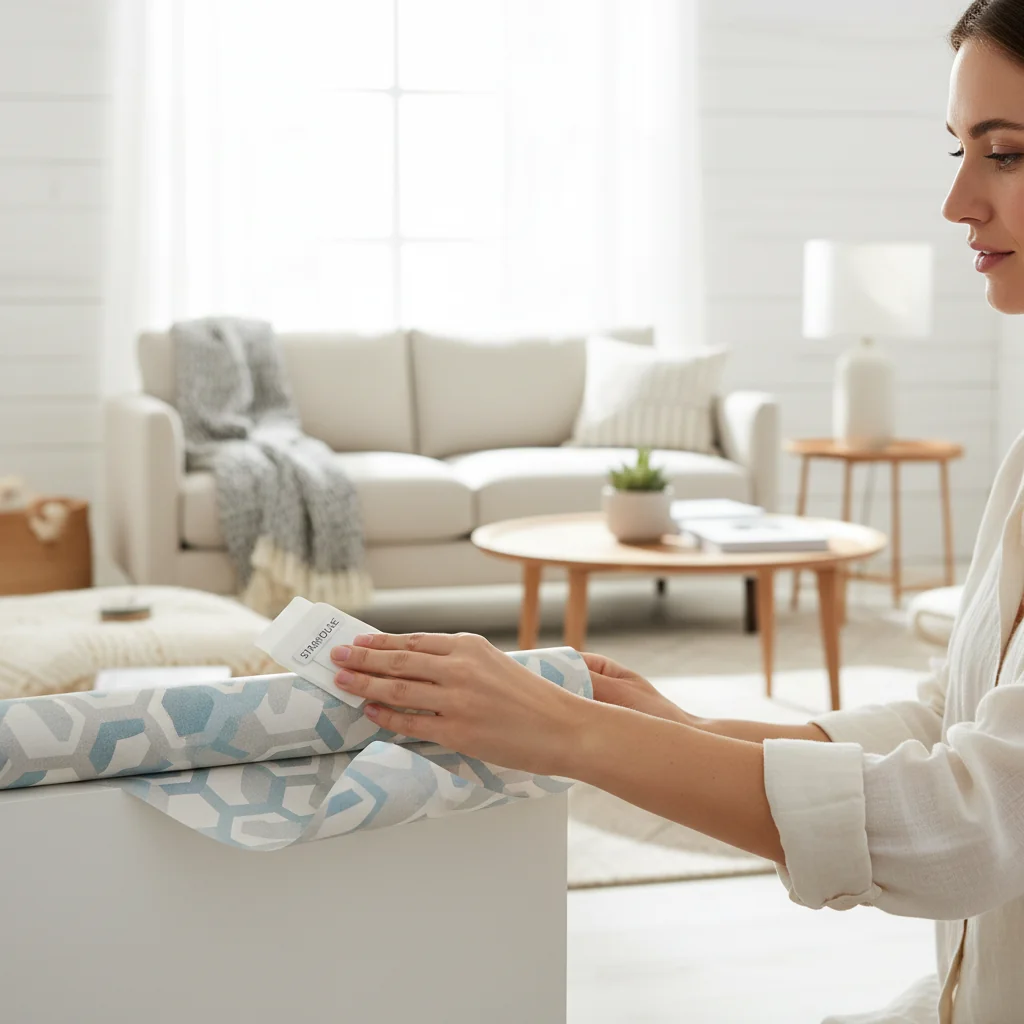
Beachy wallpaper instantly transforms any interior into a serene coastal retreat, evoking the tranquility of the ocean and the warmth of sun-drenched shores. This decorative wall covering encompasses a broad spectrum of patterns, textures, and hues, from subtle sandy textures and gentle wave motifs to vibrant tropical botanicals and intricate coral designs, providing a versatile foundation for a relaxed, elegant home aesthetic. Its application can dramatically alter a room’s ambiance, offering both visual depth and a distinct thematic identity that resonates with the calming influence of seaside living.
Key Takeaways
- Beachy wallpaper provides a versatile foundation for a serene coastal aesthetic, encompassing patterns like waves, sand, coral, and tropical foliage.
- Choosing the right type involves considering material (peel-and-stick, traditional, vinyl, non-woven, grasscloth), pattern scale, and room conditions like humidity and light exposure.
- Precise measurement is crucial for a seamless installation, requiring careful calculation of wall dimensions and pattern repeats to avoid shortages or misalignments.
- Current trends favor subtle textures, large-scale murals, sustainable materials, and sophisticated interpretations of coastal themes, moving beyond overtly kitschy designs.
- Proper installation techniques and consistent care, including cleaning based on material type, ensure the longevity and pristine appearance of your beachy wallpaper.
- Effective styling involves pairing the wallpaper with natural materials, light-toned furnishings, and appropriate lighting to create a cohesive, inviting coastal oasis.
What is Beachy Wallpaper? Defining the Aesthetic
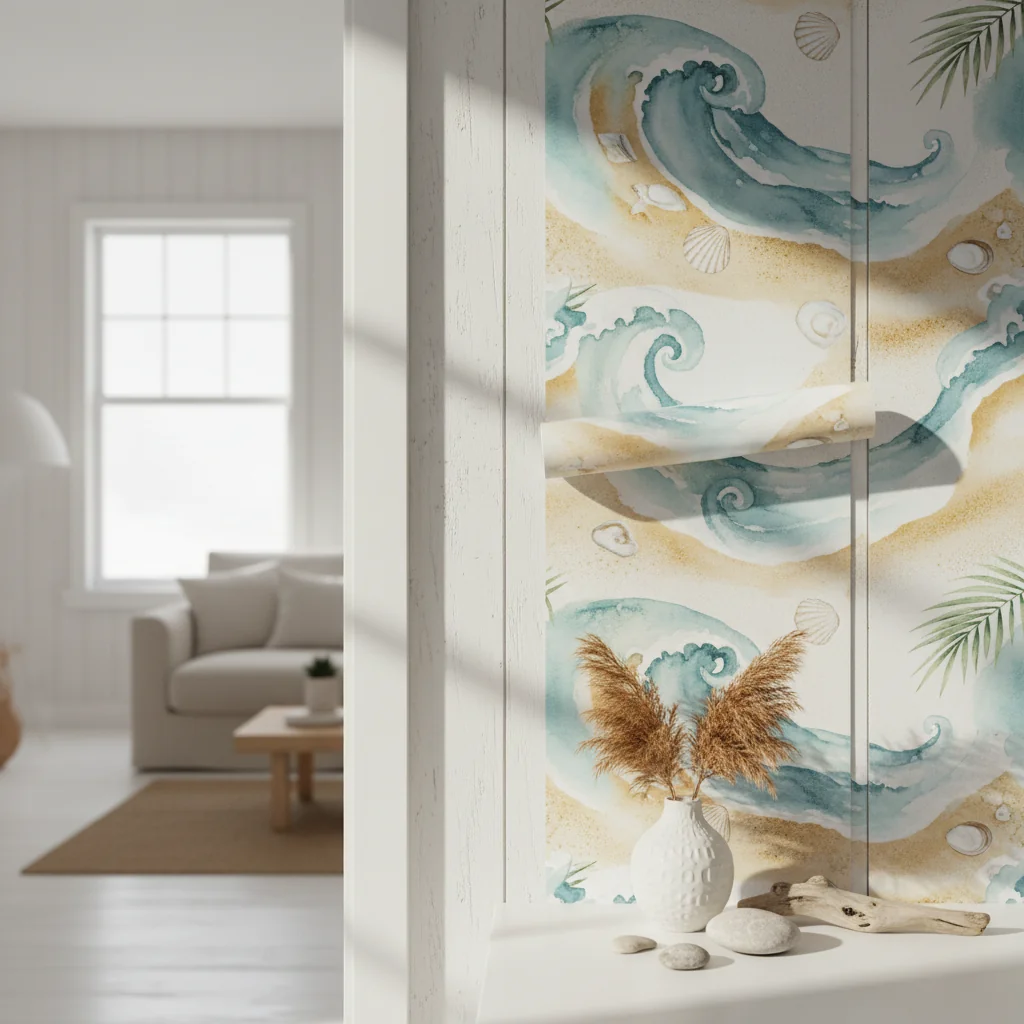
Beachy wallpaper is a decorative wall covering designed to evoke the serene, refreshing, and calming atmosphere of coastal environments, utilizing specific color palettes, patterns, and textures. This aesthetic transcends mere nautical themes by focusing on the broader sensory experience of the beach, incorporating elements like sand, sea, sky, and coastal vegetation rather than just boats or anchors. It aims to create an interior space that feels open, airy, and deeply connected to nature’s tranquility.
The core characteristics of beachy wallpaper revolve around its ability to transport the viewer to a seaside escape. Color palettes typically feature a spectrum of blues—from deep ocean indigo to soft sky pastels—alongside sandy beiges, warm ivories, crisp whites, and delicate greens reminiscent of sea glass or coastal flora. These colors are often muted or desaturated, contributing to a relaxed and sophisticated ambiance.
Motifs are diverse but consistently rooted in the natural elements of the coast. These can include abstract representations of ocean waves, intricate patterns of seashells and coral, weathered wood textures evoking driftwood, or elegant depictions of palm fronds and other tropical foliage. The designs often prioritize fluidity and organic forms, shying away from rigid geometric patterns unless they are subtly integrated to complement the natural elements.
Texture plays a significant role in enhancing the beachy aesthetic. Many wallpapers incorporate tactile elements or visual illusions of texture, such as woven grasscloth patterns, subtle linen finishes, or designs that mimic the grainy appearance of sand or the smooth, worn surface of sea glass. These textural nuances add depth and an authentic, natural feel to the walls, preventing the design from appearing flat or one-dimensional.
While often used interchangeably, “beachy,” “coastal,” and “nautical” aesthetics have distinct nuances. Beachy decor emphasizes a relaxed, natural, and often barefoot luxury feel, focusing on light, organic elements and a softer color palette. Coastal decor is a broader term that can encompass beachy but also includes more structured, classic seaside styles, often with a slightly more polished finish. Nautical decor is the most specific, heavily featuring maritime symbols like anchors, ropes, and ship wheels, typically in a more defined red, white, and blue palette. Beachy wallpaper, therefore, leans into the effortless elegance and natural beauty of the shoreline, offering a soothing backdrop for a peaceful home.
Types of Beachy Wallpaper: Exploring Patterns and Motifs
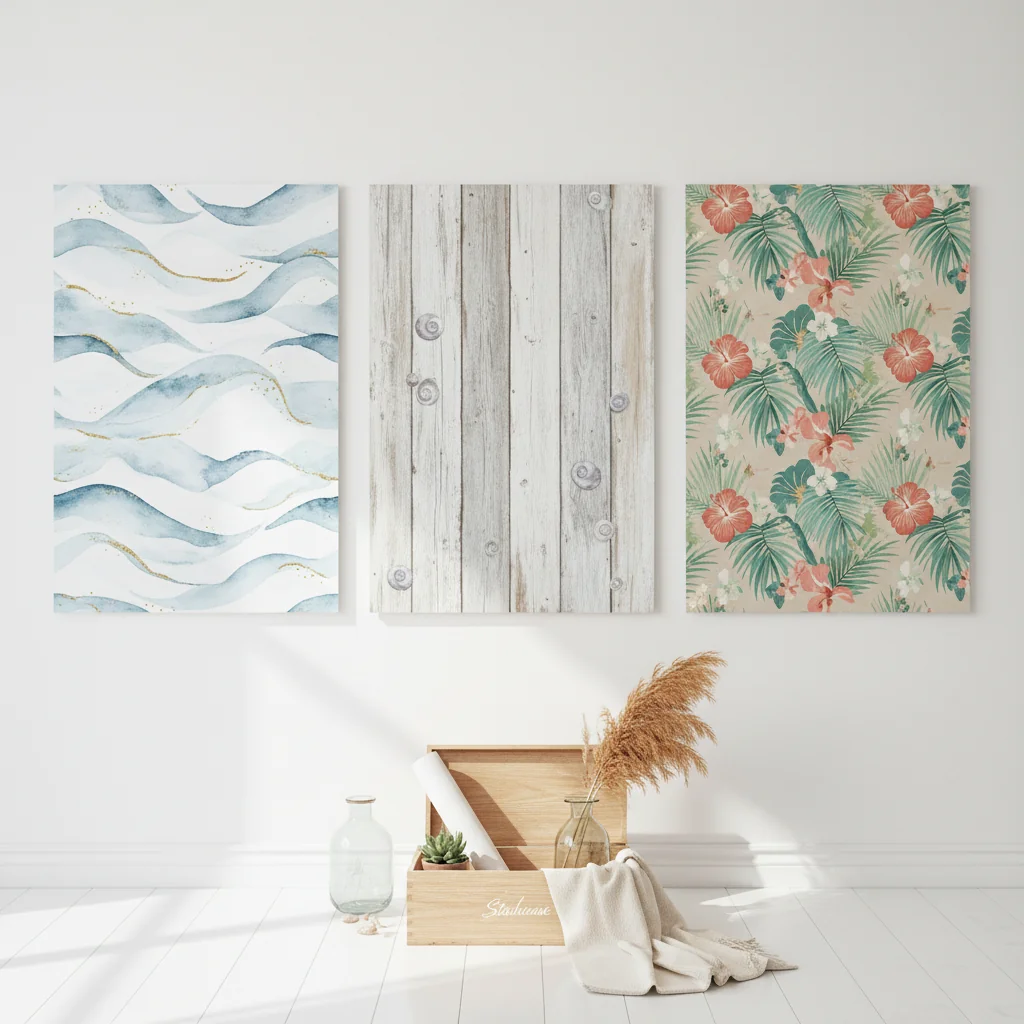
Beachy wallpaper encompasses a rich variety of patterns and motifs, each designed to evoke a specific aspect of the coastal environment and cater to diverse aesthetic preferences. Understanding these distinct categories allows homeowners to select a design that precisely aligns with their vision for a tranquil, nature-inspired space. The range extends from literal depictions of marine life to abstract interpretations of oceanic movement and texture.
Seashells & Coral
This category features intricate designs showcasing various seashells, conchs, starfish, and delicate coral formations. Patterns can range from tightly packed, detailed scientific illustrations to whimsical, scattered arrangements. Color palettes typically include soft pinks, muted oranges, creamy whites, and pale blues, reflecting the natural hues found on the ocean floor. These wallpapers are ideal for creating an elegant, understated coastal feel, often favored in bathrooms, bedrooms, or dining areas where a touch of refined natural beauty is desired.
Ocean Waves & Water Textures
Wave and water-textured wallpapers are paramount for capturing the dynamic essence of the ocean. Designs may feature sweeping, realistic wave patterns, abstract swirls and eddies, or subtle ombré effects that mimic the gradient of water depth. The color schemes are predominantly blues and greens, from deep turquoise to light aqua, often with touches of white foam. These patterns introduce movement and fluidity into a room, making them suitable for living areas, entryways, or even accent walls in a bedroom to foster a sense of calm and expanse.
Tropical Foliage (Palms, Monstera)
For a more vibrant, lush beachy aesthetic, tropical foliage patterns are an excellent choice. These designs showcase large, verdant palm fronds, iconic monstera leaves, and other exotic botanicals commonly found in coastal regions. The color palette leans towards rich greens, often contrasted with bright whites or soft yellows, evoking a sunny, resort-like atmosphere. Tropical foliage wallpapers work beautifully in spaces that can handle bold patterns, such as sunrooms, dining rooms, or a statement wall in a bedroom, bringing a lively, energetic feel.
Sand & Driftwood Textures
These wallpapers focus on the tactile and earthy elements of the beach. They often feature subtle, grainy textures that replicate the appearance of sand dunes, or weathered wood grain patterns reminiscent of sun-bleached driftwood. The color scheme is typically neutral, with various shades of beige, taupe, gray, and warm brown. These patterns are perfect for creating a foundational, calming backdrop that adds understated depth and warmth without overwhelming the space. They are incredibly versatile and can be used in almost any room, providing a serene and grounded feel.
Coastal Birds & Marine Life
Featuring elegant depictions of seagulls, sandpipers, herons, or playful marine animals like dolphins and sea turtles, these wallpapers add a touch of whimsy and natural charm. The designs often integrate these creatures into a broader beach landscape, such as flying over waves or swimming among coral. Color palettes vary depending on the chosen animals and their natural habitats but generally adhere to the muted tones of the beach. These are particularly popular for children’s rooms, nurseries, or accent walls in a more playful coastal-themed space.
Abstract Interpretations
For a contemporary take on beachy decor, abstract wallpaper designs offer a sophisticated alternative. These patterns use color, line, and form to suggest coastal elements without literal representation. This could include blurred washes of blue and sand tones, subtle geometric patterns that evoke ripples in water, or textural prints that hint at natural fibers. Abstract beachy wallpapers are ideal for modern homes seeking a minimalist yet thematic approach, offering versatility in styling and pairing with other contemporary furnishings.
Materials and Construction: Durability Meets Design
The material composition of beachy wallpaper significantly influences its durability, ease of installation, maintenance requirements, and overall aesthetic performance. Selecting the appropriate material is a critical decision, as it dictates how well the wallpaper will perform in a specific environment, such as a high-humidity bathroom or a high-traffic living area. Starhouse curates wallpaper options that balance visual appeal with practical functionality, ensuring lasting beauty and performance.
Peel-and-Stick (Removable) Wallpaper
Peel-and-stick wallpaper, also known as removable or self-adhesive wallpaper, is constructed from a vinyl or fabric-based material with an adhesive backing protected by a release liner. This type of wallpaper is celebrated for its exceptional ease of installation and removal, making it a popular choice for renters, DIY enthusiasts, and those who frequently update their decor. It requires no paste, simply peel off the backing and apply to a clean, smooth surface. Removal is typically clean and leaves no residue, making it ideal for temporary applications or spaces where flexibility is key. While generally durable, its longevity can vary, and it may not withstand harsh scrubbing as effectively as some traditional vinyl options.
Traditional (Paste-the-Wall/Paper) Wallpaper
Traditional wallpaper encompasses a range of materials, most commonly paper-backed vinyl, non-woven, or pure paper. Installation involves applying a separate adhesive to the wall (paste-the-wall) or to the wallpaper itself (paste-the-paper) before hanging. This method offers a more permanent and robust finish, often providing superior durability and longevity compared to peel-and-stick options. Traditional wallpapers are known for their rich textures, intricate patterns, and ability to conceal minor wall imperfections effectively. While installation requires more skill and time, the result is a professional, enduring finish.
Vinyl Wallpaper (Solid Vinyl, Vinyl Coated)
Vinyl wallpaper is highly regarded for its exceptional durability, moisture resistance, and ease of cleaning, making it an excellent choice for high-traffic areas like entryways, hallways, and bathrooms. Solid vinyl wallpaper consists of a vinyl layer bonded to a fabric or paper backing, offering superior resilience against scuffs, stains, and humidity. Vinyl-coated wallpaper features a paper base with a liquid vinyl coating, providing a protective, wipeable surface. Both types are often washable and can withstand considerable wear, retaining their appearance for many years. The robust nature of vinyl makes it a practical option for beachy designs that may be exposed to splashes or frequent handling.
Non-Woven Wallpaper
Non-woven wallpaper is a modern, high-performance material made from a blend of natural and synthetic fibers, often cellulose and polyester. This composition makes it breathable, tear-resistant, and dimensionally stable, meaning it resists shrinking or expanding when wet. Non-woven wallpaper is installed using the paste-the-wall method, which simplifies the process by allowing adhesive to be applied directly to the wall. It is also celebrated for its ease of removal, often peeling off in full sheets without damaging the wall surface. Because it is breathable, it is less prone to mold and mildew, making it a healthy choice for interiors. Non-woven wallpaper is a durable and environmentally conscious option for beachy designs, offering both aesthetic appeal and practical benefits.
Non-woven wallpaper is a high-performance wallcovering made from a blend of natural and synthetic fibers, notable for its breathability, tear resistance, and clean removability.
Grasscloth & Natural Fibers
Grasscloth wallpaper is crafted from natural fibers like jute, sisal, seagrass, or bamboo woven onto a paper backing. This material offers unparalleled texture and an organic, artisanal feel, adding significant warmth and depth to a space. Each roll is unique, with subtle variations in color and weave that contribute to its natural charm. Grasscloth is an excellent choice for a sophisticated, earthy beachy aesthetic, particularly in living rooms, dining rooms, or studies. However, it requires delicate handling during installation, is generally not washable, and can be susceptible to moisture and direct sunlight, which may cause fading or discoloration. Its delicate nature means it is best suited for low-traffic areas.
Environmental Considerations and Standards
When selecting wallpaper, considering environmental factors such as Volatile Organic Compounds (VOCs) and sustainable sourcing is increasingly important. Many modern wallpapers, especially non-woven varieties, are designed to be low-VOC, contributing to better indoor air quality. Manufacturers are also increasingly using recycled content or responsibly sourced materials. The National Institute of Standards and Technology (NIST) plays a vital role in developing and promoting measurement standards, including those that can inform the assessment of material properties and environmental performance in building products. Adhering to such standards helps ensure products meet specified quality and safety benchmarks, benefiting both consumers and the environment. The National Institute of Standards and Technology provides foundational measurement science to support industry and innovation, including in materials science.
The choice of wallpaper material significantly impacts the overall success of a beachy interior design. By understanding the characteristics and benefits of each type, homeowners can make an informed decision that combines aesthetic aspirations with practical requirements for durability and maintenance.
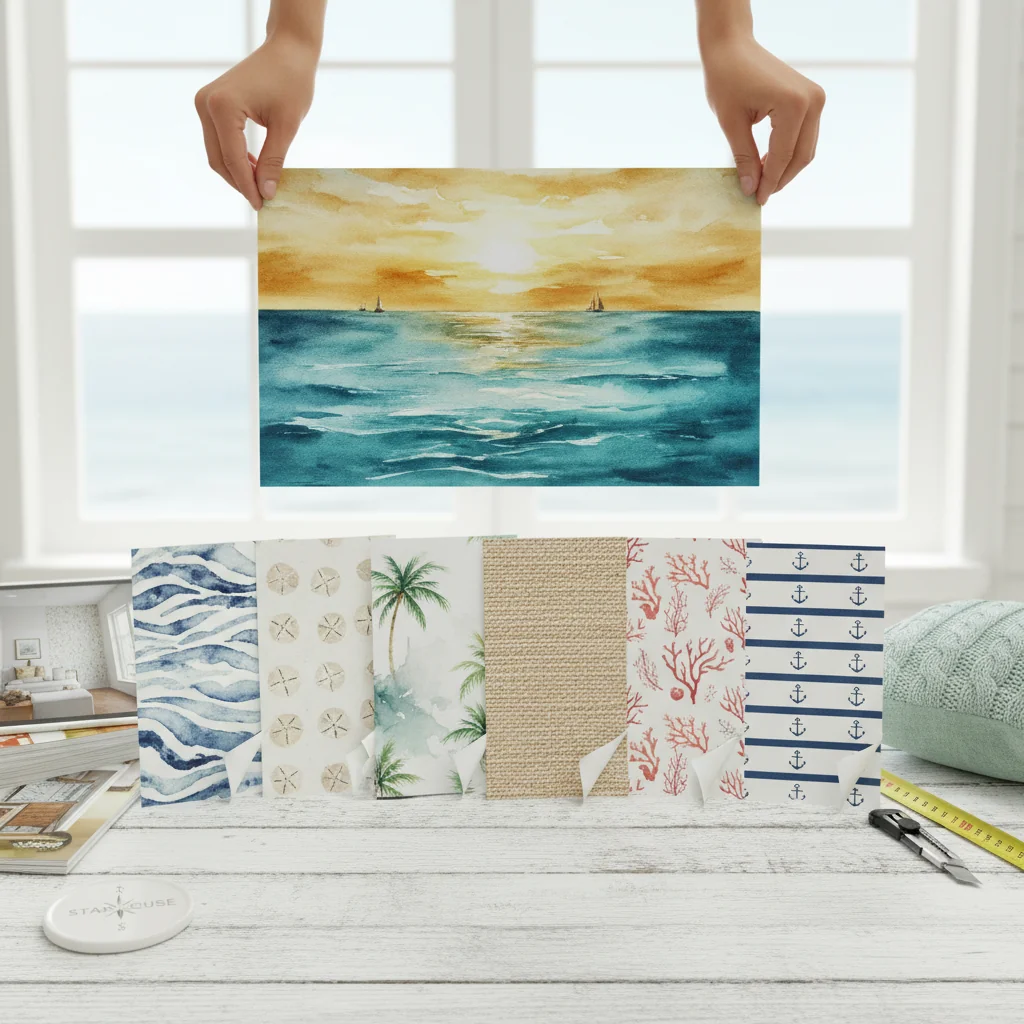
Choosing the Right Beachy Wallpaper: A Design Blueprint
Selecting the ideal beachy wallpaper requires a thoughtful consideration of the specific room, its existing decor, the desired ambiance, and the practicalities of color and pattern scale. A well-chosen wallpaper integrates seamlessly into your home, enhancing its character and creating the desired coastal sanctuary. Starhouse emphasizes a holistic approach to design, ensuring each element contributes to a cohesive and inviting space.
Room Considerations
The function and environmental conditions of a room are paramount in wallpaper selection.
- Bathroom: High humidity demands moisture-resistant materials like solid vinyl or vinyl-coated wallpaper. Opt for patterns that evoke water, seashells, or subtle textures in calming blues, greens, or crisp whites.
- Bedroom: This space benefits from soft, serene patterns and colors that promote relaxation. Gentle wave motifs, abstract sand textures, or delicate coral patterns in muted tones are ideal. Non-woven or traditional paper-backed options are suitable here, as humidity is typically low.
- Living Room: As a primary gathering space, the living room can accommodate bolder statements. A large-scale mural of an ocean scene, a sophisticated tropical foliage print, or an elegant grasscloth texture can serve as a stunning focal point. Durability is important for potential traffic, so consider vinyl or non-woven.
- Nursery/Kids’ Room: Playful patterns featuring marine animals, stylized waves, or whimsical seashells in soft, cheerful colors are perfect. Peel-and-stick wallpaper is an excellent choice for these rooms due to its removability and ease of updating as children grow.
- Dining Room: This space often benefits from a refined touch. Consider sophisticated grasscloth, elegant coral patterns, or subtle abstract designs in a more formal coastal palette.
Color Palette Selection
The color palette dictates the mood of your beachy space.
- Cool Tones (Blues, Greens, Grays): These colors evoke the refreshing coolness of the ocean and sky. They create a serene, expansive, and calming atmosphere, often making rooms feel larger and airier. Deep blues can add sophistication, while lighter aquas and mint greens bring a fresh, lively feel.
- Warm Tones (Beiges, Ivories, Soft Yellows, Terracottas): These colors reflect the warmth of sand, sun, and sunsets. They create a cozy, inviting, and grounded ambiance. Warm neutrals are excellent for balancing cool blues or for creating a monochromatic beachy look that emphasizes texture over color.
Consider the existing light in the room. North-facing rooms, which receive cooler, indirect light, often benefit from warmer wallpaper tones to prevent them from feeling too cold. South-facing rooms, with abundant warm light, can handle cooler palettes without feeling stark.
Scale and Pattern Impact
The scale of the pattern significantly influences a room’s perceived size and visual impact.
- Large-Scale Patterns: Bold tropical leaves, expansive ocean murals, or oversized coral designs create a dramatic statement. They work best in larger rooms or on accent walls to avoid overwhelming the space. They can make a small room feel grander if used judiciously.
- Small-Scale Patterns: Dainty seashell repeats, subtle ripple textures, or fine stripe patterns are ideal for smaller rooms or for creating a more understated, intimate feel. They can be used on all walls without making the room feel too busy.
- Vertical Patterns: Stripes or patterns with a strong upward direction can make ceilings appear higher.
- Horizontal Patterns: Can make a room feel wider or longer.
Pattern repeat is the vertical distance at which a wallpaper design repeats itself, crucial for accurate material calculation and seamless installation.
Existing Decor Integration
Your chosen beachy wallpaper must harmonize with your current furnishings, textiles, and accessories. If your furniture is minimalist and modern, opt for abstract or subtle textural beachy patterns. For a more traditional or shabby chic coastal aesthetic, intricate seashell or botanical prints may be more suitable. Consider the dominant materials in your room—light wood, rattan, linen—and select a wallpaper that complements their textures and tones. The goal is a cohesive narrative where the wallpaper acts as a foundational layer, not a competing element.
Lighting Considerations
Both natural and artificial lighting play a crucial role in how wallpaper appears. Natural light can make colors appear truer, while artificial light, especially warm incandescent or cool LED, can alter perceptions. Test wallpaper samples in your room at different times of day to see how the light interacts with the pattern and color. Textured wallpapers can cast interesting shadows, adding depth, while metallic accents in some designs can shimmer under direct light, enhancing the luxurious feel.
By meticulously evaluating these factors, you can confidently select beachy wallpaper that not only meets your aesthetic desires but also performs optimally within your specific home environment. Starhouse is dedicated to helping you discover the perfect wallcovering to realize your coastal design aspirations. We invite you to explore the possibilities and tell us what you’re looking for to curate your ideal space. Share your design vision with Starhouse and gain early access to our curated collections.
Sizing and Measuring for Flawless Installation
Accurate sizing and meticulous measuring are fundamental steps to achieving a professional and seamless wallpaper installation, preventing costly errors and ensuring a cohesive aesthetic. Underestimating wallpaper quantities or miscalculating pattern repeats can lead to visible seams, misaligned designs, or an insufficient amount of material, compromising the entire project’s outcome. Precision in this phase guarantees that your beachy wallpaper looks exactly as intended.
How to Measure Wall Dimensions
To accurately determine the amount of wallpaper needed, follow these precise steps:
- Measure Width: Use a steel tape measure to measure the width of each wall you intend to paper, from corner to corner. Measure at the top, middle, and bottom, and use the largest measurement. If there are doors or windows, measure the entire wall first, then measure the width of these obstructions separately.
- Measure Height: Measure the height of each wall from the baseboard to the ceiling. Again, take measurements at several points along the wall and use the largest figure, especially if your ceiling is uneven. For walls with varying heights (e.g., sloped ceilings), measure the highest point.
- Calculate Total Square Footage: Multiply the total width of all walls (sum of all individual wall widths) by the greatest height measurement. This gives you the total square footage of the area to be covered. Do not subtract for doors and windows at this stage, as you will need the extra material for cuts and pattern matching.
Calculating Rolls Needed (Considering Pattern Repeat)
Wallpaper rolls are sold in standard dimensions, and the pattern repeat is a critical factor in determining the number of rolls required. Most wallpaper manufacturers provide the square footage coverage per roll on the product specifications.
| Roll Type | Width (inches) | Length (feet) | Approx. Sq Ft Coverage (per single roll) | Typical Use Case |
|---|---|---|---|---|
| Standard Single Roll (U.S.) | 20.5 – 21 inches | 16.5 feet | 28 sq ft | Small accents, trim, borders |
| Standard Double Roll (U.S.) | 20.5 – 21 inches | 33 feet | 56 sq ft | Most rooms, offers better value |
| European Single Roll | 20.8 inches | 33 feet | 57 sq ft | Imported designs, often sold as “single” but covers more |
| Wide Width (Commercial/Mural) | 36 – 54 inches | Varies (often by linear yard) | Highly variable, consult product data | Large murals, commercial spaces, specialized designs |
This table outlines common wallpaper roll dimensions and their approximate coverage, which is crucial for calculating the quantity needed for installation.
Here’s how to calculate for pattern repeat:
- Determine Drops per Roll: Divide the roll length (e.g., 33 feet for a double roll) by your wall height (e.g., 8 feet). This tells you how many full drops you can get from one roll *without* accounting for repeat. For an 8-foot wall, a 33-foot roll yields 4 drops (33 / 8 = 4.125, round down to 4).
- Factor in Pattern Repeat: Add the pattern repeat measurement (e.g., 21 inches or 1.75 feet) to your wall height for each drop. So, for an 8-foot wall and a 21-inch repeat, each cut length would be 8 feet + 1.75 feet = 9.75 feet.
- Recalculate Drops per Roll with Repeat: Divide the roll length by this new cut length (e.g., 33 feet / 9.75 feet = 3.38, round down to 3). This means you only get 3 usable drops per roll.
- Calculate Total Drops Needed: Divide the total width of your walls by the width of one wallpaper strip (e.g., 20.5 inches or 1.71 feet). This tells you the total number of strips you need. For a 12-foot wide wall, you need 12 feet / 1.71 feet = 7.01, so 8 strips.
- Calculate Total Rolls: Divide the total number of strips needed by the number of usable strips per roll (from step 3). For 8 strips and 3 usable strips per roll, you need 8 / 3 = 2.66, so round up to 3 rolls.
Always round up to the nearest whole number of rolls. It is highly recommended to purchase an extra roll, especially for large patterns or if you are a novice installer, to account for errors, future repairs, or pattern matching challenges. Wallpaper dye lots can vary, so purchasing all rolls from the same dye lot ensures color consistency.
Understanding Wallpaper Roll Dimensions (U.S. Standards)
In the U.S., wallpaper is typically sold in “single rolls” and “double rolls.” A single roll is usually 20.5 inches to 21 inches wide and 16.5 feet long, covering approximately 28 square feet. A double roll, often listed as a single unit, is the same width but 33 feet long, covering about 56 square feet. European rolls might have slightly different dimensions, often 20.8 inches wide and 33 feet long, covering around 57 square feet. Always check the manufacturer’s stated coverage for accurate calculations.
Preparation of Walls
Proper wall preparation is as crucial as accurate measurement. The wall surface must be clean, dry, smooth, and free of dust, grease, or peeling paint. Any imperfections will show through the wallpaper. For best adhesion, use a primer specifically designed for wallpaper, which also helps with future removal. For new drywall, ensure it is properly sealed and primed. For painted walls, a light sanding and cleaning may be necessary. This diligent preparation ensures the wallpaper adheres correctly and provides a flawless finish, maximizing the impact of your chosen beachy design.
The National Institute of Standards and Technology (NIST) provides foundational measurement science that underpins precision in all industries, including construction and interior design. Understanding and applying precise measurement techniques, as advocated by NIST, ensures project success and material efficiency. The National Institute of Standards and Technology advances measurement science, standards, and technology, contributing to accuracy in fields from manufacturing to building design.
Current Trends in Beachy Wallpaper Design
Beachy wallpaper design is continually evolving, moving beyond overt nautical clichés to embrace more sophisticated, nuanced interpretations of coastal living. Contemporary trends emphasize natural textures, grand scale, sustainable materials, and a refined color palette that elevates the aesthetic from casual to aspirational. Starhouse curates designs that reflect these modern sensibilities, offering timeless elegance with a fresh perspective.
Subtle Textures and Organic Finishes
The current design landscape favors depth and tactility over bold, literal patterns. Wallpaper featuring subtle textures that mimic sand, woven grasscloth, linen, or weathered wood is highly sought after. These designs provide a foundational layer of warmth and organic beauty without overwhelming a space. They often come in neutral palettes—think soft beiges, muted grays, and creamy whites—allowing other elements of the room to shine while still evoking a serene coastal feel. This trend speaks to a desire for understated luxury and a connection to natural elements.
Mural-Style Landscapes
Large-scale murals are making a significant impact, transforming entire walls into expansive coastal vistas. Instead of repeating patterns, these wallpapers present a single, continuous image, such as a panoramic ocean view, a serene beach at sunset, or a lush tropical forest leading to the sea. This trend creates an immersive experience, making rooms feel larger and more open. Mural-style beachy wallpapers are often printed on high-quality non-woven or peel-and-stick materials, allowing for easier installation of these grand designs. They serve as a powerful focal point in living rooms, bedrooms, or dining areas.
Sustainable Materials
An increasing emphasis on environmental responsibility is driving the demand for sustainable wallpaper materials. Consumers and designers are seeking options made from recycled content, sustainably harvested natural fibers (like bamboo or jute), or those produced with low-VOC (Volatile Organic Compound) inks and processes. Non-woven wallpapers, often made with cellulose and polyester fibers, are gaining popularity for their eco-friendliness and breathability. This trend aligns with a broader movement toward conscious consumption and creating healthier indoor environments, reflecting a desire for beauty that is also responsible.
Darker, Moody Coastal Palettes
While light and airy palettes remain classic, a burgeoning trend introduces darker, moodier coastal tones. Deep ocean blues, charcoal grays, and even rich greens are being used to create sophisticated and dramatic beachy interiors. These colors, often paired with textures that mimic rough seas or stormy skies, offer a more dramatic and less conventional interpretation of coastal style. They can create a cozy, intimate atmosphere, particularly striking in a study, a powder room, or an accent wall in a bedroom, providing a departure from the traditional bright and breezy beach house look.
Abstract Artistry
For those seeking a contemporary and artistic expression of coastal themes, abstract beachy wallpapers are on the rise. These designs interpret oceanic movement, sand patterns, or sea flora through abstract forms, brushstrokes, and color washes. They eschew literal depictions in favor of suggestive art, offering a modern, gallery-like feel. This trend allows for greater versatility in styling, as the abstract nature of the patterns can complement a wide range of furniture and decor styles, from mid-century modern to minimalist. It provides a sophisticated way to infuse coastal inspiration without being overtly thematic.
These current trends in beachy wallpaper design reflect a shift towards deeper sophistication, environmental consciousness, and personalized expression. They offer diverse ways to bring the calming and inspiring essence of the coast into modern homes, moving beyond simple decorative elements to create immersive and artful environments.
Installation Best Practices: A Professional Finish
Achieving a professional-quality wallpaper installation requires meticulous preparation, the right tools, and adherence to proven techniques, regardless of whether you choose peel-and-stick or traditional paste-applied varieties. Proper installation ensures the longevity and flawless appearance of your beachy wallpaper, maximizing its aesthetic impact and preventing common issues like bubbling or peeling. Following best practices is crucial for a durable and visually appealing result.
Surface Preparation
Thorough wall preparation is the cornerstone of any successful wallpaper project. The surface must be clean, dry, smooth, and structurally sound. Remove all old wallpaper, loose paint, or debris. Fill any holes or cracks with spackle, sand smooth, and wipe away dust. For glossy paints, a light sanding will provide better adhesion. Apply a high-quality wallpaper primer (often called “sizing”) specifically designed for wallcoverings. This primer seals the wall, promotes better adhesion, and facilitates easier removal in the future. Allow the primer to dry completely according to manufacturer instructions, typically 24 hours.
Tools Required
Having the correct tools on hand streamlines the installation process and ensures precision:
- Steel tape measure
- Straightedge or metal ruler
- Utility knife with snap-off blades (always use a sharp blade for clean cuts)
- Smoothing tool (plastic smoother or wallpaper brush)
- Seam roller (for traditional wallpaper)
- Level or plumb bob
- Pencil
- Damp sponges and clean cloths
- Bucket for water (for traditional paste removal/cleaning)
- Wallpaper paste (for traditional paste-the-paper)
- Paint roller and tray (for paste-the-wall)
- Stepladder or scaffolding for reaching high areas
Step-by-Step for Peel-and-Stick Wallpaper
Peel-and-stick wallpaper is generally more forgiving for DIYers due to its self-adhesive nature and removability.
- Measure and Cut: Measure your wall height and cut your first strip of wallpaper, adding 2-4 inches to the top and bottom for trimming. Match patterns if applicable.
- Establish Plumb Line: Use a level or plumb bob to draw a straight vertical line on your wall, about 1 inch less than the width of your wallpaper strip from the corner. This ensures your first strip is perfectly straight.
- Apply First Strip: Peel a few inches of the backing from the top of your first strip. Align the wallpaper with your plumb line and the ceiling, pressing gently.
- Smooth and Adhere: Slowly peel down the backing paper about 12-18 inches at a time, smoothing the wallpaper onto the wall with your smoothing tool, working from the center outwards to push out air bubbles. Overlap the ceiling and baseboard slightly.
- Trim Excess: Once the strip is fully applied, use your utility knife and a straightedge to carefully trim the excess wallpaper at the ceiling and baseboard.
- Repeat: For subsequent strips, butt the edge tightly against the previous strip (do not overlap unless specified by manufacturer). Match the pattern carefully. Continue peeling, smoothing, and trimming.
Step-by-Step for Traditional Wallpaper (Paste-the-Wall)
The paste-the-wall method is increasingly popular for non-woven wallpapers, simplifying the process.
- Measure and Cut: Measure wall height and cut strips, adding 2-4 inches for trimming. Ensure pattern matching.
- Establish Plumb Line: Draw a vertical plumb line on the wall for your first strip, as described for peel-and-stick.
- Apply Paste to Wall: Use a paint roller to apply a thin, even coat of wallpaper paste directly to the section of the wall where your first strip will go, slightly wider than the strip itself.
- Hang First Strip: Carefully align the top of your first dry wallpaper strip with the ceiling and your plumb line. Press it gently into the pasted area.
- Smooth and Adhere: Use a wallpaper brush or smoother to work from the center outwards, removing air bubbles and ensuring full contact with the paste.
- Trim Excess: Trim the top and bottom excess with a utility knife and straightedge.
- Repeat: Apply paste for the next section of the wall. Butt the next strip tightly against the previous one, carefully matching the pattern. Smooth it down and trim. Use a seam roller on seams to ensure they are flat and secure.
- Clean Up: Immediately wipe off any excess paste from the wallpaper surface and seams with a damp sponge before it dries.
Safety During Installation
Safety is paramount during any home improvement project. When working with wallpaper, ensure adequate ventilation, especially when using adhesives or primers, to dissipate fumes. Always use a stable stepladder or scaffolding for reaching high areas, and have a spotter if possible. Use sharp utility knife blades carefully, always cutting away from your body and keeping fingers clear. Dispose of blades safely. Ensure your work area is clear to prevent tripping hazards. The Occupational Safety and Health Administration (OSHA) provides guidelines and standards for workplace safety, many of which can be adapted to home projects to ensure a safe environment for installers. The Occupational Safety and Health Administration (OSHA) ensures safe and healthful working conditions by setting and enforcing standards and by providing training, outreach, education and assistance.
By following these best practices, you can achieve a durable, beautiful, and professionally installed beachy wallpaper finish that enhances your home’s aesthetic for years to come.
Care and Maintenance for Lasting Beauty
Proper care and consistent maintenance are essential to preserving the pristine appearance and extending the lifespan of your beachy wallpaper, ensuring it remains a vibrant and integral part of your home’s aesthetic. Different wallpaper materials require specific cleaning methods and protective measures to prevent damage, fading, or discoloration over time. Adhering to manufacturer guidelines is crucial for optimal preservation.
Cleaning Specific Material Types
The cleaning regimen for wallpaper is directly tied to its material composition. Incorrect cleaning can lead to irreparable damage, so identifying your wallpaper type is the first step.
- Vinyl Wallpaper (Solid Vinyl, Vinyl Coated): These are the most durable and easiest to clean. They are typically washable and scrubbable. Use a soft sponge or cloth dampened with warm water and a mild, non-abrasive detergent (like dish soap). Gently wipe down the surface, then rinse with a clean, damp cloth and dry immediately with a soft towel to prevent water spots. Avoid harsh chemicals or abrasive scrubbers, which can damage the vinyl layer.
- Non-Woven Wallpaper: Often labeled as “washable” or “wipeable.” Use a soft, damp cloth with plain water or a very mild soap solution. Gently wipe soiled areas. Avoid saturating the paper, as excessive moisture, though less damaging than to pure paper, can still affect the adhesive or paper integrity. Pat dry with a clean cloth.
- Peel-and-Stick Wallpaper: Similar to vinyl, most peel-and-stick wallpapers are made of vinyl or a durable fabric that is wipeable. Use a soft, damp cloth with water or a very mild soap. Avoid excessive rubbing or harsh cleaners, which could lift the edges or damage the printed surface.
- Traditional Paper-Backed Wallpaper: This type is the most delicate. Many are “spongeable” or “wipeable,” meaning they can withstand a very light, quick wipe with a barely damp sponge. Avoid scrubbing or using any soap, as this can easily damage the paper, lift ink, or weaken the adhesive. For severe stains, professional cleaning might be necessary, but often, paper wallpaper cannot be cleaned without risk.
- Grasscloth & Natural Fibers: These wallpapers are generally not washable. Water can stain, discolor, or damage the natural fibers. For dust, use a soft, dry cloth or a vacuum cleaner with a brush attachment on a low setting. For minor spots, a dry art gum eraser can sometimes gently lift marks, but always test in an inconspicuous area first. Avoid all liquid cleaners.
Always test any cleaning method on an inconspicuous area of the wallpaper first to ensure it does not cause damage or discoloration.
Preventing Damage
Proactive measures can significantly extend the life and beauty of your beachy wallpaper.
- Humidity Control: High humidity can cause wallpaper to peel or bubble, especially in bathrooms and kitchens. Use exhaust fans during showers or cooking, and consider a dehumidifier in consistently damp climates. Proper ventilation is key.
- Sunlight Exposure: Direct and prolonged sunlight can cause wallpaper colors to fade over time. Use UV-filtering window treatments such as blinds, shades, or sheer curtains to protect your wallpaper, particularly on south-facing walls.
- Physical Damage: Protect wallpaper in high-traffic areas from scuffs and tears. Furniture should be placed with care, and consider installing chair rails or wainscoting in dining areas or hallways to provide a protective barrier.
- Temperature Stability: Extreme temperature fluctuations can affect wallpaper adhesive. Maintain a relatively stable indoor temperature to prevent the wallpaper from shrinking, expanding, or peeling.
Repairing Minor Issues
Addressing minor issues promptly can prevent them from escalating into larger problems.
- Bubbles: For small air bubbles, use a sharp utility knife to make a tiny slit (an “X” cut is often effective for larger bubbles), then gently press out the air with a smoothing tool. For traditional wallpaper, you might need to inject a small amount of wallpaper adhesive with a syringe before smoothing.
- Peeling Seams/Edges: If seams or edges begin to lift, re-adhere them using a seam adhesive (available at hardware stores). Apply a small amount to the underside of the peeling edge, press firmly with a seam roller, and wipe away excess adhesive immediately.
- Small Tears: For minor tears, carefully apply a small amount of clear craft glue or wallpaper adhesive to the underside of the torn piece, press it back into place, and smooth gently with a clean cloth. For patterned wallpaper, you might be able to patch small areas with a leftover piece of wallpaper, carefully matching the pattern.
By implementing these care and maintenance practices, your beachy wallpaper will continue to provide a beautiful, serene backdrop for your home for many years, preserving the coastal aesthetic you meticulously created.
Styling and Pairing: Completing Your Coastal Oasis
Once your beachy wallpaper is installed, the next crucial step is to thoughtfully style and pair it with complementary furnishings, textiles, lighting, and accessories to complete your coastal oasis. This holistic approach ensures every element works in harmony, creating a cohesive, inviting, and truly immersive seaside ambiance. Starhouse advocates for a curated approach, where each piece contributes to the overall narrative of tranquility and refined comfort.
Furniture Selection
The right furniture pieces should echo the relaxed elegance of your beachy wallpaper without competing with it. Prioritize natural materials and light finishes:
- Wood Tones: Opt for light-colored woods such as whitewashed oak, distressed pine, or natural rattan and wicker. These materials inherently bring an organic, beachy feel. Avoid overly dark or heavy wood furniture unless it’s intentionally contrasted for a moody coastal look.
- Upholstery: Choose fabrics in light, breathable materials like linen, cotton, or slipcovered pieces. Colors should align with your wallpaper’s palette – think crisp whites, sandy beiges, soft blues, or muted greens.
- Silhouettes: Furniture with clean lines, a slightly relaxed profile, and a comfortable, unfussy aesthetic will complement beachy wallpaper perfectly. Avoid overly ornate or formal pieces.
Textiles (Rugs, Throws, Pillows)
Textiles add layers of comfort, color, and texture, softening the space and reinforcing the coastal theme.
- Rugs: Natural fiber rugs, such as jute, sisal, or seagrass, are quintessential for a beachy aesthetic, adding warmth and organic texture. Layering a softer cotton or wool rug in a complementary color over a natural fiber rug can enhance comfort and visual interest.
- Throws and Pillows: Select throws in soft knits, linen, or lightweight cotton in shades of blue, green, sand, or white. Decorative pillows can introduce subtle patterns like stripes, abstract waves, or embroidered coral motifs, providing pops of color and texture without overwhelming the wallpaper.
- Curtains: Light, sheer curtains in linen or cotton allow natural light to filter through, enhancing the airy feel. Stick to whites, off-whites, or soft neutrals to maintain brightness.
Lighting (Natural Light, Fixtures)
Lighting is paramount for enhancing the beachy atmosphere, mimicking the bright, open feel of the coast.
- Maximize Natural Light: Keep windows unobstructed as much as possible. Sheer curtains or minimal window treatments allow daylight to flood the room, brightening the wallpaper and emphasizing its colors.
- Fixtures: Choose lighting fixtures made from natural materials like woven rattan, capiz shells, distressed wood, or brushed nickel. Pendant lights with open weaves, simple sconces, or table lamps with linen shades contribute to a relaxed, sophisticated glow. Warm LED bulbs can create a cozy evening ambiance.
Accessories (Mirrors, Art, Plants)
Thoughtfully chosen accessories add character and personalize your coastal retreat.
- Mirrors: Mirrors with driftwood frames, rattan borders, or a simple, clean design can reflect light and expand the sense of space, much like the open ocean.
- Art: Complementary artwork might include abstract ocean scenes, framed pressed botanicals, delicate watercolor seascapes, or photographs of coastal landscapes. Avoid overly kitschy or literal beach signs.
- Plants: Introduce greenery with live plants that thrive indoors, such as palms, fiddle-leaf figs, or snake plants. These bring a touch of living nature and enhance the tropical aspect of your beachy theme.
- Decorative Objects: Incorporate subtle touches like glass vases filled with sand and shells (collected responsibly), ceramic pieces in oceanic hues, or sculptural elements reminiscent of coral or driftwood.
Complementary Paint Colors
When selecting paint colors for adjacent walls or trim, aim for harmony with your beachy wallpaper. Choose colors that are already present in the wallpaper’s pattern or a neutral tone that allows the wallpaper to be the focal point. Soft whites, creamy off-whites, pale blues, or muted greens are excellent choices for trim or adjoining walls. This creates a cohesive flow throughout the space. Avoid strong, clashing colors that would disrupt the serene coastal vibe.
Complementary colors are pairs of colors that, when combined, cancel each other out (like in pigment) or produce a neutral color (like in light), and when placed next to each other, create strong contrast and visual vibrancy.
By carefully curating these elements, you can transform a room with beachy wallpaper into a fully realized coastal sanctuary, a testament to thoughtful design and a profound appreciation for the serenity of the sea.
Common Mistakes to Avoid When Choosing and Installing Beachy Wallpaper
Even with the best intentions, several common pitfalls can compromise the success of a beachy wallpaper project, leading to dissatisfaction or costly re-dos. Awareness of these mistakes allows for proactive avoidance, ensuring a smooth process and a stunning final result. Starhouse emphasizes precision and informed decision-making to achieve lasting design excellence.
Ignoring Pattern Repeat and Dye Lots
One of the most frequent and impactful mistakes is overlooking the pattern repeat when calculating wallpaper quantities. Failure to account for the necessary extra material to align patterns across strips inevitably leads to a shortage of wallpaper, forcing a reorder that may come from a different dye lot. Wallpaper from different dye lots can have subtle but noticeable color variations, resulting in a patchy or mismatched appearance on the wall. Always over-order by at least one roll to ensure consistent color and enough material for pattern matching and potential errors.
Poor Wall Preparation
Skipping or rushing wall preparation is a critical error. Applying wallpaper over dirty, uneven, or unprimed surfaces will result in a flawed finish. Dust, grease, or old adhesive residue can prevent proper adhesion, leading to bubbling or peeling. Unfilled holes or cracks will show through, compromising the smooth aesthetic. A lack of primer means the wallpaper may not adhere evenly, or it might be difficult to remove in the future without damaging the drywall. Always ensure walls are clean, smooth, dry, and properly primed.
Underestimating Quantity
Underestimating the number of rolls needed is a common and frustrating mistake. This often stems from not adequately factoring in waste for pattern matching, trimming, or mistakes. Running out of wallpaper mid-project, especially if the specific dye lot is no longer available, can halt progress and force a compromise on the design. Always use a precise measuring guide (like the one outlined in “Sizing and Measuring”) and purchase an extra roll beyond the calculated minimum.
Mismatching Scale to Room Size
Applying a large, bold beachy pattern in a very small room can make the space feel cramped and overwhelming, rather than expansive. Conversely, using a tiny, intricate pattern in a vast room might get lost and fail to make the desired impact. The scale of the wallpaper pattern should be proportionate to the size of the room. Large-scale murals or bold tropical prints are best reserved for larger rooms or accent walls, while smaller, more delicate patterns suit powder rooms or intimate bedrooms.
Overdoing the Theme (Kitsch Factor)
While beachy wallpaper sets a theme, over-accessorizing with too many literal coastal elements can quickly tip the design from sophisticated to kitschy. A room filled with every seashell, anchor, and seagull motif becomes visually cluttered and loses its aspirational quality. The goal is to evoke the feeling of the beach, not to recreate a souvenir shop. Use a discerning eye, selecting a few key complementary pieces (e.g., a single piece of abstract ocean art, a natural fiber rug) that enhance the wallpaper without competing for attention. Allow the wallpaper to be a primary statement, supported by subtle, elegant accents.
Ignoring Environmental Factors
Failing to consider the room’s environmental conditions (humidity, sunlight) when choosing wallpaper material can lead to premature wear and damage. Using non-washable paper wallpaper in a high-humidity bathroom, for instance, invites peeling and mold. Placing any wallpaper, especially darker colors, on a wall with intense, direct sunlight without UV protection will likely result in fading over time. Always select a wallpaper material appropriate for the room’s specific conditions, as detailed in the “Materials and Construction” section.
By being mindful of these common mistakes, homeowners can navigate the selection and installation process with confidence, ensuring their beachy wallpaper project achieves a professional, beautiful, and enduring result.
Sources
Frequently Asked Questions
What is the difference between “beachy” and “coastal” wallpaper?
Beachy wallpaper specifically evokes the relaxed, natural, and often sun-drenched feel of the beach itself, focusing on elements like sand, waves, and tropical flora, typically with softer, muted palettes. Coastal wallpaper is a broader category that can include beachy but also encompasses more structured, classic seaside styles, sometimes with a more polished finish or nautical elements like lighthouses and anchors.
Can I use peel-and-stick beachy wallpaper in a bathroom?
Yes, peel-and-stick beachy wallpaper can be used in a bathroom, particularly if it is made from a durable vinyl material designed for moisture resistance. Ensure proper wall preparation and good ventilation to prevent moisture from compromising the adhesive, as excessive humidity can cause peeling over time. Always check the manufacturer’s recommendations for use in high-humidity environments.
How do I calculate how many rolls of beachy wallpaper I need?
To calculate the number of rolls, measure the total square footage of your walls (width x height) and divide it by the square footage coverage per roll provided by the manufacturer. Crucially, you must also factor in the pattern repeat: add the repeat length to your wall height for each cut, then recalculate how many usable drops you get per roll. Always round up and purchase at least one extra roll to account for pattern matching, trimming, and potential errors, ensuring all rolls are from the same dye lot.
What colors pair best with beachy wallpaper?
Beachy wallpaper pairs best with colors that reflect the natural coastal environment, including soft blues (sky, ocean), muted greens (sea glass, foliage), sandy beiges, creamy off-whites, and crisp whites. These colors create a serene, airy, and cohesive look, allowing the wallpaper to serve as a calming backdrop or a vibrant focal point. Avoid harsh or overly saturated colors unless they are subtle accents within the wallpaper’s design.
Is grasscloth wallpaper suitable for all rooms?
No, grasscloth wallpaper, made from natural fibers, is generally not suitable for high-humidity areas like bathrooms or kitchens, nor for high-traffic zones where it might be easily scuffed or stained. It is also not washable and can fade in direct sunlight. Grasscloth is best reserved for low-traffic, dry areas like living rooms, dining rooms, or bedrooms where its unique texture and organic beauty can be appreciated without risk of damage.
How can I prevent my beachy wallpaper from fading?
To prevent your beachy wallpaper from fading, especially on walls exposed to direct sunlight, install UV-filtering window treatments such as blinds, shades, or sheer curtains. These treatments will block harmful UV rays that cause colors to degrade over time, preserving the vibrancy and integrity of your wallpaper’s design. Additionally, maintaining stable room temperatures can help prolong its life.
What is pattern repeat in wallpaper?
Pattern repeat is the vertical distance at which a wallpaper design repeats itself on a roll. This measurement is crucial for ensuring that patterns align seamlessly across adjacent strips of wallpaper during installation. You must account for the pattern repeat when cutting strips, adding extra length to each strip to allow for proper alignment, which impacts the total number of rolls required for a project.
Conclusion
Beachy wallpaper offers an unparalleled opportunity to infuse your home with the serene beauty and tranquil energy of the coast, transforming ordinary walls into captivating vistas that evoke relaxation and refined elegance. From subtle textural motifs echoing sandy shores to vibrant murals depicting lush tropical scenes, the diverse range of styles, materials, and applications ensures a perfect fit for any design aspiration. By understanding the nuances of different patterns, selecting appropriate materials for specific room conditions, and meticulously planning for installation and care, homeowners can create a truly immersive coastal sanctuary that reflects their personal style.
Starhouse is committed to curating an exquisite collection of wall décor and home furnishings that embody this sophisticated aesthetic, helping you realize the vision of your ideal living space. We believe that every element in your home should contribute to an atmosphere of beauty and comfort, and beachy wallpaper serves as a powerful foundation for this philosophy. As we prepare to launch our full catalog, we are actively seeking input from discerning homeowners like you. We invite you to share your design preferences and aspirations, allowing us to tailor our offerings to precisely what you desire for your unique coastal retreat.
Take the next step in creating your dream home. Tell us what you’re looking for and gain early access to Starhouse’s curated collections, designed to bring the aspirational elegance of seaside living directly to your door.