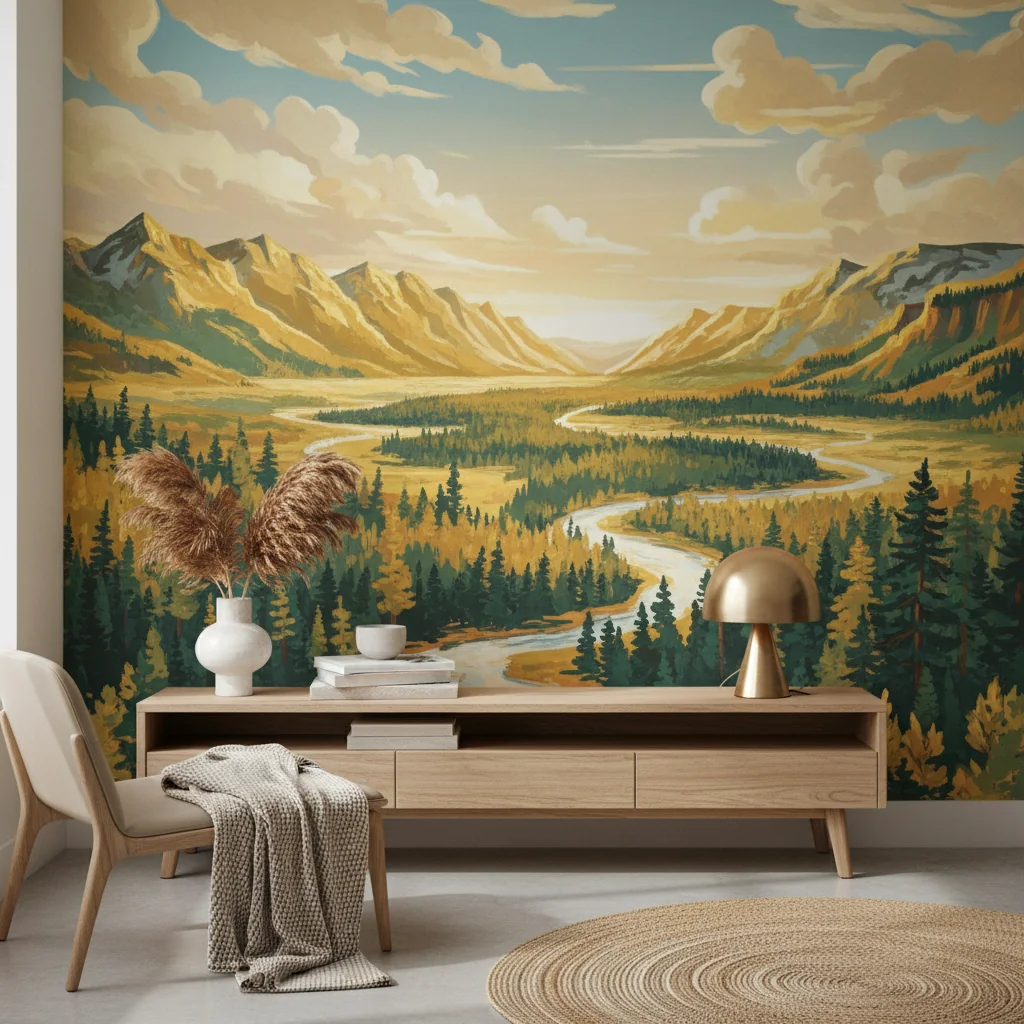
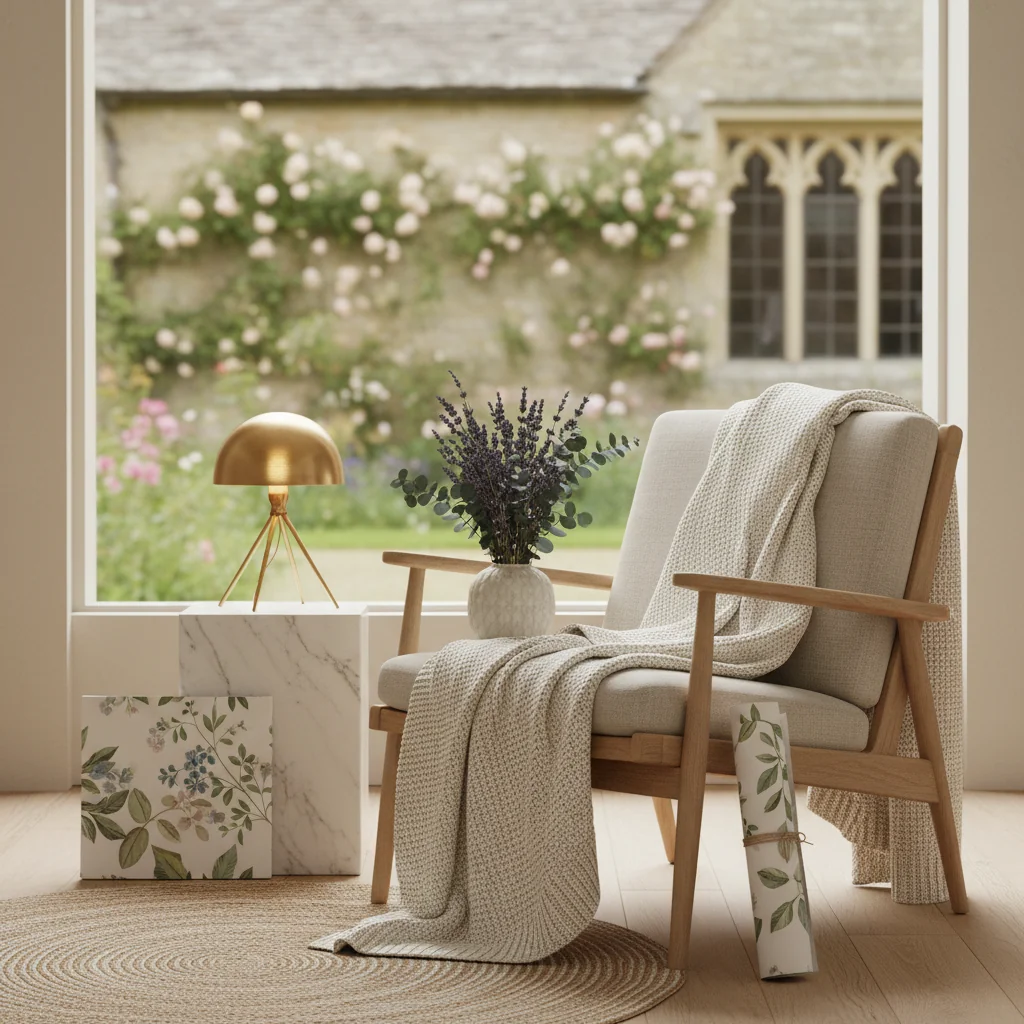
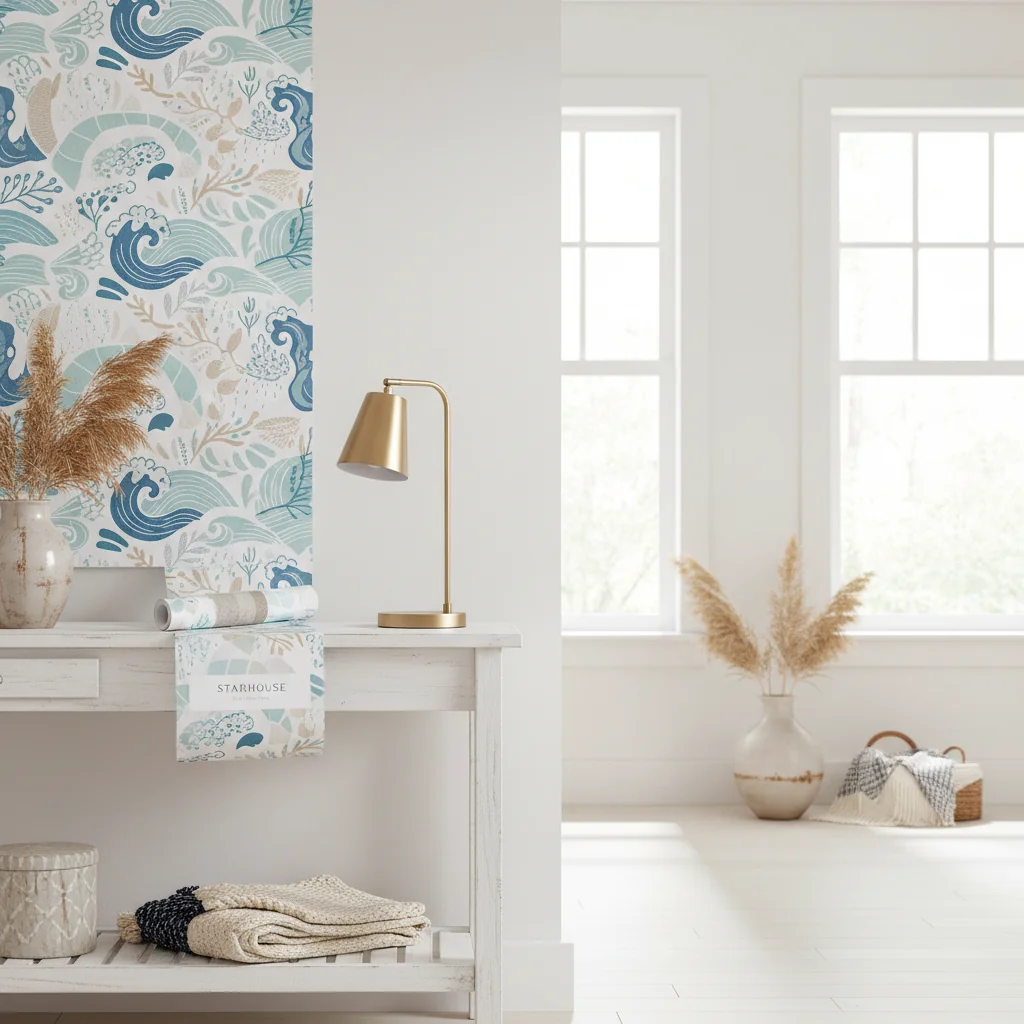
Rifle wallpaper, synonymous with the acclaimed Rifle Paper Co. brand, represents a distinctive category of wallcoverings celebrated for its uniquely hand-painted aesthetic, vibrant botanical motifs, and whimsical illustrative designs that infuse spaces with undeniable charm and sophistication. This signature style, often produced in collaboration with established manufacturers like York Wallcoverings, provides homeowners and designers across the United States with high-quality, artful options for transforming interiors, ranging from traditional unpasted rolls to convenient peel-and-stick formats. As Starhouse curates an exquisite selection of home décor elements, understanding the nuances of Rifle wallpaper is essential for creating truly aspirational living environments.
Key Takeaways
- Rifle wallpaper is defined by Rifle Paper Co.’s signature hand-painted botanical, floral, and whimsical designs, offering a sophisticated and unique aesthetic for home interiors.
- Collections primarily feature traditional unpasted and peel-and-stick options, utilizing durable non-woven substrates and occasionally luxurious grasscloth sisal.
- Accurate measurement and preparation are critical for successful installation, with specific methods for calculating rolls and ensuring pattern alignment.
- Styling Rifle wallpaper involves harmonizing its distinctive patterns with complementary furnishings, lighting, and accessories to create cohesive and inviting spaces.
- Proper care, including gentle cleaning and avoiding harsh chemicals, significantly extends the lifespan and maintains the vibrant appearance of Rifle wallpaper.
- Current trends emphasize biophilic design, maximalist expressions, and textural variations, allowing Rifle wallpaper to serve as a versatile focal point or an entire room statement.
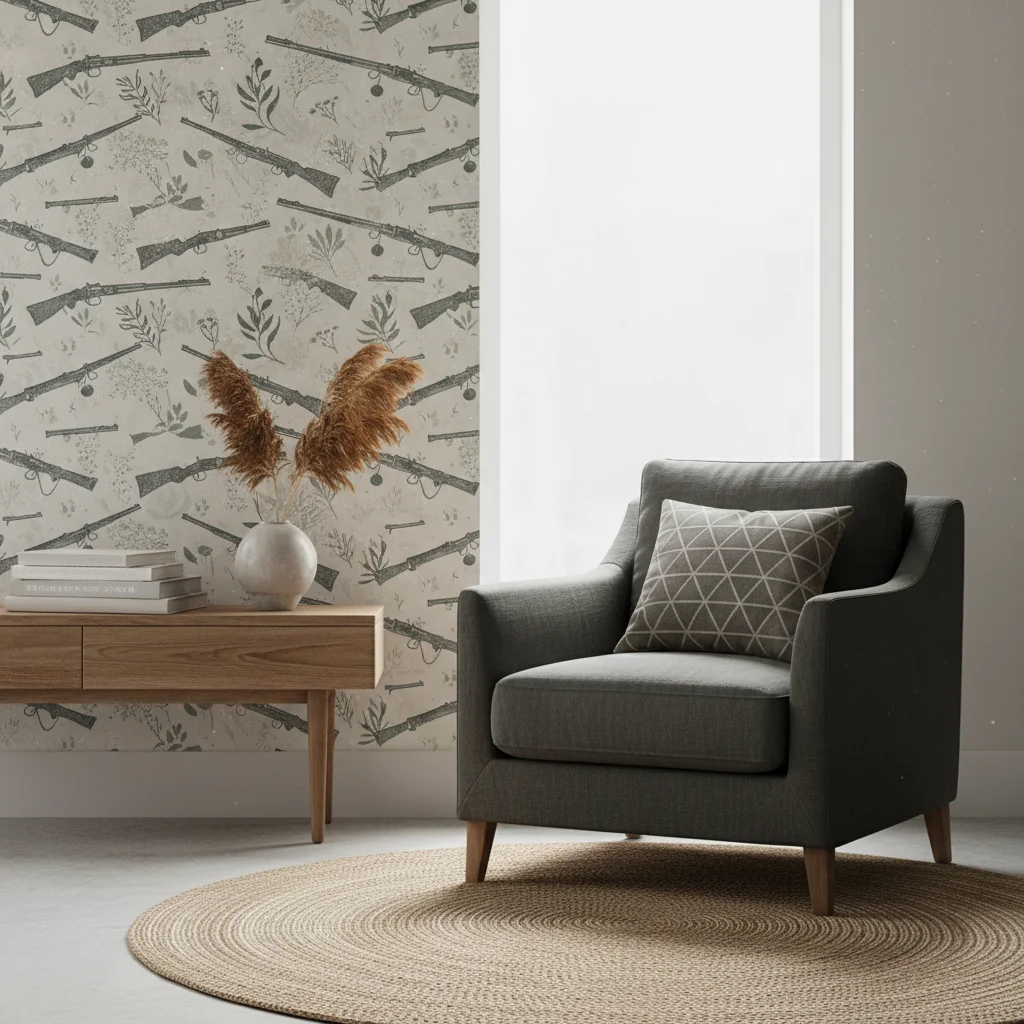
Understanding Rifle Wallpaper: A Signature Aesthetic
Rifle wallpaper refers to the distinct collection of wallcoverings designed by Rifle Paper Co., characterized by their hand-painted illustrations, vibrant color palettes, and signature botanical and whimsical motifs that impart a unique, artful charm to any interior. This brand’s aesthetic transcends mere pattern; it embodies a narrative quality, transforming walls into canvases of imaginative storytelling and sophisticated design.
Founded by husband-and-wife team Anna and Nathan Bond, Rifle Paper Co. began as a stationery brand, quickly gaining renown for its distinctive hand-illustrated designs. Their transition into home décor, particularly wallpaper, was a natural evolution, bringing their celebrated artistic vision to a larger scale. The brand’s philosophy centers on creating beauty in everyday life through evocative artwork and thoughtful design.
The expansion into wallpaper was significantly bolstered by a strategic collaboration with York Wallcoverings, a leading manufacturer known for its quality and craftsmanship. This partnership allowed Rifle Paper Co. to translate its intricate designs onto durable, high-quality wallcovering substrates, making their unique aesthetic accessible for home interiors. This collaboration was highlighted by publications such as Elle Decor, which showcased the initial collection’s blend of Rifle Paper Co.’s distinctive artistry with York Wallcoverings’ manufacturing expertise.
Botanical prints are illustrations or patterns inspired by flora, often featuring detailed depictions of flowers, leaves, and natural elements, which are a hallmark of Rifle Paper Co.’s design vocabulary. These designs frequently incorporate a rich, saturated color palette that feels both classic and contemporary, contributing to the brand’s enduring appeal. The meticulous detailing in each illustration gives the wallpaper a bespoke, hand-touched quality that distinguishes it from mass-produced patterns.
The influence of Rifle Paper Co.’s wallpaper extends beyond mere decoration; it encourages a design approach that celebrates joy, color, and narrative. It provides a foundational element for rooms that aim to feel personal, curated, and deeply inviting. Starhouse recognizes this unique contribution to interior design, valuing the brand’s commitment to artistry and quality in its curated selections.
Types and Materials of Rifle Wallpaper
Rifle wallpaper collections are primarily available in two main types: traditional unpasted wallpaper and convenient peel-and-stick options, crafted from durable materials like non-woven substrates and occasionally luxurious grasscloth sisal. Understanding these distinctions is crucial for selecting the right product for a specific project, impacting both installation and long-term durability.
The majority of Rifle Paper Co.’s traditional wallpapers are manufactured using a high-quality non-woven substrate. This material is celebrated in the industry for its strength, breathability, and ease of installation and removal. Non-woven wallpapers resist tearing, are dimensionally stable (meaning they don’t expand or contract significantly when wet), and are often strippable, allowing for easier removal when redecorating. This type requires external paste application during installation.
Peel-and-stick wallpaper is a self-adhesive wallcovering with a backing that is peeled away during application, offering a simpler, repositionable, and often temporary solution for decorating walls. This innovative format from Rifle Paper Co. provides a user-friendly option for renters, DIY enthusiasts, or those who enjoy frequently updating their décor. It eliminates the need for messy glues, making installation and removal significantly less labor-intensive. While generally suitable for smooth, well-prepared surfaces, its adhesive nature means it may not be ideal for highly textured walls.
Beyond these common types, Rifle Paper Co. also incorporates specialized materials into select collections, notably grasscloth sisal. Grasscloth wallpaper is a natural wallcovering made from woven fibers, such as sisal, jute, or bamboo, adhered to a paper backing. It offers unparalleled texture, depth, and an organic feel, bringing a sophisticated, tactile dimension to walls. Rifle Paper Co. utilizes custom-colored grasscloths, often featuring subtle metallic accents or unique weaves, to complement their illustrative patterns, adding another layer of luxury and distinctiveness to their offerings.
Here’s a comparison of the primary types of Rifle wallpaper:
| Feature | Traditional Unpasted Wallpaper | Peel-and-Stick Wallpaper |
|---|---|---|
| Material Base | Non-woven fabric, often with a paper backing | Vinyl or fabric with an adhesive backing |
| Adhesive | Requires separate wallpaper paste (applied to wall or paper) | Self-adhesive; backing is peeled off |
| Installation Difficulty | Moderate; requires precision, paste, and tools | Easy; repositionable, less mess, ideal for DIY |
| Durability & Longevity | Highly durable, long-lasting (5-15+ years) with proper care | Good durability, often designed for shorter-term use (2-5 years) |
| Removal | Strippable (peels off in full sheets) or soakable, generally clean | Easily removable, often without residue or wall damage |
| Best Use Cases | Permanent installations, high-traffic areas, textured walls (with proper prep) | Rentals, temporary décor, accent walls, smooth surfaces |
| Approx. Price Range (per roll) | $90 – $200+ | $60 – $150+ |
The choice between these types depends on the intended application, desired permanence, budget, and personal comfort with installation. Starhouse advises careful consideration of these factors to ensure the selected Rifle wallpaper not only looks stunning but also performs optimally for your specific needs.
Signature Styles and Patterns
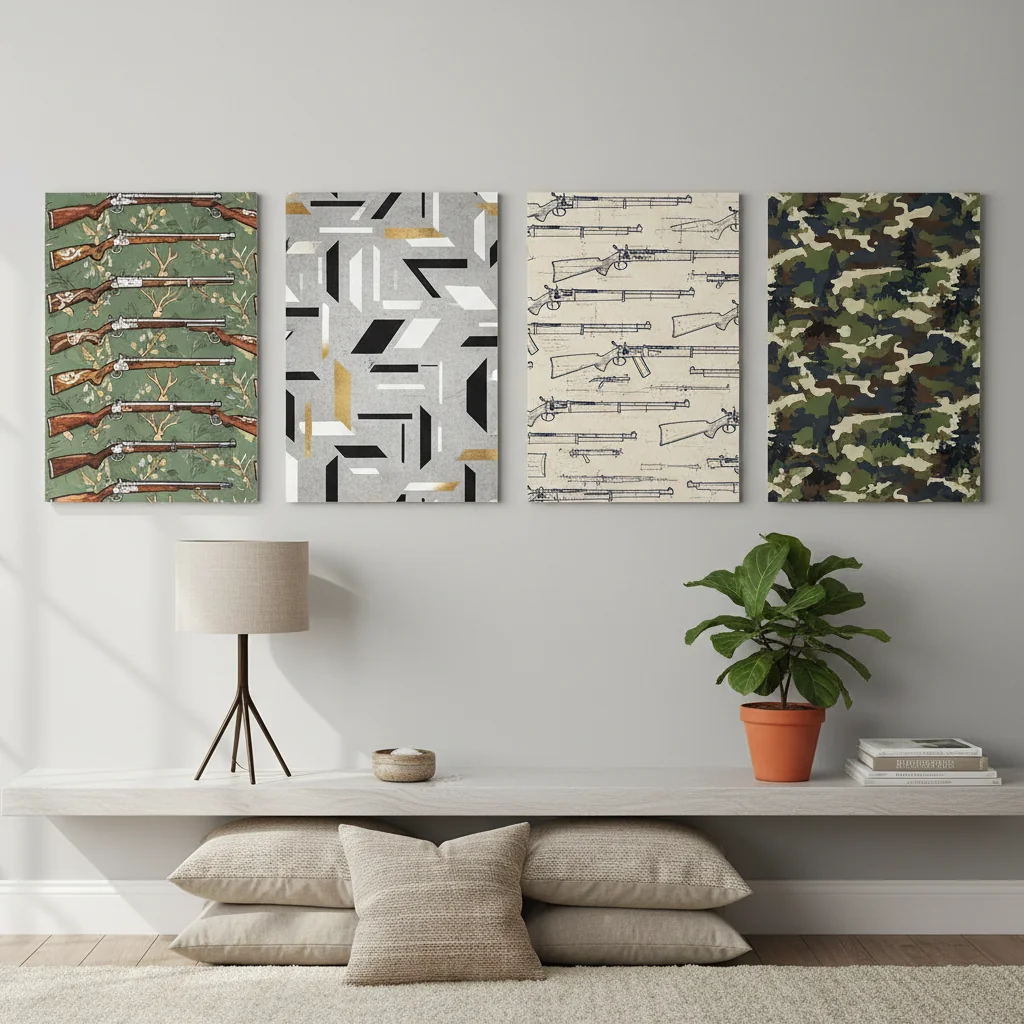
Rifle wallpaper is celebrated for its diverse range of signature styles, predominantly featuring lush botanical florals, whimsical illustrated scenes, and classic geometric patterns, each imbued with a unique hand-painted charm that sets them apart. These patterns are instantly recognizable and form the core of the brand’s aesthetic identity, offering distinct moods and visual narratives for various interior designs.
The most iconic category is undoubtedly the botanical and floral patterns. These designs often showcase intricately drawn flowers, leaves, and vines in vibrant, often saturated, color palettes. Examples include:
- Jardin: A lush, dense floral arrangement that feels reminiscent of a secret garden, often featuring roses, peonies, and wild berries in rich hues.
- Meadow: More open and airy, depicting wildflowers swaying gently, creating a serene and naturalistic backdrop.
- Wildwood: A bolder, more stylized floral with larger-scale motifs and often darker backgrounds, evoking a sense of dramatic elegance.
- Peonies: Dedicated patterns focusing on the voluminous beauty of peony blossoms, frequently rendered in soft pastels or vibrant pinks.
These floral patterns are versatile, capable of creating a romantic, traditional, or even a modern maximalist atmosphere, depending on the chosen colorway and scale.
Another beloved category is the whimsical and conversational patterns. These designs often feature charming illustrations that tell a story or evoke a sense of playful adventure. They are perfect for adding personality and a unique focal point to a room. Examples include:
- City Maps: Detailed and stylized maps of iconic cities like New York or Paris, rendered with a vintage travel poster aesthetic.
- Animalia: Patterns featuring charming illustrations of animals, sometimes in their natural habitats or in fantastical settings, appealing to both children’s rooms and sophisticated, playful adult spaces.
- Colette: Often depicting elegant figures, Parisian scenes, or charming everyday objects with a nostalgic, storybook quality.
These patterns inject a sense of joy and individuality, encouraging a more eclectic and personal approach to interior design.
While less dominant than their florals, Rifle Paper Co. also offers classic geometric and abstract patterns, often with a subtle hand-drawn quality that prevents them from feeling stark. These can range from delicate latticework to more abstract organic forms, providing a sophisticated backdrop that complements their more illustrative designs. Their grasscloth offerings, while textural, can also fall into this category, providing a solid or subtly patterned background with natural variation.
The color palettes employed by Rifle Paper Co. are a cornerstone of their appeal. They masterfully blend muted tones with pops of vibrant color, creating schemes that are both sophisticated and approachable. From deep navy and emerald green to soft blush and sunny yellow, their colors are carefully selected to evoke specific moods and enhance the illustrative quality of their patterns. This attention to color ensures that each wallpaper design feels cohesive and impactful, contributing significantly to the overall ambiance of a room.
Choosing the Perfect Rifle Wallpaper for Your Space
Selecting the ideal Rifle wallpaper involves considering your room’s function, existing decor, desired mood, and the scale of the pattern relative to the room’s size, ensuring a harmonious and impactful design outcome. A thoughtful approach to these elements will guide you toward a selection that truly elevates your interior.
Assess the Room’s Function and Mood
The purpose of the room heavily influences wallpaper choice. For a bedroom, a calming floral or a subtle botanical might promote relaxation. In a living room, a bolder, more conversational pattern can serve as a striking focal point and conversation starter. A powder room or entryway is an ideal place to experiment with a dramatic, large-scale print, as these smaller spaces can handle more visual intensity. For a child’s room or nursery, a whimsical animal or storybook pattern brings joy and imagination.
Consider Pattern Scale and Room Size
The scale of the wallpaper pattern is paramount. Large, expansive prints can feel overwhelming in a small room, potentially making it feel even more confined. Conversely, a tiny, repetitive pattern might get lost in a vast open-concept space.
- Small Rooms (e.g., powder room, hallway): Consider large-scale, dramatic patterns on an accent wall to create impact without overwhelming, or small-scale, delicate prints for a cohesive, enveloping feel.
- Medium Rooms (e.g., bedroom, dining room): Most Rifle patterns work well here. Focus on how the pattern interacts with furniture and natural light.
- Large Rooms (e.g., living room, open-plan areas): Embrace larger patterns or murals to fill the space visually and create distinct zones. A small pattern might appear too busy or insignificant.
Harmonize with Existing Decor and Color Palette
Rifle wallpaper, with its distinct aesthetic, should complement your existing furnishings, textiles, and overall color scheme.
- Color Coordination: Pull accent colors from the wallpaper pattern to use in throw pillows, artwork, or decorative objects. If the wallpaper is vibrant, balance it with more neutral furniture. If the wallpaper is softer, you can introduce bolder colors in your accessories.
- Style Integration: Rifle Paper Co. designs often blend classic and contemporary elements. They can beautifully complement traditional furniture, add a touch of whimsy to modern minimalist spaces, or enhance an eclectic aesthetic. Ensure the pattern’s style aligns with the overarching design language of your home.
- Texture Play: Consider how the wallpaper’s visual texture interacts with other textures in the room—smooth wood, plush fabrics, metallic accents. Grasscloth Rifle wallpaper, for instance, adds an immediate layer of organic texture.
Embrace the Power of a Feature Wall
If committing to wallpapering an entire room feels daunting, a single accent wall can be a transformative solution. Choose a wall that naturally draws the eye, such as behind a bed, sofa, or dining table. This allows you to introduce a bold Rifle pattern without overwhelming the space, creating a focal point that defines the room’s character.
The perfect Rifle wallpaper should resonate with your personal style and enhance the feeling you wish to cultivate in your home. By carefully evaluating these design considerations, you can select a pattern that truly brings your vision to life.
As Starhouse curates its collection to bring you the finest in home decor, we are keen to understand what truly inspires your design aspirations. Share your vision with us, and gain early access to our upcoming selections. Tell us what you’re looking for to help us shape a collection that perfectly suits your unique style.
Sizing and Measuring for Rifle Wallpaper Installation
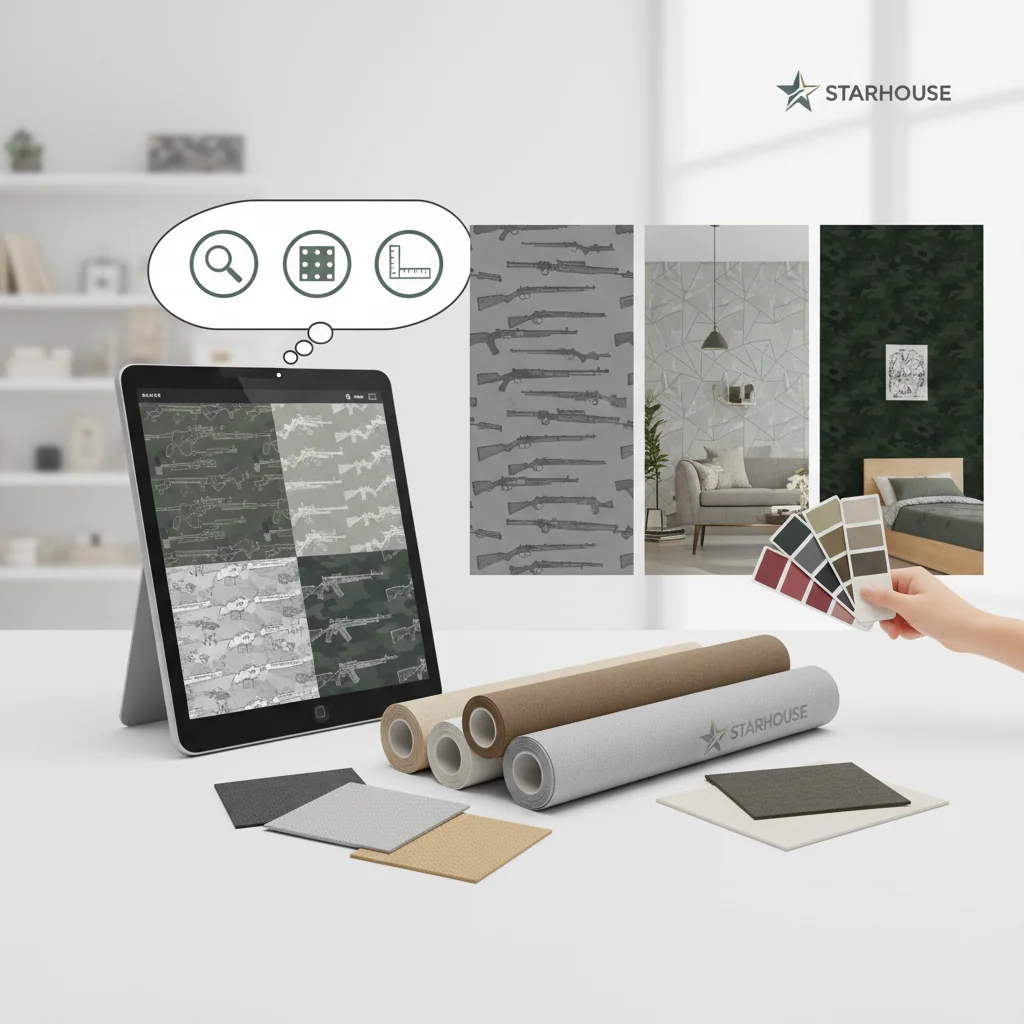
Accurate sizing and measuring are critical for a successful Rifle wallpaper installation, requiring precise calculations of wall area and pattern repeat to ensure sufficient material, minimize waste, and achieve a seamless, professional finish. Underestimating these steps can lead to frustrating shortages or unsightly misalignments.
Essential Tools for Measuring
Before you begin, gather these fundamental tools:
- Measuring Tape: A sturdy, retractable metal tape measure (at least 25 feet long) is essential for accurate wall dimensions.
- Pencil: For marking measurements on walls and wallpaper.
- Notebook and Calculator: To record dimensions and perform calculations.
- Level: A long level (4-6 feet) or a laser level for ensuring straight vertical lines.
Step-by-Step Measuring Guide
- Measure Wall Height: Measure the height of each wall from the baseboard to the ceiling, or from the top of the baseboard to the bottom of the crown molding. Do this in at least three places across the wall (left, center, right) as walls are rarely perfectly uniform. Use the tallest measurement for your calculations.
- Measure Wall Width: Measure the width of each wall horizontally.
- Calculate Total Wall Area: Multiply the height by the width for each wall to get its square footage. Sum these values for the total square footage to be covered.
- Account for Openings: Measure the width and height of all windows, doors, and other large openings. Calculate their square footage and subtract it from the total wall area. While this provides a more precise area, it’s generally recommended to still purchase slightly more than this calculated amount to account for pattern repeat and trimming.
- Measure Pattern Repeat: Pattern repeat is the vertical distance between the point where a pattern starts and the point where it begins to repeat itself again on a roll of wallpaper, ensuring a continuous design when hung. This measurement, usually specified on the wallpaper roll label or product description (e.g., 20.5 inches, 25.25 inches), is crucial for matching panels seamlessly.
Calculating Rolls Needed
Wallpaper is typically sold in rolls of standard dimensions, though these can vary. Rifle Paper Co. wallpapers, often produced by York Wallcoverings, typically come in double rolls. A common double roll might be 27 inches wide and 27 feet long, covering approximately 60.75 square feet. However, the pattern repeat significantly impacts how many usable strips you can cut from a roll.
Follow these steps to calculate the number of rolls:
- Determine Usable Strips per Roll: Divide the length of one roll (e.g., 27 feet = 324 inches) by your wall height (e.g., 9 feet = 108 inches). This gives you the maximum number of strips. However, you must factor in the pattern repeat. Add the pattern repeat measurement to your wall height for each strip, except the first. A simpler, more conservative method is to divide the roll length by (wall height + pattern repeat). For example, if wall height is 108 inches and pattern repeat is 25.25 inches, each strip needs to be at least 108 + 25.25 = 133.25 inches (or rounded up for safety). So, 324 inches / 133.25 inches = 2.43, meaning you can get 2 full strips per roll.
- Calculate Number of Strips Needed: Divide the total width of your walls (in inches) by the width of one wallpaper roll (e.g., 27 inches). This gives you the total number of strips required. For example, a 12-foot wide wall (144 inches) / 27 inches = 5.33, meaning you need 6 strips.
- Calculate Total Rolls: Divide the total number of strips needed by the number of usable strips you can get from one roll. Using our example: 6 strips / 2 usable strips per roll = 3 rolls.
- Add for Waste and Future Repairs: Always add an extra roll (or at least 15-20% extra) to your calculated total. This accounts for trimming, pattern matching errors, and provides a reserve for future repairs. It is critical to purchase all rolls from the same dye lot to ensure color consistency.
For complex rooms with many windows or doors, or unusually high ceilings, it is highly recommended to consult a professional installer or use an online wallpaper calculator that accounts for pattern repeat. Precise measurement is the foundation of a stunning wallpaper installation, ensuring your chosen Rifle pattern looks exactly as intended.
Installation Guide: Traditional vs. Peel-and-Stick
Installing Rifle wallpaper varies significantly between traditional unpasted and peel-and-stick types, with traditional requiring adhesive application and peel-and-stick offering a self-adhesive, repositionable backing, each method demanding specific preparation and technique for optimal results. Understanding these differences is key to a smooth and successful application.
General Wall Preparation (Crucial for Both Types)
Proper wall preparation is the most critical step, regardless of wallpaper type.
- Clean Walls Thoroughly: Wash walls with a mild detergent solution (like sugar soap or TSP substitute) to remove dirt, grease, and grime. Rinse thoroughly with clean water and allow to dry completely (24-48 hours).
- Repair and Smooth Surfaces: Fill any holes or cracks with spackle, sand smooth, and wipe away dust. The smoother the wall, the better the wallpaper will adhere and the less texture will show through.
- Prime Walls: Apply a high-quality wallpaper primer (often called “sizing” or “wall prep”) to all surfaces. Primer seals porous surfaces, promotes better adhesion, and makes future removal easier, especially for traditional wallpaper. For peel-and-stick, primer ensures a consistent, non-porous surface for the adhesive to grab onto. Allow primer to dry completely according to manufacturer instructions, usually 24 hours.
- Remove Obstacles: Take off switch plates, outlet covers, and light fixtures.
Traditional Unpasted Wallpaper Installation
This method requires more tools and a bit more patience but offers a highly durable and long-lasting finish.
Tools Needed:
- Wallpaper paste (specific to non-woven, if applicable)
- Paste brush or roller
- Wallpaper smoothing tool (plastic smoother)
- Utility knife with fresh blades
- Seam roller (optional, but recommended)
- Large work table or pasting board
- Plumb bob or laser level
- Measuring tape and pencil
- Clean cloths and sponges
- Bucket of clean water
Steps:
- Cut Strips: Cut your first strip of wallpaper to wall height plus 4-6 inches for trimming at the top and bottom. Account for pattern repeat for subsequent strips.
- Mark Plumb Line: Starting about 18-20 inches from a corner, use a plumb bob or laser level to draw a perfectly vertical line on the wall. This ensures your first strip is straight.
- Apply Paste: Apply a thin, even layer of wallpaper paste directly to the wall where your first strip will go, extending slightly beyond the strip’s width and height. Alternatively, some non-woven papers are “paste the paper,” requiring paste directly on the back of the paper. Follow your specific product instructions.
- Hang First Strip: Carefully align the first strip with your plumb line, starting from the top. Press it lightly against the wall.
- Smooth and Trim: Use your smoothing tool to gently press out air bubbles, working from the center outwards and from top to bottom. Trim excess wallpaper at the ceiling and baseboard with a sharp utility knife against a straightedge.
- Match Pattern and Hang Subsequent Strips: Apply paste for the next section. Butt the edge of the second strip tightly against the first, carefully matching the pattern. Smooth and trim as before. Use a seam roller on seams to ensure good adhesion, but be gentle, especially with textured papers.
- Clean Up: Immediately wipe off any excess paste from the wallpaper surface and seams with a clean, damp sponge.
Peel-and-Stick Wallpaper Installation
This method is generally quicker and less messy, ideal for temporary applications or DIYers.
Tools Needed:
- Squeegee or smoothing tool
- Utility knife with fresh blades
- Measuring tape and pencil
- Plumb bob or laser level
- Clean cloth
Steps:
- Cut Strips: Cut your first strip to wall height, adding 2-4 inches for trimming.
- Mark Plumb Line: As with traditional wallpaper, mark a vertical plumb line for your first strip, starting a few inches from a corner.
- Peel and Apply: Peel back a few inches of the backing paper from the top of the first strip. Align the top edge and side edge with your plumb line.
- Smooth Down: Slowly peel more of the backing paper down, simultaneously pressing the wallpaper onto the wall using your squeegee. Work from the top down, smoothing out air bubbles as you go. Overlap slightly onto adjacent walls in corners for a clean trim.
- Trim Excess: Once the strip is fully applied, trim the excess at the ceiling and baseboard with a sharp utility knife.
- Match and Repeat: For the next strip, align it precisely with the previous one, ensuring the pattern matches seamlessly. Peel, stick, and smooth as before.
- Remove Air Bubbles: For any stubborn air bubbles, gently lift the paper and re-smooth, or carefully prick with a pin and press out the air.
Allow wallpaper to cure fully (usually 24-48 hours) before cleaning or placing furniture directly against it. Always refer to the specific installation instructions provided with your Rifle Paper Co. wallpaper rolls, as manufacturers may have unique recommendations for their products.
Caring for Your Rifle Wallpaper
Proper care for Rifle wallpaper ensures its longevity and vibrant appearance, typically involving gentle cleaning with a soft, damp cloth and avoiding harsh chemicals or abrasive materials that could damage the delicate patterns or finish. Adhering to specific maintenance guidelines will preserve the beauty of your wallcovering for years.
General Cleaning and Maintenance
Most Rifle Paper Co. wallpapers, especially those made from non-woven materials, are designed to be quite durable and easy to maintain.
- Dust Regularly: Use a soft, dry cloth, a feather duster, or a vacuum cleaner with a brush attachment on a low setting to gently remove dust and cobwebs. This prevents buildup that can dull the wallpaper’s appearance over time.
- Gentle Spot Cleaning: For minor marks or smudges, lightly dampen a clean, soft sponge or microfiber cloth with plain water. Gently dab the affected area, avoiding rubbing vigorously, which can damage the print or surface. For more stubborn (but still mild) stains, a very diluted solution of mild, non-abrasive soap can be used, followed immediately by wiping with a clean, water-dampened cloth to remove any soap residue.
- Avoid Harsh Chemicals: Never use abrasive cleaners, bleach, scouring pads, or strong chemical detergents on your wallpaper. These can strip the color, damage the surface, or leave permanent marks.
- Dry Thoroughly: After any damp cleaning, ensure the wallpaper dries completely to prevent moisture buildup, which could lead to mold or mildew, especially in humid environments.
Specific Considerations for Different Types
- Traditional Non-Woven Wallpaper: These are generally quite robust. They can withstand gentle wiping. Always test any cleaning solution on an inconspicuous area first.
- Peel-and-Stick Wallpaper: Often made with a vinyl-coated surface, these tend to be more resistant to moisture and can be wiped down more readily. However, the adhesive can be compromised by excessive moisture, so avoid saturating the paper.
- Grasscloth Wallpaper: This natural material requires special care. Grasscloth is generally not washable. Dusting is the primary cleaning method. For spills, blot immediately with a clean, dry cloth. Avoid any liquid cleaners, as they can cause discoloration, staining, or damage to the natural fibers. Professional cleaning for significant issues is recommended.
Protecting Against Environmental Factors
- Sunlight Exposure: Direct and prolonged exposure to sunlight can cause wallpaper colors to fade over time. Consider using UV-filtering window treatments (blinds, shades, or curtains) in rooms with intense sun exposure to protect your investment.
- Humidity Control: In bathrooms or other high-humidity areas, ensure adequate ventilation to prevent moisture from accumulating behind the wallpaper, which can lead to peeling or mold. An exhaust fan is essential.
Repairing Minor Damage
For small tears or lifted seams:
- Tears: For small tears, carefully apply a small amount of clear wallpaper adhesive under the torn piece and press it back into place with a seam roller or clean cloth.
- Lifting Seams: If a seam begins to lift, apply a specialized seam adhesive (available at most hardware stores) carefully under the edge, press down firmly, and wipe away any excess.
By following these care instructions, your Rifle wallpaper will continue to be a vibrant and beautiful feature in your home for many years.
Styling and Pairing Rifle Wallpaper with Your Decor
Styling Rifle wallpaper effectively involves harmonizing its distinctive patterns and colors with complementary furnishings, textiles, lighting, and accessories to create a cohesive and inviting interior that feels both curated and personal. The key is to balance the wallpaper’s visual impact with other elements in the room.
Integrating Patterns and Textures
Rifle wallpaper often features intricate patterns, which can be a strong design statement.
- Mix with Solids: The most straightforward approach is to pair patterned Rifle wallpaper with solid-colored furniture and textiles. Choose solid colors that are pulled directly from the wallpaper’s palette to ensure cohesion. For example, a vibrant floral wallpaper can be grounded by a solid sofa in a complementary neutral or a deep hue found within the floral design.
- Layering Patterns (Carefully): For a more maximalist or eclectic look, you can layer patterns. The trick is to vary the scale and type of patterns. If your wallpaper is a large-scale floral, choose smaller, simpler patterns for pillows or rugs (e.g., stripes, subtle geometrics, or tiny polka dots). Ensure there’s a unifying color or theme to tie them together.
- Texture Contrast: Introduce varying textures to add depth and interest. A smooth, illustrative wallpaper can be complemented by plush velvet upholstery, woven rattan furniture, rough linen curtains, or a shag rug. Grasscloth Rifle wallpaper, with its inherent texture, pairs beautifully with smooth metals, glass, and soft fabrics.
Color Coordination and Mood Creation
Rifle Paper Co. is known for its rich and thoughtful color palettes.
- Accent Colors: Identify the dominant and accent colors within your chosen wallpaper. Use these colors as a guide for selecting other elements in the room. For example, if your wallpaper has a deep emerald green and a pop of coral, you might use emerald green in curtains and coral in throw pillows.
- Creating Mood: Brighter, more open floral patterns can create an airy, cheerful mood, ideal for a sunroom or a bright kitchen. Deeper, moodier botanicals or bolder patterns can evoke sophistication and drama, perfect for a dining room or a cozy study. Whimsical patterns naturally lend themselves to playful or imaginative spaces.
Furniture Styles and Placement
Rifle wallpaper is adaptable to various furniture styles.
- Modern & Mid-Century: Sleek, clean-lined furniture provides a contemporary contrast to the often-romantic patterns, making the wallpaper pop as an artistic backdrop.
- Traditional & Transitional: Classic furniture pieces with elegant curves and rich wood tones perfectly complement the timeless appeal of many Rifle floral and botanical designs, creating a harmonious and sophisticated look.
- Eclectic: A mix of furniture styles, vintage finds, and global influences can be beautifully unified by a distinctive Rifle wallpaper, acting as a cohesive element in a thoughtfully curated space.
- Placement: For a feature wall, place your most significant piece of furniture (bed, sofa) against it to maximize impact and create a focal point.
Lighting and Accessories
The right lighting and accessories can enhance the wallpaper’s beauty.
- Lighting: Ensure adequate lighting to showcase the wallpaper’s colors and details. Ambient lighting (ceiling fixtures), task lighting (table lamps, floor lamps), and accent lighting (wall sconces, picture lights) can all play a role. Warm lighting can enhance rich tones, while cooler light can highlight crispness.
- Mirrors: Strategically placed mirrors can reflect the wallpaper, expanding the perceived size of the room and doubling the visual impact of the pattern.
- Artwork: When hanging art on a patterned wall, choose pieces with simple frames and ample matting to create visual breathing room. Alternatively, abstract art with complementary colors can work well, allowing the wallpaper to be a part of the artwork itself.
- Greenery: Real or faux plants, especially those that echo the botanical motifs in the wallpaper, can reinforce the biophilic design and bring the outdoors in, creating a layered, natural aesthetic.
By thoughtfully combining these elements, Rifle wallpaper becomes more than just a wall covering; it becomes an integral part of a living, breathing design narrative that reflects your unique style.
Current Trends in Rifle Wallpaper and Home Decor
Current trends in Rifle wallpaper reflect broader movements in home decor, emphasizing nature-inspired motifs, vibrant maximalism, and the integration of unique textures like grasscloth for added depth and sensory appeal. These trends highlight a desire for homes that feel personal, artful, and connected to the natural world.
Embrace of Biophilic Design
Biophilic design, which integrates natural elements and processes into built environments, remains a dominant trend, and Rifle wallpaper is at its forefront.
- Lush Botanicals: Patterns featuring dense foliage, exotic flowers, and intricate garden scenes are highly sought after. These designs bring the tranquility and beauty of the outdoors inside, fostering a sense of calm and well-being.
- Natural Palettes: While vibrant, many Rifle patterns utilize color schemes inspired by nature—deep forest greens, earthy browns, sky blues, and floral pinks and yellows—creating a harmonious connection to the natural world.
- Animal Motifs: Whimsical animal illustrations, from birds in flight to hidden forest creatures, further enhance the biophilic connection, adding a playful yet sophisticated touch.
The Rise of Maximalism and Expressive Interiors
While minimalism has had its moment, there’s a growing embrace of maximalism, where more is more, and personal expression takes center stage. Rifle wallpaper perfectly fits this trend.
- Bold Statements: Homeowners are increasingly confident in using wallpaper on all four walls, not just as an accent, to create fully immersive, impactful spaces. Large-scale, intricate patterns are particularly popular for this approach.
- Layered Design: Maximalism encourages layering patterns, textures, and colors. Rifle wallpaper serves as an excellent foundation, allowing for the introduction of patterned textiles, eclectic furniture, and a rich array of decorative objects without feeling cluttered, but rather curated.
- Narrative Spaces: The illustrative quality of Rifle patterns lends itself to creating rooms with a story. This trend moves away from sterile, impersonal spaces towards interiors that reflect the homeowner’s personality, travels, and passions.
Textural Play and Artisanal Finishes
There’s a strong desire for tactile experiences and a move towards materials that offer depth and warmth.
- Grasscloth Revival: Rifle Paper Co.’s use of custom-colored grasscloth sisal is particularly on-trend. Grasscloth adds an organic texture and a subtle sheen that wallpaper alone cannot achieve, creating a sophisticated, high-end look.
- Hand-Painted Aesthetics: The hand-drawn quality inherent in Rifle designs taps into a broader appreciation for artisanal craftsmanship and unique, non-mass-produced aesthetics. This gives spaces a bespoke, art gallery feel.
- Subtle Metallics: Some Rifle patterns incorporate subtle metallic accents, adding a touch of glamour and reflecting light, contributing to the perceived depth and luxury of the wallcovering.
Versatility in Application
Rifle wallpaper is being used in increasingly creative ways beyond traditional wall applications:
- Ceilings: “Fifth wall” applications are gaining traction, turning ceilings into unexpected canvases for decorative patterns.
- Furniture Upcycling: Peel-and-stick versions are popular for revamping dressers, cabinets, or tabletops, offering a quick and stylish DIY upgrade.
- Backsplashes & Bookcases: Using wallpaper in unexpected nooks, inside bookcases, or even as a faux backsplash in kitchens and laundry rooms adds personality to overlooked spaces.
These trends collectively highlight a shift towards more expressive, comfortable, and nature-connected homes, where Rifle wallpaper stands out as a premier choice for achieving these contemporary design goals.
Common Mistakes to Avoid When Using Rifle Wallpaper
Avoiding common mistakes like improper measurement, neglecting wall preparation, or choosing an ill-suited pattern scale ensures a professional and satisfying Rifle wallpaper application, preventing costly errors and disappointing results. A meticulous approach to planning and execution is paramount for success.
1. Underestimating Quantity or Ignoring Pattern Repeat
One of the most frequent and frustrating mistakes is not purchasing enough wallpaper. This often stems from:
- Not accounting for pattern repeat: As detailed in the measuring section, pattern repeat dictates how much extra paper you need to align designs seamlessly. Failing to add this to your strip length calculations will result in a shortage.
- Not adding extra rolls for waste and future repairs: Always buy at least one extra roll beyond your calculated minimum. This covers trimming errors, pattern matching issues, and provides a crucial reserve for repairs if a section gets damaged later.
- Ignoring dye lots: Wallpaper rolls are printed in batches (dye lots). Colors can vary slightly between different dye lots. Always purchase all rolls for a single project from the same dye lot to ensure consistent color across your walls.
2. Skipping Proper Wall Preparation
The quality of your wallpaper installation is only as good as the wall beneath it.
- Not cleaning walls: Dirt, grease, or dust prevent proper adhesion, leading to bubbles or peeling. Walls must be thoroughly cleaned and dried.
- Ignoring surface imperfections: Bumps, holes, or rough patches will show through the wallpaper, especially with thinner materials or solid colors. Spackle, sand, and smooth all imperfections.
- Forgoing primer: Primer (or sizing) is essential. It seals porous walls, creates a uniform surface for adhesion, and, crucially, makes future removal much easier without damaging the drywall. For peel-and-stick, primer ensures the adhesive has a stable, consistent surface to grip.
3. Choosing the Wrong Pattern Scale for the Space
The visual impact of a pattern is heavily influenced by the size of the room.
- Overwhelming small spaces: Very large, bold patterns can make a small room feel claustrophobic and busy. While a dramatic accent wall can work, covering all walls in a busy large print in a powder room might be too much.
- Underwhelming large spaces: Conversely, a tiny, delicate pattern can get lost in a large, open-plan room, failing to make the desired impact.
- Not considering furniture: Ensure the pattern scale works with the scale of your furniture. A large headboard might obscure a significant portion of a large pattern, making it less impactful.
4. Improper Installation Techniques
Even with the right wallpaper, poor technique can ruin the finish.
- Not starting with a plumb line: Walls are rarely perfectly straight. Starting your first strip without a plumb line will lead to crooked subsequent strips and misaligned patterns.
- Rushing the process: Wallpapering requires patience. Rushing leads to bubbles, wrinkles, misaligned seams, and improper pattern matching.
- Using dull blades: A sharp utility knife is critical for clean, crisp cuts at the ceiling, baseboards, and around obstacles. Dull blades tear the paper.
- Not smoothing properly: Air bubbles and wrinkles must be smoothed out thoroughly as you go.
- Ignoring specific product instructions: Always read the manufacturer’s guidelines for your specific Rifle wallpaper, as techniques can vary slightly (e.g., paste-the-wall vs. paste-the-paper).
5. Neglecting Lighting and Room Orientation
The way light interacts with your wallpaper can significantly alter its appearance.
- Natural light: Consider how much natural light the room receives. A darker pattern might feel too heavy in a north-facing room with limited light, while a lighter, brighter pattern could make a south-facing room feel even more expansive.
- Artificial light: Different light temperatures (warm vs. cool) can change how colors appear. Test swatches under both natural and artificial light.
By carefully avoiding these common pitfalls, your Rifle wallpaper installation will be a source of pride and beauty for years to come.
Sources
Frequently Asked Questions About Rifle Wallpaper
Is Rifle Paper Co. wallpaper peel and stick?
Rifle Paper Co. offers both traditional unpasted wallpaper and convenient peel-and-stick options within its collections, providing versatility for various installation preferences and permanence needs.
Who makes Rifle Paper Co. wallpaper?
Rifle Paper Co. wallpaper is manufactured in collaboration with York Wallcoverings, a reputable industry leader known for its quality wallcovering production.
Can I use Rifle wallpaper in a bathroom?
Yes, Rifle wallpaper can be used in bathrooms, particularly in powder rooms or well-ventilated full bathrooms; however, ensure proper ventilation to prevent moisture damage, and consider peel-and-stick options for easier removal if humidity is a significant concern.
How do I clean Rifle wallpaper?
Most Rifle wallpaper can be cleaned by gently dusting with a soft, dry cloth or by spot cleaning with a lightly dampened, clean cloth and mild soap solution, avoiding harsh chemicals or excessive moisture.
What is the pattern repeat for Rifle wallpaper?
The pattern repeat for Rifle wallpaper varies by design, but it is typically specified on the roll label or product description, often ranging from 20.5 inches to 25.25 inches, and is crucial for accurate material calculation.
Is Rifle wallpaper removable?
Yes, most Rifle Paper Co. wallpapers are designed for easier removal; traditional non-woven types are often strippable, and peel-and-stick versions are specifically engineered for clean, residue-free removal.
How much does Rifle wallpaper cost?
Rifle Paper Co. wallpaper typically ranges from approximately $90 to $200 or more per roll, depending on the pattern, material type (e.g., traditional vs. peel-and-stick, or grasscloth), and specific collection.
Conclusion: Elevate Your Home with Rifle Wallpaper
Rifle wallpaper offers a unique opportunity to infuse your home with unparalleled artistry, vibrant color, and sophisticated whimsy, transforming ordinary walls into captivating design statements. From its iconic botanical prints to charming conversational patterns, each design from Rifle Paper Co., often crafted with the expertise of York Wallcoverings, provides a distinctive aesthetic that elevates any interior. By understanding the types, materials, and installation nuances, and by thoughtfully styling these exquisite wallcoverings, you can create spaces that are not only beautiful but also deeply personal and reflective of your refined taste.
As Starhouse diligently curates a collection that embodies exceptional design and quality, we are dedicated to bringing you the very best in home décor. We believe that a well-designed home is a source of daily inspiration and comfort. We invite you to be a part of our journey to define the future of home styling.
Share your aspirations and preferences with us, and gain exclusive early access to our meticulously selected offerings. Tell us what you’re looking for to help us shape a collection that perfectly suits your unique style and transforms your living spaces into true reflections of your vision.
Updated: June 2026