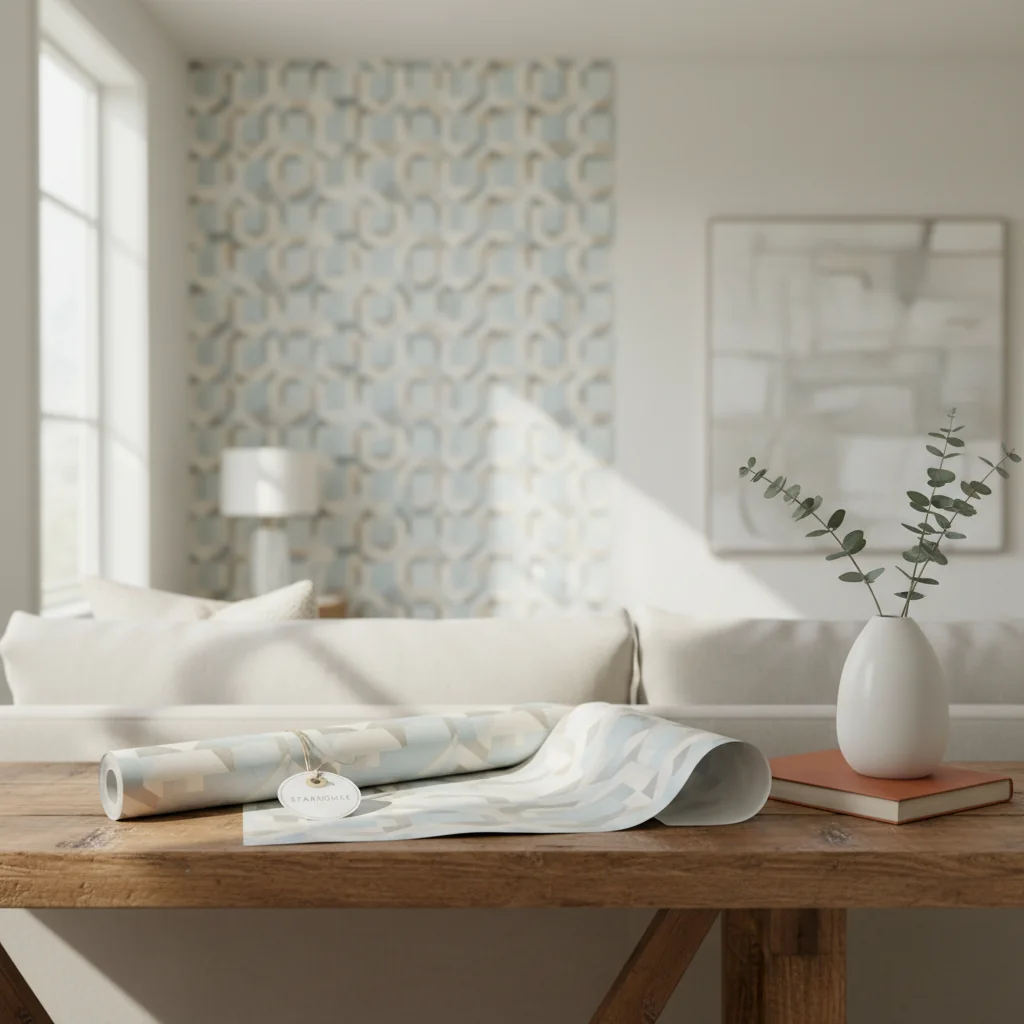
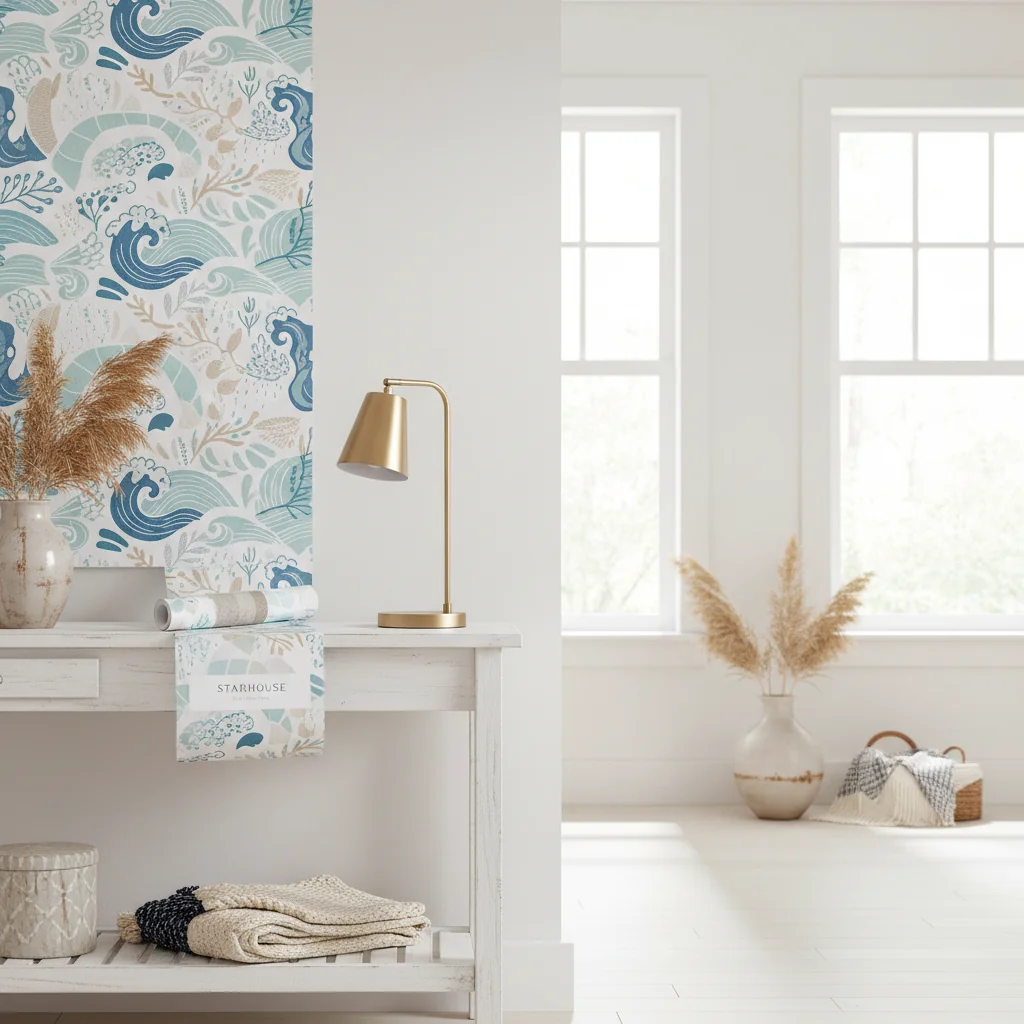
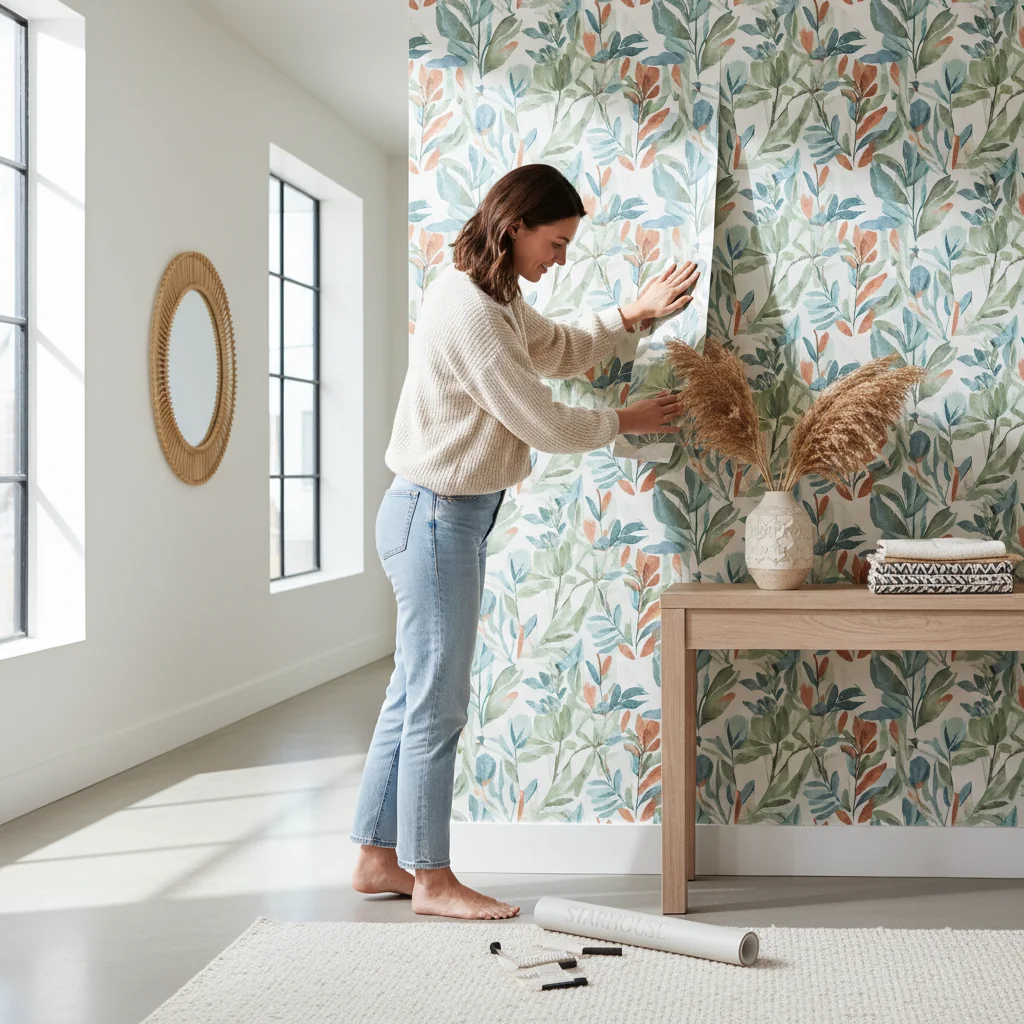
Texture wallpaper transcends mere pattern and color, introducing a tactile dimension that profoundly influences a room’s ambiance and aesthetic. It is a specialized wallcovering designed to create visual and physical depth, transforming flat surfaces into dynamic focal points through raised patterns, woven materials, or simulated natural finishes. This comprehensive guide from Starhouse explores the multifaceted world of texture wallpaper, detailing its various types, styles, and applications, and providing precise, actionable advice for selecting, installing, and maintaining it in your home. We delve into how texture can manipulate light, enhance perceived space, and imbue any room with unparalleled character and sophistication, ensuring your design choices are both impactful and enduring.
Key Takeaways
- Texture wallpaper adds physical and visual depth, transforming flat walls into dynamic design elements that engage both sight and touch.
- Material composition (e.g., vinyl, non-woven, grasscloth, cork) dictates a texture wallpaper’s durability, maintenance, and aesthetic qualities.
- Careful consideration of a room’s function, existing décor, lighting, and desired mood is essential for selecting the appropriate texture and style.
- Accurate measurement, meticulous surface preparation, and precise installation techniques are critical for achieving a professional and long-lasting finish.
- Texture wallpaper can manipulate light, create warmth, define zones, and even offer subtle acoustic benefits, making it a versatile design tool.
- Proper care, specific to the wallpaper’s material, ensures the longevity and sustained beauty of your textured wallcovering.
What is Texture Wallpaper?
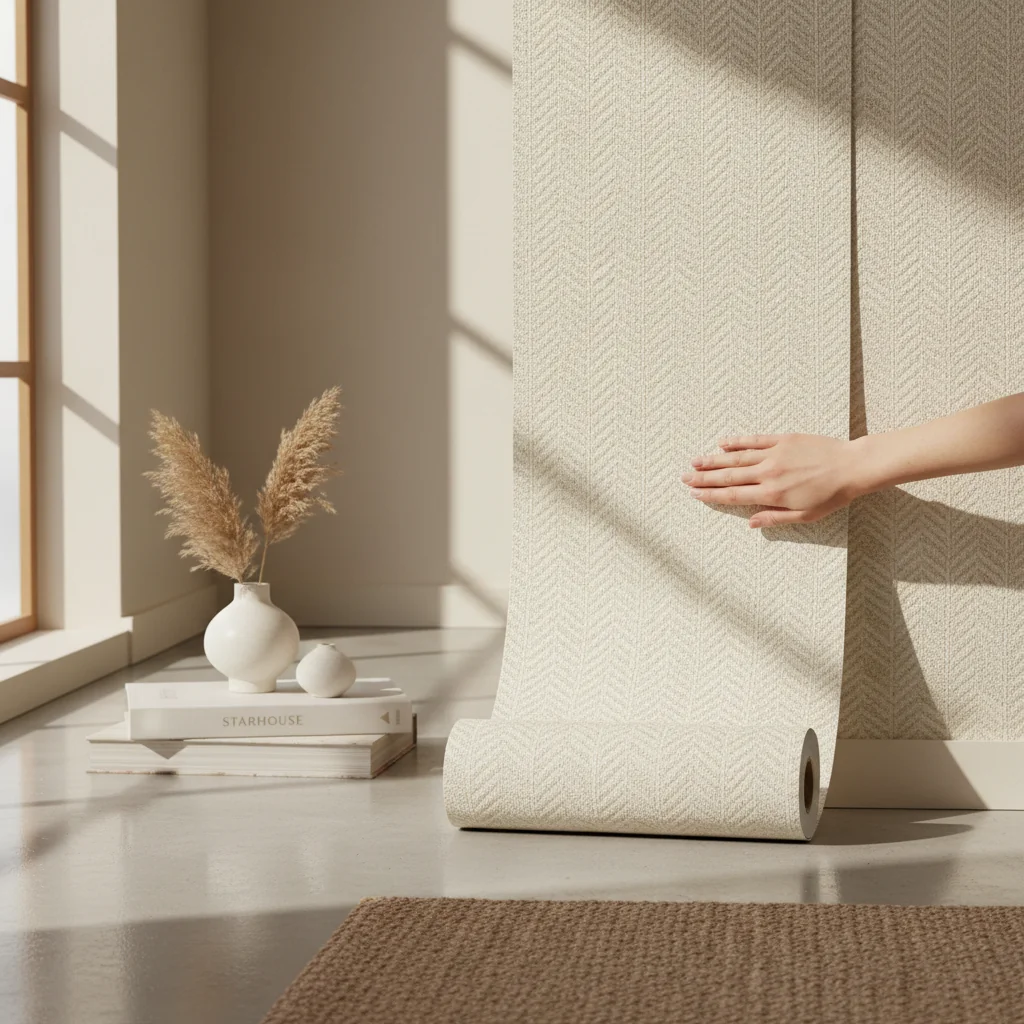
Texture wallpaper is a distinctive wallcovering engineered to introduce physical depth and tactile interest to interior surfaces, moving beyond flat patterns or solid colors. It achieves this dimensionality through various manufacturing techniques, including embossing, the incorporation of natural fibers, or the application of specialized coatings that mimic materials like fabric, stone, or wood. This unique characteristic allows texture wallpaper to engage both visual and tactile senses, creating a more immersive and sophisticated aesthetic in any room.
The appeal of texture wallpaper lies in its ability to transform a two-dimensional wall into a three-dimensional design element. Unlike flat wallpapers that rely solely on printed graphics, textured options offer a tangible surface that can reflect light in nuanced ways, add perceived warmth, and create a sense of bespoke craftsmanship. The inherent depth of these wallcoverings can subtly alter a room’s perceived scale, making a large space feel more intimate or adding architectural detail to a featureless wall. From the subtle weave of a grasscloth to the pronounced relief of an anaglypta pattern, texture wallpaper serves as a foundational layer in sophisticated interior design, providing a backdrop that is both visually rich and physically engaging.
Historically, wallcoverings have evolved from painted fabrics to printed papers. The introduction of texture marked a significant advancement, offering decorators a new tool to manipulate light and shadow within a space. Early forms often involved pressed paper or textiles, while modern advancements incorporate durable vinyls, non-wovens, and a vast array of natural and synthetic fibers. This evolution has led to an extensive catalog of options, from highly durable, scrubbable textures ideal for high-traffic areas to delicate, natural weaves that lend an organic elegance to quieter spaces. Understanding the foundational elements of texture wallpaper—its materials, construction, and the sensory experience it provides—is crucial for making informed design decisions.
A key characteristic of texture wallpaper is its ability to add a layer of sophistication without necessarily introducing complex patterns. Many textured options feature solid colors or subtle tonal variations, allowing the texture itself to become the primary visual interest. This makes them exceptionally versatile, capable of complementing a wide range of interior styles from minimalist modern to rustic farmhouse. The interplay of light across a textured surface can highlight its unique qualities, adding dynamic shadows and highlights that change throughout the day, providing an ever-evolving visual experience within the room.
Types of Texture Wallpaper by Material & Construction
Different materials and construction methods endow texture wallpapers with distinct textural effects, durability levels, and performance characteristics, making the choice of material paramount for both aesthetics and functionality. Each type offers a unique tactile and visual experience, from the rugged feel of natural fibers to the smooth, embossed relief of vinyl, influencing its suitability for specific environments and design intentions. Understanding these material differences is essential for selecting a wallcovering that not only looks exceptional but also withstands the demands of its intended space.
At Starhouse, we recognize that the foundation of any great design begins with quality materials. Here, we detail the primary types of texture wallpaper based on their composition and construction, providing a clear overview of their attributes and ideal applications.
Vinyl Wallpaper
Vinyl wallpaper is one of the most prevalent and versatile options for textured wallcoverings, known for its exceptional durability and ease of maintenance. It consists of a paper or fabric backing coated with a layer of vinyl (polyvinyl chloride, PVC), which can be embossed, printed, or treated to create a wide array of textures and finishes.
- Solid Vinyl: Features a thick vinyl layer that is highly resistant to moisture, stains, and abrasion. It is ideal for high-traffic areas like hallways, kitchens, and bathrooms. Solid vinyl can mimic textures such as leather, fabric weaves, or subtle stippling.
- Expanded Vinyl: This type undergoes a process where the vinyl layer expands during manufacturing, creating a soft, foam-like, three-dimensional texture. Expanded vinyl wallpapers often replicate plaster, stucco, or heavily embossed patterns, offering significant depth and warmth. They are generally less durable than solid vinyl but provide a softer tactile experience.
- Fabric-Backed Vinyl: Combines a woven fabric backing with a vinyl surface, offering superior strength and tear resistance. This makes it suitable for commercial applications or residential areas requiring maximum durability. It can feature a wide variety of textures, including textile-like weaves and geometric reliefs.
Vinyl wallpapers are typically scrubbable and washable, making them a practical choice for homes with children or pets. Their robust nature ensures long-term performance and sustained aesthetic appeal.
Non-Woven Wallpaper
Non-woven wallpaper is a contemporary material composed of a blend of natural and synthetic fibers, making it exceptionally stable, breathable, and easy to install and remove. This material does not expand or contract when wet, which facilitates a “paste-the-wall” application method. Non-woven textures are often subtle, mimicking linen, felt, or fine plaster, providing a sophisticated, understated depth.
- Breathability: Non-woven materials allow walls to breathe, reducing the risk of mold and mildew, especially in slightly humid environments.
- Durability: While not as robust as heavy-duty vinyl, non-woven wallpapers are tear-resistant and generally washable, offering good longevity for most residential settings.
- Ease of Use: The paste-the-wall application is significantly simpler and faster than traditional methods, and non-woven wallpapers often peel off in full sheets without damaging the wall surface upon removal.
Non-woven texture wallpapers are perfect for bedrooms, living rooms, and dining areas where a refined, breathable, and easily changeable wallcovering is desired.
Grasscloth Wallpaper
Grasscloth wallpaper is a highly sought-after natural texture, renowned for its organic beauty and unique tactile qualities. Grasscloth wallpaper is crafted from hand-woven natural fibers such as jute, sisal, seagrass, arrowroot, or bamboo, which are then laminated onto a paper backing. This material introduces an unparalleled organic texture and visual warmth to any space.
- Natural Variation: Due to the hand-woven nature of the fibers, grasscloth exhibits subtle variations in color, weave, and texture, creating an authentic, one-of-a-kind look. Seams are often visible, which is an inherent characteristic and part of its charm.
- Aesthetic Appeal: It imparts a sophisticated, earthy elegance, perfect for adding warmth and depth to living rooms, studies, and bedrooms. Its natural fibers create a calming and inviting atmosphere.
- Care: Grasscloth is delicate and typically not washable. It requires careful handling during installation and should be protected from excessive moisture and direct sunlight to prevent discoloration or damage.
For those seeking a luxurious, environmentally conscious, and distinctively textured wallcovering, grasscloth is an exceptional choice. Faux grasscloth options, often made from vinyl or non-woven materials, offer a similar aesthetic with enhanced durability and ease of maintenance.
Flocked Wallpaper
Flocked wallpaper features a luxurious, velvet-like texture created by applying finely cut textile fibers (flock) onto a pattern printed with adhesive. This process results in a raised, soft, and fuzzy design that offers a rich, opulent tactile experience. Flocked patterns often include traditional damasks, ornate florals, or geometric motifs, adding a sense of grandeur and historical elegance.
- Tactile Luxury: The raised flock creates a plush, soft surface that is distinctly luxurious to the touch and visually striking, especially when light catches its fibers.
- Sound Absorption: The fibrous surface can offer minor acoustic benefits, subtly dampening sound within a room.
- Care: Flocked wallpaper is delicate and not washable. It requires gentle dusting and should be protected from moisture and abrasion. It is best suited for formal living areas, dining rooms, or bedrooms where its delicate nature can be appreciated without heavy traffic.
Textile/Fabric Wallpaper
Textile wallpaper, often referred to as fabric wallpaper, uses actual woven fabrics such as silk, linen, cotton, or even felt, laminated onto a paper or non-woven backing. These wallcoverings offer genuine textile textures, from the smooth sheen of silk to the rustic weave of linen, providing a truly luxurious and sophisticated finish.
- Authentic Texture: The use of real fabric brings genuine depth, softness, and material richness to the walls that cannot be replicated by prints.
- Diverse Finishes: Options range from fine silks that shimmer to coarse linens that add an organic, tactile dimension.
- Care: Like grasscloth and flocked wallpaper, textile wallpapers are generally delicate and require specialized care. Most are not washable and are best reserved for low-traffic, formal areas. Some may be treated for stain resistance, but this varies by product.
Cork Wallpaper
Cork wallpaper is an eco-friendly and uniquely textured option made from thin sheets of cork bark laminated onto a paper or non-woven backing. The natural variations in cork create a distinctive, rustic, and warm aesthetic with a tangible, organic texture.
- Natural Appeal: Cork offers a warm, earthy look with inherent variations in color and texture, providing a unique, handcrafted feel. It is also a sustainable material.
- Acoustic and Insulating Properties: Cork naturally possesses sound-absorbing qualities and can offer some thermal insulation, contributing to a more comfortable room environment.
- Durability: While generally durable against minor impacts, cork can be susceptible to moisture and staining if not properly sealed or maintained. Most cork wallpapers are wipeable but not fully washable.
Cork wallpaper is an excellent choice for adding natural warmth and character to studies, living rooms, or accent walls.
Mica/Mineral Wallpaper
Mica and other mineral wallpapers feature small, reflective mineral flakes (often mica or quartz) adhered to a backing, creating a shimmering, iridescent texture. These wallcoverings catch and reflect light beautifully, adding a subtle sparkle and sophisticated glamour to a room.
- Luminous Texture: The mineral flakes create a unique, sparkling surface that changes with the light, adding a dynamic and luxurious dimension.
- Durability: Often sealed, these wallpapers can be relatively durable and wipeable, though care instructions vary by product.
- Aesthetic: Ideal for creating a luxurious, jewel-box effect in powder rooms, dining rooms, or elegant living spaces.
Embossed Wallpaper (Anaglypta & Lincrusta)
Embossed wallpapers feature raised patterns created by pressing the material into a mold during manufacturing. These are often designed to be paintable, allowing for custom color schemes while retaining the three-dimensional texture.
- Anaglypta: This type of embossed wallpaper, traditionally made from paper pulp, features deeply textured, often ornate patterns. Anaglypta is specifically designed to be painted, allowing homeowners to customize its color while benefiting from its significant textural depth. It is durable and can help conceal minor wall imperfections.
- Lincrusta: A more robust and luxurious form of embossed wallcovering, Lincrusta is made from a gelled linseed oil and wood flour mixture pressed onto a paper backing. It creates exceptionally deep, intricate, and durable relief patterns, often mimicking carved wood or plasterwork. Lincrusta is extremely long-lasting and can be painted, glazed, or gilded for a truly bespoke finish. It is significantly more expensive and labor-intensive to install than Anaglypta but offers unparalleled architectural detail and longevity.
Both Anaglypta and Lincrusta are excellent for adding architectural interest, concealing imperfections, and creating a classic, formal aesthetic.
Peel-and-Stick Textured Wallpaper
Peel-and-stick wallpaper refers to an adhesive-backed wallcovering that does not require traditional paste, making it a popular choice for DIY enthusiasts and renters. While not a material type itself, many peel-and-stick options feature textured finishes, often made from vinyl or non-woven materials. These textures can mimic linen, grasscloth, brick, or wood, offering the convenience of temporary installation with the aesthetic benefits of texture.
- Ease of Installation/Removal: The self-adhesive backing allows for straightforward application and removal without damaging the underlying wall surface, making it ideal for temporary updates or commitment-free design changes.
- Versatility: Available in a vast array of colors, patterns, and textures, including faux finishes and subtle weaves.
- Durability: Varies significantly by material; most are vinyl-based and offer good wipeability, but natural fiber peel-and-stick options may be more delicate.
Peel-and-stick textured wallpaper is an excellent solution for adding character to apartments, dorm rooms, or for creating accent walls that can be easily updated.
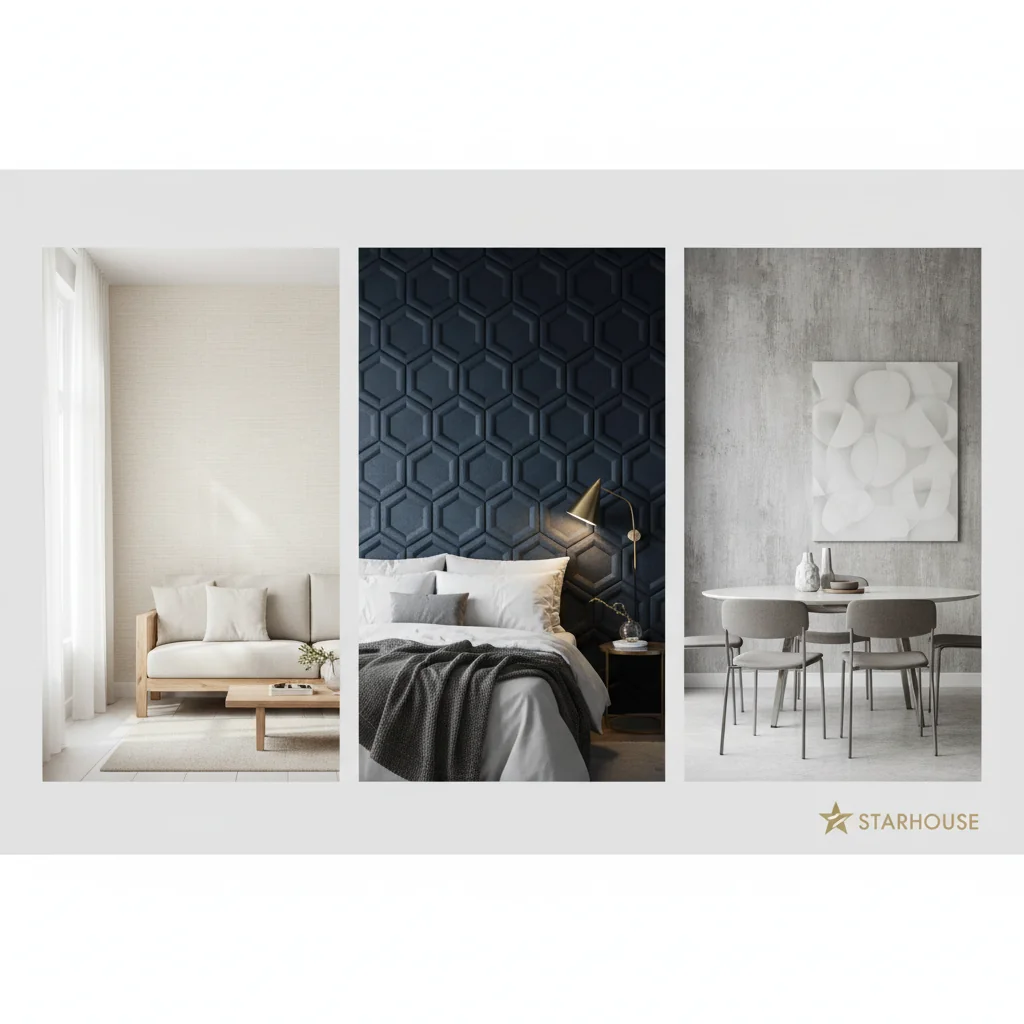
Exploring Popular Texture Wallpaper Styles
Texture wallpaper styles span a vast spectrum, from subtle, organic weaves to dramatic, architectural simulations, each designed to evoke a specific aesthetic mood and enhance a room’s character. These styles are not merely decorative; they are integral to shaping the perceived environment, capable of transforming a flat wall into a focal point that tells a story or sets a tone. Understanding the range of available styles empowers designers and homeowners to select a texture that perfectly aligns with their vision and the functional demands of their space.
The strategic deployment of texture can soften harsh lines, introduce warmth, or add a layer of sophisticated detail that elevates the entire design scheme. Below, we delineate popular texture wallpaper styles, highlighting their unique visual and tactile characteristics and suggesting their most impactful applications.
Faux Finishes: Mimicking Nature and Architecture
Faux finish texture wallpapers are ingeniously designed to replicate the appearance and often the feel of natural or man-made materials, offering a high-impact aesthetic without the cost or complexity of genuine installations. These styles are particularly effective for creating specific architectural moods or bringing the outdoors in.
- Faux Brick: Replicates the rugged, industrial charm of exposed brick walls, complete with mortar lines and varying brick tones. This style adds urban edge, rustic warmth, or a loft-like aesthetic, ideal for accent walls in living rooms, kitchens, or home offices.
- Faux Concrete: Mimics the cool, minimalist aesthetic of raw concrete, often with subtle imperfections and variations in tone. It’s a staple in industrial, contemporary, and minimalist designs, providing a sophisticated, understated backdrop.
- Faux Wood: Captures the grain, knots, and weathered appearance of various wood types, from reclaimed barn wood to sleek planks. This style introduces natural warmth and a sense of history, perfect for rustic, farmhouse, or Scandinavian-inspired interiors.
- Faux Stone/Marble: Replicates the grandeur and elegance of natural stone or marble, complete with veining and crystalline textures. These styles are excellent for creating a luxurious focal point in bathrooms, dining rooms, or entryways, offering opulence without the weight or cost of real stone.
- Faux Stucco/Plaster: Designed to mimic the uneven, hand-troweled texture of stucco or aged plaster. This style lends an organic, Mediterranean, or artisanal feel, adding depth and a subtle, earthy appeal to walls.
Natural & Organic Textures: Bringing the Outdoors In
Drawing inspiration from the natural world, these textures introduce authentic, earthy elements that promote tranquility and a connection to nature. They are characterized by their inherent irregularities and raw beauty.
- Grasscloth & Woven Textures: As discussed in materials, these styles feature visible weaves of natural fibers, creating a distinct linear or basket-weave pattern. They exude an understated elegance, warmth, and organic sophistication, ideal for creating serene environments in living rooms, bedrooms, or coastal-inspired spaces.
- Cork Textures: Showcases the unique, granular surface of natural cork, offering warmth, sustainability, and subtle sound absorption. It brings an earthy, contemporary, or rustic vibe, suitable for offices, studies, or feature walls.
- Linen & Fabric Weaves: Mimics the delicate, tactile threads of woven fabrics like linen, silk, or burlap. These textures add softness, refinement, and a subtle visual interest, perfect for bedrooms, formal living areas, or creating a tailored backdrop.
Geometric & Abstract Textures: Modern Dimensionality
These styles utilize raised patterns, sculptural elements, or abstract forms to create a contemporary and dynamic visual interest. They often play with light and shadow to enhance their three-dimensional effect.
- Raised Geometric Patterns: Features embossed or flocked geometric shapes (e.g., hexagons, chevrons, circles, linear grids) that create a pronounced, tactile pattern. These styles add a modern, architectural, and often playful dimension, suitable for contemporary interiors, accent walls, or children’s rooms.
- Abstract Dimensional Designs: Involves non-representational forms, organic curves, or sculptural reliefs that create a sense of movement and artistry. These styles function as statement pieces, adding artistic flair and a unique modern edge to any space.
- Subtle Linear Textures: Incorporates fine, parallel lines or irregular striations that add a delicate, understated texture. This style provides a sophisticated backdrop without overwhelming a room, perfect for creating a sense of height or subtle movement.
Metallic & Shimmer Textures: Glamour and Light Play
Metallic and shimmer texture wallpapers integrate reflective elements or finishes to create a luminous, often luxurious, effect. They are designed to catch and refract light, adding depth and glamour.
- Textured Metallics: Features embossed patterns or brushed finishes infused with metallic pigments (gold, silver, bronze, copper). The texture enhances the metallic sheen, creating a dynamic surface that shimmers and shifts with light, ideal for adding opulence to dining rooms, powder rooms, or sophisticated living areas.
- Mica/Mineral Textures: As previously described, these incorporate natural mineral flakes for a subtle, glittering effect. They bring an ethereal glow and refined sparkle, perfect for creating a serene yet luxurious atmosphere.
- Iridescent & Pearlized Finishes: These wallpapers have a subtle, color-shifting sheen that mimics pearls or opals, often with a fine, textural ground. They add a sophisticated, soft luster that can make a room feel expansive and ethereal.
Traditional & Ornate Textures: Classic Elegance
Rooted in historical design, these textures often feature classic motifs and elaborate embossing, bringing a sense of heritage and grandeur.
- Damask & Traditional Embossed: These styles feature classic damask patterns, intricate scrolls, or floral motifs rendered in raised relief. They evoke a sense of timeless elegance, formality, and historical charm, suitable for traditional, transitional, or maximalist interiors in dining rooms, formal living spaces, or grand entryways. Often paintable, allowing for custom color application.
- Anaglypta & Lincrusta Patterns: These heavily embossed, paintable wallpapers offer deep, architectural textures that can mimic carved wood, plaster, or decorative ceiling tiles. They are perfect for restoring historical homes or adding significant architectural detail and grandeur.
Choosing the right texture wallpaper style involves a careful balance between personal aesthetic preference, the functional requirements of the space, and the overall design narrative you wish to create. Each style offers a unique contribution to the tactile and visual landscape of a room, underscoring the power of texture in sophisticated interior design.
The Impact of Texture: Design Principles and Psychological Effects
Texture wallpaper profoundly influences a room’s perceived scale, light, and emotional atmosphere by engaging both visual and tactile senses, making it a powerful tool in interior design. It transcends mere surface decoration, actively shaping how a space feels and functions, and how occupants interact with it. The strategic application of texture can transform a sterile environment into a welcoming sanctuary or imbue a mundane wall with architectural significance, demonstrating its capacity to alter perception and evoke specific psychological responses.
The human brain is wired to interpret tactile information, even when only visually presented. When we see a textured surface, our brain anticipates the physical sensation, which contributes significantly to our overall perception of a space. This interplay between sight and anticipated touch is what makes texture wallpaper so impactful. At Starhouse, we understand that designing with texture is about creating an immersive environment that stimulates multiple senses.
Adding Depth and Dimension
The most immediate effect of texture wallpaper is its ability to add visual depth and dimension to flat walls. Unlike smooth surfaces, textured materials create subtle shadows and highlights as light interacts with their raised elements. This dynamic interplay makes walls appear less flat and more substantial, enriching the visual landscape of a room. A finely woven grasscloth, for instance, introduces a delicate linear depth, while an expanded vinyl mimicking stucco provides a more pronounced, sculptural dimension. This added depth can make a room feel more layered and thoughtfully designed, moving beyond a simple two-dimensional aesthetic.
Light Reflection and Play
Texture significantly alters how light behaves within a space.
- Matte Textures: Surfaces like grasscloth or faux concrete absorb light, creating a softer, more diffused illumination. This effect can make a room feel cozier and more intimate, reducing glare and harsh reflections.
- Shimmering/Metallic Textures: Mica, metallic, or pearlized textures reflect light, adding luminosity and sparkle. These can brighten a room, make it feel more expansive, and introduce a sense of glamour and sophistication, especially in areas with natural light or strategic artificial lighting. The angle of light can dramatically change the appearance of these textures throughout the day.
The strategic use of texture allows designers to manipulate light to their advantage, enhancing architectural features or creating specific moods.
Creating Warmth and Coziness
Tactile textures inherently evoke feelings of warmth and comfort. Materials like cork, natural linen, or soft, flocked patterns visually suggest softness and insulation, translating into a psychologically warmer environment. In expansive or minimalist spaces, textured wallpaper can prevent a room from feeling cold or stark, injecting a much-needed sense of inviting coziness. For example, a bedroom adorned with a subtle fabric-weave texture instantly feels more inviting and conducive to relaxation.
Defining Zones and Architectural Interest
Texture wallpaper is an excellent tool for defining specific zones within an open-concept layout or for highlighting architectural features. Applying a distinct texture to an accent wall can draw the eye, creating a focal point behind a bed, a dining table, or in a niche. Faux brick or stone textures can introduce an industrial or rustic architectural element where none existed, adding character and a sense of history. This technique is particularly effective in spaces that lack inherent architectural detail, providing an instant upgrade in visual complexity.
Acoustic Benefits
While not a primary function, certain textured wallpapers can offer subtle acoustic benefits. Materials with a fibrous or expanded surface, such as flocked wallpaper, grasscloth, or expanded vinyl, can help absorb sound waves, reducing echo and improving sound quality within a room. This can be particularly advantageous in large, open spaces or rooms with hard surfaces, contributing to a quieter and more comfortable environment.
Psychological Effects
The psychological impact of texture is profound:
- Calm and Serenity: Natural, organic textures like grasscloth or subtle linen weaves often evoke feelings of calm, groundedness, and connection to nature, promoting relaxation.
- Energy and Vibrancy: Bold geometric textures or highly reflective metallic surfaces can introduce energy, dynamism, and a sense of modern sophistication, stimulating engagement.
- Luxury and Sophistication: Flocked, silk, or deeply embossed textures instantly elevate a space, conveying opulence and refined taste.
- Comfort and Security: Soft, tactile textures can create a sense of embrace and security, making a room feel more intimate and safe.
By understanding these intrinsic qualities, designers can leverage texture wallpaper to create spaces that not only look beautiful but also resonate emotionally with their occupants, fulfilling specific functional and psychological needs.
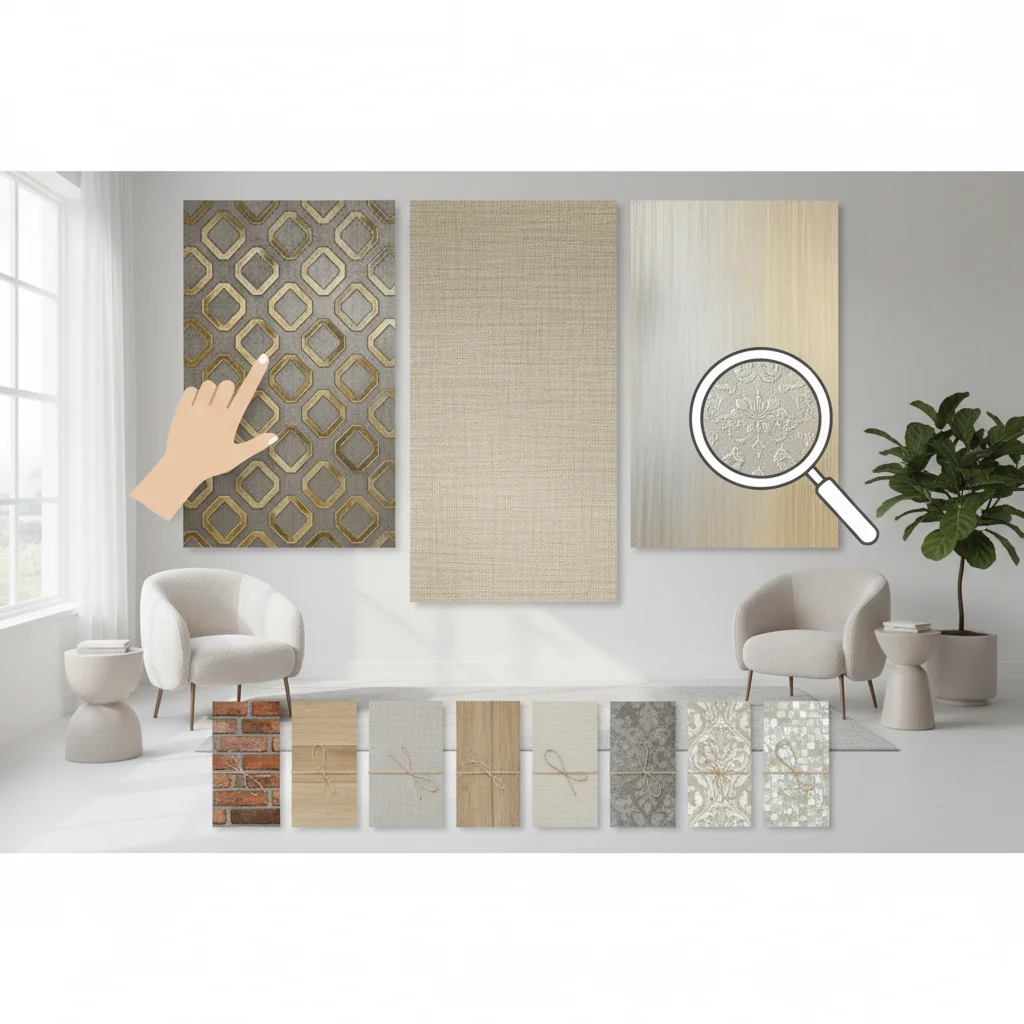
How to Choose the Right Texture Wallpaper for Your Space
Selecting the ideal texture wallpaper requires careful consideration of the room’s function, existing décor, lighting conditions, and your desired aesthetic outcome, ensuring a harmonious and impactful design. A well-chosen texture wallpaper not only enhances visual appeal but also contributes to the room’s overall atmosphere, making the selection process a critical step in achieving a cohesive and personalized interior. This systematic approach guarantees that your investment in texture wallpaper yields lasting satisfaction and elevates your home’s design.
At Starhouse, we advocate for a thoughtful, deliberate selection process. Here are the key factors to evaluate when choosing texture wallpaper:
1. Room Function and Traffic Level
The purpose of a room dictates the required durability and maintenance level of your wallpaper.
- High-Traffic Areas (Hallways, Entryways, Kids’ Rooms): Opt for highly durable, scrubbable materials like solid vinyl or fabric-backed vinyl. These resist scuffs, stains, and are easy to clean, ensuring longevity in active spaces.
- Moisture-Prone Areas (Bathrooms, Kitchens): Choose moisture-resistant and washable options such as solid vinyl or certain types of non-woven wallpaper. Ensure adequate ventilation to prevent mold growth, even with breathable options.
- Low-Traffic/Formal Areas (Bedrooms, Dining Rooms, Living Rooms, Studies): More delicate, luxurious textures like grasscloth, flocked, textile, or cork wallpapers are appropriate here. Their unique beauty can be appreciated without the risk of frequent wear and tear.
Matching the wallpaper’s material properties to the room’s demands is crucial for long-term satisfaction.
2. Lighting Conditions
The amount and type of light a room receives significantly impact how texture wallpaper appears.
- Rooms with Abundant Natural Light: Almost any texture can work. Consider how direct sunlight might highlight or wash out subtle textures. Metallic or shimmering textures will sparkle beautifully, while deep, matte textures will reveal nuanced shadows.
- Rooms with Limited Natural Light: Lighter colors and textures with a slight sheen (e.g., mica, subtle metallics, fine silk textures) can help brighten the space by reflecting available light. Avoid overly dark or heavily absorbing textures, which can make a small, dim room feel even more enclosed.
- Artificial Lighting: Evaluate how your chosen texture looks under evening lighting. Uplighting can dramatically accentuate embossed textures, while downlighting might create softer, more diffused effects.
Always observe samples in the actual room under both daylight and artificial light conditions.
3. Color Palette and Existing Furnishings
The wallpaper must harmonize with your room’s existing color scheme and furniture style.
- Complementary Colors: Select a texture wallpaper in a color that either matches an existing hue in your décor (e.g., from upholstery, art) or introduces a complementary accent color.
- Monochromatic Schemes: Textured wallpapers are excellent for adding interest to a monochromatic room without introducing new colors. A subtle tone-on-tone texture in cream, gray, or white adds depth and sophistication.
- Furniture Style:
- Modern/Contemporary: Faux concrete, geometric patterns, or sleek linen textures.
- Traditional/Classic: Damask, flocked, or deeply embossed (Anaglypta/Lincrusta) patterns.
- Rustic/Farmhouse: Faux wood, faux brick, or natural grasscloth.
- Coastal/Bohemian: Grasscloth, jute, or light woven textures.
Ensure the texture and style align with the overall aesthetic you are cultivating.
4. Scale of Pattern/Texture vs. Room Size
The scale of the texture should be proportionate to the size of the room.
- Small Rooms: Generally benefit from subtle, fine textures (e.g., fine linen weave, small-scale grasscloth, delicate stippling) or tone-on-tone patterns. Overly large or busy textures can overwhelm a small space, making it feel smaller and cluttered.
- Large Rooms: Can accommodate bolder, more pronounced textures (e.g., large geometric patterns, deeply embossed designs, faux brick/stone). These larger-scale textures can help fill expansive walls, adding drama and breaking up monotony without feeling overwhelming.
Consider the visual weight the texture carries and how it will interact with the room’s dimensions.
5. Desired Mood and Atmosphere
Texture wallpaper is a powerful tool for setting a room’s mood.
- Calm & Serene: Opt for natural, organic textures like grasscloth or subtle fabric weaves in muted, earthy tones.
- Glamorous & Luxurious: Choose metallic, mica, or flocked textures, particularly in deeper jewel tones or rich neutrals.
- Cozy & Intimate: Expanded vinyls mimicking plaster, or warm-toned cork and fabric textures, can create a snug, inviting feel.
- Modern & Edgy: Faux concrete, geometric patterns, or distressed textures in cool grays or industrial tones.
Define the emotional experience you want to create and select a texture that supports it.
6. Durability and Maintenance Needs
Review the manufacturer’s cleaning and durability ratings.
- Washable: Can be wiped with a damp sponge and mild soap.
- Scrubbable: Withstands more vigorous cleaning with a brush and detergent.
- Strippable: Designed to be easily removed without damaging the wall.
- Peelable: The top layer can be removed, leaving the backing on the wall.
Natural fiber wallpapers (grasscloth, silk) are often very delicate and may only be dustable, requiring protection from spills and moisture. Vinyls and non-wovens generally offer better cleanability.
7. Budget Considerations
Texture wallpapers vary widely in price, from budget-friendly vinyls to high-end natural fibers or Lincrusta. Establish a realistic budget per square foot (or per roll) for your project. Remember to factor in installation costs if you plan to hire a professional. While peel-and-stick options can be more affordable for DIY, complex, high-end materials often warrant professional installation to protect your investment.
8. Sample Testing
This is a non-negotiable step. Obtain large samples (1-2 feet square if possible) of your top contenders. Tape them to your walls in different areas of the room for several days. Observe them at various times of day, under different lighting conditions, and with your existing furniture. This allows you to see how the texture interacts with the light, how the color shifts, and how it feels within the actual space before committing to a full purchase. This step prevents costly mistakes and ensures the texture truly enhances your home.
By meticulously addressing each of these factors, you can confidently select a texture wallpaper that not only meets your aesthetic desires but also performs optimally within your home, creating a truly bespoke and beautiful environment.
What textures, styles, and materials are you envisioning for your dream home? Starhouse is meticulously curating a collection that blends timeless elegance with modern sensibility. We invite you to tell us what you’re looking for and gain early access to our exclusive offerings. Your input helps us shape the perfect selection for discerning homeowners like you.
Texture Wallpaper Comparison Guide
| Type of Texture Wallpaper | Primary Material | Durability & Maintenance | Aesthetic Impact | Ideal Room Applications | Approx. Price Range (per single roll, USD) |
|---|---|---|---|---|---|
| Solid Vinyl | PVC (Polyvinyl Chloride) with paper/fabric backing | High durability, scrubbable, moisture-resistant. Excellent for heavy-use areas. | Versatile, can mimic many textures (fabric, leather, stipple). Practical, clean look. | Kitchens, Bathrooms, Hallways, Kids’ Rooms, Commercial | $30 – $80 |
| Expanded Vinyl | Foamed PVC with paper/fabric backing | Moderate durability, wipeable (less scrubbable than solid vinyl). Can dent. | Soft, pronounced 3D textures (stucco, plaster, heavy emboss). Adds warmth and depth. | Bedrooms, Living Rooms, Dining Rooms (low to medium traffic) | $40 – $100 |
| Non-Woven | Synthetic & natural fiber blend | Good durability, washable, breathable, tear-resistant. Easy to install/remove. | Subtle, refined textures (linen, fine plaster). Modern, understated elegance. | Bedrooms, Living Rooms, Offices, Dining Rooms | $50 – $120 |
| Grasscloth | Hand-woven natural fibers (jute, sisal) on paper backing | Delicate, not washable, dustable only. Susceptible to moisture/stains. | Organic, earthy, luxurious. Unique variations, visible seams are characteristic. | Bedrooms, Living Rooms, Studies, Formal Dining Rooms (low traffic) | $80 – $300+ |
| Flocked | Textile fibers (flock) adhered to paper/non-woven backing | Delicate, not washable, dustable only. Can attract dust. | Velvet-like, opulent, rich. Often traditional patterns (damask). Adds grandeur. | Formal Living Rooms, Dining Rooms, Bedrooms, Powder Rooms | $70 – $250 |
| Cork | Thin sheets of cork bark on paper/non-woven backing | Moderate durability, wipeable (if sealed), can be brittle. | Natural, rustic, warm, unique grain. Offers acoustic & insulating benefits. | Studies, Living Rooms, Accent Walls, Bedrooms | $60 – $200 |
| Mica/Mineral | Mineral flakes (mica, quartz) on paper/non-woven backing | Good durability (often sealed), wipeable. | Shimmering, iridescent, luxurious. Catches light beautifully for subtle sparkle. | Powder Rooms, Dining Rooms, Accent Walls, Formal Living Rooms | $90 – $300+ |
| Embossed (Paintable) | Paper pulp (Anaglypta) or linseed oil/wood flour (Lincrusta) | Very high durability (Lincrusta exceptional), paintable, conceals imperfections. | Deep, architectural, ornate patterns. Classic, customizable color. | Hallways, Dining Rooms, Living Rooms, Historical Restorations | $40 – $150 (Anaglypta); $150 – $400+ (Lincrusta) |
| Peel-and-Stick (Textured) | Usually vinyl or non-woven with adhesive backing | Varies by base material, generally good for temporary use, wipeable. | Mimics various textures (wood, brick, linen). Convenient, low commitment. | Rentals, Accent Walls, DIY Projects, Kids’ Rooms | $20 – $70 |
Note: Price ranges are approximate for a single roll (typically 56 sq ft to 60 sq ft for U.S. double rolls, often sold as single rolls) and can vary significantly based on brand, design complexity, and material quality. Professional installation costs are additional.
Sizing, Measuring, and Installation Considerations
Accurate measurement and appropriate installation techniques are paramount for achieving a professional, seamless finish with texture wallpaper, ensuring both aesthetic integrity and long-lasting adherence. Improper preparation or calculation can lead to frustrating errors, visible seams, or premature peeling, compromising the entire design. A precise approach to sizing, measuring, and installation guarantees that your textured wallcovering performs optimally and enhances your space as intended.
Starhouse emphasizes meticulous planning and execution for any wallpaper project. This section details the essential steps and considerations for successful texture wallpaper installation.
Essential Tools Required
Having the right tools simplifies the process and contributes to a professional finish:
- Measuring: Tape measure (25-foot minimum), pencil, level, plumb bob or laser level.
- Surface Preparation: Spackling paste, sandpaper (fine-grit), primer (specifically formulated for wallpaper), cleaning supplies (degreaser, sponge, bucket).
- Cutting: Utility knife with snap-off blades, straightedge (metal ruler or T-square), large cutting mat (optional, but recommended).
- Application: Wallpaper smoothing tool (plastic smoother), seam roller, wallpaper brush or large sponge (for paste application), clean bucket for water, drop cloths.
- Paste (if not pre-pasted/peel-and-stick): High-quality wallpaper adhesive, paste roller or brush.
Measuring Walls Accurately
Precise measurements are critical to determine the correct quantity of wallpaper rolls and minimize waste.
- Measure Height: Measure from the baseboard to the ceiling at several points around the room. Use the tallest measurement for your calculations. For rooms with varying ceiling heights, measure each section individually.
- Measure Width: Measure the total perimeter of the room. Subtract the width of any large openings (windows, doors) that will not be covered by wallpaper.
- Calculate Surface Area: Multiply the maximum height by the total wallpapered width to get the approximate square footage.
- Account for Pattern Repeat: This is crucial for textured wallpapers with a repeating design.
- Straight Match: The pattern matches straight across at the same height on adjacent strips. Add the pattern repeat length to each strip’s height measurement to ensure proper alignment.
- Drop Match: The pattern matches on adjacent strips but is staggered or “dropped” by half the pattern repeat. This requires more wallpaper as you’ll often need to cut strips from different points on the roll to achieve the match.
- Random Match: No specific pattern alignment is required. This is the most efficient for material usage and common for subtle, non-directional textures.
Always refer to the wallpaper manufacturer’s pattern repeat instructions, typically found on the label.
- Determine Roll Quantity: Wallpaper rolls are sold in various dimensions. A standard U.S. double roll typically covers approximately 56 to 60 square feet. Divide your total calculated square footage by the square footage of a single roll (as specified by the manufacturer). Always round up to the nearest whole number.
- Add Waste Factor: Purchase an extra roll (or at least 15-20% extra) to account for pattern matching, trimming, mistakes, and future repairs. This is a non-negotiable step to avoid color dye-lot differences if you need to reorder later.
Surface Preparation
The longevity and appearance of your texture wallpaper depend heavily on proper wall preparation.
- Clean Walls: Ensure walls are free of dust, dirt, grease, and grime. Wash with a mild detergent solution, rinse thoroughly, and allow to dry completely.
- Repair Imperfections: Fill any holes, cracks, or dents with spackling paste. Sand smooth once dry. Texture wallpaper can hide minor imperfections, but larger ones will still be visible.
- Remove Old Wallpaper: If existing wallpaper is present, remove it completely. New wallpaper should never be applied over old wallpaper, as it can lead to adhesion issues and bubbling.
- Prime Walls: Apply a high-quality wallpaper primer (often called a “sizing” primer). This creates a consistent surface for adhesion, seals porous surfaces, and makes future removal easier. Allow the primer to dry fully according to manufacturer instructions (typically 24 hours). For dark walls, consider a tinted primer to prevent the underlying color from showing through light-colored wallpaper.
Installation Techniques
Different types of texture wallpaper require specific application methods.
- Pre-Pasted Wallpaper: Activates adhesive by immersing the cut strip in a water tray for a specified time.
- Non-Pasted (Paste-the-Paper): Requires applying adhesive directly to the back of the wallpaper strip, then folding (booking) it for a few minutes before hanging.
- Paste-the-Wall (Non-Woven): Adhesive is applied directly to the wall surface, then the dry wallpaper strip is hung. This method is often cleaner and easier for DIYers.
- Peel-and-Stick: Simply peel off the backing and apply the wallpaper directly to the wall. This is the easiest for temporary applications but requires careful alignment to avoid bubbles.
General Hanging Steps:
- Establish a Plumb Line: Use a plumb bob or laser level to draw a perfectly vertical line on the wall, approximately 18-20 inches from a corner (or the width of your first strip). This ensures your first strip is straight, which is critical for the entire installation.
- Cut Strips: Measure and cut your first strip, adding 2-4 inches to the top and bottom for trimming. For patterned wallpaper, ensure the pattern aligns.
- Apply Paste (if applicable): Follow specific instructions for your wallpaper type.
- Hang First Strip: Align the edge of the first strip with your plumb line. Press it firmly to the wall, smoothing out any air bubbles with a wallpaper smoother, working from the center outwards.
- Trim Excess: Use a sharp utility knife and straightedge to trim excess wallpaper at the ceiling and baseboard.
- Hang Subsequent Strips: Butt the edge of the next strip tightly against the previous one, ensuring pattern alignment (if applicable). Use a seam roller to gently press down seams, but avoid aggressive rolling on delicate textures like grasscloth.
- Corners and Obstacles: Cut strips to fit around windows, doors, and corners, leaving a slight overlap in corners that can be trimmed later for a cleaner finish.
Professional Installation vs. DIY
While many types of texture wallpaper (especially peel-and-stick or non-woven) are suitable for DIY, consider professional installation for:
- Expensive or Delicate Materials: Grasscloth, silk, Lincrusta, or high-end metallics. Professionals have the specialized tools and expertise to handle these materials without damage.
- Complex Patterns: Large, intricate pattern repeats can be challenging for beginners to align seamlessly.
- Large or Irregular Rooms: High ceilings, multiple angles, or numerous obstacles increase complexity.
- Time Constraints: Professional installers work efficiently and can complete projects much faster.
A professional installer ensures a flawless finish, minimizes waste, and guarantees the longevity of your texture wallpaper investment.
Styling and Pairing Texture Wallpaper for a Cohesive Look
Effectively styling texture wallpaper involves harmonizing its visual and tactile qualities with all other elements in the room, including furniture, textiles, lighting, and accessories, to achieve a cohesive and sophisticated design. The wallpaper serves as a foundational layer, and its texture should be thoughtfully integrated to enhance the overall aesthetic rather than compete with it. A balanced approach ensures that the texture elevates the space, creating an environment that feels both curated and inviting.
At Starhouse, we view texture wallpaper as a sophisticated design element that requires careful consideration in its integration. Here’s how to artfully style and pair texture wallpaper to achieve a harmonious and impactful interior.
Complementary Furniture Styles
The texture of your wallpaper should inform or complement your furniture choices.
- Modern/Minimalist Textures (Faux Concrete, Subtle Linen): Pair with sleek, clean-lined furniture in neutral tones. Think mid-century modern pieces, minimalist sofas, or Scandinavian designs that emphasize form and function.
- Natural/Organic Textures (Grasscloth, Cork, Faux Wood): Harmonize with natural wood furniture, rattan, wicker, or upholstered pieces in organic fabrics like linen or cotton. This creates an earthy, relaxed, or coastal aesthetic.
- Traditional/Ornate Textures (Damask, Flocked, Embossed): Complement with classic furniture silhouettes, upholstered pieces in velvet or brocade, and antique or vintage finds. Rich wood tones and metallic accents (gold, brass) enhance the opulent feel.
- Industrial/Edgy Textures (Faux Brick, Distressed): Pair with metal-framed furniture, reclaimed wood pieces, leather sofas, and exposed elements for an urban loft or industrial aesthetic.
The goal is to create a dialogue between the walls and the furnishings, where each element enhances the other.
Textile Harmony: Contrasting and Layering
Textiles—curtains, rugs, throw pillows, and upholstery—offer an excellent opportunity to reinforce or contrast with your textured walls.
- Contrasting Smooth with Textured: If your walls feature a prominent texture (e.g., grasscloth or faux brick), introduce smooth, luxurious textiles like silk drapes, velvet pillows, or a plush, low-pile rug to create a pleasing tactile contrast. This prevents the room from feeling overwhelmingly textured.
- Layering Subtle Textures: For walls with a subtle texture (e.g., fine linen weave, tone-on-tone expanded vinyl), you can introduce more varied textures in your textiles. Think chunky knit throws, patterned rugs with a raised pile, or curtains with a slubby, natural texture.
- Color Coordination: Ensure textile colors either match a subtle hue in the wallpaper or provide a complementary accent. Use textiles to soften the edges of bolder textures or to add pops of color against neutral textured walls.
Lighting to Enhance Texture
Lighting is crucial for bringing texture to life, as it creates shadows and highlights that emphasize the three-dimensional quality.
- Grazing Light: Position sconces or wall washers to direct light parallel to the wall. This “grazing” effect dramatically accentuates the relief of embossed, faux finish, or woven textures, revealing every detail.
- Uplighting/Downlighting: Floor lamps or recessed ceiling lights that cast light upwards or downwards can create dramatic shadows that highlight the texture’s contours, adding depth and visual interest.
- Ambient Light: Ensure overall ambient lighting is sufficient to prevent dark textured walls from feeling oppressive. Textured wallpapers, especially those with sheen, can help distribute light more effectively.
- Natural Light: Observe how natural light changes the appearance of your textured walls throughout the day. Metallic or mica textures will sparkle more in direct sunlight, while matte textures will show subtle variations in shadow.
Art Placement & Mirror Integration
When hanging art or mirrors on textured walls, consider how they interact with the background.
- Minimalist Art: On highly textured walls, opt for simpler, larger pieces of art or mirrors with clean frames. This allows both the art and the wallpaper to be appreciated without visual clutter.
- Complementary Art: Choose art that either complements the colors of the wallpaper or introduces a contrasting element that stands out.
- Framing: Select frames that either blend with the wallpaper (e.g., a natural wood frame on grasscloth) or provide a distinct contrast (e.g., a sleek metal frame on a rustic texture).
- Floating Effect: For very deep textures, consider using stand-offs to slightly float art off the wall, preventing it from being swallowed by the texture.
Mixing Patterns (Subtle vs. Bold)
While textured wallpaper itself is a “pattern” of sorts, you can still introduce other patterns into the room.
- Subtle Texture + Bold Pattern: If your wallpaper has a subtle, tone-on-tone texture (e.g., a fine linen weave), you can confidently introduce a bold patterned rug, throw pillows, or artwork.
- Bold Texture + Subtle Pattern: If your wallpaper features a strong texture (e.g., faux brick, large geometric emboss), keep other patterns in the room understated. Choose solid colors, very small-scale patterns, or textures in your textiles and accessories to maintain balance.
- Rule of Three: A common design principle suggests mixing three different patterns in a room, varying their scale and intensity. Texture wallpaper can count as one of these “patterns.”
Creating Feature Walls vs. All Four Walls
The choice to wallpaper one wall or all four depends on the texture’s intensity and the desired effect.
- Feature Wall (Accent Wall): Ideal for bold, dramatic, or highly tactile textures (e.g., faux brick, strong geometrics, grasscloth). This creates a focal point without overwhelming the room, perfect for behind a bed, sofa, or dining table.
- All Four Walls: Best suited for subtle, tone-on-tone textures (e.g., fine linen, expanded vinyl in a neutral color, delicate grasscloth). These textures add an enveloping sense of warmth and sophistication without competing for attention, creating a cohesive backdrop for the entire room.
Trims and Moldings
Consider how trims and moldings interact with your textured walls.
- Painted Trim: Painting trim in a contrasting color can frame your textured wallpaper beautifully, highlighting its boundaries.
- Matching Trim: For a seamless, enveloping feel, paint trim in a color that closely matches the wallpaper.
- Architectural Molding: If using heavily embossed wallpaper (like Anaglypta), consider adding or enhancing crown molding and baseboards to complement the architectural detail.
Floor Coverings and Plants
Complete the layered look by considering what’s underfoot and what brings life to the room.
- Floor Coverings: A plush rug can soften the industrial edge of a faux concrete wall, while a jute rug can enhance the organic feel of grasscloth.
- Plants and Greenery: Introduce live plants to add another layer of natural texture and color, creating a harmonious and vibrant environment that complements both subtle and bold textured walls.
By carefully considering these elements, you can create a space where your texture wallpaper is not just a background but an integral, celebrated component of your home’s unique design narrative.
Maintenance and Care for Longevity
Proper maintenance for texture wallpaper depends critically on its material composition, requiring specific cleaning methods to preserve its integrity, aesthetic appeal, and extend its lifespan. Ignoring manufacturer guidelines or using inappropriate cleaning agents can lead to irreversible damage, fading, or compromised adhesion. Adhering to precise care instructions ensures that your textured wallcovering remains a beautiful and enduring feature in your home for years to come.
At Starhouse, we understand that protecting your design investment is paramount. Here is a detailed guide to maintaining different types of texture wallpaper.
General Dusting
Regardless of material, regular dusting is essential for all textured wallpapers to prevent the buildup of airborne particles that can dull their appearance or settle into crevices.
- Frequency: Dust at least once a month, or more frequently in dusty environments.
- Method: Use a soft, dry cloth, a feather duster, or a vacuum cleaner with a soft brush attachment. Gently wipe or vacuum the surface, moving from top to bottom. Avoid abrasive tools or excessive pressure, especially on delicate textures.
Spot Cleaning (Material-Specific Guidance)
For spills or marks, immediate and appropriate spot cleaning is crucial. Always test any cleaning solution on an inconspicuous area first (e.g., behind a piece of furniture or a leftover scrap) to ensure it does not cause discoloration or damage.
Vinyl Wallpaper (Solid, Expanded, Fabric-Backed)
Vinyl is generally the most durable and easiest to clean.
- Cleaning Agents: Use a mild soap (like dish soap) diluted in warm water. Avoid harsh chemical cleaners, abrasive scrubbers, or solvents, which can damage the vinyl layer or strip its finish.
- Method: Dampen a soft sponge or cloth with the soapy water, wring it out thoroughly to ensure it’s not dripping. Gently wipe the affected area. For stubborn marks, a soft-bristle brush can be used on solid vinyl, but be cautious with expanded vinyl as it can be more susceptible to compression or damage.
- Rinsing and Drying: Follow with a clean, damp cloth to remove any soap residue, then immediately dry the area with a clean, dry towel to prevent water spots or moisture damage.
Non-Woven Wallpaper
Non-woven wallpapers are typically washable or wipeable, offering good resistance to moisture.
- Cleaning Agents: A clean, damp cloth with plain water is often sufficient for light marks. For tougher stains, use a very mild, diluted detergent.
- Method: Gently wipe the stain. Avoid aggressive scrubbing, which can damage the fibers or surface coating.
- Drying: Pat dry with a clean cloth. Non-woven materials are breathable, but excessive moisture should still be avoided.
Grasscloth and Natural Fiber Wallpapers (Jute, Sisal, Cork, Textile)
These are the most delicate types and require the most careful handling. They are generally *not* washable.
- Cleaning Agents: Use only a dry, soft cloth or a vacuum with a soft brush attachment for dusting.
- Spills: For liquid spills, blot immediately with a clean, dry, absorbent cloth. Do NOT rub, as this can push the stain deeper into the fibers or unravel the weave. For stubborn spots, a very slightly damp cloth with plain water might be used as a last resort, but test carefully first. Many natural fibers are prone to water staining.
- Stains: Some specialized dry-cleaning solvents might be recommended by the manufacturer for specific stains, but consult the product’s care label or a professional cleaner before attempting.
- Protection: Consider applying a clear, matte sealant designed for natural fibers *before* installation, if recommended by the manufacturer, to offer some stain resistance.
Flocked Wallpaper
Flocked wallpaper is delicate and generally not washable.
- Cleaning: Exclusively use a soft, dry cloth or a vacuum cleaner with a soft brush attachment for gentle dusting.
- Spills/Stains: Avoid any liquids. For dry stains, a gentle blotting motion with a clean, dry cloth might help. Professional cleaning may be required for significant stains.
- Protection: Keep away from high-traffic areas or environments where spills are likely.
Mica/Mineral Wallpaper
Often sealed, these can be more durable than natural fibers.
- Cleaning: Gently wipe with a soft, damp cloth. A mild, diluted soap can be used for spot cleaning.
- Caution: Avoid harsh scrubbing or abrasive materials that could dislodge the mineral flakes or scratch the surface.
Embossed Wallpaper (Anaglypta, Lincrusta)
These are typically very durable, especially Lincrusta, and their cleanability depends on the paint finish applied to them.
- Painted Finish: If painted with scrubbable latex paint, they can be cleaned like painted walls. Use a mild soap and water, and a soft brush for crevices.
- Unpainted: If left unpainted (rare for Anaglypta), they would be more delicate, requiring dry dusting.
- Lincrusta: Extremely durable. Can be cleaned with mild soap and water. Avoid harsh chemicals that might affect the painted or glazed finish.
Avoiding Harsh Chemicals
Always avoid abrasive cleaners, bleach, ammonia-based products, or strong solvents on any wallpaper type unless specifically instructed by the manufacturer. These chemicals can strip colors, damage textures, or degrade the material over time.
Humidity Control
Maintain consistent humidity levels in your home, ideally between 30% and 50%. Excessive humidity can lead to bubbling, peeling, or mold growth, especially with paper-backed or natural fiber wallpapers. Dry air can cause wallpaper to shrink or become brittle.
Repairing Minor Damage
For minor tears or loose seams, a small amount of wallpaper adhesive (specifically formulated for your wallpaper type) can often be used to re-adhere the damaged section. For more significant damage, consider patching with a leftover piece of wallpaper (if available) or consulting a professional.
Longevity Expectations
With proper installation and care, high-quality texture wallpaper can last anywhere from 5 to 15 years, or even longer for extremely durable types like Lincrusta or some heavy-duty vinyls. Delicate natural fibers may require more frequent attention and might have a slightly shorter aesthetic lifespan if exposed to harsh conditions. Consistent, gentle maintenance is the key to maximizing the life and beauty of your textured walls.
Common Mistakes to Avoid When Using Texture Wallpaper
Avoiding common pitfalls like improper surface preparation, miscalculating roll quantities, or neglecting to consider a room’s scale ensures a successful and satisfying texture wallpaper application. These errors, often stemming from insufficient planning or rushing the process, can lead to visible flaws, wasted materials, and a compromised aesthetic. Being aware of these frequent mistakes allows for proactive measures, guaranteeing a professional finish and long-term enjoyment of your textured walls.
At Starhouse, we empower our customers with the knowledge to make informed decisions and execute their design visions flawlessly. Here are the most prevalent mistakes to sidestep when working with texture wallpaper.
1. Ignoring Room Scale and Texture Intensity
A common error is selecting a texture that is disproportionate to the room’s size or the desired effect.
- Mistake: Using a large, bold, or heavily pronounced texture (e.g., deeply embossed geometric, faux brick) in a small room, or a very subtle texture in a vast, open space.
- Impact: A large texture can overwhelm a small room, making it feel cramped and busy. A subtle texture in a large room might disappear, failing to make the desired impact.
- Correction: For small rooms, opt for fine, tone-on-tone textures or delicate weaves. In larger spaces, bolder textures can create drama and architectural interest, but ensure they don’t visually shrink the room.
2. Poor Surface Preparation
The foundation for any wallpaper application is the wall itself. Rushing or skipping prep steps is a frequent cause of failure.
- Mistake: Applying wallpaper over dirty, dusty, uneven, or unprimed walls; not filling holes or sanding rough patches; or wallpapering over existing wallpaper.
- Impact: Adhesion issues (peeling, bubbling), visible imperfections showing through the wallpaper, mold growth from trapped moisture, and difficulty with future removal.
- Correction: Always clean walls thoroughly, repair all imperfections, and apply a high-quality wallpaper primer (sizing). Ensure the wall is completely dry before installation. Never apply new wallpaper over old.
3. Underestimating Pattern Repeat and Roll Quantity
Miscalculating the amount of wallpaper needed is a frustrating and costly mistake.
- Mistake: Not accounting for pattern repeat when measuring and cutting strips, or failing to purchase enough extra rolls for waste and future repairs.
- Impact: Running out of wallpaper mid-project, leading to delays and the risk of dye-lot differences if reordering. Incorrect pattern matching results in mismatched seams.
- Correction: Meticulously calculate roll quantities, adding 15-20% for waste, especially with large pattern repeats. Always purchase all rolls from the same dye lot to ensure color consistency.
4. Choosing the Wrong Material for the Room’s Function
Selecting wallpaper based solely on aesthetics without considering its practical application leads to premature wear and dissatisfaction.
- Mistake: Installing delicate grasscloth in a high-traffic hallway or a busy kitchen, or using non-washable paper in a bathroom.
- Impact: Rapid deterioration, staining, difficulty cleaning, and the need for early replacement.
- Correction: Match the wallpaper’s durability and maintenance characteristics to the room’s function. Use scrubbable vinyls for high-traffic or moisture-prone areas, reserving delicate natural fibers for low-traffic, formal spaces.
5. Overlooking Lighting Effects
How light interacts with texture is a key design element often ignored.
- Mistake: Selecting a texture without observing how it appears under different lighting conditions (daylight vs. artificial, direct vs. indirect).
- Impact: The texture might look completely different or less impactful than expected once installed, appearing flat or overly dramatic.
- Correction: Always test large samples of wallpaper on your walls for several days, observing them under various natural and artificial light sources. Pay attention to how shadows and highlights play across the texture.
6. Skipping Samples (or Using Too Small Ones)
Making a decision based on a small swatch is a significant risk.
- Mistake: Ordering an entire room’s worth of wallpaper after only viewing a small sample online or in a catalog.
- Impact: The wallpaper may look entirely different on a large scale, in your specific lighting, or against your existing furnishings, leading to disappointment and costly returns.
- Correction: Order the largest possible samples (ideally 1-2 feet square) and place them on your walls for several days. This allows you to experience the texture, color, and pattern in your actual space.
7. Improper Installation Tools and Techniques
Using the wrong tools or rushing the hanging process compromises the final look.
- Mistake: Using dull utility knife blades, not using a plumb line for the first strip, or neglecting to use a seam roller or smoothing tool.
- Impact: Ragged cuts, crooked strips, visible seams, air bubbles, and a generally unprofessional finish.
- Correction: Invest in high-quality tools (especially a sharp utility knife with fresh blades). Always establish a plumb line. Smooth thoroughly, work carefully, and follow manufacturer-specific instructions for paste application and booking times. Consider professional installation for complex or expensive materials.
8. Neglecting Maintenance Instructions
Assuming all wallpapers clean the same way leads to damage.
- Mistake: Attempting to scrub delicate natural fiber wallpaper with soap and water, or using harsh chemicals on any type of wallpaper.
- Impact: Staining, fading, unraveling, or degradation of the wallpaper material, reducing its lifespan.
- Correction: Always consult and adhere strictly to the manufacturer’s care and cleaning instructions provided with the wallpaper. Understand the difference between “washable,” “scrubbable,” and “dustable only” ratings.
By consciously avoiding these common errors, you can ensure your texture wallpaper project is a resounding success, adding lasting beauty and sophistication to your home.
Frequently Asked Questions About Texture Wallpaper
What is the primary benefit of texture wallpaper?
The primary benefit of texture wallpaper is its ability to add significant depth, dimension, and tactile interest to walls, transforming flat surfaces into dynamic design elements that engage both visual and physical senses. This creates a more sophisticated and immersive aesthetic than traditional flat wallpapers.
Can texture wallpaper be used in bathrooms or kitchens?
Yes, texture wallpaper can be used in bathrooms and kitchens, provided you select a material specifically designed for high-moisture and high-traffic environments. Solid vinyl and certain non-woven wallpapers are highly recommended for these areas due to their moisture resistance, durability, and scrubbable nature, ensuring they can withstand humidity and be easily cleaned.
Is peel-and-stick texture wallpaper durable?
Peel-and-stick texture wallpaper offers good durability for temporary or low-to-medium traffic applications, particularly when made from vinyl or robust non-woven materials. Its lifespan generally ranges from 3-5 years or longer with proper care, making it a convenient option for renters or those who enjoy frequent design updates, though it may not match the long-term resilience of traditional pasted wallpapers in heavy-use areas.
How do I clean textured wallpaper?
Cleaning textured wallpaper depends entirely on its material; always consult the manufacturer’s instructions. Vinyl and many non-woven types are washable with a damp cloth and mild soap, while delicate natural fibers like grasscloth or flocked wallpaper generally require only dry dusting with a soft cloth or vacuum brush to prevent damage.
Does texture wallpaper make a room feel smaller?
Texture wallpaper does not inherently make a room feel smaller; its effect depends on the chosen texture, color, and scale. Light-colored, subtle textures (e.g., fine linen weaves) can actually expand a room by reflecting light, whereas dark, heavily pronounced textures (e.g., large faux brick patterns) can create a more intimate or cozy feel, which might be perceived as smaller if not balanced with appropriate lighting and furnishings.
Can I paint over textured wallpaper?
Yes, you can paint over specific types of textured wallpaper, most notably Anaglypta and Lincrusta, which are explicitly designed for painting. However, painting over other textured wallpapers like vinyl, grasscloth, or flocked types is generally not recommended as it can compromise their inherent texture, adhesion, or breathability, and the paint may not adhere properly or evenly.
How much does texture wallpaper typically cost?
The cost of texture wallpaper in the U.S. typically ranges from approximately $20 to over $300 per single roll (which is often half of a standard U.S. double roll, covering about 28-30 sq ft), depending on the material, brand, and design complexity. Budget-friendly vinyls start at the lower end, while premium natural fibers, intricate metallics, or specialized materials like Lincrusta command higher prices. This price does not include installation costs.
Conclusion
Texture wallpaper stands as a testament to the transformative power of tactile design, offering an unparalleled ability to imbue any interior with depth, character, and sophisticated elegance. From the organic warmth of grasscloth to the industrial chic of faux concrete, each material and style presents a unique opportunity to shape the ambiance and visual narrative of your home. By meticulously considering factors such as room function, lighting, existing décor, and the inherent properties of each wallpaper type, you can make informed decisions that elevate your space from merely decorated to truly designed.
The journey of selecting, installing, and maintaining texture wallpaper is an investment in creating an environment that resonates on a deeper, sensory level. It’s about crafting walls that don’t just hold up a roof but actively contribute to the story and feel of your sanctuary. At Starhouse, we are dedicated to curating a collection that meets the highest standards of design and quality, ensuring that every choice you make enhances the beauty and functionality of your home.
As you envision the perfect textured backdrop for your living spaces, we invite you to be part of our journey. Starhouse is passionately curating a collection of wallcoverings and home décor that embodies timeless design and exceptional craftsmanship. Share your design aspirations with us and tell us what you’re looking for in your next home transformation. By joining our community, you’ll gain early access to our exclusive selections, ensuring your home reflects your distinctive style with unparalleled elegance and enduring appeal.
“`html
Texture wallpaper transcends mere pattern and color, introducing a tactile dimension that profoundly influences a room’s ambiance and aesthetic. It is a specialized wallcovering designed to create visual and physical depth, transforming flat surfaces into dynamic focal points through raised patterns, woven materials, or simulated natural finishes. This comprehensive guide from Starhouse explores the multifaceted world of texture wallpaper, detailing its various types, styles, and applications, and providing precise, actionable advice for selecting, installing, and maintaining it in your home. We delve into how texture can manipulate light, enhance perceived space, and imbue any room with unparalleled character and sophistication, ensuring your design choices are both impactful and enduring.
Key Takeaways
- Texture wallpaper adds physical and visual depth, transforming flat walls into dynamic design elements that engage both sight and touch.
- Material composition (e.g., vinyl, non-woven, grasscloth, cork) dictates a texture wallpaper’s durability, maintenance, and aesthetic qualities.
- Careful consideration of a room’s function, existing décor, lighting, and desired mood is essential for selecting the appropriate texture and style.
- Accurate measurement, meticulous surface preparation, and precise installation techniques are critical for achieving a professional and long-lasting finish.
- Texture wallpaper can manipulate light, create warmth, define zones, and even offer subtle acoustic benefits, making it a versatile design tool.
- Proper care, specific to the wallpaper’s material, ensures the longevity and sustained beauty of your textured wallcovering.
What is Texture Wallpaper?
Texture wallpaper is a distinctive wallcovering engineered to introduce physical depth and tactile interest to interior surfaces, moving beyond flat patterns or solid colors. It achieves this dimensionality through various manufacturing techniques, including embossing, the incorporation of natural fibers, or the application of specialized coatings that mimic materials like fabric, stone, or wood. This unique characteristic allows texture wallpaper to engage both visual and tactile senses, creating a more immersive and sophisticated aesthetic in any room.
The appeal of texture wallpaper lies in its ability to transform a two-dimensional wall into a three-dimensional design element. Unlike flat wallpapers that rely solely on printed graphics, textured options offer a tangible surface that can reflect light in nuanced ways, add perceived warmth, and create a sense of bespoke craftsmanship. The inherent depth of these wallcoverings can subtly alter a room’s perceived scale, making a large space feel more intimate or adding architectural detail to a featureless wall. From the subtle weave of a grasscloth to the pronounced relief of an anaglypta pattern, texture wallpaper serves as a foundational layer in sophisticated interior design, providing a backdrop that is both visually rich and physically engaging.
Historically, wallcoverings have evolved from painted fabrics to printed papers. The introduction of texture marked a significant advancement, offering decorators a new tool to manipulate light and shadow within a space. Early forms often involved pressed paper or textiles, while modern advancements incorporate durable vinyls, non-wovens, and a vast array of natural and synthetic fibers. This evolution has led to an extensive catalog of options, from highly durable, scrubbable textures ideal for high-traffic areas to delicate, natural weaves that lend an organic elegance to quieter spaces. Understanding the foundational elements of texture wallpaper—its materials, construction, and the sensory experience it provides—is crucial for making informed design decisions.
A key characteristic of texture wallpaper is its ability to add a layer of sophistication without necessarily introducing complex patterns. Many textured options feature solid colors or subtle tonal variations, allowing the texture itself to become the primary visual interest. This makes them exceptionally versatile, capable of complementing a wide range of interior styles from minimalist modern to rustic farmhouse. The interplay of light across a textured surface can highlight its unique qualities, adding dynamic shadows and highlights that change throughout the day, providing an ever-evolving visual experience within the room.
Types of Texture Wallpaper by Material & Construction
Different materials and construction methods endow texture wallpapers with distinct textural effects, durability levels, and performance characteristics, making the choice of material paramount for both aesthetics and functionality. Each type offers a unique tactile and visual experience, from the rugged feel of natural fibers to the smooth, embossed relief of vinyl, influencing its suitability for specific environments and design intentions. Understanding these material differences is essential for selecting a wallcovering that not only looks exceptional but also withstands the demands of its intended space.
At Starhouse, we recognize that the foundation of any great design begins with quality materials. Here, we detail the primary types of texture wallpaper based on their composition and construction, providing a clear overview of their attributes and ideal applications.
Vinyl Wallpaper
Vinyl wallpaper is one of the most prevalent and versatile options for textured wallcoverings, known for its exceptional durability and ease of maintenance. It consists of a paper or fabric backing coated with a layer of vinyl (polyvinyl chloride, PVC), which can be embossed, printed, or treated to create a wide array of textures and finishes.
- Solid Vinyl: Features a thick vinyl layer that is highly resistant to moisture, stains, and abrasion. It is ideal for high-traffic areas like hallways, kitchens, and bathrooms. Solid vinyl can mimic textures such as leather, fabric weaves, or subtle stippling.
- Expanded Vinyl: This type undergoes a process where the vinyl layer expands during manufacturing, creating a soft, foam-like, three-dimensional texture. Expanded vinyl wallpapers often replicate plaster, stucco, or heavily embossed patterns, offering significant depth and warmth. They are generally less durable than solid vinyl but provide a softer tactile experience.
- Fabric-Backed Vinyl: Combines a woven fabric backing with a vinyl surface, offering superior strength and tear resistance. This makes it suitable for commercial applications or residential areas requiring maximum durability. It can feature a wide variety of textures, including textile-like weaves and geometric reliefs.
Vinyl wallpapers are typically scrubbable and washable, making them a practical choice for homes with children or pets. Their robust nature ensures long-term performance and sustained aesthetic appeal.
Non-Woven Wallpaper
Non-woven wallpaper is a contemporary material composed of a blend of natural and synthetic fibers, making it exceptionally stable, breathable, and easy to install and remove. This material does not expand or contract when wet, which facilitates a “paste-the-wall” application method. Non-woven textures are often subtle, mimicking linen, felt, or fine plaster, providing a sophisticated, understated depth.
- Breathability: Non-woven materials allow walls to breathe, reducing the risk of mold and mildew, especially in slightly humid environments.
- Durability: While not as robust as heavy-duty vinyl, non-woven wallpapers are tear-resistant and generally washable, offering good longevity for most residential settings.
- Ease of Use: The paste-the-wall application is significantly simpler and faster than traditional methods, and non-woven wallpapers often peel off in full sheets without damaging the wall surface upon removal.
Non-woven texture wallpapers are perfect for bedrooms, living rooms, and dining areas where a refined, breathable, and easily changeable wallcovering is desired.
Grasscloth Wallpaper
Grasscloth wallpaper is a highly sought-after natural texture, renowned for its organic beauty and unique tactile qualities. Grasscloth wallpaper is crafted from hand-woven natural fibers such as jute, sisal, seagrass, arrowroot, or bamboo, which are then laminated onto a paper backing. This material introduces an unparalleled organic texture and visual warmth to any space.
- Natural Variation: Due to the hand-woven nature of the fibers, grasscloth exhibits subtle variations in color, weave, and texture, creating an authentic, one-of-a-kind look. Seams are often visible, which is an inherent characteristic and part of its charm.
- Aesthetic Appeal: It imparts a sophisticated, earthy elegance, perfect for adding warmth and depth to living rooms, studies, and bedrooms. Its natural fibers create a calming and inviting atmosphere.
- Care: Grasscloth is delicate and typically not washable. It requires careful handling during installation and should be protected from excessive moisture and direct sunlight to prevent discoloration or damage.
For those seeking a luxurious, environmentally conscious, and distinctively textured wallcovering, grasscloth is an exceptional choice. Faux grasscloth options, often made from vinyl or non-woven materials, offer a similar aesthetic with enhanced durability and ease of maintenance.
Flocked Wallpaper
Flocked wallpaper features a luxurious, velvet-like texture created by applying finely cut textile fibers (flock) onto a pattern printed with adhesive. This process results in a raised, soft, and fuzzy design that offers a rich, opulent tactile experience. Flocked patterns often include traditional damasks, ornate florals, or geometric motifs, adding a sense of grandeur and historical elegance.
- Tactile Luxury: The raised flock creates a plush, soft surface that is distinctly luxurious to the touch and visually striking, especially when light catches its fibers.
- Sound Absorption: The fibrous surface can offer minor acoustic benefits, subtly dampening sound within a room.
- Care: Flocked wallpaper is delicate and not washable. It requires gentle dusting and should be protected from moisture and abrasion. It is best suited for formal living areas, dining rooms, or bedrooms where its delicate nature can be appreciated without heavy traffic.
Textile/Fabric Wallpaper
Textile wallpaper, often referred to as fabric wallpaper, uses actual woven fabrics such as silk, linen, cotton, or even felt, laminated onto a paper or non-woven backing. These wallcoverings offer genuine textile textures, from the smooth sheen of silk to the rustic weave of linen, providing a truly luxurious and sophisticated finish.
- Authentic Texture: The use of real fabric brings genuine depth, softness, and material richness to the walls that cannot be replicated by prints.
- Diverse Finishes: Options range from fine silks that shimmer to coarse linens that add an organic, tactile dimension.
- Care: Like grasscloth and flocked wallpaper, textile wallpapers are generally delicate and require specialized care. Most are not washable and are best reserved for low-traffic, formal areas. Some may be treated for stain resistance, but this varies by product.
Cork Wallpaper
Cork wallpaper is an eco-friendly and uniquely textured option made from thin sheets of cork bark laminated onto a paper or non-woven backing. The natural variations in cork create a distinctive, rustic, and warm aesthetic with a tangible, organic texture.
- Natural Appeal: Cork offers a warm, earthy look with inherent variations in color and texture, providing a unique, handcrafted feel. It is also a sustainable material.
- Acoustic and Insulating Properties: Cork naturally possesses sound-absorbing qualities and can offer some thermal insulation, contributing to a more comfortable room environment.
- Durability: While generally durable against minor impacts, cork can be susceptible to moisture and staining if not properly sealed or maintained. Most cork wallpapers are wipeable but not fully washable.
Cork wallpaper is an excellent choice for adding natural warmth and character to studies, living rooms, or accent walls.
Mica/Mineral Wallpaper
Mica and other mineral wallpapers feature small, reflective mineral flakes (often mica or quartz) adhered to a backing, creating a shimmering, iridescent texture. These wallcoverings catch and reflect light beautifully, adding a subtle sparkle and sophisticated glamour to a room.
- Luminous Texture: The mineral flakes create a unique, sparkling surface that changes with the light, adding a dynamic and luxurious dimension.
- Durability: Often sealed, these wallpapers can be relatively durable and wipeable, though care instructions vary by product.
- Aesthetic: Ideal for creating a luxurious, jewel-box effect in powder rooms, dining rooms, or elegant living spaces.
Embossed Wallpaper (Anaglypta & Lincrusta)
Embossed wallpapers feature raised patterns created by pressing the material into a mold during manufacturing. These are often designed to be paintable, allowing for custom color schemes while retaining the three-dimensional texture.
- Anaglypta: This type of embossed wallpaper, traditionally made from paper pulp, features deeply textured, often ornate patterns. Anaglypta is specifically designed to be painted, allowing homeowners to customize its color while benefiting from its significant textural depth. It is durable and can help conceal minor wall imperfections.
- Lincrusta: A more robust and luxurious form of embossed wallcovering, Lincrusta is made from a gelled linseed oil and wood flour mixture pressed onto a paper backing. It creates exceptionally deep, intricate, and durable relief patterns, often mimicking carved wood or plasterwork. Lincrusta is extremely long-lasting and can be painted, glazed, or gilded for a truly bespoke finish. It is significantly more expensive and labor-intensive to install than Anaglypta but offers unparalleled architectural detail and longevity.
Both Anaglypta and Lincrusta are excellent for adding architectural interest, concealing imperfections, and creating a classic, formal aesthetic.
Peel-and-Stick Textured Wallpaper
Peel-and-stick wallpaper refers to an adhesive-backed wallcovering that does not require traditional paste, making it a popular choice for DIY enthusiasts and renters. While not a material type itself, many peel-and-stick options feature textured finishes, often made from vinyl or non-woven materials. These textures can mimic linen, grasscloth, brick, or wood, offering the convenience of temporary installation with the aesthetic benefits of texture.
- Ease of Installation/Removal: The self-adhesive backing allows for straightforward application and removal without damaging the underlying wall surface, making it ideal for temporary updates or commitment-free design changes.
- Versatility: Available in a vast array of colors, patterns, and textures, including faux finishes and subtle weaves.
- Durability: Varies significantly by material; most are vinyl-based and offer good wipeability, but natural fiber peel-and-stick options may be more delicate.
Peel-and-stick textured wallpaper is an excellent solution for adding character to apartments, dorm rooms, or for creating accent walls that can be easily updated.
Exploring Popular Texture Wallpaper Styles
Texture wallpaper styles span a vast spectrum, from subtle, organic weaves to dramatic, architectural simulations, each designed to evoke a specific aesthetic mood and enhance a room’s character. These styles are not merely decorative; they are integral to shaping the perceived environment, capable of transforming a flat wall into a focal point that tells a story or sets a tone. Understanding the range of available styles empowers designers and homeowners to select a texture that perfectly aligns with their vision and the functional demands of their space.
The strategic deployment of texture can soften harsh lines, introduce warmth, or add a layer of sophisticated detail that elevates the entire design scheme. Below, we delineate popular texture wallpaper styles, highlighting their unique visual and tactile characteristics and suggesting their most impactful applications.
Faux Finishes: Mimicking Nature and Architecture
Faux finish texture wallpapers are ingeniously designed to replicate the appearance and often the feel of natural or man-made materials, offering a high-impact aesthetic without the cost or complexity of genuine installations. These styles are particularly effective for creating specific architectural moods or bringing the outdoors in.
- Faux Brick: Replicates the rugged, industrial charm of exposed brick walls, complete with mortar lines and varying brick tones. This style adds urban edge, rustic warmth, or a loft-like aesthetic, ideal for accent walls in living rooms, kitchens, or home offices.
- Faux Concrete: Mimics the cool, minimalist aesthetic of raw concrete, often with subtle imperfections and variations in tone. It’s a staple in industrial, contemporary, and minimalist designs, providing a sophisticated, understated backdrop.
- Faux Wood: Captures the grain, knots, and weathered appearance of various wood types, from reclaimed barn wood to sleek planks. This style introduces natural warmth and a sense of history, perfect for rustic, farmhouse, or Scandinavian-inspired interiors.
- Faux Stone/Marble: Replicates the grandeur and elegance of natural stone or marble, complete with veining and crystalline textures. These styles are excellent for creating a luxurious focal point in bathrooms, dining rooms, or entryways, offering opulence without the weight or cost of real stone.
- Faux Stucco/Plaster: Designed to mimic the uneven, hand-troweled texture of stucco or aged plaster. This style lends an organic, Mediterranean, or artisanal feel, adding depth and a subtle, earthy appeal to walls.
Natural & Organic Textures: Bringing the Outdoors In
Drawing inspiration from the natural world, these textures introduce authentic, earthy elements that promote tranquility and a connection to nature. They are characterized by their inherent irregularities and raw beauty.
- Grasscloth & Woven Textures: As discussed in materials, these styles feature visible weaves of natural fibers, creating a distinct linear or basket-weave pattern. They exude an understated elegance, warmth, and organic sophistication, ideal for creating serene environments in living rooms, bedrooms, or coastal-inspired spaces.
- Cork Textures: Showcases the unique, granular surface of natural cork, offering warmth, sustainability, and subtle sound absorption. It brings an earthy, contemporary, or rustic vibe, suitable for offices, studies, or feature walls.
- Linen & Fabric Weaves: Mimics the delicate, tactile threads of woven fabrics like linen, silk, or burlap. These textures add softness, refinement, and a subtle visual interest, perfect for bedrooms, formal living areas, or creating a tailored backdrop.
Geometric & Abstract Textures: Modern Dimensionality
These styles utilize raised patterns, sculptural elements, or abstract forms to create a contemporary and dynamic visual interest. They often play with light and shadow to enhance their three-dimensional effect.
- Raised Geometric Patterns: Features embossed or flocked geometric shapes (e.g., hexagons, chevrons, circles, linear grids) that create a pronounced, tactile pattern. These styles add a modern, architectural, and often playful dimension, suitable for contemporary interiors, accent walls, or children’s rooms.
- Abstract Dimensional Designs: Involves non-representational forms, organic curves, or sculptural reliefs that create a sense of movement and artistry. These styles function as statement pieces, adding artistic flair and a unique modern edge to any space.
- Subtle Linear Textures: Incorporates fine, parallel lines or irregular striations that add a delicate, understated texture. This style provides a sophisticated backdrop without overwhelming a room, perfect for creating a sense of height or subtle movement.
Metallic & Shimmer Textures: Glamour and Light Play
Metallic and shimmer texture wallpapers integrate reflective elements or finishes to create a luminous, often luxurious, effect.