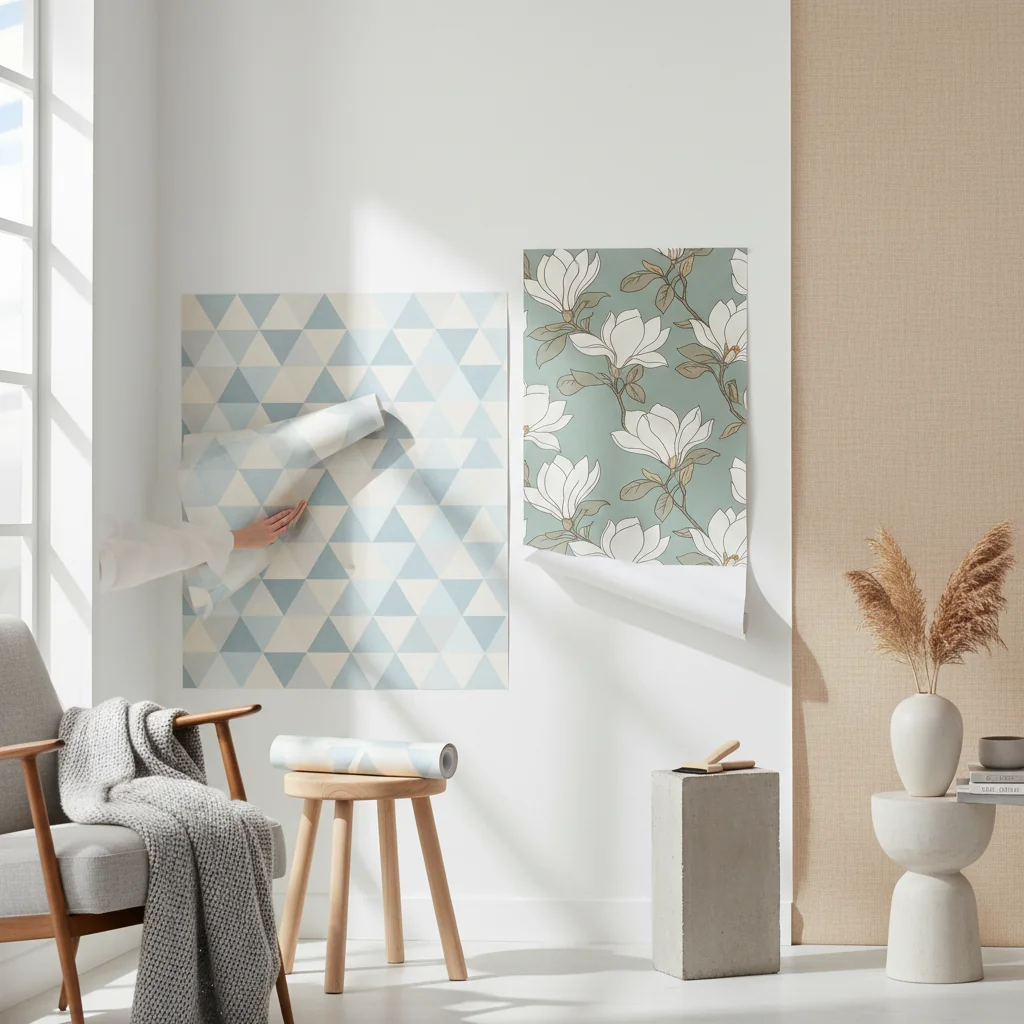
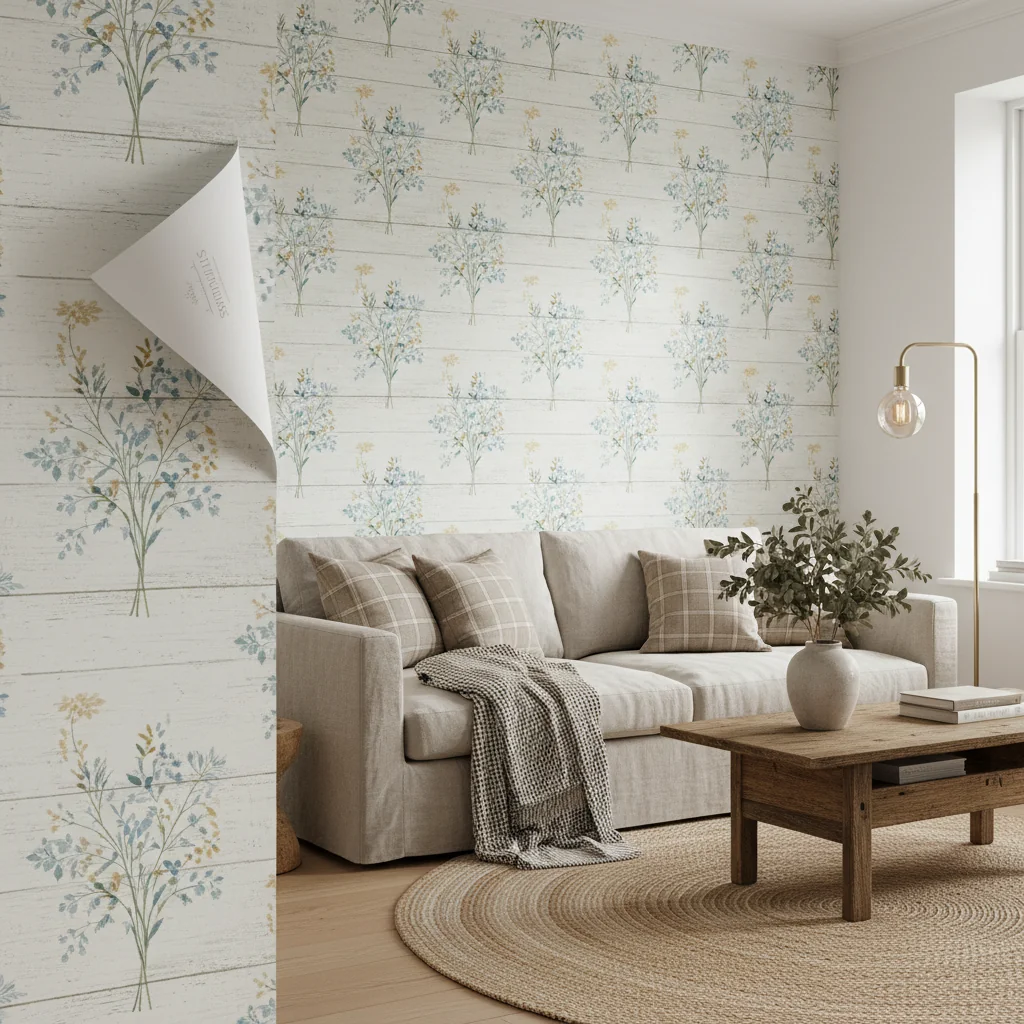
Arts and Crafts wallpaper represents a distinctive and enduring aesthetic, born from a late 19th-century movement that championed craftsmanship, natural forms, and honest materials in response to the perceived excesses of industrialization. This iconic wallcovering style is characterized by its stylized botanical motifs, rich yet subdued color palettes, and intricate repeating patterns that bring the beauty of the natural world indoors, creating spaces imbued with warmth, integrity, and timeless elegance. At Starhouse, we understand that a home’s walls are its canvas, and selecting a wallpaper that resonates with your personal philosophy and design aspirations is paramount to creating a truly curated environment. This comprehensive guide delves into the essence of Arts and Crafts wallpaper, offering precise insights into its history, characteristics, selection, and styling to help you transform your space with confidence and sophistication.
Key takeaways
- Arts and Crafts wallpaper is defined by its commitment to natural forms, handcrafted aesthetics, and a rejection of industrial artifice, emphasizing integrity in design and material.
- Key motifs include stylized botanicals (acanthus, lily, rose), birds, and geometric patterns, often presented in rich, earthy color palettes derived from natural pigments.
- Modern Arts and Crafts wallpaper is available in various constructions, including traditional non-woven, durable vinyl-coated, and convenient peel-and-stick options, catering to diverse needs and installation preferences.
- Accurate measurement and surface preparation are critical for successful installation, with an allowance of 10-15% extra material recommended to account for pattern repeat and cuts.
- Styling Arts and Crafts wallpaper involves pairing it with natural wood furniture, handcrafted textiles, and appropriate lighting to create a cohesive, inviting, and historically harmonious interior.
- Contemporary adaptations offer updated color schemes and simplified motifs, allowing this classic style to seamlessly integrate into both traditional and modern design contexts.
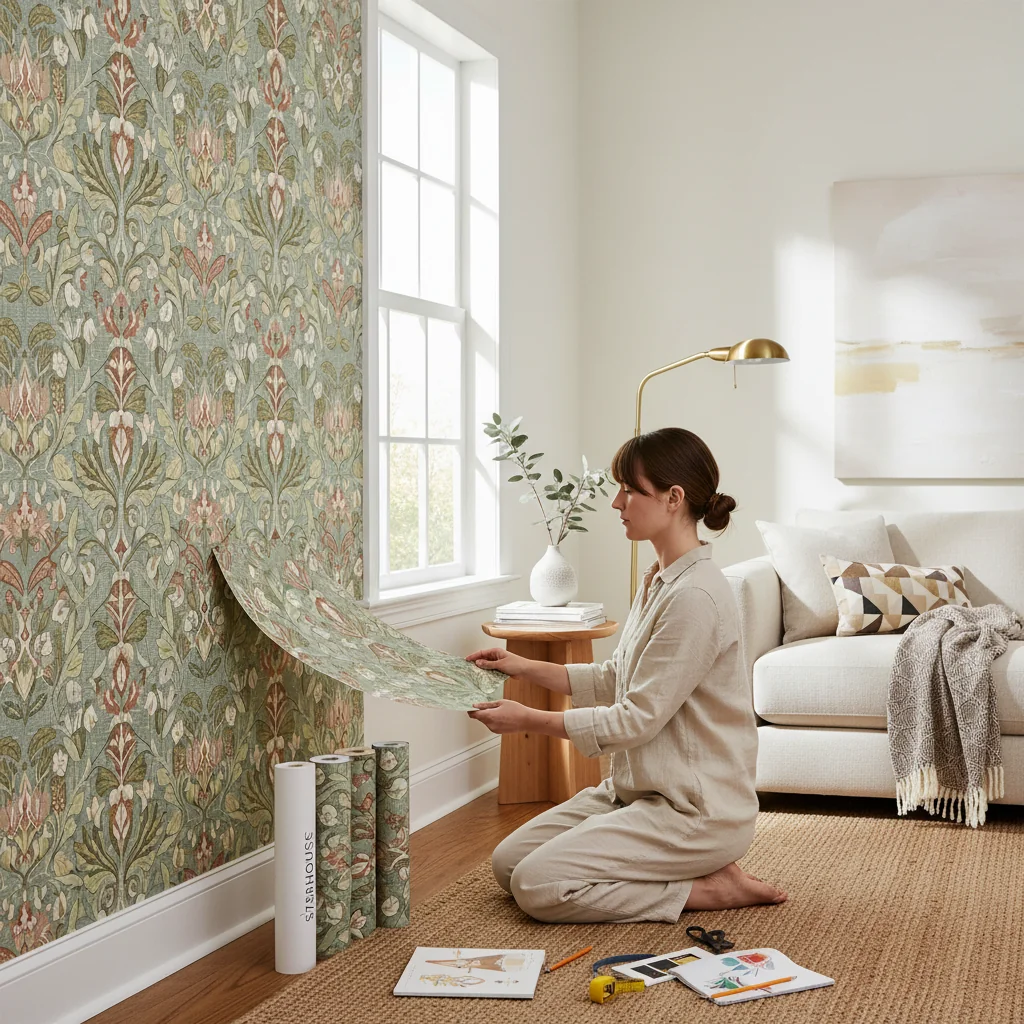
What is Arts and Crafts Wallpaper?
Arts and Crafts wallpaper is a distinctive wallcovering style rooted in the late 19th and early 20th-century Arts and Crafts movement, characterized by its rejection of industrial mass production in favor of handcrafted aesthetics, natural motifs, and honest materials. It emphasizes harmony between design, utility, and craftsmanship, often featuring stylized botanical patterns, geometric forms, and muted color palettes. This style arose as a direct counterpoint to the perceived impersonal and overly ornate designs prevalent during the Victorian era, advocating for a return to simpler forms and the inherent beauty of natural elements.
The Arts and Crafts movement began in Britain around the 1880s, primarily influenced by figures like William Morris, John Ruskin, and Augustus Pugin, before spreading across Europe and North America. Its core tenets championed the dignity of labor, the integrity of materials, and the integration of art into everyday life. Wallpaper, as a highly accessible art form, became a crucial medium for disseminating these ideals into homes. Morris, in particular, was a prolific designer of wallpapers, textiles, and other decorative arts, with his designs becoming synonymous with the movement’s aesthetic. He believed that art should be for everyone and that beautiful, well-made objects could improve daily life.
Unlike the machine-made imitations of historical styles that dominated the market, Arts and Crafts wallpaper sought inspiration directly from nature, abstracting organic forms into repeating patterns that felt both sophisticated and grounded. The designs were often complex and multi-layered, yet they maintained a sense of order and natural flow. The focus was on creating patterns that were visually engaging but not overwhelming, designed to complement the architecture and furnishings of a room rather than merely decorating a surface. This approach ensured that the wallpaper contributed to a cohesive and harmonious interior environment.
The production methods also reflected the movement’s philosophy. Historically, Arts and Crafts wallpapers were often block-printed, a labor-intensive process that imparted a handcrafted quality and subtle variations in texture and color. This method contrasted sharply with the uniform appearance of machine-printed papers, further emphasizing the value of human skill and artistry. Today, while most Arts and Crafts-inspired wallpapers are machine-printed for efficiency, manufacturers strive to retain the authentic look and feel of these traditional techniques, often incorporating textured finishes and carefully selected color palettes to emulate the original aesthetic.
**Definition:** The Arts and Crafts Movement was an international trend in the decorative and fine arts that began in Britain and flourished in Europe and North America between about 1880 and 1920, characterized by a rejection of industrial mass production and a revival of traditional craftsmanship.
The Enduring Philosophy of the Arts and Crafts Movement
The Arts and Crafts movement’s enduring philosophy centers on the value of craftsmanship, the beauty of natural materials, and the integration of art into everyday life, advocating for designs that are both functional and aesthetically rich. This ethos directly translates into wallpaper designs that prioritize organic forms, honest construction, and a harmonious connection to nature and home. The movement championed a return to simpler, more meaningful forms of production and design, opposing the perceived decline in quality and artistic integrity brought about by the Industrial Revolution.
Central to this philosophy was the idea of “truth to materials.” This principle dictated that materials should be used in a way that respected their inherent properties and characteristics, rather than disguising them or forcing them into unnatural forms. For wallpaper, this meant designs that celebrated the paper itself, often with a tactile quality, and patterns that appeared to grow organically rather than being mechanically imposed. The use of natural pigments for color, though perhaps less vibrant than synthetic dyes, contributed to the overall authenticity and earthy appeal of the designs.
Another core tenet was the belief in the social and moral value of good design. Proponents of the Arts and Crafts movement argued that beautiful and well-made objects could elevate the human spirit and contribute to a better society. This was not merely an aesthetic preference but a deeply held conviction that the environment in which people lived and worked profoundly impacted their well-being. Wallpaper, covering significant surface areas, played a vital role in creating these uplifting and harmonious domestic environments.
The emphasis on craftsmanship also extended to the unity of design. Arts and Crafts interiors were conceived as holistic spaces where every element, from the architecture to the furniture, textiles, and wallpaper, worked together in harmony. There was a deliberate effort to create a cohesive aesthetic that reflected a singular vision, avoiding the disparate and often clashing styles common in Victorian homes. Wallpaper designs were therefore often conceived to complement architectural features and furniture, rather than standing out as isolated decorative statements.
The movement also fostered a deep connection to nature. Designers drew inspiration from the English countryside, local flora and fauna, and medieval motifs, translating these into stylized patterns that brought the tranquility and beauty of the outdoors inside. This celebration of nature was a direct antidote to the urban sprawl and industrial pollution of the era, offering a sense of refuge and grounding within the home. This philosophical foundation is what gives Arts and Crafts wallpaper its distinctive character and enduring appeal, transcending mere trend to become a timeless expression of thoughtful design.
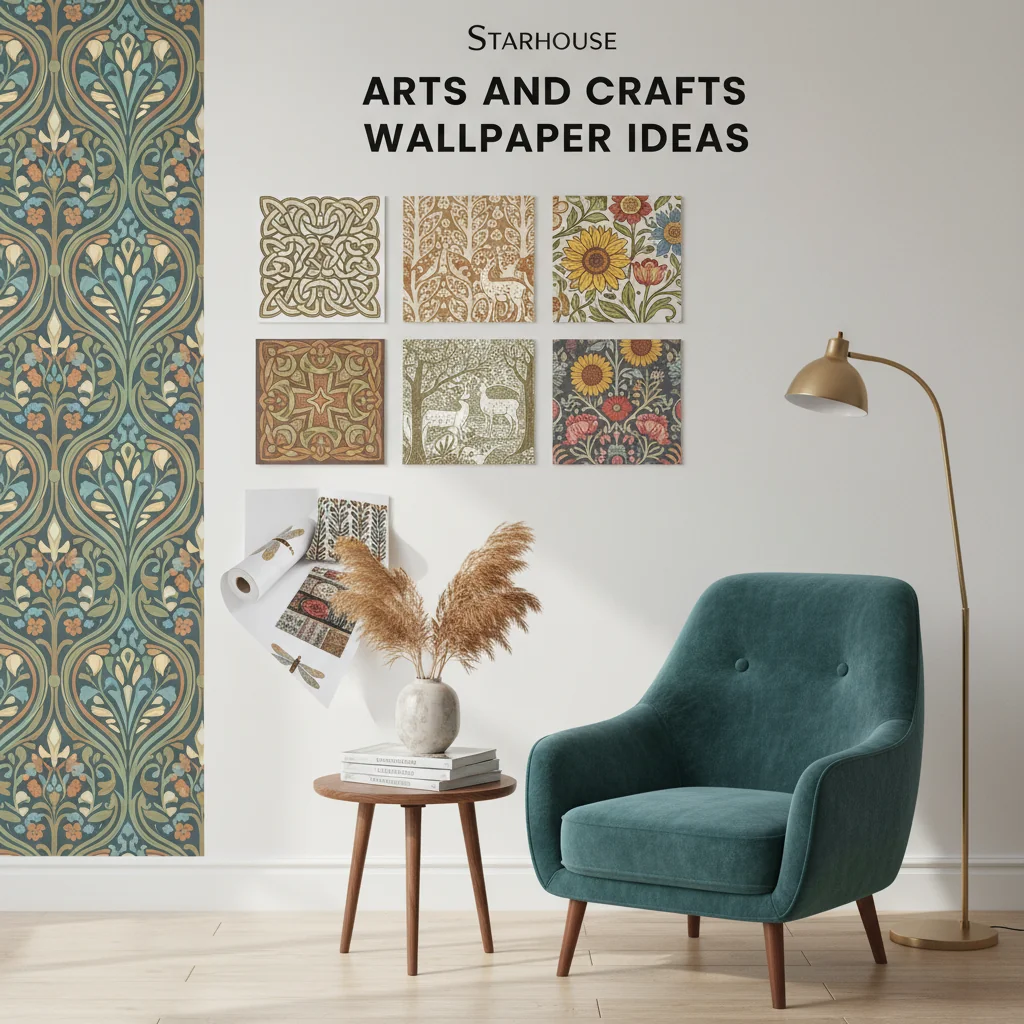
Key Characteristics and Motifs of Arts and Crafts Wallpaper
Arts and Crafts wallpaper is distinguished by its characteristic motifs and design principles, predominantly featuring stylized natural elements like leaves, flowers, birds, and vines, often arranged in repeating, intricate patterns that create a sense of depth and organic flow. These designs typically employ a rich yet subdued color palette derived from natural pigments, avoiding overly bright or artificial hues. The overall effect is one of sophisticated naturalism, offering visual complexity without being overtly fussy or ostentatious.
The most iconic motifs are derived from the natural world, abstracted and simplified into elegant, repeating forms. Common examples include:
- **Botanical Elements:** Acanthus leaves, lilies, roses, tulips, pomegranates, and various fruit and vine motifs are frequently seen. These are not depicted realistically but are stylized, emphasizing their organic curves and inherent beauty. William Morris’s “Strawberry Thief” is a prime example, featuring birds among fruit and foliage.
- **Animal Forms:** Birds, squirrels, and other small creatures often appear nestled within botanical patterns, adding a touch of whimsy and life to the designs. These elements are seamlessly integrated into the overall flow of the pattern.
- **Geometric Patterns:** While natural forms dominate, geometric elements such as trellises, interlocking shapes, and grids are also incorporated, often serving as a backdrop or framework for the organic motifs. These geometric foundations provide structure and rhythm to the designs.
- **Medieval and Gothic Influences:** A reverence for pre-industrial craftsmanship led some designers to incorporate elements reminiscent of medieval tapestries, stained glass, and illuminated manuscripts, lending a sense of history and gravitas to the patterns.
The color palette is another defining characteristic. Arts and Crafts wallpaper tends to favor colors found in nature: deep greens, earthy browns, muted blues, ochres, terracotta reds, and soft creams. These colors are often rich and saturated but rarely garish, creating a harmonious and calming atmosphere. The use of multiple colors within a single pattern is common, but they are carefully balanced to maintain visual unity and avoid discord.
Pattern repetition in Arts and Crafts wallpaper is typically large and flowing, creating a continuous, tapestry-like effect across the wall. The designs often feature a strong vertical or diagonal flow, guiding the eye and adding a sense of movement. Despite their intricacy, these patterns maintain a clear sense of order and balance, a testament to the designers’ skill in composing complex visual narratives. The repeat size can vary significantly, from a few inches to several feet, impacting the overall visual impression in a room.
**Definition:** A motif in wallpaper design refers to a recurring decorative image or pattern that forms the fundamental element of the overall design repeat, contributing to the visual rhythm and thematic content of the wallcovering.
The aesthetic impact of these characteristics is a sense of warmth, coziness, and connection to the natural world. Arts and Crafts wallpaper transforms a room into a retreat, a space that feels both elegant and deeply comforting. This enduring appeal is why these patterns remain highly sought after in contemporary interior design, offering a timeless alternative to more fleeting trends.
Types of Arts and Crafts Wallpaper Construction and Materials
Arts and Crafts wallpaper, while historically produced using traditional block-printing, is now available in various constructions including traditional non-woven, vinyl-coated, and modern peel-and-stick options, all designed to replicate the distinctive aesthetic while offering contemporary durability and ease of installation. The material choice impacts texture, longevity, and suitability for different environments within the home, allowing for both historical accuracy and practical functionality. Understanding these types is crucial for selecting the best fit for your specific project.
Historically, Arts and Crafts wallpapers were often hand-blocked, a laborious process where carved wooden blocks were used to stamp patterns onto paper, layer by layer, with different blocks for each color. This method resulted in rich, tactile surfaces with subtle imperfections that underscored the handcrafted ideal. While authentic hand-blocked papers are rare and costly today, modern manufacturing techniques aim to capture this unique aesthetic.
Contemporary Arts and Crafts wallpaper is primarily available in these constructions:
- **Traditional Non-Woven Wallpaper:** This is a popular choice that closely emulates the look and feel of historical paper. Non-woven wallpapers are made from a blend of natural and synthetic fibers, making them breathable, tear-resistant, and dimensionally stable. They are applied using paste directly to the wall, which simplifies installation and removal compared to older paper-backed varieties. Non-woven options are excellent for living rooms, bedrooms, and dining areas where a classic, sophisticated finish is desired. They offer good durability under normal conditions and are often washable with a damp cloth.
- **Vinyl-Coated Wallpaper:** For areas requiring enhanced durability and moisture resistance, vinyl-coated options are highly practical. These wallpapers feature a paper or non-woven base with a protective layer of vinyl on the surface. This coating makes them exceptionally washable, scrubbable, and resistant to humidity, making them ideal for kitchens, bathrooms, hallways, and other high-traffic zones. While offering superior practicality, modern vinyl-coated wallpapers can still achieve a sophisticated matte or subtly textured finish that authentically replicates Arts and Crafts designs without a glossy, artificial appearance.
- **Peel-and-Stick Wallpaper (Removable):** This innovative type offers unparalleled convenience, especially for renters, those who frequently redecorate, or homeowners seeking a less permanent solution. Peel-and-stick wallpapers typically feature a self-adhesive backing, often made from vinyl or fabric, that allows for easy application and removal without damaging the underlying wall surface. They are highly versatile and can be used on accent walls, in children’s rooms, or even on furniture. While generally less durable than traditional pasted wallpapers for long-term, high-traffic scenarios, their ease of use and flexibility make them an attractive option for bringing Arts and Crafts aesthetics into temporary or evolving spaces.
Beyond construction, material composition also plays a role. Many contemporary Arts and Crafts wallpapers prioritize environmental considerations, offering options with low Volatile Organic Compound (VOC) inks and sustainably sourced paper. The U.S. Consumer Product Safety Commission (CPSC) provides guidelines for product safety, which can extend to materials used in home décor, including wallpaper, emphasizing the importance of low-VOC options for indoor air quality and general consumer safety. (cpsc.gov) This commitment to healthier materials aligns with the Arts and Crafts movement’s original emphasis on honest and natural production.
Choosing the Right Arts and Crafts Wallpaper for Your Home
Selecting the appropriate Arts and Crafts wallpaper involves evaluating the room’s function, natural light, existing décor, and desired ambiance, ensuring the pattern scale and color palette harmonize with the architectural style and personal aesthetic. Consider the visual weight of patterns and how they interact with the room’s dimensions to create a cohesive and inviting space. A thoughtful selection process ensures the wallpaper enhances, rather than detracts from, your home’s overall design narrative.
**1. Assess Room Function and Traffic:**
The purpose of the room dictates the practical considerations for your wallpaper choice. For high-traffic areas like hallways or children’s rooms, or moisture-prone spaces like kitchens and bathrooms, vinyl-coated or scrubbable non-woven options are most practical due to their enhanced durability and ease of cleaning. In formal living rooms, dining rooms, or bedrooms, traditional non-woven wallpapers can offer a more refined, tactile finish. Peel-and-stick is ideal for temporary installations or accent walls where removability is key.
**2. Evaluate Pattern Scale and Room Size:**
The scale of the pattern is crucial. Large, intricate Arts and Crafts patterns can be visually stunning but may overwhelm a small room, making it feel cramped. Conversely, a tiny pattern might get lost in a grand, spacious room.
- **Large Rooms (e.g., expansive living rooms, master bedrooms):** Can comfortably accommodate large-scale, bold patterns with significant repeats. These patterns can create a dramatic statement and fill the space effectively.
- **Medium Rooms (e.g., dining rooms, studies):** Offer flexibility. Medium-scale patterns or those with a balanced density work well. Consider an accent wall with a bolder pattern if you desire impact without overwhelming the entire space.
- **Small Rooms (e.g., powder rooms, entryways):** Opt for smaller, more delicate patterns or those with a lighter visual weight. Alternatively, a single accent wall with a larger pattern can create an illusion of depth without making the room feel enclosed.
**3. Consider Natural Light and Color Palette:**
The amount of natural light a room receives significantly impacts how wallpaper colors appear. Rooms with abundant natural light can handle deeper, richer hues without feeling dark. Conversely, rooms with limited light may benefit from lighter, more reflective color palettes to brighten the space. Arts and Crafts palettes, while often rich, typically feature subdued tones like deep greens, blues, ochres, and terracottas. Ensure your chosen colors complement the room’s existing elements, such as flooring, trim, and major furniture pieces. Requesting samples is essential to see how the colors react to your home’s unique lighting conditions throughout the day.
**4. Harmonize with Architectural Style and Existing Décor:**
Arts and Crafts wallpaper naturally complements homes built during its heyday, such as Craftsman, Mission, and Prairie-style residences. However, its organic motifs and timeless appeal also allow it to integrate beautifully into transitional, eclectic, or even certain modern interiors when chosen thoughtfully. Look for patterns that resonate with your home’s architectural lines and existing furnishings. If your home has strong modern elements, consider Arts and Crafts patterns with more simplified forms or updated colorways that bridge the gap between historical and contemporary.
**5. Texture and Finish:**
Beyond pattern and color, the texture and finish of the wallpaper contribute to its overall effect. Many Arts and Crafts wallpapers feature subtle textures that mimic the look of traditional block printing or natural fibers, adding depth and tactile interest. Decide if you prefer a smooth matte finish, a slight sheen, or a more pronounced texture, and how this will interact with the room’s other surfaces.
Comparison of Arts and Crafts Wallpaper Types
| Wallpaper Type | Durability | Installation Difficulty | Ideal Use | Key Benefit |
|---|---|---|---|---|
| Traditional Non-Woven | Good (Resistant to tearing) | Moderate (Paste-the-wall) | Living rooms, bedrooms, dining rooms, formal spaces | Authentic look, breathable, easy removal |
| Vinyl-Coated | Excellent (Scrubbable, moisture-resistant) | Moderate (Paste-the-wall or paste-the-paper) | Kitchens, bathrooms, hallways, high-traffic areas | Superior cleanability and moisture resistance |
| Peel-and-Stick (Removable) | Moderate (Less permanent, can be delicate) | Easy (Self-adhesive) | Accent walls, temporary décor, rented spaces, furniture upcycling | Removable, repositionable, renter-friendly |
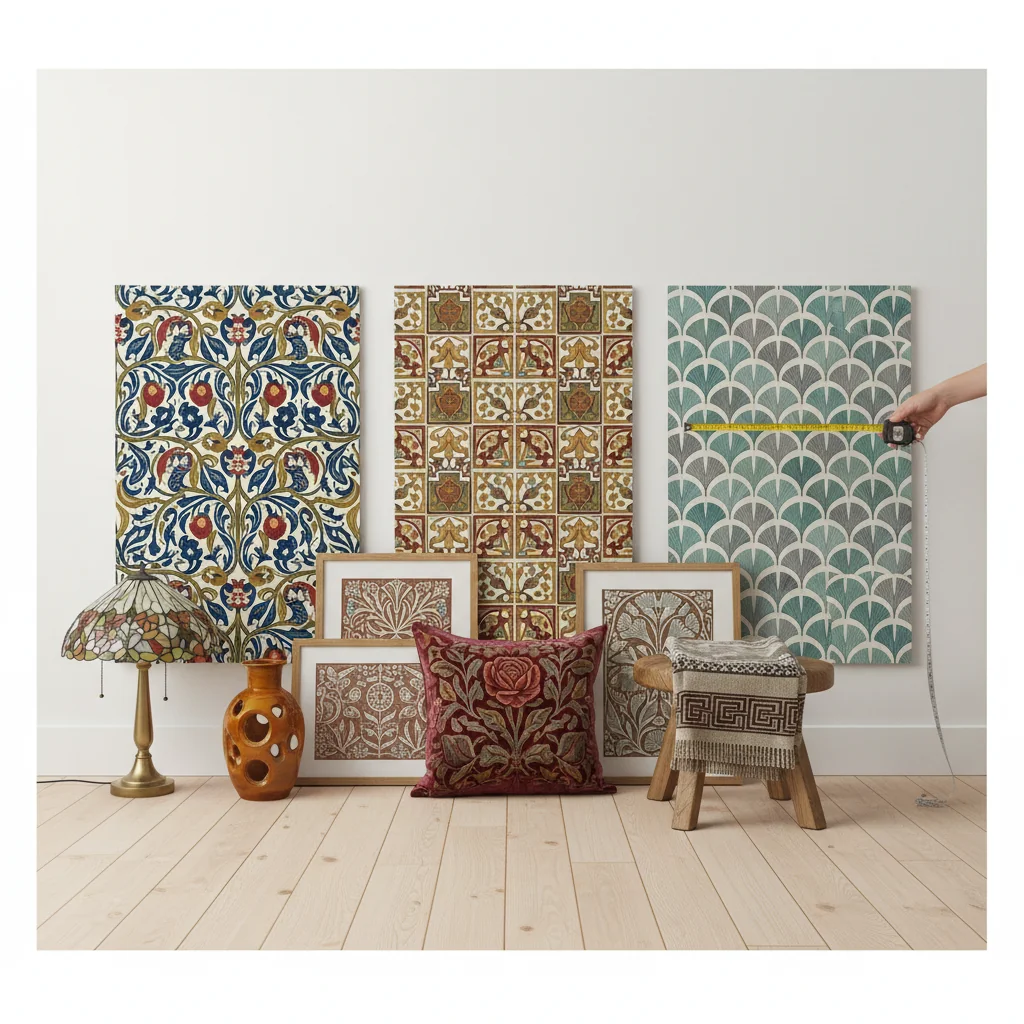
Sizing, Measuring, and Installation Considerations
Accurate sizing and meticulous measurement are critical for a successful wallpaper installation, requiring precise calculations of wall surface area, accounting for pattern repeat, and ordering approximately 10-15% extra material to accommodate cuts, trims, and potential errors. Proper surface preparation, including cleaning and priming, is equally essential for optimal adhesion and a flawless finish. Neglecting these steps can lead to frustrating results and unnecessary expense.
Precise Measurement for Optimal Results
Before ordering any wallpaper, precise measurements are non-negotiable. Begin by measuring the height of your walls from the top of the baseboard to the ceiling line. Then, measure the total width of each wall you intend to cover. Multiply the height by the width for each wall to get its square footage. Sum these totals to find the overall square footage required.
Crucially, you must account for the pattern repeat. Arts and Crafts wallpapers often feature large, intricate repeats to create their signature flow. The pattern repeat is the vertical distance between one point in the pattern and the next identical point. This information is typically provided by the manufacturer. When cutting strips, you must ensure each subsequent strip aligns perfectly with the pattern of the previous one, meaning you will inevitably have waste. To compensate for this, and for any trimming, mistakes, or future repairs, it is standard practice to order 10-15% more wallpaper than your calculated square footage. This buffer is essential, as dye lots can vary slightly between orders, making it difficult to match later.
Standard wallpaper rolls vary in size, but a common dimension is 20.5 inches wide by 33 feet long, covering approximately 56 square feet. However, always verify the exact dimensions and coverage of the specific roll you are purchasing. Divide your total required square footage (including the 10-15% overage) by the square footage per roll to determine the number of rolls needed. Always round up to the nearest whole roll.
Essential Surface Preparation
The longevity and appearance of your wallpaper largely depend on the quality of your wall preparation.
- **Clean the Walls:** Thoroughly clean all surfaces to remove dirt, grease, and grime. A solution of warm water and a mild detergent, followed by a clear water rinse, is usually sufficient. Allow the walls to dry completely.
- **Repair Imperfections:** Fill any holes, cracks, or dents with spackle or joint compound. Sand these areas smooth once dry. Any imperfections left on the wall will likely show through the wallpaper, especially with lighter or smoother designs.
-
**Prime the Walls:** Apply a high-quality wallpaper primer, often referred to as a “sizing” or “wall-covering primer.” This step is critical for several reasons:
- It creates a uniform, slightly porous surface for the adhesive to bond effectively.
- It seals the wall, preventing the paste from absorbing too quickly, which can lead to bubbling or premature drying.
- It makes future wallpaper removal much easier, preventing damage to the drywall.
- It can block stains from bleeding through the wallpaper.
Allow the primer to dry completely according to the manufacturer’s instructions, typically 24 hours.
- **Remove Old Wallpaper:** If old wallpaper is present, it must be completely removed. Applying new wallpaper over old can lead to adhesion issues, bubbling, and an uneven finish.
Installation Techniques and Safety
Installation methods vary depending on the type of wallpaper:
- **Paste-the-Wall (Non-Woven & some Vinyl):** The adhesive is applied directly to the wall, making the paper easier to handle as it doesn’t become saturated and heavy. This is generally considered the easiest method for traditional pasted wallpapers.
- **Paste-the-Paper (Traditional Paper-Backed):** The adhesive is applied to the back of the wallpaper strip, which then needs to “book” (fold in on itself) for a few minutes to allow the paste to activate and the paper to relax. This method requires more space and can be more challenging for beginners.
- **Peel-and-Stick:** This is the most straightforward method. Simply peel off the backing liner and smooth the wallpaper onto the wall. It allows for repositioning if mistakes are made.
Regardless of the method, essential tools include a plumb line or laser level for straight vertical alignment, a smoothing tool (brush or plastic smoother) to eliminate air bubbles, a utility knife with sharp blades for precise trimming, and a tape measure. Proper ventilation is also crucial, especially when working with adhesives. When undertaking any home improvement project involving adhesives or cutting tools, such as wallpaper installation, adhering to safety protocols for proper ventilation and handling sharp objects is crucial, aligning with general safety guidelines for creative work. (safety.uoregon.edu) Always read and follow the specific instructions provided by the wallpaper manufacturer for the best results.
Styling and Pairing Arts and Crafts Wallpaper
Styling Arts and Crafts wallpaper involves harmonizing its distinctive patterns with complementary furniture, textiles, and lighting to create a cohesive and inviting interior that reflects the movement’s aesthetic principles. This typically means pairing it with natural wood finishes, handcrafted elements, and a balanced mix of textures to enhance its organic appeal without overwhelming the space. The goal is to create a sense of unified design, where every element contributes to a warm, authentic, and sophisticated atmosphere.
Furniture Selections
The ideal furniture for an Arts and Crafts interior emphasizes simplicity, durability, and honest construction, often made from solid, unadorned wood.
- **Solid Wood:** Oak, cherry, and mahogany are preferred, often with a natural or stained finish that highlights the wood grain. Mission-style furniture, characterized by its straight lines, exposed joinery, and robust construction, is a perfect match.
- **Simple Forms:** Avoid overly ornate or delicate pieces. Furniture should be functional and sturdy, with clean lines that do not compete with the wallpaper’s intricate patterns.
- **Handcrafted Aesthetics:** Look for pieces that convey a sense of craftsmanship, even if not literally handmade. This could include furniture with visible joinery, hand-carved details, or a well-worn patina.
Textiles and Soft Furnishings
Textiles play a crucial role in softening the space and adding layers of comfort and texture.
- **Natural Fibers:** Linen, wool, cotton, and jute are excellent choices. These materials complement the natural themes of the wallpaper and add an organic feel.
- **Rich Textures:** Think woven fabrics, embroidered details, and subtle patterns that echo or complement the wallpaper without being identical. Avoid highly synthetic or glossy fabrics.
- **Complementary Colors:** Select textile colors from the wallpaper’s palette or choose muted, earthy tones that harmonize. Deep greens, blues, ochres, and warm reds work well. Consider solid colors or subtle patterns for upholstery to allow the wallpaper to be the primary pattern focus.
- **Window Treatments:** Simple, unlined linen or cotton drapes, or wooden blinds, are appropriate. Avoid heavy, elaborate valances or overly ornate tie-backs.
Lighting Fixtures
Lighting in an Arts and Crafts space should be both functional and aesthetically pleasing, often featuring handcrafted elements.
- **Materials:** Bronze, copper, wrought iron, and aged brass are preferred metals. Stained glass, mica, or frosted glass shades are iconic.
- **Styles:** Mission-style lanterns, Tiffany lamps (especially those with geometric or botanical motifs), and simple sconces are excellent choices. Lighting should provide warm, inviting illumination.
- **Placement:** Combine ambient lighting (ceiling fixtures) with task lighting (table lamps, floor lamps) and accent lighting to create a layered and cozy atmosphere.
Accessories and Decorative Elements
Accessories should continue the theme of craftsmanship and natural beauty.
- **Pottery and Ceramics:** Hand-thrown pottery, matte-glazed ceramics, and art tiles (like Grueby Faience or Rookwood Pottery) are highly characteristic.
- **Stained Glass:** Small stained glass panels, whether in windows or as decorative objects, echo the movement’s appreciation for artisan glasswork.
- **Artwork:** Botanical prints, landscape paintings, or handcrafted relief carvings are fitting. Avoid mass-produced or overtly modern art that clashes with the aesthetic.
- **Natural Elements:** Incorporate living plants, dried botanicals, and small collections of natural objects (pinecones, smooth stones) to reinforce the connection to nature.
Creating Cohesive Color Schemes
When pairing Arts and Crafts wallpaper, allow its color palette to guide your overall room scheme. If the wallpaper features deep greens and blues, incorporate these as accent colors in throw pillows, rugs, or decorative objects. Use neutral, earthy tones for larger elements like sofas or rugs to prevent the space from becoming too busy. The goal is a rich, harmonious, and inviting atmosphere that feels thoughtfully curated rather than overtly decorated. Whether you opt for a full room application or an accent wall, ensure the wallpaper integrates seamlessly with the surrounding elements to create a unified and timeless design statement.
Caring for Your Arts and Crafts Wallpaper
Proper care for Arts and Crafts wallpaper is essential for maintaining its beauty and longevity, typically involving gentle, regular dusting with a soft cloth or brush and addressing spills promptly with a damp, non-abrasive sponge. The specific cleaning method, however, depends on the wallpaper’s material, with vinyl-coated options offering greater resistance to moisture and more rigorous cleaning capabilities than traditional paper-backed designs. Consistent, gentle maintenance prevents accumulation of dirt and preserves the integrity of the pattern and color.
General Maintenance for All Wallpaper Types
Regular, light cleaning is the first line of defense against dirt and dust accumulation.
- **Dusting:** Use a soft, dry microfiber cloth, a feather duster, or a vacuum cleaner with a soft brush attachment on a low setting. Dust from top to bottom to prevent dust from falling onto already cleaned areas. This should be done weekly or bi-weekly.
- **Avoid Harsh Chemicals:** Never use abrasive cleaners, scouring pads, or harsh chemical solvents on any type of wallpaper, as these can damage the finish, fade colors, or compromise the adhesive.
- **Protect from Direct Sunlight:** Prolonged exposure to direct sunlight can cause colors to fade over time. Consider using UV-protective window films, blinds, or curtains in rooms with intense sun exposure to prolong the vibrancy of your wallpaper.
Specific Care by Wallpaper Material
The material composition of your Arts and Crafts wallpaper dictates the appropriate cleaning approach for spills and stains.
**1. Traditional Non-Woven Wallpaper:**
While more durable than older paper wallpapers, non-woven options still require gentle care.
- **Spot Cleaning:** For minor marks or light dirt, lightly dampen a clean, soft sponge or cloth with plain water. Gently dab the stained area; do not rub vigorously.
- **Mild Soap (Caution):** If water alone is insufficient, you may try a tiny amount of very mild, non-detergent soap (like baby shampoo) diluted in water. Apply sparingly and dab, then gently wipe with a clean, water-dampened cloth to rinse. Always test in an inconspicuous area first.
- **Immediate Action:** Address spills immediately. Liquids can be absorbed by the paper, leading to permanent stains or damage if left to dry.
- **Avoid Saturation:** Never saturate non-woven wallpaper with water, as this can weaken the paper and adhesive, leading to bubbling or peeling.
**2. Vinyl-Coated Wallpaper:**
Vinyl-coated wallpapers are significantly more robust and easier to clean due to their protective surface layer.
- **Washing:** Most vinyl-coated wallpapers are washable or even scrubbable. You can use a damp sponge or cloth with a mild soap solution (e.g., dish soap diluted in water) to gently wipe down dirty areas or even entire walls.
- **Rinsing:** After cleaning with soap, wipe the area with a clean, water-dampened cloth to remove any soap residue.
- **Drying:** Pat the area dry with a clean, soft towel to prevent water spots.
- **Stain Removal:** For tougher stains, a slightly stronger, non-abrasive household cleaner might be used, but always test in an inconspicuous spot first and follow the product’s instructions.
**3. Peel-and-Stick Wallpaper:**
The care for peel-and-stick wallpaper typically aligns with vinyl-coated options, as many are made with a vinyl or fabric surface.
- **Gentle Wiping:** Use a soft, damp cloth for most cleaning. A mild soap solution can be used for tougher spots, followed by a clean water wipe.
- **Avoid Harsh Scrubbing:** While generally durable, excessive scrubbing can potentially lift edges or damage the surface over time, especially if the material is fabric-based.
- **Check Manufacturer Instructions:** Always refer to the specific care instructions provided by the manufacturer, as material compositions can vary.
Humidity Control
Maintaining a stable humidity level in your home is important for all wallpaper types. Extreme fluctuations can cause wallpaper to expand and contract, leading to seams separating, edges lifting, or bubbling. In humid climates, a dehumidifier can help; in dry climates, a humidifier might be beneficial. Consistent environmental conditions help preserve the wallpaper’s adhesion and appearance over many years.
Current Trends and Contemporary Adaptations
While deeply rooted in history, Arts and Crafts wallpaper continues to evolve with contemporary trends, featuring updated color palettes that incorporate softer pastels or bolder, more saturated hues, and sometimes reimagining classic motifs with a more minimalist or abstract interpretation. Modern adaptations also embrace advanced printing techniques, offering greater detail, texture, and sustainable material options to suit diverse design aesthetics. This ensures the enduring relevance of the style in today’s dynamic interior design landscape.
Evolving Color Palettes
Traditionally, Arts and Crafts palettes were rich and earthy, reflecting natural dyes and pigments. Today, designers are exploring a broader spectrum:
- **Softer Neutrals:** Alongside traditional greens and blues, contemporary collections often feature lighter greens, muted grays, soft blues, and even blush tones. These create a more airy, modern feel while retaining the organic essence.
- **Deeper Jewel Tones:** For those seeking drama, some modern interpretations incorporate richer jewel tones like emerald green, sapphire blue, or deep burgundy, used sparingly to create a luxurious and sophisticated atmosphere.
- **Monochromatic Interpretations:** Classic patterns are sometimes rendered in monochromatic or analogous color schemes, offering a subtle textural interest rather than a bold color statement, fitting well into minimalist or Scandinavian-inspired interiors.
Simplified and Reimagined Motifs
The intricate botanical patterns remain a hallmark, but contemporary designers often offer fresh perspectives:
- **Reduced Complexity:** While retaining organic inspiration, some patterns feature fewer elements or less dense compositions, creating a lighter visual impact that suits modern sensibilities.
- **Abstracted Forms:** Motifs may be more abstract, focusing on the flow and rhythm of natural shapes rather than literal representation, allowing for greater versatility in contemporary settings.
- **Larger Scale:** While traditional Arts and Crafts patterns were often grand, some modern designs push the scale even further, creating dramatic mural-like effects with oversized leaves or flowers.
Integration into Diverse Design Styles
Arts and Crafts wallpaper is no longer confined to period homes. Its organic nature and emphasis on craftsmanship allow it to blend seamlessly with various design aesthetics:
- **Transitional Interiors:** Pairing a classic Arts and Crafts pattern with contemporary furniture and streamlined accessories creates a balanced, sophisticated look that bridges old and new.
- **Eclectic Spaces:** It serves as an excellent backdrop in eclectic homes, providing a grounding, organic element that can tie together disparate styles and periods.
- **Modern Farmhouse:** The natural motifs and earthy tones complement the rustic charm and natural materials of modern farmhouse design, adding a layer of historical depth.
- **Biophilic Design:** With a renewed focus on bringing nature indoors, Arts and Crafts wallpaper’s botanical themes align perfectly with biophilic principles, fostering a sense of well-being and connection to the natural world.
Technological Advancements and Sustainability
Modern manufacturing has significantly influenced the accessibility and quality of Arts and Crafts wallpaper:
- **Digital Printing:** This technology allows for unparalleled detail, custom color matching, and the reproduction of historically accurate patterns with greater precision. It also enables smaller print runs, making unique designs more accessible.
- **Textural Enhancements:** Advanced printing techniques can replicate the subtle textures of hand-blocked papers, adding depth and authenticity to machine-made products.
- **Sustainable Materials:** Aligning with the movement’s original ethos of honest materials, many manufacturers now offer wallpapers made from recycled content, FSC-certified paper, and printed with low-VOC or water-based inks, promoting healthier indoor environments. Leading manufacturers like York Wallcoverings continue to innovate, offering contemporary Arts and Crafts collections that blend historical authenticity with modern production techniques and color palettes, ensuring the style remains relevant in today’s interiors. (yorkwallcoverings.com)
These contemporary adaptations demonstrate that Arts and Crafts wallpaper is not merely a historical relic but a vibrant, evolving design choice that continues to inspire and enhance homes with its timeless beauty and profound connection to nature and craftsmanship.
Common Mistakes to Avoid When Using Arts and Crafts Wallpaper
Averting common pitfalls when incorporating Arts and Crafts wallpaper is crucial for achieving a successful design, primarily by avoiding overwhelming a small space with overly large or busy patterns, neglecting proper wall preparation, and failing to account for pattern repeat during quantity calculation. Underestimating the impact of lighting on the wallpaper’s appearance and choosing a style that clashes with the room’s existing elements are also frequent errors that can detract from the overall aesthetic. Careful planning and attention to detail will prevent costly and frustrating outcomes.
1. Incorrect Measurement and Under-ordering
**Mistake:** Calculating the exact square footage of your walls without accounting for pattern repeat or waste, leading to insufficient wallpaper.
**Consequence:** Running out of wallpaper mid-project, potentially resulting in delays, additional shipping costs, or being unable to find a matching dye lot for subsequent rolls, leading to visible color discrepancies.
**Solution:** Always measure meticulously, including height and width of all surfaces. Add 10-15% to your total square footage to account for pattern matching, trimming, and potential errors. For large or complex patterns, consider adding closer to 20%.
2. Skipping Wall Preparation
**Mistake:** Applying wallpaper directly over dirty, uneven, or unprimed walls.
**Consequence:** Bubbles, creases, visible wall imperfections showing through, poor adhesion leading to peeling, or difficulty in future removal. Old paint colors or stains might also bleed through lighter wallpapers.
**Solution:** Thoroughly clean, patch, and sand all wall surfaces until they are smooth and free of debris. Apply a high-quality wallpaper primer (sizing) to create an ideal adhesive surface and seal the wall. Allow adequate drying time for all preparatory steps.
3. Overwhelming Small Spaces with Large Patterns
**Mistake:** Selecting a large-scale, intricate Arts and Crafts pattern for a small room, such as a powder room or a narrow hallway.
**Consequence:** The room can feel cramped, visually busy, and smaller than it actually is. The pattern may lose its impact or appear disconnected due to lack of space for the full repeat to be appreciated.
**Solution:** For smaller rooms, opt for smaller, more delicate patterns, or consider using a larger pattern on only one accent wall. Alternatively, choose a wallpaper with a subtle texture or a monochromatic version of an Arts and Crafts motif to add interest without visual clutter.
4. Ignoring Pattern Repeat During Installation
**Mistake:** Cutting wallpaper strips without meticulously aligning the pattern repeat from one strip to the next.
**Consequence:** A disjointed, amateurish appearance where the pattern does not flow continuously across the wall. This is particularly noticeable with the complex, flowing designs characteristic of Arts and Crafts wallpaper.
**Solution:** Before cutting each new strip, unroll it next to the previous installed strip (or a dry-laid strip) and align the pattern perfectly. Mark the cut line, ensuring you have enough length for both the pattern match and a few extra inches for trimming at the top and bottom.
5. Clashing with Existing Décor and Architecture
**Mistake:** Introducing an Arts and Crafts wallpaper that clashes with the room’s existing furniture, textiles, or architectural style.
**Consequence:** A disjointed and uncomfortable aesthetic. Forcing a traditional Arts and Crafts pattern into a hyper-modern, minimalist, or overly ornate Victorian space without careful integration can create visual discord.
**Solution:** Consider the overall aesthetic of your home. Arts and Crafts wallpaper pairs best with natural materials, handcrafted elements, and a sense of understated elegance. If your home is modern, look for contemporary adaptations of Arts and Crafts patterns with updated color palettes or simplified motifs that bridge the gap. Always bring home samples to see how they interact with your existing elements in situ.
6. Neglecting Lighting Conditions
**Mistake:** Choosing wallpaper based on how it looks under store lighting or online, without considering how natural and artificial light in your specific room will affect its appearance.
**Consequence:** Colors can appear drastically different, patterns might look too dim or too bright, and the overall mood of the room can be unintentionally altered.
**Solution:** Always obtain samples of your chosen wallpaper. Affix them to your walls and observe them throughout the day and evening under various lighting conditions. Pay attention to how the colors shift and how the pattern’s depth is perceived.
7. Overdoing the Arts and Crafts Aesthetic
**Mistake:** Applying Arts and Crafts wallpaper to every wall in every room, and then filling the space with exclusively Arts and Crafts furniture and accessories.
**Consequence:** While admirable in its dedication, this can result in a space that feels like a museum rather than a comfortable, lived-in home. It can also be visually overwhelming.
**Solution:** Embrace a curated approach. Use Arts and Crafts wallpaper as a primary design element, but balance it with simpler, complementary furnishings and textiles. Consider using the wallpaper on an accent wall or in specific rooms to create focal points, allowing other areas to offer visual relief. A thoughtful blend of periods and styles often creates a more interesting and personal interior.
Sources
- U.S. Consumer Product Safety Commission (CPSC) – Indoor Air Quality: An Introduction for Health Professionals
- University of Oregon – Safety When Creating Art
- York Wallcoverings – Ronald Redding Arts and Crafts Collection
Frequently Asked Questions About Arts and Crafts Wallpaper
Is Arts and Crafts wallpaper still in style?
Yes, Arts and Crafts wallpaper remains highly relevant and stylish, particularly due to its timeless appeal, emphasis on natural motifs, and handcrafted aesthetic that aligns with contemporary preferences for organic design and authenticity. Its classic patterns are continuously reinterpreted with modern color palettes and material innovations, ensuring its enduring place in interior design. Many designers consider it a classic rather than a fleeting trend.
What colors are typical for Arts and Crafts wallpaper?
Typical colors for Arts and Crafts wallpaper are drawn from nature, featuring a rich yet subdued palette that includes deep greens (sage, forest), earthy browns (ochre, terracotta), muted blues (teal, slate), and warm reds (cranberry, rust), often accented with creams, golds, and grays. These colors contribute to a warm, inviting, and grounded atmosphere, reflecting the movement’s connection to the natural world.
Can I use Arts and Crafts wallpaper in a modern home?
Absolutely. Arts and Crafts wallpaper can be effectively integrated into a modern home, especially when selecting patterns with a more simplified design or updated color palette. Its organic motifs and emphasis on natural beauty offer a sophisticated contrast to contemporary furnishings, creating a unique and eclectic look. Consider using it on an accent wall or in a specific zone to introduce warmth and historical depth without overwhelming a minimalist aesthetic.
How much does Arts and Crafts wallpaper cost?
The cost of Arts and Crafts wallpaper varies significantly based on material, brand, design intricacy, and whether it’s a specialty print. Generally, prices can range from approximately $30-$80 per roll for basic machine-printed vinyl or non-woven options to $100-$300+ per roll for premium designer collections or those with specialized finishes. The total cost will also depend on the number of rolls required for your project, factoring in pattern repeat and waste.
Is Arts and Crafts wallpaper difficult to install?
The difficulty of installing Arts and Crafts wallpaper depends on the wallpaper type and pattern complexity. Peel-and-stick options are generally the easiest for DIYers, while traditional non-woven wallpapers (paste-the-wall) are moderately challenging but manageable with proper tools and preparation. The large pattern repeats often found in Arts and Crafts designs can add a layer of complexity, requiring careful alignment to ensure a seamless look. Professional installation is recommended for intricate patterns or large areas to ensure a flawless finish.
How do I clean Arts and Crafts wallpaper?
Cleaning Arts and Crafts wallpaper depends on its material. For traditional non-woven papers, gentle dusting with a soft cloth or brush is recommended, with very light dabbing using a damp, clean cloth for minor spots. Vinyl-coated and many peel-and-stick wallpapers are more durable and can be gently wiped with a damp sponge and a mild soap solution, followed by a clean water rinse. Always avoid harsh chemicals, excessive scrubbing, and saturation, and consult the manufacturer’s specific care instructions.
What’s the difference between Arts and Crafts and Victorian wallpaper?
The primary difference lies in their underlying philosophies and aesthetics. Victorian wallpaper often featured ornate, highly decorative, and sometimes eclectic designs, frequently mimicking architectural elements or historical styles, often mass-produced and lacking a cohesive artistic vision. Arts and Crafts wallpaper, in contrast, emerged as a reaction against this, emphasizing natural, stylized motifs, honest craftsmanship, and a harmonious, integrated design approach. Arts and Crafts patterns tend to be more organic, with a focus on flowing, repeating botanical forms and a more subdued, earthy color palette, promoting simplicity and integrity.
Conclusion
Arts and Crafts wallpaper offers far more than mere decoration; it is a profound statement of design philosophy, celebrating the beauty of nature, the integrity of craftsmanship, and the creation of harmonious living spaces. Its enduring appeal lies in its ability to transform a room into a sanctuary, a place of warmth, authenticity, and sophisticated charm. From the intricate botanical motifs of William Morris to contemporary adaptations with updated palettes, this style provides a versatile and timeless option for homeowners across the United States seeking to infuse their interiors with character and depth.
At Starhouse, we are dedicated to curating collections that resonate with discerning tastes, offering pieces that are not only beautiful but also embody a sense of purpose and history. We understand the power of a thoughtfully chosen wallcovering to define a space, and Arts and Crafts wallpaper is a testament to that transformative potential. By understanding its nuances—from selecting the right pattern and material to meticulous installation and care—you can confidently create an environment that reflects your appreciation for enduring design.
As we continue to build our curated collection, we are eager to understand what truly inspires you. If you envision the timeless elegance of Arts and Crafts wallpaper gracing your walls, or have specific design elements in mind for your dream home, we invite you to tell us what you’re looking for. Share your aspirations with us and gain early access to our meticulously selected offerings, crafted to help you create a home that is uniquely yours, a true reflection of curated living.