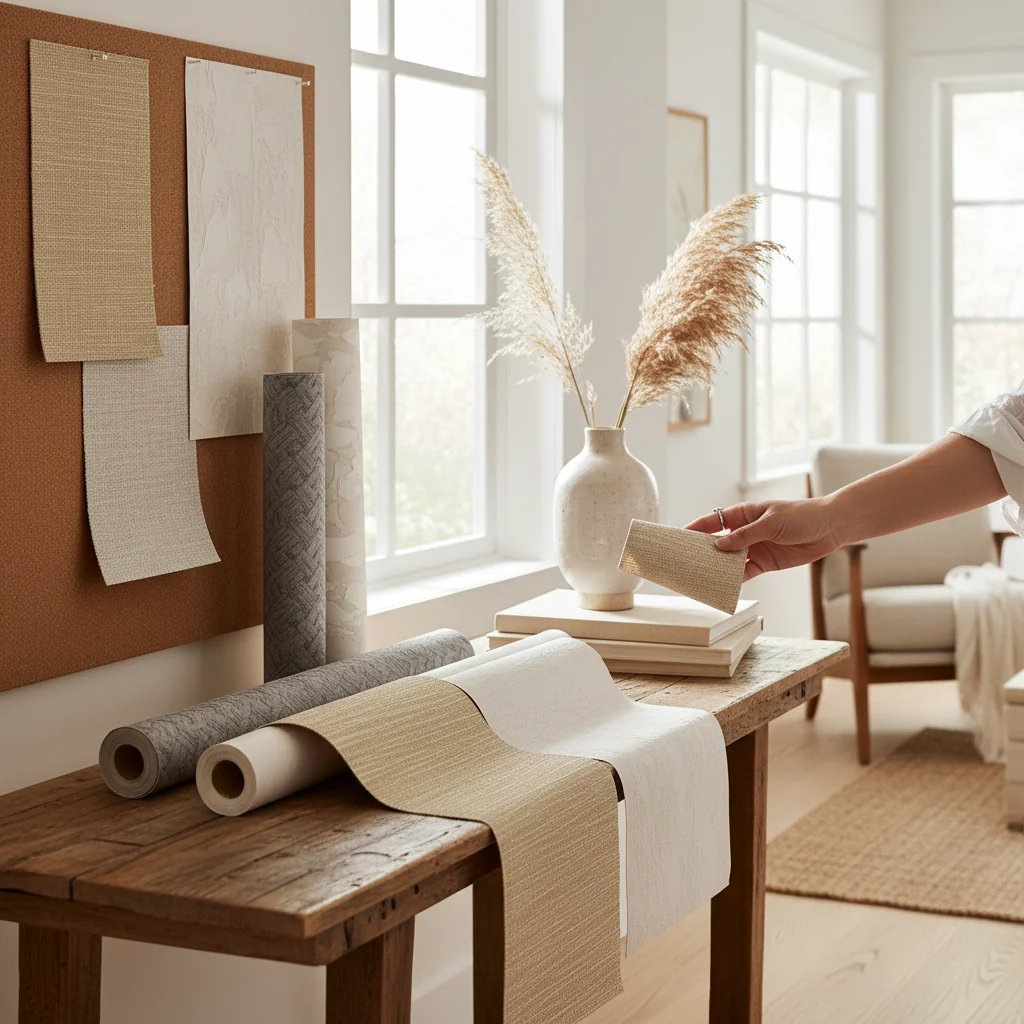
Choosing the right wallpaper can transform a room, imbuing it with personality, depth, and a bespoke aesthetic that paint alone often cannot achieve. When considering where to buy wallpaper, consumers have a comprehensive array of options, ranging from specialized online retailers and dedicated design boutiques to large home improvement stores and direct-to-designer showrooms, each offering distinct advantages in terms of selection, pricing, and expert guidance. Understanding these diverse purchasing channels is the first step toward securing the ideal wallcovering that aligns with both your design vision and practical requirements, ensuring you find the perfect material, pattern, and application method for your space.
Key takeaways
- Wallpaper is available through diverse channels including specialized online stores, brick-and-mortar boutiques, large home improvement retailers, and professional interior designers.
- Selecting the correct wallpaper type – such as vinyl, non-woven, or peel-and-stick – is critical for durability, application ease, and suitability for specific environments like high-humidity bathrooms.
- Accurate measurement of your walls, accounting for pattern repeat and waste, is paramount to prevent material shortages or over-purchasing; always order samples to confirm color and texture.
- Proper surface preparation, including cleaning, priming, and repairing imperfections, is essential for successful wallpaper adhesion and a professional finish, regardless of the application method.
- The longevity and appearance of wallpaper depend significantly on appropriate care and cleaning methods tailored to its specific material composition.
- Consulting with a professional installer can significantly enhance the quality and efficiency of complex wallpaper projects, particularly for large-scale murals or intricate patterns.
The Primary Avenues for Purchasing Wallpaper
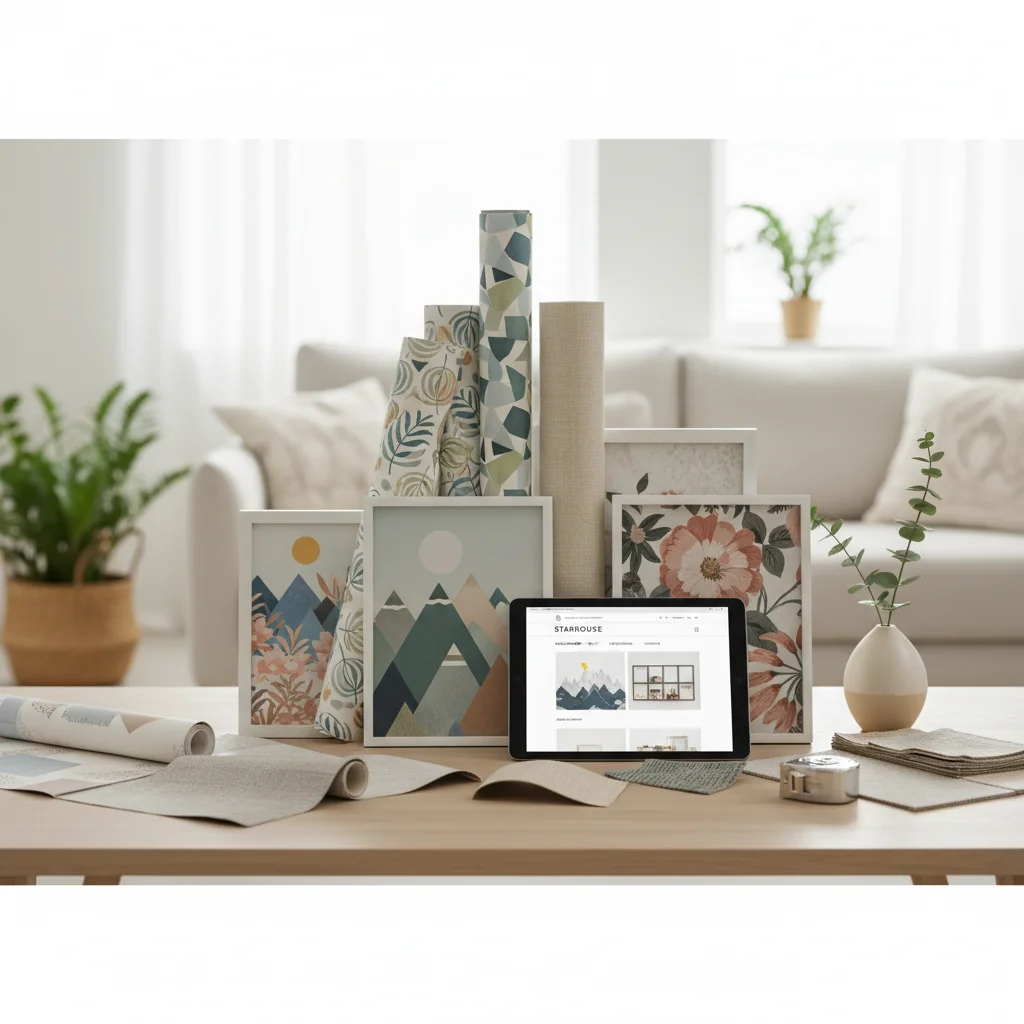
Wallpaper is available through diverse channels, each offering distinct advantages in terms of selection, price, and customer support, enabling consumers to find the perfect match for their project needs. These primary avenues include specialized online retailers, brick-and-mortar design boutiques, large home improvement stores, and direct consultation with interior designers or professional installers.
Online Retailers: Vast Selection and Competitive Pricing
Online retailers represent a significant segment of the wallpaper market, offering unparalleled selection and often competitive pricing due to lower overhead costs. These platforms typically feature extensive catalogs from numerous manufacturers, allowing consumers to filter by pattern, color, material, and application type. Many online stores provide detailed product descriptions, customer reviews, and high-resolution images, which are crucial for visualizing the wallpaper in a space. However, the inability to physically touch and examine the material before purchase necessitates ordering samples, which most reputable online retailers offer, usually for a nominal fee or free of charge.
- Advantages: Expansive inventory, 24/7 accessibility, price comparison tools, direct shipping to your door.
- Considerations: Reliance on digital images for color and texture, potential for shipping delays, and the necessity of purchasing samples to ensure satisfaction.
Specialty Boutiques and Showrooms: Curated Collections and Expert Advice
Specialty wallpaper boutiques and design showrooms provide a more curated shopping experience, focusing on high-quality, unique, or designer wallcoverings that may not be available through mass-market channels. These establishments often employ knowledgeable staff who can offer expert design advice, assist with pattern matching, and guide customers through complex installations. The ability to view large samples and feel the texture of the wallpaper in person is a significant benefit. While prices may be higher than online or big-box stores, the personalized service and exclusive collections justify the investment for many discerning buyers.
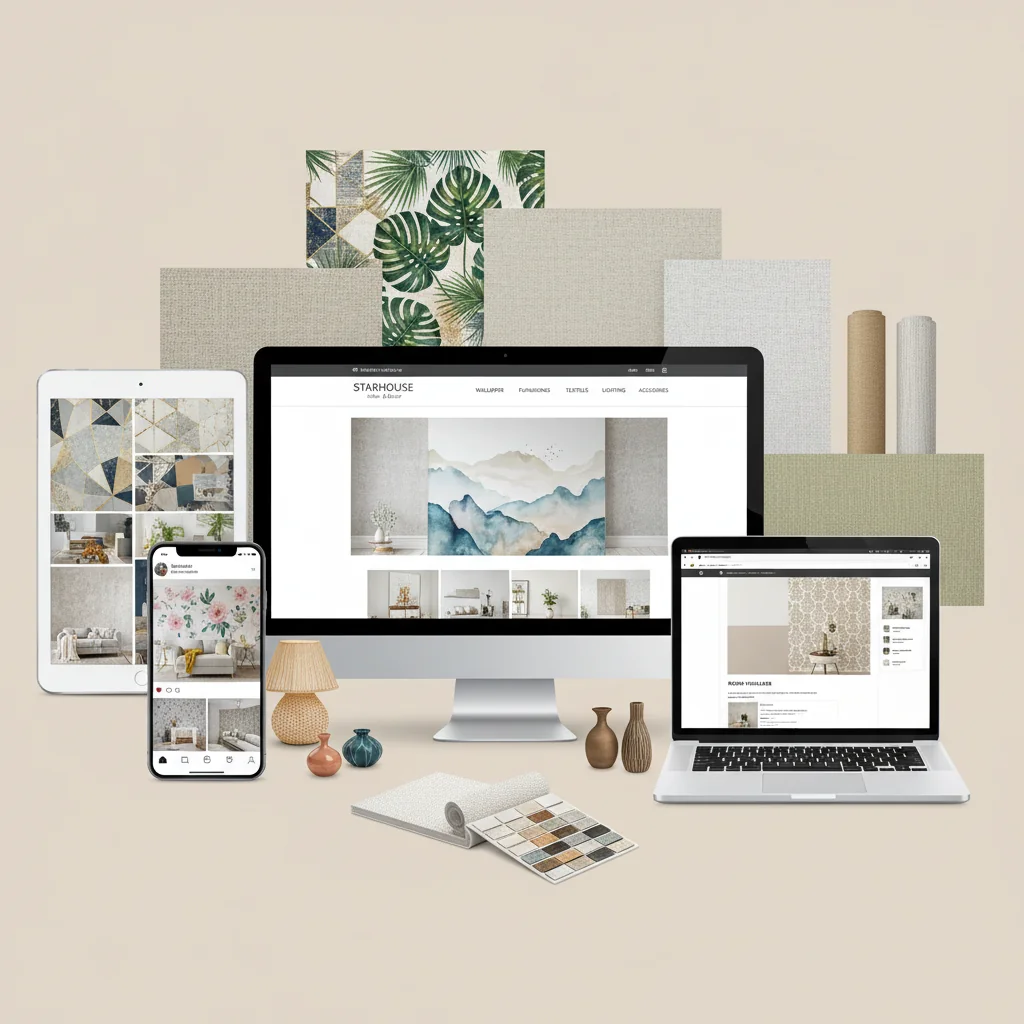
A specialty boutique, such as Starhouse, prioritizes a sophisticated selection, ensuring that each offering meets stringent aesthetic and quality standards. This approach contrasts with the broad, often overwhelming, inventory of larger retailers by focusing on curated choices that reflect current design trends and timeless elegance.
- Advantages: Exclusive designs, personalized expert consultation, tactile experience with materials, access to professional installation referrals.
- Considerations: Limited inventory compared to online platforms, potentially higher price points, and geographical restrictions.
Large Home Improvement Stores: Accessibility and Budget-Friendly Options
Big box retailers, such as The Home Depot and Lowe’s, offer a convenient and accessible option for purchasing wallpaper, especially for consumers seeking budget-friendly solutions or immediate availability for smaller projects. These stores typically stock a range of popular patterns and basic types, including peel-and-stick and pre-pasted options, which appeal to DIY enthusiasts. While the selection may be less extensive than online or specialty stores, the ability to pick up wallpaper on the same day and consult with store associates can be advantageous. They also often carry related installation tools and supplies, making them a one-stop-shop for many projects.
The Home Depot, for instance, emphasizes broad availability and convenient services like free delivery and in-store pickup for many wallpaper items, catering to a wide customer base. Similarly, Lowe’s highlights its range of stylish patterns and easy application options, aiming to make room makeovers accessible for everyone.
- Advantages: Immediate availability, competitive pricing, convenient in-store pickup, availability of installation tools.
- Considerations: Limited selection of high-end or unique designs, less specialized expert advice, and a focus on mass-market products.
Interior Designers and Professional Installers: Bespoke Solutions and Turnkey Service
Engaging an interior designer or a professional wallpaper installer can simplify the selection and installation process, particularly for complex or large-scale projects. Designers often have access to trade-exclusive wallpaper lines and can source unique materials that are not available to the general public. They provide comprehensive design consultations, handle ordering, and oversee installation, offering a turnkey solution. Professional installers, beyond their expertise in application, can also offer valuable insights into wallpaper types, durability, and suitability for specific environments. This avenue is ideal for those seeking a highly customized look or who prefer to delegate the entire process to experts.
- Advantages: Access to exclusive products, expert design guidance, professional installation, project management, and time savings.
- Considerations: Higher overall cost due to service fees, longer lead times for custom orders, and reliance on the designer’s or installer’s aesthetic.
Decoding Wallpaper Types: Materials and Construction
Wallpaper types are primarily defined by their material composition and backing, which dictate their durability, application method, and suitability for various environments within a home. Understanding these distinctions is crucial for selecting a wallcovering that performs optimally and maintains its aesthetic appeal over time.
Paper Wallpaper: Classic Elegance and Breathability
Traditional paper wallpaper, often referred to as paper-backed wallpaper, consists of a decorative paper layer laminated to a paper backing. This type is celebrated for its classic aesthetic, breathability, and ability to absorb humidity, making it suitable for living areas and bedrooms. Paper wallpaper offers a vast array of finishes, from matte to subtly textured, and can feature intricate patterns. However, it is generally less durable than vinyl or non-woven options, susceptible to moisture damage, and typically requires professional installation due to its delicate nature and potential for shrinking or stretching when wet.
Definition: Paper wallpaper is a wallcovering product composed primarily of paper, often featuring printed designs, known for its traditional aesthetic and breathability.
- Characteristics: Breathable, eco-friendly options available, wide range of designs.
- Best For: Low-traffic areas, bedrooms, living rooms, spaces where breathability is desired.
- Care: Generally not washable; requires gentle dusting.
Vinyl Wallpaper: Durability and Versatility
Vinyl wallpaper is one of the most popular and versatile types, distinguished by its robust durability and ease of maintenance. It features a vinyl film laminated to a paper or fabric backing. The vinyl layer provides excellent resistance to moisture, stains, and abrasion, making it an ideal choice for high-traffic areas like hallways, kitchens, and bathrooms. Vinyl wallpapers are typically washable and easy to clean, contributing to their longevity. They come in various finishes, including smooth, textured, and embossed, mimicking the look of other materials like fabric or plaster. Solid sheet vinyl is the most durable, while fabric-backed vinyl offers enhanced tear resistance.
- Characteristics: Highly durable, moisture-resistant, washable, long-lasting.
- Best For: Kitchens, bathrooms, hallways, kids’ rooms, commercial settings.
- Care: Can be wiped clean with a damp cloth and mild detergent.
Non-Woven Wallpaper: Eco-Friendly and Easy Removal
Non-woven wallpaper is a modern innovation gaining popularity for its blend of durability, breathability, and user-friendly characteristics. It is made from a blend of natural and synthetic fibers, creating a material that is tear-resistant and stable. A key advantage of non-woven wallpaper is its “paste the wall” application method, where adhesive is applied directly to the wall rather than the paper, simplifying installation. Furthermore, non-woven wallpaper is often fully strippable when dry, allowing for easy removal without damaging the wall surface, making it an excellent choice for renters or those who frequently update their decor.
York Wallcoverings highlights that traditional wallpaper, while beautiful, requires specific installation techniques and careful handling, underscoring the evolution of materials like non-woven for easier application and removal. York Wallcoverings states, “Traditional wallpaper typically consists of a paper or fabric backing with a decorative top layer. It requires paste applied to the back of the paper and can be more challenging to remove than newer non-woven varieties.” York Wallcoverings provides detailed information on various wallpaper types, including traditional options.
- Characteristics: Breathable, tear-resistant, easy to install (paste the wall), easy to remove (strippable).
- Best For: All living spaces, bedrooms, dining rooms, ideal for DIYers and temporary installations.
- Care: Generally washable; refer to manufacturer’s instructions.
Grasscloth and Natural Fiber Wallpaper: Organic Texture and Warmth
Grasscloth wallpaper, along with other natural fiber wallcoverings (e.g., jute, sisal, hemp), offers a unique organic texture and warmth that adds depth and sophistication to a room. These wallpapers are handcrafted by weaving natural fibers onto a paper backing. Each roll is distinct, featuring subtle variations in color and texture that contribute to its artisanal appeal. Grasscloth is breathable and environmentally friendly, but it is also more delicate than synthetic options. It requires careful handling during installation, is not washable, and can be susceptible to staining and damage from moisture or abrasion. Professional installation is highly recommended to ensure a seamless finish and proper handling of its inherent irregularities.
- Characteristics: Natural texture, organic aesthetic, breathable, unique variations.
- Best For: Low-traffic areas, feature walls, living rooms, studies, spaces where a natural, sophisticated look is desired.
- Care: Not washable; vacuum gently or dust with a dry cloth.
Fabric Wallpaper: Luxurious Feel and Acoustic Benefits
Fabric wallpaper, often backed with paper or non-woven material, provides a luxurious and tactile experience, adding a soft, rich dimension to walls. Materials can range from silk and linen to velvet and even woven textures. Beyond aesthetics, fabric wallpapers can offer acoustic benefits, absorbing sound and contributing to a quieter environment. They are generally more expensive and delicate than other types, requiring professional installation and specialized care. Fabric wallpapers are not typically washable and are best suited for formal living areas, bedrooms, or dining rooms where they are less likely to encounter moisture or heavy wear.
- Characteristics: Luxurious texture, acoustic properties, premium aesthetic.
- Best For: Formal living areas, master bedrooms, dining rooms, home theaters.
- Care: Spot clean only with extreme care; professional cleaning may be required for significant stains.
Mylar and Metallic Wallpaper: Reflective Sheen and Modern Glamour
Mylar and metallic wallpapers are characterized by their reflective surfaces, which introduce a dramatic sheen and modern glamour to a space. Mylar, a polyester film, is often printed with patterns and backed with paper. Metallic wallpapers incorporate metallic inks or foils to create shimmering designs. These types are excellent for brightening rooms with limited natural light, as they reflect illumination, making spaces feel larger and more vibrant. They are generally durable and washable, making them suitable for various rooms, though minor wall imperfections can be more noticeable due to their reflective quality. Careful surface preparation is essential for a flawless finish.
- Characteristics: Reflective, high-sheen, durable, washable.
- Best For: Feature walls, powder rooms, contemporary spaces, areas needing a touch of glamour.
- Care: Wipes clean with a damp cloth.
Flock Wallpaper: Raised Texture and Opulent Design
Flock wallpaper is a distinctive type known for its raised, velvet-like patterns, created by applying tiny fibers (flock) onto an adhesive-coated design on the wallpaper’s surface. This technique results in a tactile, three-dimensional effect that adds opulence and historical charm. Flock wallpaper often features traditional damasks, florals, or geometric motifs. It is generally less durable than vinyl and requires careful handling during installation and cleaning. Best suited for formal settings, libraries, or bedrooms, flock wallpaper makes a strong design statement but demands a gentle approach to maintenance.
- Characteristics: Raised, velvety texture, opulent, luxurious feel.
- Best For: Formal living rooms, dining rooms, bedrooms, feature walls in traditional settings.
- Care: Dust gently; avoid rubbing or harsh cleaning agents.
Application Methods: From Traditional to Modern Convenience
Wallpaper application methods vary significantly, influencing the ease of installation, the need for specialized tools, and the potential for future removal, making the choice of method as important as the design itself. The primary methods include unpasted, pre-pasted, and peel-and-stick, each suited to different levels of DIY expertise and project requirements.
Unpasted Wallpaper: The Traditional Approach
Unpasted wallpaper is the traditional form that requires the manual application of adhesive to the back of each strip before hanging. This method offers the greatest control over the type and amount of paste used, which can be advantageous for specific wall surfaces or environmental conditions. While it demands more time and effort, and typically professional installation for best results, unpasted wallpaper often includes a wider range of high-end, designer, and specialty materials, such as grasscloth or certain fabric-backed options. The adhesive used can be specifically chosen for its strength or removability characteristics.
- Process: Cut strips, apply paste to wallpaper back, book (fold pasted sides together), hang.
- Pros: Wide material selection, control over adhesive, often higher quality materials.
- Cons: More labor-intensive, messier, generally requires professional installation.
Pre-Pasted Wallpaper: Water-Activated Convenience
Pre-pasted wallpaper comes with a dry adhesive already applied to its backing, activated simply by dipping the paper in water or spraying the back with water. This method significantly simplifies the installation process compared to unpasted options, reducing mess and the need for separate adhesive application. Pre-pasted wallpapers are a popular choice for DIY enthusiasts due to their relative ease of use. However, the adhesive strength can vary between manufacturers, and sometimes supplementary paste is recommended for optimal adhesion, especially in high-humidity areas. Removal can also vary, with some types being strippable and others requiring more effort.
- Process: Cut strips, activate paste with water, book (optional for some types), hang.
- Pros: Easier and cleaner installation than unpasted, suitable for DIYers.
- Cons: Adhesive strength can vary, removal can sometimes be challenging depending on backing.
Peel-and-Stick Wallpaper: The Ultimate DIY Solution
Peel-and-stick wallpaper, also known as removable wallpaper or self-adhesive wallpaper, is the most user-friendly application method, making it exceptionally popular for temporary decor, renters, and those who frequently change their interior design. This type features an adhesive backing protected by a removable liner; installation involves simply peeling off the liner and pressing the wallpaper onto the wall. Peel-and-stick is typically made from vinyl or non-woven materials, offering durability and washability. Its key advantage is its ease of removal without damaging the underlying wall surface, leaving no sticky residue. While generally simpler to install, precise alignment is still crucial for a seamless look, and surface preparation remains important for optimal adhesion.
The consumer.gov website advises consumers to research product claims, especially for “easy removal” products, to ensure they meet expectations and do not cause unforeseen damage. consumer.gov offers general guidance on making informed purchasing decisions.
Definition: Peel-and-stick wallpaper is a self-adhesive wallcovering with a removable backing, designed for easy, temporary application and clean removal without wall damage.
- Process: Clean wall, peel off backing, smooth onto wall.
- Pros: Extremely easy to install and remove, no paste required, ideal for renters and temporary decor.
- Cons: Can be more expensive per square foot, less durable than some traditional types, may not adhere well to heavily textured walls.
Liquid/Spray Adhesives: Specialized Applications
While less common for standard DIY projects, liquid or spray adhesives are used in specialized wallpaper applications, particularly for certain commercial wallcoverings or for repairs. These adhesives offer strong bonds and can be useful for materials that are difficult to paste by traditional methods. However, they require careful application to ensure even coverage and avoid overspray, and ventilation is typically necessary due to fumes. This method is generally reserved for professional use or specific, technical projects.
- Process: Apply adhesive directly to the wall or wallpaper using a sprayer or roller, then hang.
- Pros: Strong bond, useful for specialized materials.
- Cons: Requires expertise, potential for mess, ventilation needed, not common for residential DIY.
Essential Considerations Before You Buy: Sizing, Quantity, and Samples
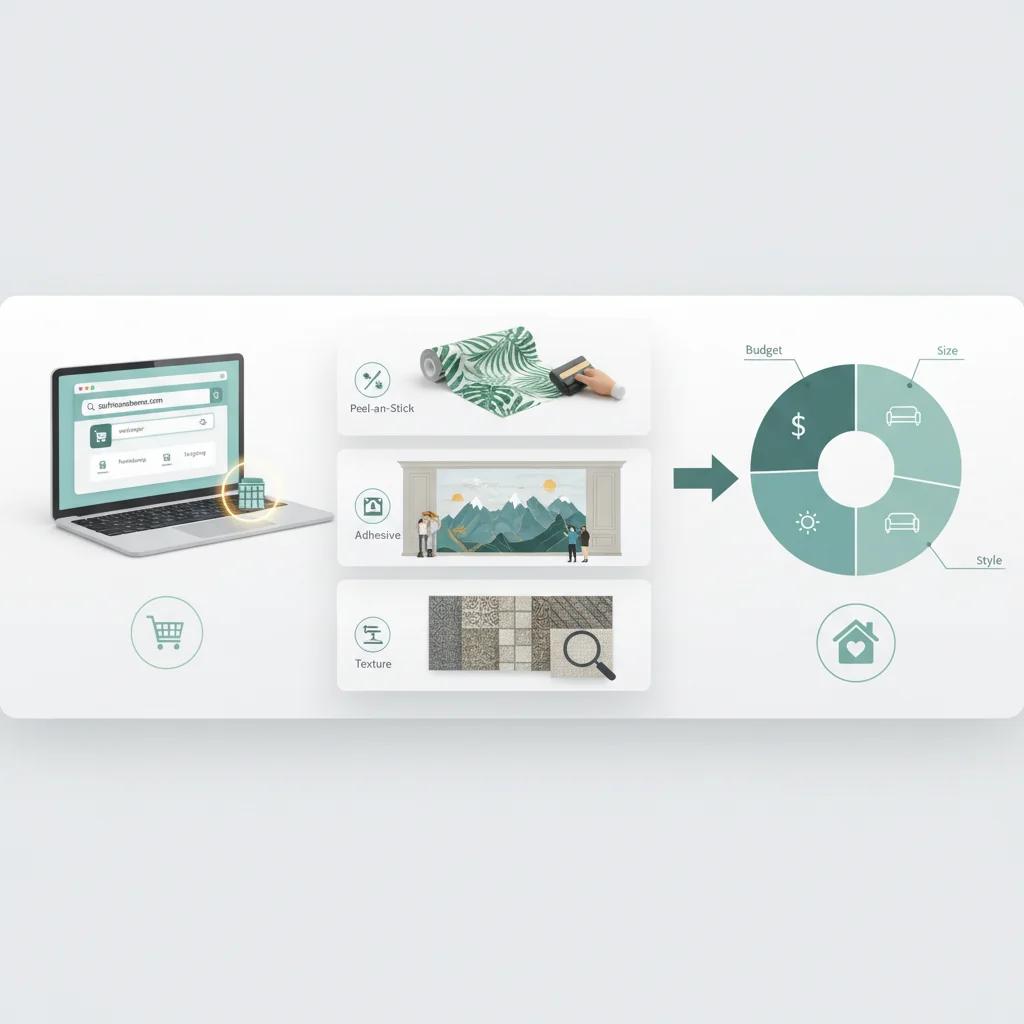
Before committing to a wallpaper purchase, precise measurement and quantity calculation are paramount to prevent material shortages or over-purchasing, while ordering samples is crucial for validating color and texture in your specific environment. Overlooking these critical steps can lead to costly delays and unsatisfactory results.
Accurate Measurement: The Foundation of Your Project
Accurate measurement is the single most critical step in determining how much wallpaper to buy. Incorrect measurements lead to either insufficient material, resulting in mismatched dye lots if reordered, or excessive waste. Always measure the height and width of each wall you intend to cover, then multiply these figures to get the total square footage. For walls with windows or doors, calculate the total area first, then subtract the area of the openings. However, never reduce the number of rolls based on these subtractions; instead, use the subtracted area as a buffer for pattern matching and waste.
Steps for Measuring Your Walls:
- Measure Height: Measure from the baseboard to the ceiling for each wall. If there are variations, use the highest measurement.
- Measure Width: Measure the total width of each wall.
- Calculate Square Footage: Multiply the height by the width for each wall. Sum these totals for the grand total square footage.
- Account for Openings: Measure windows, doors, and other large architectural features. Calculate their square footage. While you subtract these from your total, remember not to reduce the actual wallpaper rolls needed based on these subtractions, as pattern matching requires extra material.
- Add Buffer: Always add an extra 15-20% to your total square footage to account for pattern repeat, trimming, and potential mistakes.
Understanding Wallpaper Roll Sizes and Coverage
Wallpaper rolls are not standardized globally, but in the U.S., common sizes exist. A “single roll” is typically 27 inches wide and 13.5 feet long, covering approximately 30-34 square feet. However, wallpaper is often sold in “double rolls” or “bolts,” which are essentially two single rolls packaged together, measuring 27 inches wide and 27 feet long, covering about 60-68 square feet. Always check the manufacturer’s specified coverage per roll, as dimensions can vary. For instance, European rolls may be narrower (20.5 inches) and longer (33 feet), covering a similar area.
Definition: Pattern repeat is the vertical distance on a wallpaper roll before a pattern begins to repeat itself, requiring extra material for seamless alignment across strips.
Comparison of Common U.S. Wallpaper Roll Sizes:
| Roll Type | Width (inches) | Length (feet) | Approx. Sq. Ft. Coverage | Primary Use Case |
|---|---|---|---|---|
| Single Roll | 27 inches | 13.5 feet | 30-34 sq ft | Small projects, accent walls, sampling |
| Double Roll (Bolt) | 27 inches | 27 feet | 60-68 sq ft | Standard room coverage, cost-effective |
| Commercial Roll | 54 inches | Variable (e.g., 90-120 feet) | 300+ sq ft | Large commercial projects, requires professional handling |
Calculating Quantity with Pattern Repeat
Pattern repeat is a crucial factor that impacts the amount of wallpaper you need. It refers to the vertical distance at which the pattern repeats itself on the roll. Larger pattern repeats require more waste per strip to ensure the design matches seamlessly from one strip to the next. Manufacturers typically specify the pattern repeat in inches. When calculating how many rolls, you must divide your wall height by the working length of the roll (after accounting for repeat). Always round up to ensure you have enough material for matching.
For example, if your ceiling is 8 feet (96 inches) high and your wallpaper has a 24-inch pattern repeat, each strip will need to be cut to accommodate this repeat, potentially adding extra inches per strip. A good rule of thumb is to calculate the number of strips needed for each wall, then multiply that by the height plus one full pattern repeat, and then divide by the roll length to determine the number of rolls.
The Indispensable Role of Samples
Ordering samples is a non-negotiable step in the wallpaper selection process. Digital images, while helpful, cannot accurately convey the true color, texture, sheen, or scale of a pattern in your specific lighting conditions. Samples allow you to:
- Assess Color Accuracy: Colors can appear differently on screen than in reality, and lighting (natural vs. artificial) dramatically impacts perception.
- Evaluate Texture and Sheen: Feel the material, understand its tactile quality, and observe how light interacts with its finish.
- Gauge Scale and Pattern Repeat: A small swatch might not reveal the full impact of a large pattern repeat or an intricate design.
- Test Adhesion (for Peel-and-Stick): For removable wallpapers, test a sample in an inconspicuous area to ensure it adheres properly and removes cleanly without damaging paint or drywall.
Order several samples if you are undecided, and live with them on your walls for a few days, observing them at different times of day and under various lighting conditions. This practice minimizes the risk of buyer’s remorse and ensures your final choice is perfect.
Budgeting for Wallpaper and Installation
Wallpaper costs vary widely based on material, brand, and complexity of design. Basic peel-and-stick options can start from $0.50-$1.00 per square foot, while high-end designer or natural fiber wallcoverings can easily exceed $10-$20 per square foot. Beyond the material cost, factor in installation expenses if you plan to hire a professional. Professional installation can range from $3-$10 per square foot, depending on location, wall condition, pattern complexity, and the type of material. Always request a detailed quote from installers that includes surface preparation and any necessary repairs.
The Federal Trade Commission (FTC) emphasizes the importance of understanding all costs involved before making a significant purchase, including potential installation fees and any additional materials needed. Consumer Advice from the Federal Trade Commission recommends consumers ask for written estimates for services.
Installation and Professional Help: Ensuring a Flawless Finish
Successful wallpaper installation hinges on meticulous surface preparation and often benefits significantly from professional expertise, particularly for large-scale murals, intricate patterns, or delicate materials. While many modern wallpapers are designed for DIY application, understanding the nuances of surface readiness and knowing when to call in an expert are critical for a flawless and lasting result.
DIY vs. Professional Installation: Weighing Your Options
The decision to undertake a DIY wallpaper installation or hire a professional depends on several factors, including your experience level, the type of wallpaper, the complexity of the pattern, and the condition of your walls.
- DIY Installation: Best suited for peel-and-stick wallpapers, small accent walls, or rooms with minimal architectural challenges. Requires patience, attention to detail, and a willingness to learn. It saves on labor costs but can be time-consuming and may result in imperfections if not executed carefully.
- Professional Installation: Highly recommended for unpasted wallpapers, large pattern repeats, delicate materials like grasscloth or fabric, murals, and rooms with irregular walls, windows, or doors. Professionals possess specialized tools, techniques, and experience to ensure precise pattern matching, smooth seams, and proper adhesion, ultimately saving time and ensuring a superior finish.
Essential Surface Preparation: The Key to Adhesion
Regardless of whether you DIY or hire a professional, thorough surface preparation is the most critical step for successful wallpaper adhesion and a smooth finish. Neglecting this stage can lead to bubbling, peeling, or visible imperfections.
Steps for Surface Preparation:
- Clean Walls: Wash walls thoroughly with a mild detergent solution (e.g., TSP substitute) to remove dirt, grease, and grime. Rinse well and allow to dry completely.
- Repair Imperfections: Fill any holes, cracks, or dents with spackle or joint compound. Sand smooth once dry. Even minor imperfections can show through wallpaper, especially those with a sheen or thin material.
- Remove Old Wallpaper: All old wallpaper must be completely removed. Residual adhesive or paper can prevent new wallpaper from adhering properly.
- Prime Walls: Apply a high-quality wallpaper primer (often called a “sizing” or “wall-prep”) to the walls. Primer seals the surface, promotes adhesion, and makes future removal easier. It also creates a uniform surface for the wallpaper, preventing color variations from showing through. For dark walls under light wallpaper, a tinted primer may be necessary.
- Ensure Smoothness: The smoother the wall, the better the wallpaper will look. For peel-and-stick, perfectly smooth walls are essential for optimal adhesion.
Necessary Tools for Wallpaper Installation
Having the right tools simplifies the installation process and contributes to a professional outcome. Basic tools include:
- Measuring tape and ruler
- Utility knife with plenty of fresh blades
- Straight edge or metal ruler for cutting
- Smoothing brush or plastic smoother
- Seam roller (for traditional wallpaper)
- Level or plumb bob for straight lines
- Bucket and sponge for cleaning up paste
- Step stool or ladder
- Drop cloths to protect floors
- For unpasted: Wallpaper paste, paste brush/roller, paste table
- For pre-pasted: Water tray
Common Installation Challenges and Solutions
Even with careful planning, installation challenges can arise:
- Bubbles: Often caused by trapped air or uneven adhesive. Smooth immediately with a brush or smoother, working from the center outwards. For stubborn bubbles, a small incision with a utility knife and re-smoothing can help.
- Peeling Seams: Can occur if edges dry too quickly or weren’t adequately pasted. Reapply a seam adhesive with a small brush and press firmly.
- Pattern Mismatch: Usually a result of incorrect cutting or not accounting for pattern repeat. Careful pre-planning and dry-fitting are essential.
- Uneven Edges: Use a sharp utility knife and a straight edge for clean cuts along ceilings, baseboards, and corners.
For complex installations or if you feel overwhelmed, remember that professional wallpaper hangers are experts in overcoming these challenges and delivering impeccable results. They ensure the investment in your chosen wallcovering translates into a stunning, long-lasting feature for your home.
At Starhouse, we understand the transformative power of a perfectly installed wallcovering. If you’re seeking guidance on the ideal wallpaper and installation approach for your unique space, we invite you to tell us what you’re looking for. Share your vision and get early access to our curated collection.
Care and Maintenance: Preserving Your Investment
Proper care and maintenance are crucial for preserving the beauty and extending the lifespan of your wallpaper, requiring specific cleaning methods tailored to its material composition and finish. Understanding the unique needs of each wallpaper type prevents damage and maintains its aesthetic appeal for years to come.
Understanding Wallpaper Washability Ratings
Wallpaper manufacturers typically provide washability ratings, which indicate how much moisture and cleaning agents the material can withstand. These ratings are essential for guiding your cleaning approach:
- Non-Washable: Cannot be cleaned with water. Requires dry dusting or very gentle vacuuming with a brush attachment. Common for delicate paper, grasscloth, or flock wallpapers.
- Spongeable: Can be gently wiped with a damp sponge and plain water. Avoid scrubbing or harsh detergents. Suitable for some paper-backed vinyls or coated papers.
- Washable: Can withstand cleaning with a damp cloth and a mild soap solution. Generally resistant to light scrubbing. Common for many vinyl and non-woven wallpapers.
- Scrubbable: Designed to withstand scrubbing with a brush and a mild detergent solution. Highly durable, typically solid sheet vinyl or heavy-duty commercial wallcoverings.
General Cleaning Guidelines
Regardless of the washability rating, always start with the gentlest method and test any cleaning solution in an inconspicuous area first. Regular, light cleaning prevents the buildup of dirt and grime, which can be harder to remove later.
- Dusting: For all wallpaper types, regular dusting with a soft, dry cloth, microfiber duster, or a vacuum cleaner with a soft brush attachment is recommended to remove loose dust and cobwebs.
- Spot Cleaning: For washable and scrubbable wallpapers, address spills or marks immediately. Use a clean, soft cloth dampened with plain water or a very diluted mild soap solution. Blot, do not rub, to avoid damaging the surface or spreading the stain. Rinse with a clean, damp cloth and pat dry.
- Avoid Harsh Chemicals: Never use abrasive cleaners, strong solvents, or harsh chemicals like bleach on any wallpaper, as these can permanently damage the finish, fade colors, or compromise the material integrity.
- Minimize Moisture: Even for washable wallpapers, avoid saturating the surface with water, as excessive moisture can loosen adhesive or cause bubbling.
Specific Care for Different Wallpaper Types
- Vinyl and Non-Woven: These are generally the easiest to clean. Follow the washability rating; most are washable or scrubbable. A damp cloth with mild dish soap is usually effective for general cleaning.
- Paper and Delicate Naturals (Grasscloth, Fabric, Flock): These are typically non-washable. Strict dry cleaning is essential. For grasscloth, vacuum gently with a brush attachment to remove dust from its textured surface. Avoid any liquids. For flock, gently dust with a feather duster or soft brush.
- Mylar and Metallics: These are usually washable. A soft, damp cloth is best. Be careful not to scratch the reflective surface with abrasive materials.
Addressing Damage and Repairs
Minor damage to wallpaper can often be repaired if addressed promptly:
- Lifting Seams or Edges: For traditional wallpapers, apply a small amount of seam adhesive (available at hardware stores) with a fine brush underneath the lifted area. Press firmly with a seam roller or clean cloth until re-adhered. For peel-and-stick, gently lift the edge and re-press, or use a small amount of spray adhesive if needed.
- Small Tears or Holes: If you have leftover wallpaper, carefully cut a patch slightly larger than the damaged area, matching the pattern. Apply paste to the patch and carefully align it over the damage, pressing firmly. Trim excess with a sharp utility knife if necessary.
- Stains on Non-Washable Wallpaper: For delicate materials, professional cleaning might be an option, but success is not guaranteed. Sometimes, a very gentle art gum eraser can lift light surface marks, but proceed with extreme caution.
Consistent, gentle care tailored to your wallpaper’s specific type will ensure it remains a beautiful and enduring feature in your home, preserving the investment you’ve made in enhancing your interior design.
Common Mistakes to Avoid When Buying Wallpaper
Avoiding common pitfalls during the wallpaper selection and installation process ensures a satisfactory outcome, preventing costly errors, aesthetic disappointments, and unnecessary frustrations. Awareness of these frequent mistakes is key to a successful wallpaper project.
1. Not Ordering Samples
This is arguably the most significant and frequently made mistake. Relying solely on online images for color and texture can lead to severe disappointment. Digital representations can vary greatly from the actual product due to screen calibration, lighting, and material nuances. A pattern that looks subtle online might be overwhelming in person, or a color might clash with your existing decor. Always order samples and view them in your home’s lighting conditions at different times of the day before committing to a full purchase.
2. Incorrectly Measuring Walls and Calculating Quantity
Underestimating the amount of wallpaper needed is a common error that results in purchasing additional rolls from a different dye lot, leading to noticeable color variations. Conversely, over-purchasing wastes money. Many DIYers neglect to account for pattern repeat, which significantly increases the required material. Always measure accurately, add a 15-20% buffer, and factor in the pattern repeat as detailed in Section 5. When in doubt, consult a professional or use an online calculator provided by reputable retailers.
3. Ignoring Wall Surface Preparation
The success of wallpaper adhesion and its final appearance are directly tied to the condition of the wall beneath. Applying wallpaper over dirty, greasy, uneven, or unprimed surfaces guarantees a poor result. Bubbles, peeling, and visible imperfections are inevitable. Ensure walls are clean, smooth, dry, and properly primed. Skipping this step, especially priming, is a false economy that leads to more work and expense in the long run.
4. Choosing the Wrong Type for the Environment
Selecting a delicate paper wallpaper for a high-humidity bathroom or a high-traffic kitchen is a recipe for premature wear and damage. Similarly, using a heavy, traditional unpasted wallpaper in a rental property where easy removal is desired is impractical. Match the wallpaper’s material and application method to the specific demands of the room and your long-term intentions. Vinyl and non-woven options are generally more durable and moisture-resistant for challenging environments, while peel-and-stick is ideal for temporary applications.
5. Overlooking Pattern Repeat During Installation
For patterned wallpapers, matching the design seamlessly from one strip to the next is crucial for a professional look. Forgetting to account for the pattern repeat when cutting strips can lead to misaligned designs, awkward breaks, and significant waste. Always dry-lay strips or carefully measure and cut, ensuring the pattern flows continuously across the wall.
6. Using Inadequate or Incorrect Tools
Attempting to install wallpaper with dull utility blades, improper smoothing tools, or the wrong type of adhesive can lead to frustration and a subpar finish. Sharp blades are essential for clean cuts, and a proper smoother prevents bubbles and wrinkles. Using the wrong paste for unpasted wallpaper can lead to poor adhesion or damage to the paper. Invest in the correct tools for the specific wallpaper type you are installing.
7. Rushing the Process
Wallpaper installation requires patience and precision. Rushing through measuring, cutting, pasting, or smoothing can result in costly mistakes. Take your time, read all instructions, and don’t hesitate to pause and re-evaluate if something isn’t going right. A methodical approach ensures a high-quality, lasting finish.
Sources
- Consumer Advice | Federal Trade Commission
- consumer.gov | what to know and do
- Traditional Wallpaper | York Wallcoverings
Frequently Asked Questions
What is the easiest type of wallpaper to install for a beginner?
Peel-and-stick wallpaper is generally considered the easiest type to install for beginners because it requires no separate adhesive, can be repositioned during application, and removes cleanly without damaging walls.
Can I put wallpaper in a bathroom or kitchen?
Yes, you can install wallpaper in bathrooms and kitchens, but it is crucial to select moisture-resistant types such as vinyl or non-woven wallpaper, as these materials can withstand humidity and are typically washable.
How do I calculate how many rolls of wallpaper I need?
To calculate the number of rolls, measure the