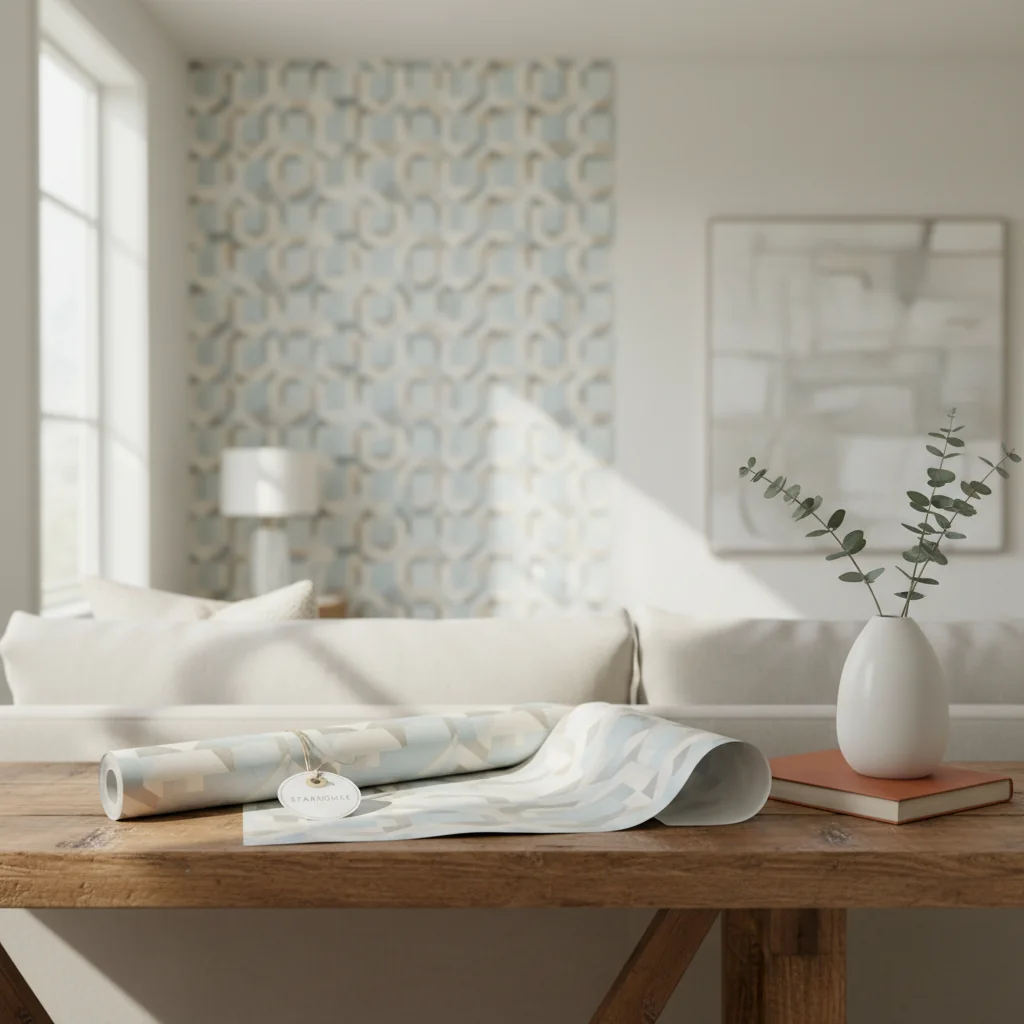
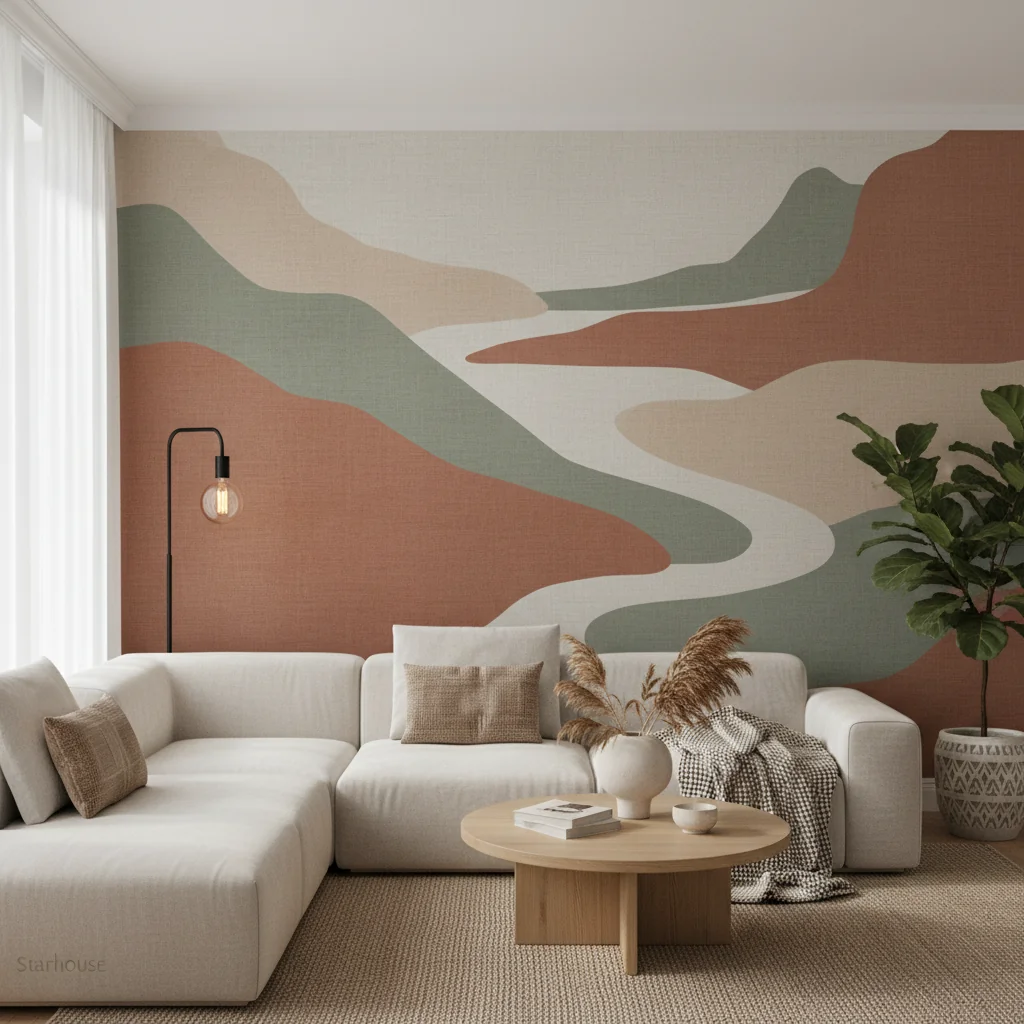
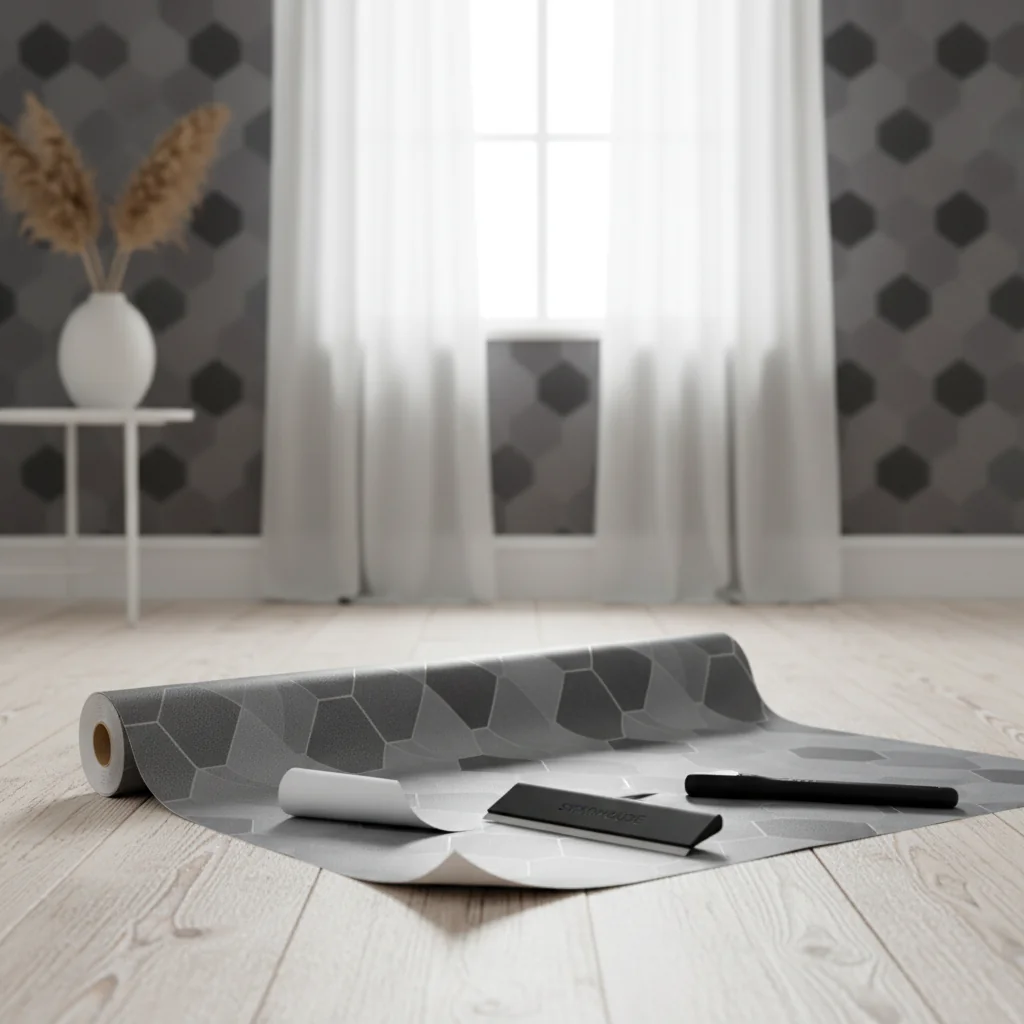
Geometric wallpaper patterns are defined by their precise, repeating arrangements of shapes, lines, and forms, offering a dynamic and structured visual element that transforms any interior space with unparalleled stylistic versatility. From the clean lines of minimalist grids to the intricate complexity of tessellations and the bold declarations of Art Deco motifs, these patterns introduce rhythm, depth, and a compelling focal point into residential and commercial environments alike. At Starhouse, we understand that selecting the ideal geometric wallpaper involves navigating a spectrum of design possibilities, materials, and installation considerations to achieve a cohesive and impactful aesthetic. This comprehensive guide delves into every aspect of geometric wallpaper, empowering you to confidently choose, style, and maintain patterns that resonate with your unique design vision, ensuring your walls become a testament to sophisticated artistry and thoughtful design.
Key takeaways
- Geometric wallpaper patterns are characterized by repeating shapes, lines, and forms, offering structured visual interest and diverse stylistic applications.
- A wide array of geometric patterns exists, including linear, polygonal, curvilinear, abstract, and historical styles like Art Deco, each conveying a distinct aesthetic.
- Material choice significantly impacts durability, washability, and installation, with options ranging from traditional paper to robust vinyl and convenient peel-and-stick.
- Selecting the right geometric pattern requires evaluating room size, existing decor, desired mood, and pattern scale to ensure harmonious integration and visual balance.
- Accurate measurement and meticulous surface preparation are crucial for seamless installation, preventing waste and ensuring a professional finish.
- Effective styling involves harmonizing geometric wallpaper with furnishings, textiles, and lighting, using scale, color, and texture to create a cohesive and aspirational space.
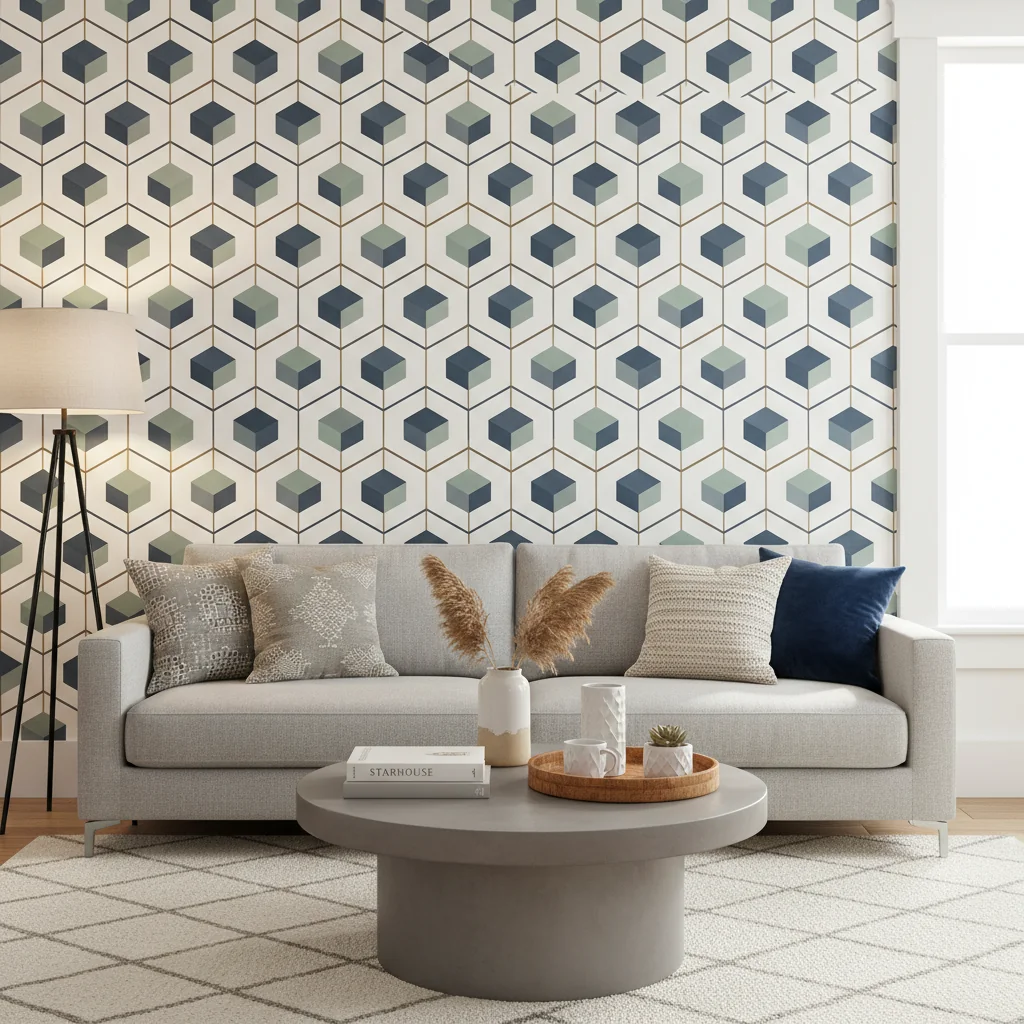
What Defines Geometric Wallpaper Patterns?
Geometric wallpaper patterns are characterized by repeating shapes, lines, and forms that create visual order and rhythm on a wall, establishing a foundation of structured design within an interior space. These patterns leverage fundamental principles of geometry to craft designs that range from subtly sophisticated to boldly expressive, transforming flat surfaces into dynamic canvases. The essence of geometric design lies in its precision, mathematical foundation, and the predictable repetition of elements, which collectively contribute to a sense of balance, harmony, and visual intrigue.
Historically, geometric patterns have been integral to art and architecture across diverse cultures, from ancient Islamic mosaics to Art Deco ornamentation. Their resurgence in contemporary interior design underscores their timeless appeal and adaptability. Modern geometric wallpapers often draw inspiration from these historical roots while integrating contemporary color palettes and innovative textures. The inherent structure of geometric patterns provides a powerful design tool, capable of defining a room’s character, influencing spatial perception, and complementing a wide array of furniture styles, from minimalist modern to classic traditional.
A key characteristic of geometric wallpaper is its ability to create either a subtle backdrop or a dominant focal point. Small, tightly packed patterns, particularly in muted tones, can add texture and depth without overwhelming a space. Conversely, large-scale, high-contrast geometric designs command attention, acting as a statement piece that anchors the room’s aesthetic. The deliberate arrangement of squares, circles, triangles, and other polygons generates a sense of movement and energy, or conversely, a calming sense of order, depending on the pattern’s complexity and scale.
Geometric wallpaper is defined by its use of repeating, structured shapes, lines, and forms to create a visually organized and rhythmic design on a wall surface. This definition emphasizes the foundational elements that distinguish geometric patterns from organic or abstract designs lacking such explicit structure. The precise nature of these patterns allows them to introduce architectural interest and a sense of deliberate design, whether the intention is to create an optical illusion of depth, to highlight a specific architectural feature, or to simply infuse a room with a distinct personality.
The versatility of geometric patterns also extends to their application. They can be used to delineate zones within an open-plan living area, to add a playful touch to a child’s room, or to infuse a professional office with a sense of contemporary sophistication. The structured nature of geometric designs ensures they often pair well with both solid-colored furnishings and complementary patterns, provided there is careful consideration of scale and color harmony. This precision in design not only enhances the aesthetic appeal but also contributes to the perceived quality and craftsmanship of the interior space, aligning with the aspirational and tasteful standards upheld by Starhouse.
Exploring the Spectrum: Types of Geometric Wallpaper Patterns
Geometric wallpaper encompasses a diverse range of patterns, from classic tessellations and Art Deco motifs to contemporary abstract designs and intricate mandalas, each offering a distinct aesthetic and visual impact suitable for varied interior styles. This expansive category allows designers and homeowners to select patterns that precisely articulate a desired mood, from understated elegance to bold, avant-garde statements. Understanding the nuances of each type is crucial for making an informed design decision.
The classification of geometric patterns often begins with their fundamental components: lines, polygons, and curves. These elements combine in countless configurations to produce an array of designs.
Linear and Striped Patterns
- Chevrons: Characterized by an inverted V-shape that repeats horizontally or vertically, chevrons create a dynamic, zigzagging effect. They can lend a sense of movement and energy, often associated with a chic, modern aesthetic. A bold, high-contrast chevron can make a strong statement, while a subtle, tone-on-tone version adds sophisticated texture.
- Herringbones: Similar to chevrons but with the V-shapes broken at the angle, creating a distinct, interwoven appearance reminiscent of woven fabric or brickwork. Herringbones offer a more classic, tailored look, providing visual depth and a sense of craftsmanship.
- Grids and Lattices: These patterns feature intersecting horizontal and vertical lines, forming squares or rectangles. Grids embody minimalist precision and order, often used in contemporary spaces to create a sense of calm and structure. Lattice patterns introduce diagonal lines, adding a delicate, architectural feel, often evoking garden trellises or intricate screens.
- Pinstripes and Parallel Lines: Simple yet effective, these patterns use evenly spaced lines to create height or width, depending on their orientation. They provide a clean, uncluttered backdrop, perfect for formal settings or to visually expand a room.
Polygonal Patterns
- Triangles: Versatile and dynamic, triangles can be arranged in countless ways—pointing in the same direction for a sense of movement, alternating for a playful vibe, or forming larger, more complex tessellations. They introduce sharp angles and can convey modernism or a mid-century sensibility.
- Squares and Rectangles: Fundamental to geometric design, these shapes are the building blocks for checkerboard, mosaic, and block patterns. They offer a sense of stability and order, adaptable to both traditional and contemporary interiors.
- Hexagons: With six sides, hexagons create a natural tessellation often found in nature (like honeycombs). They offer a sophisticated, organic geometric feel, frequently used in contemporary and transitional designs for a subtle, intricate texture.
- Diamonds (Argyle): These rhombus shapes, often arranged in interlocking patterns, bring a classic, preppy, or even Art Deco flair. They add a touch of traditional elegance or playful sophistication, depending on color and scale.
Curvilinear Patterns
- Arcs and Scallops: Softening the rigidity of straight lines, arcs and scallops introduce gentle curves and a sense of fluidity. Scallops, in particular, evoke a classic, sometimes whimsical, charm, often seen in Art Deco or coastal-inspired designs.
- Ogees: A distinctive S-shaped curve, often repeating in a trellis-like fashion. Ogee patterns are elegant and sophisticated, lending a sense of ornate luxury, frequently found in traditional and transitional styles.
- Mandalas and Concentric Circles: These patterns feature intricate, circular designs often radiating from a central point. They evoke a sense of spiritual harmony, balance, and mesmerizing detail, suitable for creating a calming or meditative atmosphere.
Abstract and Organic Geometrics
These patterns blend structured geometric forms with more fluid, less rigid arrangements. While still rooted in geometric principles, they might feature irregular shapes, hand-drawn qualities, or organic interpretations of geometric motifs. They offer a contemporary edge, often appearing in biophilic designs that integrate natural forms into geometric structures. These patterns provide the visual interest of geometry without the strict formality, offering greater flexibility in modern and eclectic interiors.
Historical and Stylistic Geometrics
- Art Deco: Defined by bold lines, fan shapes, sunbursts, and stepped patterns, often incorporating metallic accents. Art Deco geometrics exude glamour, luxury, and a sense of historical grandeur, perfect for creating a dramatic and sophisticated space.
- Mid-Century Modern: Characterized by clean lines, atomic shapes, and abstract geometric forms, often in vibrant, contrasting colors. These patterns convey a retro-futuristic optimism and a playful yet refined aesthetic.
- Tessellations: Any repeating pattern that completely covers a surface without overlapping or leaving gaps, using shapes like squares, triangles, or hexagons. Tessellations offer a fundamental geometric appeal, creating a continuous, seamless design that can be both subtle and complex.
- Optical Illusions (3D Geometrics): These patterns use perspective, shading, and repetition to create the illusion of three-dimensionality, depth, or movement. They are ideal for making a bold statement and adding a captivating, artistic element to a room, often becoming the primary focal point.
The vast array of geometric wallpaper patterns ensures that there is a design for every taste and every room. Whether seeking to introduce structure, visual excitement, or subtle texture, careful consideration of these different types will guide the selection process toward a truly transformative outcome.
York Wallcoverings highlights the versatility of geometric patterns, noting their ability to introduce both modern and classic aesthetics into diverse spaces.
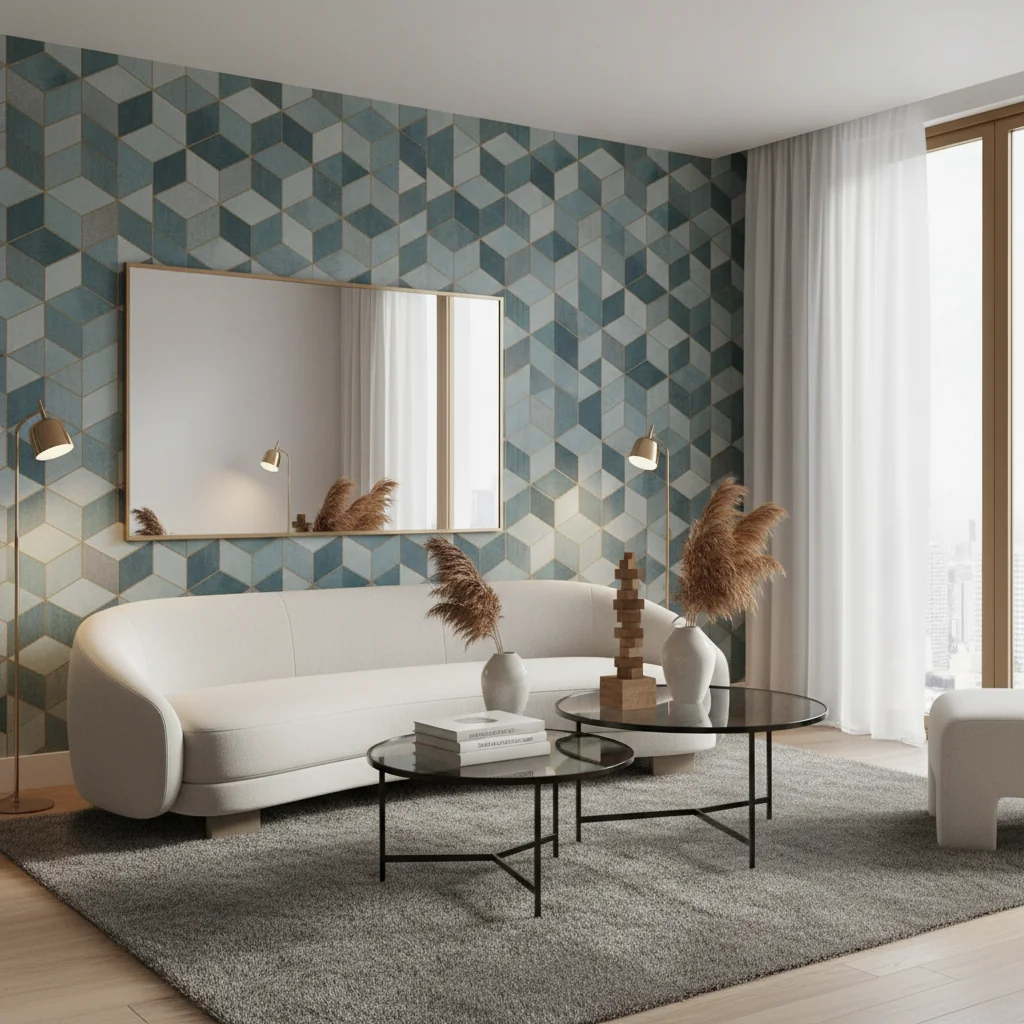
Materials and Construction: Understanding Wallpaper Durability and Finish
The material and construction of geometric wallpaper significantly impact its durability, texture, and suitability for different environments, with options ranging from traditional paper to robust vinyl and innovative non-woven varieties. Each material offers distinct advantages in terms of installation, maintenance, and longevity, making informed selection crucial for a successful and enduring application. Understanding these differences ensures the chosen wallpaper not only looks appealing but also performs optimally in its intended setting.
Non-woven wallpaper is a type of wallcovering made from a blend of natural and synthetic fibers, offering superior breathability, tear resistance, and ease of installation and removal compared to traditional paper-based options. This modern construction method has revolutionized wallpaper application and maintenance.
Common Wallpaper Materials and Their Characteristics:
-
Traditional Paper Wallpaper:
This is the classic form of wallpaper, typically made from paper pulp. It is often breathable and can offer a soft, matte finish. However, it is generally less durable than other options, can be prone to tearing when wet, and is not easily washable. Installation requires careful handling and traditional paste application. It is best suited for low-traffic areas or spaces where a delicate, traditional aesthetic is desired.
-
Paper-Backed Vinyl:
Featuring a decorative vinyl surface laminated to a paper backing, this type offers enhanced durability and washability compared to pure paper. The vinyl layer provides resistance to moisture and stains, making it suitable for moderate-traffic areas like living rooms and bedrooms. It is generally strippable, meaning the vinyl layer can be peeled off, leaving the paper backing for easier removal.
-
Solid Sheet Vinyl:
Composed entirely of vinyl, this is one of the most durable and moisture-resistant wallpaper options available. It is highly washable, scrubbable, and resistant to grease and humidity, making it ideal for high-traffic areas such as kitchens, bathrooms, and commercial spaces. Its robust nature also makes it highly resistant to tearing during installation. Solid vinyl wallpapers often feature embossed textures that add depth and tactile interest to geometric patterns.
-
Non-Woven Wallpaper:
As previously defined, non-woven wallpaper is a popular modern choice due to its strength, breathability, and ease of use. It is dimensionally stable, meaning it resists shrinking or expanding when wet, simplifying pattern matching. Non-woven wallpaper is often described as “paste the wall” rather than “paste the paper,” which streamlines installation. It is also fully strippable, allowing for clean removal without damaging the underlying wall. This material is versatile, suitable for almost any room, and particularly favored for DIY projects.
-
Fabric-Backed Vinyl:
Primarily used in commercial settings, this heavy-duty wallpaper features a vinyl surface laminated to a fabric backing (e.g., cotton, polyester). It offers exceptional durability, impact resistance, and is highly scrubbable. Its robust construction makes it ideal for areas with very heavy traffic or where extreme longevity is required.
-
Peel-and-Stick (Removable) Wallpaper:
Often made from vinyl or non-woven material with an adhesive backing, peel-and-stick wallpaper is designed for temporary applications or renters. It is exceptionally easy to install and remove, typically without leaving residue or damaging the wall. While generally less durable than permanent options, its convenience and flexibility make it popular for accent walls, children’s rooms, or experimental design.
-
Natural Fiber Wallcoverings (e.g., Grasscloth with geometric weaves):
While not strictly “wallpaper” in the manufactured sense, natural fibers like grasscloth can be woven into geometric patterns. These offer unique textures, depth, and an organic aesthetic. They are typically delicate, not washable, and require specialized installation. They are best reserved for low-traffic areas where their unique tactile quality can be appreciated.
Finishes and Textures:
Beyond the base material, the finish of geometric wallpaper significantly impacts its visual and tactile qualities.
- Matte: Absorbs light, creating a sophisticated, subtle, and non-reflective surface. It can help to conceal minor wall imperfections.
- Satin/Eggshell: Offers a slight sheen, providing a more luminous appearance and increased durability.
- Gloss/Semi-Gloss: Highly reflective, emphasizing colors and patterns. It is durable and easy to clean but can highlight wall imperfections.
- Embossed: Features raised textures that add three-dimensional depth to geometric patterns, creating a tactile and luxurious feel. This finish can also help to mask wall flaws.
- Metallic: Incorporates metallic inks or foils, adding shimmer and glamour to geometric designs. This finish catches and reflects light, creating a dynamic visual effect.
- Flocked: Features raised, velvet-like fibers that create a soft, tactile, and often opulent texture, adding a luxurious dimension to geometric motifs.
Consumers in the United States have access to a wealth of information regarding product standards and safety, with federal agencies providing oversight and resources to ensure the quality of manufactured goods, as outlined in comprehensive government publications such as The United States Government Manual (govinfo.gov). This commitment to quality is reflected in the diverse range of wallpaper materials available on the market, each designed to meet specific performance and aesthetic requirements.
Comparison of Common Wallpaper Materials
| Material Type | Durability | Washability | Installation Complexity | Ideal Use Cases | Approximate Price Range (per roll) |
|---|---|---|---|---|---|
| Traditional Paper | Low to Moderate | Limited (Wipeable) | Moderate (Paste the paper) | Low-traffic areas, formal rooms, bedrooms | $20 – $60 |
| Paper-Backed Vinyl | Moderate to High | Good (Washable) | Moderate (Paste the paper) | Living rooms, hallways, dining rooms | $30 – $80 |
| Solid Sheet Vinyl | High to Very High | Excellent (Scrubbable) | Moderate (Paste the paper/wall) | Kitchens, bathrooms, high-traffic commercial areas | $40 – $100 |
| Non-Woven | High | Good (Washable) | Easy (Paste the wall) | Versatile for most rooms, DIY projects | $50 – $120 |
| Peel-and-Stick | Moderate | Good (Wipeable/Washable) | Very Easy (Self-adhesive) | Accent walls, temporary decor, renters, children’s rooms | $40 – $90 |
| Natural Fiber (e.g., Grasscloth) | Low (Delicate) | Very Limited (Dust only) | High (Specialized adhesive/handling) | Low-traffic areas, feature walls, luxury spaces | $80 – $300+ |
The judicious selection of wallpaper material and finish ensures that your chosen geometric pattern not only achieves the desired aesthetic but also meets the practical demands of its environment, contributing to a lasting and impactful design.
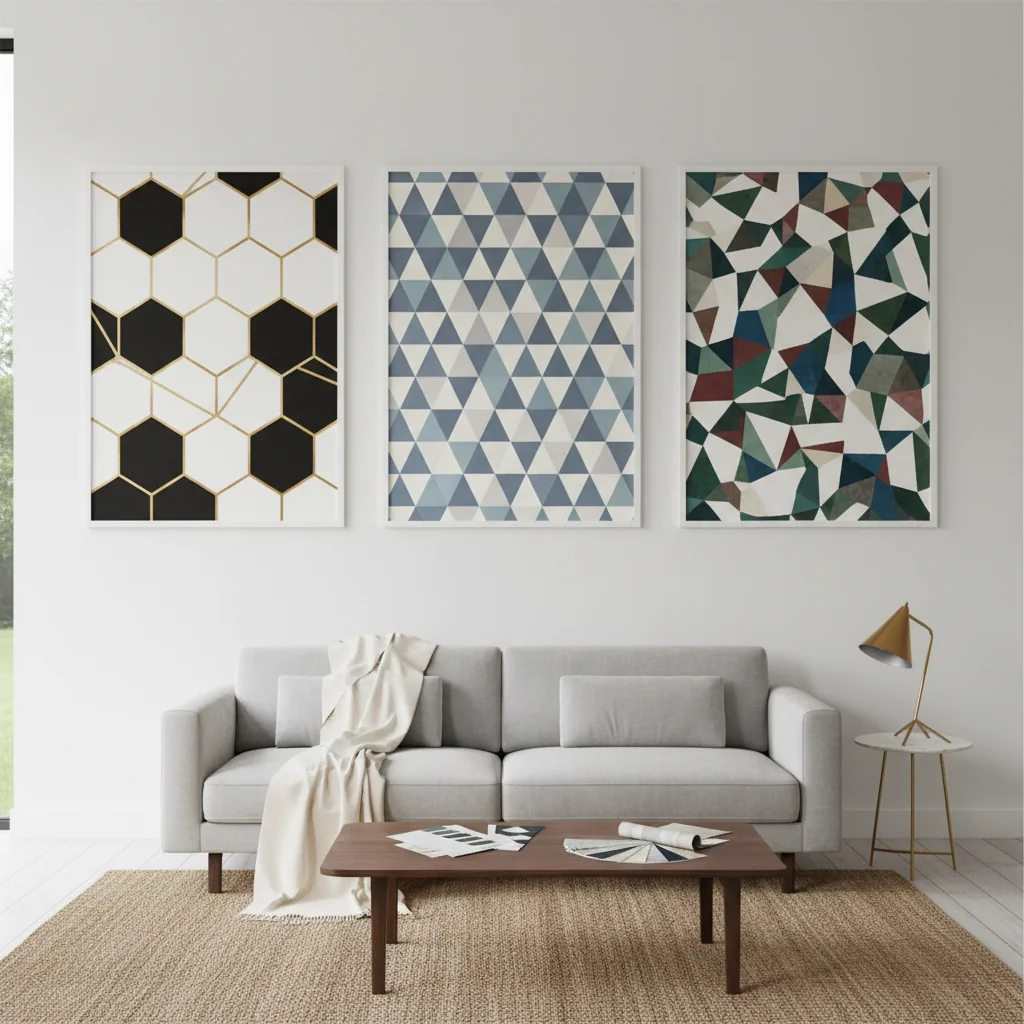
Selecting the Perfect Pattern: A Guide to Choosing Geometric Wallpaper
Choosing the ideal geometric wallpaper pattern requires careful consideration of the room’s function, existing décor, desired mood, and the scale of the pattern itself to ensure harmonious integration. A thoughtful selection process prevents visual discord and guarantees that the wallpaper enhances, rather than detracts from, the overall interior design. This strategic approach is paramount for achieving a sophisticated and cohesive aesthetic.
1. Assess the Room’s Function and Traffic Level:
The primary use of a room dictates practical considerations for wallpaper selection. In high-traffic areas like hallways, entryways, or children’s playrooms, prioritize durable, washable, and scrubbable materials such as solid vinyl or non-woven options. For bathrooms and kitchens, moisture and humidity resistance are critical. In contrast, bedrooms or formal dining rooms, which experience less wear, allow for a broader range of materials, including more delicate paper-backed or natural fiber options. The geometric pattern itself should align with the room’s energy—bold, dynamic patterns might energize a living space, while softer, repeating geometrics could foster tranquility in a bedroom.
2. Evaluate Room Size and Natural Light:
The scale of a geometric pattern profoundly affects how a room is perceived.
- Small Rooms: In compact spaces like powder rooms or narrow hallways, small-scale, subtle geometric patterns, especially those with light colors, can make the room feel larger and more open. Overly large or busy patterns in dark colors can overwhelm and visually shrink the space.
- Large Rooms: Expansive rooms can accommodate larger, bolder geometric patterns without feeling cramped. A grand, large-scale design can fill a wall impressively, becoming a powerful focal point and adding architectural interest. Rooms with ample natural light can handle darker, more intricate patterns, as the light prevents them from feeling too heavy. Conversely, in dimly lit rooms, opt for patterns with lighter backgrounds or metallic accents to reflect light and brighten the space.
3. Harmonize with Existing Décor and Color Palette:
Geometric wallpaper should complement, not clash with, your current furnishings, textiles, and overall color scheme.
- Color Harmony: Choose a wallpaper that incorporates colors already present in the room or introduces a complementary accent color. Consider the undertones of your existing paints and fabrics. A geometric pattern with a neutral background and a pop of a specific color can tie the room together.
- Style Cohesion: If your room has a Mid-Century Modern aesthetic, look for atomic-inspired geometrics or clean, linear patterns. For an Art Deco space, consider fan motifs, sunbursts, or stepped designs with metallic elements. A modern minimalist room might benefit from simple grids or abstract geometrics in muted tones. For eclectic spaces, a more organic or hand-drawn geometric can provide a unifying element.
- Mixing Patterns: If you have patterned upholstery or rugs, ensure the geometric wallpaper’s scale and complexity are different enough to create visual interest without competing. A common guideline is to mix a large-scale pattern, a medium-scale pattern, and a small-scale pattern, varying texture and color intensity.
4. Define the Desired Mood and Aesthetic Impact:
Geometric patterns are powerful tools for setting a room’s mood.
- Energetic and Dynamic: Bold chevrons, high-contrast tessellations, or optical illusion patterns can inject energy and excitement, suitable for living rooms, playrooms, or creative workspaces.
- Calm and Serene: Subtle, tone-on-tone grids, soft hexagonal patterns, or gentle curvilinear designs in muted colors create a tranquil and sophisticated atmosphere, ideal for bedrooms or reading nooks.
- Sophisticated and Formal: Ogee patterns, intricate damasks with geometric undertones, or Art Deco designs in rich colors and metallic finishes lend an air of elegance and formality to dining rooms or studies.
- Playful and Whimsical: Brightly colored triangles, oversized polka dots, or abstract organic geometrics can bring a fun, youthful vibe to children’s rooms or creative spaces.
5. Consider Pattern Scale and Repeat:
The pattern repeat is the distance before the design begins again. A large pattern repeat means more wallpaper may be needed to ensure proper alignment.
- Small Repeat: Creates a dense, textural effect, often subtle.
- Large Repeat: Makes a bold statement, requires careful planning for alignment and can lead to more waste if not measured accurately.
Test a sample in your space to observe how the pattern interacts with light throughout the day and how it feels within the room’s dimensions. York Wallcoverings emphasizes that thoughtful selection of geometric patterns can bring structure, rhythm, and visual interest into any home, underscoring the importance of considering how the pattern interacts with the overall environment. By meticulously evaluating these factors, you ensure that the chosen geometric wallpaper not only enhances your space but also reflects your refined taste.
Precision in Placement: Sizing, Measuring, and Installation Best Practices
Accurate sizing and meticulous measurement are critical steps in wallpaper installation, ensuring a seamless, professional finish and minimizing waste, regardless of whether you are applying traditional or peel-and-stick options. Proper preparation and precise execution are foundational to achieving a polished result that enhances the aesthetic impact of your chosen geometric pattern. Neglecting these initial stages can lead to frustrating misalignments and costly material shortages.
Pattern repeat is the vertical distance on a roll of wallpaper before a pattern begins to repeat itself, indicating how much extra material is needed to align the design seamlessly across multiple strips. This measurement is crucial for accurate quantity calculation.
Step 1: Accurate Measurement of Your Walls
Before purchasing any wallpaper, precisely measure the dimensions of the walls you intend to cover.
- Measure Height: Measure the height of each wall from the baseboard to the ceiling. If the height varies, use the tallest measurement for all strips to ensure consistency.
- Measure Width: Measure the total width of each wall.
- Account for Obstacles: Measure the dimensions of any windows, doors, or built-in elements. While you won’t wallpaper these areas, it’s important to have their measurements for calculating cutouts later.
- Calculate Total Square Footage: Multiply the height by the width for each wall and sum these figures to get the total square footage to be covered.
Step 2: Calculating the Number of Rolls Needed
This is where the pattern repeat comes into play, especially for geometric designs.
- Determine Strip Length: Add 4-6 inches to your wall height measurement to allow for trimming at the top and bottom. This becomes your cut strip length.
- Factor in Pattern Repeat: For geometric patterns, you must account for the pattern repeat. When cutting strips, you will need to align the pattern from one strip to the next. This often means cutting strips longer than the wall height plus trim allowance to ensure the pattern matches perfectly at the seam. For example, if your wall is 8 feet high and your pattern repeat is 24 inches (2 feet), you might need to cut each strip to 8 feet 6 inches, but ensure the pattern aligns from the top of the wall downwards. Always consult the manufacturer’s recommendations for pattern matching, as some patterns are “straight match” while others are “drop match” (requiring a half-repeat offset).
- Calculate Strips per Roll: Divide the length of one roll (typically 33 feet or 396 inches for a standard single roll) by your cut strip length (including the pattern repeat allowance). Round down to the nearest whole number to determine how many full strips you can get from one roll.
- Calculate Total Strips Needed: Divide the total width of your walls (in inches) by the width of one strip of wallpaper (typically 20.5 inches or 27 inches for standard rolls). Round up to the nearest whole number to determine the total number of strips required.
- Determine Total Rolls: Divide the total number of strips needed by the number of strips you can get from one roll. Round up to the nearest whole number. Always purchase at least one extra roll to account for errors, pattern matching challenges, or future repairs. It is crucial to buy all rolls from the same dye lot to ensure color consistency.
Step 3: Surface Preparation – The Foundation of a Flawless Finish
Proper wall preparation is non-negotiable for a professional result.
- Clean Walls: Walls must be clean, dry, and free of dust, grease, and mildew. Wash surfaces with a mild detergent solution, rinse thoroughly, and allow to dry completely.
- Smooth Surface: Fill any holes or cracks with spackling compound, sand smooth, and wipe away dust. Remove old wallpaper completely. Any imperfections on the wall will likely show through the new wallpaper, especially with patterns that have a subtle sheen or gloss.
- Prime Walls: Apply a high-quality wallpaper primer (also known as a “sizing” or “wall-covering primer”). Primer creates a consistent surface for adhesion, makes future removal easier, and prevents absorption of adhesive, which can cause bubbles or uneven drying. For dark walls being covered with light wallpaper, a tinted primer can prevent the old color from showing through.
- Remove Fixtures: Temporarily remove electrical outlet covers, switch plates, and any wall-mounted fixtures.
Step 4: Installation Best Practices (General Guidelines)
While specific techniques vary between traditional and peel-and-stick, some principles are universal.
- Start Plumb: Use a plumb line (a weighted string) or a laser level to draw a perfectly vertical line from the ceiling to the baseboard, starting about 20 inches from a corner (less than one roll width). This ensures your first strip is straight, which is critical for pattern alignment across the entire wall. Do not rely on the corner itself, as corners are rarely perfectly plumb.
- Cut and Organize: Pre-cut all your strips, laying them out on a clean floor to ensure pattern alignment before application. Label them (e.g., Wall 1, Strip 1; Wall 1, Strip 2).
-
Adhesive Application:
- Traditional Wallpaper: Apply wallpaper paste evenly to the back of the wallpaper strip, “booking” it (folding pasted side to pasted side) for the recommended time to allow the paste to activate.
- Peel-and-Stick: Slowly peel back a small section of the backing paper at the top, align, and press onto the wall, gradually peeling more backing and smoothing as you go.
- Smooth and Remove Bubbles: Use a wallpaper smoothing tool or a clean, soft cloth to smooth each strip onto the wall, working from the center outwards to remove air bubbles.
- Trim Excess: Use a sharp utility knife and a straight edge to carefully trim excess wallpaper at the ceiling, baseboards, and around windows/doors. Replace blades frequently for clean cuts.
- Seamless Joins: For traditional wallpaper, butt the edges of subsequent strips tightly together. For peel-and-stick, often a slight overlap (e.g., 1/16 inch) is recommended, but always follow manufacturer instructions. Ensure the pattern aligns perfectly.
Meticulous attention to these steps ensures that your geometric wallpaper is installed flawlessly, providing a stunning and enduring feature in your home. Brewster Wallcovering emphasizes that detailed instructions for installation are crucial for achieving the best results with their geometric wallpaper designs, reinforcing the necessity of precision in all steps.
Current Trends and Enduring Classics in Geometric Wallpaper
Contemporary geometric wallpaper trends lean towards organic shapes, textured finishes, and muted, sophisticated color palettes, while classic patterns like chevrons and hexagons remain perennially popular, demonstrating the enduring versatility of geometric design. The dynamic interplay between innovation and tradition ensures that geometric patterns consistently offer fresh perspectives alongside timeless appeal. Staying abreast of current trends and recognizing enduring classics allows for informed design choices that are both stylish and lasting.
Current Trends (Updated: June 2026):
-
Organic Geometrics and Biophilic Designs:
A significant trend involves geometric patterns that mimic natural forms or evoke biophilic principles. Think of tessellating leaf patterns, abstract mountain ranges, or wave-like curvilinear designs. These patterns often feature softer lines, naturalistic color palettes (greens, blues, earthy neutrals), and sometimes subtle textures, bringing the calming influence of nature indoors within a structured framework. They provide visual interest without the starkness of traditional hard-edged geometrics.
-
Large-Scale, Minimalist Patterns:
The “less is more” philosophy translates into bold, oversized geometric shapes with generous negative space. Simple grids, expansive arcs, or large, repeating abstract forms in subdued or monochromatic color schemes are popular. These designs create a dramatic statement while maintaining a sense of calm and sophistication, often enhancing architectural features rather than competing with them.
-
Textural Geometrics:
Beyond visual patterns, tactile textures are increasingly important. Embossed geometrics, woven-look patterns (like faux grasscloth with a geometric weave), or patterns that simulate concrete, plaster, or fabric add depth and sensory richness. This trend focuses on the interplay of light and shadow on the textured surface, providing subtle visual interest that changes throughout the day.
-
Art Deco Resurgence with a Modern Twist:
The glamour of the 1920s and 30s is reinterpreted with cleaner lines and contemporary color palettes. Expect to see fan motifs, sunbursts, stepped patterns, and opulent ogees, often rendered in sophisticated jewel tones, deep blues, emerald greens, and rich burgundies, frequently accented with metallic gold, silver, or rose gold. This trend adds a touch of luxurious nostalgia and dramatic flair.
-
Architectural and Linear Grids:
Simple, precise linear patterns and grid designs continue to be prominent. These range from fine pinstripes to bold, intersecting lines that create a sense of architectural structure. Often seen in black and white, or deep charcoals and grays, they provide a modern, industrial, or minimalist aesthetic, perfect for creating a clean, organized backdrop.
-
Muted and Earth-Toned Palettes:
While vibrant colors have their place, current trends lean heavily into sophisticated, muted color schemes. Think sage greens, dusty blues, terracotta, warm grays, and soft creams. These colors allow geometric patterns to blend harmoniously into a serene environment, providing subtle texture and depth rather than overt boldness.
Enduring Classics:
Certain geometric patterns have transcended fleeting trends, establishing themselves as timeless staples in interior design. Their consistent appeal lies in their fundamental balance, versatility, and ability to adapt to evolving styles.
- Chevron and Herringbone: These zigzag and broken-zigzag patterns have maintained their popularity for decades. They offer a dynamic sense of movement and can be adapted to various scales and color schemes, from bold and graphic to subtle and textural. Their inherent energy makes them suitable for accent walls or high-traffic areas.
- Hexagons: Inspired by natural honeycomb structures, hexagonal patterns offer a sophisticated and slightly organic geometric appeal. They are versatile, appearing in small, intricate tessellations or large, impactful designs, and work well in both modern and transitional settings.
- Treillis and Quatrefoil: These interlocking, often symmetrical patterns evoke classic architectural elements and historical elegance. The quatrefoil, in particular, with its four-lobed design, adds a touch of traditional luxury and intricate detail, often seen in formal living spaces or bedrooms.
- Stripes and Grids: The simplest geometric patterns, parallel stripes and intersecting grids, are eternally classic. They offer unparalleled versatility for creating visual height, width, or a sense of orderly calm. Their straightforward nature makes them adaptable to virtually any design aesthetic, from nautical to minimalist.
- Greek Key: This continuous, repeating meander pattern is a hallmark of classical design. It adds a sophisticated, architectural border or an all-over pattern that speaks to timeless elegance and historical gravitas.
By understanding both the innovative directions of current trends and the unwavering appeal of classic geometric motifs, designers can curate spaces that are both fashion-forward and enduringly stylish. Starhouse carefully curates its collection to reflect this balance, offering geometric wallpaper patterns that resonate with both contemporary sensibilities and timeless design principles.
Care and Maintenance for Lasting Beauty
Proper care and maintenance are essential for preserving the aesthetic integrity and longevity of geometric wallpaper, varying based on the material and finish to ensure its beauty endures for years. Adhering to manufacturer guidelines for cleaning and protection is paramount to prevent damage and maintain the vibrancy of the pattern. A proactive approach to maintenance will safeguard your investment and keep your walls looking pristine.
General Maintenance Guidelines:
- Dust Regularly: Use a soft, dry cloth, a feather duster, or a vacuum cleaner with a soft brush attachment to gently remove dust and cobwebs from your wallpaper. Regular dusting prevents buildup that can dull the pattern over time.
- Address Stains Promptly: The quicker a spill or mark is addressed, the higher the chance of complete removal. Always blot, do not rub, to avoid spreading the stain or damaging the surface.
- Test Cleaning Solutions: Before applying any cleaning agent to a visible area, always test it on an inconspicuous spot (e.g., behind a furniture piece or an offcut from installation) to ensure it does not cause discoloration or damage.
- Avoid Harsh Chemicals: Never use abrasive cleaners, scouring pads, or strong chemical solvents, as these can strip the finish, fade colors, or permanently damage the wallpaper material.
Care Instructions by Material Type:
-
Traditional Paper Wallpaper:
This type is generally the most delicate. It is usually “wipeable” rather than truly washable. For light dirt, gently wipe with a barely damp, soft sponge. Avoid excessive moisture, scrubbing, or harsh detergents, as these can cause tearing, bubbling, or color bleed. For stains, immediate, gentle blotting with a clean, dry cloth is the best approach.
-
Paper-Backed Vinyl and Non-Woven Wallpaper:
These materials are typically “washable.” Use a soft sponge or cloth dampened with a mild soap (like dish soap) and warm water solution. Gently wipe the surface to remove dirt and grime. Rinse the sponge frequently with clean water and wipe down the wallpaper again to remove any soap residue. Pat dry with a clean, soft towel.
-
Solid Sheet Vinyl and Fabric-Backed Vinyl Wallpaper:
These are the most durable and often “scrubbable.” They can withstand more rigorous cleaning. Use a soft brush or sponge with a mild detergent solution. For stubborn stains, a slightly stronger, non-abrasive cleaner might be used, but always test first. Rinse thoroughly and pat dry. Their robust nature makes them ideal for kitchens, bathrooms, and high-traffic areas where frequent cleaning is necessary.
-
Peel-and-Stick (Removable) Wallpaper:
Most peel-and-stick options are made of vinyl or non-woven material and are washable. Follow the same guidelines as for paper-backed vinyl or non-woven wallpaper: gentle cleaning with mild soap and water, then wiping dry. Avoid aggressive scrubbing, as this could potentially compromise the adhesive.
-
Natural Fiber Wallcoverings (e.g., Grasscloth):
These are extremely delicate and generally not washable. They should only be dusted regularly with a soft, dry cloth or a vacuum cleaner with a brush attachment. Any liquid contact can cause permanent staining or damage. For specific natural fiber wallcoverings with geometric weaves, consult the manufacturer for specialized care instructions.
Protecting Your Wallpaper:
- Control Humidity: In high-humidity environments like bathrooms, ensure adequate ventilation to prevent moisture buildup, which can lead to peeling or mildew.
- Avoid Direct Sunlight: Prolonged exposure to direct sunlight can cause wallpaper colors to fade over time. Use blinds, curtains, or UV-filtering window films to protect walls from intense sun exposure.
- Ventilate Cooking Areas: In kitchens, use range hoods to minimize grease and smoke accumulation on wallpaper surfaces.
- Handle with Care: Be mindful of furniture being moved or objects rubbing against wallpapered walls, as this can cause scuffs or tears.
By implementing these care and maintenance practices, you ensure that your geometric wallpaper retains its crisp patterns and vibrant colors, continuing to contribute to a sophisticated and well-maintained home environment.
Styling Geometric Wallpaper: Pairing and Complementing Your Design
Styling geometric wallpaper involves harmonizing its visual impact with existing furniture, textiles, and accessories, using scale, color, and texture to create a cohesive and balanced interior. The goal is to integrate the pattern seamlessly into the overall design narrative, ensuring it enhances the room’s aesthetic without overwhelming it. Thoughtful pairing elevates geometric wallpaper from a mere wall covering to a foundational element of sophisticated design.
1. Balance with Furniture Styles:
Geometric wallpaper can complement a wide range of furniture styles, but careful consideration is key.
- Modern and Contemporary: Geometric patterns are a natural fit for modern aesthetics. Pair clean-lined, minimalist furniture with bold, large-scale geometric prints or subtle grids. The structured nature of the wallpaper echoes the architectural simplicity of modern pieces.
- Mid-Century Modern: Embrace the retro-futuristic charm with atomic-inspired geometrics, graphic circles, or abstract patterns. Furniture with tapered legs, organic curves, and rich wood tones will create a cohesive look.
- Traditional and Transitional: More intricate geometrics like ogees, quatrefoils, or damasks with a geometric twist work beautifully with classic furniture. Opt for patterns in muted tones or with metallic accents to maintain an elegant, timeless feel.
- Eclectic: Geometric wallpaper can serve as a unifying element in an eclectic space. Choose a pattern that incorporates colors from various furniture pieces, allowing it to anchor the diverse elements. Organic or hand-drawn geometrics can provide a softer transition between different styles.
2. Color Harmony and Contrast:
The color palette of your geometric wallpaper should interact intentionally with the room’s existing colors.
- Complementary Colors: Select wallpaper that features colors already present in your room’s textiles, art, or accessories. This creates a cohesive and harmonious look, where the wallpaper feels like an extension of the existing decor.
- Contrasting Colors: For a more dramatic effect, introduce a geometric pattern with a contrasting color palette. For example, a neutral room can be energized with a geometric wallpaper in a bold primary color or a deep jewel tone. Ensure the contrast is intentional and not jarring.
- Monochromatic Schemes: A geometric pattern in varying shades of a single color can add depth and texture to a monochromatic room without introducing additional hues. This creates a sophisticated, understated elegance.
3. Mixing Patterns and Textures:
Successfully mixing patterns requires a discerning eye, but it can add incredible depth.
- Vary Scale: Combine geometric wallpaper with textiles (rugs, pillows, drapes) that feature patterns of a different scale. If your wallpaper has a large geometric print, opt for smaller, more intricate patterns or solid textures in your fabrics. Conversely, a small-scale wallpaper can support larger patterns in other elements.
- Vary Type: Mix geometric patterns with organic, floral, or abstract patterns. A structured geometric wallpaper can provide a grounding element for more free-flowing designs elsewhere in the room.
- Incorporate Texture: Even if your geometric wallpaper is visually striking, adding tactile textures through throws, cushions, rugs, and natural materials (wood, stone, metal) prevents the room from feeling flat. Textured geometrics or wallpapers with subtle sheen also contribute to this.
4. Strategic Placement and Lighting:
How and where you apply geometric wallpaper, along with lighting, significantly impacts its effect.
- Accent Wall: Geometric wallpaper is often most impactful on a single accent wall, serving as a focal point behind a bed, sofa, or dining table. This allows the pattern to make a statement without overwhelming the entire space.
- Small Spaces: In powder rooms or entryways, even a bold geometric pattern can work effectively, creating a jewel-box effect and a memorable impression in a contained area.
- Ceiling Application: For a truly unexpected and sophisticated touch, consider applying a subtle geometric pattern to the ceiling. This draws the eye upward and adds architectural interest.
- Lighting: Strategically placed lighting (e.g., sconces, picture lights, recessed lighting) can highlight the pattern, especially those with metallic or embossed finishes, creating dramatic shadows and enhancing the three-dimensional quality of the design.
5. Accessorizing with Purpose:
Accessories should either echo the geometric pattern or provide a calm counterpoint.
- Repeat Shapes: Incorporate accessories that feature similar geometric shapes found in the wallpaper. For example, if your wallpaper has hexagonal patterns, use hexagonal mirrors or decorative objects.
- Solid Grounding: Use solid-colored accessories and artwork to provide visual breaks and prevent the room from feeling too busy.
- Metallic Accents: If your geometric wallpaper has metallic elements, echo these with metallic frames, lamps, or decorative bowls to enhance the luxurious feel.
By carefully considering these elements, you can create a harmonious and sophisticated space where your geometric wallpaper is not just a background but an integral part of a well-executed design vision.
At Starhouse, we are dedicated to helping you craft a home that reflects your unique style and aspirations. As we curate our launching collection of exquisite home decor, including an unparalleled selection of geometric wallpaper patterns, we invite you to be part of our journey. Tell us what you’re looking for in your space, and get early access to our exclusive offerings and design insights.
Common Mistakes to Avoid When Using Geometric Wallpaper
Avoiding common pitfalls such as overwhelming a small space with a large pattern, misaligning repeats, or neglecting wall preparation ensures a successful and satisfying geometric wallpaper application. Awareness of these frequent errors allows for proactive measures, guaranteeing that your design vision translates into a flawlessly executed and aesthetically pleasing result. A well-informed approach minimizes frustration and maximizes the impact of your chosen pattern.
1. Underestimating Pattern Scale in Small Rooms:
One of the most frequent errors is selecting an overly large or busy geometric pattern for a small room or accent wall. Large, high-contrast patterns can visually shrink a space, making it feel cramped and overwhelming rather than stylish.
Solution: For smaller rooms, opt for small-scale, subtle geometric patterns, tone-on-tone designs, or patterns with ample negative space. If a bold statement is desired, consider a large pattern with a light background or in a single, muted color.
2. Neglecting Wall Preparation:
Applying wallpaper directly over uneven, dirty, or unprimed walls is a recipe for disaster. Imperfections like bumps, holes, or residual adhesive from old wallpaper will show through, and poor adhesion can lead to peeling or bubbling.
Solution: Thoroughly clean, patch, sand, and prime all walls before installation. A high-quality wallpaper primer creates a smooth, consistent surface that promotes proper adhesion and makes future removal easier.
3. Incorrectly Measuring and Calculating Rolls:
Underestimating the amount of wallpaper needed, especially without accounting for pattern repeat, is a common and costly mistake. Running out of wallpaper mid-project, or having mismatched dye lots, can severely impact the final look.
Solution: Meticulously measure wall dimensions and factor in the pattern repeat for every strip. Always purchase an extra roll (or more, for complex patterns) from the same dye lot to ensure consistency and provide for errors or future repairs.
4. Ignoring Pattern Alignment:
Geometric patterns demand precise alignment across seams to maintain their structured integrity. A slight misalignment can disrupt the visual flow and make the entire installation look unprofessional.
Solution: Use a plumb line for your first strip to ensure a perfectly vertical starting point. Dry-fit strips if possible, and carefully align the pattern at each seam. Take your time, and don’t rush the process.
5. Clashing with Existing Décor:
Introducing a geometric wallpaper that clashes with your existing furniture, textiles, or overall room style can create visual chaos rather than harmony.
Solution: Consider the room’s current aesthetic, color palette, and furniture style. Choose a geometric pattern that complements these elements, either by echoing colors, providing a harmonious contrast, or fitting within the established design era (e.g., Art Deco for traditional, minimalist grids for modern).
6. Over-Wallpapering the Room:
Wallpapering all four walls with a very bold or busy geometric pattern can overwhelm a space, making it feel enclosed and visually exhausting.
Solution: Often, geometric wallpaper is most effective as an accent wall, creating a focal point without dominating the entire room. If wallpapering all walls, choose a more subtle, small-scale, or tone-on-tone pattern.
7. Neglecting Lighting:
The way light interacts with your geometric wallpaper can dramatically alter its appearance. Forgetting to consider natural and artificial lighting can lead to unexpected results.
Solution: Observe wallpaper samples in your room throughout the day to see how light affects the pattern and color. For patterns with metallic or embossed finishes, plan lighting (e.g., sconces, picture lights) to enhance their reflective and textural qualities.
8. Skipping the Sample Stage:
Purchasing wallpaper based solely on an online image or a small swatch can be misleading. Colors and patterns can look different in your specific lighting conditions and alongside your existing decor.
Solution: Always order samples and tape them to your wall for several days. Observe them at different times of day and night to ensure the pattern, color, and scale are exactly what you envision for your space.
By being mindful of these common mistakes, you can approach your geometric wallpaper project with confidence and achieve a result that is both stunning and enduring.
Sources
- govinfo.gov | The United States Government Manual
- York Wallcoverings. Geometric Wallpaper | yorkwallcoverings.com
- Geometric Wallpaper l Geometric Wallpaper Designs | brewsterwallcovering.com
Frequently Asked Questions
What are the primary benefits of using geometric wallpaper patterns in home decor?
Geometric wallpaper patterns offer several key benefits, including adding structured visual interest, creating a sense of rhythm and order, enhancing architectural features, and defining a room’s character. They can make a small room feel larger or a large room feel more intimate, depending on the pattern’s scale and color, and provide a versatile backdrop for various furniture styles.
Can geometric wallpaper patterns work effectively in small rooms or confined spaces?
Yes, geometric wallpaper patterns can work very effectively in small rooms; the key is selecting the appropriate scale and color. Small-scale, subtle patterns or tone-on-tone designs in lighter colors can make a compact space feel more expansive and add textural depth without overwhelming it. Bold, large-scale patterns can also create a dramatic “jewel box” effect in a powder room or entryway, making a strong design statement in a contained area.
Is geometric wallpaper difficult to install for a DIY enthusiast?
The difficulty of installing geometric wallpaper varies with the material and pattern complexity. Peel-and-stick (removable) wallpaper is generally the easiest for DIYers due to its self-adhesive backing. Non-woven wallpaper, which allows for “paste the wall” application, is also relatively user-friendly. However, all geometric patterns, especially those with large or intricate repeats, require meticulous measurement and precise alignment to ensure a seamless and professional finish. Proper wall preparation is crucial for any installation type.
How do I choose the right color palette for my geometric wallpaper to complement my existing decor?
To choose the right color palette, identify the dominant and accent colors already present in your room’s furnishings, textiles, and artwork. Select a geometric wallpaper that either echoes these existing colors for a harmonious look or introduces a complementary accent color for a subtle contrast. For a more dramatic effect, consider a pattern in a bold color that contrasts with the room’s neutrals, ensuring the undertones (warm or cool) align for cohesion. Always test samples in your space to observe how colors interact under different lighting conditions.
What is the main difference between peel-and-stick and traditional wallpaper?
The main difference lies in their adhesive and installation method. Peel-and-stick wallpaper features a self-adhesive backing that is simply peeled off before application, making it temporary and easy to remove without residue or wall damage. Traditional wallpaper requires the application of a separate adhesive (paste) to its backing or directly to the wall, resulting in a more permanent installation that typically offers greater durability and a wider range of textures and finishes.
What are the recommended cleaning methods for geometric wallpaper?
Cleaning methods depend on the wallpaper material. For most washable vinyl or non-woven geometric wallpapers, gently wipe with a soft cloth or sponge dampened with a mild soap and warm water solution, then rinse with clean water and pat dry. Delicate paper-based wallpapers are typically only “wipeable” and should be dusted or gently spot-cleaned with a barely damp cloth, avoiding excessive moisture. Always test any cleaning solution on an inconspicuous area first and refer to the manufacturer’s specific care instructions.
Is geometric wallpaper a passing trend, or does it have lasting appeal in interior design?
Geometric wallpaper patterns possess a lasting appeal in interior design, far beyond a passing trend. Rooted in fundamental design principles and historical art forms, their structured nature provides a timeless quality that adapts to evolving styles. While specific patterns or color palettes may experience surges in popularity, the core concept of using repeating shapes and lines for visual interest remains a consistent and sophisticated choice, making it a reliable element for enduring home decor.
Geometric wallpaper patterns offer an unparalleled opportunity to infuse your home with structure, style, and personal expression. From the understated elegance of subtle textures to the bold declaration of large-scale motifs, the versatility of these designs ensures a perfect match for every aesthetic and functional requirement. By understanding the types, materials, and precise application techniques, you empower yourself to create spaces that are not only visually captivating but also deeply reflective of your refined taste. Starhouse is committed to curating a collection that embodies this sophistication, offering designs that inspire and transform.
As we meticulously build our premier catalog of home furnishings and decor, we invite you to be an integral part of our journey. Your insights help us shape a collection that truly resonates with discerning homeowners across the United States. Tell us what you’re looking for to create your ideal living environment and gain early access to our exclusive selections, ensuring your home reflects the pinnacle of contemporary design.