Updated: June 2026
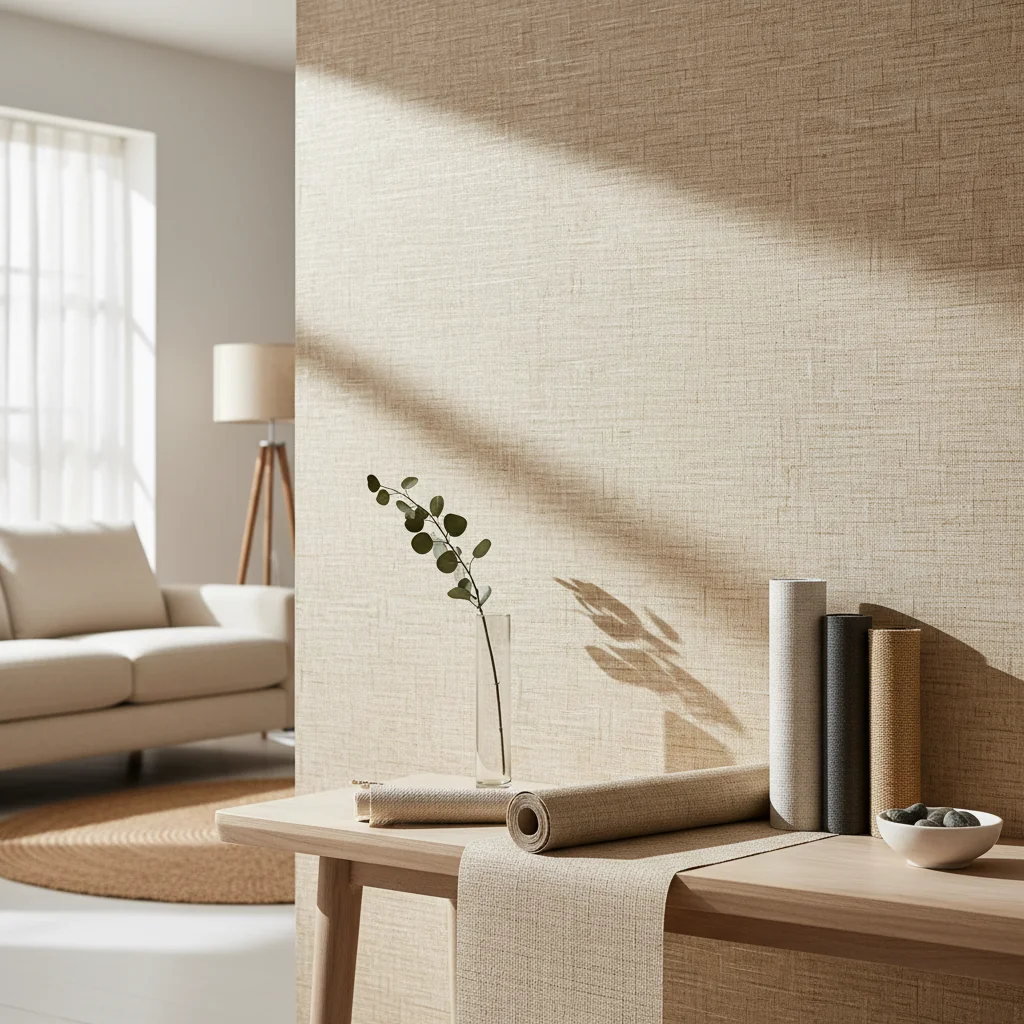
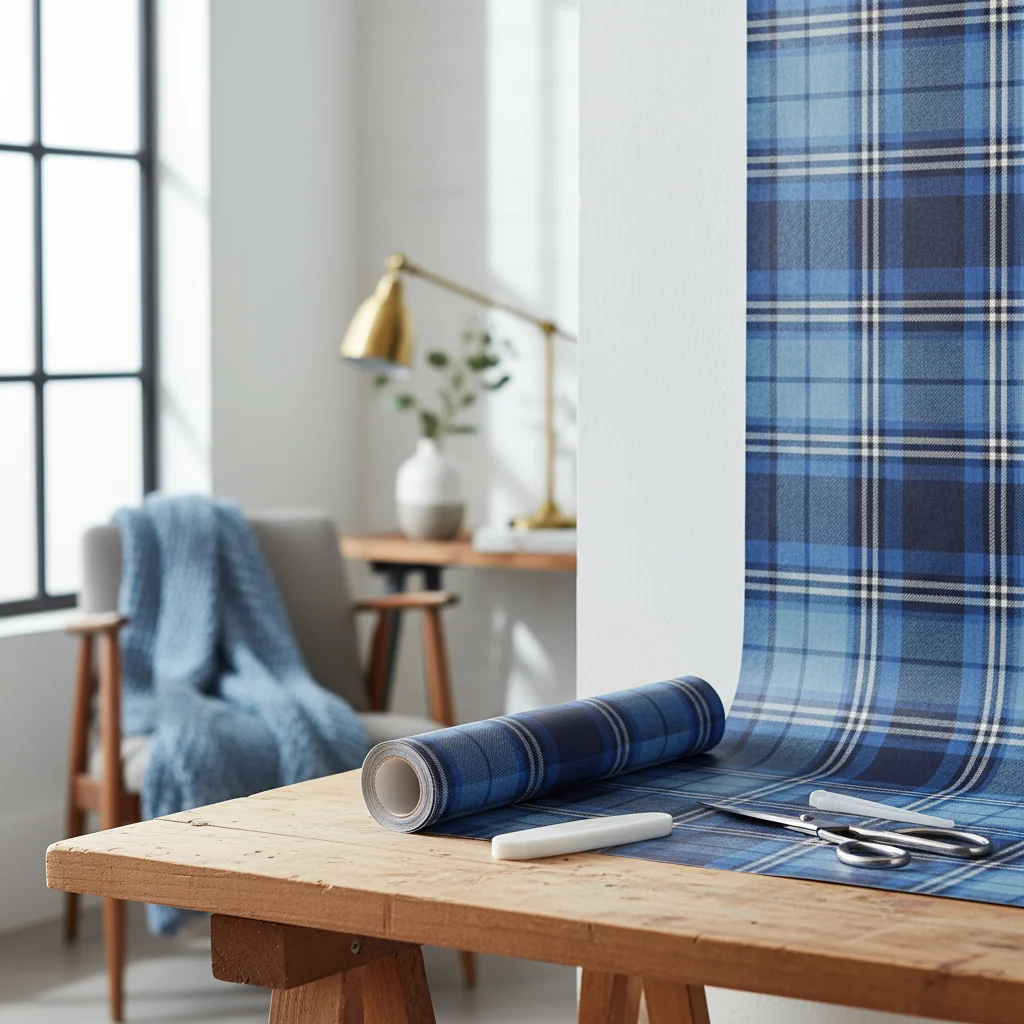
York Wallcoverings stands as the oldest and largest wallcovering producer in the United States, manufacturing a vast array of residential wallpaper, commercial wallcoverings, and wall decals from its historic factory in the Susquehanna Valley of Pennsylvania for over a century. This venerable brand is synonymous with quality, innovation, and an unparalleled diversity of designs, offering homeowners and designers across the globe access to meticulously crafted wall décor solutions that transform spaces with distinct character and enduring style. Starhouse curates these exceptional offerings, understanding that a wallcovering from York is not merely a decorative element, but a foundational design statement.
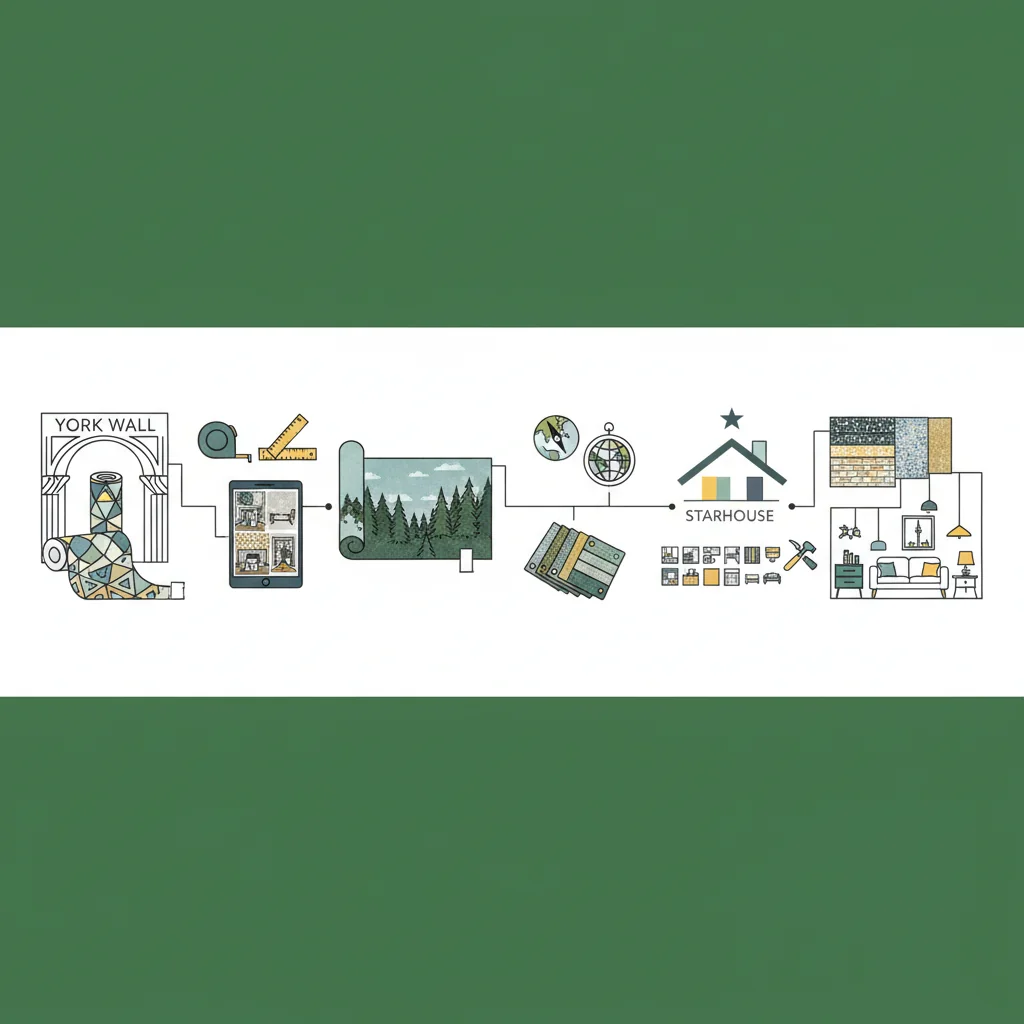
This comprehensive guide delves into every facet of York Wallcoverings, from its rich history and diverse product types to practical considerations like sizing, installation, and care. We will explore the intricate materials, the expansive range of styles, and provide authoritative guidance on selecting and styling these exquisite wall coverings to achieve a sophisticated and personalized interior. Our aim is to equip you with the precise knowledge needed to confidently integrate York Wallcoverings into your home, ensuring a result that is both beautiful and lasting.
Key takeaways
- York Wallcoverings is the oldest and largest U.S. wallcovering manufacturer, renowned for its century-long heritage of quality and design innovation.
- The brand offers a diverse portfolio including traditional unpasted, pre-pasted, modern peel-and-stick, and specialty options like authentic grasscloth and commercial-grade coverings.
- Materials range from durable vinyl and versatile non-wovens to natural paper, grasscloth, and fabric-backed options, each impacting aesthetics, durability, and maintenance.
- Choosing the right York Wallcovering requires assessing room function, light, existing decor, pattern scale, and maintenance needs to ensure a harmonious and lasting design.
- Precise measurement, understanding pattern repeat, and proper surface preparation are critical for successful installation and a professional finish.
- Effective care and maintenance, guided by specific cleaning codes, are essential to preserve the beauty and longevity of York Wallcoverings.
The Enduring Legacy of York Wallcoverings
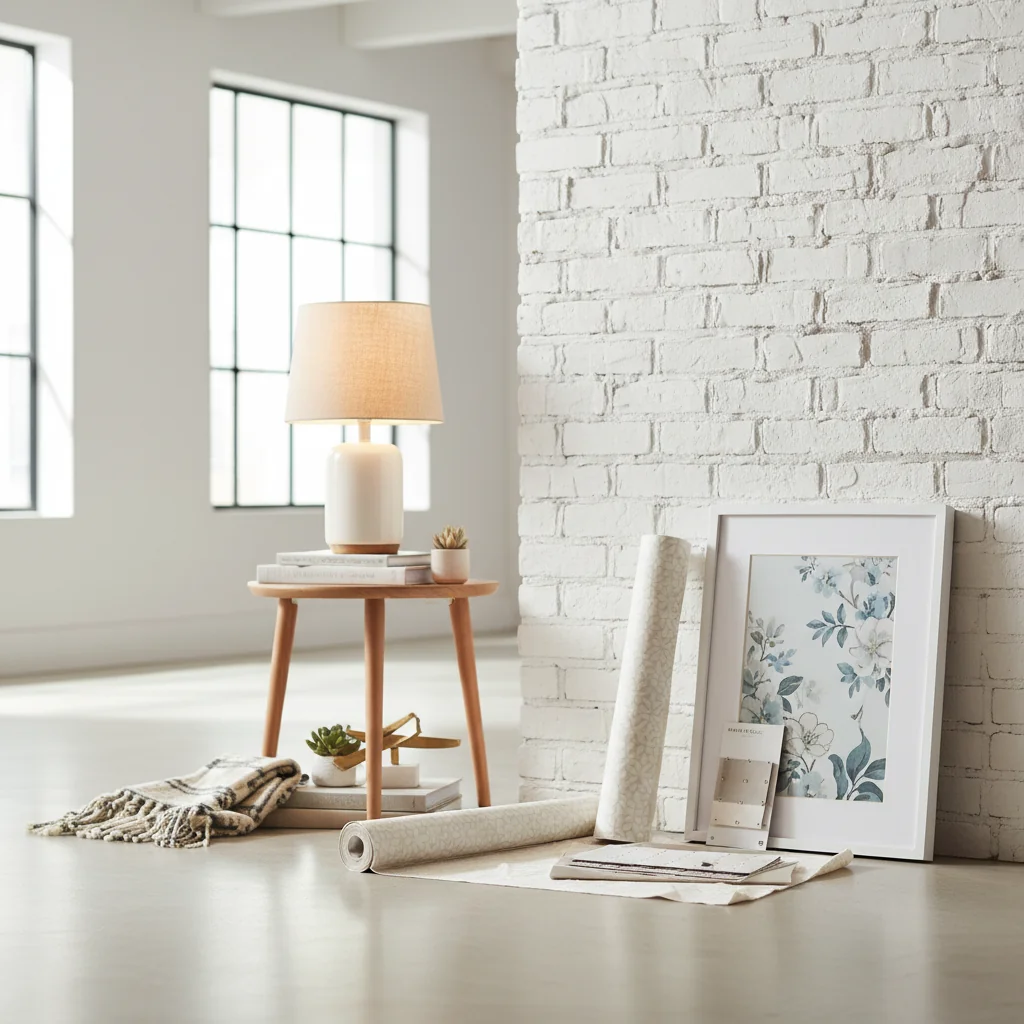
York Wallcoverings is the oldest and largest wallcovering producer in the United States, manufacturing residential wallpaper, commercial wallcoverings, and wall decals from its historic Pennsylvania factory for over a century. This deep heritage is reflected in their commitment to quality, design innovation, and diverse product offerings, establishing them as a cornerstone of American interior design.
Founded in 1895 in York, Pennsylvania, the company has consistently adapted to evolving design trends while maintaining its core values of craftsmanship and integrity. The picturesque Susquehanna Valley factory, where all products are still manufactured, stands as a testament to their dedication to American production and meticulous attention to detail. This continuity of operation in a single location for over 125 years is exceptionally rare in modern manufacturing and underscores York’s unwavering commitment to its roots and its craft.
York Wallcoverings has earned its reputation through a relentless pursuit of excellence, combining traditional printing techniques with cutting-edge technology. They are recognized globally, with products distributed in over 85 countries worldwide, showcasing the universal appeal of their designs and the robust quality of their materials. Their extensive portfolio includes collaborations with renowned designers and brands, further cementing their status as a leader in the wallcovering industry.
The brand’s philosophy centers on the transformative power of wallcoverings. They believe that wallpaper is not merely a background but an integral component of a room’s narrative, capable of setting a mood, defining a style, and expressing personal taste. This belief drives their continuous innovation in design, texture, and material science, ensuring that every collection offers unique possibilities for interior expression.
Starhouse acknowledges York Wallcoverings as a premier partner in curating exceptional home décor. Their legacy of quality and design aligns perfectly with our commitment to providing our customers with aspirational, tasteful, and enduring products for every room.
Understanding the Types of York Wallcoverings
York Wallcoverings offers a broad spectrum of wallpaper types, each distinguished by its construction, application method, and performance characteristics, catering to various aesthetic and functional requirements. These types range from traditional unpasted papers to modern peel-and-stick options and specialized commercial-grade coverings, providing solutions for every installation skill level and design vision.
Understanding the distinctions between these types is paramount for selecting the appropriate wallcovering for your project, ensuring both ease of installation and long-term satisfaction. Each type presents unique benefits in terms of durability, cleanability, and overall aesthetic impact.
Unpasted Wallpaper
Unpasted wallpaper requires the application of a separate adhesive (paste) to its backing before installation, offering decorators precise control over paste consistency and application. This traditional method is often favored by professionals for its flexibility in positioning and its robust, long-lasting bond. Unpasted papers frequently feature more intricate designs or delicate materials that benefit from a tailored adhesive approach.
The process involves cutting the wallpaper to size, applying a high-quality wallpaper paste evenly to the back, “booking” the strips (folding them adhesive-side-in to allow the paste to activate), and then carefully hanging them. This type is generally more durable and less prone to bubbling or shrinking if installed correctly, making it a staple for high-traffic areas or long-term installations. It also tends to be more breathable than some other types, which can be advantageous in certain environments.
Pre-Pasted Wallpaper
Pre-pasted wallpaper comes with a dry adhesive already applied to its backing, activated by simply dipping the cut strips into water, making installation significantly simpler for DIY enthusiasts. This convenience reduces the need for additional tools and messy paste application, streamlining the hanging process.
The activation process typically involves submerging the rolled strip in a water tray for a specified period, usually 30-60 seconds, allowing the adhesive to become tacky. While easier to install than unpasted options, precision is still crucial to avoid over-soaking or insufficient activation, which can compromise adhesion. Pre-pasted options are popular for residential projects where a balance of ease and quality is desired, offering a wide range of designs and finishes.
Peel-and-Stick Wallpaper (Self-Adhesive)
Peel-and-stick wallpaper, also known as self-adhesive or removable wallpaper, features an adhesive backing protected by a removable liner, allowing for easy application and repositioning without the need for water or paste. This innovative type is ideal for renters, temporary installations, or those who enjoy frequently updating their decor, as it can be removed cleanly without damaging walls.
The installation process involves simply peeling back the liner and pressing the wallpaper onto a clean, smooth surface. Its ease of application makes it highly accessible for beginners, and its removability offers unparalleled flexibility. While generally less permanent than traditional pasted options, advancements in adhesive technology have significantly improved its durability and longevity. York’s peel-and-stick offerings combine this convenience with sophisticated designs, making them a popular choice for accent walls, furniture facelifts, and quick room transformations.
Commercial Wallcoverings
York Wallcoverings also produces commercial-grade wallcoverings, specifically engineered for high-traffic environments and demanding applications in hospitality, healthcare, corporate, and retail settings. These products are typically much thicker, more durable, and often feature advanced performance attributes such as increased scrubbability, impact resistance, and fire ratings.
Commercial wallcoverings are usually sold in larger rolls (e.g., 54-inch wide bolts) and are designed for professional installation. They often adhere to stricter technical specifications regarding flame spread, smoke development, and abrasion resistance, making them a robust choice for public and commercial spaces where longevity and low maintenance are critical. While primarily functional, York’s commercial lines do not compromise on design, offering sophisticated patterns and textures suitable for upscale commercial interiors.
Specialty Wallcoverings
York Wallcoverings excels in specialty options that offer unique textures and visual effects, such as authentic grasscloth, fabric-backed, and metallic papers. These types introduce a tactile dimension and artisanal quality that elevates a room’s aesthetic beyond conventional flat surfaces.
- Grasscloth: An authentic grasscloth wallcovering is crafted from natural fibers like sisal, jute, or bamboo, hand-woven onto a paper backing. Each roll is unique, showcasing subtle variations in color and texture that create an organic, sophisticated depth. Grasscloth is unpasted and requires specialized installation techniques due to its natural composition. It offers an unparalleled warmth and textural richness but is generally less washable than vinyl or non-woven options.
- Murals: York offers stunning wall murals, which are large-scale images or patterns printed on several panels to create a continuous, impactful visual across an entire wall. These are often custom-sized and can transform a room into an immersive environment, from serene landscapes to vibrant abstract art. Murals are available in both unpasted and peel-and-stick formats.
- Flocked Wallpaper: This type features raised, velvet-like patterns created by adhering fine fibers to the paper, offering a luxurious, tactile surface. Flocked wallpapers are often used to add a touch of opulence and historical elegance.
- Embossed Wallpaper: Embossed papers have a raised, textural pattern pressed into the surface, creating a three-dimensional effect that adds depth and interest without being overly bold. This texture can help conceal minor wall imperfections.
Each type of York Wallcovering provides distinct advantages, allowing for tailored design solutions that address specific aesthetic preferences, functional requirements, and installation considerations. Starhouse carefully selects from this extensive range to offer products that meet our high standards for beauty and performance.
Materials and Textures: The Foundation of York’s Design
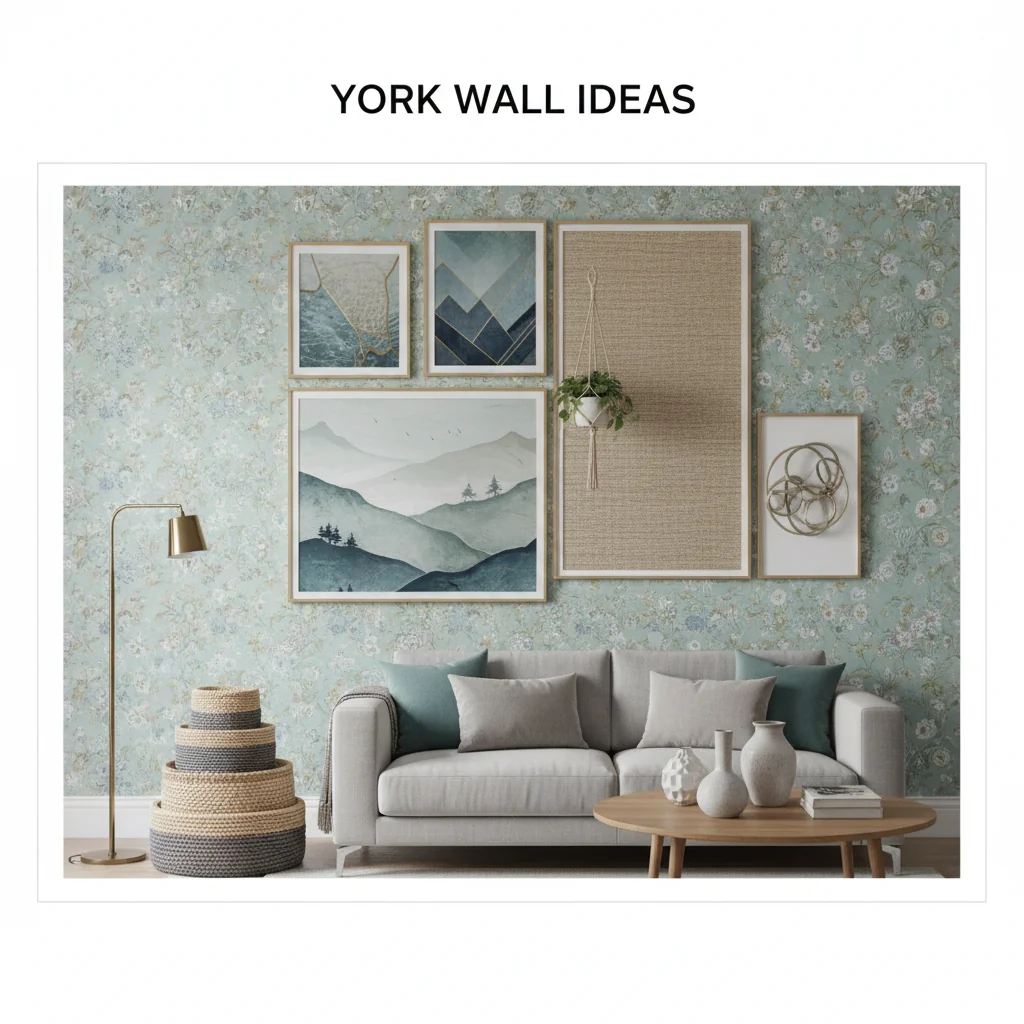
The material composition of York Wallcoverings plays a crucial role in its aesthetic, durability, and tactile experience, with options ranging from natural fibers to advanced synthetics. Understanding these materials is essential for selecting a wallcovering that meets both design aspirations and practical demands, as each offers distinct benefits and performance characteristics.
York’s commitment to quality ensures that regardless of the material, each wallcovering is crafted to provide lasting beauty and functionality. The choice of material directly influences the product’s washability, lightfastness, and overall longevity, impacting its suitability for different rooms and lifestyles.
Vinyl Wallcoverings
Vinyl wallcoverings are exceptionally durable and washable, making them a highly practical choice for high-traffic areas such as kitchens, bathrooms, and children’s rooms. They consist of a vinyl surface layer bonded to a paper or fabric backing, offering excellent resistance to moisture, stains, and scuffs.
Vinyl wallpaper is a wallcovering with a top layer of vinyl, providing enhanced durability and moisture resistance. This makes it particularly suitable for areas prone to humidity or requiring frequent cleaning. York offers a wide range of vinyl options, from solid vinyl (100% vinyl) to vinyl-coated paper (paper with a liquid vinyl coating). Solid vinyl is generally more robust and scrubbable, while vinyl-coated paper offers a good balance of durability and aesthetic versatility. Vinyl’s ability to replicate various textures, from fabric to stone, further enhances its design appeal while maintaining its practical advantages.
Non-Woven Wallcoverings
Non-woven wallcoverings are a modern innovation, constructed from a blend of natural and synthetic fibers, offering a highly breathable, tear-resistant, and environmentally friendly option. This material is known for its “paste-the-wall” application method, which simplifies installation and removal.
The non-woven backing allows the wallcovering to be stripped dry from the wall in full sheets, without damaging the surface underneath, making it an excellent choice for those who anticipate future redecoration. Non-wovens are also dimensionally stable, meaning they resist shrinking or expanding with changes in humidity, ensuring a seamless finish. They are generally more breathable than vinyl, which can be beneficial in preventing mold and mildew in certain climates. York’s non-woven collections feature intricate designs and a soft, matte finish that often mimics the look and feel of natural textiles.
Paper Wallcoverings
Traditional paper wallcoverings are crafted from natural paper fibers, offering a classic aesthetic with a wide array of prints, finishes, and textures. These papers are renowned for their intricate details and ability to hold vibrant colors, providing a sophisticated and timeless appeal.
While generally less durable and washable than vinyl or non-woven options, modern paper wallcoverings often feature protective coatings that enhance their resilience to light and minor scuffs. Paper types are typically unpasted and require careful installation to prevent tearing or stretching. They are an excellent choice for formal living areas, bedrooms, or spaces where a refined, traditional look is desired. The breathability of paper is also a valued characteristic, contributing to a healthy indoor environment.
Natural Fiber Wallcoverings (e.g., Grasscloth)
Natural fiber wallcoverings, such as grasscloth, are handmade from organic materials like sisal, jute, bamboo, and seagrass, woven onto a paper backing. These materials introduce unparalleled texture, warmth, and an organic aesthetic to interiors, creating a truly unique and sophisticated statement.
Each strand of natural fiber absorbs dye differently, resulting in subtle color variations and visible seams that are considered part of the material’s inherent beauty and artisanal charm. Grasscloth is typically unpasted and requires professional installation due to its delicate nature and the need for careful handling. While stunning, natural fiber wallcoverings are generally not washable and should be protected from excessive moisture and direct sunlight to prevent damage and fading. They are ideal for creating a focal point in living rooms, dining rooms, or master bedrooms where their luxurious texture can be appreciated.
Fabric-Backed Wallcoverings
Fabric-backed wallcoverings feature a textile layer (such as cotton or linen) laminated to a paper or non-woven backing, offering a luxurious, soft, and tactile surface. These materials provide exceptional durability and often boast a rich, three-dimensional appearance that adds depth and warmth to a room.
The fabric component contributes to excellent sound absorption properties, making them suitable for spaces where acoustics are a consideration, such as home theaters or formal dining rooms. Fabric-backed options are generally unpasted and can be more challenging to install due to their weight and flexibility, often requiring professional expertise. They are typically more resistant to tearing and offer a high level of sophistication, making them a premium choice for upscale residential and commercial applications.
Mylar Wallcoverings
Mylar wallcoverings feature a thin, reflective film (Mylar) laminated to a paper or non-woven backing, creating a highly reflective, metallic, or glossy surface. These wallcoverings are designed to add a dramatic, glamorous, and often contemporary touch to interiors, reflecting light and expanding the perception of space.
Mylar can be smooth or embossed with patterns, offering a range of visual effects from polished chrome to brushed steel or shimmering iridescence. While durable and generally washable, Mylar surfaces can show imperfections on the wall underneath, requiring meticulous surface preparation. They are often used for accent walls, powder rooms, or spaces where a bold, reflective statement is desired, adding a touch of Art Deco or modern luxury.
Here’s a comparison of common York Wallcovering materials:
| Material Type | Durability | Washability | Installation | Approx. Price Range (per single roll) | Ideal Use Cases |
|---|---|---|---|---|---|
| Vinyl (Solid) | Excellent (High-traffic, impact-resistant) | Very High (Scrubbable) | Moderate (Unpasted or Pre-pasted) | $40 – $120+ USD | Kitchens, bathrooms, kids’ rooms, commercial spaces |
| Non-Woven | Good (Tear-resistant, dimensionally stable) | High (Washable) | Easy (Paste-the-wall, dry strippable) | $35 – $100+ USD | Living rooms, bedrooms, dining rooms, frequently updated spaces |
| Paper | Moderate (Can be delicate) | Low to Moderate (Wipeable, depending on coating) | Moderate to Difficult (Unpasted, careful handling) | $30 – $90+ USD | Formal living areas, bedrooms, low-traffic spaces, traditional designs |
| Natural Fiber (Grasscloth) | Moderate (Delicate, not impact-resistant) | Very Low (Not washable, spot clean only) | Difficult (Unpasted, professional recommended) | $80 – $300+ USD | Accent walls, dining rooms, master bedrooms, sophisticated spaces |
| Fabric-Backed | High (Tear-resistant, sound-absorbing) | Moderate (Wipeable, depending on fabric) | Difficult (Unpasted, professional recommended) | $70 – $250+ USD | Formal living rooms, home theaters, commercial use, luxury spaces |
| Mylar | Good (Durable surface) | High (Washable) | Moderate (Unpasted, requires meticulous wall prep) | $50 – $150+ USD | Accent walls, powder rooms, contemporary or Art Deco designs |
The selection of material profoundly impacts the performance and aesthetic of your wallcovering. Starhouse advises clients to consider the specific demands of their space—from moisture levels to foot traffic—when choosing a York Wallcovering material to ensure lasting beauty and functionality.
Exploring the Diverse Styles and Aesthetics of York Wall
York Wallcoverings encompasses an extensive array of styles, from historical reproductions to contemporary designs, ensuring a perfect match for any interior design vision. Their collections draw inspiration from various eras, artistic movements, and global influences, providing unparalleled decorative versatility that caters to diverse tastes and preferences.
The brand’s design team meticulously develops patterns that are both current and timeless, allowing homeowners to create spaces that feel both fresh and enduring. This breadth of style is a hallmark of York’s commitment to being a comprehensive resource for wall décor.
Traditional and Historic Styles
Traditional York Wallcoverings often feature classic motifs, such as damasks, toile, floral chintzes, and intricate medallions, drawing inspiration from European aristocracy and historical design periods. These patterns are characterized by their refined elegance, symmetrical layouts, and often muted, sophisticated color palettes. They are ideal for creating interiors with a sense of grandeur, heritage, and timeless beauty, perfectly suited for formal living rooms, dining rooms, or master bedrooms that evoke a classic aesthetic.
Modern and Contemporary Designs
Modern York collections embrace clean lines, geometric patterns, abstract forms, and often bold, saturated colors or minimalist monochromatic schemes. These designs reflect contemporary art movements and architectural principles, focusing on simplicity, functionality, and innovative visual impact. They are perfect for urban apartments, minimalist homes, or any space seeking a fresh, avant-garde, or cutting-edge aesthetic. Patterns might include large-scale graphics, subtle textures, or metallic accents that catch and play with light.
Transitional Styles
Transitional wallcoverings bridge the gap between traditional and modern aesthetics, blending classic elements with contemporary sensibilities. These designs often feature simplified traditional motifs, updated color palettes, or textural patterns that offer a sophisticated yet approachable look. Transitional styles are highly versatile, providing a harmonious balance that works well in almost any room, appealing to those who appreciate both comfort and understated elegance without committing to a single dominant style.
Bohemian and Eclectic Patterns
York’s bohemian and eclectic wallcoverings celebrate global influences, vibrant colors, intricate mandalas, ethnic prints, and natural textures. These patterns are characterized by their relaxed, free-spirited, and often artistic appeal, encouraging a personalized and well-traveled aesthetic. They are ideal for creating spaces that feel warm, inviting, and creatively expressive, often incorporating elements like paisleys, ikat, or rich, textural patterns that evoke a sense of adventure and individualism.
Farmhouse and Rustic Aesthetics
For those drawn to the charm of country living, York offers wallcoverings that embody farmhouse and rustic aesthetics. These designs often feature distressed wood planks, exposed brick, shiplap effects, vintage florals, or subtle plaid patterns. The color palettes tend to be soft, natural, and earthy, emphasizing comfort, simplicity, and a connection to nature. These styles are perfect for creating cozy, inviting spaces that evoke a sense of warmth, history, and genuine charm, suitable for kitchens, living rooms, or casual dining areas.
Art Deco and Glamour
Inspired by the opulence of the 1920s and 30s, Art Deco and glamour wallcoverings from York feature geometric symmetry, metallic sheens, bold contrasts, and luxurious textures. Think fan patterns, sunbursts, chevrons, and rich jewel tones, often accented with gold, silver, or bronze. These designs are ideal for creating sophisticated, dramatic, and luxurious interiors, adding a touch of vintage Hollywood elegance to powder rooms, dining areas, or accent walls.
Nature-Inspired and Botanical Prints
Nature-inspired wallcoverings bring the tranquility and beauty of the outdoors inside, featuring botanical prints, lush foliage, delicate florals, animal motifs, and scenic landscapes. These designs can range from realistic depictions to stylized interpretations, offering a refreshing and calming aesthetic. They are perfect for creating serene bedrooms, vibrant sunrooms, or inviting living areas that celebrate the natural world, promoting a sense of peace and connection to the environment.
Textural and Embossed Designs
Beyond visual patterns, York offers a rich selection of textural and embossed wallcoverings that add a tactile dimension to walls. These designs can mimic the appearance and feel of linen, grasscloth, plaster, concrete, or even animal hides, adding depth and sophistication without relying on overt patterns. They are excellent for creating subtle visual interest, camouflaging minor wall imperfections, and adding a layer of understated luxury to any room. These wallcoverings often excel in monochromatic schemes, where the texture itself becomes the primary design element.
The vast stylistic range offered by York Wallcoverings ensures that every design aspiration can be met with a high-quality, impactful solution. Starhouse curates collections that represent the pinnacle of these styles, providing our customers with the finest options to define their personal aesthetic.
How to Choose the Ideal York Wallcovering for Your Space
Selecting the ideal York Wallcovering involves a systematic evaluation of your room’s function, desired aesthetic, light conditions, and practical considerations like durability and maintenance. A thoughtful approach ensures the chosen wallcovering enhances the space effectively and endures over time, becoming a cherished element of your home’s design.
This decision-making process requires careful consideration of both artistic vision and pragmatic needs, leading to a selection that is both beautiful and perfectly suited to its environment.
1. Assess Room Function and Traffic
The primary function of a room dictates the practical requirements for your wallcovering. For high-traffic areas such as hallways, entryways, kitchens, and children’s rooms, prioritize durability and washability. Vinyl or heavily coated non-woven options are excellent choices due to their resistance to scuffs, stains, and moisture. In contrast, for low-traffic areas like formal dining rooms, master bedrooms, or powder rooms, you have greater flexibility to explore more delicate, luxurious options such as natural grasscloth, flocked papers, or intricate paper designs that prioritize aesthetic over extreme resilience.
Consider how often the walls might be touched, brushed against, or exposed to splashes. A wallcovering in a busy kitchen needs to withstand more rigorous cleaning than one in a serene guest bedroom.
2. Evaluate Lighting Conditions
Natural and artificial light significantly impact how a wallcovering appears in a space. In rooms with abundant natural light, you can consider darker, bolder patterns or highly reflective materials like Mylar without making the room feel enclosed. Conversely, in dimly lit rooms or those with limited natural light, lighter colors and patterns with subtle sheen can help brighten the space and make it feel more expansive. Metallic accents or textured wallcoverings that catch ambient light can also add depth and luminosity to darker rooms.
Always view samples of your chosen wallcovering in the actual room, at different times of day, to understand how the light interacts with the color, pattern, and texture.
3. Consider Existing Decor and Color Palette
Your chosen wallcovering should harmonize with your existing furniture, textiles, flooring, and decorative accessories. Determine whether you want the wallcovering to be a focal point or a subtle background element. If your furniture is bold and colorful, a more subdued, textural, or small-scale pattern might be appropriate to create balance. If your furnishings are neutral, a vibrant or large-scale pattern can introduce personality and drama.
Consider the dominant colors in your room and select a wallcovering that either complements them (using analogous or monochromatic schemes) or provides a thoughtful contrast (using complementary colors). Starhouse recommends gathering fabric swatches, paint chips, and photos of your existing decor when making your selection to ensure a cohesive design.
4. Determine Pattern Scale and Repeat
Pattern repeat is the distance on a wallpaper roll before a design element repeats itself, influencing how much wallpaper you need and how the pattern flows across your wall. The scale of a pattern should be proportionate to the size of your room. Large-scale patterns can make a small room feel overwhelmed or even smaller if not chosen carefully. They tend to work best in spacious rooms with high ceilings, creating a dramatic statement. Smaller, more delicate patterns or subtle textures are often better suited for compact spaces, adding interest without overpowering the room.
For rooms with complex architectural features or many windows and doors, a smaller, less busy pattern or a textural solid might be easier to install and less visually chaotic. Conversely, a large, uninterrupted wall is an ideal canvas for a bold mural or an expansive pattern.
5. Reflect Your Personal Style and Aesthetic
Ultimately, your wallcovering choice should reflect your personal taste and the desired mood of the room. Do you prefer a calm and serene atmosphere, a vibrant and energetic one, or a luxurious and opulent feel? York Wallcoverings offers styles from traditional to contemporary, bohemian to minimalist. Allow your personal preferences to guide your selection, ensuring the final result is a space that genuinely feels like home.
Don’t be afraid to experiment with samples. Ordering swatches and taping them to your walls for a few days allows you to live with the pattern and color before committing to a full installation. This step is invaluable for visualizing the impact and ensuring long-term satisfaction.
6. Understand Maintenance and Care Requirements
Different wallcovering materials have varying care instructions. Vinyl wallpapers are typically highly washable and scrubbable, making them easy to maintain. Non-woven papers are often washable and dry-strippable, offering a balance of durability and ease of removal. Natural fiber wallcoverings like grasscloth are generally not washable and require delicate care, often only light dusting or vacuuming. Always check the manufacturer’s cleaning codes and recommendations for your specific York Wallcovering to ensure you can properly maintain its beauty over time.
Consider your lifestyle: if you have pets or young children, a highly durable and washable option will be a more practical choice than a delicate, non-washable material.
By systematically addressing these considerations, you can confidently navigate the extensive collections of York Wallcoverings and select the perfect option that combines aesthetic appeal with practical functionality for your unique space. Starhouse is dedicated to guiding you through this process, ensuring your home reflects your vision with precision and style.
As you consider the myriad options, we invite you to share what you’re looking for in your ideal wallcovering. Your input helps Starhouse curate the perfect collection, and by telling us what you’re looking for, you can get early access to our exclusive offerings. Visit Starhouse USA online to connect with our design team.
Precise Sizing and Measuring for York Wallcoverings
Accurate sizing and meticulous measurement are critical steps in any wallpaper project, ensuring sufficient material is ordered and minimizing waste for a seamless installation. York Wallcoverings typically come in standard roll sizes, but precise calculations are essential for a professional finish and to avoid costly reorders.
Underestimating your needs can lead to delays and potential color discrepancies if subsequent batches are required, while overestimating results in unnecessary expense. This section provides a definitive guide to measuring your space accurately for York Wallcoverings.
Understanding Wallpaper Roll Dimensions
York Wallcoverings are typically sold in single or double rolls. While the packaging often states “double roll,” the pricing is usually per single roll. It’s crucial to understand the actual dimensions:
- Single Roll: Approximately 20.5 inches wide by 16.5 feet long, covering about 28 square feet.
- Double Roll: Approximately 20.5 inches wide by 33 feet long, covering about 56 square feet. (Note: Many manufacturers sell what they call a “double roll” but it is priced per single roll, meaning you purchase two single rolls combined.)
- Wider Rolls: Some specialty or commercial wallcoverings may come in wider widths, such as 27, 36, or 54 inches, with varying lengths. Always check the specific product specifications for precise dimensions.
Always verify the exact width and length provided on the product label or description for the specific York Wallcovering you intend to purchase, as dimensions can vary slightly by collection and material type.
Step-by-Step Measuring Process
Step 1: Measure Wall Height and Width
Using a steel tape measure, accurately measure the height of each wall from the baseboard to the ceiling. If your ceiling height varies, measure the tallest point. Then, measure the total width of each wall you intend to cover. Record these measurements in feet and inches.
For example, if a wall is 8 feet 6 inches high and 12 feet wide.
Step 2: Calculate Total Square Footage
Multiply the height by the width for each wall to get its square footage. Sum the square footage of all walls to be covered. Do not subtract for doors and windows at this stage, as the extra material will account for pattern matching and trimming.
Example: (8.5 feet height * 12 feet width) = 102 square feet per wall.
Step 3: Account for Pattern Repeat
Pattern repeat is the vertical distance at which the wallpaper pattern duplicates itself. This measurement is crucial because you will need to align the pattern across strips, which often requires cutting off excess material to achieve a seamless look. The larger the pattern repeat, the more waste you will incur.
- No Repeat (Random Match): These patterns can be hung without regard for matching, resulting in minimal waste.
- Straight Match: The pattern matches across strips at the same height.
- Drop Match: The pattern matches across strips but drops down by a specific distance on alternating strips (e.g., half-drop, quarter-drop). This requires more material.
Find the pattern repeat measurement on the York Wallcoverings product description. As a general rule, add one pattern repeat length per strip of wallpaper you plan to hang. Most calculators factor in a general waste percentage, but for large repeats (over 20 inches), you may need to add an extra roll.
Step 4: Determine Number of Strips Per Roll
Divide the length of one roll (e.g., 33 feet for a double roll, or 396 inches) by the height of your wall (in inches), adding the pattern repeat for each strip. This gives you the number of usable strips per roll.
Example: Wall height = 8 feet 6 inches (102 inches). Pattern repeat = 21 inches.
Usable strip length = 102 inches (wall height) + 21 inches (pattern repeat) = 123 inches.
Double roll length = 33 feet = 396 inches.
Number of strips per double roll = 396 inches / 123 inches = 3.21. You can get 3 usable strips per double roll.
Step 5: Calculate Total Number of Strips Needed
Divide the total width of the walls (in inches) by the width of one wallpaper strip (e.g., 20.5 inches). Round up to the nearest whole number to determine the total number of strips required.
Example: Total wall width = 12 feet = 144 inches. Wallpaper width = 20.5 inches.
Number of strips needed = 144 inches / 20.5 inches = 7.02. You need 8 strips.
Step 6: Calculate Total Rolls Needed
Divide the total number of strips needed (from Step 5) by the number of usable strips per roll (from Step 4). Round up to the nearest whole number to get the total number of rolls to order.
Example: Total strips needed = 8. Usable strips per double roll = 3.
Total double rolls needed = 8 / 3 = 2.66. You need to order 3 double rolls.
Step 7: Add for Overages and Future Repairs
It is standard practice to order at least one extra roll, especially for large pattern repeats or complex installations. This extra roll accounts for cutting mistakes, pattern alignment issues, or future repairs. Having an extra roll from the same dye lot ensures color consistency if you need to patch or replace a section years down the line.
Dye lot: A dye lot is a batch of wallpaper printed at the same time, ensuring consistent color and tone across all rolls. Ordering all rolls from the same dye lot is crucial to prevent noticeable color variations on your wall.
Measuring for Specialty Areas
- Doors and Windows: Do not subtract for these openings during initial calculations. The excess material will be used for pattern matching and trimming around the frames.
- Sloped Ceilings: Measure the highest point of the sloped wall and use that as your wall height for calculation.
- Accent Walls: Follow the same process for a single wall, but be particularly mindful of pattern placement if it’s a focal point.
- Murals: York murals are often designed to fit specific wall dimensions. Carefully measure the exact height and width of the wall where the mural will be installed. Some murals come with instructions for trimming or require custom sizing.
By following these precise measurement guidelines, you ensure you order the correct quantity of York Wallcoverings, setting the foundation for a successful and aesthetically pleasing installation. Starhouse emphasizes that careful preparation is the hallmark of a truly sophisticated interior design project.
Installation Best Practices for York Wallcoverings
Proper installation is paramount for achieving a flawless and lasting finish with York Wallcoverings, requiring careful surface preparation, precise application techniques, and strict adherence to manufacturer guidelines. While some types are DIY-friendly, others benefit significantly from professional expertise to ensure a high-quality outcome.
Meticulous attention to detail at every stage of the installation process prevents common issues such as bubbling, peeling, or visible seams, preserving the aesthetic integrity of your chosen wallcovering.
1. Thorough Wall Preparation
Wall preparation is the most critical step, often determining the success or failure of a wallpaper installation. The surface must be clean, smooth, dry, and free of imperfections.
- Clean: Wash walls with a mild detergent solution (e.g., TSP substitute) to remove dirt, grease, and grime. Rinse thoroughly with clean water and allow to dry completely.
- Repair: Fill any holes, cracks, or dents with spackle or joint compound. Sand smooth once dry. Even minor imperfections can show through wallpaper, especially those with smooth or metallic finishes.
- Prime: Apply a high-quality wallpaper primer/sealer (sometimes called a “sizing”) to all walls. Primer creates a uniform surface, aids adhesion, and makes future removal easier. For dark walls being covered with light wallpaper, use a tinted primer to prevent the underlying color from showing through. Allow the primer to dry fully according to manufacturer instructions, typically 24-48 hours.
- Remove Old Wallpaper: If old wallpaper is present, it must be completely removed. Installing new wallpaper over old can lead to adhesion issues, bubbling, and an uneven finish. Use a wallpaper steamer or a commercial wallpaper remover for effective stripping.
A properly prepared wall provides the ideal canvas for your York Wallcovering, ensuring optimal adhesion and a professional appearance.
2. Essential Tools and Materials
Having the right tools on hand streamlines the installation process and contributes to a professional finish:
- Steel tape measure
- Utility knife with plenty of fresh blades
- Straightedge or metal ruler
- Smoothing tool (plastic smoother or wallpaper brush)
- Seam roller (for traditional wallpapers)
- Water tray (for pre-pasted)
- Wallpaper paste and paste brush/roller (for unpasted)
- Level or plumb bob (for starting straight lines)
- Sponge and clean water bucket
- Drop cloths
- Step ladder
3. Starting the Installation
The first strip of wallpaper is crucial, as it sets the alignment for the entire room. Do not rely on the ceiling or corner as your starting point, as they are rarely perfectly straight.
- Plumb Line: Use a level or plumb bob to draw a perfectly vertical line on your wall, starting about 1/2 inch less than the width of your wallpaper from a corner. This line will guide the edge of your first strip.
- Cutting Strips: Cut your first strip of wallpaper to the height of your wall, adding 4-6 inches for trimming at the top and bottom. For patterned wallpaper, cut subsequent strips, aligning the pattern carefully before cutting, and ensuring you have enough extra for the pattern repeat. Number the back of each strip lightly in pencil to maintain order.
4. Application Techniques by Type
The application method varies significantly based on the type of York Wallcovering:
- Unpasted Wallpaper:
- Apply a uniform layer of high-quality wallpaper paste to the back of the cut strip using a roller or brush. Ensure edges are well-covered.
- “Book” the wallpaper: Fold the pasted ends towards the middle, adhesive side in, without creasing. Allow it to rest for 5-10 minutes (refer to paste instructions) for the paste to activate. This prevents premature drying and stretching.
- Carefully align the first strip with your plumb line, starting from the top. Smooth it down with a wallpaper brush or plastic smoother, working from the center outwards to remove air bubbles.
- Trim excess at the top and bottom with a sharp utility knife and straightedge.
- Pre-Pasted Wallpaper:
- Submerge the rolled, cut strip into a water tray, ensuring the entire back is wet. Follow manufacturer’s recommended soaking time (typically 30-60 seconds).
- Carefully pull the strip out, allowing excess water to drip off.
- Book the wallpaper as with unpasted, allowing the adhesive to activate for 3-5 minutes.
- Apply and smooth as with unpasted, aligning with your plumb line.
- Peel-and-Stick Wallpaper:
- Start at the top corner, peeling back only a few inches of the liner.
- Align the top edge and side with your plumb line or ceiling.
- Slowly peel off the backing while smoothing the wallpaper onto the wall with a plastic smoother, working downwards and outwards.
- If bubbles appear, gently peel back and re-smooth. This type is generally repositionable.
- Trim excess.
5. Matching Patterns and Seams
For patterned wallpapers, align the pattern precisely with the previous strip. Butt seams tightly together without overlapping. Use a seam roller gently on traditional wallpapers to ensure good adhesion at the seams, but avoid over-rolling, which can squeeze out paste or damage the paper. For delicate or natural fiber papers, avoid seam rollers entirely; gently press seams with a clean, damp sponge.
6. Trimming and Finishing
Once each strip is applied, use a sharp utility knife and a straightedge to carefully trim excess wallpaper at the ceiling, baseboards, and around windows or doors. Change blades frequently for clean cuts. Wipe away any excess paste immediately with a clean, damp sponge, especially on textured or non-washable papers, to prevent staining or residue.
7. Drying Time and Curing
Allow the wallpaper to dry naturally, typically 24-48 hours. Avoid turning on fans or opening windows immediately, as rapid drying can cause seams to pull apart. For peel-and-stick, the adhesion is instant, but full curing of traditional paste can take several days. During this time, minor bubbles may appear and then disappear as the paper dries and contracts.
Professional Installation
For complex patterns, delicate materials like grasscloth, large-scale murals, or if you simply prefer a guaranteed flawless finish, hiring a professional wallpaper installer is highly recommended. Professionals possess the specialized tools, experience, and techniques to handle challenging installations, ensuring your York Wallcoverings look their absolute best. Starhouse advises clients to consider professional installation for any high-value or intricate wallcovering project to protect their investment.
Maintaining and Caring for Your York Wallcoverings
Appropriate care and regular maintenance significantly extend the life and preserve the beauty of York Wallcoverings, ensuring they remain a pristine feature in your home for years. Specific cleaning methods vary based on the material and finish of the wallcovering, necessitating careful adherence to manufacturer guidelines to prevent damage.
Understanding the cleaning codes and recommended practices for your specific York product is essential for effective, long-term preservation, protecting your investment in sophisticated design.
Understanding Cleaning Codes
York Wallcoverings, like most reputable brands, uses standardized cleaning codes to indicate the appropriate maintenance method for each product. These codes are typically found on the back of the wallpaper roll label or in the product specifications. Familiarize yourself with these codes before attempting any cleaning:
- Washable: Can be cleaned with a sponge or cloth, mild soap, and warm water. Gentle rubbing is permissible.
- Scrubbable: Can withstand more vigorous cleaning with a sponge, mild soap, and warm water, suitable for tougher stains.
- Dry Strippable: Refers to removal properties, not cleaning.
- Peelable: Refers to removal properties, not cleaning.
- Spongeable: Can be lightly wiped with a damp sponge, but not suitable for heavy washing.
- Non-Washable: Cannot be cleaned with water. Requires dry cleaning methods like dusting or light vacuuming. This often applies to natural fiber wallcoverings like grasscloth or delicate textile papers.
Always test any cleaning solution or method on an inconspicuous area first, such as a leftover scrap or a hidden corner, to ensure it does not damage or discolor the wallcovering.
General Maintenance Tips
Regular, gentle maintenance is key to preventing the buildup of dust and grime that can dull your wallcoverings over time.
- Regular Dusting: For all types of wallcoverings, regular dusting with a soft, dry cloth or a duster with an extension handle is recommended. For textured papers, a soft brush attachment on a vacuum cleaner can effectively remove dust from crevices.
- Avoid Abrasives: Never use abrasive cleaners, scouring pads, or harsh chemical detergents, as these can damage the surface, strip finishes, or cause discoloration.
- Protect from Direct Sunlight: Prolonged exposure to direct sunlight can cause colors to fade over time, especially with natural fibers and certain dyes. Use curtains, blinds, or UV-protective window films to minimize direct sun exposure on your wallcoverings.
- Control Humidity: Maintain consistent humidity levels in your home (ideally between 30-50%). Extreme fluctuations can cause wallpaper seams to separate or wallpaper to bubble.
Spot Cleaning and Stain Removal
Address spills and stains promptly to prevent them from setting. The method depends on the wallcovering’s washability code:
- Washable/Scrubbable Wallcoverings (e.g., Vinyl, many Non-Wovens):
- For general dirt and fingerprints, wipe gently with a soft sponge or cloth dampened with warm water and a small amount of mild dish soap.
- For tougher stains, use a slightly more concentrated solution or a specialized wallpaper cleaner. Always rinse with a clean, damp cloth to remove soap residue.
- Blot, do not rub aggressively, to avoid damaging the surface.
- Spongeable Wallcoverings (e.g., some Paper-backed Vinyls):
- Lightly wipe with a barely damp sponge. Avoid saturating the paper.
- Do not use soap unless explicitly stated as safe.
- Non-Washable Wallcoverings (e.g., Natural Grasscloth, Delicate Paper):
- For dry dirt or dust, use a soft, dry cloth or a lint roller. A clean, soft art gum eraser can sometimes lift pencil marks or light smudges.
- For liquid spills, blot immediately with a clean, dry cloth. Do not rub. Stains on these materials can be very difficult, if not impossible, to remove without damage, so prevention is paramount.
Repairing Minor Damage
Minor damage to your York Wallcoverings can often be repaired with a bit of care:
- Lifting Seams: For traditional wallpapers, gently lift the loose seam and apply a small amount of seam adhesive (a specialized wallpaper paste) underneath. Press firmly with a seam roller or clean cloth.
- Small Tears: For small tears, use a very small amount of clear craft glue or seam adhesive to carefully reattach the torn piece. For larger tears or damage, you may need to patch the area using a piece from your extra roll (if available from the same dye lot). Cut a patch slightly larger than the damaged area, align the pattern, and carefully cut through both the patch and the damaged wallpaper. Remove the damaged section and adhere the new patch.
- Bubbles: Small bubbles often disappear as the wallpaper dries. For persistent bubbles, you can sometimes carefully slit them with a sharp utility knife, apply a small amount of adhesive with a syringe, and then smooth them flat. This is best done by a professional.
By adhering to these maintenance and care guidelines, your York Wallcoverings will retain their beauty and integrity, continuing to enhance your home’s aesthetic for many years. Starhouse underscores that consistent, gentle care is an investment in the longevity of your interior design.
Styling and Pairing York Wallcoverings with Your Decor
Integrating York Wallcoverings seamlessly into your existing or planned decor involves strategic styling and thoughtful pairing with furniture, textiles, lighting, and accessories. The wallcovering acts as a foundational element, setting the tone and enhancing the overall aesthetic, requiring a holistic approach to interior design.
A well-chosen wallcovering can elevate a room from merely functional to truly transformative, creating a cohesive and sophisticated environment that reflects your personal style and design intent.
1. Defining the Room’s Mood and Focal Point
Before selecting your wallcovering, clearly define the desired mood for the room. Do you envision a serene sanctuary, a vibrant gathering space, or a luxurious retreat? York offers patterns and textures that can evoke any emotion. Once the mood is set, decide if the wallcovering will be the primary focal point or a complementary backdrop.
- Focal Wall: For a dramatic statement, choose a bold, large-scale pattern, a rich texture like grasscloth, or a captivating mural for one accent wall. This draws the eye and creates immediate visual interest, allowing other elements in the room to be more subdued.
- Overall Ambiance: If you prefer an all-encompassing effect, select a more subtle pattern, a soft texture, or a tone-on-tone design that covers all walls. This creates a cohesive backdrop that allows furniture, art, and accessories to shine, contributing to a unified sense of space.
2. Harmonizing with Color Schemes
Color is a powerful tool in interior design, and your wallcovering’s palette should integrate thoughtfully with your room’s overall color scheme.
- Complementary Colors: Use the color wheel to select wallcoverings that feature hues opposite to your main furniture or textile colors (e.g., a blue wallcovering with orange accents). This creates dynamic contrast.
- Analogous Colors: Choose wallcoverings with colors adjacent to your main palette (e.g., green and blue). This creates a harmonious, soothing flow.
- Monochromatic Schemes: Opt for a wallcovering in varying shades and textures of a single color. This creates depth and sophistication without relying on contrasting hues, perfect for a refined, minimalist aesthetic.
- Neutral Backdrops: For rooms with vibrant furniture or art, a neutral-toned wallcovering with subtle texture (e.g., linen-look, faux grasscloth) provides a calming foundation that allows other elements to pop.
3. Pairing with Furniture Styles
The style of your furniture should inform your wallcovering choice to ensure a cohesive design narrative.
- Traditional Furniture: Pair classic pieces (e.g., Chippendale, Queen Anne, Victorian) with elegant damasks, intricate florals, toile, or subtle stripes from York’s traditional collections.
- Modern/Contemporary Furniture: Complement sleek, minimalist furniture with geometric patterns, abstract designs, solid textures, or metallic finishes.
- Farmhouse/Rustic Furniture: Match distressed wood, reclaimed pieces, and cozy upholstered items with shiplap effects, botanical prints, subtle plaids, or faux brick wallcoverings.
- Eclectic/Bohemian Furniture: Embrace a mix-and-match approach with global-inspired patterns, vibrant motifs, or natural grasscloth textures.
4. Integrating Textiles and Accessories
Textiles (curtains, rugs, throw pillows) and accessories (art, mirrors, decorative objects) are crucial for tying the wallcovering into the larger design scheme.
- Texture Play: If your wallcovering has a strong texture (e.g., grasscloth), balance it with smoother textiles like silk or velvet. If the wallcovering is smooth, introduce textured throws or rugs for tactile contrast.
- Pattern Mixing: When mixing patterns, vary their scale. If your wallcovering has a large-scale print, choose smaller, complementary patterns for pillows or rugs, or opt for solid textiles to let the wallcovering dominate. Ensure there’s a unifying color or theme.
- Art Placement: Wallcoverings can serve as a stunning backdrop for artwork. A subtle, textured wallcovering can enhance paintings, while a bold pattern might require more minimalist art or strategically placed mirrors to break up the visual intensity.
- Metallic Accents: If your York Wallcovering features metallic elements, echo these tones in lighting fixtures, mirror frames, or decorative objects to create a cohesive, glamorous look.
5. Enhancing with Lighting
Lighting can dramatically alter the perception of your wallcovering, highlighting its texture and color.
- Ambient Lighting: Soft, diffused ambient light reveals the overall pattern and color without harsh shadows.
- Accent Lighting: Use picture lights or wall sconces to highlight specific features, textures, or art pieces on your wallpaper. Up-lighting or down-lighting can emphasize textured wallcoverings, creating dramatic shadow play.
- Natural Light: As discussed, consider how natural light changes throughout the day and how it interacts with the wallcovering’s finish (matte, satin, metallic) and texture.
By thoughtfully considering these styling principles, you can transform your York Wallcoverings from a mere surface treatment into an integral and impactful component of your home’s interior design. Starhouse encourages a holistic approach to styling, ensuring every element in your room works in concert to create a truly sophisticated and personalized space.
Common Mistakes to Avoid When Working with York Wallcoverings
Avoiding common pitfalls in the selection, preparation, and installation of York Wallcoverings ensures a successful project and prevents costly errors. Awareness of these frequent missteps empowers homeowners to achieve professional-level results, safeguarding both their investment and their aesthetic vision.
Many installation issues stem from overlooking crucial preliminary steps, highlighting the importance of meticulous planning and execution.
1. Skipping or Insufficient Wall Preparation
This is arguably the most common and detrimental mistake. Installing wallpaper over dirty, uneven, or unprimed walls leads to myriad problems:
- Poor Adhesion: Wallpaper may bubble, peel, or lift at the seams if applied to dusty, greasy, or porous surfaces.
- Visible Imperfections: Bumps, cracks, and old paint textures will often show through the new wallpaper, especially with thinner or smoother finishes.
- Difficult Removal: Without proper priming, removing wallpaper in the future can damage the drywall surface.
- Staining: Dark wall colors or stains can bleed through lighter wallpapers if not properly primed with a stain-blocking primer.
Correction: Always clean, repair, and prime your walls thoroughly. Invest in a high-quality wallpaper primer/sealer designed for wallpaper installation.
2. Incorrect Measurement and Under-ordering
Underestimating the amount of wallpaper needed is a frequent error, leading to delays and potential issues with color matching.
- Running Out: Halting a project mid-way to order more wallpaper is inconvenient.
- Dye Lot Issues: Subsequent orders may come from a different dye lot, resulting in subtle but noticeable color variations on your wall.
- Insufficient for Pattern Match: Not accounting for pattern repeat significantly increases waste, leading to a shortage of material.
Correction: Measure meticulously, account for pattern repeat, and always order at least one extra double roll to cover mistakes, pattern matching, and future repairs. Verify the dye lot of all rolls upon receipt.
3. Ignoring Pattern Repeat During Cutting
For patterned wallpapers, failing to properly align the pattern repeat between strips results in a disjointed, unprofessional appearance.
- Misaligned Patterns: The design elements will not flow seamlessly across the wall, creating a jarring visual break.
- Excessive Waste: If you cut strips without considering the pattern match, you may end up with unusable sections.
Correction: Always cut wallpaper strips in sequence, aligning the pattern carefully before making each cut. Mark the top of each strip on the back to maintain order during installation.
4. Improper Paste Application (for Unpasted/Pre-pasted)
Whether too much, too little, or uneven paste, improper application can cause significant problems.
- Too Much Paste: Can cause wallpaper to slide, ooze out seams, and be difficult to clean, potentially staining the face of the paper.
- Too Little Paste: Leads to poor adhesion, lifting seams, and bubbling.
- Uneven Paste: Causes inconsistent adhesion and uneven drying, resulting in wrinkles or bubbles.
- Insufficient Booking Time: For unpasted papers, not allowing enough time for the paste to soak in (booking) can lead to stretching and bubbling.
Correction: Follow the paste manufacturer’s instructions precisely for application and booking times. Ensure an even, consistent coat of paste, especially along edges.
5. Not Using a Plumb Line
Starting the first strip of wallpaper without a perfectly vertical guide often results in crooked installation across the entire wall.
- Crooked Strips: The first strip will be off-kilter, causing subsequent strips to be misaligned, especially noticeable with stripes or geometric patterns.
- Difficulty Matching: A crooked start makes pattern matching nearly impossible.
Correction: Always use a level or plumb bob to draw a perfectly vertical guideline for your first strip. Do not assume corners or door frames are plumb.
6. Overlapping Seams (Unless Specified)
For most modern York Wallcoverings, seams should be butt-joined (edges touching without overlap), not overlapped.
- Visible Seams: Overlapping creates a raised ridge that is visually distracting and can peel over time.
- Uneven Texture: The overlapped area will have a different thickness and texture, which can be noticeable.
Correction: Ensure strips are trimmed straight and butt-joined tightly. Use a seam roller gently where appropriate to secure the edges without flattening the pattern or squeezing out paste.
7. Rushing the Installation Process
Wallpapering requires patience and precision. Rushing leads to mistakes that are often difficult to rectify.
- Bubbles and Wrinkles: Insufficient smoothing or working too quickly can trap air bubbles or create creases.
- Misalignment: Hastily hung strips are more prone to being crooked or improperly matched.
- Damage: Rushing increases the risk of tearing delicate papers or making imprecise cuts.
Correction: Allocate ample time for the project. Take breaks when needed. Work methodically, focusing on one strip at a time, ensuring each step is executed with care.
8. Improper Cleaning and Maintenance
Using the wrong cleaning agents or methods can permanently damage your wallcoverings.
- Damage to Finish: Harsh chemicals or abrasive scrubbing can strip the color, damage the texture, or remove protective coatings.
- Staining: For non-washable papers, attempting to wet-clean can set stains or cause water damage.
Correction: Always consult the specific cleaning codes and instructions for your York Wallcovering. Test any cleaning method on an inconspicuous area first. Use only mild solutions and soft cloths.
By being aware of and actively avoiding these common mistakes, you can ensure your York Wallcoverings installation is a smooth, successful, and satisfying endeavor, resulting in a beautifully transformed space. Starhouse emphasizes that careful planning and execution are the hallmarks of a truly refined home design project.
Sources
Frequently Asked Questions About York Wallcoverings
Is York wallpaper good quality?
Yes, York Wallcoverings is renowned for its exceptional quality, being the oldest and largest wallcovering producer in the United States with over a century of manufacturing experience. Their products are celebrated for their durable materials, intricate designs, and consistent craftsmanship, making them a top choice for both residential and commercial applications.
How do I remove York peel-and-stick wallpaper?
York peel-and-stick wallpaper is designed for easy removal. To remove it, simply start at a top corner and slowly peel the wallpaper downwards at a 45-degree angle. It should come off cleanly without damaging the wall surface, leaving minimal to no residue, especially if the wall was properly prepared and primed.
Can York wallpaper be used in bathrooms?
Yes, many York Wallcoverings are suitable for bathrooms, particularly those made from vinyl or highly washable non-woven materials. These types offer superior resistance to moisture and humidity, making them ideal for high-moisture environments. Always check the product’s specific washability and moisture resistance ratings on the label before installation in a bathroom.
What is the difference between unpasted and pre-pasted York wallpaper?
Unpasted York wallpaper requires you to apply a separate adhesive (paste) to its backing before installation, offering greater control over the adhesive. Pre-pasted York wallpaper comes with a dry adhesive already applied to its backing, which is activated by dipping the strips in water, simplifying the installation process for DIY enthusiasts.
How much does York wallpaper cost per roll?
The cost of York Wallcoverings varies significantly based on material, design complexity, and collection, typically ranging from approximately $30 to $150+ USD per single roll. Specialty materials like authentic grasscloth or designer collaborations can range from $80 to $300+ USD per single roll, reflecting their unique craftsmanship and premium materials.
Where is York wallpaper made?
York Wallcoverings are manufactured in the United States, specifically from their historic factory located in the picturesque Susquehanna Valley of Pennsylvania. The company has maintained its production in this same location since its founding in 1895, underscoring its commitment to American craftsmanship.
Are York Wallcoverings environmentally friendly?
York Wallcoverings demonstrates a commitment to environmental responsibility, offering numerous collections that feature eco-friendly attributes. Many of their non-woven wallcoverings are breathable and PVC-free, and they actively source natural materials like grasscloth which are renewable. The company also employs sustainable manufacturing practices at its Pennsylvania facility, aligning with modern ecological standards.
Conclusion
York Wallcoverings stands as a beacon of American craftsmanship and design excellence, offering an unparalleled range of options to transform any interior into a masterpiece of personal style. From its rich historical legacy and diverse material compositions to its vast array of styles and meticulous attention to technical detail, York provides homeowners and designers with the tools to create truly aspirational spaces.
The journey of selecting, measuring, installing, and maintaining your York Wallcovering is an investment in the beauty and character of your home. By adhering to the precise guidelines outlined in this comprehensive guide, you ensure that your chosen wallcovering not only looks exquisite upon installation but also endures as a cherished element of your decor for years to come. The transformative power of a well-chosen wallcovering from York cannot be overstated; it defines a room’s narrative, sets its mood, and reflects a discerning eye for quality and design.
At Starhouse, we are curating a collection that embodies this same commitment to sophistication, quality, and timeless design. We believe that your home should be a reflection of your unique vision, and we are dedicated to bringing you the finest wall décor and home furnishings. As we build our exclusive catalog, your insights are invaluable. We invite you to tell us what you’re looking for to elevate your space and get early access to our meticulously selected offerings. Visit Starhouse USA online to share your design aspirations and become a part of our growing community.