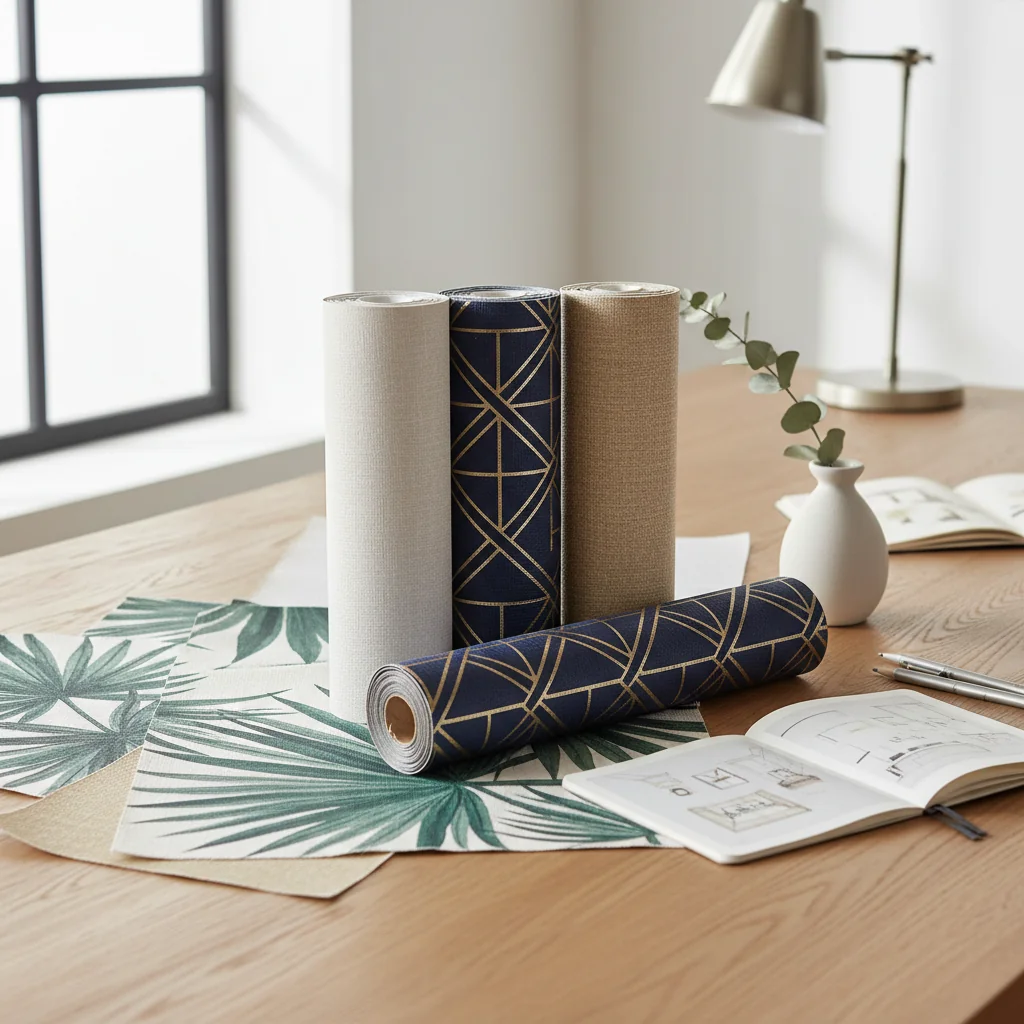
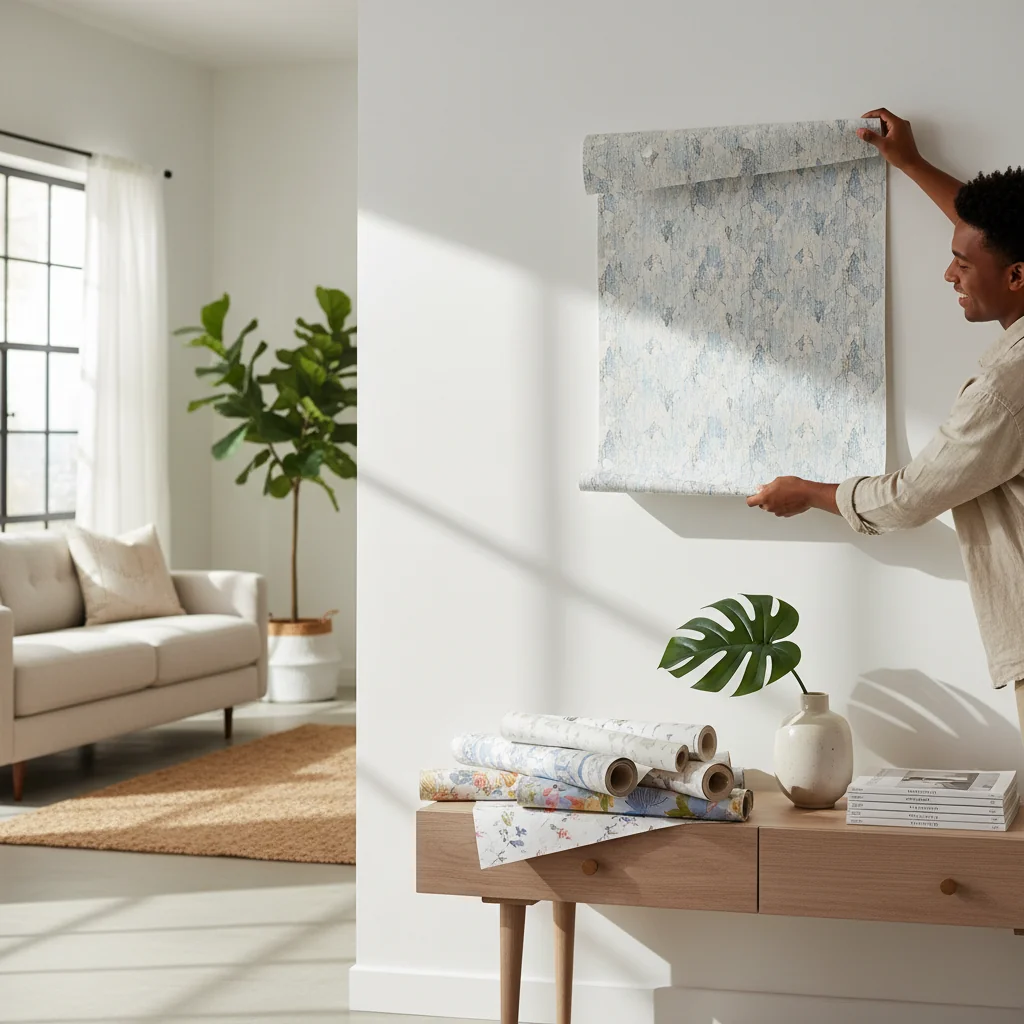
Vinyl wallpaper stands as a remarkably versatile and durable choice for enhancing interior spaces, offering a broad spectrum of aesthetic possibilities combined with exceptional practical benefits. This type of wallcovering is primarily characterized by a decorative surface layer of polyvinyl chloride (PVC) applied over a backing material, providing superior resistance to moisture, stains, and wear compared to traditional paper-based options. Its robust construction makes it an ideal solution for high-traffic areas, humid environments, and spaces requiring frequent cleaning, establishing it as a foundational element in contemporary home décor for both its beauty and resilience.
Key Takeaways
- Vinyl wallpaper is a highly durable and versatile wallcovering, ideal for high-traffic and moisture-prone areas due to its PVC surface.
- Three main types exist: solid vinyl, vinyl-coated paper, and fabric-backed vinyl, each offering distinct levels of durability and application suitability.
- Proper measurement, surface preparation, and understanding pattern repeats are critical for a successful and professional-looking installation.
- Modern vinyl wallpapers are designed with improved indoor air quality in mind, with many options formulated to be low-VOC for healthier living spaces.
- Care involves simple cleaning with mild soap and water, ensuring longevity and maintaining aesthetic appeal without specialized maintenance.
- Styling vinyl wallpaper effectively involves considering pattern scale, color palette, and texture to complement furnishings and architectural features.
Introduction to Vinyl Wallpaper
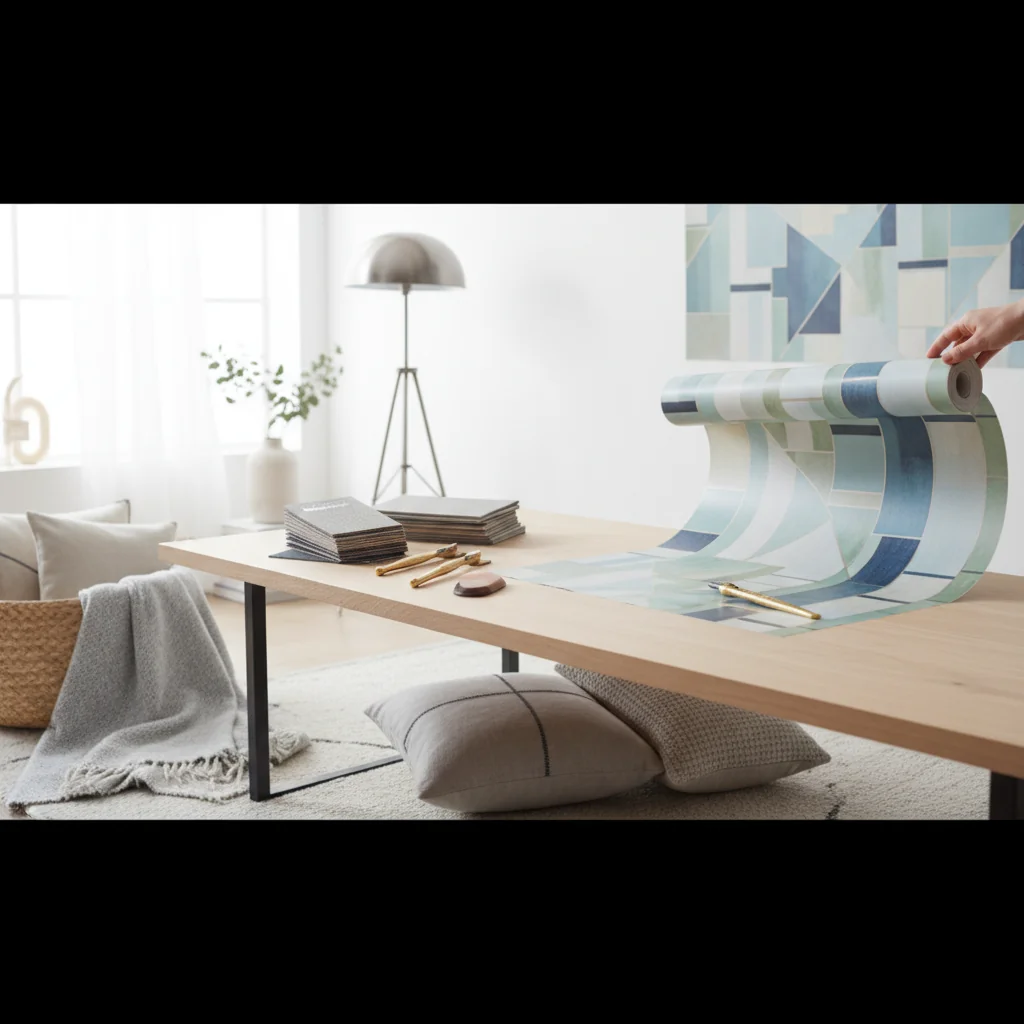
Vinyl wallpaper has emerged as a cornerstone of modern interior design, offering a compelling blend of aesthetic versatility and practical resilience that makes it suitable for virtually any room in a home. This popular wallcovering option is distinguished by its primary component: a surface layer of polyvinyl chloride (PVC), which grants it remarkable durability, washability, and resistance to environmental factors like humidity and wear. Far from the often-maligned wallpapers of previous decades, today’s vinyl offerings present sophisticated designs, tactile textures, and advanced manufacturing that address both contemporary style demands and rigorous functional needs.
The evolution of vinyl wallpaper has transformed it from a purely utilitarian product into a significant design element, capable of mimicking natural materials, showcasing intricate patterns, or providing subtle textural depth. Its inherent resistance to moisture and ease of cleaning make it particularly advantageous for high-traffic zones such as hallways, children’s rooms, and functional spaces like kitchens and bathrooms. Furthermore, advancements in manufacturing have led to options that are easier to install and remove, including peel-and-stick varieties, democratizing the process of wall transformation for homeowners and designers alike. This guide will meticulously explore the multifaceted world of vinyl wallpaper, providing the precise knowledge needed to select, install, and maintain this impactful design solution.
The Anatomy of Vinyl Wallpaper: Types and Construction
Vinyl wallpaper is not a monolithic category; it encompasses several distinct types, each defined by its construction and the specific benefits it offers in terms of durability, washability, and ease of installation. Understanding these distinctions is crucial for selecting the appropriate wallcovering for a particular application, ensuring both aesthetic satisfaction and long-term performance. The primary differentiating factor among vinyl wallpapers lies in the composition of their backing material and the thickness of their vinyl surface layer.
The inherent strength and versatility of vinyl wallpaper stem from its layered construction. Typically, it comprises a decorative vinyl surface layer bonded to a stable backing. The vinyl layer, made from polyvinyl chloride (PVC), provides the protective, washable, and often textured finish. The backing material, however, dictates much about the wallpaper’s flexibility, ease of handling, and suitability for different wall conditions.
Solid Vinyl Wallpaper
Solid vinyl wallpaper, also known as 100% vinyl, represents the pinnacle of durability and washability within the vinyl category. This type features a thick, solid layer of vinyl laminated to a paper or fabric backing, creating a highly robust and impermeable surface.
- Composition: A substantial vinyl layer bonded to a paper or fabric substrate. The vinyl itself forms the primary structural and decorative element.
- Durability: Exceptional. Solid vinyl is highly resistant to tearing, scratching, and abrasion, making it ideal for the most demanding environments. It withstands frequent scrubbing without damage to its surface or pattern.
- Washability: Fully scrubbable. Its non-porous surface repels water and stains, allowing for rigorous cleaning with detergent and a sponge. This makes it a superior choice for kitchens, bathrooms, laundry rooms, and children’s play areas where spills and grime are common.
- Moisture Resistance: Excellent. The thick vinyl layer acts as a barrier, preventing moisture from penetrating to the wall surface, which can help inhibit mold and mildew growth in damp conditions. However, proper ventilation is still necessary in high-humidity areas.
- Installation: Generally requires a paste application. Due to its weight and rigidity, precise alignment and careful handling are necessary during installation. While durable, it can be less forgiving during installation than lighter options, requiring a well-prepared, smooth wall surface.
- Ideal Use Cases: Commercial spaces, high-traffic residential areas like entryways and hallways, kitchens, bathrooms, laundry rooms, and any area prone to heavy wear or moisture.
Vinyl-Coated Paper Wallpaper
Vinyl-coated paper wallpaper offers a balance between traditional paper wallcoverings and the full durability of solid vinyl, making it a popular choice for general residential use. In this construction, a liquid vinyl film is applied over a paper backing, creating a protective, washable surface.
- Composition: A decorative paper layer that has been sprayed or coated with a thin, transparent layer of vinyl (PVC). The paper remains the primary structural component, with the vinyl acting as a protective finish.
- Durability: Good. The vinyl coating provides enhanced resistance to stains and light wear compared to uncoated paper. It is more durable than traditional paper but less robust than solid vinyl.
- Washability: Washable or scrubbable, depending on the thickness of the vinyl coating. Most varieties tolerate wiping with a damp cloth and mild soap. They are generally resistant to splashes and light marks but may not withstand aggressive scrubbing.
- Moisture Resistance: Moderate. The vinyl coating offers some protection against humidity and moisture, making it suitable for living rooms, bedrooms, and dining areas. It is not recommended for high-humidity environments like unventilated bathrooms where condensation is prevalent, as moisture can eventually penetrate the paper backing.
- Installation: Typically requires a paste. It is generally easier to handle and install than solid vinyl due to its lighter weight and greater flexibility. Wall preparation is still important for a smooth finish.
- Ideal Use Cases: Living rooms, dining rooms, bedrooms, home offices, and other areas with moderate traffic and minimal moisture exposure. It offers a wide range of designs and is often more budget-friendly than solid vinyl.
Fabric-Backed Vinyl Wallpaper
Fabric-backed vinyl wallpaper, often referred to as commercial vinyl or Type II wallcovering, is engineered for maximum strength and dimensional stability, commonly found in commercial settings but increasingly valued in high-end residential applications. This type features a woven fabric (such as cotton or polyester) laminated to a solid vinyl surface.
- Composition: A substantial, durable vinyl surface laminated onto a woven fabric backing. The fabric provides immense tear strength and stability.
- Durability: Extremely high. The fabric backing prevents tearing and stretching during installation and provides exceptional long-term resistance to impact and abrasion. This makes it highly suitable for areas with frequent contact or potential for damage.
- Washability: Fully scrubbable. Similar to solid vinyl, its thick vinyl surface is impervious to most stains and can be cleaned vigorously without degradation.
- Moisture Resistance: Excellent. The vinyl surface creates a strong barrier against moisture, making it highly resilient in humid environments, though the fabric backing itself can absorb some moisture if exposed at seams.
- Installation: Requires a heavy-duty paste. Due to its weight and stiffness, professional installation is often recommended to ensure proper adhesion and seamless results. The fabric backing can make it slightly more challenging to trim precisely.
- Dimensional Stability: A key advantage. The fabric backing significantly reduces expansion and contraction due to changes in temperature and humidity, resulting in fewer visible seams and a more stable application over time.
- Ideal Use Cases: Commercial environments (hotels, offices, healthcare facilities), high-traffic residential areas, large-scale projects, and any situation where maximum durability and longevity are paramount.
Defining Extractable Terms:
Polyvinyl chloride (PVC) is a synthetic plastic polymer widely used in wallcoverings, known for its durability, water resistance, and versatility in accepting various colors and textures.
Washability refers to the degree to which a wallcovering can withstand cleaning without damage, ranging from “wipeable” (light cleaning with a damp cloth) to “scrubbable” (withstanding more vigorous cleaning with mild detergents).
Dimensional stability describes a material’s ability to retain its original size and shape without expanding or contracting significantly due to changes in temperature or humidity.
Understanding these distinct categories of vinyl wallpaper enables an informed decision that aligns both with a project’s aesthetic goals and its functional requirements, ensuring a lasting and impactful design statement.
Aesthetic Horizons: Styles, Patterns, and Finishes
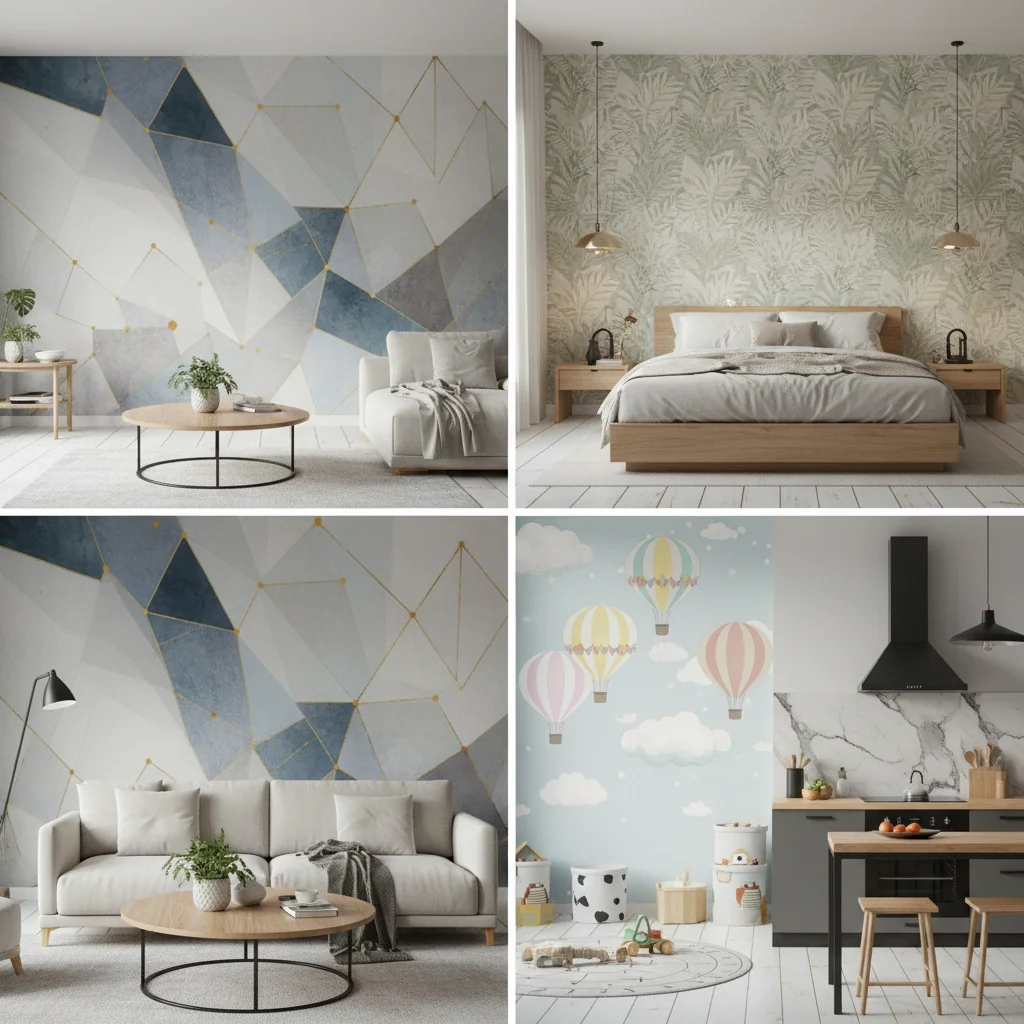
Vinyl wallpaper offers an expansive palette of aesthetic possibilities, transcending mere color to encompass a vast array of styles, intricate patterns, and sophisticated finishes that can dramatically transform any interior space. The versatility of vinyl allows for the faithful reproduction of natural textures, the creation of bold graphic statements, or the subtle enhancement of a room’s ambiance through nuanced surface treatments. This breadth of design ensures that vinyl wallpaper can integrate seamlessly into any design scheme, from the most traditional to the avant-garde.
The design potential of vinyl wallpaper is virtually limitless, making it a powerful tool for interior designers and homeowners seeking to define or redefine a space. From mimicking the raw beauty of natural materials to introducing abstract artistry, the aesthetic range is comprehensive.
Popular Styles and Inspirations
- Contemporary & Modern: Characterized by clean lines, geometric shapes, and often minimalist color palettes. These designs frequently feature abstract patterns, metallic accents, or large-scale motifs that create a focal point. Textures might be smooth, subtly embossed, or have a slight sheen.
- Traditional & Classic: Drawing inspiration from historical design periods, these styles include damasks, toile, florals, and stripes. Colors tend to be richer and more subdued, with intricate detailing and often a luxurious, slightly raised texture that mimics fabric or plaster.
- Transitional: A harmonious blend of contemporary and traditional elements, offering a fresh take on classic patterns or softening modern designs with organic forms. This style prioritizes comfort and timeless elegance, often using muted tones and understated patterns.
- Art Deco & Mid-Century Modern: These styles feature bold geometric patterns, symmetrical designs, and often metallic or jewel-toned colors. Art Deco leans into opulent and dramatic motifs, while Mid-Century Modern favors organic shapes, abstract patterns, and a more playful, optimistic palette.
- Bohemian & Global: Inspired by global cultures, these wallpapers feature intricate mandalas, ethnic prints, botanical motifs, and rich, earthy color schemes. Textures often mimic woven textiles or natural fibers, creating a relaxed, eclectic atmosphere.
- Industrial & Urban Loft: Designed to replicate the raw aesthetics of repurposed industrial spaces, these patterns often mimic exposed brick, concrete, distressed wood, or weathered metal. The color palette is typically neutral, focusing on grays, browns, and muted tones to enhance the authentic feel.
Diverse Patterns and Motifs
The patterns available in vinyl wallpaper are incredibly varied, catering to every design preference and functional requirement. Each pattern type can profoundly influence the perception of space and light within a room.
- Geometrics: From subtle grids and stripes to bold chevrons and interlocking shapes, geometric patterns introduce order, rhythm, and a contemporary edge. They can be used to create a sense of movement or to define architectural elements.
- Florals & Botanicals: Ranging from delicate, illustrative depictions to vibrant, oversized tropical prints, floral and botanical patterns bring nature indoors. They can evoke tranquility, romance, or exoticism, depending on their scale and color.
- Damasks & Medallions: These classic, often symmetrical patterns exude elegance and formality. Typically featuring intricate, repeating motifs, they are perfect for creating a luxurious and traditional ambiance in dining rooms or formal living spaces.
- Abstract & Artistic: Offering boundless creativity, abstract patterns can range from painterly washes and watercolor effects to expressive brushstrokes and fluid designs. They are ideal for adding an artistic touch and a unique, non-literal visual interest.
- Stripes: A timeless choice, stripes can alter the perceived dimensions of a room. Vertical stripes can make ceilings appear higher, while horizontal stripes can make a room feel wider. They offer versatility in width, color, and texture.
- Textural & Faux Finishes: These patterns are designed to mimic the look and feel of other materials, such as grasscloth, linen, wood grain, marble, concrete, or brick. They provide the aesthetic appeal of these materials without the cost, weight, or maintenance complexities, adding depth and tactile interest.
- Murals & Scenic Designs: Large-scale, continuous images that cover an entire wall or section, creating a dramatic focal point. Murals can transport a room to a different landscape, cityscape, or abstract realm, offering an immersive visual experience.
Sophisticated Finishes and Textures
Beyond patterns, the finish and texture of vinyl wallpaper play a crucial role in its overall impact, influencing how light interacts with the surface and contributing to the tactile experience of a room.
- Matte: A non-reflective finish that absorbs light, creating a sophisticated, understated look. Matte finishes can make colors appear richer and deeper, and they are excellent for hiding minor wall imperfections. They often mimic the look of painted walls or natural fibers.
- Satin/Eggshell: Possessing a subtle sheen, these finishes offer a slight reflectivity that adds a touch of elegance without being overly glossy. They are easy to clean and provide a soft glow, enhancing color vibrancy.
- Gloss/High-Sheen: Highly reflective, gloss finishes bounce light around the room, making spaces feel brighter and more expansive. They are very durable and washable but can highlight wall imperfections. Often used for dramatic effect or in smaller, darker spaces to maximize light.
- Metallic: Incorporating gold, silver, bronze, or copper elements, metallic finishes add a luxurious shimmer and can create striking visual interest. They catch and reflect light beautifully, adding depth and glamour to a design.
- Embossed/Textured: These wallpapers feature raised patterns or textures that add a tactile dimension to the wall. Embossing can mimic fabric weaves, plaster effects, or intricate patterns, providing visual and physical depth. The texture helps to conceal minor wall imperfections and adds a layer of sophistication.
- Anaglypta/Lincrusta Style: While often associated with paintable wallpapers, some vinyl versions feature deep, sculptural embossing that creates a highly dimensional surface. These can be painted over to match any decor, offering both texture and customizability.
The thoughtful combination of style, pattern, and finish in vinyl wallpaper allows for an unparalleled degree of personalization in interior design. By carefully considering these elements, one can craft a space that not only looks exceptional but also feels precisely curated to its occupants and purpose.
Selecting Your Ideal Wallcovering: A Comprehensive Guide to Choosing Vinyl Wallpaper
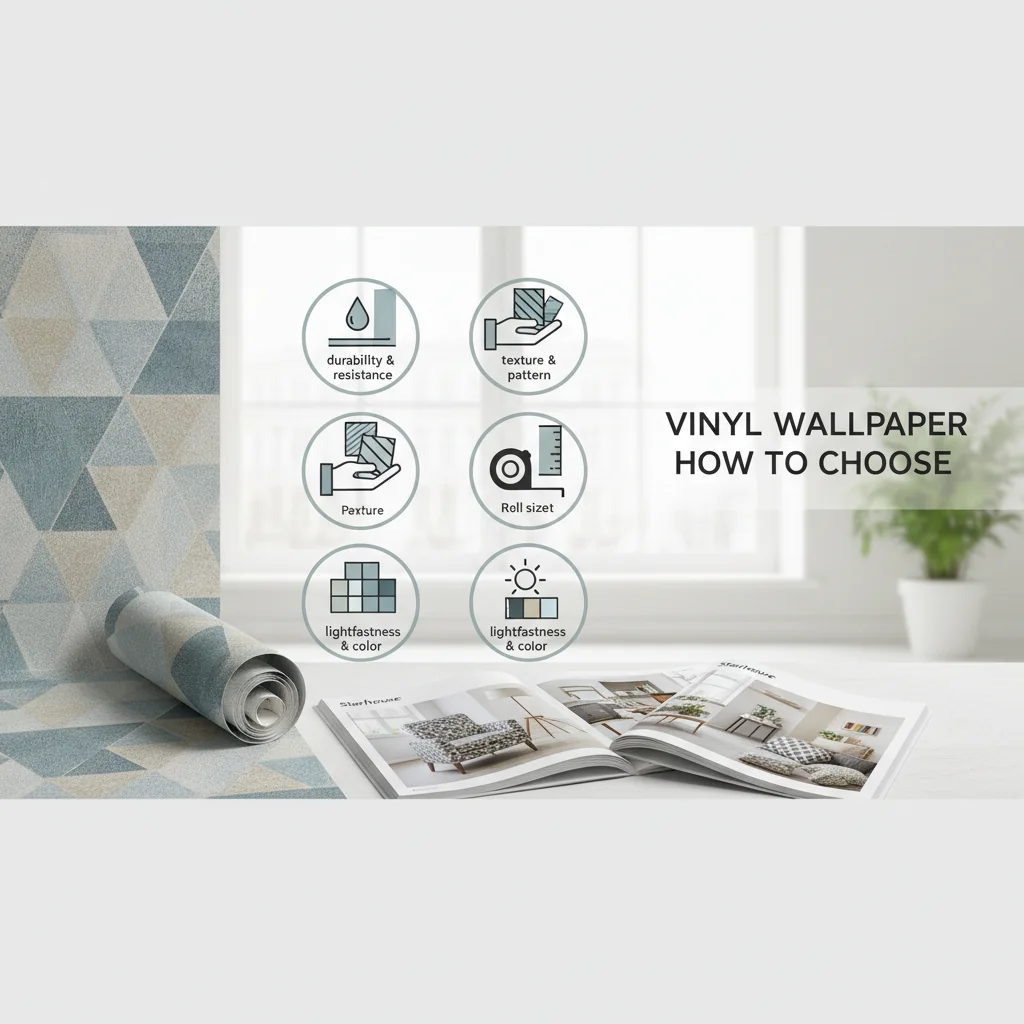
Choosing the right vinyl wallpaper involves a systematic approach that balances aesthetic aspirations with practical considerations, ensuring the selected wallcovering not only enhances the room’s design but also performs optimally for its intended use. This decision-making process requires evaluating the specific environmental conditions of the space, the desired visual impact, and the long-term maintenance expectations. A well-chosen vinyl wallpaper can serve as a transformative design element, providing both beauty and enduring functionality.
The selection process for vinyl wallpaper is multifaceted, requiring careful consideration of several key factors to ensure the final choice is both visually appealing and functionally appropriate for the space. Starhouse emphasizes a holistic approach to design, where every element contributes to the overall harmony and utility of a room.
1. Assess the Room’s Function and Traffic Level
The primary function of a room dictates the required durability and washability of the wallpaper.
- High-Traffic Areas (Hallways, Entryways, Kids’ Rooms): These spaces demand maximum durability and scrubbability. Solid vinyl or fabric-backed vinyl is the superior choice here, as they resist scuffs, tears, and can withstand frequent cleaning.
- Moisture-Prone Areas (Kitchens, Bathrooms, Laundry Rooms): Excellent moisture resistance and washability are paramount to prevent mold growth and withstand splashes. Solid vinyl is highly recommended due to its impermeable surface. Ensure proper ventilation is also in place.
- Moderate-Traffic Areas (Living Rooms, Dining Rooms, Bedrooms, Home Offices): Vinyl-coated paper or even lighter solid vinyl options are suitable. These areas require good washability for occasional cleaning but do not typically face the same level of wear and tear as high-traffic zones.
2. Evaluate Lighting Conditions
Natural and artificial lighting significantly impact how wallpaper colors and patterns appear.
- Rooms with Abundant Natural Light: Almost any color or pattern can work. Lighter colors will amplify the brightness, while darker, richer tones can add depth and sophistication without making the room feel dim. Metallic finishes will shimmer beautifully.
- Rooms with Limited Natural Light: Opt for lighter colors (creams, pastels, soft grays) and patterns with reflective qualities (satin, gloss, metallic finishes) to maximize light reflection and make the space feel larger and brighter. Avoid heavy, dark patterns that can absorb light and make the room feel enclosed.
- Artificial Lighting: Consider the color temperature of your lighting (warm or cool) and how it interacts with the wallpaper’s colors. Warm lights can enhance reds and yellows, while cool lights can bring out blues and greens.
3. Consider the Room’s Size and Scale
The scale of the pattern should be proportionate to the size of the room and the height of the ceilings.
- Small Rooms: Large, bold patterns can overwhelm a small space, making it feel cramped. Smaller, delicate patterns or subtle textures are generally more suitable, creating a sense of openness. Vertical stripes can visually elevate the ceiling.
- Large Rooms: Large-scale patterns, murals, or bold designs can make a statement without overwhelming the space, helping to define zones or create a dramatic focal point. Small patterns might get lost in a vast room.
- Ceiling Height: Vertical patterns can make ceilings appear taller, while horizontal patterns can make a room feel wider.
4. Define Your Desired Aesthetic and Existing Decor
The wallpaper should complement the existing furniture, textiles, and overall style of your home.
- Complementary Colors: Choose a wallpaper that either matches or harmonizes with your existing color scheme. Use a color wheel to find complementary or analogous colors.
- Pattern Harmony: If your room already features patterned upholstery or rugs, opt for a wallpaper with a subtle texture or a simple geometric pattern to avoid visual clutter. Conversely, if your furnishings are solid, a bold wallpaper can introduce vibrant personality.
- Focal Point vs. Backdrop: Decide if the wallpaper will be the main focal point of the room or a subtle backdrop for other design elements. A bold mural or large geometric print creates a focal point, while a grasscloth texture or delicate stripe serves as an elegant backdrop.
- Overall Style: Ensure the wallpaper style (e.g., modern, traditional, bohemian) aligns with the existing architectural features and furnishing style of the room.
5. Prioritize Material and Backing
Revisit the types of vinyl wallpaper based on your functional needs.
- Solid Vinyl: For maximum durability, washability, and moisture resistance.
- Vinyl-Coated Paper: For good durability and washability in moderate-traffic areas.
- Fabric-Backed Vinyl: For superior tear strength, dimensional stability, and commercial-grade performance.
6. Consider Installation Method
Vinyl wallpapers are available in various installation formats, impacting the ease and cost of application.
- Pre-pasted: Features a dry adhesive on the back that is activated by water. Generally easier for DIY, but still requires careful handling.
- Non-pasted: Requires separate adhesive to be applied to the wall or the back of the wallpaper. This method is often preferred by professionals for greater control over adhesion.
- Peel-and-Stick (Self-Adhesive): The easiest DIY option, featuring a protective backing that is peeled away to reveal an adhesive surface. Ideal for temporary applications or renters, and generally easy to remove without damaging walls. However, the adhesive may not be as robust for very long-term applications as traditional paste.
7. Obtain Samples
Always order samples of your chosen vinyl wallpapers. This allows you to:
- See in Your Space: Observe how the color and pattern interact with your room’s specific lighting conditions throughout the day.
- Feel the Texture: Experience the tactile quality and true finish.
- Coordinate with Existing Elements: Place samples next to furniture, paint swatches, and fabrics to confirm harmony.
8. Indoor Air Quality Considerations
When selecting any interior finish, consider its impact on indoor air quality. Some older or lower-quality vinyl wallpapers may emit Volatile Organic Compounds (VOCs), which can affect air quality. Modern manufacturing processes have significantly reduced VOC levels in many vinyl products.
The U.S. Environmental Protection Agency (EPA) notes that VOCs are organic chemicals that have a high vapor pressure at ordinary room temperature, and their emissions from building materials can contribute to indoor air pollution. Look for certifications like GREENGUARD or low-VOC labels when selecting vinyl wallpaper to ensure a healthier indoor environment. Starhouse prioritizes curating options that meet stringent environmental standards.
By meticulously following these steps, you can confidently select a vinyl wallpaper that not only beautifies your home but also meets the functional demands of your lifestyle, delivering a lasting and impactful design statement.
Precision in Preparation: Sizing and Measuring for Vinyl Wallpaper
Accurate sizing and meticulous measurement are the foundational steps for any successful wallpaper installation, ensuring a seamless finish, minimizing waste, and preventing costly errors. This critical phase involves precisely calculating the surface area to be covered, accounting for pattern repeats, and understanding standard roll dimensions to determine the exact quantity of vinyl wallpaper required. Overlooking these details can lead to shortages, mismatched patterns, or an abundance of unusable remnants, making careful planning indispensable.
The process of measuring for wallpaper is not merely about calculating square footage; it requires a detailed methodology to account for all variables, ensuring you purchase enough material for a flawless application. Precision in these initial steps directly translates to the quality and efficiency of the entire project.
Understanding Standard Wallpaper Roll Dimensions
Wallpaper rolls typically come in standard widths and lengths, though these can vary. It is crucial to check the specific dimensions of the vinyl wallpaper you intend to purchase, as they will be listed on the product specifications.
- Single Roll: Often around 20.5 inches wide and 16.5 feet long, covering approximately 28 sq ft.
- Double Roll (or Bolt): The most common purchase unit, typically around 20.5 inches wide and 33 feet long, covering approximately 56 sq ft. While sold as a “double roll,” it’s often a continuous length, not two separate rolls. Always order in double rolls to ensure color consistency across batches.
- Commercial Rolls: Wider (e.g., 27, 36, or 54 inches) and much longer, designed for large-scale projects.
Always verify the exact dimensions from the product description, as variations exist. The “coverage” listed is typically theoretical and does not account for pattern repeat or waste.
Step-by-Step Measuring Guide
1. Measure Your Walls
Using a reliable measuring tape, measure the height and width of each wall you plan to cover.
- Measure Height: From the top of the baseboard to the ceiling line. If the ceiling or floor is uneven, measure at several points and use the greatest height.
- Measure Width: Measure the total width of each wall.
- Calculate Total Square Footage: Multiply the height by the width for each wall, then sum these values to get the total surface area. For example, a wall 8 feet high and 10 feet wide is 80 sq ft.
2. Account for Openings (Windows and Doors)
While some guides suggest subtracting openings, it’s generally safer for DIYers to calculate total wall area first and then make minor adjustments. For large openings (e.g., a wall mostly covered by a window), you can subtract the area of the opening if it is larger than 20 sq ft. For smaller windows and doors, it’s often best to treat them as solid wall space to ensure sufficient material for trimming and pattern matching.
3. Determine the Number of “Drops” per Roll
A “drop” is a single strip of wallpaper cut to the height of your wall.
-
Divide Wall Height by Roll Length: This tells you how many full drops you can get from one roll.
Example: If your wall is 8 feet (96 inches) high and a double roll is 33 feet (396 inches) long, you get 396 / 96 = 4.125. This means you can get 4 full drops per double roll.
4. Factor in Pattern Repeat
This is a crucial step that is often overlooked and leads to material shortages. Pattern repeat is the vertical distance at which the pattern duplicates itself on the wallpaper. It is always specified on the wallpaper label or product description (e.g., 21 inches, 25.25 inches).
-
Add Repeat to Each Drop: For each drop, you must add the pattern repeat length to your wall height to ensure the pattern matches perfectly from one strip to the next. This extra length is for trimming and alignment.
Example: Wall height is 96 inches, pattern repeat is 21 inches. Each cut drop needs to be 96 + 21 = 117 inches long. -
Recalculate Drops per Roll with Repeat:
Example: Double roll length (396 inches) / adjusted drop length (117 inches) = 3.38. This means you can only get 3 *usable* drops per double roll after accounting for the repeat, not 4. This significantly impacts the quantity needed.
5. Calculate Number of Rolls Needed
Once you know how many usable drops you get per roll, determine how many drops you need for your walls.
-
Determine Number of Drops per Wall: Divide the total width of your walls (in inches) by the width of one wallpaper roll (in inches). Round up to the nearest whole number.
Example: Total wall width is 40 feet (480 inches). Wallpaper roll is 20.5 inches wide. 480 / 20.5 = 23.4. You need 24 drops. -
Calculate Total Rolls: Divide the total number of drops needed by the number of usable drops per roll. Round up to the nearest whole number.
Example: You need 24 drops, and you get 3 usable drops per double roll. 24 / 3 = 8 double rolls.
6. Add for Waste and Contingency
Always add an extra roll or 10-15% to your final calculated quantity.
- This accounts for installation errors, miscuts, pattern matching challenges, and future repairs.
- It is far better to have an extra roll than to run short mid-project and find that the batch you need is out of stock or has a slightly different dye lot (color variation).
Summary Table: Wallpaper Measurement Steps
| Step | Action | Why it’s Important |
|---|---|---|
| 1. Measure Walls | Record height and width of each wall. | Establishes total surface area. |
| 2. Note Roll Dimensions | Check product specs for width and length. | Foundation for all calculations. |
| 3. Identify Pattern Repeat | Find the vertical repeat length (e.g., 21 inches). | Crucial for seamless pattern alignment and waste. |
| 4. Calculate Adjusted Drop Length | Wall Height + Pattern Repeat (e.g., 96″ + 21″ = 117″). | Ensures enough material for matching patterns. |
| 5. Drops Per Roll | Roll Length / Adjusted Drop Length (round down). | Determines how many usable strips from each roll. |
| 6. Total Drops Needed | Total Wall Width / Roll Width (round up). | Total number of strips required for the project. |
| 7. Total Rolls Needed | Total Drops Needed / Drops Per Roll (round up). | Final quantity of wallpaper rolls. |
| 8. Add Contingency | Purchase an extra roll or 10-15%. | Accounts for errors, waste, and future repairs. |
Important Considerations for Measuring
- Sloped Ceilings: Measure the greatest height from baseboard to ceiling. Treat the entire wall as if it were that maximum height to ensure sufficient length for each drop and proper pattern alignment.
- Architectural Features: Niches, archways, or built-ins require careful individual measurement. It is often best to treat these as separate, smaller walls or to ensure extra material for intricate cuts.
- Batch Numbers (Dye Lots): Always purchase all rolls from the same dye lot or batch number. Slight color variations can occur between different batches, and these differences become noticeable once installed. The batch number is usually printed on the wallpaper label.
- Professional Consultation: If you are unsure about complex measurements or have an intricate room layout, consider consulting a professional wallpaper installer or a design specialist. Their expertise can prevent costly mistakes.
By investing time in precise measurement and calculation, you lay the groundwork for a stunning and professional-looking vinyl wallpaper installation, ensuring your design vision is realized without compromise.
Installation Insights: Peel-and-Stick vs. Paste and Professional Considerations
The installation method for vinyl wallpaper significantly impacts the overall project ease, permanence, and final appearance, with the primary choice resting between self-adhesive (peel-and-stick) and traditional paste-required applications. Each method offers distinct advantages and considerations, making the selection dependent on factors such as DIY comfort level, the desired longevity of the wallcovering, and the specific characteristics of the wall surface. Understanding these differences is key to achieving a professional and satisfying result, whether undertaking the project yourself or engaging an expert.
A successful wallpaper installation hinges not only on the quality of the material but also on the chosen application method and meticulous wall preparation. Starhouse recognizes that while some homeowners prefer the DIY route, others prioritize the flawless finish offered by professional services.
Peel-and-Stick Vinyl Wallpaper (Self-Adhesive)
Peel-and-stick vinyl wallpaper has revolutionized the DIY wallcovering market, offering an accessible and often temporary solution for transforming spaces.
- Mechanism: Features an adhesive backing protected by a release liner. The liner is peeled away to expose the adhesive, allowing the wallpaper to be directly applied to the wall.
- Ease of Installation: Generally considered the easiest method for DIYers. It eliminates the need for messy pastes, specialized tools (beyond a utility knife and smoothing tool), and often allows for repositioning during initial application.
- Removability: Designed for easy, clean removal without damaging the wall surface or leaving sticky residue, making it ideal for renters, temporary décor changes, or commitment-phobes.
- Best For: Accent walls, small spaces, DIY projects, temporary decor, children’s rooms (as tastes change quickly), and rented properties.
-
Considerations:
- Surface Prep: Walls must be exceptionally smooth, clean, dry, and primed with a high-quality primer. Imperfections will show through more readily than with thicker, pasted wallpapers.
- Longevity: While durable, the adhesive may not offer the same long-term bond as traditional paste, especially in high-humidity or high-traffic areas over many years.
- Pattern Matching: Can be challenging with large pattern repeats, as precise alignment is still necessary.
- Cost: Often slightly higher per square foot than traditional vinyl wallpaper, but compensates by saving on paste and professional installation costs.
Traditional Paste-Required Vinyl Wallpaper (Pre-pasted & Non-pasted)
Traditional vinyl wallpaper, whether pre-pasted or non-pasted, offers a more permanent and robust solution, often favored for its durability and the professional finish it can achieve.
Pre-pasted Vinyl Wallpaper:
- Mechanism: Comes with a dry, water-activated adhesive already applied to its backing. It is typically cut to length, then dipped in water (or sprayed with water) to activate the paste before application.
- Ease of Installation: Easier than non-pasted as it eliminates the separate step of applying paste. However, it still involves working with wet, potentially slippery paper and managing booking times (allowing paste to activate).
- Removability: Generally strippable or peelable, meaning it can be removed in full sheets without excessive effort, though it may leave some residue that requires cleaning.
- Best For: Homeowners comfortable with intermediate DIY projects, those seeking a more permanent application than peel-and-stick, and a wide range of room types.
-
Considerations:
- Booking Time: Requires a specific “booking” time (folding pasted strips back on themselves) to allow the adhesive to fully activate, which requires space and patience.
- Mess: While less messy than non-pasted, water activation can still lead to drips and spills.
- Surface Prep: Requires a clean, smooth, and properly primed wall for optimal adhesion and finish.
Non-pasted Vinyl Wallpaper:
- Mechanism: Requires a separate wallpaper adhesive (paste) to be applied to the back of the wallpaper strip or directly to the wall (known as “paste the wall” method for certain non-woven backings).
- Ease of Installation: Considered the most challenging for DIYers due to the additional step of paste application and the heavier, more rigid nature of some vinyl types. It offers the most control over adhesion.
- Removability: Varies. Some non-pasted vinyl wallpapers are “strippable” or “peelable,” while others may require soaking and scraping.
- Best For: Professional installers, experienced DIYers, commercial applications, and when maximum durability and a flawless, long-term bond are paramount.
-
Considerations:
- Mess: Involves working with liquid paste, which can be messy and requires careful handling and cleanup.
- Tools: Requires specialized tools like a paste roller, pasting table (for “paste the paper” methods), and specific types of paste.
- Adhesion: Offers the strongest and most durable bond, crucial for heavy vinyls or high-traffic areas.
- Surface Prep: Absolutely critical for optimal results. Walls must be perfectly smooth, clean, dry, and primed with a high-quality primer specifically designed for wallpaper.
Wall Preparation: The Unsung Hero of Wallpaper Installation
Regardless of the installation method, proper wall preparation is non-negotiable for a professional and lasting finish.
- Clean Walls: Wash walls thoroughly to remove dirt, grease, and grime. A solution of mild detergent and water, followed by a clean water rinse, is usually sufficient. Allow walls to dry completely.
- Repair Imperfections: Fill any holes, cracks, or dents with spackle or joint compound. Sand smooth once dry. Even minor imperfections can be magnified under wallpaper, especially with thinner vinyls or those with a sheen.
- Remove Old Wallcoverings: All existing wallpaper should be completely removed. Applying new wallpaper over old can lead to bubbling, peeling, and an uneven finish.
-
Prime the Walls: Apply a high-quality, oil-based or acrylic-latex primer specifically designed for wallpaper (often called a “sizing” or “wall prep” primer). This serves several critical functions:
- It seals porous surfaces, preventing the wall from absorbing the paste too quickly.
- It provides a consistent surface for the adhesive to bond to.
- It aids in future removal, protecting the drywall surface.
- It can hide minor color variations on the wall, preventing them from showing through lighter wallpapers.
- Smooth Surface: Ensure the wall is as smooth as glass. Any texture, no matter how subtle, will likely telegraph through the wallpaper.
When to Consider Professional Installation
While peel-and-stick options empower many DIYers, certain scenarios strongly suggest professional intervention.
- Complex Patterns: Large, intricate patterns or murals with precise repeats require significant skill to align perfectly across multiple drops.
- High-End or Delicate Materials: Investment-grade vinyl wallpapers, especially those with unique textures or metallic finishes, benefit from expert handling to avoid damage.
- Challenging Room Features: Rooms with many windows, doors, archways, irregular angles, or sloped ceilings are much more difficult to wallpaper seamlessly.
- Large-Scale Projects: Covering multiple rooms or very large walls is physically demanding and time-consuming; professionals can complete the job efficiently and flawlessly.
- Time Constraints: If you need the project completed quickly and to a high standard, a professional installer is the most reliable option.
- Lack of Experience or Confidence: If you are unsure about your DIY abilities or lack the patience for meticulous work, a professional will save you frustration and potential material waste.
Engaging a professional ensures not only a perfect finish but also often comes with warranties on their workmanship, providing peace of mind. They possess the specialized tools, experience, and techniques to handle even the most challenging installations. The investment in professional installation often pays off in the longevity and aesthetic quality of the final result.
For those ready to transform their space but unsure where to begin their search for the perfect vinyl wallpaper, we invite you to tell us what you’re looking for. Starhouse is curating a collection designed to meet diverse needs and aesthetic preferences, and your input helps shape our offerings.
Current Currents: Trends in Vinyl Wallpaper Design
The world of interior design is in constant evolution, and vinyl wallpaper, with its adaptable nature, consistently reflects and drives contemporary aesthetic preferences, offering innovative solutions for personalized and stylish spaces. Current trends in vinyl wallpaper design emphasize a return to nature, a celebration of texture, and a sophisticated interplay of pattern and color, moving away from purely utilitarian applications towards decorative statements. These trends highlight wallpaper as a pivotal element in defining a room’s character and ambiance.
Starhouse closely monitors the design landscape to curate collections that resonate with modern sensibilities while maintaining timeless appeal. The following trends represent the forefront of vinyl wallpaper design, offering both inspiration and practical application for today’s homes.
1. Biophilic and Nature-Inspired Designs
A strong movement towards integrating natural elements into indoor spaces, biophilic design, is prominently featured in vinyl wallpaper.
- Botanical Prints: Lush, oversized florals, intricate leafy patterns, and serene forest scenes bring the outdoors in, fostering a sense of calm and rejuvenation. These can range from realistic illustrations to abstract interpretations.
- Organic Textures: Wallpapers mimicking natural materials like woven grasscloth, cork, linen, or raw silk provide tactile depth and an earthy, grounding feel without the maintenance challenges of the real materials.
- Earthy Color Palettes: Soft greens, muted blues, warm beiges, terracotta, and deep browns dominate, creating a harmonious and tranquil environment.
2. Textured and Tactile Surfaces
Beyond visual appeal, there’s a growing appreciation for the tactile quality of wallcoverings, adding another layer of sensory engagement to a space.
- Embossed Patterns: Raised designs that create shadows and highlights, adding visual interest and depth. These can mimic plasterwork, fabric weaves, or geometric patterns.
- Faux Finishes: Highly realistic vinyl wallpapers that replicate the look and feel of concrete, brick, distressed wood, marble, or even aged metal. These offer the aesthetic of expensive materials at a fraction of the cost and effort.
- Subtle Sheens: Matte finishes with occasional metallic threads or a delicate shimmer that catches the light, adding a sophisticated, understated glamour.
3. Large-Scale and Mural Designs
Wallpaper is increasingly being used to create dramatic focal points and immersive experiences.
- Panoramic Murals: Continuous scenes that span an entire wall, depicting landscapes, cityscapes, abstract art, or stylized natural motifs, transforming a room into an art gallery.
- Oversized Patterns: Bold, large-scale geometric, floral, or abstract designs that make a significant statement and can visually expand a room.
4. Geometric and Abstract Artistry
Clean lines, graphic shapes, and artistic interpretations continue to be popular, offering a modern edge.
- Art Deco Revival: Symmetrical, opulent geometric patterns, often with metallic accents, bringing back the glamour of the 1920s and 30s.
- Mid-Century Modern Influences: Organic shapes, playful abstracts, and retro-inspired motifs in vibrant or muted color palettes.
- Linear and Grid Patterns: Subtle or bold lines that create visual structure and rhythm, often in monochromatic or two-tone schemes.
5. Sophisticated Neutrals and Muted Tones
While bold colors have their place, there’s a strong trend towards sophisticated, calming palettes that provide a serene backdrop.
- Warm Grays and Greiges: Versatile neutrals that offer more warmth than cool grays, providing a soft foundation for various design styles.
- Dusty Pinks and Terra Cotta: Earthy and comforting tones that add warmth and a touch of subtle color.
- Deep Blues and Greens: Rich, saturated hues inspired by nature, used to create dramatic accent walls or cozy, enveloping spaces.
6. Sustainable and Low-VOC Options
A growing awareness of environmental impact and indoor air quality is driving demand for more responsible manufacturing.
- Low-VOC (Volatile Organic Compounds) Vinyls: Manufacturers are increasingly producing vinyl wallpapers with reduced or zero VOC emissions, contributing to healthier indoor environments. As mentioned by the US EPA, reducing VOCs is crucial for indoor air quality.
- Recycled Content: Some vinyl wallpapers now incorporate recycled materials, appealing to eco-conscious consumers.
- PVC-Free Alternatives: While not strictly vinyl, the trend towards more environmentally friendly options is also pushing the development of PVC-free wallcoverings with similar durability.
These trends illustrate that vinyl wallpaper is far more than a functional covering; it is a dynamic design medium that continually adapts to evolving tastes, offering homeowners and designers endless possibilities for creating truly bespoke and inspiring interiors. By embracing these currents, Starhouse ensures its curated collections remain at the forefront of stylish and responsible home décor.
Preserving Your Investment: Care and Maintenance for Vinyl Wallpaper
Proper care and regular maintenance are essential for preserving the aesthetic appeal and extending the lifespan of vinyl wallpaper, ensuring it remains a vibrant and durable element of your interior design for years to come. Unlike more delicate wallcoverings, vinyl’s inherent resilience makes it remarkably easy to clean and maintain, requiring only simple techniques to keep it looking fresh and pristine. Adhering to specific cleaning guidelines prevents damage to the surface and pattern, safeguarding your investment.
The durability of vinyl wallpaper is one of its most significant advantages, but even the most robust materials benefit from consistent and appropriate care. Starhouse advocates for proactive maintenance to ensure the longevity and beauty of your wallcoverings.
Routine Cleaning
Regular, gentle cleaning is the best defense against dirt buildup and staining.
- Dusting: Periodically dust your vinyl wallpaper with a soft, dry cloth or a feather duster. This prevents dust accumulation that can dull the surface over time. For textured vinyls, a soft brush attachment on a vacuum cleaner can be effective.
-
General Cleaning (Washable/Scrubbable Vinyls):
- Prepare a solution of warm water and a small amount of mild, non-abrasive household detergent (e.g., dish soap).
- Dampen a soft sponge or cloth with the solution, ensuring it is not dripping wet.
- Gently wipe the wallpaper surface from bottom to top to avoid streaking. For stubborn marks, allow the solution to sit for a minute before wiping.
- Rinse the sponge or cloth with clean water and wipe down the wallpaper again to remove any soap residue.
- Immediately dry the wall with a clean, soft towel to prevent water spots, especially on textured or slightly porous vinyls.
- Frequency: In high-traffic areas or kitchens, cleaning might be needed monthly or bi-monthly. In bedrooms or living rooms, a thorough cleaning once or twice a year may suffice, with spot cleaning as needed.
Spot Cleaning and Stain Removal
Address spills and stains promptly to prevent them from setting.
- Fresh Stains: For most fresh spills (e.g., food, beverages), blot immediately with a clean, damp cloth. Avoid rubbing, which can spread the stain. Follow with a mild soap solution if necessary.
- Grease Stains: For greasy marks, a diluted solution of dish soap (a known degreaser) is often effective. Apply to a cloth and gently wipe.
- Ink/Pen Marks: These can be challenging. For washable vinyls, a small amount of rubbing alcohol on a cotton swab might work, but always test in an inconspicuous area first. For stubborn marks, a specialty wallpaper cleaner may be required.
- Mold/Mildew: In humid environments, mold can sometimes form on the surface. Clean immediately with a solution of diluted bleach (1 part bleach to 10 parts water) or a commercial mold remover, applied with a cloth. Wear gloves and ensure good ventilation. This is particularly important for solid vinyl or fabric-backed vinyl in bathrooms or basements.
What to Avoid
Certain cleaning agents and techniques can damage vinyl wallpaper.
- Abrasive Cleaners: Avoid scouring powders, steel wool, or abrasive sponges, as these can scratch or dull the vinyl surface and remove the pattern.
- Harsh Chemicals: Strong solvents, paint removers, or undiluted bleach can discolor, degrade, or dissolve the vinyl. Always use mild detergents and test any new cleaner in an inconspicuous spot.
- Excessive Moisture: While vinyl is water-resistant, saturating the wallpaper, especially at seams, can weaken the adhesive and lead to peeling or bubbling. Always wring out cloths thoroughly.
- Steam Cleaners: Generally not recommended for vinyl wallpaper, as the heat and excessive moisture can damage the adhesive and the vinyl itself.
Addressing Common Issues
- Peeling Seams: If seams start to lift, apply a small amount of wallpaper seam adhesive (available at hardware stores) with a fine brush. Press firmly with a seam roller and wipe away excess adhesive immediately.
- Bubbles: Small bubbles often resolve themselves as the wallpaper fully dries. For persistent bubbles, you can carefully make a small slit with a utility knife, gently squeeze out the air, and apply a small amount of adhesive under the slit before pressing it flat.
- Scratches/Tears: For minor scratches on textured vinyls, a matching wax crayon or touch-up paint might help. For tears, a small patch from leftover wallpaper (if you have it) can be carefully cut and adhered.
Long-Term Preservation Tips
- Ventilation: Ensure good ventilation in humid areas like bathrooms to minimize moisture buildup, which can stress wallpaper adhesives and encourage mold.
- UV Protection: In rooms with intense direct sunlight, consider UV-protective window films or blinds to prevent fading of the wallpaper’s colors over time. While vinyl is generally UV-resistant, prolonged exposure can still cause some degradation.
- Store Leftovers: Always keep any leftover rolls or large scraps of your vinyl wallpaper. These are invaluable for future repairs, ensuring a perfect match in pattern and dye lot. Store them in a cool, dry place away from direct sunlight.
By implementing these straightforward care and maintenance practices, your vinyl wallpaper will continue to provide a beautiful and resilient backdrop for your home, maintaining its integrity and visual appeal for many years.
Harmonizing Your Home: Styling and Pairing Vinyl Wallpaper with Decor
Styling and pairing vinyl wallpaper with existing décor elements is an art that transforms a room from merely functional to exquisitely curated, creating a cohesive and inviting atmosphere. The key lies in understanding how wallpaper interacts with furniture, textiles, lighting, and architectural features, leveraging its power to define a mood, introduce texture, or serve as a dramatic focal point. Thoughtful integration ensures that the wallpaper enhances, rather than competes with, other design components, resulting in a balanced and sophisticated interior.
At Starhouse, we believe that every element in a home should contribute to a unified design narrative. Vinyl wallpaper, with its vast array of patterns and textures, offers an exceptional opportunity to elevate this narrative.
1. Defining the Room’s Mood and Purpose
Before selecting a wallpaper, establish the desired mood and primary function of the room.
- Calm & Serene (Bedrooms, Nurseries): Opt for soft, muted colors, subtle textures (like faux linen or grasscloth), or delicate botanical patterns. Pair with plush textiles, natural wood furniture, and ambient lighting.
- Energetic & Playful (Kids’ Rooms, Creative Studios): Consider vibrant colors, whimsical patterns, or bold geometrics. Complement with colorful accessories, durable and functional furniture, and bright task lighting.
- Sophisticated & Formal (Dining Rooms, Formal Living Rooms): Choose classic damasks, elegant stripes, or rich metallic textures. Pair with polished wood furniture, luxurious fabrics (velvet, silk), and statement lighting fixtures.
- Modern & Minimalist (Contemporary Living Spaces): Select clean geometric patterns, solid textures, or abstract designs in monochromatic or subdued palettes. Complement with sleek, uncluttered furniture, minimalist accessories, and integrated lighting.
2. Color Harmony and Contrast
The color palette of your vinyl wallpaper should work in concert with your furnishings and accessories.
- Complementary Colors: Use a color wheel to identify colors opposite each other (e.g., blue and orange, green and red). A wallpaper with a subtle complementary accent color can make other elements pop.
- Analogous Colors: Colors adjacent on the color wheel (e.g., blue, blue-green, green) create a harmonious, serene flow. This approach is ideal for creating a cohesive and calming environment.
- Monochromatic Schemes: Different shades and tints of a single color create depth and sophistication. A textured vinyl wallpaper in a monochromatic scheme can add immense visual interest without introducing new colors.
- High Contrast: For a dramatic effect, pair a bold, dark wallpaper with light-colored furniture, or a vibrant pattern with neutral upholstery. Ensure there’s a balance to prevent the room from feeling overwhelming.
3. Pattern Play: Scale and Mix
Mixing patterns can be challenging but rewarding. The key is varying scale and ensuring a common thread.
- Vary Scale: If your wallpaper has a large pattern, choose smaller, more subdued patterns for upholstery or rugs. Conversely, a delicate wallpaper can be paired with bold geometric throw pillows.
- Common Element: Ensure there’s a unifying factor, such as a shared color, theme, or texture, when mixing patterns. For instance, a floral wallpaper could pair with a geometric rug if both share a common shade of green.
- Focal Wall Strategy: If using a particularly bold or busy pattern, consider applying it to a single accent wall. This creates a powerful statement without overwhelming the entire space. The remaining walls can be painted in a complementary solid color or feature a subtle textured vinyl.
4. Integrating Textures
Texture adds depth and richness to a room. Vinyl wallpaper can introduce significant tactile interest.
- Balance Textures: If your wallpaper has a strong texture (e.g., faux brick, deeply embossed), balance it with smoother fabrics (silk, polished cotton) and sleek furniture.
- Layering: Combine different textures – a smooth vinyl wallpaper with a plush rug, a rough-hewn wooden table, and soft linen curtains – to create a multi-dimensional sensory experience.
- Faux Finishes: Use vinyl wallpaper that mimics natural textures (wood, stone, grasscloth) to introduce these elements without the cost or complexity of the real materials. Pair with authentic materials elsewhere in the room for a rich, layered effect.
5. Furniture and Accessories
The furniture and accessories should either complement or provide a striking contrast to the wallpaper.
- Complementary Furniture: If your wallpaper is highly patterned, opt for solid-colored furniture to allow the wallpaper to shine. If the wallpaper is subtle, patterned upholstery can add dynamism.
- Artwork and Mirrors: Choose artwork that complements the colors in the wallpaper without clashing with the pattern. Large mirrors can reflect the wallpaper, expanding the perceived space and light.
- Lighting: Lighting can dramatically alter how wallpaper appears. Strategically placed lamps can highlight textures or patterns, while dimmers can change the mood. Metallic wallpapers particularly benefit from thoughtful lighting that brings out their shimmer.
- Architectural Features: Use wallpaper to highlight or soften architectural elements. A bold pattern can draw attention to a fireplace, while a subtle texture can soften a stark wall.
6. Room-Specific Pairing Ideas
- Living Room: A large-scale botanical mural behind the sofa, paired with neutral upholstery and natural wood accents.
- Dining Room: A sophisticated damask or geometric metallic wallpaper, complemented by a formal dining set and a chandelier.
- Bedroom: A soft, textured vinyl in a calming color on the wall behind the headboard, paired with layered bedding and ambient lighting.
- Bathroom: A vibrant tropical leaf print in a solid vinyl, juxtaposed with clean white fixtures and minimalist accessories.
- Home Office: A faux concrete or brick wallpaper for an industrial edge, paired with sleek, modern furniture and task lighting.
By carefully considering these principles of styling and pairing, vinyl wallpaper becomes a powerful tool for crafting interiors that are not only beautiful but also deeply reflective of personal taste and functional needs. Its versatility ensures that whether your style is traditional or contemporary, understated or bold, there is a vinyl wallpaper that can perfectly complete your home’s aesthetic.
Avoiding Pitfalls: Common Mistakes in Vinyl Wallpaper Selection and Application
While vinyl wallpaper offers immense potential for transforming interiors, certain common mistakes in both its selection and application can undermine the desired aesthetic and functional outcomes. Recognizing and actively avoiding these pitfalls is crucial for achieving a professional-looking, durable, and satisfying result. From misjudging scale to neglecting essential wall preparation, these errors can lead to frustration, wasted resources, and a less-than-perfect finish.
Starhouse believes in empowering homeowners with precise information to make informed decisions. By anticipating and addressing these common missteps, you can ensure your vinyl wallpaper project is a resounding success.
1. Neglecting Proper Wall Preparation
This is arguably the most critical and frequently overlooked step.
- The Mistake: Applying wallpaper over dirty, uneven, unprimed, or previously wallpapered surfaces.
- The Consequence: Visible bumps and imperfections, poor adhesion leading to bubbling and peeling, uneven color absorption (if the wall is not sealed), and difficult future removal.
- The Solution: Thoroughly clean walls, fill all holes and cracks, sand smooth, and apply a high-quality wallpaper primer (sizing). Remove all existing wallpaper completely.
2. Underestimating Material Quantity
Running out of wallpaper mid-project is a common and frustrating issue.
- The Mistake: Not accurately accounting for pattern repeat, windows, doors, or waste when calculating the number of rolls needed. Not ordering an extra roll for contingency.
- The Consequence: Project delays, the inability to complete the job, or having to purchase additional rolls from a different dye lot, leading to noticeable color variations.
- The Solution: Follow a precise measuring guide (as detailed in a previous section), always factoring in pattern repeat for each drop, and purchase at least one extra roll or 10-15% overage for contingency and future repairs.
3. Ignoring Pattern Scale and Room Size
The visual impact of a pattern is highly dependent on its scale relative to the room.
- The Mistake: Using an overly large, busy pattern in a small room, or a tiny, delicate pattern in a vast space.
- The Consequence: A small room can feel cramped, chaotic, and overwhelming. A large room can make a small pattern disappear, losing its intended effect.
- The Solution: Match pattern scale to room size. Smaller, subtle patterns or textures for small rooms; larger, bolder patterns or murals for expansive areas. Use samples to visualize the impact.
4. Disregarding Dye Lots
Color consistency is paramount for a seamless look.
- The Mistake: Purchasing rolls from different manufacturing batches or dye lots.
- The Consequence: Noticeable color discrepancies between adjacent strips of wallpaper, even if the pattern is identical.
- The Solution: Always check that all rolls have the same dye lot (batch) number before starting installation. If ordering additional rolls, confirm they match existing ones.
5. Improper Adhesive or Installation Technique
The choice of adhesive and the method of application are crucial for longevity.
- The Mistake: Using the wrong type of paste for the wallpaper, applying too much or too little adhesive, or not allowing proper “booking” time for pre-pasted papers. For peel-and-stick, not aligning properly or stretching the material.
- The Consequence: Poor adhesion, resulting in peeling seams, bubbling, or the wallpaper falling off the wall. Stretching can distort patterns.
- The Solution: Use the adhesive recommended by the wallpaper manufacturer. Follow installation instructions meticulously for paste application, booking times, and smoothing techniques. For peel-and-stick, work slowly and use a smoothing tool to prevent bubbles and ensure proper adhesion.
6. Neglecting to Test Samples
Wallpaper looks different in person than online or in a catalog.
- The Mistake: Buying an entire roll or multiple rolls based solely on an online image or a small swatch.
- The Consequence: The color, texture, or pattern may appear significantly different in your home’s lighting conditions, leading to dissatisfaction and the need for costly returns.
- The Solution: Always order samples and tape them to your wall for several days to observe how they look under various lighting conditions (daylight, artificial light, morning, evening) and against your existing decor.
7. Overlooking the Room’s Function and Durability Needs
Choosing aesthetics over practicality can lead to premature wear.
- The Mistake: Installing a delicate vinyl-coated paper in a high-traffic entryway or a high-humidity bathroom.
- The Consequence: The wallpaper will quickly show signs of wear, tear, or moisture damage, requiring early replacement.
- The Solution: Select the appropriate type of vinyl wallpaper (solid vinyl, fabric-backed vinyl) based on the room’s specific functional requirements for durability, washability, and moisture resistance.
8. Rushing the Installation Process
Patience is a virtue in wallpapering.
- The Mistake: Attempting to complete the project too quickly, skipping drying times, or hurrying through alignment.
- The Consequence: Bubbles, misaligned patterns, visible seams, and overall an amateurish finish.
- The Solution: Allocate sufficient time for each step, from preparation to final drying. Work slowly and meticulously, especially when matching patterns and smoothing out strips. A well-executed job takes time and patience.
By being aware of these common errors and proactively implementing the recommended solutions, you can approach your vinyl wallpaper project with confidence, ensuring a beautiful, lasting, and professional-grade result that truly enhances your living space.
Sources
Frequently Asked Questions About Vinyl Wallpaper
Is vinyl wallpaper durable?
Yes, vinyl wallpaper is exceptionally durable, particularly solid vinyl and fabric-backed vinyl types, which are highly resistant to scratches, tears, and impacts due to their robust polyvinyl chloride (PVC) surface layer.
Can vinyl wallpaper be used in bathrooms and kitchens?
Absolutely, solid vinyl wallpaper is an excellent choice for bathrooms and kitchens because its impermeable PVC surface provides superior resistance to moisture, humidity, and splashes, making it fully washable and scrubbable without damage.
Is vinyl wallpaper easy to clean?
Yes, most vinyl wallpapers are very easy to clean; washable and scrubbable types can be wiped down with a damp cloth and mild soap solution to remove dirt and stains, making them ideal for high-traffic areas.
Does vinyl wallpaper emit harmful VOCs?
While some older or lower-quality vinyl wallpapers might emit VOCs, many modern vinyl options are specifically manufactured to be low-VOC or VOC-free, contributing to healthier indoor air quality, and consumers should look for relevant certifications like GREENGUARD.
Can I install vinyl wallpaper myself, or should I hire a professional?
The ease of DIY installation depends on the type: peel-and-stick vinyl is generally very DIY-friendly, while pre-pasted and especially non-pasted vinyl can be more challenging and often benefit from professional installation, particularly for complex patterns or room layouts.
How do I choose the right pattern and color for my room?
To choose the right pattern and color, consider the room’s size (large patterns for large rooms, small patterns for small rooms), lighting conditions, existing furniture, and the desired mood; always order samples to see how they appear in your specific space.
Is vinyl wallpaper temporary or permanent?
Vinyl wallpaper can be both: peel-and-stick varieties are designed for easy, temporary removal, while traditionally pasted vinyls offer a more permanent and durable application, often lasting 10-15 years or more with proper care.
Conclusion: Elevate Your Space with Vinyl Wallpaper
Vinyl wallpaper stands as a testament to the evolution of interior design, offering an unparalleled combination of aesthetic versatility, enduring durability, and practical ease of maintenance. From its robust construction that withstands the rigors of daily life in high-traffic areas to its ability to mimic luxurious textures and host intricate, captivating patterns, vinyl wallpaper provides a powerful tool for homeowners and designers seeking to create impactful and personalized spaces. Its advancements in material science, including low-VOC options, further solidify its position as a thoughtful and responsible choice for modern living.
By understanding the distinct types, mastering the art of precise measurement, and adhering to best practices in installation and care, you can harness the full potential of vinyl wallpaper to transform any room into a reflection of sophisticated style and practical elegance. Whether you envision a serene botanical retreat, a bold geometric statement, or a textured backdrop that adds subtle depth, vinyl wallpaper delivers on both form and function. It is not merely a covering but a foundational element that elevates the entire design narrative of your home, ensuring beauty that endures.
As Starhouse curates its premier collection of home décor, we are dedicated to bringing you the finest selection of wallcoverings that embody quality, style, and innovation. We invite you to be a part of this exciting journey. Share your vision and help us shape offerings that truly resonate with your design aspirations. Tell us what you’re looking for in your ideal vinyl wallpaper and other home essentials, and gain early access to our meticulously curated collection.