UPDATED: June 2026
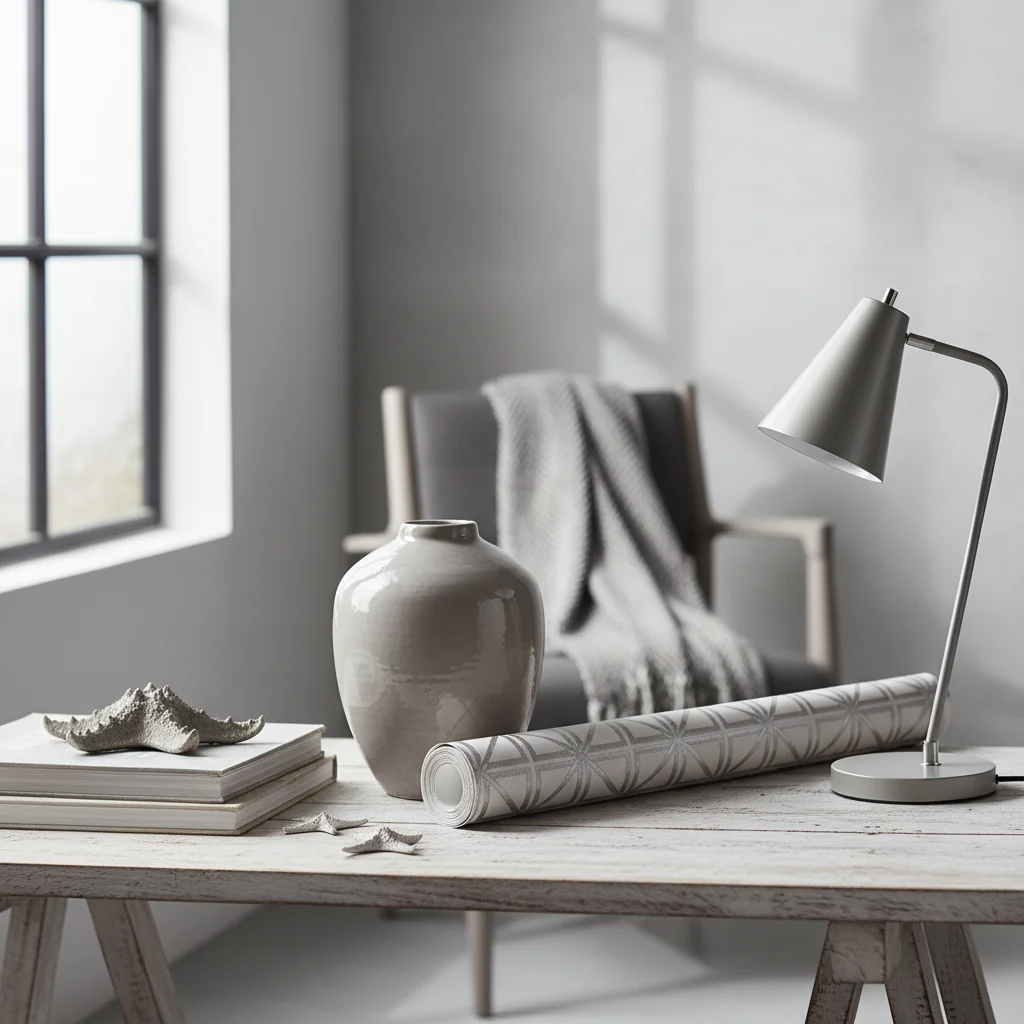
In the realm of interior design, “aura wallpaper” represents a sophisticated approach to wall décor, transcending mere pattern to evoke a distinct mood, energy, and atmospheric quality within a space. Unlike traditional wallpapers that often feature repeating motifs or bold graphics, aura wallpaper is characterized by its subtle, often abstract, and ethereal designs—think soft gradients, muted textures, or organic forms that create an overarching ambiance rather than a focal point. At Starhouse, we understand that a home’s true essence is found in its feeling, and aura wallpaper provides a foundational layer for crafting environments that resonate deeply with personal style and desired emotional states.
Key takeaways
- Aura wallpaper defines a category of wall coverings focused on creating a specific mood or atmosphere through subtle, often abstract, and ethereal designs, distinct from traditional patterned wallpapers or digital backgrounds.
- It employs soft gradients, organic textures, and muted palettes to establish an overarching ambiance, transforming rooms into sanctuaries of calm, vibrancy, or refined elegance.
- Key types include peel-and-stick for flexibility and traditional paste-the-wall for permanence, with materials ranging from non-woven to vinyl-coated, each offering specific benefits in durability and maintenance.
- Successful selection hinges on aligning the wallpaper’s aesthetic with the room’s function, existing décor, lighting conditions, and desired emotional impact.
- Precise measurement, including accounting for pattern repeat and adding a 10-15% buffer, is critical for seamless installation and minimizing waste.
- Contemporary trends favor biophilic designs, earthy neutrals, and tactile matte finishes, emphasizing wellness and a connection to nature.
Understanding Aura Wallpaper: More Than Just a Pattern
Aura wallpaper, in the context of sophisticated home décor, refers to wall coverings designed to imbue a space with a specific atmospheric quality or mood, moving beyond literal patterns to focus on subtle visual effects. This category of wallpaper prioritizes the creation of an overarching ambiance, using elements like soft color transitions, organic textures, or abstract forms to evoke a feeling rather than depict a discernible object or motif. It stands apart from digital “aura wallpapers” found on computer desktops, serving instead as a tangible, foundational design element for interior spaces.
The essence of aura wallpaper lies in its ability to subtly influence the perception and emotional response to a room. It doesn’t scream for attention but rather whispers, contributing to a holistic design narrative. This nuanced approach makes it a powerful tool for interior designers and homeowners seeking to craft environments that feel both personal and profoundly intentional.
Aura wallpaper is a design category of wall coverings characterized by subtle, often abstract, and ethereal patterns or textures that create a pervasive mood or atmospheric quality within a room. Its primary function is to establish an ambiance, using elements like soft gradients, organic shapes, or muted tones to evoke feelings such as calm, energy, or sophistication without dominating the visual field.
Unlike wallpapers with bold, repetitive patterns or highly detailed scenes, aura wallpaper tends to feature fluid, non-linear designs. These may include watercolor effects, diffused colors that bleed into one another, or delicate textures that mimic natural materials like linen or plaster. The goal is to create a backdrop that supports and enhances the room’s overall aesthetic, allowing other design elements—furniture, art, lighting—to shine while being grounded by a harmonious wall treatment.
Consider, for instance, a wallpaper with a gentle ombré effect that transitions from a deep indigo to a serene sky blue. This isn’t just a color choice; it’s an intentional design decision to evoke the expansive calm of the horizon, creating a restful atmosphere. Similarly, a wallpaper featuring a soft, mottled texture might recall the weathered patina of an ancient wall, adding depth and history without a specific image. This deliberate focus on emotional resonance and atmospheric impact is what distinguishes aura wallpaper as a cornerstone of thoughtful interior design.
Its versatility allows it to seamlessly integrate into various design schemes, from minimalist and Scandinavian to modern organic and contemporary luxury. The key is its inherent adaptability—it adapts to the space, rather than forcing the space to adapt to it. This makes it an invaluable element for those who appreciate design that speaks to the senses and nurtures the soul.
The Transformative Power of Aura Wallpaper in Design
Aura wallpaper possesses a unique ability to profoundly transform a space by subtly altering its perceived size, light, and emotional temperature, thereby shaping the entire user experience. It acts as a foundational layer, capable of influencing how every other element in a room is perceived, from furniture and textiles to natural light and shadow. This transformative power stems from its emphasis on atmospheric design over overt pattern, allowing it to dictate the fundamental mood of an environment.
When carefully selected, aura wallpaper can expand a small room, imbue a cold space with warmth, or bring a sense of serenity to a bustling area. For example, a wallpaper with a soft, expansive gradient can make low ceilings appear taller and narrow hallways feel wider by drawing the eye upward and outward. Conversely, a wallpaper with a rich, deep hue and a subtle texture can create an intimate, cocoon-like feeling in a large, open-plan space, making it feel more inviting and less cavernous.
The interplay of light with aura wallpaper is particularly impactful. A wallpaper with a delicate metallic sheen can reflect ambient light, brightening a dim room and adding a subtle sparkle that shifts throughout the day, imparting a dynamic quality. Conversely, a matte, deeply textured paper can absorb light, creating a sense of grounded tranquility and depth. This responsiveness to light means that the “aura” of the wallpaper can evolve, offering different experiences depending on the time of day or the artificial lighting chosen.
Beyond the visual, aura wallpaper significantly contributes to the emotional landscape of a room. A design featuring muted, cool tones and soft, flowing lines can foster an immediate sense of calm and relaxation, ideal for bedrooms or meditation spaces. Conversely, warmer tones with gentle, abstract movements can introduce subtle energy and creativity, making them suitable for living areas or home offices. This deliberate emotional engineering is a hallmark of sophisticated interior design, allowing homeowners to curate not just a look, but a feeling.
Moreover, aura wallpaper provides a cohesive backdrop that unifies disparate design elements. In a room with varied furniture styles or a mix of art pieces, a well-chosen aura wallpaper can act as a unifying force, tying everything together with its consistent atmospheric presence. It ensures that the room feels harmonious and intentional, preventing visual clutter and promoting a sense of flow. This underlying unity is crucial for creating spaces that feel both refined and comfortable.
Exploring the Diverse Types and Styles of Aura Wallpaper
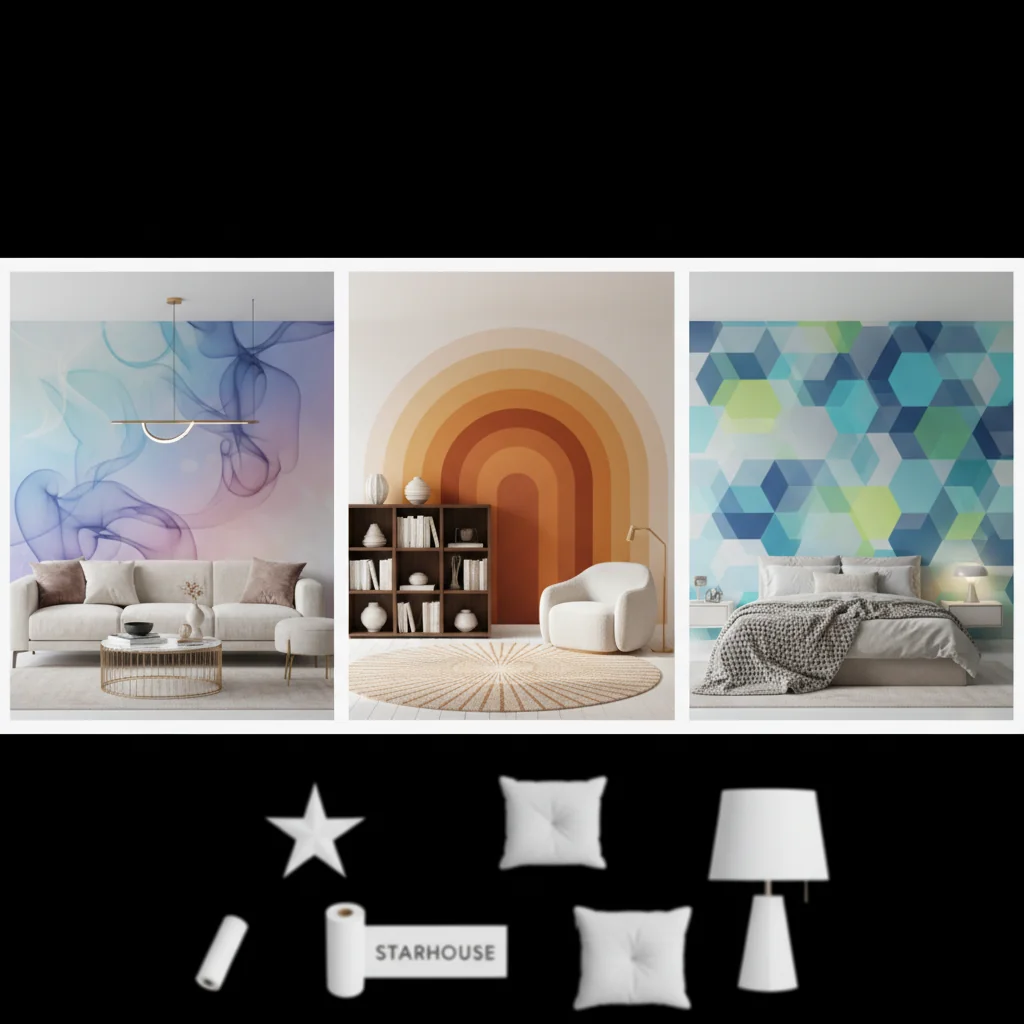
Aura wallpaper encompasses a broad spectrum of types and styles, each offering distinct aesthetic qualities and practical benefits tailored to various design preferences and functional requirements. Understanding these distinctions is crucial for selecting a wall covering that not only enhances the desired mood but also performs optimally in its designated space. The primary categories often revolve around material composition and application method, while styles define the visual language of the “aura” itself.
Types of Aura Wallpaper (by Material & Application)
The material composition and application method significantly influence a wallpaper’s durability, ease of installation, and maintenance. Selecting the right type is as important as choosing the right aesthetic.
- Peel-and-Stick Aura Wallpaper: This type is characterized by a self-adhesive backing, eliminating the need for separate paste and offering remarkable ease of application and removal. Peel-and-stick aura wallpaper is highly versatile, making it an excellent choice for renters, temporary installations, or those who enjoy frequently updating their décor. Its repositionable nature allows for adjustments during installation, reducing stress and potential errors. However, its durability can vary, and it typically performs best on smooth, well-prepared surfaces.
- Traditional Paste-the-Wall/Paper Aura Wallpaper: This classic method involves applying a separate adhesive to the wallpaper itself (paste-the-paper) or directly to the wall (paste-the-wall) before hanging. Traditional wallpapers are renowned for their durability and long-term adherence, often lasting for decades. While installation requires more skill and effort than peel-and-stick, the result is a professional, enduring finish. Many high-end aura designs are available in traditional formats, offering superior texture and depth.
- Non-Woven Aura Wallpaper: Made from a blend of natural and synthetic fibers, non-woven wallpaper is highly breathable, resistant to tearing, and remarkably easy to remove in full sheets without damaging the wall. This material is often chosen for its stability and environmental benefits, as it typically contains no PVC. It’s an excellent option for creating a sophisticated aura with minimal fuss during future redecorations. Many paste-the-wall products are non-woven.
- Vinyl-Coated Aura Wallpaper: Featuring a paper or non-woven backing coated with a layer of vinyl, this type offers enhanced durability, washability, and moisture resistance. Vinyl-coated aura wallpaper is ideal for high-traffic areas such as hallways, kitchens, or bathrooms, where resistance to scuffs and splashes is paramount. The vinyl layer also allows for easy cleaning with a damp cloth, maintaining the wallpaper’s pristine aura for years.
- Textured Aura Wallpaper: Beyond printed patterns, textured wallpapers add a tactile dimension, creating an aura through physical relief. These can mimic natural elements like grasscloth, linen, or plaster, or feature embossed patterns that create subtle shadows and highlights. The texture itself becomes a key component of the visual and sensory experience, adding depth and sophistication.
Styles of Aura Wallpaper (by Aesthetic)
The aesthetic styles of aura wallpaper are diverse, each designed to cultivate a specific mood or visual narrative. These styles often overlap and can be combined to create truly unique environments.
- Soft Gradients & Ombré: This style features a seamless transition of color from one shade to another, or from a color to white/transparency. The effect is often calming and expansive, drawing the eye across the wall in a fluid motion. An ombré wallpaper transitioning from a deep forest green at the base to a pale sage at the top can evoke the feeling of standing in a sun-dappled glade, instilling tranquility.
- Abstract & Organic Forms: These designs draw inspiration from nature’s fluidity and art’s non-representational expressions. They feature shapes and lines that are not strictly geometric but rather mimic natural formations, cloudscapes, or artistic brushstrokes. The Neutral Abstract Aura Wallpaper from York Wallcoverings exemplifies this style, using soft, flowing lines and muted tones to create an understated yet impactful visual texture that suggests movement and depth without defining a specific object. This style is excellent for creating a sense of artistic sophistication and dynamic calm.
- Ethereal Metallics: Incorporating subtle metallic accents (gold, silver, copper, bronze) in ethereal patterns, this style adds a delicate shimmer and luminosity to walls. The metallic elements catch and reflect light, creating a dynamic visual effect that shifts throughout the day. This is particularly effective in spaces where a touch of understated glamour or cosmic wonder is desired, adding depth and a sense of luxury without being ostentatious.
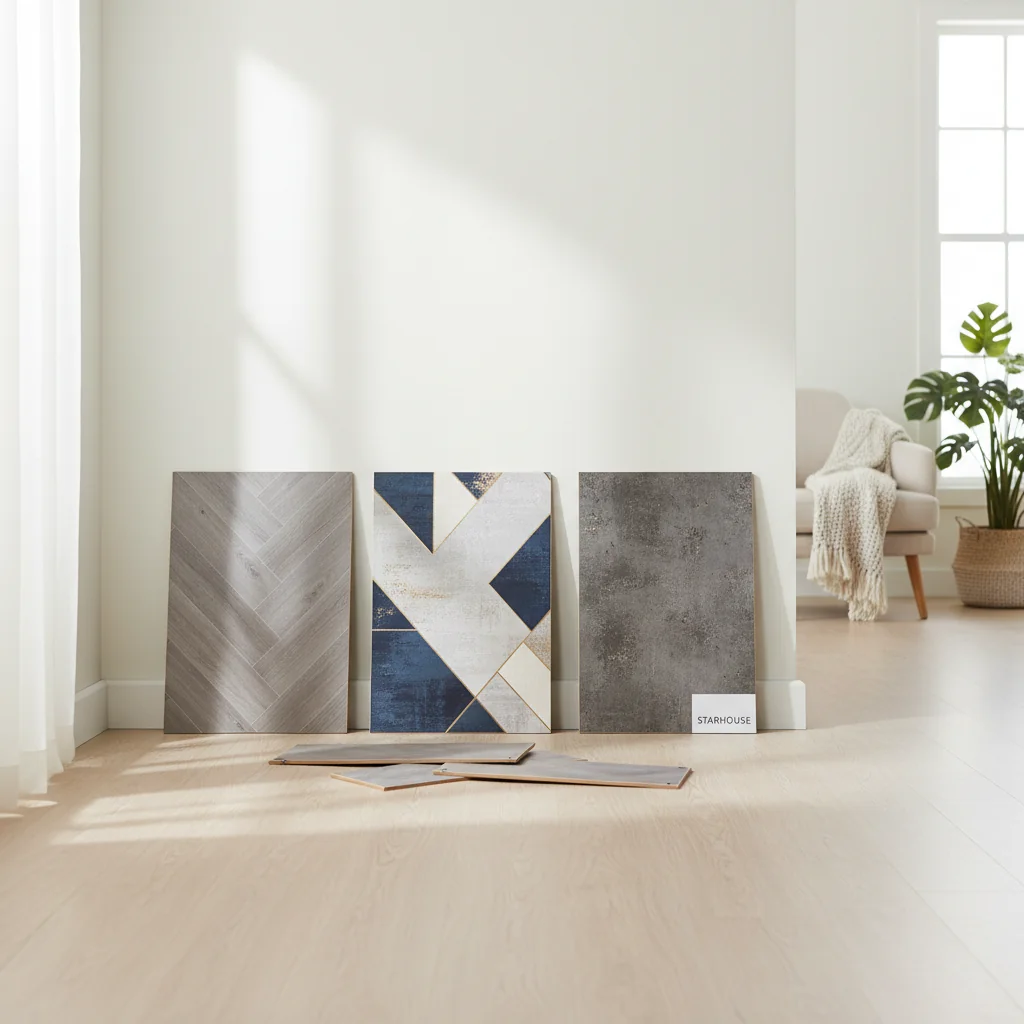
- Subtle Textural Prints: These wallpapers mimic the appearance of natural textures such as raw silk, woven grasscloth, concrete, or brushed plaster. While they may be smooth to the touch (unless embossed), their visual texture creates an illusion of depth and material richness. This style is perfect for adding warmth, sophistication, and an organic feel, grounding a space with tactile appeal without introducing bold patterns.
- Minimalist Geometric: Unlike complex geometric patterns, this style uses simple, often large-scale geometric shapes in muted tones to create a clean, modern aura. Think of widely spaced, slender lines, gentle arcs, or abstract grids that provide structure without visual weight. This style is favored in contemporary and minimalist interiors, offering a sense of order and serenity.
- Watercolor & Blended Hues: Inspired by the delicate and translucent qualities of watercolor painting, these wallpapers feature blended colors and soft edges. They often depict abstract landscapes, cloud formations, or fluid color washes that create a dreamlike and artistic ambiance. This style is excellent for fostering creativity, calm, and a sense of bespoke artistry in a room.
- Biophilic-Inspired Aura: Reflecting a growing trend towards connecting with nature indoors, these designs incorporate organic elements like diffused botanical silhouettes, subtle leaf patterns, or earthy color palettes that evoke natural landscapes. The goal is to create a calming, restorative environment that feels harmonious with the natural world.
The synergy between type and style is paramount. A peel-and-stick non-woven wallpaper with a soft gradient is ideal for a renter seeking a temporary, calming bedroom update. Conversely, a traditional vinyl-coated paper with a subtle textural print might be chosen for a high-traffic entryway where durability and a sophisticated, permanent impression are key. Starhouse curates options across this spectrum, ensuring that both aesthetic vision and practical needs are met with unparalleled quality.
Choosing the Perfect Aura Wallpaper for Your Home
Selecting the ideal aura wallpaper requires a thoughtful assessment of several key factors, ensuring the chosen design harmonizes with your space, lifestyle, and aesthetic aspirations. The perfect aura wallpaper is not merely visually appealing; it actively contributes to the desired mood and functionality of the room, acting as a silent orchestrator of atmosphere. This decision process should be deliberate, considering both the intrinsic qualities of the wallpaper and the specific characteristics of your environment.
Key Considerations for Selection:
-
Room Function and Desired Mood Goal: This is arguably the most critical starting point. The purpose of the room should dictate the wallpaper’s aura.
- For a bedroom, aim for calming and restful tones—soft blues, greens, or muted grays with gentle gradients or subtle textures can promote relaxation and sleep.
- In a living room, an inviting and convivial atmosphere might be desired, suggesting warmer tones, abstract organic forms, or ethereal metallics that add a touch of understated elegance.
- A home office could benefit from designs that foster focus and creativity, such as minimalist geometrics or soft biophilic patterns in muted, concentration-enhancing hues.
- Bathrooms or kitchens, while needing durable materials, can benefit from refreshing or clean-lined aura patterns that evoke serenity or crispness.
-
Existing Décor and Color Palette: The chosen aura wallpaper must integrate seamlessly with your current furnishings, textiles, and existing wall colors. It should complement, not compete with, these elements.
- Identify the dominant colors and undertones already present in your room.
- Choose a wallpaper that shares these undertones or provides a harmonious contrast that elevates the overall scheme. For instance, if your furniture is predominantly warm wood, a wallpaper with warm earthy neutrals or soft gold metallics will create cohesion.
- Consider the style of your furniture—modern, traditional, eclectic—and select an aura wallpaper that aligns with or gently complements that aesthetic.
-
Lighting Conditions: The amount and type of light a room receives dramatically impact how wallpaper appears.
- In rooms with abundant natural light, darker or richer aura wallpapers can be used without making the space feel dim. Ethereal metallics will truly shine, reflecting light beautifully.
- For rooms with limited natural light, opt for lighter shades, soft gradients, or wallpapers with subtle reflective qualities to brighten and open up the space.
- Consider artificial lighting as well. Warm-toned lighting can enhance warm-hued wallpapers, while cool-toned lighting can emphasize blue or gray palettes. Always view samples under both natural and artificial light conditions.
-
Scale of Pattern and Room Size: The visual weight of the wallpaper’s “pattern” (even if subtle) should be proportionate to the room’s dimensions.
- In spacious rooms, larger-scale abstract forms, expansive gradients, or subtle, diffuse patterns can make a grand statement without overwhelming the space.
- For smaller rooms or those with intricate architectural details, opt for more understated, fine textures, very soft gradients, or minimalist designs. These will add depth and interest without making the room feel cluttered or enclosed.
- A well-chosen pattern can manipulate perception; vertical elements can make ceilings appear higher, while horizontal movements can broaden a narrow room.
-
Material Durability and Maintenance: Practicality is as important as aesthetics. Consider the traffic and potential for wear in the chosen area.
- For high-traffic areas like hallways, entryways, or children’s rooms, a durable, washable vinyl-coated or solid vinyl wallpaper is recommended.
- In kitchens and bathrooms, moisture-resistant options are crucial to prevent peeling and mold growth.
- For low-traffic areas like formal dining rooms or guest bedrooms, more delicate materials like non-woven or traditional paper-backed options may be suitable.
- Always check the manufacturer’s cleaning instructions.
- Personal Aesthetic Preference: Ultimately, the wallpaper should resonate with your personal taste and make you feel comfortable and inspired in your own home. Trust your instincts and choose a design that genuinely speaks to you. While trends offer guidance, your unique style should always be the guiding principle.
A crucial step in this process is to order samples. Viewing a small swatch in your actual space, under varying light conditions, and against your existing furnishings, provides an accurate representation of how the aura wallpaper will truly look and feel. This preventative measure can save both time and resources, ensuring your final selection perfectly aligns with your vision for an enveloping and harmonious environment.
Essential Measurements and Sizing for Flawless Application
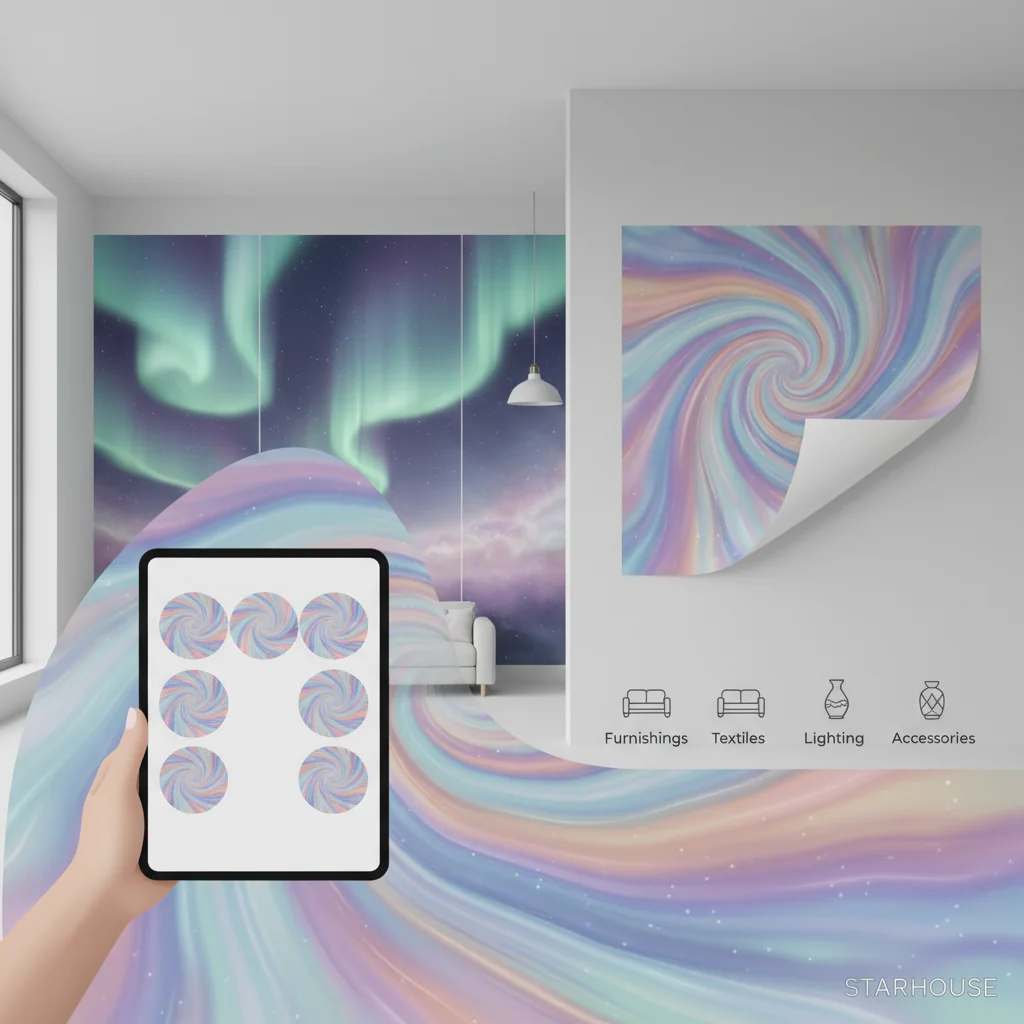
Accurate measurements are the bedrock of any successful wallpaper installation, ensuring you purchase the correct quantity of aura wallpaper and achieve a seamless, professional finish without unnecessary waste. Underestimating or overestimating can lead to costly delays, mismatched batches, or insufficient material, making precise calculations an indispensable first step in your design journey.
Step-by-Step Guide to Measuring Your Walls:
- Gather Your Tools: You will need a metal tape measure (at least 25 feet long), a pencil, a notepad, and a step stool or ladder for reaching high points.
- Measure Wall Height: For each wall you plan to wallpaper, measure the height from the floor to the ceiling. Take measurements at several points across the wall to account for any variations (walls are rarely perfectly plumb). Use the tallest measurement as your standard height for that wall. Record this in inches or feet.
- Measure Wall Width: Similarly, measure the width of each wall from corner to corner. Again, take multiple measurements and use the widest point. Record this in inches or feet.
-
Calculate Square Footage for Each Wall: Multiply the height by the width for each individual wall to get its square footage.
Example: A wall that is 8 feet high (96 inches) and 12 feet wide (144 inches) has a total area of 96 sq ft (8 ft x 12 ft).
-
Account for Openings (Doors and Windows): While you won’t be wallpapering these areas, it’s generally recommended to include them in your initial square footage calculation and then subtract them, especially for large openings.
- Measure the height and width of all doors and windows on the walls to be covered.
- Calculate their individual square footage.
- Sum the square footage of all openings and subtract this from the total wall square footage. For very small openings (e.g., a small vent), you can often ignore them, as the waste from pattern matching will easily cover the difference.
- Determine Total Square Footage: Add up the net square footage (wall area minus openings) for all walls you intend to wallpaper.
-
Understand Pattern Repeat: This is a critical factor for wallpapers with repeating designs, even subtle ones like abstract aura patterns. The pattern repeat is the vertical distance between where the pattern duplicates itself.
- A larger pattern repeat means more waste, as you need to align each subsequent strip horizontally and vertically.
- Always factor in the pattern repeat when calculating how many rolls you need. Most manufacturers provide guidance on how to calculate for pattern repeat. As a rule of thumb, you might lose 6-12 inches per strip for matching, depending on the repeat size.
-
Add a Buffer for Waste and Future Repairs: It is standard practice to add an additional 10-15% to your total calculated square footage. This buffer accounts for:
- Trimming at the top and bottom of each strip.
- Waste from pattern matching, especially with larger repeats.
- Minor installation errors.
- Future repairs, allowing you to replace a damaged section with a perfectly matched piece from the same dye lot.
-
Understand Wallpaper Roll Dimensions: Wallpaper is typically sold in rolls with standard dimensions. In the U.S., common roll sizes include:
- Single Roll: Approximately 20.5 inches wide by 16.5 feet long (yielding about 28 sq ft).
- Double Roll: Approximately 20.5 inches wide by 33 feet long (yielding about 56 sq ft). Note that double rolls are often sold as a single unit, but the packaging might still refer to “double roll” to indicate its length.
- Wider Rolls: Some specialty or designer wallpapers come in wider formats, such as 27 inches or even 36-54 inches, with varying lengths. Always check the specific product’s dimensions.
-
Calculate Number of Rolls Needed: Divide your total adjusted square footage (including the 10-15% buffer) by the square footage covered by a single or double roll of your chosen wallpaper. Always round up to the nearest whole roll.
Example Continued: If your total wall area (with buffer) is 120 sq ft, and your chosen double roll covers 56 sq ft:
120 sq ft / 56 sq ft/roll = 2.14 rolls. You would need to purchase 3 double rolls.
Always purchase all the wallpaper you need from the same dye lot to ensure consistent color and tone. Dye lot numbers are usually printed on the wallpaper label. Mismatched dye lots, even with the same pattern, can result in noticeable color variations on the wall, disrupting the subtle aura you aim to create.
Installation Methods: Peel-and-Stick vs. Traditional
Aura wallpaper can be applied using two primary methods: the convenient peel-and-stick technique or the more traditional paste-based application, each offering distinct advantages and considerations. The choice between these methods significantly impacts the installation process, the permanence of the application, and the ease of future removal, making it a crucial decision based on your skill level, desired outcome, and living situation.
Comparison Table: Aura Wallpaper Installation Methods
| Feature | Peel-and-Stick Aura Wallpaper | Traditional (Paste-the-Wall/Paper) Aura Wallpaper |
|---|---|---|
| Application | Self-adhesive backing; simply peel off liner and apply. Often repositionable during installation. | Requires separate adhesive (paste) applied to the wall or the back of the paper. |
| Removal | Generally easy, clean, and non-damaging to well-prepared walls. Peels off in full sheets. | Can be more challenging; may require steaming or soaking to strip, potentially damaging drywall if not prepared correctly. |
| Durability | Good, varies by brand and material quality. Can be prone to minor shrinking or edge lifting over long periods. | Excellent, very long-lasting. Strong adhesion provides a durable, permanent finish. |
| Ideal For | Renters, DIY enthusiasts, temporary décor changes, accent walls, low-moisture areas. | Permanent installations, high-end finishes, high-traffic areas, bathrooms/kitchens (with appropriate material). |
| Skill Level | Beginner to Intermediate. Forgiving due to repositionability. | Intermediate to Advanced. Requires precision, experience with paste, and careful handling. |
| Wall Preparation | Smooth, clean, dry, and primed walls are essential for optimal adhesion and removal. | Smooth, clean, dry, and adequately primed or sized walls are critical for proper adhesion and future removal. |
| Cost (approx. wallpaper only) | Typically ranges from $0.50 to $2.00 per square foot. | Typically ranges from $0.75 to $3.00+ per square foot (excluding paste and tools). |
Peel-and-Stick Aura Wallpaper: Convenience and Flexibility
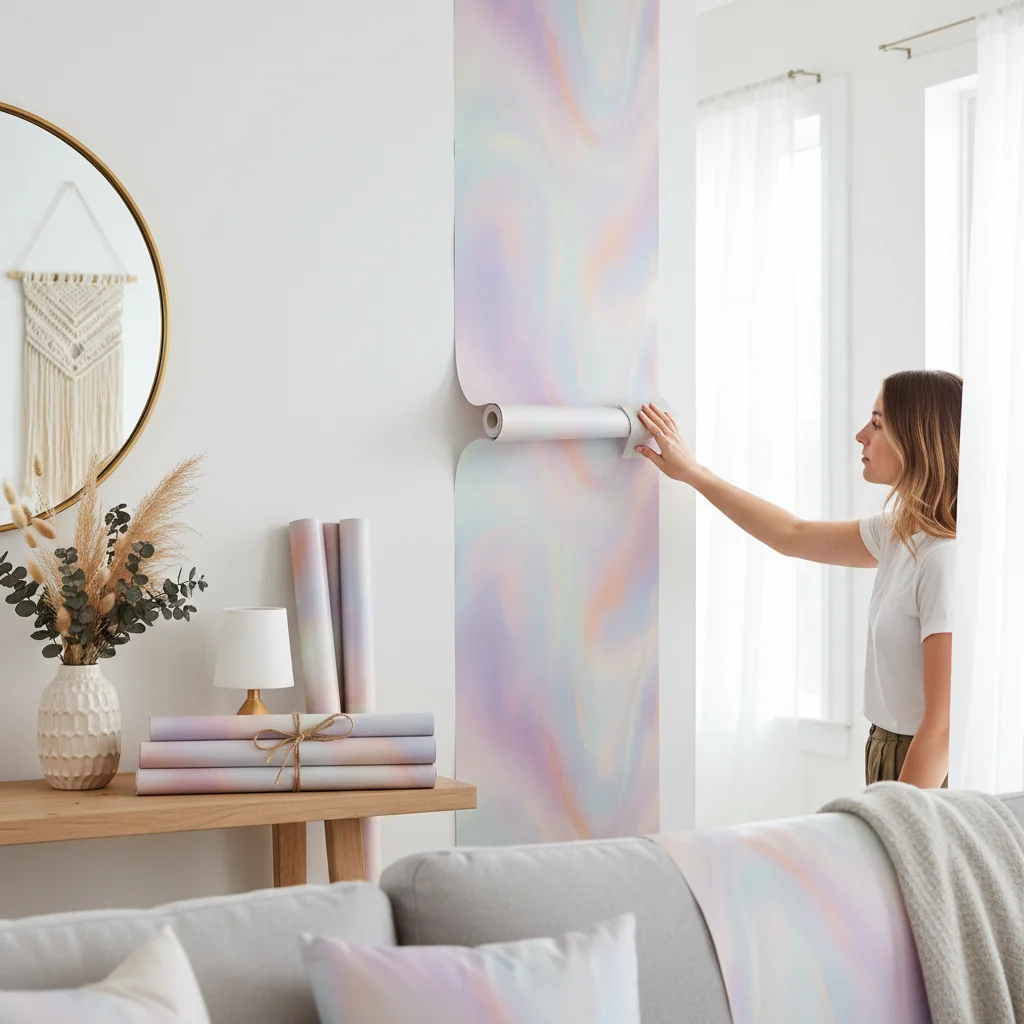
Peel-and-stick wallpaper, often referred to as removable wallpaper, has revolutionized DIY home décor. Its primary appeal lies in its user-friendly application: the wallpaper comes with an adhesive backing protected by a removable liner. Users simply peel off the liner and smooth the wallpaper onto a clean, dry, and primed wall. Many peel-and-stick options are also repositionable, allowing for adjustments during installation to ensure perfect alignment and bubble-free results, which is particularly beneficial for achieving the subtle flow of aura patterns.
This method is exceptionally well-suited for renters or individuals who enjoy frequent design updates, as it can typically be removed without damaging the underlying wall surface. It’s an excellent choice for accent walls, temporary installations, or experimenting with an aura aesthetic before committing to a more permanent solution. While generally durable, the longevity of peel-and-stick can vary by product quality, and it may be less resistant to high humidity or extreme temperature fluctuations compared to traditional paste-down options.
Traditional (Paste-the-Wall/Paper) Aura Wallpaper: Durability and Professional Finish
Traditional wallpaper installation involves applying a separate adhesive, or paste, either directly to the back of the wallpaper (paste-the-paper) or to the wall itself before hanging the dry wallpaper strip (paste-the-wall). The “paste-the-wall” method, common with non-woven wallpapers, simplifies the process by making the wall sticky, allowing for easier manipulation of the dry paper. This technique often results in a cleaner installation and less mess.
Traditional wallpaper, when installed correctly, offers superior durability and a more permanent, integrated finish. The robust adhesion ensures that the wallpaper remains firmly in place for many years, making it ideal for high-traffic areas, entire rooms, or spaces where a long-term design solution is desired. While removal can be more involved, often requiring steaming or special stripping solutions, proper wall preparation (including priming and sizing) can significantly ease future removal processes.
For those seeking a truly luxurious or enduring aura, traditional wallpaper often provides a wider range of high-quality materials, textures, and finishes that may not be available in peel-and-stick formats. While the installation demands more skill and time, the resulting sophisticated and seamless aesthetic is often well worth the effort, especially when working with nuanced aura designs that rely on flawless execution to convey their intended mood.
Regardless of the method chosen, meticulous wall preparation is paramount. Walls must be clean, dry, smooth, and properly primed to ensure optimal adhesion and a professional finish. Any imperfections on the wall surface will likely show through, particularly with subtle aura patterns that highlight rather than conceal textures. For intricate or large-scale projects, consulting with a professional installer can guarantee a flawless application that maximizes the transformative potential of your chosen aura wallpaper.
Current Trends in Aura Wallpaper Design
Contemporary aura wallpaper trends are deeply rooted in a desire for environments that promote well-being, tranquility, and a connection to the natural world, moving away from overtly bold statements towards nuanced, sensory experiences. These trends reflect a broader shift in interior design towards creating spaces that feel restorative and authentic, where subtlety and texture speak volumes. The focus is on fostering an atmosphere rather than merely decorating a wall, aligning perfectly with the core philosophy of aura wallpaper.
Leading Trends Shaping Aura Wallpaper Aesthetics:
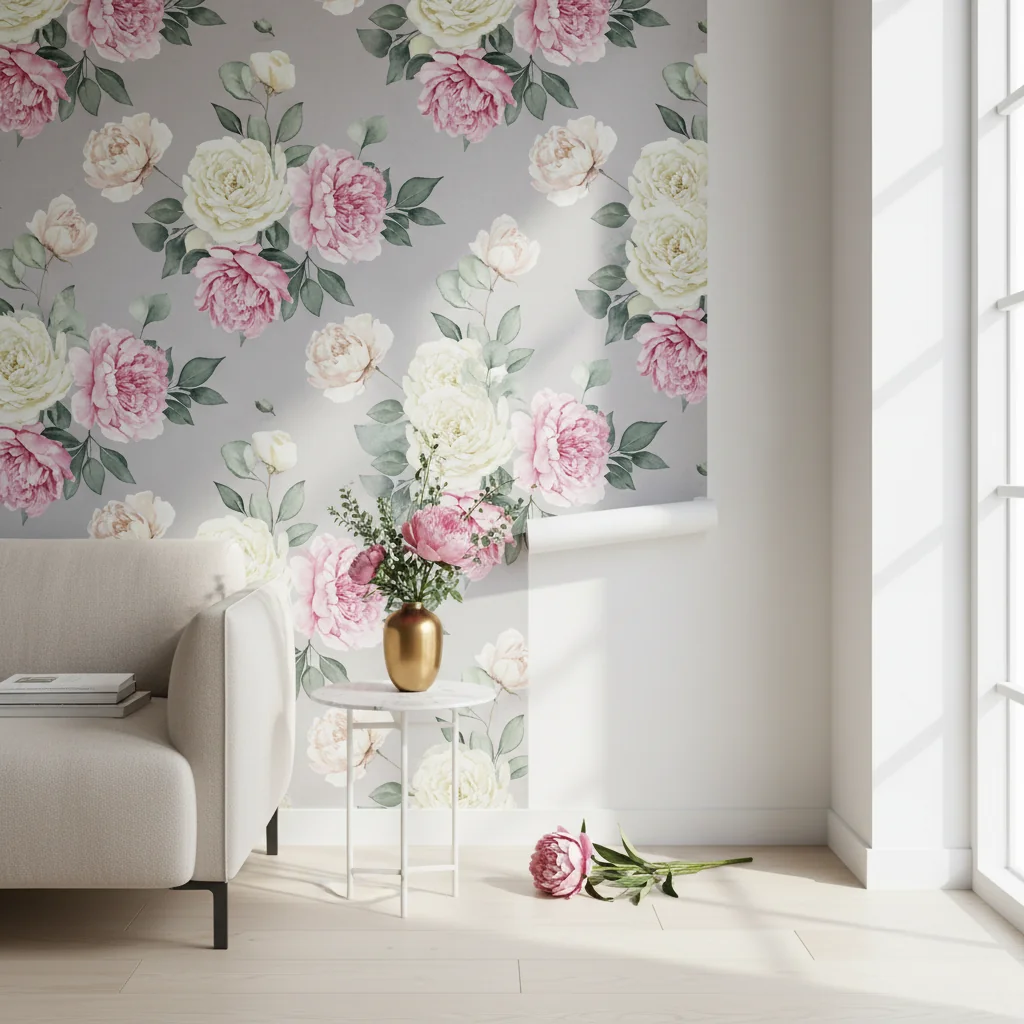
- Biophilic-Inspired Designs: This is a dominant trend, emphasizing natural elements and forms to create a calming, restorative connection to nature indoors. Aura wallpapers in this category feature diffused botanical silhouettes, abstract interpretations of landscapes (misty forests, rolling hills), or organic patterns that mimic water, stone, or wood grain. The color palettes are typically drawn from nature—earthy greens, muted blues, warm terracotta, and sandy beiges—designed to evoke tranquility and reduce stress.
- Soft Pastels and Earthy Neutrals: The preference for vibrant, saturated colors has largely given way to a palette of gentle pastels and grounding earthy neutrals. Think blush pinks, serene lavenders, soft mints, and a wide array of creams, taupes, grays, and warm browns. These colors form the foundation of many aura wallpapers, providing a soothing backdrop that allows for subtle shifts in light and shadow to create depth and interest without visual noise. This aligns with the desire for calm, sophisticated spaces.
- Tactile Finishes and Material Mimicry: Beyond visual patterns, there’s a strong emphasis on texture. Aura wallpapers are increasingly designed to mimic the look and feel of natural materials like brushed plaster, raw concrete, woven linen, or subtly distressed surfaces. These tactile finishes add a rich, sensory dimension to walls, making them feel more substantial and inviting. Matte finishes are preferred over high-gloss, enhancing the natural, understated appeal.
- Abstract Geometrics with a Hand-Drawn Feel: While geometrics remain popular, current trends lean towards softer, less rigid interpretations. Instead of sharp, precise lines, we see abstract geometric patterns that appear hand-drawn, imperfect, or subtly faded. These designs offer a sense of artistic authenticity and warmth, providing structure without feeling cold or overly industrial. They often incorporate irregular grids, gentle arcs, or loosely interpreted shapes in muted, harmonious colors.
- Large-Scale, Minimalist Patterns: The “less is more” philosophy translates into large-scale patterns that are spare and impactful. These might feature a single, expansive abstract motif, widely spaced organic elements, or a broad gradient that covers an entire wall. The minimalism ensures that the pattern enhances the room’s aura without overwhelming it, allowing for a sense of spaciousness and calm. The Neutral Abstract Aura Wallpaper from York Wallcoverings is a prime example, offering a grand yet understated visual.
- Ombré and Gradient Effects: The continuous flow of color from one shade to another remains a powerful tool for creating a dynamic yet serene aura. Ombré wallpapers can make ceilings appear higher or rooms feel more expansive, offering a soft transition that mimics natural phenomena like sunsets or ocean depths. These gradients are often subtle, ensuring they contribute to the overall mood rather than becoming the sole focal point.
- Subtle Metallics and Pearlescent Sheens: While bold metallics have receded, a refined use of subtle metallic or pearlescent finishes is gaining traction. These are integrated into aura designs to add a delicate shimmer that catches ambient light, creating a sophisticated glow. This approach adds depth and a touch of understated luxury without being overtly flashy, enhancing the ethereal quality of the wallpaper.
- Wellness-Oriented Design: Underlying all these trends is a focus on creating spaces that contribute to mental and emotional well-being. Aura wallpapers are chosen for their ability to evoke feelings of calm, comfort, and serenity, supporting a holistic approach to home design that prioritizes personal sanctuary. This means selecting colors, textures, and patterns that are inherently soothing and harmonious.
These trends collectively point towards a future where wallpaper is seen not just as a decorative covering, but as an integral component in crafting environments that nurture and inspire. Starhouse is committed to curating a collection that embodies these contemporary sensibilities, offering homeowners the tools to create spaces that truly reflect their desired aura.
Caring for Your Aura Wallpaper: Maintenance and Longevity
Proper care and routine maintenance are paramount to preserving the aesthetic integrity and extending the lifespan of your aura wallpaper, ensuring its subtle beauty continues to enhance your home for years. While aura wallpapers are designed for durability, their longevity and pristine appearance depend significantly on appropriate cleaning techniques and environmental management. Different materials demand specific care, making it essential to understand the manufacturer’s recommendations for your chosen product.
General Maintenance Tips for All Aura Wallpapers:
- Regular Dusting: Dust and airborne particles can accumulate on any surface. Gently dust your wallpaper regularly using a soft, dry cloth, a microfiber duster, or a soft-bristled vacuum attachment. This prevents grime buildup and keeps the surface looking fresh. Avoid abrasive materials that could scratch or dull the finish.
-
Spot Cleaning with Caution: For minor marks or smudges, always attempt to spot clean.
- Test in an Inconspicuous Area: Before applying any cleaning solution to a visible area, test it on a hidden section (e.g., behind furniture or near the baseboard).
- Mild Soap and Water: For most washable wallpapers (vinyl-coated, solid vinyl, some non-wovens), use a solution of mild dish soap and lukewarm water. Dampen a clean, soft sponge or cloth—never saturate it.
- Gentle Blotting: Gently blot the stain, working from the outside in to prevent spreading. Avoid harsh rubbing, which can damage the paper or spread the stain.
- Rinse and Dry: Lightly wipe the area with a clean, damp cloth (water only) to remove any soap residue, then gently pat dry with a soft, clean towel.
- Avoid Harsh Chemicals: Never use abrasive cleaners, bleach, scouring pads, or strong chemical solvents on your wallpaper. These can strip colors, damage finishes, or cause irreversible discoloration. Stick to manufacturer-recommended cleaning agents or simple mild soap and water.
- Control Humidity Levels: Excessive humidity can cause wallpaper seams to lift, encourage mold and mildew growth, and even lead to bubbling. In bathrooms or kitchens, ensure adequate ventilation. Use dehumidifiers in basements or humid climates, and ensure your HVAC system is functioning correctly to maintain consistent indoor humidity, ideally between 30-50%.
- Protect from Direct Sunlight: Prolonged exposure to direct sunlight, especially UV rays, can cause wallpaper colors to fade over time, particularly with organic pigments. Consider using UV-filtering window treatments (sheer curtains, blinds, or UV-protective film) in rooms with strong sun exposure to protect your investment.
- Address Damage Promptly: Minor tears or lifted seams should be repaired as soon as they are noticed. Small tears can often be carefully glued down with a suitable wallpaper adhesive. Prompt attention prevents small issues from escalating into larger, more noticeable problems.
Specific Care for Different Aura Wallpaper Types:
- Non-Woven and Traditional Paper-Backed: These are generally more delicate than vinyl options. They are often “wipeable” rather than “washable.” Use a barely damp cloth for spot cleaning and avoid saturating the paper. Always refer to the specific care symbols (e.g., spongeable, washable, scrubbable) on the product label.
- Vinyl-Coated and Solid Vinyl: These are the most durable and easiest to clean. They are typically “washable” or “scrubbable,” meaning they can withstand more vigorous cleaning with mild soap and water. They are excellent for high-traffic areas and rooms prone to moisture or grease.
- Textured or Specialty Finishes (e.g., Grasscloth, Fabric-Backed): These materials require specialized care. Grasscloth and natural fiber wallpapers are often very delicate and not washable; they typically require dusting or gentle vacuuming only. Water can stain or damage them. Always consult the manufacturer’s instructions for these unique finishes. The Aura by Perennials collection, for example, features high-performance fabrics which would require specific textile care guidelines, often differing from typical wallpaper care as seen on Dwell.
By adhering to these maintenance guidelines, you ensure that the subtle elegance and atmospheric impact of your aura wallpaper remain undiminished, contributing to a beautiful and harmonious home environment for years to come. Investing a small amount of time in regular care will protect your design investment.
Styling and Pairing Aura Wallpaper with Your Décor
Aura wallpaper serves as a sophisticated foundational element in interior design, providing a cohesive backdrop that enhances and unifies the room’s overall aesthetic rather than dominating it. Its inherent subtlety and atmospheric quality make it an ideal partner for a wide range of furnishings, textiles, and accessories, allowing designers to craft spaces that feel both harmonious and deeply intentional. The key to successful styling lies in understanding how the wallpaper’s “aura” can be echoed, contrasted, or complemented by other design components.
Strategies for Harmonious Styling:
-
Complementary Furnishings: Select furniture pieces that resonate with the wallpaper’s mood and style.
- If your aura wallpaper features soft gradients in cool tones, pair it with minimalist, clean-lined furniture in light woods or muted upholstery to reinforce a serene, contemporary feel.
- For abstract organic patterns in warmer hues, consider furniture with softer edges, natural materials (rattan, oak), and comfortable, textural fabrics to create an inviting, earthy ambiance.
- Ethereal metallics demand furnishings that reflect a sense of understated luxury—think velvet upholstery, polished chrome or brass accents, and sleek silhouettes.
The goal is for the furniture to feel like a natural extension of the wall’s aesthetic, creating visual continuity.
-
Texture Play with Textiles: Introduce varied textures through throws, pillows, rugs, and curtains to add depth and tactile interest that harmonizes with the wallpaper’s subtle visual texture.
- Pair a smooth, gradient aura wallpaper with plush velvets, chunky knits, or woven linens to add sensory richness.
- If your wallpaper already has a strong visual texture (like a faux grasscloth), balance it with smoother, simpler textiles to avoid overwhelming the space.
- Consider the drape and weight of curtains. Sheer or translucent fabrics can allow light to interact beautifully with the wallpaper, enhancing its atmospheric qualities, while heavier drapes can frame it elegantly.
-
Strategic Lighting to Highlight Subtle Qualities: Lighting is crucial for bringing aura wallpaper to life, as its nuanced patterns and colors often reveal their full beauty under specific illumination.
- Ambient Lighting: Use soft, diffused ambient lighting (e.g., recessed lighting on dimmers, large ceiling fixtures) to provide an overall glow that allows the wallpaper’s aura to permeate the room evenly.
- Accent Lighting: Employ wall sconces, picture lights, or strategically placed floor lamps to highlight specific textures or subtle metallic sheens within the wallpaper, creating focal points and adding dramatic depth.
- Natural Light: Embrace natural light. The way sunlight shifts throughout the day can transform the appearance of aura wallpaper, revealing new details and altering the room’s mood. Keep window treatments minimal or sheer where appropriate.
-
Art and Mirrors: Choose art and mirrors that either align with the wallpaper’s aesthetic or offer a thoughtful contrast.
- For a minimalist aura wallpaper, select abstract art with complementary colors, or large-scale, unframed pieces that float against the subtle backdrop.
- Mirrors with simple frames can reflect the wallpaper, expanding the sense of space and enhancing its atmospheric effect.
- Avoid overly busy or competing artwork that might detract from the wallpaper’s intended mood. The wallpaper itself can often serve as an artistic statement.
-
Color Harmony with Accessories: Pull accent colors directly from the subtle hues within your aura wallpaper to use in smaller decorative items.
- If your wallpaper features a hint of muted gold, incorporate gold-toned vases, picture frames, or decorative objects.
- Even the greenery of houseplants can pick up on biophilic tones in the wallpaper, creating a seamless connection to nature.
- This technique creates a cohesive and polished look, making the room feel thoughtfully curated.
- Consider the Ceiling: Don’t overlook the fifth wall. Extending the aura wallpaper onto the ceiling can create an incredibly immersive and enveloping effect, transforming the room into a true sanctuary. Alternatively, paint the ceiling in a complementary shade that draws out one of the wallpaper’s subtle tones, further integrating it into the overall design.
The beauty of aura wallpaper lies in its ability to provide a sophisticated foundation without demanding all the attention. It allows other elements of your décor to shine, creating a layered and rich environment. By thoughtfully pairing it with complementary furnishings, textiles, and lighting, you can unlock its full potential to create a home that not only looks beautiful but also feels profoundly right. As Starhouse curates its collection of exceptional home décor, we invite you to share your vision. Tell us what you’re looking for in your space and gain early access to our meticulously selected offerings: tell us what you’re looking for.
Common Mistakes to Avoid When Choosing and Applying Aura Wallpaper
Navigating the selection and application of aura wallpaper can be a rewarding process, but several common pitfalls can compromise the final outcome and the desired atmospheric effect. Avoiding these mistakes ensures that your investment in this sophisticated wall covering translates into a genuinely transformative and enduring design statement. Precision in planning and execution is paramount, especially when working with the subtle nuances of aura designs.
Key Mistakes to Sidestep:
-
Ignoring Room Lighting Conditions: A frequent error is selecting an aura wallpaper based solely on how it looks in a showroom or online image, without considering the unique lighting of your own room.
- Impact: Colors can appear drastically different under warm artificial light versus cool natural daylight. A subtle metallic shimmer might be invisible in a dimly lit room or overpowering in a brightly lit one.
- Solution: Always obtain samples and observe them on your walls at different times of day and under various lighting conditions (natural, overhead, lamps). This reveals the true interaction between the wallpaper’s aura and your specific environment.
-
Underestimating Pattern Repeat and Waste: Even subtle aura patterns often have a pattern repeat that requires careful alignment between strips. Failing to account for this leads to insufficient material.
- Impact: Running out of wallpaper mid-project, especially if a specific dye lot is no longer available, can be a costly and frustrating setback. Misaligned patterns disrupt the fluid aesthetic of aura designs.
- Solution: Always add a minimum of 10-15% to your total square footage calculation for waste. For large or complex pattern repeats, consider adding even more (up to 20%). Double-check the pattern repeat on the wallpaper label before purchasing.
-
Skipping Thorough Wall Preparation: Proper wall preparation is foundational for any wallpaper, but especially crucial for aura designs where subtlety is key.
- Impact: Uneven surfaces, dust, dirt, or unprimed walls can lead to poor adhesion, bubbling, lifted seams, or visible imperfections that detract from the wallpaper’s smooth, atmospheric quality.
- Solution: Ensure walls are clean, dry, smooth, and free of cracks or holes. Apply a high-quality primer specifically designed for wallpaper (often called a “sizing” or “wallpaper primer”). This creates an ideal surface for adhesion and makes future removal easier.
-
Choosing the Wrong Material for the Room’s Function: Selecting a wallpaper material ill-suited for the room’s specific demands can lead to premature wear and dissatisfaction.
- Impact: A non-washable paper in a high-traffic hallway or a bathroom prone to moisture will quickly show signs of wear, staining, or peeling.
- Solution: Match the wallpaper material to the room’s needs. Use durable, washable vinyl-coated options for kitchens, bathrooms, and high-traffic areas. Reserve more delicate paper-backed or natural fiber options for low-traffic spaces like bedrooms or formal living rooms.
-
Overlooking Scale in Relation to Room Size: The perceived scale of an aura pattern, even if abstract, impacts how spacious or intimate a room feels.
- Impact: A very diffuse, large-scale gradient might feel lost in a vast room, while a subtly textured but visually dense pattern could make a small room feel cramped.
- Solution: For larger rooms, consider more expansive, sweeping aura patterns that can make a statement without being overwhelming. In smaller spaces, opt for finer textures, very subtle shifts in color, or minimalist designs that add depth without visual clutter. The goal is to enhance the room’s dimensions, not fight them.
-
Not Ordering Samples: This is a simple yet often overlooked step that can prevent significant disappointment.
- Impact: Colors and textures can appear differently on a screen than in person. What seems like a soft gray online might have an unexpected undertone (blue, green, purple) in your home, completely altering the intended aura.
- Solution: Always order physical samples. Place them on different walls, observe them throughout the day, and compare them against your existing paint, furniture, and flooring. This ensures the chosen aura wallpaper truly aligns with your vision.
-
Rushing the Installation Process: Wallpapering requires patience and attention to detail. Haste often leads to visible flaws.
- Impact: Bubbles, misaligned seams, uneven cuts, or trapped debris can mar the smooth, seamless look essential for an effective aura.
- Solution: Allocate ample time for the project. Read all instructions thoroughly. Gather all necessary tools beforehand. Take breaks if you feel fatigued. For complex installations or if you lack confidence, consider hiring a professional installer to ensure a flawless finish.
By being mindful of these common mistakes, you can approach your aura wallpaper project with confidence, ensuring a beautiful, long-lasting result that perfectly captures the desired mood and sophistication for your home.
Sources
- York Wallcoverings. Neutral Abstract Aura Wallpaper | York Wallcoverings | yorkwallcoverings.com
- Aura by Perennials – Dwell | dwell.com
Frequently Asked Questions About Aura Wallpaper
What defines “aura wallpaper” in home décor?
Aura wallpaper in home décor is a category of wall coverings designed to create a specific mood or atmospheric quality through subtle, often abstract, and ethereal patterns or textures. It prioritizes ambiance over explicit imagery, using elements like soft gradients, organic forms, or muted tones to evoke feelings such as calm, energy, or sophistication. It is distinct from digital “aura wallpapers” found on computer desktops.
Is aura wallpaper suitable for small rooms?
Yes, aura wallpaper is highly suitable for small rooms, provided the design is chosen thoughtfully. Opt for subtle textures, very light colors, or gentle gradients that can make a small space feel more expansive and open. Avoid visually dense or high-contrast patterns that might overwhelm the room; instead, select designs that add depth and a sense of calm without clutter.
How do I calculate how much aura wallpaper I need?
To calculate the amount of aura wallpaper needed, measure the height and width of each wall in inches or feet, then multiply to find the square footage. Subtract the square footage of any large openings (doors, windows). Add all net wall areas together, then add an additional 10-15% buffer for waste, trimming, and pattern repeat. Finally, divide this total by the square footage covered by a single roll of your chosen wallpaper, always rounding up to the nearest whole roll. For example, a standard U.S. double roll covers approximately 56 square feet.
Can I install aura wallpaper myself?
Yes, many types of aura wallpaper, particularly peel-and-stick versions, are designed for DIY installation, making them accessible to beginners. Traditional paste-the-wall or paste-the-paper wallpapers require more skill, patience, and specific tools, but can still be a successful DIY project with careful preparation and adherence to instructions. Always ensure your walls are clean, smooth, and primed before beginning any installation.
How do I clean aura wallpaper?
Most aura wallpapers can be maintained by regular dusting with a soft, dry cloth. For spot cleaning, refer to the manufacturer’s instructions; many washable types (especially vinyl-coated) can be gently wiped with a damp cloth and a mild soap solution. Always test any cleaning method on an inconspicuous area first, and avoid abrasive cleaners or excessive moisture, which can damage delicate finishes like natural grasscloth or paper-backed options.
What are the latest trends in aura wallpaper?
Current trends in aura wallpaper design emphasize biophilic-inspired patterns, soft pastel and earthy neutral palettes, and tactile finishes that mimic natural textures like plaster or linen. Large-scale, minimalist abstract forms, subtle ombré gradients, and delicate metallic sheens are also popular, all aimed at creating serene, wellness-oriented environments that feel connected to nature.
Where can I find high-quality aura wallpaper?
High-quality aura wallpaper can be found through specialized home décor brands and interior design showrooms that curate sophisticated wall coverings. Starhouse is dedicated to curating a collection of exceptional wall décor, including aura wallpaper, alongside furnishings, textiles, lighting, and accessories, serving customers across the United States. Our upcoming collection will feature designs that embody both aesthetic excellence and superior craftsmanship.
Conclusion
Aura wallpaper stands as a testament to the power of subtle design, offering a profound way to imbue any space with a distinct and deeply felt atmosphere. It is more than just a decorative choice; it is a foundational element that dictates the mood, enhances the light, and unifies the aesthetic of a room, transforming it into a personalized sanctuary. From the tranquil gradients that soothe the mind to the organic textures that connect us to nature, aura wallpaper provides an unparalleled opportunity to craft environments that resonate with our deepest desires for comfort, style, and well-being.
The journey of selecting and applying aura wallpaper is one of thoughtful consideration, from understanding the nuances of different types and styles to mastering precise measurements and pairing it harmoniously with existing décor. By embracing the principles of intentional design and avoiding common pitfalls, homeowners can unlock the full transformative potential of this exquisite wall covering, creating spaces that not only look beautiful but also feel inherently right.
As Starhouse meticulously curates its collection of exceptional home décor, we are committed to offering selections that embody this philosophy of sophisticated and impactful design. We believe that every element in your home should contribute to its unique aura. We invite you to be part of our journey as we build a collection designed to inspire and elevate your living spaces. Tell us what you’re looking for in your space and gain early access to our meticulously selected offerings: tell us what you’re looking for.