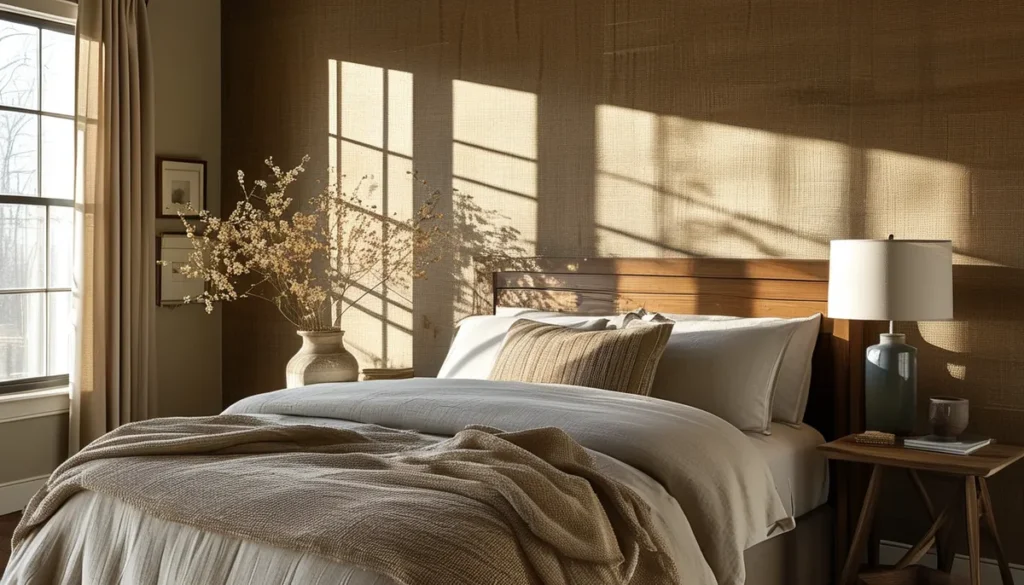
Floral decals bring life and color to any room, offering a less permanent and often more affordable alternative to wallpaper or paint. When you’re looking at flower wall art, decals give you flexibility. You can choose from individual blooms, intricate vines, or full floral scenes. The key is matching the decal’s style and scale to your room’s existing decor and the vibe you want to create.
Understanding floral decal materials and types
Most floral decals are made from vinyl, specifically PVC. This material is durable, flexible, and easy to clean. The quality can vary, so consider the thickness and finish. Some decals have a matte finish that mimics painted art, while others have a glossy sheen. For a more premium look, look for thicker vinyl that’s less prone to tearing during application.
You’ll encounter several types:
- Individual flower or leaf decals: These are great for accenting specific areas, like around a mirror, a headboard, or a doorway. You can arrange them freely to create a custom look.
- Vine or branch decals: These often extend across walls, adding a sense of movement and organic flow. They can be used to frame windows, doors, or artwork.
- Full floral arrangements: These are larger, more intricate designs, sometimes resembling a mural. They make a strong statement and can be the focal point of a room.
- Peel-and-stick decals: The most common type, these require no extra adhesive. They are designed for easy application and removal, making them ideal for renters or those who like to redecorate often.
- Waterproof or washable decals: While most vinyl decals can be wiped down, some are specifically marketed as waterproof, which is useful for bathrooms or kitchens. Check the manufacturer’s specifications.
Size matters: how to choose the right dimensions
The scale of your floral decals can dramatically impact the feel of your room. Measure your wall space before you buy. A large, sprawling floral design might overwhelm a small powder room but could be stunning on a feature wall in a living room or bedroom. Conversely, a collection of small, scattered flowers might get lost on a vast expanse of wall.
As a general guideline:
- For a subtle accent: Opt for smaller decals, perhaps a single large flower or a small cluster, placed strategically. Think about a 12-inch rose decal above a nightstand.
- For a moderate statement: Consider decals that cover a significant portion of a wall, like a trailing vine that spans 4-6 feet horizontally, or a collection of medium-sized flowers.
- For a dramatic impact: Look for large-scale floral murals or decals that are designed to cover an entire wall. These can be 8 feet tall or more.
Always check the dimensions provided by the manufacturer. Some sets are sold by the number of sheets, while others specify the total coverage area when applied as shown in the product image.
Installation: a step-by-step approach
Applying floral decals is generally straightforward, but proper preparation is key to a professional-looking finish.
1. Prepare your walls
Ensure your walls are clean, dry, and smooth. Dust, grease, or moisture will prevent the decal from adhering properly. For best results, clean walls with a mild soap and water solution, then allow them to dry completely, usually 24-48 hours. Avoid using harsh chemicals, as they can damage the decal’s adhesive.
2. Plan your layout
Before peeling off the backing, position the decal (or individual pieces) against the wall. Use painter’s tape to temporarily hold them in place. This allows you to visualize the final look and make any adjustments to spacing or alignment.
3. Application
Start from one corner or edge and slowly peel away the backing paper as you press the decal onto the wall. Use a credit card or a squeegee tool to smooth out the decal, working from the center outwards. This pushes out any air bubbles and ensures good adhesion. If you’re applying multiple pieces, overlap them slightly as recommended by the manufacturer, or leave a small gap if the design calls for it.
4. Removing air bubbles
Small air bubbles can often be smoothed out with the squeegee. For stubborn bubbles, you can gently prick them with a fine needle and then press the air out.
5. Removal
When you’re ready to remove the decals, start by gently peeling a corner. For stubborn adhesive, you can use a hairdryer on a low heat setting to warm the vinyl, which softens the adhesive. Peel slowly and carefully to avoid damaging the paint underneath. For advice on applying decals, see our guide to Roommates Wall Decals Application.
Where to use floral decals
Floral decals are incredibly versatile and can enhance almost any space in your home:
- Living rooms: Add a splash of color to a blank wall, behind a sofa, or around a fireplace.
- Bedrooms: Create a serene atmosphere with delicate floral patterns behind the headboard or on a dresser.
- Nurseries and kids’ rooms: Brighten up these spaces with cheerful, playful floral designs.
- Bathrooms: Use waterproof decals to add a touch of nature, especially in small or windowless bathrooms.
- Kitchens: A backsplash area or a plain cabinet door can be transformed with a few well-placed floral elements.
- Entryways and hallways: Make a welcoming statement with floral art that greets guests.
For inspiration on creating stunning floral walls, explore designs like those featured in our posts on Modern Floral Wallpaper Designs and Floral Wallpaper Designs. If you love hydrangeas, you might also enjoy ideas from Hydrangea Wallpaper Designs.
Common mistakes to avoid
While generally easy to apply, certain missteps can lead to frustration and a less-than-ideal outcome.
- Applying to dirty or textured walls: This is the most common reason for poor adhesion. Always ensure your walls are clean and smooth. Heavily textured walls are not ideal for most decals.
- Rushing the application: Take your time. Applying too quickly can lead to wrinkles, bubbles, and misalignments.
- Stretching the vinyl: Vinyl can stretch if pulled too hard, distorting the design. Apply with gentle, even pressure.
- Incorrect removal: Yanking decals off can damage paint. Always use heat and a slow, steady pull.
- Choosing the wrong size: Overly large decals in a small space or too-small decals on a large wall can throw off the room’s balance.
By understanding the materials, planning your application, and avoiding these common pitfalls, you can successfully use floral decals to beautify your home. They offer a simple yet impactful way to introduce pattern and color, much like decorative wallpaper but with greater flexibility. For more on decorative wall options, consider Floral Wallpaper Designs.