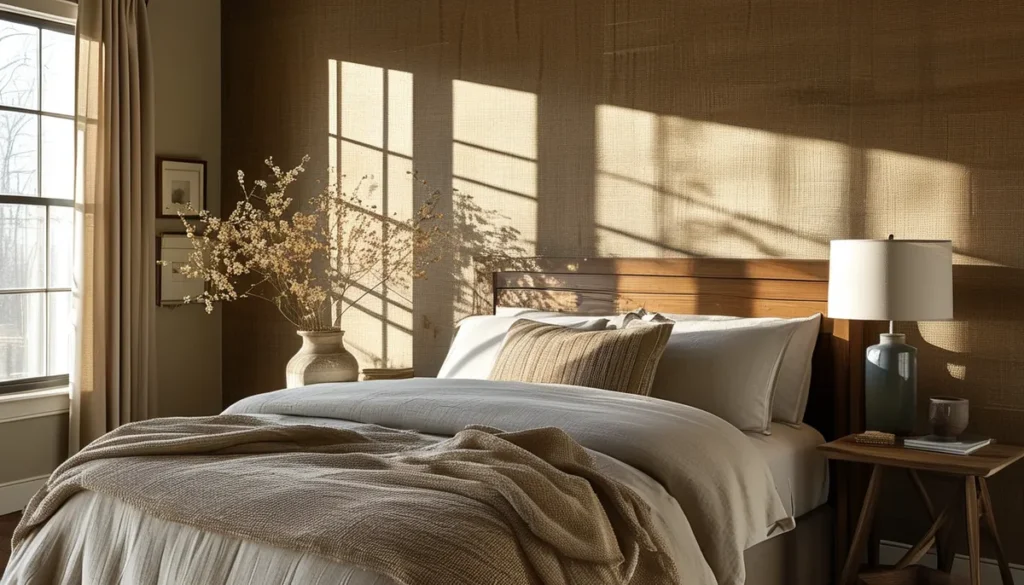
Consider the scale of your pattern and room. A small, intricate grey pattern can make a small room feel busier and cramped. Conversely, a large, bold pattern might overwhelm a tiny space. For larger rooms, a grander pattern can add visual interest without making the space feel cluttered. Think about how the pattern’s lines and shapes will interact with your existing furniture and architectural features. Vertical patterns can create an illusion of height, while horizontal ones can make a room feel wider.
Understanding different grey pattern wallpaper materials
Wallpaper construction dictates durability, ease of cleaning, and installation. Most residential wallpapers fall into a few main categories:
1. Paper wallpaper
This is the most traditional type, made from a single or double layer of paper pulp. It’s generally the least expensive option. However, paper wallpaper is susceptible to moisture damage, fading, and tearing, making it unsuitable for high-humidity areas like bathrooms or kitchens. It can also be more challenging to install and remove, often requiring a separate paste application and soaking time. Stains are difficult to remove, so it’s best used in low-traffic areas.
2. Vinyl wallpaper
Vinyl wallpapers offer a significant upgrade in durability and practicality. They consist of a paper or fabric backing with a solid vinyl layer on top. This vinyl coating makes them highly resistant to moisture, stains, and abrasion, making them ideal for kitchens, bathrooms, and kids’ rooms. They are also easier to clean; a damp cloth is usually sufficient. Installation is typically straightforward, with many being ‘paste the wall’ or ‘peel and stick’ types. The downside is that they can be less breathable than paper options.
3. Non-woven wallpaper
Non-woven wallpaper is made from a blend of synthetic fibers and paper pulp. This construction gives it excellent stability, breathability, and durability. It’s resistant to shrinking or stretching, which simplifies installation. Non-woven wallpapers are often described as ‘paste the wall’ types, meaning you apply the adhesive directly to the wall instead of the paper, reducing the risk of the paper becoming oversaturated and tearing. They are also easier to remove, often peeling off in one piece. This material is versatile and suitable for most rooms in the house.
4. Fabric-backed wallpaper
These wallpapers feature a fabric backing (like cloth or linen) with a decorative surface material, which could be paper, vinyl, or even natural fibers. They add texture and a luxurious feel to a room. However, they are generally more expensive and can be more difficult to clean than vinyl options. They are best suited for living rooms, dining rooms, or bedrooms where they can be admired without the risk of frequent spills or heavy wear. Some fabric-backed wallpapers can be found in metallic finishes, offering a truly opulent look. Discover stunning metallic pattern wallpaper for a luxurious home.
Choosing the right grey pattern for your space
The vast array of grey patterned wallpapers means you can find a style to match any décor. Think about the mood you want to create:
Subtle sophistication with damask or toile
For a classic and elegant look, consider grey damask or toile patterns. Damask features symmetrical, ornate motifs, while toile depicts narrative scenes. These patterns, especially in muted grey tones, add a sophisticated charm to living rooms, dining rooms, or bedrooms without being overpowering. They pair well with traditional or transitional furniture.
Modern appeal with geometric or abstract designs
Grey geometric wallpapers offer a contemporary edge. Stripes, chevrons, hexagons, or more complex tessellations can add visual rhythm and structure to a room. These are excellent for creating focal points or for use in modern, minimalist, or Scandinavian-inspired interiors. Discover the versatility of geometric wallpaper patterns for your home. Abstract grey patterns can range from soft watercolor-like washes to bold, graphic statements, offering a unique artistic touch.
Nature-inspired patterns
Bring the outdoors in with floral, botanical, or even subtle nature-inspired textures in grey. These can range from delicate outlines of leaves and branches to more abstract floral motifs. They can soften a space and add a touch of organic beauty. Consider grey floral wallpaper for a bedroom or a cozy living area. Transform your home with beautiful flowers on wallpaper.
Textured and faux finishes
Grey wallpapers can mimic other textures like linen, concrete, wood grain, or even brushed metal. These add depth and interest without a busy pattern. Faux finishes can provide the look of an expensive material at a fraction of the cost and effort.
Installation methods: peel and stick vs. traditional
Your choice of wallpaper material often dictates the installation method. Understanding these differences is key to a successful DIY project.
1. Peel and Stick Wallpaper
This is a popular choice for renters or those who like to redecorate frequently. Peel and stick wallpaper has an adhesive backing, meaning no paste is required. You simply peel off the backing and apply the paper to the wall. It’s forgiving, allowing you to reposition it during application. It’s also easy to remove, usually without damaging the underlying paint or drywall. The downside is that it can sometimes be more expensive than traditional wallpaper, and the adhesive may not be as permanent or durable as traditional paste, especially in humid conditions.
2. Traditional Paste Wallpaper
This involves applying wallpaper paste to the back of the paper (or directly to the wall for non-woven types) before hanging. It requires more preparation, including measuring, cutting, booking (allowing the paste to penetrate), and careful alignment. Traditional paste offers a very strong, permanent bond, making it suitable for high-traffic areas and situations where long-term durability is crucial. It can be more challenging for beginners due to the potential for mess and the need for precise application.
3. Prepasted Wallpaper
A middle ground, prepasted wallpaper comes with a dry adhesive layer on the back. You activate the paste by soaking the paper in water for a specified time before hanging. This is easier than traditional paste application as you don’t have to handle messy adhesive, but it still requires careful measuring and alignment.
Key installation tips for grey pattern wallpaper
Regardless of the type, proper preparation is crucial for a flawless finish:
1. Prepare your walls: Ensure walls are clean, dry, and smooth. Fill any holes, sand down bumps, and clean off dust or grease. If painting, use a primer and allow it to dry completely. For peel-and-stick, a smooth, clean surface is non-negotiable.
2. Plan your layout: Decide where you’ll start. It’s often best to begin in a corner or on a prominent wall. Use a level to draw a perfectly vertical chalk or pencil line as a guide for your first strip. This ensures the rest of your pattern aligns correctly.
3. Cut your strips accurately: Measure the height of your wall and add 4-6 inches (10-15 cm) for trimming at the top and bottom. For patterned wallpaper, ensure you account for the pattern repeat. Cut your strips in order, numbering them on the back if necessary, especially for complex patterns.
4. Match the pattern: When hanging subsequent strips, align the pattern precisely. This is where careful cutting and planning pay off. Don’t rush this step; a poorly matched pattern is very noticeable.
5. Smooth out bubbles and wrinkles: Use a wallpaper smoothing tool or a clean, dry cloth to gently push out air bubbles and wrinkles as you apply the paper. Work from the center outwards.
6. Trim carefully: Once the strip is in place and smoothed, use a sharp utility knife or a rotary cutter to trim the excess paper at the ceiling and baseboard. A sharp blade is essential to avoid tearing the paper.
Maintaining your grey patterned wallpaper
The maintenance required depends on the material:
Paper wallpaper: Avoid cleaning with water or harsh chemicals. Dust gently with a feather duster. Suitable for low-traffic, dry areas.
Vinyl wallpaper: Generally easy to clean. Use a damp cloth with mild soap if necessary. For stubborn stains, a non-abrasive cleaner might work, but always test in an inconspicuous area first. Avoid abrasive scrubbers that can scratch the vinyl surface.
Non-woven and Fabric-backed wallpaper: Cleaning instructions vary. Check the manufacturer’s guidelines. Most can be wiped with a damp cloth. Some may require professional cleaning. Be cautious with water, as it can damage the backing or fabric.
Using grey patterned wallpaper can be a fantastic way to add personality and style to your home. Whether you opt for a subtle texture or a bold graphic, understanding the materials and installation process will help you achieve stunning results. Explore the possibilities and find the perfect grey wallpaper design to enhance your space.