Grey wallpaper is a foundational design element, celebrated for its unparalleled versatility and sophisticated aesthetic that anchors a space with understated elegance. As a neutral hue, grey provides a canvas that can be both calming and dramatic, adapting seamlessly to a myriad of interior design styles from minimalist contemporary to classic traditional, often featuring technical advancements like scrubbable vinyl or easy-to-install peel-and-stick options. It transcends fleeting trends, offering a timeless backdrop that allows other décor elements to shine, making it a strategic choice for homeowners seeking both style and longevity in their interior schemes.
Key Takeaways
- Grey wallpaper offers unmatched versatility, serving as a sophisticated neutral that complements diverse design aesthetics and color palettes.
- Understanding grey’s undertones (cool, warm, true) is critical for successful integration, as they profoundly influence a room’s mood and interaction with light.
- A wide array of materials, including non-woven, vinyl, and peel-and-stick, determines durability, texture, and ease of installation, each suited for specific applications.
- Precise measurement and an accurate understanding of pattern repeat are essential to avoid waste and ensure a seamless installation for any wallpaper project.
- Contemporary trends in grey wallpaper embrace rich textures, subtle metallic accents, and biophilic patterns, moving beyond flat, monochromatic applications.
- Proper care, dictated by the wallpaper’s material, is crucial for maintaining its longevity and aesthetic integrity over time.
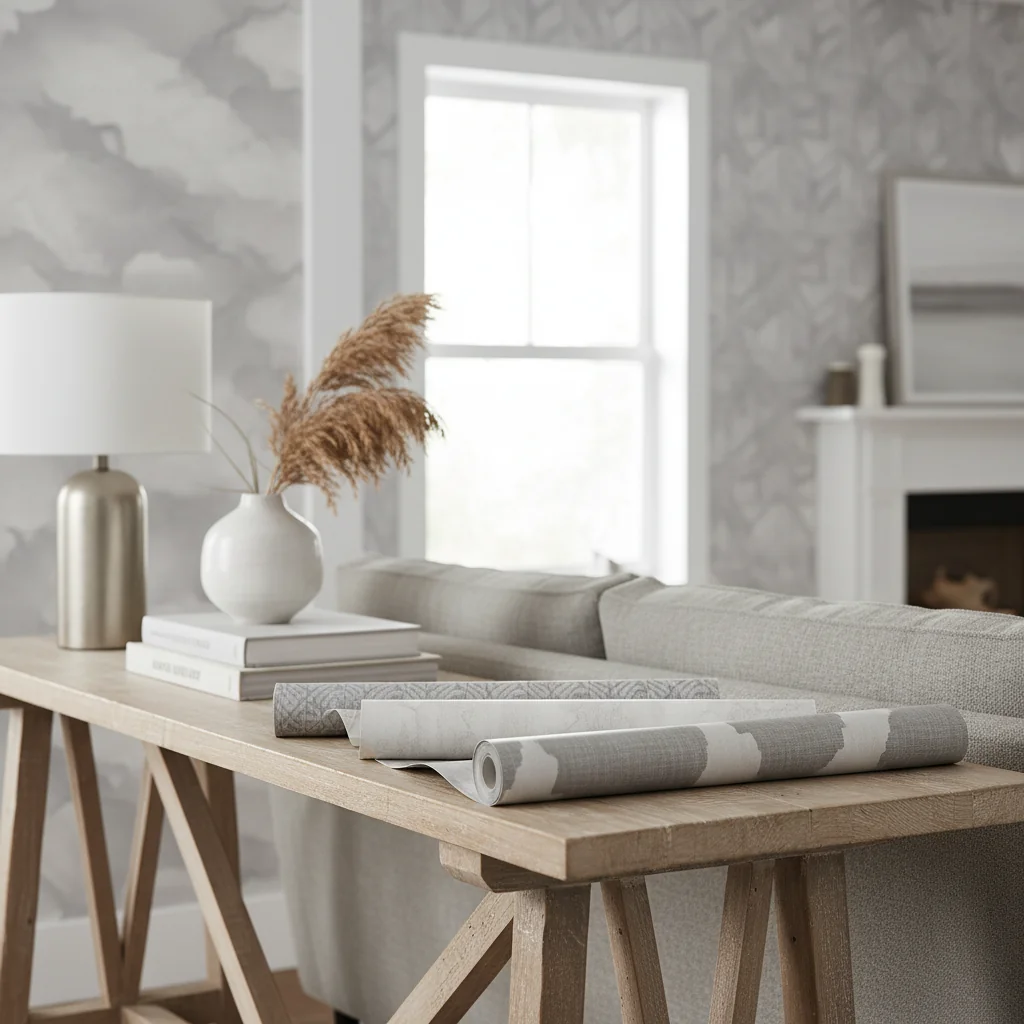
Why Grey Wallpaper? The Foundation of Modern Design
Grey wallpaper serves as an indispensable foundation in contemporary interior design due to its unparalleled versatility, sophisticated neutrality, and profound psychological impact. Its ability to adapt to virtually any aesthetic, from the stark simplicity of minimalism to the rich complexity of maximalism, makes it a perennial favorite for designers and homeowners alike. Grey is not merely a color; it is a spectrum of possibilities, offering a backdrop that can soothe, energize, or ground a space with effortless grace.
The enduring appeal of grey lies in its inherent balance. Positioned between the extremes of black and white, grey embodies a sense of calm and stability. It allows other colors and textures within a room to truly come alive without competing for attention, acting as a sophisticated anchor. This neutrality is a significant advantage, as it ensures that as furnishings or accent colors evolve over time, the grey wallpaper remains a cohesive and elegant element, preventing the need for frequent redecoration.
Furthermore, grey wallpaper can dramatically influence the perceived size and light quality of a room. Lighter shades of grey can expand a space, reflecting ambient light to create an airy and open feel, particularly effective in smaller rooms or those with limited natural light. Conversely, deeper charcoals and slate greys can imbue a large room with intimacy and drama, fostering a sense of luxurious enclosure. The psychological impact of grey is often one of tranquility and sophistication, promoting a sense of order and clarity, which is highly desirable in residential and commercial spaces alike. It conveys a modern sensibility without sacrificing warmth or comfort, making it an ideal choice for creating environments that are both stylish and inviting.
Understanding Grey: Undertones and Shades for Perfect Harmony
Understanding the subtle undertones within grey wallpaper is paramount to achieving a harmonious and intentional design scheme, as these underlying hues dictate how the grey interacts with other colors and the ambient light in a room. Grey is rarely a pure, unadulterated mix of black and white; instead, it almost always carries a discernible undertone that leans either warm or cool, or occasionally presents as a true neutral. Ignoring these undertones is a common pitfall that can lead to a disjointed or unexpectedly colored space.
Cool Greys: Cool grey wallpapers are characterized by blue, green, or purple undertones. These shades evoke a sense of calm, serenity, and spaciousness, making them ideal for bedrooms, bathrooms, or any area where a tranquil atmosphere is desired. Examples include slate grey (with blue), sage grey (with green), or dove grey (with a hint of lilac). Cool greys pair beautifully with crisp whites, deep blues, emerald greens, and metallic accents like chrome or silver, creating a fresh and contemporary aesthetic. They also temper warmer elements, providing balance in a sun-drenched room.
Warm Greys: Warm grey wallpapers, often referred to as “greige,” contain brown, beige, or yellow undertones. These greys introduce a comforting and inviting warmth to a space, preventing it from feeling stark or cold. They are excellent choices for living rooms, dining rooms, or entryways where a welcoming ambiance is paramount. Examples include stone grey (with beige), mushroom grey (with brown), or a subtle putty grey. Warm greys harmonize with natural wood tones, cream, gold metallics, and rich jewel tones like burgundy or mustard, fostering a cozy and sophisticated environment.
True Greys: True greys, or balanced greys, possess minimal discernible undertones, appearing as a pure mix of black and white. These are the most neutral of the grey spectrum, offering a clean, crisp backdrop that truly allows other colors to pop without interference. While less common, they are exceptionally versatile, providing a clear foundation for any color palette. True greys are often found in modern, minimalist designs where precision and clarity are prioritized.
When selecting grey wallpaper, it is essential to observe samples in the intended room under various lighting conditions—natural daylight, evening lamplight, and artificial overhead light. The way light interacts with the undertones can dramatically alter the perceived color, making a seemingly warm grey appear cooler in certain light, or vice versa. This careful consideration ensures that the chosen grey wallpaper contributes precisely to the desired mood and aesthetic of the space.
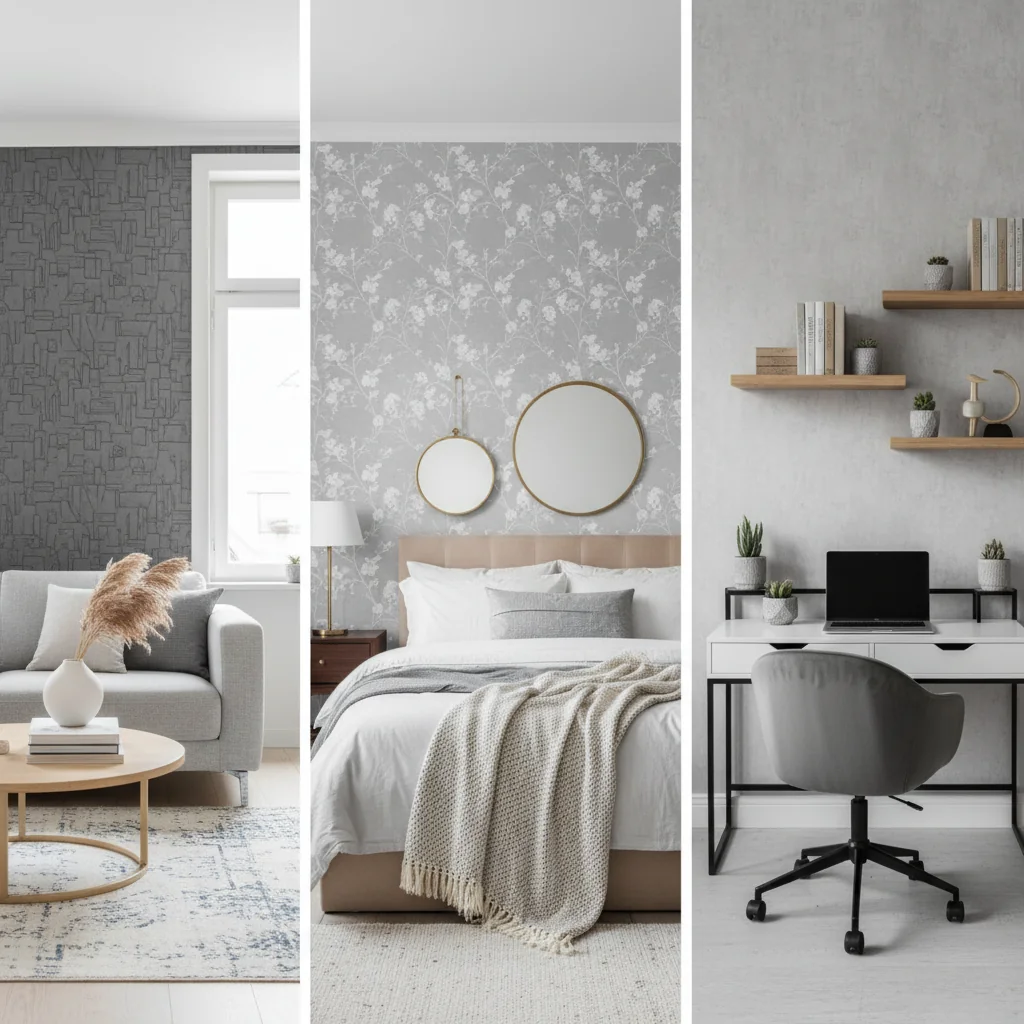
Types of Grey Wallpaper Materials: Durability, Texture, and Application
The material composition of grey wallpaper profoundly impacts its durability, texture, aesthetic appeal, and ease of installation and maintenance, making material selection a critical consideration for any project. Each type offers distinct advantages tailored to specific applications, from high-traffic areas to moisture-prone environments.
Non-Woven Wallpaper
Non-woven wallpaper is a modern, synthetic material composed of natural and synthetic fibers, making it exceptionally durable, breathable, and easy to install and remove. This material is highly resistant to tearing and shrinking, providing a stable surface that simplifies the hanging process. Its breathable quality helps prevent mold and mildew growth, making it suitable for various rooms, though not typically for high-moisture bathrooms without proper ventilation. Non-woven wallpapers are often “paste the wall” applications, where adhesive is applied directly to the wall rather than the paper, significantly speeding up installation. They are also strippable, meaning they can be removed in full sheets without damaging the wall beneath, which is a major advantage for renters or those who like to redecorate frequently.
Vinyl Wallpaper
Vinyl wallpaper is renowned for its exceptional durability, moisture resistance, and ease of cleaning, making it an ideal choice for high-traffic areas and humid environments. There are several sub-types:
- Solid Vinyl: This is the most durable type, featuring a solid layer of vinyl laminated to a paper or fabric backing. It is highly resistant to scrubbing, scratching, and fading, perfect for kitchens, bathrooms, and children’s rooms. Solid vinyl wallpapers are typically heavy-duty and can withstand rigorous cleaning.
- Coated Fabric/Paper: This type features a paper or fabric substrate with a liquid vinyl coating. While still durable and washable, it is generally less robust than solid vinyl but offers a wider range of textures and finishes. It provides good protection against moisture and stains.
- Expanded Vinyl: Characterized by a raised, textured surface, expanded vinyl wallpaper creates a tactile effect. It is durable and washable but can be more prone to dents or compression than solid vinyl due to its three-dimensional nature. This type is excellent for adding depth and concealing minor wall imperfections.
Vinyl wallpapers are generally considered “scrubbable,” meaning they can be cleaned with a damp sponge and mild detergent, ensuring long-term aesthetic appeal in busy households.
Paper Wallpaper
Paper wallpaper is a traditional material made entirely from paper, offering a classic aesthetic with a smooth, matte finish that excels at showcasing intricate patterns and fine details. While it provides a timeless look and is often more budget-friendly, paper wallpaper is less durable than vinyl or non-woven options. It is susceptible to tearing, especially when wet during installation, and is not generally washable or scrubbable, making it less suitable for high-traffic or moisture-prone areas. Its delicate nature requires careful handling during installation and gentle dusting for maintenance.
Grasscloth and Natural Fiber Wallpaper
Grasscloth wallpaper is a luxurious, natural wallcovering made from woven natural fibers such as jute, sisal, or bamboo, offering unparalleled texture and organic warmth. Each roll is unique, with subtle variations in color and weave that contribute to its artisan appeal. Grasscloth is not typically washable and requires careful handling to avoid staining. It is excellent for adding depth, warmth, and a sophisticated, organic feel to living rooms, dining rooms, or studies. Its natural composition means seams may be visible, which is considered part of its inherent charm.
Peel-and-Stick Wallpaper
Peel-and-stick wallpaper is a self-adhesive, removable wallpaper that offers unparalleled ease of installation and removal, making it an ideal choice for temporary décor or DIY enthusiasts. This material typically consists of a vinyl or fabric blend with an adhesive backing, protected by a liner that is peeled off during application. It requires no messy paste and can often be repositioned during installation. While highly convenient, its adhesion may vary on certain wall textures or paints, and it is generally less durable than traditional pasted wallpapers for long-term, high-traffic applications. It is perfect for accent walls, rental properties, or experimental design projects.
Fabric-Backed Wallpaper
Fabric-backed wallpaper features a fabric (like cotton or polyester) laminated to a paper or vinyl top layer, offering enhanced durability, dimensional stability, and a luxurious feel. This type is often used in commercial settings due to its robustness and resistance to tearing. It can also be found in high-end residential applications where a premium, soft-to-the-touch finish is desired. Fabric-backed wallpapers are generally washable and more forgiving during installation due to their strength.
Starhouse curates a diverse range of grey wallpaper materials to ensure every design need is met, from the practical demands of a busy household to the aesthetic aspirations of a high-design living space.
| Material Type | Durability | Ease of Installation | Texture/Finish | Ideal Use | Maintenance |
|---|---|---|---|---|---|
| Non-Woven | Excellent (tear-resistant, stable) | Easy (paste the wall, strippable) | Smooth to subtly textured, matte | Bedrooms, living rooms, hallways | Wipeable, breathable |
| Solid Vinyl | Superior (scrubbable, fade-resistant) | Moderate (paste the paper) | Smooth, embossed, various finishes | Kitchens, bathrooms, high-traffic areas | Scrubbable with mild detergent |
| Paper | Moderate (prone to tearing) | Challenging (requires careful handling) | Smooth, matte, fine detail reproduction | Low-traffic areas, formal rooms | Dusting only, not washable |
| Grasscloth | Good (natural fibers, unique) | Moderate (seams visible, delicate) | Highly textured, organic, rustic | Living rooms, studies, accent walls | Gentle dusting, not washable |
| Peel-and-Stick | Good (temporary, repositionable) | Very Easy (DIY-friendly, no paste) | Smooth to slightly textured | Rentals, accent walls, temporary decor | Wipeable with damp cloth |
Styles and Patterns in Grey Wallpaper: From Subtle Textures to Bold Statements
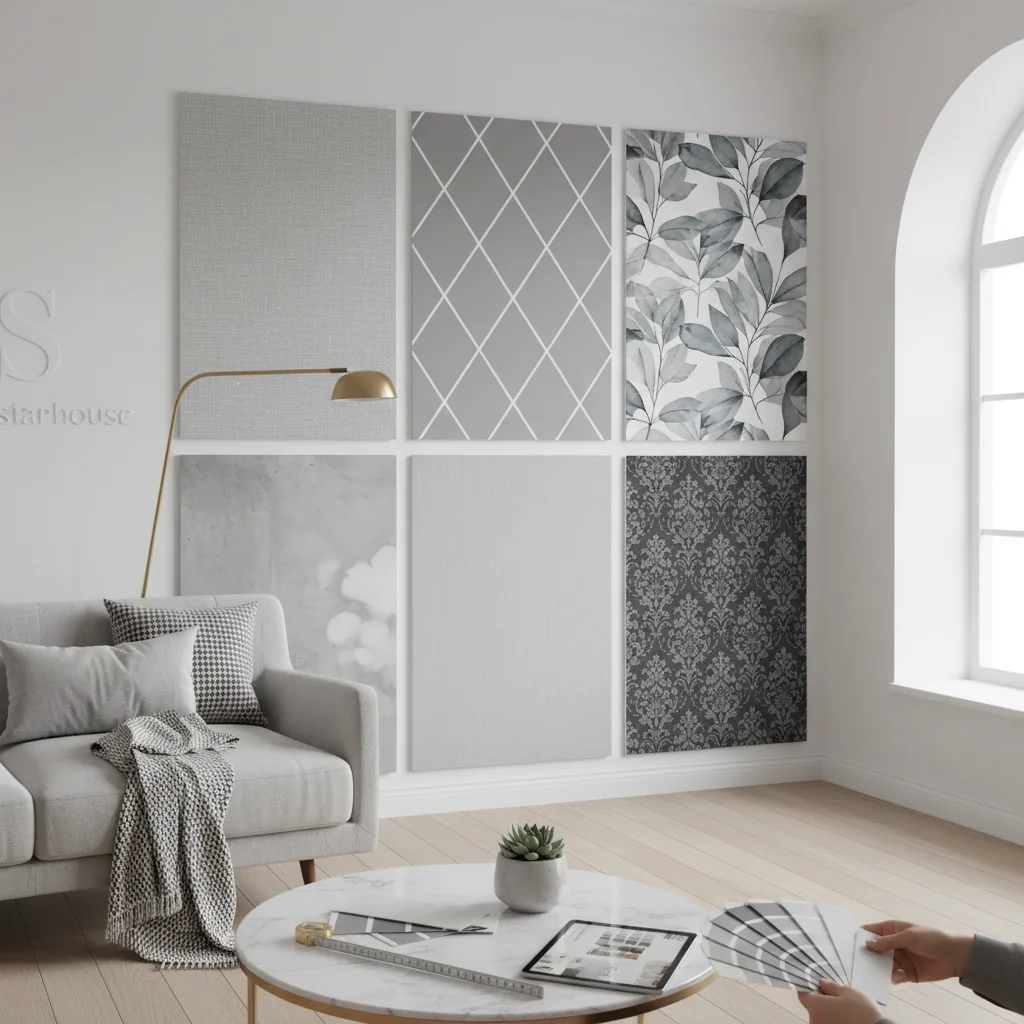
Grey wallpaper offers an expansive palette of styles and patterns, transforming it from a mere backdrop into a focal point capable of defining a room’s character and mood. The choice of pattern significantly influences the perceived scale of a space, its architectural interest, and the overall design narrative.
Solid and Textured Greys
Solid grey wallpapers, particularly those with subtle textures, are masters of understated elegance, providing depth and dimension without overwhelming a space. These can range from a smooth, matte finish that acts as a minimalist canvas to deeply embossed patterns that mimic natural materials like linen, concrete, or plaster. Textured greys are ideal for creating a sophisticated, tactile experience, adding warmth and visual interest to walls that might otherwise appear flat. They are particularly effective in contemporary or industrial-chic designs, offering a refined backdrop that allows furniture and art to take center stage. For example, a charcoal grey with a subtle woven texture can evoke the feel of raw silk, adding a luxurious layer to a living room.
Geometric Patterns
Geometric grey wallpapers introduce structure, rhythm, and a modern edge to any room. Patterns range from subtle repeating motifs like small hexes or diamonds to bold, large-scale chevrons, trellises, or abstract angular designs. These patterns are excellent for defining zones, adding a dynamic energy, or creating a focal point. A light grey wallpaper with a crisp white geometric pattern can brighten a space while maintaining a contemporary feel, perfect for a home office or a vibrant entryway. Conversely, a dark grey with a metallic silver geometric overlay can create a dramatic, art deco-inspired statement in a dining room.
Floral and Botanical Designs
Grey floral and botanical wallpapers offer a softer, more organic aesthetic, blending natural motifs with the sophistication of a neutral palette. These patterns can vary from delicate, monochromatic sprigs that provide a whisper of nature to bold, oversized blooms in varying shades of grey, sometimes accented with subtle color. They are perfect for introducing a serene, romantic, or biophilic element into bedrooms, powder rooms, or sunrooms. A light grey wallpaper featuring a large-scale, tonal floral pattern can create a tranquil oasis, while a dark grey with a striking white botanical print adds a dramatic yet elegant touch.
Damask and Traditional Patterns
Grey damask and traditional patterns infuse a space with classic elegance and historical charm. Damask, with its ornate, symmetrical motifs, often features a subtle sheen or metallic detail against a matte grey background, adding a layer of opulence. Other traditional patterns might include toile, classical medallions, or intricate scrollwork. These designs are well-suited for formal living rooms, elegant dining areas, or master bedrooms, providing a sense of grandeur and timeless sophistication. A metallic silver damask on a charcoal grey background, for instance, can create a truly luxurious and refined atmosphere.
Stripe Patterns
Grey stripe wallpapers are remarkably versatile, capable of influencing the perceived dimensions of a room and adding a classic, tailored aesthetic. Vertical stripes can visually heighten ceilings, making a room feel taller, while horizontal stripes can expand a space, making it feel wider. Stripe patterns range from narrow pinstripes for a subtle, tailored look to bold, wide bands for a more dramatic statement. Tonal grey stripes create a sophisticated, architectural feel, while contrasting grey and white stripes offer a crisp, nautical, or modern appeal. They are ideal for hallways, offices, or anywhere a sense of order and clean lines is desired.
Mural and Scenic Designs
Grey mural wallpapers transcend traditional patterns, transforming an entire wall into a captivating scene or piece of art. These can depict anything from abstract landscapes and cityscapes to grand architectural elements or serene natural vistas, all rendered in a cohesive grey palette. Grey murals are powerful statement pieces, creating a focal point that draws the eye and transports the viewer. They are particularly effective in large living spaces, bedrooms, or commercial environments, offering an immersive design experience without the visual clutter of multiple colors. A panoramic grey-scale forest mural, for example, can bring a sense of calm and depth to an urban apartment.
When selecting a pattern, consider the scale of the room and the overall design intent. Large patterns can overwhelm small spaces but make a bold statement in expansive rooms, while smaller, more intricate patterns add subtle interest without dominating the visual field.
Choosing the Right Grey Wallpaper for Your Space: A Strategic Approach
Selecting the ideal grey wallpaper requires a strategic evaluation of several key factors, including the room’s function, available natural and artificial light, existing décor, and the desired psychological impact. A thoughtful approach ensures the wallpaper integrates seamlessly and enhances the overall aesthetic and functionality of the space.
Consider the Room’s Function
The primary purpose of the room should heavily influence your grey wallpaper choice.
- Living Rooms and Dining Rooms: These communal spaces often benefit from wallpapers that convey sophistication and invite conversation. Consider textured greys, subtle damasks, or elegant geometric patterns in medium to dark shades to create a refined atmosphere. If the room is large, a bold grey mural can serve as a stunning focal point. Durability is a factor, but aesthetic impact often takes precedence.
- Bedrooms: Tranquility and comfort are paramount here. Opt for lighter, softer greys with warm undertones (greige) or cool greys with blue or green hints to promote relaxation. Subtle floral, organic textures, or even a soft, solid grey can create a serene retreat. Non-woven or fabric-backed options offer a luxurious feel and ease of maintenance.
- Kitchens and Bathrooms: These high-moisture, high-traffic areas demand durability and washability. Solid vinyl or coated vinyl wallpapers are excellent choices due to their resistance to humidity, splashes, and ease of cleaning. Consider lighter greys to maintain a clean, fresh look, perhaps with a subtle tile-effect pattern or a simple textured finish. Ensure proper ventilation is in place, especially in bathrooms.
- Home Offices: Focus and productivity are key. Medium greys with cool undertones can promote a clear, organized mind. Subtle geometric patterns or a simple textured grey can provide a sophisticated backdrop without being distracting. Non-woven materials are practical for their durability and ease of removal if design preferences change.
- Hallways and Entryways: These areas experience significant foot traffic, necessitating highly durable and easily cleanable materials like solid vinyl. A medium to dark grey can hide scuffs and marks effectively. Consider vertical stripes to visually elevate ceilings or a bold geometric pattern to create an impactful first impression.
Evaluate Lighting Conditions
The amount and type of light a room receives dramatically alter how grey wallpaper appears.
- North-Facing Rooms: These rooms tend to receive cooler, indirect light. To prevent the space from feeling cold, opt for grey wallpapers with warm undertones (greige) to introduce warmth. Lighter shades will also help maximize the limited natural light.
- South-Facing Rooms: Abundant, warm natural light allows for a wider range of grey choices. Cool greys can help temper the warmth, creating a balanced and refreshing feel. Darker greys can be used without making the room feel dim, adding drama and depth.
- East-Facing Rooms: These rooms receive bright, warm morning light that turns cooler in the afternoon. Medium greys with balanced undertones or warm greys work well to maintain a consistent warmth throughout the day.
- West-Facing Rooms: These rooms get intense, warm afternoon and evening light. Cool greys can be particularly effective here to balance the strong sunlight.
- Artificial Lighting: Consider the color temperature of your light bulbs. Warm LED lights (2700K-3000K) will enhance warm grey undertones, while cooler LED lights (4000K+) will emphasize cool grey undertones. Always test samples under both natural and artificial light.
Coordinate with Existing Décor and Color Palette
Your grey wallpaper should complement existing furniture, flooring, textiles, and accent colors.
- Undertone Matching: Ensure the grey wallpaper’s undertone aligns with the undertones of your existing elements. A cool grey wallpaper paired with warm-toned wooden furniture or beige textiles can create a jarring contrast.
- Pattern Scale: If you have busy patterns in upholstery or rugs, opt for a subtle textured grey or a small, understated pattern for the wallpaper to avoid visual clutter. Conversely, a plain room can benefit from a bold grey pattern to introduce interest.
- Color Harmony: Grey works as an excellent neutralizer for vibrant colors. A dark grey wallpaper can make bright yellow accents pop, while a light grey can soften the intensity of a deep red. Grey also pairs beautifully with other neutrals like white, black, and natural wood tones for a sophisticated monochromatic scheme.
- Metallic Accents: Consider how the grey will interact with metallic finishes. Cool greys pair exquisitely with chrome, silver, and polished nickel. Warm greys or greige tones are enhanced by brass, gold, and copper. Some grey wallpapers incorporate subtle metallic threads or finishes, adding an extra layer of luxury.
At Starhouse, we advocate for thorough sampling. Obtain large swatches of your preferred grey wallpapers and tape them to your walls for several days, observing them at different times of day and night. This crucial step will reveal how the light interacts with the color and texture, ensuring your final selection is precisely what you envisioned for your space.
We understand that curating a home is a deeply personal journey. If you’re exploring the perfect grey wallpaper to anchor your space, we invite you to tell us what you’re looking for, and let Starhouse help you discover early access to pieces that resonate with your vision.
Measuring and Estimating Wallpaper Needs: Precision for a Flawless Finish
Accurate measurement and estimation of wallpaper quantities are critical steps to ensure a seamless installation, minimize waste, and prevent delays, demanding meticulous attention to detail. Underestimating can lead to mismatched dye lots or discontinued patterns, while overestimating results in unnecessary expense.
Step-by-Step Measurement Guide
- Measure Wall Height: Measure the height of each wall from the baseboard to the ceiling. If the ceiling height varies, use the tallest measurement for calculation. For rooms with crown molding or chair rails, measure from the top of the baseboard to the bottom of the crown molding, or from the chair rail to the ceiling/baseboard, as you will wallpaper these sections separately.
- Measure Wall Width: Measure the total width of each wall. Add these widths together to get the total perimeter of the room.
- Calculate Total Square Footage: Multiply the total height (from step 1) by the total perimeter (from step 2) to get the total square footage of the walls to be covered.
- Account for Openings: Measure the height and width of all windows and doors. Calculate their individual square footage and subtract this from the total wall square footage. While this reduces the overall area, it’s often best to only subtract for very large openings, as small cut-outs still require a full strip of wallpaper. For a more conservative estimate (which is generally recommended), you can skip subtracting small to medium openings.
- Determine Pattern Repeat: This is a crucial factor for patterned wallpapers. Pattern repeat is the vertical distance at which the wallpaper pattern repeats itself on a roll, dictating how much extra paper is needed to match the design across strips. This measurement is typically listed on the wallpaper roll label or product description (e.g., 18 inches, 21 inches, 25.2 inches). A larger pattern repeat means more waste per strip.
-
Calculate Number of Drops Per Roll:
- Standard wallpaper rolls are typically 20.5 inches or 27 inches wide and 33 feet long (approximately 56 sq ft or 74 sq ft respectively). Mural panels are often wider and shorter.
- Divide the length of one roll (e.g., 33 feet or 396 inches) by the sum of your wall height plus the pattern repeat (e.g., 8 feet + 18 inches = 114 inches). This tells you how many full “drops” or strips you can get from one roll.
- Example: If your wall height is 8 feet (96 inches) and the pattern repeat is 18 inches, each drop will effectively require 96 + 18 = 114 inches of paper to ensure pattern matching. A 396-inch roll yields 396 / 114 = 3.47 drops. You can only get 3 full drops per roll in this scenario.
-
Calculate Number of Rolls Needed:
- Divide the total perimeter of the room by the width of one wallpaper strip (e.g., 20.5 inches). This gives you the total number of strips needed to cover the room.
- Example: If your room perimeter is 40 feet (480 inches) and wallpaper width is 20.5 inches, you need 480 / 20.5 = 23.4 strips. Round up to 24 strips.
- Now, divide the total number of strips needed (e.g., 24) by the number of drops per roll (e.g., 3). This gives you 24 / 3 = 8 rolls.
- Add for Waste and Future Repairs: Always add at least one extra roll, or 15-20% extra, to your final estimate. This accounts for trimming, pattern matching adjustments, mistakes during installation, and provides a reserve for future repairs. For large, complex patterns or rooms with many architectural features, a 20% buffer is advisable.
Important Considerations
- Dye Lots: Wallpaper is produced in “dye lots” or “batch numbers.” Slight color variations can occur between different production batches. Always order all rolls needed for a single project from the same dye lot to ensure consistent color. Check labels upon delivery.
- Wallpaper Widths: Standard widths are 20.5 inches (52 cm) or 27 inches (68.5 cm) for U.S. markets. European and designer wallpapers may come in wider formats, such as 28 inches or 36 inches, or even wider for murals. Always verify the specific width of your chosen grey wallpaper.
- Murals: Murals are often sold as complete sets of panels designed to cover a specific wall size. Measure your wall precisely and ensure the mural dimensions fit or can be trimmed without losing critical design elements.
- Professional Installation: If hiring a professional installer, they will typically confirm or perform their own measurements. However, having your own estimate provides a good baseline.
By following these detailed steps, you can confidently estimate your grey wallpaper needs, ensuring a smooth project from start to finish.
Installation Considerations: Preparing for Success
Successful wallpaper installation, whether undertaken by a professional or as a DIY project, hinges on meticulous preparation of the wall surface and careful execution, ensuring both longevity and a flawless aesthetic finish. Neglecting proper preparation is the most common cause of installation failures and aesthetic imperfections.
Wall Preparation
Thorough wall preparation is the bedrock of a professional-looking wallpaper application.
- Cleanliness: Walls must be clean, dry, and free of dust, grease, and grime. Use a mild detergent solution to wash walls, then rinse thoroughly with clean water and allow them to dry completely (typically 24-48 hours).
- Smoothness: Any imperfections on the wall surface—holes, cracks, bumps, or peeling paint—will show through the wallpaper. Patch holes and cracks with spackle, sand smooth, and wipe away dust. Remove old wallpaper residue, loose paint, and any protruding nails or screws.
- Priming: Applying a high-quality primer, specifically formulated for wallpaper (often called a “sizing” or “wallpaper primer”), is essential. Primer creates a uniform, slightly porous surface that allows the adhesive to bond properly, prevents stains from bleeding through, and facilitates easier removal in the future. For dark walls being covered with light wallpaper, a tinted primer (matching the wallpaper’s base color) can prevent the dark color from showing through. Allow primer to dry completely according to manufacturer instructions, usually 24 hours.
- Glossy Surfaces: If walls have a glossy paint finish, lightly sand them to create a “tooth” for the primer and adhesive to grip onto. Clean off sanding dust before priming.
Tools and Supplies
Having the right tools readily available streamlines the installation process and contributes to a professional result.
- Wallpaper paste (if not pre-pasted or peel-and-stick)
- Measuring tape and pencil
- Level or plumb bob for straight lines
- Smoothing tool (brush or plastic smoother)
- Utility knife with plenty of sharp blades
- Seam roller
- Large work table or clean, flat surface
- Buckets for water and paste
- Sponges and clean cloths
- Drop cloths to protect flooring
- Stepladder
Application Techniques
The method of application varies by wallpaper type.
- Traditional Paste-the-Paper: Adhesive is applied to the back of each wallpaper strip, which is then “booked” (folded paste-to-paste) for a few minutes to allow the paste to activate and the paper to relax before hanging.
- Paste-the-Wall (Non-Woven): Adhesive is applied directly to the wall section where the strip will be hung. This method is often cleaner and faster.
- Pre-Pasted: The wallpaper comes with dry adhesive on its back. It needs to be activated by soaking in a water tray for a specified amount of time.
- Peel-and-Stick: The adhesive backing is protected by a release liner. The liner is gradually peeled away as the wallpaper is smoothed onto the wall. This is typically the easiest for DIYers.
Regardless of the type, always start with a plumb line (a perfectly vertical line drawn on the wall) to ensure the first strip is hung straight. Overlap strips slightly (typically 1/8 inch to 1/4 inch) if the pattern requires a double-cut seam, or butt edges tightly for a seamless look. Use a smoothing tool to remove air bubbles and excess paste, wiping away any excess immediately with a damp sponge. Trim excess paper at the ceiling, baseboard, and around openings with a sharp utility knife.
Patience and precision are key during wallpaper installation. Rushing can lead to misalignments, bubbles, or damaged paper. For complex patterns, large rooms, or delicate materials like grasscloth, hiring a professional wallpaper hanger is often a worthwhile investment to guarantee a flawless and enduring finish.
Current Trends in Grey Wallpaper: Evolving Aesthetics for 2026
Grey wallpaper continues to evolve beyond its traditional role as a simple neutral, embracing new textures, patterns, and applications that reflect contemporary design sensibilities for 2026. Designers are leveraging grey’s inherent versatility to create sophisticated, dynamic, and often unexpected wall treatments.
Rich Textures and Tactile Surfaces
A dominant trend is the emphasis on texture, moving away from flat, smooth surfaces. Grey wallpapers are increasingly featuring embossed patterns that mimic natural materials like linen, concrete, plaster, or woven grasscloth. These tactile surfaces add depth, warmth, and a sophisticated, artisanal quality to a room, inviting touch and visual interest. Think deep charcoals with a subtle cross-hatch pattern or light greys with a raised stucco effect. This trend aligns with a broader desire for sensory experiences within the home.
Subtle Metallics and Luminous Finishes
Grey wallpapers are being elevated with subtle metallic accents, introducing a touch of understated glamour and luminosity. Delicate gold, silver, or copper threads woven into patterns, or metallic sheens on geometric motifs, catch and reflect light, adding an ethereal quality to the walls. This trend is particularly effective in creating a luxurious atmosphere in dining rooms or master bedrooms, where the interplay of light and shadow can dramatically alter the perception of the space throughout the day. A light grey wallpaper with a delicate silver leaf pattern, for instance, adds sparkle without being ostentatious.
Biophilic and Organic Patterns
The integration of biophilic design principles is strongly reflected in grey wallpaper trends. Patterns inspired by nature, such as abstract foliage, subtle tree silhouettes, or delicate floral prints, are rendered in muted grey tones. This approach brings the calming influence of the natural world indoors without introducing overwhelming color, fostering a serene and restorative environment. Grey botanical murals, depicting misty forests or distant mountain ranges, are also gaining traction, transforming walls into immersive landscapes.
Dark and Dramatic Greys
While lighter greys remain popular, there is a growing appreciation for deeper, more dramatic shades of grey, such as charcoal, slate, and graphite. These dark greys are being used to create moody, intimate, and sophisticated spaces, particularly in bedrooms, powder rooms, and accent walls in living areas. Paired with rich textures or subtle patterns, dark grey wallpaper creates a powerful backdrop that allows vibrant artwork or metallic furnishings to truly pop. This trend speaks to a desire for bolder, more atmospheric interiors.
Abstract and Artistic Designs
Grey wallpaper is increasingly becoming a canvas for abstract and artistic expression. Designs featuring watercolor effects, painterly strokes, or large-scale abstract patterns in varying grey tones offer a contemporary, gallery-like feel. These wallpapers serve as art pieces in themselves, providing a unique focal point and injecting a sense of creativity and individuality into a space. They are particularly well-suited for modern interiors seeking a sophisticated edge.
Geometric Simplicity with Depth
Geometric patterns in grey remain a classic, but the trend leans towards simpler, cleaner lines with added depth. This might involve tone-on-tone geometric prints that create a subtle shadow effect or patterns that play with positive and negative space. The focus is on precision and understated elegance rather than overt boldness, providing a sophisticated architectural element to walls. Graham & Brown, a leading designer wallpaper brand, highlights the enduring popularity of grey geometrics for their ability to add structure and contemporary flair on their website, showcasing a variety of textured and patterned grey options.
These trends illustrate grey wallpaper’s capacity to remain at the forefront of interior design, continually reinventing itself to meet evolving aesthetic demands while maintaining its core appeal as a versatile and elegant choice.
Styling and Pairing Grey Wallpaper: Creating Cohesive and Captivating Interiors
Styling and pairing grey wallpaper effectively involves a thoughtful selection of complementary furnishings, textiles, lighting, and accessories, harnessing grey’s versatility to create environments that range from serene and minimalist to bold and dramatic. The success of any grey wallpaper scheme lies in its harmonious integration with the surrounding elements.
Furniture Selection
Grey wallpaper provides an exceptional backdrop for various furniture styles and materials.
- Natural Woods: Warm grey wallpaper (greige) pairs beautifully with light to medium wood tones like oak, maple, or walnut, enhancing their natural warmth and creating a cozy, inviting atmosphere. Cool grey wallpaper provides a sophisticated contrast to darker woods such as mahogany or espresso, allowing their rich tones to stand out.
- Upholstered Pieces: Grey wallpaper creates a sophisticated canvas for upholstered furniture. Choose fabrics in contrasting textures like velvet, linen, or boucle. White, cream, or beige sofas offer a crisp, clean look against grey walls. For a pop of color, consider jewel-toned upholstery in emerald green, sapphire blue, or deep plum, which will appear more vibrant against a neutral grey.
- Metallic Finishes: The choice of metallic furniture accents should align with the grey’s undertone. Cool greys are enhanced by chrome, polished nickel, and silver, contributing to a sleek, modern aesthetic. Warm greys or greige tones are beautifully complemented by brass, gold, and copper, adding a touch of classic warmth and luxury.
Textiles and Soft Furnishings
Textiles are crucial for adding comfort, color, and pattern to a grey-wallpapered room.
- Rugs: A large area rug can ground the space and introduce additional texture and color. Consider a plush wool rug in a contrasting color (e.g., cream, deep blue) or a patterned rug that incorporates shades of grey. For a minimalist look, a solid grey or off-white rug with a subtle texture works well.
- Curtains and Drapes: The fabric and color of window treatments can significantly impact the room’s feel. Sheer white or linen curtains can soften a dark grey wallpaper, allowing light to filter through. For a more dramatic effect, choose heavy velvet drapes in a complementary jewel tone or a rich, dark neutral.
- Cushions and Throws: These are excellent opportunities to introduce accent colors and varying textures. Incorporate cushions in vibrant hues (e.g., mustard yellow, coral), bold patterns, or luxurious fabrics like faux fur or chunky knits to add visual interest and comfort.
Lighting
Thoughtful lighting enhances grey wallpaper, highlighting its texture and influencing the room’s mood.
- Layered Lighting: Combine ambient (overhead), task (reading lamps), and accent (picture lights, wall sconces) lighting. Wall sconces can beautifully illuminate textured grey wallpaper, emphasizing its depth.
- Fixture Finishes: Match lighting fixture finishes to your chosen metallic accents (e.g., brushed brass fixtures with warm grey wallpaper, matte black fixtures with cool grey).
- Color Temperature: As previously noted, warm-toned bulbs (2700K-3000K) will bring out the warmth in greige wallpapers, while cooler bulbs (4000K+) will accentuate blue or green undertones in cool greys.
Accessories and Art
Accessories provide the finishing touches, allowing for personal expression against the grey backdrop.
- Artwork: Grey wallpaper provides a sophisticated gallery-like setting for artwork. Vibrant, colorful pieces will pop against a neutral grey wall. Black and white photography or abstract art in muted tones can create a cohesive, minimalist aesthetic. Consider oversized pieces for a dramatic statement.
- Mirrors: Mirrors not only serve a functional purpose but also reflect light and expand a space. Choose frames that complement your chosen metallic finishes or wood tones.
- Greenery: Live plants bring life, color, and organic texture to a grey room. The vibrant greens of houseplants create a refreshing contrast against all shades of grey.
- Decorative Objects: Style shelving or coffee tables with curated decorative objects in materials like ceramic, glass, or metal to add personality and visual interest.
By carefully considering these elements, grey wallpaper can be transformed into a dynamic and integral part of a beautifully cohesive and captivating interior design. Brewster Wallcovering, another prominent brand, showcases numerous grey wallpaper options and styling ideas on its website, demonstrating how different patterns and materials can be paired with various décor elements to achieve distinct looks here.
Caring for Your Grey Wallpaper: Maintenance for Lasting Beauty
Proper care and maintenance are essential for preserving the aesthetic integrity and extending the lifespan of your grey wallpaper, with specific cleaning methods dictated by the material type. Understanding these guidelines prevents damage and ensures your walls remain beautiful for years.
General Care Tips for All Wallpaper Types
- Regular Dusting: Dust your wallpaper regularly with a soft, dry cloth or a duster with a long handle. This prevents dust and cobwebs from accumulating and embedding into the surface, which can dull the appearance over time.
- Avoid Direct Sunlight: Prolonged exposure to direct sunlight can cause wallpaper colors to fade, especially with darker or more vibrant patterns. Use blinds, shades, or UV-filtering window films to protect your wallpaper from intense sunlight.
- Handle with Care: Avoid rubbing or scrubbing wallpaper aggressively, even if it’s washable, as this can damage the surface or pattern. Be gentle, especially near seams.
Material-Specific Cleaning Instructions
Always refer to the manufacturer’s specific care instructions provided with your wallpaper, as recommendations can vary even within the same material category.
-
Non-Woven Wallpaper: Many non-woven wallpapers are classified as “washable” or “wipeable.”
- For light dirt or smudges, gently wipe the surface with a soft cloth dampened with clean water.
- For tougher stains, use a very mild, non-abrasive soap solution (e.g., a few drops of dish soap in water). Apply sparingly to the stain, then wipe clean with a damp cloth and dry immediately with a clean, dry cloth.
- Avoid harsh chemicals, abrasive cleaners, or excessive moisture.
-
Vinyl Wallpaper (Solid, Coated, Expanded): Vinyl wallpapers are typically the most durable and easiest to clean, often classified as “scrubbable.”
- For everyday cleaning, wipe with a damp sponge or cloth.
- For tougher stains, use a solution of warm water and a mild, non-abrasive household detergent. Gently scrub the stained area with a soft brush or sponge.
- Rinse thoroughly with a clean, damp cloth to remove all soap residue, then dry with a clean towel to prevent water spots.
- Avoid using abrasive pads or strong chemical cleaners, which can damage the vinyl surface.
-
Paper Wallpaper: Paper wallpaper is the most delicate and is generally not washable.
- Only dust with a soft, dry cloth or a feather duster.
- For very light, non-greasy marks, you might try gently dabbing with a clean, dry art gum eraser. Test in an inconspicuous area first.
- Any moisture can cause staining, bubbling, or tearing, so avoid water or liquid cleaners.
-
Grasscloth and Natural Fiber Wallpaper: These natural materials are highly susceptible to water damage and are not washable.
- Regularly dust with a soft, dry cloth or the brush attachment of a vacuum cleaner on a low setting.
- For minor dry stains, gently dab with a clean, dry art gum eraser.
- Immediately blot any liquid spills with a clean, dry cloth to absorb as much moisture as possible. Do not rub. Stains on grasscloth are often permanent and considered part of its natural character.
- Avoid placing grasscloth in high-humidity areas or where it might be exposed to splashes.
-
Peel-and-Stick Wallpaper: Most peel-and-stick wallpapers are made from vinyl or a vinyl/fabric blend, making them “wipeable.”
- Wipe gently with a soft, damp cloth. A mild soap solution can be used for tougher spots.
- Avoid excessive scrubbing or harsh chemicals, which could compromise the adhesive or the printed surface.
- Dry immediately after wiping.
By adhering to these specific care instructions, your grey wallpaper will retain its fresh appearance and sophisticated charm for many years, continuing to enhance your home’s interior.
Common Mistakes to Avoid When Choosing and Installing Grey Wallpaper
Avoiding common pitfalls in the selection and installation of grey wallpaper is crucial for achieving a professional, lasting, and aesthetically pleasing result. Many issues arise from overlooking seemingly minor details that have significant downstream effects.
- Ignoring Grey Undertones: The most frequent mistake is selecting a grey wallpaper without considering its inherent undertones (blue, green, purple for cool; brown, beige, yellow for warm). A cool grey installed in a room with warm-toned furnishings or natural light can create an unwelcome clash, making the room feel cold or the wallpaper appear “off.” Always test samples on your walls under various lighting conditions to ensure the undertone harmonizes with your existing décor and the room’s natural light.
- Underestimating Wallpaper Quantity: Failing to accurately measure and calculate the number of rolls needed, especially without accounting for pattern repeat and waste, leads to significant problems. Running out of wallpaper mid-project can result in delays, difficulty finding the exact same pattern, and often, mismatched dye lots, where subsequent rolls have a slightly different color from the original batch. Always add an extra roll (15-20% buffer) to your final calculation.
- Neglecting Wall Preparation: Skipping essential wall preparation steps—cleaning, patching, sanding, and priming—is a direct route to a subpar finish. Dust, grease, or uneven surfaces will cause wallpaper to bubble, peel, or show imperfections through the paper. A proper primer is vital for good adhesion and easier removal in the future.
- Incorrect Pattern Matching: For patterned grey wallpapers, imprecise pattern matching between strips creates visible, jarring breaks in the design. This requires careful alignment of the pattern at the ceiling line and across seams. A large pattern repeat demands more attention and more paper, so this must be factored into your quantity estimate and installation process.
- Using the Wrong Adhesive: Applying an adhesive unsuitable for your specific wallpaper material can lead to poor adhesion, bubbling, or difficulty during removal. Always use the type of paste recommended by the wallpaper manufacturer for your chosen material (e.g., heavy-duty paste for vinyl, specific non-woven adhesive for non-woven papers). Peel-and-stick wallpapers eliminate this concern, but their adhesive properties can be affected by wall texture or paint type.
- Improper Trimming: Rushing the trimming process at the ceiling, baseboards, and around windows can result in jagged edges or damage to the wallpaper. Always use a very sharp utility knife and change blades frequently to ensure clean, crisp cuts. A dull blade will tear or snag the paper.
- Overlooking Maintenance Requirements: Choosing a grey wallpaper material that doesn’t suit the room’s function or your lifestyle can lead to frustration. Installing delicate paper wallpaper in a high-traffic hallway or a kitchen, where it will quickly get dirty and cannot be cleaned, is an error. Match the material’s durability and washability to the demands of the space.
- Poor Lighting Consideration: The way light interacts with grey wallpaper is paramount. A beautiful grey in a showroom might look entirely different in your home due to varied natural light exposure and artificial lighting choices. Always test samples in situ and observe them throughout the day and evening.
By being mindful of these common mistakes, homeowners and designers can ensure their grey wallpaper project is a success, resulting in a stunning and enduring design element.
Sources
Frequently Asked Questions About Grey Wallpaper
Is grey wallpaper still in style?
Yes, grey wallpaper remains a highly relevant and enduringly stylish choice in interior design, consistently featured in contemporary collections due to its versatility and ability to serve as a sophisticated neutral backdrop. Its evolution includes new textures, patterns, and applications that keep it at the forefront of design trends.
What colors pair well with grey wallpaper?
Grey wallpaper pairs exceptionally well with a wide range of colors, including crisp whites, deep blues, emerald greens, mustard yellows, soft pinks, and rich jewel tones like burgundy. Its neutrality allows it to complement both vibrant hues and other neutrals like black, cream, and natural wood tones, creating diverse aesthetic moods.
Can I use grey wallpaper in a small room?
Yes, you can effectively use grey wallpaper in a small room, particularly lighter shades of grey with minimal patterns or subtle textures, as these can help to expand the perceived space and reflect light. Avoid overly dark or large-scale, busy patterns which can make a small room feel enclosed; instead, opt for delicate patterns or tone-on-tone textures.
What’s the difference between cool grey and warm grey wallpaper?
The difference lies in their undertones: cool grey wallpaper contains blue, green, or purple hints, creating a serene and expansive feel, while warm grey wallpaper (often called greige) has brown, beige, or yellow undertones, imparting a cozy and inviting warmth. These undertones significantly influence how the grey interacts with a room’s light and other décor elements.
Is peel-and-stick grey wallpaper durable?
Peel-and-stick grey wallpaper offers good durability for temporary or low-traffic applications, typically made from a wipeable vinyl or fabric blend. While convenient for DIY and renters, it is generally less robust for long-term, high-traffic areas compared to traditional pasted wallpapers, and its adhesion can be affected by wall texture or paint type.
How do I clean grey wallpaper?
Cleaning grey wallpaper depends entirely on its material: non-woven and vinyl types are typically washable or scrubbable with a damp cloth and mild soap, while delicate paper or natural fiber wallpapers (like grasscloth) should only be dusted or gently spot-cleaned with a dry eraser. Always consult the manufacturer’s specific care instructions to prevent damage.
How much grey wallpaper do I need for a room?
To estimate grey wallpaper needs, accurately measure the height and total perimeter of your walls, subtract large openings, and critically account for the wallpaper’s pattern repeat. Divide the total wall area by the coverage per roll, then add an essential 15-20% extra to account for trimming, pattern matching, potential mistakes, and future repairs.
Conclusion: The Enduring Allure of Grey Wallpaper
Grey wallpaper stands as a testament to timeless design, offering a spectrum of possibilities that effortlessly blend sophistication with unparalleled versatility. From the subtle nuances of its undertones to the expansive array of materials and patterns, grey provides a foundation that transforms any space into a curated environment. Its capacity to adapt to evolving trends while retaining its classic appeal makes it a strategic choice for homeowners and designers seeking enduring style and practical elegance. By understanding the intricacies of selection, precise measurement, and proper care, grey wallpaper can serve not merely as a wall covering, but as a defining element that elevates the entire aesthetic of a home.
At Starhouse, we are dedicated to curating a collection that reflects this commitment to quality and sophisticated design. As we build our offerings to inspire and fulfill your vision, we are eager to understand what truly resonates with your unique style. If you are envisioning the perfect grey wallpaper or any other element to complete your dream home, we invite you to tell us what you’re looking for. Share your aspirations with us and gain early access to our meticulously selected pieces, designed to bring your design dreams to life.
Updated: June 2026