Choosing a geometric wallpaper mural is about more than just aesthetics; it’s about the material, the application, and the longevity of the design. You’ll face a decision between peel and stick options and traditional paste-applied wallpaper. Peel and stick offers a DIY-friendly approach, ideal for renters or those who like to change their decor frequently. Traditional wallpaper, while requiring more effort and often professional installation, can provide a more seamless and durable finish, especially for large-scale murals.
The thickness of the material matters. Thicker wallpapers, particularly vinyl-backed ones, tend to be more forgiving during installation, hiding minor wall imperfections better than thinner papers. For a geometric design, precision is key, so a material that doesn’t stretch or tear easily is crucial. Consider the weight; a heavier mural might require a stronger adhesive or specific primer.
Peel and stick vs. traditional wallpaper murals
Peel and stick geometric wallpaper murals are designed for easy application and removal. The backing is adhesive, allowing you to simply peel it off and stick it to the wall. This is perfect for temporary installations or if you’re not confident in your wallpapering skills. However, ensure your walls are smooth and clean; dust or debris can compromise the adhesion. If you have textured walls, peel and stick might not adhere as well, and you could end up with bubbles or peeling edges.
Traditional, paste-applied geometric wallpaper murals require a different approach. You’ll need to apply wallpaper paste to the wall or the back of the paper (depending on the type) before adhering it. This method often results in a more permanent and robust installation. It’s the go-to for a long-lasting statement piece. The trade-off is the difficulty in removal; it can be messy and time-consuming, potentially damaging drywall if not done carefully. For a large geometric mural, the precise alignment of seams is critical, and paste-applied paper generally offers more ‘slip’ time to adjust panels perfectly.
Measuring and preparing your wall
Accurate wall measurement is non-negotiable for any wallpaper mural, especially geometric patterns where repeating lines need to align across panels. Measure the height and width of the area where the mural will be installed. Always add a few extra inches to both height and width for trimming. This buffer accounts for uneven walls or ceilings and ensures you have enough material to work with.
Wall preparation is just as vital. The surface must be clean, dry, and smooth. Repair any holes or cracks with spackle and sand them smooth once dry. If your walls are glossy, a light sanding or a coat of primer can help the adhesive grip better. For traditional wallpaper, a specific wallpaper primer is often recommended to ensure proper adhesion and easier removal later. If you’re applying over existing wallpaper, ensure it’s well-adhered and consider if it needs to be removed first. Most manufacturers advise against applying over textured wallpaper.
Installing your geometric wallpaper mural
For peel and stick murals, start at one edge of the wall, carefully aligning the first panel. Peel back a few inches of the backing paper at a time and press the mural onto the wall, smoothing it from the center outwards with a squeegee or a soft cloth to avoid air bubbles. Work your way across the panel, slowly removing the backing. If you make a mistake, you can usually reposition it gently, but don’t wait too long as the adhesive can become permanent.
With traditional paste-applied murals, follow the manufacturer’s instructions regarding paste application. It’s often recommended to ‘book’ the paper – folding it paste-to-paste for a few minutes to allow it to relax and expand. Hang the first panel, ensuring it’s perfectly plumb (vertical) using a level. Butt the edges of subsequent panels together, avoiding overlap unless specified. Use a seam roller gently on the seams once the paste has set slightly, but be careful not to crush the paper or squeeze out too much paste.
Design considerations for geometric murals
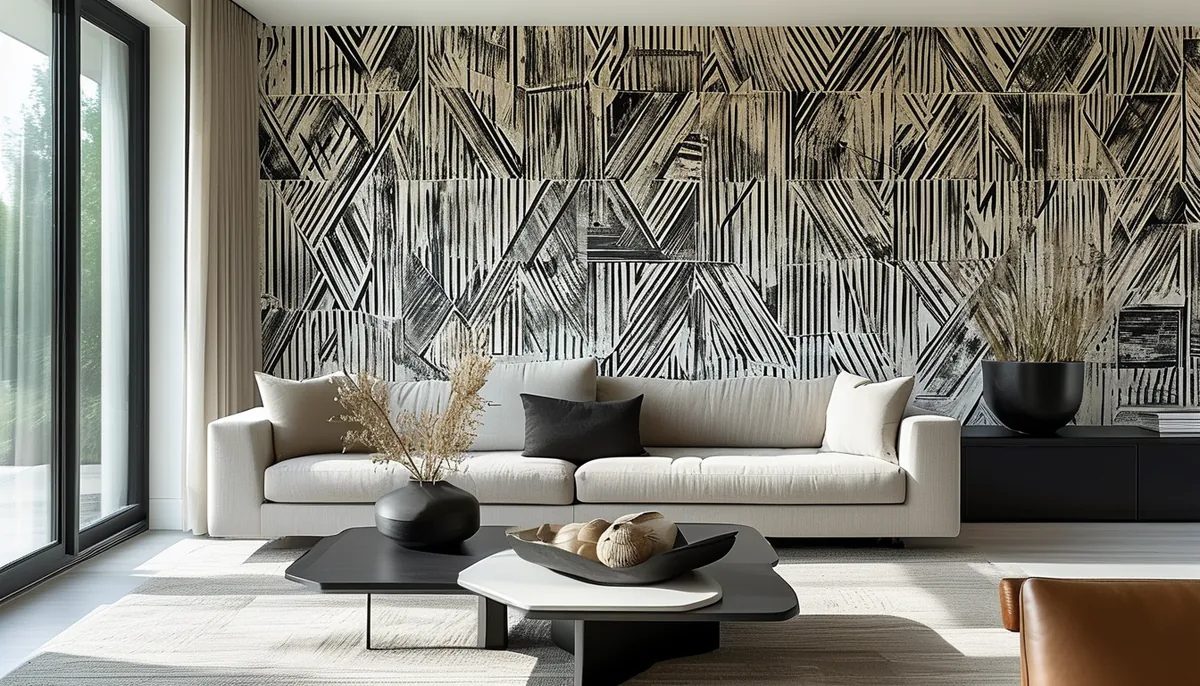
Geometric wallpaper murals offer a modern and dynamic way to enhance any room. Consider the scale of the pattern relative to the room size. Large, bold geometric designs can make a small room feel overwhelming, while intricate patterns might get lost in a very large space. For a focal wall, a strong geometric pattern can add significant visual interest. Think about the colors in the mural and how they coordinate with your existing furniture and decor. A monochrome geometric pattern can be sophisticated, while a multi-colored one can inject energy.
The placement of the mural is also key. Behind a bed, as a statement wall in a living room, or even in a hallway, a geometric mural can redefine a space. For hallways, consider patterns that create a sense of depth or movement. If the room has architectural features like beams or angled ceilings, choose a geometric pattern that complements these lines rather than fights against them. You can also use geometric murals to define zones within an open-plan living area.
Common installation mistakes to avoid
One of the most common mistakes is improper wall preparation. Applying wallpaper over unprimed, uncleaned, or damaged walls will lead to poor adhesion and premature failure. Another frequent error is not allowing enough overlap for trimming, especially at the ceiling and baseboard. This results in gaps or poorly finished edges.
With peel and stick, attempting to apply it too quickly without smoothing can trap air bubbles that are difficult to remove later. For traditional paste, over-applying paste can cause the paper to become oversaturated, leading to tears. Conversely, not using enough paste will result in peeling edges. Misaligning the pattern between panels is a cardinal sin for geometric designs, making the entire mural look unprofessional. Always check your alignment before the paste sets.
Maintaining your geometric wallpaper mural
Most modern wallpaper murals, especially vinyl-backed ones, are wipeable. For minor smudges or dust, use a soft, damp cloth. Avoid abrasive cleaners or excessive moisture, as these can damage the print or the paper. For traditional paper, test any cleaning method in an inconspicuous area first. If your mural is in a high-traffic area or prone to splashes, like a dining room or even a kitchen backsplash area (though wallpaper is less common here than tile), choose a durable, washable finish. Regular dusting with a soft brush or a vacuum cleaner on a low setting can help keep it looking fresh.
Sunlight can cause fading over time, particularly with certain inks. If your mural is in direct sunlight, consider using UV-filtering window treatments to protect the vibrant colors. For removable wallpapers, understand that while they are designed to come off easily, repeated removal and reapplication can weaken the adhesive. Always follow the manufacturer’s specific care instructions to ensure the longevity of your chosen geometric wallpaper mural.
Adding a geometric wallpaper mural can dramatically change the feel of a room. Whether you opt for the convenience of peel and stick or the classic durability of paste-applied paper, careful planning and execution are crucial. Understanding the materials, preparing your walls meticulously, and taking your time during installation will ensure a stunning result that you can enjoy for years to come. For more ideas on transforming your walls with impactful designs, explore guides on wall mural wallpaper and discover the versatility of geometric wallpaper patterns.