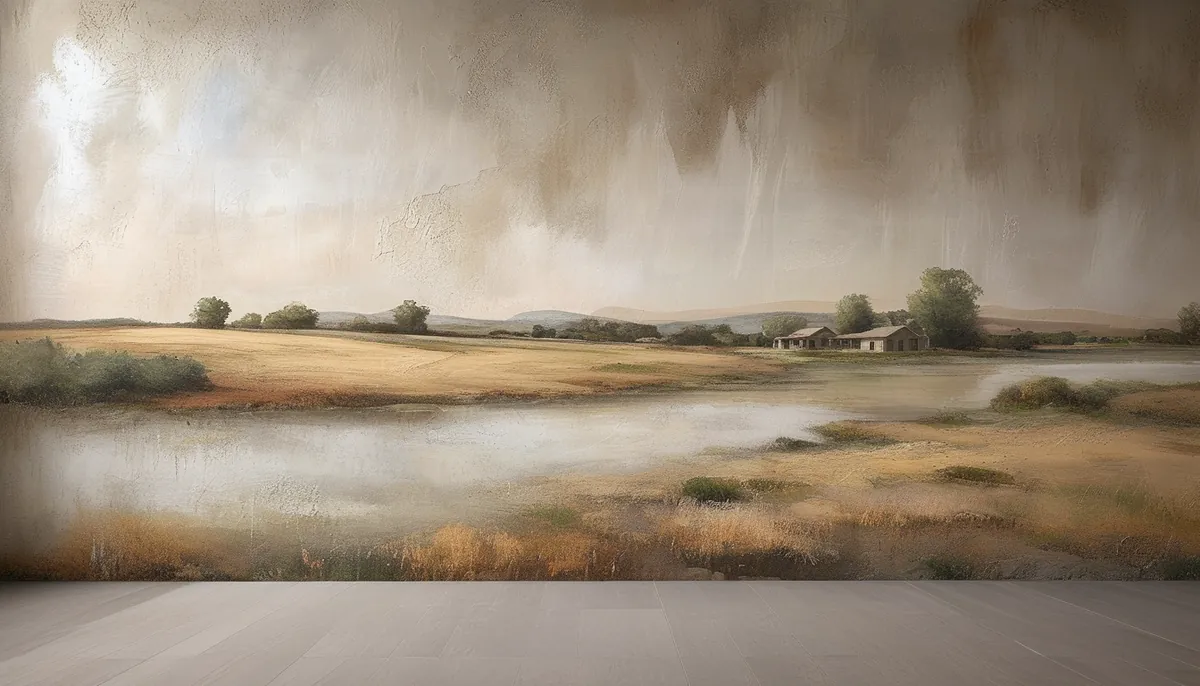
Fresco mural painting is an ancient art form that brings a unique, textured beauty to your walls. Unlike modern wallpapers or vinyl murals, true fresco involves applying pigments to wet plaster, creating a bond that is part of the wall itself. This technique results in a durable, matte finish that has graced homes and buildings for centuries. When considering fresco mural painting for your space, understand that it’s a significant artistic investment, different from simply hanging a large print or wallpaper.
Understanding the fresco technique
The term ‘fresco’ originates from Italian and means ‘fresh’. This refers to the wet plaster onto which pigments are applied. As the plaster dries, the pigment becomes permanently integrated into the wall surface. This process is called ‘buon fresco’ (true fresco) and is known for its longevity and resistance to fading. Another variation is ‘fresco secco’, where pigments are applied to dry plaster, often with a binder. While less durable than buon fresco, it allows for finer detail and corrections.
The aesthetic of fresco mural painting is distinct. It typically features a matte, slightly uneven texture due to the nature of the plaster. The colors are often earthy and muted, though vibrant hues are achievable. This technique is ideal for creating a sense of depth and history, lending an antique or artistic feel to a room. If you’re looking for a high-gloss finish or a perfectly smooth, uniform surface, traditional fresco might not be your best choice. However, for an authentic, artistic statement, it’s unparalleled.
Types of fresco mural painting designs
The subject matter for fresco murals is virtually limitless, drawing inspiration from classical art, nature, abstract forms, and contemporary designs. Historically, frescoes often depicted religious scenes, mythological narratives, or grand architectural vistas. Today, you can commission a fresco mural that reflects your personal style, whether it’s:
- Classical reproductions: Recreate iconic frescoes from historical sites.
- Nature scenes: Lush landscapes, serene gardens, or dramatic skyscapes.
- Abstract art: Bold patterns, geometric shapes, or expressive color fields.
- Figurative art: Portraits, historical figures, or narrative scenes.
- Architectural illusions: Trompe-l’oeil effects that mimic columns, windows, or extended spaces.
When choosing a design, consider the scale of your room and the existing decor. A large, complex scene might overwhelm a small space, while a simple design could get lost on a vast wall. Think about the mood you want to create: a tranquil garden fresco for a bedroom, a dynamic abstract for a living area, or a historical piece for a study.
Choosing the right artist and materials
The success of your fresco mural painting hinges on the skill of the artist and the quality of the materials. Look for artists who specialize in traditional fresco techniques. Review their portfolios carefully to ensure their style aligns with your vision. Ask about their experience with ‘buon fresco’ versus ‘fresco secco’, as the techniques and outcomes differ.
The artist will typically work with you to create sketches and mock-ups before starting the actual painting. This is your chance to provide feedback and make any necessary adjustments. The materials used are crucial: high-quality natural pigments are essential for color vibrancy and longevity, and the plaster mix must be appropriate for the ‘wet plaster’ application.
The importance of plaster preparation
Proper plaster preparation is paramount in fresco painting. The plaster needs to be a specific mix, often including lime, sand, and sometimes marble dust. It must be applied in layers, allowing each to cure correctly before the next is added. The final layer, the ‘intonaco’, is the one on which the painting is executed while it’s still wet. The artist works quickly on this layer, as once the plaster begins to dry, no further pigment can be effectively applied. Any errors made on the ‘intonaco’ are difficult to correct without damaging the surface.
The installation process: a labor of love
Unlike hanging wallpaper or applying a decal, installing a fresco mural is a complex, multi-step process that typically requires professional execution.
- Surface preparation: The wall must be clean, stable, and free from any existing paint or treatments that could interfere with plaster adhesion.
- Plaster application: The artist or a specialized plasterer will apply the base layers of plaster, followed by the final ‘intonaco’. This is often done in sections, especially for larger murals, to manage drying times.
- Painting: The artist applies pigments to the wet ‘intonaco’, working swiftly and deliberately.
- Drying and curing: The plaster dries and cures over time, chemically binding with the pigments. This can take weeks or even months depending on environmental conditions.
This is not a DIY project for the faint of heart or inexperienced. The commitment to true fresco painting means the mural becomes an integral part of your wall structure. If you’re considering a large-scale artistic installation, you might also be interested in exploring different types of wall mural wallpaper as a more accessible alternative for transforming your space.
Maintaining your fresco mural
One of the significant advantages of true fresco painting is its durability. When properly executed and maintained, a fresco mural can last for centuries, often outlasting the building itself. However, like any artwork, it requires some care:
- Avoid moisture: Excessive humidity or direct water exposure can damage the plaster. Ensure good ventilation in the room.
- Gentle cleaning: Dust can be removed with a soft, dry brush or cloth. Avoid abrasive cleaners or harsh chemicals, which can etch or discolor the surface.
- Environmental stability: Extreme temperature fluctuations can cause stress on the wall and plaster. Maintain a stable indoor climate.
For those seeking intricate designs with less commitment, modern mural techniques offer a wide range of options. You can find stunning examples of Chinoiserie mural wallpaper, for instance, that bring historical artistry to your walls with simpler installation methods.
Fresco vs. modern mural alternatives
While traditional fresco painting offers unparalleled authenticity and longevity, it’s also the most expensive and labor-intensive option. Modern alternatives provide different benefits:
- Wallpaper murals: Printed on durable paper or vinyl, these are relatively easy to install and remove, offering a vast array of designs. They are ideal for renters or those who like to change their decor frequently. What are wall murals, and how do they compare?
- Canvas murals: Large, stretched canvases that can be hung like a painting. They offer flexibility in placement and are easily transportable.
- Hand-painted murals on canvas or board: Similar to wallpaper murals but often with a more artistic, textured finish, applied by an artist onto a separate surface that is then mounted.
- Digital prints on various substrates: Modern technology allows for high-resolution printing on materials like fabric, metal, or acrylic, creating unique visual effects.
Each of these methods offers a way to achieve a striking visual impact on your walls. For example, if you’re interested in large-scale decorative pieces, learning about what are murals can help you appreciate the diverse artistic possibilities available today. Similarly, understanding wallpaper murals that transform space can guide you toward contemporary solutions.
Trade & wholesale accounts
For interior designers, architects, contractors, and retailers, establishing trade or wholesale accounts can provide access to special pricing, dedicated support, and exclusive collections. If you are working on multiple projects or plan to incorporate fresco murals into your professional offerings, inquire about partnership opportunities. These accounts often streamline the ordering process, offer volume discounts, and may provide marketing materials or samples to help showcase the product to your clients.
Schedule a callback
Considering a significant artistic undertaking like fresco mural painting can bring up many questions. To ensure you have all the information needed to make the best decision for your project, we offer personalized consultations. Scheduling a callback allows you to speak directly with an expert who can discuss your specific needs, design ideas, budget, and timeline. This one-on-one attention ensures you receive tailored advice and can explore the feasibility and artistic direction of your fresco mural project in detail.